Kemba Walker Hits Game-Winners, but Can He Save the Charlotte Hornets' Season?
If there is such a thing as a clutch gene, Kemba Walker, as he's shown time and again, has it.
With Wednesday's matchup between the Charlotte Hornets and New Orleans Pelicans knotted at 94 and under five seconds remaining, he showed us yet again, hitting an awkwardly angled, heavily contested pull-up jumper to put the Hornets up for good.
“I don’t know how that ball went in," he said afterward, per NOLA.com's John Reid. "The angle was super awkward. I just got it up.”
TOP NEWS
LeBron Scolded Embiid 😯

'Over-Under' Predictions for Every NBA Team's Record 🔮

Trades That Should've Happened During NBA Offseason 🏀
This marks Walker's third game-winner of the season and extends a conversation that's been years in the making, dating back to his crossover-chocked, step-back-burying days at UConn: Game on the line, clock winding down, Walker is a player both worthy and capable of the moment.
Is he also a player capable of carrying the presently streaking Hornets out from the crater-sized hole they've dug for themselves?
The Cryptic-ness of Clutch-ness
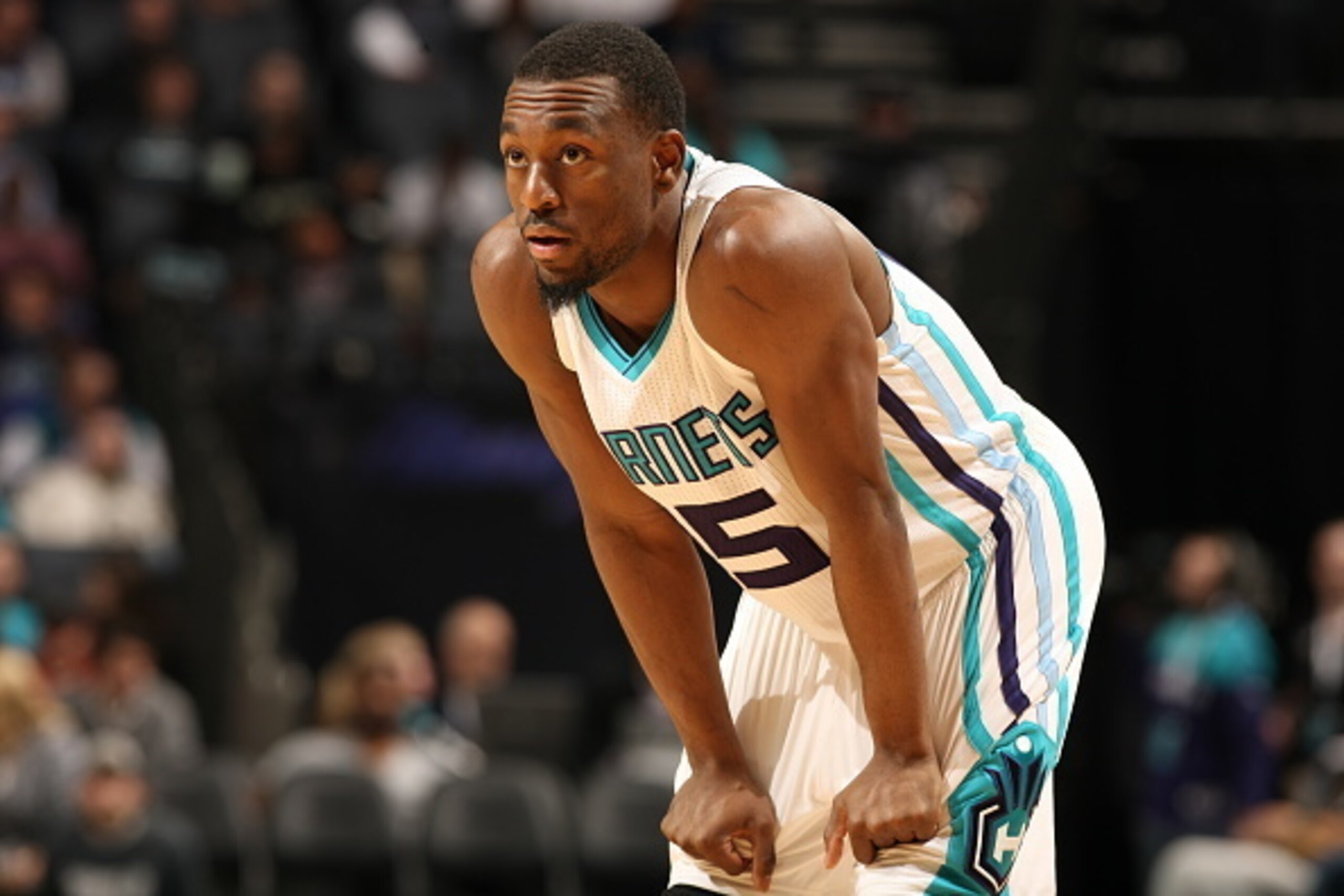
Walker's crunch-time notoriety, as is the case with most players, isn't purely stat-based. He wouldn't be as renowned if it were. Statistically speaking, he's even worse late in games with the outcome in doubt, nearly regardless of how you interpret crunch time.
On the 17 occasions in which Walker has played in the final five minutes with the Hornets behind by no more than five points, his effective field-goal percentage—which weights the difference in difficulty between two- and three-pointers—is 36.2 percent.
Adjust this split to include only the final three minutes with the same point margin, and his effective field-goal percentage drops to 34.2 percent. In the final minute with the same differential, he's at a slightly better 35.7 percent. This statistical smallness continues until circumstances become super specific.
To wit:
Only in the last 10 seconds of games in which the Hornets are down by no more than three points is Walker's effective field-goal percentage higher than normal. And the uptick itself is negligible (0.1 percent), so it's not as if he mutates into an apperceptive, nylon-tattering superhuman in those situations compared to normal ones.
Relative to the rest of the NBA, though, Walker's clutch accolades inside 10 seconds do stand out.
Twenty-eight players have attempted at least three shots in these exact situations this season. Walker's 40 percent success rate (4-of-10) ties him for 10th with clutch-master Damian Lillard, ahead of superstars such as Joe Johnson (0-of-4), Chris Paul (0-of-3), Carmelo Anthony (1-of-5), Kobe Bryant (1-of-7) and Derrick Rose (1-of-4).
There's also something to be said about Walker leading the league in field-goal attempts (10) for this isolated brand of crunch time. Only two other players (Manu Ginobili and Bryant) have attempted more than five.
Then again, Walker's Hornets own the fifth-worst record (4-10) in these games. At the same time, they still boast a top-10 offense under these circumstances, even though they're 29th in offensive efficiency overall.
Messy, right? Well, messy is an inherent symptom of super-small sample sizes. The Hornets have played 14 games that include our 10 seconds of criteria for a grand total of 140 seconds—a little over two minutes.
And because clutch situations can be manipulated and redefined to evaluate performances in the final five minutes, three minutes, one minute and 30 seconds against a vast array of different point margins—usually one to five—collective perception is warped and impossible to coordinate.
Complicating matters still, clutch ingenuity isn't quantifiable to everybody. Some don't see it as a statistical reality; they interpret it as an altered state of mind in which certain players are able to function and focus better than most. Others, meanwhile, don't believe in its existence, period.
As Tom Ziller underscores for SB Nation:
"The idea of clutch may be the most divisive concept in basketball circles. It's the closest thing the sport has to religion. There are many who strongly believe in clutch and will bristle at any suggestion it does not exist, and others who don't think the science supports any evidence of its existence.
I've been in both camps and currently sit on the fence. We don't have much evidence that clutch exists. But we also don't have much evidence against its existence. There is also some sound theory as to why it might exist.
"
Clutch arguments are all over the place. Viewed as the final 10 seconds of games in which the point margin is no more than three points, Walker can be considered clutch—or rather, clutcher than most. At minimum, he's someone willing to shoot during big moments.
"He knows who wants it," Walker said of coach Steve Clifford knowing he wants the ball, per Fox Sports' Brett Jensen. "Even my teammates. They're like, 'Kemba, win the game.' When you have guys that are confident in you, of course I want to take the last shot."
Hence why we're here: to see if he can carry the Hornets through every moment—both good and bad—and back into the Eastern Conference playoff picture.
Those Hornets
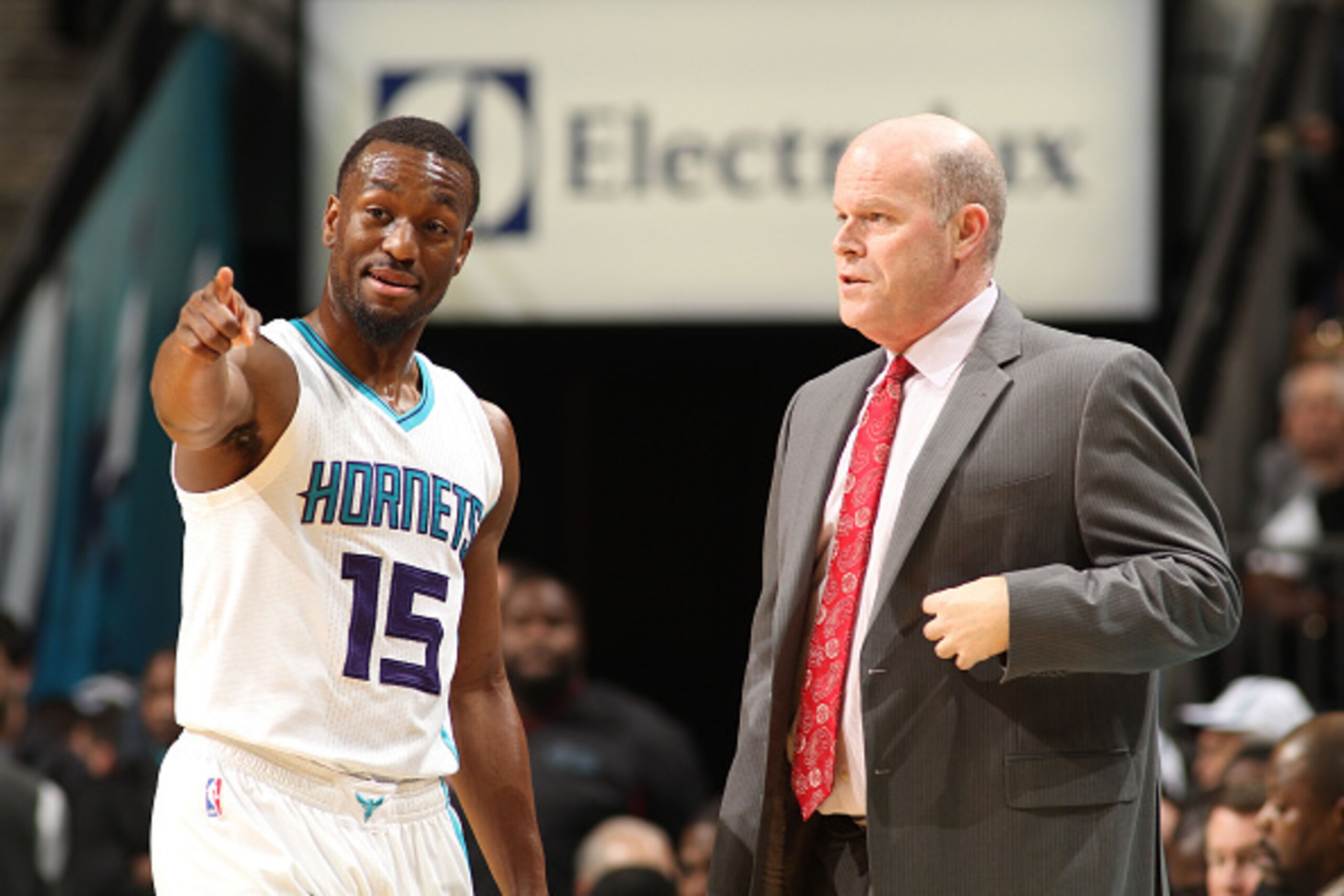
The Hornets weren't supposed to be in this predicament, even after losing a key contributor like Josh McRoberts to the Miami Heat.
Signing Lance Stephenson was supposed to help rescue their pitiful offense, strengthen their sixth-ranked defense and give Walker the backcourt sidekick he never had. Al Jefferson came back, Marvin Williams, Brian Roberts and P.J. Hairston would add shooting, and Noah Vonleh-Chris Bosh comparisons were strong.
But the Hornets haven't built upon their 43-win playoff campaign from 2013-14. Last season feels like a distant memory—a pleasant aberration that offered temporary respite from years-long futility.
Every winning streak has been followed by a longer losing streak. A four-game slide here, a 10-loss stretch there, a five-game plummet after that.
Injuries have hit the Hornets hard. Michael Kidd-Gilchrist has already missed time, Cody Zeller is laboring through shoulder issues, and Jefferson (groin) and Stephenson (pelvis) remain on the mend.
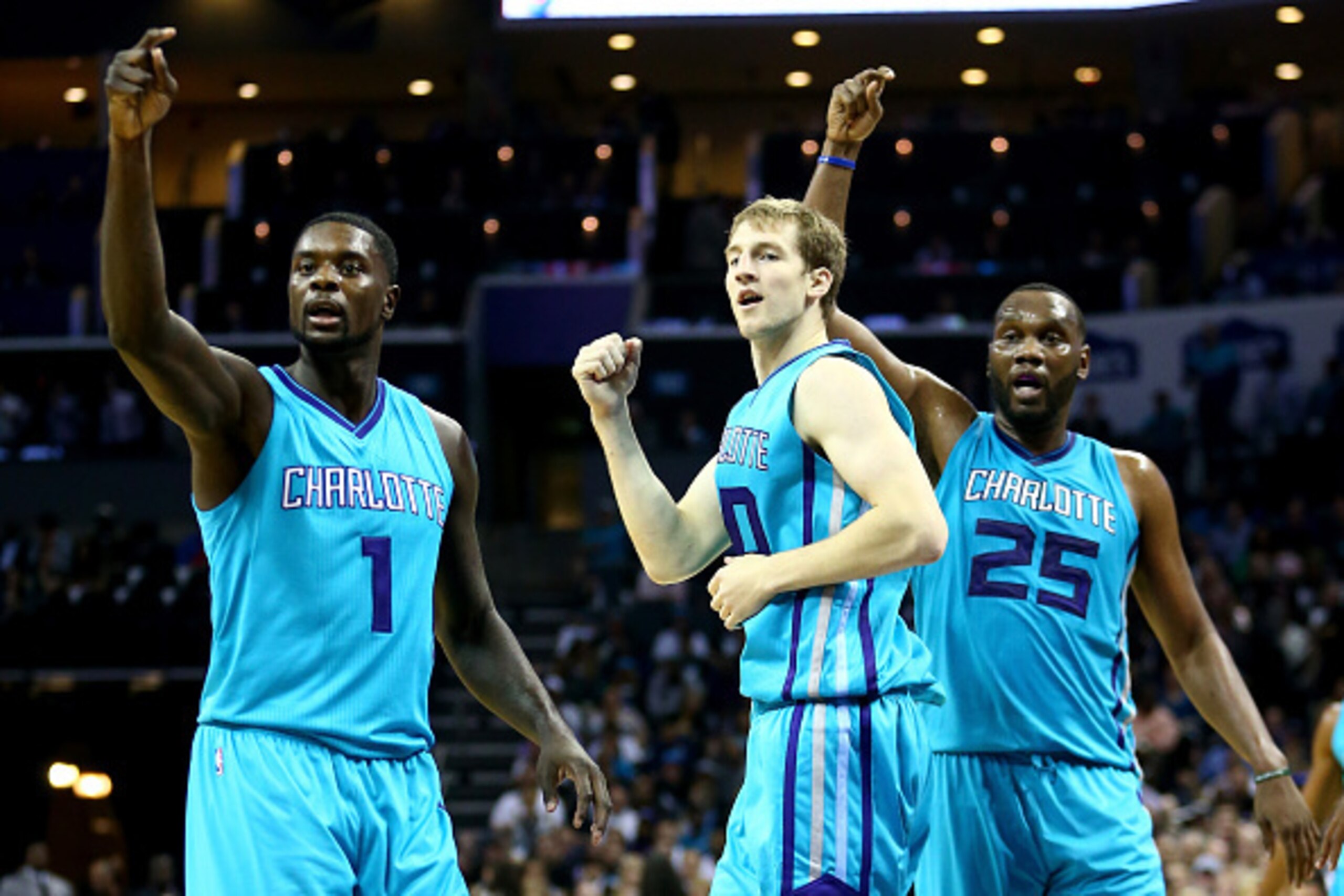
All of which has helped generate a 13-24 record that puts the Hornets three games outside of playoff contention. Their offense is broken, pumping in 98.7 points per 100 possessions, while their defense checks in at a middling 15th in points allowed per 100 possessions.
This offensive listlessness reflects poorly on Walker, the Hornets' primary pilot. Though he's one of just 12 players averaging at least 18 points, five assists and one steal per game, his assists are down, and he's headlining one of the league's worst point-piling attacks.
Four years into his NBA career, freshly signed contract extension in hand, Walker's game has yet to evolve from that of a ball-dominant chucker. He's shooting just 40.1 percent overall, 32.4 percent from three-point range and just 35.4 percent outside eight feet, where nearly 65 percent of his attempts come from.
Coexisting beside Stephenson isn't a problem that will just go away upon his return from injury, either. More than 63 percent of Walker's made baskets have gone unassisted, and he's shooting just 37.4 percent on spot-up opportunities. Unless one of them adapts to the role of catch-and-shoot marksman, the offense will continue sputtering, seldom showing signs of life.
Not that the Hornets' tumult is on, or even mostly on, Walker. His teetering status somewhere between star and mainstream starter at the league's deepest position is of concern, but it's not the biggest concern. He's personally played better defense this season—opposing players are shooting below their season average when guarded by him—and without his offensive stylings, this team wouldn't have a No. 1 option.
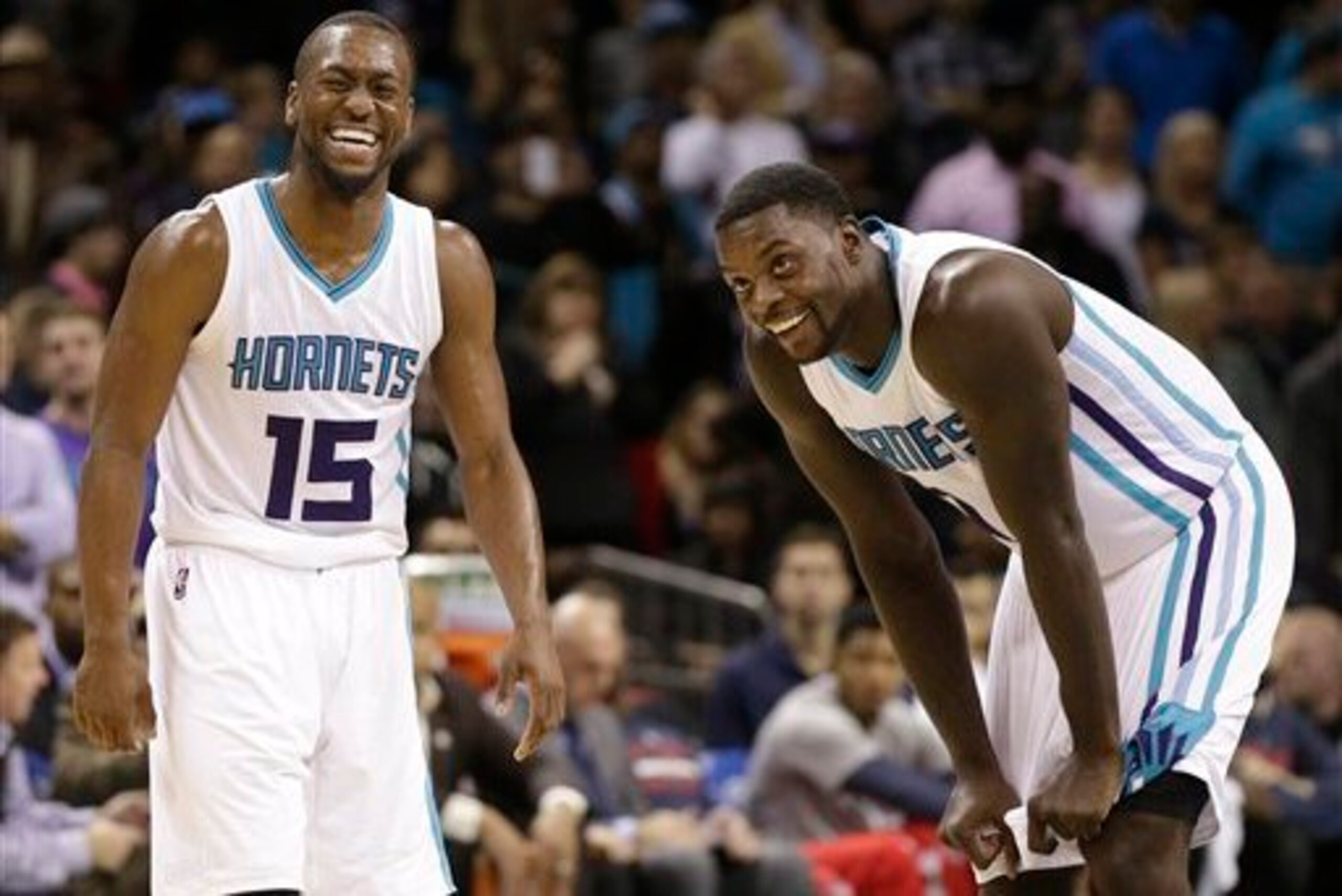
The Hornets are merely a jumbled mess. They have zero floor spacing, their bench isn't anything special on either end of the floor, their rim protection is shoddy outside Bismack Biyombo, their rebounding rate is middle of the road, and Stephenson remains a rumor-mill fixture less than halfway into his first season with the team, per CBS Sports' Ken Berger.
Three straight wins cannot even be viewed as a turning point. Two victories have come against the rebuilding Orlando Magic and Boston Celtics, and the Pelicans' late-game play-calling and defense are among the worst in the league. The Hornets are also 4-15 against teams over .500, with 19 such tilts remaining (plus one against the Oklahoma City Thunder).
Chasing down a playoff spot demands they stave off the Detroit Pistons' post-Josh Smith surge while unseating the Heat, Milwaukee Bucks and Brooklyn Nets. That's in addition to ensuring they rise above the 10th-place Celtics and ninth-place Magic.
That, in turn, is a tall order for 6'1" Walker, who is already down his two most pivotal running mates in Jefferson and Stephenson.
Turnaround on the Horizon?
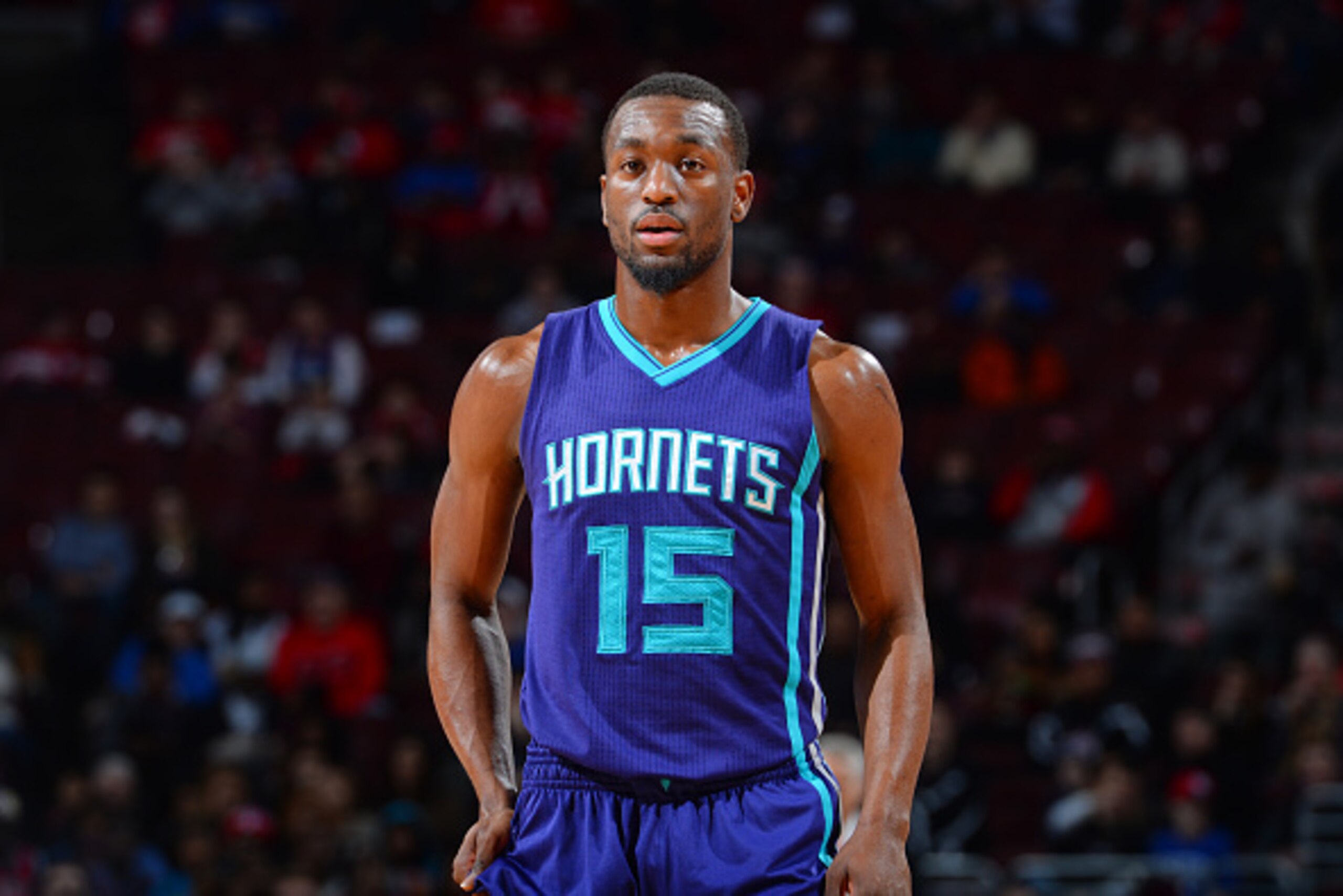
Clinching a playoff berth is still a long shot for these Hornets; Basketball-Reference gives the Hornets a 5.3 percent chance. If they're somehow able to get there, despite navigating injuries and enduring Stephenson's rumor factory, it's safe to assume Walker will be the reason why.
Yet, what would another bottom-two postseason seed actually mean?
Another first-round exit at the hands of the Atlanta Hawks, Toronto Raptors, Washington Wizards, Chicago Bulls or Cleveland Cavaliers.
So, very little.
Or nothing at all.
That, admittedly, is the painful reality of all this: knowing that, irrespective of Walker's heroics and his ability to ferry Charlotte's leaden crosses, neither he nor anyone else can carry the Hornets to where they're supposed to be.
*Stats courtesy of Basketball-Reference and NBA.com and are accurate as of games played Jan. 7, 2015.

.jpg?w=2560 "Terrell Owens Being Sued for Defamation")
.jpg?w=2560 "CJGJ Shares Cryptic Post 🤔")