
Green Bay Packers 2011 NFL Draft Needs, No. 5: Wide Receiver
Receiver Ranks No. 5 on the Green Bay Packers' 2011 Draft Needs
On most NFL teams, having one or two good receivers is more than enough for that offense to thrive.
For the Green Bay Packers, that's just the tip of the iceberg.
The Packers ran more five-receiver sets in 2010 than the rest of the NFL combined, and that was mainly the result of having such reliable depth at that position.
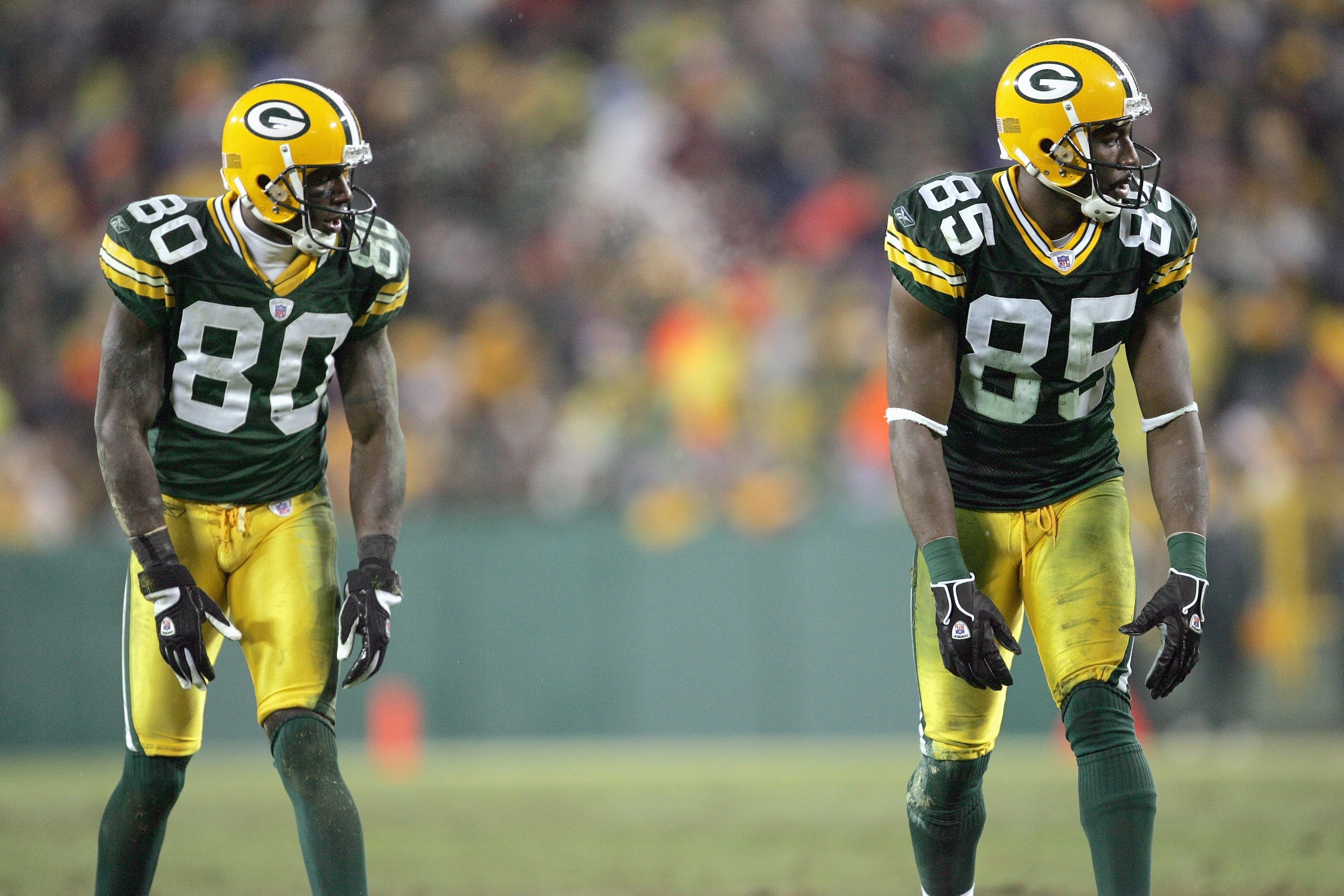
With four receivers—Greg Jennings, Donald Driver, Jordy Nelson and James Jones—talented enough to be ones or twos on most NFL teams, the Packers used that depth to expose mismatches for opposing defenses.
So how in the world could receiver be a "need" for the Packers in this upcoming draft?
In part one of a five-part series addressing the Packers biggest needs, we'll delve into why receiver is a need and who might be available in the draft to fill it.
Why It's a Need: Departure of James Jones
1 of 9
In a normal NFL offseason, we would already have a pretty good idea why this is a need.
However, the lockout has put a hold on free agency—leaving the future of James Jones currently up in the air. Either way, Jones would likely be on his way out of Green Bay.
He wants to be a starting receiver in the NFL, and who can blame him? Despite some of his big drops, Jones has the talent to be a starter, and the paycheck for a No. 1 or 2 receiver would be several grades above his current compensation.
The Packers won't match any offer he's likely to get on the open market, and a receiver-needy team like Chicago or Washington would be wise to take Jones off Green Bay's hands.
If Jones left, the Packers would need to replace the 61 catches and 823 yards (including playoffs) he gave the team last season.
Why It's a Need: Donald Driver's Regressions
2 of 9
From 2004-2009, the Packers had something they knew they could rely on: Donald Driver giving them 1,000 yards receiving.
If you went back two more years, 2003 would rank as the only season during that eight year span that Driver didn't crack that many yards.
In 2010, however, age and injuries finally starting catching up to the elusive Driver. He posted just 51 catches for 565 yards and four touchdowns, his lowest totals since '03.
Driver intends to keep playing, and he should—there's no doubt he could give the Packers a couple more good seasons if he stayed healthy.
But "good season" for Driver has to take on a new meaning. At 36 years old, Driver probably isn't a No. 2 receiver anymore, and his days of putting up 1,000-yard seasons are over.
Still, Driver could easily hit 50 catches and 500 yards for the next couple of years in the Packers pass-heavy offense. Yet his age and natural regression makes it's necessary for the Packers to find his eventual replacement.
Why It's a Need: Incapabilities of Brett Swain
3 of 9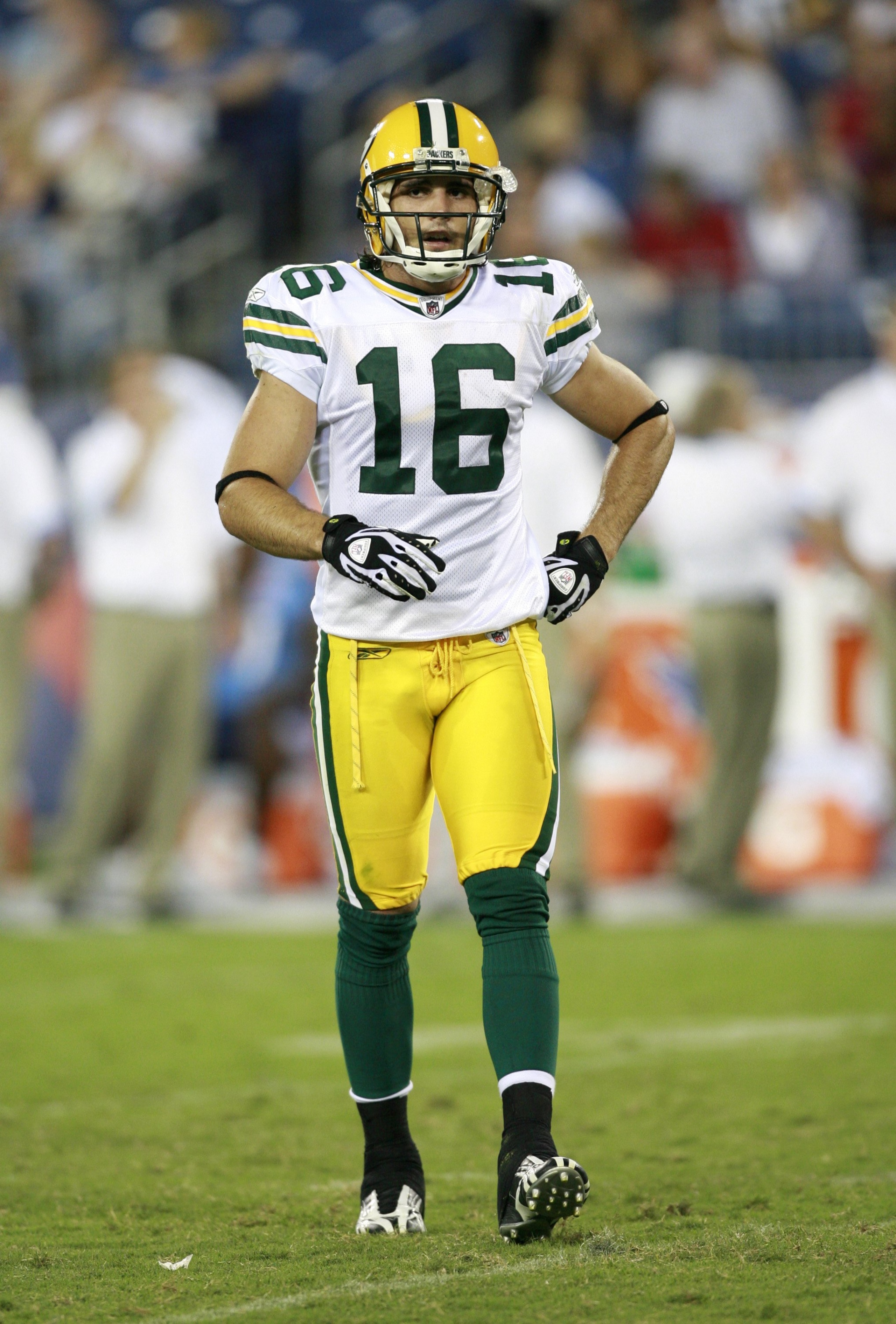
Depending on how you feel about Swain, he could be an answer to the problem as easily as he could be a potential reason.
Some think Swain has the potential to pick up the slack for any departing or regressing receiver, but I'm not as sure.
In fact, it's of my opinion that Swain is nothing more than a career special teamer and No. 5 receiver.
Of course, that's just my opinion. But if that turns out to be the case, the Packers won't have an answer on the roster to James Jones leaving or the continued regression of Donald Driver.
Can the Packers really expect Swain to catch 30 to 40 passes next season as the No. 4 receiver? Would Mike McCarthy's offense tone down the four and five wide receiver sets if Swain is the fourth on the depth chart?
I'd rather the Packers not have to answer those questions with no's.
.jpg?w=2560 "Steelers Football")
Current Depth Chart
4 of 9
1. Greg Jennings: Aaron Rodgers' favorite target over the past three seasons, Jennings has developed into one of the NFL's best receivers.
He's the Packers' clear No. 1 receiver, and at only 27 years old, Jennings should remain in that spot for the foreseeable future.
2. Donald Driver: At this point in his career, Driver is the No. 2 receiver only by default.
Even if healthy for all of next season, chances are high that Jordy Nelson or James Jones (if re-signed) will see more targets and catch more passes than Driver in 2011-2012.
3. James Jones: More and more down the stretch, the Packers' No. 3 and 4 receivers became almost interchangeable.
However unlikely it may be, if Jones re-signed and fixed his frustrating hands problem, he'd have a great chance at posting career highs in catches and yards next year.
4. Jordy Nelson: There's no doubt that Nelson has the most to gain over the Packers' offseason transgressions at receiver.
If Jones left, Nelson would presumptively have little trouble cracking 50-60 catches in 2011 and taking over the role of No. 2 receiver.
5. Brett Swain: Like I've mentioned, Swain screams career special teamer.
He would be great in that role (and No. 5 receiver), but I don't see him as a guy who can come in and contribute the kind of numbers the Packers expect from that position.
Who's Available: First or Second Round
5 of 9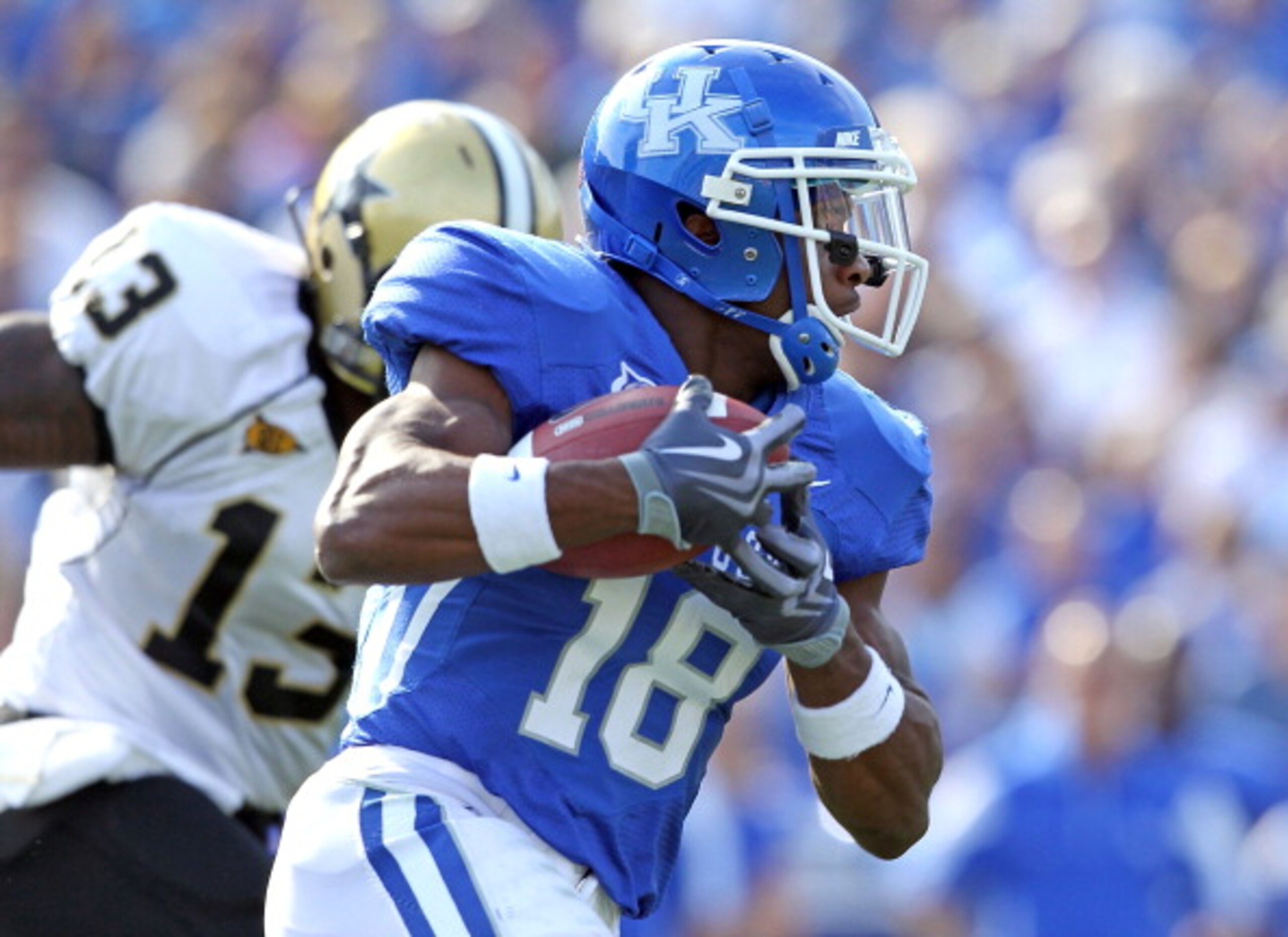
Jonathan Baldwin (Pitt): He's big (6'5", 230 pounds), and could help alleviate the loss of James Jones—who was the Packers most physical receiver. Character issues might keep him out of the Packers' sights.
Titus Young (Boise State): Lacks the ideal size of a receiver, but Greg Jennings isn't exactly the biggest guy on the field. His speed and explosion translates well and can also help out in the return game.
Torrey Smith (Maryland): From a pure speed standpoint, no receiver in this group compares to Smith. While still a bit raw as a pass-catcher, he gives a homerun threat in both the passing and return games.
Leonard Hankerson (Miami): Of this group, Hankerson is the most polished receiver. He doesn't contribute as a returner, but his skill set would best replace what Jones gave the Packers.
Jerrel Jernigan (Troy): As a slot receiver, Jernigan is one of the more exciting prospects in the entire receiving class. He's also a big-play return man who would immediately be able to handle kicks and punts.
Randall Cobb (Kentucky): His skill set mirrors a lot of the same things Jernigan can give an offense. Cobb would be a good yards-after-catch receiver that could also be the Packers kick and punt returner.
Who's Available: Third or Fourth Round
6 of 9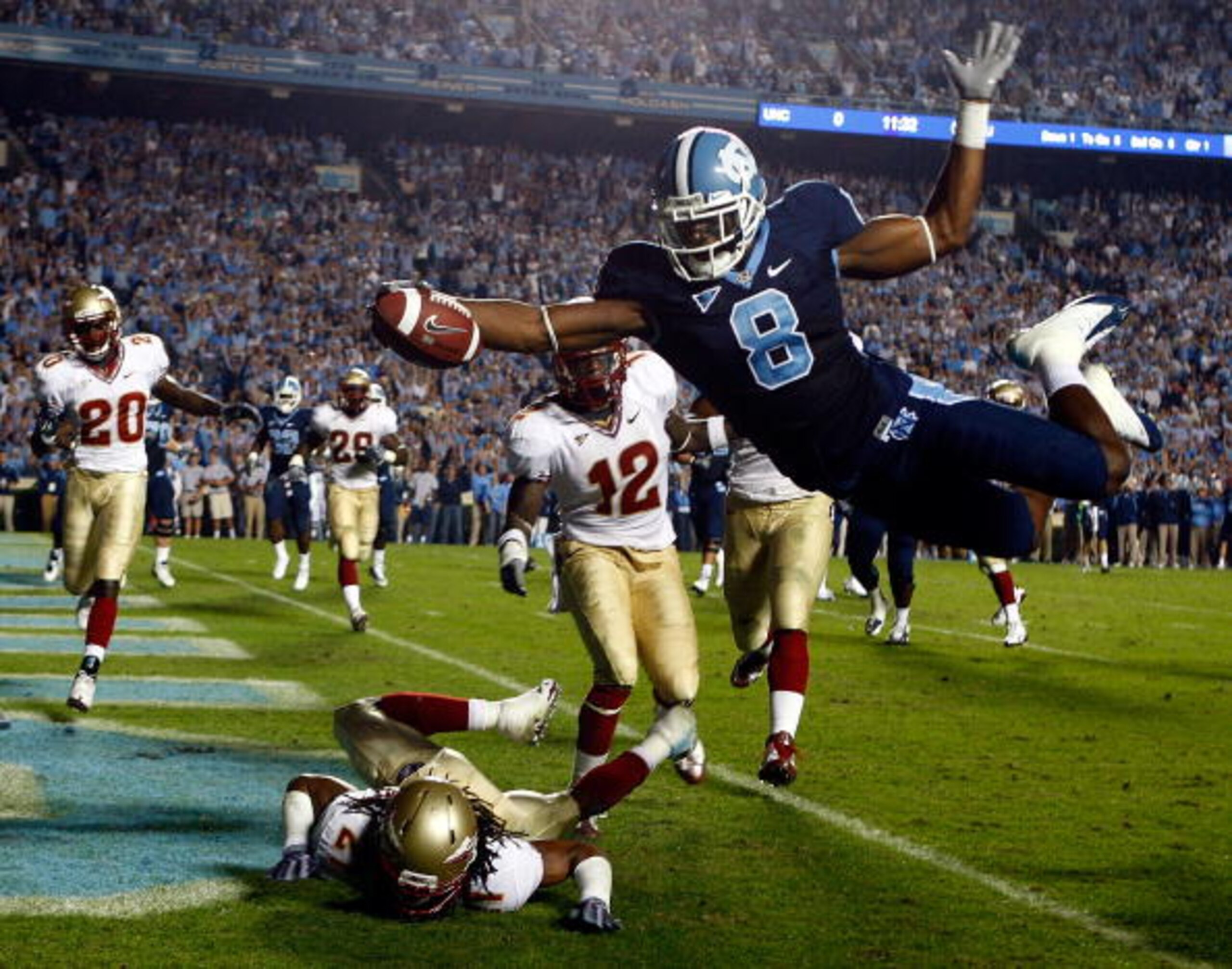
Greg Little (UNC): This guy is a big-time athlete who could very well be on the slide before.
Niles Paul (Nebraska): Another returner/receiver who has a big frame and can create after the catch.
Tandon Doss (Indiana): He caught a lot of passes at IU, but his hands can be inconsistent.
Ronald Johnson (USC): Despite playing at a major football powerhouse, he has plenty of untapped potential at the position.
Edmund Gates (Abliene-Christian): His run at the combine (4.37 40) was tied for the fastest and also can return kicks.
Cecil Shorts (Mount Union): A versatile and explosive athlete, Shorts can make an impact in the slot and the return games.
Fifth or Sixth Round
7 of 9
Austin Pettis (Boise State): Not a burner by any means, but he can make plays in the middle of the field.
Greg Salas (Hawaii): He was a pass-catching machine at pass-heavy Hawaii and has size similar to James Jones.
Jeremy Kerley (TCU): A well-built and athletic receiver who doesn't shy away from contact and can return kicks.
Ricardo Lockette (Fort Valley State): A track star like Edmund Gates, Lockette ran the 40 in 4.37 seconds and can help out in the return game.
Dwayne Harris (East Carolina): Maybe a tad slower than James Jones, but his skill set and size are probably the most similar of any player listed.
Vidal Hazelton (Cincinnati): His size makes beating the press an easy task and his big hands are perfect for catching the football.
Who's Available: Seventh Round or UDFA
8 of 9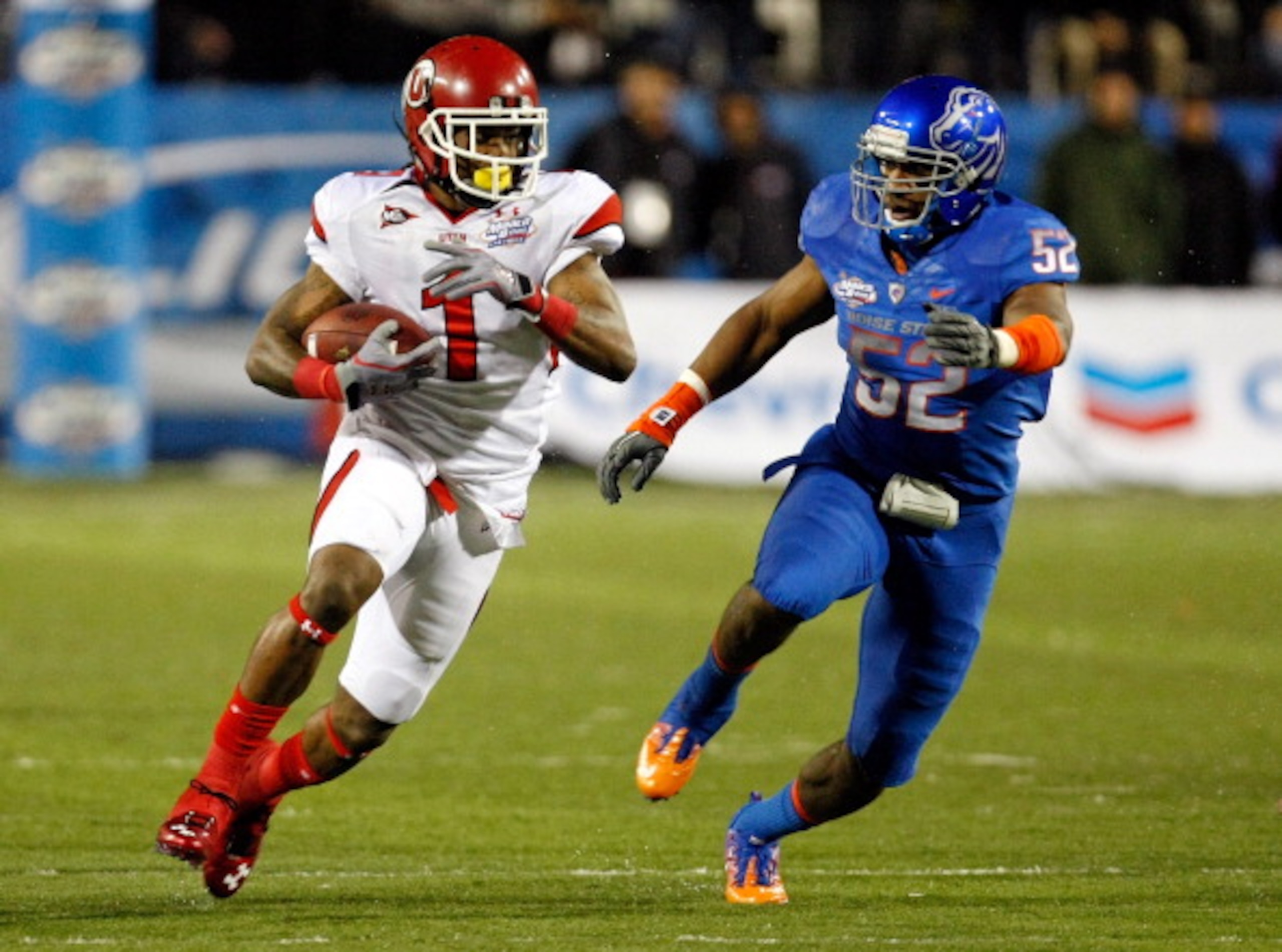
Aldrick Robinson (SMU): A smaller guy with just average speed but can he could return punts and kicks.
Jeremy Ross (Cal): The Packers recently worked out Ross, who can potentially play the slot but mainly return kicks.
Shaky Smithson (Utah): Also worked out by the Packers, Shaky (great name) is one of the better return prospects available in this class.
Jarred Fayson (Illinois): A former five-star recruit out of high school, his skill set was never fully utilized at Illinois.
James Cleveland (Houston): Fits the size mold of James Jones perfectly and caught a ton of passes from Case Keenum at Houston.
Detron Lewis (Texas Tech): Like Cleveland, Lewis is the right size and played in a pass-heavy system in Lubbock.
Summary
9 of 9
The decision on James Jones will impact this need one way or another, but the Packers will likely take a receiver in this draft regardless.
And with Ted Thompson running this draft, there's no telling when or where he might take one. If a receiver is at the top of his board come pick 32, it's possible he could pull the trigger.
However, I think this draft has plenty of talent in the middle rounds. Thompson could fill bigger holes in the early stages of the draft and still find a talented and capable pass-catcher later on.
Also, there are a plethora of middle round receivers who double as explosive kick and punt returners. If the Packers do decide to take a receiver, you'd like to think their ability in that area would factor into that decision.
A guy who can develop into an impact receiver and still contribute right away on special teams would be an ideal player to fill the Packers' No. 5 overall need in this draft.
.jpg?w=2560 "Jaguars Saints Football")

.jpg?w=2560 "Players with Shocking Career Earnings 😳")