
B/R MLB 300: Ranking the Top 25 Second Basemen
After checking in on the best of the best at first base, the B/R MLB 300 now moves up another 90 feet for a look at a decidedly more athletic position: second base.
It's admittedly been something of a lean year for the second-base brotherhood, but we still managed to come up with a list of 25 names after subjecting nominees to a scoring system that adds up to 100.
First, there's 30 points for hitting. Our focus here is on how well each player is equipped to hit for average and get on base. This means looking not only at how they hit the ball but also at how consistently they make contact and whether they have the discipline to draw walks.
Then there's 25 points for power. We concentrated on how well each player collects extra-base hits, which means looking at how often they put the ball in the air—ground balls don't tend to go for extra-base hits, after all—how hard they hit it and how much of the field they can use for power.
Next, there's 20 points for baserunning. This is a bigger deal for second basemen than it is for first basemen and catchers, but the idea is the same: We looked at whether they can steal bases as well as whether they're capable of running the bases aggressively.
Lastly, there's 25 points for defense. Second base is a pretty important defensive position, and we'll see how guys graded out based on things like sure-handedness, range and whether they have any issues with the double play.
As for how the scoring works, it's important to note that a score in the middle is meant to denote average, not failing. For example, a 15 out of 30 for hitting means the player is nothing special, whereas 10 out of 30 means clearly below average and 20 out of 30 means clearly above average.
Before we begin, here's an important reminder: While we're using what's happened in 2015 as a foundation for the scores, this list projects performance for the 2016 season. Players are evaluated based on the staying power of each category with progression, decline and past luck in mind—which creates a different ranking system than simply judging where each player stands today.
You may now start the show.
Notes on Sources, Stats and Links
1 of 26
Putting together these rankings did require some good, old-fashioned video scouting. But for the most part, it involved digging deep into baseball's treasure chest of statistics.
The primary sources for these statistics were Baseball-Reference.com, FanGraphs, Brooks Baseball, Baseball Prospectus and Baseball Savant. The various links you'll find throughout will take you to relevant data on these sites. Clicking on them is not mandatory. They're there for your pleasure.
As for the stats referenced within, there are some you may not be familiar with. These would be:
- Soft% and Hard%: These show the rate at which a hitter makes soft and hard contact, allowing for a picture of how well each hitter barrels up the ball. The average second baseman has a 18.9 Soft% and 26.5 Hard%.
- ISO: This is isolated power, which is a measure of raw power. It's what you get when you take slugging percentage and subtract batting average. The average second baseman is at .130.
- XBT%: This is extra bases taken percentage, which looks at how often runners advance more than one base on a single or more than two bases on a double. It's not perfect, but it works as a go-to measurement for baserunning aggressiveness. Among the second basemen on this list, the average XBT% is around 43.
- UZR and DRS: Ultimate zone rating and defensive runs saved are the two most prominent defensive metrics and will be our guiding stars for defensive scores. Regardless of the position, zero represents league average.
The averages noted above are reference points that will often come in handy throughout the piece, but know that they're among many plucked from FanGraphs to help inform the rankings.
Lastly, bear in mind that the season is still ongoing. With final edits taking place the day before publication, the statistics within are accurate through play on Tuesday, September 22.
Now then. Let's get started.
25. Cesar Hernandez, Philadelphia Phillies
2 of 26
Hitting
Before a thumb injury ended his season, Cesar Hernandez was outpacing the second-base averages of .261 and .317 with a .272 average and a .339 OBP. He showed off a strong eye for the strike zone, and avoided being hurt by his big weakness (see below) by keeping the ball out of the air and spreading it around. But Hernandez does have his limits. He takes most of his at-bats as a left-handed hitter, and that's easily his weaker side. His contact game also needs work, as he doesn't make a ton of it and is largely incapable of hard contact. He's a solid hitter, but we may have just seen him at his best.
Power
With just one home run and an .077 ISO that's far below the second-base average of .130, Hernandez's power rather failed to impress. It's not so much that he was totally incapable of driving the ball, as his Hard% rates on fly balls (36.4) and line drives (40.3) are in line with this list's averages of 37 and 40 percent, respectively. But his approach puts 55 percent of his batted balls on the ground, and what power he does have is focused up the middle of the field. That's not a good combination.
Baserunning
Hernandez was a big stolen base guy in the minors, so it's no surprise to see him teasing 20-25 steal potential with 19 thefts in 24 tries. It's too bad that next to that is a 42 XBT% that's only on par with this list's average of 43 percent, and he's also run into more outs than you'd prefer to see. He's a weapon on the basepaths, but he doesn't measure up to some of the game-changers that second base can offer.
Defense
Hernandez didn't impress the metrics in his first big taste of major league action, posting a minus-five DRS and minus-2.5 UZR. This is an accurate depiction of his defense. He moves well, but his range is limited by somewhat of a slow first step and compounded by fringy arm strength. His hands and general feel for second base are good enough for him to save face, but he's not likely to be an impact defender.
Total
Hernandez isn't exactly the most exciting heir for Chase Utley the Phillies could have found, but they also could have done worse. Though his power is nonexistent and his defense is subpar, he packs a capable bat and enough speed to do damage on the basepaths.
24. Jace Peterson, Atlanta Braves
3 of 26
Hitting
Jace Peterson is hitting .240 with a .315 OBP in his first full season; only the latter is in range of average for a second baseman, which points to a strong approach that features good patience and discipline. Peterson has also shown off some decent bat control. But he needs to work on hitting left-handers so he can erase his bad platoon split. Breaking balls have also been a problem. And though he has bat control, he doesn't hit the ball very hard. He has a solid foundation, but he still needs some seasoning.
Power
Peterson has shown off little power with just six homers and a .100 ISO. He does put himself in a position for decent power by hitting about 55 percent of his batted balls in the air, but he can't do much in the way of actually driving the ball. His Hard% rates on fly balls and line drives are both right around 30 percent, which is not good. To boot, his power skews up the middle. Since what we've seen is in line with what Peterson did in the minors, I wouldn't expect much improvement.
Baserunning
Peterson had no trouble stealing bases in the low minors, but repeating that success in the majors has proved difficult. He does have 12 steals...except he also has 22 tries. Clearly, he has some work to do to make the most of his speed. On the bright side, he does have a 48 XBT% that's better than most you'll find on this list. At least he has that part down going forward, and here's thinking his stolen base production can only go up from here.
Defense
The metrics are split on Peterson's defense, as he owns a minus-one DRS and 2.1 UZR. His big issue might be inexperience, as he's a recent convert to second base and has at times looked tentative in the field. But what was just OK range and arm strength at shortstop do look better on the opposite side of the bag, and that could turn him into a quality defender in no time at all now that he has a full season of experience under his belt.
Total
Peterson's first full season hasn't been pretty, but he's constructed a solid foundation to build upon. Though power will likely always elude him, the goods are there for him to turn into a solid hitter who provides additional value on the bases and on defense.


23. Ryan Goins, Toronto Blue Jays
4 of 26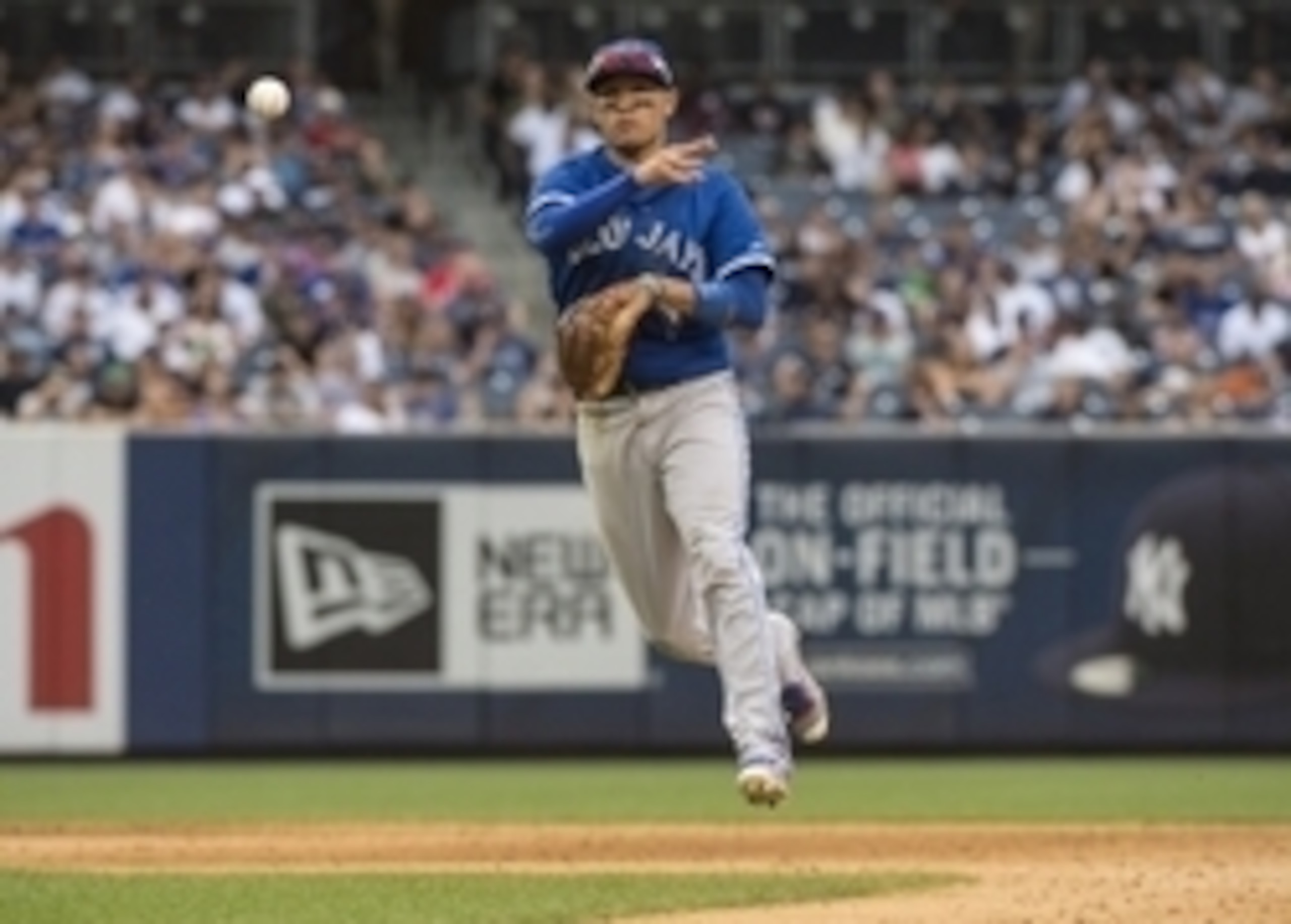
Hitting
In easily the busiest season of his young career, Ryan Goins is hitting .245 with a .317 OBP. These figures measure up well enough against the average second basemen, and that reflects how Goins does have some worthwhile talents. Notably, he combines a disciplined approach with solid bat control. But when you're an extreme ground-ball hitter who lacks plate coverage and struggles to make hard contact, talents like those only go so far. What we're seeing is likely Goins at his very best.
Power
With five homers and a below-average .102 ISO, Goins isn't much of a power hitter. He's not totally incapable of giving the ball a ride, as his Hard% rate on fly balls (34.7) is in the neighborhood of average and his Hard% line drives (45.7) is even better. But you're just not going to get that many extra bases when you hit roughly 55 percent of your batted balls on the ground and are generally incapable of hitting the ball further than the warning track. We've likely seen Goins' best here too.
Baserunning
Goins' slight frame suggests he should be a good runner, but he packs below-average speed by second base standards. That's most reflected in his two steals in three tries. He's far from useless on the basepaths, however, posting an excellent 52 XBT%. That easily outpaces the average mark of his peers.
Defense
Defense is the main reason why Goins has a job, and the metrics bear that out to the tune of a five DRS and 1.8 UZR. The only thing holding his defense back is the fact that none of his physical tools jump out, as he's not particularly quick or strong-armed. But he has an excellent feel for how to play the position, and his quick reactions help make up for his lack of overall athleticism.
Total
Goins' offense is lacking, as he's not going to wow you with his hitting, power or baserunning. But his strong instincts serve him well on defense, where he is good enough.
22. Jonathan Schoop, Baltimore Orioles
5 of 26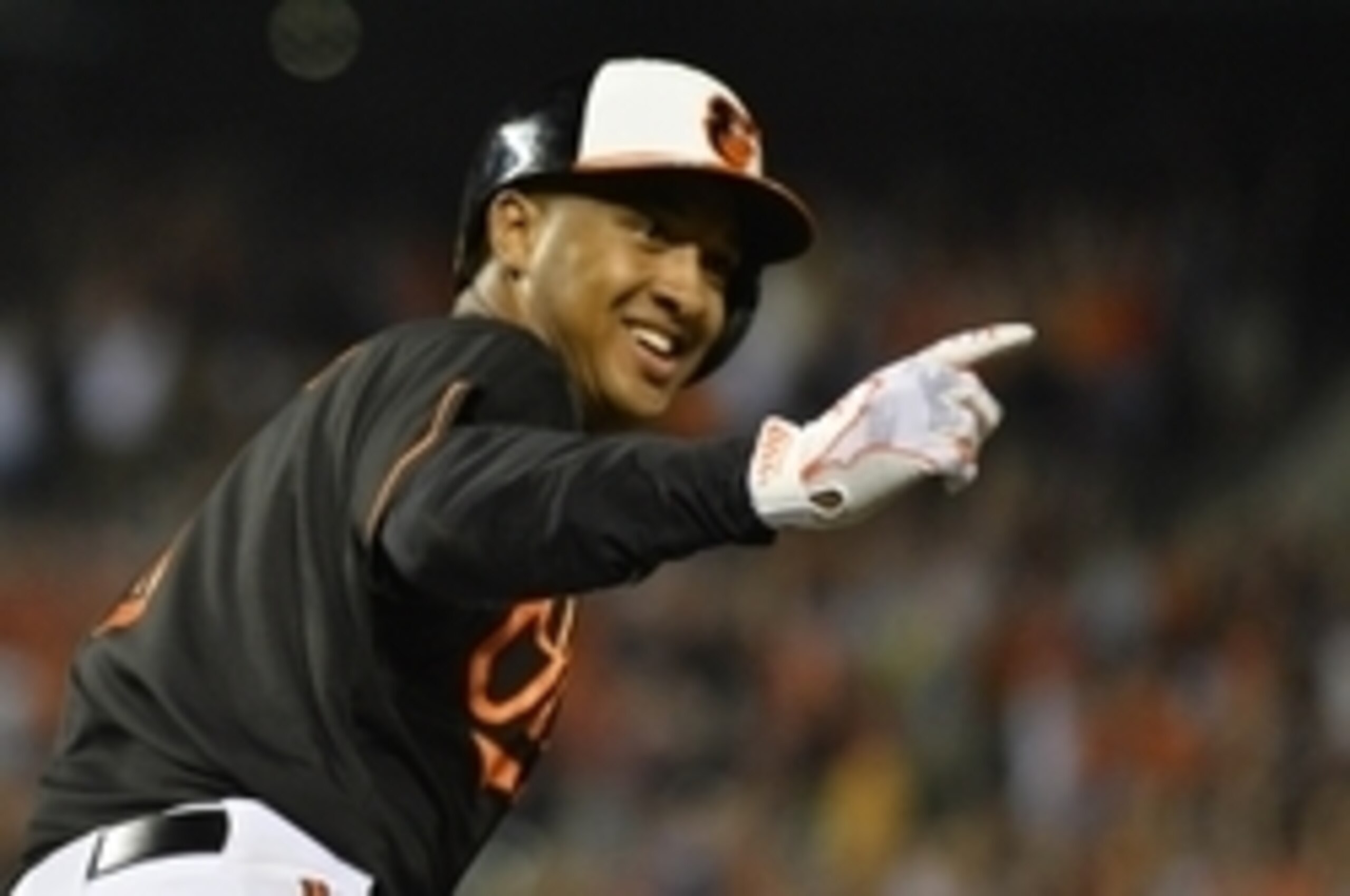
Hitting
Jonathan Schoop's .283 average and .310 OBP are a massive improvement over what he did last year, but don't take those numbers at face value. He makes plenty of good contact when he puts his bat on the ball, but that remains a challenge. His ridiculously aggressive and undisciplined approach leads to a lot of whiffs, particularly on slow pitches. Until he gets these issues under control, he's not going to see an increase in the hard stuff that he loves to hit so much. He's a hitting coach's nightmare project.
Power
For all his wild swinging, the bright side remains Schoop's power. His 14 homers and .203 ISO in basically half a season reflect that well. He's earned those numbers by putting about 55 percent of his batted balls in the air, and he's hit them well with Hard% rates near 40 on fly balls (41.1) and line drives (39.0). It also helps that most of Schoop's deep drives go to his pull side. His inconsistent approach puts a limit on how much damage he can do, but there's no denying the pop is there.
Baserunning
Schoop is a slugging second baseman, and he runs the bases like one. His 2-for-2 showing in the stolen base department is a reminder that he can sneak an occasional steal, but "occasional" is the operative word there. Then there's his 26 XBT%, which comes with too many outs (five) on the basepaths for what's been only a half-season of work. Suffice it to say, this part of his game is not a strength.
Defense
The metrics rated Schoop highly last year, but this year he has a minus-two DRS and minus-2.2 UZR. It's not that bad, though. Schoop hasn't had the same range since an early-season knee injury, but he still moves well for a big body. He also has plus arm strength, which allows him to finish tough double plays and convert some double plays that other second basemen can't. He's still a good guy to have up the middle.
Total
Schoop's ability to make an impact will continue to be limited as long as he has such a wild approach at the plate. But thanks to his powerful stick and strong defense, he's playable.
21. Daniel Murphy, New York Mets
6 of 26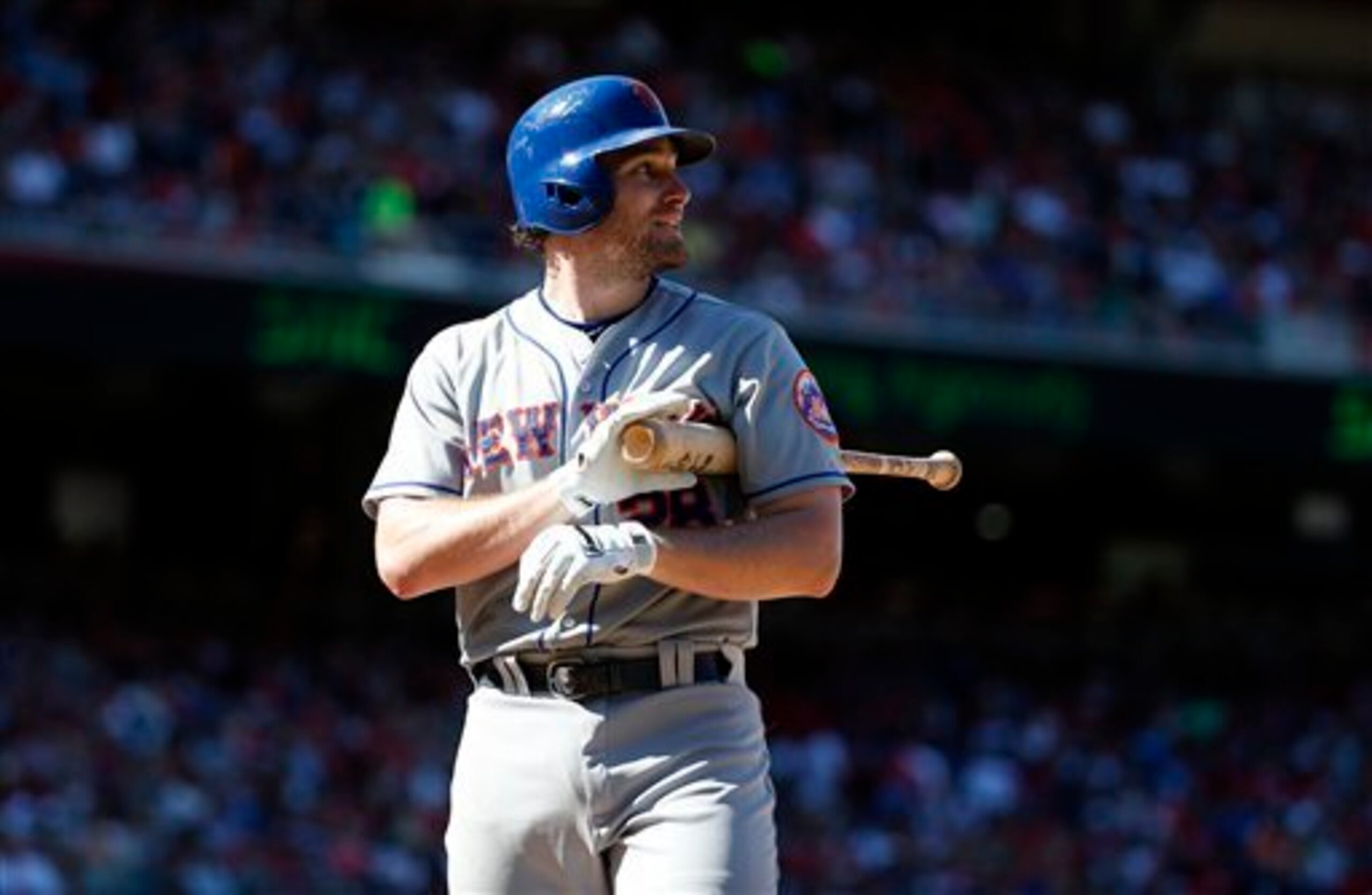
Hitting
Daniel Murphy's had a bit of a down year, but he's still hitting .279 with a .321 OBP. The average is pretty good, and it stems from Murphy's elite contact habit and his ability to make consistent hard contact. But he's still more aggressive than he should be, and his platoon split is back after taking a year off in 2014. And though Murphy has retained his ability to make contact, one way he's regressed in 2015 is by becoming more of a pull hitter. He's a good hitter, but he keeps finding ways to avoid becoming better.
Power
Murphy hasn't advanced as a hitter in 2015, but he has as a power hitter. He has 12 homers and a .160 ISO, which is on track to be his best since 2009. His uppercut swing allows him to put over 55 percent of his batted balls in the air, and he hits them well with a 36.7 Hard% on fly balls and a 46.1 Hard% on line drives. And as Murphy's spray chart shows, his newfound pull habit has at least helped his power. The only downside, really, is that we're looking at Murphy's power ceiling rather than his power floor.
Baserunning
Murphy is usually one of the more under-the-radar quality baserunners in the league—but not this year. He's stolen just two bases in four tries and has watched his XBT% fall from 52 all the way to 30. That may be due to him taking it easy after missing nearly a month with a bad quad, but it's also hard to ignore Murphy's age. He's now on the wrong side of 30, which makes it tough to bank on his old baserunning skills mounting a comeback.
Defense
The metrics have never rated Murphy's defense well, and they're not starting this year. He has a minus-seven DRS and minus-2.8 UZR and has exhibited all the usual issues. Murphy doesn't possesses great hands, great range or a particularly good arm. The silver lining of his 2015 season is that he's shown he can fill in admirably at first and third base, so he may have a future as a poor man's Ben Zobrist.
Total
This hasn't been the easiest season for Murphy, whose bat and baserunning skills have taken hits while his defense has remained poor. He still has his redeeming qualities at the plate, however, as there's plenty to like about a guy who makes a lot of contact and can hit for some power.
20. Neil Walker, Pittsburgh Pirates
7 of 26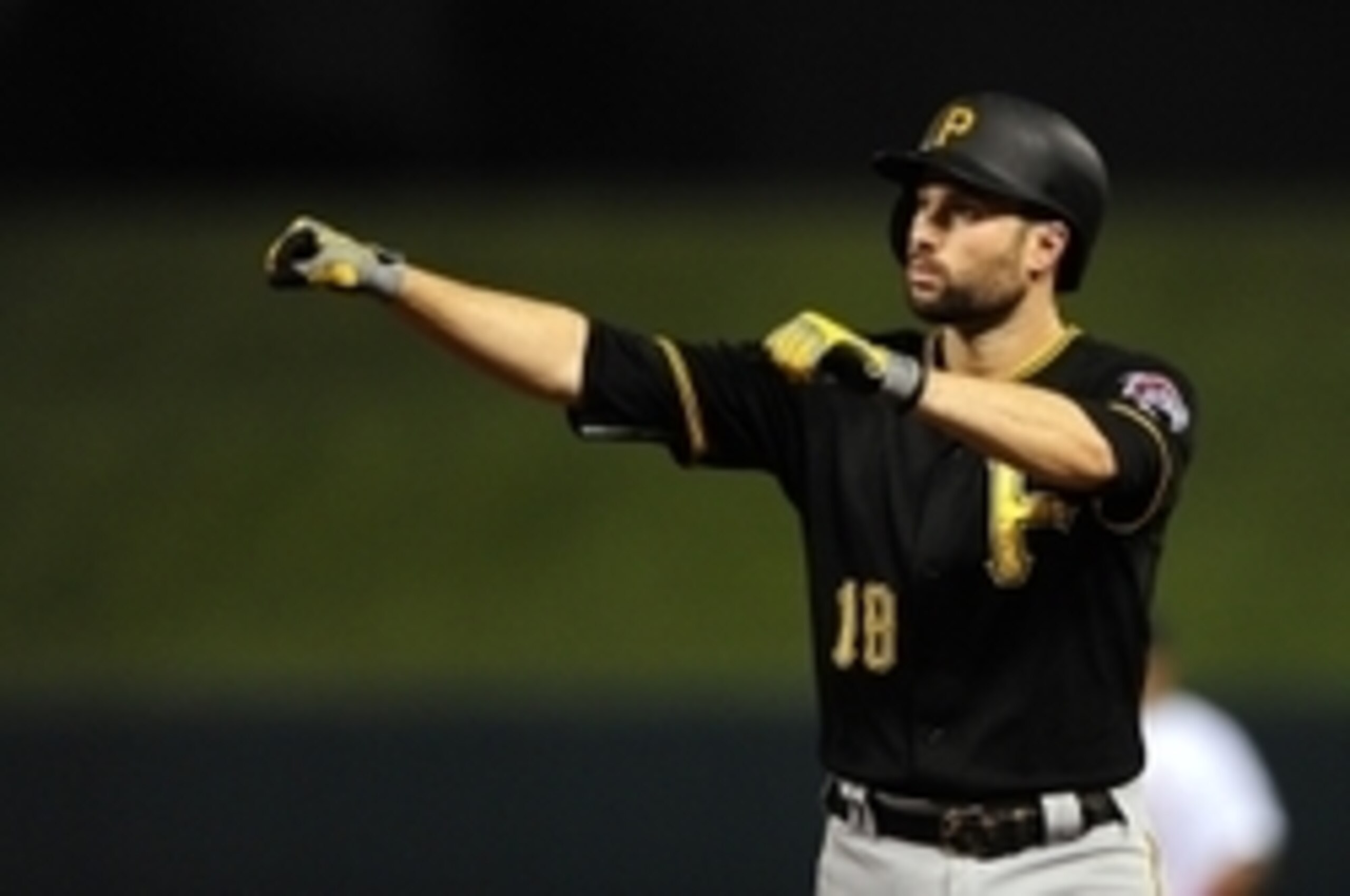
Hitting
Neil Walker's hitting has slipped, but he's still outpacing the average second baseman with a .268 average and .329 OBP. He's limited because he isn't a good right-handed hitter, and he also isn't particularly disciplined or a good contact hitter. But his skills in those latter departments can be described as "good enough," and Walker outpaces most other second basemen in his ability to hit the ball hard. On that front, in fact, he's among the position's best. In short, he can still hit.
Power
Walker hasn't maintained last year's power surge, but 14 homers and a .155 ISO are still fine by the position's standards. At around 60 percent, he hits more of his batted balls in the air than the average second baseman, and he hits them well with fly-ball (37.8) and line-drive (45.5) Hard% rates that are easily above-average. His limitation is the fact that his power is confined to the left side of the plate—and further confined to his pull side when batting lefty. Even still, he remains a solid power source.
Baserunning
Walker isn't known for being fleet of foot, so this year's 4-for-4 showing in the stolen-base department is likely the best he can do. He also boasts a 36 XBT% that's below par as far as this list of players is concerned, and next to that is what's easily a career-high nine outs on the basepaths. For a guy who's now on the wrong side of 30, none of this is a good omen.
Defense
The metrics have never liked Walker's defense, and that's continued with a minus-three DRS and minus-5.8 UZR. Though it's often hidden by Pittsburgh's many shifts, Walker's lack of quickness and acceleration results in modest range. He's not particularly sure-handed, either. What he does do quite well, though, is turn double plays. He's crafty around the bag and has the arm strength to complete the task.
Total
Walker doesn't bring much to the table in the baserunning and defensive departments, and that makes it tough for him to stand out relative to his peers. It's a good thing he still has a strong bat for the position, even if it's not as strong as it was in 2013 and 2014.
19. Howie Kendrick, Los Angeles Dodgers
8 of 26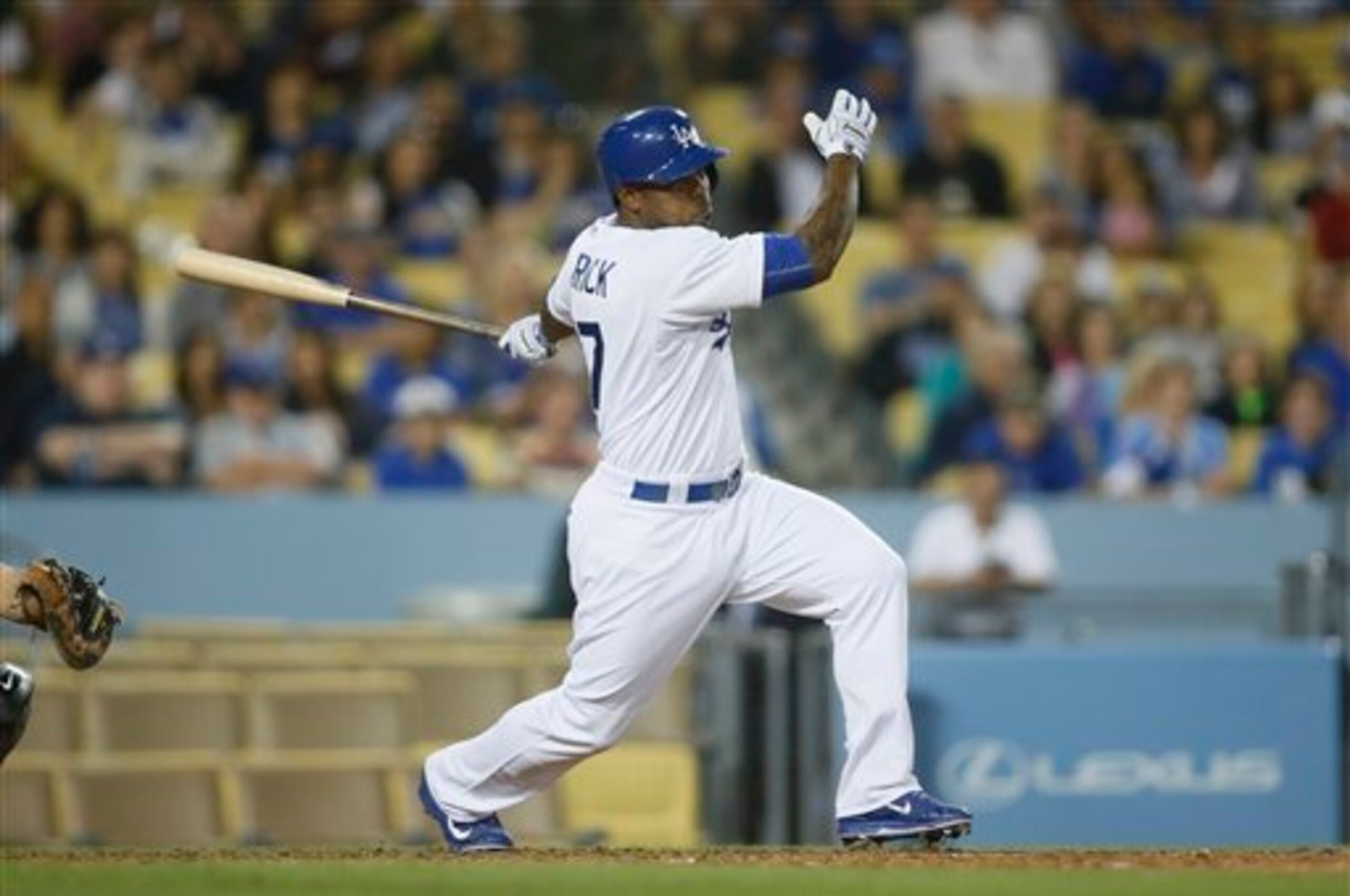
Hitting
Howie Kendrick finds himself hitting .291 with a .335 OBP, which is where he always finds himself. He boasts strong plate coverage and a batted-ball profile that includes a steady diet of line drives and ground balls up the middle and to right field. He also makes good contact for a bat control-oriented hitter. But as always, he's limited by how he prefers an aggressive approach that helps keep OBP-boosting walks at bay. Even despite that, however, he's still one of the best pure hitters at second base.
Power
Kendrick has hit nine homers and posted a .118 ISO, the latter of which is an improvement from 2014 but still short of the second-base average. He is capable of driving the ball, as he's posted Hard% rates on fly balls (46.8) and line drives (44.8) that are easily better than average. But that's just not his game. With roughly 60 percent of his batted balls going on the ground and fewer than 20 percent categorized as fly balls, Kendrick's more about hitting it where they ain't than hitting it over 'em.
Baserunning
Kendrick tends to be good for between 10 and 15 steals every year, but he's showing his 32 years of age with just six steals in eight tries this year. And after his recent hamstring injury, you wonder if he might decide to slow it down even more. On the bright side, his strong 53 XBT% means he could slow it down on the basepaths and still qualify as a solid runner going forward.
Defense
The metrics have pulled a 180 on Kendrick, issuing him an ugly minus-11 DRS and minus-3.0 UZR. His solid hands and arm strength are still there, but what seems to be missing is his range. Kendrick has often looked slow to react and even slower to accelerate when he's been called on to make tough plays, and it's resulted in a diminished presence on defense. Once again, this could be his age at work.
Total
Kendrick is still one of the more underrated pure hitters in baseball, as he has a little Derek Jeter in him in his aggressive approach and preference for the opposite field. But power has never really been his thing, and age seems to be taking a toll on his baserunning and defense.
18. Danny Espinosa, Washington Nationals
9 of 26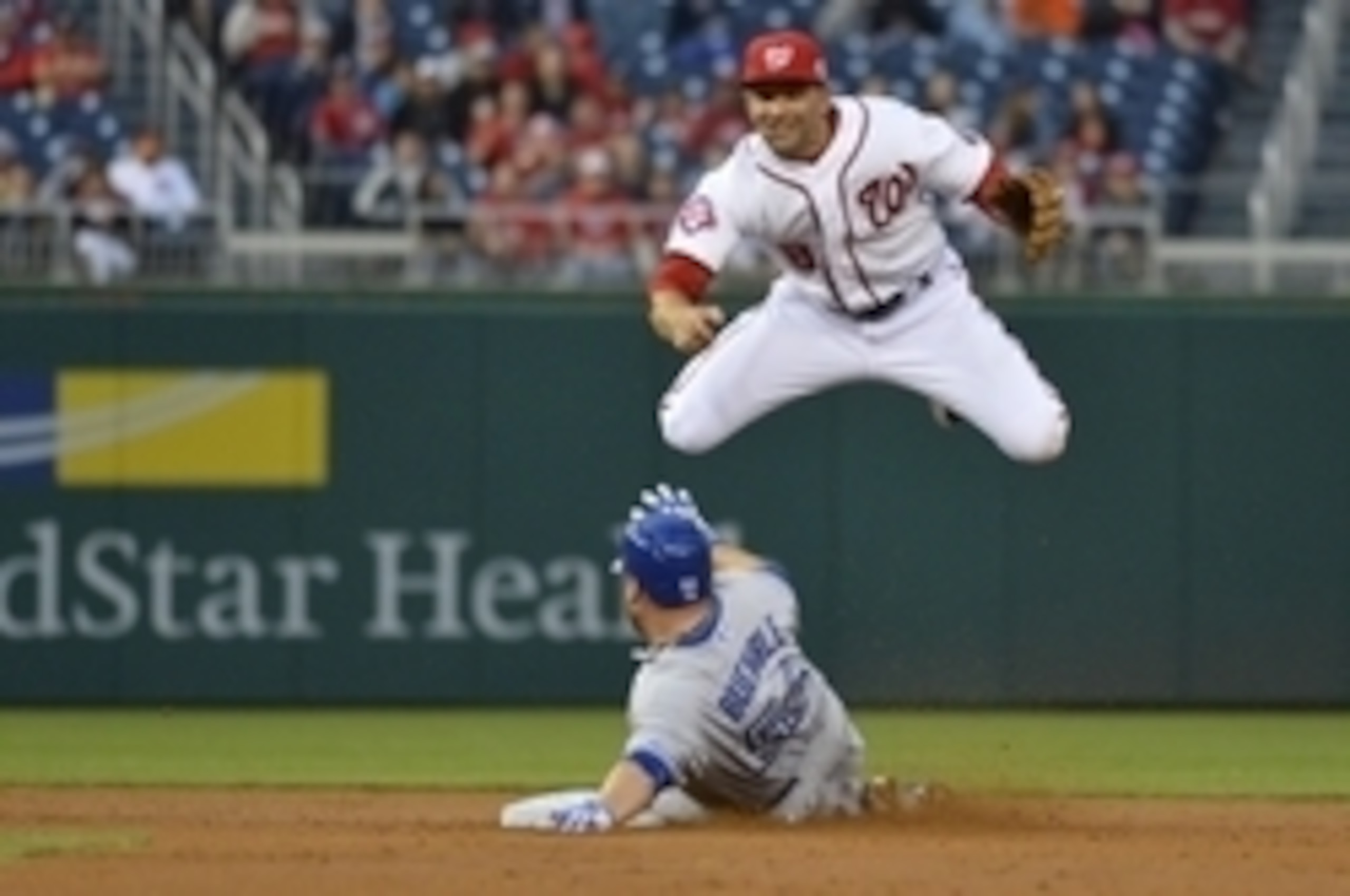
Hitting
Danny Espinosa's plan to abandon switch-hitting didn't last long, but he's still managed to improve to the tune of a .240 average and .311 OBP. Cutting down on his whiffs has been instrumental, particularly where fastballs and off-speed pitches are concerned. But he still can't be mistaken for a good hitter. He's far too aggressive with far too much of a whiff problem, and he's not particularly dangerous even when he makes contact. His pull habit also makes him easy to defend, and he's very easy to jam.
Power
Power has tended to be Espinosa's saving grace at the plate, and that's remained true this year. His 13 homers and .169 ISO are solid stuff for a guy who doesn't play every day. He gets the ball off the ground enough, putting about 55 percent of his batted balls in the air. Most are categorized as fly balls, and his Hard% rate on those is a solid 41.3. And when batting lefty, Espinosa's all-fields power is better than you might expect. The playing-time question remains, but the raw pop passes the smell test.
Baserunning
It's been a while since Espinosa was a roughly 20-steal guy, but he hasn't completely lost his way on the basepaths. He's swiped five bags in seven tries and has posted an excellent 51 XBT% along the way. His playing time is just as much a caveat here as it is above, but he's going to provide quality baserunning when he does take the field.
Defense
The metrics have tended to like Espinosa's defense, and they're really liking it this year with a nine DRS and 10.1 UZR. This isn't surprising. Espinosa has a full bag of tools on defense, ranging from good hands to good quickness to good arm strength and accuracy. It's also easy to admire the energy he plays defense with, and his ability to fill in at shortstop and third base is worth acknowledging as well. The only real gripe is the same as above: He doesn't do this on an everyday basis.
Total
Even though he's made some necessary improvements in 2015, it's still very much a stretch to call Espinosa a good hitter. It's therefore a good thing he offers quality power and baserunning and very good defense, which allows him to serve as a worthwhile part-timer.
17. Rougned Odor, Texas Rangers
10 of 26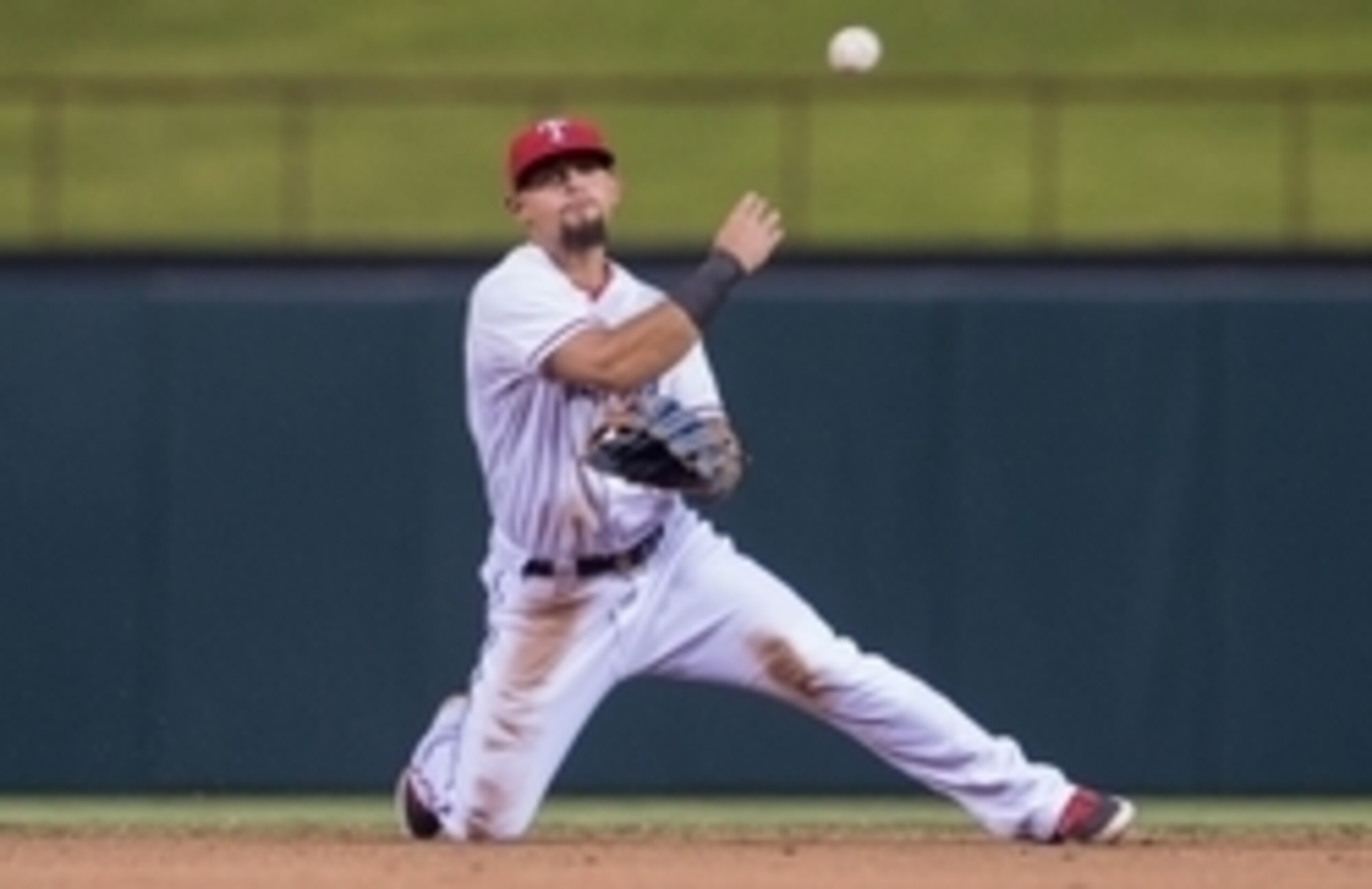
Hitting
After disappointing earlier in 2015, Rougned Odor has come on strong to hit .270 with a .327 OBP. There are still places where it's evident his hitting is a work in progress. He's too aggressive a swinger, struggles with breaking balls and is overly pull-happy. But the signs of progress are there. He's made more consistent contact than he did earlier in the year, and it's been notably louder contact to boot. These improvements have made him a really good hitter for a better part of the year, so watch out.
Power
Odor is showing strong power potential with 14 homers and an impressive .202 ISO. It helps that he hits about 55 percent of his batted balls in the air, and his pull habit has helped him make the most of those. But on a strictly raw-power basis, his line-drive power (51.1 Hard%) comes off better than his fly-ball power (32.0 Hard%). And as he continues to improve his approach, it's a good bet that his power will be shaped more by his line-drive power than his fly-ball power. Don't expect another .200 ISO out of him.
Baserunning
Odor stole plenty of bases in the low minors, but he's still having issues adapting that skill against better competition. His 5-for-11 showing in the stolen-base department is reminiscent of what he did last year, and he has a 42 XBT% that's right at this list's average. He has the speed to be a better baserunner than this, but his technique needs some work.
Defense
The metrics aren't sure what to make of Odor's defense, giving him a minus-eight DRS and minus-0.9 UZR. It's clear that he gets enough range out of his quick first step and speed, and it's largely because he's shown an ability to make flashy plays. But his iffy hands and throwing accuracy have contributed to some messy defense here and there. The potential is there, but he needs work.
Total
Odor has been born again since his exile to the minor leagues earlier in the year, laying the foundation for a player who could be one of the game's best all-around second basemen. But there are still some improvements that he hast to make between here and there.
16. Brandon Phillips, Cincinnati Reds
11 of 26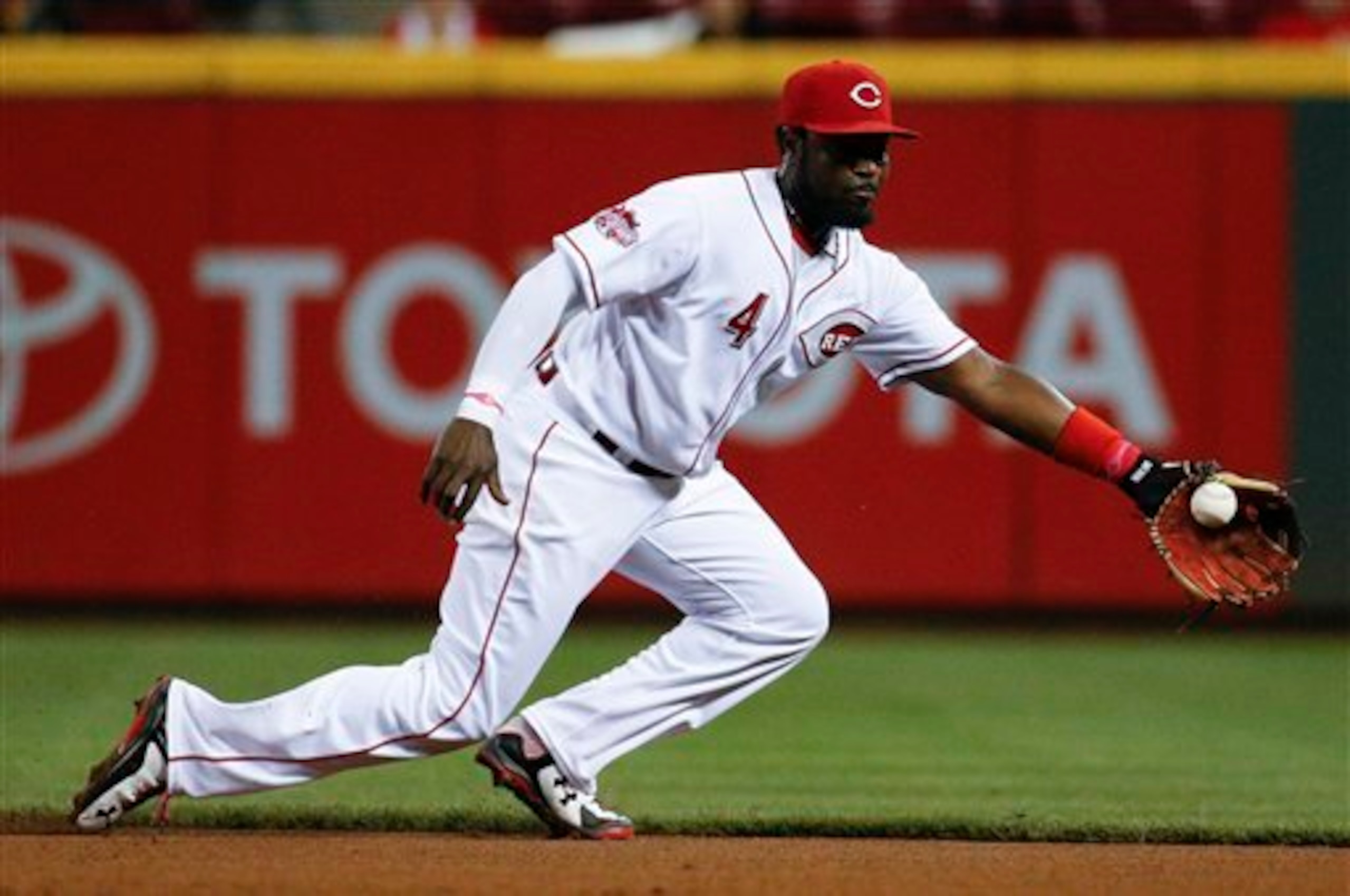
Hitting
Phillips has bounced back nicely from a rough 2014, hitting .296 with a solid .331 OBP. That the latter isn't nearly as impressive as the former traces back to an approach that's still overly aggressive, as Phillips is one of the game's more liberal hackers. And quite a few of his swings go to waste, as he's neither a consistent contact hitter nor a merchant of hard contact. But thanks to decent plate coverage and some underrated bat control, he still manages to hit for average. And knowing that 2014 now looks like an outlier instead of a start of a trend, we'll bank on Phillips keeping it up.
Power
Phillips' power hasn't revived along with his hitting, as his 12 homers and .104 ISO show his power decline is ongoing. It's not for lack of trying, as he gets about 55 percent of his batted balls in the air. But Hard% rates around 30 percent on fly balls (28.1) and line drives (30.7) reflect how much his raw power has diminished. Same goes for how his power largely disappears away from Great American Ball Park. At 34 and counting, you can expect this decline to continue.
Baserunning
Getting back in the positive, this is another area where Phillips has experienced a turnaround. He's stolen 21 bases in 24 tries and further padded his baserunning value with a 47 XBT%. But while these numbers look good on him, our forward-thinking approach means that a dose of pessimism is warranted. Phillips might be able to have a season like this once in his mid-30s, but a repeat isn't likely.
Defense
Phillips' best defensive years are likely behind him, but the metrics still rate him well with a five DRS and 1.7 UZR. The eye test does strongly suggest that he's lost a step, rendering his range less explosive than it once was. But his hands and solid arm are still there, and it can still be argued that no other second baseman mixes in a sense of creativity with his feel for the position quite like Phillips does.
Total
It looked in 2014 like Phillips was done as a useful player, but this season has proved otherwise. Though he's still not the all-around dynamo that he used to be, he can still hit for average and further boost his value with his legs and glove.
15. Robinson Cano, Seattle Mariners
12 of 26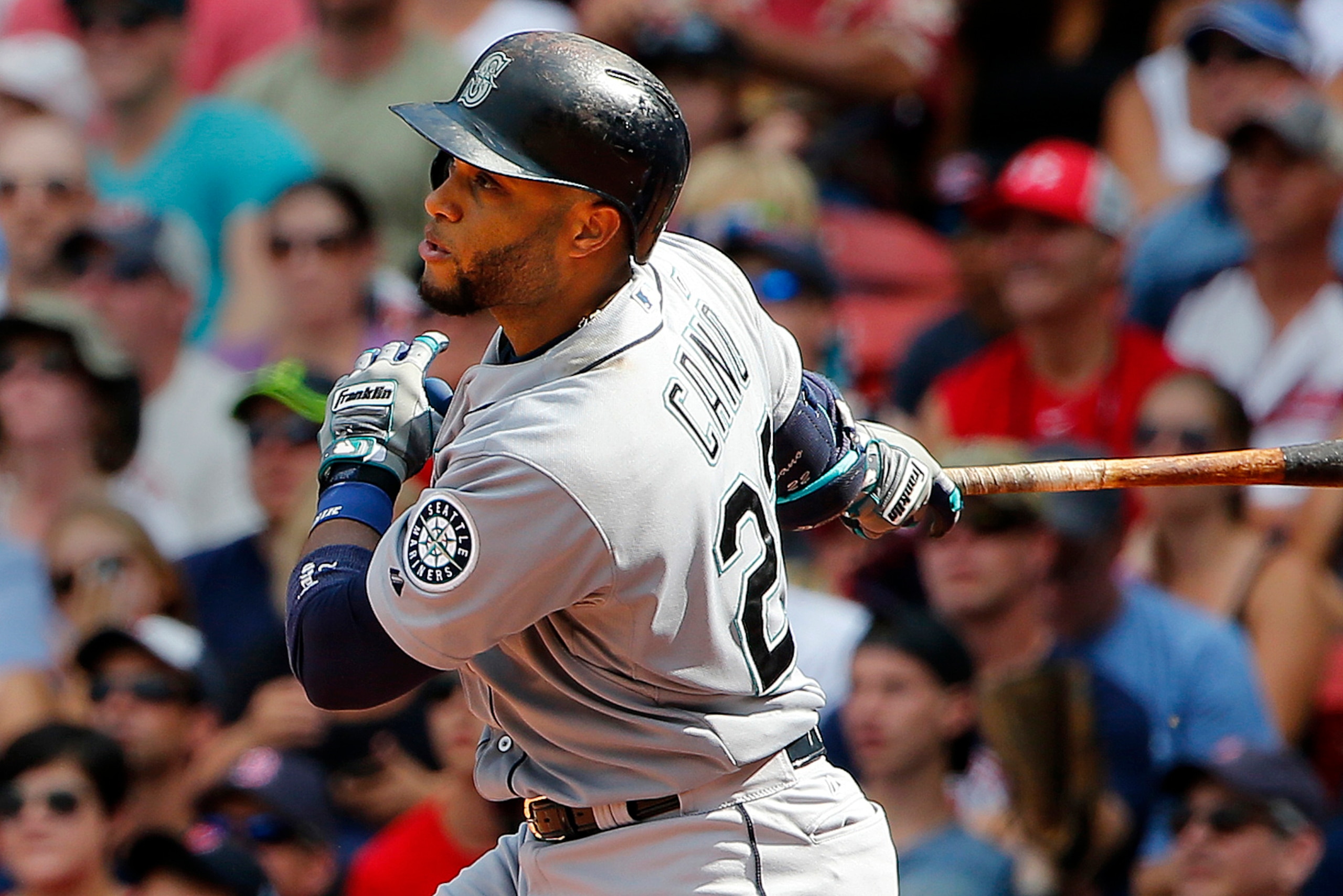
Hitting
Robinson Cano has seen his average fall to .282 and his OBP fall to .333. He still has his strengths, though, including an approach based around consistent contact and a batted-ball profile that includes good bat control and plenty of hard contact. But he hurts himself by being an extreme ground-ball hitter, and other issues have cropped up. His rising whiff rate on breaking balls is a bad sign, and he hasn't sought to boost his OBP potential by being more disciplined. He can still hit, but the cracks are growing.
Power
With 19 home runs and a .161 ISO, Cano has rescued his power from where it was last year. He's showed in the process that his raw power is still very much alive, posting Hard% rates in the neighborhood of 50 on fly balls (50.4) and line drives (49.1) and using the whole field for power. But his aforementioned issue with ground balls is doing him no favors. That's keeping half his batted balls out of the air, which renders him unable to make the most of his raw pop.
Baserunning
This is an area in which Cano enjoyed a breakthrough in 2014 with 10 steals and a high XBT%, but it hasn't carried over. He's swiped only two bags in eight tries, and his XBT% has fallen from 47 to 37. Along the way, he's run into a few too many outs (six) on the basepaths. It may be a stretch to call him slow, but Cano's definitely not fast, and now he's seemingly unwilling to push his 32-year-old body.
Defense
The metrics don't think Cano has recovered from last year's decline, giving him a minus-six DRS and minus-7.0 UZR. The soft hands and arm strength that made him a defensive wizard in his prime are still there, but the smooth range that he once exhibited is disappearing. He often looks slow chasing balls—to the point where it wouldn't be surprising if we started hearing rumblings about him possibly changing positions. For what it's worth, he could probably play first base well.
Total
The elephant in the room with Cano this season has been the lingering illness that he said sapped his energy. It's a believable story, but it's hard to ignore that many of the symptoms of the decline he's experienced this year first popped up last year. His regression as an offensive and defensive force could just be him getting older.
14. Devon Travis, Toronto Blue Jays
13 of 26
Hitting
A left shoulder injury has sidelined Travis for much of the season, but he's shown potential by hitting .304 with a .361 OBP. These numbers do overrate him a bit, as he doesn't have an especially advanced approach and is too much of a ground-ball hitter for his own good. But at the same time, it's certainly a stretch to call him a wild swinger. And next to all the ground balls, his batted-ball profile also showed plenty of bat control and an ability to make consistent hard contact. He has the makings of a good hitter.
Power
Travis' power has also impressed when he's been healthy, as he hit eight homers and posted a .194 ISO. This is despite the fact he hits half his batted balls on the ground, which points to his efficiency with the balls he hits in the air. That's particularly true for fly balls, which he hits hard an even 50 percent of the time. However, there are few things scarier for a hitter's power potential than a serious injury to his front shoulder. We may have already witnessed the peak of Travis' power.
Baserunning
Travis was also doing strong work on the basepaths earlier in the year, swiping three bags in four tries and posting a 54 XBT%. If you project this performance out over a full season, you see some strong baserunning value. But it might not be that simple with Travis. If we take Baseball America's word for it that he's a merely average runner, we've likely witnessed the peak of his potential here, too.
Defense
The metrics have Travis pegged as a serviceable fielder, giving him a one DRS and 2.2 UZR. His knack for errors reflects that his hands are nothing special, and he's likely never going to have elite range because of a slow-ish first step. He does accelerate well after that first step, however, and he has enough arm to make tough throws. There's a limit to how good he can be on defense, but he can pass the bill as solid.
Total
Travis' early-season excellence feels like ancient history by now, and his left-shoulder injury raises doubts as to whether he can be the same player going forward. But it's not hard to see his potential. Though he may not excel at any one thing, he has the look of a second baseman who could do everything well.
13. Dustin Pedroia, Boston Red Sox
14 of 26
Hitting
Pedroia has missed quite a bit of time in 2015, but he's been productive when he's been healthy to the tune of a .301 average and .361 OBP. He still has an approach that blends discipline with a consistent contact habit, and healthy hands have allowed him to reestablish his ability to hit inside fastballs. And though he favors his pull side, he uses enough of the field to keep defenses honest. The big catch is that the so-called "Laser Show" isn't what it once was, as Pedroia doesn't make hard contact like he used to.
Power
After down years in 2013 and 2014, Pedroia's power has come back strong with 12 homers and a .162 ISO. This is where his pull habit has come in handy, and he's also hit fly balls and line drives harder than most on this list, posting a 39.2 Hard% on fly balls and 43.6 Hard% on line drives. But the sustainability of this turnaround is in doubt. He only hits about 50 percent of his batted balls in the air, and his age and tendency for injuries make it hard to trust that he'll be able to maintain this year's turnaround.
Baserunning
The writing was on the wall last year, and it's become even easier to see this year: Pedroia's not much of a speedster anymore. He's been successful just twice in four stolen-base tries and has posted a career-worst 32 XBT% to boot. His hamstring issues have played a part in all this, but there's also the reality that Pedroia is now 32 with a lot of mileage on his legs. Subpar baserunning is likely his new normal.
Defense
The metrics have tended to rate Pedroia's as one of the game's elite defenders—but not this year. He owns just a minus-two DRS and a 2.2 UZR. This isn't an accident, as he's suffered from uncharacteristic lapses in focus throughout the year, resulting in him missing plays he usually makes. There's also been a hint of him losing a step. Fortunately, even a diminished Pedroia is still good. Even if he's on the decline, he still has good enough hands, arm, range and general feel for the position to pass as a good defender.
Total
All signs indicate that Pedroia is into the downswing of his career, as good health continues to elude him and he's now regressing on the basepaths and on defense. But he's not dead yet. He still has the goods to be a capable hitter, and his defense is far from being a lost cause.
12. Kolten Wong, St. Louis Cardinals
15 of 26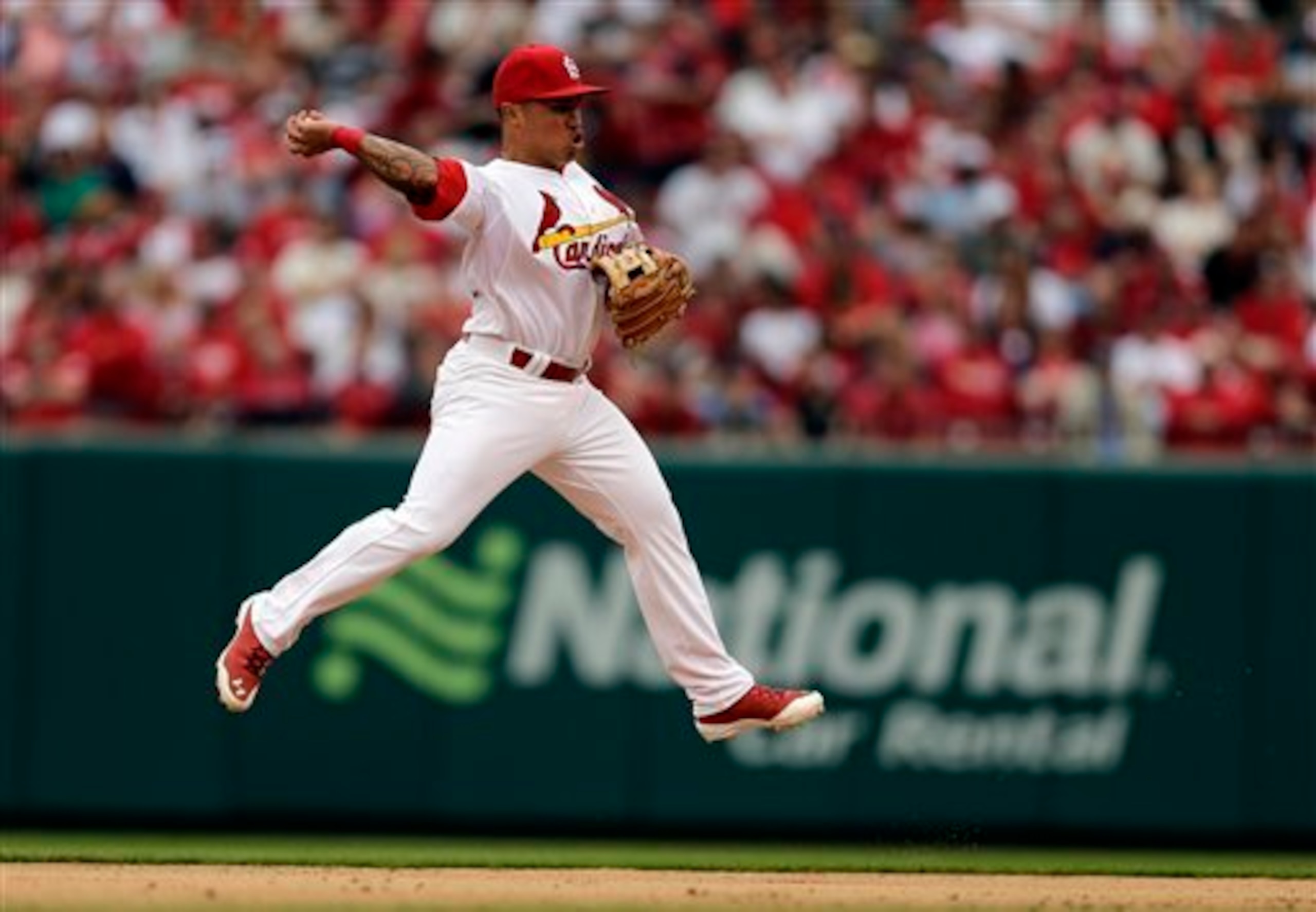
Hitting
Wong's second season has brought more consistency, but only to the extent of a .264 average and .324 OBP. One of the big things standing in his way of getting better is a bad platoon split, but he doesn't help himself by being overly aggressive either. For now, he's largely a mistake hitter. The bright side is that he's dangerous when he makes contact, showing off a strong line-drive stroke that produces consistent hard contact. With that as his foundation, there's room for improvement.
Power
Wong occasionally looks like a guy who has power beyond what his 5'9" frame suggests, but overall, there's not much to see with 11 homers and a .126 ISO. He does hit about 55 percent of his batted balls in the air, but he doesn't drive those balls with outstanding regularity. His Hard% rates on fly balls (34.5) and line drives (39.0) are both roughly average, and his power largely vanishes beyond straightaway right field. He can do enough to hit for decent power, but it's not the best idea to expect more than that.
Baserunning
After stealing 20 bases in 24 tries last year, Wong has gotten a bit of a reality check this year with just 15 in 23 tries. The speed is there, but he now needs to be better about picking his spots. On the bright side, he's kept his XBT% above the half-century mark at 51 and otherwise run into few outs on the basepaths. The goods are still there for a 20-steal guy who can also be aggressive in rounding the bases.
Defense
After hinting at great things last year, the metrics have cooled on Wong to the tune of a five DRS and minus-0.2 UZR. His main shortcoming is that he makes a lot of errors, in part because he can get overzealous trying to make fancy plays. The good news is that he does have the tools to make fancy plays. His quick-twitch athleticism and high-energy style give him plenty of range, and there's some solid arm strength there, too. If he can cool it with the boots, he could be quite good.
Total
Wong has the ability to be one of the most well-rounded second basemen in the National League, if not all of baseball. But with evident growing pains in the batter's box and on defense, it looks like it's not going to happen overnight.
11. Brock Holt, Boston Red Sox
16 of 26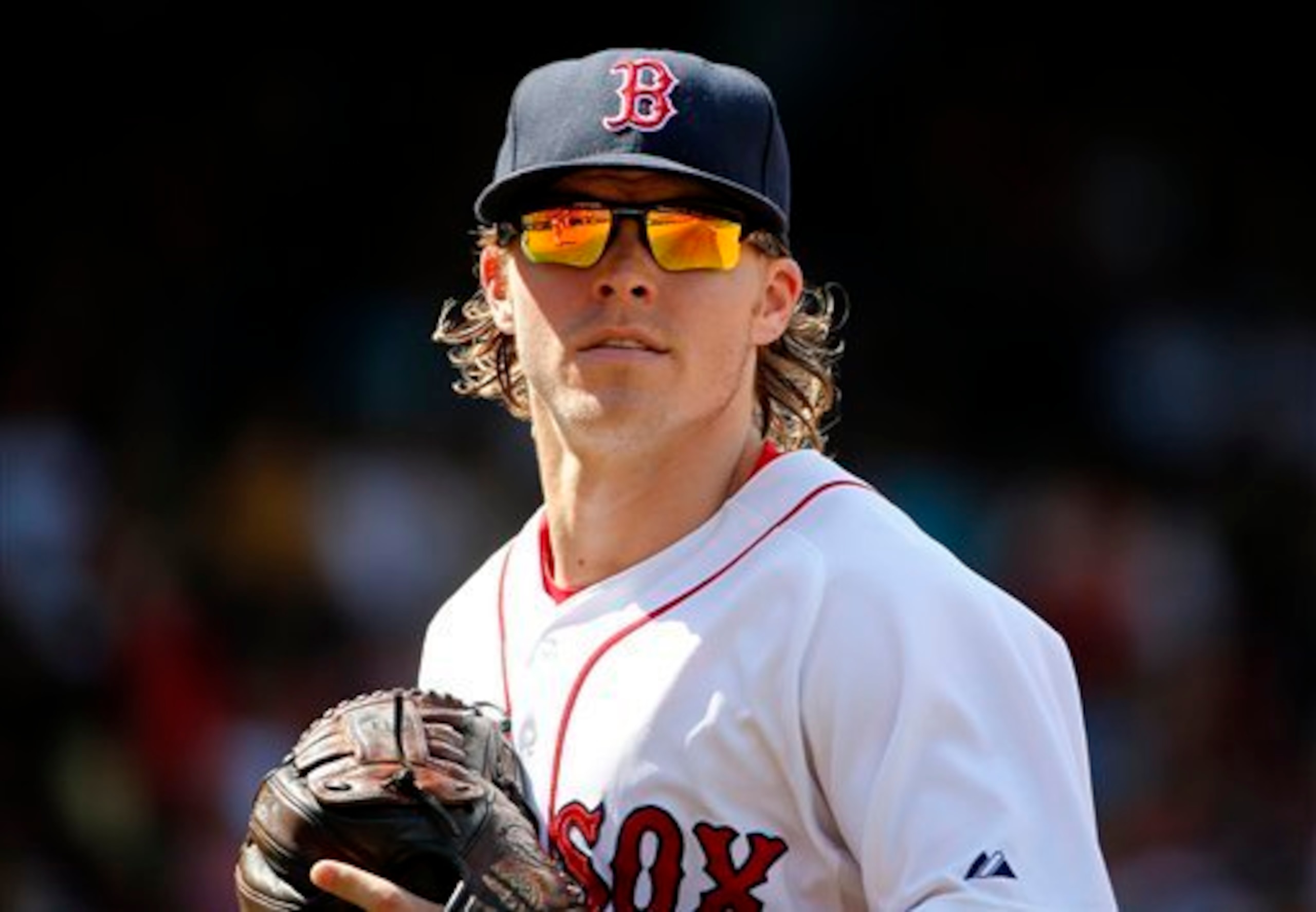
Hitting
Holt has built on his 2014 breakthrough, hitting a solid .283 with a .349 OBP, and there's plenty to like about his approach to hitting. He's once again proving capable of a basically ideal blend of patience, discipline and consistent contact, and he has a line-drive stroke that produces pretty consistent hard contact. But one nit-pick is that he's not much of a low-ball hitter, which isn't ideal at a time when pitchers are aiming low en masse. He also still needs to prove he can hit well in the second half.
Power
Holt can hit, but power is continuing to elude him with just two homers and an .099 ISO. One issue is that his line-drive stroke also produces about 50 percent ground balls, and he also owns a Hard% rate on line drives on the wrong side of 40. That makes it tough for him to have standout gap power, and what gap power he does have is mainly confined to right-center. His best avenue for extra-base hits is his ability to slap the ball down both lines, but that's obviously only going to get him so far.
Baserunning
Holt has slightly better-than-average speed, and he's able to put it to good use stealing bases. He stole 12 in 14 tries last year and has eight in nine tries this year. And while his 42 XBT% is nothing special, it's at least in line with the norm around these parts. How much damage he can do on the basepaths is partially tied to his playing time, but there's no denying he's a solid baserunner.
Defense
How to classify Holt was a tough question, as he doesn't have a defined role. But because he's mostly played second base this year, well, here he is. The metrics think he's done good work at second with a three DRS and 3.3 UZR, and he's also done solid work at third and short and in left field and right field. He doesn't have a single tool that stands out, but he he has just enough athleticism to play anywhere and the instincts to play each position well. Nothing flashy, but he's dependable. To be able to do that at so many different positions is a valuable talent.
Total
This will probably be the last year we ever call Holt an All-Star, but don't be too quick to write him off as a guy who was lucky to be there. He has a legit feel for hitting, enough athleticism and instincts to pass as a quality baserunner and is a useful defender at multiple positions. He's a poor man's Ben Zobrist.
10. Anthony Rendon, Washington Nationals
17 of 26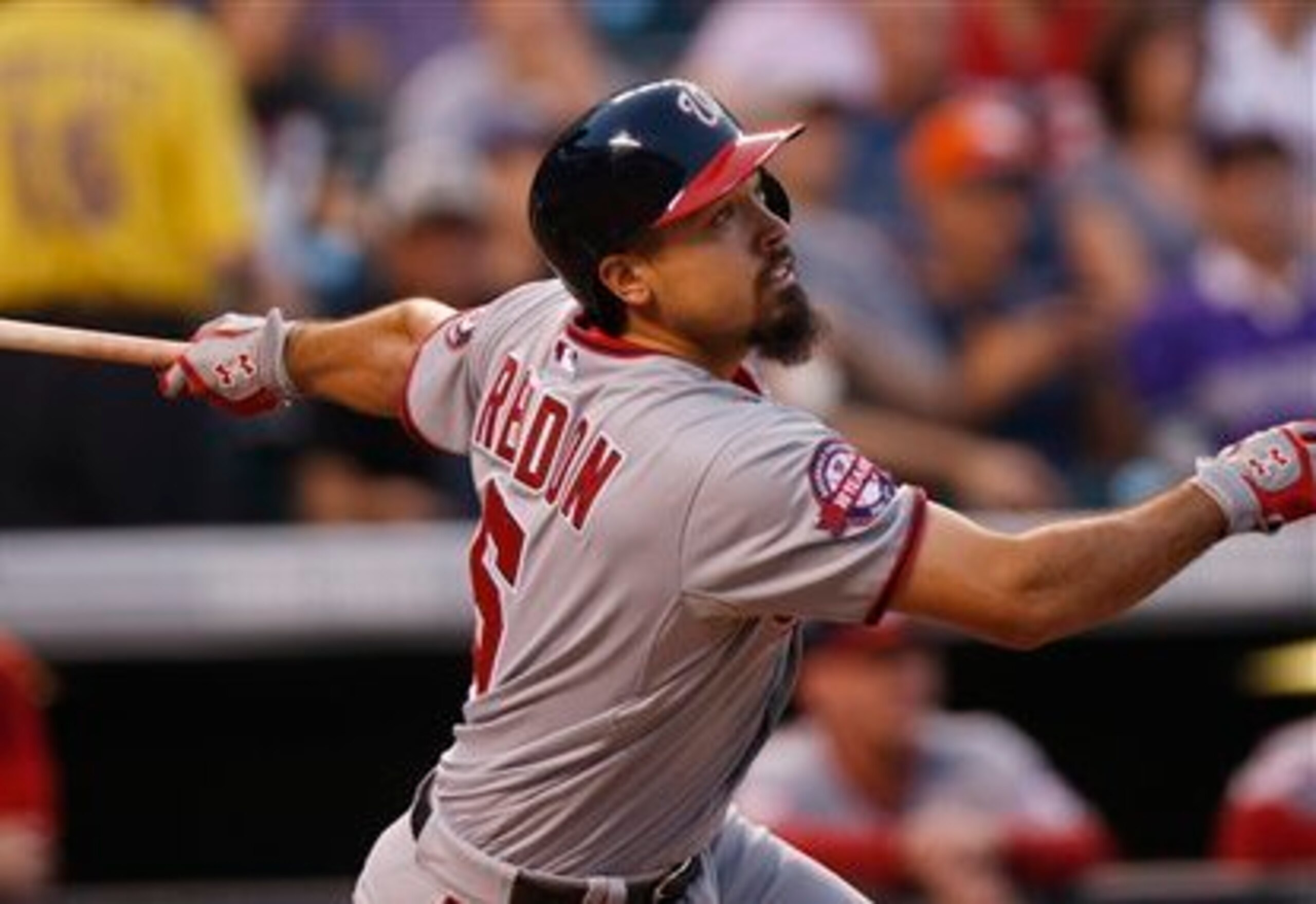
Hitting
Injuries have limited our look at Rendon in 2015, but his .274 average and .357 OBP undersell how well he's hit when he's been healthy. His plate coverage hasn't been as impressive as it was last year, but everything else looks dandy. He's continued to show off a superb eye for the strike zone and has also continued to be a strong contact hitter. He's also the type of hitter who uses the whole field while making plenty of solid contact. All told, he's one of the best pure hitters at second base.
Power
Rendon's power has been slow to return, as he's hit just five homers with a .100 ISO. Knee and oblique injuries like the ones he's suffered can have that effect, and they do foster some concern about his future outlook. All this being said, Rendon's power shouldn't be written off. In putting about 55 percent of his batted balls in the air and hitting them hard a good percent of the time with a 37.5 Hard% on fly balls and 50.0 Hard% on line drives, he's shown he can still drive the ball. Even if his power doesn't return from last year's level, it should still be solid.
Baserunning
As you would expect for a guy who's been injured for so much of 2015, Rendon hasn't done much running this year. He's stolen just one base in three tries and has dropped his XBT% from 55 all the way down to 31. The fact that he's still only 25 makes one want to believe he'll be able to bounce back from this but perhaps not. Factor in this year's knee woes, and he now has quite the track record of lower-half injuries. It wouldn't be surprising if he's permanently slowed on the basepaths.
Defense
It's admittedly hard to say for sure where Rendon's long-term home is on defense; but he's played mostly second base this year, so we'll stick with that. The metrics think it's been a struggle, giving him a minus-two DRS and minus-3.3 UZR. This isn't surprising to an extent, as he hasn't been able to move with the same level of quickness that he could in 2014. But there is room for optimism going forward, as he should regain some range with good health and also has more than good enough hands and arm strength for the position.
Total
Injuries have knocked Rendon down from baseball's ring of elite players, particularly where his power, baserunning and defense are concerned. But 2015 also hasn't been a total loss. Rendon has demonstrated that he's still an excellent pure hitter, and he should be able to regain at least some of his other talents as he puts this year's injury woes behind him.
9. Logan Forsythe, Tampa Bay Rays
18 of 26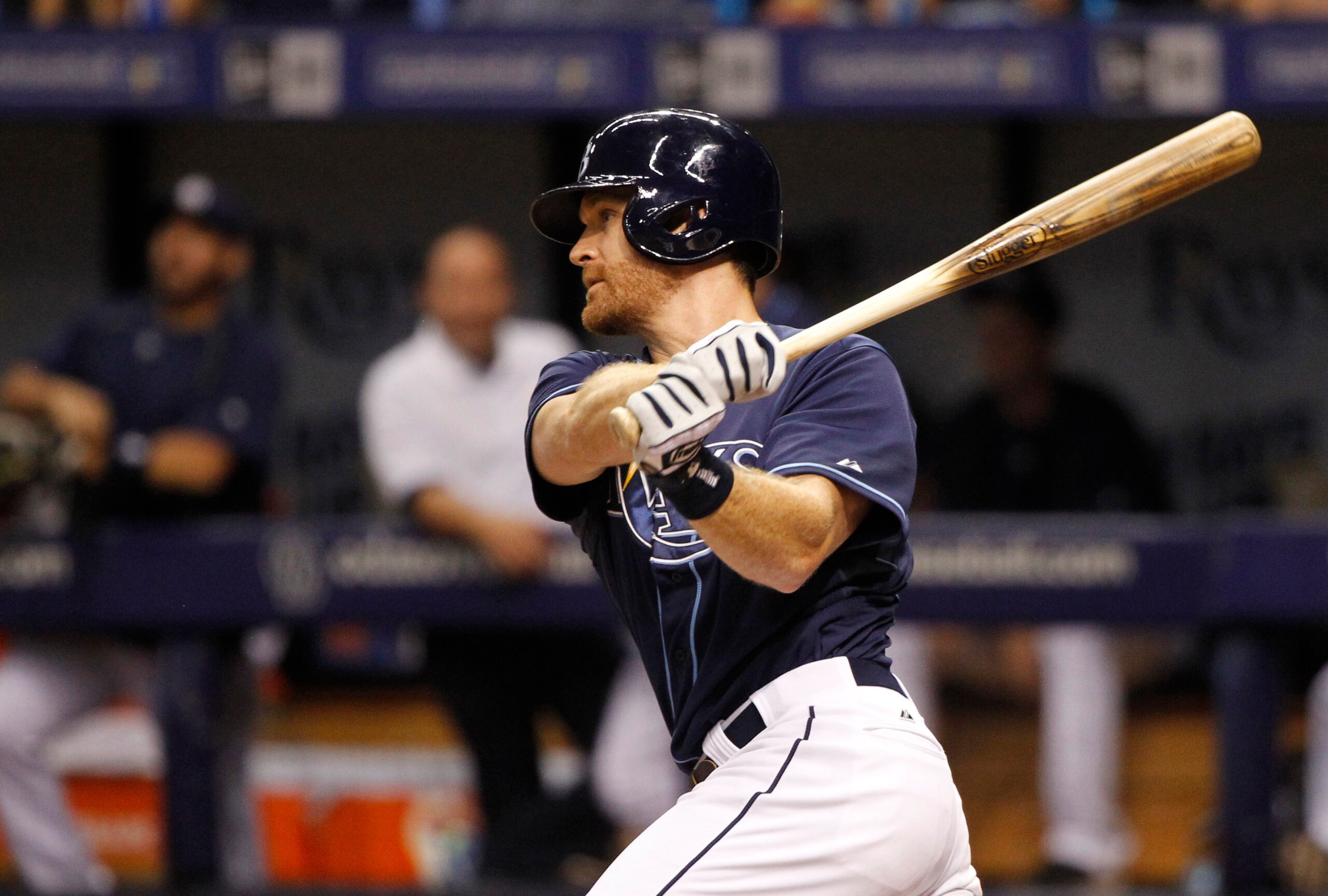
Hitting
To some extents, it's not surprising Forsythe is hitting .284 with a .362 OBP. He's always had a disciplined approach and a strong ability to make contact, and this isn't the first time he's made plenty of hard contact. But when it comes down to what's caused his breakthrough, the best explanation is that he simply hasn't missed any fastballs this year. And while that's nice, they've been mostly mistake fastballs. That's a nice trick, but odds are pitchers will learn their lesson and adjust.
Power
Forsythe has also broken out the power this year, hitting 17 homers with a .166 ISO. It's not out of the ordinary for him to put 60 percent of his batted balls in the air. And though his Hard% rates on fly balls (33.5) and line drives (39.8) are only solid, his all-directions spray of well-hit balls is a better reflection of how well he's hit the ball. He doesn't have truly explosive power, but what we're looking at is a solid power hitter who's showing what he can do with regular playing time.
Baserunning
This is another area where Forsythe has made the most of regular playing time, stealing a career-high nine bags in 13 tries. He's also posted a 44 XBT% that, while not great, is in line with this list's average. This all likely represents the best Forsythe can do rather than the least he can do, but he should be able to keep from falling too far. At 28, his solid athleticism should have a couple years of life left.
Defense
Forsythe has moved around in 2015, but most of his time has been spent at second base. The metrics rate him well there, giving him an seven DRS and a 0.9 UZR. And the former of those would seem to have the right idea. Forsythe's tools don't stand out, but quick jumps allow him some extra range, and he's been showing off good instincts for how to make tough plays. Defense is another area where he's likely peaked, but he's shown that he has the goods to be at least dependable.
Total
This is a score that, admittedly, undersells how good Forsythe has been this season, but that's also the point: He's been a little too good relative to his talents. However, the Rays do deserve some credit for spotting some underlying talent in Forsythe, and he deserves some, too, for rewarding them for it.
8. Brian Dozier, Minnesota Twins
19 of 26
Hitting
Dozier has been unable to maintain the hot hand he had all throughout 2014 and in the first half of 2015, as you can now find him hitting just .238 with a .313 OBP. His top strengths remain his discerning approach at the plate as well as his ability to barrel up the ball. But he's also an extremely pull-happy hitter who doesn't have a whole lot of plate coverage beyond middle-in. Pitchers have become wise to that, throwing him more pitches away every year. As a result, Dozier's hitting potential is compromised.
Power
Dozier's power, however, has remained dangerous to the tune of 27 homers and a .216 ISO. And while the catch is that much of this happened in the first half, the fact remains that his offensive game is basically 100 percent geared toward power. He hits nearly 70 percent of his batted balls in the air. And though his pull habit makes him predictable, it definitely has a hand in padding his power stats. When you have habits like these, you don't need to do better than merely good Hard% rates on fly balls (36.9) and line drives (41.6). In short, you're not going to find more reliable power than his at second base.
Baserunning
At least in part because he hasn't been on base as often, Dozier hasn't been quite as active on the basepaths as he was in 2014. He's gone from 21 steals to just 11 in 15 tries and has watched his XBT% fall from 63 to 36. The bright side is that he won't even come close to the 10 outs he ran into on the basepaths last year. And if we can allow ourselves some optimism, we can grant that the speed is still there and that he's still in his prime at 28 years old. This year could be an outlier on the basepaths.
Defense
The metrics still aren't sold on Dozier's defense, giving him a minus-four DRS and minus-0.1 UZR. And he is indeed limited on defense, as his range is restricted by a lack of quick-twitch athleticism and merely solid arm strength. But at the same time, the metrics exaggerate. Dozier deserves props for cleaning up last year's error problem, and he often makes up for his lack of quickness with a motor that's always running on high. If anything, the metrics undersell his defense a little.
Total
Dozier was riding high for a while there, and there's still plenty to like about his power and what he can do on the basepaths and on defense. But his brutal second-half slump works to highlight his fatal flaws at the plate and are a threat to keep him permanently barred from star status going forward.
7. Ben Zobrist, Kansas City Royals
20 of 26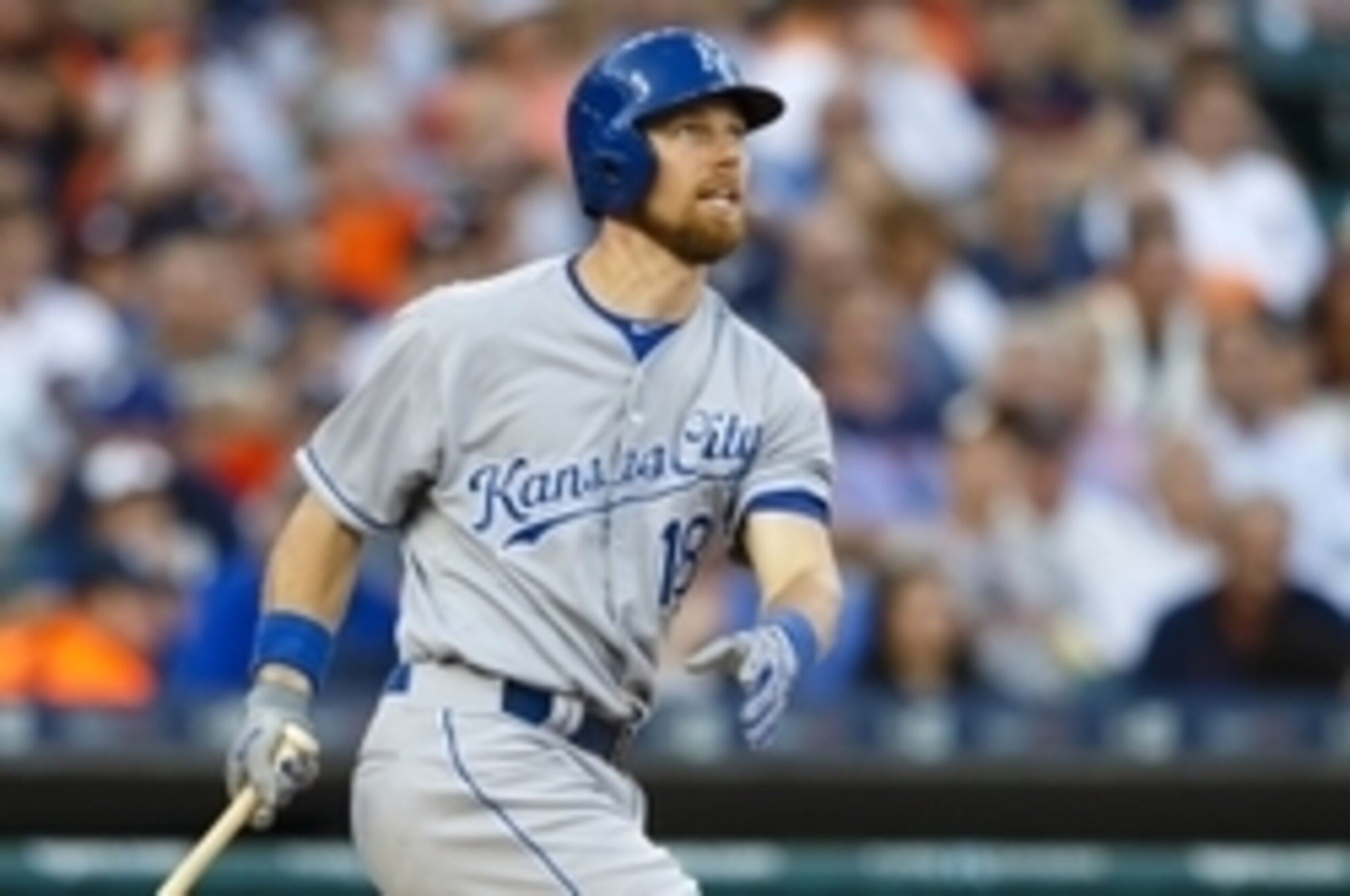
Hitting
The 34-year-old Zobrist just keeps refusing to decline, hitting .284 with a splendid .369 OBP. It's not hard to love his approach, which still features an excellent batting eye and is geared toward making contact. He's one of very few with more walks than strikeouts. He also makes regular hard contact. The downside is that he's still too pull-happy to be a true high-average hitter. And despite his many talents, right-handers have a safe haven to go to on and around the outer third of the zone.
Power
Zobrist's power has made a comeback, as he's hit 12 homers with a .177 ISO. He's hit barely over 50 percent of his batted balls in the air, but he's hit them well with solid Hard% rates on fly balls (34.4) and line drives (45.2). But one catch is that Zobrist's power comes mainly from the left side, and it's virtually all pull power. Another catch is that a sudden power spike at age 34 isn't the most trustworthy thing, especially when there's no sign of a guy adopting a power-oriented approach.
Baserunning
Zobrist stole double-digit bases six years in a row, but he's not going to make it this year with just two steals in six tries. And at his age, this is likely the start of a new normal. But he has recovered well enough from an early-season knee injury to post a 50 XBT%. Even if he declines from there, he should still be in an acceptable range by the position's standards.
Defense
It's always tough to figure out what to label Zobrist as, but this is the third year in a row he's played mostly second base. The best thing he has going for him is still his versatility, as he has the instincts, athleticism and arm strength to play pretty much anywhere. But the metrics have soured on his second-base defense, giving him a minus-seven DRS and minus-5.6 UZR. That's reflective of how, though still solid, his athleticism is beginning to diminish with age.
Total
Zobrist's time as the game's most underappreciated player may be coming to an end, but he's hardly finished as a useful player. He still boasts an excellent approach to hitting and the most versatile glove in the business, and his power and baserunning could be aging worse.
6. Joe Panik, San Francisco Giants
21 of 26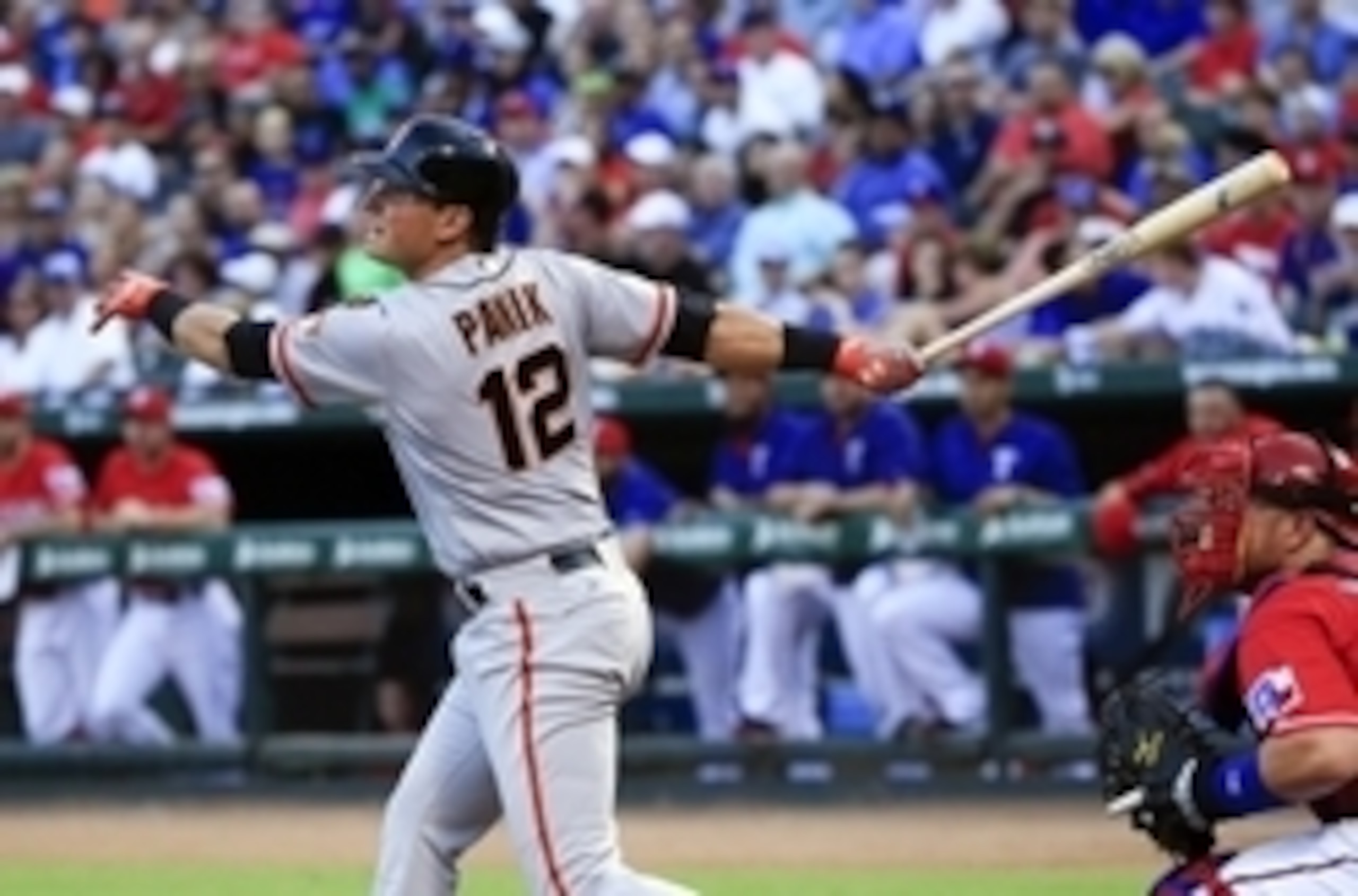
Hitting
Panik's 2014 breakthrough has turned out to be no fluke, as his first full season—minus his bad back—has been a success with a .312 average and a .378 OBP. His approach combines excellent discipline with an excellent contact habit, and he doesn't waste balls in play. He's continued to show off strong bat control while making consistent hard contact with an emphasis on line drives. He doesn't crush the ball often enough to be a truly transcendent hitter, but he's arguably the best second base has to offer.
Power
With eight homers and a .144 ISO, Panik has shown this season that he's more than just a singles hitter. It's helped that he's put over 55 percent of his batted balls in the air and that he's used his pull side almost exclusively for power hitting. But let's not get too carried away. He has very little power beyond right field, and his Hard% rate on fly balls is only 31.0 while his Hard% on line drives is 45.6, highlighting how he's really more about line-drive power than home run power. Also, it won't be easy for him to hit for power if his back problems linger.
Baserunning
Panik may be a pure hitter, but he's not much of a runner. He's only swiped three bags in five tries and has posted an XBT% of just 31. Relative to many of his second-base peers, he's something of a station-to-station baserunner. The bright side is that he at least does that the right way. He ran into one out on the basepaths last year and hasn't run into one since. There's value in caution, too.
Defense
The metrics approve of Panik's defense, giving him a two DRS and 5.0 UZR. Due to a lack of really any plus tools, understand that this is probably as good as he can be. But with sure hands and good instincts, he's certainly able to make the most of the tools he does have. He's the kind of guy who's going to play a very steady second base, and it's oftentimes going to look better next to Brandon Crawford's occasionally wild style at shortstop.
Total
Maybe the biggest knock against Panik is that he's something of a boring player, as he doesn't offer big-time power or electric athleticism that serves him well on the basepaths or on defense. But he's proved himself to be an excellent hitter, and that's going to ensure he maintains a place among the league's top second basemen.
5. DJ LeMahieu, Colorado Rockies
22 of 26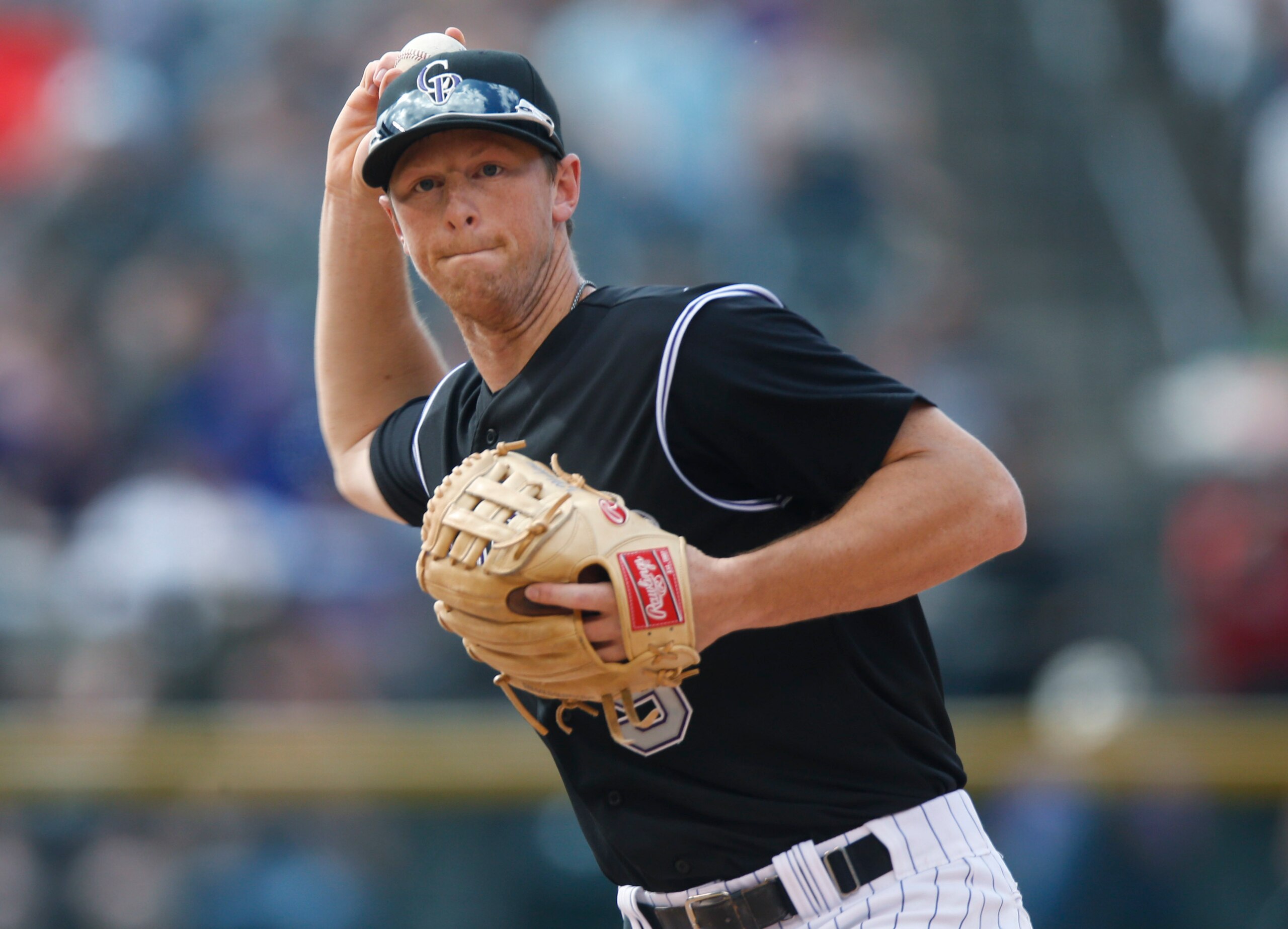
Hitting
LeMahieu has refused to slow down following his surprising All-Star selection, as he's now hitting .305 with a .365 OBP. Of course, the big red flag is that the Coors Field caveat applies to LeMahieu, who is not the same hitter on the road. But other red flags are hard to find. His approach is getting more disciplined every year, and he's a good contact hitter with a Howie Kendrick-like focus on the opposite field. Though his raw numbers oversell his hitting talent, it deserves props all the same.
Power
LeMahieu's raw power production doesn't look so good, as he's hit just six homers with a .092 ISO. And like you'd expect, it's even worse away from Coors Field. What mainly limits his power is the fact that he hits about 55 percent of his batted balls on the ground. And though he does hit his fly balls well to the tune of a 47.0 Hard% rate, few of his batted balls (less than 20 percent this year) are classified as true fly balls. So, don't expect much from him in this department.
Baserunning
LeMahieu has good speed, but he had issues putting it to good use stealing bases in 2013 and 2014, as he was caught 17 times in 45 attempts. These issues have gone away in 2015, as he's swiped 23 in 26 tries for the best success rate in the NL. He's tacked on a 47 XBT% as well and has cut down his number of additional outs on the basepaths from eight to four. At 27 years old, LeMahieu has figured it out.
Defense
The metrics supported LeMahieu's Gold Glove win last year but have scaled it back a bit with just a three DRS and 0.8 UZR. Errors have been an issue, and some of that is owed to him occasionally trying to do too much. But those, along with the metrics, exaggerate his defensive decline. He still has as much range as anyone thanks to quick reactions and good acceleration, and he also has quick hands and one of the more accurate arms you'll find at second base. He's not perfect, but he's very good.
Total
This undoubtedly comes off as too high a score for a player who's rarely mentioned as one of the game's top second basemen. But he always could (and still can) play a mean second base, and this season has seen him become a legitimately good hitter who's a quiet terror on the basepaths. That, folks, is a good player.
4. Jose Altuve, Houston Astros
23 of 26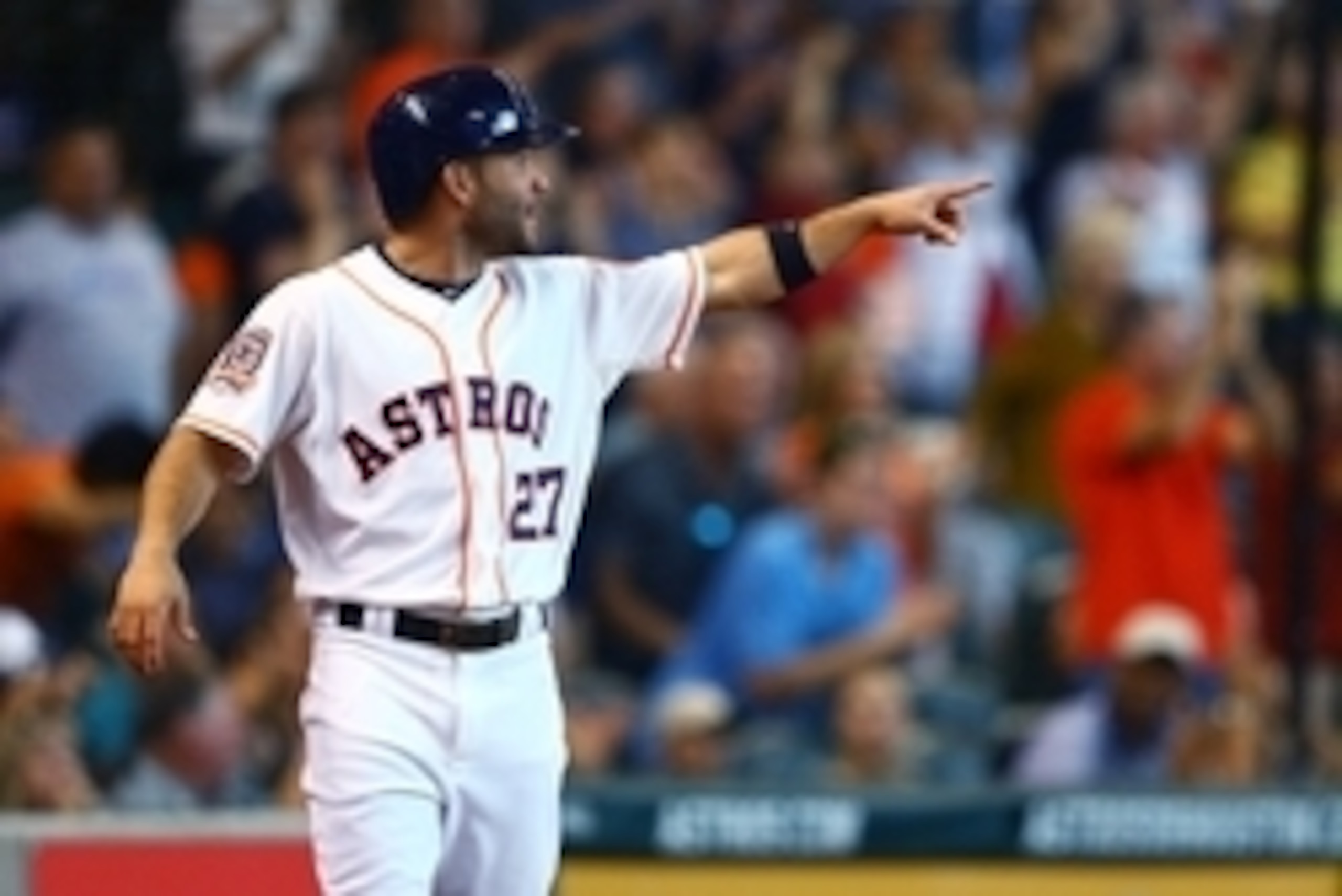
Hitting
Altuve hasn't lived up to his 2014 performance, but there's still plenty to like about a .313 average and .353 OBP. He's maintained his status as an excellent contact hitter who can hit anything in the strike zone, and he really has better bat control than his high pull rate lets on. On the down side, pitchers are back to trying to exploit his size by pitching him away, and he still hurts himself with his aggression. It turns a small strike zone into a big strike zone, ensuring his OBP potential only goes so high.
Power
Altuve has hit a career-high 12 home runs with a career-high .128 ISO, but be careful about taking these numbers at face value. He's been helped a bit by Minute Maid Park's cartoonishly short left field porch. And though he is capable of spraying the ball around, his raw power is considerably less than thunderous. He still hits nearly half his batted balls on the ground, and his 31.6 Hard% on fly balls is unfortunately par for the course. He's really more about line-drive power, which is only worth so much.
Baserunning
Altuve certainly has good speed, and he's put it to work stealing an AL-best 37 stolen bases. And though his 40 XBT% is nothing special by the standards of this list, it's passable. The catch is that he hasn't been nearly as mistake-free on the basepaths as he was in 2014. His 13 caught-stealings lead the AL, and he's made an absurd number of additional outs (18) on the basepaths. This is likely as bad as he's going to get, but it does go to show there's a potential down side of his brand of hyper-activity on the basepaths.
Defense
The metrics are liking Altuve's defense a lot more in 2015, giving him a two DRS and 3.0 UZR. His notable drop in errors is reflective of how he's seemingly stopped trying to do too much, but he still plays the position with a lot of energy. And thanks to good instincts and a good first step, he has some solid range. It's only solid, however. His height renders him unable to get to some balls other second basemen can, and his below-average arm strength doesn't help him either. There's a limit to how good he can be.
Total
It's to Altuve's credit that his 2014 season looks like his peak rather than a total outlier. He hasn't been as dangerous at the plate or on the basepaths, but he's still very much a quality hitter who can wreak havoc on the bases and play a solid second base to boot.
3. Dee Gordon, Miami Marlins
24 of 26
Hitting
Gordon has built on last year's breakout campaign by hitting .330 with a .356 OBP, but understand that the smallness of the latter is just as important as the bigness of the former. Gordon is largely incapable of drawing walks, as pitchers aren't afraid to attack him in the strike zone and he grants them additional strikes by swinging aggressively outside the zone. Fortunately, he's a good contact hitter who uses the whole field and makes the most of his speed by hitting mostly (about 60 percent) ground balls.
Power
With three homers and an .081 ISO, suffice it to say that power is not Gordon's game. He has more home run power than a guy like Cesar Hernandez, sure, but that's about the only compliment to give him here. You're not going to get many extra-base hits when 60 percent of your batted balls are on the ground, and the fact that Gordon has Hard% rates under 30 on fly balls and line drives highlights how little raw power he possesses. So, don't go looking for much from him here.
Baserunning
After swiping a league-leading 64 bags in 2014, Gordon has stolen "only" 53 bases this year. Rest assured, he's still very fast. And at 27, he should remain very fast for a few more years. However, last year's 67 XBT% has turned into a more modest 48 XBT% this year. Combine that with seven outs on the basepaths that don't even include his league-high 17 caught-stealings, and you get a picture of a guy who can indeed be stopped.
Defense
The metrics are of the mind that Gordon's defense has come a long way, giving him an 13 DRS and 7.0 UZR. He hasn't been as prone to mistakes this year, which is partially owed to him having a better handle on the position and partially to him simply exercising more care with ground balls. He also has good range, but the one gripe to make here is that it seems more so owed to his excellent speed than his instincts and first step. Even still, if it works, it works.
Total
Gordon's 2014 breakout had some cracks in it, but he's largely taken care of those in 2015. Though he doesn't offer much in the way of power, he's turned himself into a legit high-average hitter who's a nightmare on the basepaths and an asset on defense.
2. Jason Kipnis, Cleveland Indians
25 of 26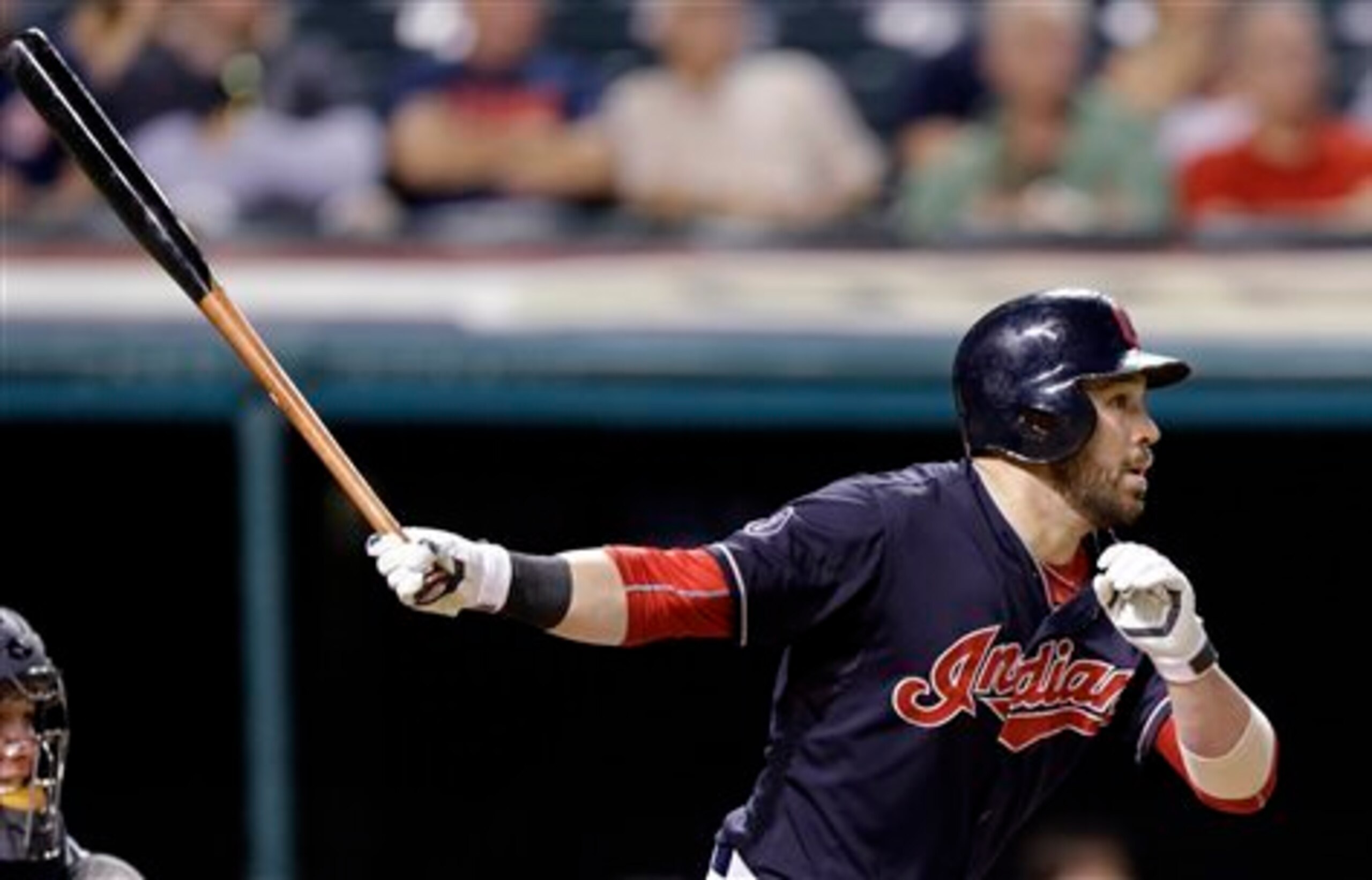
Hitting
Following an injury-marred 2014, Kipnis has returned with a vengeance to his .301 with a .372 OBP. He didn't have to do much to get his approach back on track, as it was already oriented around discipline and contact. But good health has allowed him to rediscover his line-drive stroke and to generally hit the ball on the button more often. One down side is that he's still struggling to shake his platoon split, and another is how it's not hard to beat him with anything up in the zone. All the same, he's back.
Power
Kipnis' power, sadly, still hasn't returned, as he's slugged just eight home runs and posted a merely solid .143 ISO. He does hit about 55 percent of his batted balls in the air, and his Hard% rates on fly balls (37.7) and line drives (40.4) are fine. But he's limited by how he only has home run power to right field, leaving him to pad his power stats with his opposite-field line-drive power. If this is a function of him prioritizing consistency over power, he probably won't go back to being a 15-20 home run hitter.
Baserunning
Kipnis' baserunning prowess has declined along with his power. He's stolen only 11 bags in 19 tries after stealing at least 22 the three prior years, making it easy to wonder if he's already slowing down at age 28. But double-digit steals should continue to be doable, and his 49 XBT% is actually a tick above his career norm. He may be slowing down, but he shouldn't stop for a while.
Defense
The metrics say Kipnis' defense has rebounded to the tune of a one DRS and 3.8 UZR. He is limited by modest acceleration after his first step, but he's able to salvage some decent range because that first step is a good one. He's also looked more confident making plays than he did in 2014, when his injury woes and struggles at the plate occasionally seemed to impact him on defense. If he has a weakness, it's that he's not particularly good at turning double plays due to somewhat of a slow transfer.
Total
After a lost 2014, Kipnis has reminded everyone of how good he can be when he's healthy. Even if his power and speed don't return to peak levels, a healthy Kipnis is a very good hitter who can provide additional value on the basepaths and on defense.
1. Ian Kinsler, Detroit Tigers
26 of 26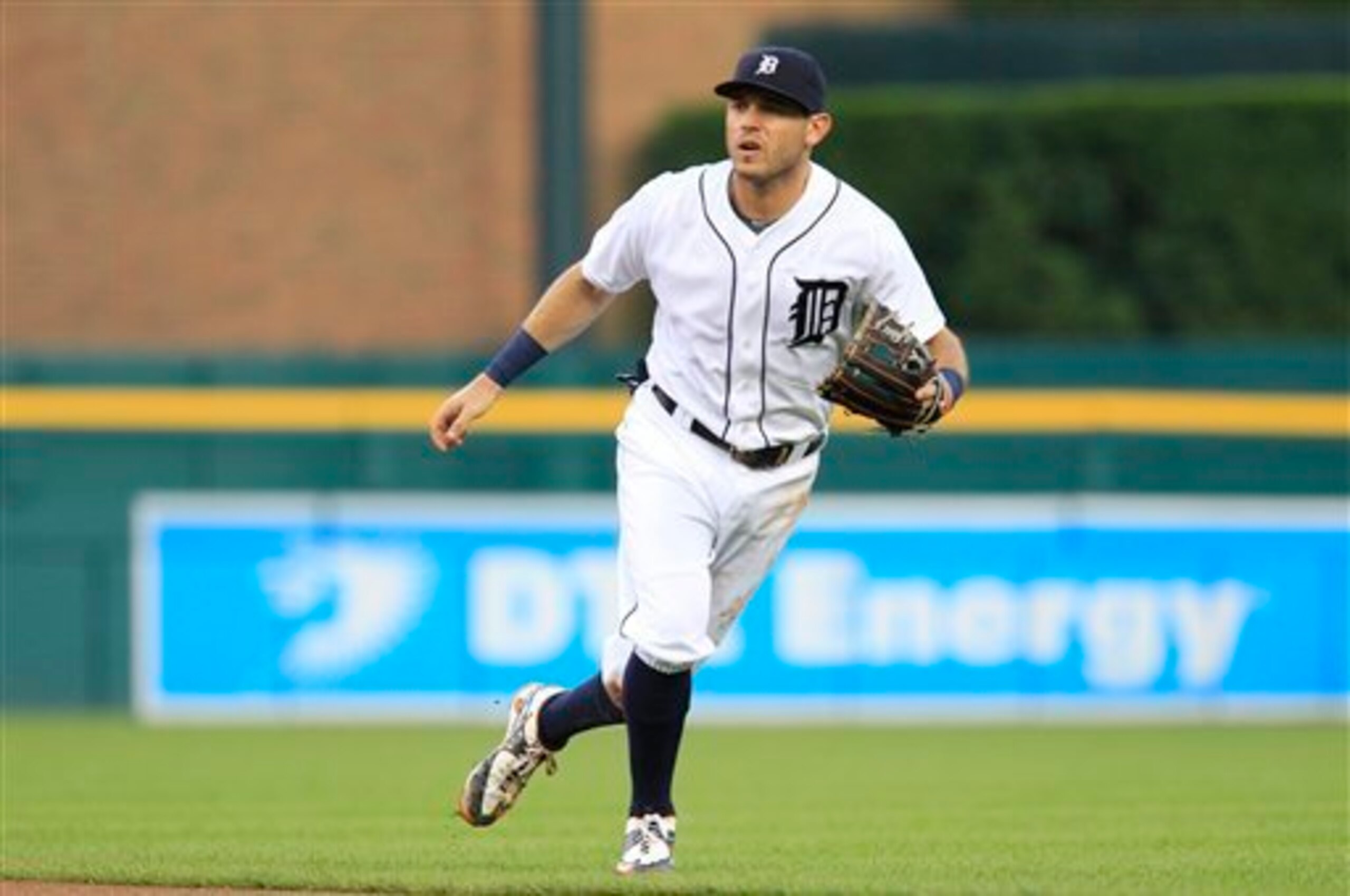
Hitting
It took time for Kinsler to get going, but his hot hitting recently has elevated his average to .299 and his OBP to .347. He can still be beaten up in the zone, and he's also still not nearly as disciplined as he once was. But he's at least become more disciplined than he was last year and has also become less of a pull hitter to boot. He's also regained his line-drive stroke and his ability to make consistent hard contact. So while he's still not perfect, Kinsler now looks a lot more like his usual self.
Power
The power Kinsler had in his prime is long gone, but he's still going somewhat strong with 11 homers and a .136 ISO. He's achieved these numbers mainly by volume, hitting darn near 70 percent of his batted balls in the air. Many of these haven't been well hit, as his Hard% rates on fly balls (28.6) and line drives (33.8) fail to impress. But he's made good use of his pull tendency and has also shown good power to center and right-center. This is as good as his power is going to be at his age (33), but it'll do.
Baserunning
Kinsler has typically been good for around 15 steals per year, but he's not getting there this year with just 10 steals in 16 tries. And while his 50 XBT% is quite good, it's down from over 60 percent the two previous years. Given that Kinsler is now in his mid-30s, it can be assumed that we're witnessing an ongoing baserunning decline.
Defense
The metrics have long liked Kinsler's defense, and that's the case once again with a 19 DRS and 5.3 UZR. He doesn't have the range he once did due to his diminished speed, but his instincts and first-step quickness allow him to still get good jumps on balls. He also has good arm strength and arm accuracy and a quick release that makes him one of the best in the business at turning double plays. All told, he's still one of the best in the majors on defense.
Total
There are some age-related cracks in Kinsler's game, but not enough to fear him falling from the ranks of the game's top second basemen. He might be the best defensive second baseman in the game, and he can still handle a bat as well as almost anyone.
.jpg?w=2560 "Mahomes Reacts to Bettors Vid 😂")

.jpg?w=2560 "Sports Leagues Ask for Protections from Bettors' Threats (AP)")
.jpg?w=2560 "Week 1 Fantasy Duds 👎")