
MLB's Growing Gambling Problem
An all-time "What did you think was going to happen?" story is unfolding in Major League Baseball.
It used to be that gambling controversies were rare. There was the 1919 Black Sox and Pete Rose, but suffice to say, there really weren't any gambling controversies in the 2000s and 2010s.
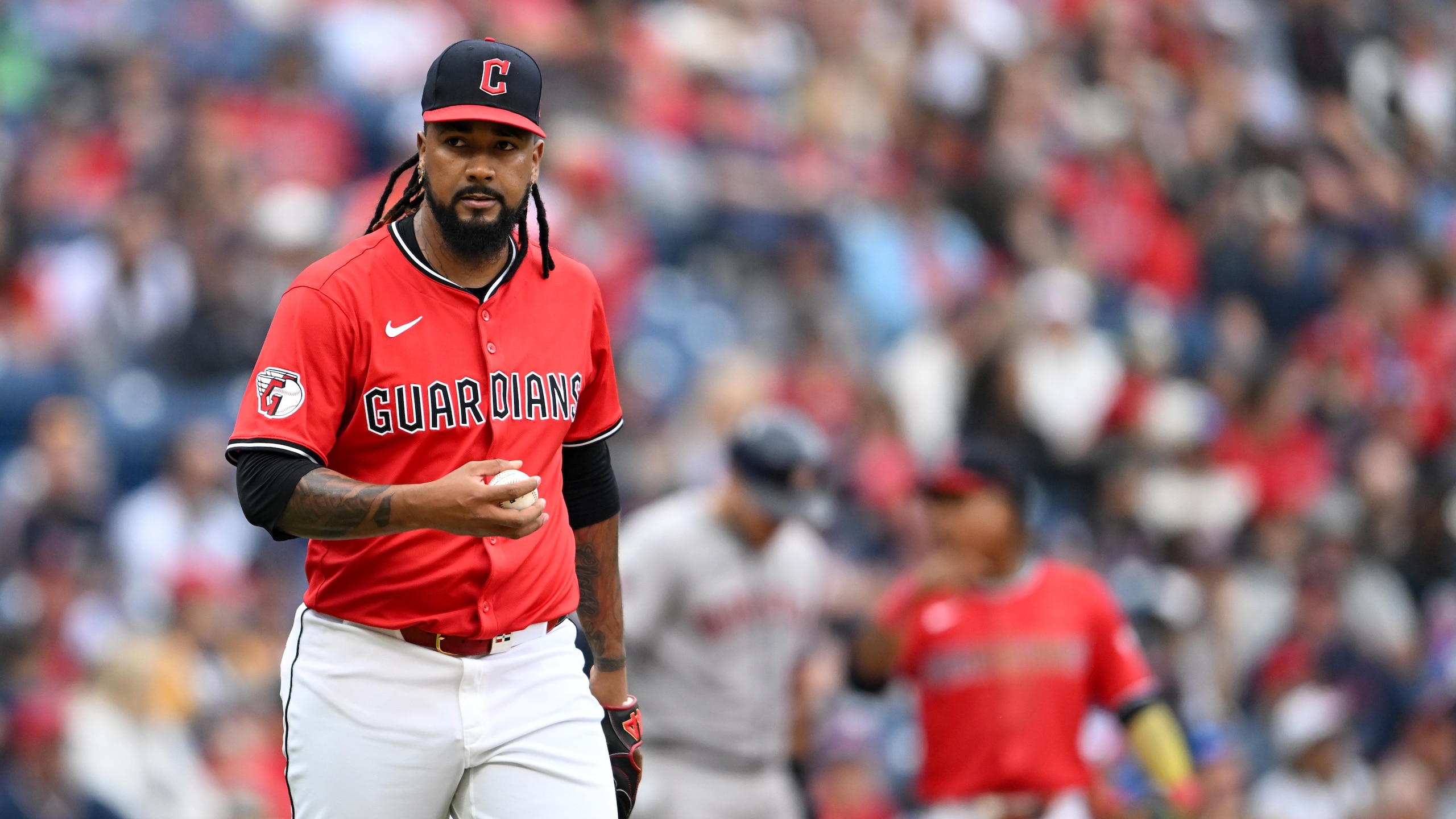
In the here and now, though, the Cleveland Guardians have had two players taken off the field due to a sports-betting probe in the span of just a couple of weeks. Innocent players are getting bombarded with harassment and outright threats from bettors. And any fan who just wants to watch a game can't avoid being prodded to bet more money on more outcomes, right now.

Welcome to MLB's New Culture of Paranoia
How baseball has gotten to this point calls to mind that classic line by Ernest Hemingway: "Gradually, then suddenly."
When the U.S. Supreme Court legalized sports betting in 2018, one could only imagine what trouble lay ahead. The potential pitfalls came into sharper focus as sports betting exploded in popularity, as it became legal in more and more states. Then they were right there in front of baseball once MLB officially partnered with the sports betting industry in March 2023.
Since then, a steady flow of scandals has sunk MLB into a reputational nightmare:
- March, 2024: The Shohei Ohtani-Ippei Mizuhara conspiracy
- June, 2024: 5 players suspended for gambling-related offenses
- February 2025: Umpire Pat Hoberg fired after a gambling probe
- July 3, 2025: Luis L. Ortiz placed on leave amid gambling probe
- July 28, 2025: Emmanuel Clase placed on leave amid gambling probe
The actual regulations concerning gambling remain unchanged in the MLB rule book. For players, umpires and employees who bet on games they aren't involved in, it's a one-year ban. For games they are involved in, it's permanent ineligibility.
These rules are meant to reinforce the integrity of the game, which MLB commissioner Rob Manfred maintains is of the utmost importance. But the blatant contrast between these rules and the league's buddy-buddy relationship with the sports betting industry feels like a joke, and it's not going unnoticed.
Shane Gillis joked about the Ohtani-Mizuhara scandal during the ESPYs. And if something inexplicably weird happens in a game, anyone who's not joking about the fix being in is liable to carry out a Jose-Altuve-was-wearing-a-buzzer style of investigation.
The truth is that fans are right to be suspicious. The allure of gambling is that of easy money, and potential bad actors within baseball don't need to throw a whole series or even an individual game to cash in.
Ortiz is on leave just out of suspicious activity on two pitches. He threw first-pitch balls on June 15 and June 27 that were nowhere near the strike zone. As it is possible to place wagers on the outcome of the first pitch of an inning, it's possible he may have done that on purpose to earn an easy profit.
It is not yet publicly known what drew MLB's attention to Clase, but the thinking on social media is that he may have engaged in similar behavior:
Clase and Ortiz haven't been found guilty of anything, but these situations are creating a new social media genre of gambling detectives looking to find the smoking gun for pro athletes being investigated for gambling.
Welcome to MLB's New Era of Harassment and Threats
Though all betting-related controversies are very much unwelcome, we're still talking about a few isolated incidents. Most people within the game remain innocent bystanders.
It's awful, then, that even the good ones have targets on their backs.
Professional athletes always have been and always will have to be willing to put up with unruly fans, but all the available evidence suggests things have gotten truly dark.
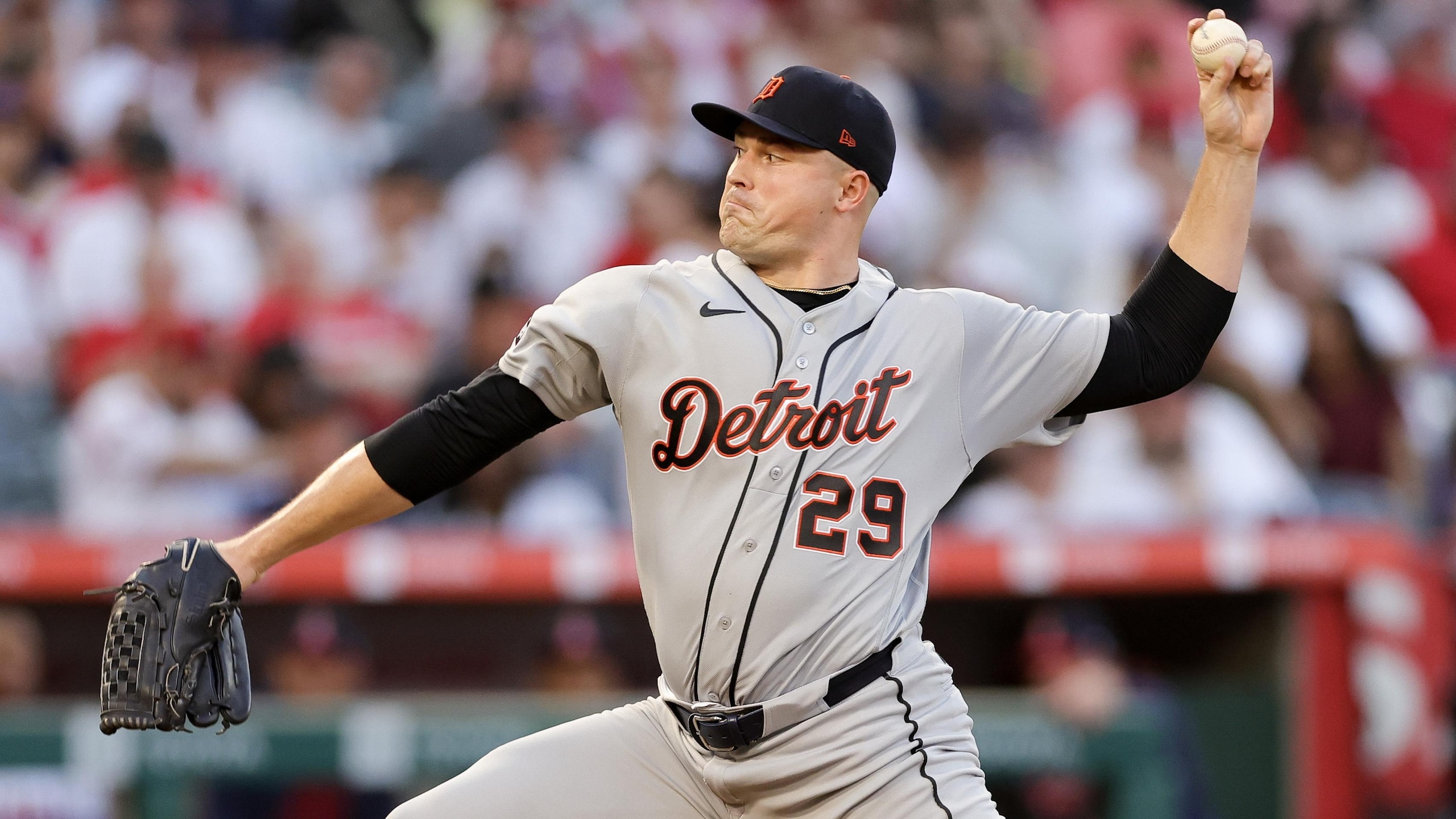
Houston Astros starter Lance McCullers Jr. has had death threats, as have several members of the Boston Red Sox, including Liam Hendriks and Lucas Giolito. Sports betting was the impetus in all three cases.
"With the rise of sports gambling, it's gotten a lot worse," Hendriks said in May. "Unfortunately, that tends to be what it ends up being—whether it be Venmo requests, whether it be people telling you in their comments, 'Hey, you blew my parlay. Go [expletive] yourself,' kind of stuff. And then it's, 'Go hang yourself. You should kill yourself. I wish you died from cancer.' That one kind of hit a little too close to home for me with everything I've gone through."
It sure feels like a related story that gambling addiction is on the rise, which is no surprise. The whole business model of the sports betting industry is essentially a gameplay loop paired with a feedback loop. Nobody can watch a game without being told what to wager on, and actually making that happen is as simple as pulling out the phone and making a few clicks.
Sure, you can hypothetically make money this way. But since only 3 percent of sports bettors are profitable in the long term, a huge majority aren't. Those people are inherently at risk of becoming desperate, and few things make people willing to go to dark places quite like desperation.
Pandora's Box May Be Open for Good
Manfred called threats to players from bettors a "matter of concern" for the league, per ESPN's Jesse Rogers. And because of the digital nature of the sports betting industry, he is right about one thing.
"I truly believe we're in a better position to know what's going on today than we were in the old days when it was all illegal," Manfred said.
Policing the bad actors can only be an endless game of whack-a-mole, and the one solution that would actually solve the problem once and for all is likely off the table.
This, of course, is an outcome in which sports betting goes back to being a largely illegal enterprise limited to sportsbooks in Las Vegas and other isolated areas. This would make everything better in theory, but the reality is that MLB and, really, the whole sports world are in too deep.
Sports betting simply wouldn't be so ubiquitous if it weren't lucrative, and MLB's partnerships allow it to take its slice of the pie. And it's an important slice, as revenue the league used to generate through regional sports networks is on its way out.
If this is just how it's going to be, then the hope must be that MLB at least takes on a more active role in pushing back on the corruption that sports betting hath wrought.
At the least, it would be nice to see an NCAA-style anti-harassment campaign. Though it may be asking too much, even better would be if the league insisted on having a say on what bettors can wager on. Though addiction will always be a threat with gambling of any sort, it would almost certainly be lessened if bettors couldn't put money on every little thing that happens in a given game.
Personally, I could do with a whole lot less in the way of advertisements and in-game promotions. As someone who is not a gambler, the only message I get from these is, "If you're not trying to make money off this, you're doing it wrong, loser." And...I don't know, man. Some of us still enjoy baseball for baseball's sake.
In the meantime, all that is left to say is that MLB's gambling problem simply can't be allowed to get worse. When both the game's integrity and actual people's wellbeing are in danger, things have gone far enough.
.png?w=2560 "Ranking the Best Shooters of All Time 🎯")

.jpg?w=2560 "UDFA's with Best Chance to Make Rosters")