
Biggest Questions Facing NFL Owners and Leadership in Wake of Ray Rice Appeal
With arbitrator Barbara S. Jones' Friday decision to overturn Ray Rice's indefinite suspension from the NFL for knocking out his then-fiancee, Janay, in an elevator, the former Baltimore Ravens tailback is eligible to play as soon as a team signs him.
Will one?
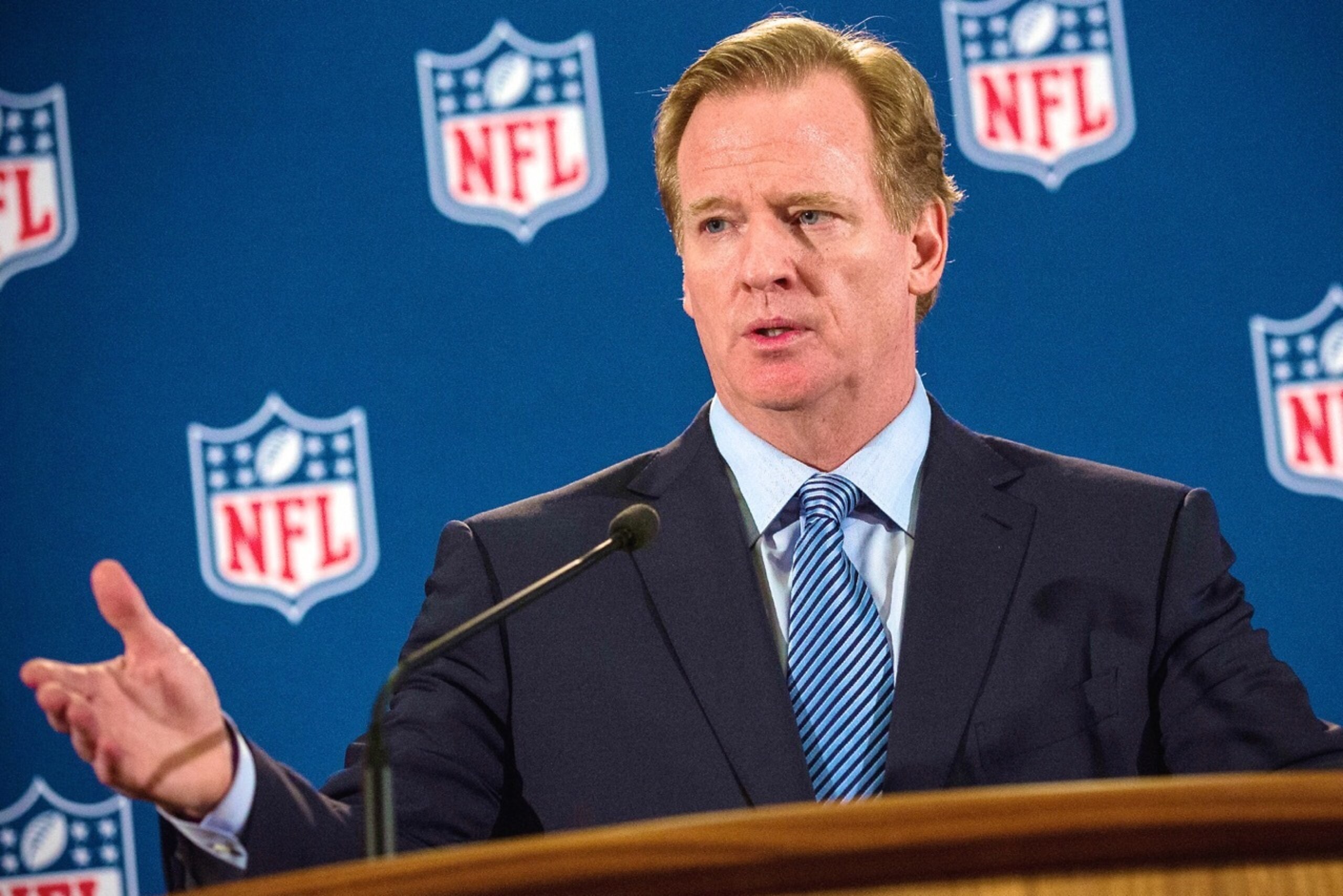
NFL commissioner Roger Goodell's credibility has been further eroded, and Bleacher Report NFL Lead Writer Mike Tanier argued Goodell doesn't have any left.
TOP NEWS
.jpg?w=2560 "Chargers Mack")
Every Trade's Best Trade Asset 🔁
.jpg?w=2560 "Chiefs Cowboys Football")
🚨 Tony Romo, CBS Sports Part Ways
49ers Owner Jed York Suspended 6 Games (AP)
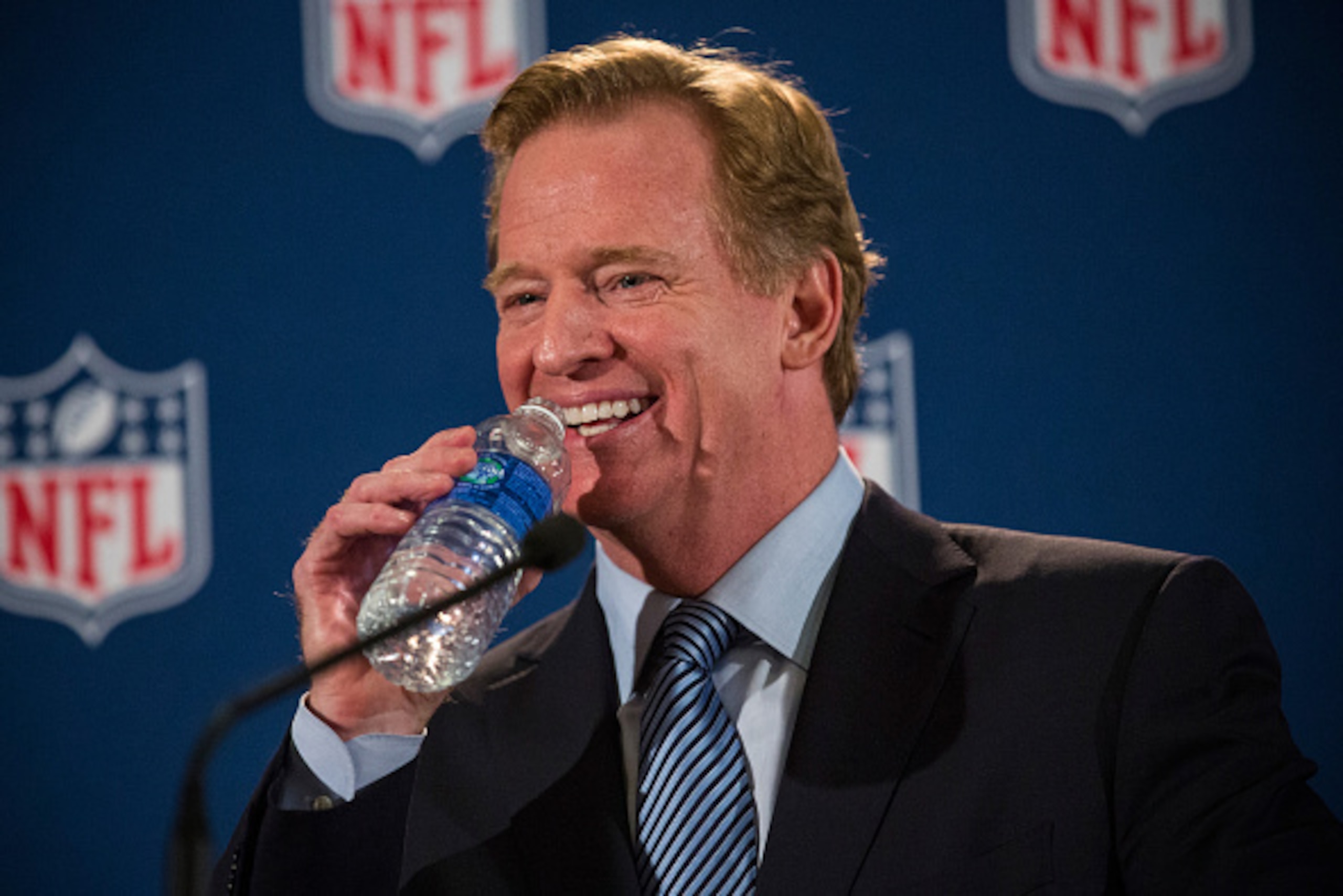
Does he?
After all this, Goodell still stands as judge, jury and executioner on all off-field conduct cases that don't involve substance abuse. Going forward, all interested parties will have major doubts about his ability to effectively administrate off-field discipline.
Is that going to change?
No matter how you feel about Rice, Goodell, the NFL, its players' union or Jones' decision, the impact of Rice's upheld appeal will have major repercussions going forward.
Will Rice Ever Play Football Again?
Not in 2014, no.
Signing a player to a contract always involves some risk. On a micro level, you're giving a roster spot to one player and denying that spot to another. For a playoff contender with a flagging running game to sign Rice, that means they have to put someone on waivers (or injured reserve).

Every NFL team will have to ask themselves if Rice will help them more than that fourth defensive tackle, reserve swing center/guard or special teams ace. If the answer is "no," they won't sign him.
Second, of course, there's the publicity hit. Most NFL fans want to pretend their team would never stoop to signing a confessed felon fresh off indefinite suspension. In reality, every team looks at a player like Rice and weighs the potential on-field benefit against the bad publicity.
In Rice's case, the publicity is about as bad as it gets. As sterling as Rice's reputation was before those videos surfaced, and as contrite as he's been, NFL fans are just weeks removed from watching looped video of him punching out Janay on every glowing screen in America. Jumping at the chance to sign Rice means jumping into a publicity bonfire.
What about 2015 or beyond? Our flames of collective outrage will eventually die down. Janay told her side of the story to ESPN.com's Jemele Hill, and Ray will have plenty of chances to rehabilitate his image, too. There are countless examples of fans finding ways to get over their outrage for a player who's helping them win.
But that's the catch: Ray Rice is coming off his worst season as a pro. He averaged just 3.1 yards per carry in 2013 for a total of 660 rushing yards. That's just over half the 1,267 yards he averaged over his first four years as a starter in Baltimore.
He picked up 38 yards on five carries in the 2014 preseason, but that's a very small sample size. As ESPN.com's Kevin Van Valkenburg pointed out on Twitter with regard to Rice's 2013 season, he wasn't the only one to blame:
He's right. Since installing offensive coordinator Gary Kubiak's system, the Ravens' run blocking is currently graded second best in the NFL by Pro Football Focus (subscription required) in 2014, after ranking sixth worst in 2013.
Even if the Ravens' offensive regression in 2013 was what was ailing Rice, though, there are plenty of backs who can average better than 3.1 yards per carry behind a below-average line. Signing Rice just won't be worth the risk—not unless the 27-year-old can convince at least one team he's in the best shape of his life.
Can the Owners Be Confident in Goodell?
This columnist wasn't the only one who thought Goodell's improvisational approach to punishing Rice—not to mention his after-the-fact butt-covering—made him unfit to continue serving as commissioner. After all, the NFL's bylaws state the commissioner must be "a person of unquestioned integrity."
However, the ship has already sailed on Goodell's credibility here. From the instant he gave Rice a two-game suspension, the backlash, fallout, re-suspension and appeal were all logical dominoes that fell.
His emergency redo of the domestic violence policy, open letter to NFL owners explaining it and shaky Sept. 19 press conference were all part of this strategic backpedaling, forced by his original mistake and unrelenting public pressure.
Goodell's decision being upended by a neutral arbitrator looks bad. She flatly contradicted his statement that Rice told a "starkly different" story about what happened in the elevator compared to what we saw on video. She ruled that Rice "did not lie or mislead the NFL" at the disciplinary meeting.
However, none of this shakes the foundations of the NFL. If the owners hadn't yet lost faith in Goodell, an arbitrator ruling he overreached his legal grasp while trying to protect the league's image won't change their minds.
Really, Goodell's mistake was making himself solely in charge of personal conduct discipline. Even a person of unquestioned integrity and nigh-infinite wisdom couldn't levy a perfectly fair punishment in every case. He was bound to make an unacceptably unpopular ruling eventually.
What Does This Mean for Personal Conduct Oversight?
Back in 2007, Goodell strengthened the personal conduct policy as a direct response to public outcry about a rash of criminal acts and arrests in the NFL.
He swung his new hammer early, hard and often. The popular perception was that he also swung it effectively. As Bleacher Report AFC West Lead Writer Christopher Hansen wrote in July 2013, arrests did decline sharply from 2008 to 2009, but they have been slowly rising since.

But Goodell's approach wasn't ever about justice, fairness or "getting it right." It was about sending a message—partially to players, but more so to fans—that criminal behavior wouldn't be condoned by the NFL any longer. This was critical to maintain the league's crossover appeal to non-traditional sports fans.
Now, he's painted himself into a corner.
In order to get this right going forward, he can't make punishments up as he goes. There must be comprehensible policies regarding off-field conduct, clear punishments that fit the violations and an appeals process not adjudicated by the same party responsible for the original sentencing—something much like the league's substance-abuse policy.
That policy was collectively bargained. It's something NFLPA executive director DeMaurice Smith told The Associated Press, via CBS New York, the league needs to "commit to." However, Goodell and the NFL don't want to relinquish that control.
A recent meeting between Smith and Goodell about revamping personal conduct policy was not productive, per ESPN.com's Andrew Brandt:
Brandt later tweeted that the NFL's current comments about a new policy don't seem to reflect any intention of going down that path. If the league and the union are at an impasse over such an important part of the CBA and Goodell elects to run roughshod over the union's wishes, what will happen?
A recent interview Smith gave to Jenny Vrentas of The MMQB provides a clue:
"THE MMQB: Are there any steps that you can take, or are taking, to get the NFL to collectively bargain?
SMITH: If they don’t collectively bargain, it can’t be a part of our CBA. There is always recourse, but the loss to the NFL is you won’t have a policy that is part of the CBA, like the drug policy, or on-field discipline, or shares of revenue, or what happens with respect to workers comp, benefits, retirement or injury grievances. The [CBA] is about 500, 600 pages of torturous agreements between the players and the NFL. Why would you lack the courage to make your policy a part of that?
THE MMQB: What "recourse" do you mean?
SMITH: Next.
"
Smith, of course, doesn't want to use the word "strike" because it's tremendously unpopular. The 2011 work stoppage, despite being a lockout imposed by the owners, was called a strike by many fans (and imprecise media analysts).
Fans have always had a hard time accepting players could ever turn down six-, seven- or even eight-figure salaries to do a job we say we'd do for free. If Goodell and the NFL continue to put players on the shelf (and take five-, six- or seven-figure chunks out of their pay) based on his random stabs at fairness, though, they just might decide to sit out.
There's a long, long way to go before the situation gets that desperate; the new collectively bargained substance-abuse policy took over three full years to hash out, and a stoppage was never threatened.
Yet, if Goodell and the owners can't proactively recognize the best interests of all involved—rather than getting into yet another "torturous" chest-puffing standoff with the union—it'll eventually become yet another black mark on the commissioner's legacy.
It's worth wondering just how many of those he'll rack up before the owners finally decide all the money he's making them isn't worth the embarrassment.
.jpg?w=2560 "Green Bay Steelers Football")
.jpg?w=2560 "Steelers Eagles Football")
.jpg?w=2560 "Grading SmackDown 🔠")

