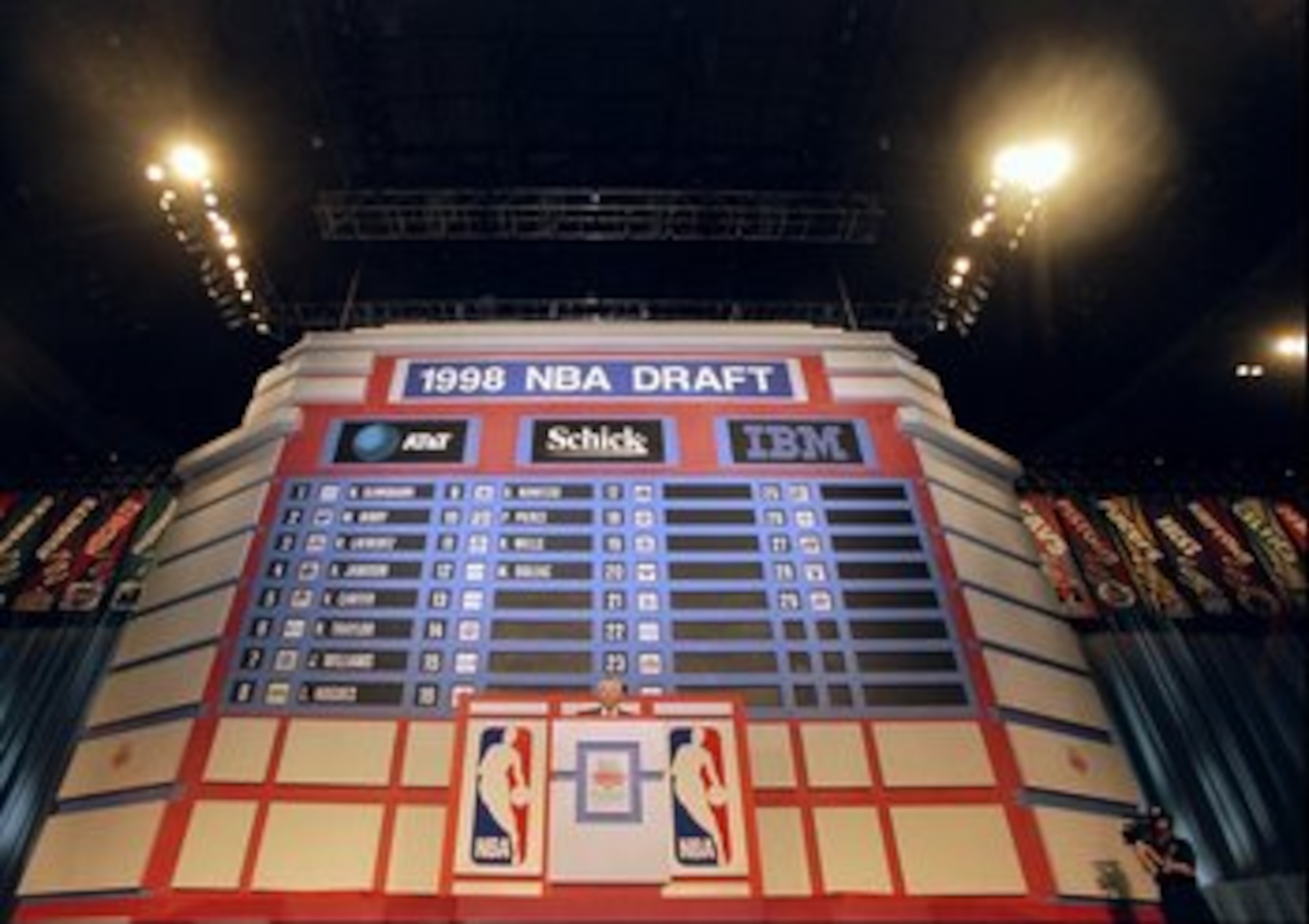


The National Basketball Association has never had a good method of determining who gets the first pick in it's draft.
Over the years, league officials have tried several different ways to determine a fair system for turning amateur prospects into NBA players and stars.
Basketball is unlike other major sports where many players make up a team, and no single player can impact the success of a franchise on his own as much as in basketball.
As we have seen on several occasions, winning the draft lottery and selecting that "once in a lifetime" player can quickly turn a team from lottery team to playoff contender for many years.
Perhaps the potential for controversy lies in the method itself. Instead of using the complex equations, ping-pong balls and big dramatic announcements, other sports keep it simple.
The NFL and Major League Baseball create the draft order based on the reverse order of finish in the season.
Simple, the more you lose, the sooner you pick.
In hockey, a lottery is used, but the prize is not the same. Instead of automatically winning the first overall pick, the winning team only moves up four spots in the draft order. The winning teams have a better chance at winning the lottery, and the team with the worst record usually gets the first pick.
The following slideshow will examine some of the history of the draft and look at the biggest examples that conspiracy theorists use to call a foul on the NBA lottery system.
NBA Draft Lottery History
1 of 6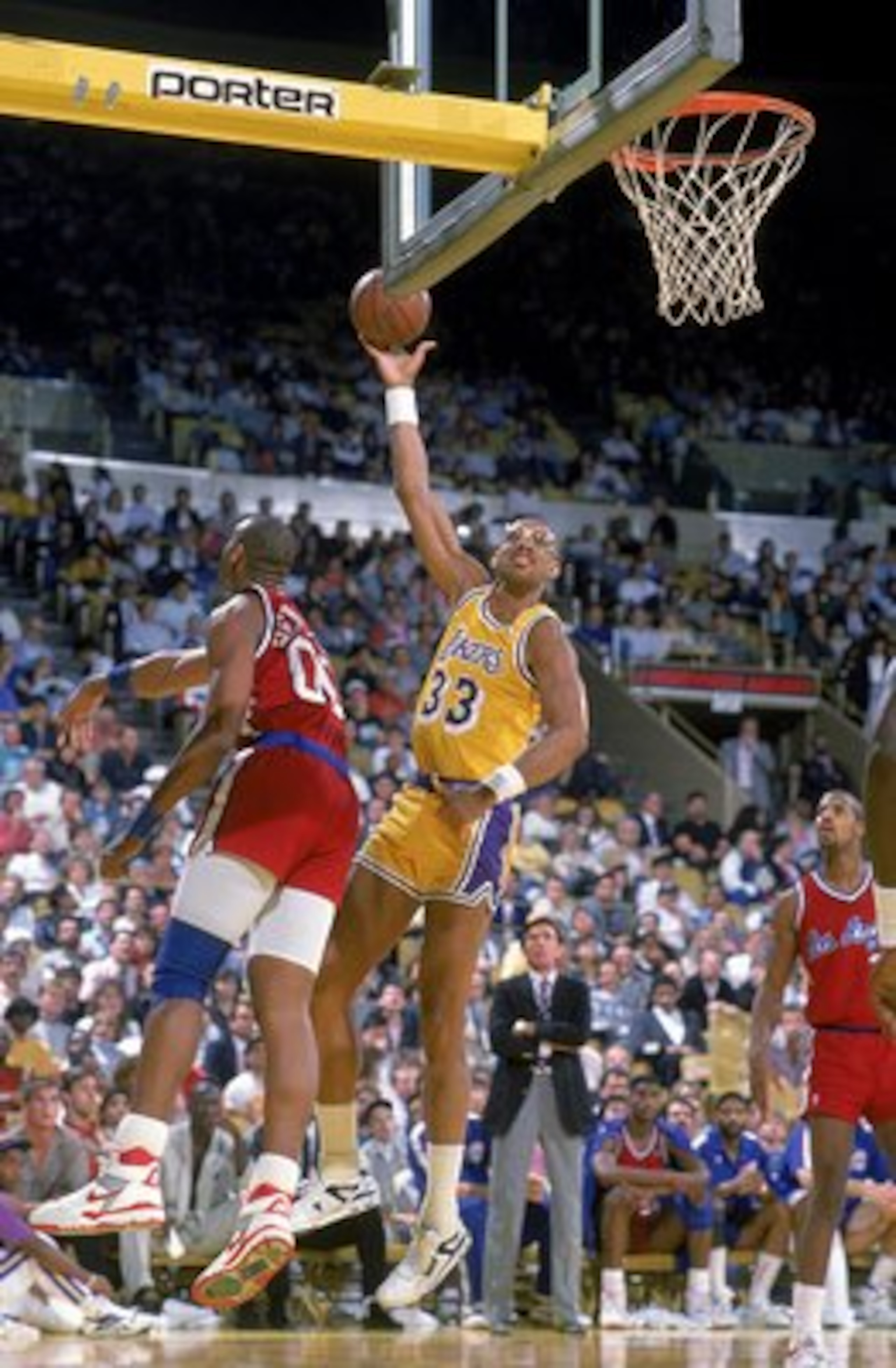
Until 1966 the NBA employed the often used formula of awarding the team with the worst record the first pick in the draft. It did, however, come with a twist.
Each team had the opportunity to use what was known as a "territorial pick" that allowed a team to choose a player from their own local area. Using that pick then caused a team to forfeit their first-round pick.
If that rule were in place today, Kyrie Irving could be playing for the Bobcats, Derrick Williams for Phoenix and Jimmer Fredette would be headed to the Utah Jazz.
Beginning in 1966, the league scrapped the territorial pick, and used a coin-flip system. Basically, the teams in each division with the worst record would flip a coin to determine who would have the first pick.
The coin flip system was used until 1985 when it was thought by many that the Houston Rockets were deliberately losing games to get to the coin flip, and possibly the first pick.
In 1985, the lottery system was born. It began with each non-playoff team having an envelope placed in a large spinning hopper and the envelopes being pulled out in the order of the draft. During the first time the lottery was used, big controversy arose.
The system was tweaked a little bit until it was replaced all together by seemingly more reliable ping-pong balls that are used today.
The Biggest Controversy: Knicks Land the Top Pick
2 of 6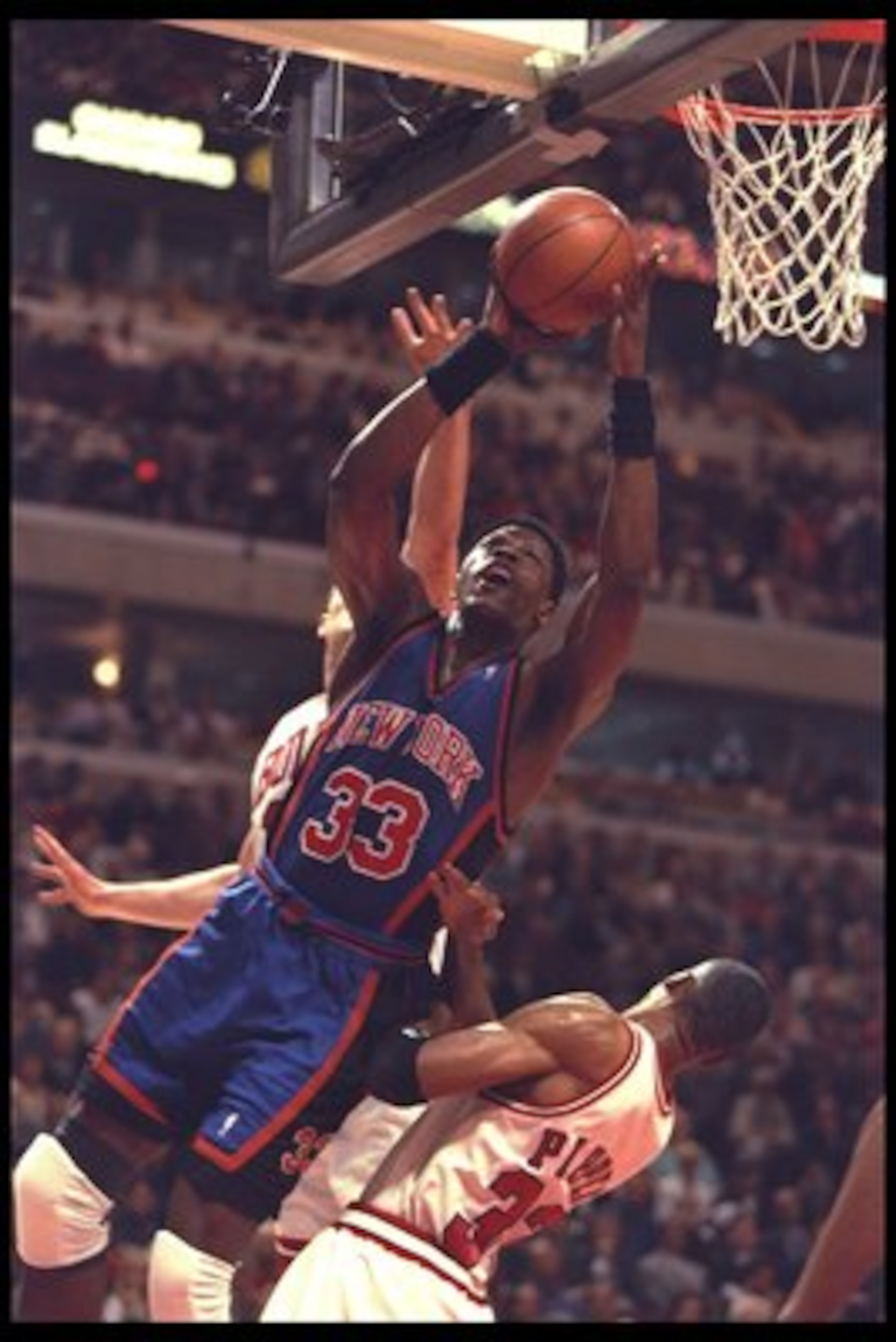
In 1985, the first year that the lottery system was used, the New York Knicks struck it rich and won the first overall pick which they used to draft Georgetown Center, Patrick Ewing.
Shortly following the draft, fans around the country were upset and accused NBA commissioner David Stern, a New York native and Knicks fan of fixing the NBA draft.
Video replay from the draft showed that as most of the envelopes were placed into the hopper, one was slammed against the inner wall.
As Stern drew out the envelope that would determine the first pick, it was obvious that the corner was bent on the envelope that happened to be for the Knicks.
It actually makes sense that the league would want the biggest star in the draft to play in the biggest market and on it's biggest stage.
Had teams such as the Pacers, Sonics, Hawks or Kings won the lottery, it would have sent the best player in the draft to a smaller market with much less exposure and potential to make money for the league.
Ironically, the whole planned backfired as the Knicks did not win a championship with Ewing, and the 13th player drafted turned out to be better than Ewing.
That player was Karl Malone of the Utah Jazz.
1997 Draft Lottery: No Luck for the Celtics, Spurs Transform Franchise
3 of 6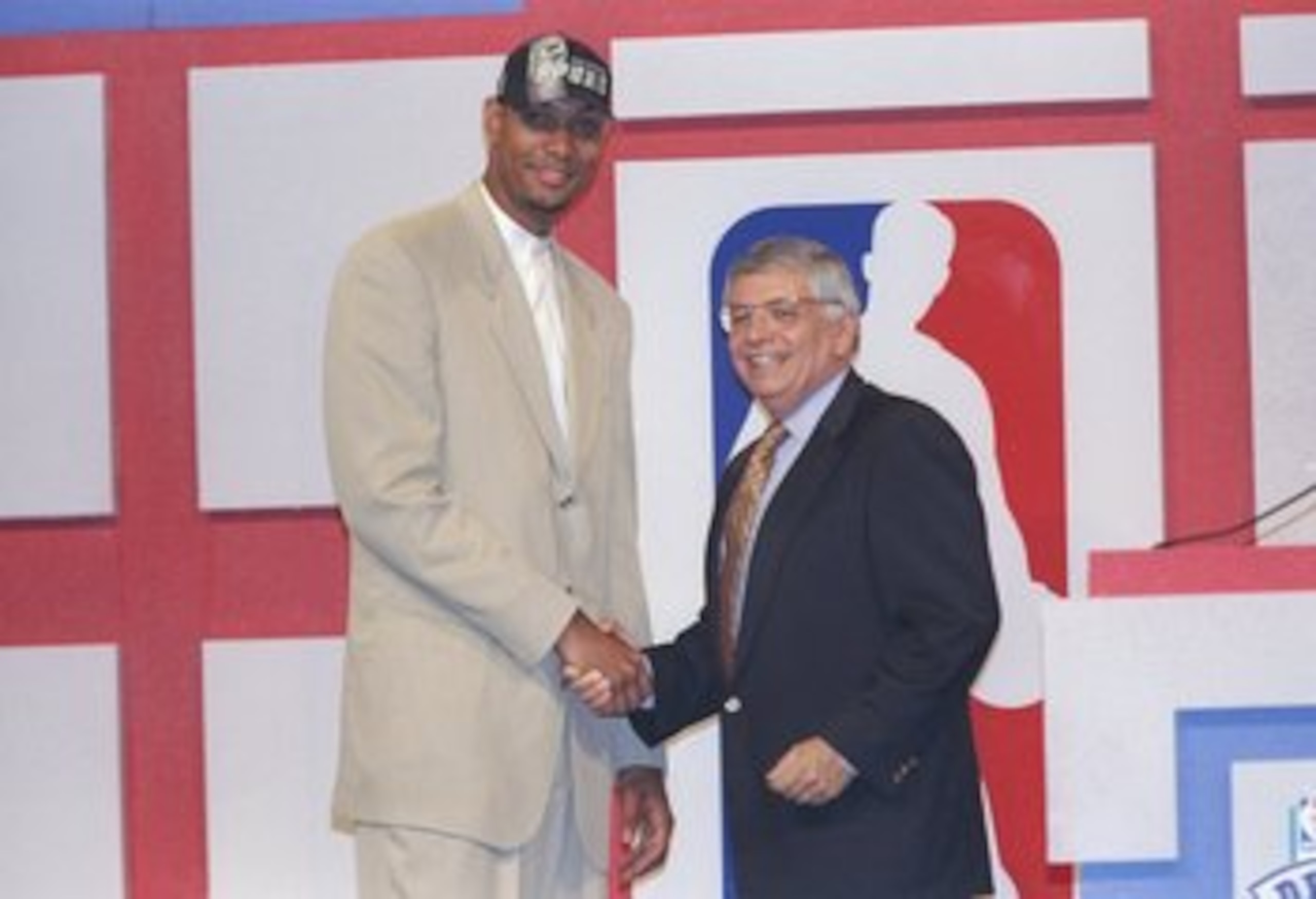
Heading into the 1997 draft lottery, the Boston Celtics had just endured one of the worst seasons in their history. They ended the year just 15 total wins which was one game behind the Grizzlies for the worst record in the league.
Rumor has it that a group including the Spike Lee and commissioner David Stern could not bear to see the Celtics win the draft lottery and have the chance to draft Tim Duncan out of Wake Forest.
Many feel that the lottery was again fixed so that the neither the Grizzlies or the Celtics got the first pick.
Instead, the San Antonio Spurs were awarded the pick despite having the third-worst record.
With Duncan, the Spurs have gone on to win multiple championships and he is regarded as the best power forward to play the game.
The Celtics took longer to recover, and the Vancouver Grizzlies failed in Canada and relocated not long after.
Hometown Heroes: LeBron James and Derrick Rose Drafted Close to Home
4 of 6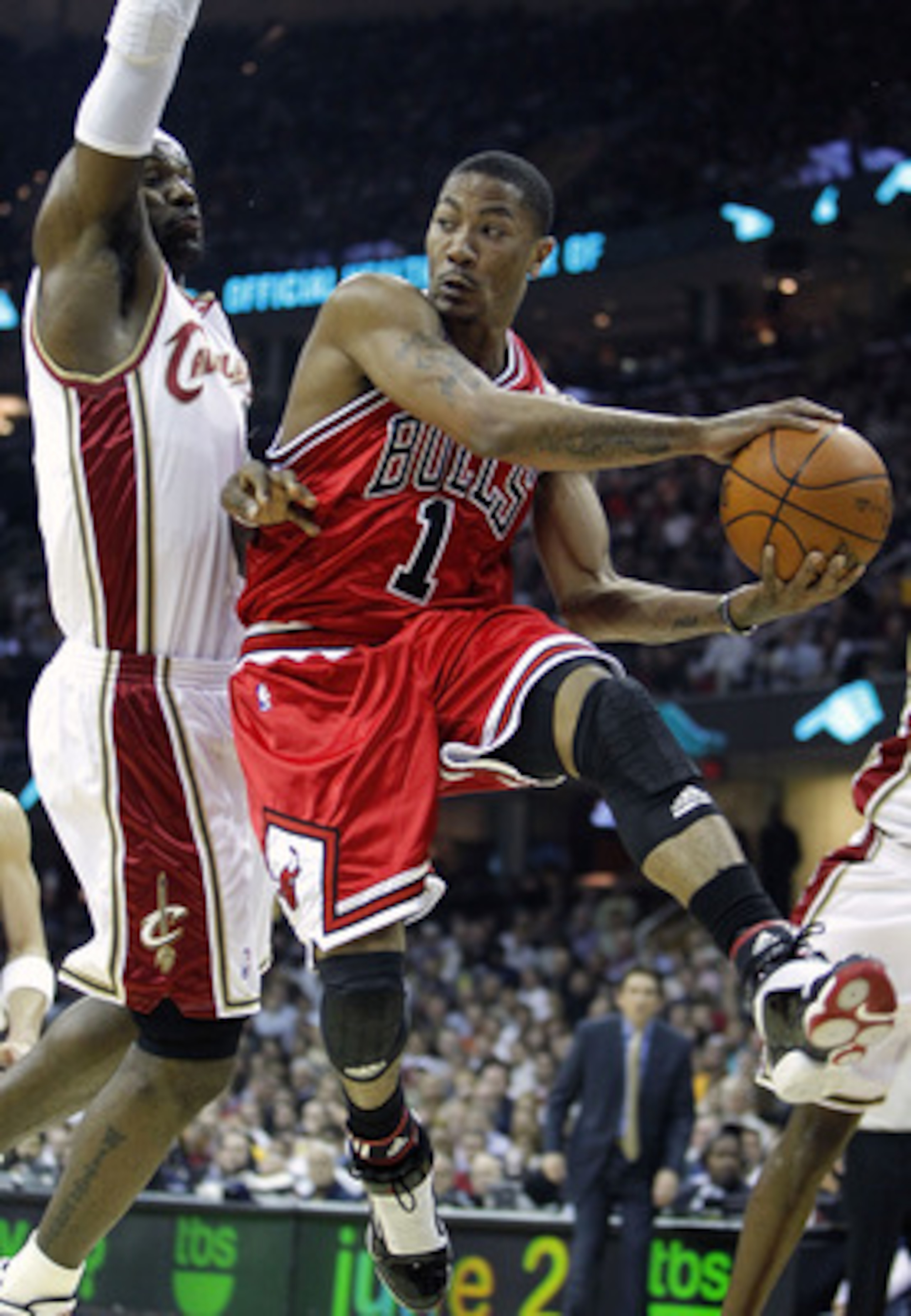
It happened twice within five years of each other. Each time it seemed like a dream matchup. The hometown hero playing close to home and changing the face of a franchise.
The first time was in 2003 when the Cleveland Cavaliers were in the running for the worst record and first overall pick, which they did win.
With that pick they selected LeBron James out of an Ohio high school. It all sounds great. Right?
Look more closely. In the running for that lottery pick was also the Toronto Raptors.
Conspiracy theorists would say that there was no way that the future face of the NBA was going to play in Canada. They did everything that they could to not only keep James in the USA, but also in the Eastern Conference and in his home state.
As we know, things did not go well as he turned his back on his "family" and moved to the Heat as soon as he could.
The second time the hometown boy was chosen was in 2008 when the Chicago Bulls miraculously won the lottery with less than a two percent chance of taking home the top pick.
The Bulls selected Chicago native Derrick Rose first overall. Not a bad way to place a premier player in one of the biggest markets in the NBA. Prior to Rose's arrival, the Bulls were not playing well, and the league was happy to try to regain the popularity the Bulls had during the Michael Jordan era.
Just plain luck, or conspiracy to keep the hometown boys close to home and rebuild a franchise in one of the biggest markets?
Orlando Magic Win the Lottery Twice in a Row
5 of 6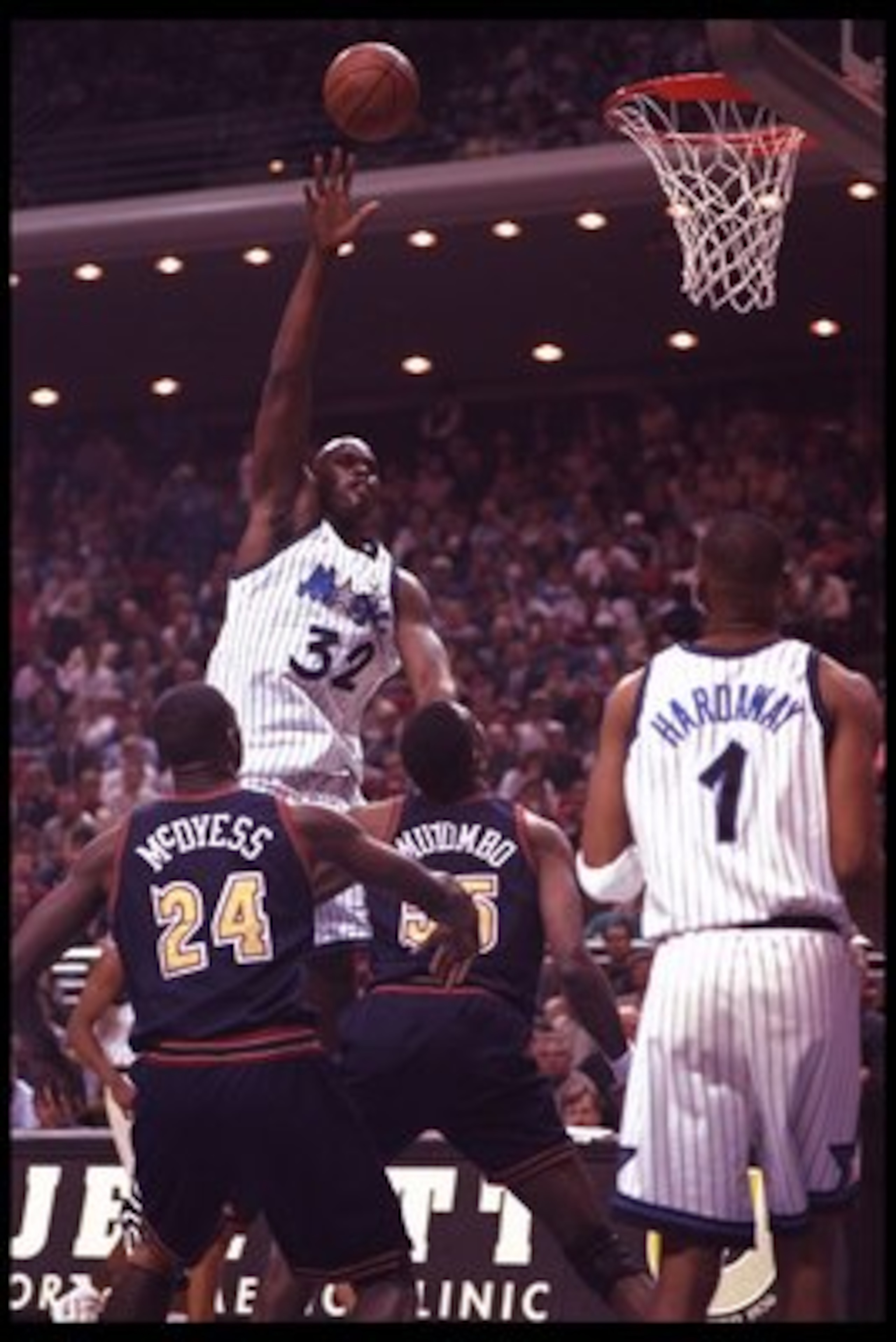
They say that lightening does not strike the same place twice.
It does in the NBA draft lottery.
The Magic won the 1992 draft lottery and the opportunity to draft one of the most dominating players in league history in Shaquille O'Neal. His presence was good for an improvement of 20 wins in his rookie season.
As if that was not enough, the Magic also won the lottery the following season despite having a record of 41-41 and just missing the playoffs. They had only one lottery chance and it was the one that beat the rest.
The second of the two lottery picks was used to take Chris Webber, but he was traded away in a draft night deal with the Golden State Warriors. Penny Hardaway came to Orlando and the Magic were in the NBA finals soon after.
The duo had played together for a relatively short time when O'Neal left the team as a free agent bound for the Los Angeles Lakers.
Was it the luckiest moment in NBA history or was it an attempt to create the first super team in Florida?
The Last Two Seasons: Wizards, Cavs and Jazz
6 of 6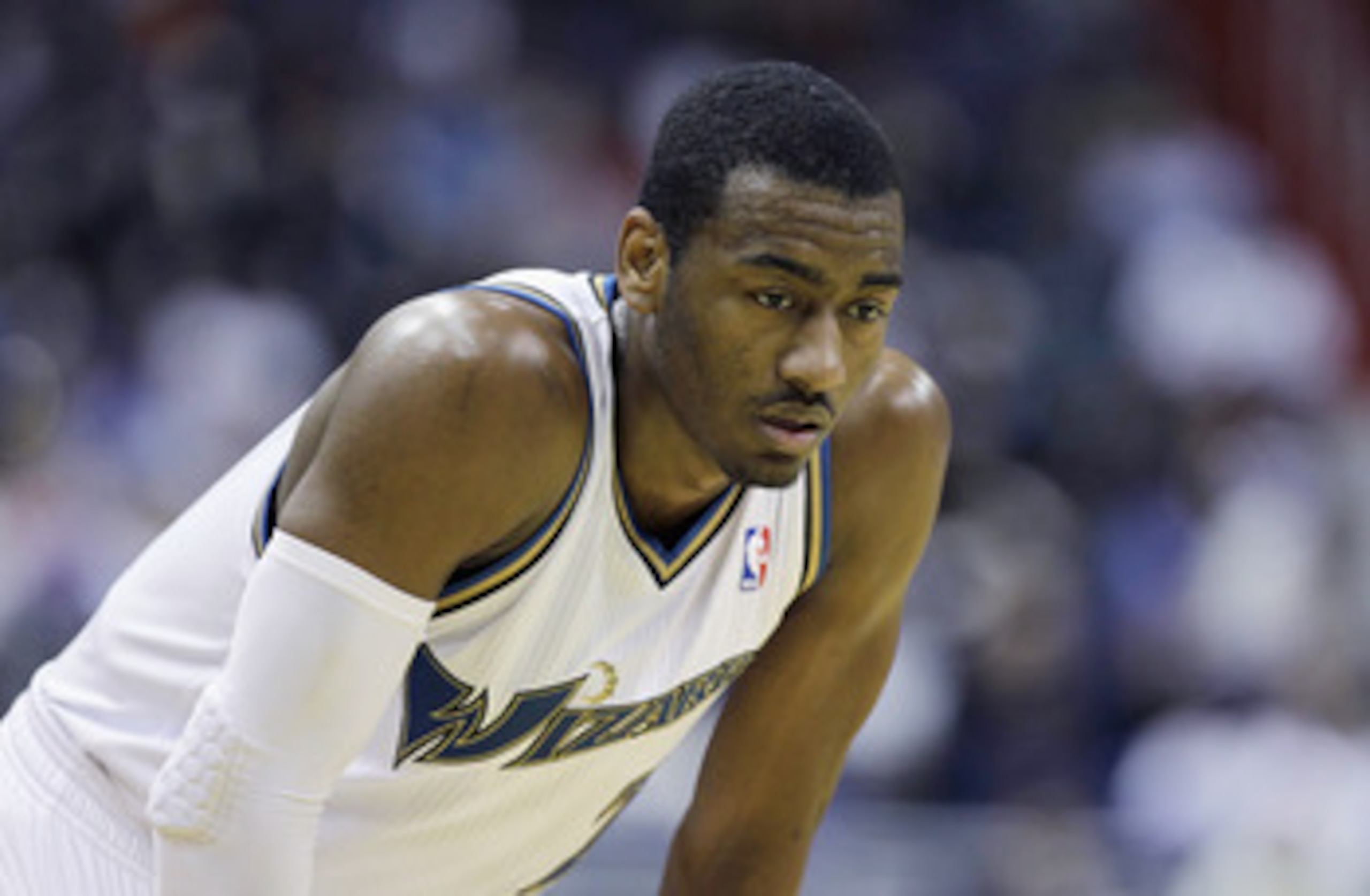
Over the last couple of years, there have been a couple of other things that make one wonder if the fix is in place.
Last year, the Washington Wizards won the right to draft in the first position and selected John Wall out of Kentucky.
The Wizards won the lottery despite having only a 10.30 percent chance of getting the top pick. This was on the heels of the off court controversy with Wizards star Gilbert Arenas, and Washington having to pay his huge salary. To make matters worse, the franchise was dealing with the loss of it's long time owner Abe Pollin.
What better way to energize a team in need with the number one overall pick. It didn't hurt that the Wizards play in our nation's capital.
This season is no different in terms of possible controversy.
In the recent NBA draft lottery, two teams who lost superstar players ended up in the top three.
The Cleveland Cavaliers, who did have the second worst record, won the first overall pick and the Utah Jazz who traded All-Star Deron Williams moved up three spots from the sixth spot to the third.
The Cavaliers also have the fourth overall selection. It makes one wonder if this was set up to make the departure of LeBron James a bit easier to take.
Is this a coincidence or is this the way that the NBA will try to keep parity in the league with the trend of star players forming super teams? Is this all luck or does this help out the smaller teams to stay competitive?
So what do you think about all of these conspiracy theories? Does the lottery system work? Is it all random, or is the NBA fix on to fit the needs of the league?
You be the judge, and let me know what you think.
Chris Johstoneaux is a contributor to Bleacher Report that usually writes about the Utah Jazz, and Real Salt Lake Soccer. If you liked this article, please take a moment to leave me a comment and follow me on Twitter at @JazzRSLExaminer.

.jpg?w=2560 "Bears TE Out for Season")
.jpg?w=2560 "Reported Details of Seahawks-K9 Split")

.jpg?w=2560 "Hellebuyck Trade Grades 🔠")