
NFL1000: Washington Redskins 2017 NFL Draft Preview
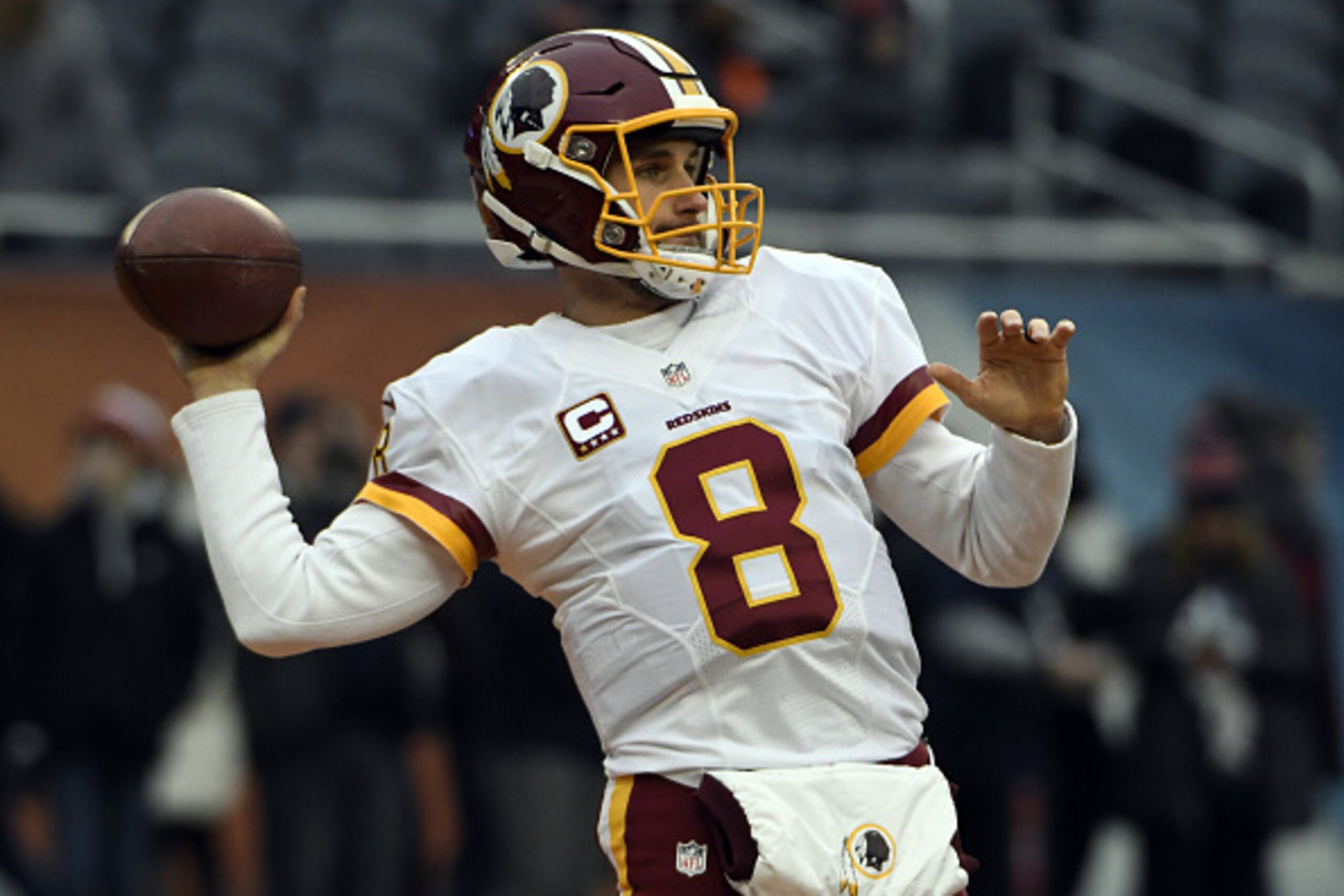
After an 8-7-1 season in which they seemed to stabilize some of the things that stopped them from being great in years past, the Washington Redskins appeared intent on blowing it all up this offseason. Quarterback Kirk Cousins, coming off by far his best campaign, was said to be the pawn in a trade scenario that, according to B/R's Jason Cole, was part of the reason general manager Scot McCloughan was fired in March.
Losing McCloughan, perhaps the best talent evaluator in the NFL, was the end game in a stream of clashes between the GM and team president Bruce Allen and head coach Jay Gruden. And given that the team made it public that McCloughan may have had issues with alcohol, it'll need some good luck finding another talented GM to walk into that situation.
Moreover, if Cousins does stay on board, he's lost his two primary targets in receivers DeSean Jackson and Pierre Garcon in free agency. The team tried to buttress this issue by signing former Browns receiver Terrelle Pryor, but losing Jackson's deep speed is an especially big blow, as his ability to take the top off a defense was a huge factor in Cousins' improvement with the deep passing game.
And, while the Redskins did sign two mid-level defensive linemen in Terrell McClain and Stacy McGee, they lost Chris Baker, one of the most underrated linemen in the league, when they could have easily afforded to keep him. Both Baker and Jackson went to the Buccaneers, who seem to be the primary beneficiaries of Washington's new dysfunction.
Still, there's a need at pass-rushing defensive end, not to mention deep receiver. In addition, the secondary must be addressed, and a bit more depth along the offensive line would be nice. If Cousins isn't able to transcend the fact that his targets are not what they were last season, this could fall apart quickly.
Given Washington's state of flux, it's a stretch to assume the franchise will cover enough of the bases in the draft to get back into playoff contention. This could be a lost year, of the franchise's own making.
Methodology
1 of 18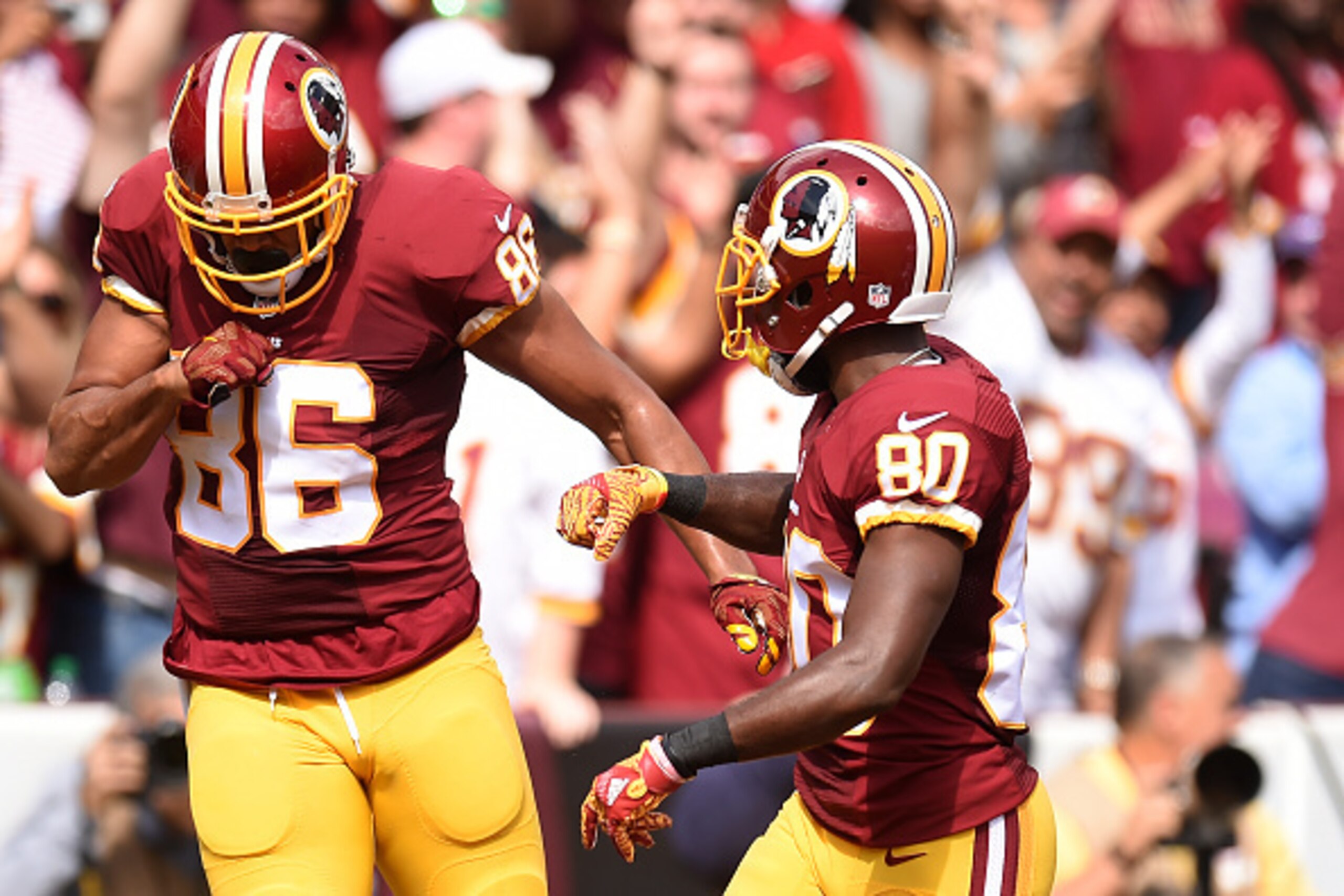
The NFL1000 team of scouts received a series of important attributes to grade for every player in their positional review. Using a scale starting at zero and going up to anywhere from five to 50 based on the position and attribute, our scouts graded each player based on their own expertise and countless hours of tape review. Our evaluators had specific positional assignments based on their proven fields of expertise.
- Doug Farrar: Lead scout/Quarterbacks
- John Middlekauff: Running backs/fullbacks
- Marcus Mosher: Wide receivers/tight ends
- Mark Schofield: Wide receivers/tight ends
- Duke Manyweather: Offensive tackles
- Ethan Young: Offensive guards
- Joe Goodberry: AFC defensive ends
- Justis Mosqueda: NFC defensive ends
- Charles McDonald: Defensive tackles
- Zach Kruse: 3-4 outside linebackers
- Derrik Klassen: 4-3 outside linebackers
- Jerod Brown: Inside linebackers
- Kyle Posey: Cornerbacks
- Ian Wharton: Cornerbacks
- Mark Bullock: Safeties
- Chuck Zodda: Special teams
Each corresponding position slide was written by the assigned scout.
Quarterback
2 of 18
Scheme: West Coast
Starter: Kirk Cousins
NFL1000 Score: 66.3/100
NFL1000 Position Rank: 26/38
Cousins had the best year of his career in 2016 under head coach Jay Gruden and offensive coordinator Sean McVay. He was better with the deep ball in particular because DeSean Jackson was so effective downfield.
But with McVay off to coach the Rams, and Jackson and high-volume target Pierre Garcon off to the Buccaneers and 49ers in free agency, respectively, one wonders how efficient Cousins will be. New offensive coordinator Matt Cavanaugh has a decent history (especially with Cousins—he was the Redskins' quarterback coach last season), but McVay was particularly brilliant when it came to designing openings for Washington's receivers.
The acquisition of receiver Terrelle Pryor from the Browns will help, but few quarterbacks benefited more from the talent and system around them than Cousins did last season. Expect a regression in 2017, and a high-priced regression at that. Under his current franchise tag designation, Cousins is due a guaranteed $23.94 million in 2017.
Backup: Colt McCoy
NFL1000 Scores: Insufficient snaps to qualify for NFL 1000 scoring
According to Albert Breer of The MMQB, the Redskins believe that if they are to trade Cousins, they can still succeed with McCoy under center. This fits the Gruden paradigm: He seems to prefer athletically limited quarterbacks who will run his system without question.
But throughout his career, McCoy has been a better backup than a starter. He's a somewhat mobile quarterback who works decently in and out of the pocket, but his arm strength is limited, he's not great under pressure and he's been prone to interceptions throughout his career. He's a high-quality reserve, which is nothing to sneeze at, but he doesn't project well as a starter.
Backup: Nate Sudfeld
NFL1000 Scores: Insufficient snaps to qualify for NFL 1000 scoring
A strong-armed pocket passer selected in the sixth round of the 2016 draft, Sudfeld can get the ball downfield but has struggled with accuracy throughout his collegiate and pro career. He threw three touchdowns and no picks in the 2016 preseason, but completed just 52.8 percent of his passes and was sacked six times. He's a developmental player with potential.
Team Need: 6/10
Potential Draft Fits: Mitchell Trubisky (North Carolina), Nathan Peterman (Pitt).
Running Back
3 of 18
Scheme: Zone
Starter: Robert Kelley
NFL1000 Scores: 70.5/100
NFL1000 Position Rank: 37/82
Kelly, an undrafted free agent, burst onto the scene midyear and became the Redskins' full-time starter Week 8. He's a powerful back, which added a physical element to a Redskins offense that was predicated on a vertical pass game.
Despite being a bigger back (6'0", 228 lbs), he also has good feet and good quickness for his size. While he's not your prototypical home run hitter, he has the ability to create big plays because he can get on the second level fast and has excellent play speed. He doesn't bring much to the table in the passing game.
Kelley plays a lot like Eddie Lacy did his first two years in the NFL. He's been an excellent find.
Backup: Chris Thompson
NFL1000 Scores: 69.8/100
NFL1000 Position Rank: 45/82
Thompson is a versatile chess piece and one of the better pass-catching backs in the NFL. Thompson received a second-round tender heading into free agency, showing the value the Redskins put on him. He's a solid runner who excels outside the tackle box on sweeps and outside zone plays.
If he is able to get a little daylight, he will make things happen in space. The area that he dominates is the passing game. Kelley is a major mismatch in space and easily creates separation against linebackers and safeties. Once the ball is in his hands, he is a threat with his ability to make guys miss. Thompson is an excellent change-of-pace back who is highly thought of by his organization.
Backup: Matt Jones
NFL1000 Scores: 71/100
NFL1000 Position Rank: 34/82
Jones opened the season as the starter and was productive early on. But after suffering an injury, he was benched for Kelly. Jones is a big, physical running back who runs powerfully inside the tackles. He's a good inside-zone runner and has good vision and feet, especially for his size.
But the 6'2", 232-pound Jones is not a guy who hangs his hat on speed and explosive qualities. That clearly worked against him as the season played out. Jones seemed to be in Gruden's doghouse as he was a healthy scratch in every game down the stretch during Washington's playoff push in 2016. He will need to play well in training camp or he could be in danger of being cut.
Team Need: 4/10
Potential Draft Fits: None

.jpg?w=2560 "Rams Raiders Football")

Wide Receiver
4 of 18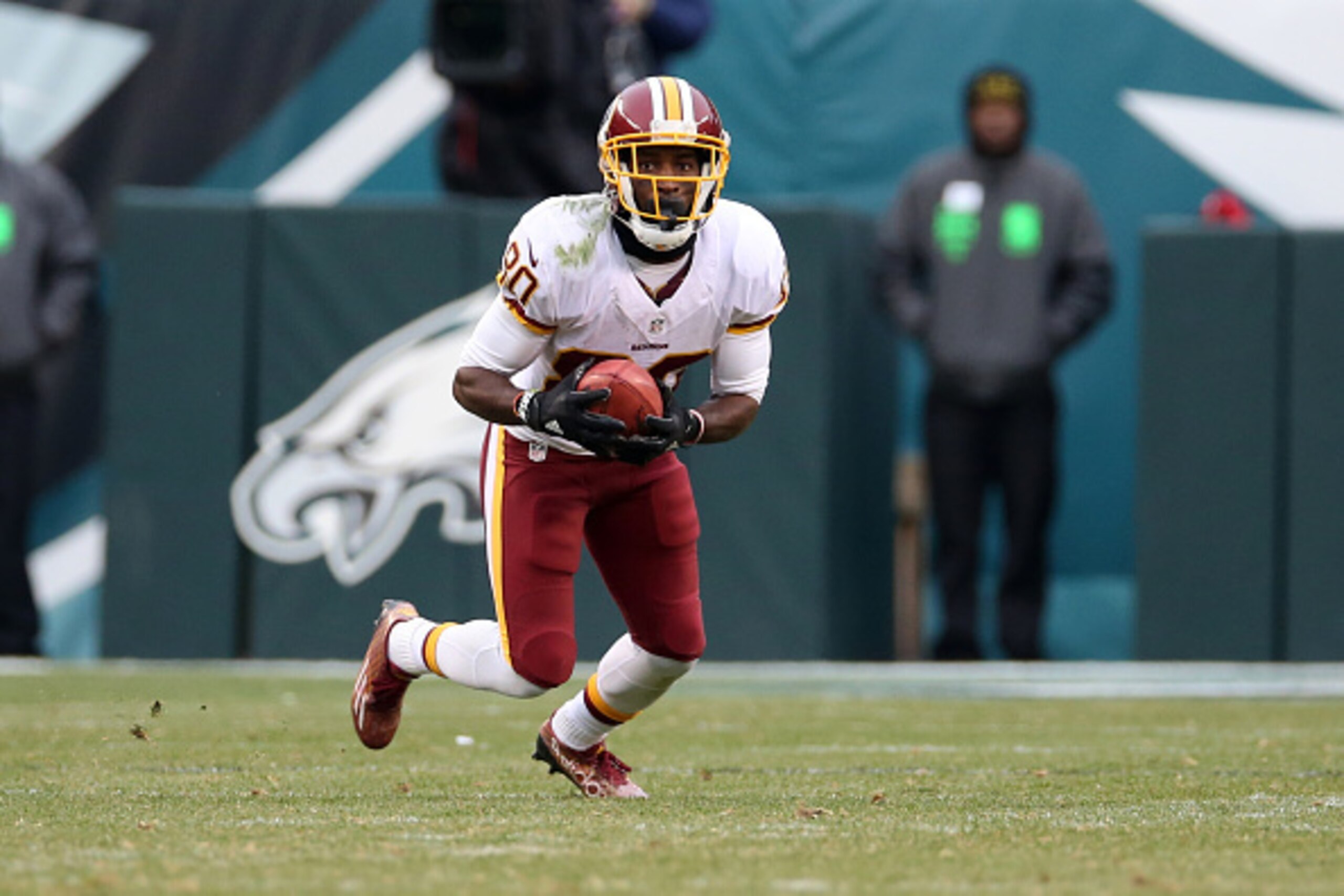
Scheme: West Coast
Starter: Terrelle Pryor
NFL1000 Scores: 69.7/100
NFL1000 Position Rank: 21/155
After leaving more money on the table to play elsewhere, Pryor took a one year deal in Washington hoping to parlay another productive year into a bigger contract. He will be asked to replace DeSean Jackson as the team's deep threat but will need to play a bigger role in the red zone.
Pryor is still raw as a receiver, but he will be playing with an above-average quarterback for the first time in his career. That alone should speed up his development. He was signed to be the team's No. 1 receiver and should be targeted early and often in Washington.
Starter: Jamison Crowder
NFL1000 Scores: 68.3/100
NFL1000 Position Rank: 34/155
Crowder has found a role in the Redskins' offense as a dynamic slot receiver who has caught 126 passes in his first two years in the NFL. With Pierre Garcon and Jackson gone, it's fair to assume that Crowder's role in the offense will grow. He probably will stick to slot duties in 2017, but he will likely be targeted more than any other receiver not named Pryor.
Backup: Josh Doctson
NFL1000 Scores: Insufficient snaps to qualify for NFL 1000 scoring
Doctson's rookie season was disappointing, to say the least. Appearing only in two games, he caught only two passes and tore his Achilles to end his rookie year. But with Garcon leaving via free agency, Doctson will be asked to take over Garcon's role as the second receiver on the outside. He's got the size (6'2", 206 lbs) to be a dominant red-zone receiver, but he needs to get healthy before he can contribute in 2017.
Backup: Ryan Grant
NFL1000 Scores: 58.4/100
NFL1000 Position Rank: 148/155
Grant was active for all 16 games but only managed to catch nine passes for 76 yards. He may be in line for a slight uptick in work with Doctson still nursing an Achilles injury.
Backup: Brian Quick
NFL1000 Scores: 63.9/100
NFL1000 Rank: 90/155
Quick signed with the Redskins on a one-year deal late in free agency to hopefully back up Pryor as the team's X-receiver. Quick has outstanding size at 6'3" and has averaged 14.3 yards per catch throughout his career. He doesn't do any one thing particularly well, but he's a physical talent with decent tape. 2016 was his best year, and the Redskins are hoping his progression continues. He's a fine signing as the team's fourth receiver.
Team Need: 4/10
Potential Draft Fits: JuJu Smith-Schuster (USC), Chad Hansen (Cal), Zay Jones (ECU)
Tight End
5 of 18
Scheme: West Coast
Starter: Jordan Reed
NFL1000 Scores: 72.1/100
NFL1000 Position Rank: 3/96
When he's healthy, Reed is the most dynamic tight end after the catch in the NFL. At 6'2", 246 pounds, he's built like an oversized X-receiver rather than a traditional tight end. He wins with his quickness and his ability to bully defenders after the catch.
The problem with Reed has always been his health. In his four-year career, he's missed 18 games. He's constantly fighting through nagging injuries, some he can play through. As talented as he is, the Redskins will always need to have a viable backup ready to take his place if and when he misses time.
Backup: Vernon Davis
NFL1000 Scores: 66/100
NFL1000 Position Rank: 19/96
The Redskins re-signed Davis to a three-year, $15 million deal to be Reed's backup in 2017. Davis is a solid, dependable bench player. He's played at least 14 games in a season nine different times. He's one of the better backup tight ends in the NFL.
Backup: Niles Paul
NFL1000 Scores: 57.4
NFL1000 Position Rank: 91/96
Paul is an ultra-athletic receiving tight end who is built like Reed (6'1", 242 pounds). He will likely be competing with a late-round pick or an undrafted free agent for the final spot in the tight end room.
Team Need: 1/10
Potential Draft Fits: None. The team could bring in an undrafted free agent in for competition for Paul.
Left Tackle
6 of 18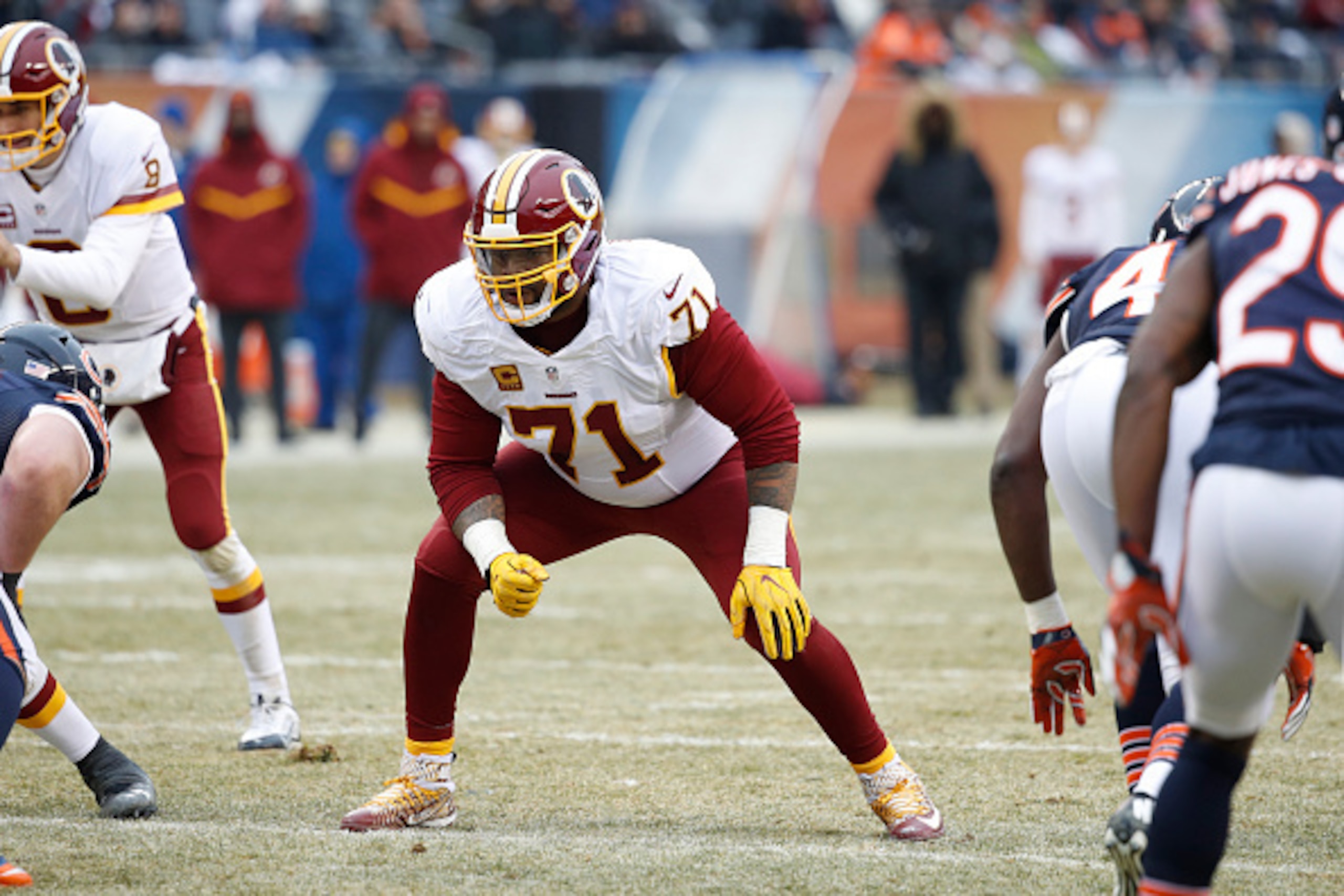
Scheme: Zone-Gap
Starter: Trent Williams
NFL1000 Scores: 83.1/100
NFL1000 Position Rank: 1/40
Williams not only graded as our top left tackle of 2016, but he was also the recipient of the top NFL1000 score for the entire season. He only played in 12 games last year after being suspended four contests for violating the league's policy on substance abuse.
Williams has always showed freakish athletic ability, but since Bill Callahan took over as the offensive line coach in 2015, Williams' game has grown in the nuances of offensive line technique.
Through seven seasons, he has accumulated 96 starts and has earned five trips to the Pro Bowl. When the 2017 season kicks off, he will only be 29 years old, and despite all the success, you can't help but think that his best football is still ahead of him.
Backup: Ty Nsekhe
NFL1000 Scores: 76.2/100
NFL1000 Position Rank: 8/40
Nsekhe's road to get to this point has been an interesting one, to say the least. We highlighted Nsekhe's unconventional path in our left tackle free-agency rankings, with Nsekhe being an exclusive rights free agent.
Nsekhe played in all 16 games and put together four contests of impressive starting tape at left tackle while filling in for Williams. At various points in 2016, Nsekhe also saw extensive time at right tackle due to in-game injuries to starter Morgan Moses. Despite his being a backup, Nsekhe's play and versatility was likely a key factor why Washington signed him to a one-year deal.
Team Need: 1/10
Potential Draft Fits: None
Right Tackle
7 of 18
Scheme: Zone-Gap
Starter: Morgan Moses
NFL1000 Scores: 75.1
NFL1000 Position Rank: 8/38
Moses seemed to have turned the developmental corner in 2016, as his play and production was solid for the most part. There was a slight drop-off in Moses' performance as he worked through an ankle injury during the season.
Moses showed more consistency in his pass-protection technique and looked to finish defenders every chance he could in the running game. His continued development under Bill Callahan has to have Washington excited for his future.
Backup: Vinston Painter
NFL1000 Scores: Insufficient snaps to qualify for NFL 1000 scoring
Painter has bounced around since being drafted in 2013 and originally joined Washington as a member of the practice squad.
Painter showed enough that he was added to the active roster for the last few weeks of the season. He saw action in four games and registered 10 snaps on the year. Washington signed Painter to an exclusive-rights, one-year contract in March, which like Nsekhe, speaks volumes of how it values him.
Team Need: 1/10
Potential Draft Fits: None
Offensive Guard
8 of 18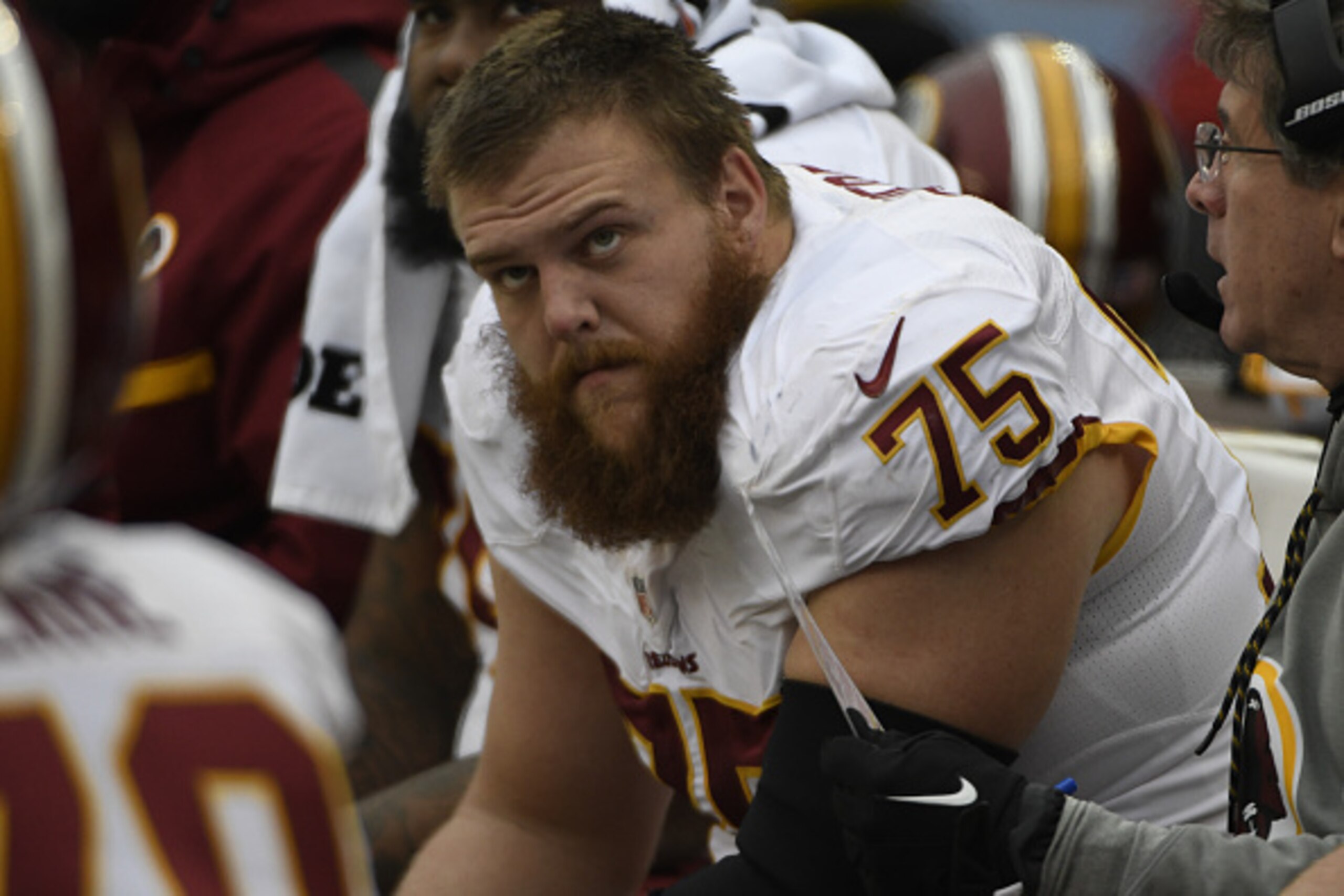
Scheme: Zone-Gap
Starter: Shawn Lauvao
NFL1000 Scores: Insufficient snaps to qualify for NFL 1000 scoring
Lauvao had a blazing-hot start to the year and was especially impressive in a Week 2 game against Dallas. His ability to team up with Trent Williams on deuce blocks was vital for all the counter-trey Washington ran and did a lot to propel a weak running game. But, as has been his problem most of his career, Lauvao couldn't stay healthy.
He only missed a couple of games, but his movement skills in pass protection were not the same most of the year. Lauvao is a serviceable starter, and being able to slide Ty Nsekhe inside as a sixth lineman is nice. However, it may be time to bring in a younger option in the middle rounds to provide depth and eventually replace Lauvao in 2018 if the medical issues don't clear up.
Starter: Brandon Scherff
NFL1000 Scores: 72/100
NFL1000 Position Rank: 18/78
Scherff had a good season last year, and although his Pro Bowl nod was a little premature given how he tapered off during the end of the season, he is an ascending talent and a firm starter for Washington. With three more years of team control (including his potential fifth-season option), the right guard slot is locked down in the nation's capital.
Backup: Arie Kouandjio
NFL1000 Scores: Insufficient snaps to qualify for NFL 1000 scoring
Depth along the interior is a huge need for Jay Gruden's squad, as Kouandjio is the only true interior depth piece it has, and that isn't ideal. Kouandjio struggled to keep anything close to half-man relationship in pass protection last year, particularly in a Week 7 game against the Lions, one of the lowest-graded games among guards last season.
Team Need: 5/10
Potential Draft Fits: Dorian Johnson (Pittsburgh), Damien Mama (South Carolina)
Center
9 of 18
Scheme: Zone-Gap
Starter: Spencer Long
NFL1000 Scores: 67.5/100
NFL1000 Position Rank: 30/38
Long is on the low end of NFL centers and is probably the weak link on a potentially strong front, but the biggest issue going into the draft is the lack of depth Washington has on the interior. Drafting a center to compete with Long right away would be ideal, but team president Bruce Allen could double down and grab a guard on Day 3 as well, given the team's lack of numbers inside.
Team Need: 8/10
Potential Draft Fits: Ethan Pocic (LSU), Kyle Fuller (Baylor)
Defensive End
10 of 18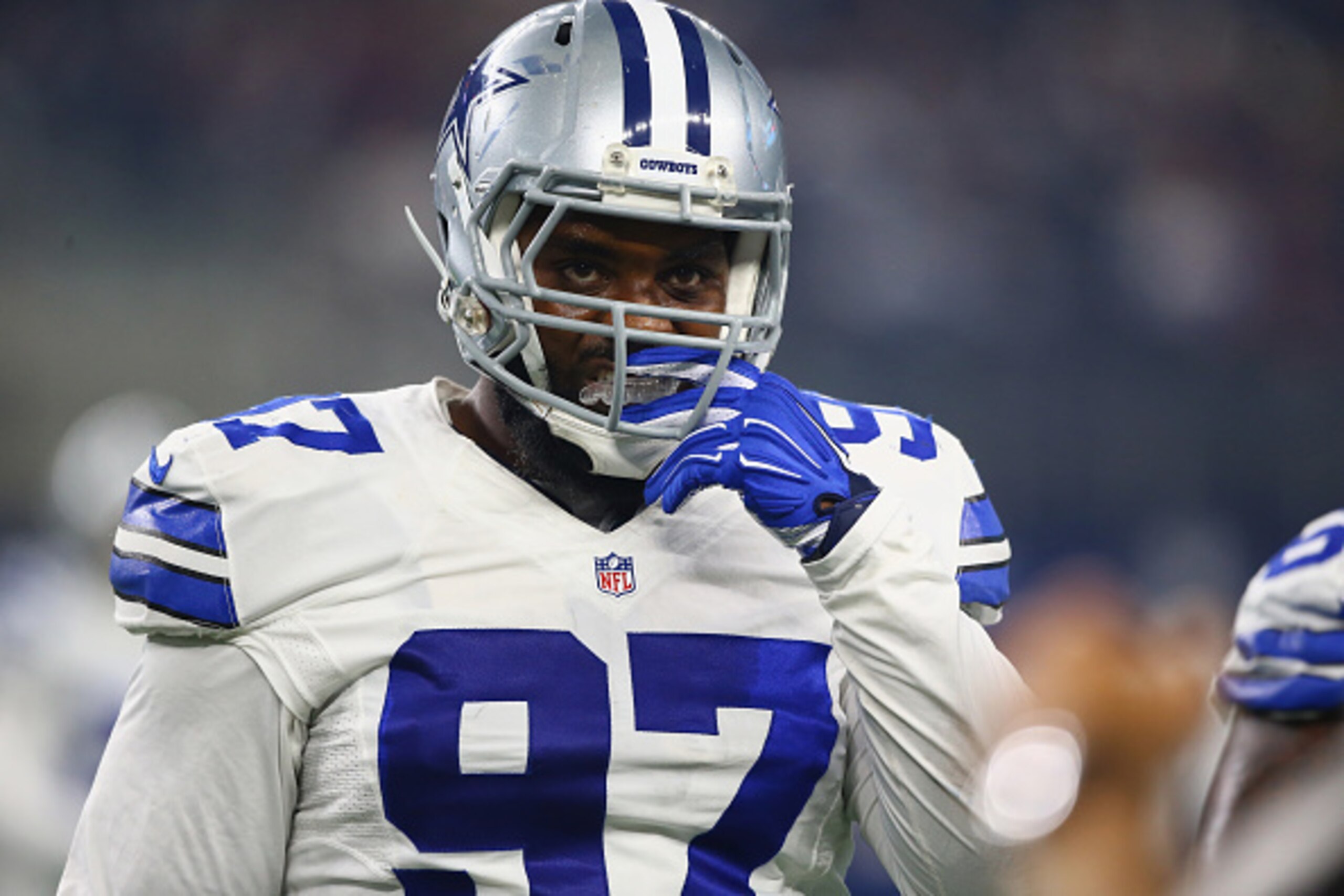
Scheme: 3-4
Starter: Terrell McClain
NFL1000 Scores: 66.8/100
NFL1000 Position Rank: 29/ 99
After letting Chris Baker, who was Washington's top defensive end in 2016, walk, the Redskins signed a pair of former 4-3 defensive tackles, McClain and Stacy McGee, to replace him. Baker signed a three-year deal worth $5.25 million per season with the Tampa Bay Buccaneers, the same number that McClain is making on a four-year contract with Washington.
McClain's career started with the Carolina Panthers, where he was the 65th overall pick in the 2011 draft. He started 12 games for the Panthers as a rookie before a knee injury landed him on injured reserve, and he was released before the next regular season began.
In 2012, he spent time with both the New England Patriots and Houston Texans. It wasn't until 2016, with the Dallas Cowboys, that McClain found a starting job again. It took four years for him to find himself after his release, but he posted 15 starts in 2016 before the Cowboys let him walk to their NFC East rival.
Starter: Stacy McGee
NFL1000 Scores: 61.5/100
NFL1000 Position Rank: 63/99
McGee is making less per year than McClain, but not much less. McClain signed for $5.25 million per season, while McGee signed on for $5 million per year over five seasons, a year longer than McClain's deal, but $1 million less in terms of a signing bonus.
If you keep that in mind, the numbers tell you that the Redskins think more of McClain than McGee—more of McGee than any other possible defensive end on this roster. Unlike McClain, McGee's NFL career has been simple: He was drafted 205th overall by the Oakland Raiders in 2013, was an off-and-on starter for the team during his rookie deal and recently finished his first contract.
In the last two years, McGee started 13 games out of the 25 he's been healthy for the Raiders, including 9-of-9 in 2016. McGee had an arrest at Oklahoma in college, but he has been out of trouble since playing in the NFL. The Redskins essentially use their 3-4 defensive ends as defensive tackles, as they're a nickel-based team up front, which is why they drafted hybrid safety-linebacker Su'a Cravens 53rd overall last draft. Both McClain and McGee won't have to adjust as much as you'd expect coming from 4-3 defenses.
Backup: Ziggy Hood
NFL1000 Scores: 65.1/100
NFL1000 3-4 DE Rank: 16/53
Last year, Hood ranked 16th out of 53 3-4 defensive ends, good enough to warrant at least pushing for a starting job in 2017. After the team lost Baker, our 11th-ranked 3-4 defensive end, it was assumed that Hood, who started 14 games, would step in as a starter once again.
Instead, he was pushed down the depth chart, signing a two-year deal worth just $1.35 million per season, worth around one-fourth of McClain's contract on a per-year basis. It's also three years shorter than McGee's deal. Some publications listed Hood as a nose tackle, though he played much more end or nickel tackle—a 3-4 defensive end role's in those formations—than nose tackle last season.
Maybe the plan is to push Hood to true nose tackle this year, with functional bodies missing on the depth chart at that position. Either way, Hood, as it stands, is one of the better 3-4 defensive end slated to come off the bench in 2017.
Backup: Matt Ioannidis
NFL1000 Scores: Insufficient snaps to qualify for NFL 1000 scoring
Ioannidis was a fifth-round pick in last year's draft who was used as a reserve player in 10 games last season. There's limited tape on him, but the 23-year-old didn't stand out one way or another in 2016.
Average athletically and in terms of size, the 6'3", 308-pound Ioannidis flashed a bit at Senior Bowl practices last winter, which could have led to the Redskins' taking a shot with him with the 152nd overall pick. Under these circumstances, he's again going to be a reserve end and nickel tackle in 2017, barring injury.
Team Need: 5/10
Potential Draft Fits: Jaleel Johnson (Iowa), Dalvin Tomlinson (Alabama), Chris Wormley (Michigan)
Defensive Tackle
11 of 18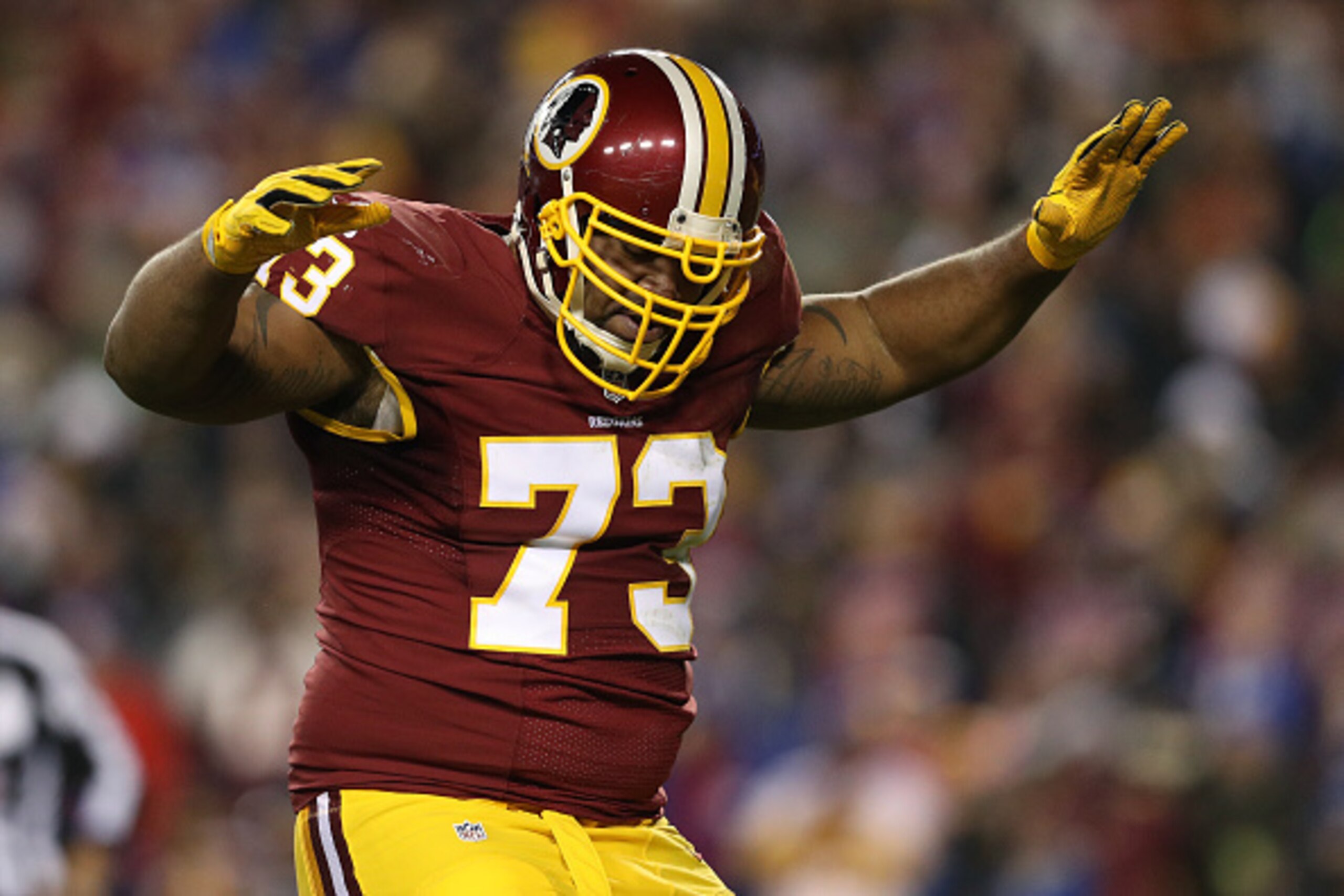
Scheme: 3-4
Starter: Cullen Jenkins
NFL1000 Scores: 59.5/100
NFL1000 Posiiton Rank: 80/99
Jenkins used to be an impact defender during his time with the Green Bay Packers and the New York Giants, but at age 36, those days are long gone. He was a below-average run defender and pass-rusher. At this point, it's fair to wonder if he should be a key contributor for an NFL defense, much less a starter. Defensive tackle is a high priority for Washington in the draft.
Backup: Phil Taylor
NFL1000 Scores: Insufficient snaps to qualify for NFL 1000 scoring
Taylor is a part of a long lineage of Cleveland Browns first-round picks who never panned out. In January he signed a reserve/future contract with Washington. Don't expect Taylor to make the team unless it fails to add help in free agency or the draft.
Team Need: 8/10
Potential Draft Fits: Eddie Vanderdoes (UCLA), Dalvin Tomlinson (Alabama), DeAngelo Brown (Louisville)
Outside Linebacker
12 of 18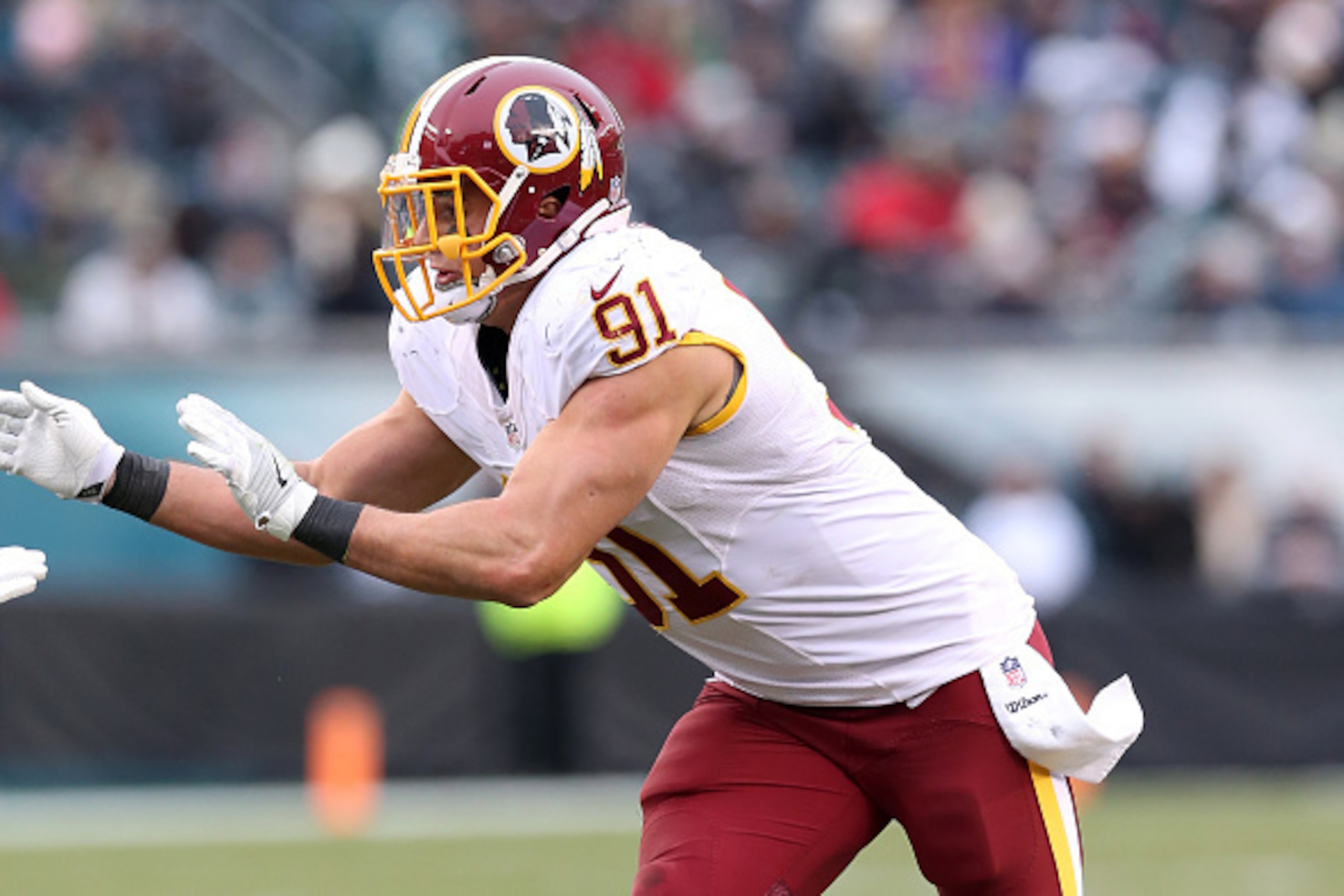
Scheme: 3-4
Starter: Ryan Kerrigan
NFL1000 Scores: 70.4/100
NFL1000 Position Rank: 16/65
A first-round pick of the Redskins in 2011, Kerrigan is one of the NFL's most consistent and durable pass-rushers. He tallied 11 sacks over 16 games in 2016, despite playing through an elbow injury for most of the season. Now six years into his career, Kerrigan has still never missed a game or finished a year with fewer than eight sacks. Washington has Kerrigan locked up through the 2020 season.
Starter: Preston Smith
NFL1000 Scores: 68.1/100
NFL1000 Position Rank: 27/65
Smith started all 16 games for Washington opposite Kerrigan in 2016. He was frustratingly inconsistent during his second season, with several good games (see: Week 10 win vs. Minnesota) mixed into an otherwise bland year. The next step in his development will be finding a way to consistently flash his disruptive abilities. That's always a tough step for a young player, but the Redskins are committed to Smith as one part of the defense's three-man pass-rushing rotation on the edge.
Backup: Trent Murphy
NFL1000 Scores: 70.4/100
NFL1000 Position Rank: 15/65
The light came on in a big way for Murphy in 2016. He tallied a career-high nine sacks and three forced fumbles over 16 games. Murphy has always been a plus run defender, but he finally found ways to use his power and counterattacking abilities to get to the quarterback last season.
However, Murphy is now appealing a four-game suspension to start 2017 for violating the league's policy on performance-enhancing drugs, which could tempt the Redskins into using a pick on another edge rusher. Washington also has Junior Galette, who hasn't played since 2014, on schedule to return in 2017.
Team Need: 3/10
Potential Draft Fits: Derek Rivers (Youngstown State), Al-Quadin Muhammad (Miami)
Inside Linebacker
13 of 18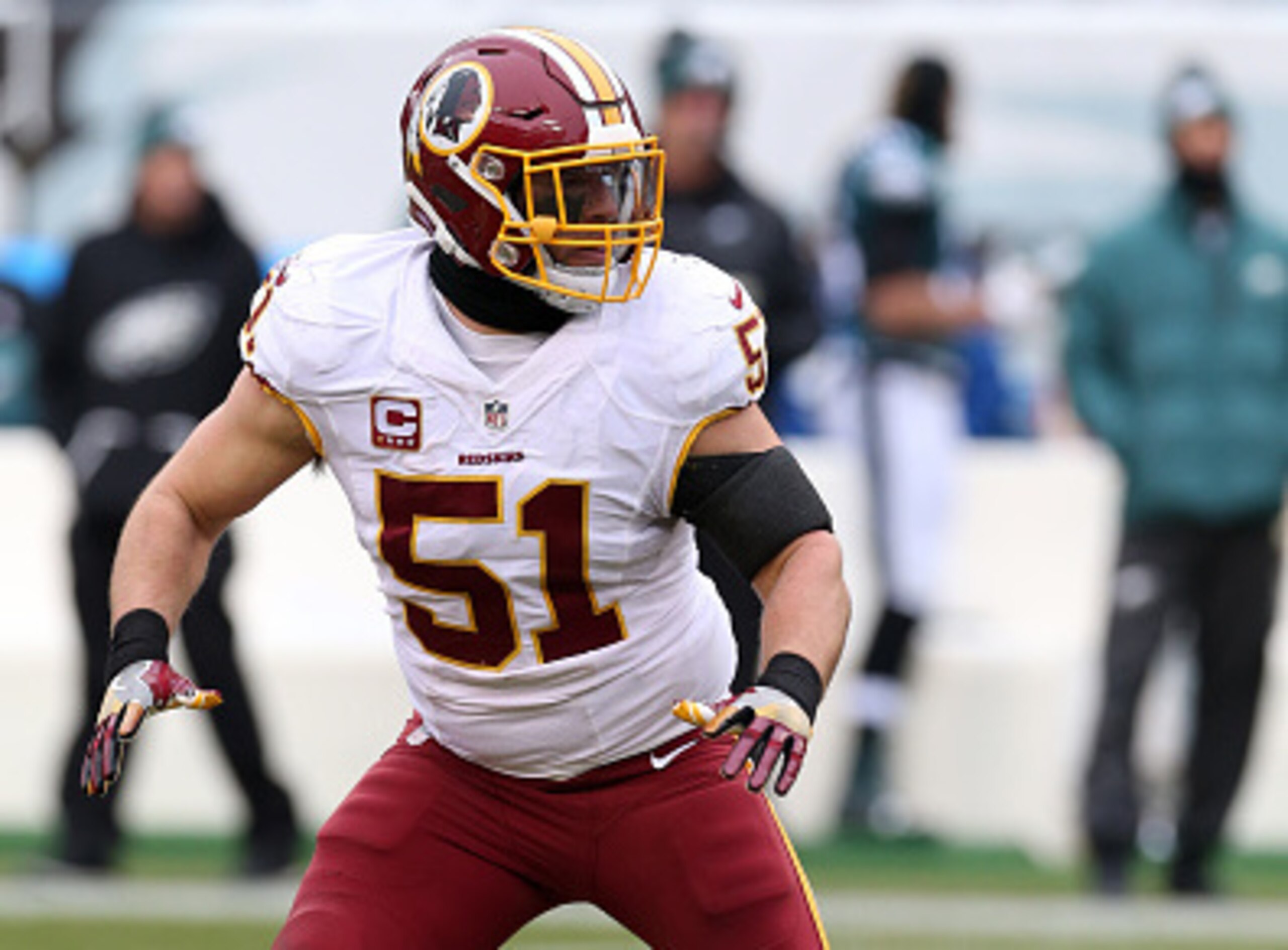
Scheme: 3-4
Starter: Will Compton
NFL1000 Scores: 70.4/100
NFL1000 ILB Rank: 25/65
Compton is a restricted free agent and could still sign elsewhere after being tendered a low-round selection by the team. However, should the Redskins retain Compton, they'd be keeping a top-15 linebacker with the ability to remain on the field on third down. Compton quietly remained consistent throughout the year and plays with emotion and enthusiasm that makes him an unquestioned leader of the Redskins defense.
As an undrafted free agent from 2013, Compton has become a core player on a solid Washington defense. The low tender the team extended is surprising, but it may also reflect the its expectations of a salary relative to what Compton thinks he is worth. As it stands, Compton can still be offered a contract by another team, but his best option is likely returning to Washington.
Starter: Mason Foster
NFL1000 Scores: 68.6/100
NFL1000 ILB Rank: 41/65
Foster isn't the consistent player Compton is, but when he's hyped up to hit, watch out. The 6'1", 250-pound Foster has a thick frame and uses violent hands as a weapon when engaging offensive linemen. Unfortunately, the effort is inconsistent, and he can often be seen ducking out of plays or dipping around linemen before losing gap leverage. He's a solid starter, and one who could still improve, but he's likely reaching the max of his potential.
Foster isn't the type of player who will ever garner long-term contracts due to age—he's 28 years old—and consistency. He will, however, continue to push for starting positions and immediate backup slots for the next five years.
Backup: Martrell Spaight
NFL1000 Scores: Insufficient snaps to qualify for NFL 1000 scoring
Spaight is the ideal backup linebacker in today's NFL: solid enough to play in a pinch and not lose you the game, but not good enough to actually challenge starters for playing time. General managers and coaches know exactly where Spaight sits on the depth chart and, fortunately, can eliminate negotiating by paying him like the high-quality backup he is.
Spaight saw playing time in 2016, filling in for both rookie Su'a Cravens and Compton as they battled injuries. Spaight is adequate in both run defense and pass coverage, but he'll rarely excite you. He does his job most of the time and can play all special teams. That holds tremendous value in the NFL.
Team Need: 5/10
Potential Draft Fits: Tanner Vallejo (Boise State), Duke Riley (LSU), Ben Boulware (Clemson)
Cornerback
14 of 18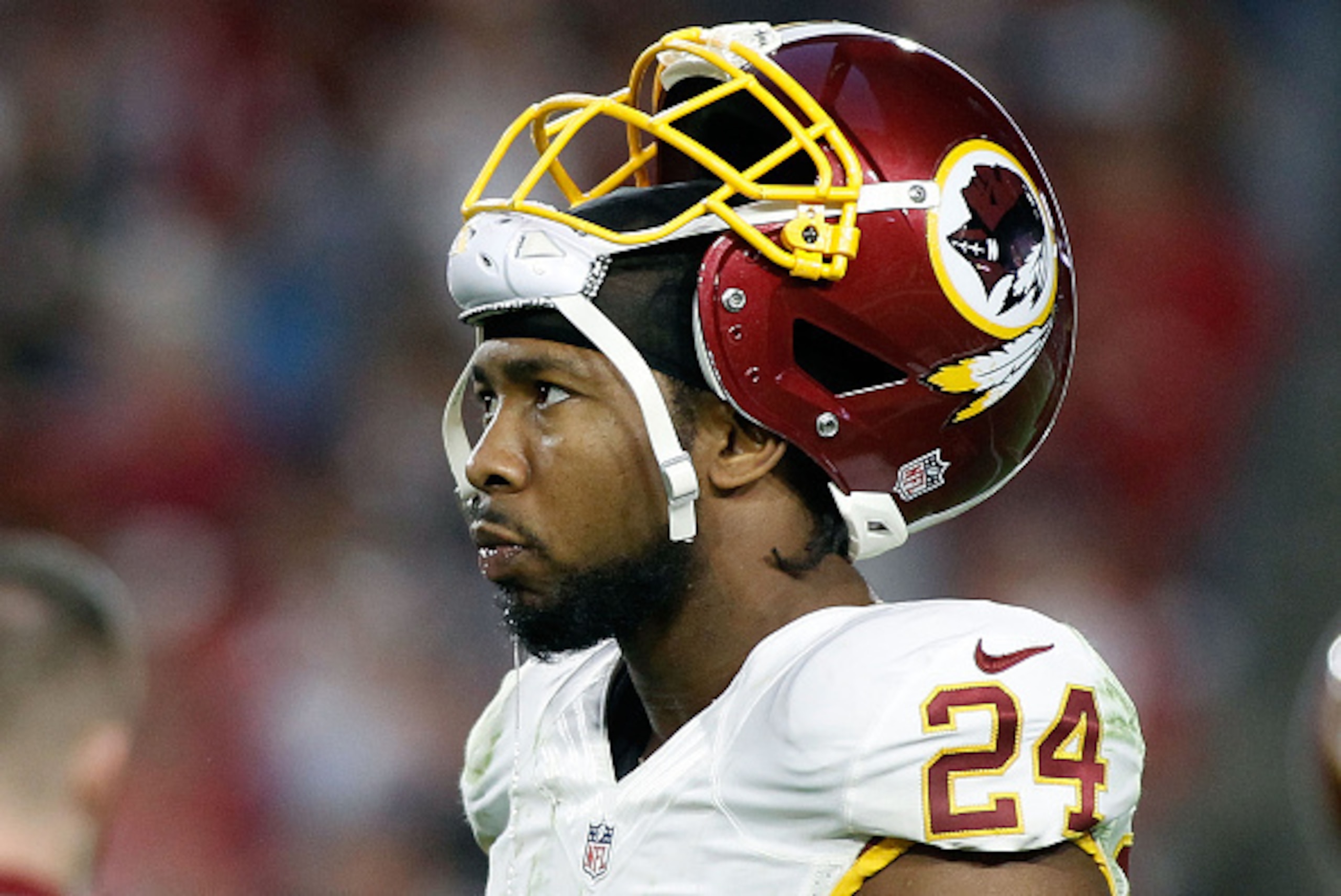
Scheme: Press Zone
Starter: Josh Norman
NFL1000 Scores: 70.3/100
NFL1000 Position Rank: 17/192
The Washington Redskins are in good hands as far as their No. 1 cornerback goes. Norman and his enormous contract will continue to be a mainstay in the nation's capital, and that's not a bad thing in terms of something defensive coordinator Greg Manusky can build the unit around. Norman's not perfect, but his knack for big interceptions and his fit into the scheme make it easy for the team to not worry about this spot.
Starter: Bashaud Breeland
NFL1000 Scores: 64.7/100
NFL1000 Rank: 53/192
Last year, the Redskins made the curious decision to move Breeland around the field, and it was to the detriment of his skill set. He's not a slot corner or safety. His fit, with his length and ability to challenge at the catch point, is as the second outside corner on this defense.
That's not to say Breeland can't improve, as he's prone to grabbing his opponent when he loses a step early in the route. But the fourth-year corner has also shown the athleticism to be a valuable starter. If internal competition rises from Kendall Fuller, the Redskins would have two cheap, young options.
Slot: Kendall Fuller
NFL1000 Scores: 60.2/100
NFL1000 Rank: 103/192
The rookie corner from Virginia Tech struggled to adjust to the NFL, but he was also playing a new position that doesn't fit his skill set. Fuller's the most talented player for the slot on the roster, but talent alone won't make him a quality slot corner.
He's more of a vertical player as opposed to lateral explosion-type, and that's not what is needed in the slot. The Redskins should prioritize finding a better skill set for the slot and allow Fuller to become a third outside corner who challenges Breeland for playing time.
Team Need: 5/10
Potential Draft Fits: Jourdan Lewis (Michigan), Corn Elder (Miami), Chidobe Awuzie (Colorado), Adoree' Jackson (USC), Cameron Sutton (Tennessee)
Free Safety
15 of 18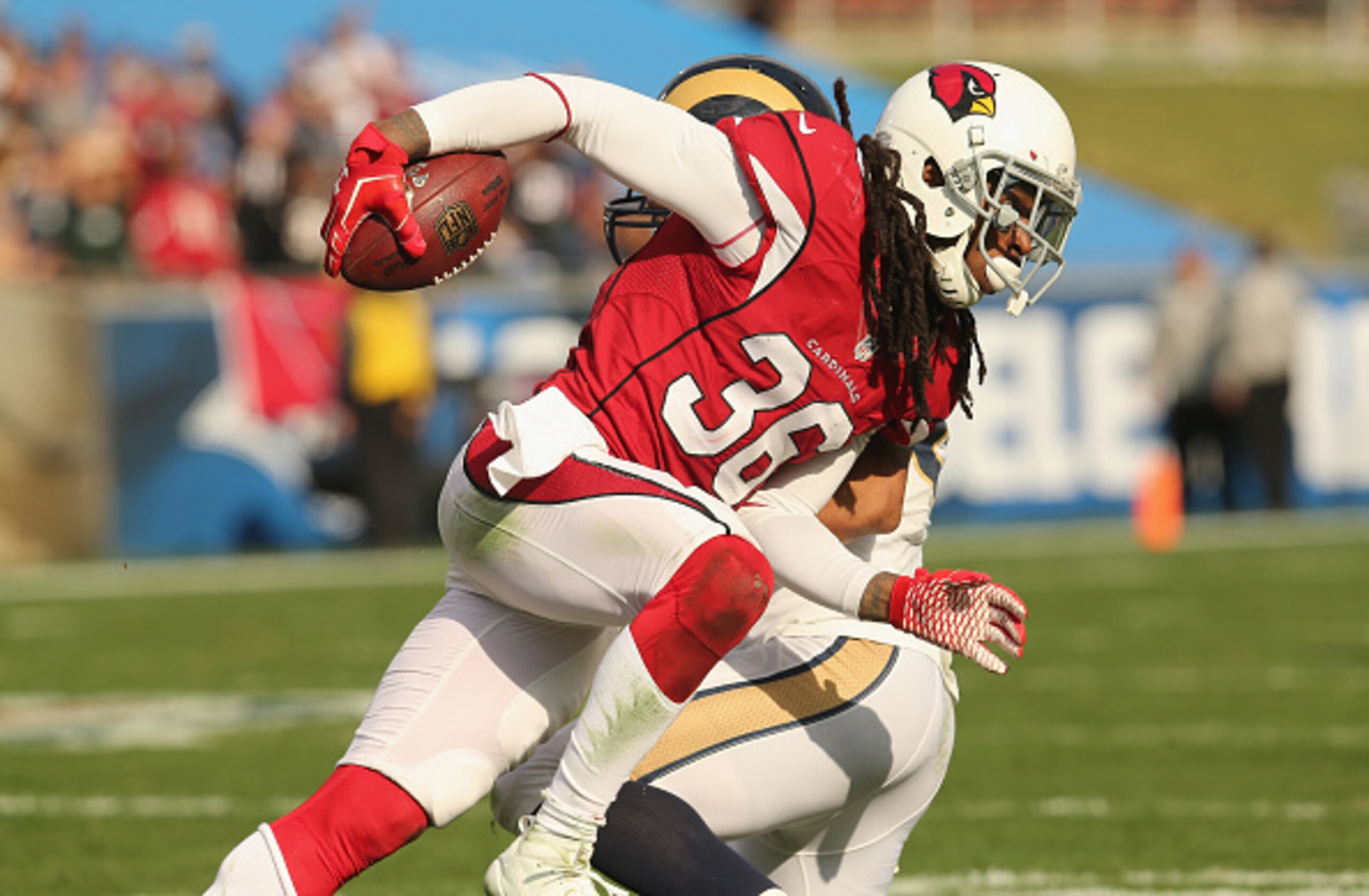
Scheme: Cover 3
Starter: D.J. Swearinger
NFL1000 Scores: 72.5/100
NFL1000 Position Rank: 14/50
Washington signed Swearinger early in free agency. After a rough start to his career, he finally found his feet with the Cardinals. He's typically seen as an aggressive box safety but was forced to play more of a traditional free safety role last year due to injuries, and he performed well.
His aggression is still a huge part of his game, and if he reads a route combination, he won't shy away from breaking on it early. Because of that, he will impact more plays in underneath and intermediate areas of the field than most free safeties, but it also makes him vulnerable to double moves. He will likely line up as the starting free safety for Washington but could shift down closer to the box in certain sub-packages.
Backup: DeAngelo Hall
NFL1000 Scores: Insufficient snaps to qualify for NFL 1000 scoring
A torn ACL early in the season disrupted Hall's transition from cornerback to free safety last year. At 33, there is a doubt about how much Hall has left, especially coming off a big injury like a torn ACL. But he appears eager to be back, and Washington has said it would like to have him back, per ESPN 980 (via the Washington Times), especially as a veteran presence in the secondary and in the locker room.
Swearinger will take up the starting role, but if Hall does regain full health, then he should become the primary backup safety who could come in and play the deep middle third in sub-packages.
Backup: Will Blackmon
NFL1000 Scores: 69.2/100
NFL1000 Position Rank: 35/50
Like Hall, Blackmon made the transition from cornerback to free safety last year. Fortunately, he didn't suffer the same injury bug, meaning he was able to play the full season. He played mostly as the third safety last year, covering the deep middle of the field in Washington's Cover 3 base scheme.
His history as a versatile corner, playing both outside and over the slot could play in his favor as a nickel or dime defender. But with Swearinger signed and Hall coming back, Blackmon could get buried on the depth chart and might even look to switch back to corner.
Backup: Deshazor Everett
NFL1000 Scores: Insufficient snaps to qualify for NFL 1000 scoring
Everett was the third of three corners Washington tried to convert to free safety last offseason as the team was desperate to fill the hole at that position. He is mostly a special teams contributor and only saw a handful of snaps last year.
He did make an exceptional play in the end zone, intercepting a pass from Eagles quarterback Carson Wentz to prevent a touchdown in Week 14. But outside of that, he appeared lost at times, especially when matched up against tight ends in coverage. Everett is a bubble guy who will push to make the final roster based on special teams contributions over anything else.
Team Need: 3/10
Potential Draft Fits: Marcus Williams (Utah), Justin Evans (Texas A&M), John Johnson (Boston College)
Strong Safety
16 of 18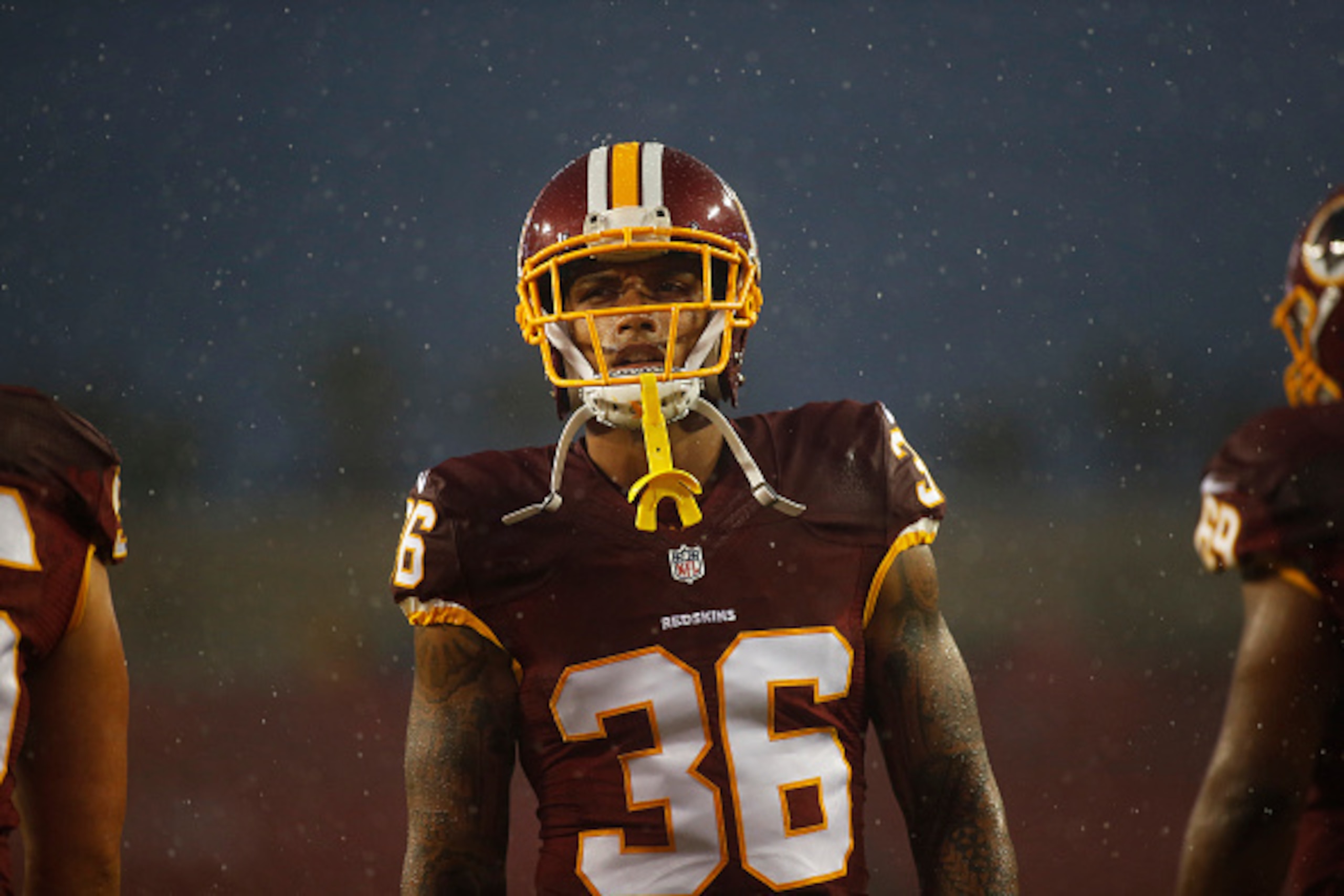
Scheme: Cover 3
Starter: Su'a Cravens
NFL1000 Scores: 72.9/100
NFL1000 ILB Rank: 13/65 (Played ILB last season)
Originally a safety at USC, Cravens saw time as an inside linebacker during his rookie season. He mostly played in nickel and dime packages, with Washington asking him to learn the defense from the inside before he shifted deeper to the strong safety spot.
He's set to take the reins as the starting strong safety this season but will still play mostly in the box. Cravens displayed good instincts against the run and the ability to match up against tight ends and running backs in coverage. Washington will be hoping to see its second-year player lock down the position for years to come.
Backup: Josh Evans
NFL1000 Scores: Insufficient snaps to qualify for NFL 1000 scoring
Evans spent last offseason with the Jaguars before being cut after the preseason. He was signed to a two-year deal in December after Washington suffered injuries to its secondary. He has seen time at both strong and free safety with the Jaguars but was inconsistent and unable to lock down either spot. He didn't play a snap on defense and is set to compete for a backup spot in training camp.
Backup: Earl Wolff
NFL1000 Scores: Insufficient snaps to qualify for NFL 1000 scoring
Wolff is another former Jaguar whom Washington signed to a futures contract. Like Evans, he's struggled to find a starting spot in the NFL and his primary goal will be competing for a backup spot. He provides depth for Washington, but he isn't a lock to make the team.
Team Need: 4/10
Potential Draft Fits: Budda Baker (Washington), Marcus Maye (Florida), Lorenzo Jerome (St. Francis), UDFA for depth.
Kicker
17 of 18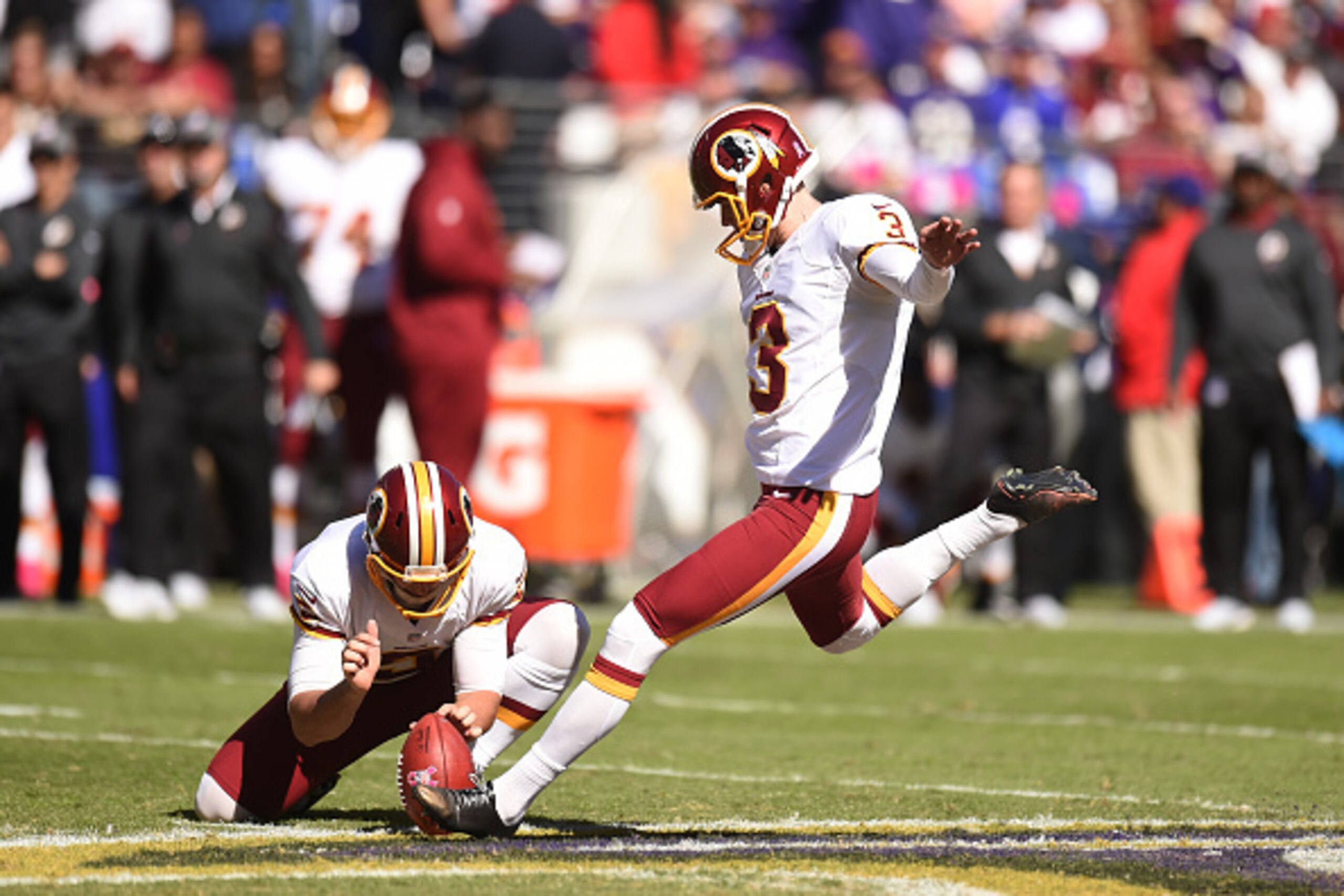
Starter: Dustin Hopkins
NFL1000 Scores: 66.9/100
NFL1000 Position Rank: 21/38
Hopkins was outstanding in 2015, making 89.3 percent of his field goals in his rookie season. He started the 2016 campaign the same way before fading late. With this being the first real struggle Hopkins has faced at the NFL level, the biggest question heading into the fall is whether he is able to address these issues from a mental perspective.
Other kickers, most notably Steven Hauschka, can occasionally see similar inconsistency, but Hauschka is able to put it to bed after several games of problems and move forward. Hopkins is an incredibly talented kicker, and how he responds in the first half of 2017 will be enlightening as to whether he possesses the mental game to take his kicking forward. Expect him to bounce back and return to the form he displayed as a rookie.
Team Need: 2/10
Potential Draft Fits: None
Punter
18 of 18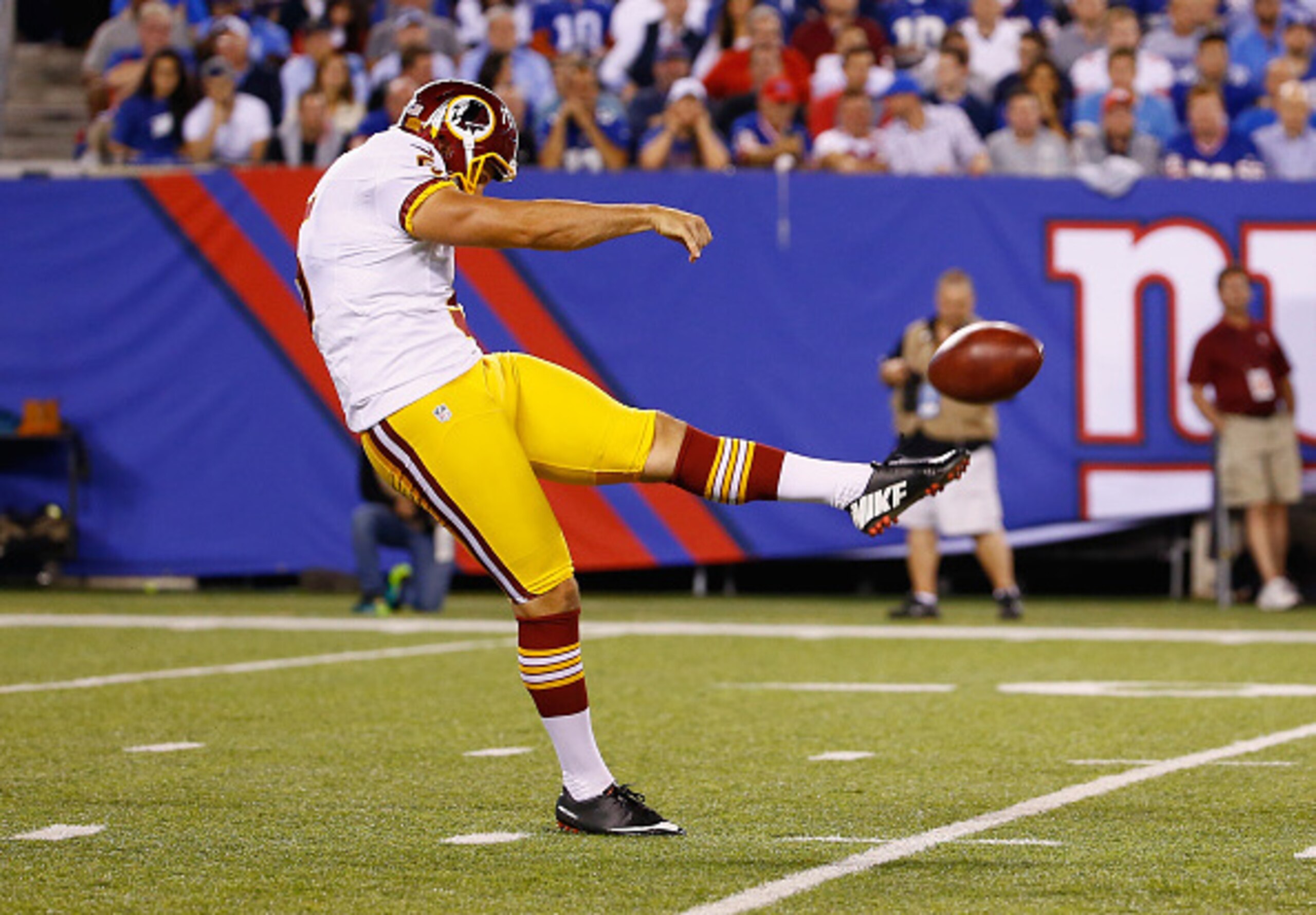
Punter: Tress Way
NFL1000 Score: 66.8/100
NFL1000 Position Rank: 15/38
Way was sneaky-average in 2016. There is something about his performance last year that looked worse than it was, but when totaling up what he did versus what he was tasked to do, he was remarkably competent. Way does not have a particularly strong leg in terms of distance, but he generates slightly above average hang time and showed a slightly above average feel for the directional game as well.
Way has four more years left on his deal, which features an average annual value of just over $1.5 million per season, making him an affordable option at punter. The 26-year-old is also still relatively young, and if he is able to put up similar numbers to what he did in 2016, he will prove to be good value. However, it would be better to see a little more week-to-week consistency from him.
Team Need: 3/10
Potential Draft Fits: None
Advanced stats courtesy of Pro Football Focus.

.jpg?w=2560 "Steelers Saints Football")




.jpg?w=2560 "🚨 Week 8 AP Top 25 Poll")