
How Each NBA Team Chased Bang for Its Buck During 2015 Offseason
The 2015 NBA offseason got crazy—crazy expensive.
Free-agent and trade suitors shelled out record amounts of cash this summer in anticipation of next year's salary-cap spike. Contracts were big. They were lucrative. They were, and could remain, overpriced.
Just like that, we have all the motivation we need to see which teams made the riskiest commitments.
Each squad's most expensive transaction will be the bar to which we hold their investment savvy, but there will be a few exceptions.
Aging players who clearly don't factor into the long-term future of their new or incumbent team (Kevin Garnett, David Lee, etc.) will be passed over in favor of a more pressing evaluation. These exceptions will be acknowledged and explained at every turn.
Every kind of business dealing is eligible for consideration. Players who signed with new teams, free agents who stayed put, trade acquisitions and, in certain instances, even rookies will make an appearance.
Determining how much players are worth is a subjective exercise, but we'll keep things as objective as possible by looking at win shares and previous salary. Dividing a player's salary from last season (when possible) by the number of win shares he accumulated will let us know how much he earned per self-generated victory. We will then look at that cost, weigh the circumstances (teams, production, stage of career, etc.) and talk shop on next season.
Throughout this process, we aim to answer one question for every team: Is their most important offseason transaction a steal, or are they perhaps banking on a particular player yielding more bang for their buck next season and down the line?
Atlanta Hawks: Paul Millsap
1 of 30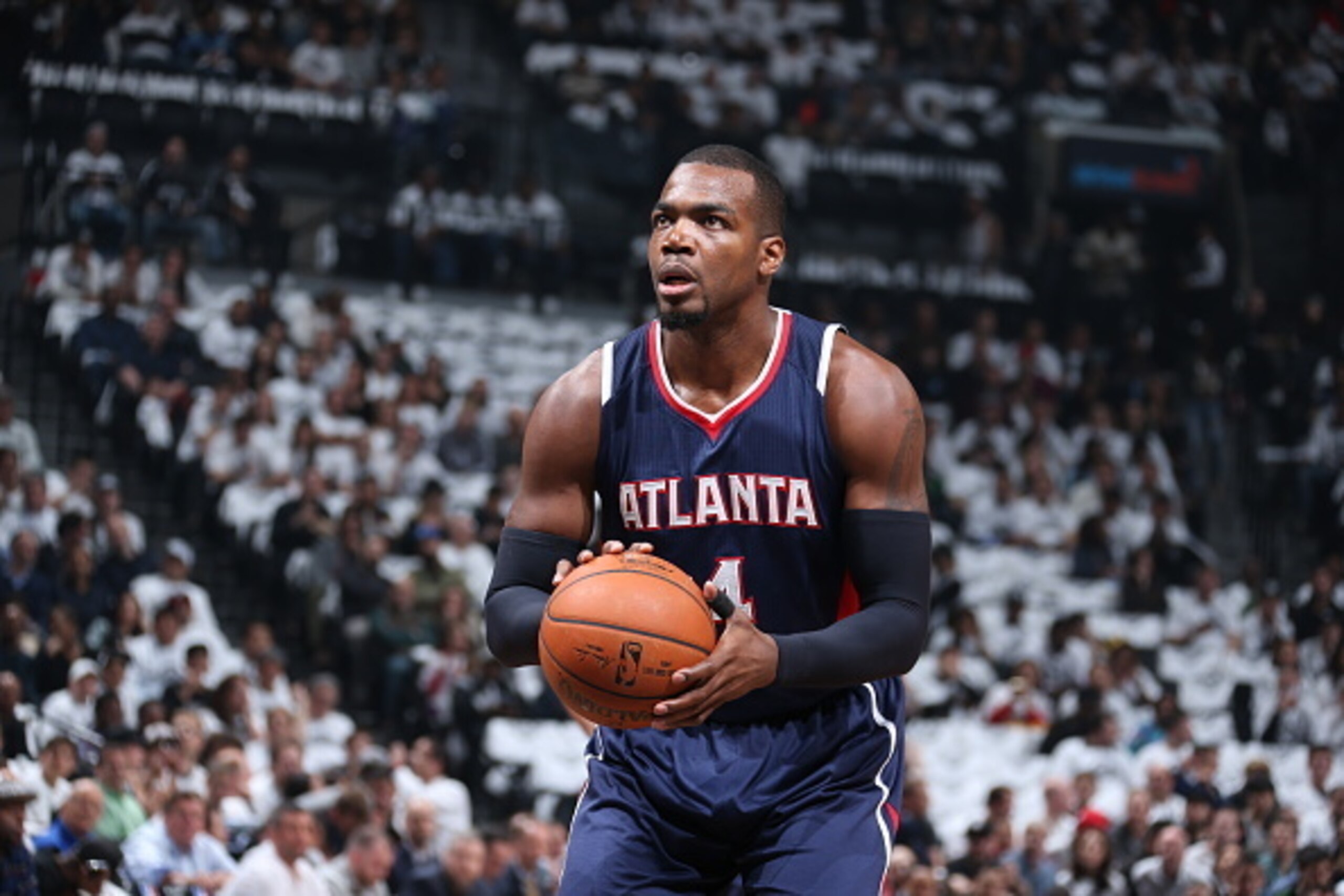
2014-15 Salary: $9,500,000
2014-15 Win Shares: 8.3
Cost Per Win Share: $1,144,578
2015-16 Salary: $18,671,659
Paul Millsap is a difficult opening case study. He's fallen firmly on the bargain side of the fence in each of the last two seasons, and the Atlanta Hawks are success-by-committee aficionados. Despite posting the league's second-best regular-season record in 2014-15, they didn't have anyone rank in the top 15 of win shares.
But the Hawks lost DeMarre Carroll, who led the team in postseason win shares. And though they do have a glut of wings with which to supplant him, their perimeter ranks are, outside of Kyle Korver, largely unproven. There's no telling how well Kent Bazemore, Justin Holiday, Tim Hardaway Jr. and the rehabilitating Thabo Sefolosha will fare in Carroll's absence.
Millsap is, for the time being, the Hawks' highest-paid player, earning within roughly $1 million of bona fide megastars such as Marc Gasol an LaMarcus Aldridge. Merely matching last year's win-share output won't be enough.
In order to maintain last season's per-dollar ratio, Millsap would need to amass 16.3 win shares, nearly doubling his 2014-15 benchmark. That's not going to happen, because, again, he was very much a bargain.
Clearing the double-digit win-share threshold for the first time of his career, though, seems like a must at this stage.
Boston Celtics: Amir Johnson
2 of 30
2014-15 Salary: $7,000,000
2014-15 Win Shares: 5.1
Cost Per Win Share: $1,372,549
2015-16 Salary: $12,000,000
World, meet First Exception. First Exception, meet World.
Slated to make nearly $15.5 million next season, David Lee is, technically, the Boston Celtics' most lavish summer expenditure. But even though he's a lock to earn more playing time with the Celtics than he did with the Golden State Warriors, it's not entirely clear how he, a 32-year-old veteran on an expiring contract, fits into Boston's immediate rebuilding plans.
Amir Johnson is a different story. The Celtics gave him a $5 million raise to be their front-court garbage man—someone who hoards rebounds, cleans up misses and, when the mood strikes, provides occasional rim protection.
This pay increase comes in the face of a rising cap, sure. But it hasn't actually exploded yet, and Johnson has seen his win-share totals fall in each of the last three seasons.
While the extent of his role with the Celtics will factor into Johnson's contributions, he is in acceptable territory now. If he maintains last season's pace, Johnson will exceed 8.5 win shares in 2015-16.
Hovering right around there is fine. Tyler Zeller led Boston in win shares last season with 6.5, and if the Celtics wish to make an even more convincing playoff push, they need someone who produces more.
Johnson can be that someone—so long as he doesn't take another step back.
Brooklyn Nets: Brook Lopez
3 of 30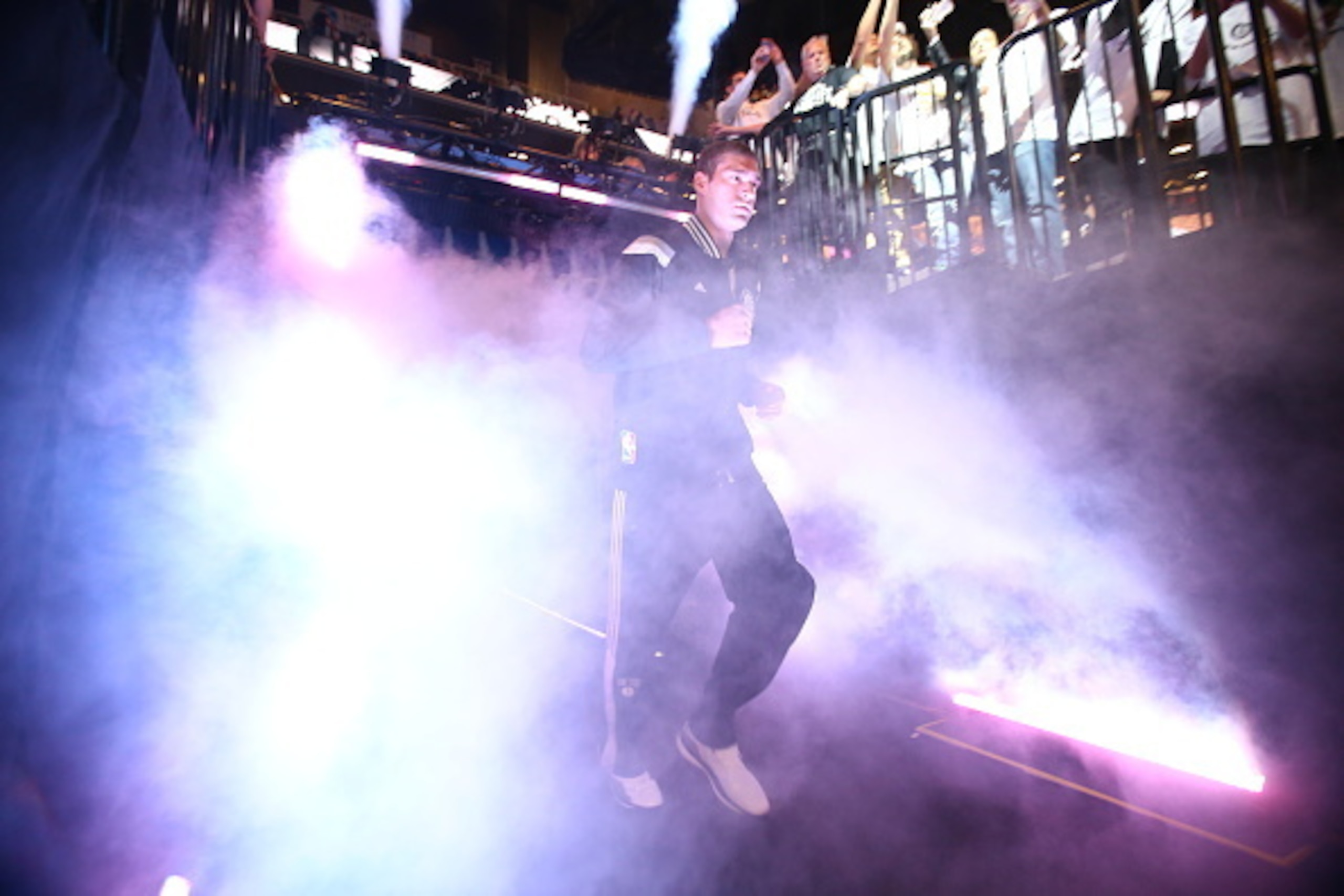
2014-15 Salary: $15,719,063
2014-15 Win Shares: 7.0
Cost Per Win Share: $2,245,580
2015-16 Salary: $19,689,000
Brook Lopez's seven win shares led the Brooklyn Nets in 2014-15. They also won't be enough next season.
Deron Williams is gone. Joe Johnson recently turned 34. Thaddeus Young has only eclipsed seven win shares once. Jarrett Jack easily ranks as a bottom-10 starting point guard.
Brooklyn, in sum, is now Lopez's team. That's why the current regime has made him one of the 15 highest-paid players in the league.
The problem: The Nets are among the cluster of could-be Eastern Conference playoff teams. It's possible, if not likely, they'll miss the Big Dance entirely as they struggle to win 35 games. And that will limit Lopez's win-share ceiling by default.
Still, the average player on this list costs a little over $1.7 million per win, and many of them, like Lopez, represented mediocre to not-so-good outfits. And now, as the unquestioned face of the Nets franchise, with the price tag to go along with it, Lopez must be held to a higher standard.
Just as the Nets need to hope he can tally back-to-back 2,000-minute campaigns for the first time since 2009-10 and 2010-11, they must also hope Lopez exceeds the 8.8 win shares last year's performance puts him on pace to accumulate.


Charlotte Hornets: Nicolas Batum
4 of 30
2014-15 Salary: $11,765,500
2014-15 Win Shares: 5.2
Cost Per Win Share: $2,262,596
2015-16 Salary: $13,125,306
Dear Mr. Nicolas Batum:
More bang please.
Signed, Every Charlotte Hornets Fan Alive.
Batum followed up the best season of his career in 2013-14 with a personal worst in 2014-15. He posted his lowest player efficiency rating (13.1) since he was a rookie, and he accompanied that with career-low shooting percentages.
Equally troubling, Batum's price per win skyrocketed to unnerving heights. He went from costing the Portland Trail Blazers less than $1.5 million per win share in 2013-14, to nearly $2.3 million in 2014-15—by far the least economical mark of his career, and one that cannot even be attributed to a steep raise.
Duplicating last season's performance would put Batum, who admittedly battled injuries last year, on track for 5.8 win shares. That would have led Charlotte last season. Heck, Batum's 5.2 would have led the way. But that's hardly reassuring.
After flipping a top-10 prospect in Noah Vonleh for Batum, the Hornets need to be thinking playoffs. And no 2015 playoff team employed a win-share leader who collected less than 6.5.
As someone who, on paper, should be the Hornets' best player, Batum must do better.
Chicago Bulls: Jimmy Butler
5 of 30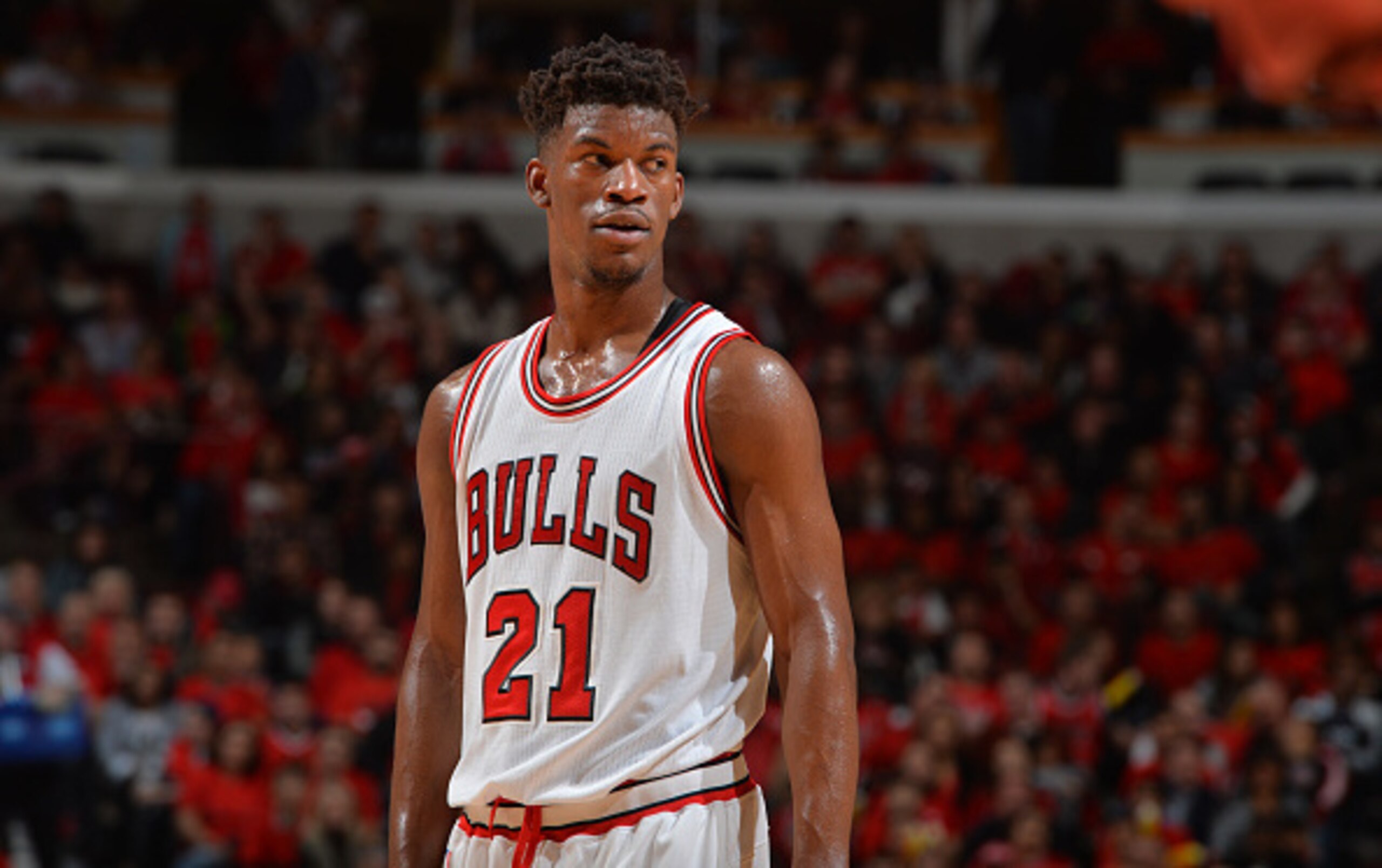
2014-15 Salary: $2,008,748
2014-15 Win Shares: 11.2
Cost Per Win Share: $179,353
2015-16 Salary: $16,407,500
With Derrick Rose constantly battling injuries and inconsistent outings, Jimmy Butler has taken over as Chicago's cornerstone.
Like, it's not even a question now.
Butler racked up the sixth-most win shares in the league last season, joining Damian Lillard and lab-experiment-gone-incredibly-right Anthony Davis as the only players still on rookie deals to crack the top seven.
Coming off that rookie deal, Butler's price per win share is going to explode. That's what happens when your salary jumps by more than 800 percent.
The good news? If Butler registers 11.2 win shares once again, he still won't even cost $1.5 million for each one. That's not just above average relative to everyone else here. It's about $14 million less than the Bulls paid Rose per win last season.
The better news? Going on 26, Butler is only just entering his prime. Playing for a head honcho in Fred Hoiberg who knows how to accentuate the value of playmaking wings with the ability to work off the ball, his best has yet to come.
Cleveland Cavaliers: LeBron James
6 of 30
2014-15 Salary: $20,644,400
2014-15 Win Shares: 10.4
Cost Per Win Share: $1,985,038
2015-16 Salary: $22,970,500
By his own standards, LeBron James cost the Cleveland Cavaliers too much last season. He has earned a little more than $830,000 per win share for his career thus far, making a year in which he flirts with a $2 million bill seem unimpressive.
Two things are at play here, though. First, the NBA's collective bargaining agreement is structured so that players can earn much more later in their careers, as they age. And knowing that four of last season's top-11 win-share packrats were still on their rookie deals, above-market rates are unavoidable for veterans, both the rising and the falling.
Second, and more importantly, James missed a career-high 13 games, bilking him of the opportunity to make up some ground—especially when you consider he was playing hurt before taking a two-week sabbatical.
There will always be times when the Cavaliers need more from James, just as they did during their injury-infested NBA Finals run. Kyrie Irving could miss the start of 2015-16, according Chris Haynes of Northeast Ohio Media Group, and it'll be up to James more than anyone else to offset production gaps that arise as a result of his absence.
It doesn't matter if the Cavaliers end up paying James more per win share next season. He's still the best player in the NBA, still coming off his seventh 25-point, seven-assist, six-rebound, 1.5-steal season, the most in league history, and still capable of going from great to legendary when called upon.
Dallas Mavericks: Wesley Matthews
7 of 30
2014-15 Salary: $7,245,640
2014-15 Win Shares: 6.2
Cost Per Win Share: $1,168,652
2015-16 Salary: $16,407,500
Asked if he would be ready for opening night after rupturing his Achilles in March as a member of the Blazers, Wesley Matthews had a succinct, yet definitively upbeat, response, according to Mavs.com's Bobby Karalla: "Yeah."
Anyone familiar with Matthews' gritty, self-assured approach isn't surprised by his aplomb. Given the option, he'll always bet on himself.
"My whole career has been scratch, claw, fight," he told the Oregonian's Jason Quick ahead of free agency. "Scratch, claw, fight, earn a little bit. Scratch, claw, fight, earn a little bit."
Well, Matthews is making more than a little bit now. He will be the Dallas Mavericks' highest-paid player next season, earning almost twice as much as future Hall of Famer Dirk Nowitzki. The bar was always going to be raised.
For Matthews to even match last year's value, he would need to deliver 14 win shares, almost six more than his current career high of 8.2. Working his way back from what is usually a career-altering injury, still playing in the cruelly competitive Western Conference, such a spike is unequivocally unrealistic.
Nevertheless, Matthews' latest setback doesn't leave him beyond scrutiny. The Mavericks signed him with the hope that he leads to additional victories, so even though he's bound to cost more per win, he still needs to create more of them.
Denver Nuggets: Danilo Gallinari
8 of 30
2014-15 Salary: $10,854,850
2014-15 Win Shares: 3.9
Cost Per Win Share: $2,783,295
2015-16 Salary: $14,000,000
Danilo Gallinari is the highest-paid player on an NBA team.
I repeat: Danilo Gallinari is the highest-paid player on an NBA team.
Rather than wait for the sweet-shooting Italian to reach free agency amid a league-wide spending craze in 2016, the Denver Nuggets hammered out a two-year extension with Gallinari this summer. And thanks to a CBA wrinkle that allows players in Gallinari's position to sign mid-contract extensions while receiving a pay bump in the next season of their current deal, he's now raking in at least $2.7 million more than any of his teammates.
Although this doesn't project as a bad investment for the Nuggets, it is a risky one. The 27-year-old Gallinari missed all of 2013-14 with an ACL injury, and he appeared in just 59 games last season. And while he posted a career-high PER, he proved costly on the win-share scale, coming in at more than $1 million over the average of those included on this list.
More than that, Gallinari ranked just third on his own team in that department last season, behind Ty Lawson and Kenneth Faried. With Lawson gone, Faried's role in head coach Mike Malone's offense not yet clear and Emmanuel Mudiay being a rookie, Denver has an opening for a new win-shares leader.
And based on how much the Nuggets are paying him through next season and beyond, said opening is Gallinari's to fill.
Detroit Pistons: Reggie Jackson
9 of 30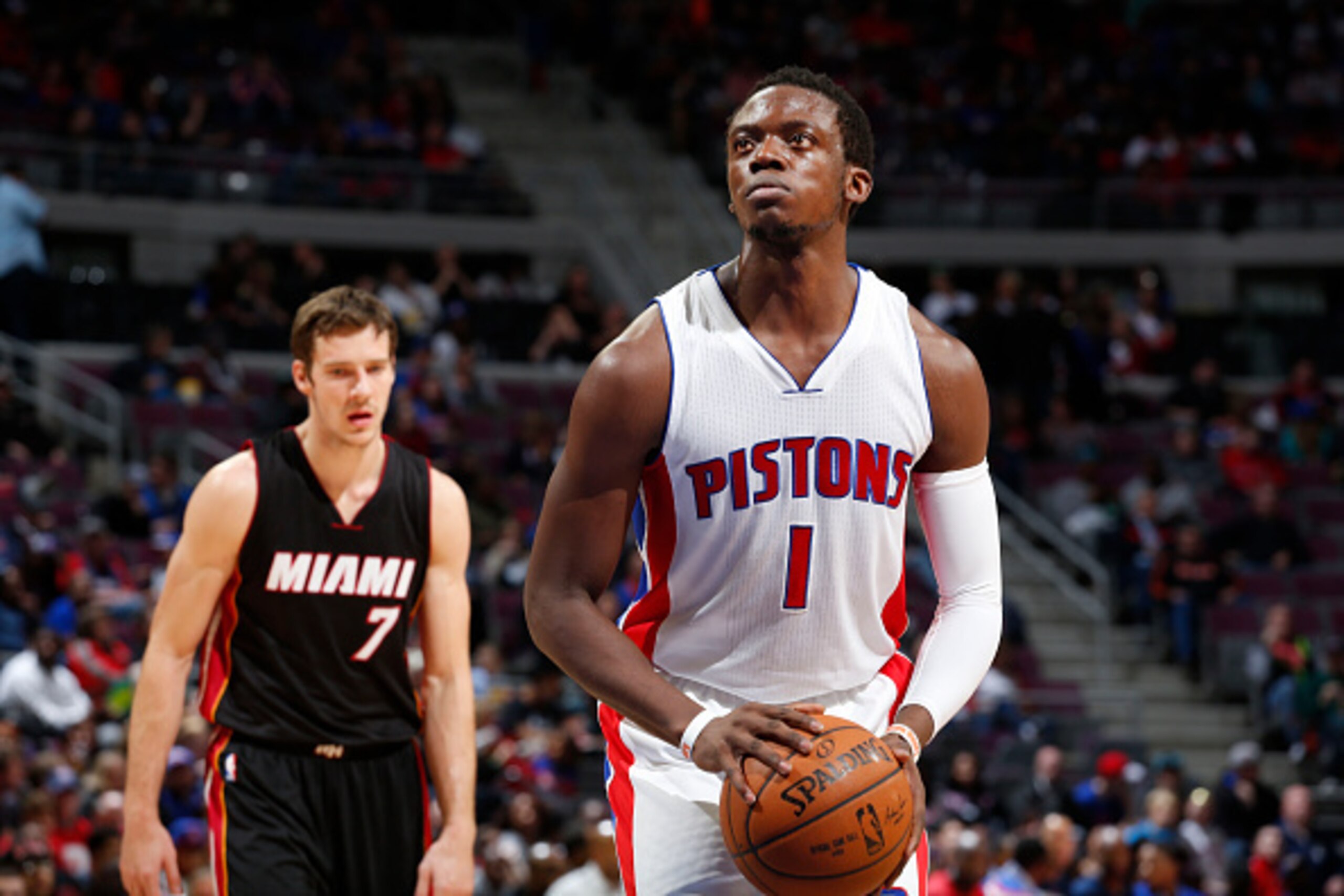
2014-15 Salary: $2,204,370
2014-15 Win Shares: 4.9
Cost Per Win Share: $449,871
2015-16 Salary: $13,913,044
Reggie Jackson has only one objective next season: start playing like the franchise point guard he's being paid to be.
Snagging 4.9 win shares in each of the last two seasons while splitting time with the Oklahoma City Thunder and Detroit Pistons was fine—for someone on a rookie deal. But if Jackson maintains his status quo in 2015-16, he'll go from earning less than $500,000 per win share, to costing the Pistons $2.8 million for each of them.
That's the inherent problem with shelling out big-money contracts to players coming off rookie deals who haven't yet secured star status. The Pistons, while not a championship contender, are banking on Jackson bridging that potential gap, even if slightly, by making the leap.
If the end of last season is any indication of Jackson's future, the leap is coming. He averaged 17.9 points and 9.7 assists on 45.6 percent shooting between March and campaign's end. Not known for his outside touch, he also found nylon on 52 percent of his catch-and-shoot threes during that time.
Best of all, through those 23 games, the Pistons scored with the efficiency of a top-three offense when Jackson was on the floor. So while he has yet to provide a bang worth his new contract, Detroit has enough evidence to hope that will change soon.
Golden State Warriors: Draymond Green
10 of 30
2014-15 Salary: $915,243
2014-15 Win Shares: 8.5
Cost Per Win Share: $107,676
2015-16 Salary: $14,260,870
Over the last two seasons, Draymond Green has gone from a modestly used reserve under former head coach Mark Jackson to a super chameleon around which current head coach Steve Kerr built Golden State's top-tier defense.
Rob Mahoney perfectly encapsulated Green's versatility on the less-glamorous end while ranking the top 100 players leading into next season for SI.com:
"What Green offers a defense is more substantial and extraordinary than what many of the league’s leading scorers offer to their respective offenses. The nature of his defensive responsibilities, which far exceed his individual matchup, call him into action on sequence after sequence, helping and switching to fill even the slightest gap in coverage. No one in the NBA floats so smoothly from bodying bigs to restricting guards to boxing out whoever he must. That across-the-board suitability allows Green to streamline all forms of defensive exchange.
"
Green's defensive malleability gave Mahoney and his colleague Ben Golliver enough justification to slot him in the top 20, but the 25-year-old's progress on the offensive end should not go unnoticed. He is a good enough shooter off the catch to stretch defenses, and his playmaking as a quasi-point forward separates him even further from the pack.
On the back of that two-way polish, Green put forth one of the most complete efforts in 2014-15 that the NBA has ever seen from a third-year talent. Below, you'll find the list of every qualified player to average at least 12.5 rebounds, 5.5 assists, 2.0 steals and 1.5 blocks per 100 possessions before their fourth season:
- Charles Barkley (1986-87)
- Chris Webber (1994-95)
- Kevin Garnett (1997-98)
- Tracy McGrady (1998-99)
- Draymond Green (2014-15)
There is no way Draymond Green continues costing around $100,000 per win share. It's mathematically impossible.
It's well within reason for the Warriors to expect that he accumulate more win shares overall, making his new contract, much like his rookie-scale deal, look like a steal. But that's where Green's value lies: in the ability to make that assumption.
Houston Rockets: Ty Lawson
11 of 30
2014-15 Salary: $11,595,506
2014-15 Win Shares: 7
Cost Per Win Share: $1,656,501
2015-16 Salary: $12,404,495
Lawson doesn't need to be a star with the Houston Rockets. That's an important distinction, both for our purposes and his own livelihood.
What the Rockets are after is a supplementary ball-handler. James Harden notched the fourth-highest usage rate in franchise history last season and needs help—Lawson's help.
Lawson ranked fourth in assist percentage last season, all while piloting a Denver offense that spent most of the schedule trying to regain its identity. He blasts through the defense and into the paint at will, and his vision on the move is second to none. He finds trailing shooters, and for someone who stands at a slight 5'11", his passing out of pick-and-rolls, over or around taller defenders, is superb.
Coexisting with Harden will demand Lawson function off the ball, as one of those trailing snipers, a foreign concept to him at this point. He's shooting 36.9 percent from deep for his career, but hasn't actually hit that mark since 2010-11, and less than 15 percent of his total looks came off the catch last season.
Strictly from a talent perspective, though, there is no issue. And as Lawson adjusts to his new role, he has an inherent edge in knowing that the Rockets neither need nor expect more out of him.
Indiana Pacers: Monta Ellis
12 of 30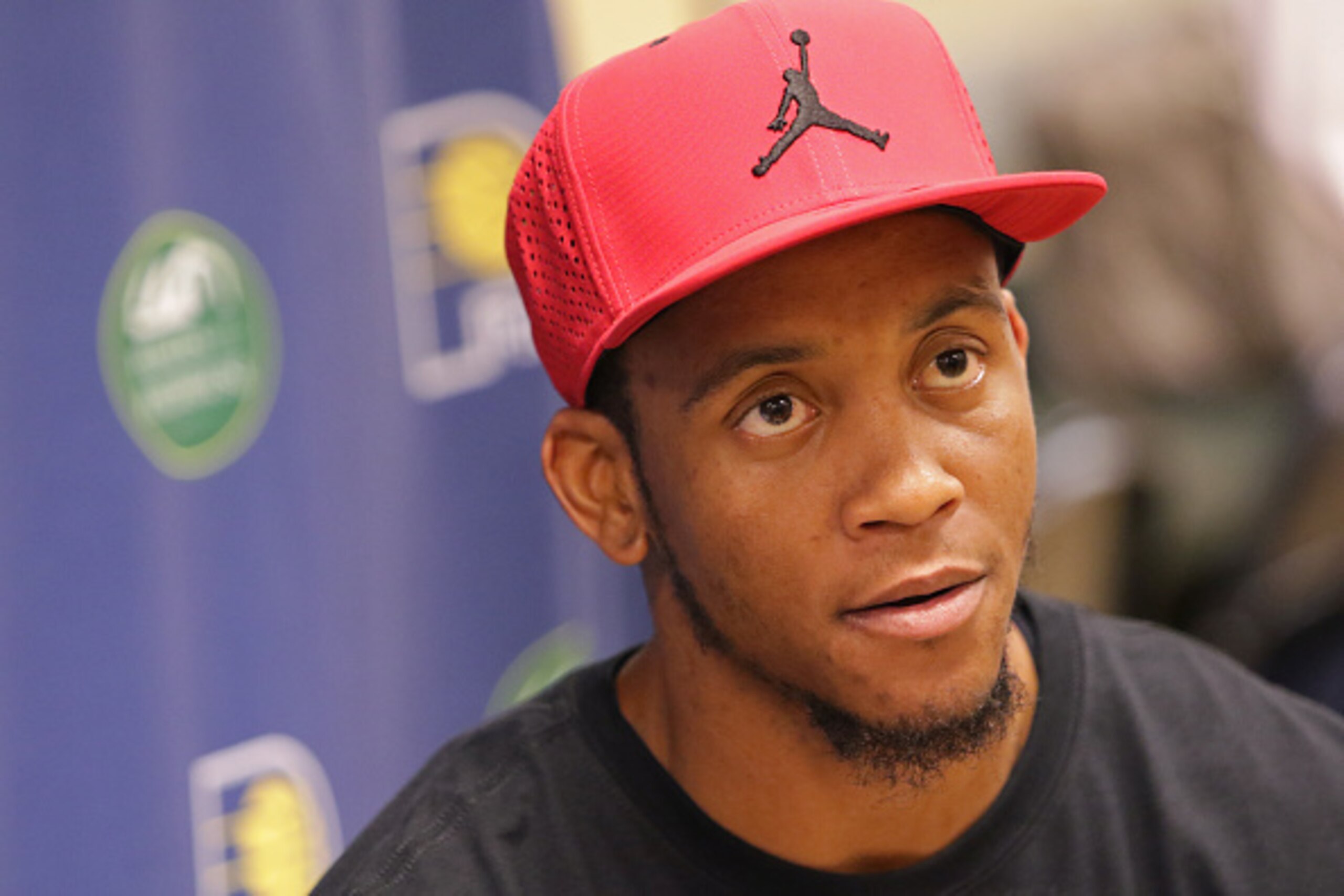
2014-15 Salary: $8,360,000
2014-15 Win Shares: 3.6
Cost Per Win Share: $2,322,222
2015-16 Salary: $10,300,000
Monta Ellis is at a weird point in his career.
At 29, he's young enough that he's still in his prime, but old enough that it would be unusual for him to undergo transcendent evolution. And yet, for what they're paying him, the Indiana Pacers need more.
Paul George is the only player on the roster who will be earning more than Ellis next season, and he's still kind of, sort of working his way back from a broken leg. To that end, as George tries to scrape off the rust and Indiana attempts to figure out its new, hopefully improved small-ball offense, Ellis will be option 1B.
As the first player not named Dirk Nowitzki to lead the Mavericks in scoring since 2000, Ellis is fit for that role to some degree. But he finished fifth on his own team in win shares last season, and ranked 129th overall.
Sustaining that pace would give him 4.4 win shares in 2015-16, which might secure a top-100 ranking. And for a Pacers team looking to recapture its postseason mojo while accounting for an unknown in George, as well as the exits of Roy Hibbert and David West, that's just not good enough.
Los Angeles Clippers: DeAndre Jordan
13 of 30
2014-15 Salary: $11,440,124
2014-15 Win Shares: 12.8
Cost Per Win Share: $893,760
2015-16 Salary: $19,689,000
No, DeAndre Jordan hasn't changed his mind again and decided to pitch for the Los Angeles Angels. But he is the proud owner of a new max contract, and all the expectations that come with it.
Continuing to contribute wins for less than $1 million apiece on this new deal would give Jordan 22 victory shares next season. Tack that on to however many Chris Paul, Blake Griffin, Paul Pierce and J.J. Redick pile up, and the Los Angeles Clippers are easily a 65-win team.
Jordan, of course, isn't about to stockpile 22 win shares. He's not self-sufficient enough on the offensive end, and a healthy Paul and Griffin will actually limit the number of wins he can generate
Oh, also: It's been more than 40 years since someone pieced together 22 win shares.
All of which is totally cool. This isn't two or three years ago. Jordan has already proved he can dominate on more profound levels. He ranked fifth in total win shares last season and is now the only player in league history to grab 24 percent of all available rebounds and block five percent of all shots when on the floor for an entire year.
The Clippers will gladly pay him a lot more to not change a thing.
Los Angeles Lakers: Roy Hibbert
14 of 30
2014-15 Salary: $14,898,938
2014-15 Win Shares: 4.2
Cost Per Win Share: $3,547,366
2015-16 Salary: $15,592,216
Even now, with his on-court reputation in the gutter, Hibbert can still be an elite defender.
Of all the players to contest at least four shots at the rim per game last season, he ranked fourth in opponent field-goal percentage, and a deeply stingy Pacers defense allowed even fewer points per 100 possessions with him in the game.
More than 75 percent of his win shares actually came on the defensive end. So, in the right situation, Hibbert's points-prevention prowess is enough of a bang to justify his eight-figure salary.
Are the Lakers, despite being in the thick of a loss-loaded rebuild, that right situation?
If they are, it will be reflected in Hibbert's win column, as well as their own.
Memphis Grizzlies: Marc Gasol
15 of 30
2014-15 Salary: $15,829,688
2014-15 Win Shares: 10.2
Cost Per Win Share: $1,551,930
2015-16 Salary: $19,689,000
Last season, as he played through his 30th birthday, Gasol set new career highs in points, assists, player efficiency rating and usage rate. It doesn't get any better than that, and neither will he.
Gasol would have to collect 12.7 win shares next season to keep pace with his 2014-15 value. Only three centers have reached that statistical touchstone since 2000: Dwight Howard, Shaquille O'Neal and DeAndre Jordan. Not one of them was older than 30 at the time.
Nor does it help that the Memphis Grizzlies hold him to a loose minutes cap. Gasol has averaged 35 minutes per game just three times for his career, the last of which was in 2012-13.
Now of all times, after signing Gasol to a five-year contract that will take him through his 35th birthday, is not when Memphis will be experimenting with a heavier workload for its All-Star tower.
So no, Gasol won't be giving the Grizzlies more bang for their buck. But, to some extent, that's because they can't afford for him to try.
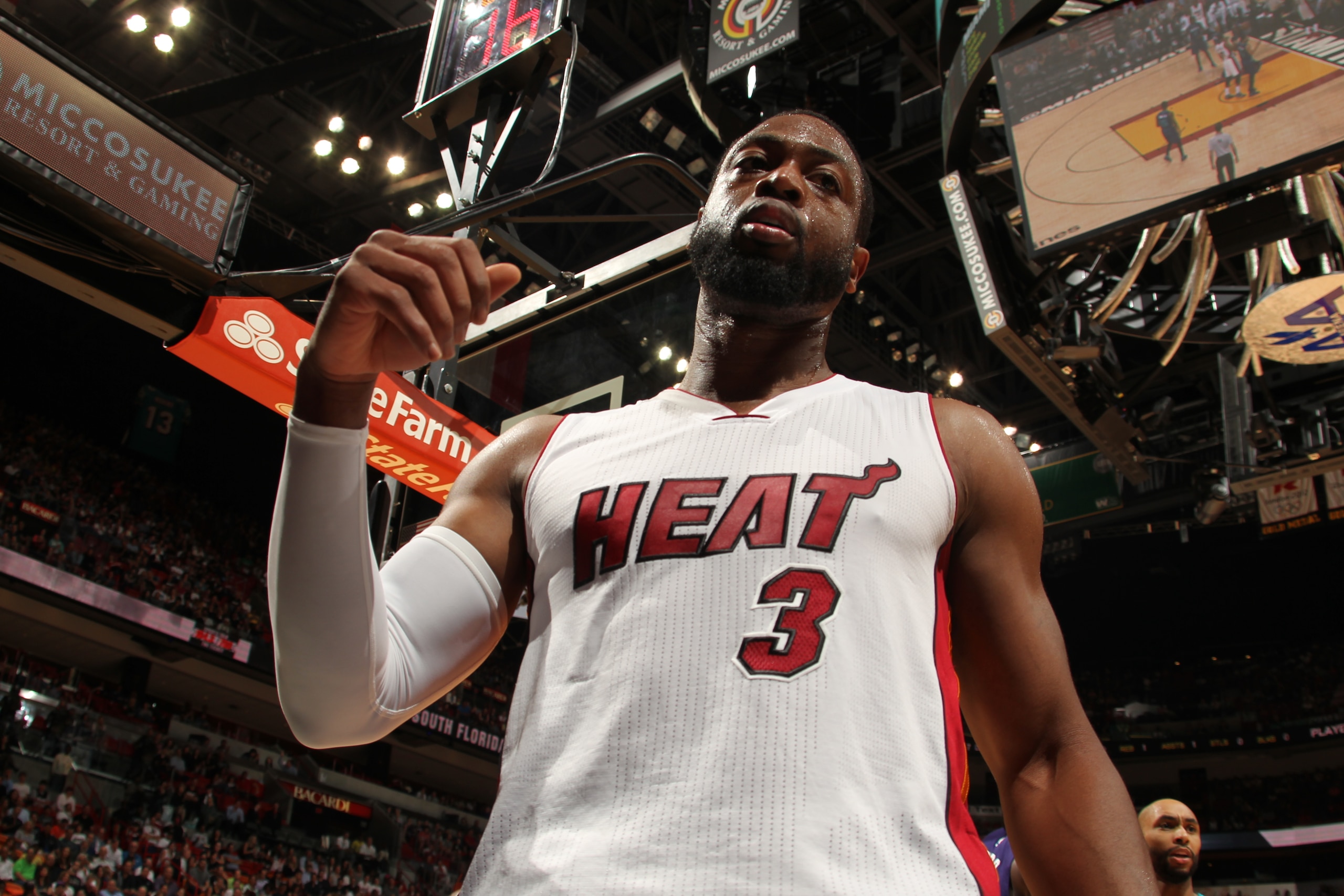
Miami Heat: Dwyane Wade
16 of 30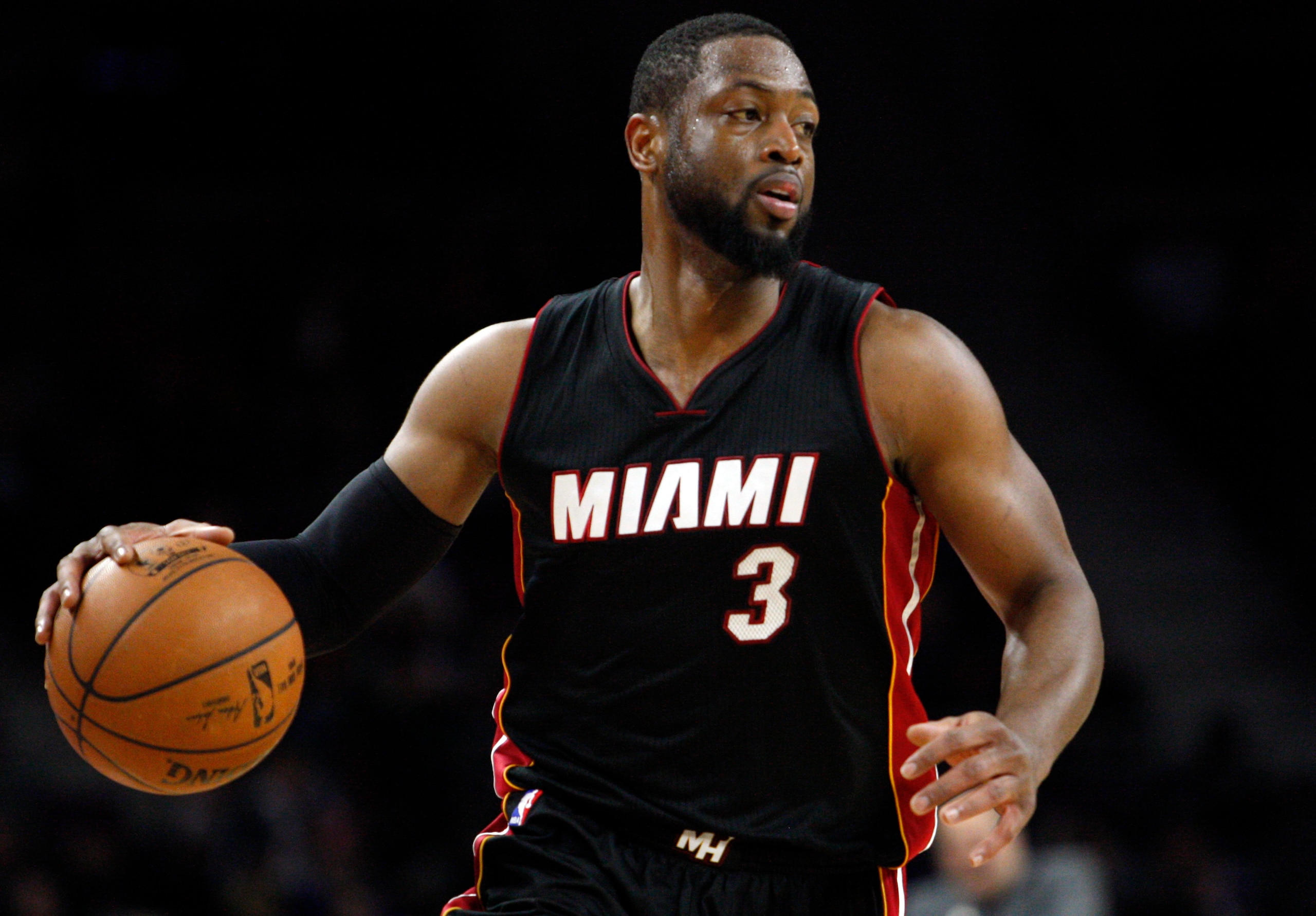
2014-15 Salary: $15,000,000
2014-15 Win Shares: 3.5
Cost Per Win Share: $4,285,714
2015-16 Salary: $20,000,000
Dwyane Wade missed 20 games last season. The Miami Heat defense was markedly better without him. He ranked 145th in win shares. His effective field-goal percentage was the lowest it's been since 2007-08.
And the Heat still handed him a $5 million raise.
Some (or all) of that increase is a retroactive thank you. Wade has spent his entire career in Miami and been a part of three championship squads, sacrificing money in the process.
Part of it can even be justified on a statistical level. Wade has no problem producing when healthy; he's posted an PER above 20 in each of the last 11 seasons.
Staying healthy is his problem. Wade has missed at least 13 games through each of the last four seasons, and his minutes in the contests he actually plays have gradually declined.
Next season, the Heat need him to be healthy enough to jack up his win-share total. They have Chris Bosh, Goran Dragic, Luol Deng and Hassan Whiteside, but they can't pay Wade top dollar to stockpile fewer win shares than the 37-year-old Chris Andersen.
Milwaukee Bucks: Greg Monroe
17 of 30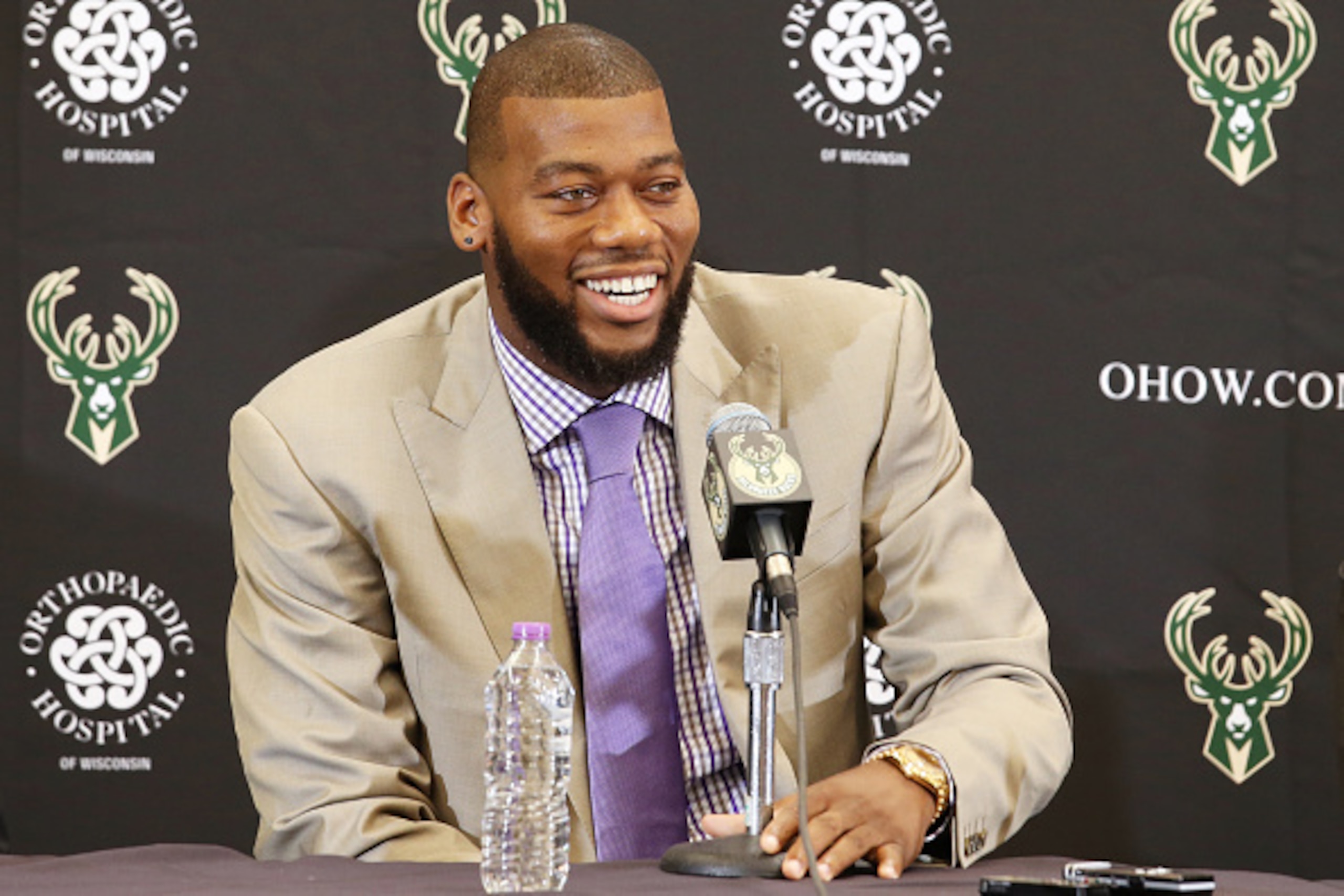
2014-15 Salary: $5,479,934
2014-15 Win Shares: 6.8
Cost Per Win Share: $805,873
2015-16 Salary: $16,407,500
Greg Monroe is going to cost the Milwaukee Bucks more than $800,000 per win share. That's not even a question. His salary has increased by too much for him to keep up.
Will he even match, let alone improve, his win-share total? That's the question.
Monroe's 6.8 win shares would have led the Bucks last season, and yet they made the playoffs, while his Pistons stumbled their way to 32 victories.
Head coach Jason Kidd, not unlike the Hawks' Mike Budenholzer and the San Antonio Spurs' Gregg Popovich, doesn't rely on any one player to push the bill. The Bucks didn't bring in Monroe to change everything. They brought him in to help change one thing: because he's offensive firepower for an attack that ranked 25th in efficiency.
And because he scored more points in the post than their entire team last season.
Additional win shares may or may not be part of his interior responsibility. Point being: Milwaukee didn't toss Monroe a three-year, $50 million contract with the intent of him doing anything he hasn't already.
Minnesota Timberwolves: Karl-Anthony Towns
18 of 30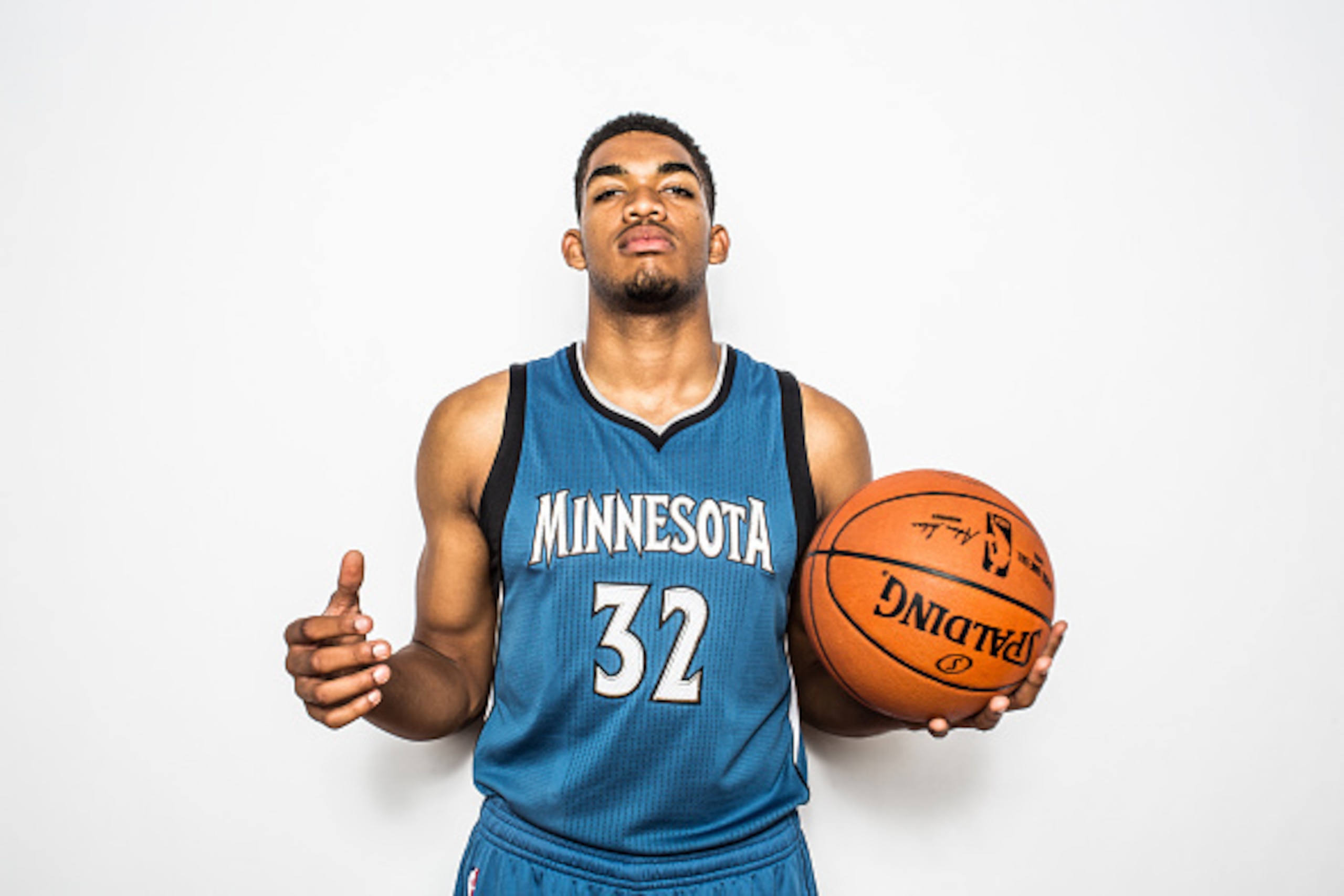
2014-15 Salary: N/A
2014-15 Win Shares (Kentucky): 6.4
Cost Per Win Share: N/A
2015-16 Salary: $5,703,600
First rookie alert!
Technically, Kevin Garnett, not Karl-Anthony Towns, should be here after signing a two-year, $16.5 million deal to remain with the Minnesota Timberwolves. But he's 39 years old, playing for a team in the onset stage of an extensive rebuild and cost $6.5 million per win share last season.
Towns is more of a mystery. He picked up 6.4 win shares in his lone season at Kentucky, which would be a steal even at the NBA level with more than $5.7 million in play. But win shares aren't interchangeable between college and the pros.
Only two rookies have tallied 6.4 win shares over the last five years: Blake Griffin and Greg Monroe. Last years' No. 1 pick, Towns' teammate Andrew Wiggins, finished with just 2.1. King James himself barely cleared five.
If Towns doesn't rival his college numbers right off the bat, it's not the end of the world. He could cut his generated wins in half and still toe the line of bargain status.
And if he does replicate his Kentucky performance from the jump? Well, the NBA's Superstars of Tomorrow Club will need to make some room.
New Orleans Pelicans: Omer Asik
19 of 30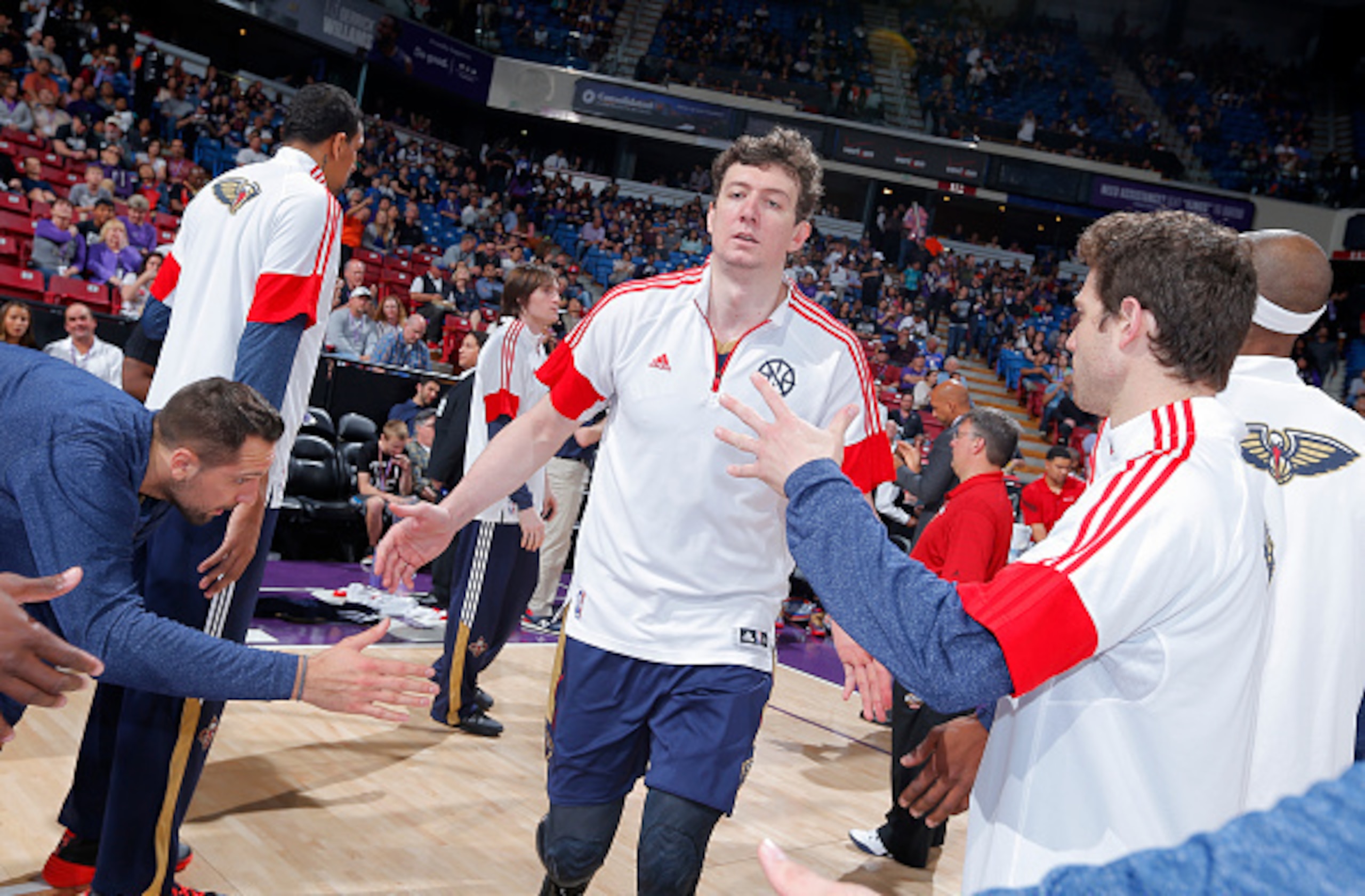
2014-15 Salary: $14,898,938
2014-15 Win Shares: 5
Cost Per Win Share: $2,979,788
2015-16 Salary: $9,213,483
Five years and $58 million seems like a lot for Omer Asik, because it is a lot for Omer Asik. He's only posted an above-average PER once in his career, and he's a black hole on the offensive end, prone to bobbling the ball on entry passes and incapable of scoring outside three feet of the basket.
Even with his salary taking a dive after finishing out that poison-pill contract from 2012 (shoutout Daryl Morey), Asik still isn't a dollars-friendly big man. Finishing with five win shares once again would still leave him at more than $1.8 million per victory.
Here's the thing: Sort of like the Bucks with Monroe, albeit to a lesser degree, the New Orleans Pelicans don't dole out the financial feel-goods to a player like Asik if they're intent on getting an extravagant return.
Davis needs to see ample time at both the 4 and 5, and backup center Alexis Ajinca is now on the books for $20 million over the next four years. Asik isn't the guy you play for 30-plus minutes every night. He's never even averaged more than 30 minutes per game, something the Pelicans clearly understand.
Which means, on a macro scale, his bang will seldom match the bucks he's being paid.
New York Knicks: Robin Lopez
20 of 30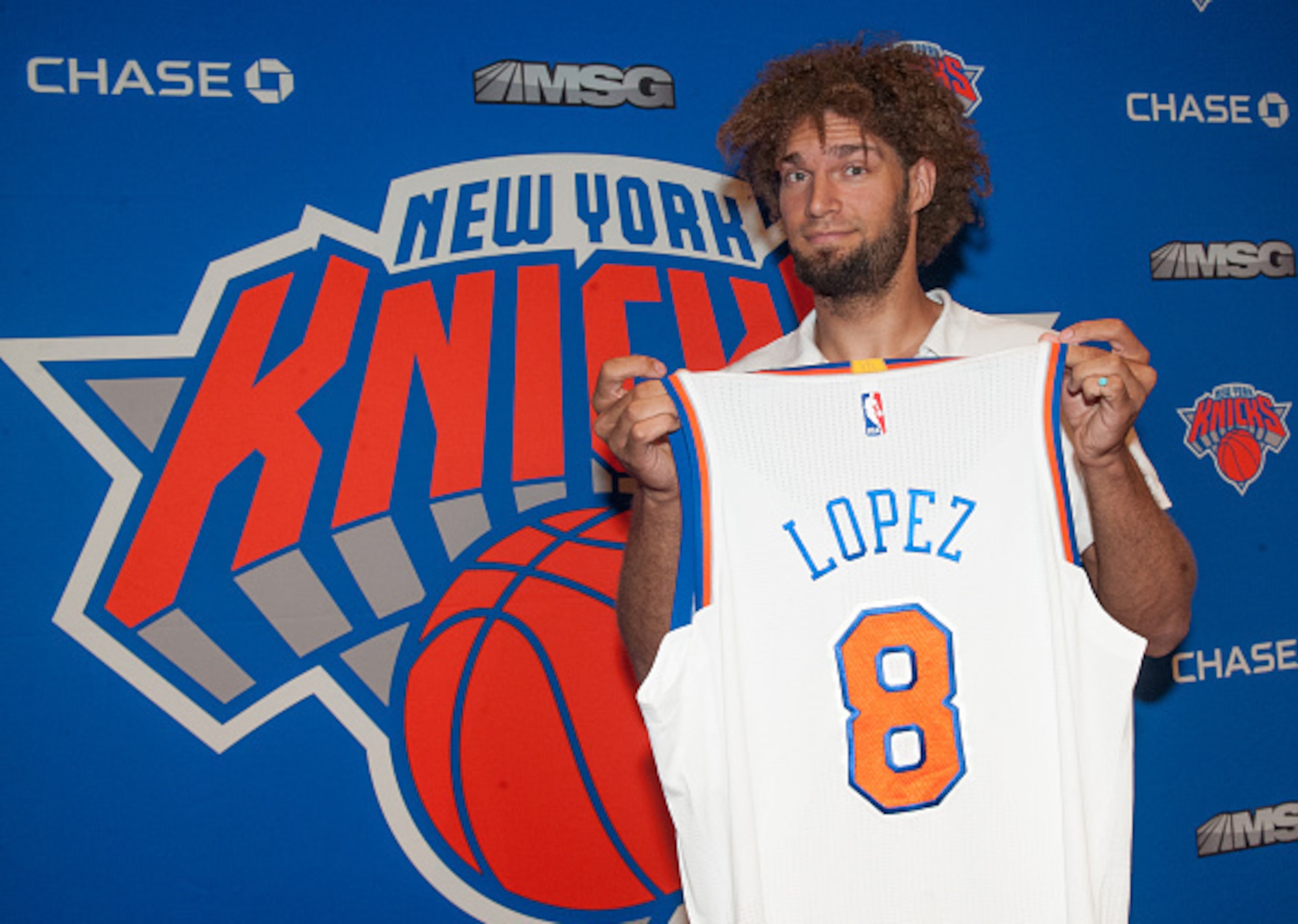
2014-15 Salary: $6,124,728
2014-15 Win Shares: 5.1
Cost Per Win Share: $1,200,927
2015-16 Salary: $12,650,000
In the event Robin Lopez is still only making just over $1.2 million per win share next season, go ahead and pencil the New York Knicks in for a playoff spot. The only way he ends 2015-16 with what would be 10.5 win shares, a new career high, is if they're headed to the postseason.
Not that playoff basketball is within the Knicks' reach, or that the postseason is even their immediate end goal.
Starting with the selection of Kristaps Porzingis at June's prospect pageant, team president Phil Jackson has made it abundantly clear that the Knicks are preparing to go through the motions. Part of that process entails reinventing the on-court culture, specifically on the defensive side, where New York ranked 28th in points allowed per 100 possessions last season.
Lopez helps them address their defensive warts right away. He's quick on the draw when rotating over to seal off cutting wings and incisive ball-handlers, and statistically speaking, he ranked as a better rim protector last season than noted paint-policers Davis, Gasol and Jordan.
As Fred Katz also previously noted on behalf of Fox Sports, Lopez stands to expand the Knicks' lineup horizons through his oft-overlooked role as a team rebounder:
"Lopez doesn’t grab boards on his own too often. What he does is clear space for others. It’s no coincidence LMA’s REB% jumped with him there. When you have a guy boxing out two others at once because of his ability to position himself, quickness can be as important as size at 4. You want someone who can adjust to the path of the ball while Lopez bodies others. LMA had tons of uncontested rebounds because of that.
"
Boxing out opposing players, creating space for teammates, setting hard screens—these are all things that, while important, won't show up in most stat sheets. And they're all things Lopez does well.
More than the Knicks need to see a measurable bang for their buck, they need to see Lopez continue to be Lopez.
Oklahoma City Thunder: Enes Kanter
21 of 30
2014-15 Salary: $5,694,674
2014-15 Win Shares: 2.1
Cost Per Win Shares: $2,711,750
2015-16 Salary: $16,407,500
Enes Kanter is the rare player fresh off his rookie contract who doesn't look like an original bargain. And that's a problem.
This is to say Kanter needs to provide way, way, way more bang for the Thunder's buck.
Many of his flaws were masked during his initial 26-game stint in Oklahoma City. Then-head coach Scott Brooks put him back in the post, and Kanter responded by averaging 18.7 points and 11 rebounds on 56.6 percent shooting.
But the Thunder were noticeably worse with him in tow. When he was on the floor, their defense imploded, letting up 110.4 points per 100 possessions, a mark that would have ranked dead last in the league. The Thunder were a minus-0.7 with him in the game overall, compared to a plus-3.8 when he was on the bench.
That's not what you look for in someone who owns one of the NBA's top 25 salaries for next season. Kanter will earn nearly $4.2 million more than Serge Ibaka, and just under $350,000 less than Russell Westbrook—the same Russell Westbrook who nearly finished last season with as many win shares (10.6) as Kanter has for his entire career (12.7).
Orlando Magic: Tobias Harris
22 of 30
2014-15 Salary: $2,380,594
2014-15 Win Shares: 4.8
Cost Per Win Shares: $495,957
2015-16 Salary: $16,000,000
Let's make this simple.
Tobias Harris will make more than James Harden in each of the next two seasons. The same Harden who was the runner-up for MVP honors. The same Harden who corralled more win shares last season (16.4) than the Timberwolves team had wins (16).
James. Freaking. Harden.
That Harden.
Ergo, Harris needs to collect more win shares of his own.
Philadelphia 76ers: Jahlil Okafor
23 of 30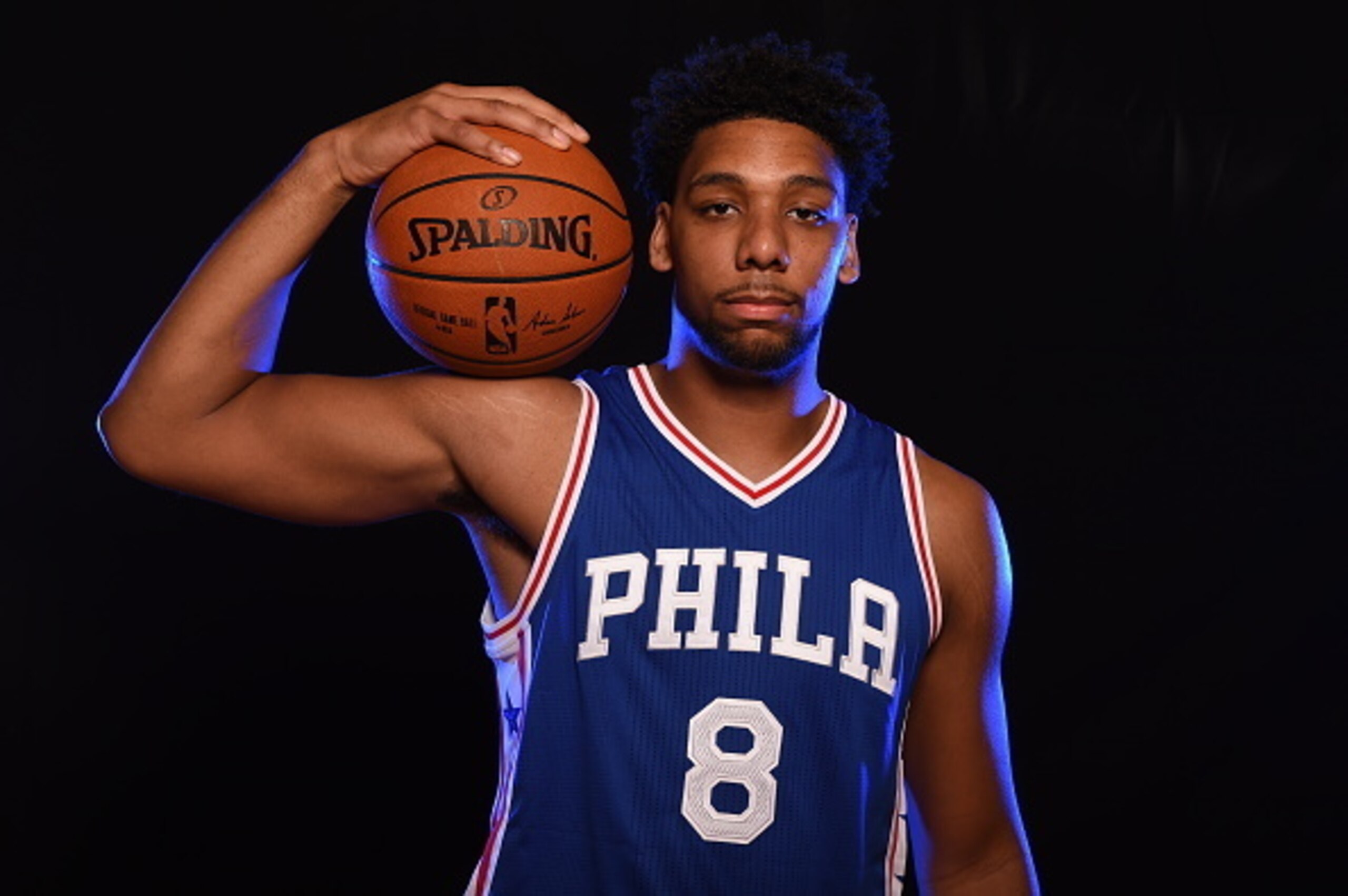
2014-15 Salary: N/A
2014-15 Win Shares (Duke): 6.7
Cost Per Win Shares: N/A
2015-16 Salary: $4,582,680
Rookie No. 2!
Gerald Wallace and Carl Landry have my apologies. They're both equally new to the Philadelphia 76ers way and earning a lot more than Jahlil Okafor. They're also less likely to play. That they've made it this long without general manager Sam Hinkie paying them to go away is kind of a miracle.
Speaking of which, if Okafor grabs 6.7 win shares as a rookie in Philadelphia, calling it a miracle wouldn't do the significance of the feat justice.
For starters, there's the sheer rarity with which NBA neophytes score 6.7 win shares. Just two newbies have met that mark over the last 10 seasons: Blake Griffin and Chris Paul.
Beyond that, there's the matter of the Sixers winning enough games to give Okafor a shot at 6.7 win shares. They ran off 16 victories last season and don't appear to be priming themselves for a dramatic uptick.
Joel Embiid is out for the year again, Dario Saric remains overseas and they still don't have a viable starting floor general. There's not enough talent around Okafor to ensure he makes a veteran-like rookie debut.
Then again, Nerlens Noel anchored a competent defense and cobbled together four win shares as an NBA fledgling last season. Maybe Okafor can put together a surprising number of victories as the offensive hub of a team that has basked in volume losing for the last two years.
Whatever happens, Okafor can enjoy the comfort of knowing he cannot be too harshly judged for failing to procure win shares that, as a member of this Philly team, just don't exist.
Phoenix Suns: Brandon Knight
24 of 30
2014-15 Salary: $3,553,917
2014-15 Win Shares: 4.5
Cost Per Win Share: $789,759
2015-16 Salary: $13,500,000
Eric Bledsoe must have really high hopes for Brandon Knight.
“We’ve definitely trying to make a run at a playoff spot," he said, per Shane Dale of ABC 15 in Arizona. "We’re not trying to get the last spot, either. We’re trying to get a high spot. We’re definitely looking forward to it."
Any Phoenix playoff push begins with the backcourt duo of Bledsoe and Knight, the latter of whom put pen to paper on a five-year, $70 million deal this summer. The Suns do have other pieces—a legitimate rim protector in Tyson Chandler, an enormous something in Alex Len, an intriguing swingman prospect in T.J. Warren and a resident frowny face in Markieff Morris—but they are more invested in their point guard dyad.
Bledsoe, to his credit, has already shown he can handle that kind of pressure. He led Phoenix in win shares last season on the heels of signing a five-year contract of his own.
Knight needs to make similar strides for the Suns to be genuine playoff candidates in the ferocious Western Conference. His price per win share has been more than OK to this point, but he's now earning Bledsoe money as the team's co-highest-paid player.
Turning in another 4.5-win-share season isn't going to cut the mustard. It would mean the Suns are paying Knight $3 million per victory, firmly displacing him from the bargain and properly priced bins.
In fact, during his career-long run with sub-.500 teams, Knight has scooped up just 9.6 total win shares. Fourteen players matched or exceeded that through 2015-16 alone.
After two seasons of living off provocative per-game lines (17.5 points and 5.1 assists) in Milwaukee and Detroit, Knight needs to start bringing more wins to the table.
Portland Trail Blazers: Al-Farouq Aminu
25 of 30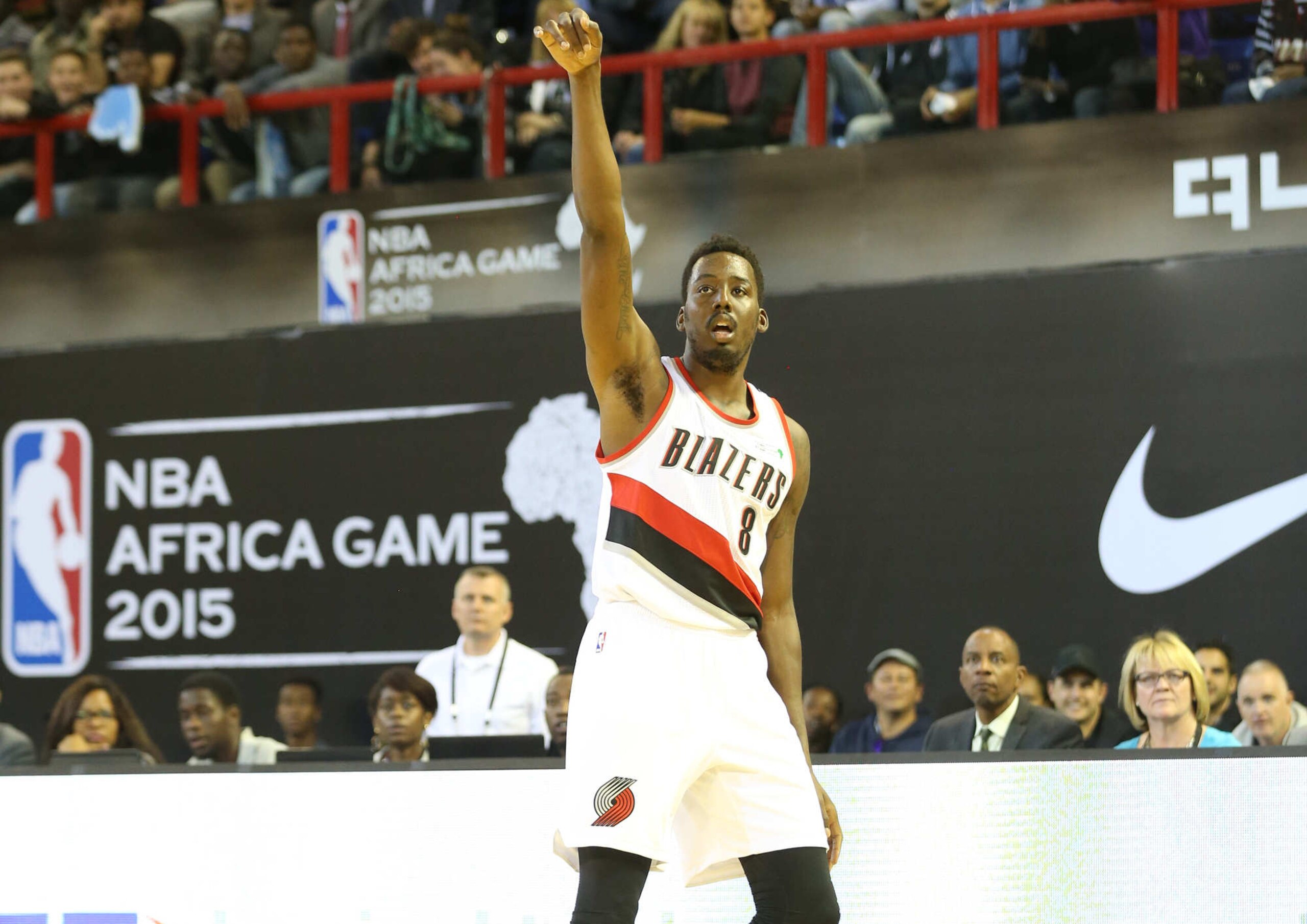
2014-15 Salary: $981,084
2014-15 Win Shares: 3.3
Cost Per Win Shares: $297,298
2015-16 Salary: $8,042,895
Al-Farouq Aminu is now the highest-paid player on a team that won 51 games last season.
Acceptable reactions to this information include blank stares, attempts to empathize with the Portland fanbase and the use of the now-outdated phrase "Say Whaaaat?!?!?"
Compared to other contracts that were handed out this summer, Aminu's isn't ridiculous by any means. But it's more than eight times what he earned with the Mavericks last season, and the prospect of him leading a team's cap sheet, even if he's just warming the spot for Lillard, is comical.
This is a player who has never wrangled more than 3.3 win shares. Or posted an above-average PER. Or recorded a net positive offensive box plus/minus. Or shot 32 percent or better from deep.
Portland absolutely needs to get more bang for its buck with Aminu. If he matches his 3.3 win shares from last season, they'll be paying him more than $2.4 million for each one. With the Blazers projecting as a lottery team and their rotation in flux, that cost could easily surge.
Dishing out $8 million salaries to low-level role players might soon become the norm, and Aminu's deal is cap-friendly, as it cheapens by the year. But for now, given all Aminu hasn't proved, the Blazers need to hope the player they signed is different from the one they're actually getting.
Sacramento Kings: Rajon Rondo
26 of 30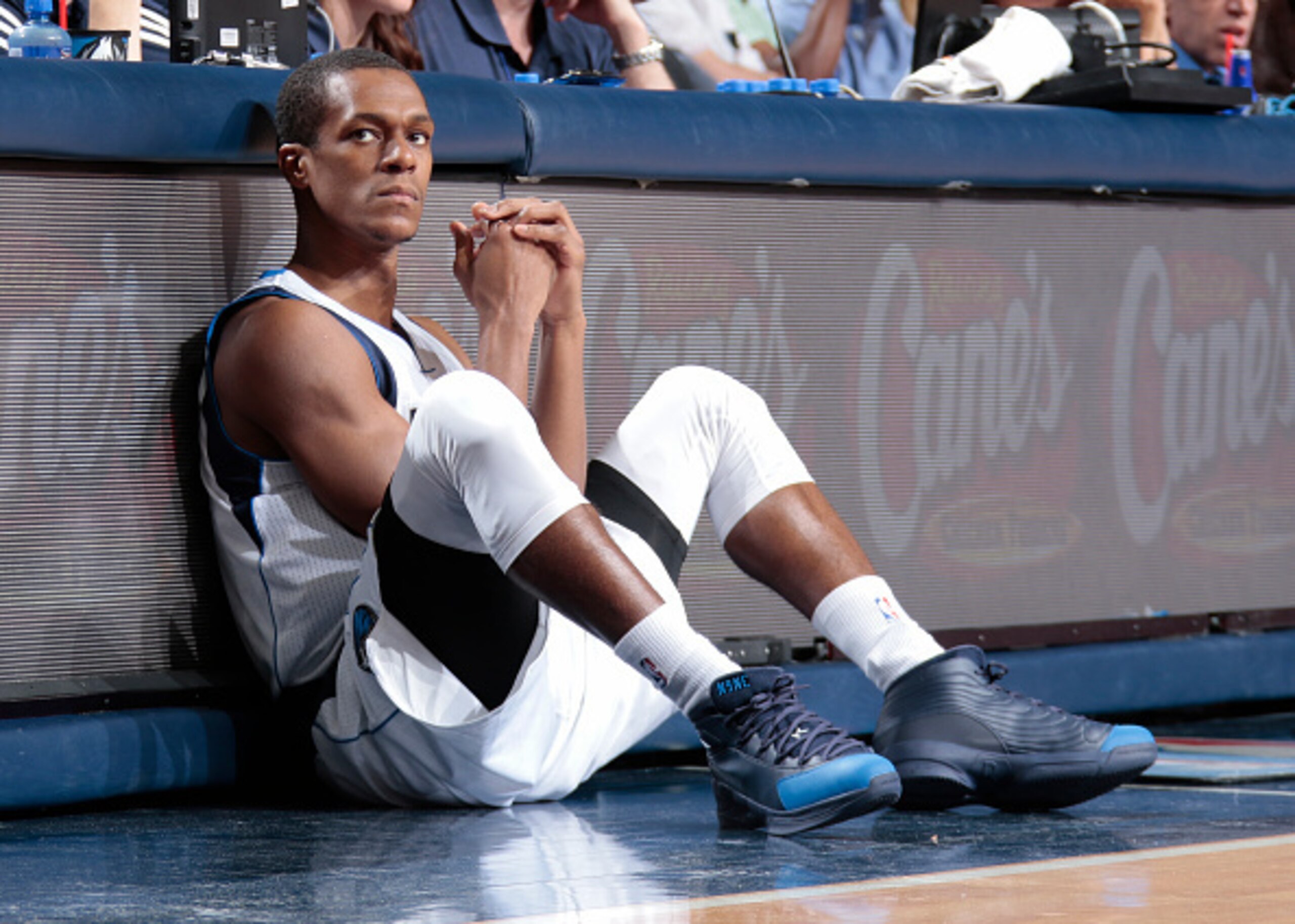
2014-15 Salary: $12,909,091
2014-15 Win Shares: 1.6
Cost Per Win Share: $8,068,182
2015-16 Salary: $9,500,000
Good. Lord.
Rajon Rondo appeared in 68 games last season, his most since 2010-11, splitting time between two playoff teams in the Celtics and Mavericks. Somehow, he still failed to crack two win shares.
Some perspective:
- The $8 million-plus Rondo was paid per win share last season is the most, and therefore the worst, of anyone else on this list.
- Rondo totaled his 1.6 win shares through a little more than 2,000 minutes of action. Back in 2012-13, he doubled that number (3.2) while playing nearly 600 fewer minutes.
- Aside from Rondo, only two other players failed to get more than 1.6 win shares while seeing 2,000 minutes of action and maintaining a usage rate of at least 19.5: Michael Carter-Williams and Dion Waiters. (Related: Yuck.)
Had enough? No? Alrighty then.
A few more notes:
- Rondo hasn't improved his team's offensive performance when on the floor since 2011-12.
- Rondo's 39.7 percent clip from the foul line last season is the worst mark of any guard in league history to attempt at least 75 free throws.
- Rondo's 2014-15 true shooting percentage (44.8) is the seventh-worst of any guard in the three-point era to attempt at least 600 field goals and 75 free throws.
Fortunately for Rondo and his new team, the Sacramento Kings, he's fallen so far that there's almost nowhere to go but up. It should be pretty easy for him to give Sacramento more bang for its buck—even if, by normal standards, his bang is more of a faint ping.
San Antonio Spurs: LaMarcus Aldridge
27 of 30
2014-15 Salary: $16,006,000
2014-15 Win Shares: 8.6
Cost Per Win Share: $1,861,163
2015-16 Salary: $19,689,000
Nine years into his NBA tenure, having just turned 30, Aldridge is in the heart of his prime, capable of beating his win-share rate from last season. All he must do is carve out 10.6 of them, something he's done once before, without the luxury of headlining a team as stacked as next season's Spurs.
To be sure, that doesn't mean Aldridge will improve his cost per win share. Knowing the Spurs, he probably won't, because they won't let him.
Sideline czar Gregg Popovich monitors minutes like a hawk. He won't even push his younger players to the limit, let alone his aging vets.
Danny Green led the Spurs in minutes played last year with 2,312. Relative to the rest of the league, that's nothing. He didn't even rank inside the top 55 of total burn.
Expect the Spurs to exercise everyday precaution with Aldridge, as they do the rest of their cornerstones. They're in this relationship with him for the long haul and don't need him to outpace the previous version of himself.
They'll take the same, or slightly less, value so long as Aldridge is fresh for their 2016 postseason push.
Toronto Raptors: DeMarre Carroll
28 of 30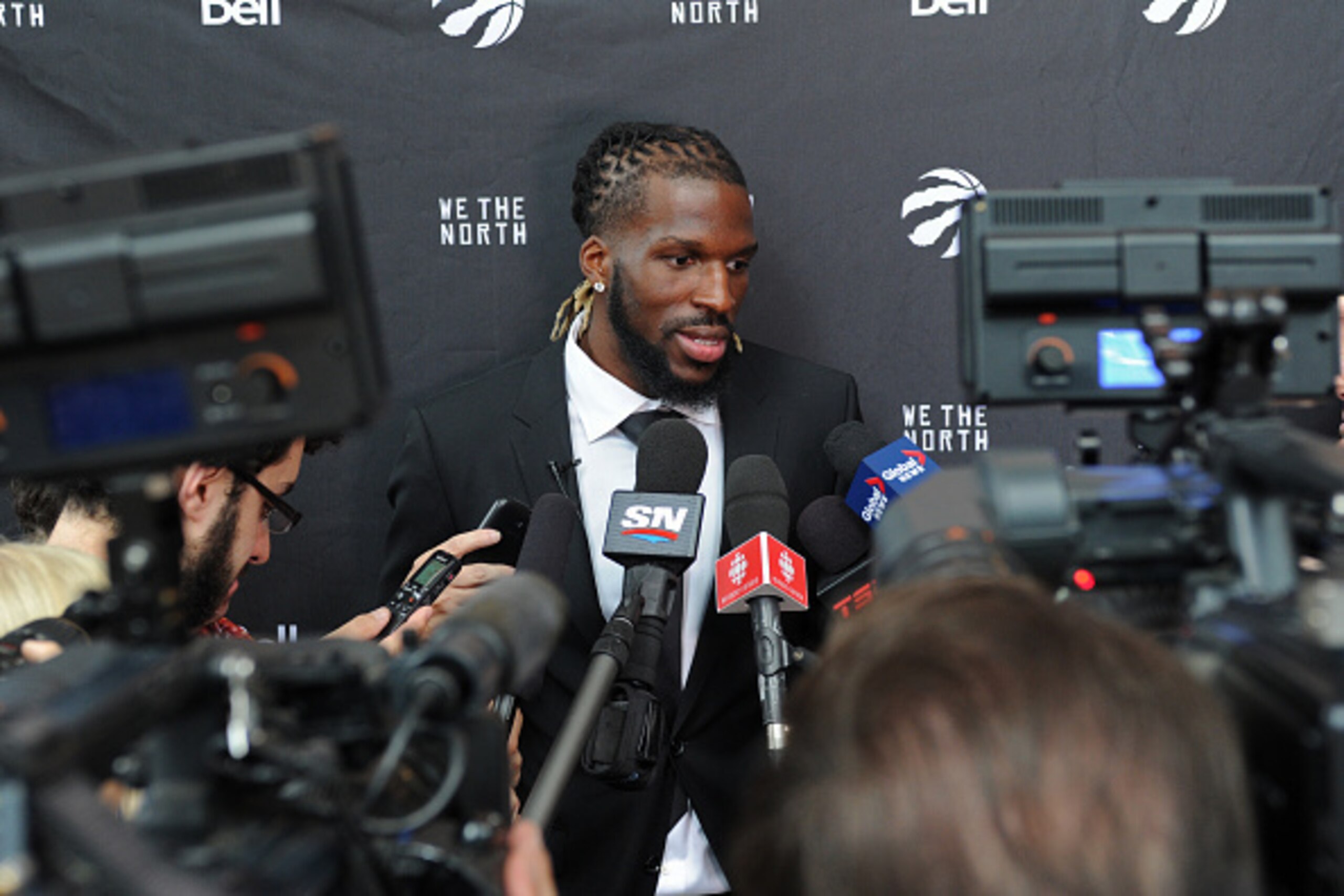
2014-15 Salary: $2,442,455
2014-15 Win Shares: 7
Cost Per Win Share: $348,922
2015-16 Salary: $13,600,000
Carroll is no longer an NBA Cinderella story. Indeed, he has come a long way since fighting for minutes while bouncing from team to team, often to no avail. But there's nothing Cinderella-esque about his contract with the Toronto Raptors.
When next season tips off, Carroll will be bringing home more coin than anyone else in Toronto's locker room. That's quite the haul for someone who ranked 11th in usage rate on his own team last season, even when you account for the impending salary-cap eruptions.
While he can do everything, Carroll isn't the stereotypical alpha dog. He's a mixed bag of scrappiness on the defensive end, able to guard three, arguably four, of five positions. But he functions as a role player, draining threes and dropping dimes but rarely dominating the ball. Almost 83 percent of his made baskets last season came off assists.
None of this is to suggest Carroll won't be worth his contract. But he needs to drum up those seven win shares through at least next season.
Cashing in on a $13.6 million salary may be a role player's game in 2016-17, but for now, under the current $70 million salary cap, he's being paid like a No. 1 option.
Utah Jazz: Trey Lyles
29 of 30
2014-15 Salary: N/A
2014-15 Win Shares (Kentucky): 4.4
Cost Per Win Share: N/A
2015-16 Salary: $2,239,800
Rookie No. 3!
The Utah Jazz didn't change much this offseason. They didn't need to, not after shipping Kanter to Oklahoma City.
Following the trade deadline, the Jazz had the league's best defense by a mile (or 50). And not only did they post the net rating of a playoff team, but they matched Cleveland's differential (plus-6.9) during that time.
Heavily invested in homegrown talent, Utah's splashiest transactions included signing Tibor Pleiss and drafting Trey Lyles. And since win shares aren't recorded for overseas talents like Pleiss, we're left with the Kentucky product.
Lyles is super raw on both ends of the floor and hasn't yet developed an outside touch, making him an iffy fit for the more spacing-friendly offense head coach Quin Snyder is still trying to install. But Lyles did work on expanding his range at Kentucky (29 three-point attempts) and is super long, which paves the way for some defensive fun.
Plus, he's making just over $2.2 million and won't be expected to do much else aside from occasionally spell the three-headed frontcourt monster that is Trevor Booker, Derrick Favors and Rudy Gobert. Lyles doesn't need to leave much of a first impression at all to make Utah happy.
Washington Wizards: Jared Dudley
30 of 30
2014-15 Salary: $4,250,000
2014-15 Win Shares: 4.1
Cost Per Win Share: $1,036,585
2015-16 Salary: $4,375,000
When your most significant offseason move consists of adding the reasonably priced Jared Dudley, chances are you're doing something right.
Or just refusing to substantially rock the boat before Kevin Durant hits free agency.
Either way, the Washington Wizards netted great value in trading for Dudley. His price per win share is translatable; he need only contribute around 4.2 next season to match last season's performance—totally doable under the circumstances.
Wizards coach Randy Wittman began running smaller, more spacing-friendly lineups toward the end of last season, and the 6'7" Dudley, much like the 6'7" Paul Pierce, can provide quality minutes as a stretch 4.
Dudley drilled more than 39 percent of his spot-up threes in 2014-15, so he's perfect as a reserve drive-and-kick marksman and someone Washington can use to bridge the gap between Pierce's departure and Durant's free agency the developments of Otto Porter and Kelly Oubre Jr.
Almost, though not quite, needless to say, dribble-drive machine John Wall should be stoked. So much so that, if you listen closely, you can hear him forgetting all about Reggie Jackson's contract.
Stats courtesy of Basketball-Reference.com, Sports-Reference.com and NBA.com. Unless otherwise cited, salary information for 2014-15 via Basketball-Reference.com. Salaries for 2015-16 via Basketball Insiders.
Dan Favale covers the NBA for Bleacher Report. Follow him on Twitter, @danfavale.

.jpg?w=2560 "Weather Channel Trolls Texans-Titans 💀")

.jpg?w=2560 "Report: Seahawks Not Signing Mixon 😯")