NBA Finals Run Latest Step in Warriors' Evolution from Afterthought to Flagship
OAKLAND, Calif. — Sometimes, it doesn't matter if your market size is mini-mart or urban agglomeration.
And sometimes it does.
After the Los Angeles Clippers took sure-thing Blake Griffin with the No. 1 pick of the 2009 NBA draft, a long line of small-market losers had their pick of the rest.

Alas, well-intending gentlemen from the population-challenged areas of Memphis, Oklahoma City, Sacramento and Minnesota all passed over Stephen Curry with results from good (James Harden) to decent (Tyreke Evans) to disappointing (Ricky Rubio) to market-crashing (Hasheem Thabeet and Jonny Flynn).
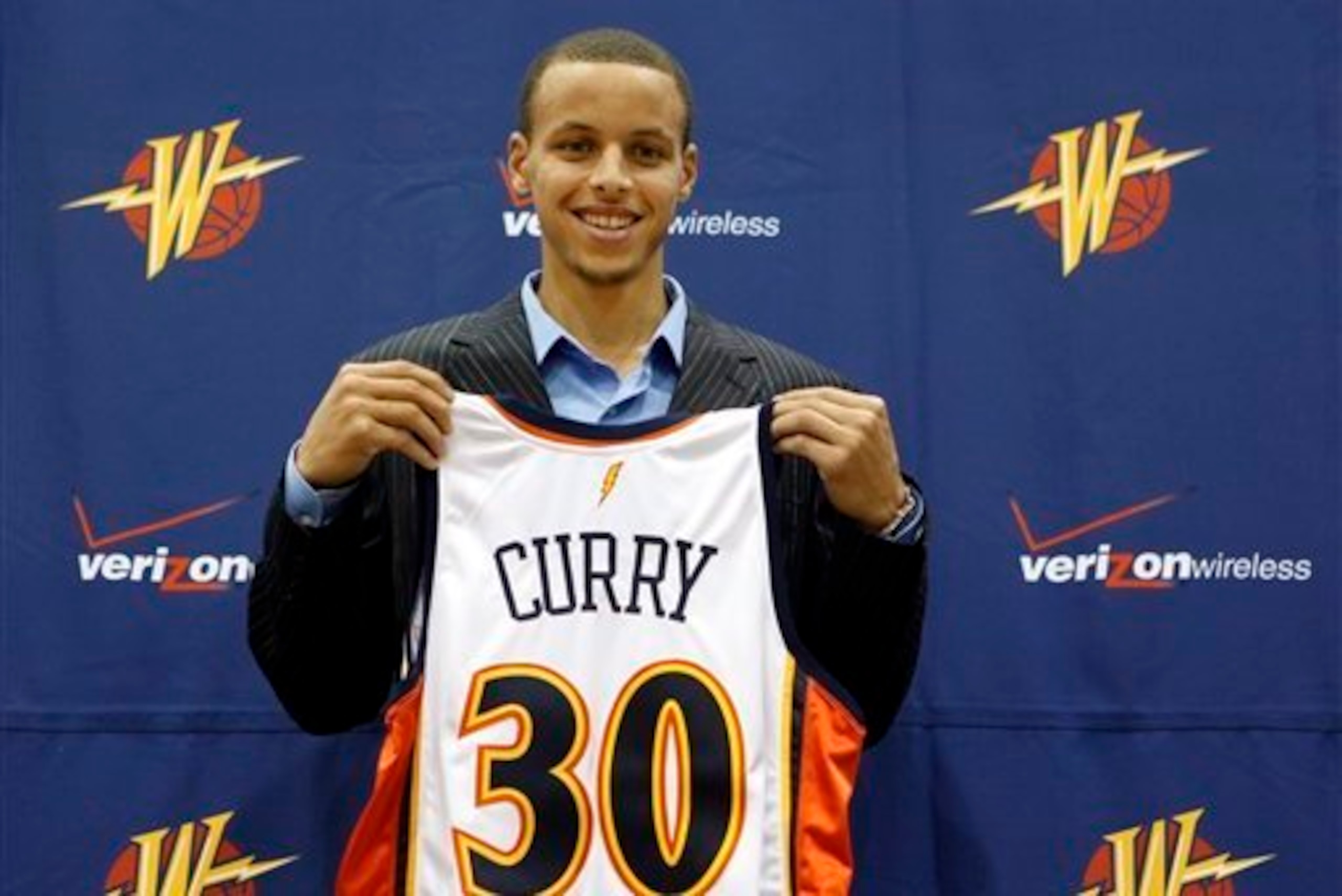
The New York Knicks were all geared up to take Curry. He would've dribbled through Times Square and launched beautiful shots toward Madison Square Garden from all over the city, unleashing the fullest force of Mike D'Antoni's uptempo offense.
But one other club was yet to pick.
Despite Curry's disinclination to working out for them because they were not in New York and not the historic Knicks, the Golden State Warriors had the power to choose.
They drafted Curry.
At the time, no one was looking at the Warriors, regardless of their proximity to San Francisco, as big time.
That choice of now-NBA MVP Curry in 2009 is at the heart of the Warriors' recent success, which is nearing its pinnacle now with a 1-0 NBA Finals lead on the Cleveland Cavaliers.
You could argue—and probably will as time goes by—that an even more meaningful transaction happened a year later, though.

Hugely successful venture capitalist Joe Lacob and hugely successful entertainment executive Peter Guber bought the Warriors from reclusive, tight-fisted owner Chris Cohan for $450 million.
That's when the Warriors, with their one playoff appearance in an 18-year span, were truly reborn as an up-and-coming, legit big-market franchise elbowing its way to stand skyline to skyline with the Knicks, Los Angeles Lakers, Chicago Bulls and Brooklyn Nets for clout in this league.
The Warriors are on stage now, and to be clear, they are here to stay.
For all the attention Microsoft billionaire Steve Ballmer has received for his aspirations to lift the Donald Sterling-oppressed Clippers into a proper large-market power, Lacob and Guber have already turned the trick in Northern California.
Even though the latest collective bargaining agreement does scale back large-market spending sprees as a means of building contenders, we need to be realistic about the ongoing benefits.
The Warriors are moving from Oakland back to San Francisco—ETA is 2018, but it could be 2017 if the shovels hit the ground at the end of this calendar year—to maximize their setting, which will keep and attract players more easily than elsewhere.
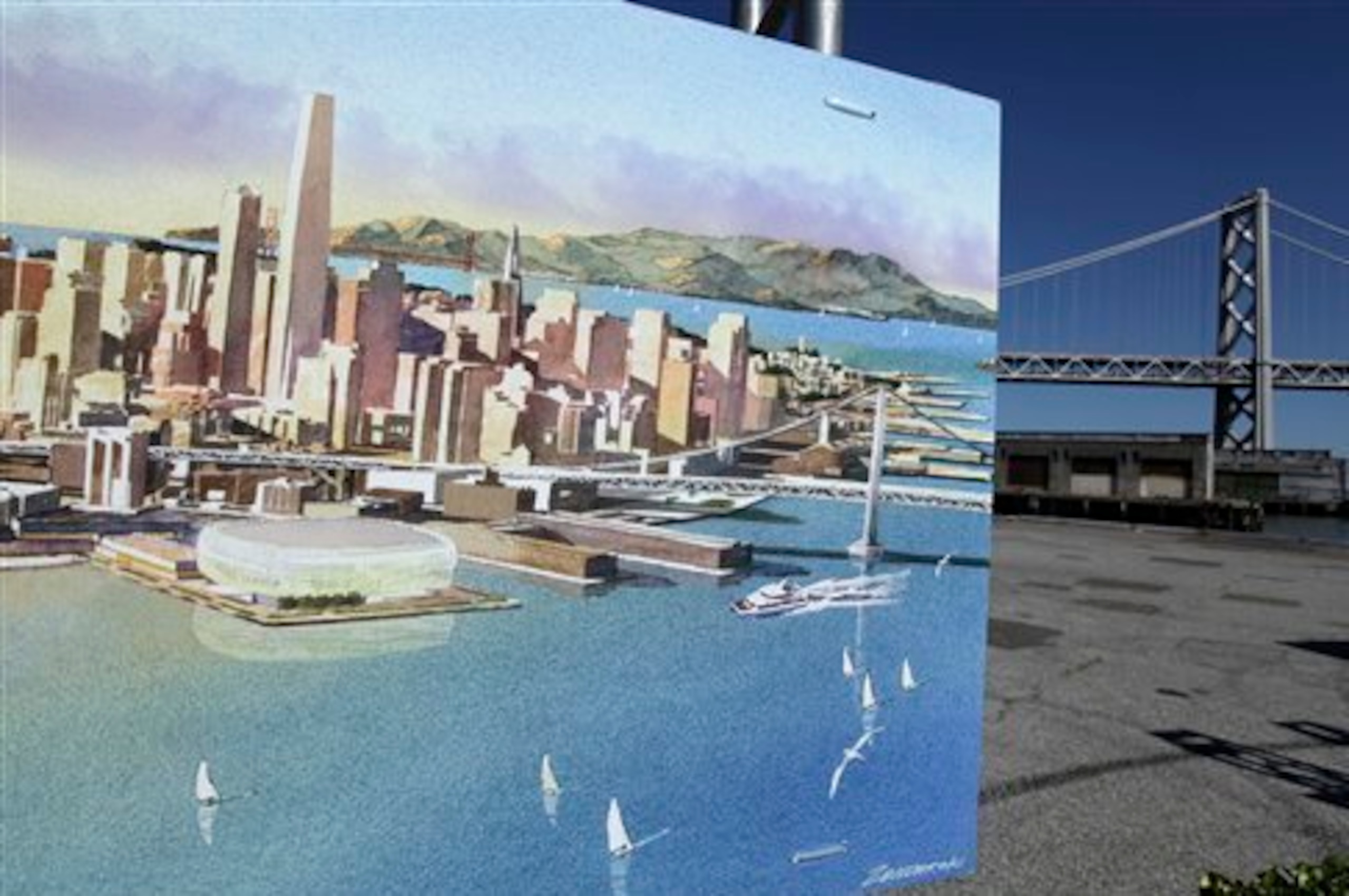
We don't have to wait for the future to see proof of the Bay Area's drawing power.
Steve Kerr was earmarked to be Phil Jackson's first hand-picked head coach of the Knicks. When the Warriors job came open, Kerr was not hard to sway.
As much as people credit the talent of the roster, the truth is that Kerr's daughter, Maddy, was a freshman volleyball player at Cal. The campus is 5.5 miles from the Warriors' offices.
The Warriors' turf was big enough to have drawn Maddy to it—plus it is also a short flight from San Diego, where Kerr's wife and two sons remain headquartered.
You never know quite how a large market is going to help. You just know it does.
Now Kerr, a California kid from the start, is as happy as can be—and honest as can be, too.
"The Warriors, until the last few years, were irrelevant for most of the past two decades," Kerr said.
The coming decades will be very different. The Warriors are only making the move to San Francisco because Lacob and Guber are building the new arena with no public subsidy.
The money is talking.
As with anything, the challenge is to take what was already good about the Warriors and build off that. There wasn't much winning, but the fanbase has been loyal and intense—one reason why Oracle Arena, the NBA's oldest venue, has such an engrossing atmosphere.
The Warriors now have a waiting list for season tickets 14,000 fans long. But they made a point to make the San Francisco arena house even fewer than Oracle, with a low ceiling and seats closer to the court, in an effort to maintain some of the intimacy from Oakland.

While Lacob, who spent much of his youth in Southern California, knows from his time around the Lakers that it's a fine line, it's possible to be both powerhouse and personable.
Rihanna sat next to Lacob at the first game of the NBA Finals after Kanye West did the same at the last game of the Western Conference Finals. Don't be surprised if they go back to the old San Francisco Warriors name in the near future. It'll never be "green collar," as the Oakland Athletics' PR campaign stresses to the working class, but that only means the Warriors have a lot more opportunities coming to them.
They're golden now. And they're going to stay that way.
Kevin Ding covers the NBA for Bleacher Report. Follow him on Twitter, @KevinDing.


.jpg?w=2560 "Chiefs, Steelers Eye WR Trades")