
2011 MLB Draft: Most Likely to Hit 40 HR, Steal 60 Bases and Other Superlatives
Last year, I posted an article listing the players I believed would be the best bet to reach the Majors from the 2010 draft class and do incredible things like hit 40 home-runs (Bryce Harper), steal 60 bases (Delino DeShields Jr.), win 20 games in a single-season (Deck McGuire) and make the Hall of Fame (Christian Colon).
You can find that article here.
It was well received so I thought it would be interesting to expand the categories a little and take a shot at the 2011 MLB Draft class, one of the deepest and most interesting in quite some time.
This class has it's share of front-of-the-rotation pitchers (Sonny Gray, Gerrit Cole, Matt Barnes, Taylor Jungmann, Archie Bradley and Dylan Bundy), middle-of-the-lineup bats (Anthony Rendon, George Springer, Dante Bichette Jr.), defensive wizards (Joe Panik, Francisco Lindor, and Rendon...again) and sensational athletes (Bubba Starling, Josh Bell, and Bradley).
Enjoy the ride!
Most Likely to Hit Four Home Runs in a Single-Game
1 of 20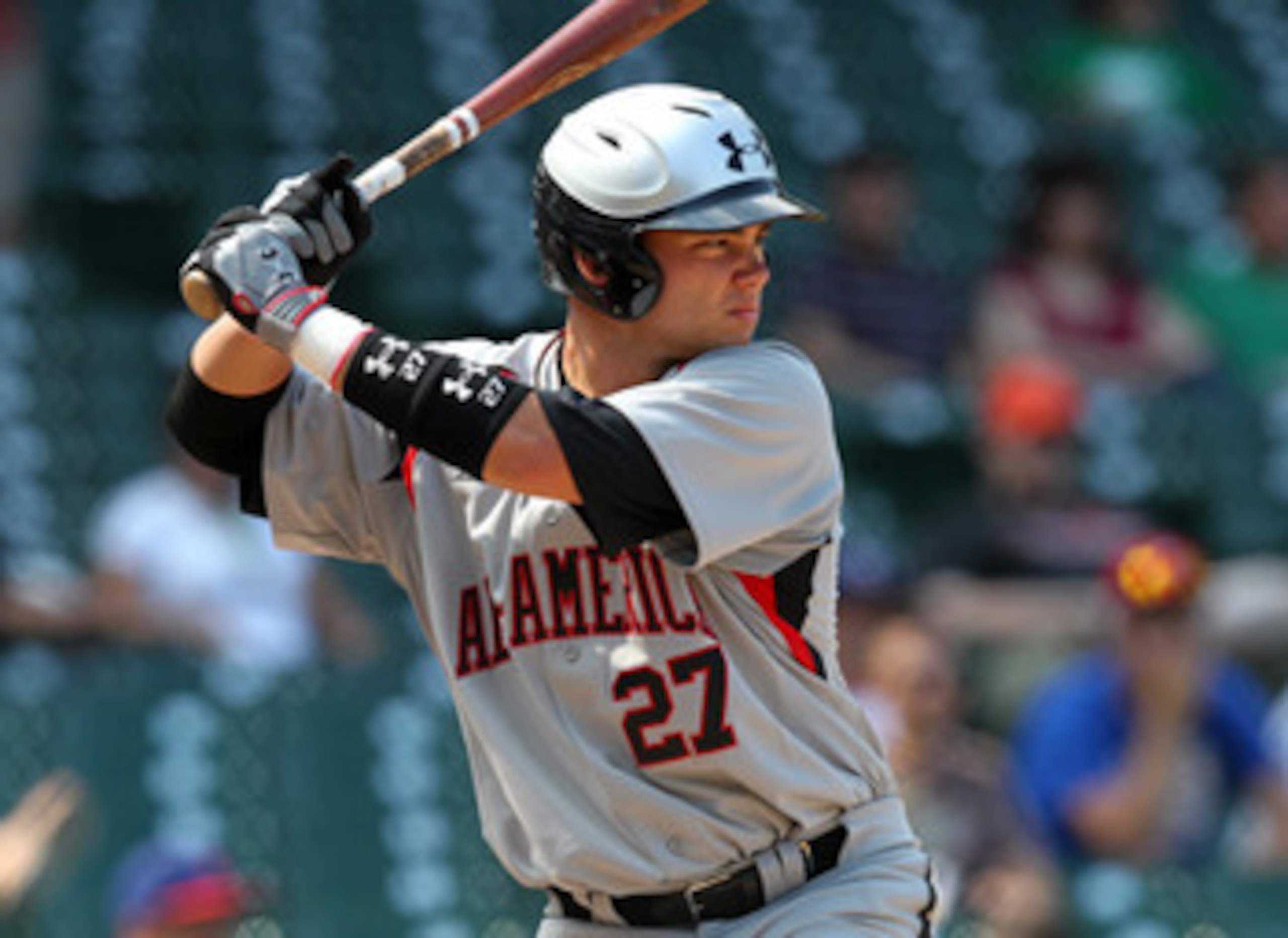
Only 11 players in Major League history have achieved the monumental feat of hitting four home runs in a single-game.
Only five have managed to do it since 1977 and the most recent player, Carlos Delgado, achieved the feat back in 2003.
So it's not very likely that any player from the 2011 draft class will ever bash four long-balls in one contest, but just for the sake of fun and ridiculousness, if I was forced to pick a guy who I think could do it I would have to go with high-schooler Dante Bichette Jr.
The high-school phenom, who should be drafted in the first three rounds, shot to super-stardom during his team's run to the Little League World Series in 2005. Now a high-school senior, Bichette has turned his Orangewood Christian (FL) home-field into a launching pad for numerous monstrous home runs.
I'm not kidding when I tell you Bichette's power is sick. Obviously, he comes from good stock, as his father Dante Sr. played in the Majors for 14 years and finished with 274 home runs.
But Junior takes it to a whole new level.
His dad tricked out a "warehouse" for him, complete with indoor batting cages, multiple pitching machines, including one that simulates breaking pitches, and a range of exercise equipment.
That, combined with his natural raw ability, has allowed him to develop into one of the top hitters in Florida, and one of the top hitters in the country.
Why is he a fit to have a shot at four homers in one game, you ask?
Because he's always had a flair for the dramatic. He was a star at Williamsport as a kid, with teenage girls reportedly stalking him and he's done a good job of producing highlights at a steady pace since then.
Four homers in one game would make a heck of a highlight.
Just as a side-note, the player I tabbed last year, Hunter Morris from Auburn, a fourth-round pick by Milwaukee has five home runs in 45 games so far this season, after hitting nine last year in 71 games.
Most Likely to Throw a No-Hitter
2 of 20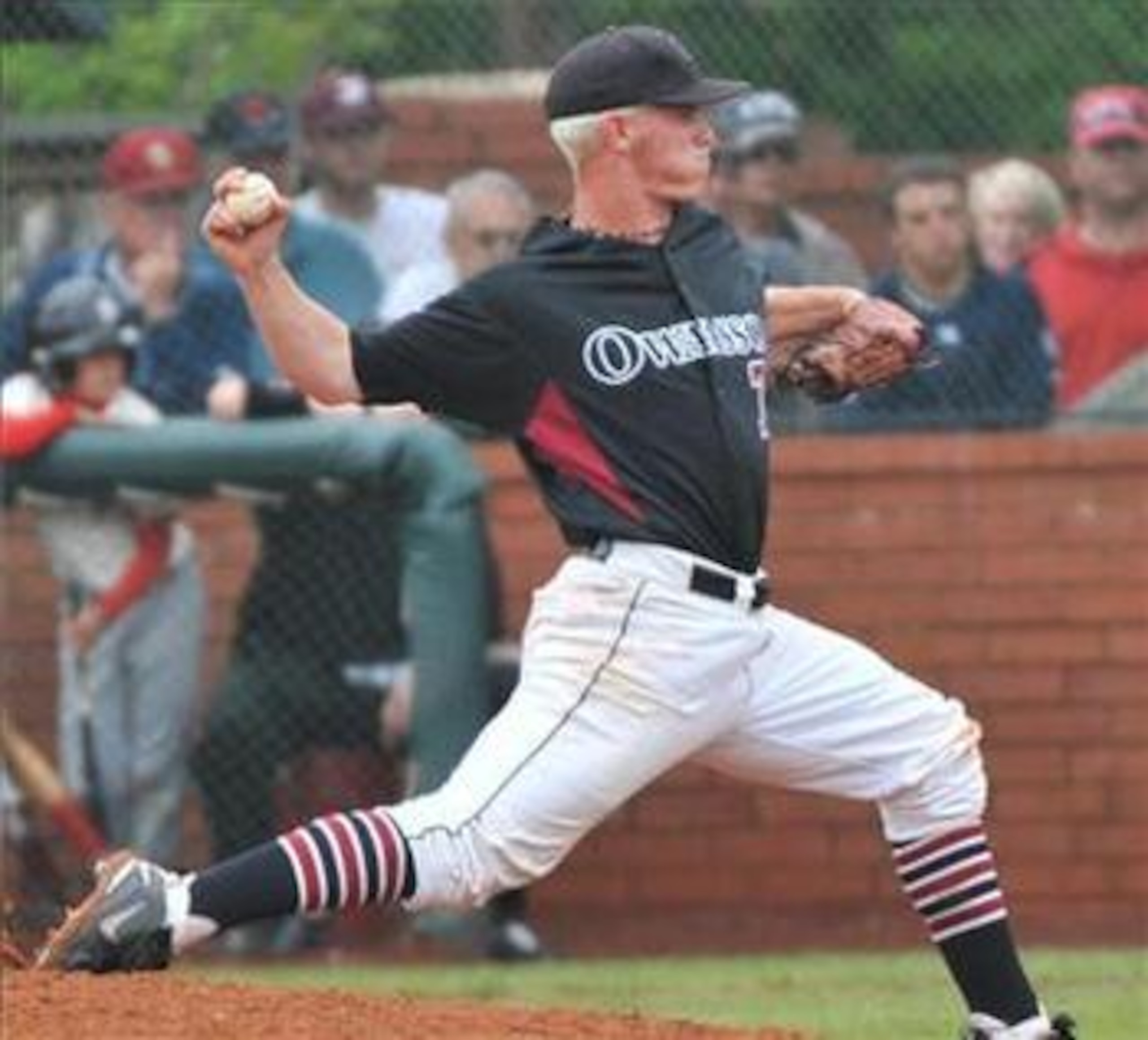
There have been 269 no-hitters thrown in the history of Major League Baseball, with a whopping six coming last year alone. Seven if you count Armando Gallaraga's almost no-no, which of course, MLB doesn't.
Sorry Armando.
Three of those were thrown by former first-round picks, one by former Tampa Bay Ray Matt Garza (25th pick in 2005) and the other two by Roy Halladay (17th pick in 1995).
So it's a pretty good bet that at least one pitcher from the class of 2011 will toss a no-no before his time is through.
I'm putting my money on Owasso (OK) High's Dylan Bundy, a right-handed pitcher who has catapulted himself into the top-ten based on his performance and the improvement of his stuff so far in 2011.
This season Bundy was nearly un-hittable, racking up six one-hitters and one no-hitter.
At the least, he has been one of the most dominating pitchers of the 2011 season, college or high-school.
Bundy isn't just a guy who's going to dominate 17 and 18-year old, though. He's got staying power and has a real shot to be really successful as a pro, combining a mid 90s fastball that touched 98 mph and three secondary pitches, two of which, a curveball and a changeup, have above-average potential.
If anyone is going to throw a no-hitter out of this class, I'm going with the guy who has made a career out of throwing near no-hitters on a regular basis.
Most Likely to Break the Single-Game Strikeout Record
3 of 20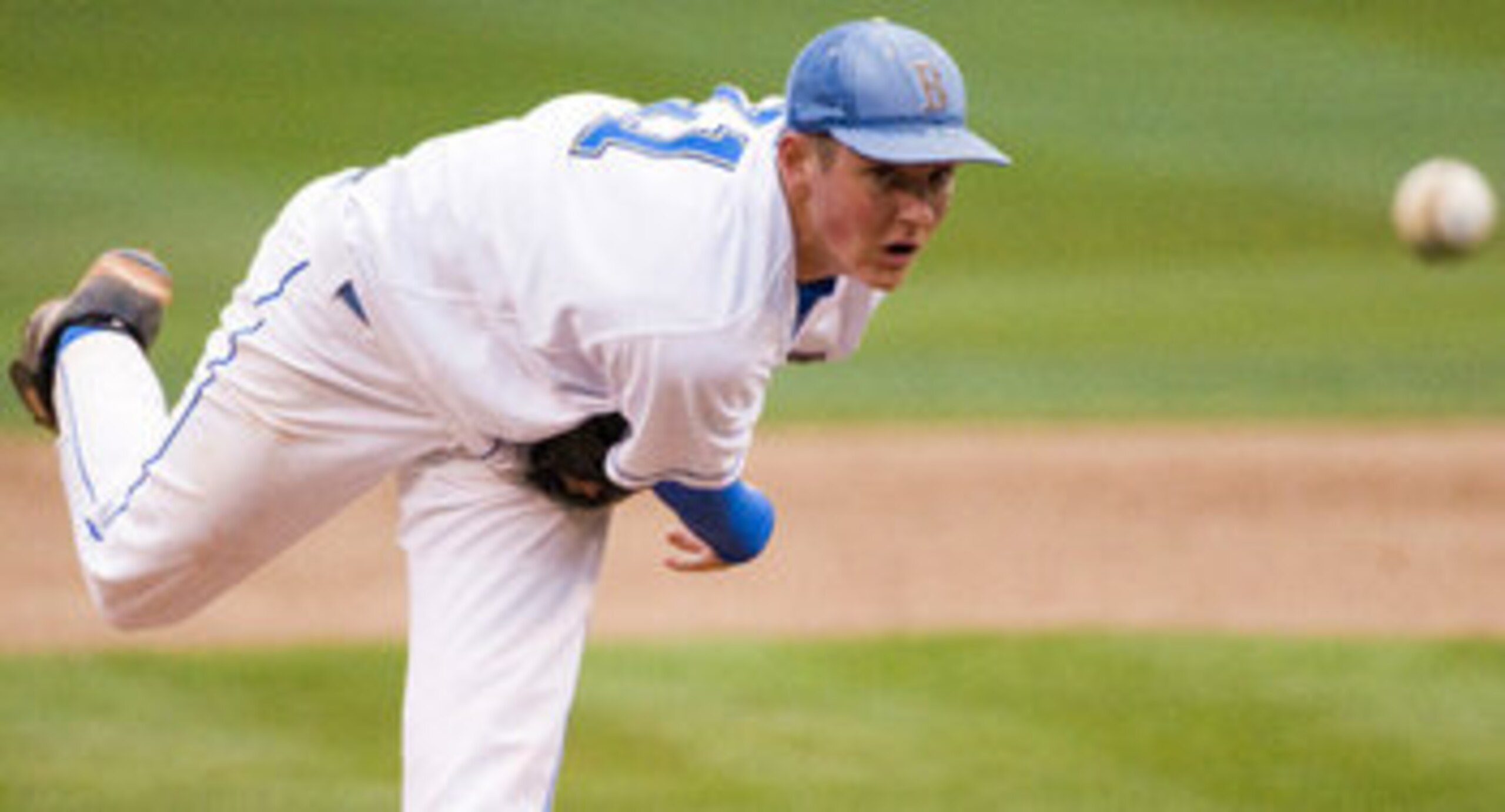
Tom Cheney actually holds the record for most strikeouts in a Major League game. He K'd 21 batters in 16-innings back in 1962 against my Baltimore Orioles. Always on the wrong-side of history.
The record for a nine-inning game is shared, however, by Roger Clemens, who achieved the feat twice, once in 1986 against Seattle, and again in 1996 against Detroit, and Kerry Wood, who K'd 20 Houston Astros back in 1998.
A new category this year, there's a bevy of strikeout kings worthy of the honor, but in the end I can only give it to one guy, and it's an easy choice really.
Trevor Bauer of UCLA has been college baseball's reigning strikeout-master since 2010, when he struck out a national-best 165 batters in only 131.1 innings. This year, he's back at it again, with 189 through eight starts and 127.2 innings.
That's a strikeout rate of 13.3 per nine-innings.
He already has ten games with at least 10-strikeouts, six with at least 13 Ks and one ten-inning, 17-strikeout masterpiece.
His lowest strikeout total of the season came in his second start when he struck out only six.
Bauer succeeds at getting so many strikeouts because of not only his mid 90s fastball, but also because of his devastating slider. He's also one of the best in college baseball at repeating his delivery, which has helped improve his control greatly.
He has also been conditioned, by his own training methods, to throw more pitches, and pitch more innings than most college coaches allow their aces to. As a result he's tossed a NCAA-high nine complete games, three of which have come in shutout form. More innings lead to more strikeouts, making Bauer the most likely bet to challenge the big-league single-game strikeout record.
Heck, he might even get to Cheney's record of 21.
.png?w=2560)
Most Likely to Hit for the Cycle
4 of 20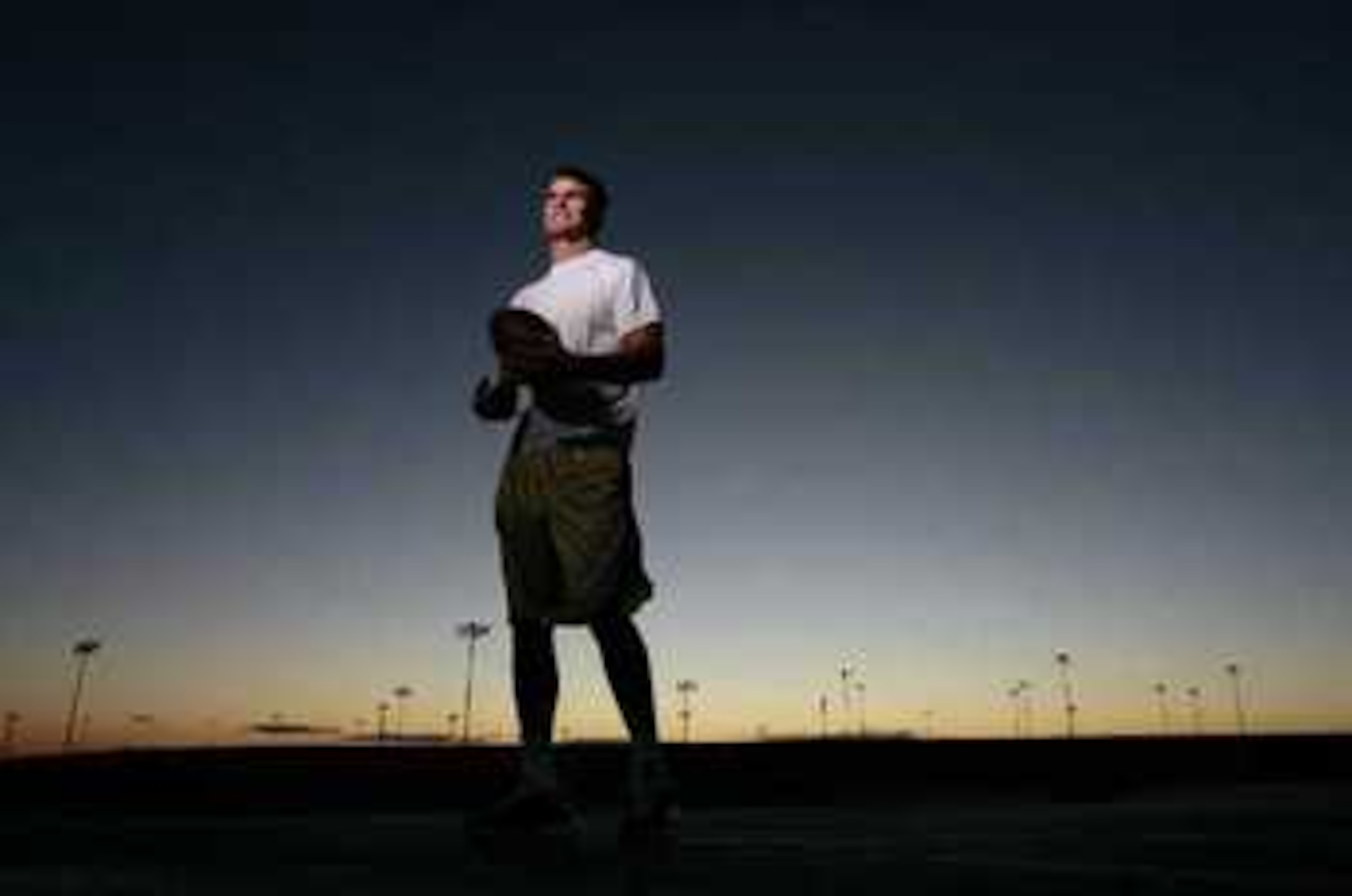
Like Josh Sale, the 2010 winner of this honor, Bubba Starling is the most impressive hitter in his high school class. But also like Sale, hitting isn't the only thing Starling does well, which is key when hitting for the cycle comes into play.
To hit for the cycle, you generally have to be pretty fleet of foot. That's excluding Aubrey Huff's cycle from 2007, after which teammate Brian Roberts famously quipped, ""Anytime a fat guy like that gets a triple, you know something's going on, it's so hard to do. It's unbelievable."
So, likely, if anyone from this year's class is going to make their mark on the history books, it's going to be a player with a solid blend of power and speed, a guy like Starling.
Starling is one of the most impressive high-school prospects to come along in a long time. Not only is he a dual-threat guy on the baseball diamond, where he can crank home runs, or crank a fastball into the mid 90s, but he's also a standout on the gridiron, where he earned a scholarship to Nebraska. And don't forget his efforts to get his basketball squad to the state championship game.
Starling could be the best three-sport star to come along since Carl Crawford. And we all know how he turned out...excluding his brutal start to the 2011 season.
The book on Starling is that he's a legit five-tool guy, with as much speed as anyone, and jaw-dropping power. The kid hits moonshots.
Sounds like a cycle just waiting to break out on a nightly basis. Heck, he might even finish his career with more than one.
Most Likely to Hit 40 Home Runs in a Single-Season
5 of 20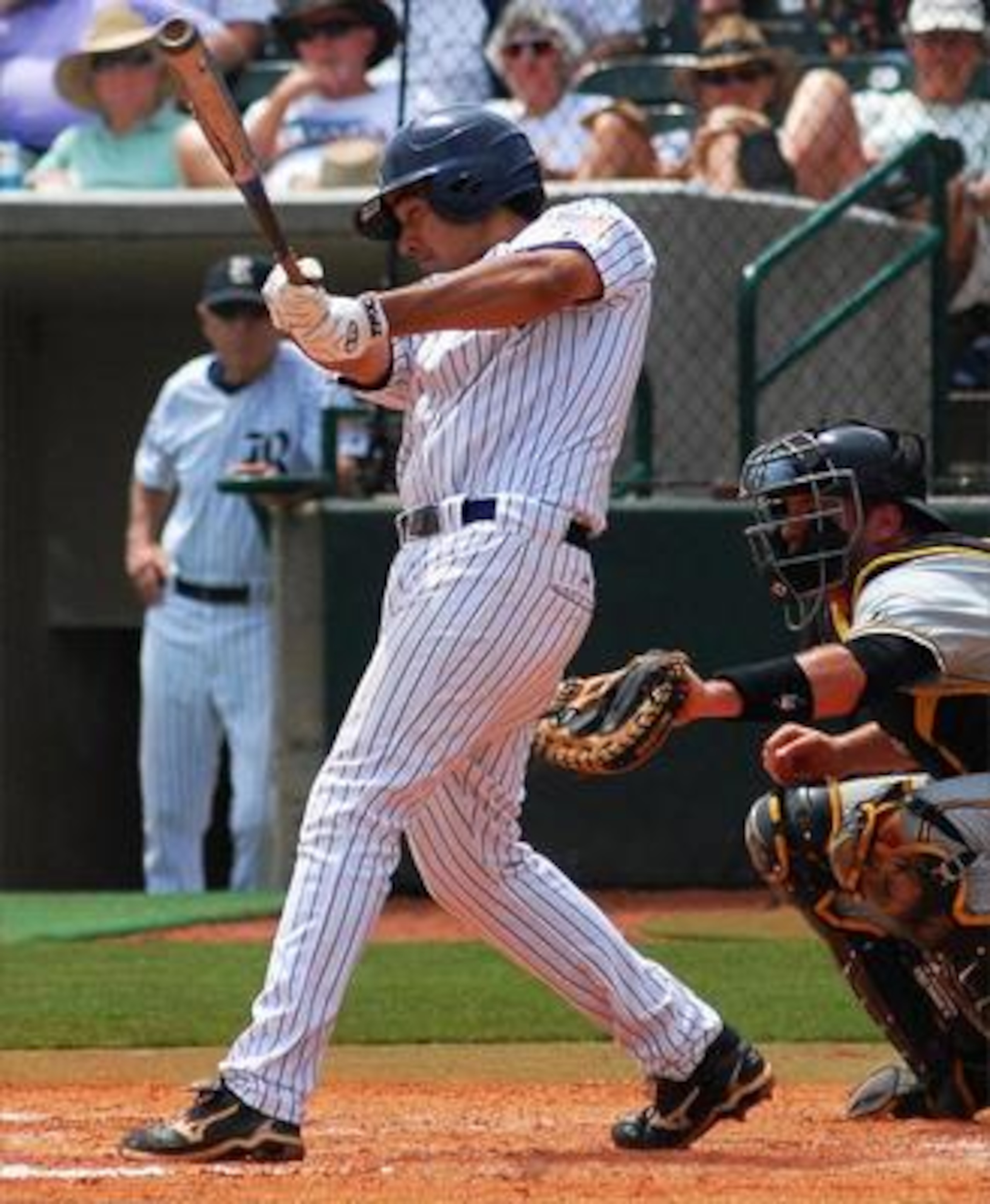
Unlike last year's class, the 2011 group has no hitter who's as surefire a bet to hit 40 home runs in a single-season as Bryce Harper was.
Still, I have to single out someone, and that someone who's most likely is arguably the top overall player in the draft, Rice third baseman Anthony Rendon.
You wouldn't know it from his pedestrian power numbers this season (six HR in 60 games), but Rendon just might have the best power stroke of any hitter, college or high-school, and aside from an injury-riddled 2011, has been a steady power hitter for two seasons.
Rendon hit 20 homers during a banner freshman season that saw him take home Freshman of the Year honors from Baseball America. He was even better as a sophomore, avoiding the jinx and ranking near the top of the national HR chart with 27.
This season, however, Rendon has been slowed by multiple injuries. First there was an ankle ailment that required surgery. That derailed his summer plans and he had to have surgery. He made it back for the start of the college season, but shortly thereafter, injured his shoulder during a stretching exercise. The injuries have limited Rendon to the DH spot for most of the season and has resulted in a dramatic decrease in his power.
When he's healthy though, Rendon has power that's as good as anyones. He can hit to all fields, and has some of the best plate discipline you'll ever see in a college hitter.
If anyone has better than 50-50 odds to hit 40 homers, it's Rendon.
Most Likely to Steal 60 Bases in a Single-Season
6 of 20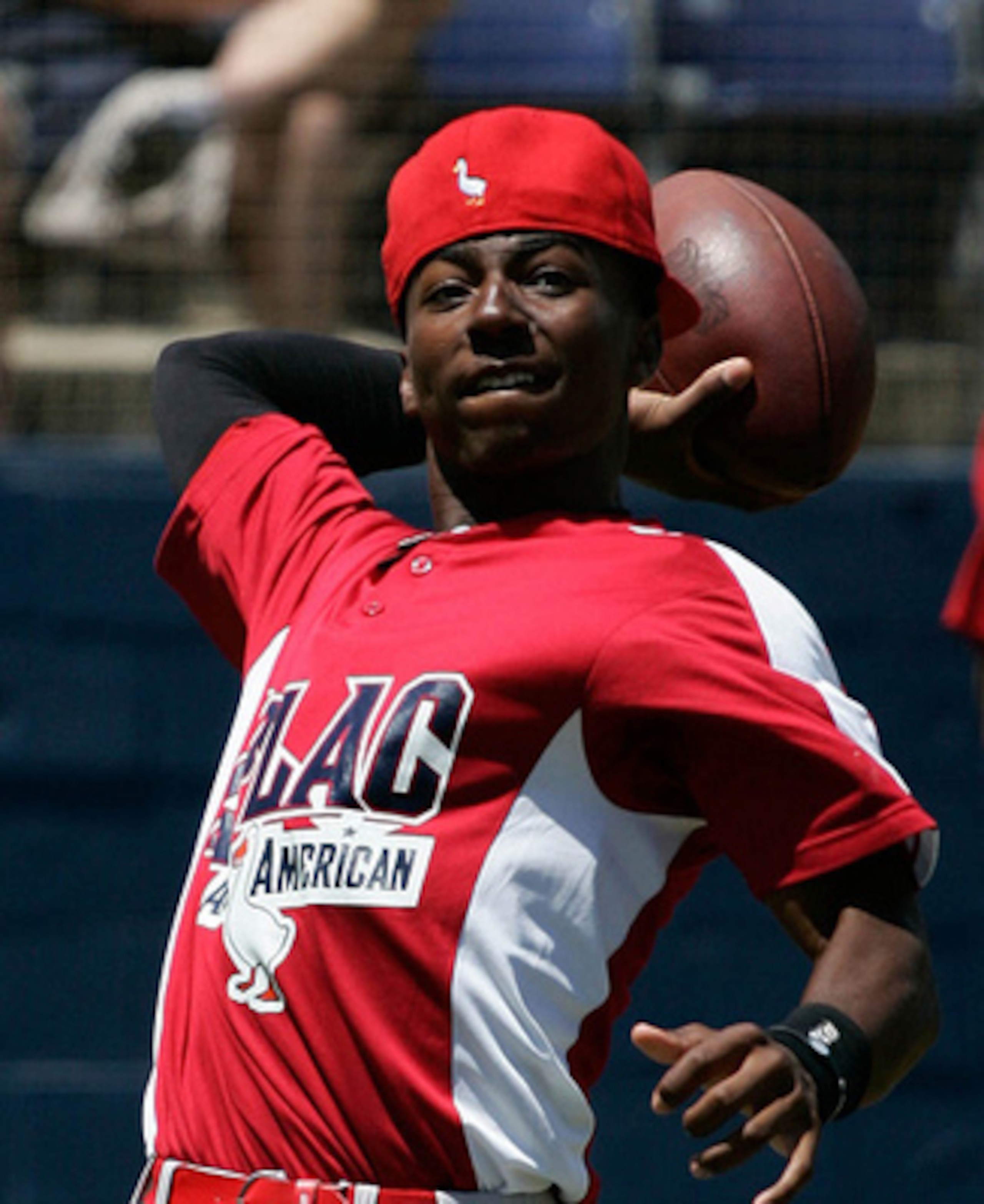
Like the player who preceded him in this spot, Shawon Dunston Jr. has some filthy speed.
Let's put it like this. If Dunston was a college football player eligible for the NFL draft, even if he had the weakest arm or the worst hands, and he put up 40 times like he's capable of, he'd end up as a top-five pick. Of the Raiders of course, but you get the point.
And like Delino DeShields Jr., the 2010 recipient of this honor, Dunston also figures to be a day-one pick. And if you couldn't tell, he too, is a son of a productive former big-leaguer.
Comparing the two is tough, but Dunston has arguably the best speed in the 2011 class and, therefore, is pretty much a lock to go on day-one.
Once he gets to the minors, he'll likely steal bases by the bunches, but only after he learns how to get on base effectively. That has been a challenge for some of the fastest players drafted in the past few years.
It's hard to wreak havoc with your speed if you can't get on base.
Still, out of all the speedsters in this class, and they are many, Dunston Jr. is the best bet to swipe 60 in a single-season.
Most Likely to Win 20-Games in a Single-Season
7 of 20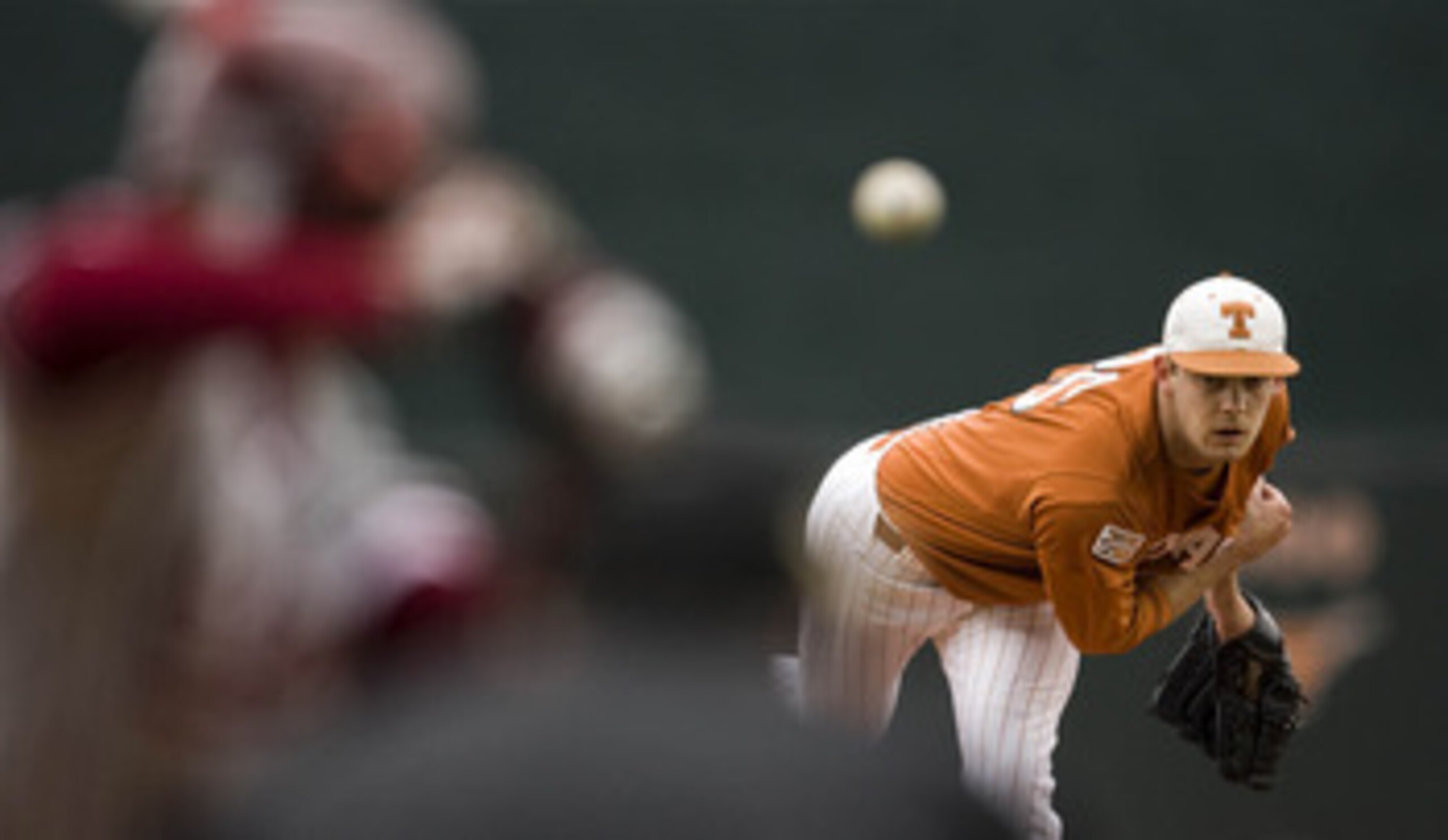
All Taylor Jungmann does is win games.
The former 24th-round draft pick of the Los Angeles Angels back in 2008, Jungmann has grown quite nicely into the role of ace for the Texas Longhorns.
He played an integral role on the team's 2009 CWS run that ended with a loss at the hands of the LSU Tigers. Jungmann was sensational that season, winning 11 games as a freshman, posting an ERA of 2.00 and racking up 101 strikeouts in 94.2 innings. If it hadn't been for super-frosh Anthony Rendon, Jungmann would have swept away with the Freshman of the Year honors.
He carried over the momentum of 2009 into his sophomore season that saw his win total dip to nine, but in several ways he was actually more effective. His ERA hovered around two, but his strikeout rate jumped a bit, and his walk-rate dipped.
This season, there has been arguably no hotter pitcher than Jungmann. He started the year with back-to-back shutouts and has been dealing ever since. He's set a new career-high with 13 victories, in only 15 starts mind you. His ERA is a microscopic 0.95. He has struck out 116 batters in 122.2 innings and he's tossed three shutouts on the season.
Most impressive of all, he has averaged more than eight-innings per start, establishing himself as college baseball's most durable starter.
Now what have we learned about Major League Baseball's top winning pitchers over the past few years. They are a group that is comprised of baseball's most durable starters. Guys like Roy Halladay, Cliff Lee, C.C. Sabathia and Justin Verlander.
Add Taylor Jungmann's name to that list, as he's by far the most likely bet to ever hit the 20-win plateau.
Most Likely to Win a Batting Title
8 of 20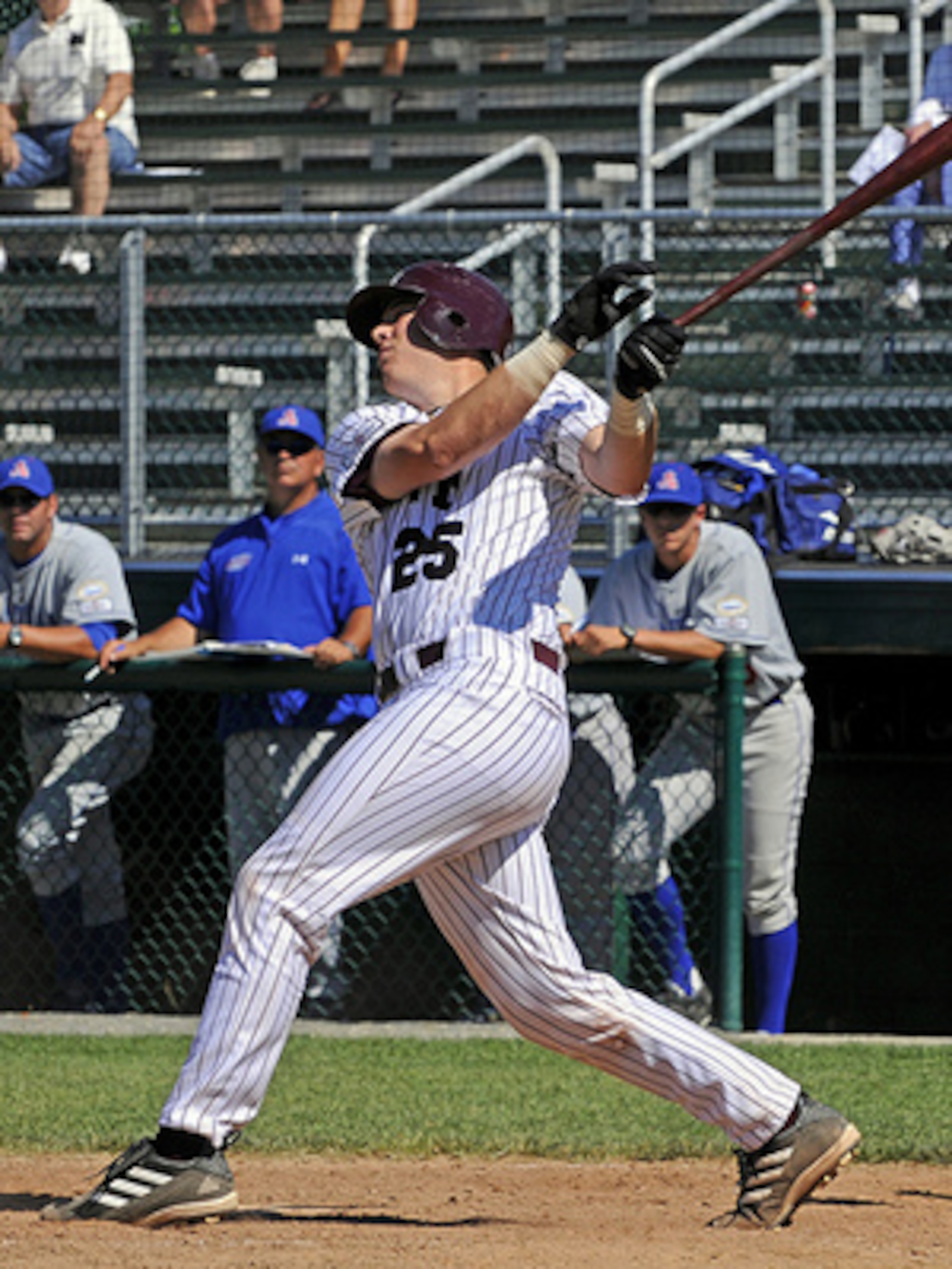
Before the season, I would have easily tabbed Anthony Rendon for this honor as well.
But as the season has worn on, and we've all see how not only Rendon has performed, but also the thousands of other hitters in college baseball, I've had a change of heart.
I've always had a soft spot for Utah's C.J. Cron. I tabbed him as a top-ten pick in 2011, just days after the 2010 draft, and nobody has greeted his awesome junior season with greater applause. Despite playing with the new bats, which seem to have sucked the power out of the majority of college baseball's best power hitters, and despite playing first-base again this season instead of his natural position (catcher), he's managed to put together the finest offensive season of any collegiate hitter.
He ranks near the top of almost every statistical category, including batting average (.434), doubles (26), home runs (15), and RBI (59).
But it's not like Cron is some one-year wonder. He hit .431 last year with 20 home runs and 81 RBI, earning honors as the Mountain West Conference Player of the Year, an honor he's likely to receive again this year.
Cron also held his own playing in the Cape Cod League last year, against team's littered with 2010 draft picks. In 19 games, he hit .275 with three homers and 13 RBI.
Wherever he goes, whatever position he plays, no matter who he's facing, all C.J. Cron does is hit.
Most Likely to Lead the League in Strikeouts (Pitcher)
9 of 20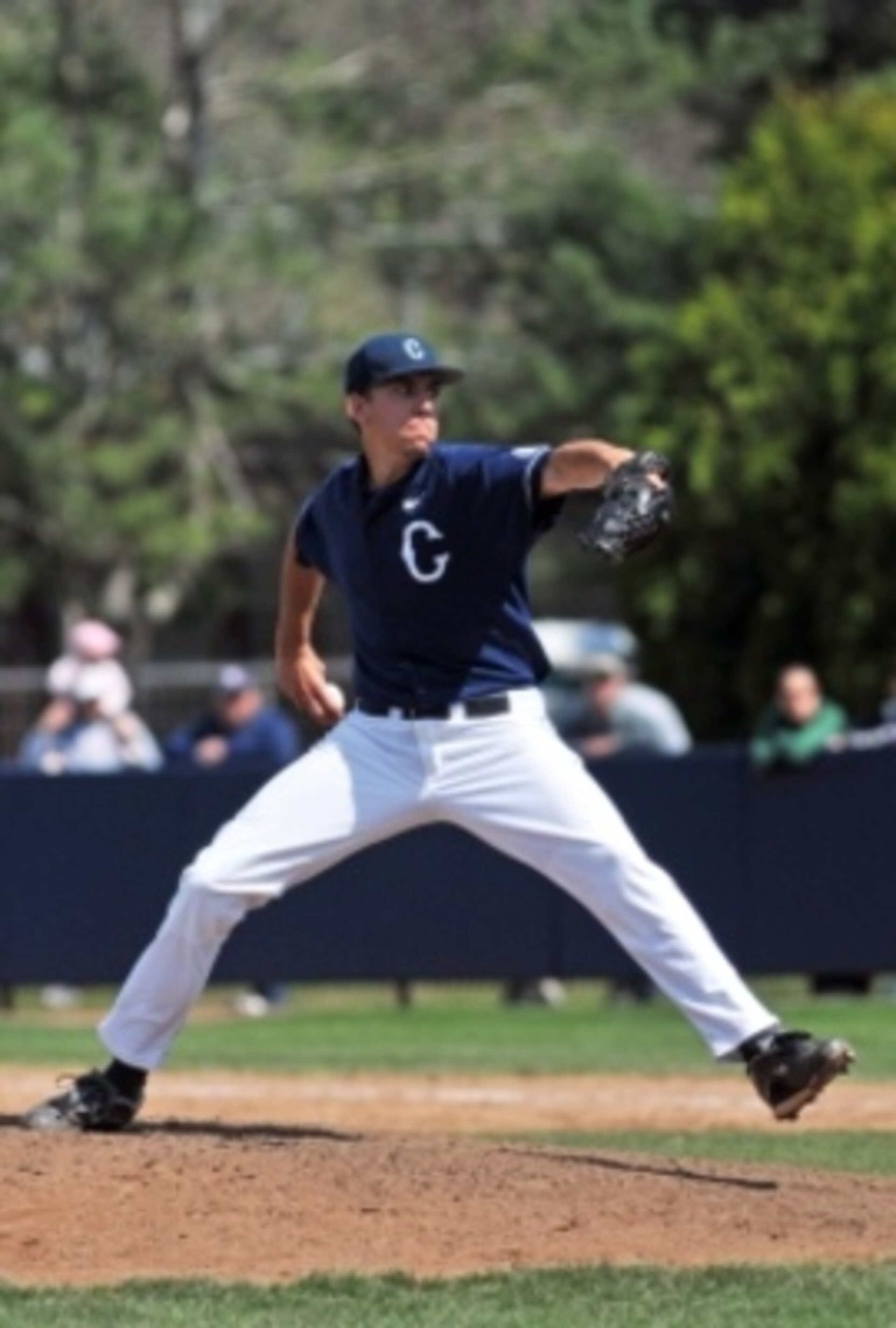
It would only make sense that the same guy who is the most likely to break the single-game strikeout record (Trevor Bauer), would also be the most likely to lead either league for an entire season right?
Not so much. Here's why. As good as Bauer is, he has some pretty wacky mechanics. Like Tim Lincecum, they work for him, and he hasn't suffered any sort of injury up till now that would lead you to believe he's an injury risk.
Unfortunately, that same thing was said about Stephen Strasburg. And Mark Prior before him.
So, while Bauer might defy the odds and make it through one, or multiple seasons, in one piece, it seems rather unlikely that he'll have the same luck health-wise as Lincecum.
Enter Matt Barnes, the flame-thrower from UConn, who has four pitches, all of which grade out as at least average. The right-hander exploded onto the stage during last year's summer trials for Team USA's collegiate squad. Barnes dazzled during the team tryouts, striking out Anthony Rendon and Jackie Bradley Jr. in consecutive at-bats. Both hitters project as first-round picks this June.
Barnes carried over that momentum into his 2011 campaign. After a rough start, Barnes bounced back to pace UConn's resurgence, as well as their run to another regular season Big East title.
While he's put up good strikeout numbers (105 in 15 starts), he's actually more of a pitch-to-contact kind of guy. Still, with those four solid pitches, he should be very much a strikeout pitcher as he moves up through the minors, refining his control and command at each level.
His fastball has been clocked as high as 97 mph this season, and he's complimented it with a curveball that looks excellent at times. He also tossed a changeup, which has been a go-to strikeout pitch for him, and he also adds in a slider every so often.
Barnes is good enough that he's already garnered comparisons to John Smoltz.
Most Likely to Lead the League in Strikeouts (Batter)
10 of 20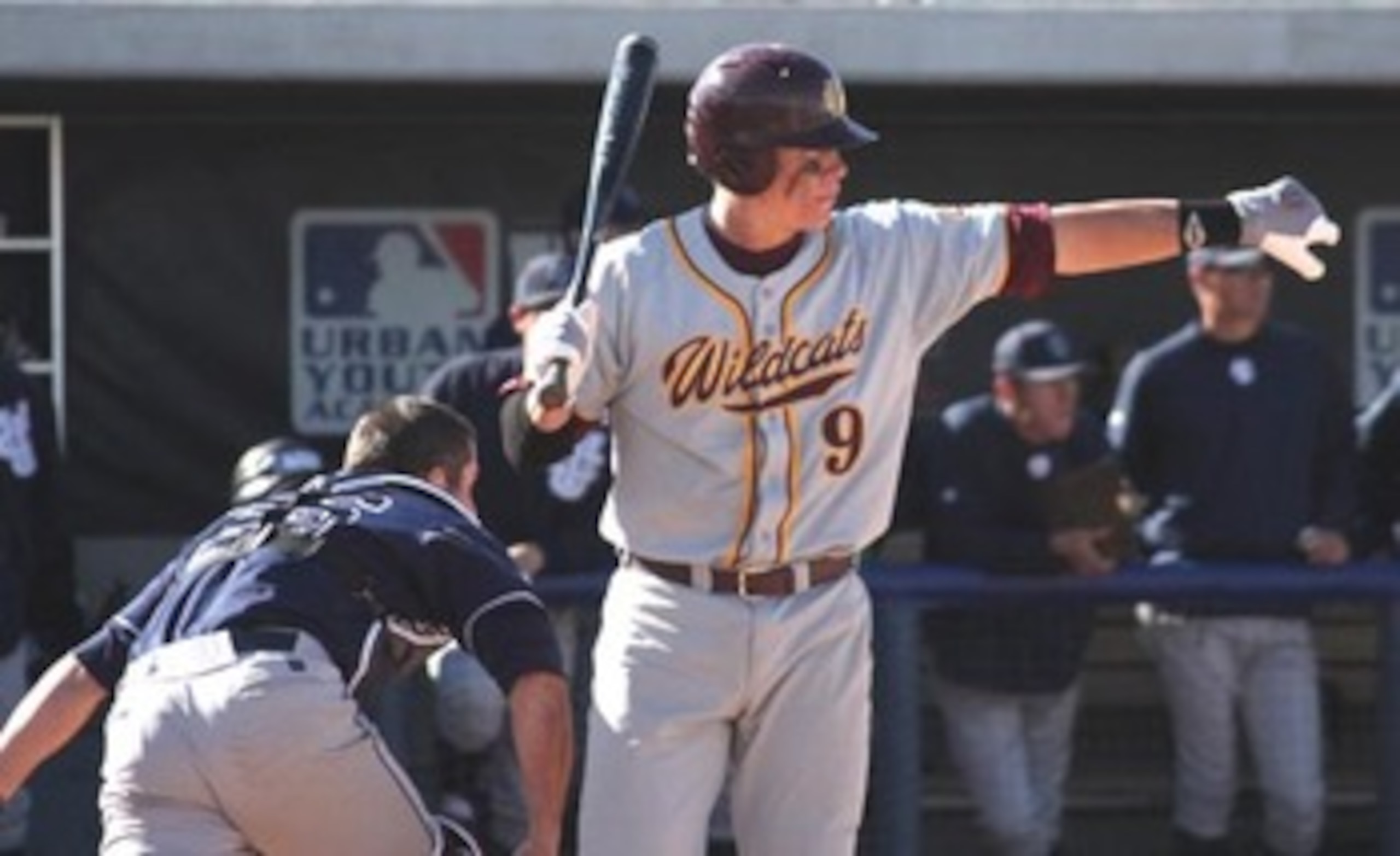
This is a tough category to peg a draftee for, since he has to be talented enough to make it to the big-leagues, but have enough holes in his game to make him susceptible to massive amounts of strikeouts.
But if Adam Dunn, Mark Reynolds, Rickie Weeks and B.J. Upton can do it then it's a pretty safe bet that at least one member of this draft class has a pretty good shot.
Also keep in mind that last year's No. 1 overall pick, Bryce Harper, while being labeled the best hitter in draft history, also profiled as a player who will rack up more than his fair share of strikeouts.
With that in mind, I'm going to go ahead and declare that if any hitter from the 2011 draft ever leads either league in strikeouts, it's going to be Peter O'Brien, one of the top catchers available from the weak college crop.
O'Brien is also one of the top hitters from the college class, and while he offers a good amount of power, he's already shown a tendency towards the whiff at Bethune-Cookman.
In 50 games his freshman season, he struck out 31 times, while walking only eight. Last year, he boosted his average by nearly 70 points, and hit 16 more home runs, but still struck out 39 times in 57 contests.
This year, in a season that has seen his average drop nearly 100 points from 2010, O'Brien has given in to his frustration, and as a result, he already has a career-high 49 strikeouts in 59 games.
Luckily his power has remained (13 HR), but struggling with strikeouts in college is just a sign of bad things to come in the pro ranks.
Most Likely to Save 30-Games in a Single-Season
11 of 20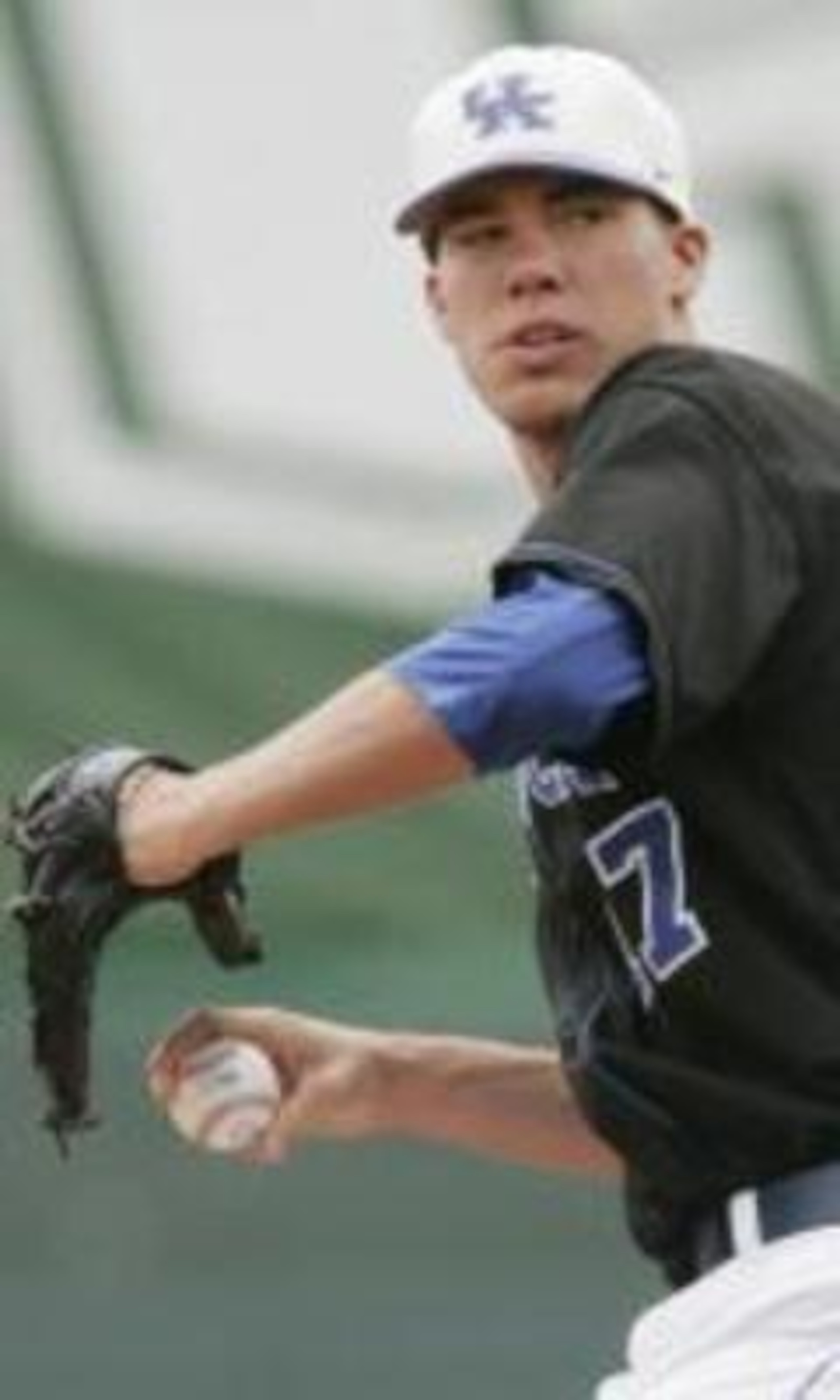
Last year I pegged Ohio State's Alex Wimmers as the most likely pitcher to save 30-games in a single-season, overlooking seasoned college closers such as Chance Ruffin, on a gut-feeling that Wimmers would one day end up as a reliever
And while Wimmers is still a starter, the potential is still there for him to one day reach the single-season pinnacle of relievers.
This year's winner is Alex Meyer, the large-and-in-charge pitcher from Kentucky, who goings by the loving nickname "Bubba," due to his 6-foot-9, 220 pound frame.
"Bubba" has been something of a quandary over his three seasons at Kentucky, alternating between being insanely dominant and a mechanical meltdown. This season he's been a little bit more of the former, ranking in the top-ten nationally in strikeouts, and pitching to a sub-3.00 ERA.
As effective as Meyer has the potential to be, he's so darn big that it's incredibly hard for him to repeat his mechanics and as a result, he gets out of alignment way too easy. That's why for every complete-game shutout with ten or more strikeouts, you'll also see a couple of outings where he struggles to get out of the fourth-inning without giving up double-digit hits and five or six runs.
Meyer will most likely be drafted as a starter, and with a huge body and mid 90s velocity, you can't really blame anyone for going that route, but I think he's just going to struggle just the same and finally force a move to the bullpen, where he would be more likely to keep his mechanics in line for just an inning or two.
If he can do that, he could have a very impressive career as a closer, and without a doubt he'd be one of the most intimidating ones.
Most Likely to Post 30 Home Runs and 30 Steals
12 of 20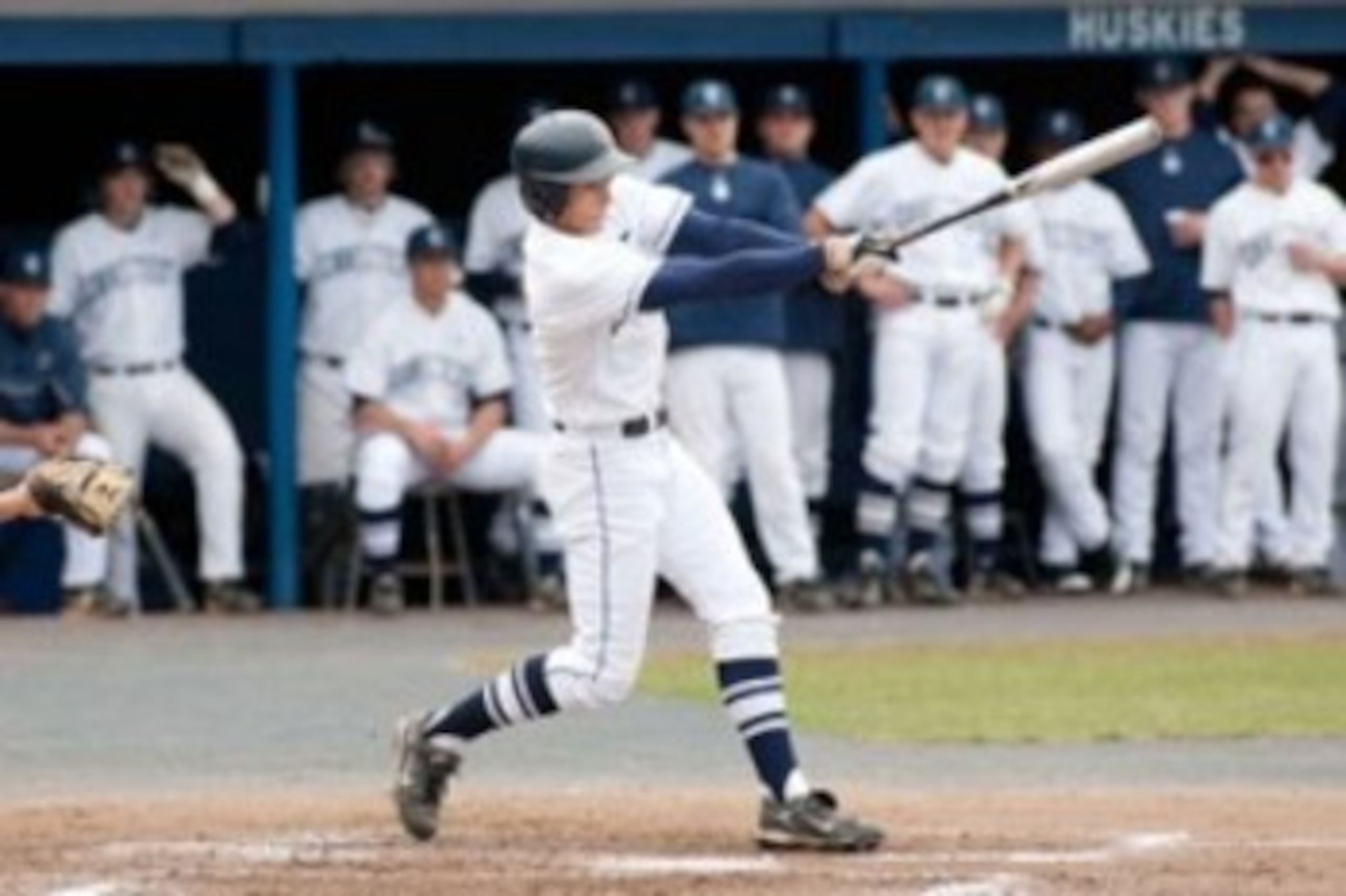
It takes a special kind of player to hit 30 home runs or steal 30 bases in one season.
To do both in a single-season is nearly impossible, and takes a very special, elite kind of talent. There's a reason it's only been accomplished by 36 different players in the over 100 years of MLB history.
The last player to rise to the challenge was Ian Kinsler in 2009. He finished that season with exactly 31 homers and 31 steals.
Without a doubt, the hitter with the best combination of power and speed in this draft is Connecticut's George Springer.
Last year, Springer almost accomplished a 20-20, the college equivalent of the 30-30 in the pros. He hit 18 home runs, setting a school record, and stole 33 bases. Amazingly, he was only caught stealing twice all season.
This season, Springer got off to a rough start, but has since righted the ship. He now has 12 homers and 31 steals. Like most hitters, he's struggled to adjust to the new bats, but you can tell by his 22 doubles that the power is definitely there.
Springer is a rare-breed. Most players with his combination of speed and power get snatched up in the early rounds of the MLB draft out of high-school. It's incredibly rare to see a player with his skills sneak through the draft and play all three seasons in college.
He is expected to lose some of his speed as he fills out more and moves to a corner outfield spot, but he might retain just enough, and as you can tell he has incredible instincts while running the bases, to achieve baseball's rare 30-30 campaign.
Most Likely to Lead the League in Outfield Assists
13 of 20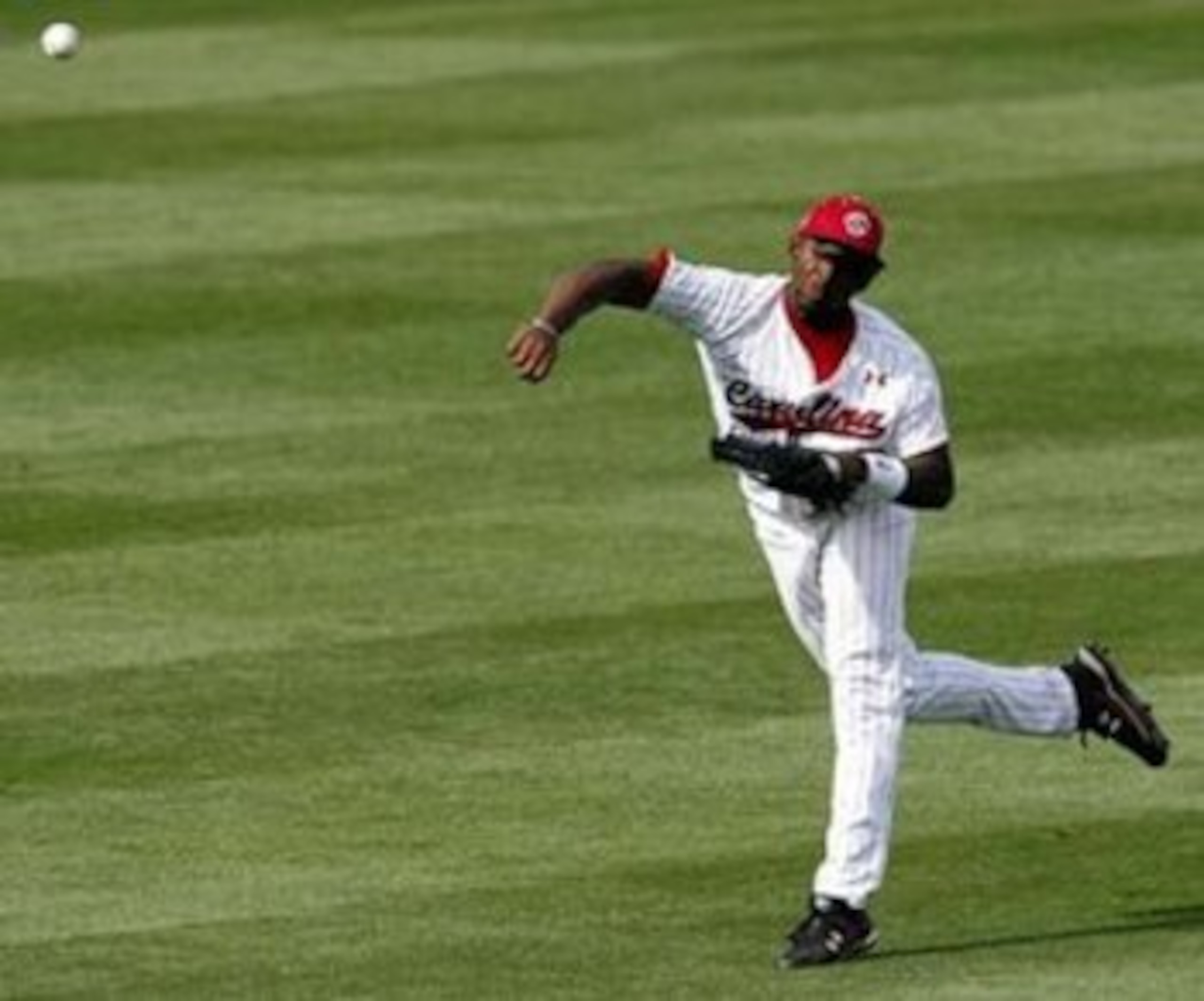
It's never easy to predict who's going to rack up the most outfield assists in any given season, and in all honesty, why would you want to? It's for the most part meaningless, and correctly picking a stat like this is almost as impressive as taking out the garbage without being asked.
Still, I had 20 slides to fill.
The one valuable thing that can be gleaned from this is picking a player who has the best throwing arm out of this year's group of draftees.
And while there are several talented candidates, the guy with the strongest, most accurate arm would be South Carolina's Jackie Bradley Jr. Bradley played center-field for the majority of his junior season and looked great thanks to his decent speed and amazing instincts.
The thing that sets Bradley apart, defensively though, is his rocket arm.
He was clocked at 101 mph during the Perfect Game showcase after his junior year of high-school. Not too many people can claim that kind of feat, and the ones that can don't often find their way to the outfield.
That wasn't the case with Bradley, however, as his ability at the plate, and in the field, far outweighed his talents on the mound. He's made the change look good, as he now profiles as a first two round selection, and he's learned to make the most of his cannon, gunning down runners trying for that extra base.
If anyone from this draft class, and they'll probably be at least one, who leads their league in outfield assists, there's a good chance it will be Bradley.
Most Likely to Win a Gold-Glove as an Infielder
14 of 20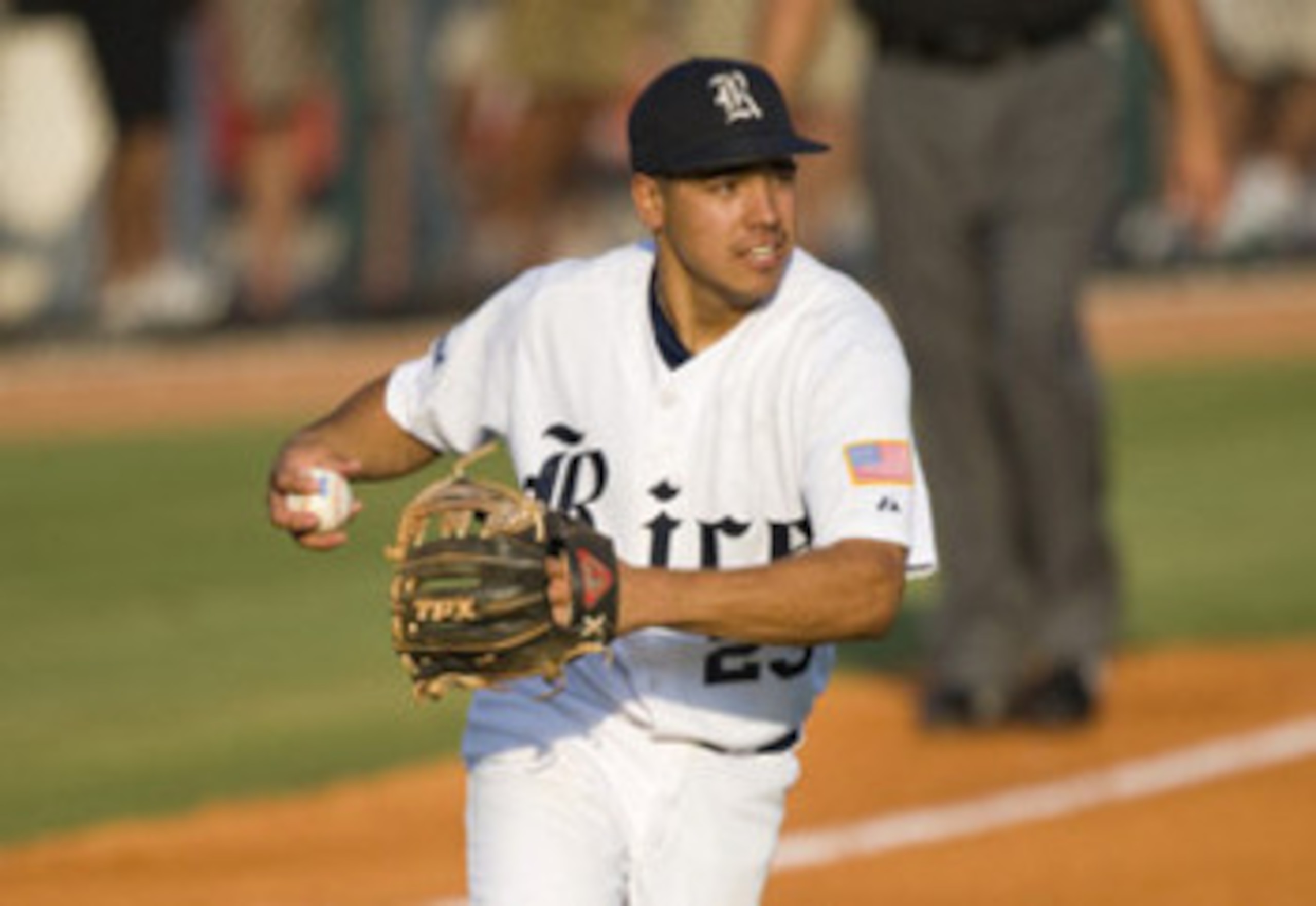
As good as Anthony Rendon is with the bat, he might be even better with the glove.
And while it's been hard to gauge his defensive talent with the numerous injuries that have sidelined him or restricted him to DH duties, it's still a pretty safe bet that Rendon, if anyone, will be a Gold Glove winner.
It all starts with his footwork. It's good at the plate and it's great in the field. Rendon has worked incredibly hard to improve his range at third base and it's paid off. He now profiles as a guy who is an Evan Longoria talent defensively.
He's also worked amazingly hard to work his way back from two ankle surgeries, that have robbed him of his last two summers. There is some concern that the injuries will affect his ability at the hot corner, but I have little doubt that he'll be just as good as he was before the surgeries.
Rendon also has a very strong arm, more than good enough for third base.
He also has soft hands, completing the total package at third.
The praise he's received from anyone ranging from his coaches to opposing players is universal: Rendon will win Gold Gloves.
Most Likely to Win a Gold-Glove as an Outfielder
15 of 20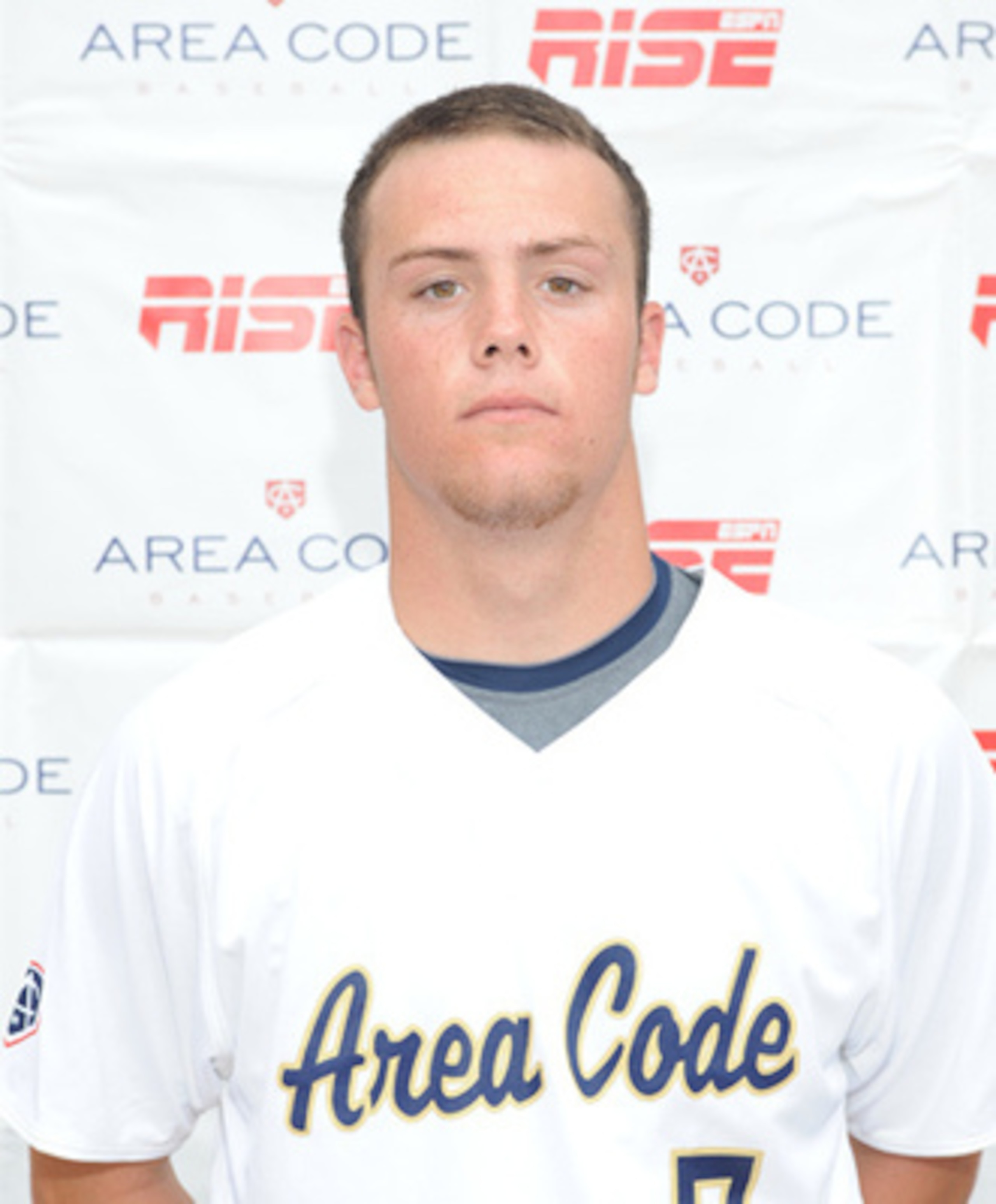
There are a great amount of very athletic outfielders in this year's draft class.
But while many of them have above-average tools at the plate, very few have as much potential defensively as Billy Flamion of Central Catholic High School in Modesto, California.
It's obviously way too early to tell what position Flamion will man in the Majors, or if he'll even make it through all the stages of the minors, but with his impressive set of tools in the outfield, he's as good a best as any to develop Gold Glove caliber talent.
First off, the 6-foot-1, 192 pound Oregon commit has pretty good speed. That has served him well, not only on the base-paths, but also in the vast expanse that is center-field. It should also help him avoid the move to one of the outfield corners.
Second, he has incredible arm strength. He was clocked at the Perfect Game trials last year at 88 mph off the mound.
Third, he has excellent range in the outfield.
And while he's not as polished in the field as Mikie Mahtook or Jackie Bradley Jr., he certainly has more potential and projection.
Most Likely to Reach 3,000 Hits
16 of 20
Only 27 players have been lucky enough to reach the 3,000 hit plateau.
The first was Cap Anson, back in 1897 and the most recent is Craig Biggio, who reached the milestone in 2007. In between, players like Pete Rose, Roberto Clemente, Ty Cobb, Hank Aaron, Cal Ripken Jr., Tris Speaker, Tony Gwynn, Dave Winfield and Willie Mays eclipsed 3,000.
So the odds that a member of this class somehow reaches that milestone is pretty rare.
Still, for the sake of humor, I have to justify how someone will reach it.
I'm going to go totally off the deep end, forsaking big names like Rendon, Starling and Bradley Jr., and go with Hawaii second-baseman Kolten Wong.
Wong has been one of the most impressive batsmen over his three-year career at UH. He hit .341 as a freshman, .357 last season and through 57 games in 2011, he's posted a .378 average.
Wong was voted to the All-WAC First-Team in his first two seasons, and was named Freshman of the Year in 2009. Last year, he was the Tournament MVP of the WAC tourney. And last summer he was named Cape Cod League MVP after he led the circuit in batting at .341. He also stole 22 bases and posted a 18-to-13 BB-to-K ratio.
Wong is an all-around solid player, but he'll earn his keep with the bat.
He makes consistent contact and doesn't strike out too much, leading to the logical conclusion that he'll rack up his fair share of hits.
And since he's relatively polished as a college junior, he should move pretty quickly, allowing him to speed to the Majors, making him as good a bet as any.
Unlike Rendon and Bradley Jr., Wong doesn't have any injury history to speak of.
Most Likely to Reach 200 Wins
17 of 20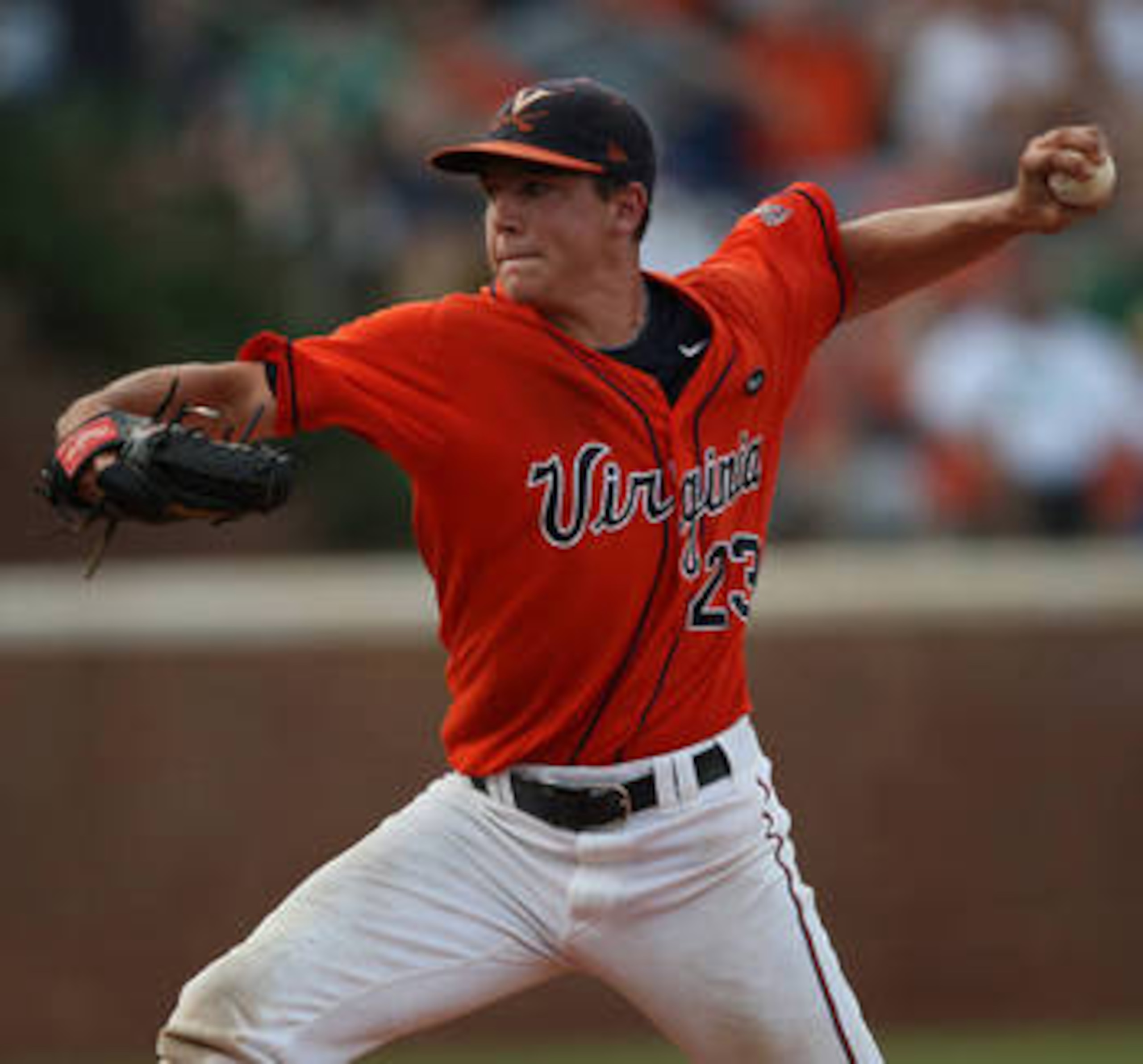
300 victories as a starting pitcher is one helluva feat.
It's almost nearly impossible these days. The last pitcher to reach the mark was Randy Johnson back in 2009.
As of today, the active pitcher who is the closest to reaching 300 is Jamie Moyer, who isn't technically active considering he's a free-agent. After Moyer, the closest is Tim Wakefield, who is seven wins shy of 200!
So clearly, it's about one-in-a-million that a pitcher from this class is going to reach 300.
So, let's settle for 200 and settle on left-hander Danny Hultzen to be the best bet to make it there.
Hultzen has been amazing this season, ranking near the top of the NCAA rankings in victories and strikeouts. He's currently 10-3 with a 1.59 ERA in 14 starts. He leads Virginia with 95.1 innings pitched, and despite not tossing a complete-game, he's been a part of four shutouts.
He has racked up 136 strikeouts in that limited number of innings. Hultzen has also been incredibly stingy with the walks, even for him. After issuing 28 and then 24 his freshman and sophomore seasons, he's only served up 16 free passes in 2011.
Hultzen has experienced so much success in part due to his amazing control. He is one of the most polished pitchers in this class, and should move incredibly quickly due to that. He also has gotten a bit of luck, as his velocity has jumped a bit, allowing him to have a larger margin for error.
He's made hitters really work for everything, allowing only a .193 average against.
The reason Hultzen is such a solid bet, if you can even call it that, is mainly because of his easy, smooth delivery.
He has had no major issues with his pitching arm, and looks like he's going to be as healthy as they come.
Most Likely to Hit 500 Home Runs
18 of 20
Vanderbilt slugger Aaron Westlake has done nothing but slug home runs since setting foot on the Commodores field.
He hit 10 during his redshirt-freshman season, another 14 during his RS-sophomore year, and he's well on his way to setting a career-high with 13 through 57 games.
What is most impressive about Westlake's power is how easy it comes. He's a big guy (6-foot-4 and 230) with a sweet lefty swing. He has impressed scouts and opponents alike with his very smooth transition to the new BBCOR bats, that play a lot more like wood than aluminum.
Westlake has been Vandy's top offensive player, adding in 44 RBI and 16 doubles along with those 13 long-balls. He's struck out more than he should (47), but has also shown an amazing capability to rack up the walks (41).
And as much flak as Westlake takes for his defense, he's committed only six errors all season, good for a fielding percentage of .989.
As a sweet-swinging lefty power bat, Westlake reminds me a lot of Jim Thome, who coincidentally is a member of the 500 homer club and is only nine homers from joining the 600-HR club.
Westlake could probably improve his odds by hiking up his socks.
Most Likely Top-Ten Pick Who Busts
19 of 20Through the first month of the minor league season, it looks as if I whiffed big on this one, pegging Manny Machado to be the most likely top-ten pick to bust. Machado was tearing up Low-A pitching, and went on a homer-binge a few weeks ago before dislocating his kneecap.
Ouch.
This year's honoree is a pitcher from the college ranks who has already seen action in one slide, UCLA's Trevor Bauer.
If you've seen him once, you know how funky his delivery is with his little hitch just prior to his release. Fortunately for Bauer, funky deliveries seem to be all the rage these days among scouts looking for the next Tim Lincecum, it doesn't change the fact that Bauer's delivery is unorthodox, which is synonymous with injury-causing.
Bauer has also been worked to the bone this year, throwing over 100 pitches with regularity not seen in the college ranks.
It seems to me like the injury risk there would be too much to warrant a top-ten selection, but it wouldn't surprise me if he shut me up just like he's shut up the majority of his critics, and went on to become the best pitcher out of this draft.
Most Likely to Become a Hall-of-Famer
20 of 20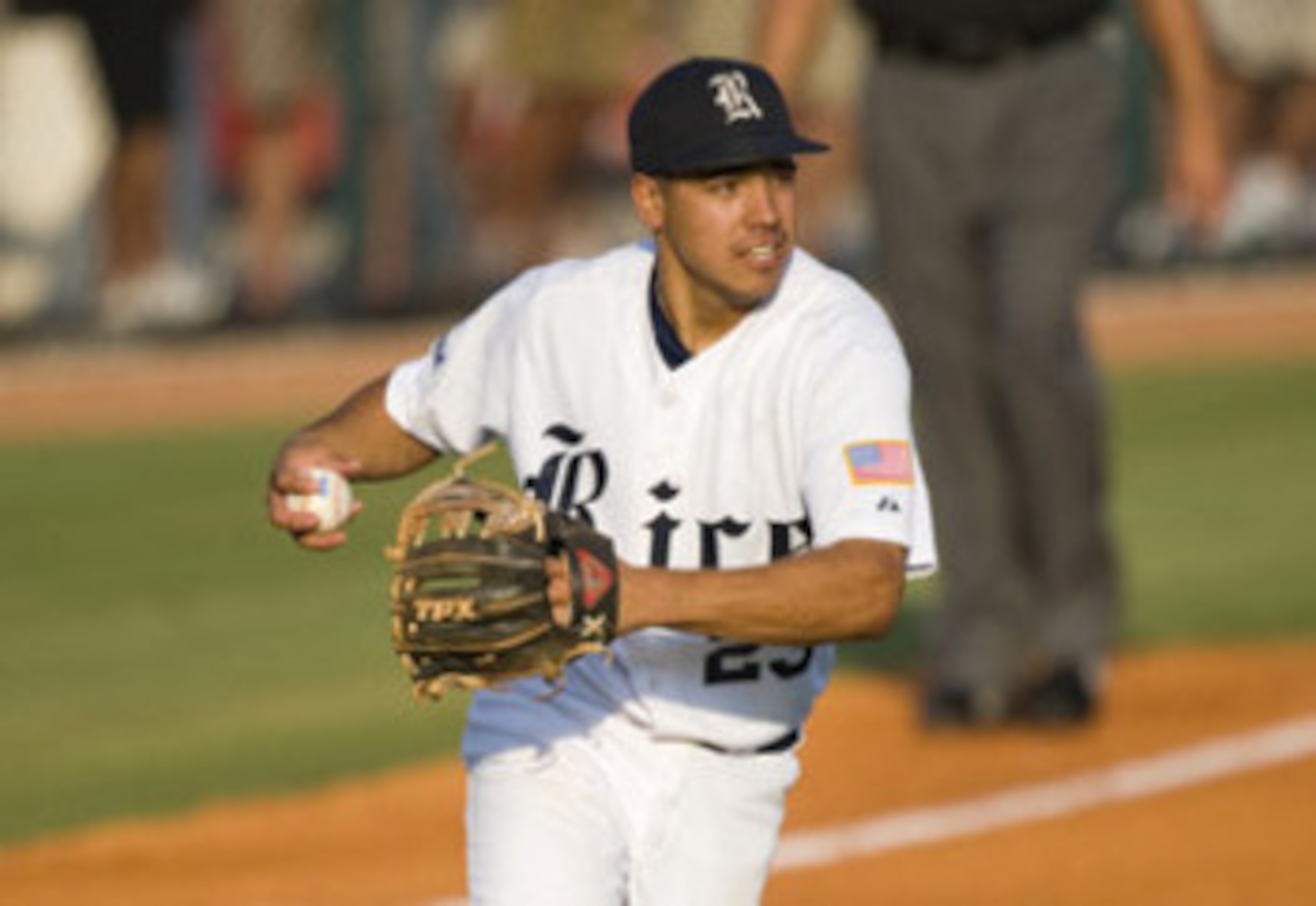
The final honor of this slideshow comes down to two players, the only ones considered the most elite of the elite, Anthony Rendon and Gerrit Cole.
Both have question marks. For Rendon it is whether or not he can regain his power from his first two seasons, where he hit a combined 47 home runs. For Cole, it's whether or not he can reign in his fastball, gain some control and blossom into the Stephen Strasburg type pitcher he has the talent to become.
In the end, I"m going to side with Rendon.
It's not too often that a player comes along that plays great defense, can hit for power and average, and has the type of leadership abilities that he's shown during a three-year career at Rice.
If Rendon can show even just the slightest bit of recovery in the power department, he's still going to be a guy who hits .300 with 20-25 home runs, drives in 100 annually, and plays Gold Glove caliber defense.
Sounds like a Hall-of-Famer to me.
_1.png?w=2560)
.jpg?w=2560 "Report: Saints Trade For 49ers RB")
.jpg?w=2560 "Jeanty Avoids Major Injury")
.png?w=2560 "New-Look Luka Dončić 👀")