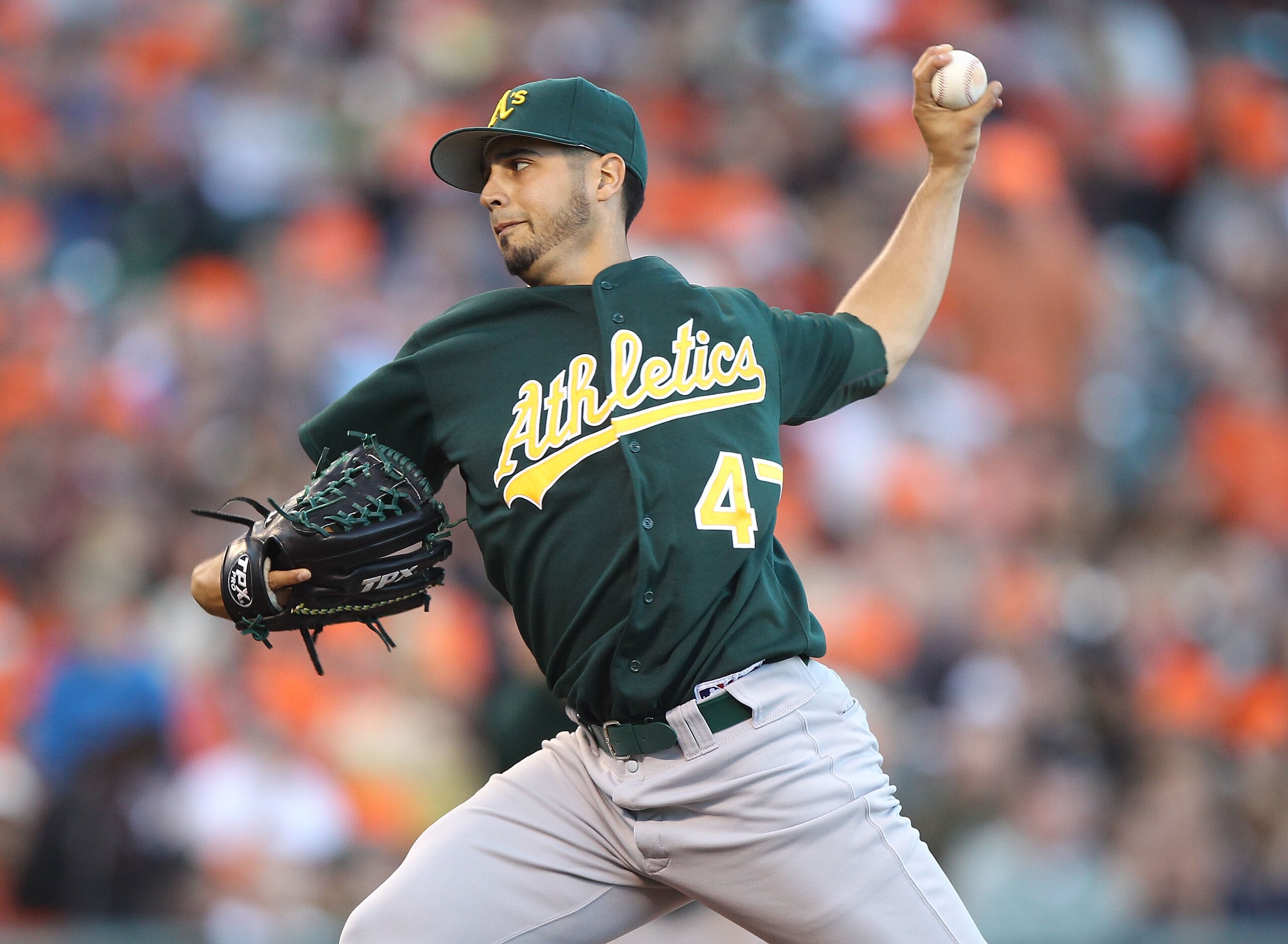

Pitch Values: Top 10 Curveballs of 2010 MLB Season
Before the start of the season, I wanted to see which pitchers statistically had the best fastballs, curveballs, sliders, cutters, changeups and splitters of the 2010 season.
Here are a look at the top curveballs of the 2010 season. A few notes:
The Pitch Value data was created by Fangraphs.com. I will be using the statistic, wCB, which denotes the runs above average for a particular pitch—in this case a curveball.
The "wCB" stat benefits starting pitchers and pitchers who throw a certain pitch more often. Because the more often you throw a pitch, the better the chances are of it being successful.
Sometimes, PITCH/FX does not sort pitches into the right category. For example, Brandon Morrow’s splitter was categorized as a fastball.
10. Chris Narveson
1 of 10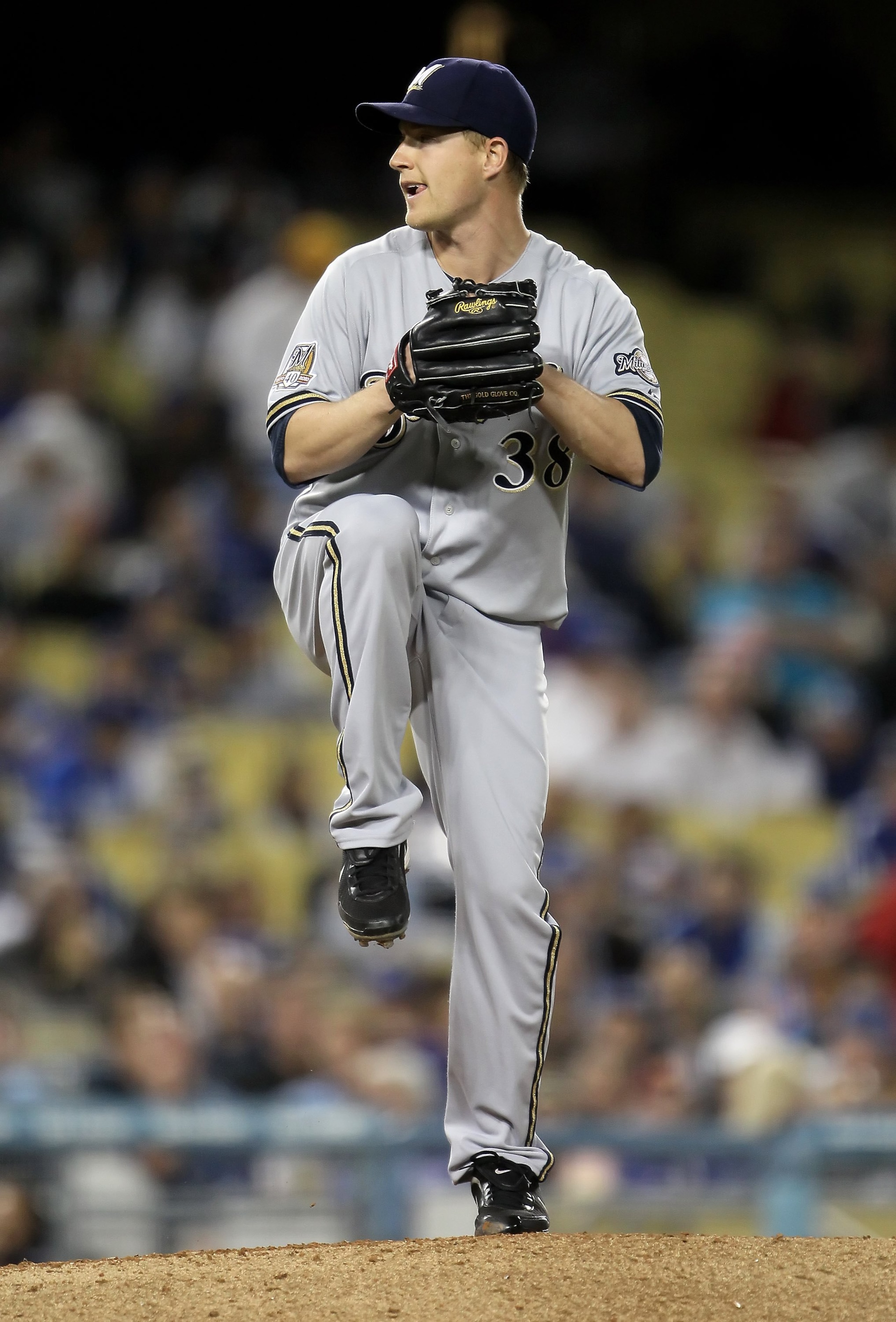
wCB: 7.5
Average Velocity: 74.0 MPH
Narveson didn't pitch particularly well in 2010, but Narveson was able to record a 7.35 K/9 rate due in part to his slow curve. The pitch has a lot of downward movement, and it plays off his fastball that he likes to use up in the zone.
Narveson threw the pitch 19 percent of the time in 2010.
9. Sean Marshall
2 of 10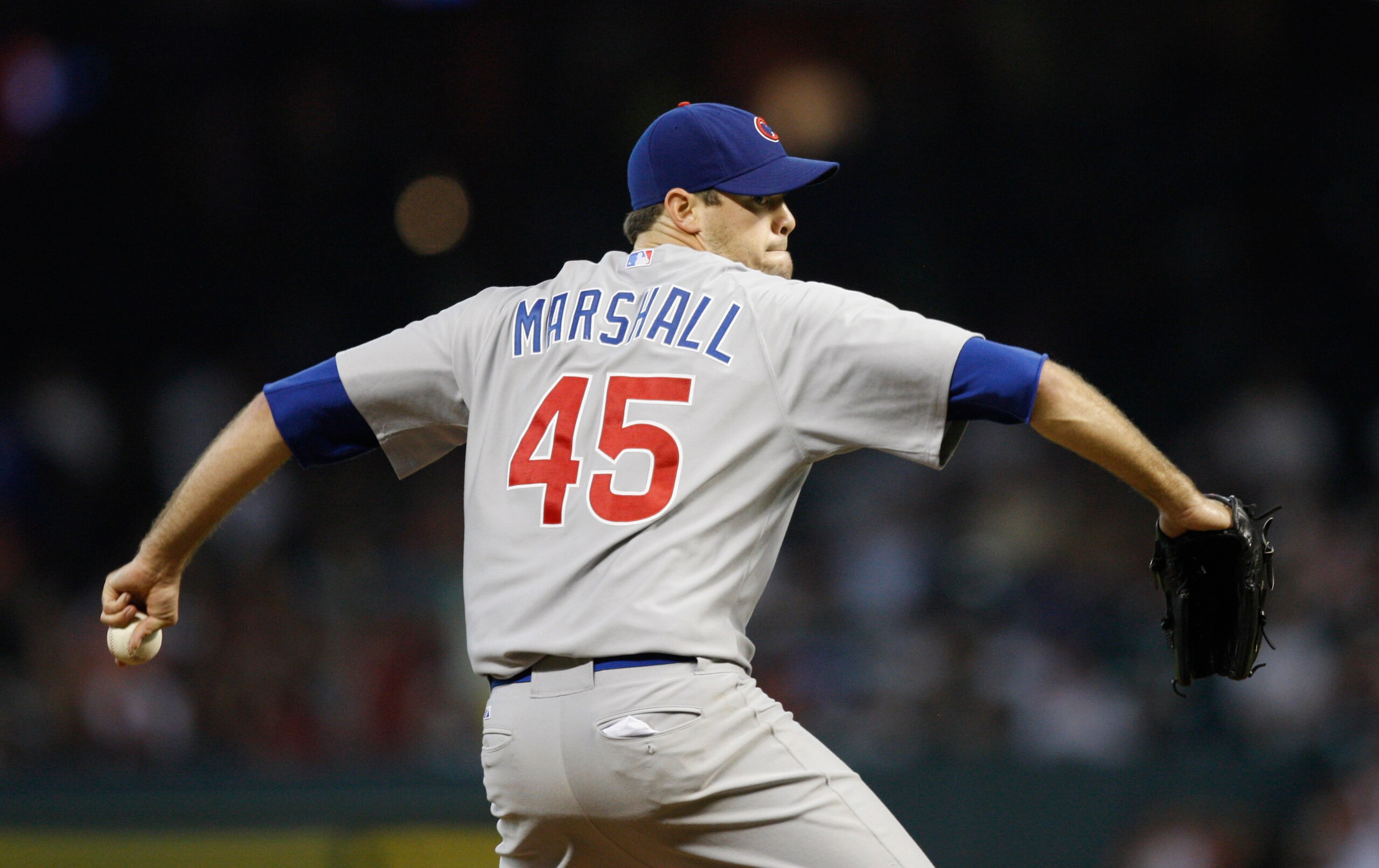
wCB: 8.6
Average Velocity: 76.9 MPH
Marshall threw the pitch at a 41 percent rate in 2010, as Marshall became one of the better left-handed relievers in baseball.
The pitch has tremendous movement away from a left-handed batter, including sharp downward movement.
8 . Roy Halladay
3 of 10
wCB: 8.9
Average Velocity: 78.1 MPH
Halladay always threw one of the best curveballs in baseball, but he threw it with less frequency in 2010 at 17 percent.
The curveball had less horizontal break in 2010, but more downward movement. Many still consider it Halladay's strikeout pitch.

.jpg?w=2560)
7. Jhoulys Chacin
4 of 10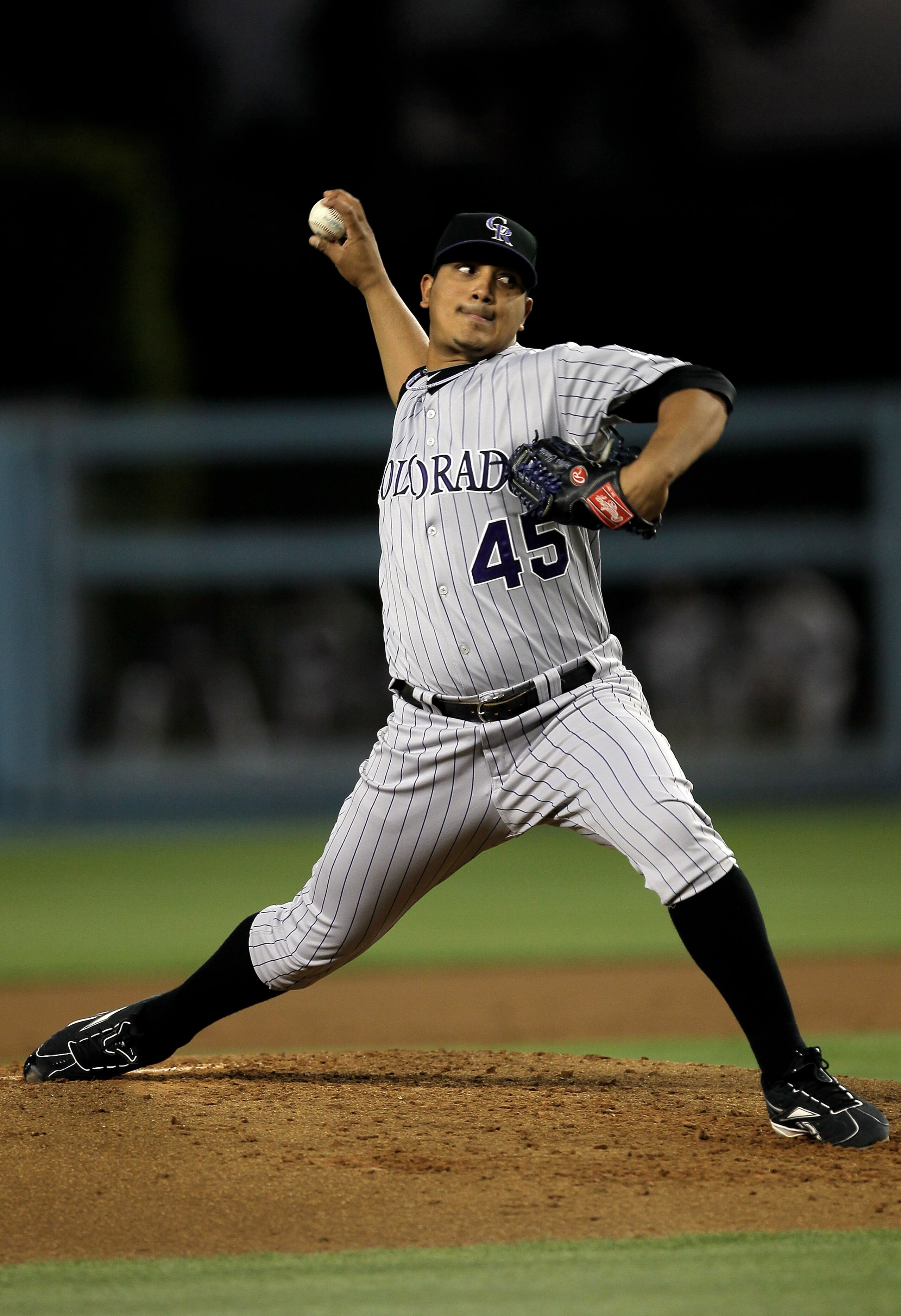
wCB: 9.4
Average Velocity: 79.0 MPH
Chacin uses one of the best curveballs in terms of sharp downward movement. He threw the pitch 14 percent of the time in 2010, and the pitch helped him to record a strikeout per inning and a 3.28 ERA.
6. Jered Weaver
5 of 10
wCB: 9.7
Average Velocity: 70.7 MPH
Weaver has the slowest curveball on this list, but he is known to throw it at a wide range of speeds.
The pitch was thrown 13 percent of the time, and he used it as a complement to a wide range of high fastballs. Weaver struck out 233 in 223.1 innings.
5. Bronson Arroyo
6 of 10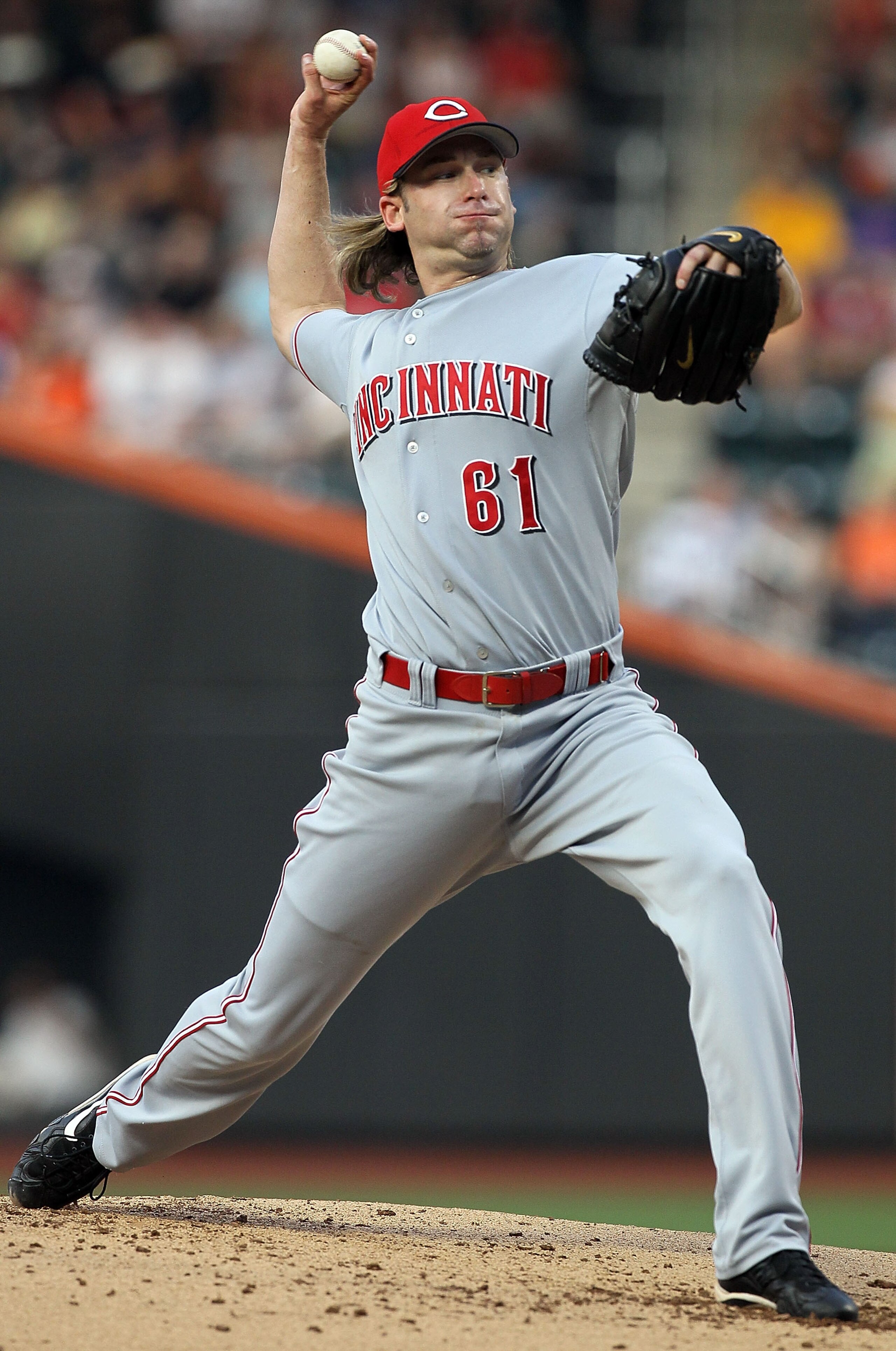
wCB: 10.4
Average Velocity: 71.8 MPH
Arroyo threw his curveball at a 14.6 percent clip in 2010. The pitch has the same horizontal movement as his slider, but will drop an extra three inches downward.
4. Chris Carpenter
7 of 10
wSL: 12.8
Average Velocity: 74.2 MPH
Carpenter threw his sweeping curveball 27 percent of the time in 2010, a career high. While it lost both downward and horizontal break this season, it was still Carpenter's best pitch in 2010.
3. Brett Myers
8 of 10
wCB: 13.2
Average Velocity: 76.2 MPH
Myers' curveball had the sharpest downward break of any curveball on this list and it the movement increased from 2009. While he started using his slider more frequently for the first time in 2010, Myers still used the pitch at a 20 percent rate.
2. Gio Gonzalez
9 of 10
wCB: 21.1
Average Velocity: 78.6 MPH
Gio Gonzalez likes to use his high fastball, and his sharp curveball complements the pitch perfectly. He threw the pitch at a 30 percent rate in 2010, and many scouts think he has better command of the pitch than his fastball.
1. Adam Wainwright
10 of 10
wCB: 22.4
Average Velocity: 74.1 MPH
Wainwright's curveball had the most horizontal break of any curveball on the list, and he threw it more often in 2010 (28.7 percent). It's a shame that Wainwright will miss this season, and we can only hope that his curveball is as special when he returns from Tommy John surgery.

.jpg?w=2560 "Commanders May Change Logo 👀")


.jpg?w=2560 "Seahawks Have No Plans to Move")

.jpg?w=2560 "Insiders: Cowboys Overpaid for Porter")