
Pitch Values: Top 10 Fastballs of 2010 MLB Season
Before the start of the season, I wanted to see which pitchers statistically had the best fastballs, curveballs, sliders, cutters, changeups and splitters of the 2010 season.
Here are a look at the top fastballs of the 2010 season. A few notes:
The pitch value data was created by Fangraphs.com. I will be using the statistic, wFA, which denotes the runs above average for a particular pitch—in this case a fastball.
The wFA stat benefits starting pitchers and pitchers who throw a certain pitch more often, because the more often you throw a pitch, the better the chances are of it being successful.
Sometimes, PITCH/FX does not sort pitches into the right category. For example, Brandon Morrow’s splitter was categorized as a fastball.
Both two and four-seam fastballs are lumped together.
10. Clay Buchholz
1 of 10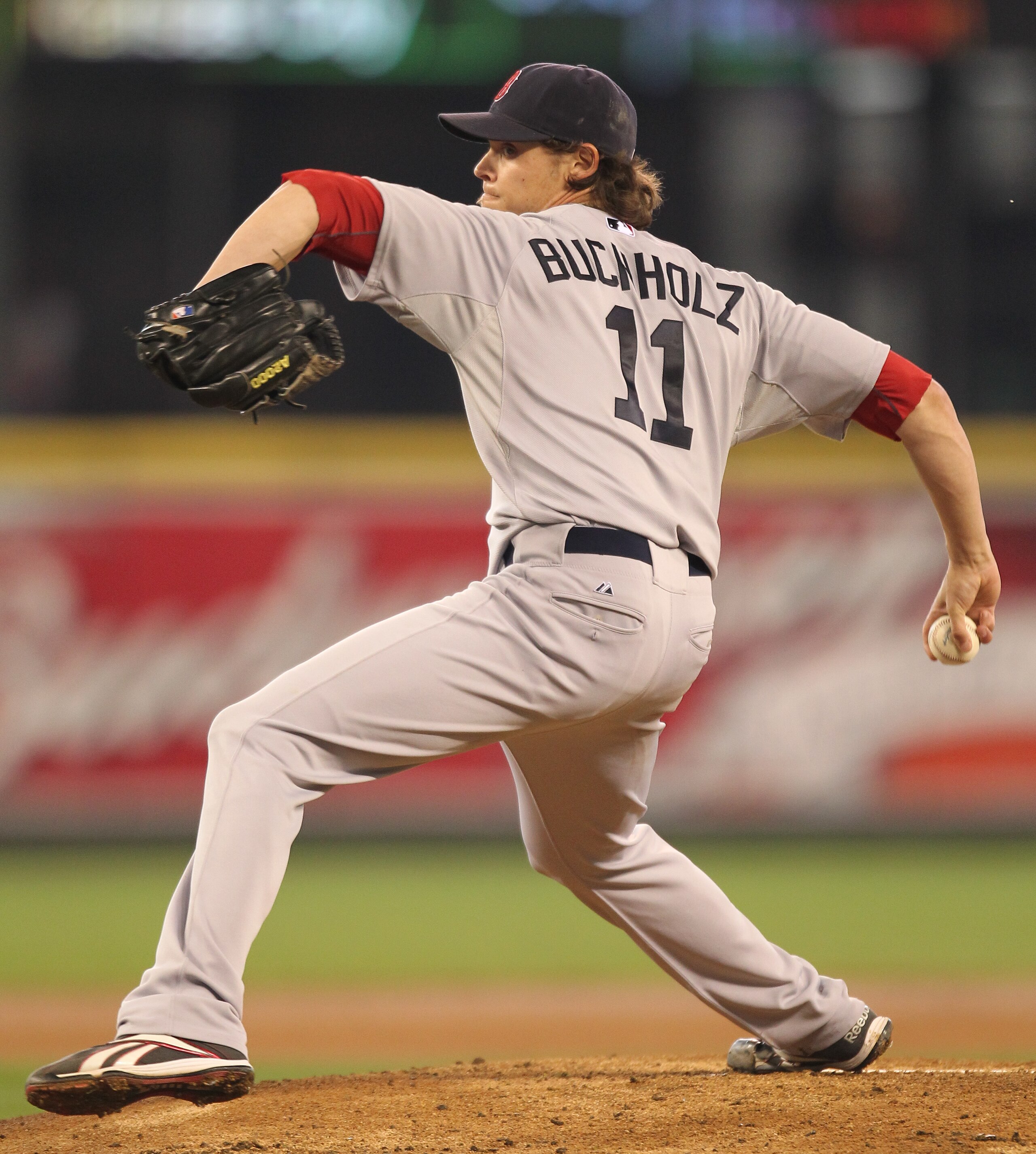
wFA: 20.8
Average velocity: 94.1 miles per hour
Buchholz may not generate a lot of swing and misses (6.22 K/9), but his moving fastball helps him record 50 percent of his outs via the ground.
Buchholz throws his fastball 54.1 percent of the time, and it helped him keep his home runs down to nine in 173 innings.
9. David Price
2 of 10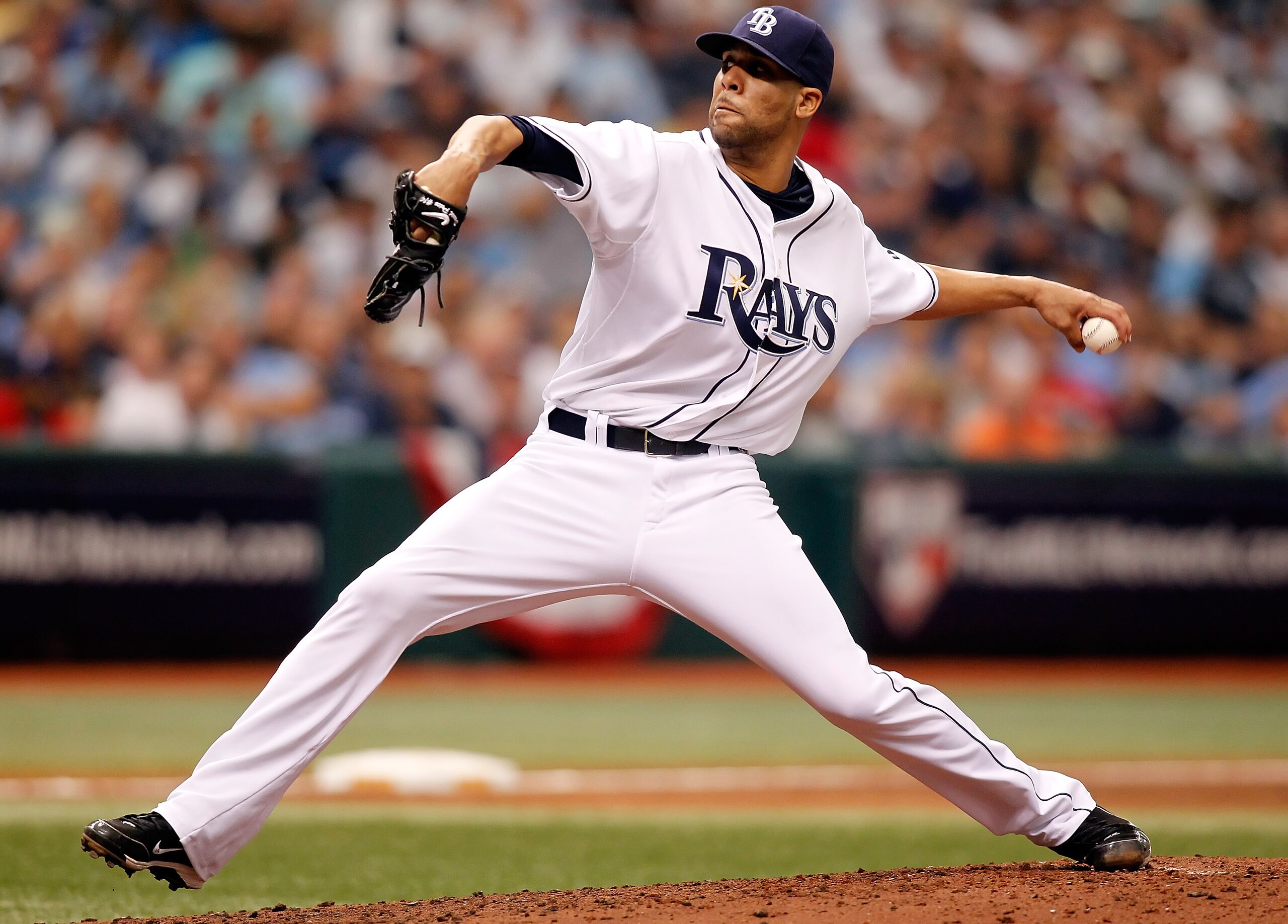
wFA: 23.5
Average velocity: 94.6 miles per hour
Price threw his fastball 74 percent of the time during the 2010 season.
He will throw both a four-seam fastball (average 95.3 miles per hour)and a two-seam fastball (average 92 MPH).
I noticed that his two-seamer has a lot of movement moving away from right-handed hitters.
The fastball was Price's most successful pitch, which helped him record a strikeout rate of 8.11 K/9.
He only gave up 15 home runs in 208.2 innings.
8. Matt Cain
3 of 10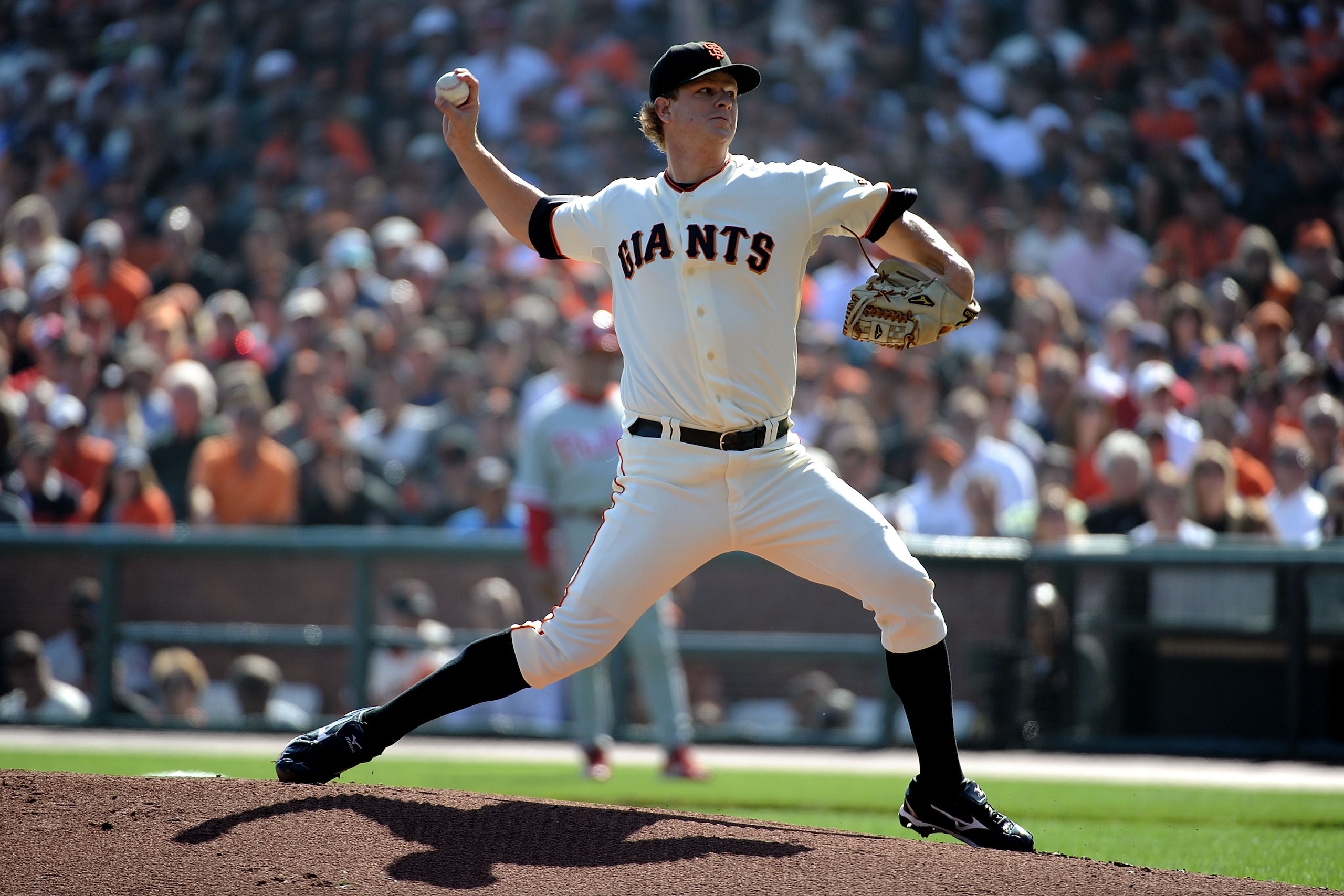
wFA: 23.6
Average velocity: 91.6 miles per hour
Cain's fastball dipped in average velocity during the 2010 season (92.6 miles per hour in 2009), but it still had the excellent, natural running movement into right-handed batters.
Cain used the pitch 63.2 percent of the time, and recorded a strikeout rate of 7.11 K/9.
Cain, who recorded an out via the fly ball 46 percent of the time, kept his home-run rate to only 0.89 HR/9.

.jpg?w=2560)
7. Johan Santana
4 of 10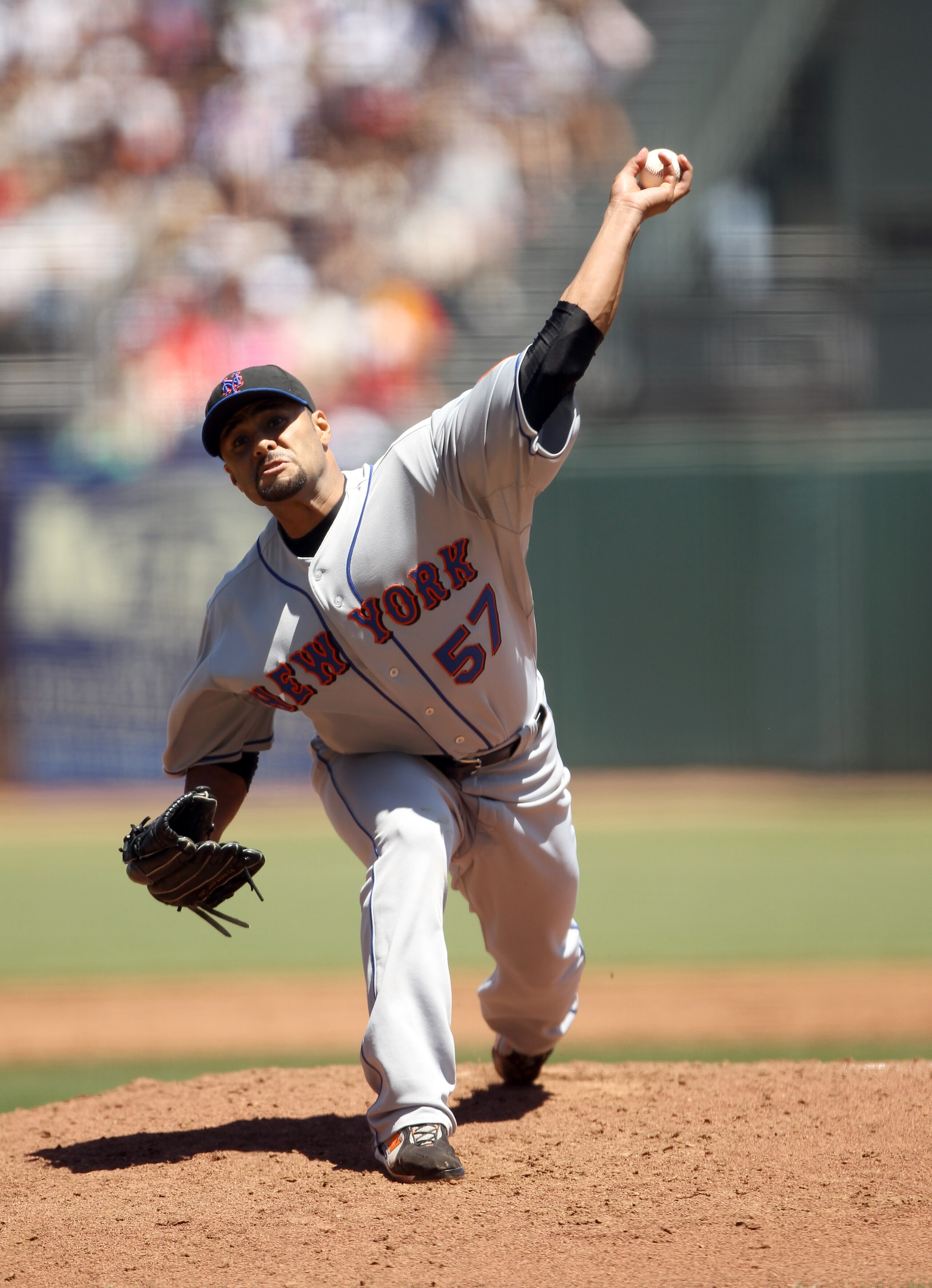
wFA: 24.3
Average velocity: 89.4 miles per hour
Santana had the second-lowest average velocity of the pitchers on this countdown. It decreased significantly from the 90.5 miles per hour it averaged in 2009.
Santana is known to have one of the better changeups in baseball, and that impacts a batter's ability to pick up the fastball.
He used his four-seamer (89.6) just as frequently as his two-seamer (89.2 miles per hour), the latter with more movement running away from right-handed batters.
The dip in velocity must have helped in dropping Santana's strikeout rate from 7.88 K/9 in 2008 to 6.51 K/9 in 2010.
6. Ted Lilly
5 of 10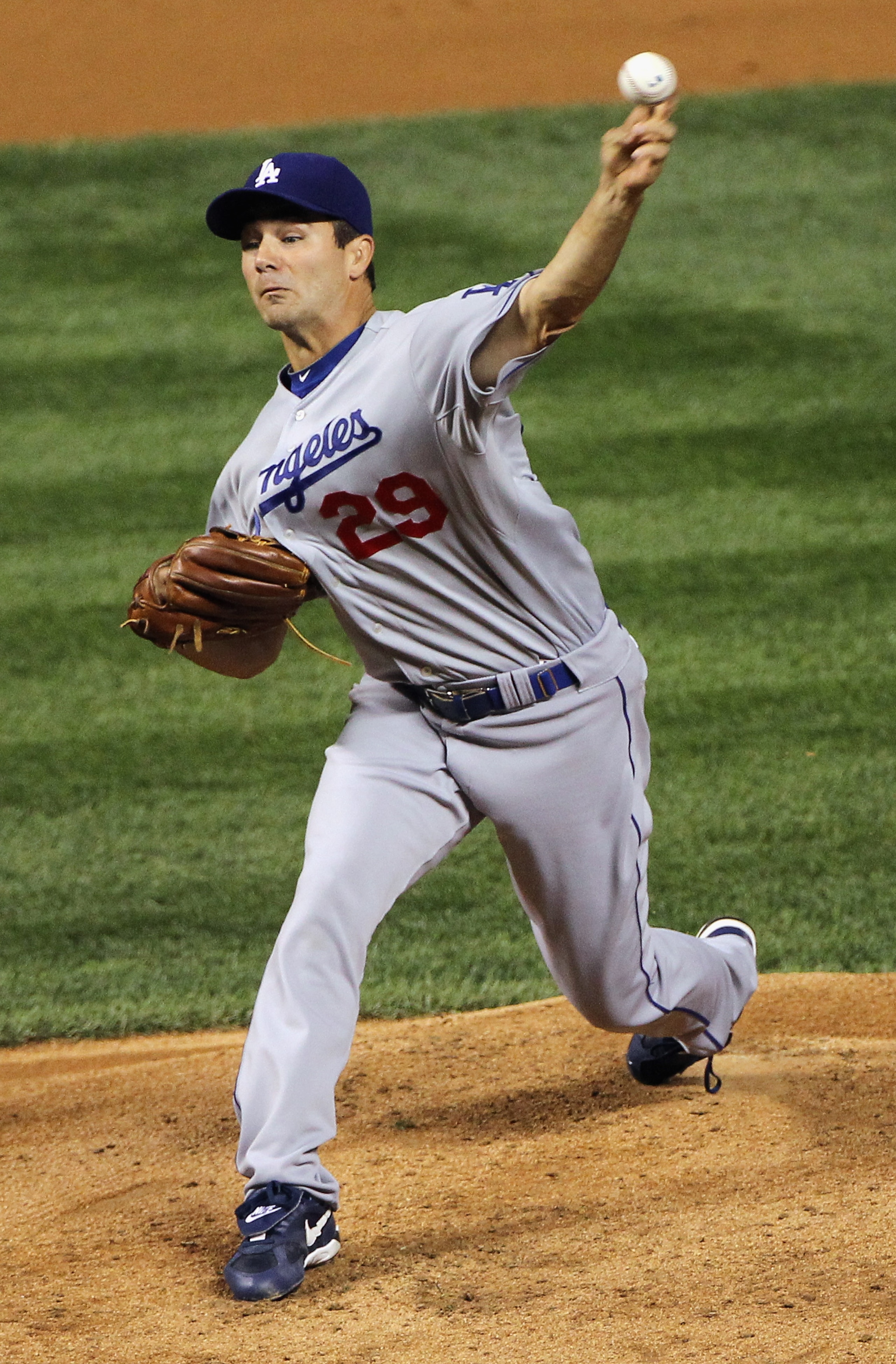
wFA: 24.5
Average velocity: 86.8 miles per hour
It was a shock to see Lilly on this list, but his four-seam fastball (87.2 miles per hour) has a lot of vertical movement that induced a lot of infield fly outs.
Lilly started throwing a two-seam fastball, which averaged 86 miles per hour, 16 percent of the time. He allowed 32 home runs in 193.2 innings.
Lilly has a tough arm angle to pick up, and he uses three other secondary pitches that keep hitters off balance. He had a strikeout rate of 7.71 K/9.
5. Felix Hernandez
6 of 10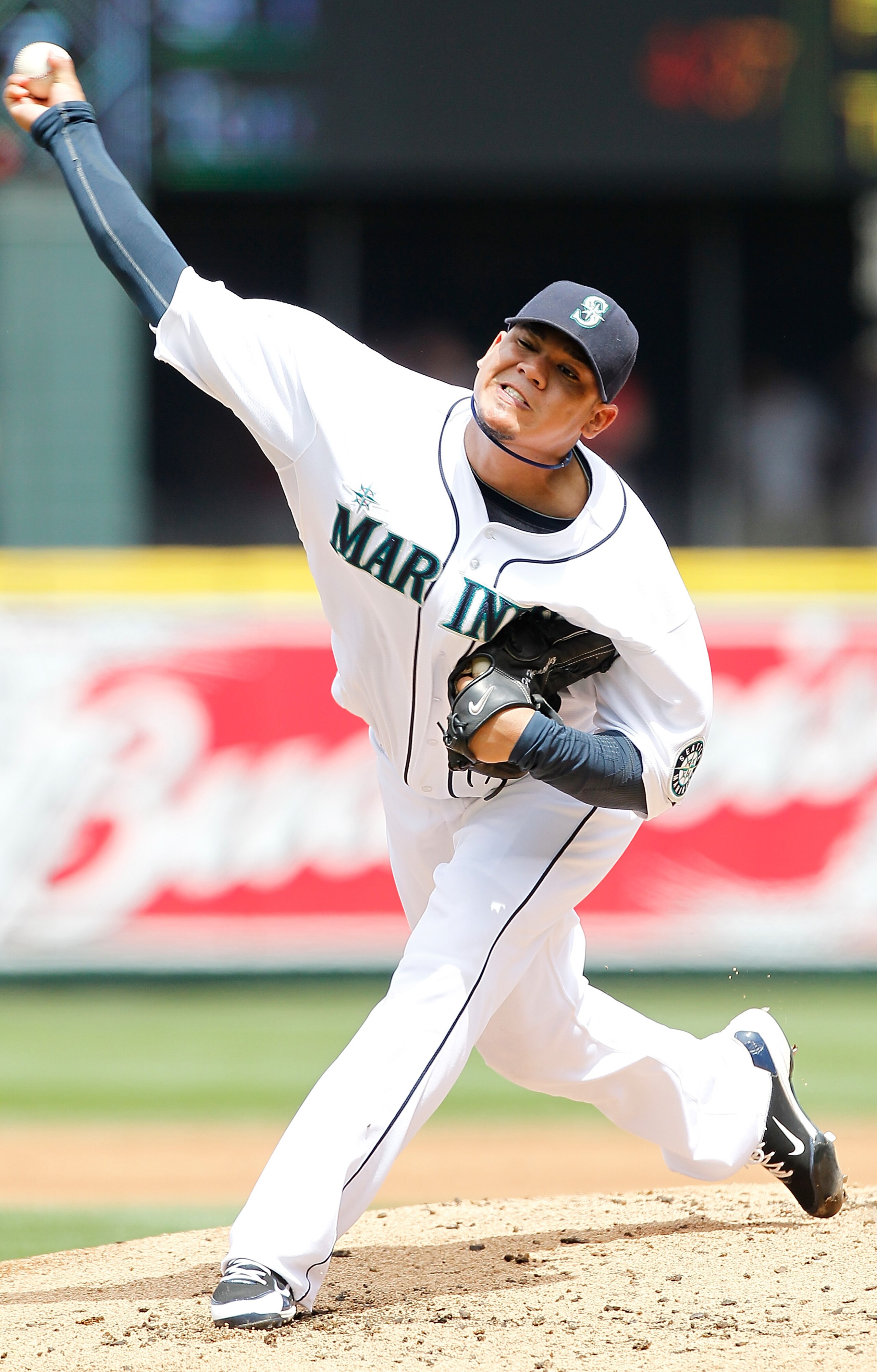
wFA: 25.5
Average velocity: 94.1 miles per hour
Hernandez uses a four-seam (94.4 miles per hour), but his two-seamer (93.8 miles per hour) was a revelation in 2010. It moves five more inches in to right-handed batters than his four-seamer.
That two-seamer helped Hernandez record his highest K/9-rate at 8.36, and record 53 percent of his outs via the ground.
4. Cliff Lee
7 of 10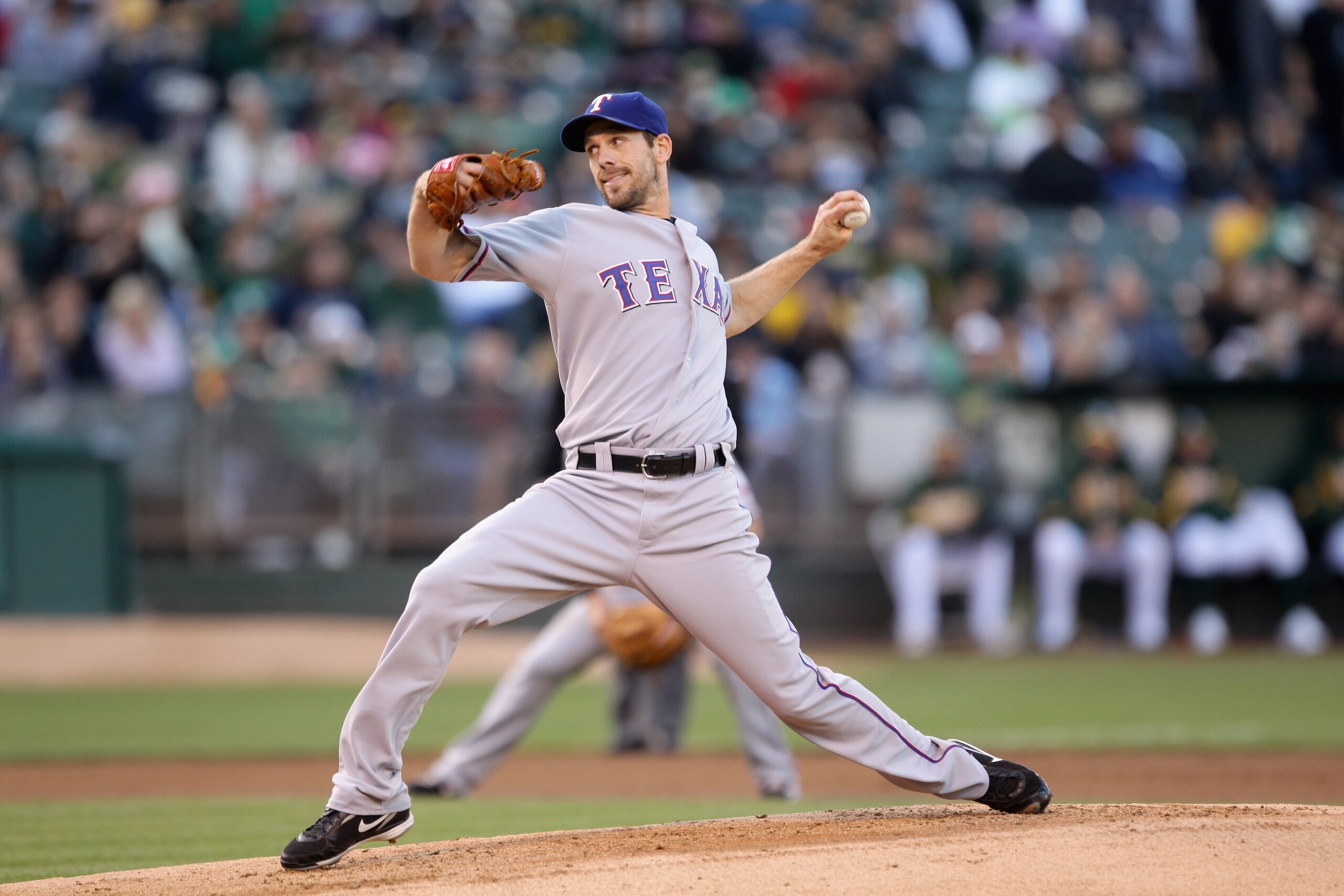
wFA: 26.4
Average velocity: 91.3 miles per hour
Cliff Lee throws mostly two-seam fastballs that have tremendous movement away from right-handed batters. His four-seam fastball has a little more movement up in the zone, but he doesn't throw it that often.
Lee's fastball command is second to none, and it is the reason his career took off in 2008. He throws a fastball 63 percent of the time, and it is statistically his best pitch.
3. Trevor Cahill
8 of 10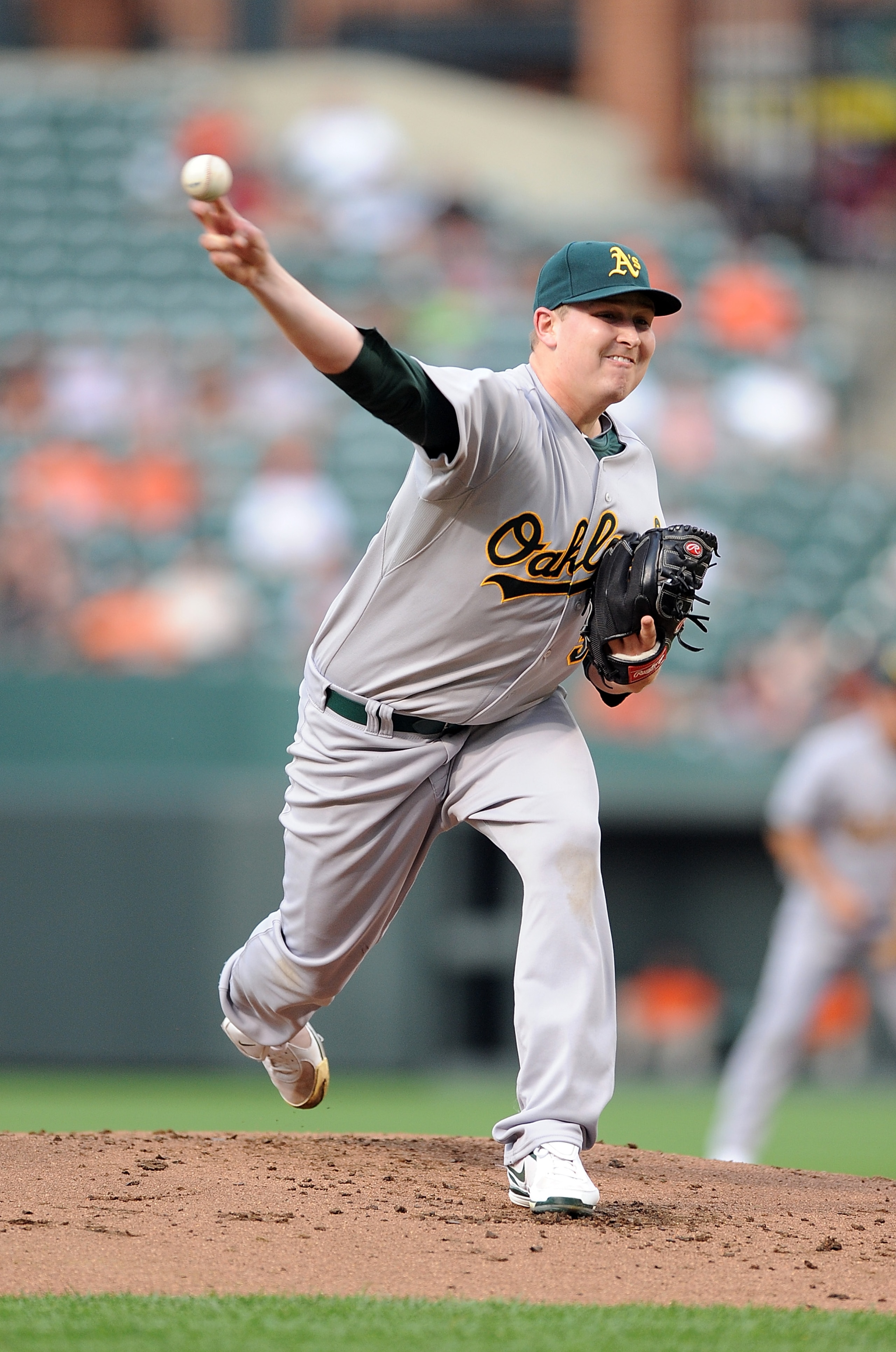
wFA: 27.7
Average velocity: 90.4 miles per hour
Trevor Cahill throws his two fastballs a total of 64 percent of the time. But his two-seamer/sinker is the pitch he relies on heavily. The pitch has a lot of sinking movement down in the zone, and it has tons of horizontal movement going from left-handed batters to right-handed ones.
Cahill recorded 56 percent of his outs via the ground, and his two-seam fastball is responsible for that success.
2. Ubaldo Jimenez
9 of 10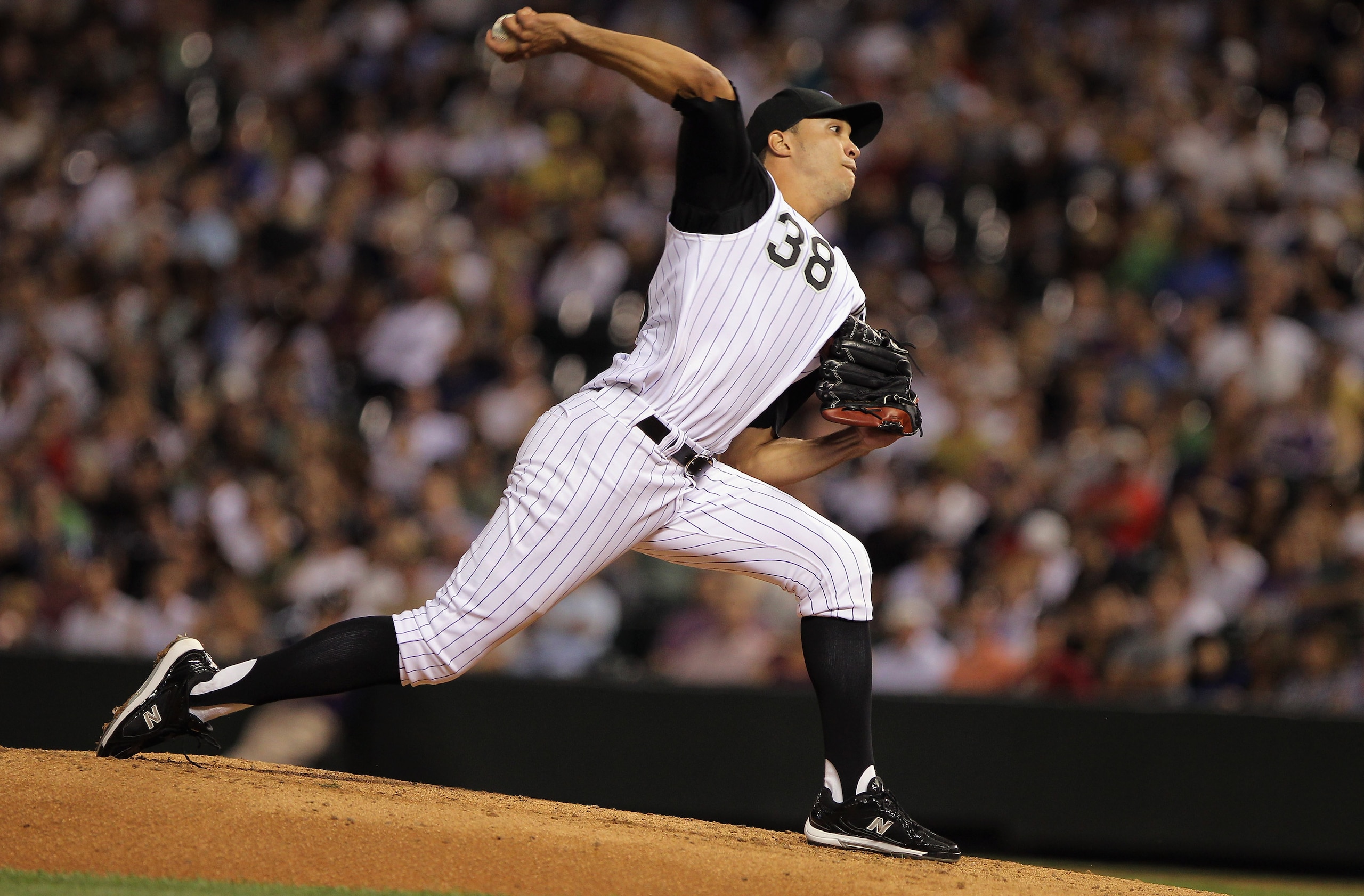
wFA: 30
Average velocity: 96.1 miles per hour
Ubaldo Jimenez uses a mix of two and four-seamers that totaled 61 percent of his pitches thrown in 2010. The two-seamer has the same velocity, but it runs inside to a right-handed hitter more than the four-seamer, which explodes high in the strike zone.
Jimenez recorded 48 percent of his outs on the ground, and he struck out 8.69 per nine innings in 2010.
1. Tim Hudson
10 of 10
wFA: 32.1
Average Velocity: 91.2 miles per hour
Tim Hudson had the most effective fastball (and pitch) during the 2010 season. This two-seam fastball quite possibly has the best downward action of any fastball in baseball.
Hudson used it almost 64 percent of the time and he was able to record 64 percent of his outs via the ground.


.jpg?w=2560 "Commanders May Change Logo 👀")


.jpg?w=2560 "Seahawks Have No Plans to Move")