
2011 NFL Draft: The Best Draft Steal in the History of Every NFL Franchise
With the NFL draft less than two months away, it's time to look back at some of the best drafts in NFL history. Specifically, we are going to look at the best draft steals in each team's history.
These are the players that get drafted later on, without a lot of fanfare, but they are the difference between championship-caliber teams and simply playoff-caliber teams.
Frankly, this is the best part of the NFL draft. Anyone can get excited about the best college players going early in the NFL draft, but it's really a testament to the dedication of the players and the job of the scouting department to find these hidden gems.
So who is the best steal in your favorite NFL team's history? Read on to find out.
New England Patriots: Tom Brady, Sixth Round, 2000 NFL Draft
1 of 32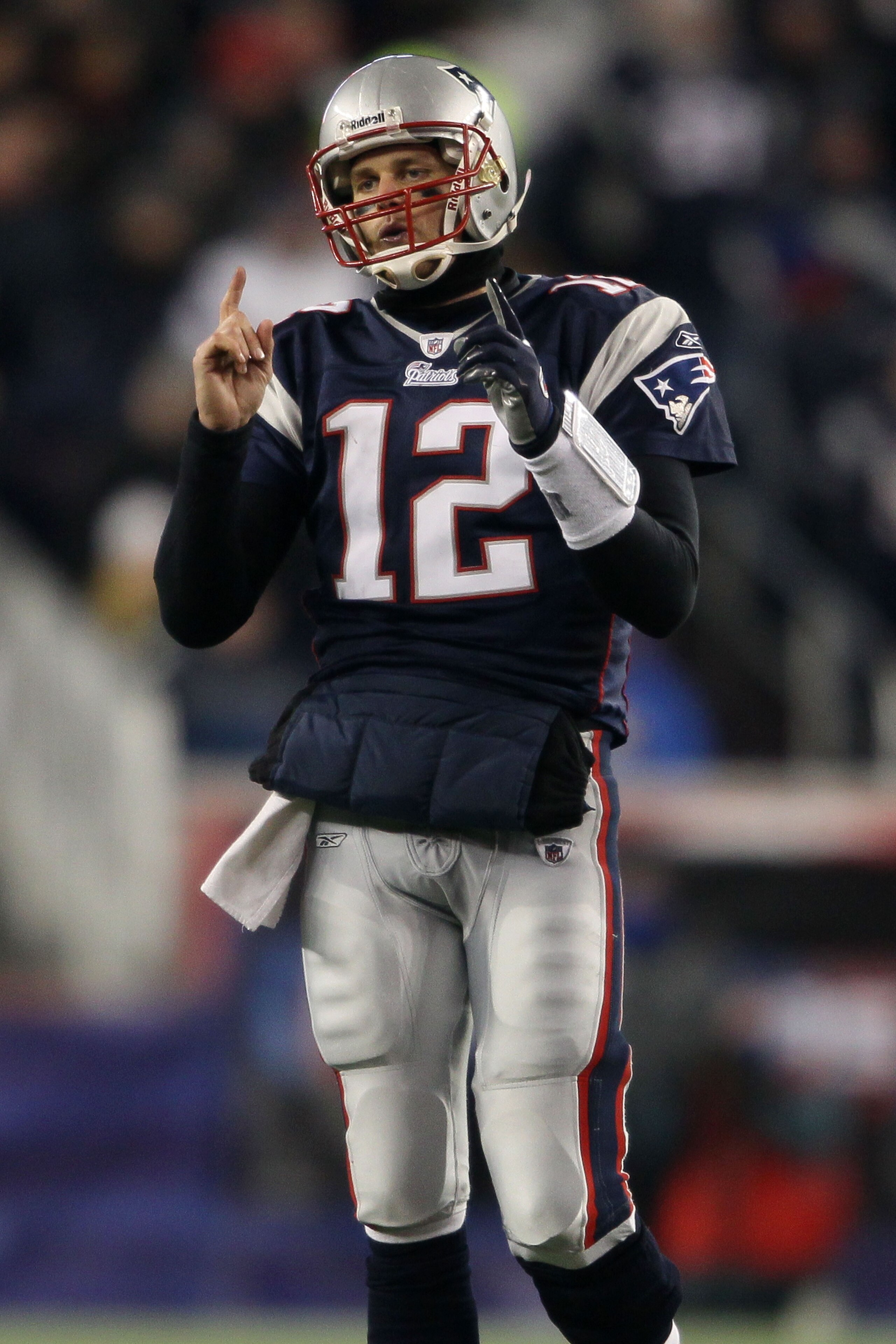
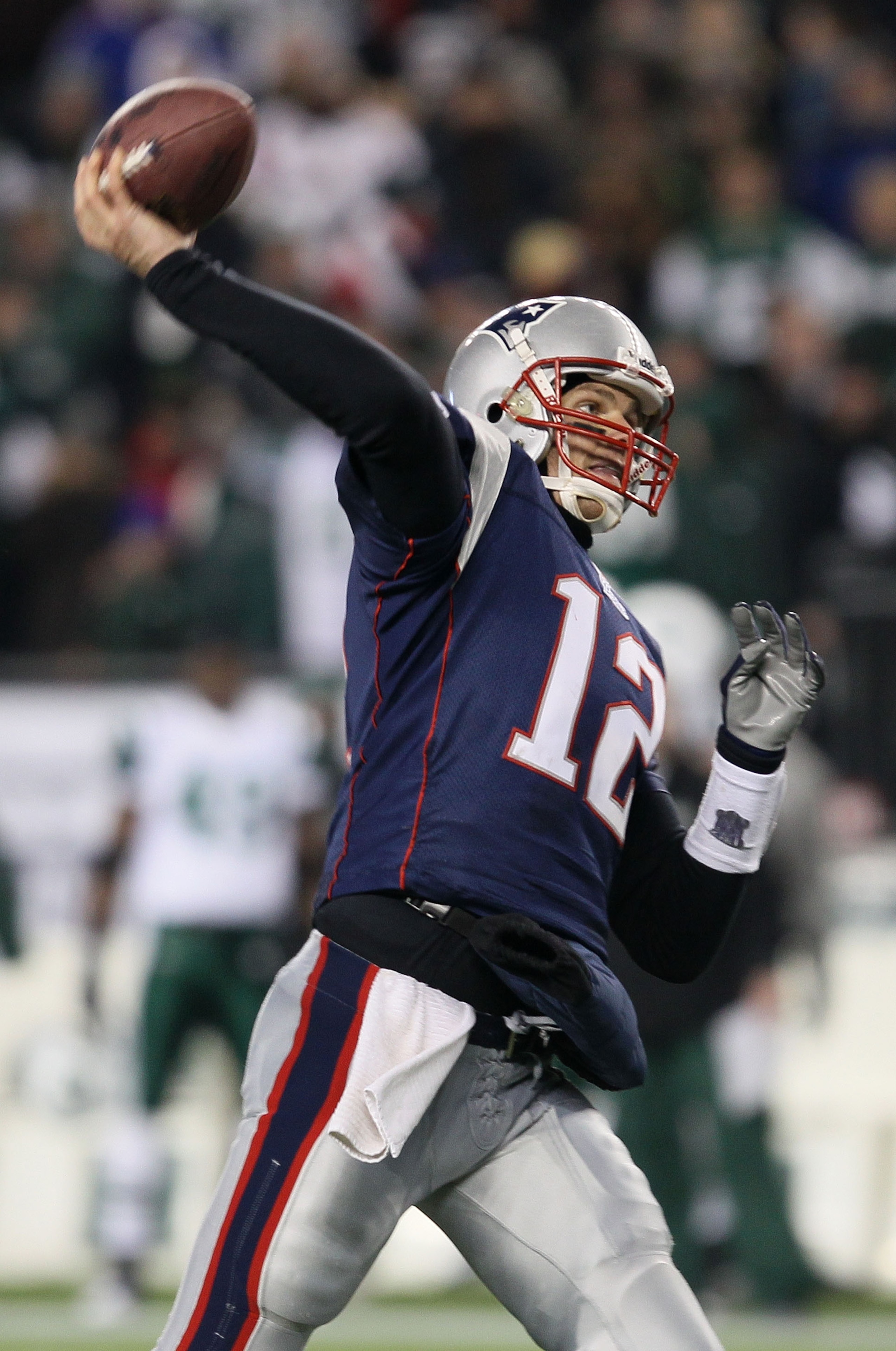
Tom Brady fell to the sixth round because of questions about his arm, accuracy, poise and all that other jargon that guys like Mel Kiper and Todd McShay get paid to use ad nauseum.
Three Super Bowl titles, two MVP awards and a supermodel wife later, Brady has proved everyone wrong.
New York Jets: Joe Klecko, Sixth Round, 1977 Draft
2 of 32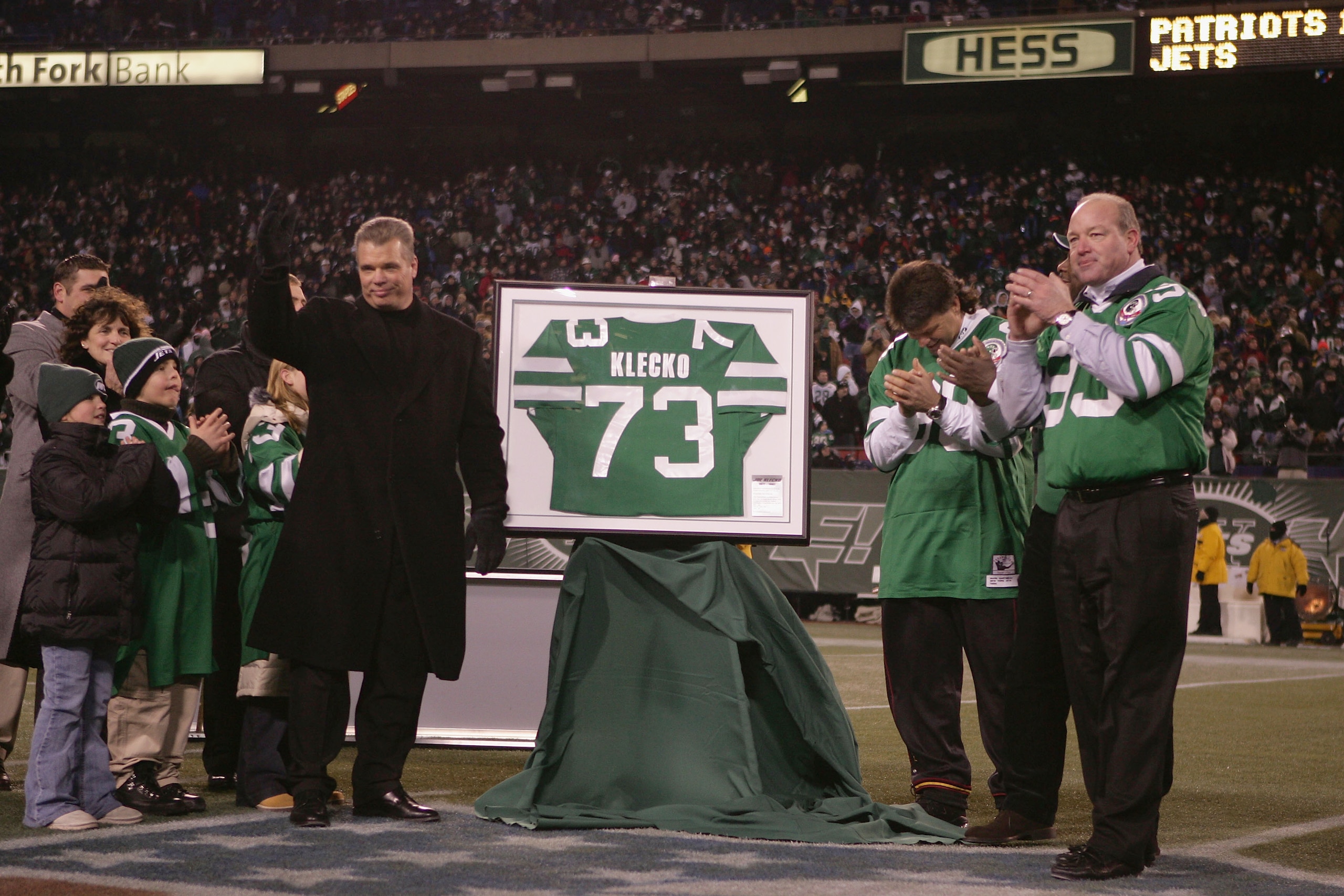
Arugably the most popular Jets player in franchise history, Joe Klecko is also widely considered one of the best defensive linemen in NFL history.
Klecko has yet to get his call to the Hall of Fame, but he holds a special place in the hearts of Jets fans all across the country. He made four Pro Bowls, two All-Pro teams and won an AFC Defensive Player of the Year award in 1981.
Miami Dolphins: Dan Marino, 27th Overall, 1983 Draft
3 of 32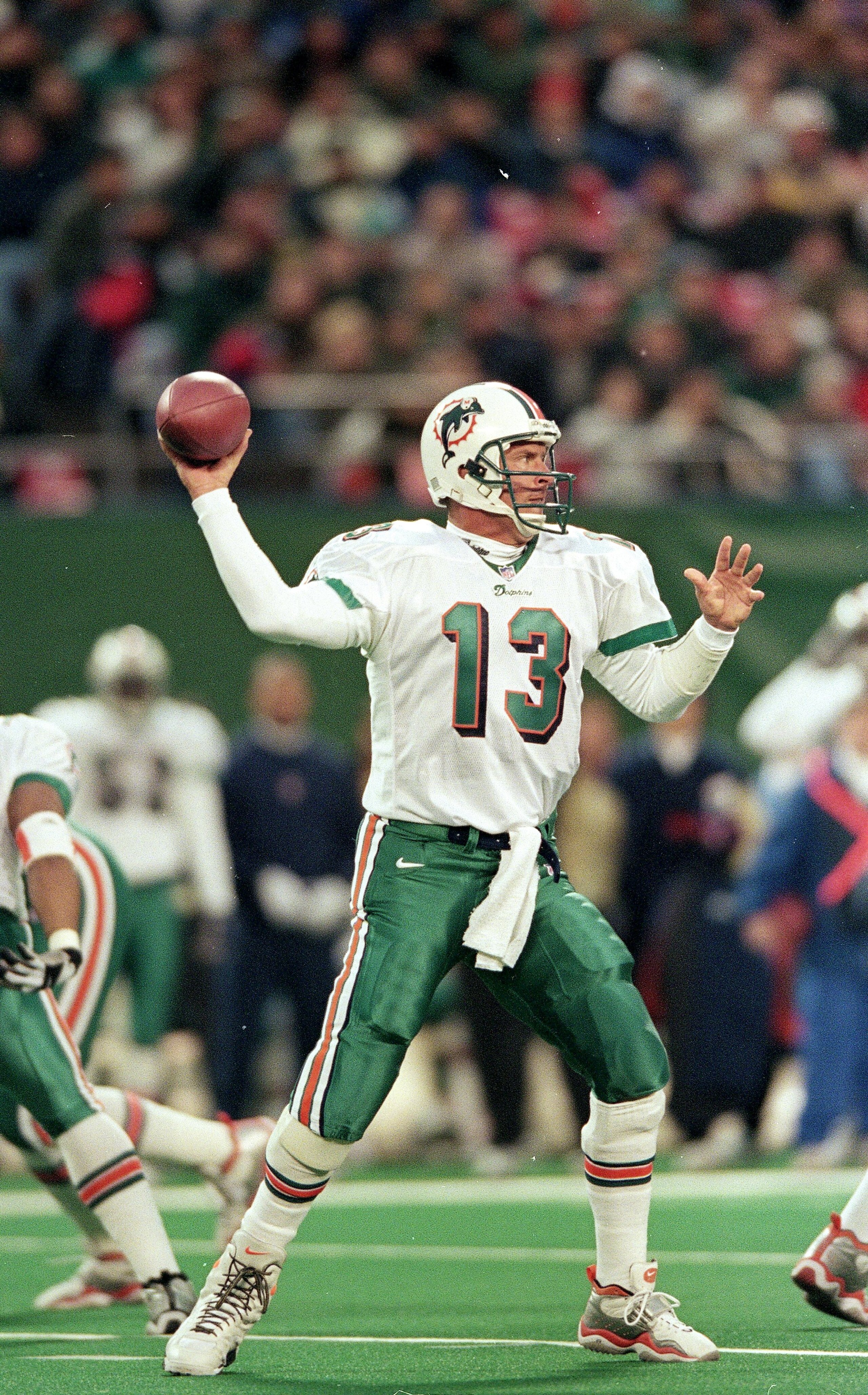
I know it's kind of difficult to call a first-round pick a steal, but when you realize that Dan Marino was the sixth quarterback taken, he becomes a great pick.
Marino held at least a share of 34 different NFL records when he retired in 1999. Despite not winning a Super Bowl, which was not Marino's fault in any way, he is one of the best quarterbacks in NFL history.
Given that he was taken after quarterbacks like Todd Blackledge and Tony Eason, he looks like a steal—even in the first round.
.jpg?w=2560 "Colts Football")
.jpg?w=2560 "Panthers Buccaneers Football")
Buffalo Bills: Andre Reed, Fourth Round, 1985 Draft
4 of 32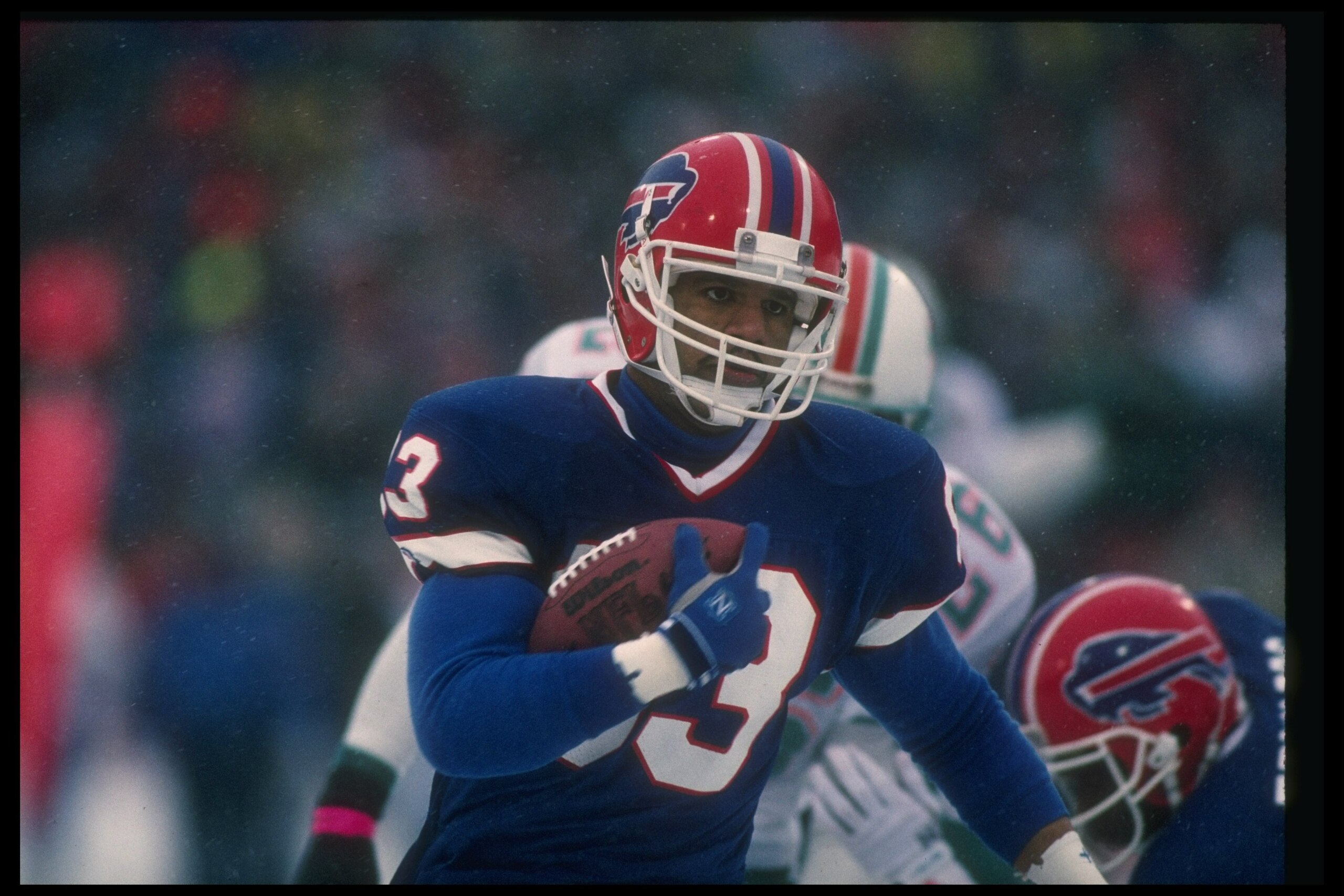
During his time, Andre Reed was one of the very best receivers in the NFL. He was the go-to guy in that high-powered Bills offense, led by Jim Kelly at quarterback, and they changed the way that some of these offenses play today.
Reed finished his career with 951 catches, more than 13,000 yards, and 87 touchdowns. Not bad for a fourth-round pick.
Pittsburgh Steelers: Mel Blount, Third Round, 1970 Draft
5 of 32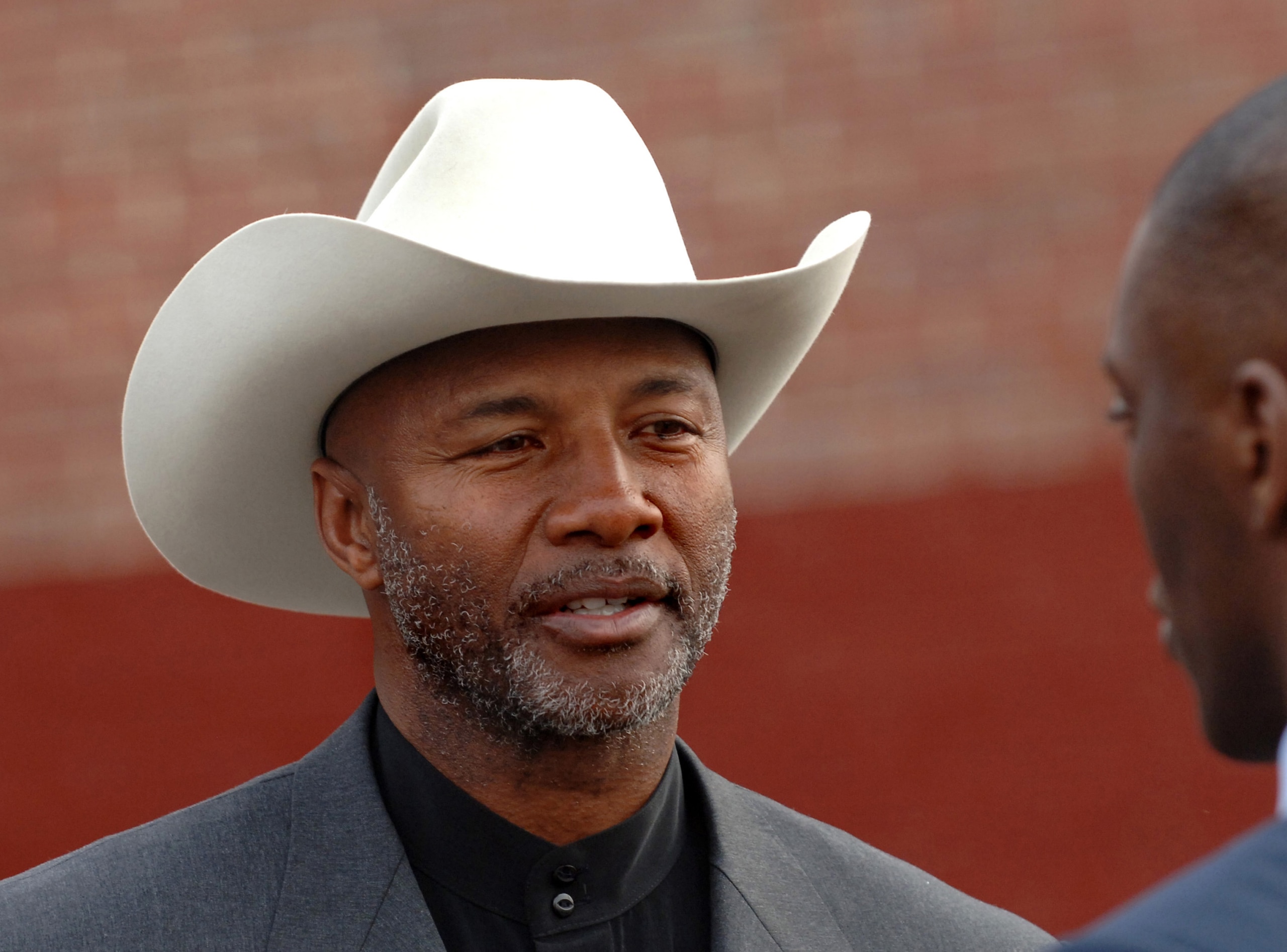
This was the hardest team to pick a draft steal for because they have had so many throughout the course of their history. Guys like John Stallworth, who was a fourth-round pick 1974, and Jack Lambert, who went in the second round of that same 1974 draft, could easily have gotten the call here.
Ultimately, Mel Blount gets this spot because he helped to change the cornerback position, something he couldn't do if he played in today's NFL. He was so physical and aggressive at the line, and that is what made him such a great player for 13 years.
Baltimore Ravens: Adalius Thomas, Sixth Round, 2000 Draft
6 of 32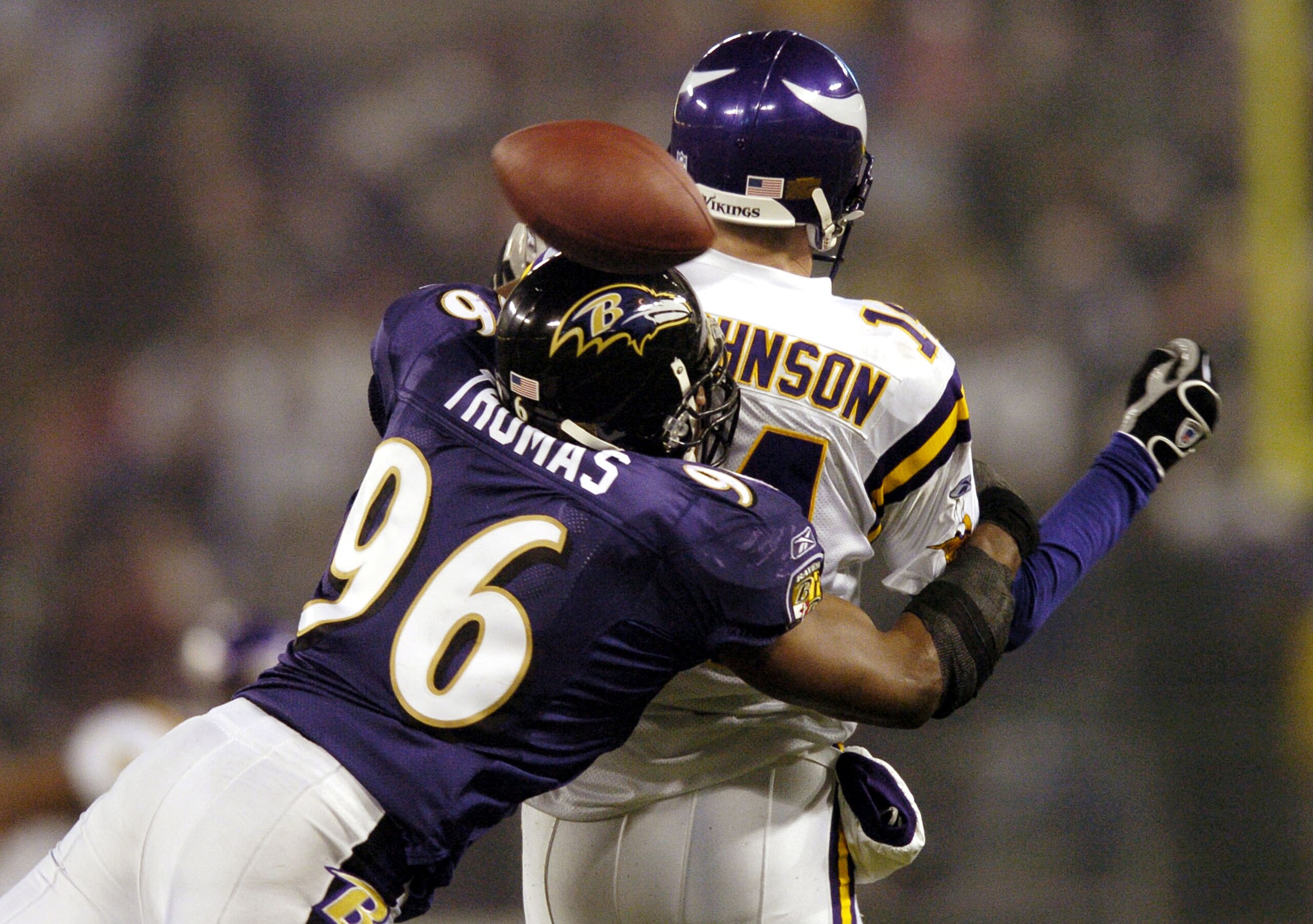
Adalius Thomas was one of those foundation-type players for the vaunted Ravens defense in the early part of the 2000s. He wasn't highly thought of coming out of college, but he turned into a terrific defensive player during his time with the team.
Thomas was extremely versatile for the Ravens, spending time on special teams, defensive end, outside linebacker and at cornerback. He was named to the All-Pro first team in 2006, when he had 106 tackles and 11 sacks.
Cleveland Browns: Bernie Kosar, First Round, 1985 Supplemental Draft
7 of 32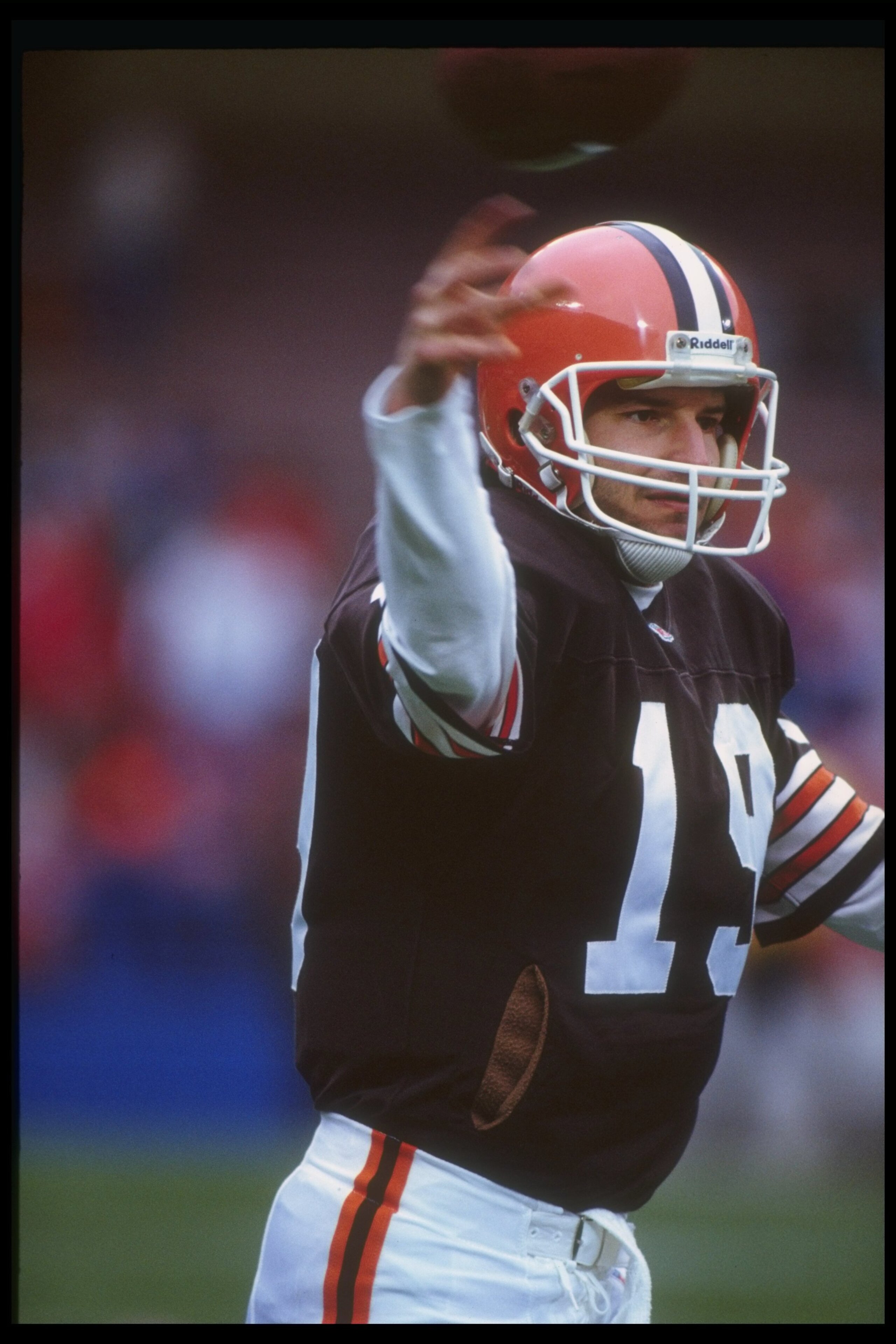
Bernie Kosar's journey to the NFL, and the controversy surrounding his draft eligibility, is one that's too long to get into here, but if you are interested, Google it and you will see what I am talking about.
Kosar was a native Ohioan and was thrilled to get the opportunity to play for his hometown Cleveland Browns. He is a legend in Cleveland for the way that he played with the team and the fact that he got them sooooooo close to the Super Bowl, if not for that John Elway and "The Drive."
Cincinnati Bengals: Ken Anderson, Third Round, 1971 Draft
8 of 32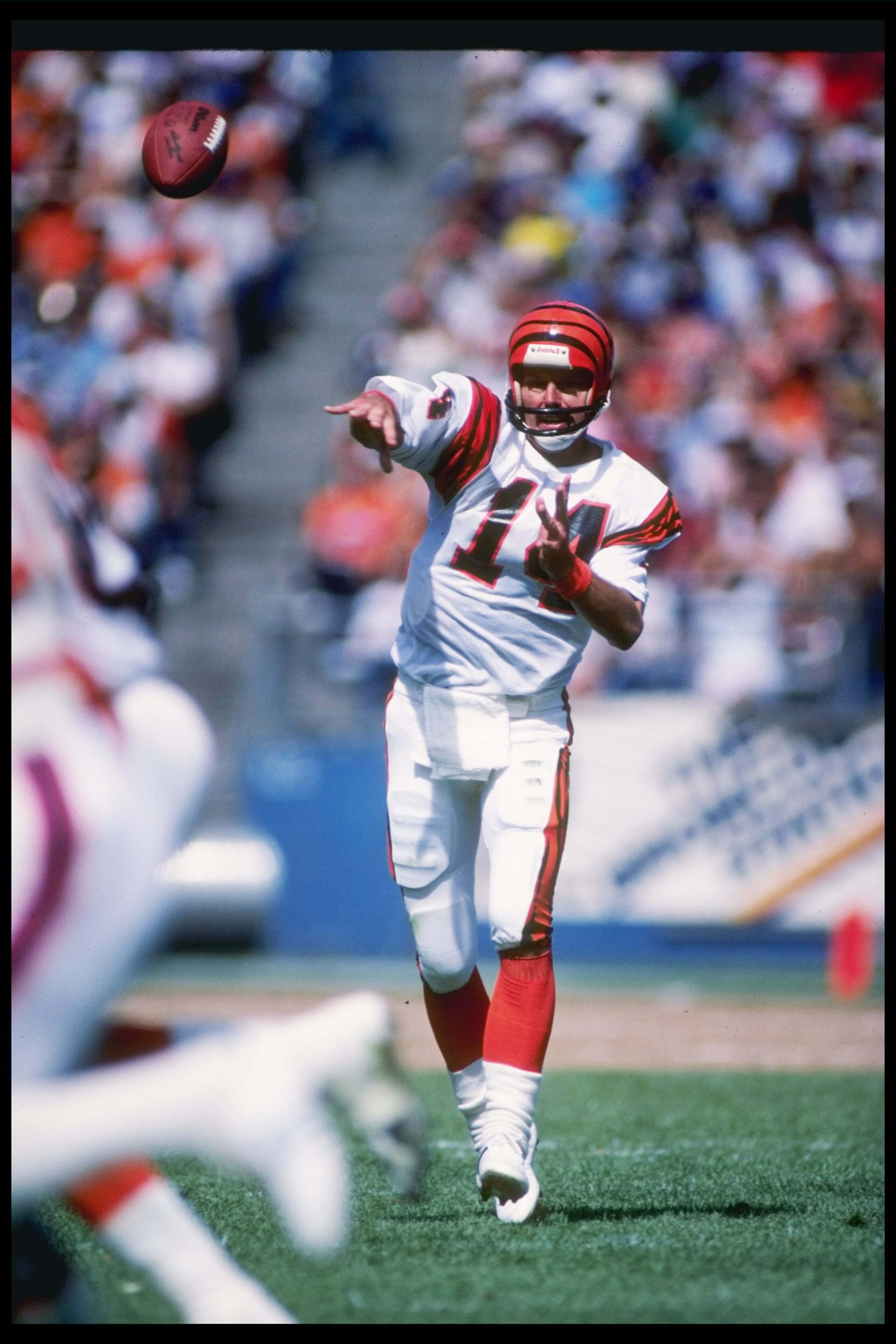
Before the Bengals were the joke that they are now, they were actually a pretty good franchise. They even made it to two Super Bowls in the '80s, although Ken Anderson was only there for one of them.
A big reason for that success was Anderson, who was not a traditional drop-back passer coming out of college but turned into one in the NFL. He owns Bengals records for completions, passing yards and touchdown passes.
Indianapolis Colts: Raymond Berry, 20th Round, 1954 Draft
9 of 32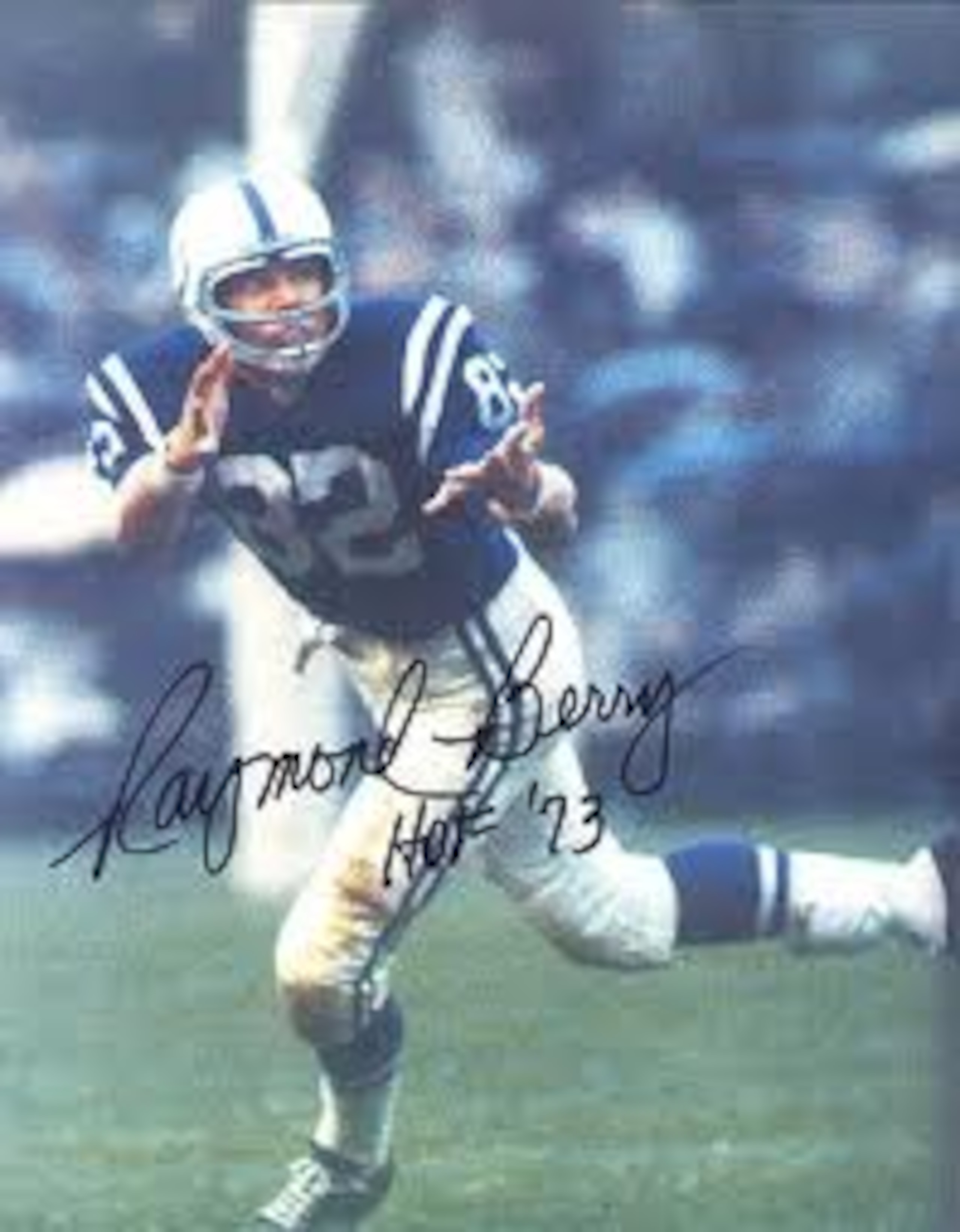
Originally, this spot was going to go to Johnny Unitas, but he was actually drafted by Pittsburgh and released by them before the Colts picked him up.
Raymond Berry went in the 20th round of the 1954 draft and turned into one of the greatest receivers of all time. He led the league in catches three times, made six Pro Bowls and helped revolutionize the position.
One of my favorite Raymond Berry stats, according to profootballreference.com: He only fumbled the ball twice in his 13-year career.
Jacksonville Jaguars: Maurice Jones-Drew, Second Round, 2006 Draft
10 of 32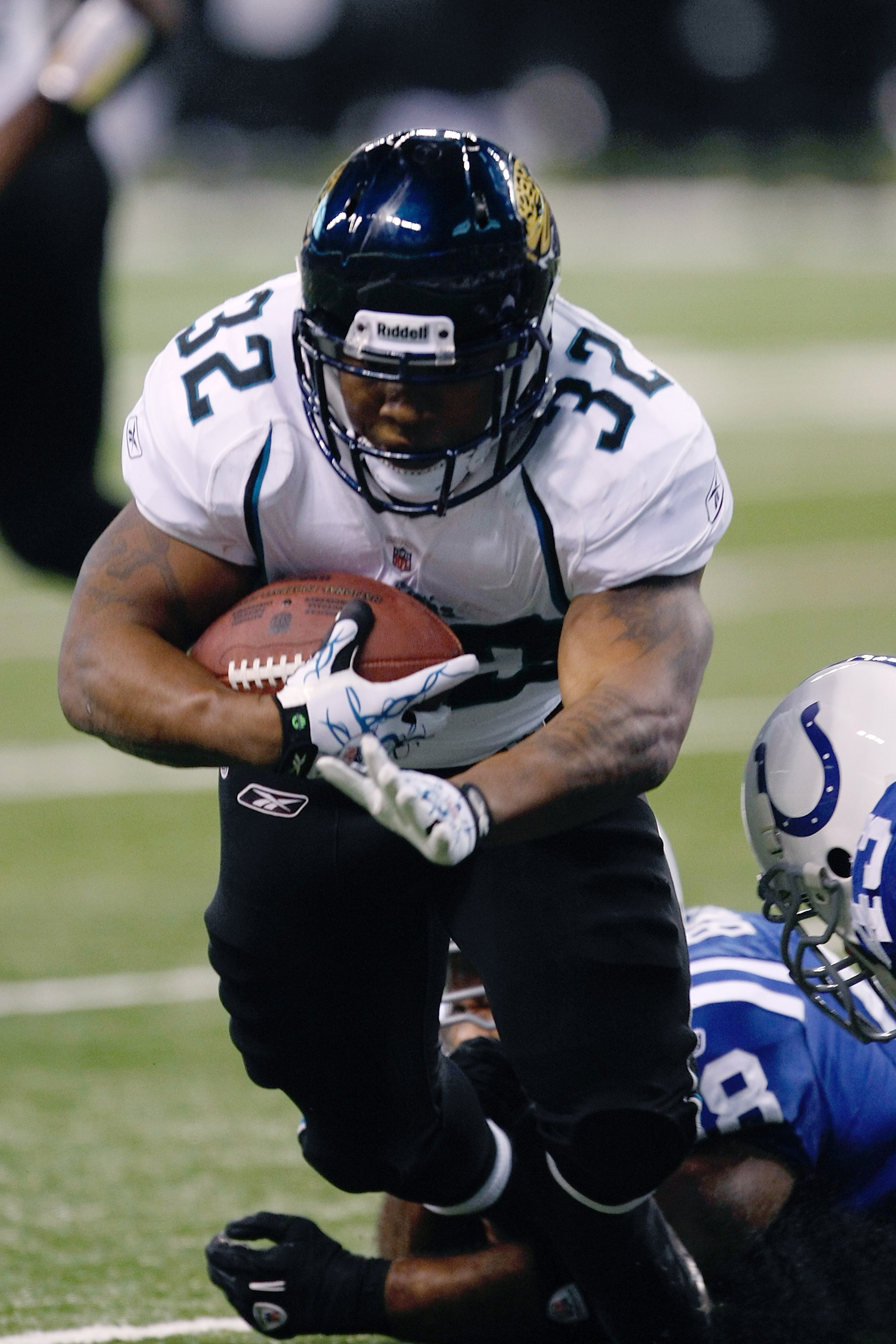
Second round isn't necessarily a steal, but given how good Maurice Jones-Drew is, this has to be considered a steal. At a time when this team is so desperate for playmakers, Jones-Drew is always reliable.
If he hadn't gotten hurt towards the end of the year, you could have made a case for MJD as the NFL MVP.
Houston Texans: Owen Daniels, Fourth Round, 2006 Draft
11 of 32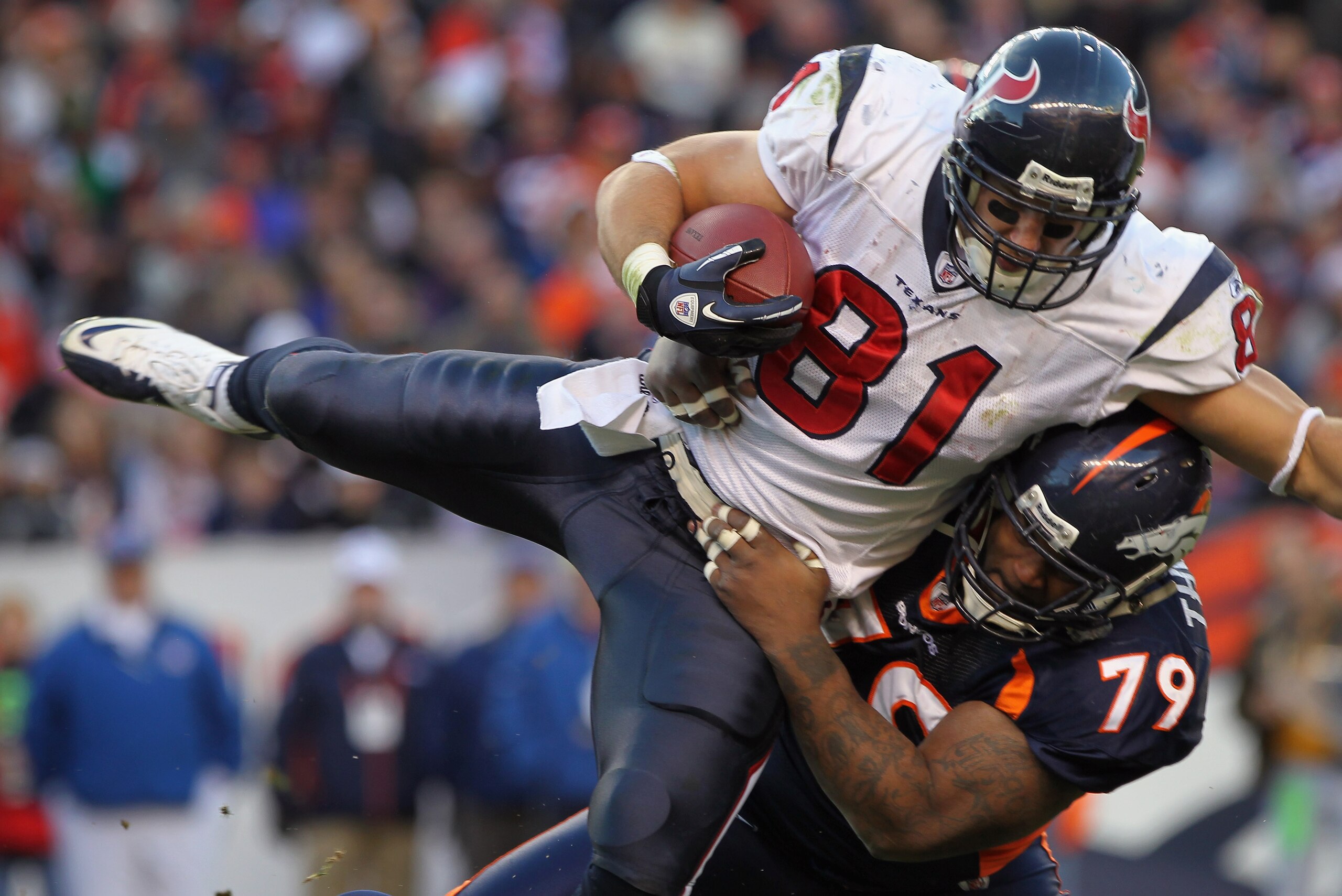
Houston hasn't been around for very long, and their drafting track record is very, very spotty. One pick that has worked out pretty well was Owen Daniels, who is, at least when he's healthy, one of the better tight ends in the NFL.
The Texans just re-signed Daniels to a four-year deal, despite missing 13 games combined the last two years, because they know how valuable he is to that offense.
Tennessee Titans: Frank Wychek, Sixth Round, 1993 Draft
12 of 32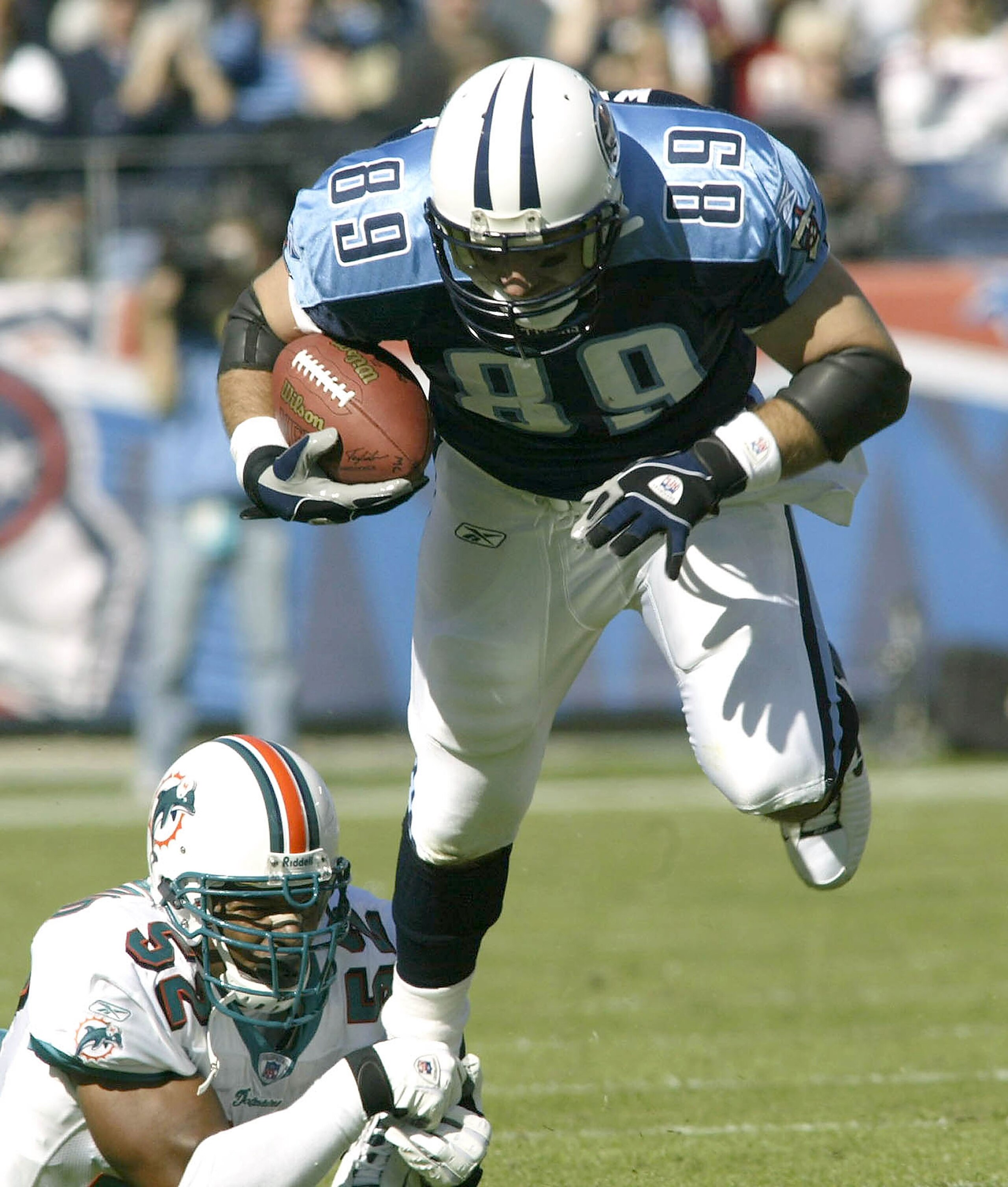
While not the most explosive or historically great tight end, Frank Wychek was perfect for what the Oilers/Titans needed him to be.
He was a great blocking tight end, which suited the offense well because they were predominantly run-oriented. When the team did throw the ball, Wychek was great because he had a knack for making a catch in a critical moment.
Of course, Wychek will go down in history for his involvement in this play.
Kansas City Chiefs: Buck Buchanan, 19th Round, 1963
13 of 32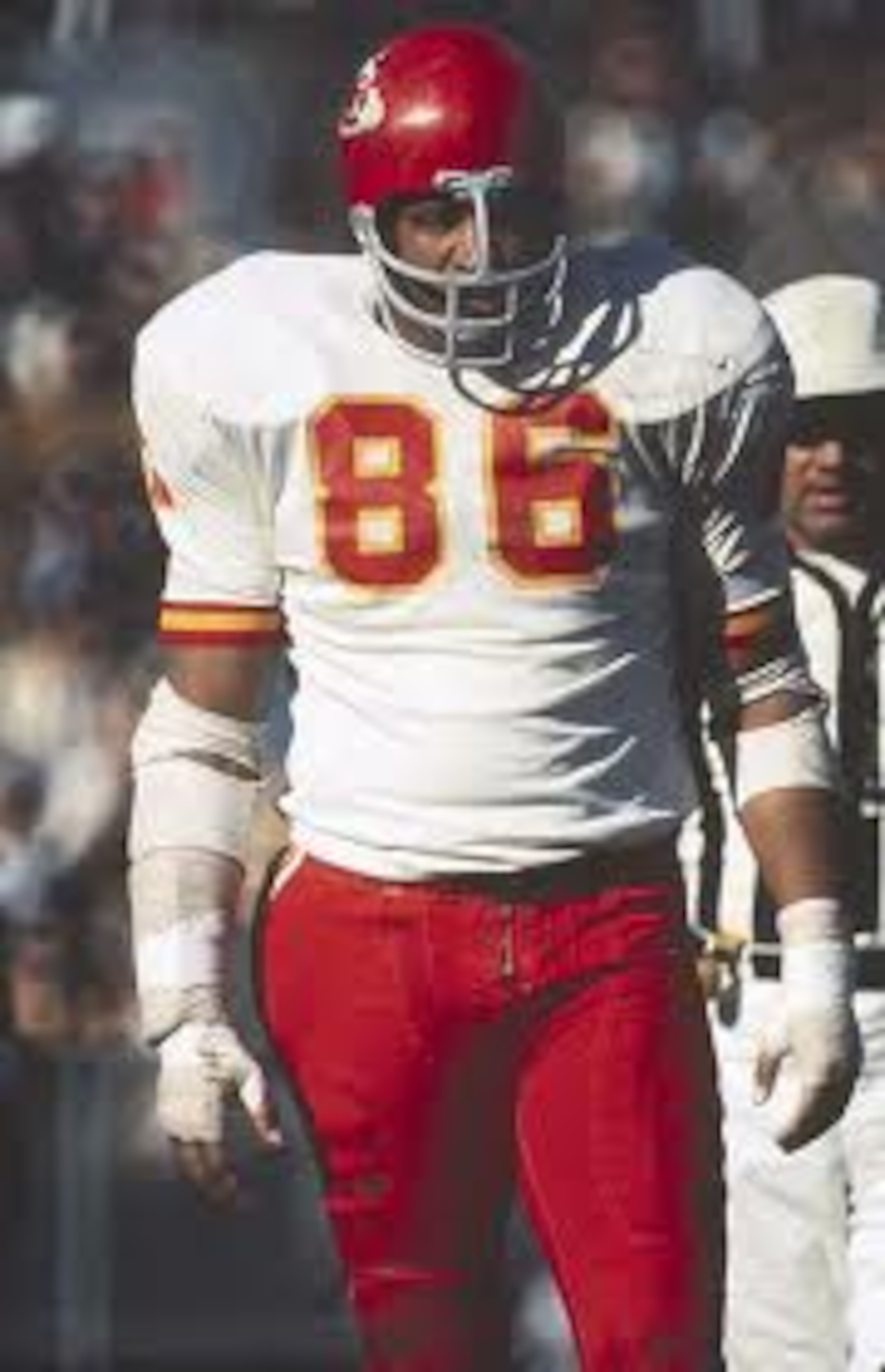
Buck Buchanan was a star in his day with the Kansas City Chiefs. He was named to six AFL All-Star teams, six all-AFL teams, two Pro Bowls and was named to the second team on the AFL All-Time Team.
Buchanan started 166 consecutive games at defensive end and defensive tackle during his playing days. He was a disruptive force in the middle for the Chiefs' Super Bowl team in 1969.
San Diego Chargers: Dan Fouts, Third Round, 1973 Draft
14 of 32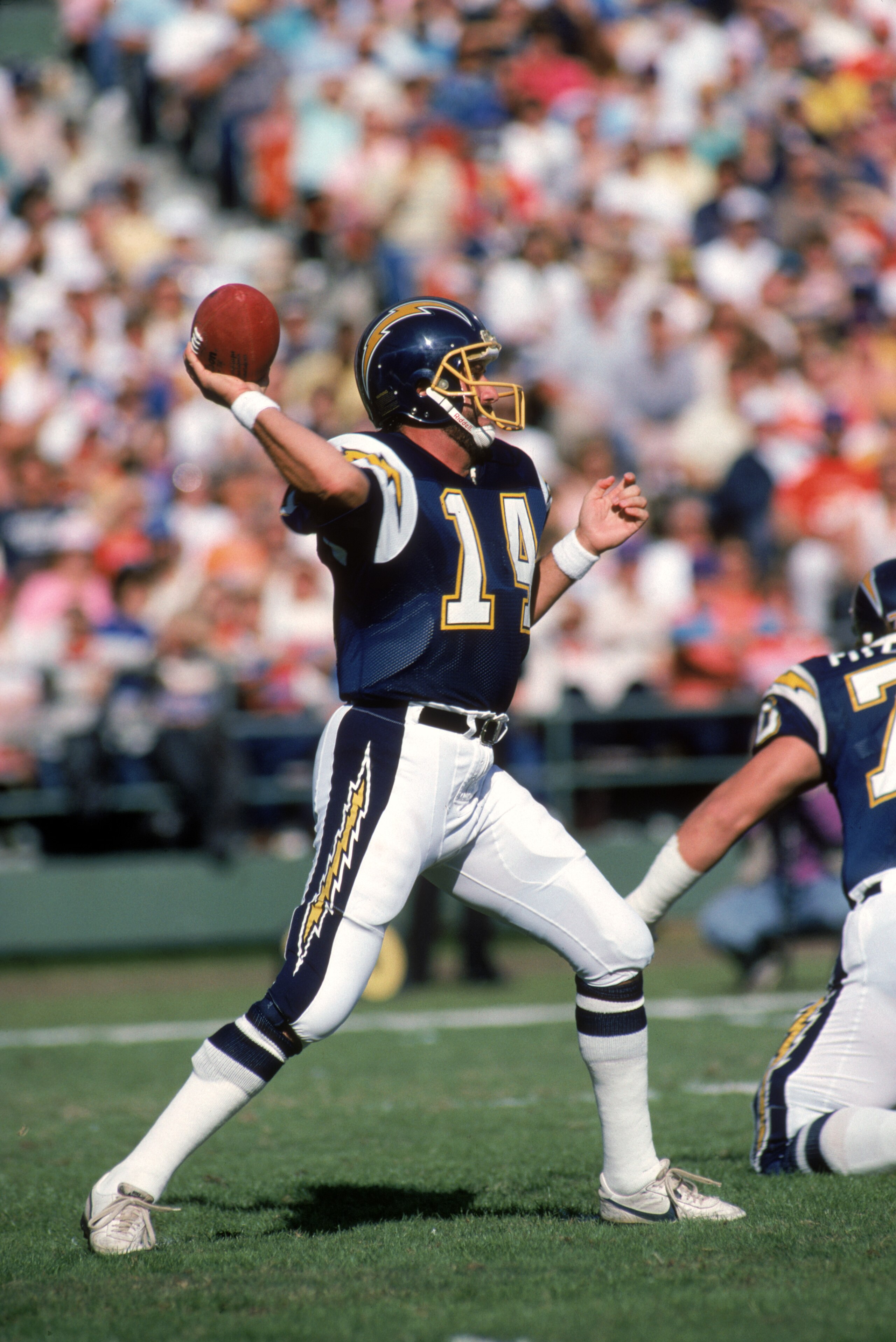
History hasn't been kind to Dan Fouts, who a lot of fans seem to think was overrated when he played. It's not his fault that the team around him, particularly the defense, wasn't good enough to get to a Super Bowl.
Fouts was one of the most exciting quarterbacks in the league to watch back in his day. Those Chargers offenses were some of the best in NFL history, and a lot of that is due to Fouts. He was a three-time first team All-Pro, won two MVP awards, was a six-time Pro Bowl selection, and is a Hall of Famer.
Oakland Raiders: Art Shell, Third Round, 1968
15 of 32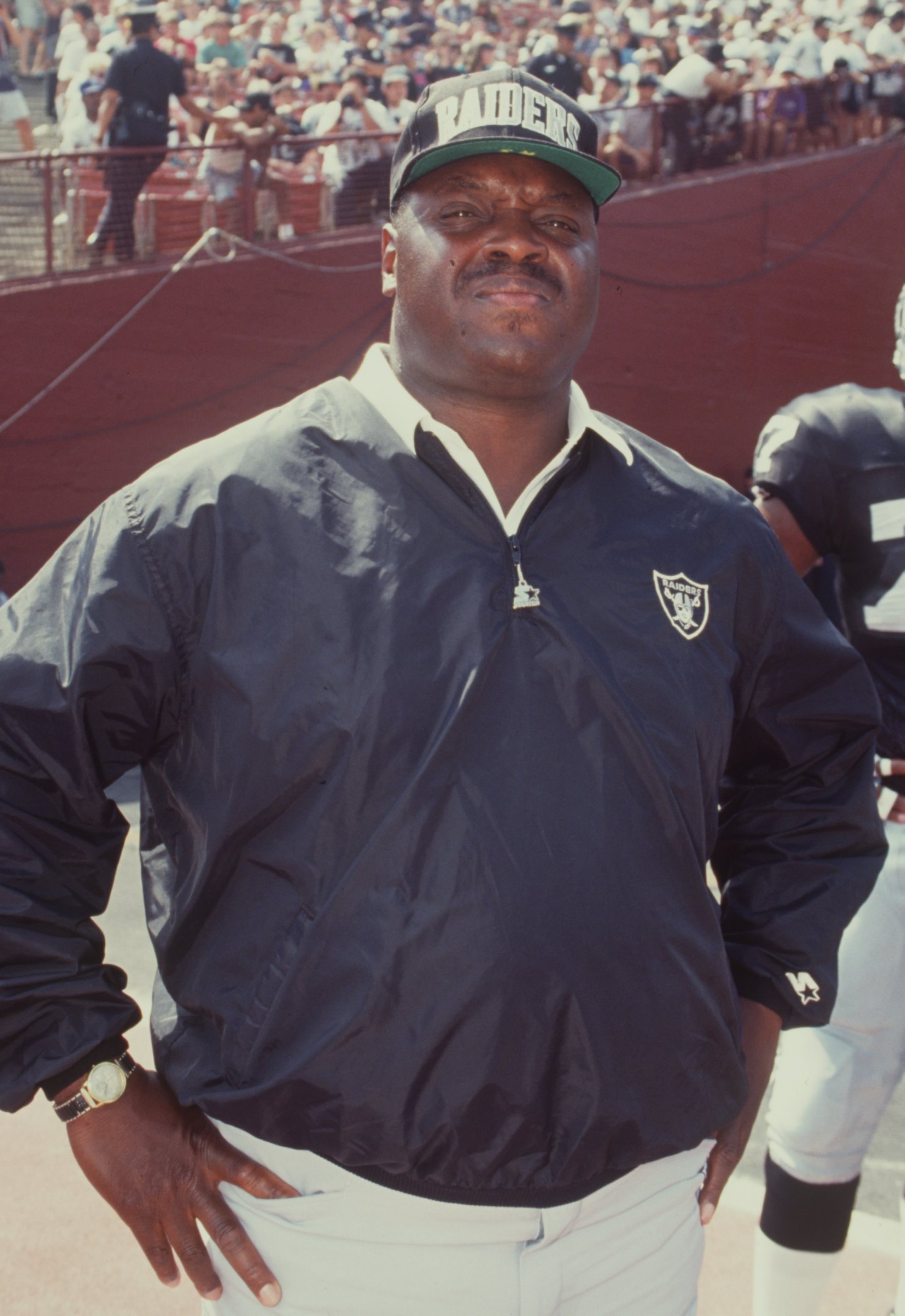
We're giving some love to the offensive line now.
Art Shell was one of the best to ever play tackle in the NFL. He was named to eight Pro Bowls, and was a three-time first-team All-Pro and a member of the all-decade team for the 1970's.
Shell would go on to be a successful coach for the Raiders from 1989-94. We'll just pretend that the 2006 season didn't count.
Denver Broncos: Shannon Sharpe, Seventh Round, 1990 Draft
16 of 32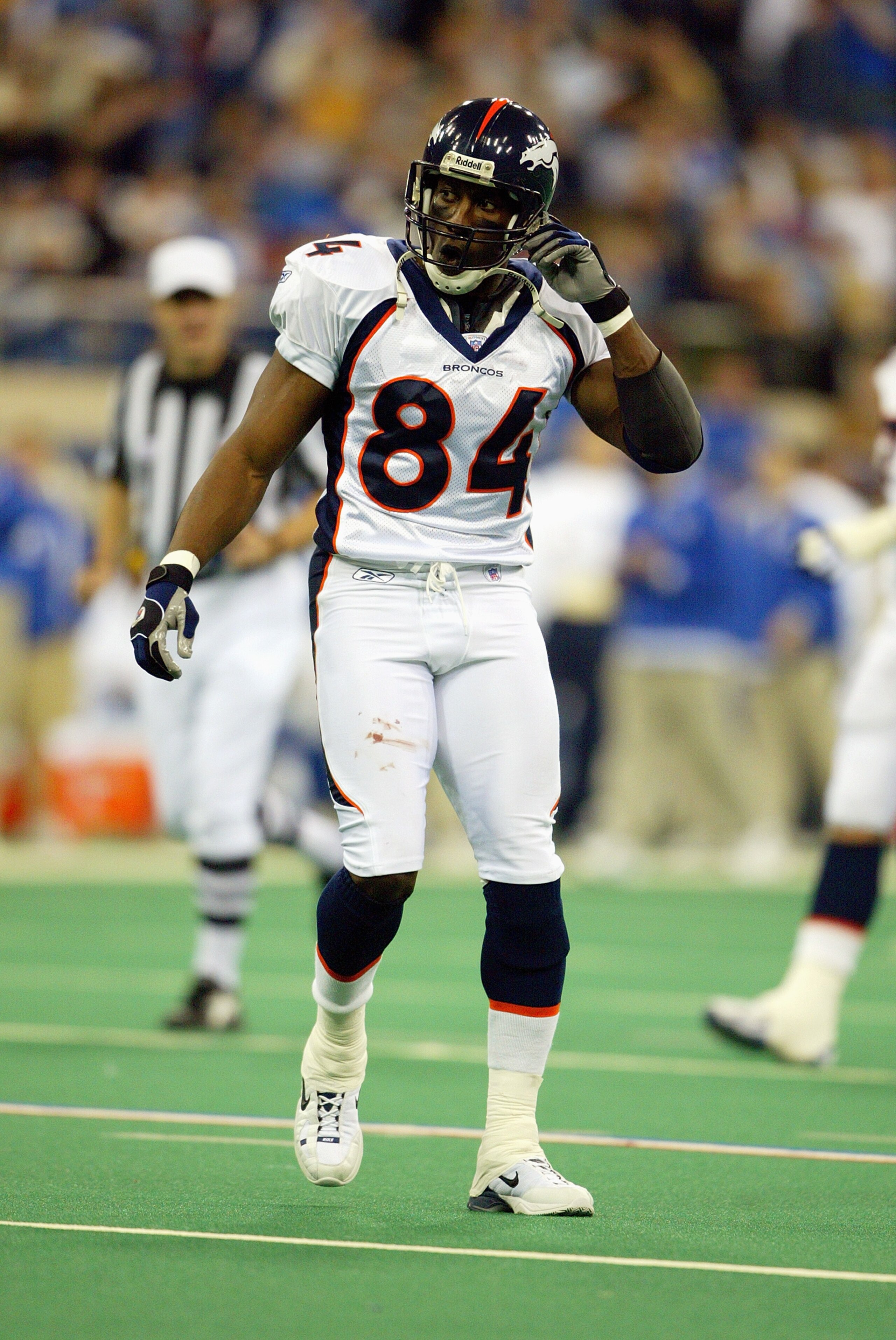
This was probably the most difficult decision on the entire list, even more so than the Steelers, because they had two late, late-round steals. It came down to Shannon Sharpe or Terrell Davis, who was taken in the sixth round of the 1996 draft and was instrumental in the Broncos' back-to-back Super Bowl teams.
Ultimately, I gave the nod to Sharpe because of longevity and position scarcity. It's easier to find a productive running back—which is not to take anything away from Davis, who was brilliant for a short time—than it is to find a productive tight end.
Sharpe will take his rightful place in the Hall of Fame later on this year.
Philadelphia Eagles: Harold Carmichael, Seventh Round, 1971 Draft
17 of 32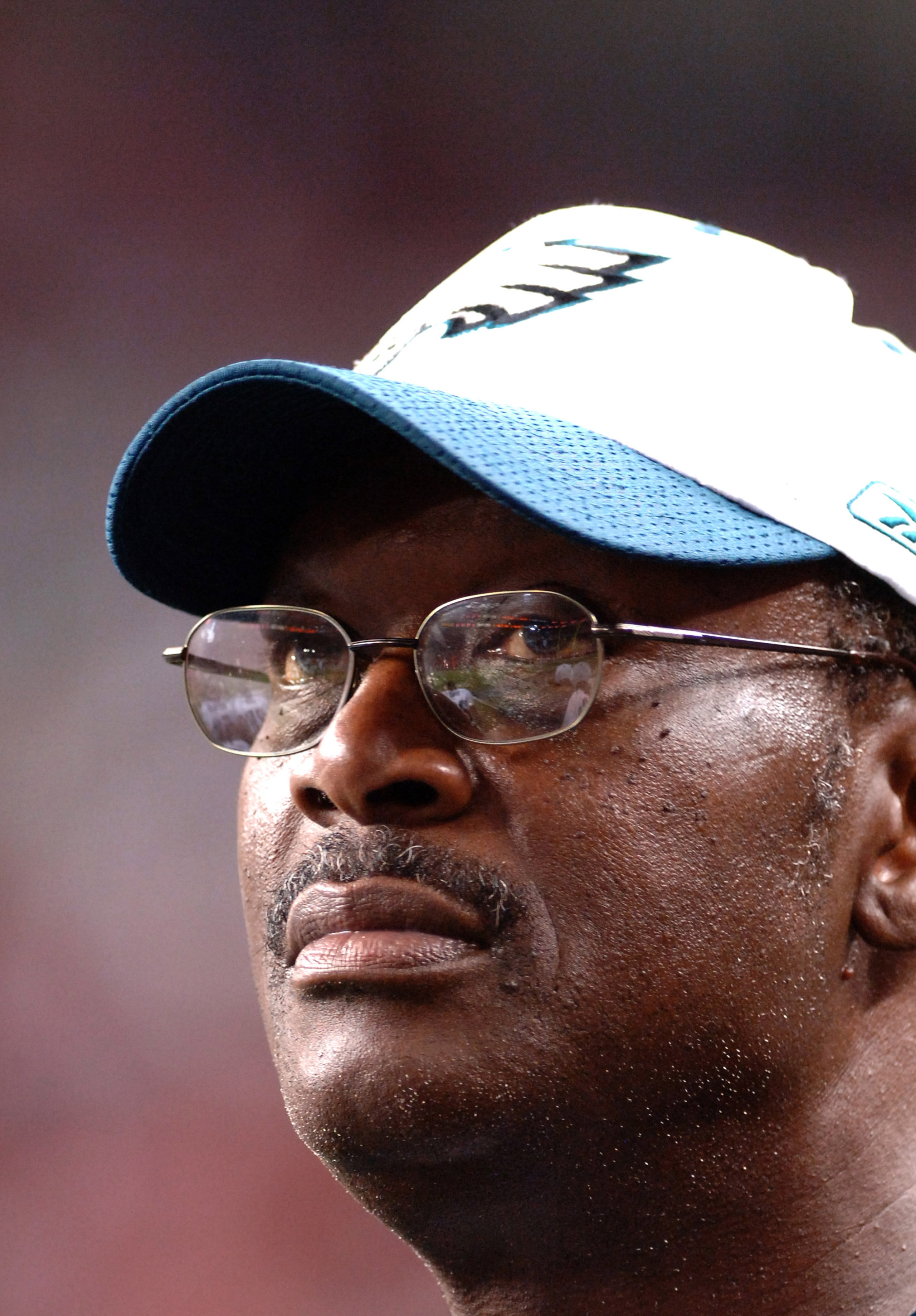
When you see that Harold Carmichael was 6'8", you wonder how he wasn't even more dominant in his career.
That little factoid aside, Carmichael was very good for the Eagles after being taken in the seventh round. He made four Pro Bowls and was a two-time second-team All-Pro in his career. His 79 career touchdown catches rank 18th all-time.
New York Giants: Harry Carson, Fourth Round, 1976 Draft
18 of 32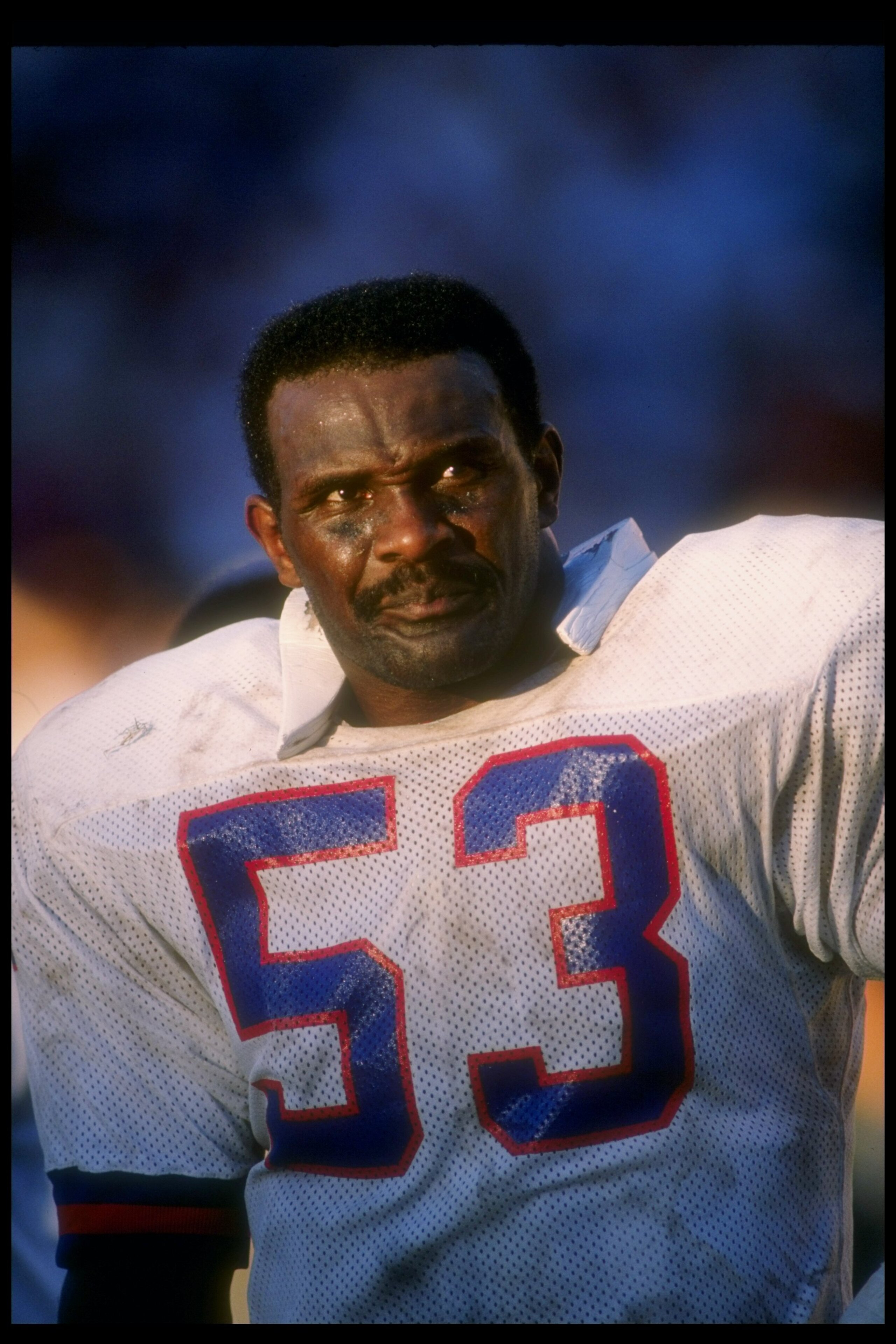
Harry Carson never quite got the recognition that he deserved, but that's due in part to playing alongside Lawrence Taylor for so many years.
Carson made nine Pro Bowls in his career. He was named to the All-Pro team a total of six times, twice on the first team, four times on the second team.
He made some controversial comments regarding the Hall of Fame in 2004 when he came so close to getting elected. Apparently, that criticism worked because he was elected in 2006—and deservedly so.
Dallas Cowboys: Roger Staubach, 10th Round, 1964 Draft
19 of 32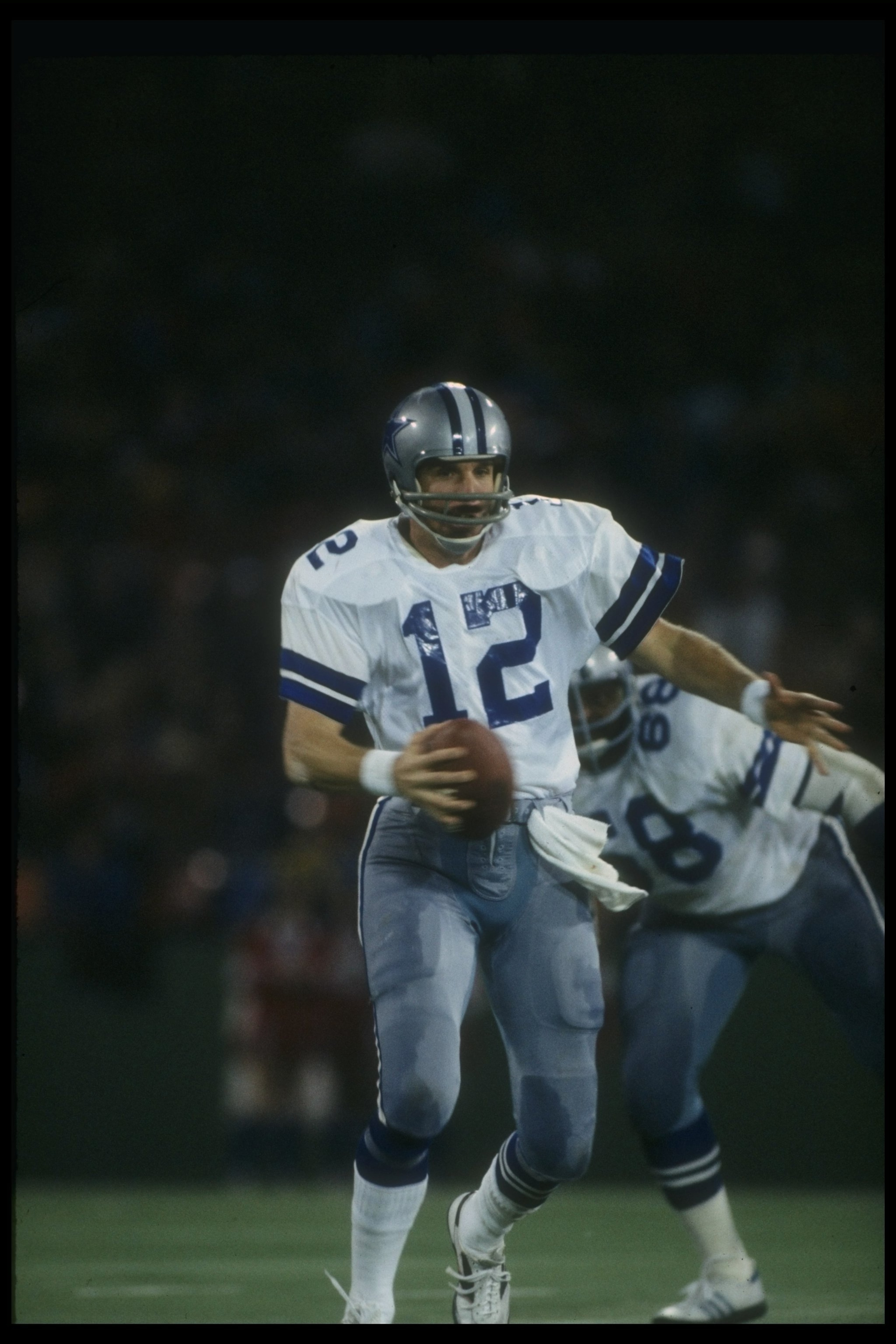
Roger Staubach was one of the best quarterbacks of the 1970's, and he was there for the taking for every team nine different times. But due to his military commitment, he lasted until the 10th round, where the Cowboys scooped him up.
Even though Staubach was drafted in 1964, he didn't start playing until 1969. As good as he was in his career, imagine how much better history would remember him if he had those five years back—not that he would want to give up his time in the military.
Washington Redskins: Larry Brown, Eighth Round, 1969 Draft
20 of 32
Larry Brown's playing career didn't last long—1969-1976—but he made an impact in a very short time. With the Redskins, Brown ran for almost 6,000 yards, including 21 100-yard games.
He was named to four consecutive Pro Bowls, two All-Pro teams and won the NFL MVP award in 1972.
Chicago Bears: George Blanda, 12th Round, 1949 Draft
21 of 32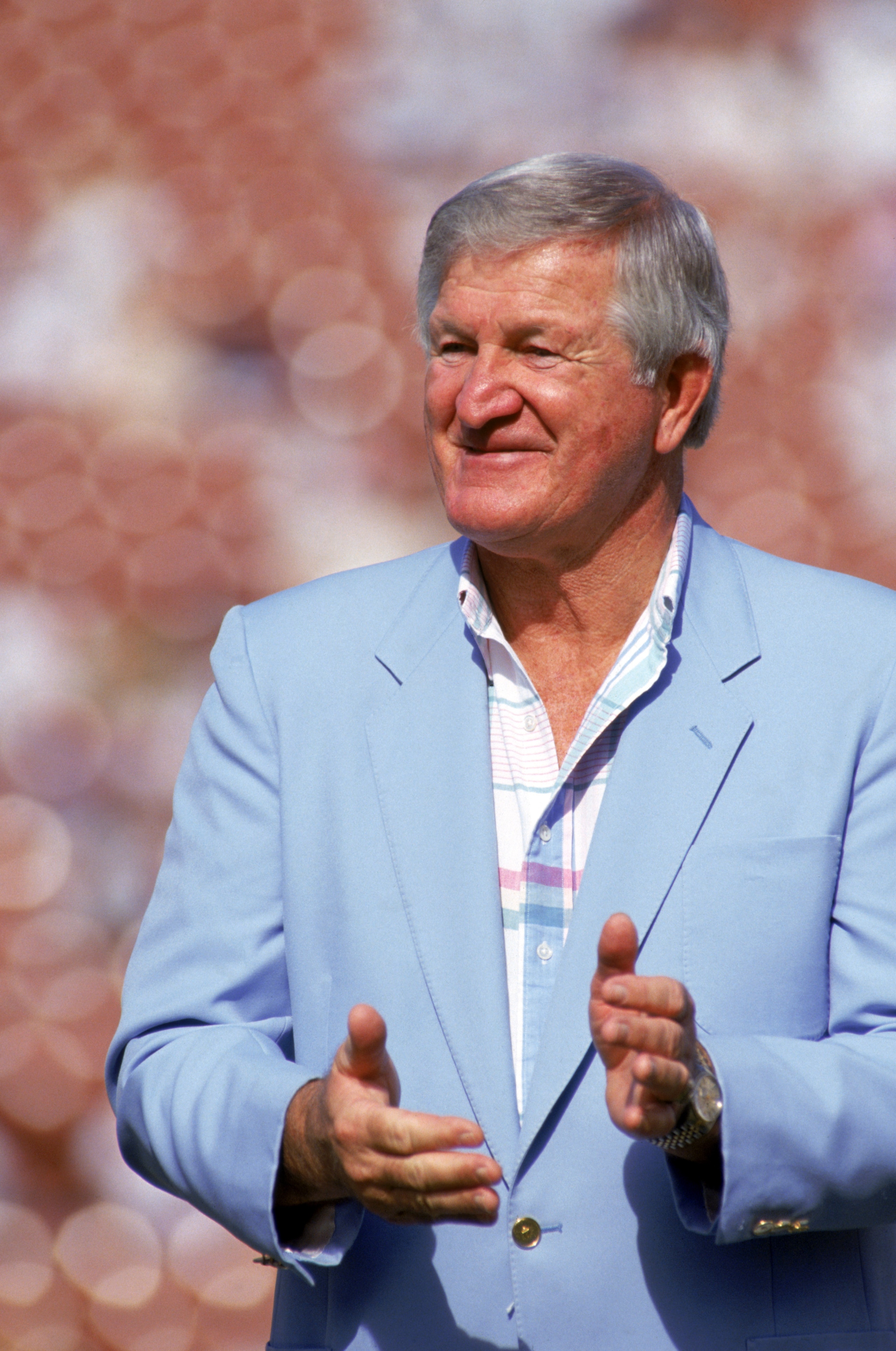
Even though George Blanda made his name with the Oilers and Raiders, the fact that he was a 12th-round pick for the Bears makes this pick a great steal.
Blanda was one of the great football "players" of all-time. Throughout his career, he played quarterback, kicker and linebacker. He clashed with George Halas, owner of the Bears, many times early in his career, which led to his departure from the team.
Green Bay Packers: Bart Starr, 17th Round, 1956 Draft
22 of 32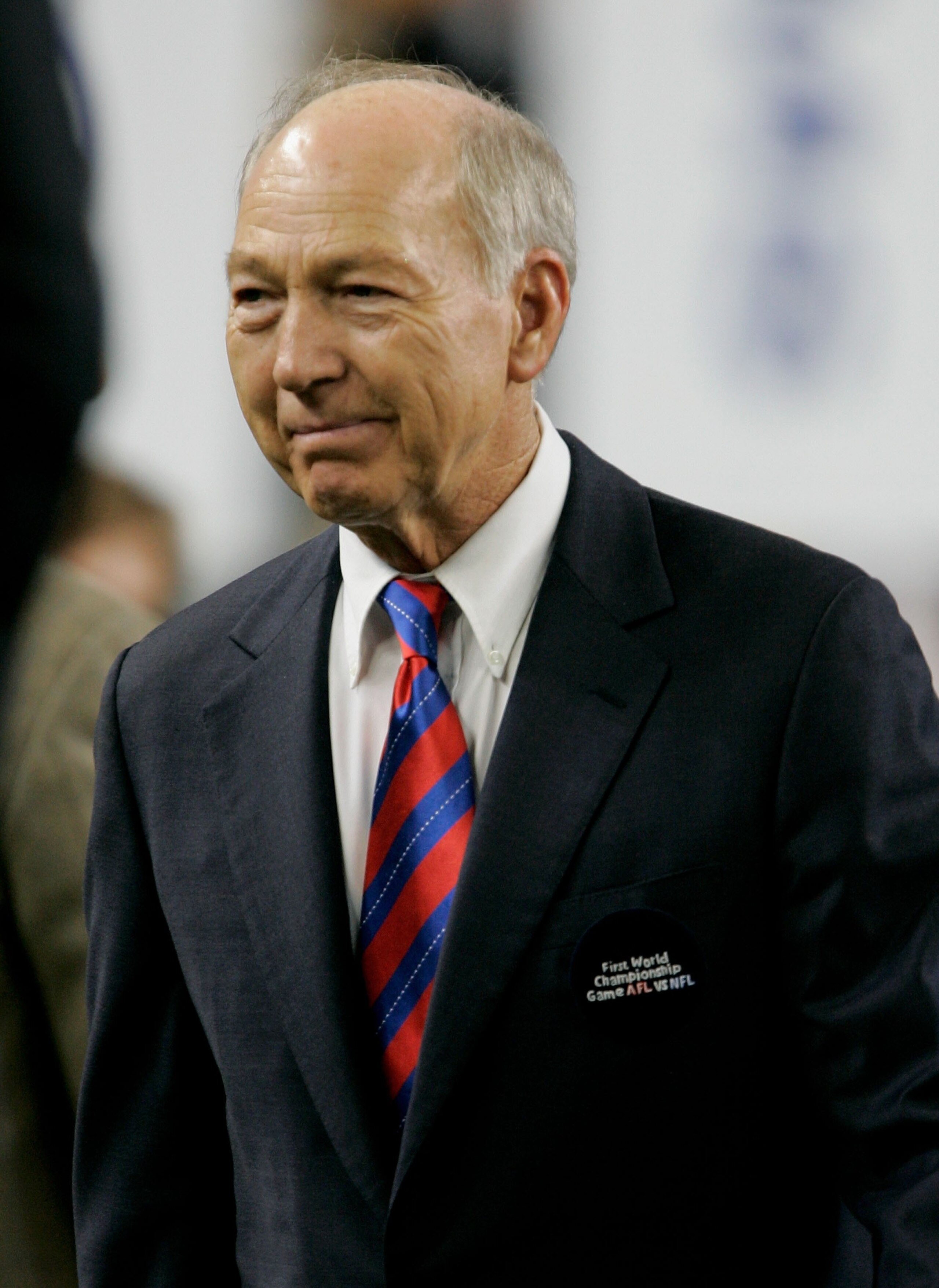
Bart Starr was the engineer that controlled everything for the Green Bay Packers from 1956-71. He led the team to five NFL championships, including three straight from 1965-67, was named to four Pro Bowls, won two Super Bowl MVP awards and an NFL MVP award in 1966.
Starr is also one of the most respected and admired players in the history of the NFL, even having an award named after him, the Bart Starr Award, which recognizes great character.
Detroit Lions: Joe Schmidt, Seventh Round, 1953 Draft
23 of 32
The Lions have had a tough go of things lately but look to be on the upswing. One of the best draft picks in franchise history was Joe Schmidt, a linebacker who played at Pitt.
Schmidt made 10 Pro Bowls in his 12-year career, was named first-team All-Pro team eight times and won two NFL championships. He was named to the all-decade team in the 1950's.
Minnesota Vikings: Fran Tarkenton, Third Round, 1961 Draft
24 of 32
Before Dan Marino, Brett Favre and Peyton Manning moved ahead of him, Fran Tarkenton held the NFL record for most career touchdown passes with 342. He also threw for over 47,000 yards, which is good enough for sixth all-time.
He is one of the greatest dual-threat quarterbacks in NFL history. He ran for 3,674 yards in his career and 32 touchdowns. There aren't a lot of quarterbacks in league history who were better athletes than Tarkenton.
Atlanta Falcons: Jamal Anderson, Seventh Round, 1994 Draft
25 of 32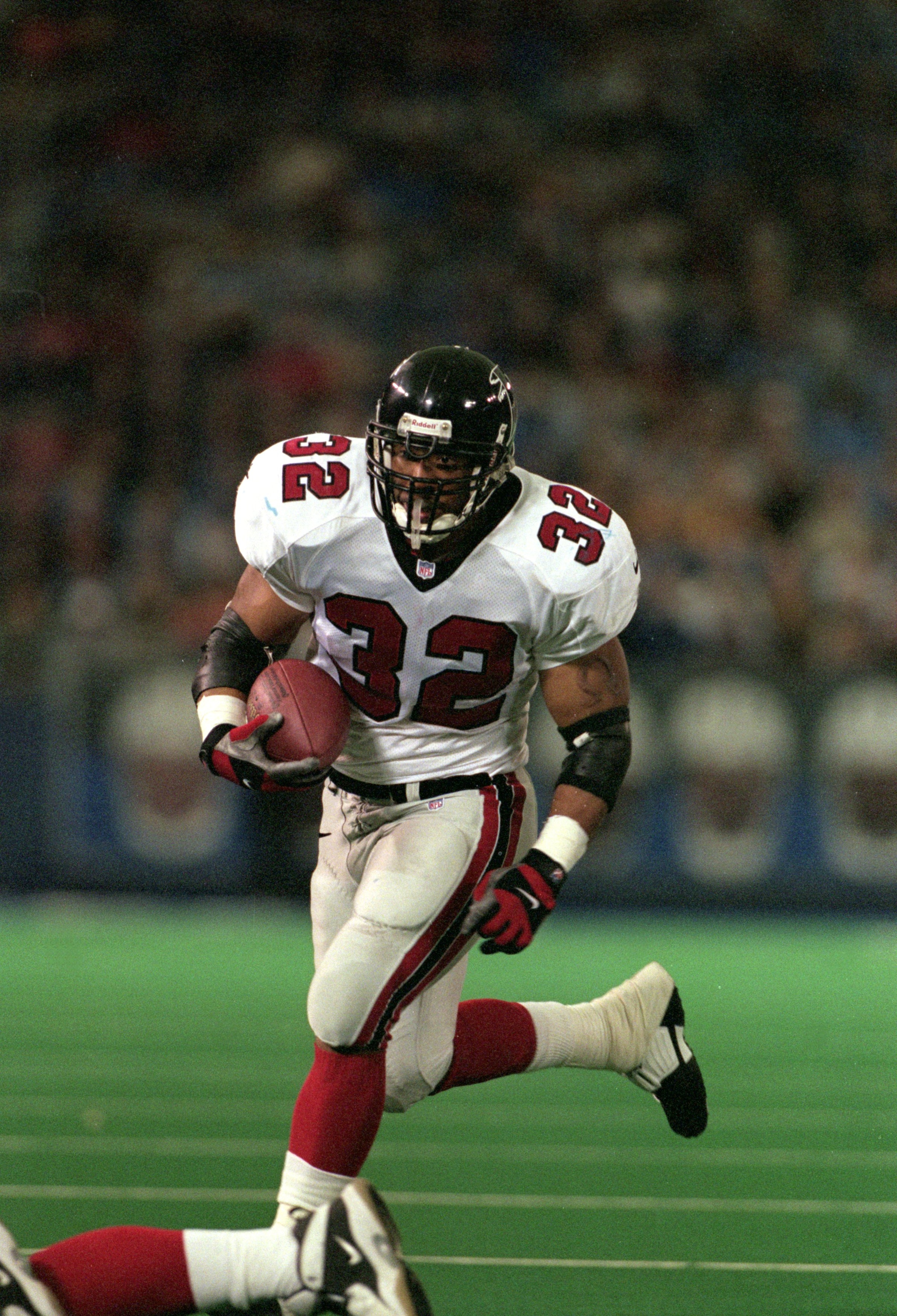
Jamal Anderson didn't have a long career—it ended with a severe knee injury in 2001—but he ran for over 1,000 yards four times in his short career. His best year came in 1998, when the Falcons made the Super Bowl and he ran for 1,846 yards and 14 touchdowns.
Of course, his biggest contribution to the Falcons was when he started doing the "Dirty Bird" dance in 1998.
New Orleans Saints: Marques Colston, Seventh Round, 2006 Draft
26 of 32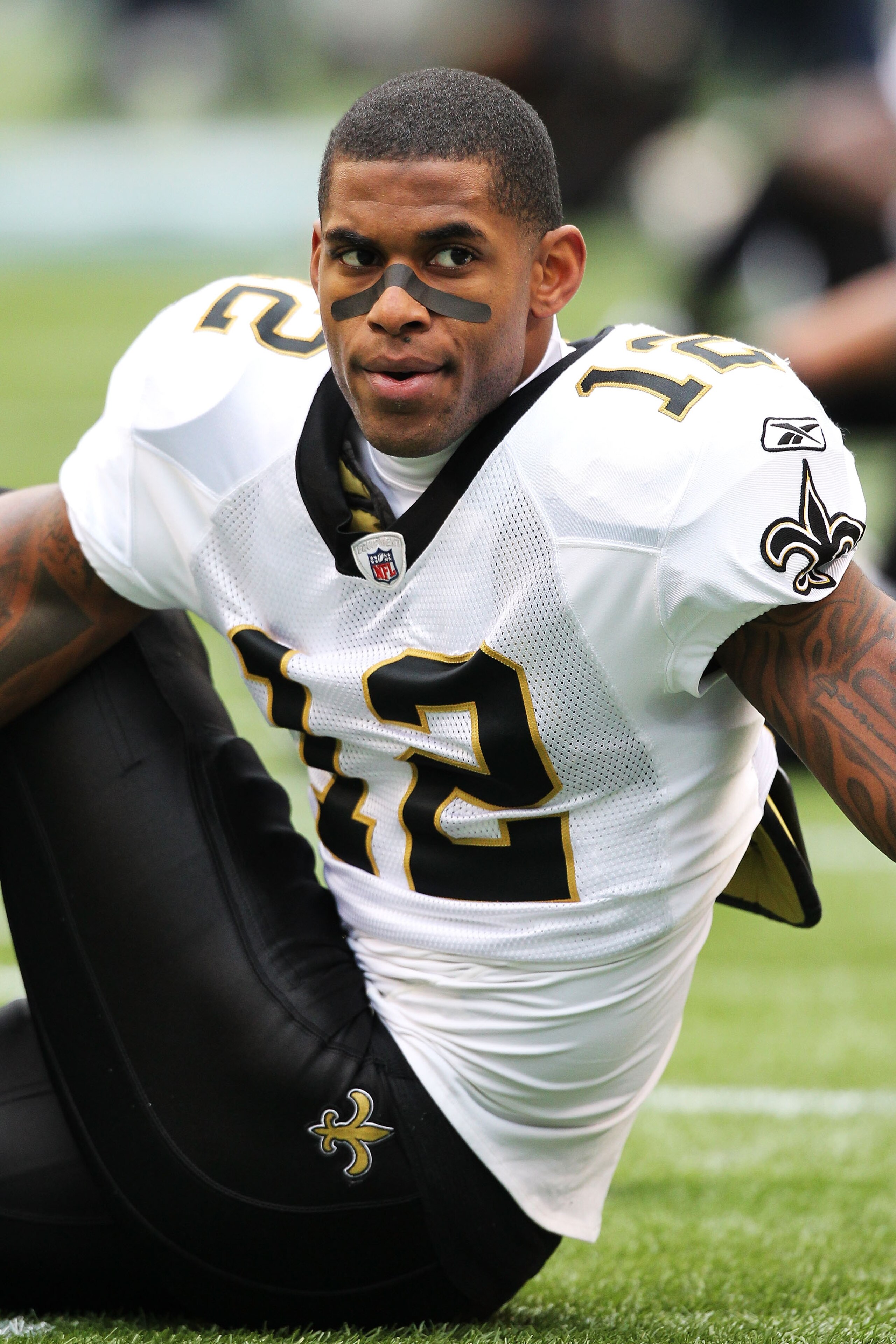
Marques Colston is proof that even the best NFL evaluators and analysts know almost nothing about evaluating talent.
He was drafted with the 252nd overall pick—three picks away from not being drafted at all—and he has been a great receiver in each of his five seasons. He has had at least 1,000 receiving yards in four of his five seasons and at least five touchdown catches in every season he has played.
Tampa Bay Buccaneers: John Lynch, Third Round, 1993 Draft
27 of 32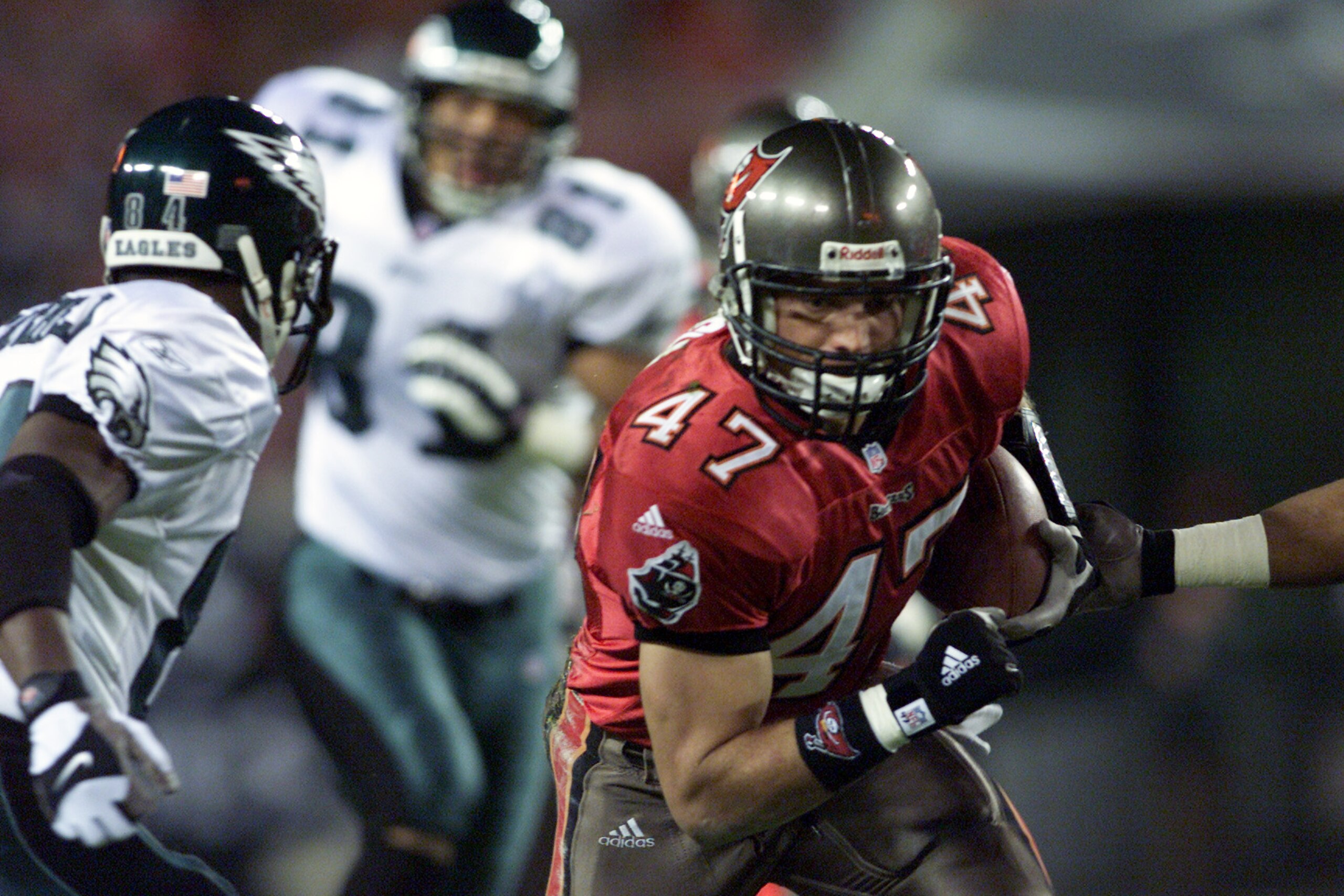
Tampa Bay was a laughingstock for a long time, but things really turned around for them in the 1990's, and a big reason for that was their drafting during that decade. One of the best picks in team history was John Lynch in 1993.
Lynch was elected to nine Pro Bowls, he made the All-Pro first team twice and was an anchor in the secondary for years.
Carolina Panthers: Steve Smith, Third Round, 2001 Draft
28 of 32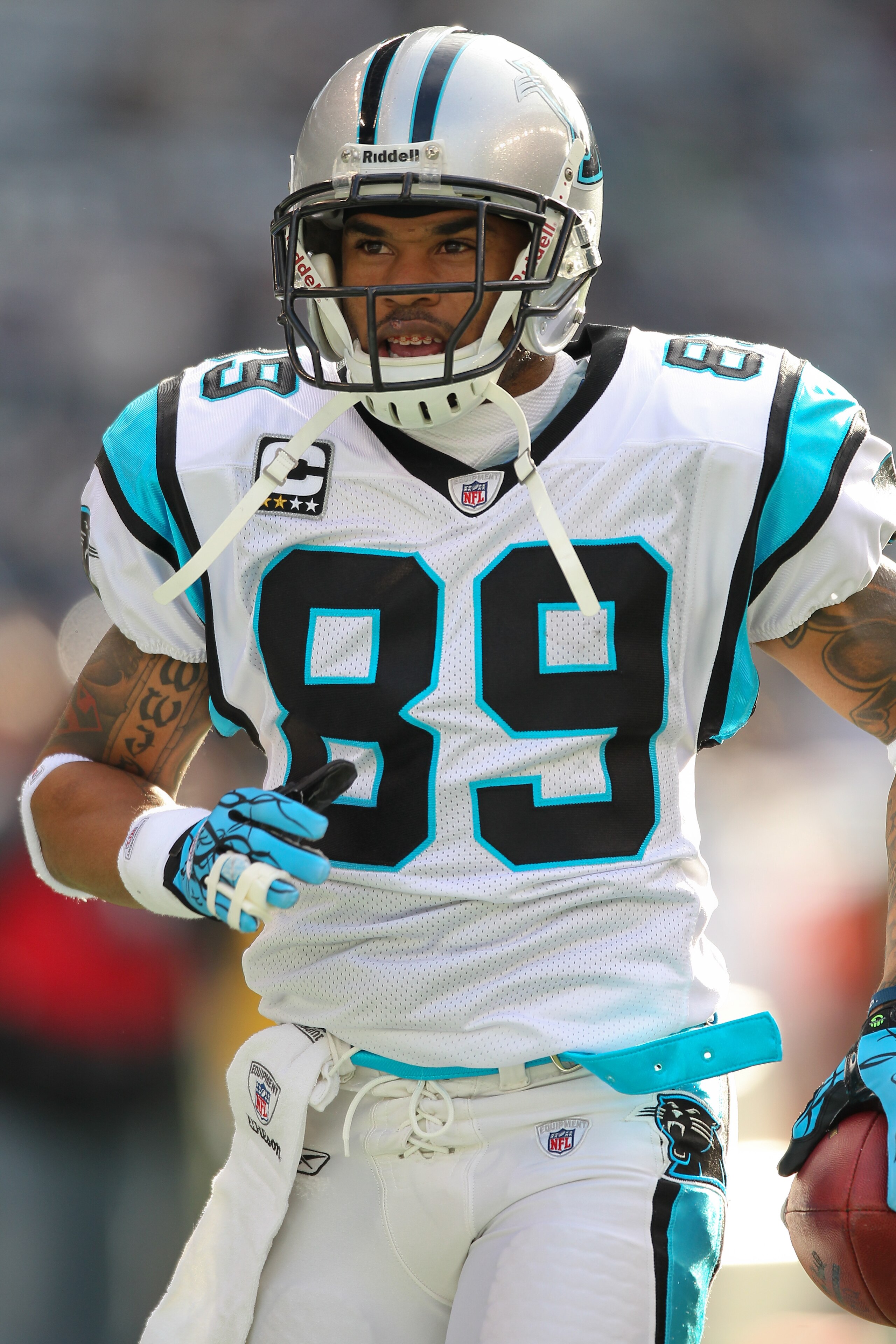
Steve Smith was thought to be too small to play receiver in the NFL. At only 5'9", there was no way he would be able to handle the size of these NFL defensive backs and safeties.
Well, Smith has proved those people wrong, with nearly 9,000 receiving yards and 52 touchdown catches in his career.
Seattle Seahawks: Steve Largent, Fourth Round, 1976 Draft
29 of 32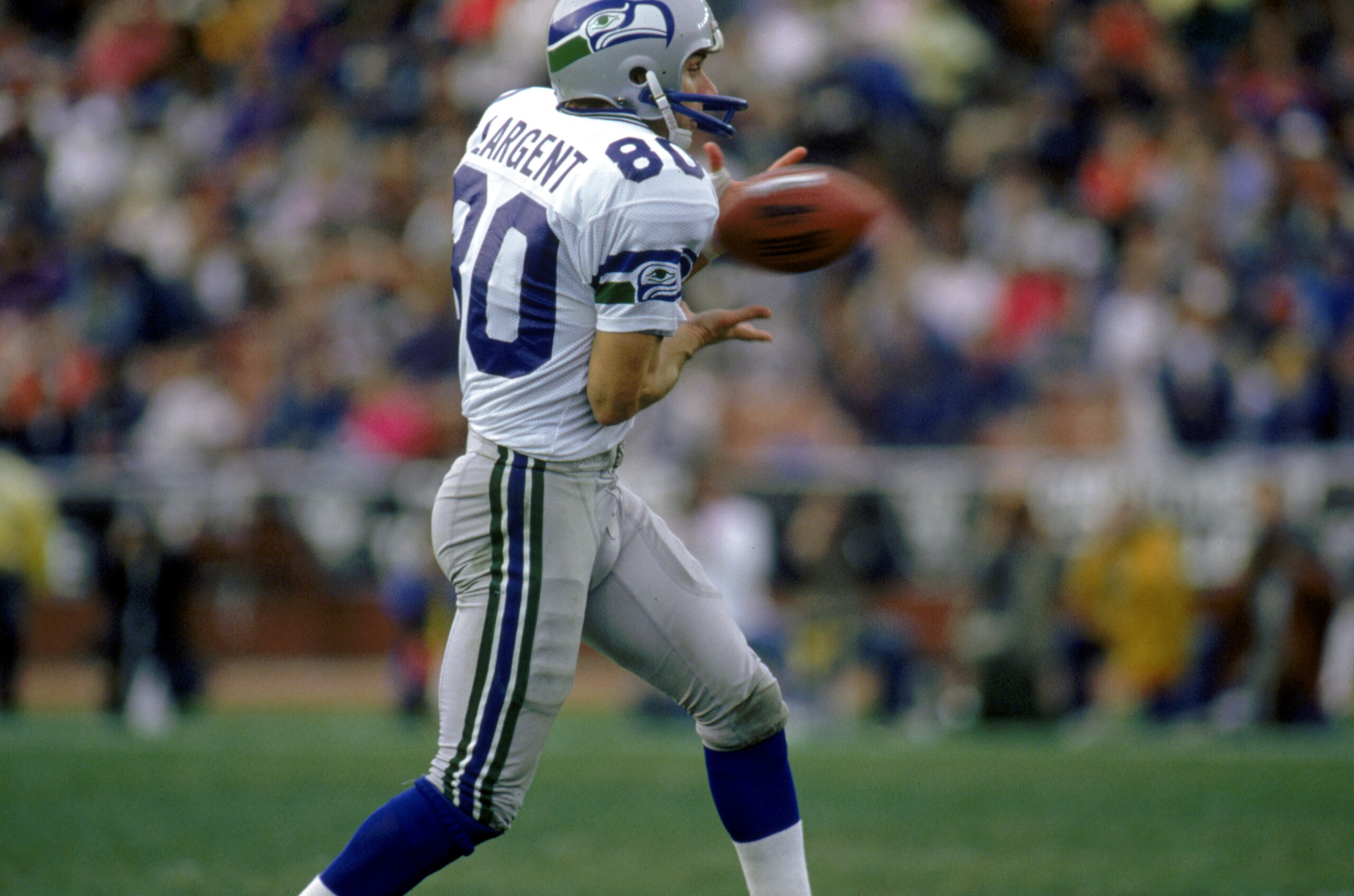
Before Jerry Rice came along, Steve Largent was the best receiver in NFL history, at least based on numbers.
Largent held the NFL record for most receptions (819), yards (13,089), touchdown catches (100) and most consecutive games with at least one catch (177).
St. Louis Rams: Norm Van Brocklin, Fourth Round, 1949 Draft
30 of 32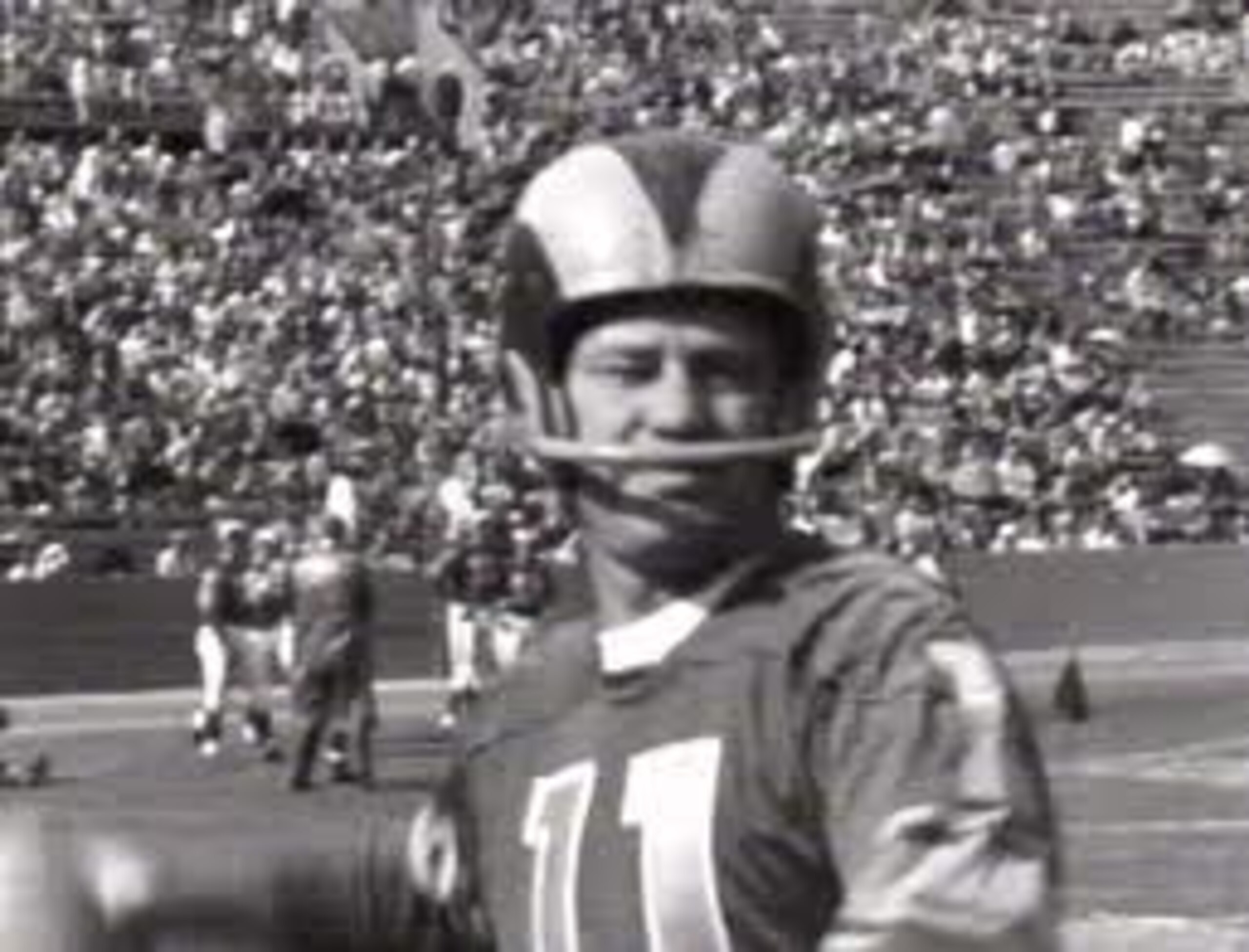
This goes back to the Los Angeles Rams days, but no matter, because he is still a great steal in NFL draft history.
Van Brocklin was named to nine Pro Bowls, won two NFL championships, threw for 23,611 yards and won an NFL MVP award. He led the Rams to a then-NFL record 466 points in 1950—the average of 38.8 points per game is still an NFL record.
San Francisco 49ers: Joe Montana, Third Round, 1979 Draft
31 of 32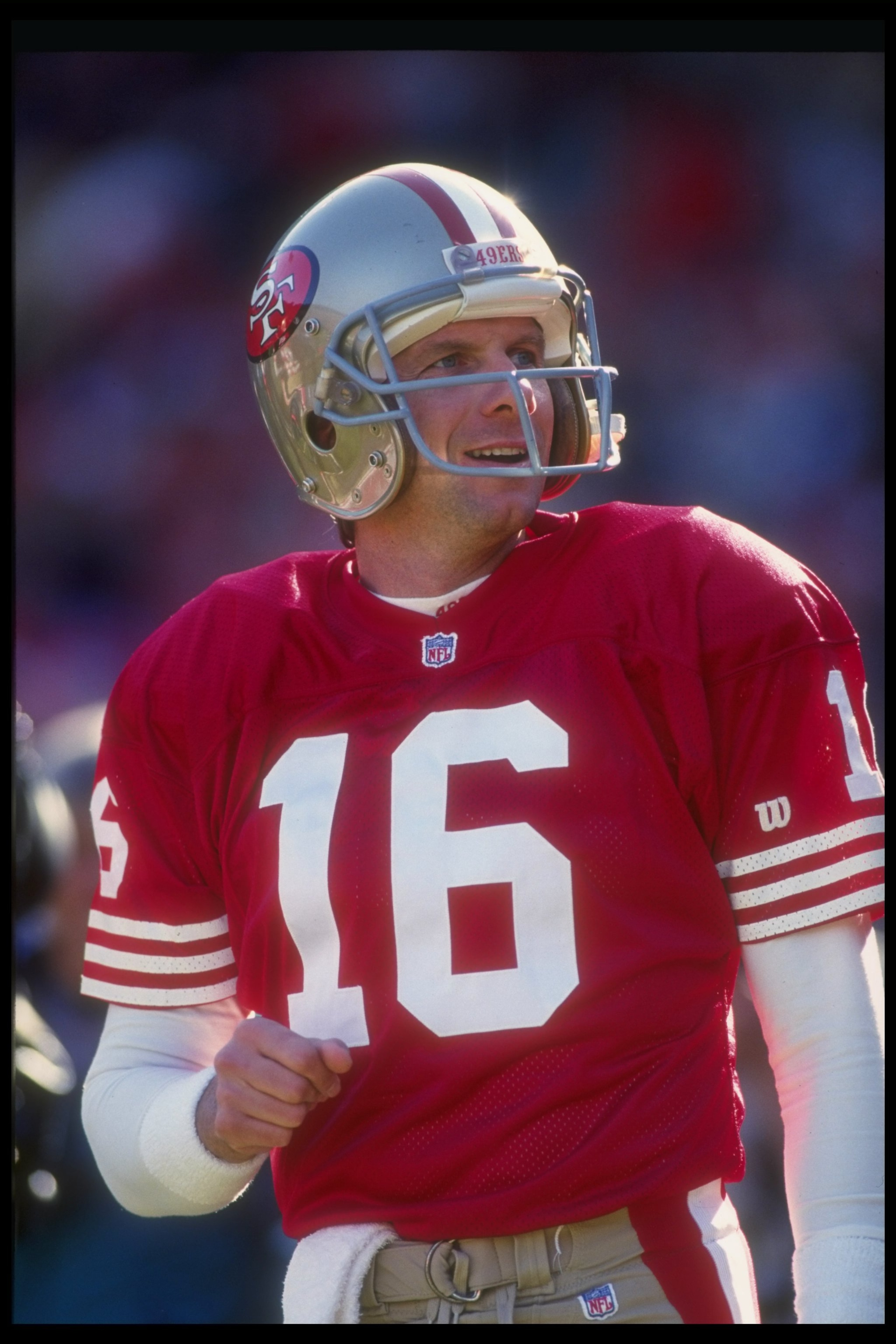
Four Super Bowl titles? Check.
Three Super Bowl MVP awards? Check.
Two NFL MVP awards? Check.
The greatest quarterback in NFL history? Check.
Arizona Cardinals: Larry Wilson, Seventh Round, 1960 NFL Draft
32 of 32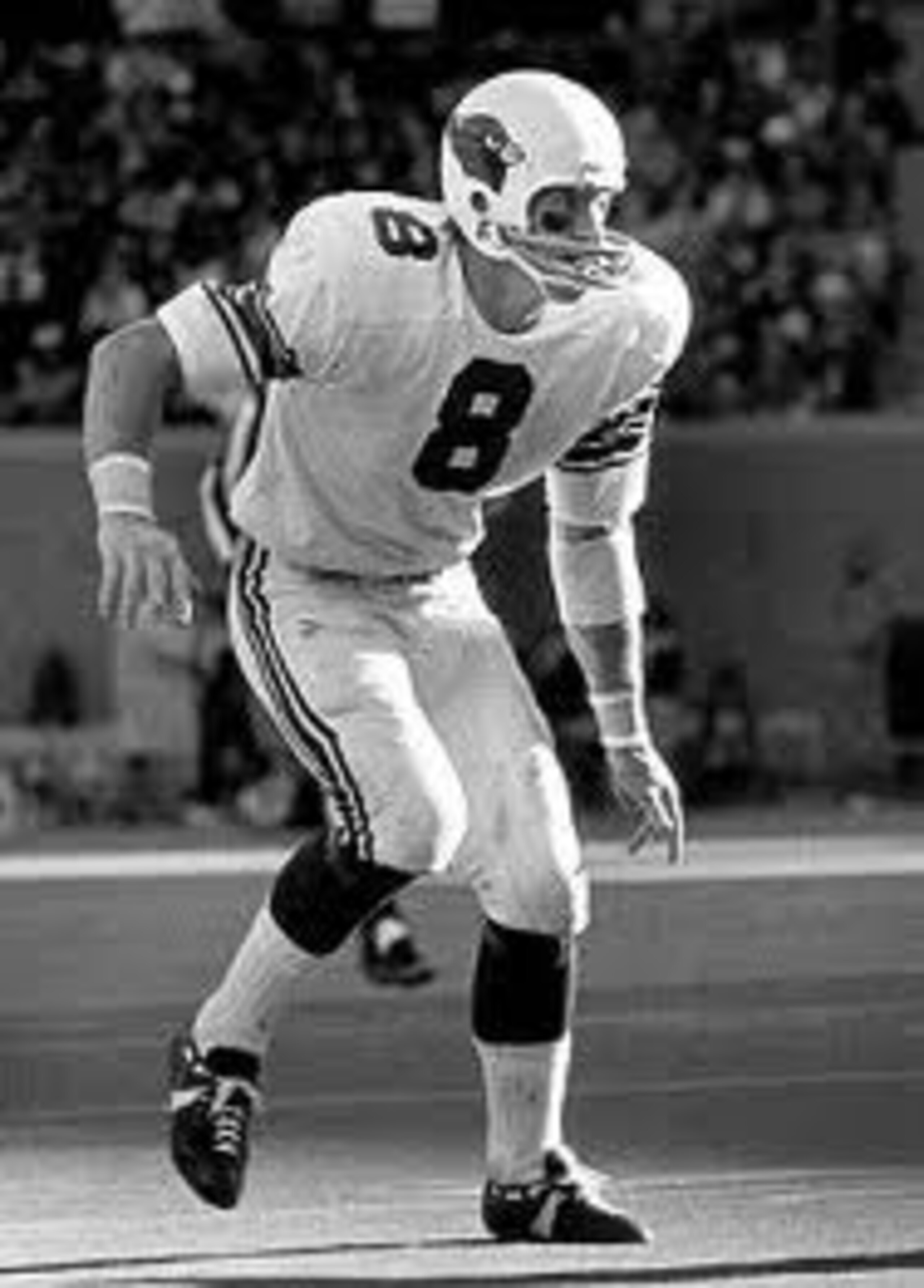
When the St. Louis Cardinals drafted Larry Wilson in the seventh round, it was as a cornerback. He made the move to free safety and helped change the game with the help of his defensive coaches.
Wilson, who was nicknamed "Wildcat," is credited with establishing the safety blitz, and the play was named "Wildcat" for Wilson.
That's not all he did, as he made eight All-Pro teams, was named to the NFL all-decade team in both the 1960's and 1970's, as well as the 75th anniversary team.
.jpg?w=2560 "Vikings Lions Football")