
Spring Training 2011: Bryce Harper and the 25 Most Overhyped Prospects Ever
Every year during spring training, there are some prospects that are much more hyped up than others.
As we saw last year when he reached the majors, Stephen Strasburg lived up to the hype. However, for every player like Strasburg, there is another player who is undeserving of the hype that he receives.
25) Bryan Bullington
1 of 25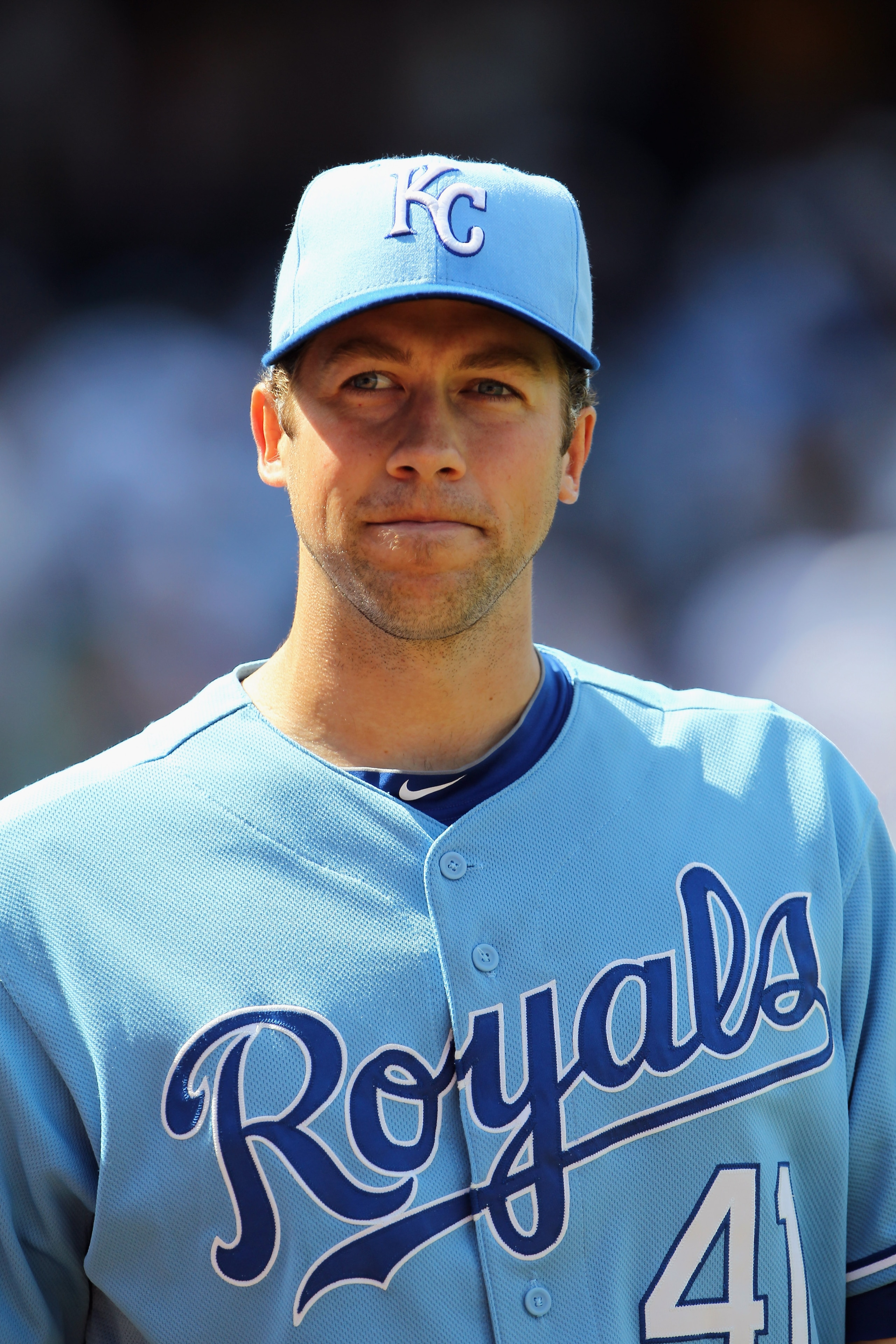
Bullington was the No. 1 overall pick in the 2002 MLB draft. Now, just nine years later, he is playing for the Hiroshima Carp in Japan. He only added to the hype when in his first season he went 13-5 with a 2.52 ERA between A and High-A ball.
Bullington's first of his just 49 major league appearance came in 2005, just three years after he was drafted. He ended his major league career with a 1-9 record and a 5.62 ERA in just 84-and-a-third innings pitched.
24) Rocco Baldelli
2 of 25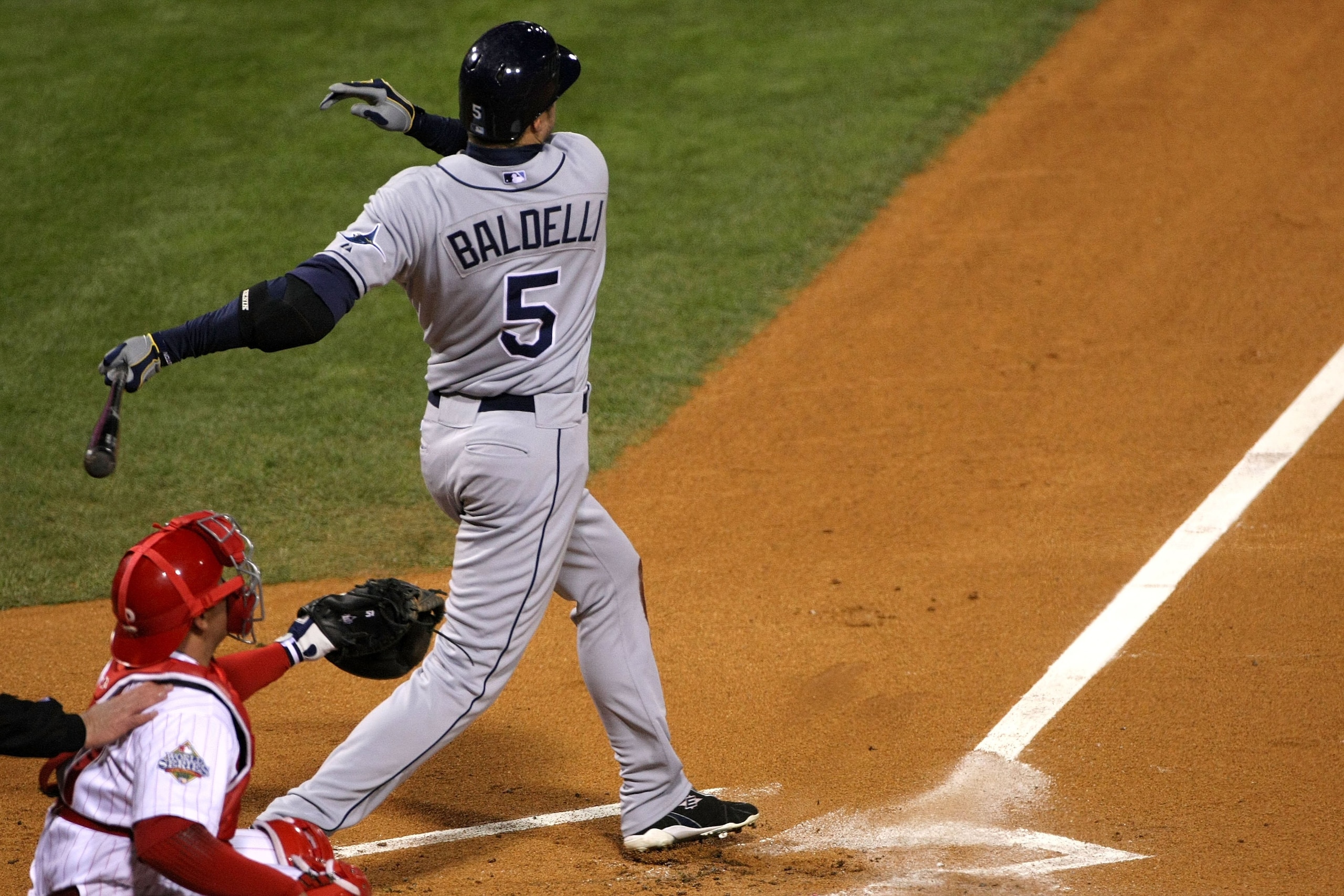
Baldelli was the sixth overall draft pick in the 2000 MLB draft. After a few strong years in the minors, Baseball America, along with a large number of scouts, thought that Baldelli would be a star.
It appeared as if this was true as Baldelli had two solid years to start his career. However, he then tore his ACL.
Baldelli recovered and posted a strong season in 2006. Soon after, Baldelli began suffering from a mysterious muscular disorder that was eventually determined to be Channelopathy.
He was never the same player. The Red Sox still believed in his potential in 2009 as they offered up a $500,000 base deal that could have been worth $6.75 million with incentives.
23) Andy Marte
3 of 25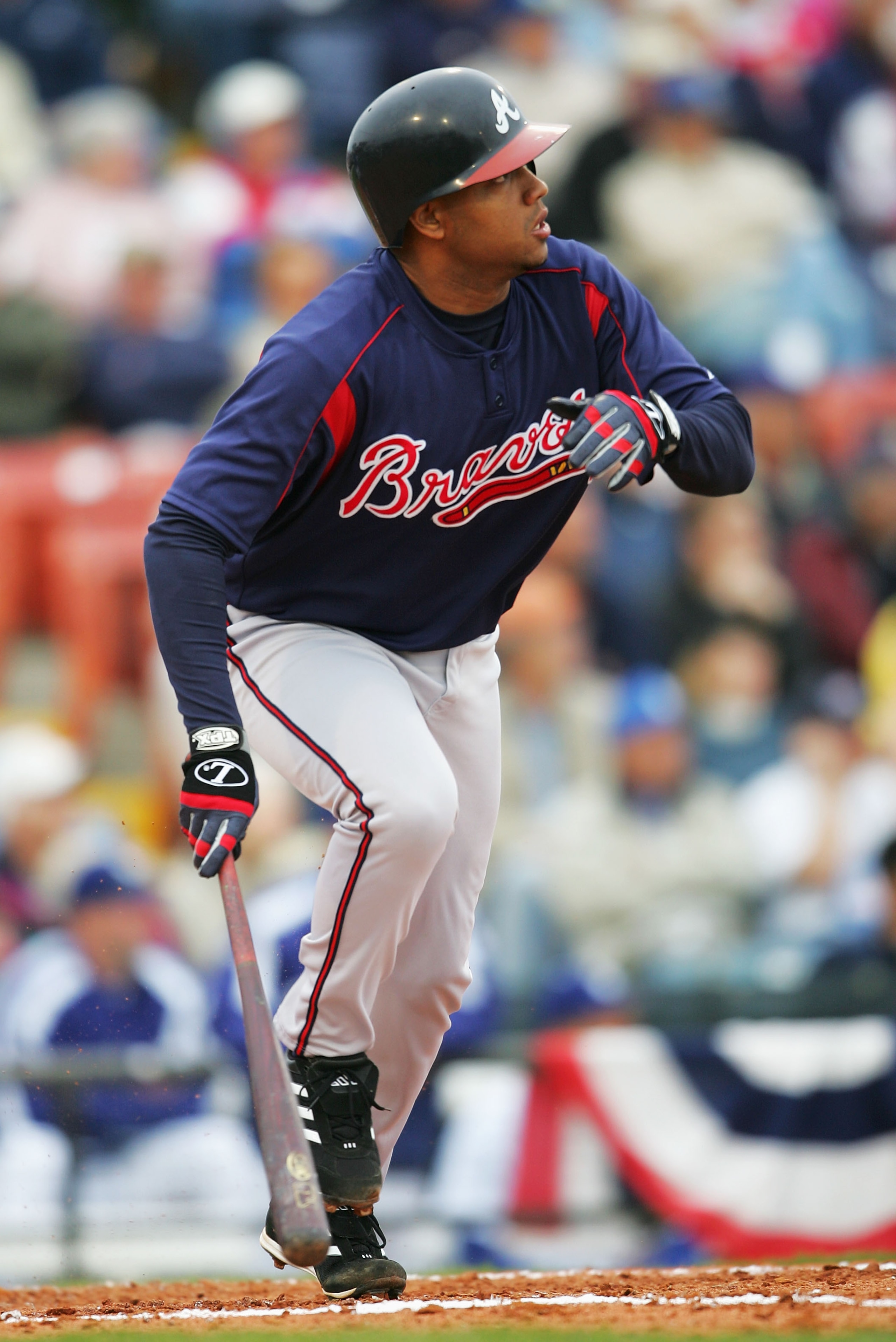
The Braves were convinced that Marte would eventually be their third baseman of the future after he tore up the minors while he was between the ages of 18 and 21. Baseball America shared this sentiment as well. They ranked Marte a top-15 prospect three times, and he was also ranked No. 40 once.
However, the production that Marte had in the minors did not translate into the majors. In 301 career games, Marte has hit just .218 with 20 home runs and 96 RBI.
.png?w=2560 "MLB Power Rankings")
22) Brandon Wood
4 of 25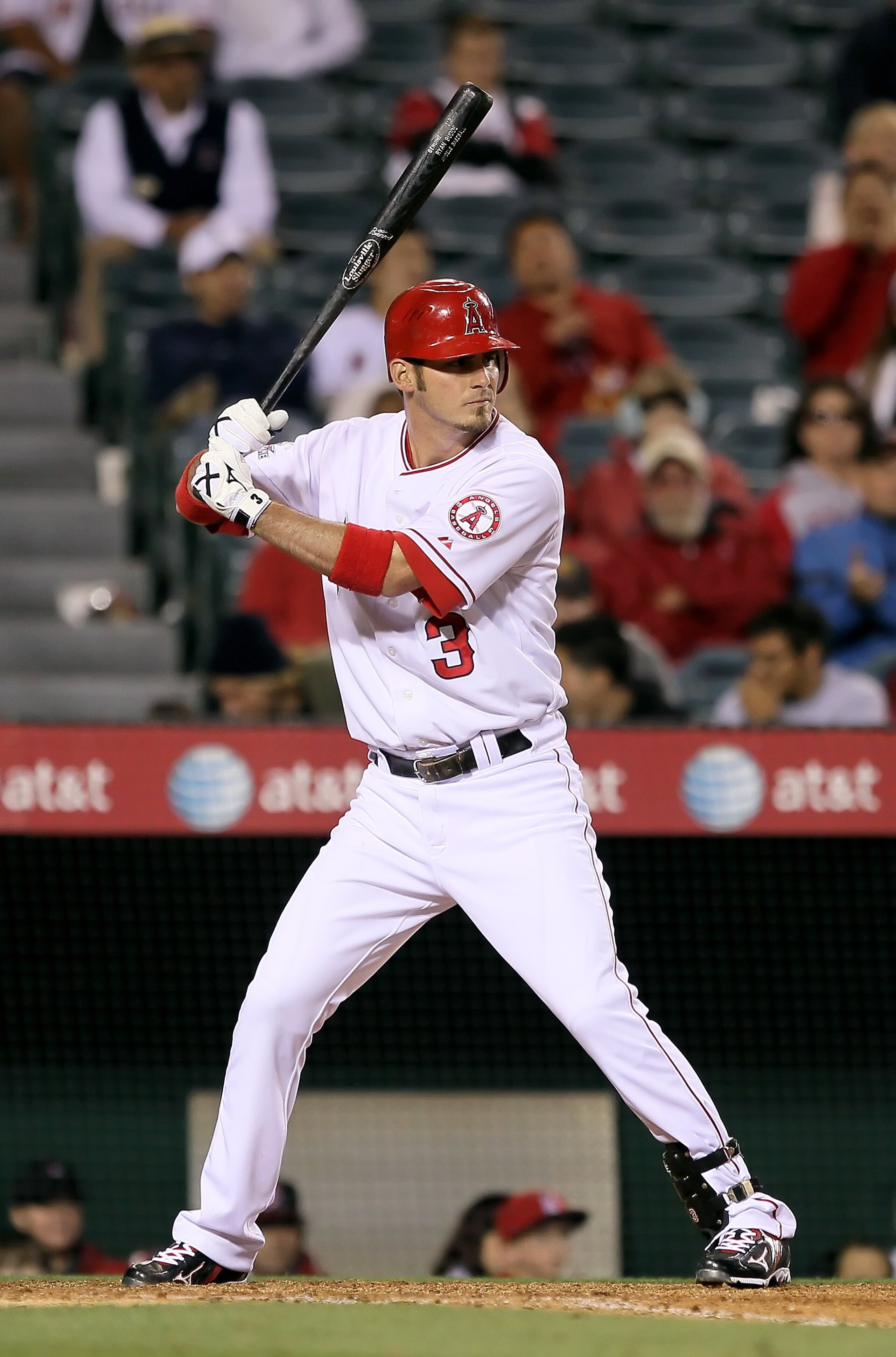
It seems like every year is supposed to be the year that Wood breaks out. After he hit 43 home runs in the minors in 2005, Baseball America ranked Wood as the No. 3 prospect in baseball before the 2006 season. This is one of four times that Wood was on the list.
Wood has had nothing but struggles during his appearances in the majors. He has just a .169 batting average in 167 games. Wood's power never materialized in the majors either. He has just a .091 ISO in his major league career. As a point of comparison, Michael Bourn has a .085 career ISO.
21) Joe Borchard
5 of 25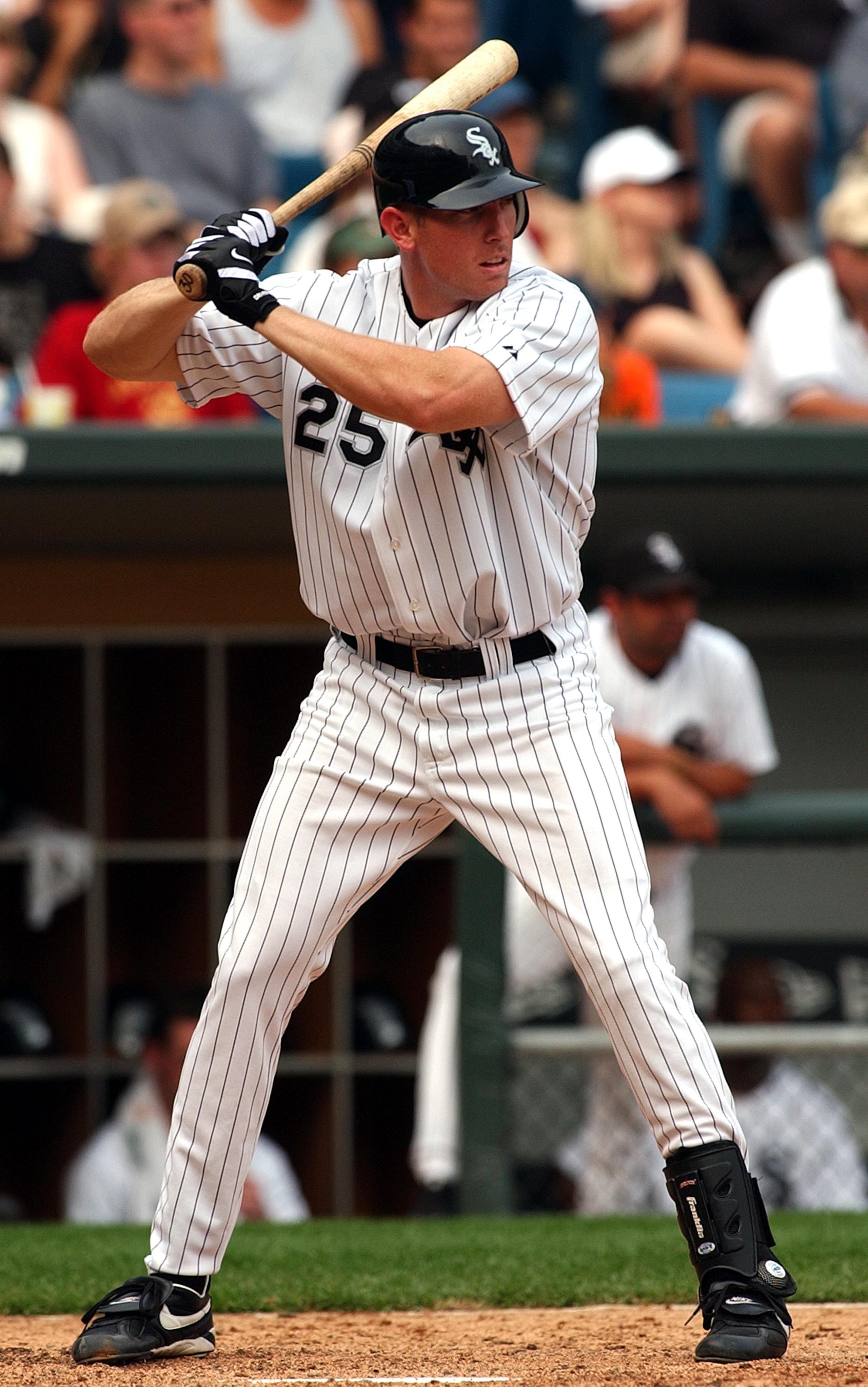
Borchard spend just three years in the minors before he made his major league debut. Before each of those season, he was never ranked lower than the 28th-best prospect in baseball by Baseball America.
However, Borchard never performed anywhere close to that level. The White Sox thought that they would have a power-hitting outfielder for years to come. They were wrong, as Borchard never hit more than 10 home runs in a season and had just 26 during his six-year career.
20) Bob Hamelin
6 of 25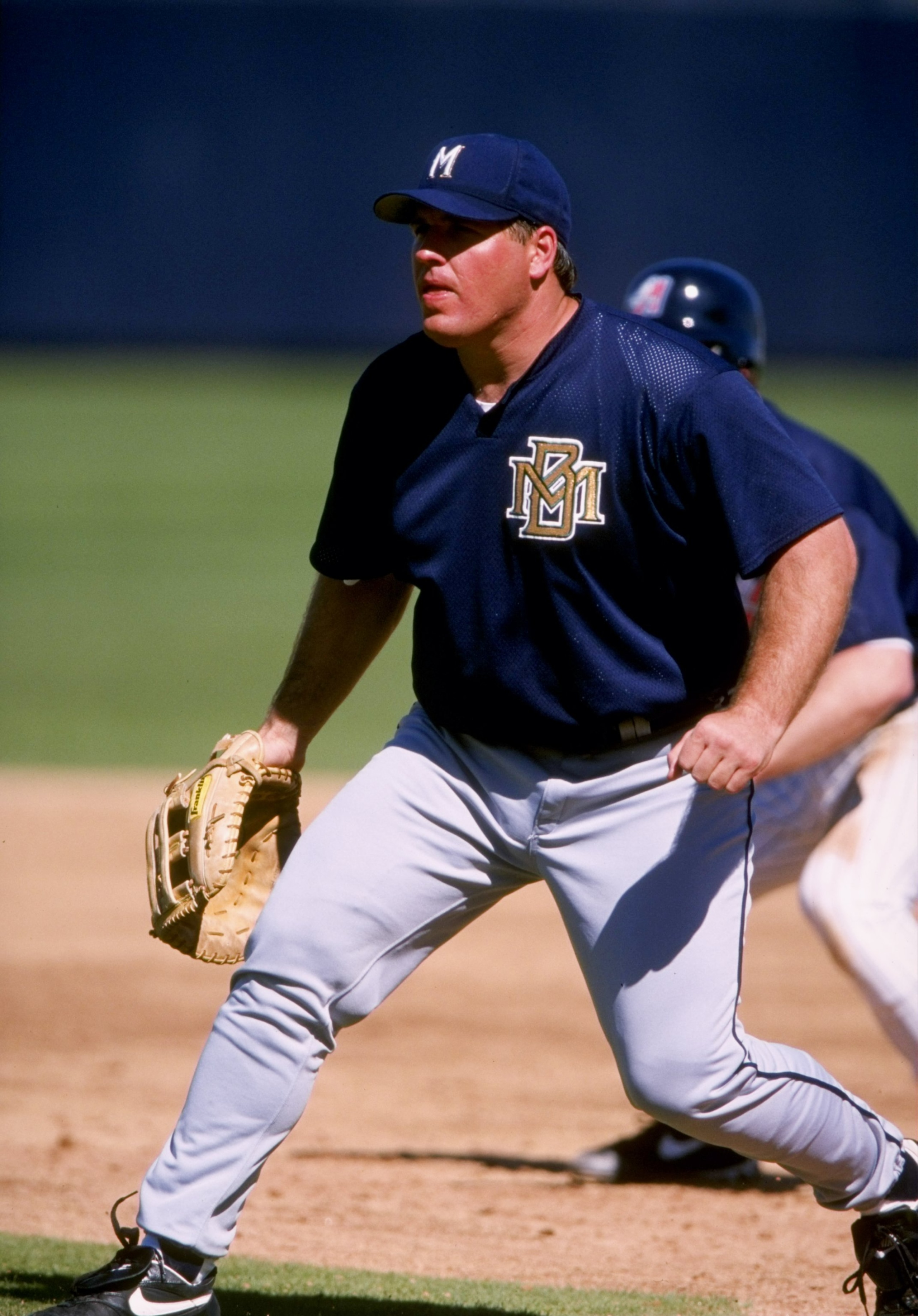
Before the 1990 season, Baseball America ranked Hamelin as the 31st-best prospect in baseball. It took a while, but in 1994, it appeared that Hamelin had finally proved them right. He had an outstanding season and was named AL Rookie of the Year.
This led to even more hype around Hamelin. However, he never came anywhere close to matching it. He would go on to hit just 43 home runs in the next four seasons, and then, he was out of baseball.
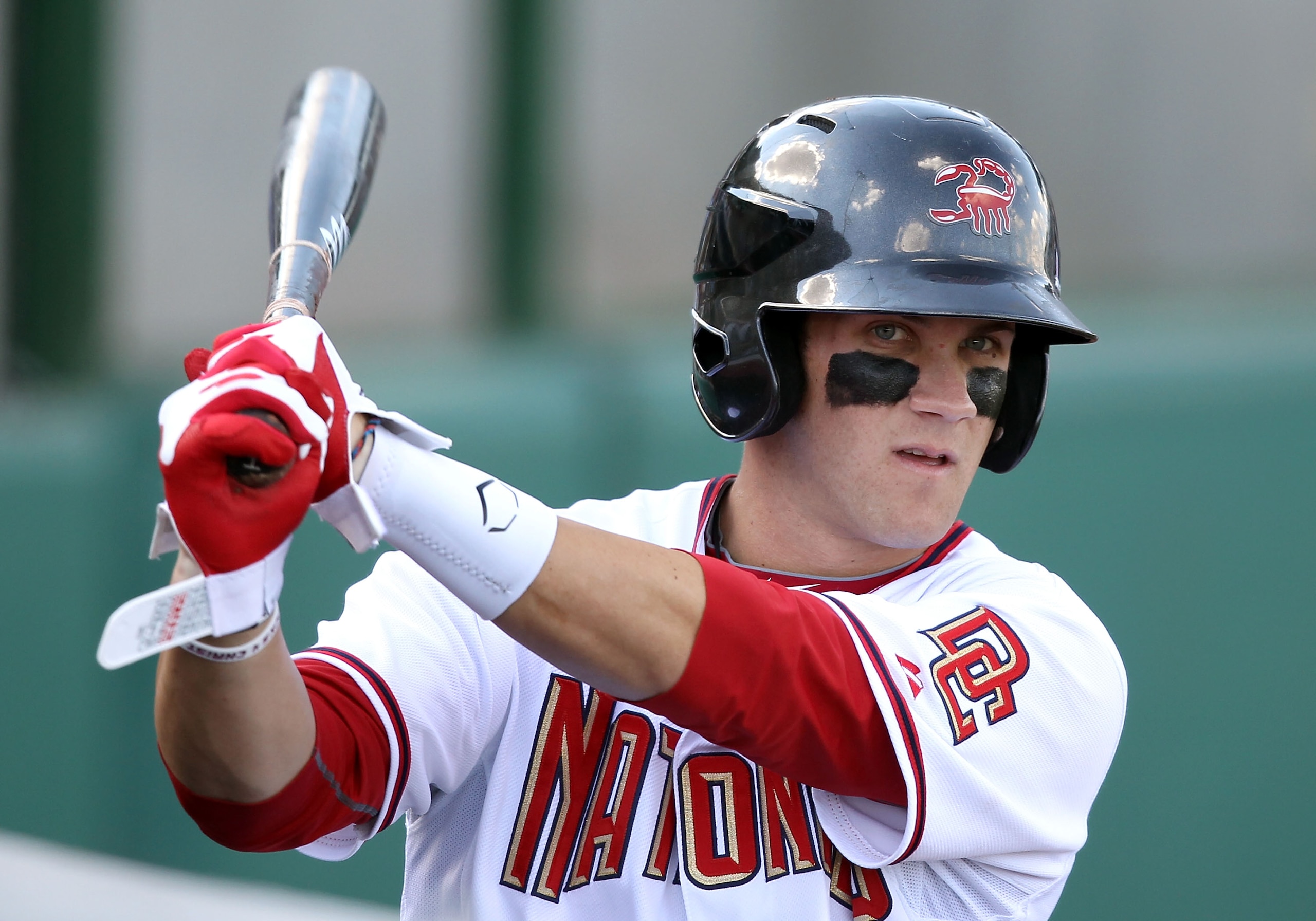
19) Bryce Harper
7 of 25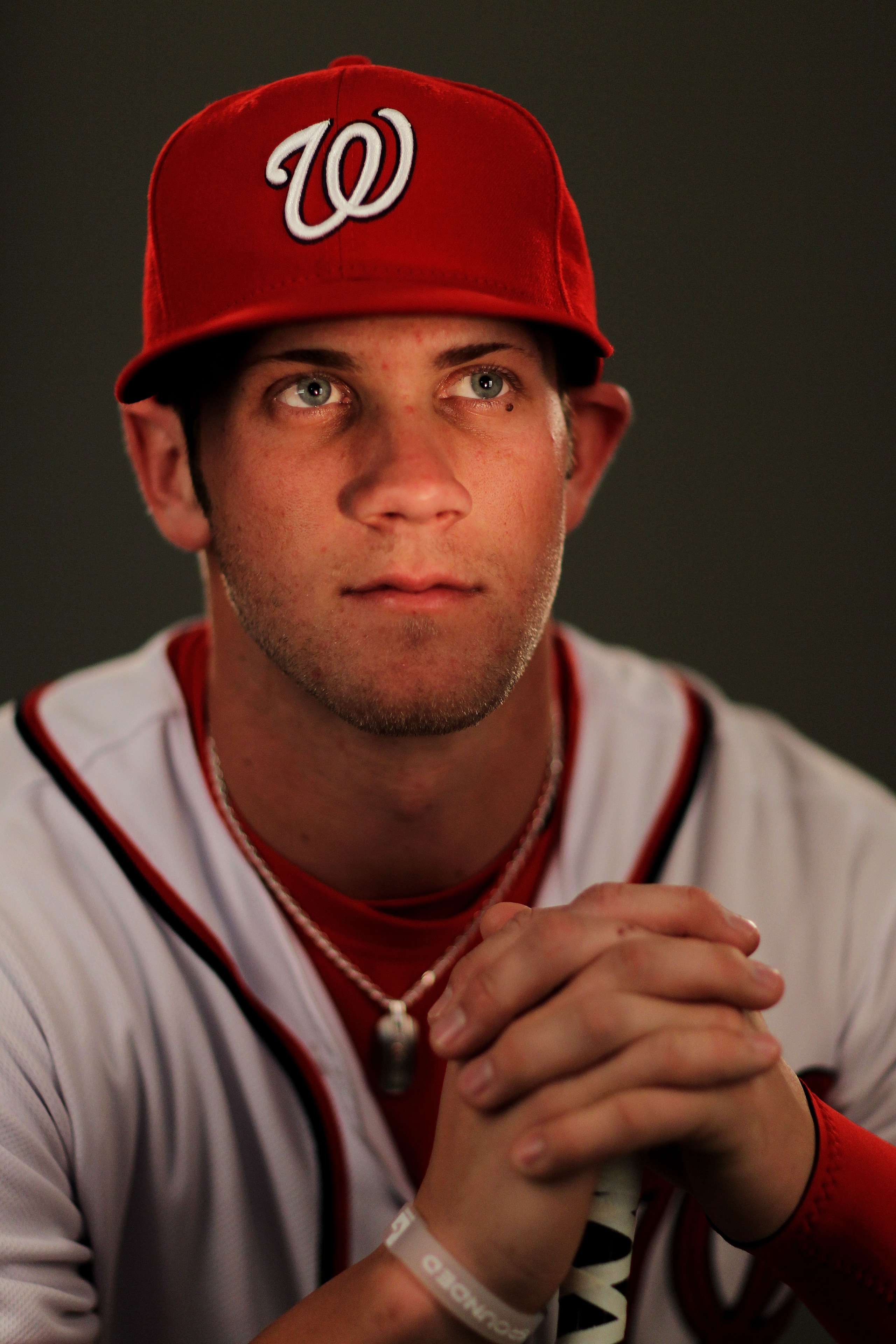
Harper has not played a single minor league game, and yet, he is Baseball America's top prospect for the 2011 season. He was featured on the cover of ESPN while he was still in high school.
The hype surrounding Harper may be warranted, but the problem is that there is just so much. Expectations just seem to be unreasonable. Harper may eventually turn into an outstanding player, but for now, he is overhyped.
18) Gregg Jefferies
8 of 25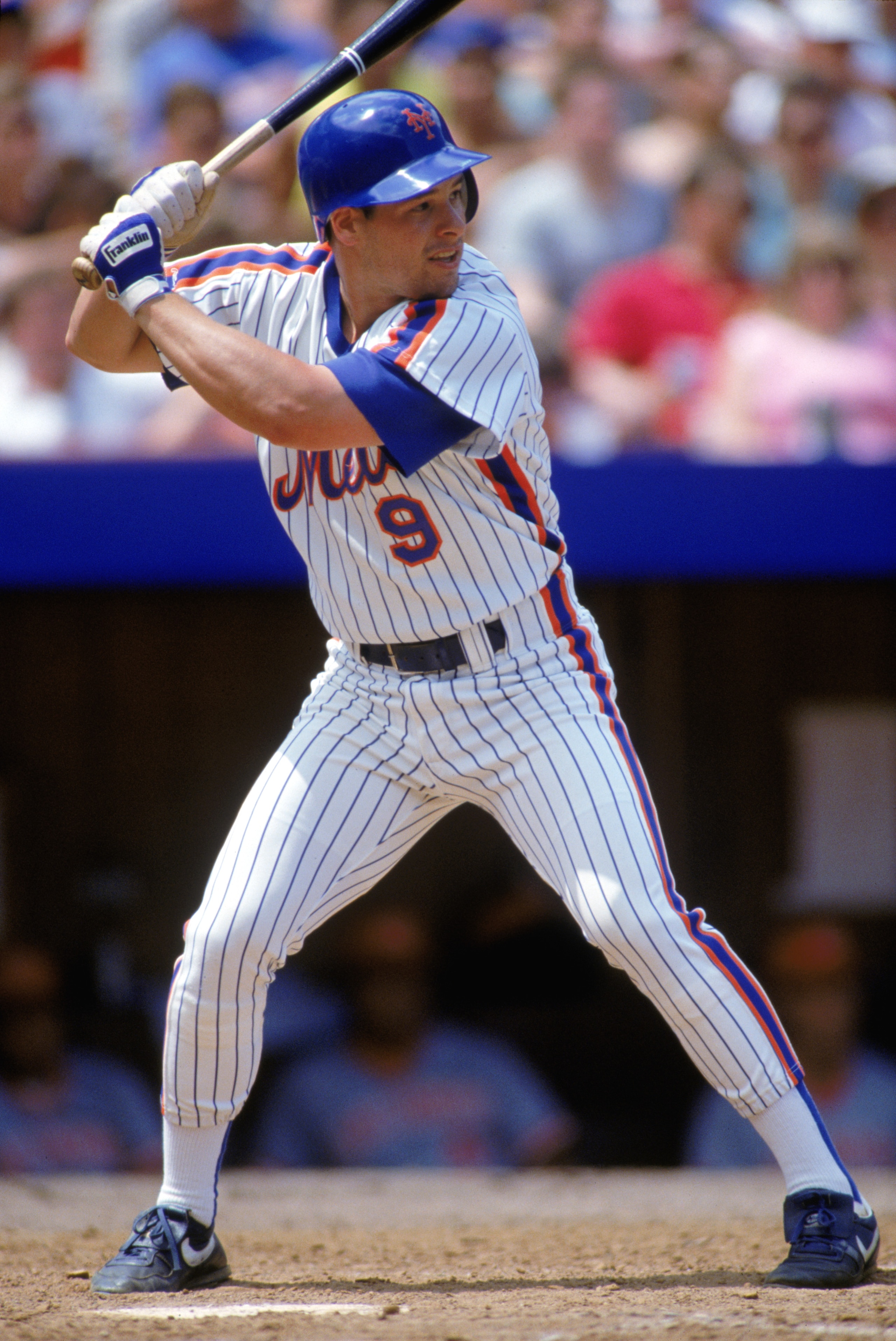
Jefferies is just one of the many players on this list that was overhyped by the New York media. Jefferies was twice named Baseball America's Minor League Player of the Year—1986 and 1987.
Jefferies went on to have a good major league career, but his production did not come close to what it was hyped up to be. He played in the majors for 14 years and put up a very respectable .289 average and hit 126 home runs. While these are good numbers, Jefferies was hyped up to be able to hit around .330 with 20+ home runs a year.
17) Andujar Cedeno
9 of 25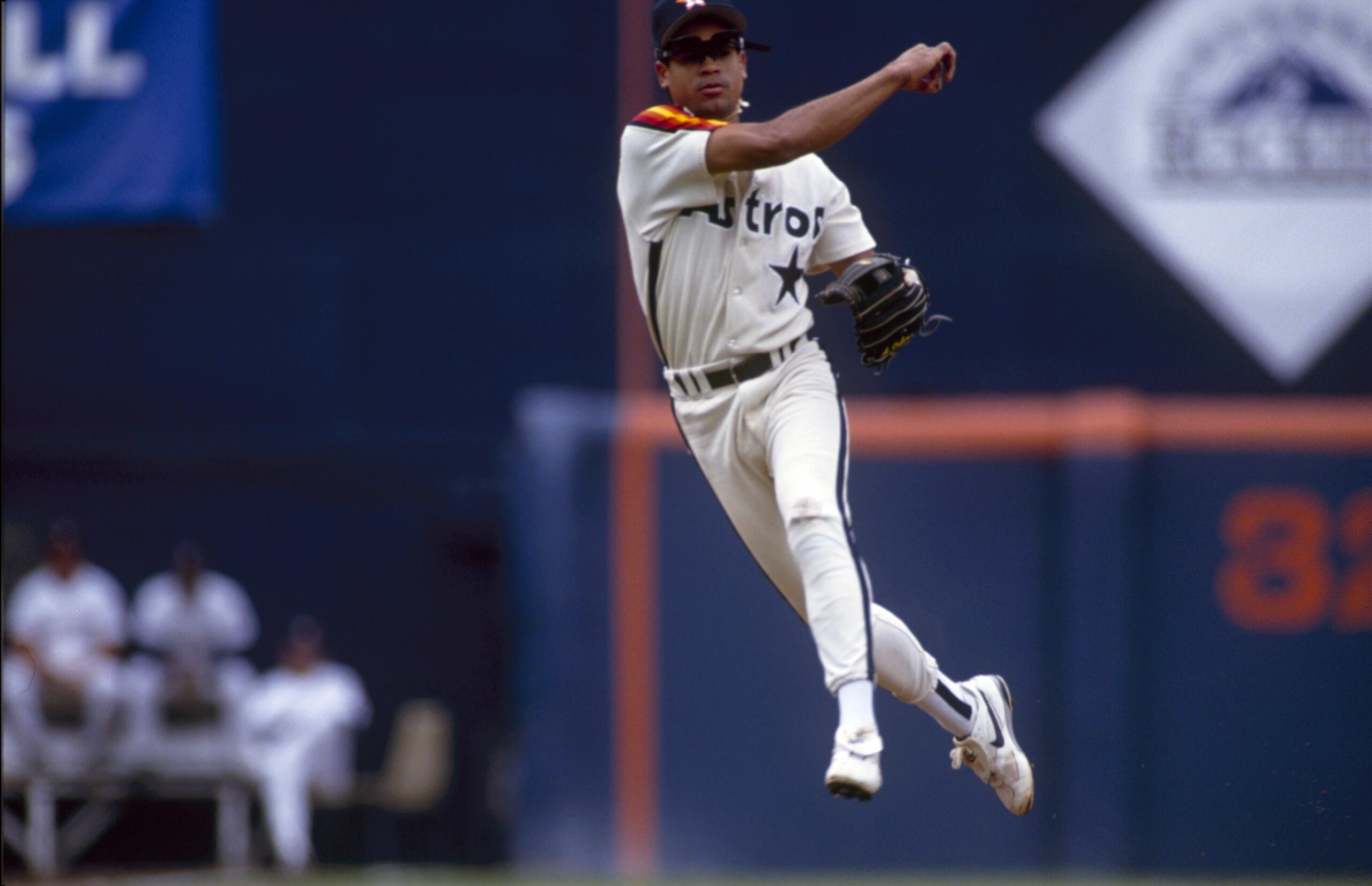
Cedeno was the No. 2 prospect in baseball prior to the 1991 season. He showed a lot of power for a shortstop and also demonstrated some speed.
Cedeno never was able to show any of these talents off in the majors. He had career highs of 11 home runs and nine stolen bases. He batted just .236 in the majors and had an OPS of only .780.
16) Shawn Abner
10 of 25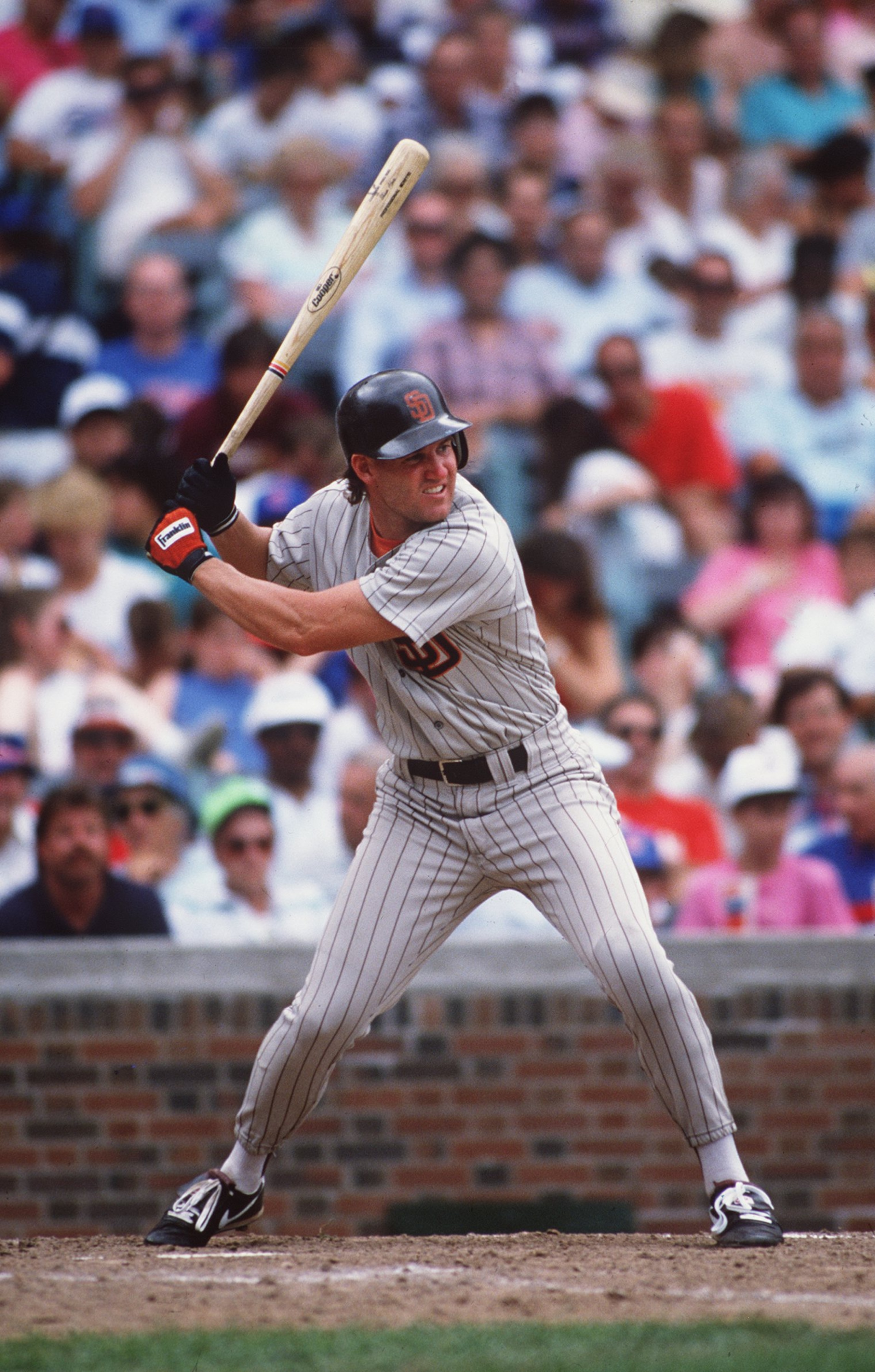
Abner is yet another player who fell victim to the New York media hype machine. The Mets selected Abner with the first overall pick in the 1984 draft, and yet, he never played a game for the team. He was included in a deal for Kevin McReynolds.
This did not stop Abner from reaching the majors at age 21 with the Padres. He played just six years and batted only .227. He had 11 home runs and 71 RBI in his career.
Abner was a co-recipient the Clint Hartung Award for the 1980s, which Bill James gave to the most overhyped rookie of each decade.
15) Ben McDonald
11 of 25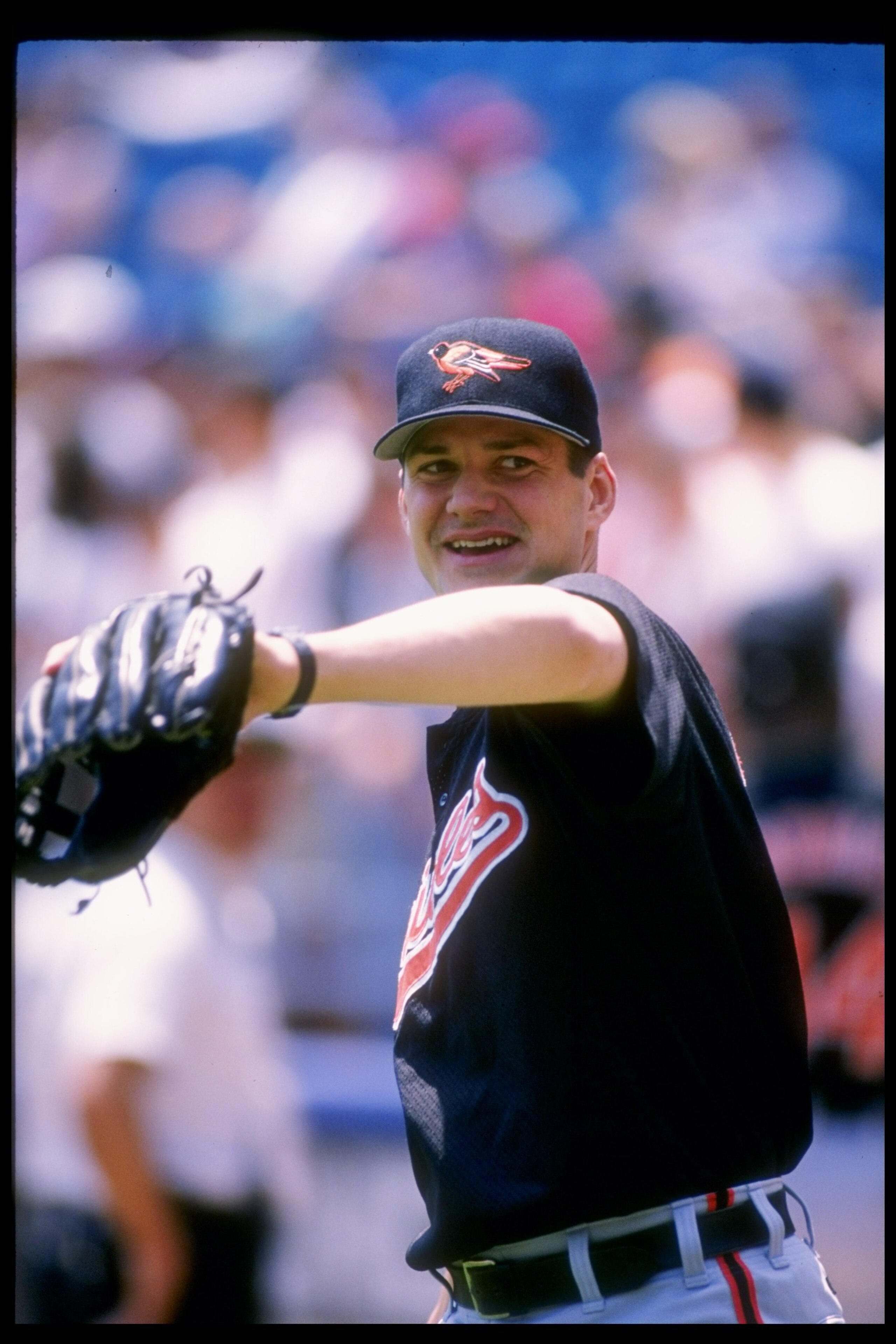
The Orioles selected McDonald with the No. 1 overall pick in the 1989 draft. He was then named the No. 2 prospect in baseball prior to the 1990 season. Baltimore manager Johnny Oates was convinced that McDonald would be one of the top pitchers in the league.
Unfortunately for the O's, that never happened. McDonald went on to pitch nine seasons in the majors and was nothing more than an average pitcher. He ended his career with a 78-70 record and 3.91 ERA.
14) Ricky Jordan
12 of 25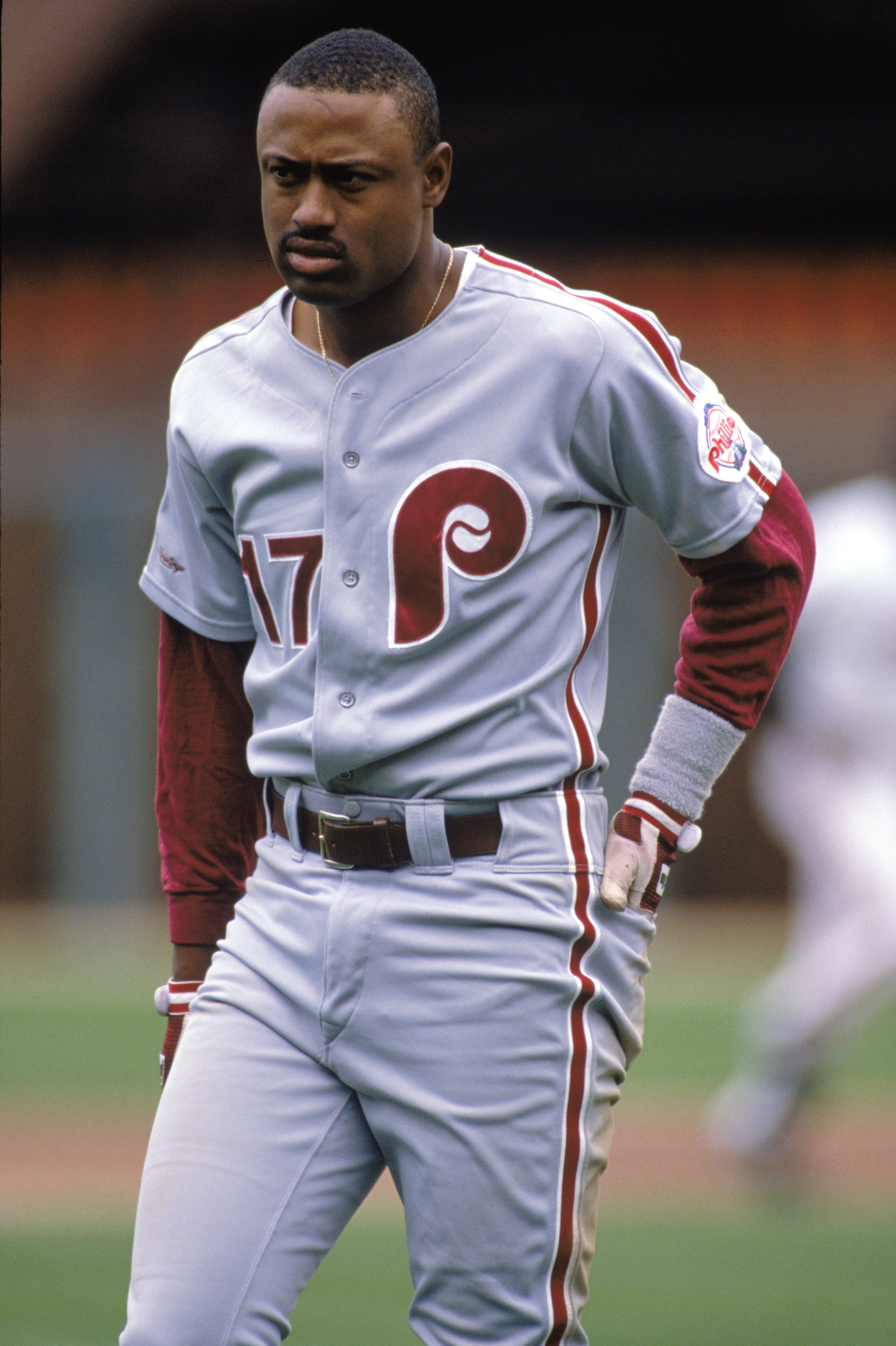
The Phillies selected Jordan to take over at third base once Mike Schmidt retired. If that isn't pressure, I don't know what is. Jordan was impressive in the minors and then homered in his first at-bat in the majors.
Jordan did not come anywhere close to replacing Schmidt. He was only able to put together good seasons in 1988 and 1989. After that, it was nothing but struggles. Jordan was out of major league baseball by age 31.
13) Karim Garcia
13 of 25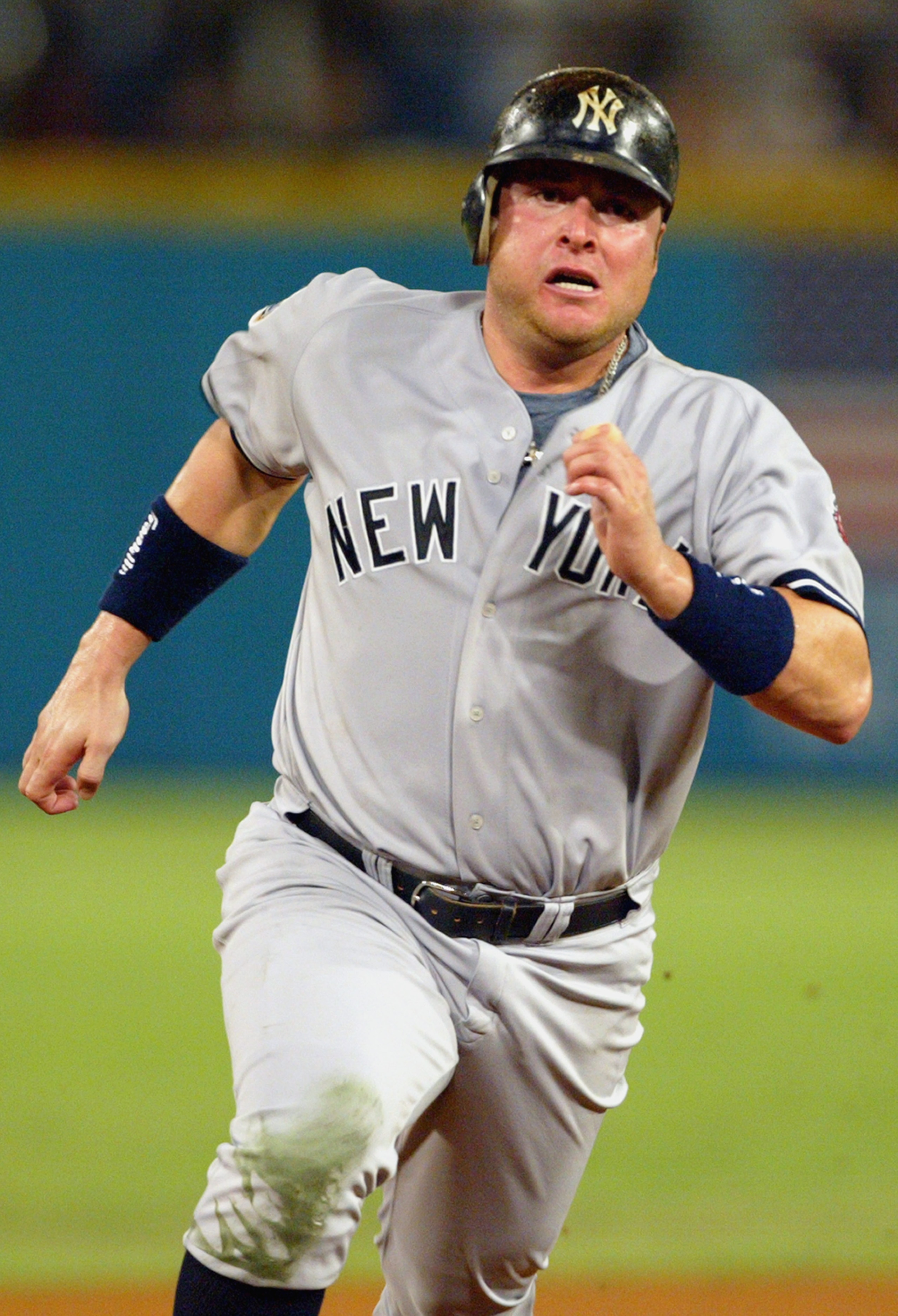
Garcia was ranked as a top-100 prospect by Baseball America four times and was ranked as high as No. 7 in 1996. Seven was also the number of teams that Garcia played for in his 10-year career.
Garcia never played more than 113 games in a season and continually bounced from team to team. After hitting 78 home runs in his first four years in the minors, Garcia managed to hit only 66 in the majors.
12) Rick Ankiel
14 of 25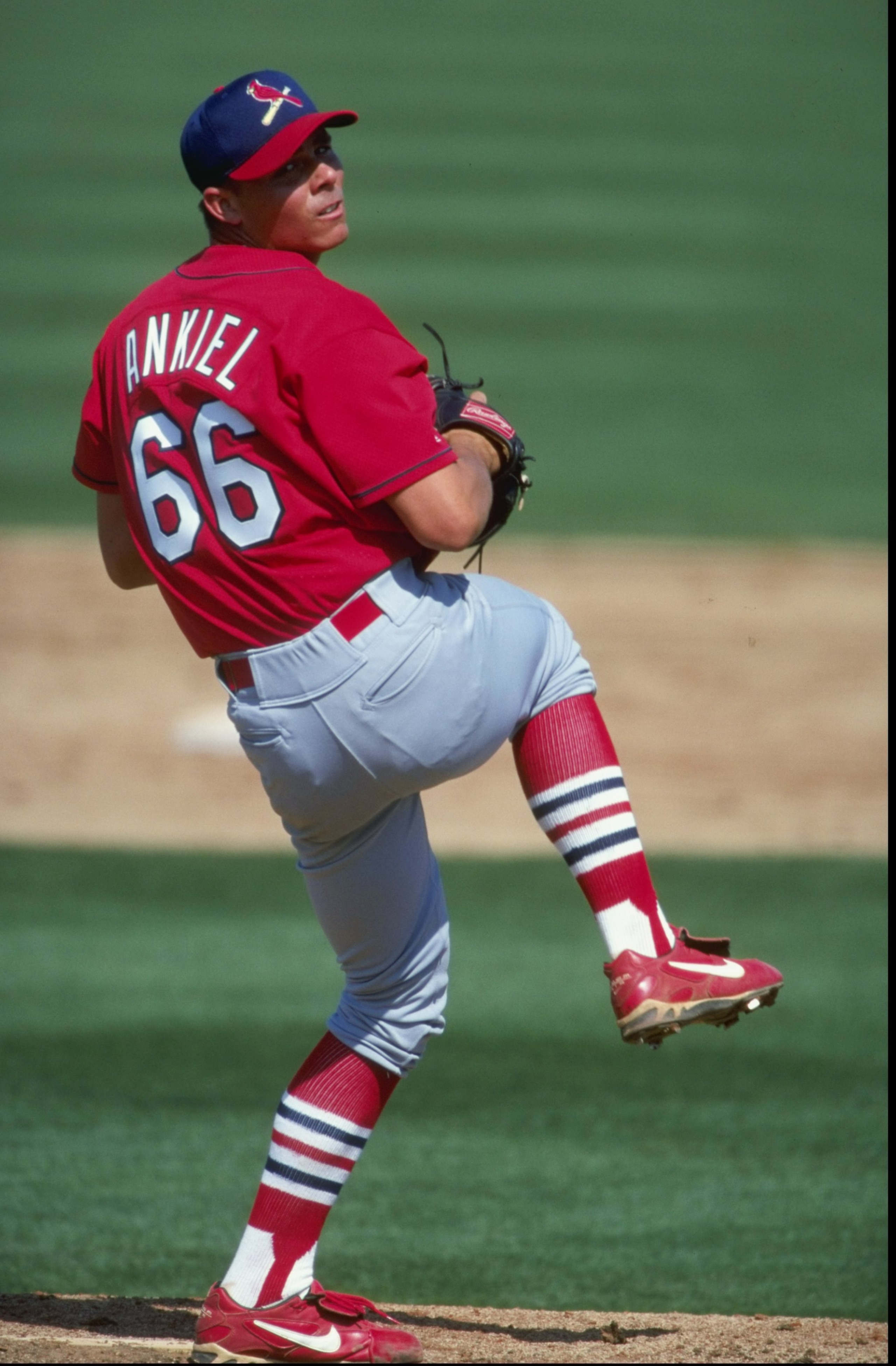
After being drafted in 1997 Ankiel was ranked as the No. 18 prospect in baseball. The next year, he was the No. 2 best prospect in the game. Prior to the 2000 season, he was ranked as the best prospect in baseball by Baseball America.
Ankiel was supposed to be an ace who would dominate on the mound for years. Everything then went downhill in the 2000 playoffs. Ankiel threw nine wild pitches in just four playoff innings, a performance which included five wild pitches in an inning against the Braves and throwing one ball a few feet over the head of Timo Perez against the Mets.
Ankiel was able to make something of his career when he became an outfielder, and he is still in the majors today.
11) Bill Pulsipher and Paul Wilson
15 of 25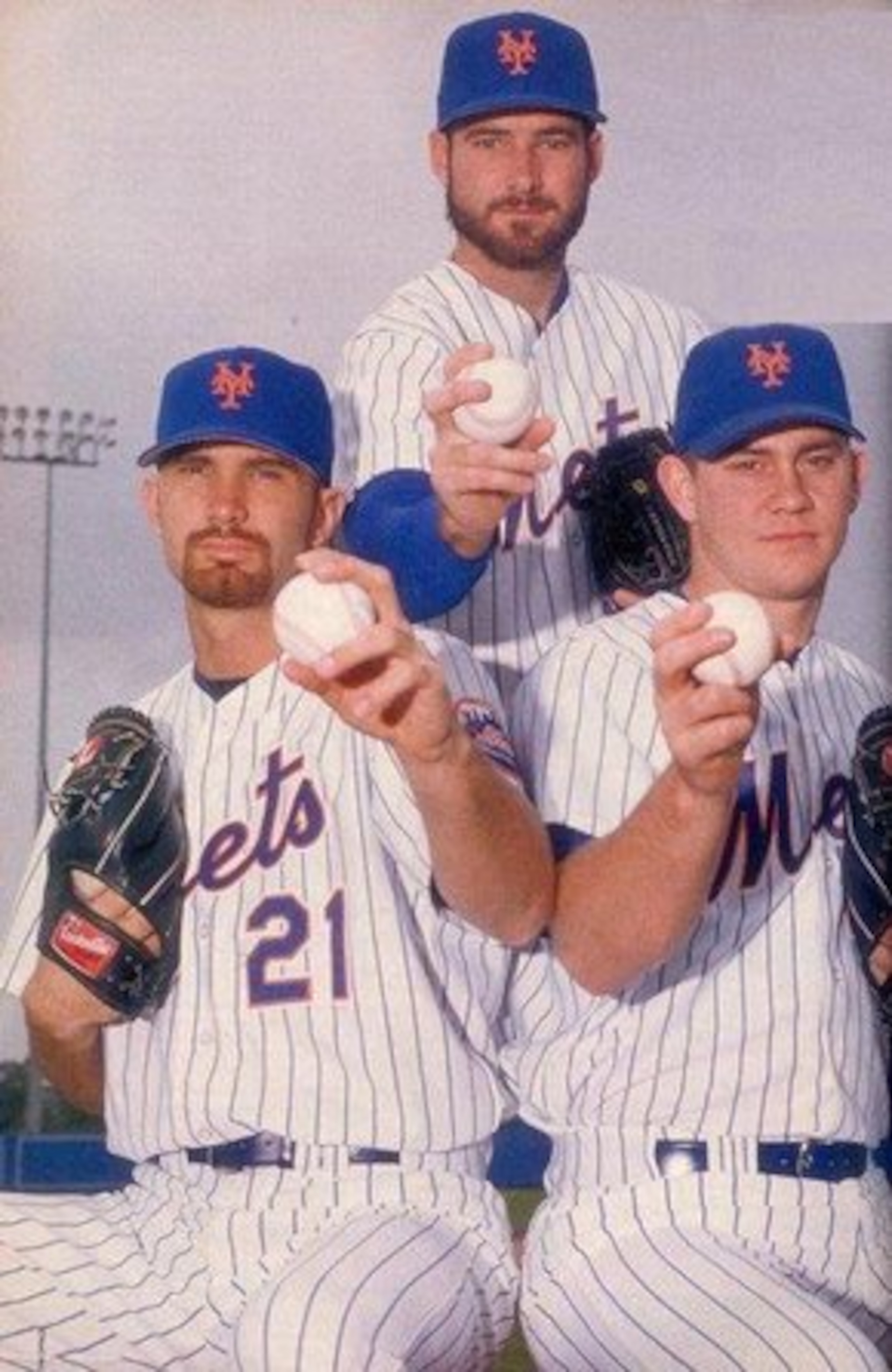
Two thirds of Generation K failed to have a significant impact in the minors. Only Jason Isringhausen, who is now back with the Mets, managed to have a successful major league career. The trio was hyped up to the point where many believed the Mets could have the best rotation in baseball.
Pulsipher had reached the majors at age 21 in 1995. However, he had his career derailed by Tommy John surgery. He was never again the pitcher that he had been, and wound up making just 46 career starts. He had a 13-19 record and a 5.15 ERA.
Wilson was in the majors the following year at just age 23. He struggled and clearly wasn't ready for the big show. He eventually had elbow surgery in 1999, and he struggled after his return. For his career, Wilson made 153 starts and had a 40-58 record while posting a 4.86 ERA.
10) Mark Prior
16 of 25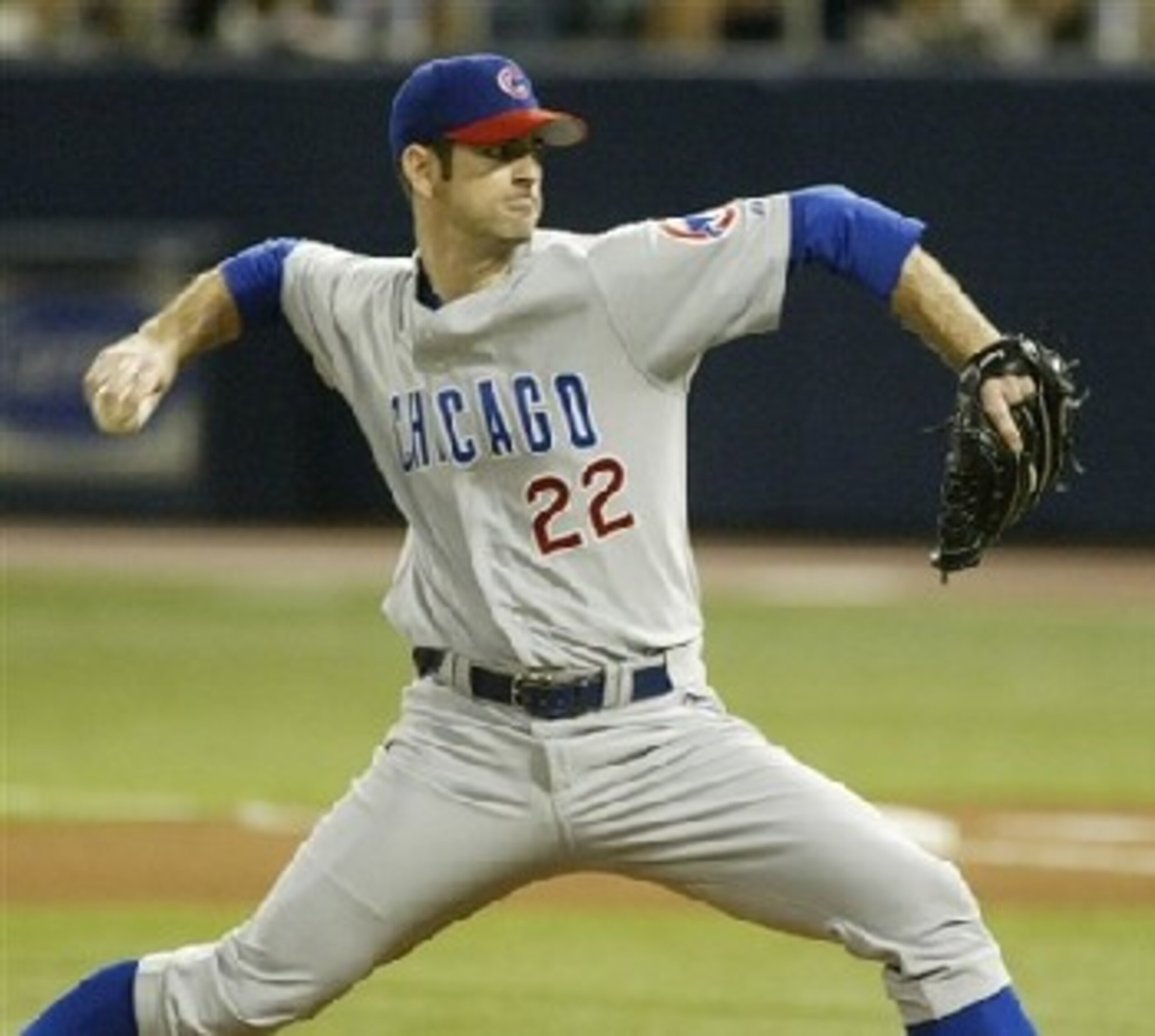
Had it not been for injuries, Prior may have lived up to the hype. The No. 2 pick of the 2001 draft had all of the makings of a huge star. As a 21-year-old, Prior posted a 3.32 ERA while going 6-6 in 19 starts for the Cubs.
Prior had a phenomenal year the following season in which he won 18 games while striking out 245 batters and finished third in the NL Cy Young voting. Then, Prior's injury troubles began. He last pitched in the majors in 2006. He is currently trying to revive his career with the Yankees.
9) Clint Hartung
17 of 25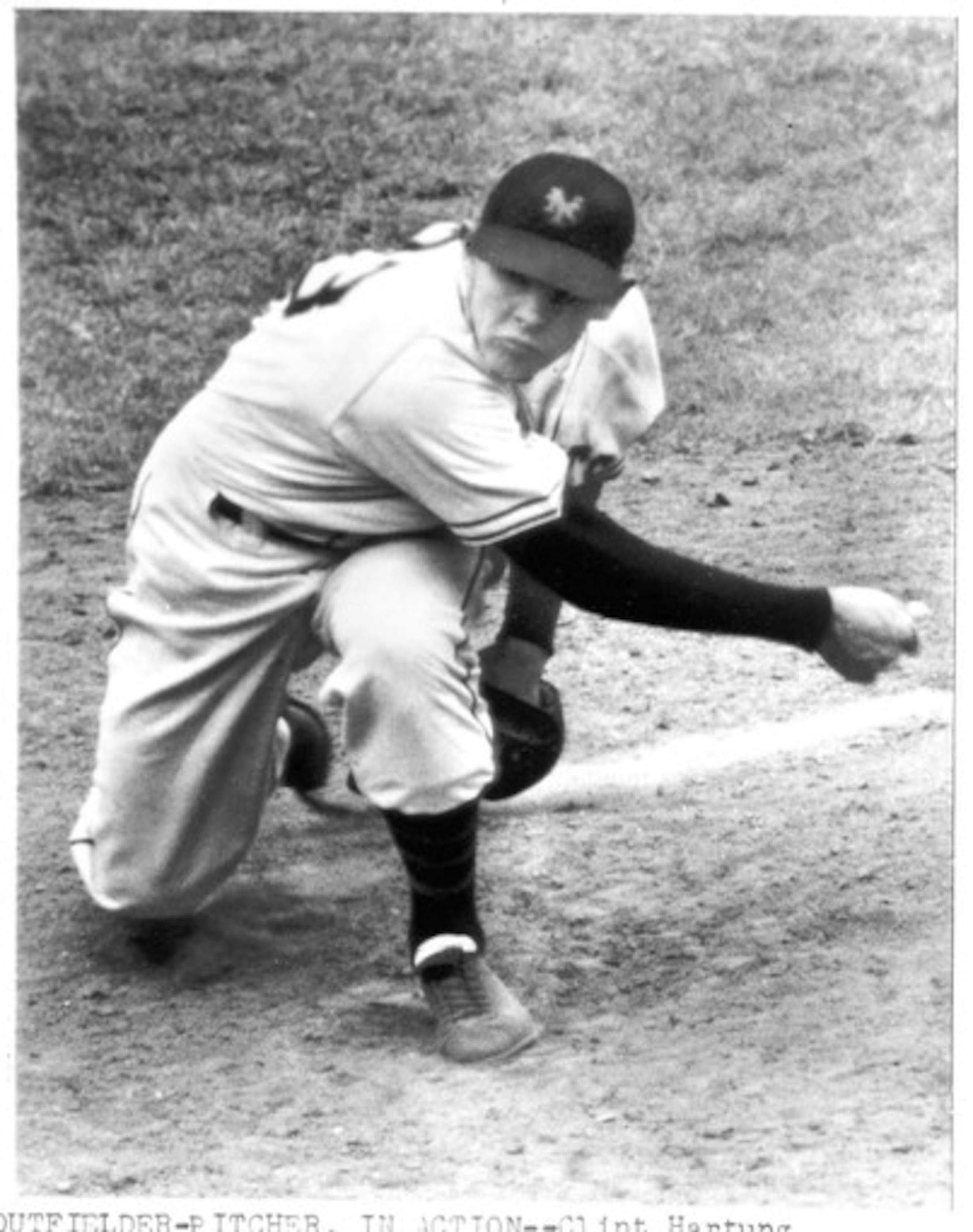
Hartung was the original player to get caught up in the New York hype. He had dominated while playing on a military team during World War II. He averaged 15 strikeouts a game and complied a 25-0 record. People around the game believed that Hartung would be a Hall of Famer.
Now, Hartung is remembered for having an award named after him that Bill James gave to the most overhyped player of each decade. Hartung went just 29-29 as a pitcher with a 5.02 ERA. He tried to extend his career by moving to the outfield, but he struggled and only lasted for two more seasons.
8) Steve Chilcott
18 of 25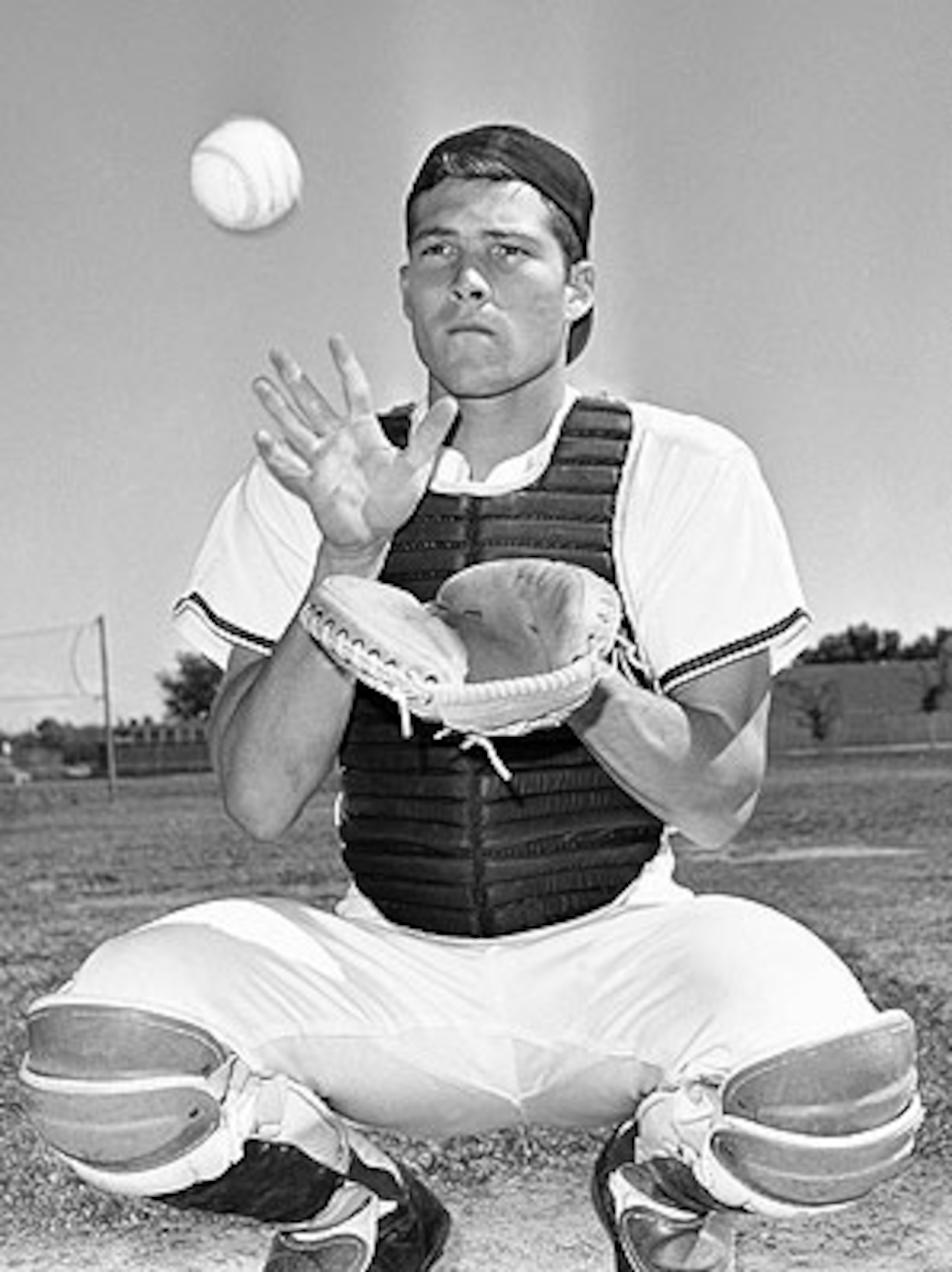
The Mets made the mistake of selecting Chilcott with the first overall pick in the 1966 MLB draft. They let a player named Reggie Jackson, who was selected second, slip right past them. Chilcott was supposed to be a catcher who could help out the major league team.
Chilcott never did that. He is just one of three No. 1 overall picks who never reached the major leagues. Chilcott hit just .248 in the minors and had a .287 on-base percentage. He also struggled behind the plate, and both the Mets and Yankees tried to move him to first base.
7) Sean Burroughs
19 of 25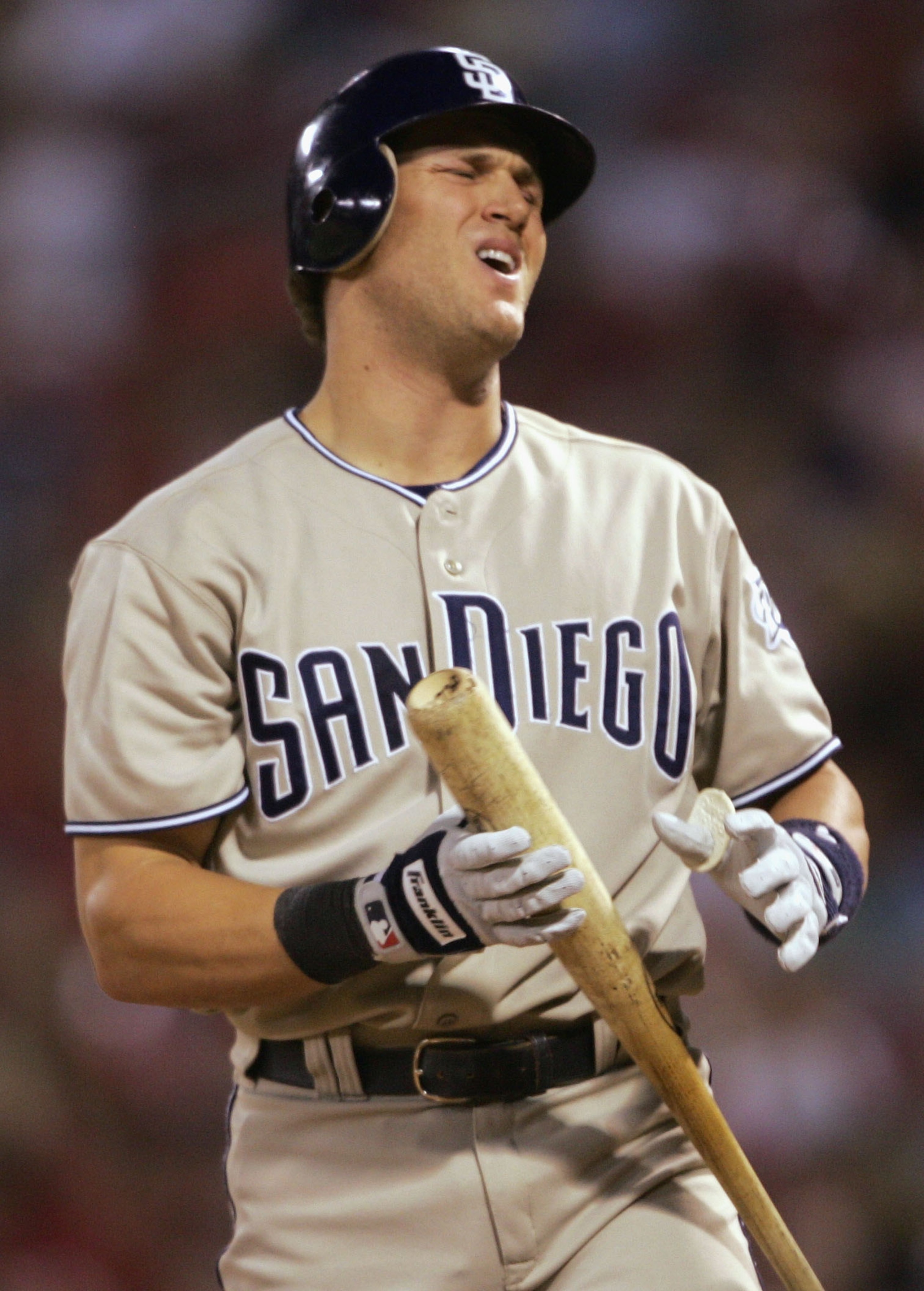
Burroughs was ranked as the No. 7 prospect or better by Baseball America for three consecutive years from 2000 to 2002. This was certainly a big miss on BA's part even though Burroughs did reach the majors at age 21.
After just five seasons, Burroughs was done in the majors. He put up a respectable .280 career batting average but only had 11 home runs and 134 RBI in his 440-game career.
6) Matt Bush
20 of 25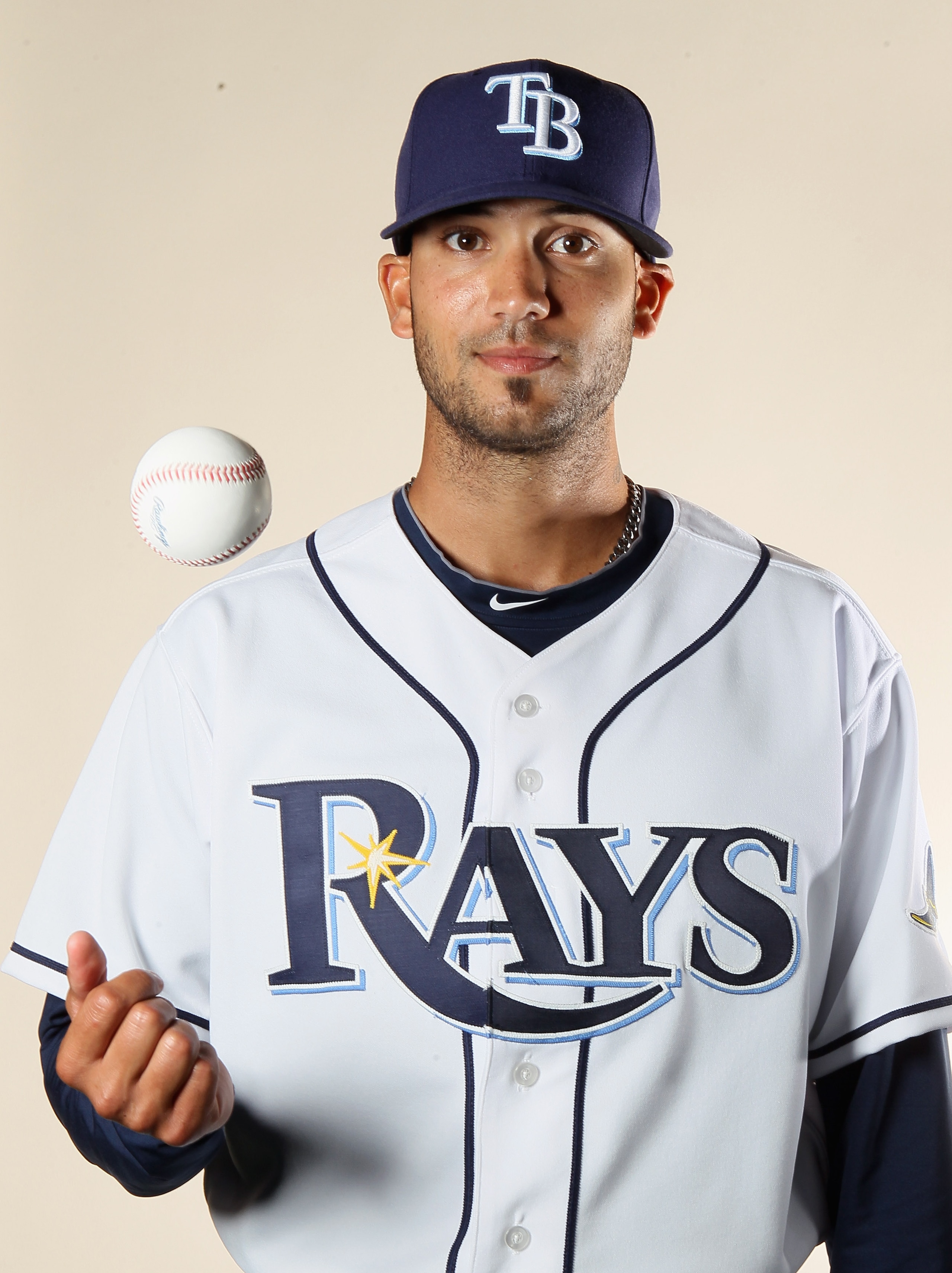
The Padres' selection of Matt Bush with the No. 1 overall pick was questioned right away. Bush was not the best available player, and the Padres had been looking to save money with the pick. Bush struggled mightily and never hit over .264 in the minors.
At the moment, he is one of three No. 1 overall picks to never appear in a major league game. He converted to pitcher in 2007 and has had success over 21-and-a-third innings. However, Bush is still just 25 and may eventually appear in a major league game.
5) Ruben Rivera
21 of 25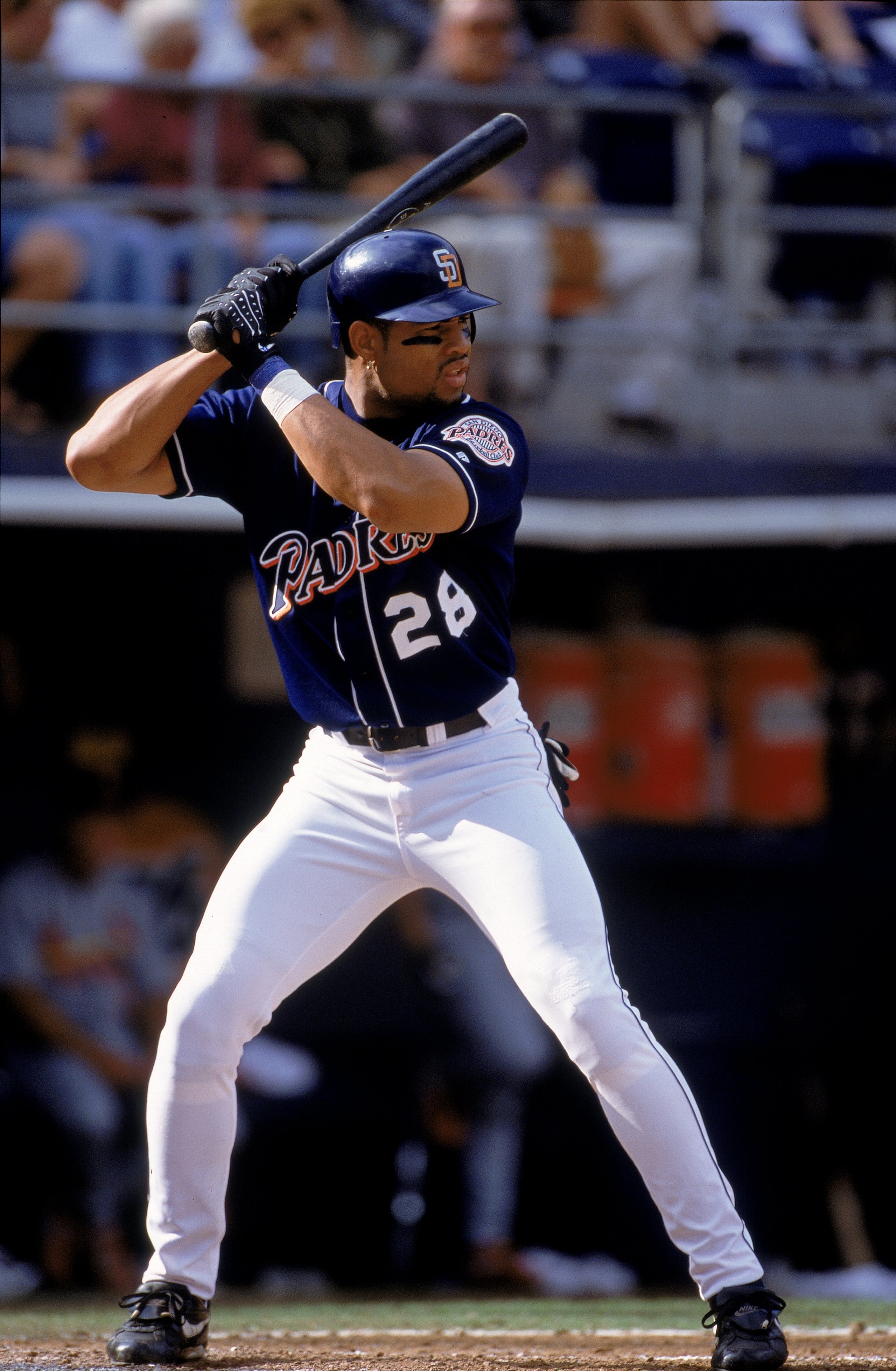
Rivera is another player in New York who was very hyped up. He was ranked in Baseball America's top 100 five times, and he was in the top 10 three times. Rivera struggled once he was called up to the majors.
After being traded to the Padres, Rivera showed his power, hitting 23 home runs in 1999. The only problem was that Rivera also hit just .195 that season. Rivera ended his major league career after the 2003 season. He had a .216 career average and hit just 64 home runs.
4) Todd Van Poppel
22 of 25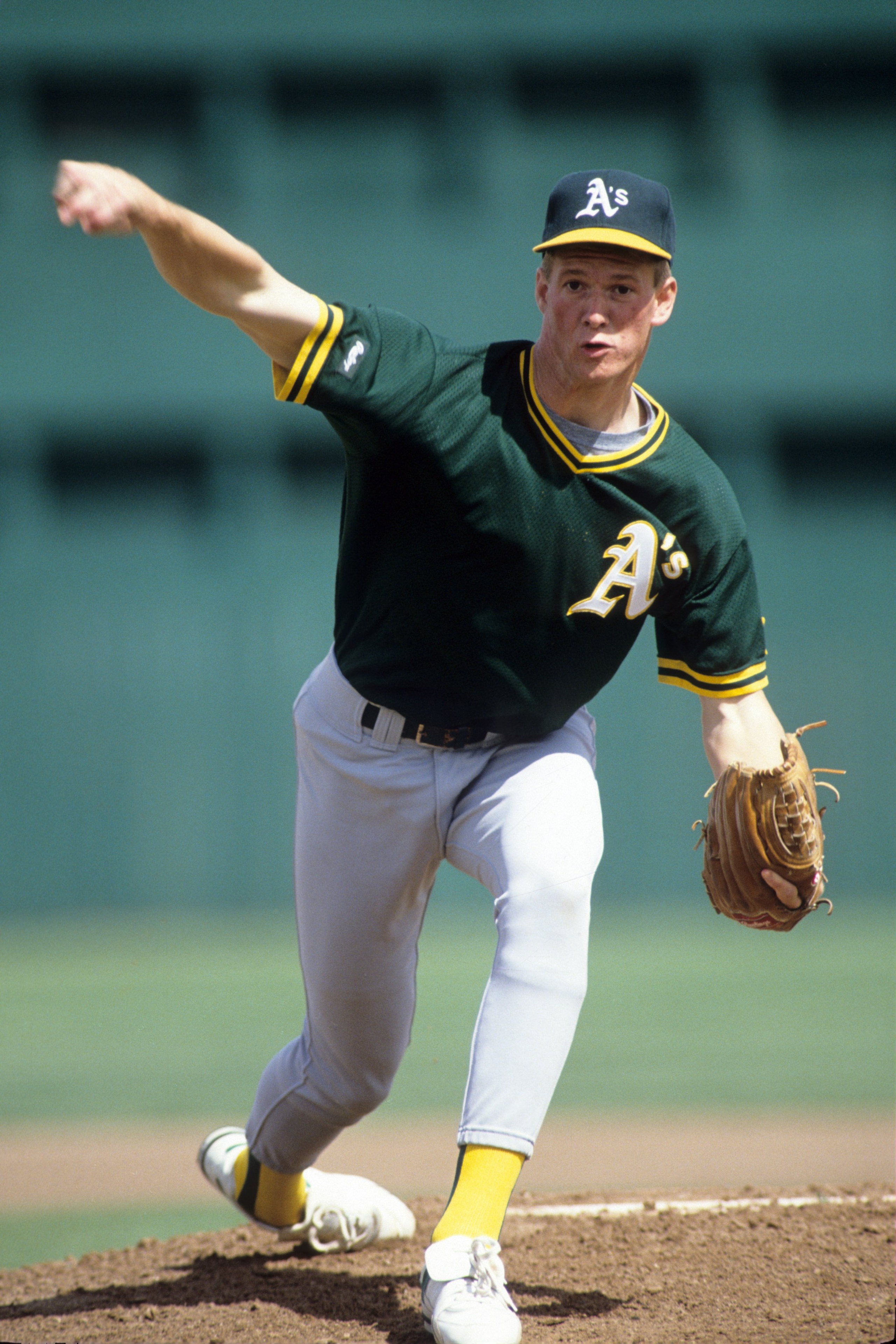
The Braves had wanted to select Van Poppel with the first overall pick in the 1990 draft, but they instead chose a young player by the name of Chipper Jones. It turned out to be a great move for the team. Van Poppel ended up getting drafted by the A's, who had the 14th overall pick.
Van Poppel got a $1.2 million major league deal after he was selected. He was supposed to be a star. From 1991 to 1993, Baseball America ranked him as the first-, second- and seventh-best prospect in baseball. Van Poppel made his major league debut at age 19, and he did not have much success.
That was the tone of his entire career. Van Poppel stuck around the majors for 11 years but went just 40-52 with a 5.58 ERA.
3) Sidd Finch
23 of 25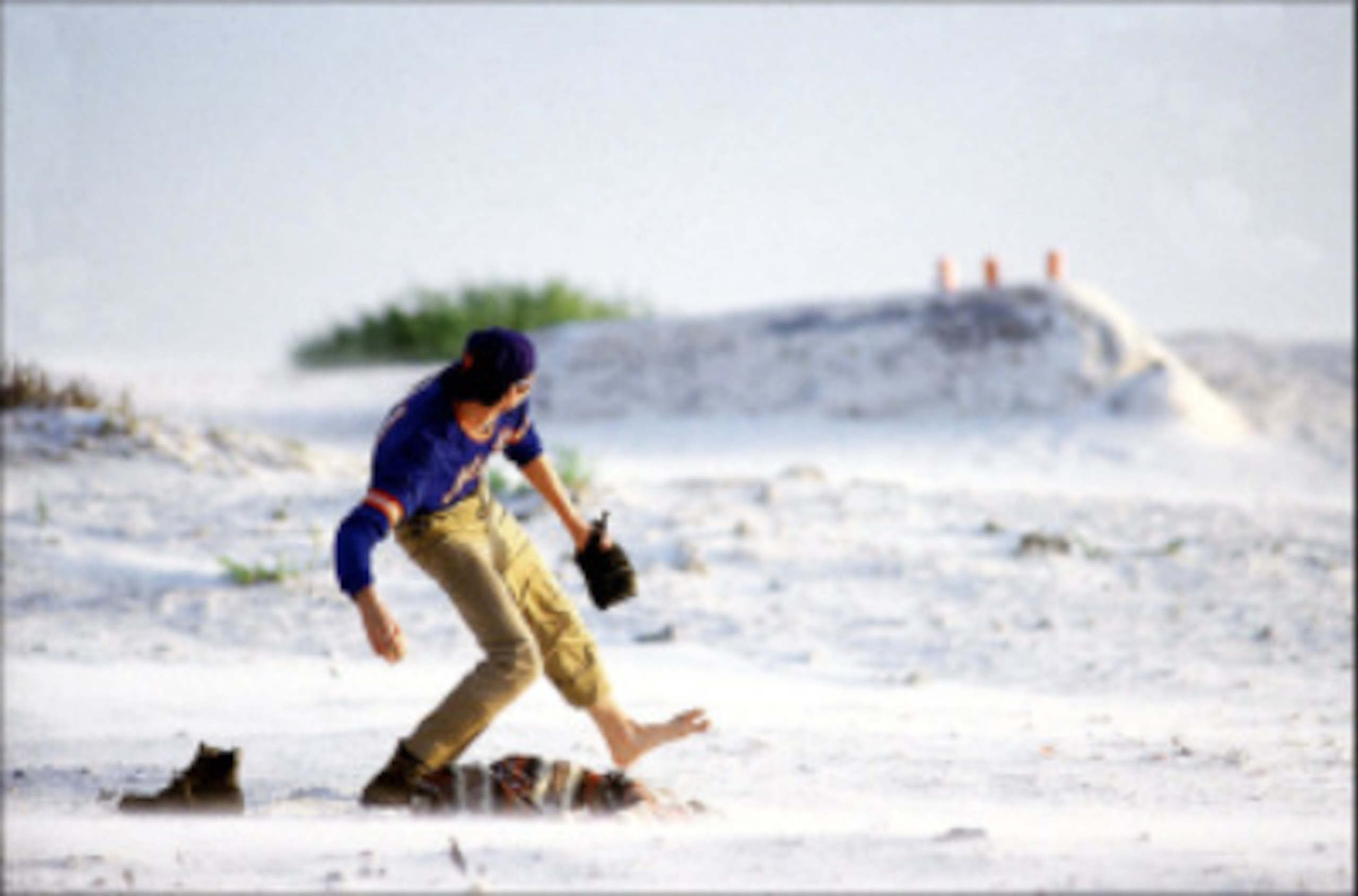
In 1985, Sports Illustrated reporter George Plimpton told the world about a man who could potentially be the greatest pitcher in baseball history. That man was Sidd Finch. Little was known about Finch.
He was thought to be an English orphan who was eventually adopted by an archaeologist who later died in a plane crash in Nepal. Finch enrolled in Harvard but then eventually dropped out and spent time in Tibet.
It was said that while in Tibet, Finch learned "yogic mastery," which was how he developed his ability to pitch. The rumor was that Finch once hit 168 mph on a radar gun. On top of all that, Finch only used one shoe when he pitched.
Plimpton eventually let on that it was all a hoax, but fans had initially believed him. It was yet another year where Mets fans began the year with false hope.
2) David Clyde
24 of 25
Clyde was Mark Prior before there was a Mark Prior and Stephen Strasburg before there was Stephen Strasburg. Clyde was supposed to be the pitcher of his generation when the Rangers selected him with the first overall pick in the 1973 draft.
Clyde had an agreement with the team to allow him to pitch two games in the majors before he was assigned to a minor league team. In his first start, the 18-year-old Clyde allowed two runs in five innings while striking out eight, and he picked up the win. All plans to send him to the minors were scrapped, and he stayed with the big league team for the rest of the year.
Clyde would make just 72 more starts in his major league career, and he pitched his last major league game at age 24. He finished his career with a 18-33 record.
1) Brien Taylor
25 of 25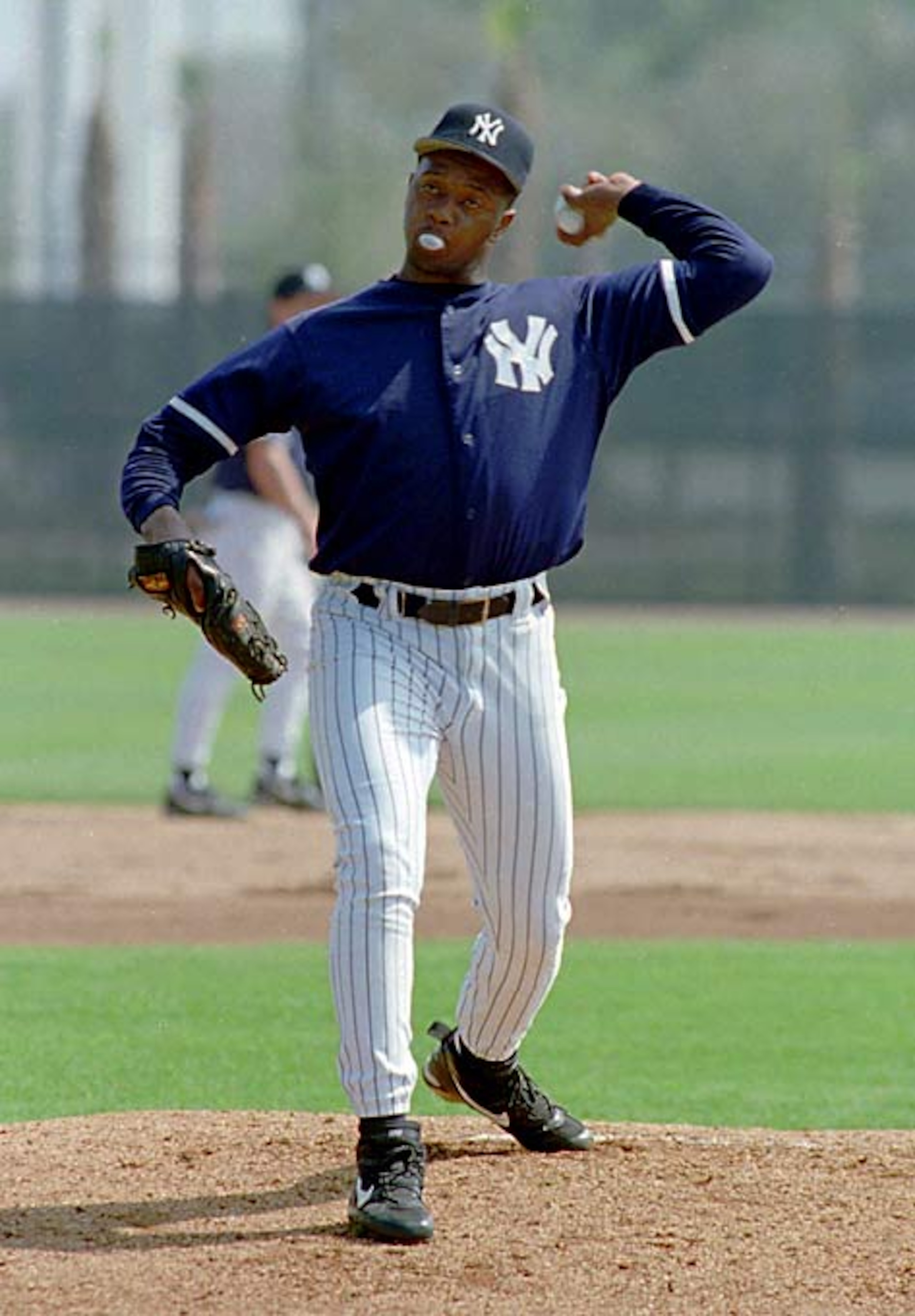
Taylor was selected by the Yankees with the No. 1 pick in the 1991 draft. Taylor had been absolutely dominant during his senior year of high school. He struck out over 200 hitters in under 90 innings.
That year, Baseball American ranked him as the No. 1 prospect in baseball ahead of future stars such as Pedro Martinez and Manny Ramirez. The next season, he was considered the game's second-best prospect. Taylor had been pitching well in the minors, but he did struggle with his control.
In 1993, Taylor defended his brother in a fight. As a result of the fight, he tore his labrum and dislocated his left shoulder. He was never the same pitcher again. Taylor is now known for being one of three No. 1 overall picks to never make the major leagues.
.jpg?w=2560 "Landing Spots for Top Free Agents ✈️")
.jpg?w=2560 "Pats Extend Hunter Henry")
.jpg?w=2560 "OBJ Competing for Final Spot")
.jpg?w=2560 "Chiefs OC Back at Practice After Wife's Shooting (AP)")