
NFL Free Agency: The Top 25 Free Agent Signings of All-Time
NFL free-agency rumors will start to swarm the nation soon. Free agency started on Tuesday and every team will be out there looking for that game-changer, that player who turns a bad team decent, a decent team good and a good team great.
The unrestricted free-agency period began in 1993 and most of the key signings have come since that date, though not all.
These are the 25 greatest free-agent signings in NFL history. And just to keep it within the spirit of true free agency, we’ll only consider players whose contracts had run out and weren’t cut.
Technically, Johnny Unitas (1955), Cris Carter (1989), James Harrison (2004), Rodney Harrison (2003), Brett Favre (2008), Michael Vick (2009) and Kurt Warner (2005) were free agents, but only because teams had let them go.
No. 25: Adam Vinatieri, Indianapolis Colts, 2006
1 of 25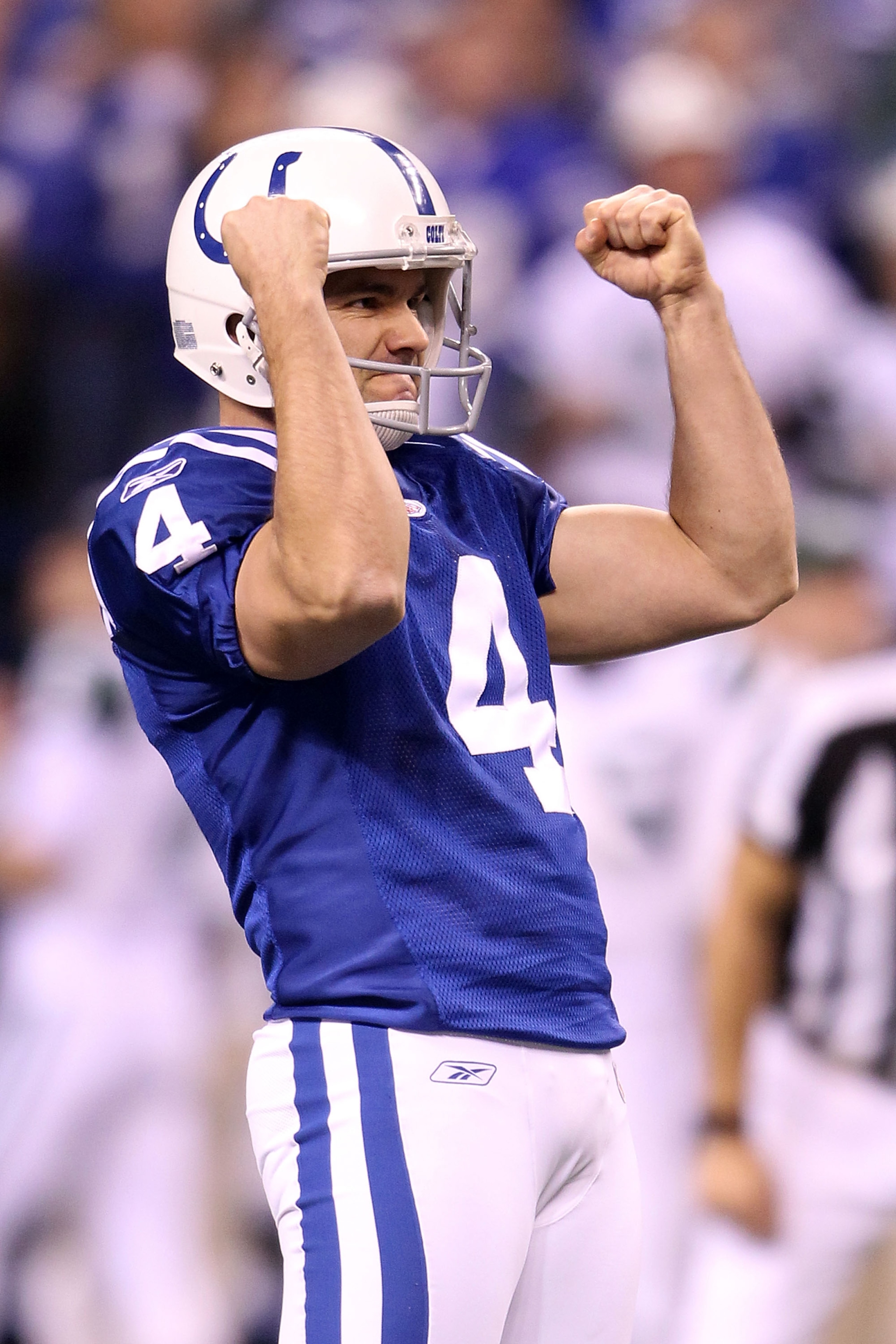
Best Year: 2006: 25-for-28 on field goals
Tenure: 2006-present
Stats: 101-for-119 on field goals
Obviously, for a kicker to make this list, his signing has to be exceptional. And it was.
For one, by 2005 Vinatieri had already become the most famous kicker in NFL history, recording a string of historic kicks and playing in four Super Bowls.
But that wasn’t the only reason why Vinatieri’s signing was so important. The Colts were coming off a dream season that ended with controversial kicker Mike Vanderjagt horribly missing the game-tying kick at the end of their AFC divisional playoff loss.
Vinatieri made people forget about Vanderjagt, the so-called “most accurate kicker in NFL history.” He also recorded all 15 points for the Colts in their second playoff win, then kicked two vital field goals in the team's stunning AFC championship game comeback over his former team, New England.
Since then he’s been exceptionally clutch, like when he hit that 50-yarder late in the Colts' 2010 playoff loss to the Jets.
No. 24: Darren Sharper, New Orleans Saints, 2009
2 of 25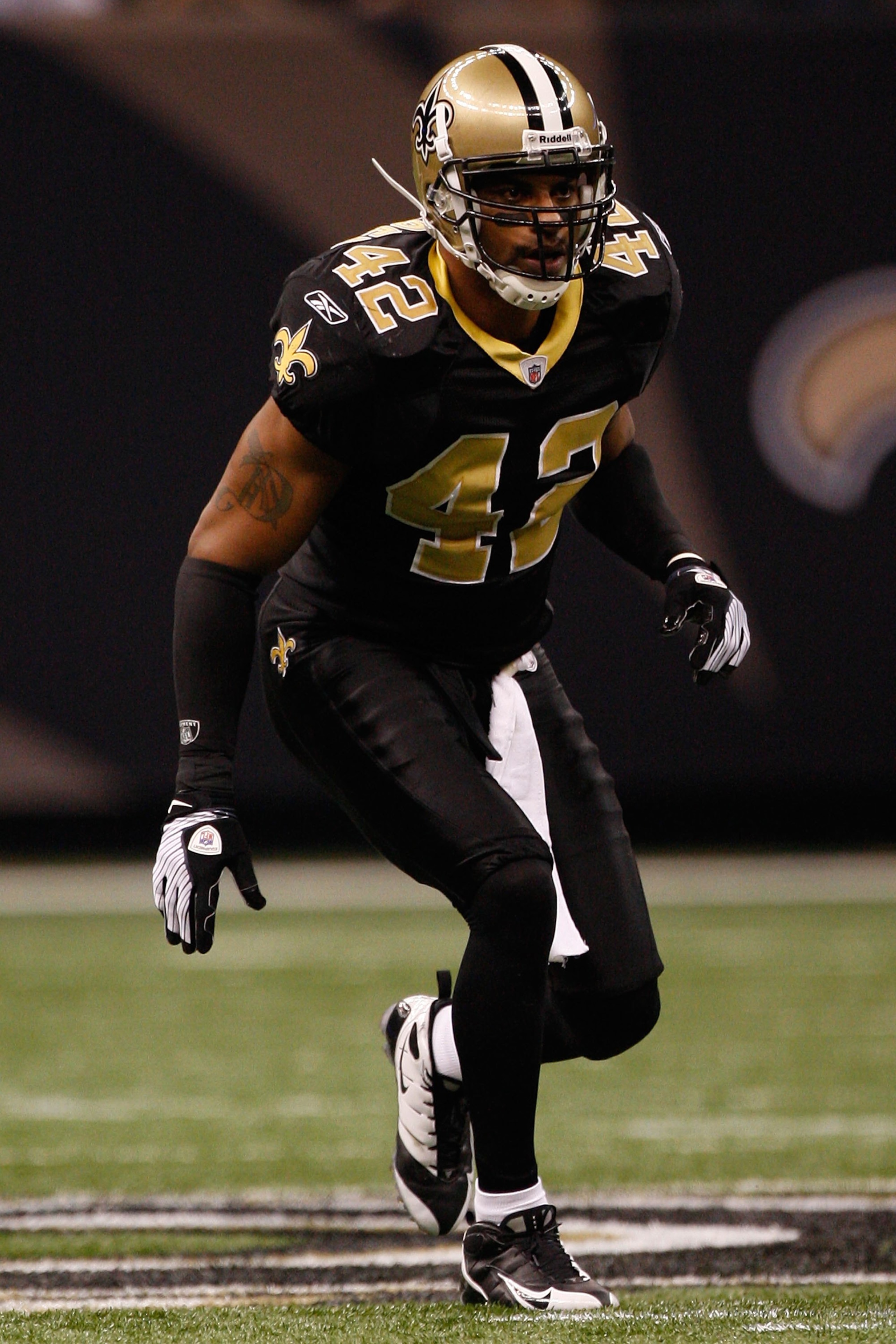
Best Year: 2009: nine interceptions, three touchdowns
Tenure: 2009-present
Stats: nine interceptions, three touchdowns
Much like Deion Sanders in San Francisco (as of right now), Sharper’s impact on the Saints is limited to just one season: He missed most of the 2010 season.
But in 2009, he was arguably the missing piece to the Saints' Super Bowl puzzle.
His presence on the field allowed Gregg Williams to gamble until his heart was content and let players like Tracy Porter make those big plays in the postseason. Sharper led the NFL in interceptions, interception return yards and pick-sixes while earning a fifth trip to the Pro Bowl.
No. 23: Sam Mills, Carolina Panthers, 1995
3 of 25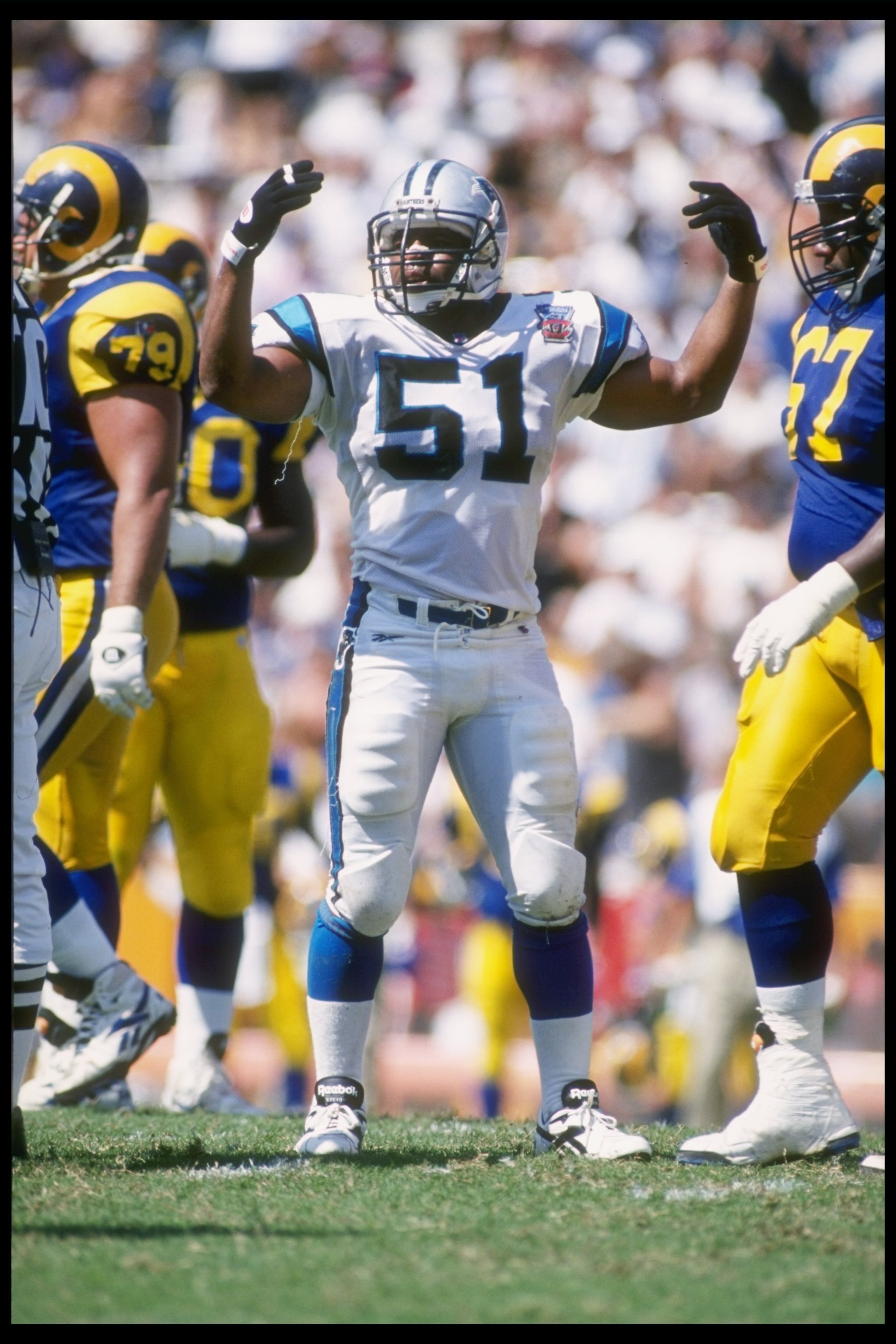
Best Year: 1996: All-Pro, 5.5 sacks, one interception, one touchdown
Tenure: 1995-97
Stats: 48 games, 10 sacks, seven interceptions, two touchdowns
Mills spent nine years with the New Orleans Saints and he was a key figure in that excellent linebacker corps with Rickey Jackson, Pat Swilling and Vaughan Johnson.
But by 1995 those three teammates had left the Big Easy. Still, Mills agonized over the decision to leave, which he did in March 1995.
He was the first huge free-agent signing of the expansion Panthers. By 1996 he was the centerpiece of the Panthers' surprisingly dominant defense.
He only played three seasons with the Panthers—although he later became the mentor to Carolina’s Super Bowl team in 2003—but he gave them amazing credibility as early as their first season.
.jpg?w=2560 "49ers Chargers Football")
.jpg?w=2560 "Raiders Camp Football")
No. 22: Keenan McCardell, Jacksonville Jaguars, 1996
4 of 25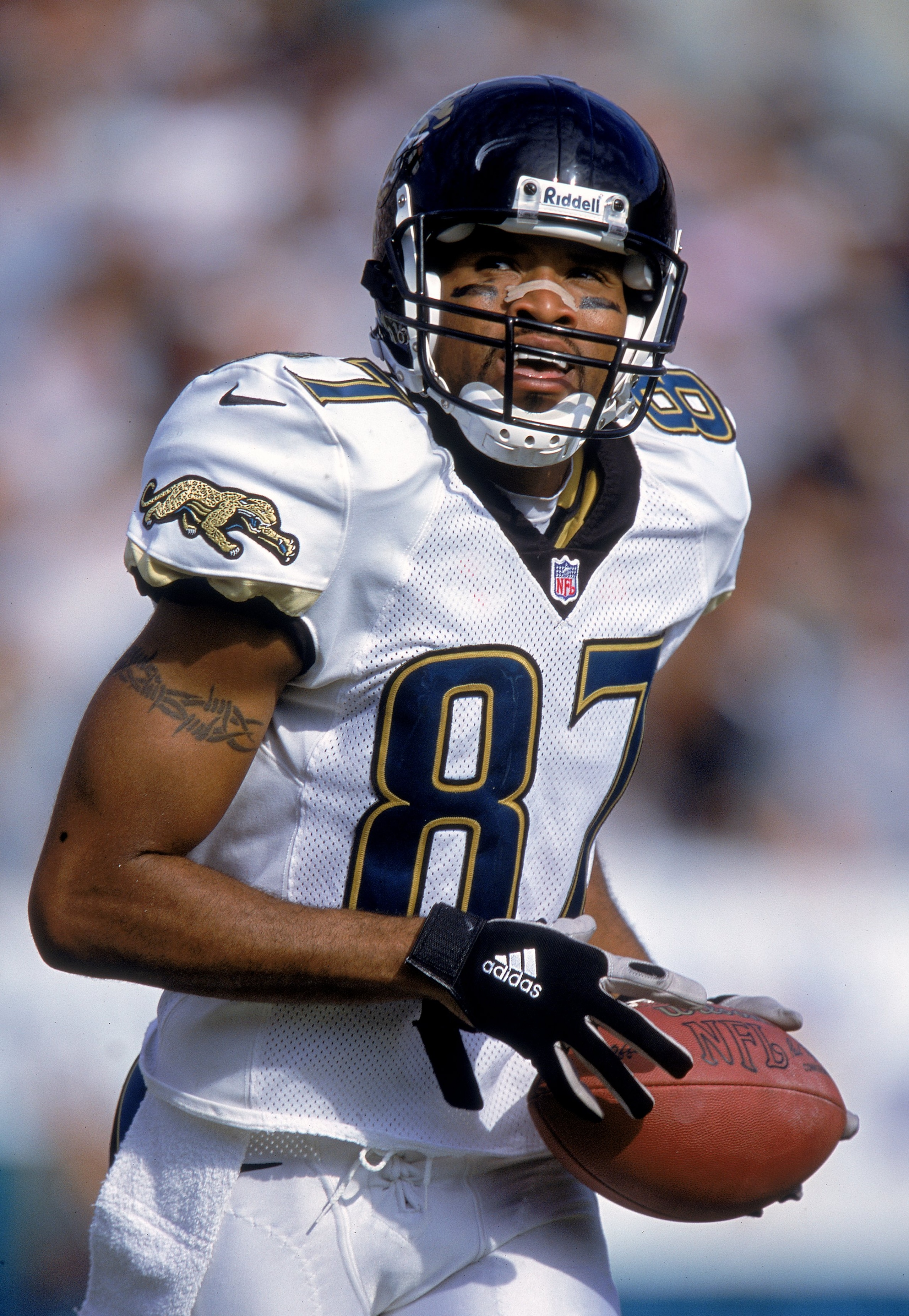
Best Year: 1996: 85 catches, 1,129 yards, three touchdowns
Tenure: 1996-2001
Stats: 499 catches, 6,393 yards, 30 touchdowns
Teammate Jimmy Smith was probably the more valuable pass catcher, but he was released by the Cowboys, so he doesn’t qualify for this list.
After a good season with the Browns-soon-to-be-Ravens, the Jaguars locked up McCardell in the spring of 1996.
With Smith on one side and McCardell on the other, Mark Brunell became an outstanding passer and the Jags went to the playoffs four straight years and a pair of AFC championship games.
No. 21: Brock Marion, Miami Dolphins, 1998
5 of 25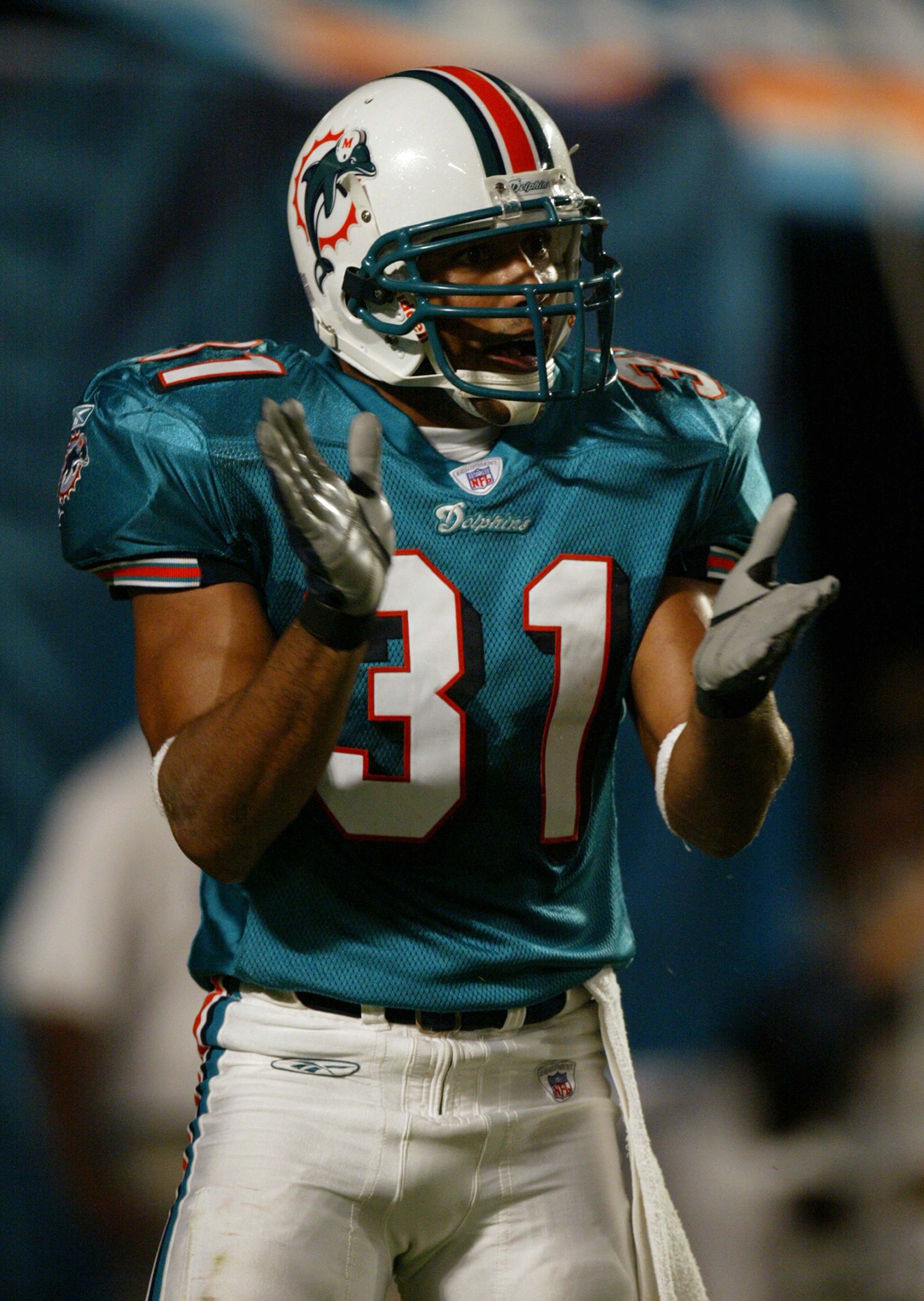
Best Year: 2001: five interceptions, 227 yards, two touchdowns
Tenure: 1998-2003
Stats: 20 interceptions, two touchdowns
In 1995, Marion became a starter for the third-and-final edition of the Cowboys dynasty.
And although he hadn’t earned a Pro Bowl (or picked off a single pass during his last two seasons), Marion was a highly-coveted free agent on the market in 1998. He had actually signed with the Ravens a year earlier, but the deal fell through.
That was fortunate for Miami, which was now led by his former head coach in Dallas, Jimmy Johnson.
The Dolphins signed Marion in the spring of 1998 and he soon became one of the most valuable players in the NFL. As a safety, he went to three Pro Bowls, picked off five passes a season from 2000-02 and scored two touchdowns.
As a bonus, in 1999 Marion led the NFL in kick returns and yards.
No. 20: Deion Sanders, San Francisco 49ers, 1994
6 of 25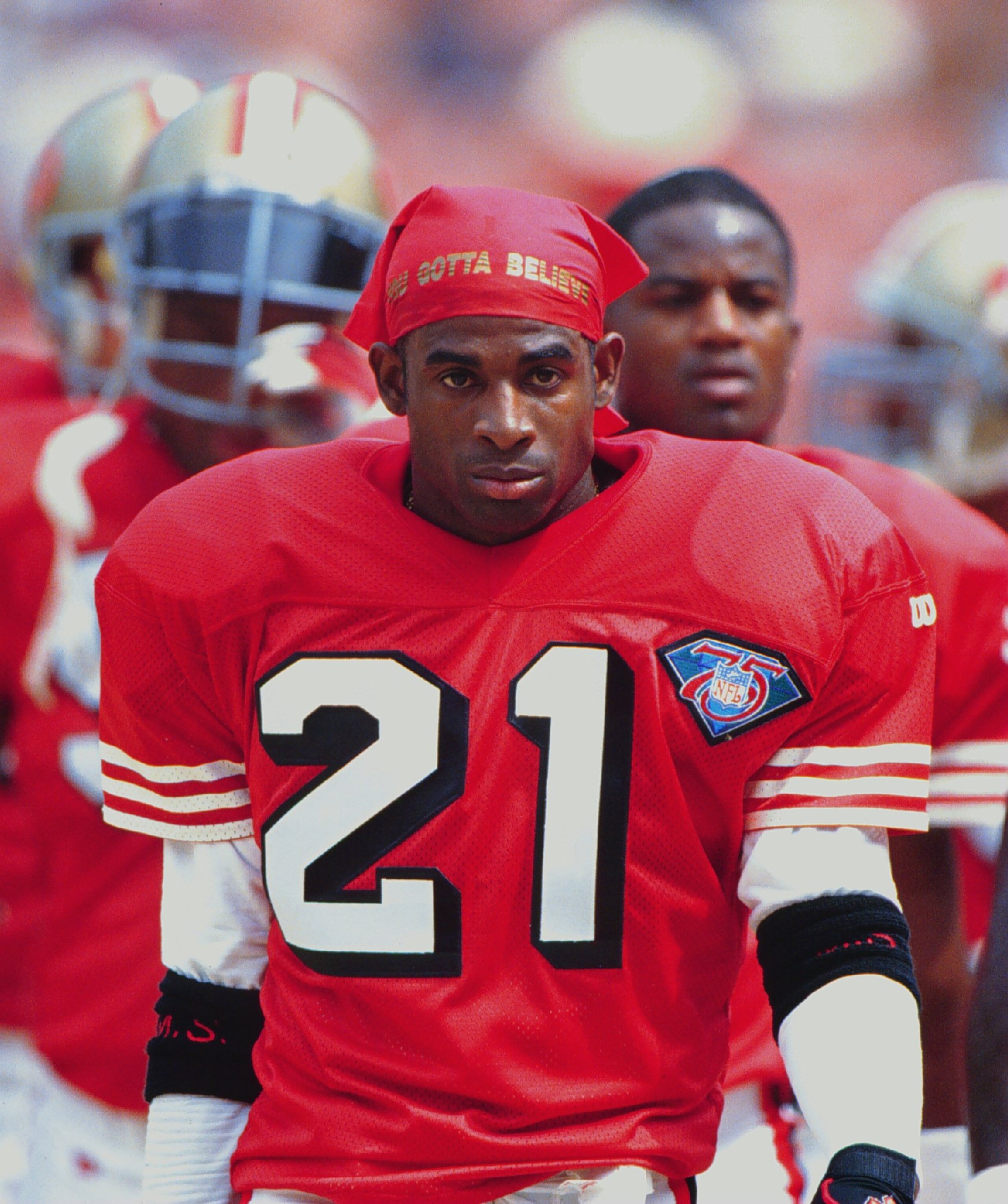
Best Year: 1994: six interceptions, 303 yards, three touchdowns
Tenure: 1994
Stats: six interceptions, 303 yards, three touchdowns
Sure it was only one season, but what a season!
Because he was with the Cincinnati Reds, Sanders didn’t sign with the 49ers until mid-September (coincidentally just a few weeks after he and his fellow major leaguers went on strike), and he didn’t debut until Week 3 of the 1994 season.
But in his second game, he returned a pick 74 yards for the game-clinching score against New Orleans. He would add five more picks and two more scores as the 49ers earned the top seed. In the postseason, he shutdown Alvin Harper in the critical NFC championship game win over Dallas and he was equally dominant in the Super Bowl win over San Diego.
No. 19: Michael Turner, Atlanta Falcons, 2008
7 of 25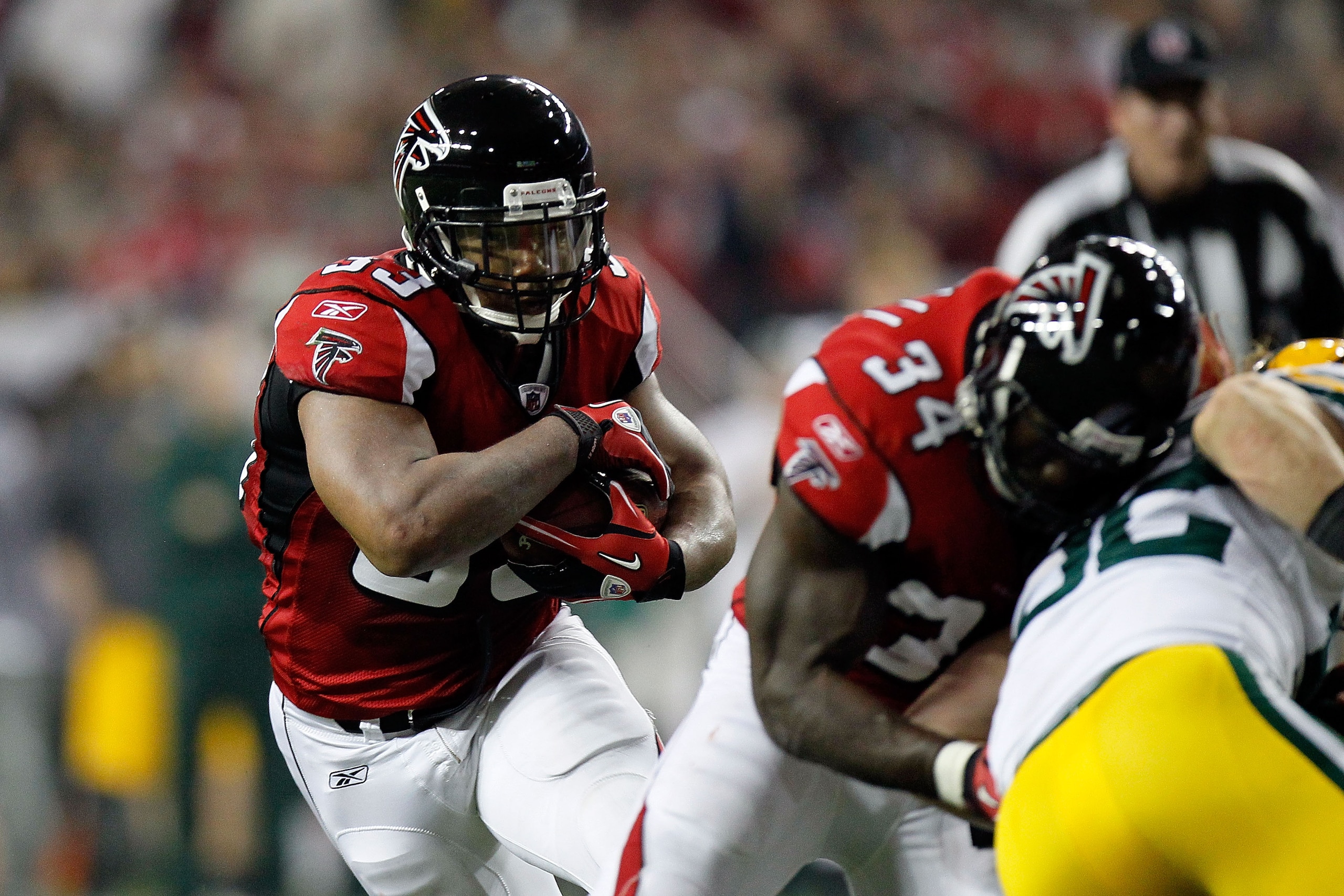
Best Year: 2008: 376 carries, 1,699 yards, 17 touchdowns
Tenure: 2008-10
Stats: 888 carries, 3,941 yards, 39 touchdowns
Despite only a few touches per game—that will happen when you play behind LaDainian Tomlinson—the Falcons gave Turner a six-year, $34.5 million deal in 2008.
That limited duty actually worked to his advantage: Turner was not all banged up when he got the opportunity to start in Atlanta. He’s led the NFL in carries two of the last three seasons and averages over 90 yards per start.
Matt Ryan, Roddy White, Tony Gonzalez and the Falcons passing game might get more headlines, but the resurgence in Atlanta started with the acquisition of Turner.
No. 18: Mike Vrabel, New England Patriots, 2001
8 of 25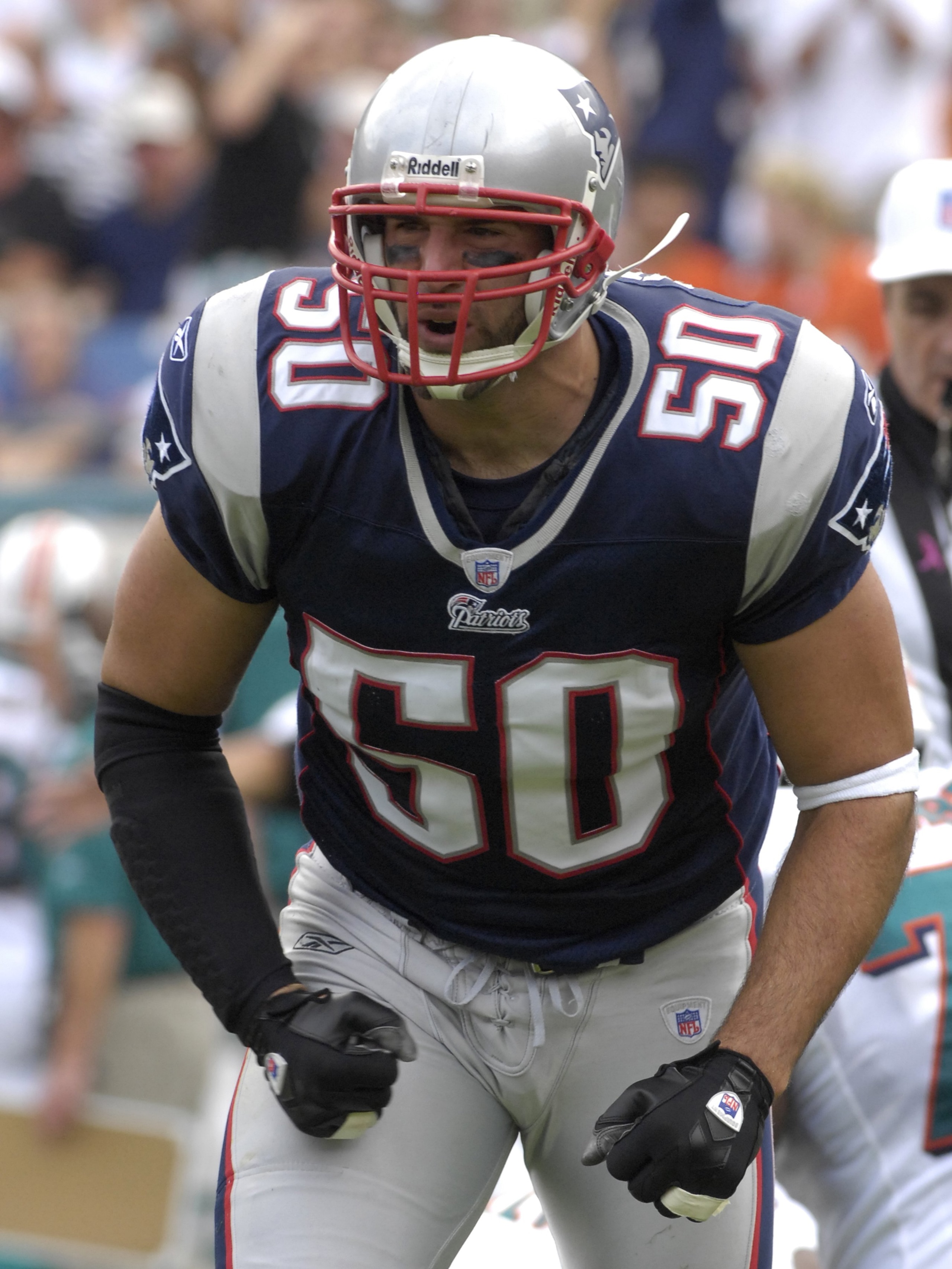
Best Year: 2007: 12.5 sacks, four forced fumbles
Tenure: 2001-08
Stats: 11 interceptions, nine touchdowns
After four so-so seasons in Pittsburgh, Vrabel wasn’t the biggest free agent on the open market in the spring of 2001. But he had displayed enough for Bill Belichick to have the Patriots offer him a deal.
His impact wasn’t instantaneous. He didn’t become a full-time starter until 2004, but he was a versatile player on defense, special teams and even goal-line offense.
In terms of diamond-in-the-rough free-agent acquisitions, Vrabel was one of the finest ever.
No. 17: Ricky Watters, Philadelphia Eagles, 1995
9 of 25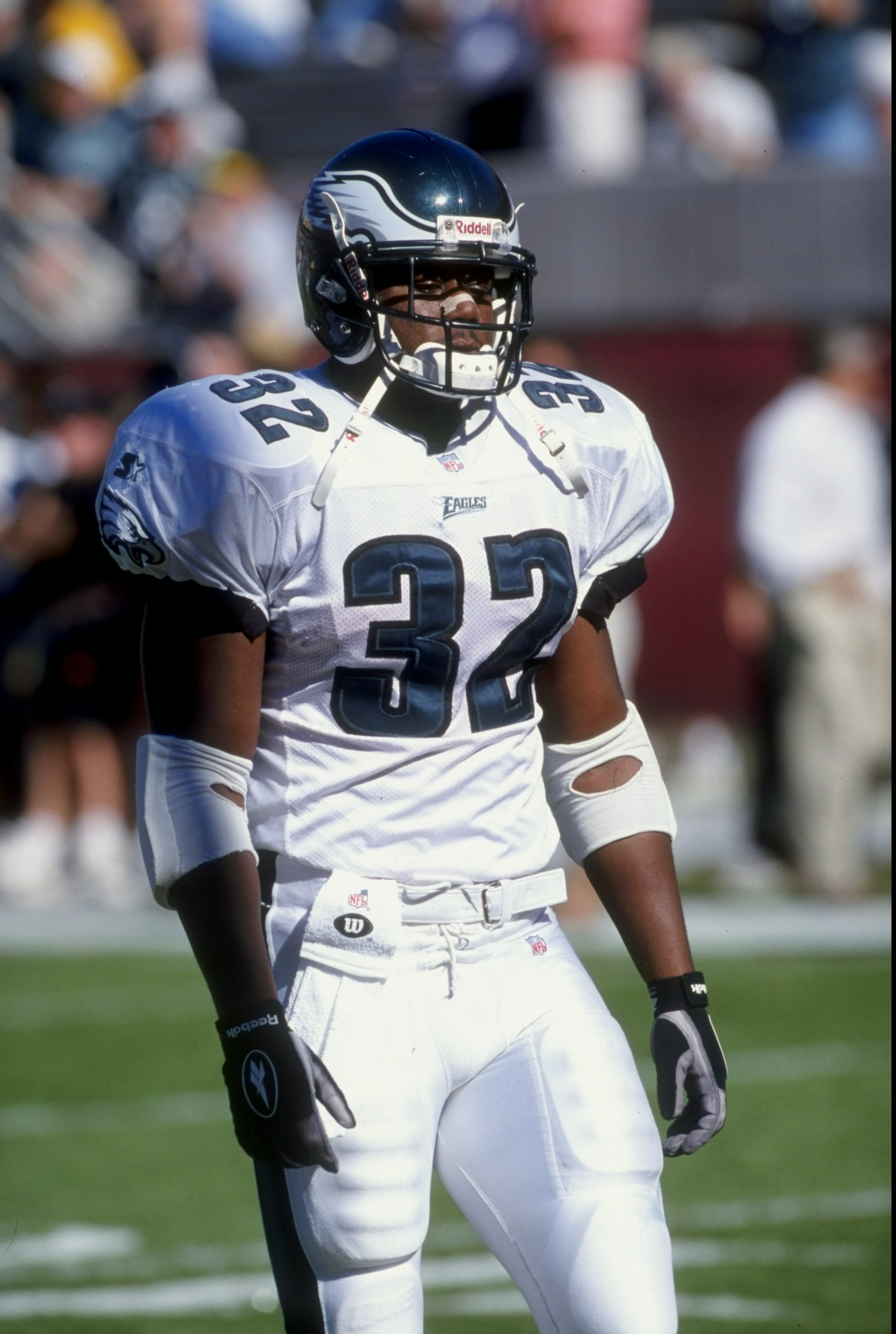
Best Year: 1996: 353 carries, 1,411 yards, 13 touchdowns
Tenure: 1995-97
Stats: 975 carries, 3,794 yards, 31 touchdowns
Watters was a great replacement for Roger Craig in the early 1990s, going to three-straight Pro Bowls. But in the West Coast offense, he really wasn’t able to shine as a workhorse ball carrier.
So he left the world champion 49ers in 1995 to go east and be the guy in Philadelphia.
He didn’t spend very long in Philly and the Eagles won just one playoff game during his tenure, but for three seasons he was one of the NFC's best backs, averaging over 325 carries, 1,250 yards, 10 touchdowns and 50 catches a year.
No. 16: Hardy Nickerson, Tampa Bay Buccaneers, 1993
10 of 25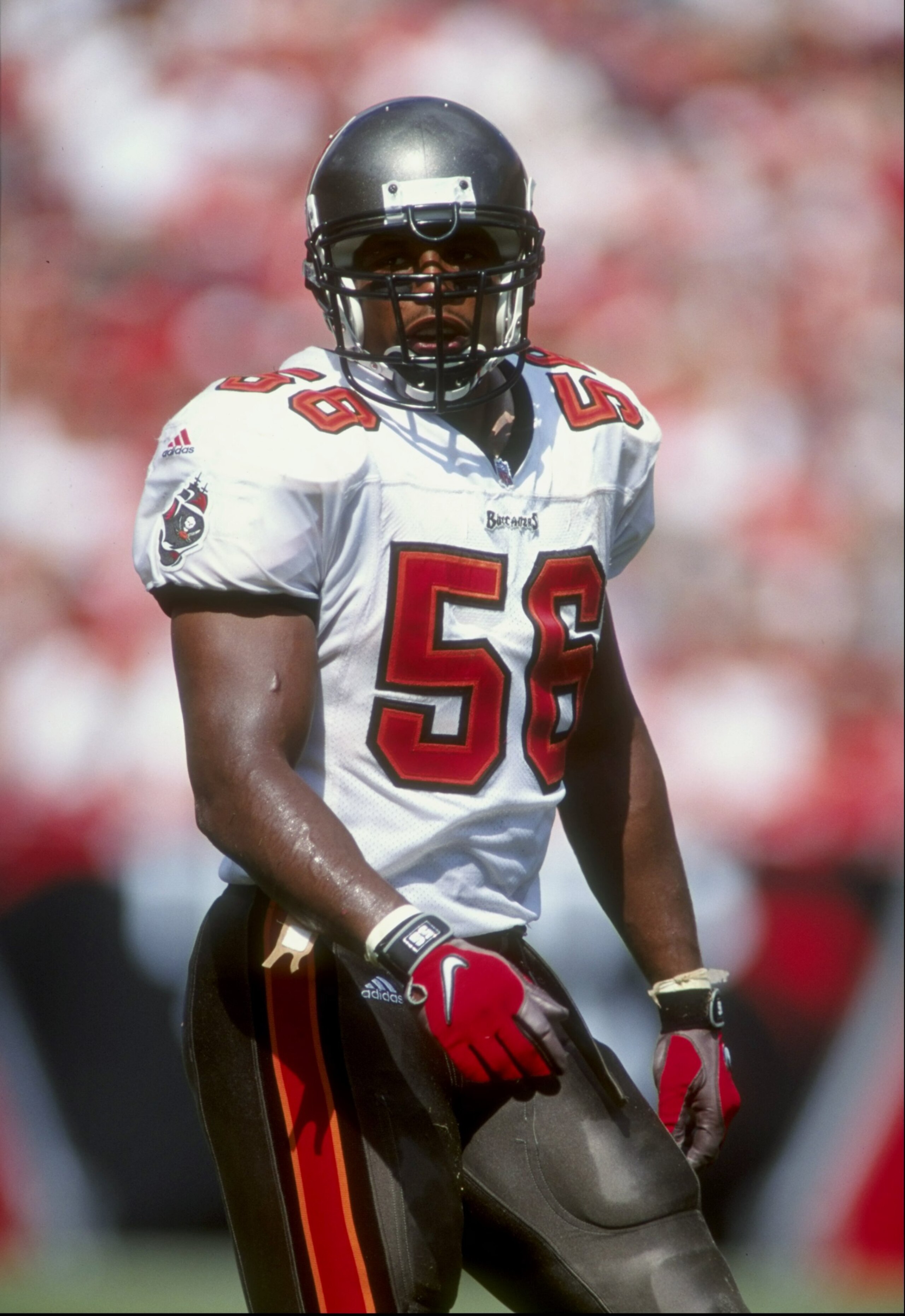
Best Year: 1997: one sack, All-Pro
Tenure: 1993-99
Stats: nine sacks, seven interceptions, four Pro Bowls
Another linebacker who the Steelers let slip away, Nickerson left Pittsburgh in the free-agent boom of 1993.
He made an immediate impact for the lowly Bucs, earning a first-team All-Pro spot. But it wasn’t until the arrival of Tony Dungy that Nickerson became a truly national figure.
In Dungy’s Tampa-2, Nickerson flourished, going to four consecutive Pro Bowls.
He had left Tampa by the time the Bucs finally became a Super Bowl winner, but his impact helped make the young players on that club—Warren Sapp, Derrick Brooks, John Lynch—become dominant in 2002.
No. 15: Garrison Hearst, San Francisco 49ers, 1997
11 of 25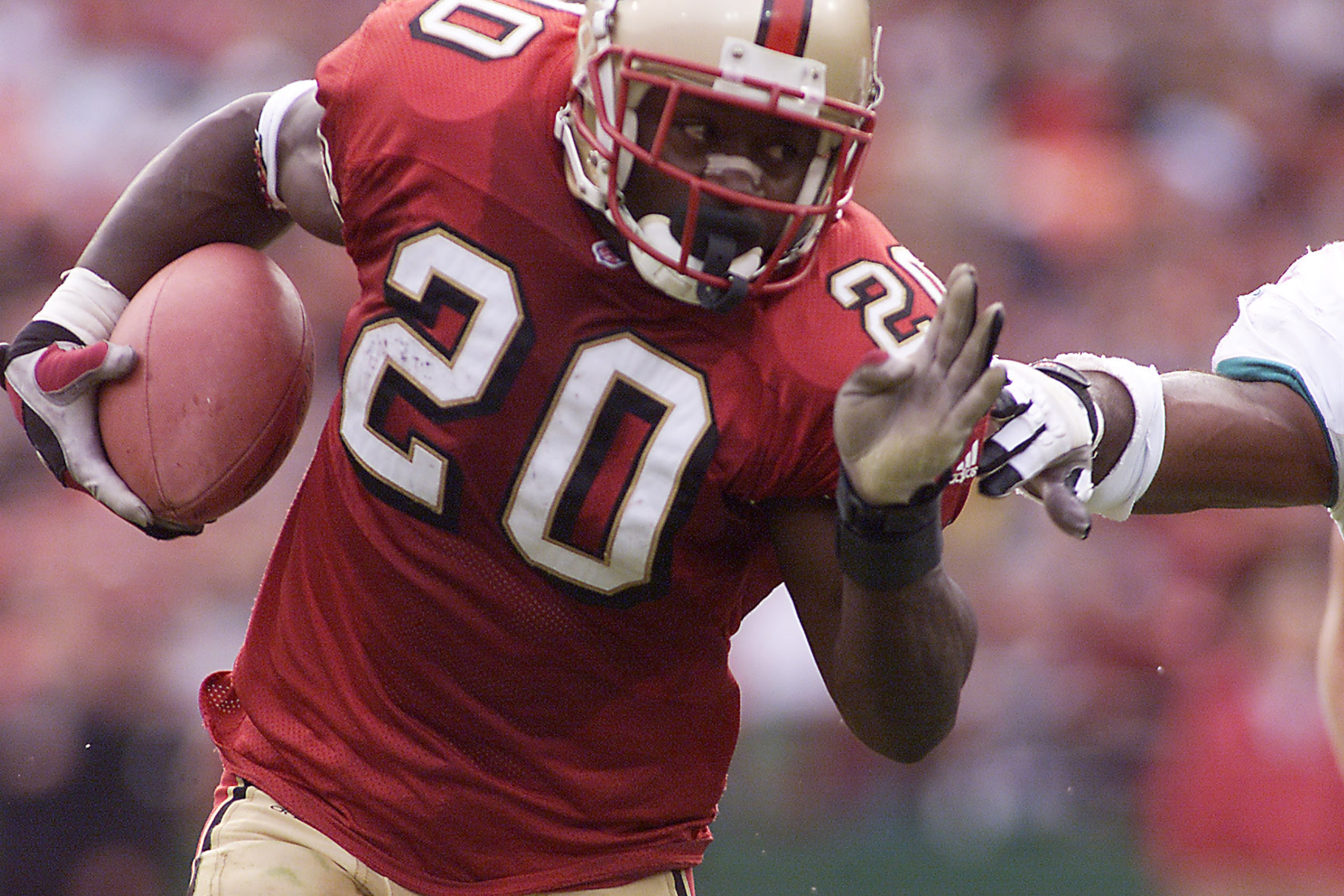
Best Year: 1998: 310 carries, 1,570 yards, seven interceptions
Tenure: 1997-2003
Stats: 1,189 carries, 5,535 yards, 26 touchdowns
As the third-overall pick in 1993, Hearst largely disappointed (mostly due to injuries) during three seasons in Arizona.
But after a nice 1996 with the Bengals—who were still hopping Ki-Jana Carter would be able to bounce back the next season—Hearst left Cincinnati to play for the 49ers, which were still looking for someone to fill the void left by Ricky Watters' move to Philadelphia.
After another injury-plagued season in 1997, Hearst had an incredible year, averaging just under 100 yards per game as the 49ers won the NFC West.
The gruesome ankle injury that cost him all of 1999 and 2000 didn’t prevent him from returning to top form three years later, and he averaged nearly 1,000 yards over the next three seasons.
By the end of his stay by the bay, Hearst would average more than 75 yards per start, a mark far better than Watters or Roger Craig posted in Frisco.
No. 14: Rod Woodson, Baltimore Ravens, 1998
12 of 25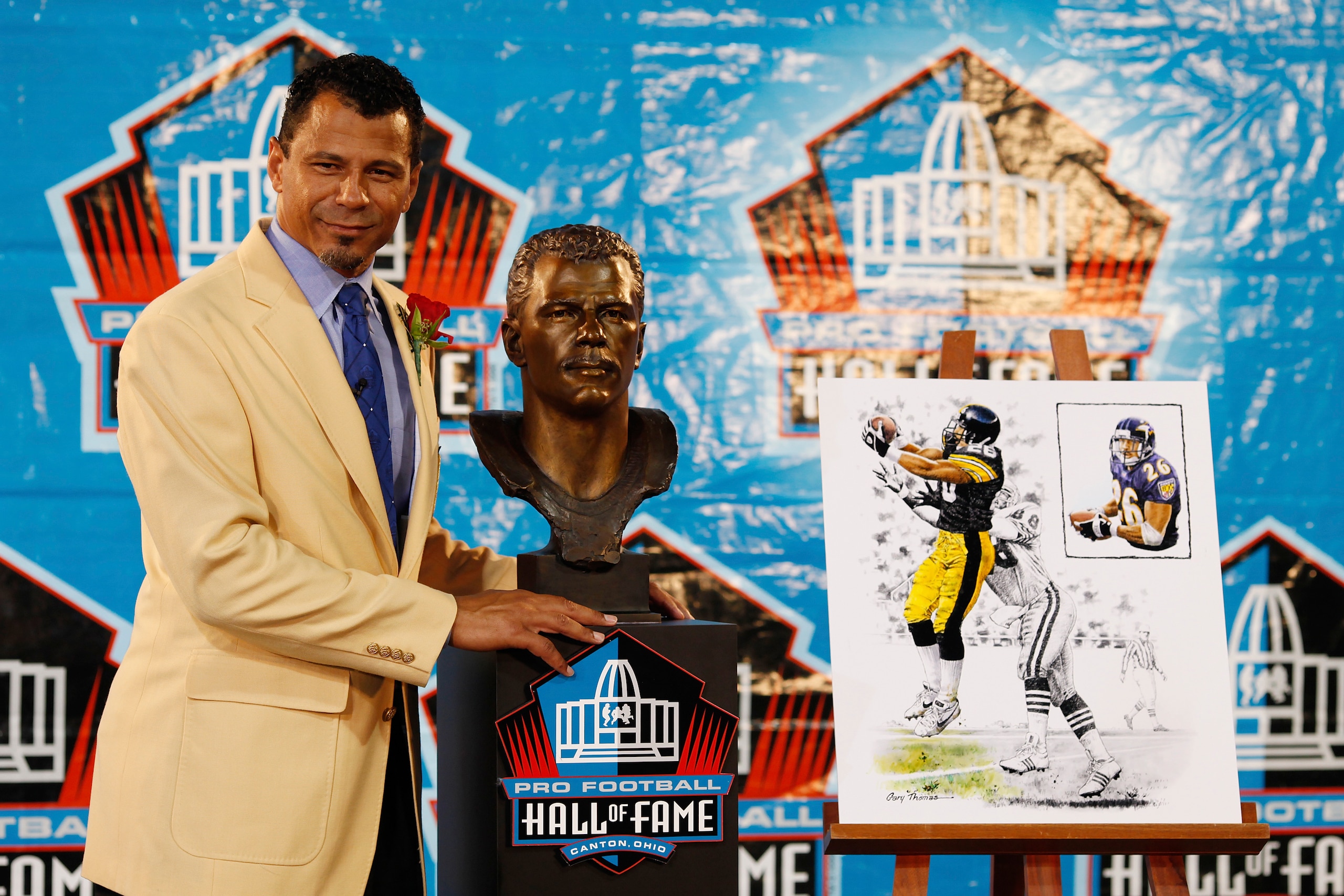
Best Year: 1999: seven interceptions, 195 yards, two touchdowns
Tenure: 1998-2001
Stats: 20 interceptions, five touchdowns
The 2000 Ravens team was one of the greatest defenses in NFL history, and Ray Lewis was certainly the focal point and key person on that unit.
But the only Super Bowl they ever reached, let alone won, came with Rod Woodson—not Ed Reed—patrolling the secondary.
After his one-year stint with the 49ers was over, Woodson signed with the Baltimore Ravens, which was a budding rival to his former team, the Pittsburgh Steelers.
And despite being 33 years old, he soon had four incredible seasons with the Ravens, being selected to three-straight Pro Bowls.
Interestingly enough, Woodson scored as many defensive touchdowns in Baltimore (five) as he did in Pittsburgh, despite playing six fewer seasons with the Ravens.
No. 13: Bryce Paup, Buffalo Bills, 1995
13 of 25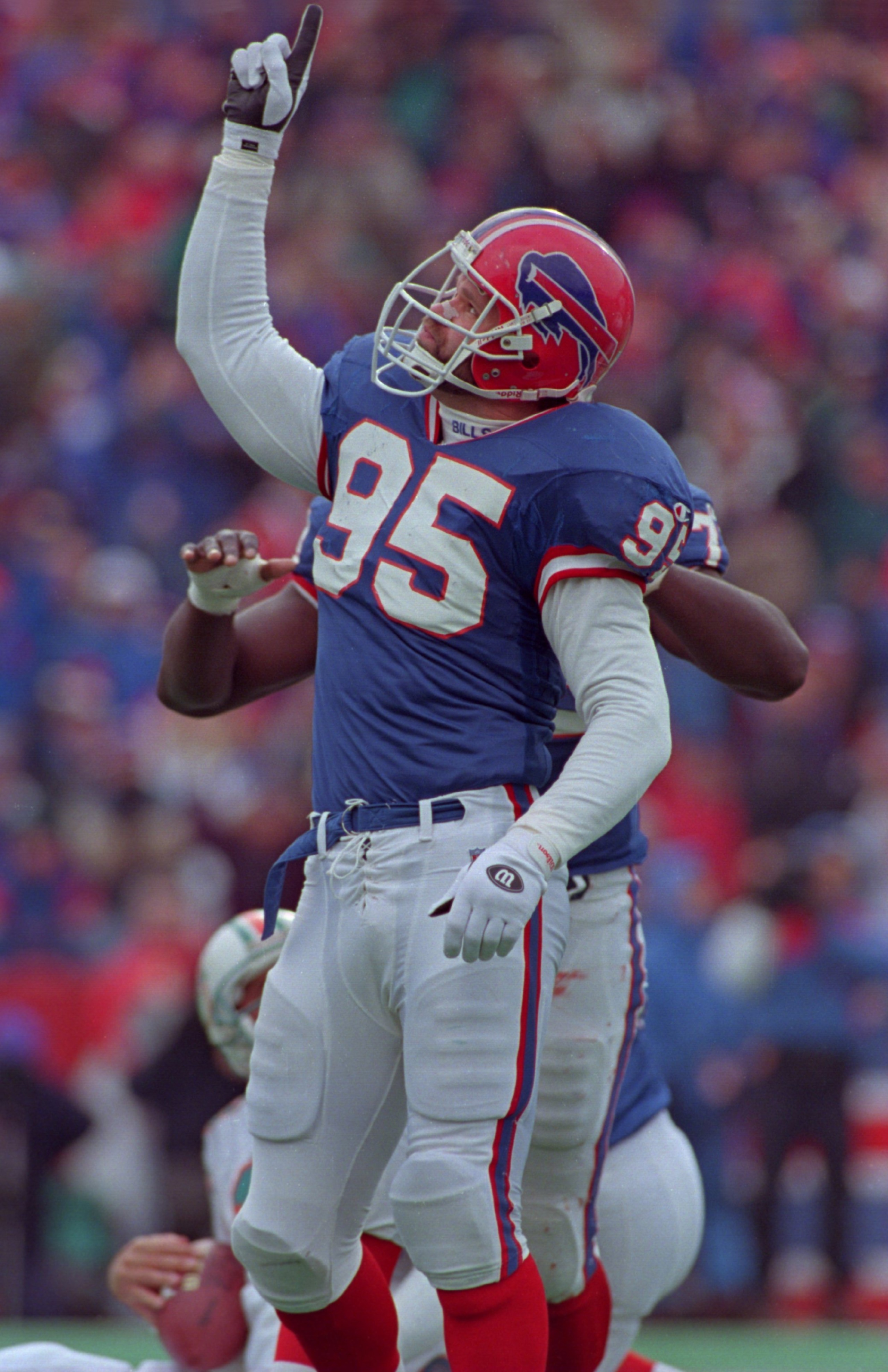
Best Year: 1995: 17.5 sacks, two interceptions
Tenure: 1995-97
Stats: 33 sacks, two interceptions, seven forced fumbles
Although his free-agent signing with the Jaguars in 1998 turned out to be a huge disappointment, Paup was well worth his three-year, $7.6 million deal in the spring of 1995.
Paired with Bruce Smith, Paup led the NFL in sacks his first year as the Bills won the AFC East for a seventh time in eight years.
Paup was named the NFL’s Defensive Player of the Year that season and he would be named to the Pro Bowl each of his three seasons in Buffalo.
No. 12: Steve Hutchinson, Minnesota Vikings, 2006
14 of 25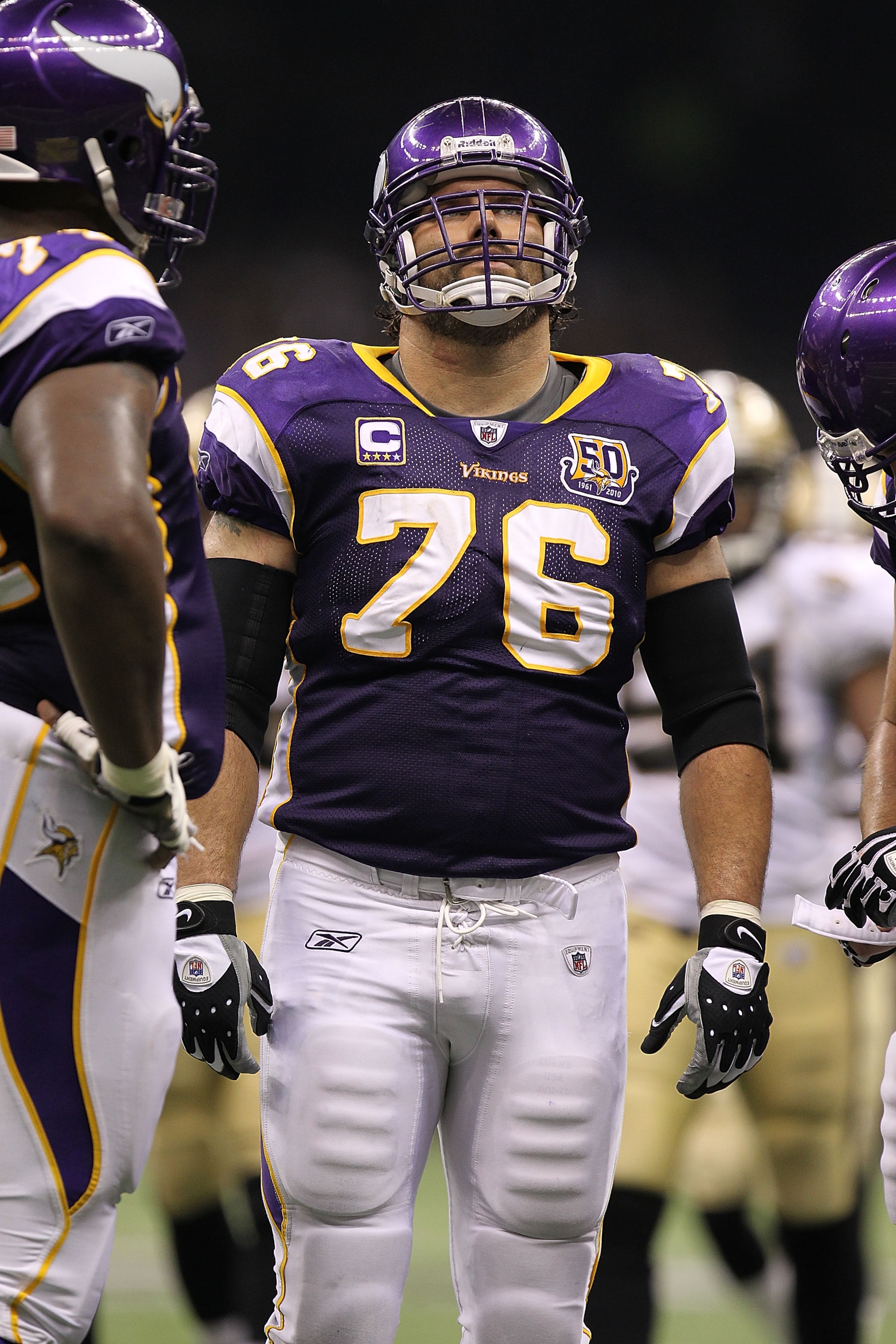
Best Year: 2008: All-Pro, 1,760-yards for Adrian Peterson
Tenure: 2006-present
Stats: four Pro Bowls, three-All-Pro selections
Hutchinson’s departure from Seattle was not easy and quite controversial, but the bottom line is that it was a rousing success.
In Minnesota he’s been a four-time Pro Bowler and a three-time All-Pro.
Maybe Adrian Peterson would be a 1,500-yard rusher on any team with any offensive line. But Hutchinson is by far the premier lineman on that team, and in 2009 he was a key factor in the great protection of Brett Favre.
Is it any coincidence that the hit that ended Favre’s consecutive-games streak came with Hutchinson on the sideline?
No. 11: Simeon Rice, Tampa Bay Buccaneers, 2001
15 of 25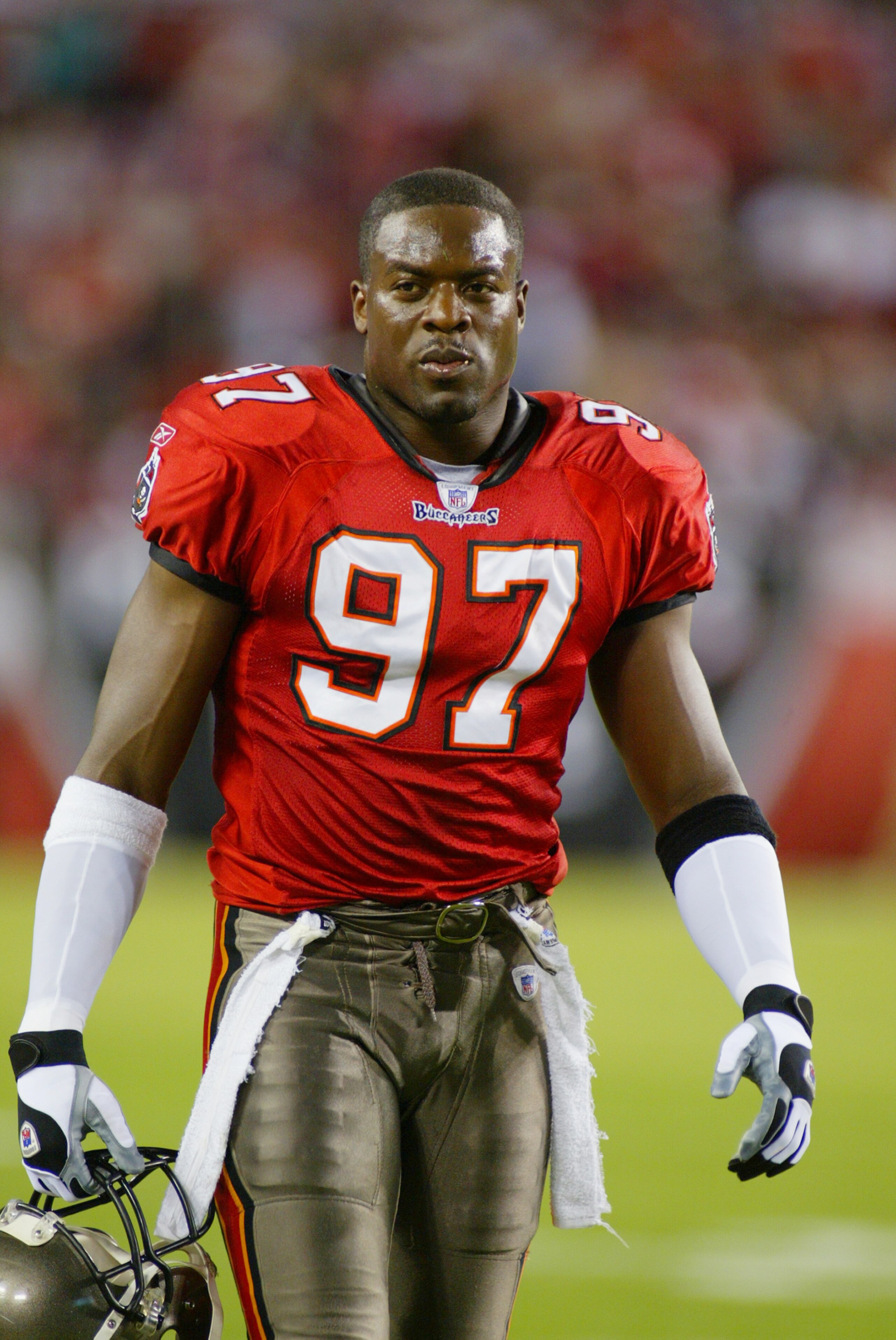
Best Year: 2002: 15.5 sacks, one interception
Tenure: 2001-06
Stats: 69.5 sacks, four interceptions
As great as Warren Sapp, Derrick Brooks, John Lynch, Ronde Barber and the rest of the Tampa Bay defense was in the late 1990s and early 2000s, they didn’t become truly dominant until adding a premier pass-rushing defensive end.
And once they signed Rice in the spring of 2001, he immediately delivered. He averaged better than 13 sacks each of his first five seasons, went to a pair of Pro Bowls and he was a first-team All-Pro in 2002, the year Tampa led the NFL in scoring defense.
But the investment in Rice paid its greatest dividends in that year’s playoffs: He recorded a sack in each postseason game, including a pair of critical takedowns of Rich Gannon in Super Bowl XXXVII.
No. 10: Kevin Mawae, New York Jets, 1998
16 of 25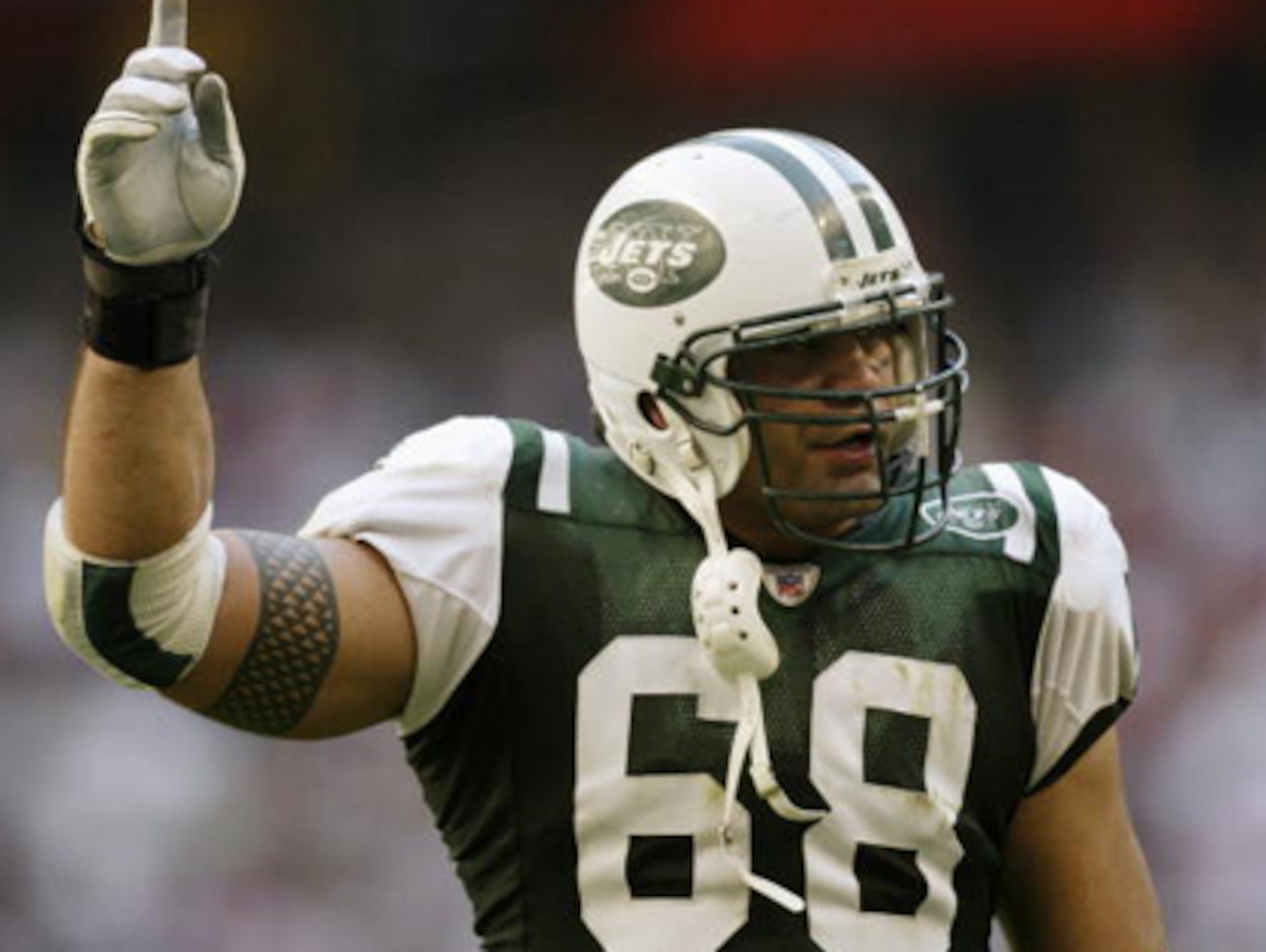
Best Year: 2004: Pro Bowl, blocked for NFL-leading rusher Curtis Martin
Tenure: 1998-2005
Stats: six-consecutive Pro Bowls, two-time first-team All-Pro
Bill Parcells won two Super Bowls with the New York Giants with a great center, Bart Oates, anchoring his offensive line.
He tried to follow that same formula in his second go-round in New York, with the Jets.
The Jets signed Mawae away from the Seahawks in the 1998 offseason and it turned out to be a great move.
Mawae helped keep Vinny Testaverde and Chad Pennington upright, and he helped Curtis Martin become a seven-time 1,000-yard runner.
No. 9: Priest Holmes, Kansas City Chiefs, 2001
17 of 25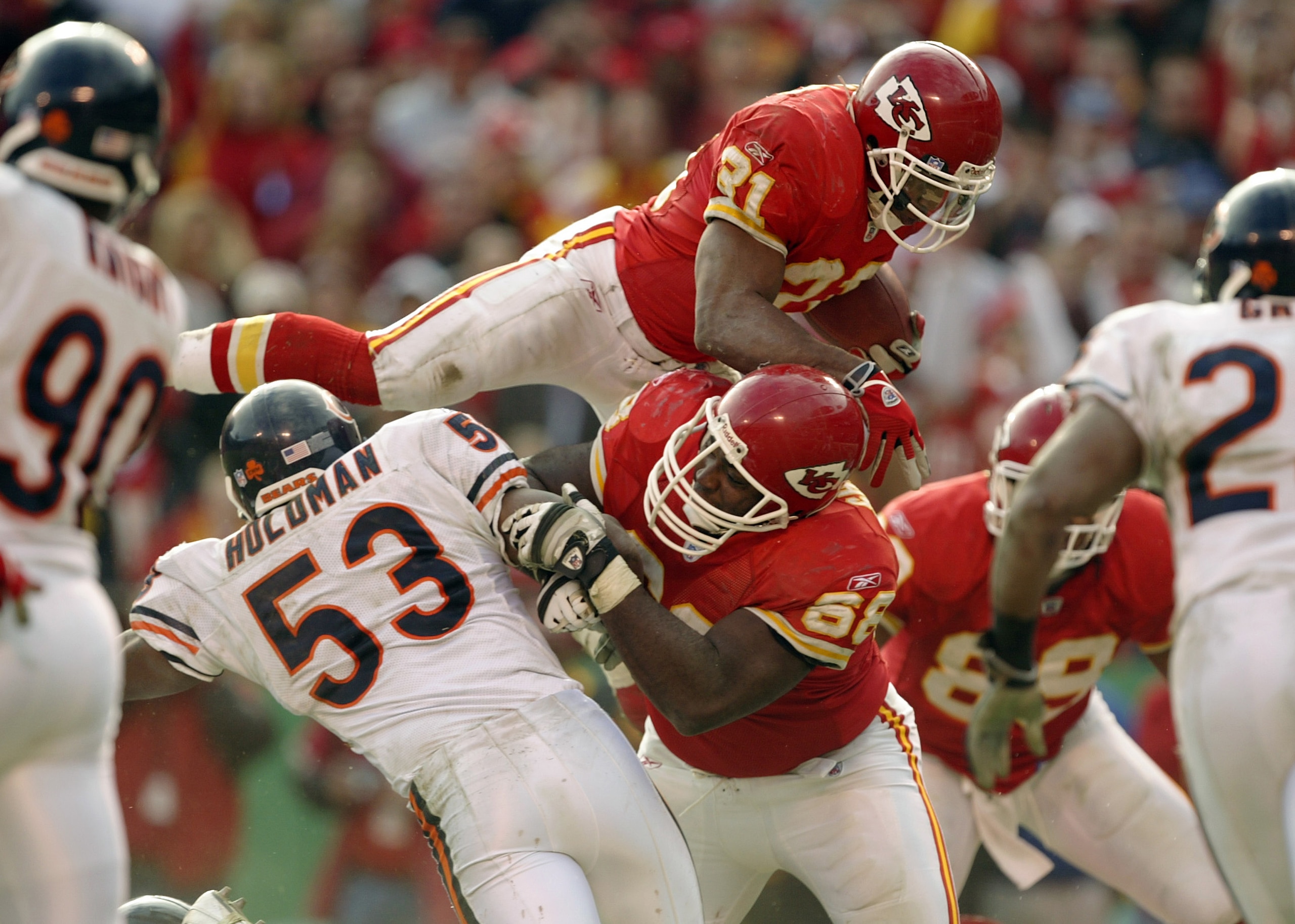
Best Year: 2003: 320 carries, 1,420 yards, 27 touchdowns
Tenure: 2001-2007
Stats: 1,321 carries, 6,070 yards, 76 touchdowns
Arguably the greatest diamond-in-the-rough free-agent signing ever, Holmes had become largely expendable in Baltimore thanks to the arrival of Jamal Lewis in 2000.
After earning his Super Bowl ring, Holmes signed with Kansas City where he promptly led the NFL in rushing.
Over the next two years, he led the NFL in touchdowns, setting a single-season record in 2003.
Holmes made first-team All-Pro three times, but his career ended abruptly. But since he averaged over 100 yards per game from 2001-04, he had one of the greatest four-year runs in NFL history, even if the Chiefs failed to win a playoff game.
No. 8: John Riggins, Washington Redskins, 1976
18 of 25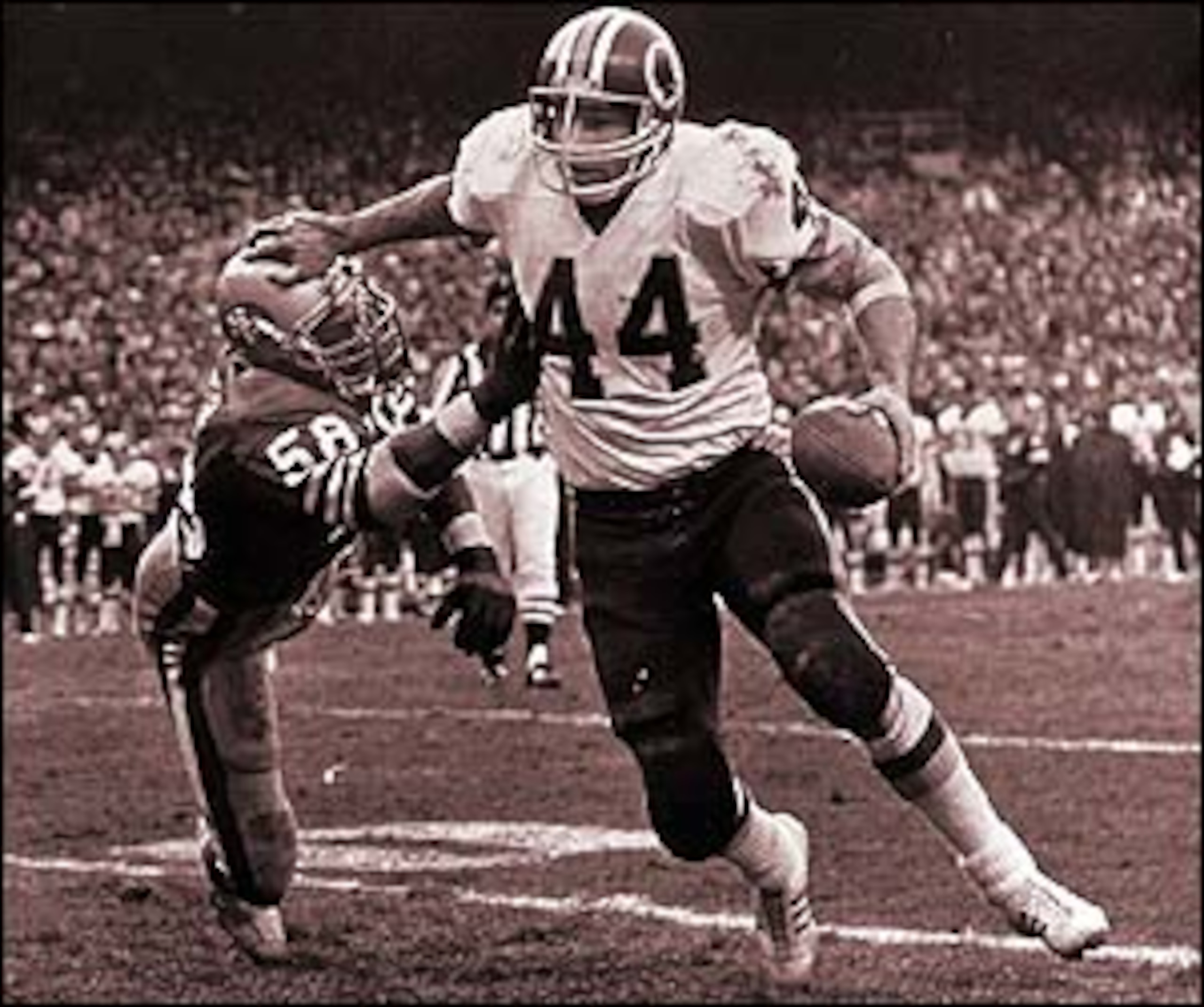
Best Year: 1983: 375 carries, 1,347 yards, 24 touchdowns
Tenure: 1976-85
Stats: 1,988 carries, 7,472 yards, 79 touchdowns
Free agency didn’t begin in 1993, only the unrestricted period. Two decades before that boom began, Riggins was given a then-enormous sum to leave the Jets and move to Washington.
And despite a very rocky period at the end of the decade—holding out all of 1980—Riggins became the greatest rusher in Redskins history.
He won a Super Bowl MVP, he was the focal point of the team’s historic offense in 1983 and (now that Clinton Portis is gone) he safely owns ever one of the franchise’s career rushing marks.
No. 7: James Farrior, Pittsburgh Steelers, 2001
19 of 25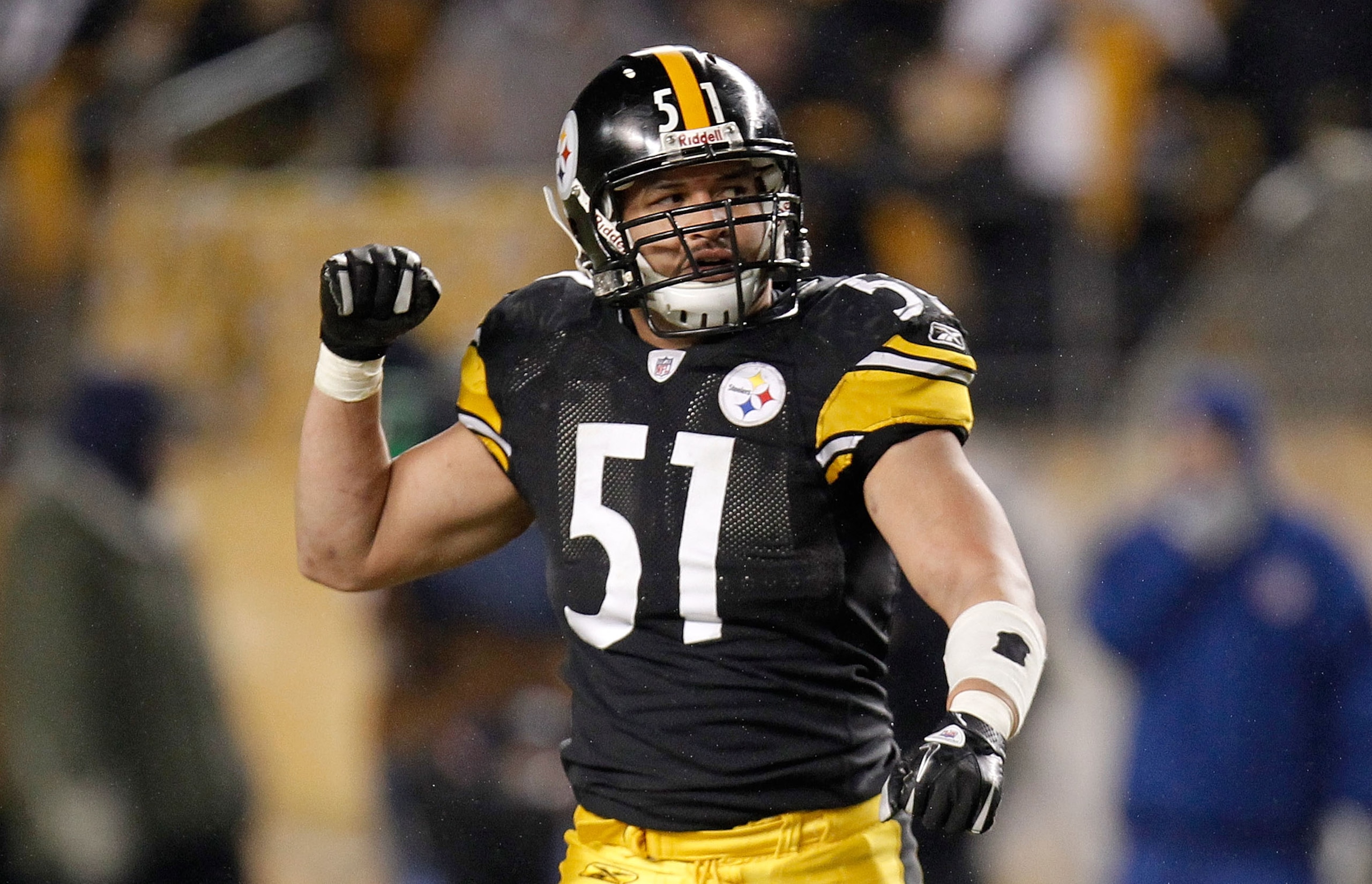
Best Year: 2004: four interceptions, one touchdown, three sacks
Tenure: 2001-present
Stats: 28 sacks, eight interceptions
Farrior doesn’t get nearly the same level of recognition most of his teammates do. Troy Polamalu and James Harrison have won Defensive Player of the Year awards, while Joey Porter and now LaMarr Woodley have been mentioned amongst the NFL’s sack specialists.
But Farrior has quietly been the anchor of the Steelers' dominant defense the past decade. He’s outstanding against the run, a good pass rusher and solid in coverage.
The Steelers have been able to move around parts along the entire defensive lineup largely because Farrior has been so solid.
And because he wasn’t a superstar when he came over from the Jets in 2001, few could have anticipated he’d become such an invaluable player.
No. 6: Deion Sanders, Dallas Cowboys, 1995
20 of 25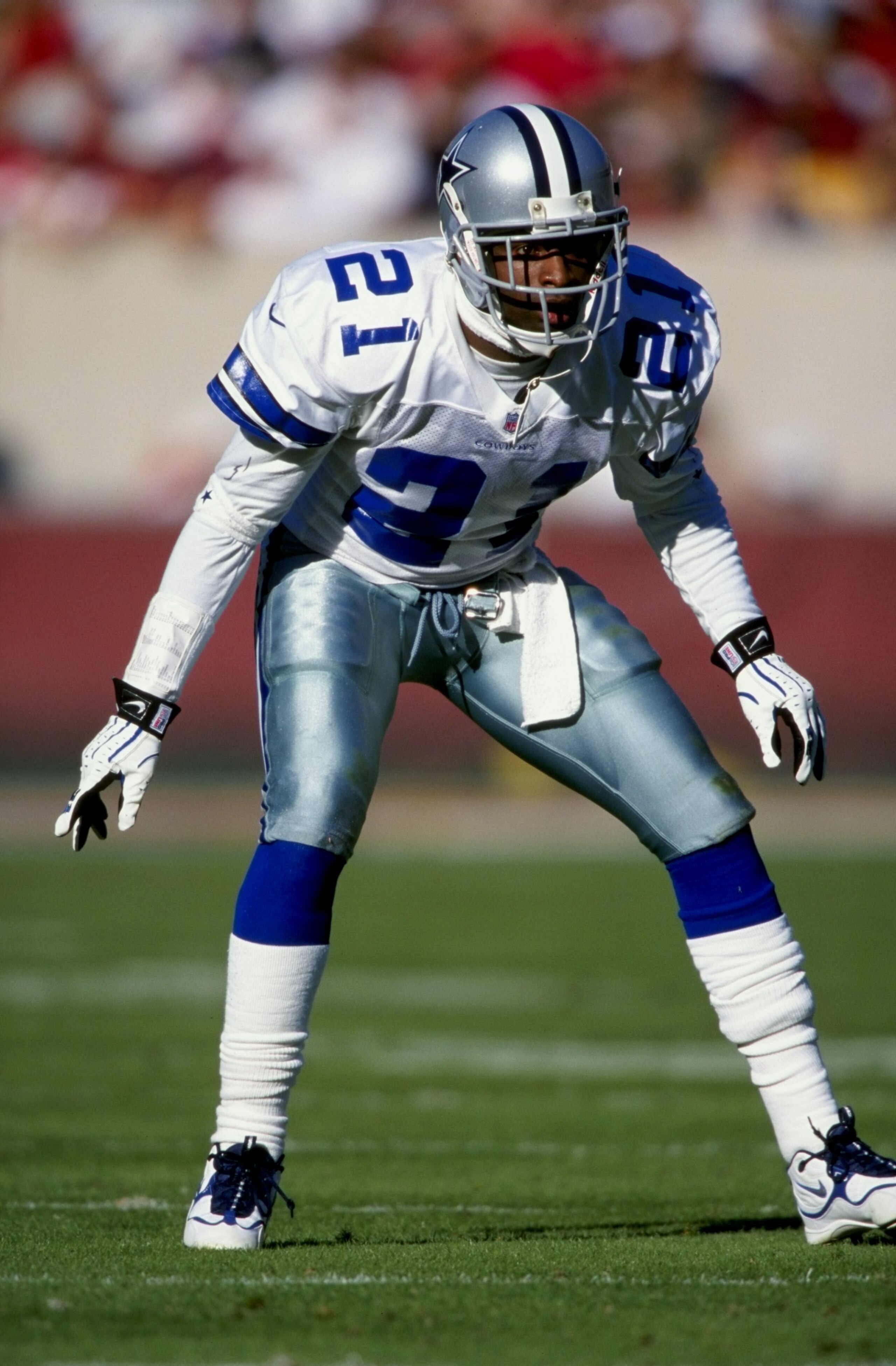
Best Year: 1998: two punt return touchdowns, five interceptions, 153 yards, one touchdown
Tenure: 1995-99
Stats: 14 interceptions, three defensive touchdowns, four punt return touchdowns
Only Prime Time, the game’s ultimate hired gun, could land on this list twice.
A year after winning a Super Bowl ring in his only season with San Francisco, Sanders jumped ship and joined the 49ers' NFC championship-game rival, Dallas.
Jerry Jones may have paid through the nose, but it was worth the money.
In his first year, despite limited duty, Sanders helped Dallas win a third title in four seasons.
Over the next few years, Sanders and the Cowboys couldn’t win a playoff game, but Neon Deion was still an electrifying punt returner and the game’s best cover corner.
No. 5: Curtis Martin, New York Jets, 1998
21 of 25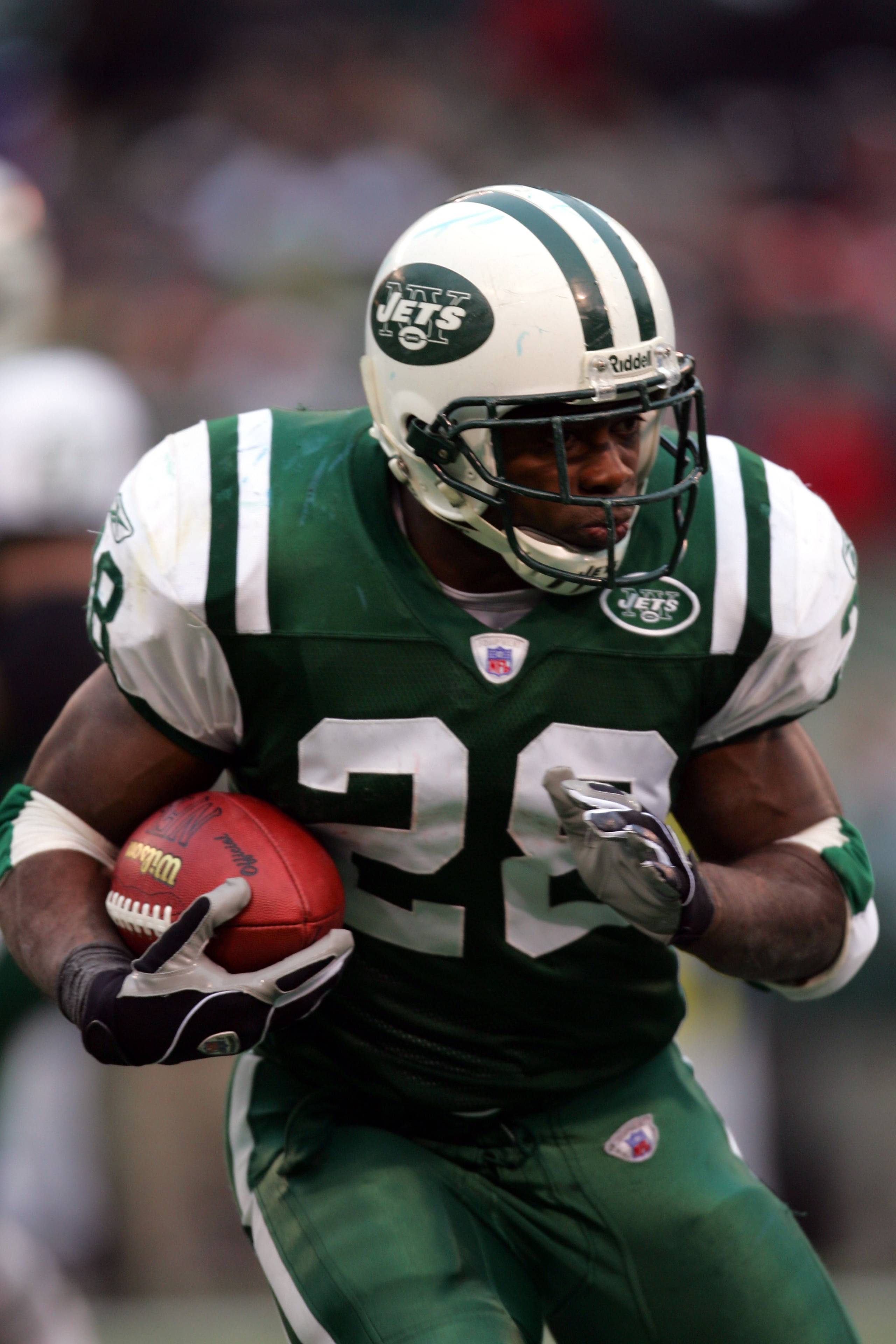
Best Year: 2004: 371 carries, 1,697 yards, 12 touchdowns
Tenure: 1998-2005
Stats: 2,560 carries, 10,302 yards, 58 touchdowns
It cost the Jets much more than the $36 million over six years they had to pay him to acquire his services—the Jets had to give up a first-and third round draft picks to sign the restricted free agent away from New England.
But Martin proved much more valuable than Robert Edwards and Greg Spires, the two players New England selected with the Jets picks.
Martin averaged over 1,300 yards a season from 1998-2004, won an NFL rushing title at the age of 31 and went to three Pro Bowls.
No. 4: Charles Woodson, Green Bay Packers, 2006
22 of 25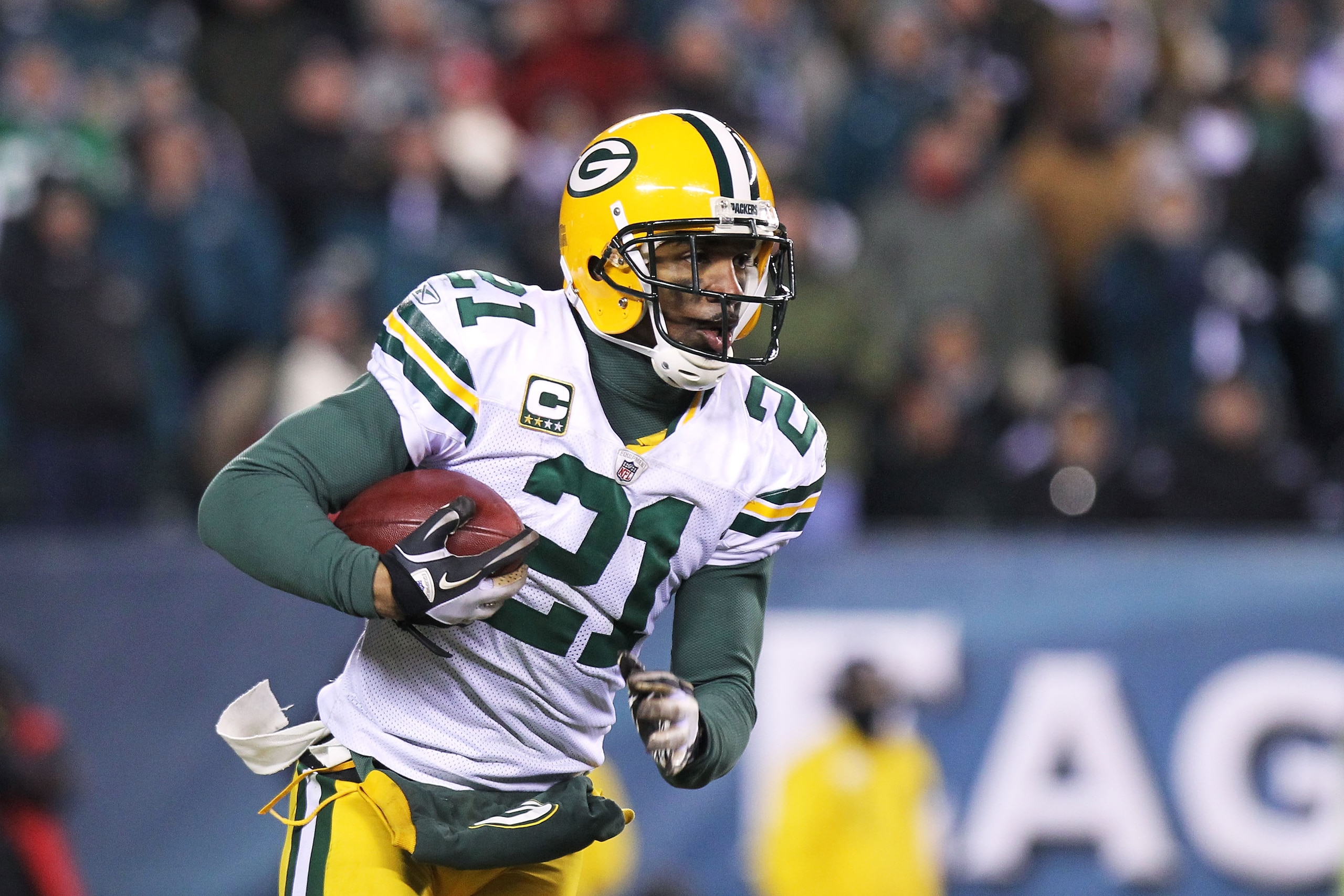
Best Year: 2009: nine interceptions, 179 yards, three touchdowns
Tenure: 2006-present
Stats: eight sacks, 30 interceptions, nine touchdowns
Today it’s hard to believe, but in the spring of 2006 there were legitimate questions about free agent Charles Woodson. He was 30 years old and coming off a 2005 season in which he broke his leg and missed 10 games. This was only three seasons after missing half the 2002 campaign with a shoulder injury.
But in Green Bay, Woodson was reborn.
He picked off 19 passes and scored four defensive touchdowns in his first three seasons before dominating the NFL. In 2009—10 years after earning his first All-Pro selection—Woodson led the NFL with nine interceptions, three of which he returned for scores. He was named the NFL Defensive Player of the Year.
If that wasn’t enough, a year later, along with his protégé Tramon Williams, the Packers had the NFC’s best defense and won Super Bowl XLV.
No. 3: Rich Gannon, Oakland Raiders, 1999
23 of 25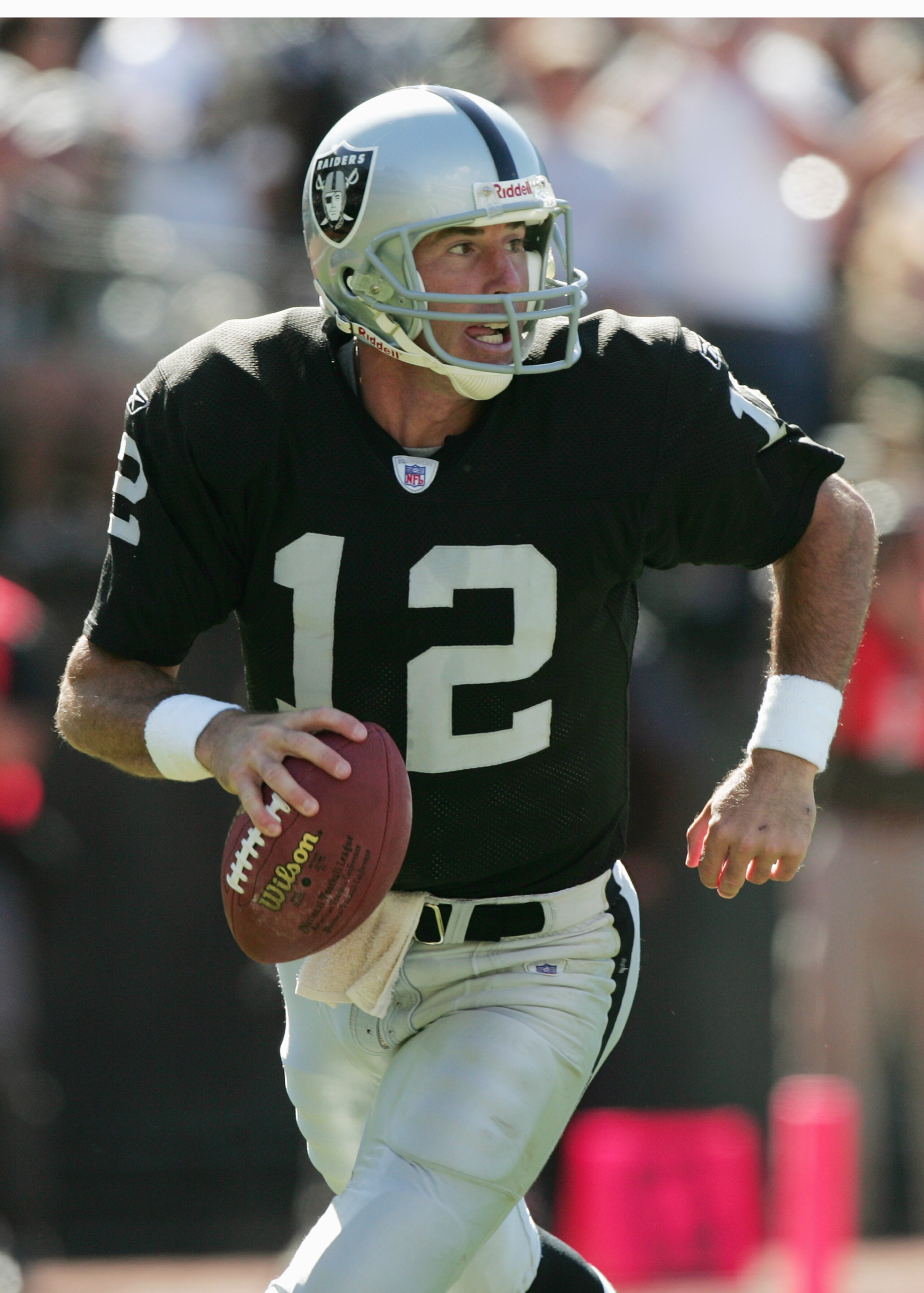
Best Year: 2002: 67.6-percent completion, 4,689 yards, 26 touchdowns
Tenure: 1999-2004
Stats: 45-29 record, 17,585 yards, 114 touchdowns
Forget for a second the five interceptions he threw in Super Bowl XXXVII: Gannon had a masterful career in Oakland.
After leaving the Chiefs—Kansas City probably regrets going with Elvis Grbac instead—Gannon joined the rival Raiders. With Jon Gruden he became an incredibly sharp passer.
He went to four straight Pro Bowls, he was a two-time first-team All-Pro, he won the 2002 NFL MVP and he got the Raiders to their only Super Bowl during the past quarter-century.
Considering the tremendous burden he carried on that pass-happy Raiders team, he was an incredible value.
No. 2: Reggie White, Green Bay Packers, 1993
24 of 25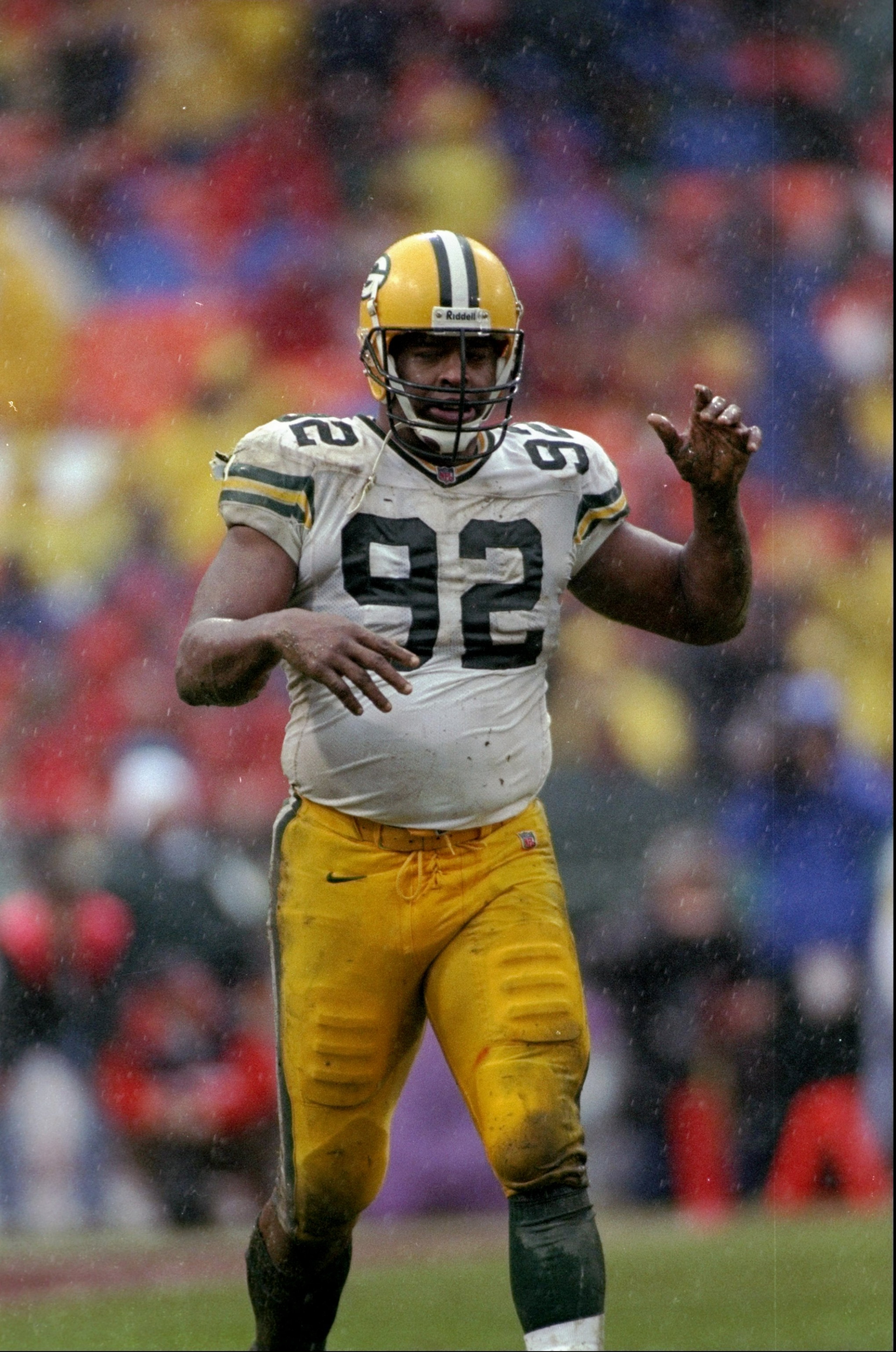
Best Year: (1998) 16 sacks, four forced fumbles
Tenure: 1993-98
Stats: 68.5 sacks
Even two decades later, the signing of Reggie White remains the most important defensive free-agent acquisition of all-time. He went to the Pro Bowl every year he was in Green Bay, he was twice selected to the All-Pro team and he won his second AP Defensive Player of the Year in 1998, at the age of 37.
Most importantly, he helped turn the Packers defense into a Super Bowl-caliber unit.
The only reason we didn’t give White the gold medal? On the other side of the ball, there was also a Hall of Famer who was just as vital to the Packers' dominance of the mid-1990s.
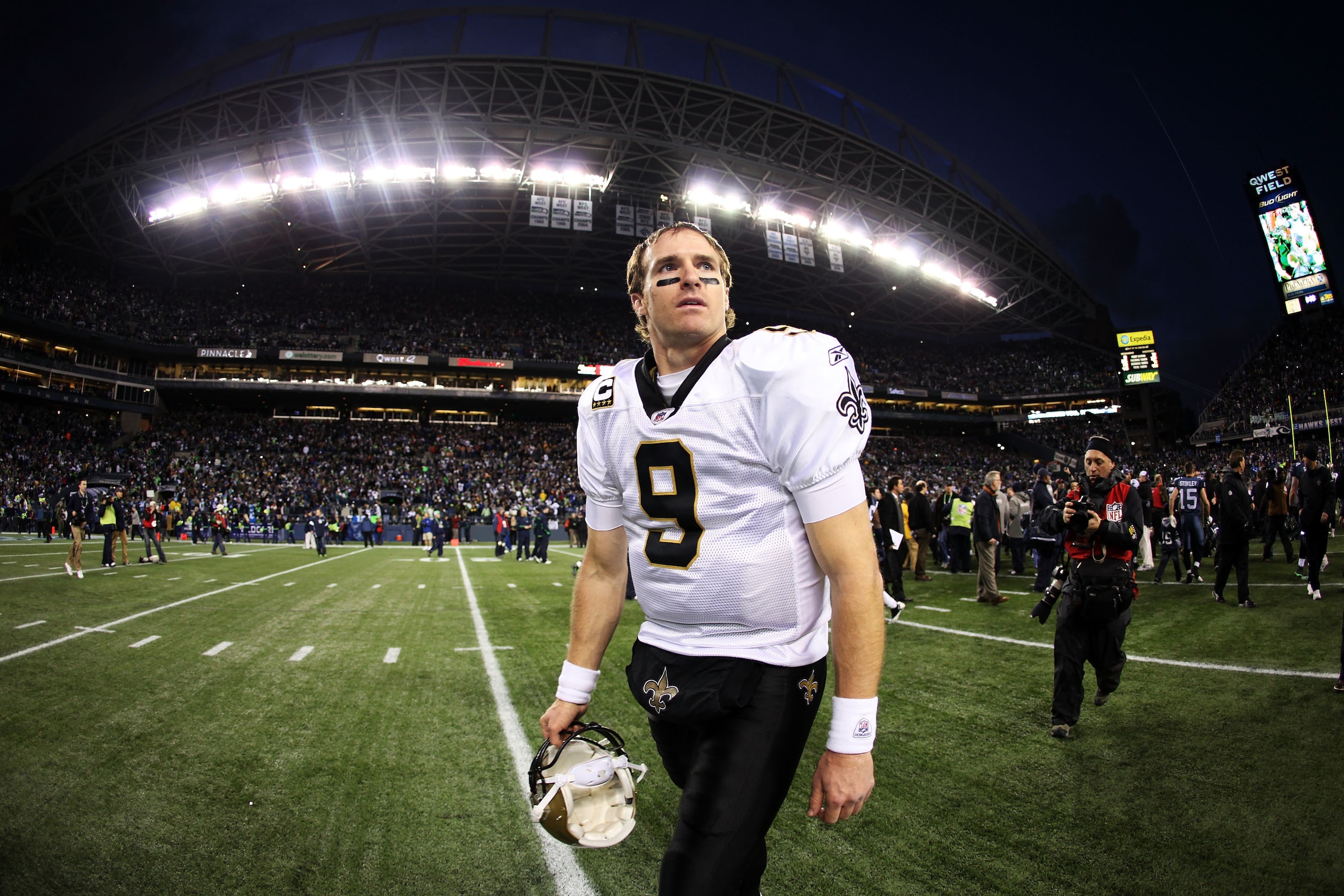
No. 1: Drew Brees, New Orleans Saints, 2006
25 of 25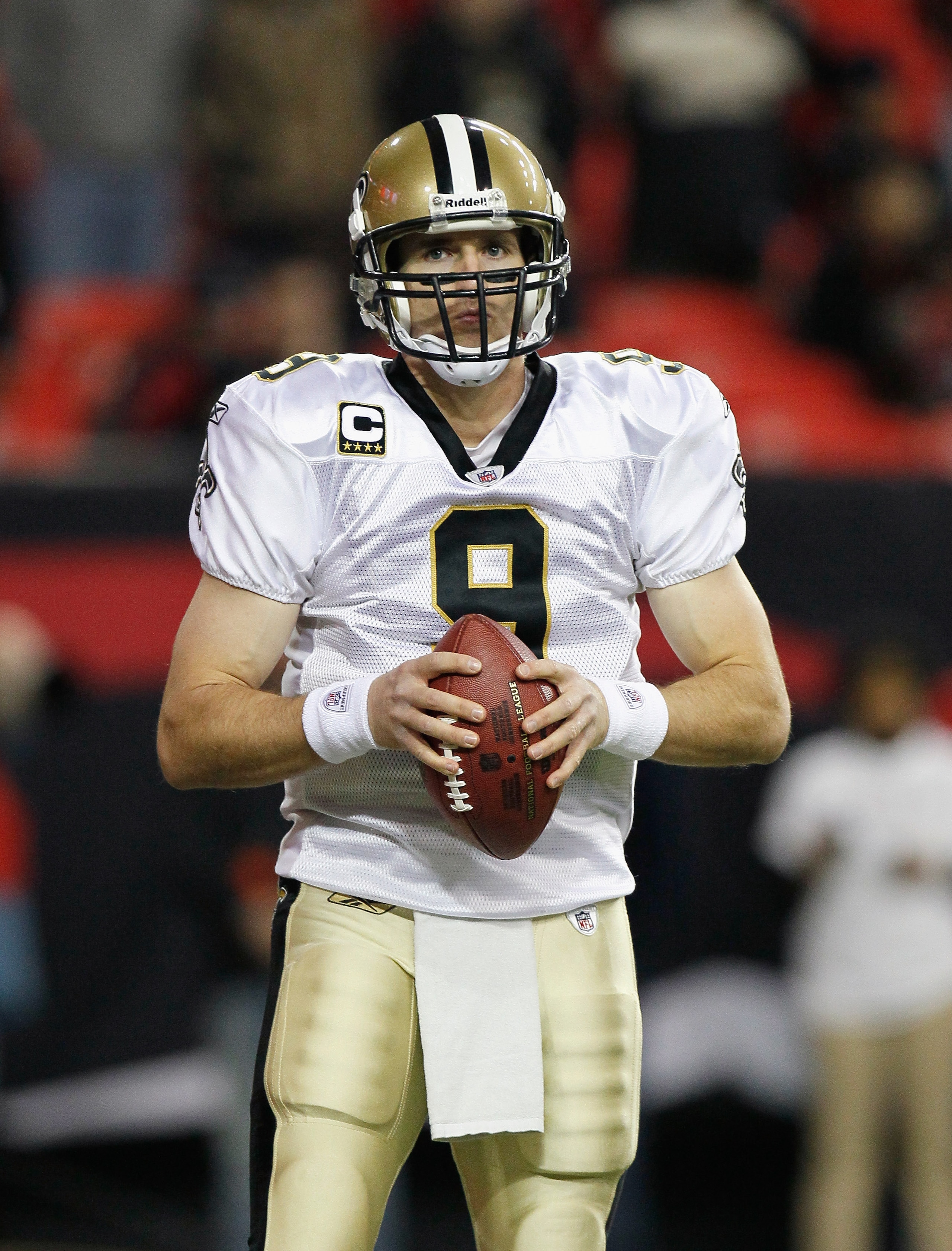
Best Year: (2009) 70.6-percent completion, 4,388 yards, 34 touchdowns
Tenure: 2006-present
Stats: 67-percent completion, 22,918 yards, 155 touchdowns
With all due respect to the late-great Reggie White, the signing of Drew Brees was the greatest in the history of NFL free agency. Here’s why.
It was a fairly big gamble for the Saints to give Brees a six-year, $60 million contract in the spring of 2006. Not only was his five-year career in San Diego not enough to keep the team from handing over control to Philip Rivers, but he was less than 10 weeks removed from major (throwing) shoulder surgery.
The Brees investment paid off immediately: He led the NFL in yards his first season and he took the Saints to the NFC title game.
Over the next five years, Brees averaged over 4,600 yards and 30 touchdowns and—by way of an incredibly accurate performance—he was named the MVP of the Saints' win in Super Bowl XLIV.
.jpg?w=2560 "Buccaneers Rookies Football")
.jpg?w=2560 "Seahawks Titans Football")
.png?w=2560 "MLB Playoff Picture Shaping Up")
.png?w=2560 "New-Look Luka Dončić 👀")