
MLB Power Rankings: The Top Long-Term Extension Candidate on Every Team
As we head to Spring Training, all of the major MLB free agents are now off the board. But that doesn't mean we're done seeing big contracts handed out on baseball's Hot Stove.
No big names will be signing with new teams until next winter, but plenty of superstars, solid starters, and scrubs could still work out extensions to lock them up through their arbitration years and beyond.
Here's a look at each team's top candidate to sign an extension before Opening Day. These aren't necessarily the guys I'd go for if I were in charge, but they're the ones I think are most likely to get locked up.
Read on and be sure to tell me who I got wrong!
Arizona Diamondbacks: Miguel Montero
1 of 30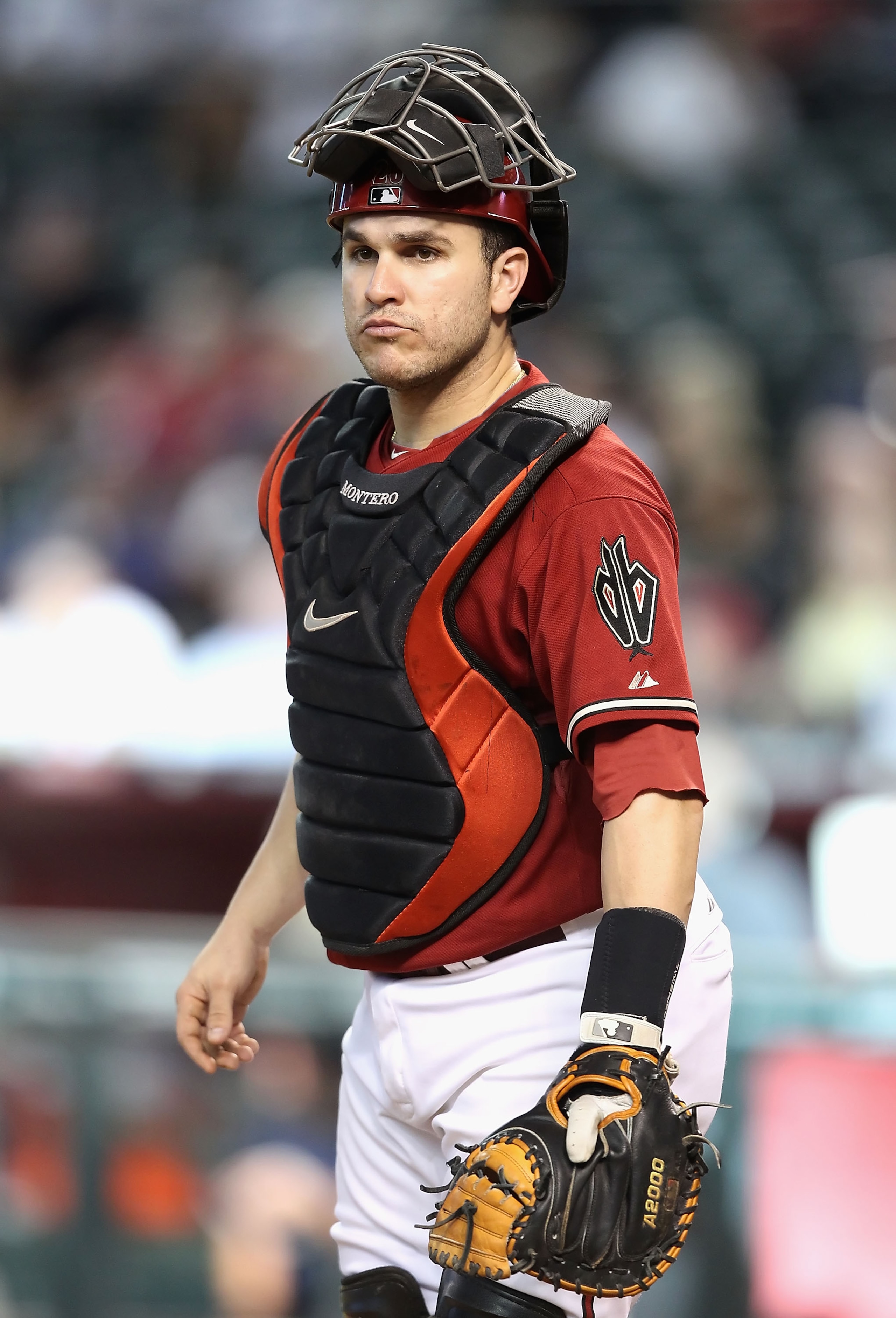
Good offensive catchers aren't exactly a dime a dozen, and it's a big deal when a solid backstop under the age of 30 hits the free agent market—especially for the team that's losing him.
It's a situation the Diamondbacks, who don't have any clear catchers of the future waiting in the minors, could face in 2012 if they don't lock up Montero before then.
Atlanta Braves: Jason Heyward
2 of 30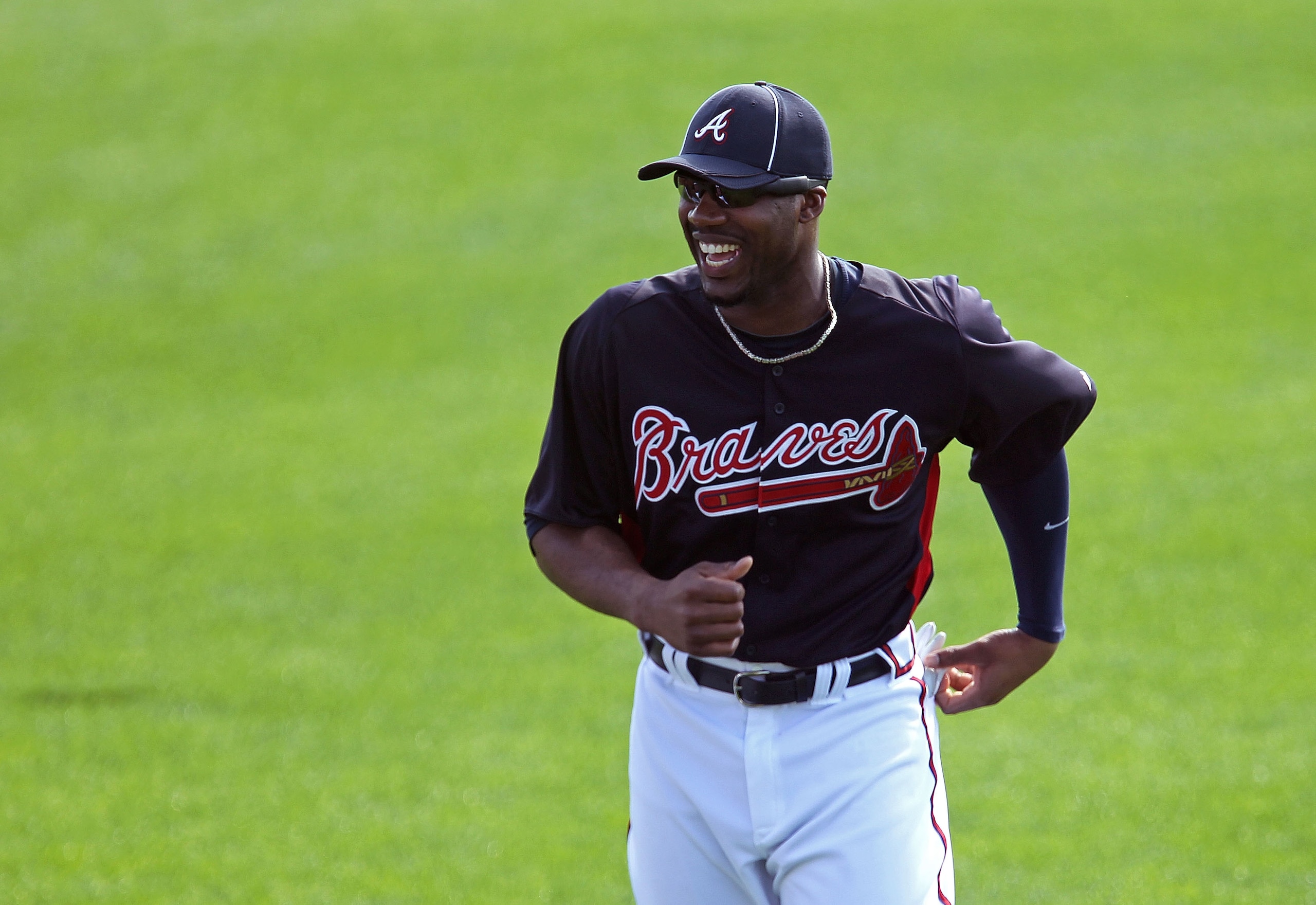
The Jay-Hey Kid isn't leaving Atlanta anytime soon (he's under contract through 2015), but the Braves surely want to keep him around long enough to become the face of the franchise.
An extension to buy out his arbitration years (and maybe a couple free agent seasons too) could be in the cards for Heyward.
Baltimore Orioles: Luke Scott
3 of 30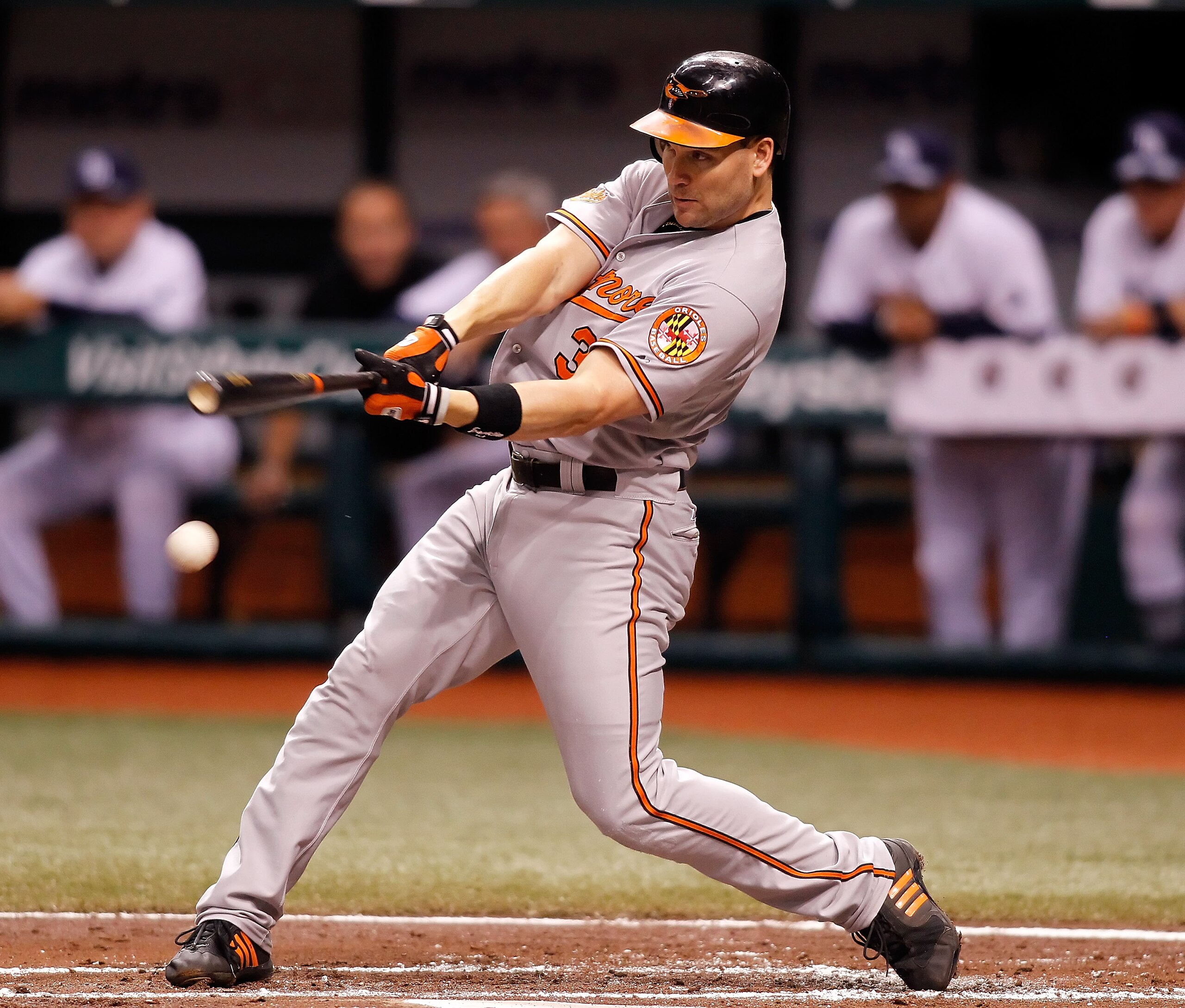
The Orioles' DH had his best season to date in 2010, smacking 27 homers with a .902 OPS in 131 games.
At 32, he's not your stereotypical extension candidate, but Baltimore would surely miss his bat if he hits the open market after 2012.

.jpg?w=2560 "MLB Draft")
Boston Red Sox: Adrian Gonzalez
4 of 30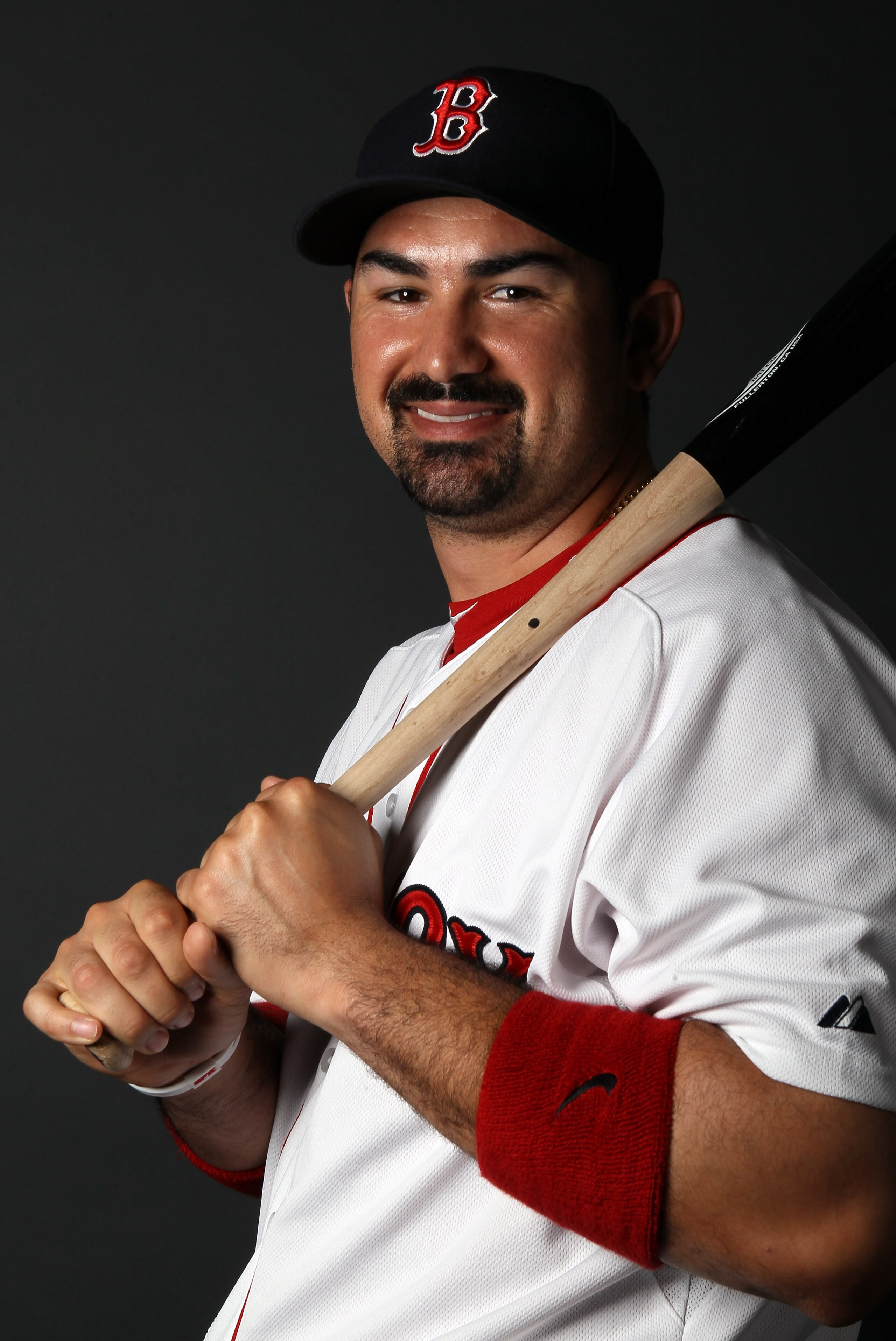
The Red Sox paid a king's ransom in prospects for Gonzalez (including former first baseman of the future Anthony Rizzo), so if they let him leave in nine months they might feel as though they didn't get their money's worth.
Boston acquired him with the intention of locking him up, and the Red Sox should be able to give A-Gone enough money to prevent him from hitting the open market.
Chicago Cubs: Geovany Soto
5 of 30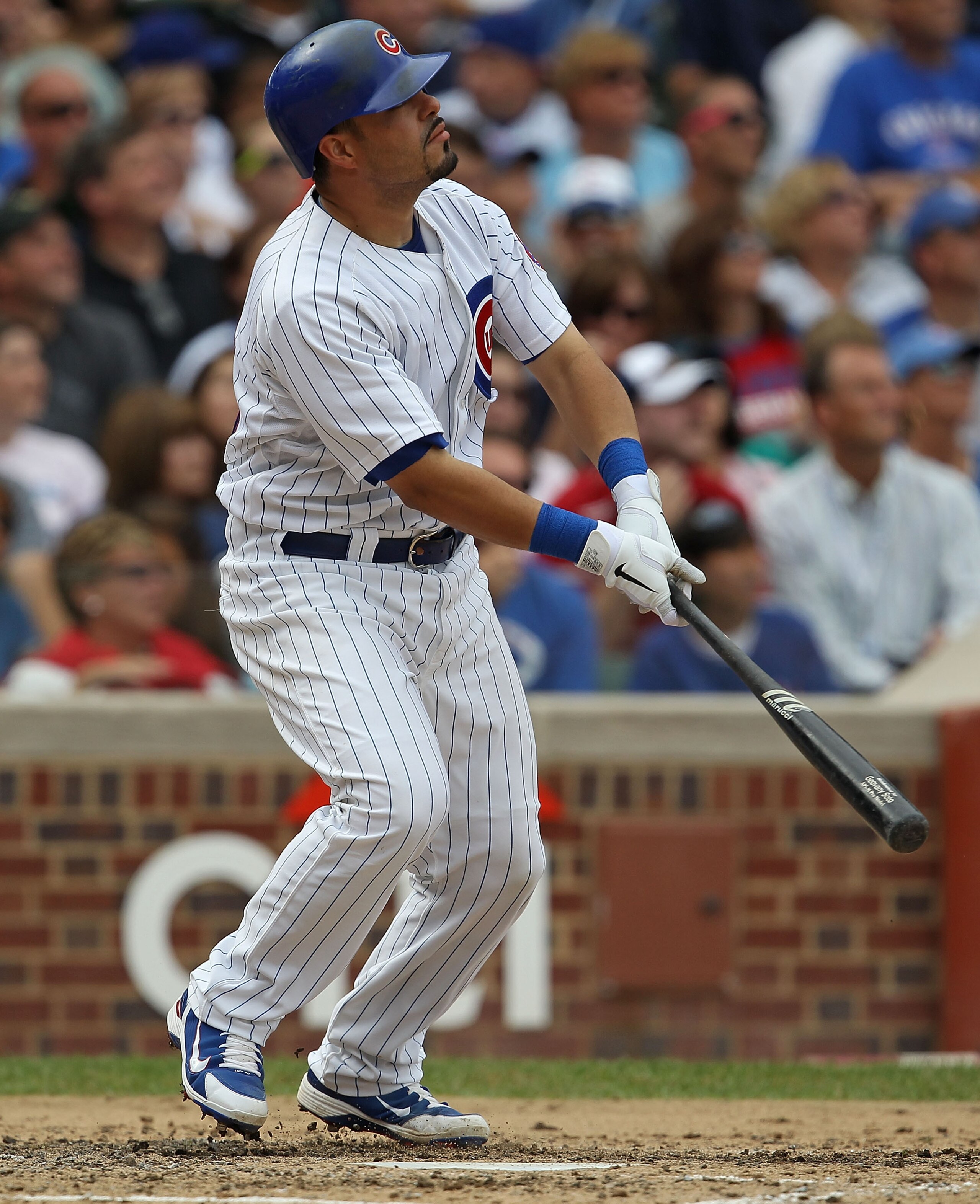
You wouldn't know it from the amount of playing time Lou Piniella gave Koyie Hill, but the Cubs are in control of one of the best young catchers in baseball; he posted an .890 OPS and smacked 17 homers in just 105 games in 2010, and there's more where that came from.
He's under team control through 2013, but if Chicago doesn't lock up his arbitration years now, he could get expensive.
Chicago White Sox: Matt Thornton
6 of 30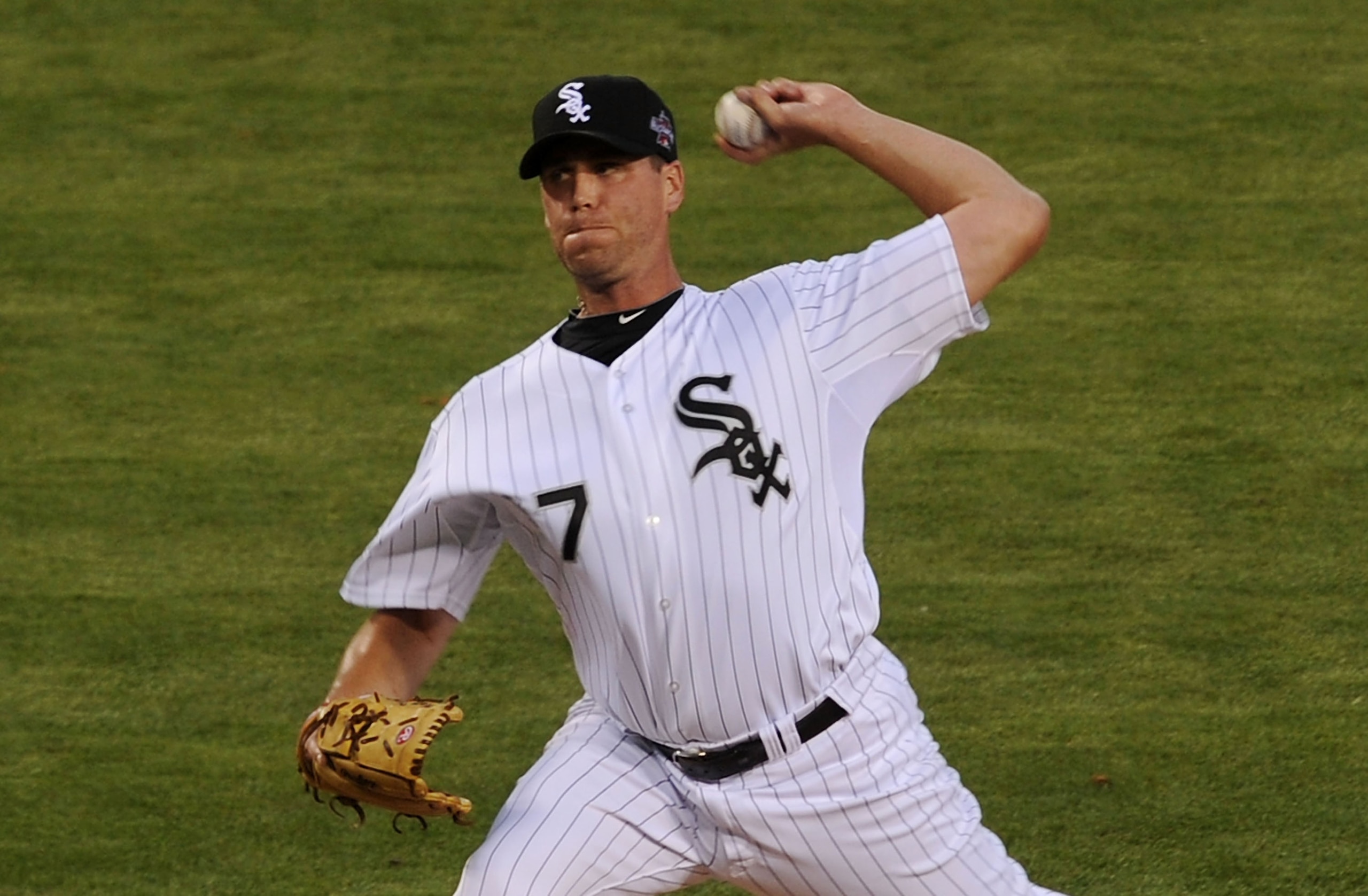
Thornton led all American League relievers in FIP (2.14), strikeout rate (12.0 K/9), and WAR (2.2) in 2010; amazingly, he found great success while throwing his fastball more than 90 percent of the time.
Yes, he'll be 35 when he hits the free agent market after this season, but he's surely earned at least a short extension.
Cincinnati Reds: Ryan Hanigan
7 of 30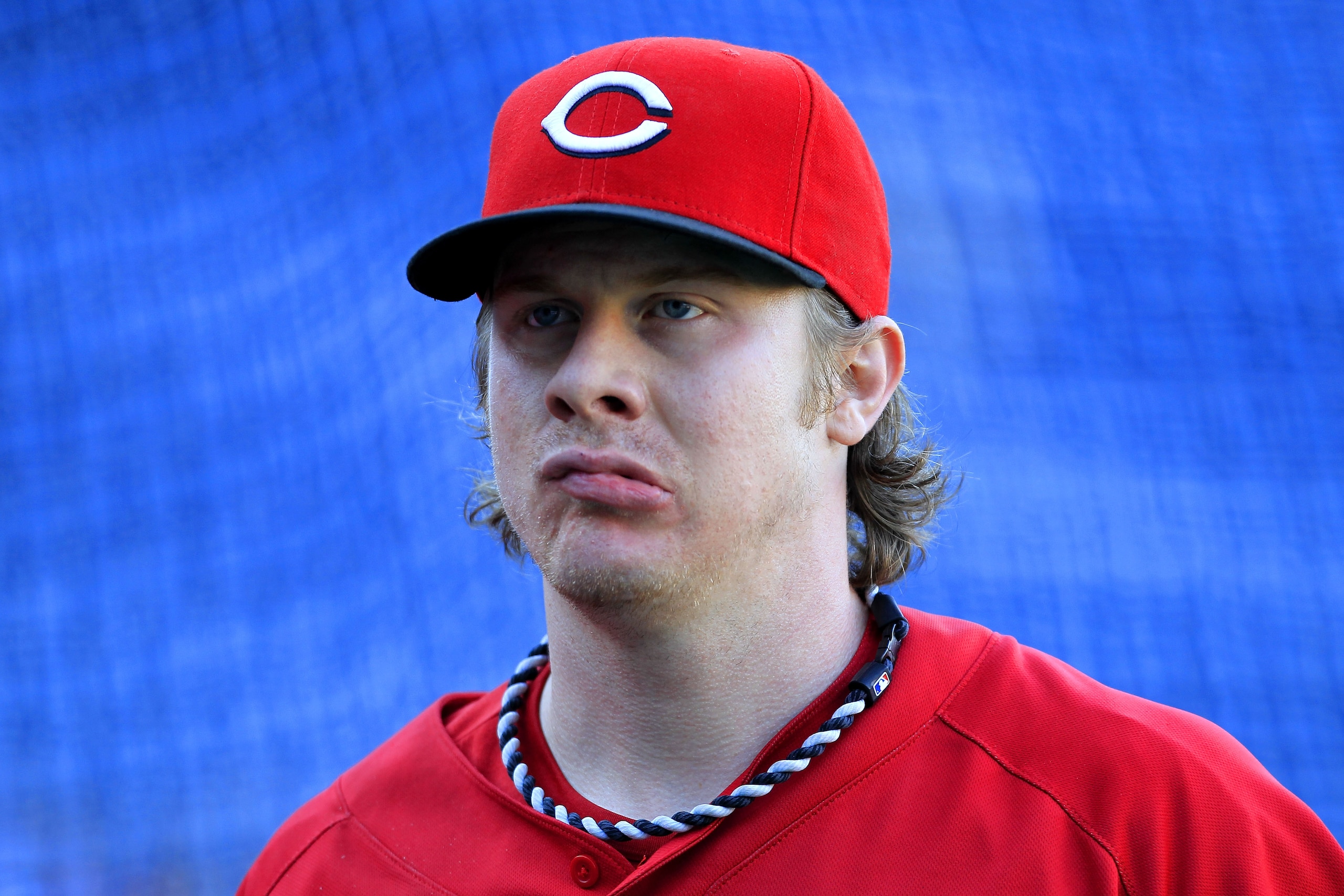
Hanigan was superb last year for the Reds, hitting .300 and posting 2.2 WAR in just 70 games as Ramon Hernandez' backup.
Locking up his arbitration years would be a lot cheaper now than it will be once he assumes the starting job.
Cleveland Indians: Shin-Soo Choo
8 of 30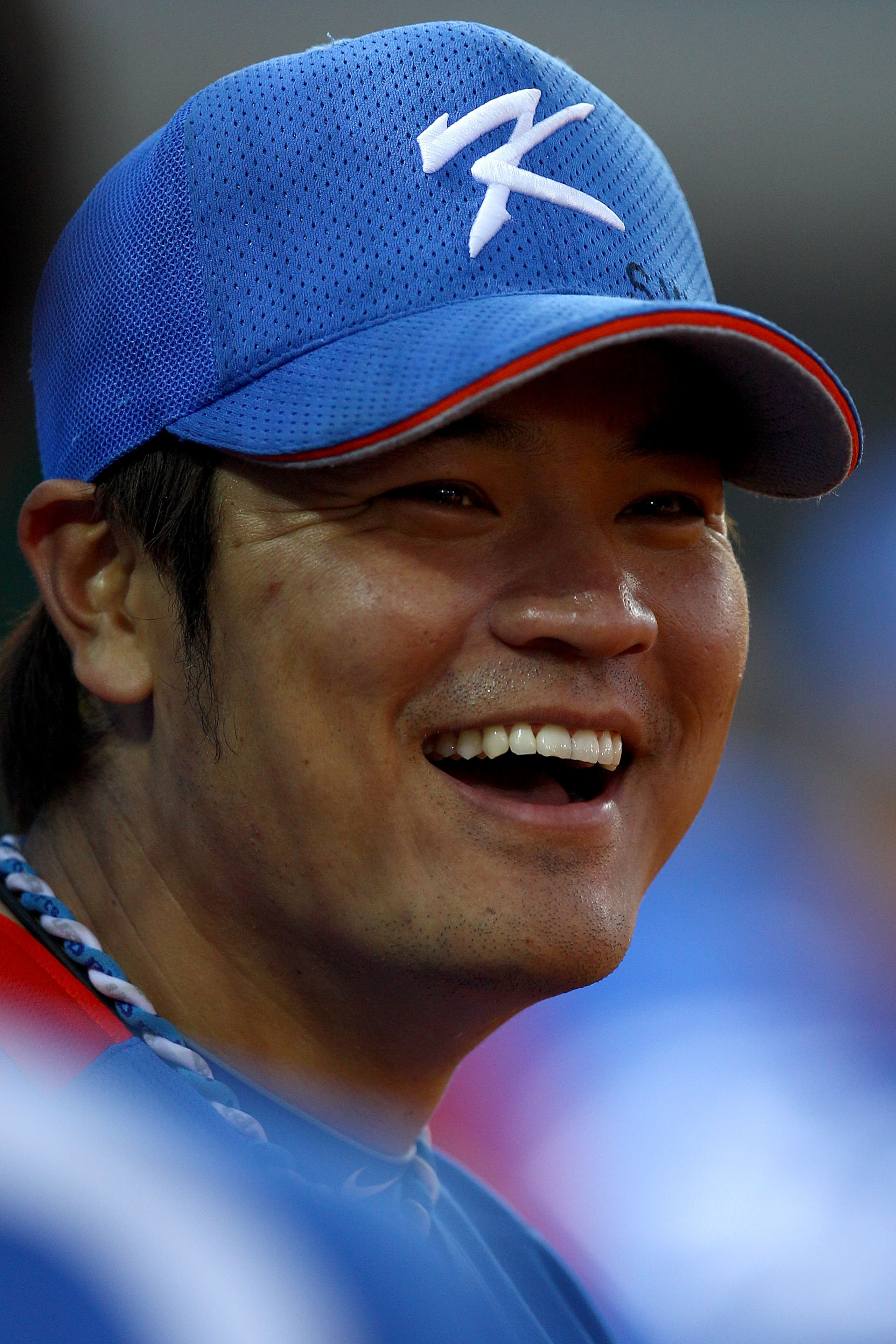
Now that he's exempt from military service, Choo is here to stay—but will he stay in Cleveland?
The Indians would be wise to extend one of the few fan favorites left in town, and if his 2011 contract is any indication, he'd likely come at a bargain.
Colorado Rockies: Dexter Fowler
9 of 30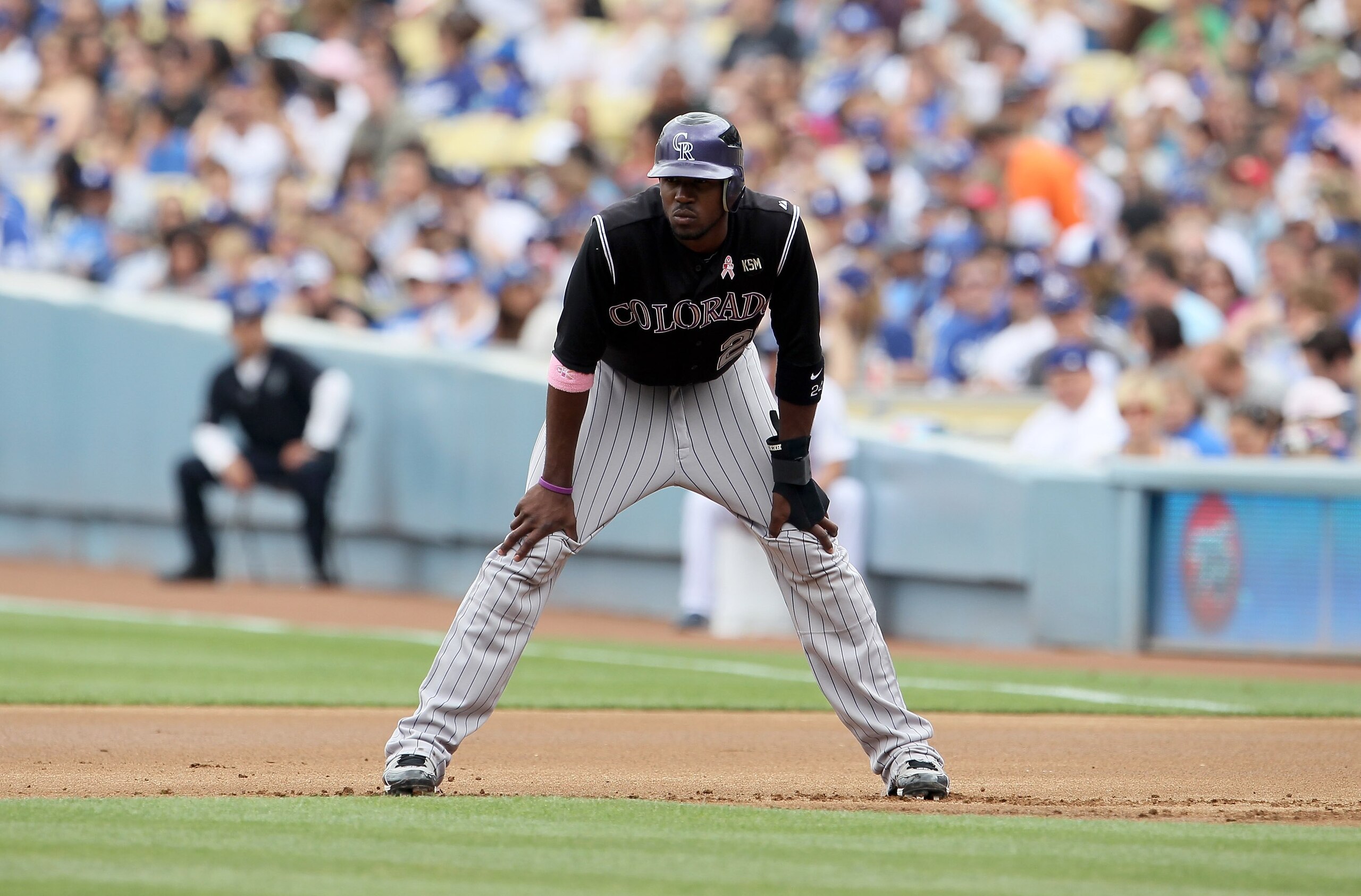
If there's one thing the Rockies don't need after giving Troy Tulowitzki and Carlos Gonzalez a combined 17 years and $238 million this offseason, it's another contract extension.
Still, given the impressive power and speed he showed in the minors and the progress he's made in the big leagues, Colorado might want to consider buying out Fowler's arbitration years.
Detroit Tigers: Max Scherzer
10 of 30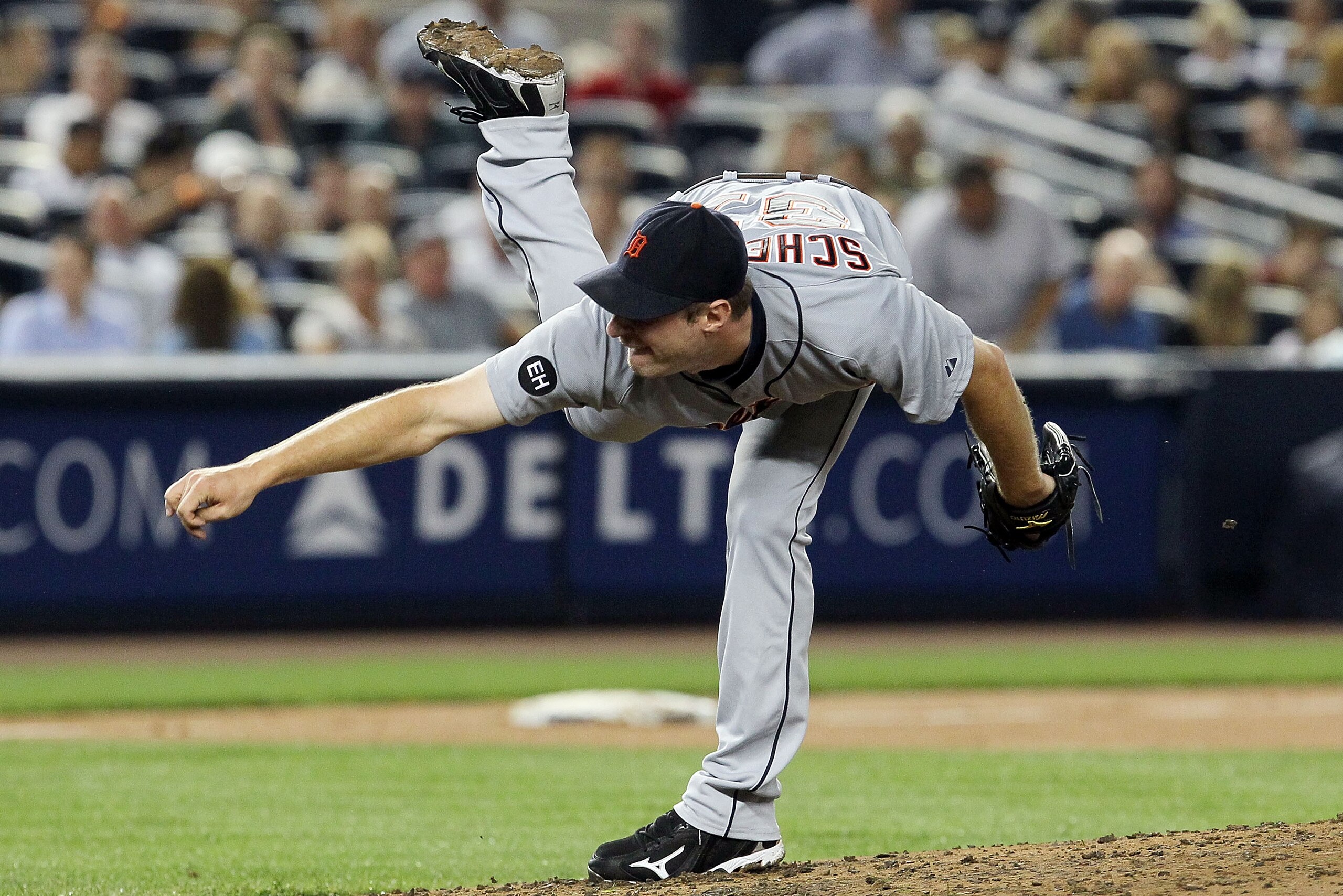
After showing signs of his great potential in a season-and-a-half with the Diamondbacks, Scherzer emerged as an ace with the Tigers in 2010 with a 3.50 ERA, including a 2.46 ERA after May 15.
Another season like that, and Detroit will have to start forking over some serious cash when Scherzer hits arbitration in 2012.
Florida Marlins: Mike Stanton
11 of 30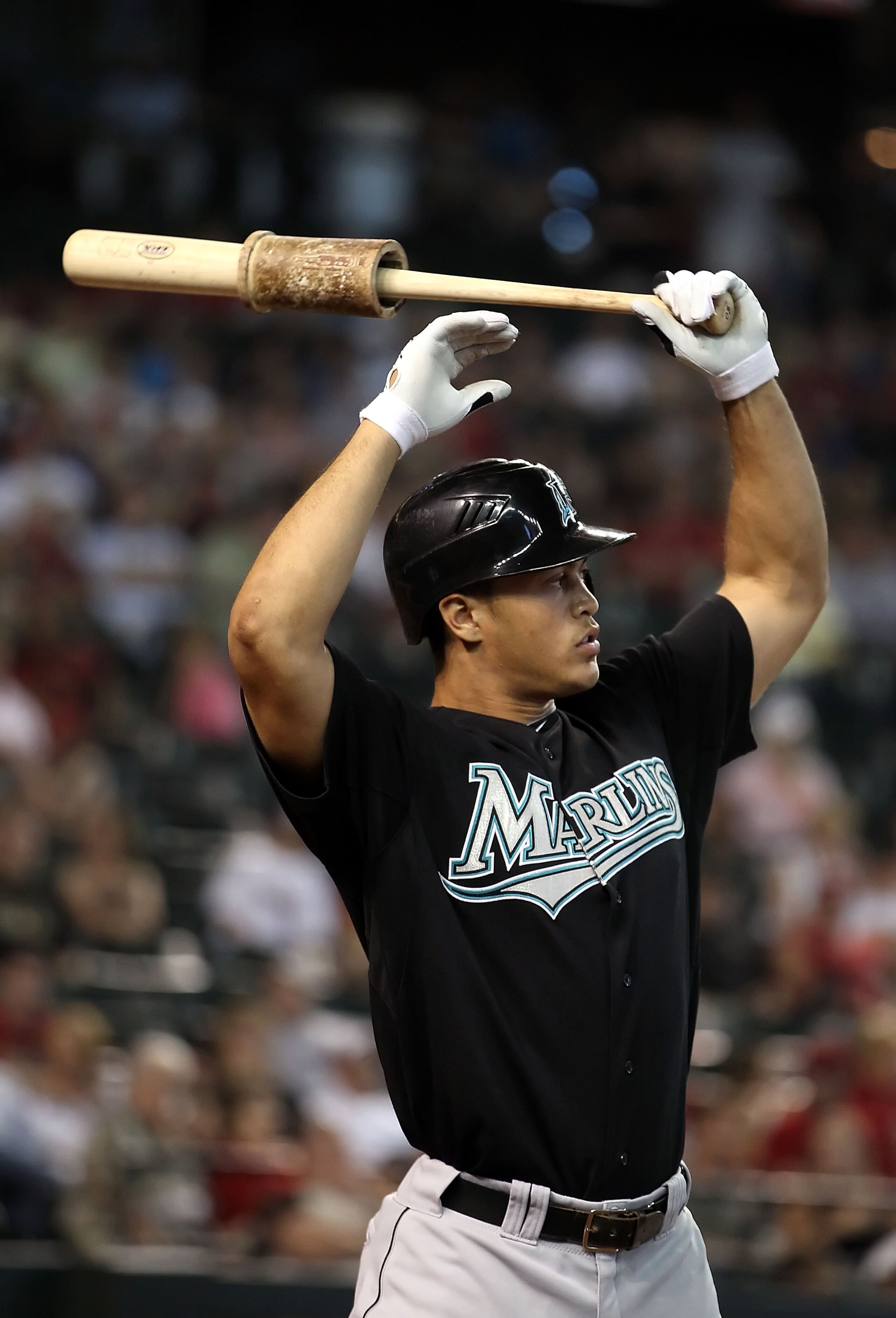
So what if he's barely old enough to drink? Stanton launched 22 bombs with an .833 OPS in 100 games as a rookie in 2010, and he certainly figures into Florida's future plans.
He could sign a long-term deal now to buy out his arbitration years and then some.
Houston Astros: Hunter Pence
12 of 30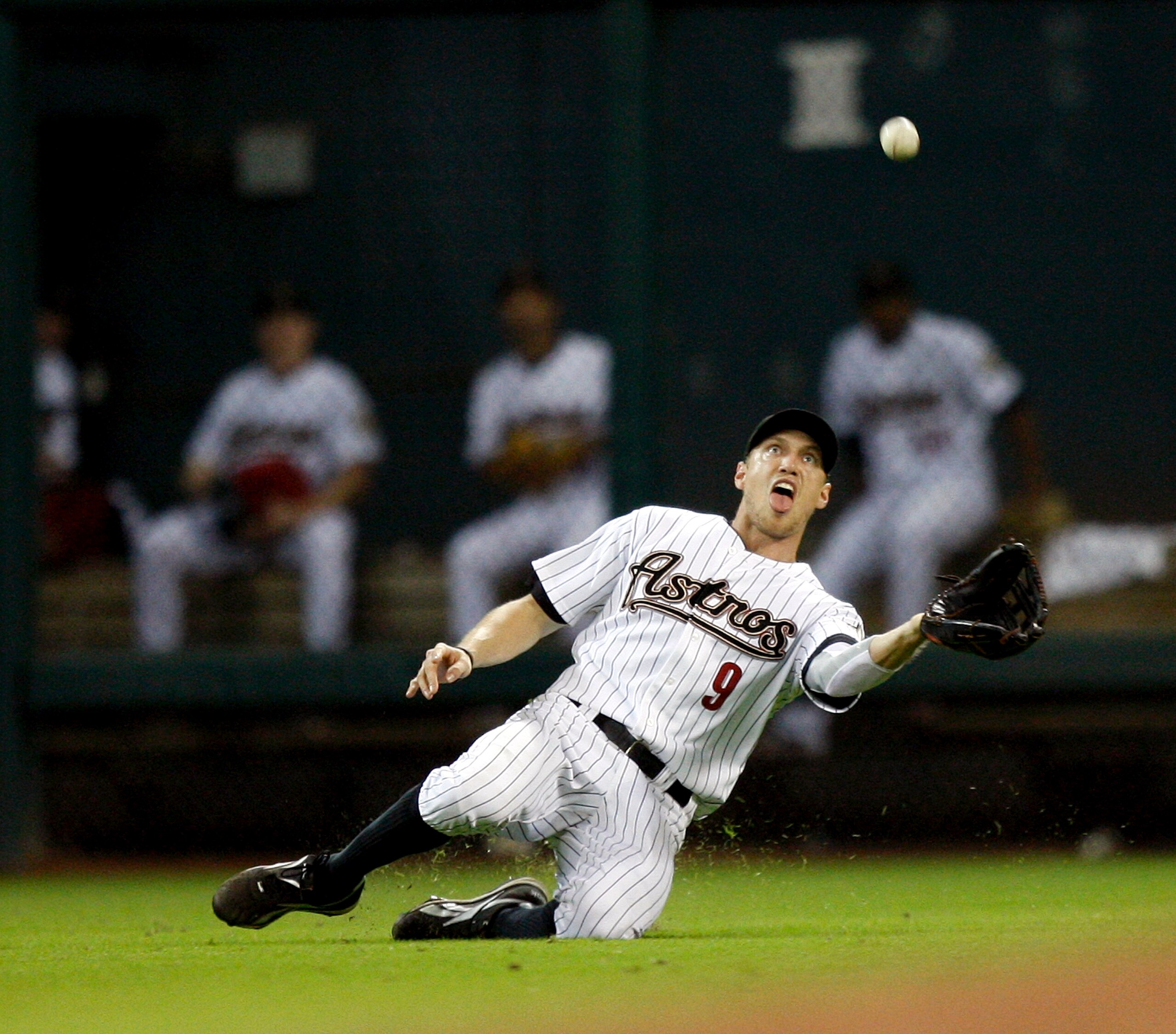
Pence's fielding declined last year but his bat held steady; he driving in 91 runs while enjoying his third consecutive season with exactly 25 homers.
A Super Two player, he's arb-eligible twice more before he can become a free agent in 2013.
Kansas City Royals: Luke Hochevar
13 of 30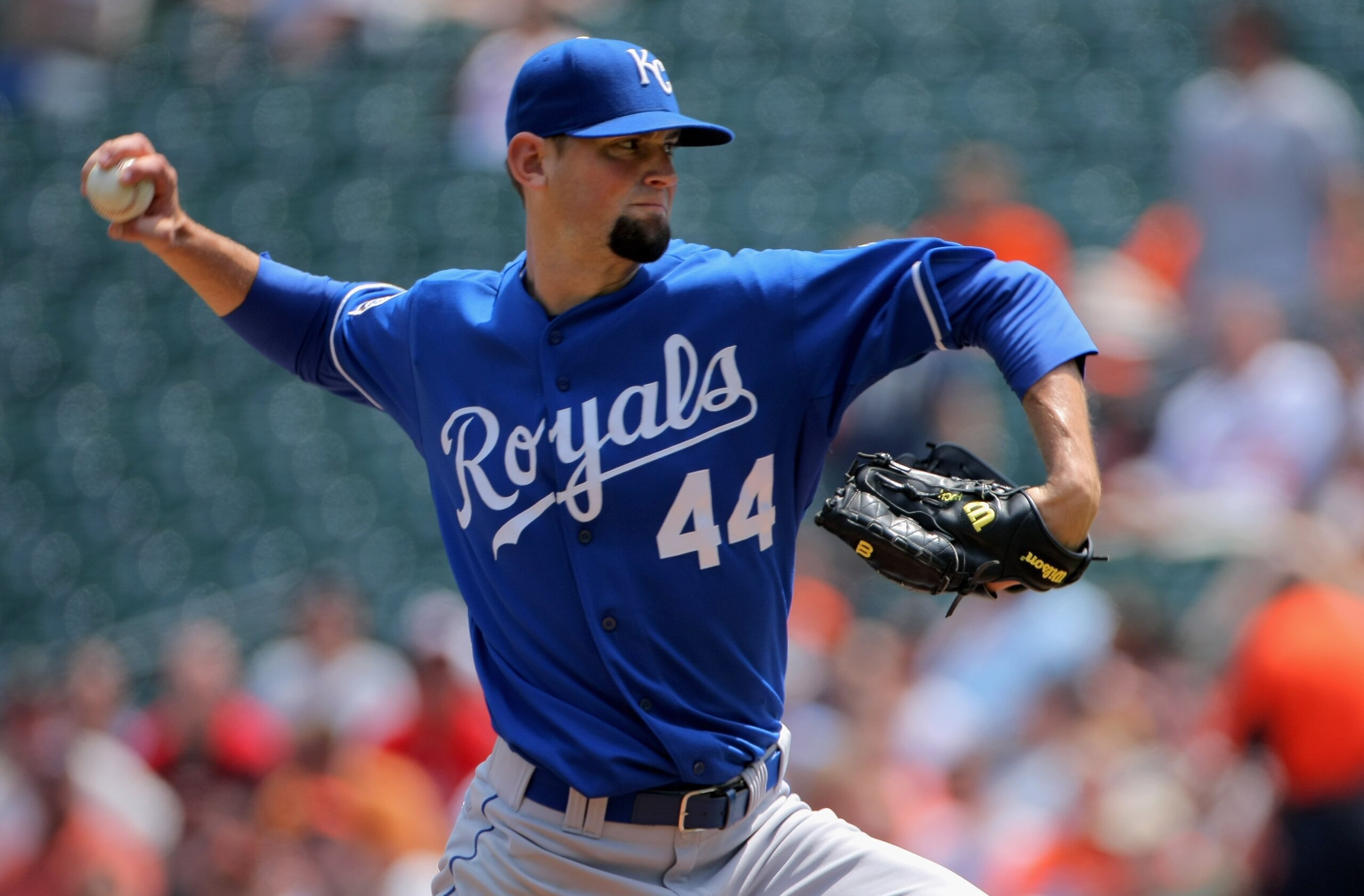
The No. 1 overall pick in the 2006 amateur draft has had a rough go of it in the majors, posting an ugly 5.60 ERA in parts of four seasons.
But there's reason for hope—his 2010 FIP was just 2.92—and locking up Hochevar's three remaining arbitration years could prove to be a huge bargain for Kansas City.
Los Angeles Angels of Anaheim: Jered Weaver
14 of 30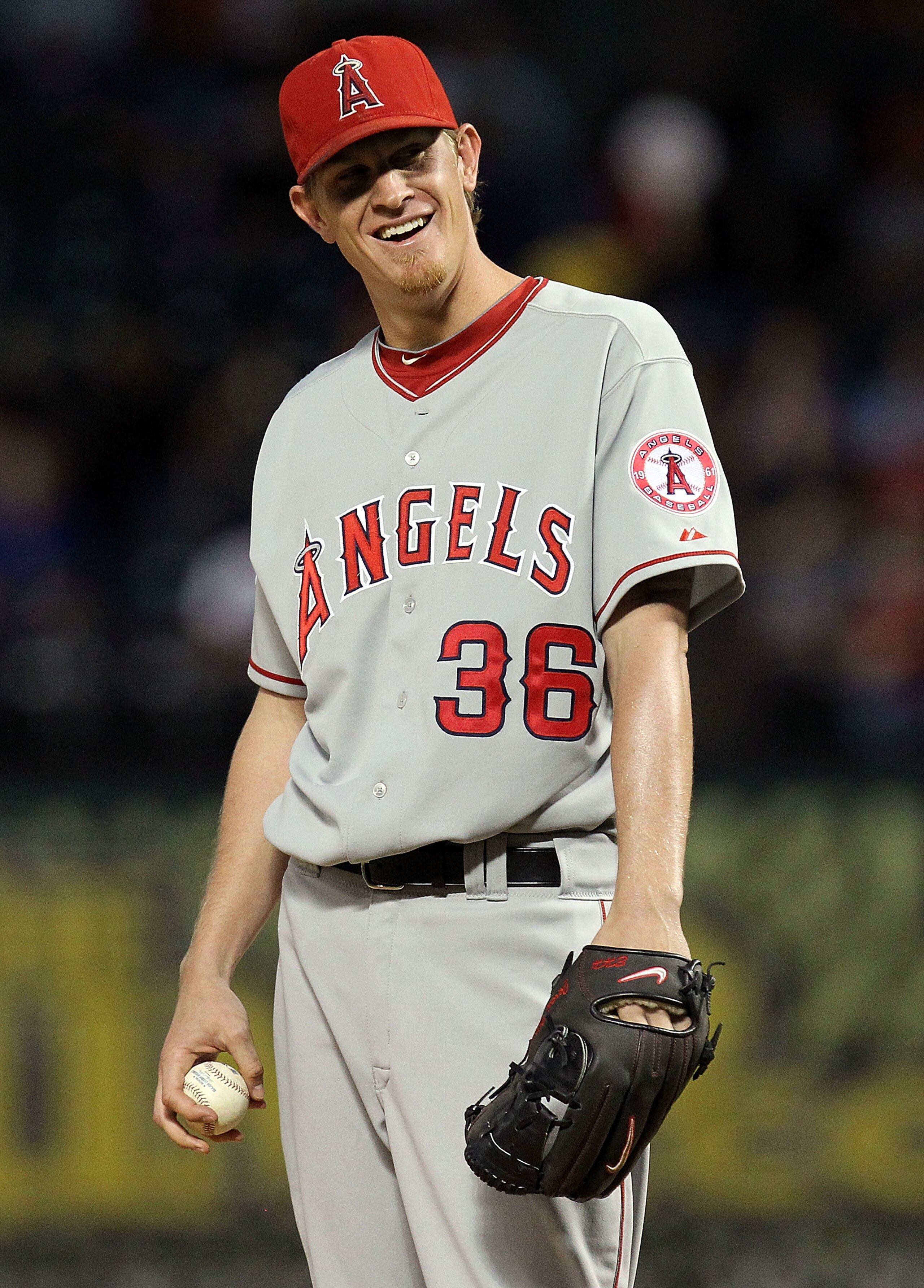
After years of being labeled a good-not-great pitcher, Weaver put himself in the Cy Young discussions last year with a 3.01 ERA and 3.06 FIP.
He's under team control through 2012, but the Angels surely won't be that willing to let their ace get away.
Los Angeles Dodgers: Clayton Kershaw
15 of 30
This 22-year-old southpaw posted a sub-3.00 ERA for the second straight season in 2010, and there's no reason to think he won't continue to improve.
Kershaw enters arbitration next year, and if they can get their finances in order, the Dodgers might be better off opening their wallets now and buying out a free agent season or two than going year-to-year with their ace.
Milwaukee Brewers: Casey McGehee
16 of 30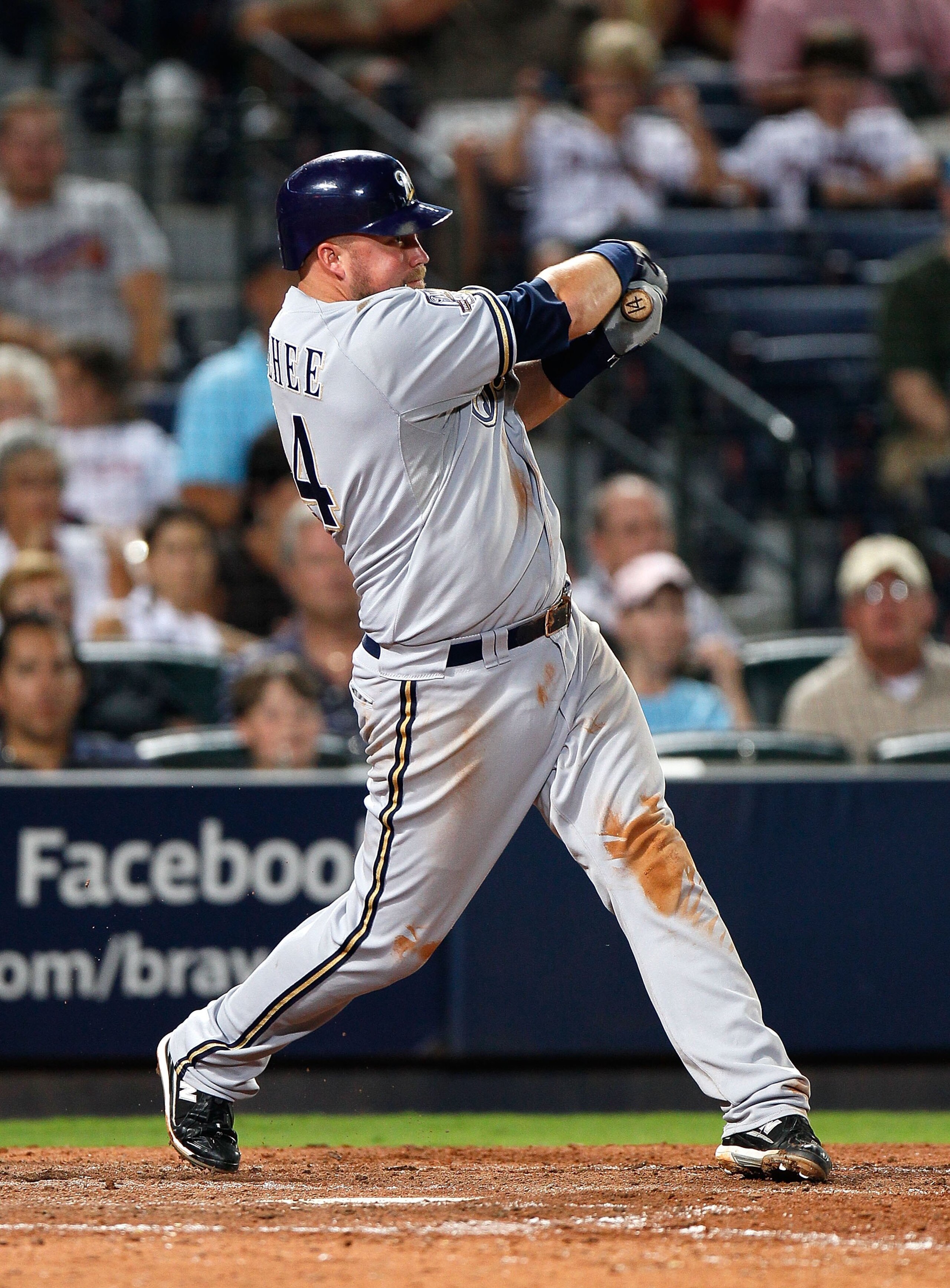
His power and walk rate dipped a bit from 2009, but McGehee proved his breakout season was no fluke by collecting 104 RBI and 3.5 WAR in 2010.
He, too, enters arbitration in 2012, and the Brewers could get some payroll stability by locking him up now.
Minnesota Twins: Delmon Young
17 of 30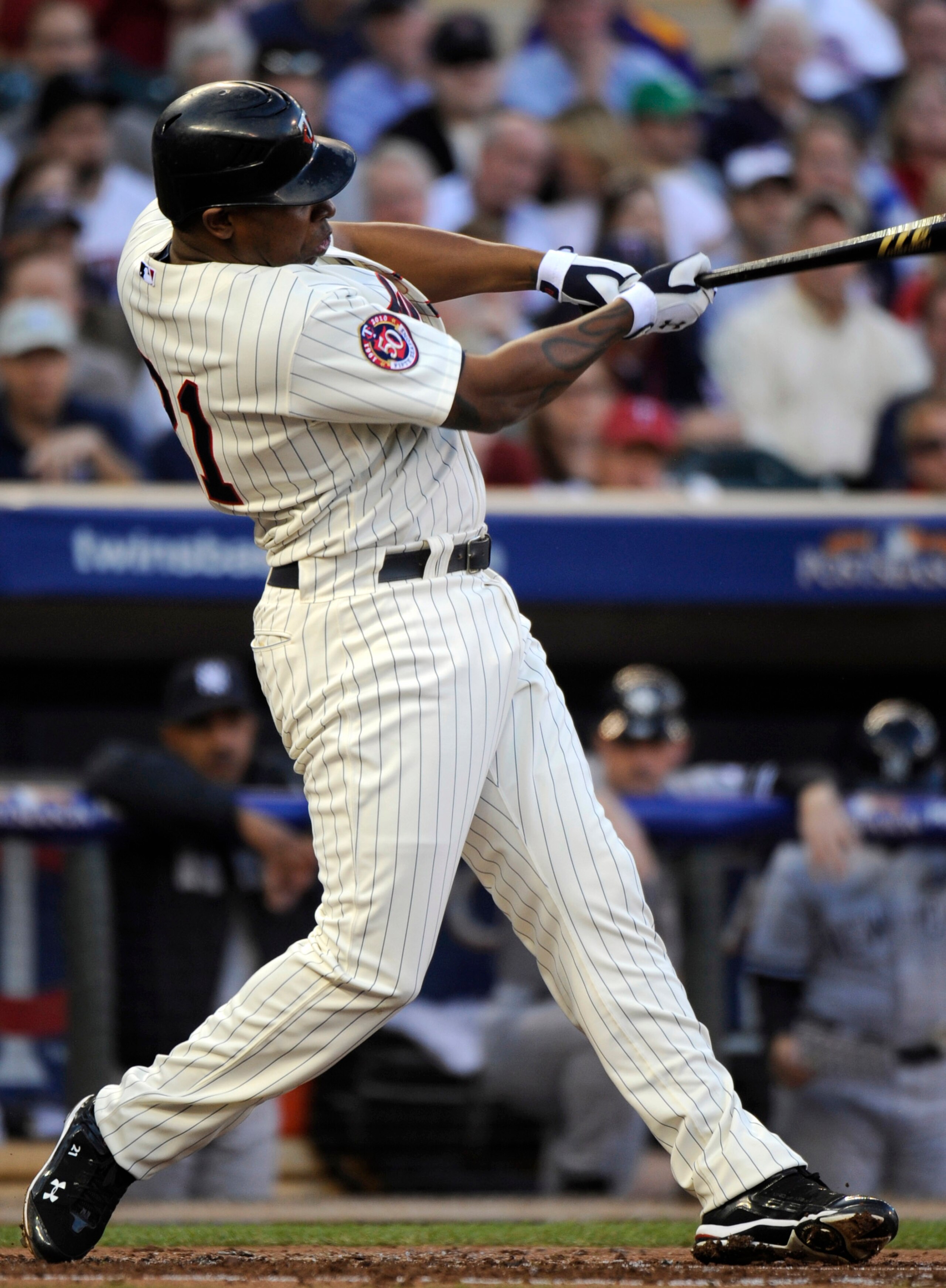
Once a highly touted prospect, Young hadn't had a single halfway-decent season until 2010, when he posted an .826 OPS and drove in 112.
With Jason Kubel and Michael Cuddyer both coming off the books next year, the Twinkies will lose some of their outfield depth, making it even more likely that Minnesota would try to keep Young around for a while.
New York Mets: Ike Davis
18 of 30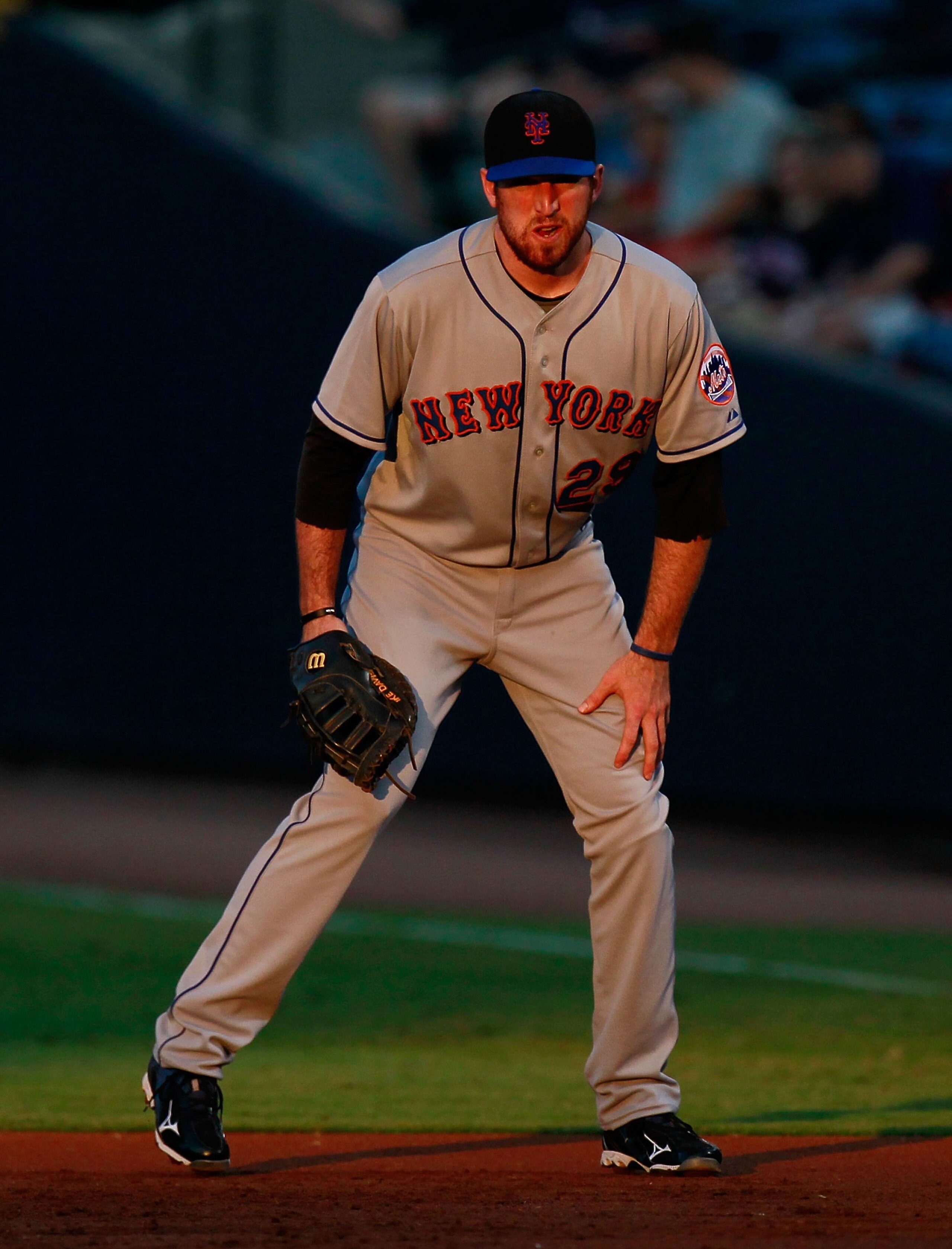
The Amazin's' first baseman of the future inserted himself into the Rookie of the Year conversations last year by smacking 19 homers with a .351 OBP.
Davis, 23, is under team control for five more years, but it's never too early to start thinking about it.
New York Yankees: Robinson Cano
19 of 30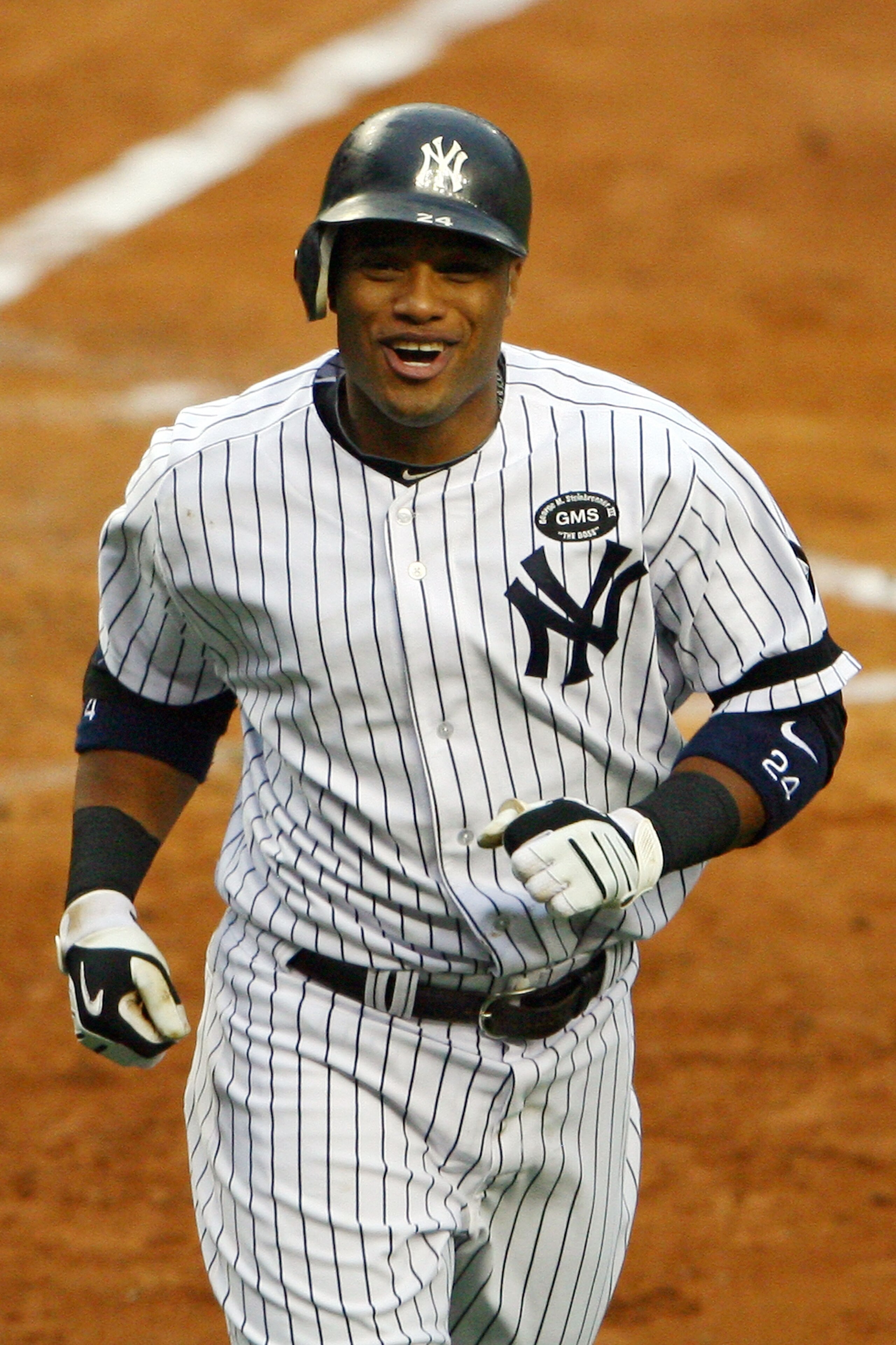
New York's keystone man took his game to the next level last year, topping the century mark in both runs and RBI while OPSing .914 and accumulating 6.4 WAR.
He'll have a nice paycheck waiting for him when his contract expires next winter, but the Yankees could lock him up before he hits the market.
Oakland Athletics: Andrew Bailey
20 of 30
The 2009 AL Rookie of the Year did well again last year, and now owns a career 1.70 ERA and 51 saves through 132.1 innings.
Relievers are notoriously inconsistent so Bailey would probably be open to getting some job security, while the A's would be glad to avoid arbitration with a player whose career ERA is under 2.00.
Philadelphia Phillies: Ben Francisco
21 of 30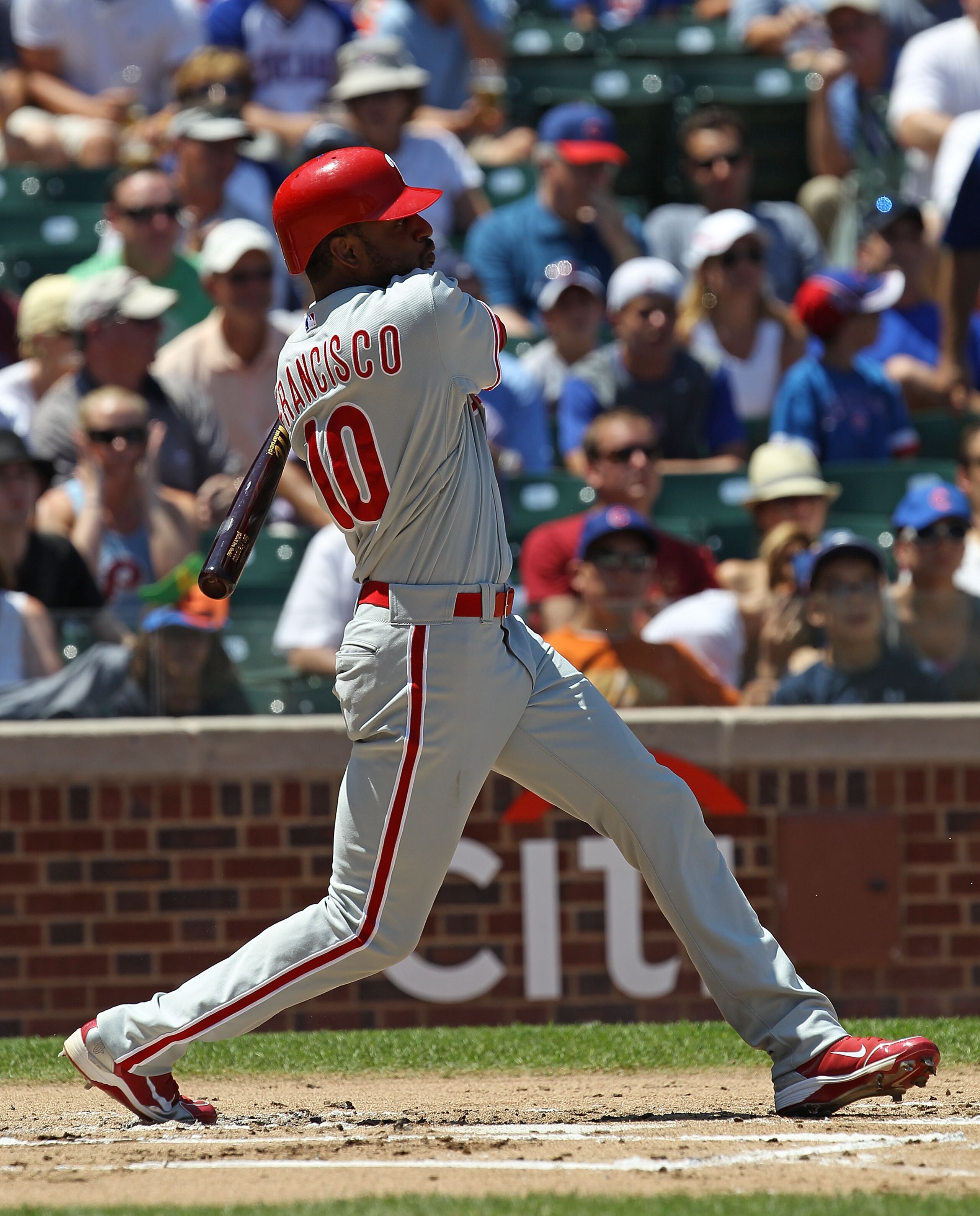
Whatever Francisco's role with the team ends up to be—pinch-hitter, defensive replacement, regular right fielder—as of now, he's being paid like a benchwarmer.
Plus, the payroll security would be nice for the Phillies, who already have more than $112 million committed to their 2012 roster.
Pittsburgh Pirates: Andrew McCutchen
22 of 30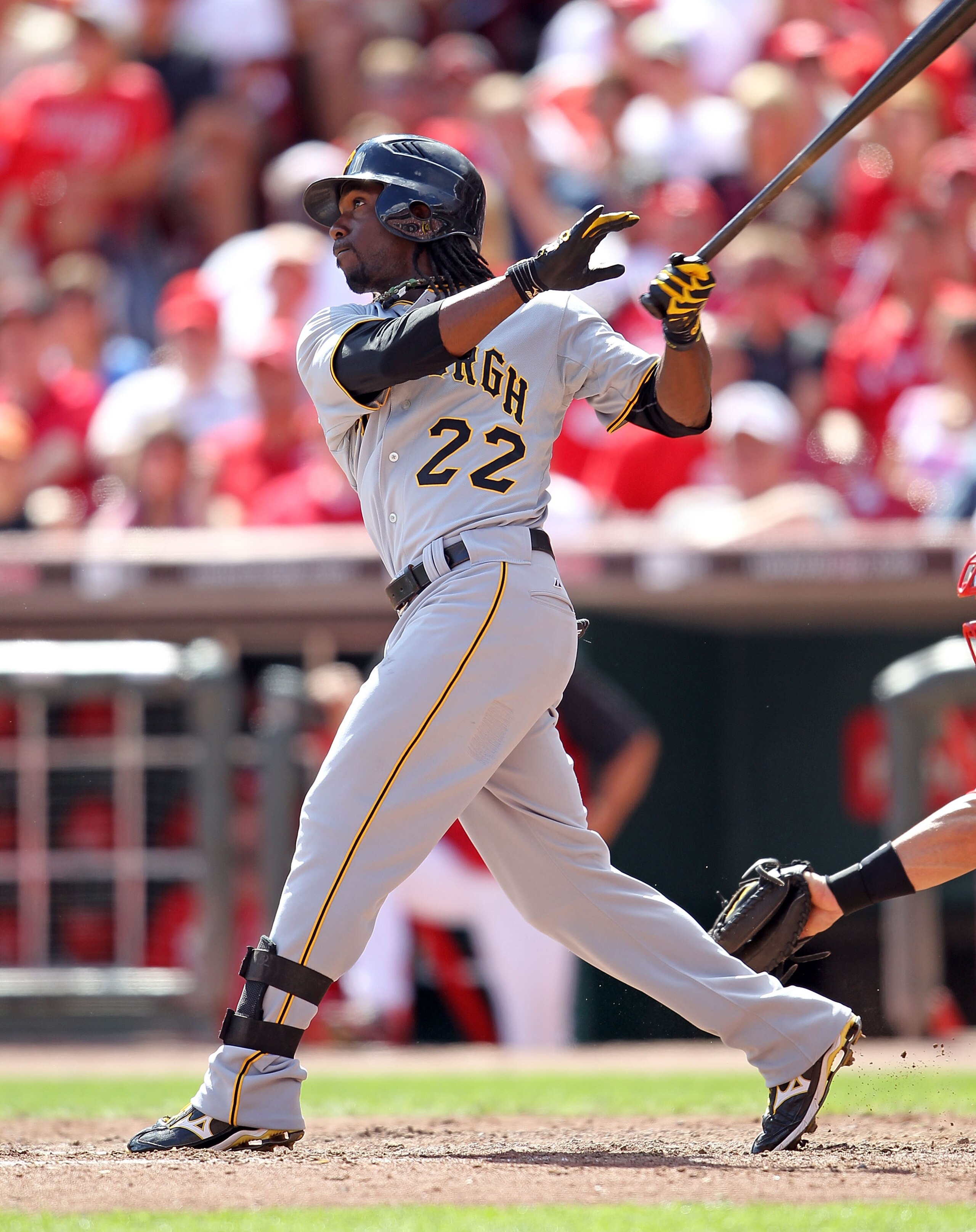
Just like Heyward and Stanton, McCutchen is a young outfielder with star potential who could be the face of his franchise for years to come.
The Pirates have to at least consider extending their five-tool future stud.
San Diego Padres: Mike Adams
23 of 30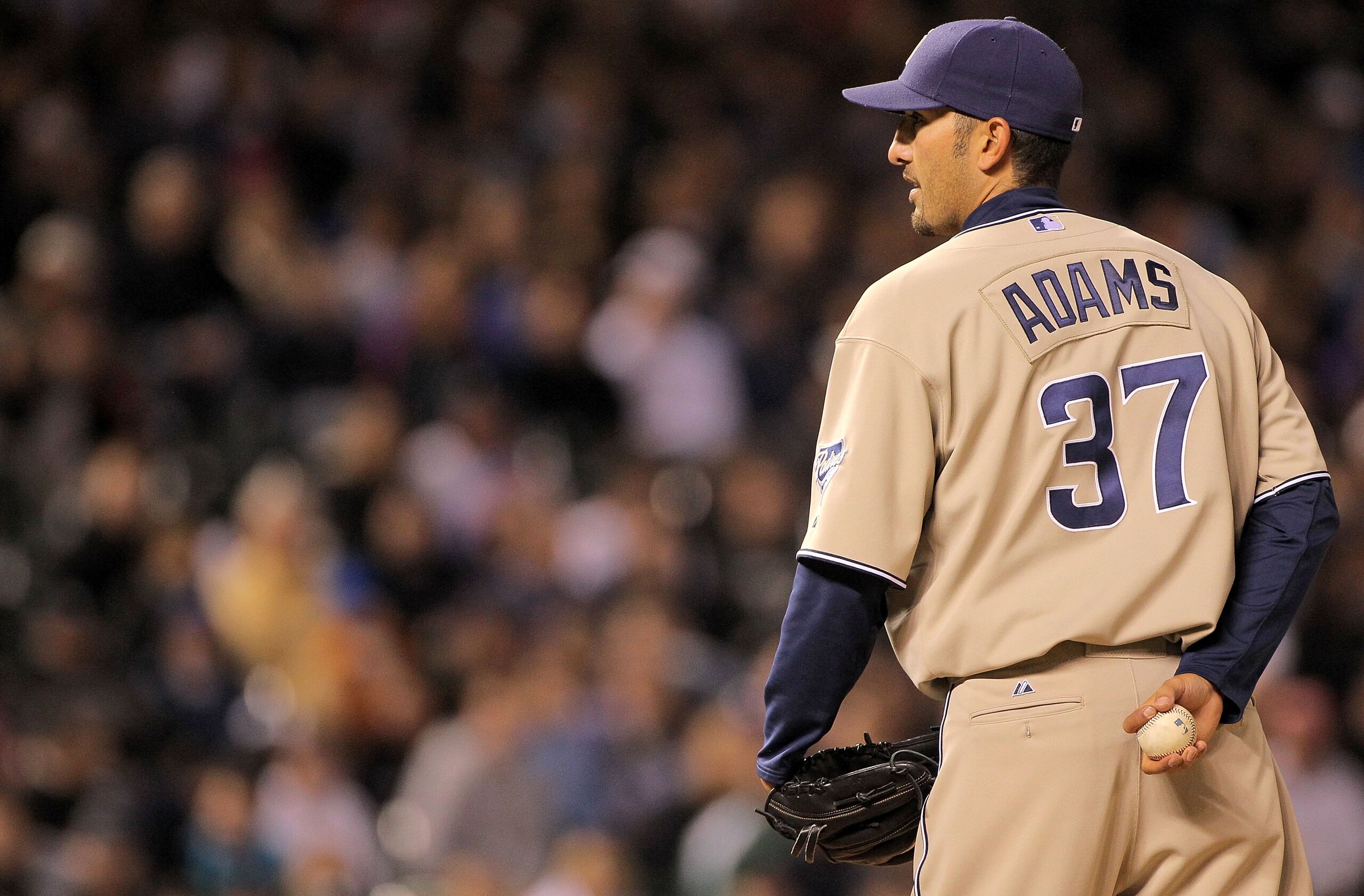
San Diego's biggest strength over the last few years has been its bullpen, and Adams is a big part of why.
Yes, he'll be 34 when he hits the market in 2012, but after three seasons of a 1.81 ERA, doesn't he deserve some job security?
San Francisco Giants: Buster Posey
24 of 30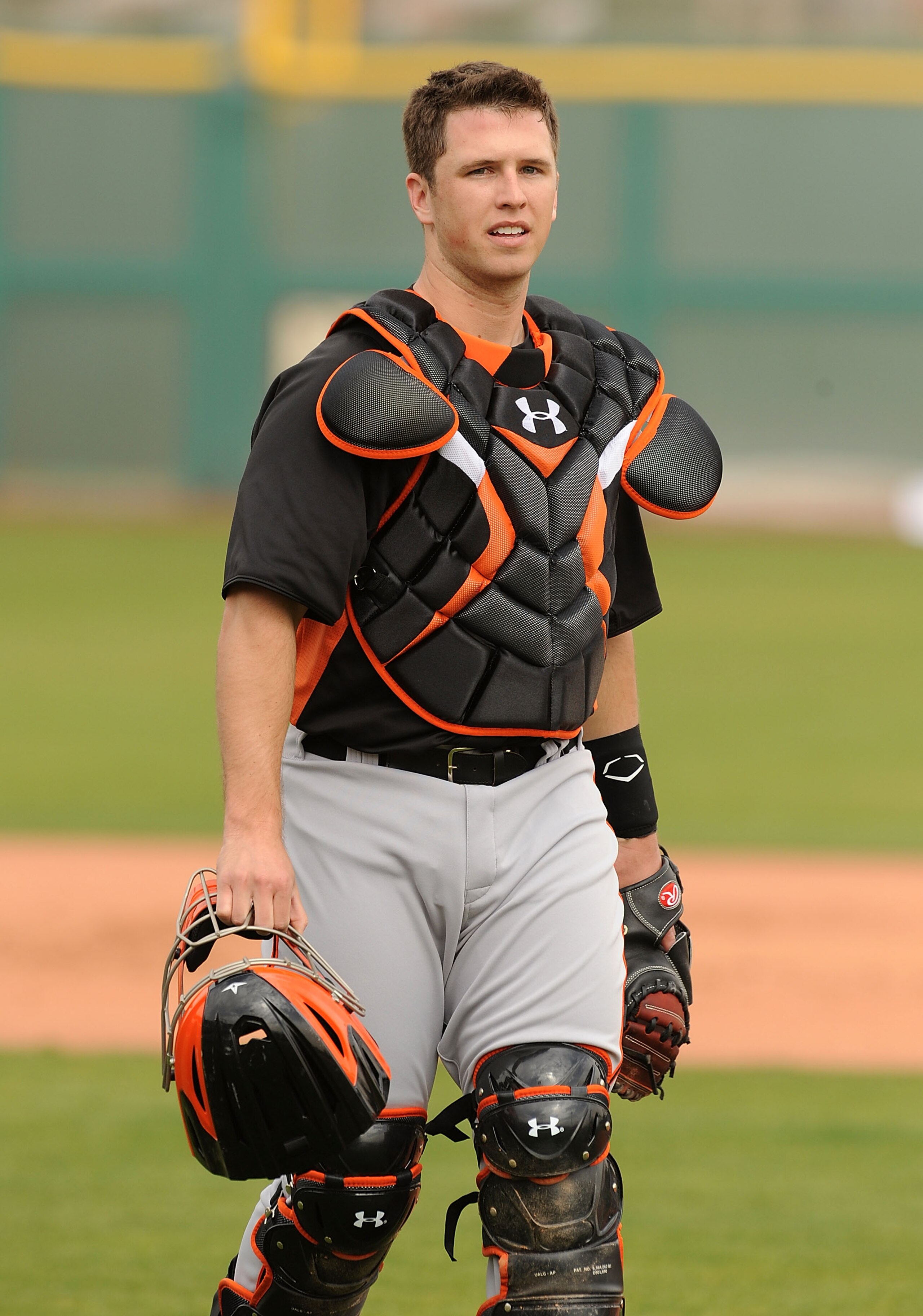
Yes, his value is inflated after winning the Rookie of the Year and helping the Giants win the World Series in 2010, but in Posey, San Francisco truly has a tremendous young player.
If nothing else, locking him up would make for some great PR.
Seattle Mariners: Ichiro Suzuki
25 of 30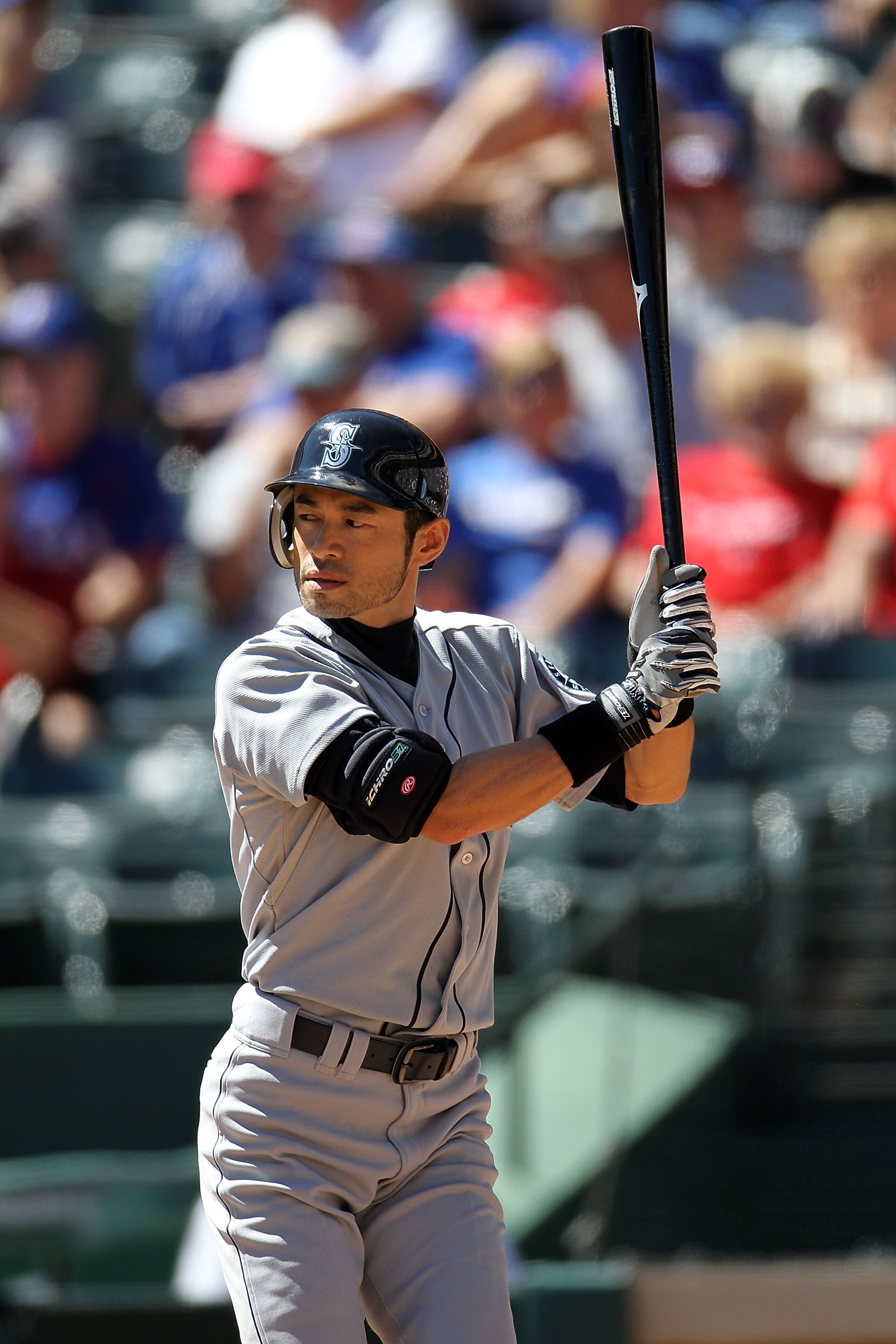
Yes, the idea of extending a 37-year-old player who's already owed $36 million for the next two years sounds ridiculous, but it's an idea worth pursuing.
Ichiro is invaluable to the Mariners franchise, and the worst thing Seattle could do is let him walk in 2012.
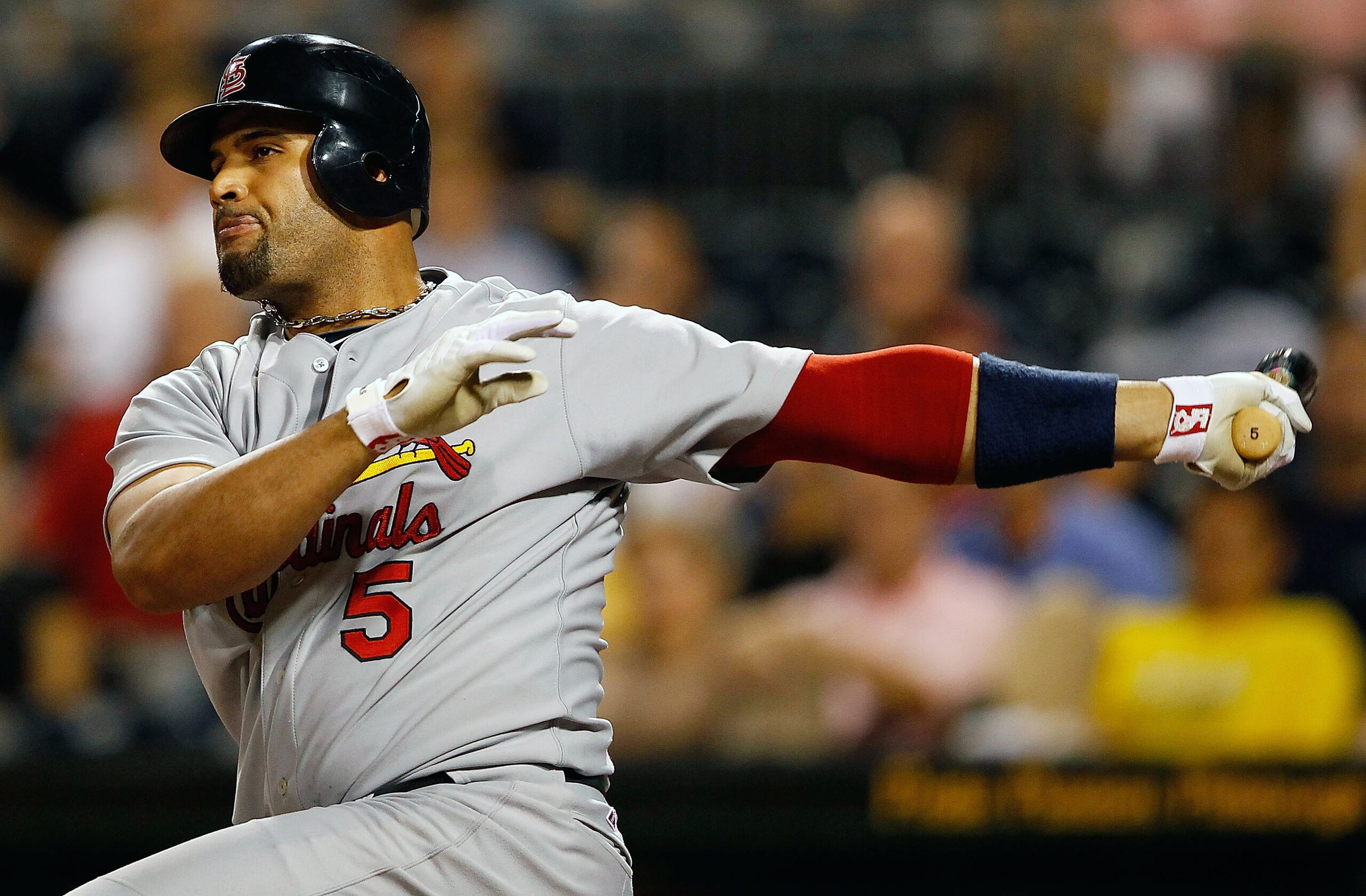
St. Louis Cardinals: Albert Pujols
26 of 30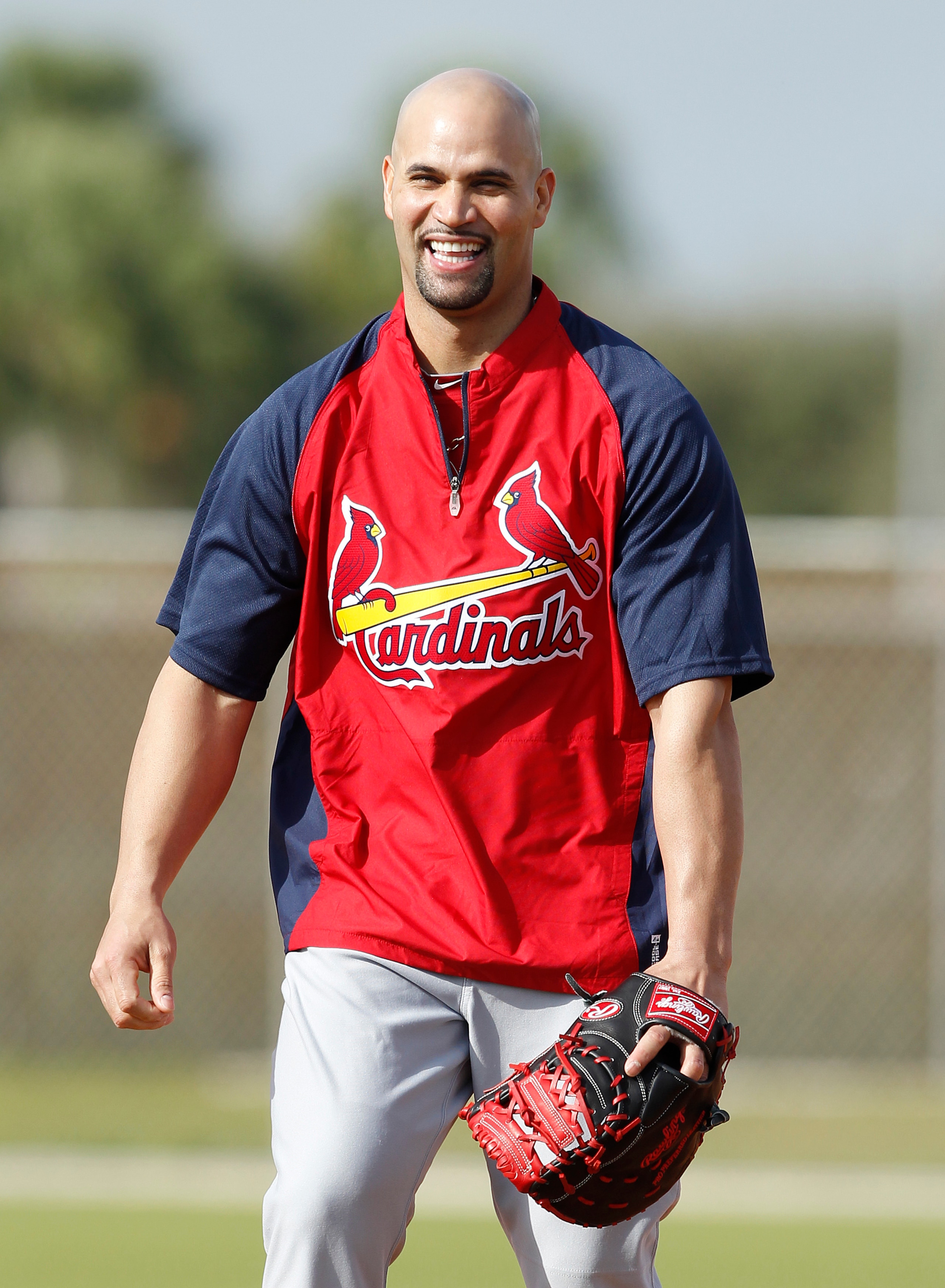
This one's pretty easy—who else would St. Louis possibly extend?
Yes, Prince Albert has tabled negotiations for the season, but if the Cardinals were to offer him, say, 10 years and $300 million, he might reconsider his stance.
Tampa Bay Rays: David Price
27 of 30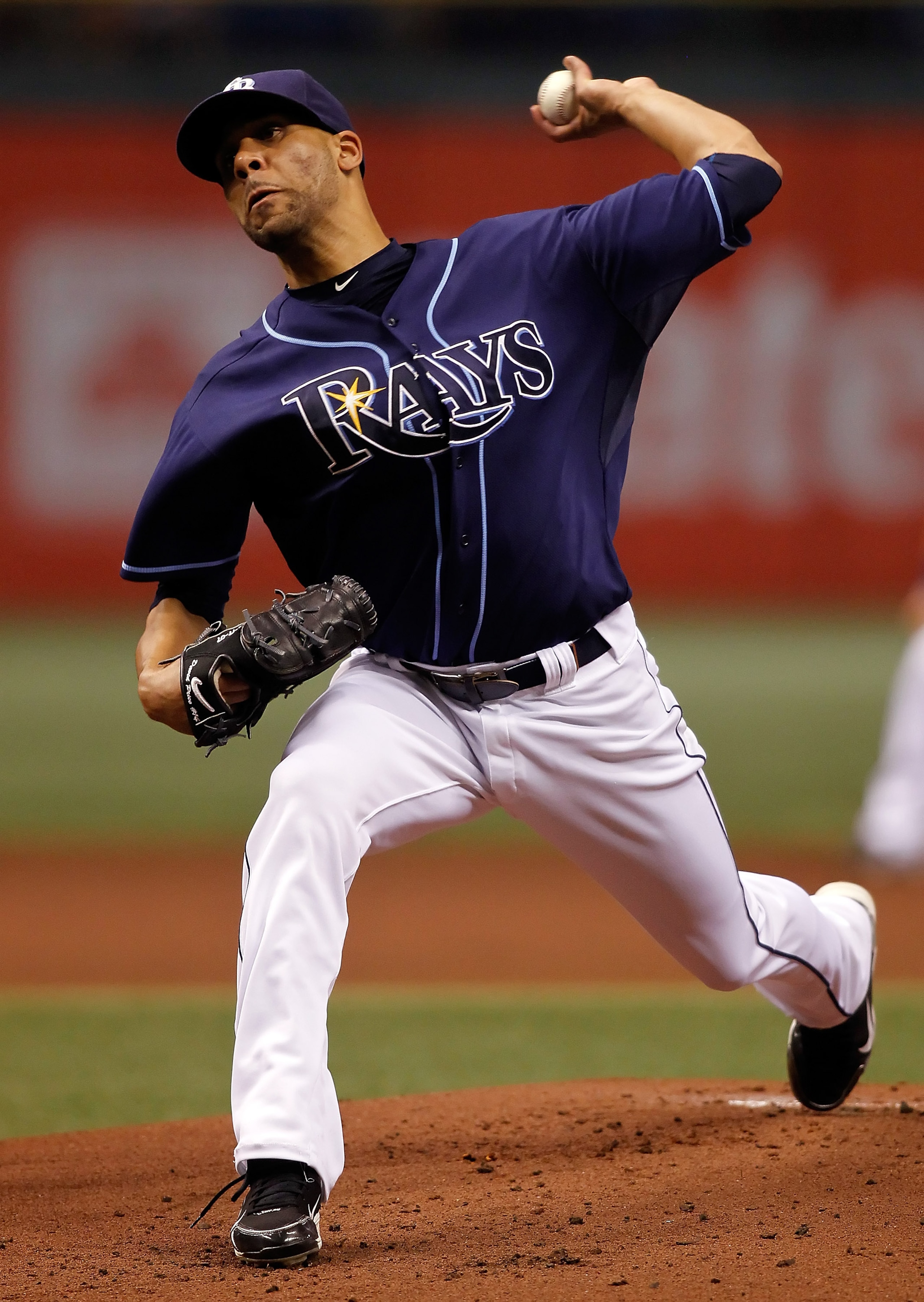
Price will be arb-eligible in 2012, and you can bet he'll void his $1.5 million salary and seek a big payday through arbitration.
The Rays might want to lock him up now, before the 25-year-old's star rises any higher.
Texas Rangers: Nelson Cruz
28 of 30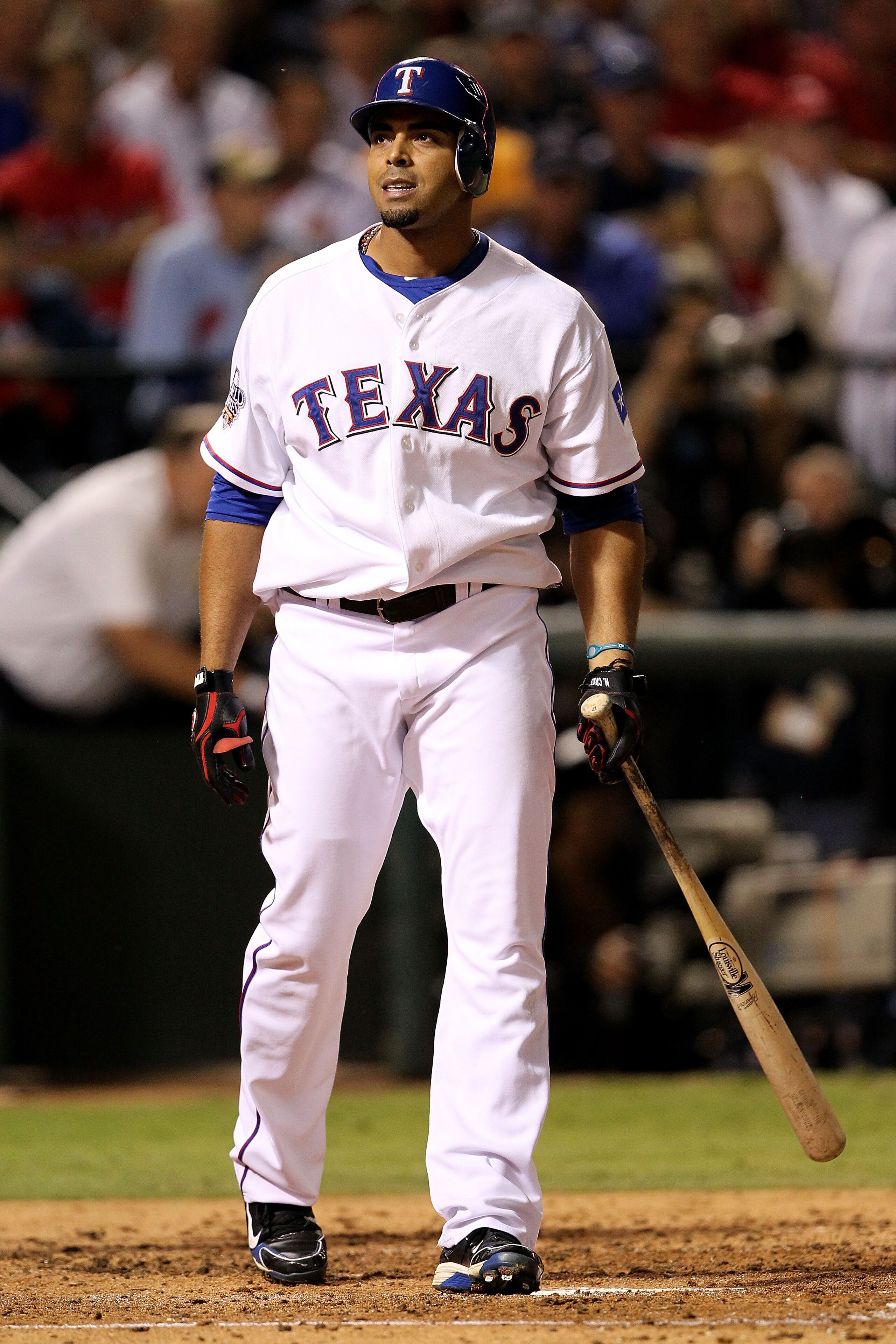
No one seems to have noticed that Cruz was worth 5.1 WAR in just two-thirds of a season last year—it certainly isn't reflected in his $3.65 million 2011 salary.
If that's indicative of the going rate for his services, the Rangers should buy out the rest of his arbitration years before anyone notices how good he is.
Toronto Blue Jays: Yunel Escobar
29 of 30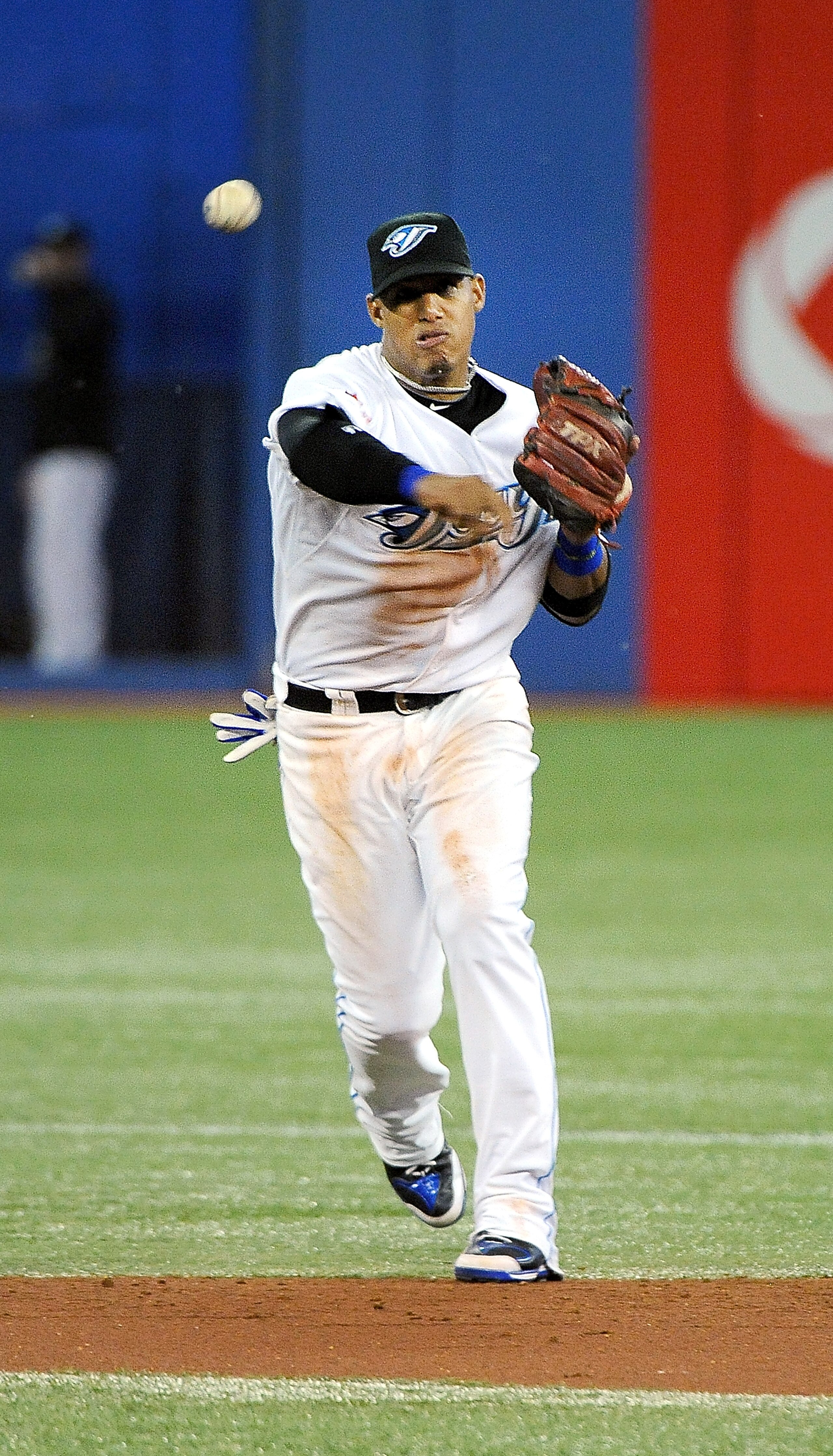
Escobar is just a year removed from hitting .299 with an .812 OPS and 4.3 WAR (not bad for a shortstop) and was a useful player even in a significantly worse 2010 season.
He's Toronto's shortstop for at least the near future, so the Blue Jays could lock up his two remaining arbitration years, maybe more.
Washington Nationals: John Lannan
30 of 30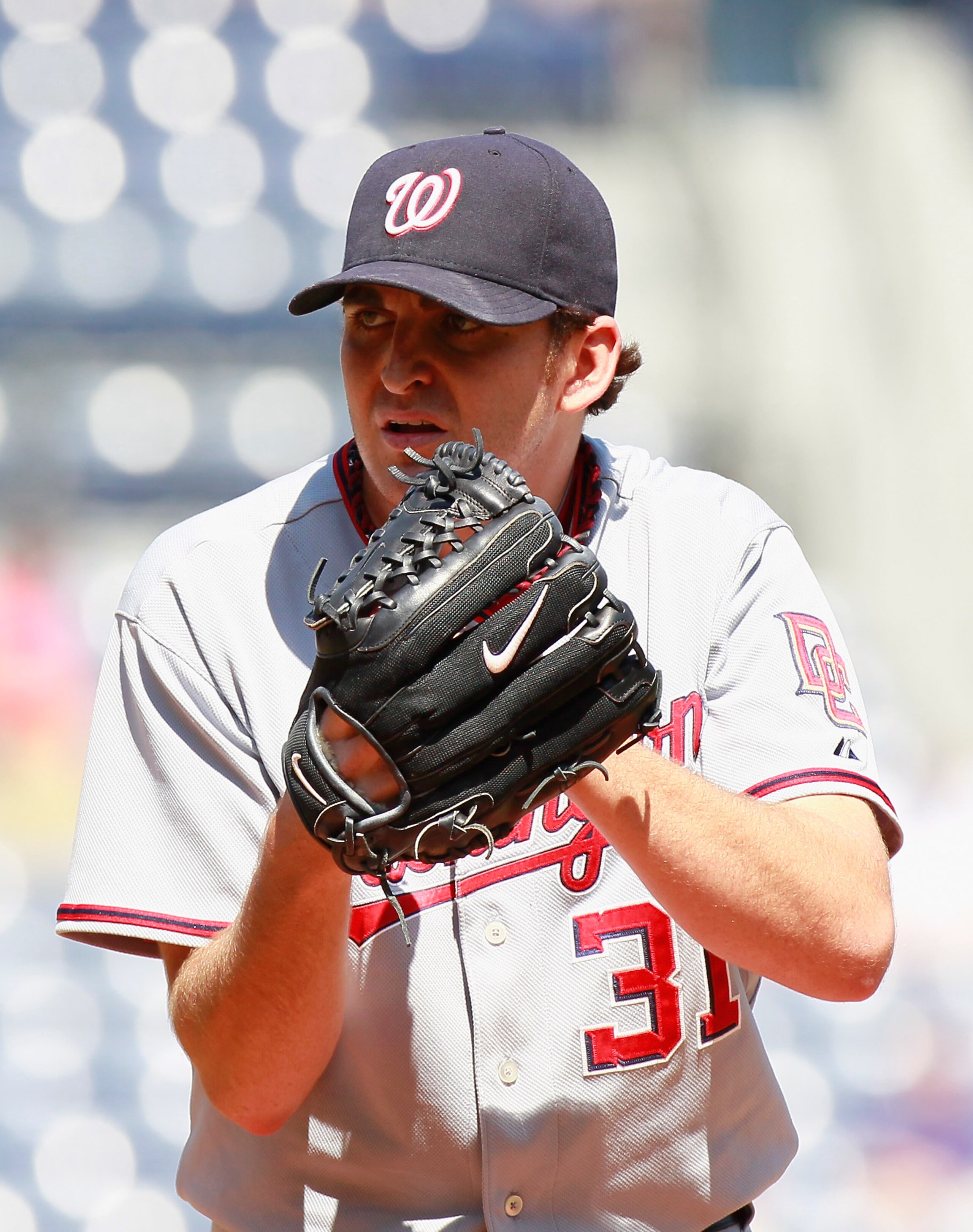
He's no Strasburg, but Lannan is firmly entrenched in the Nationals' rotation.
You know what you get from him—an ERA in the high threes to mid-fours—so he deserves some stability from Washington for his final two arbitration years.
For more of Lewie’s work, visit WahooBlues.com. Follow him on Twitter @LewsOnFirst or @WahooBlues.





.jpg?w=2560 "CP3 RIPS Clippers")