
NFL Lockout For Dummies: The Complete Guide To Understanding The NFL Lockout
The stage has been set for a battle royale between NFL owners and players.
The two sides are pulling no punches legally, politically and financially against each other. Economic leveraging, legal battles, political roundups and public awareness campaigns are just the tip of the iceberg for what’s to come.
There has been more talk about the perhaps unavoidable lockout than there has been about Sunday's Super Bowl between the Green Bay Packers and Pittsburgh Steelers. Studies from the NFLPA show that 30-40 percent of NFL fans already have this looming drama on their minds and are going to monitor the situation closely. That number is expected to rise substantially as the deadline closes in.
The idea that the NFL may not play a single game in 2011 is frightening to most fans, and this clash of the titans will prove disastrous to industries worldwide, from ticket sellers to video games.
Understanding all of it can be very overwhelming and confusing. There are thousands of articles, summaries, graphs and charts out there explaining different aspects of the situation. Putting them all together is hard to comprehend though.
This is the easiest way to understand the NFL lockout and its economic impact.
The Parties Involved: NFL Owners & NFL Players Union NFLPA
1 of 9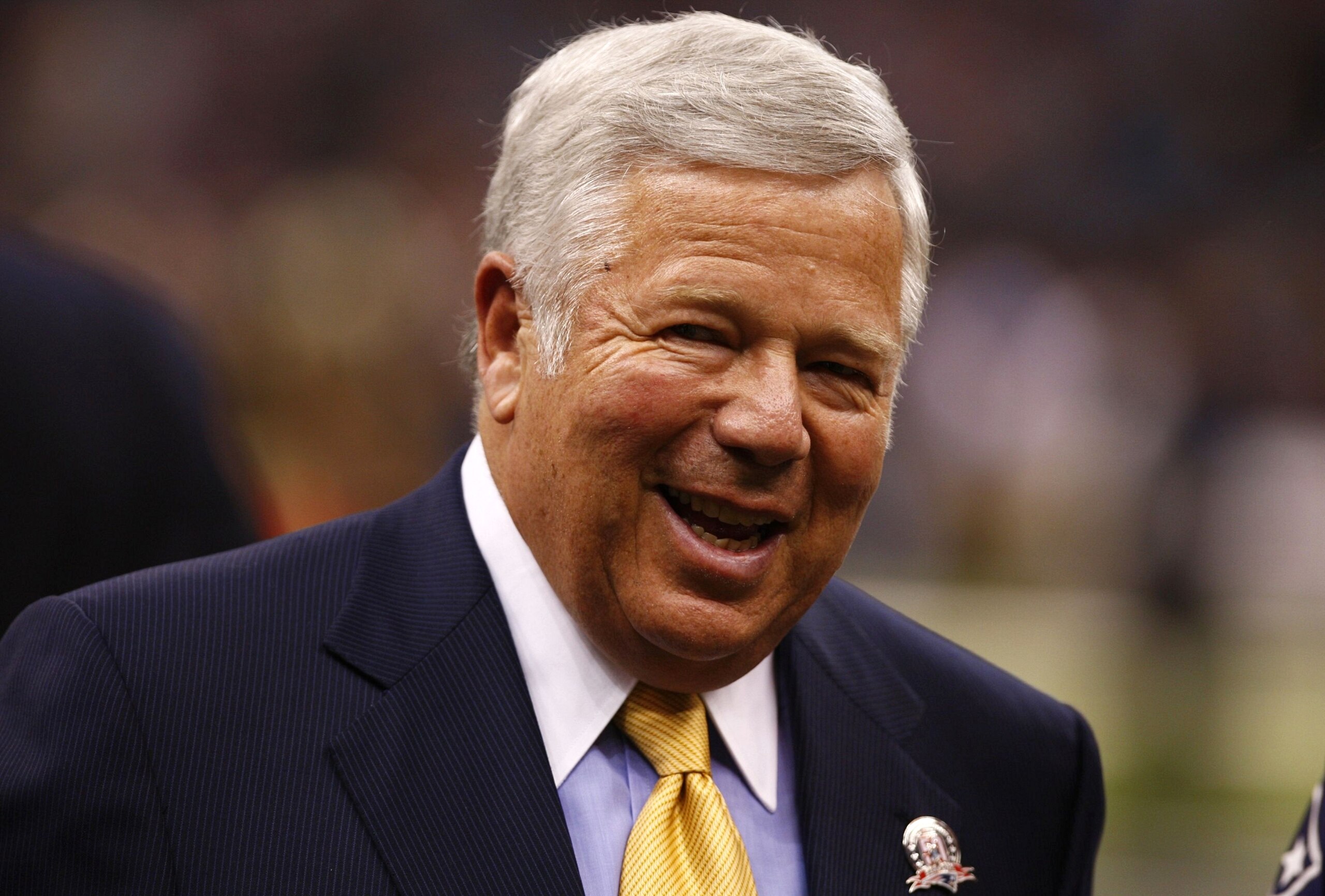
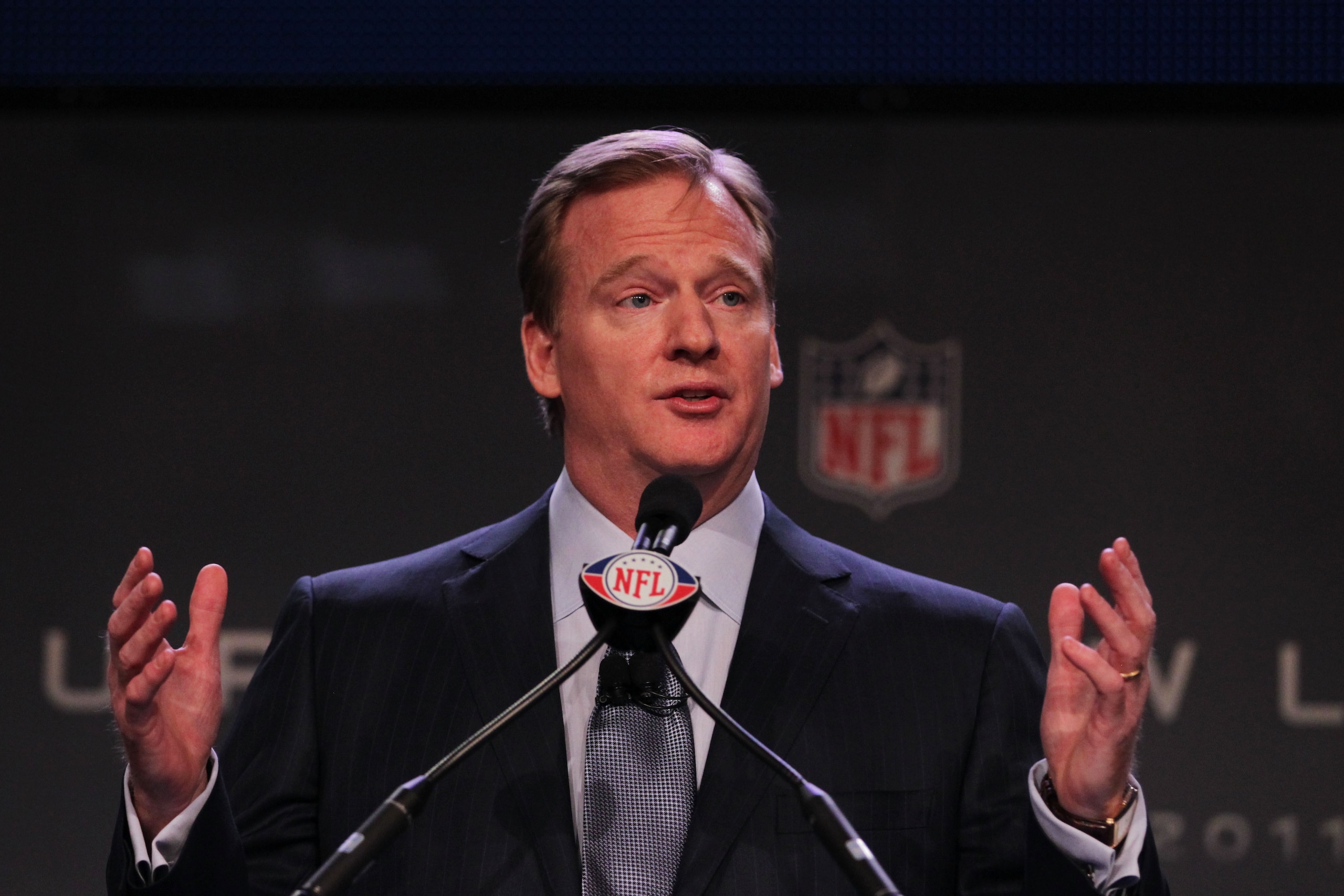
First you have two sides. The first is the National Football League it self and the owners of the team franchises. The ring leader is NFL commissioner Roger "The Dodger" Goodell.
His close shark like business associates and franchise owners Jerry Jones, Robert Kraft, Pat Bowlen and Jerry Richardson are the muscle behind the NFL. Those are Goodell's confidants leading the way to insure that a new collective bargaining agreement or CBA pays them more money and increases the season to 18 games.
The other side of the side is the players, represented by the National Football League Players Association. The NFLPA's executive director DeMaurice Smith is the ring leader on this side, and fighting with him are players such as Jeff Saturday and Drew Brees, who serve as executive committee members for the players union.
The Collective Bargaining Agreement
2 of 9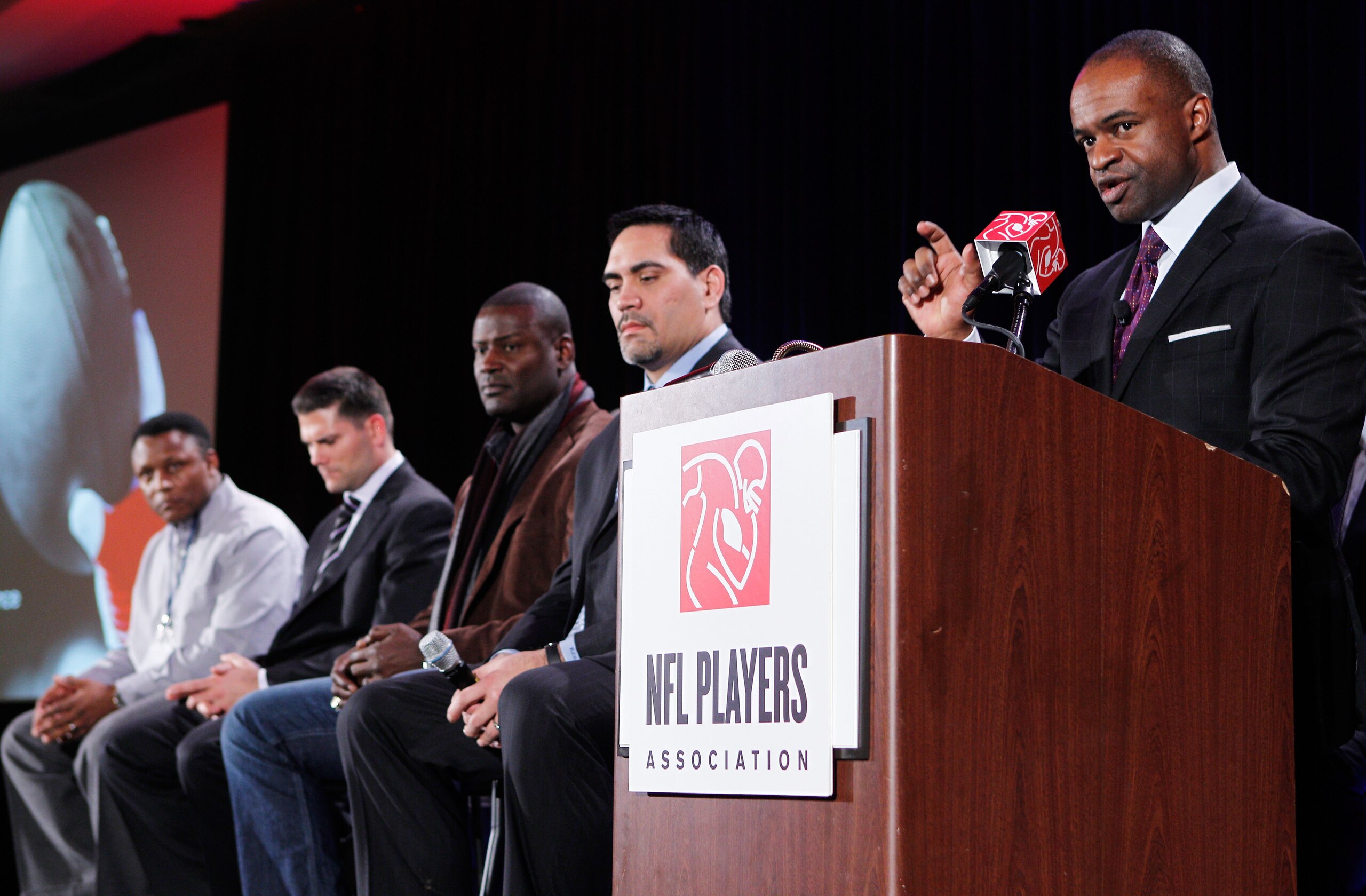
Collective bargaining is a process of voluntary negotiations between franchise owners and trade unions, specifically the NFL players union and the NFLPA.
Collective bargaining is aimed at reaching agreements that regulate working and contract conditions, and it usually sets out wage scales, working hours, training, health and safety, overtime, grievance mechanisms and rights to participate in team or NFL affairs.
After the agreement is satisfactory to the parties involved, they often refer to the result of the negotiation as a collective bargaining agreement (CBA).
The current CBA, initially negotiated in 1993, has been extended on several occasions, most recently in March 2006. The 2006 extension could have continued through the 2012 season but gave both the NFL and the NFLPA an option to shorten the deal by one or two years.
The Problem Is Always Money
3 of 9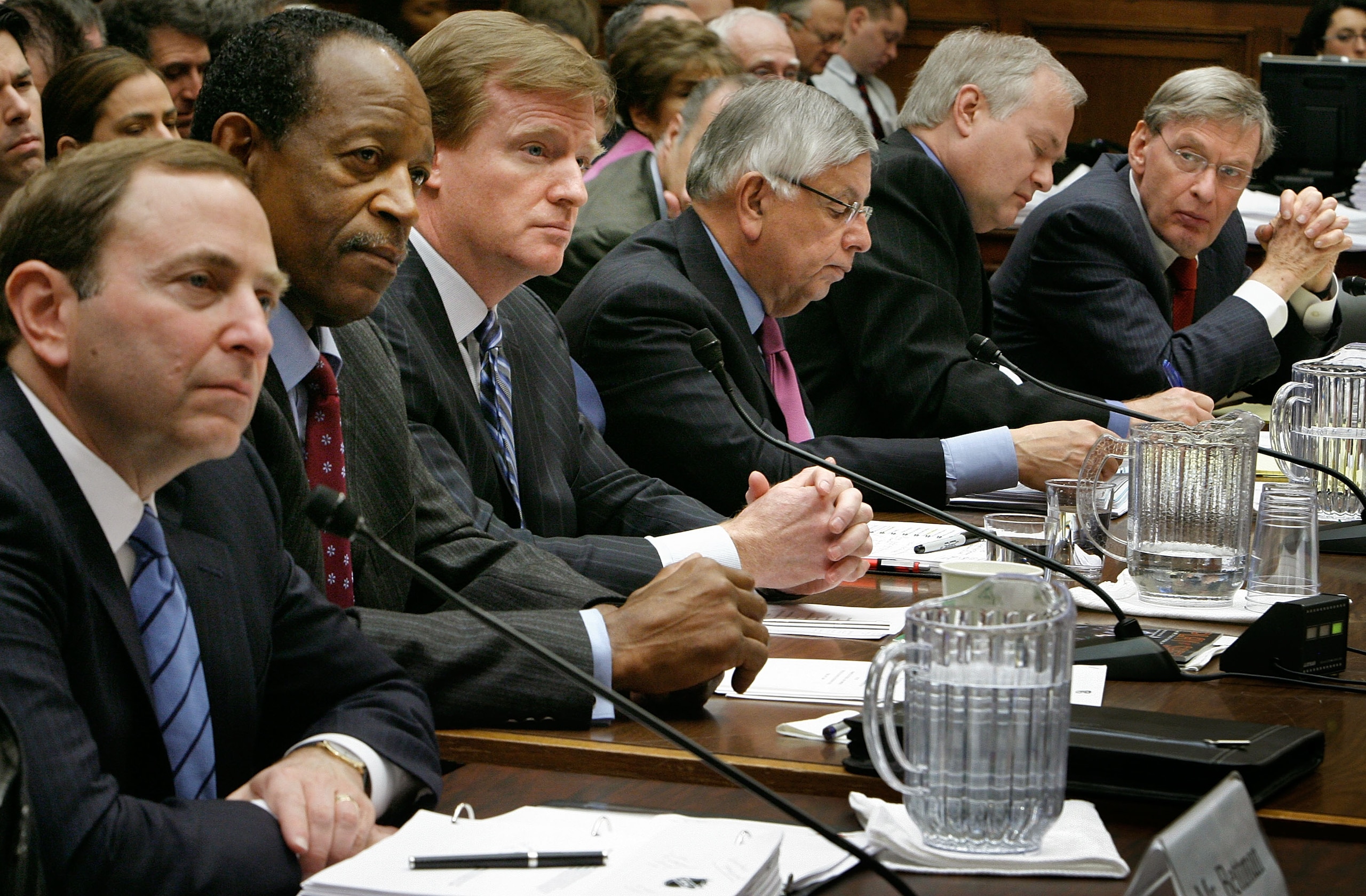
Well that’s the easy part.
It all boils down to the root of all evil—money. That being said this is where it starts getting confusing.
It all started back in 2006 when the football franchise owners accepted the CBA. Now, they feel the deal is inadequate for today’s economic times. At that time, NFLPA's executive director, the late Gene Upshaw, accepted a plan together with NFL commissioner Paul Tagliabue, which benefited the players substantially by giving them 59.6 percent of total revenue.
Why did he except the plan?
Tagliabue was just about done serving his time after 17 years. It’s believed he accepted the deal to keep the labor peace and avoid any kind of work stoppage, such as a players' strike. At the time, the league's top owners such as Jerry Jones, were in the middle of expensive stadium plans. A work stoppage would have put a stop to building and stadium improvement, and Tagliabue knew the owners would strongly reject the notion of any kind of work stoppage.
Also in that 2006 CBA deal, the league's 15 highest-earning money machines (Cowboys, Redskins, Patriots, etc.) would have to subsidize the 17 remaining teams that made considerably less money.
This is called revenue sharing.
The problem is though, some teams make more than others, and some have very favorable stadium deals that require less money from the owners for expenditures.
On the other side of the coin, you have teams like the Dallas Cowboys, who took out massive loans for new and renovated stadiums, thus driving the overhead and expenditures up. This benefits teams like the Cincinnati Bengals because they are making more of a profit since their overhead and expenditures are considerably lower.
Some of the lower 17 earning teams keep revenues down intentionally to ensure they'll receive money from the top teams under the current system. The money they receive from revenue sharing makes them more profitable than some of the top 15 teams.
Team owners in the top 15 want the new CBA to account for the high-risk investments, such as forking over hundreds of millions of dollars for new stadiums and other cap expenditures.
In simpler terms, team owners that spend the money on new stadiums or improve existing facilities want some of it back.
.jpg?w=2560 "Saints Giants Football")
.jpg?w=2560 "Broncos 49ers Football")
.jpg?w=2560 "Chargers Chiefs Football")
What The Team Owners and NFL Want From The Players
4 of 9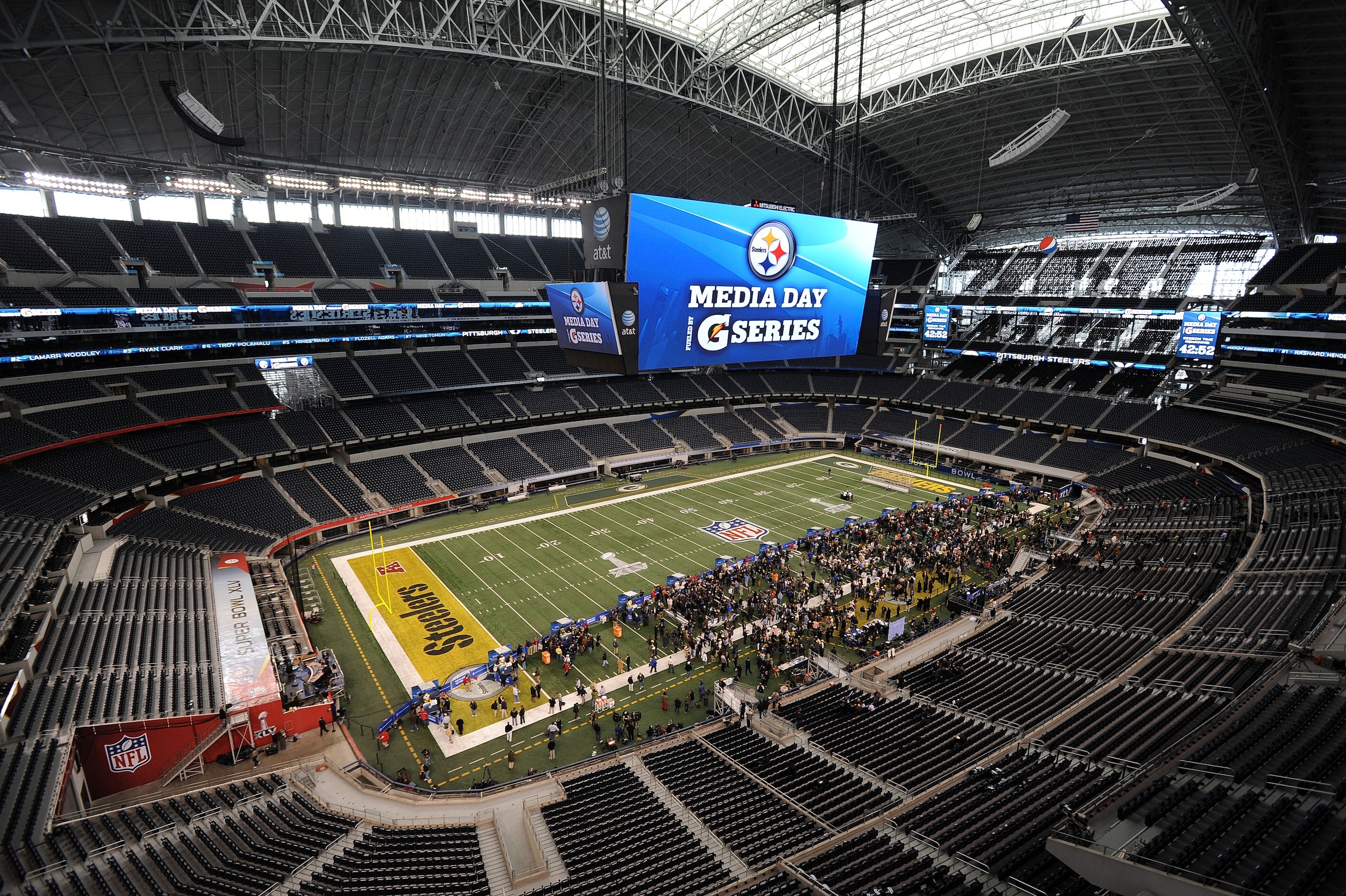
As far as the players are concerned, the owners are asking for a longer season and a heavy decrease in pay, which doesn’t stand well with the players. It's been publicly stated that the cut would be around 18 percent overall.
So how much money are we talking here?
Under the current plan, owners receive a credit of around $1 billion for operating and investment expenses of the top of a $9 billion pool of annual revenue. The owners are seeking a $1.4 billion increase or about $2.4 billion total.
This increase is because the franchise owners claim that it compensates them in a more realistic economic era we are in. They claim stadiums were partly or wholly subsidized by taxpayers years ago, which was considered normal at the time.
In today’s era, franchise owners are pouring in a lot more money for high-class stadiums and state-of-the-art facilities. As a result, they are accruing huge mortgage payments, on top of higher operational costs associated with new stadium operations.
The owners who have improved or built new facilities stand fast behind their decisions to build, citing an increase in the fan base by creating a better fan experience, which in turn creates league growth.
So the players pay decrease would go to the owners pay increase out of the $9 billion pool. The owners' standpoint is this they believe the players should account for this risk because it will increase future revenue, thus paying them more money in the future.
The problem is the players are not owners, stockholders or anything of the sort.
The players are not a partnership with the franchise or the owner and will not receive any stake in the franchise for the cuts. Furthermore, the players know the value of the owners and the franchises have increased considerably in the past decade.
So they are basically stating that the value of your franchise went up, which creates equity and money. The equity and money does reduce the owners' overall financial risk.
What The Players Are Seeking
5 of 9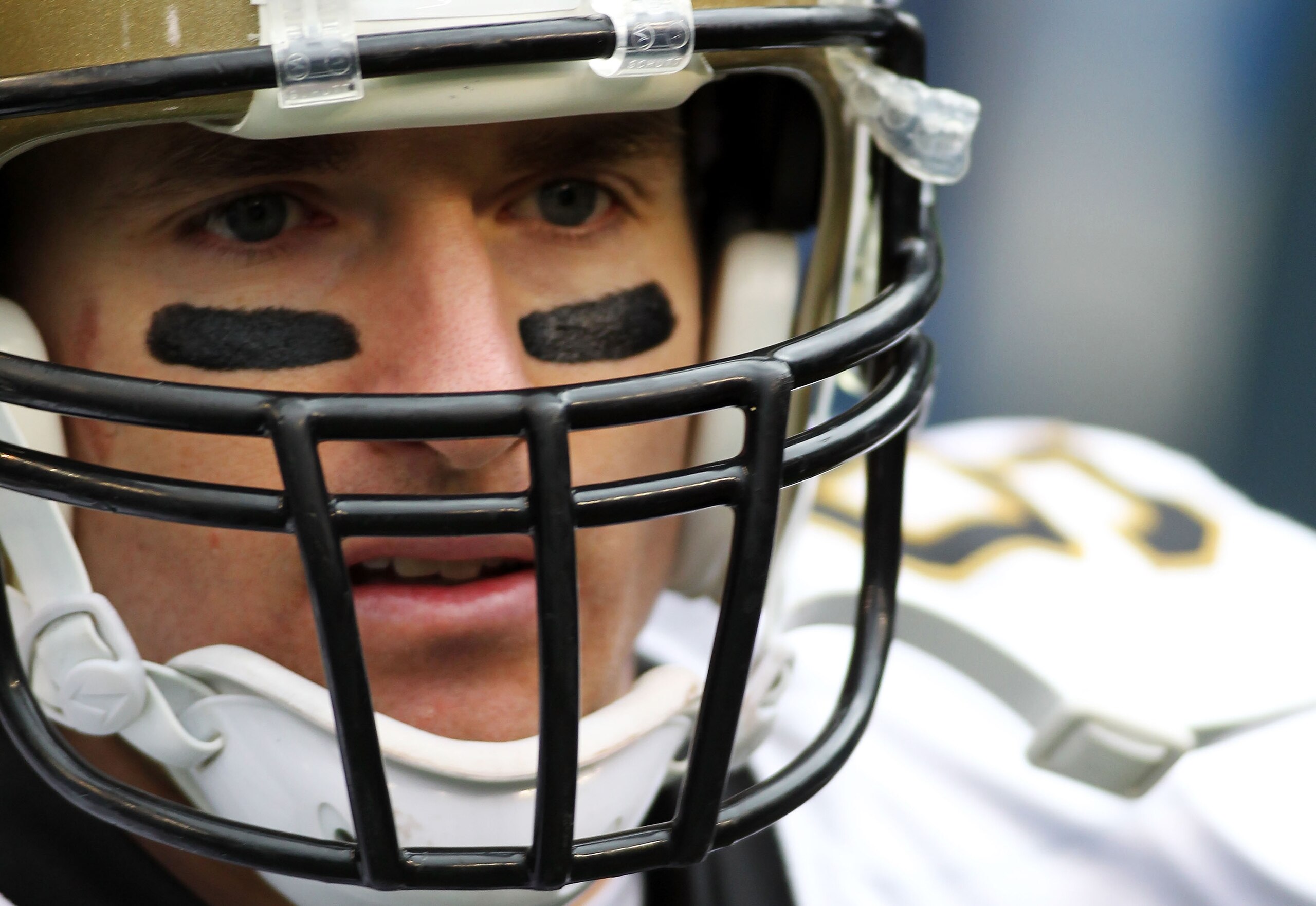
The players are not seeking any increase at all.
They are happy with the current deal.
They simply want the same amount of money for the same amount of games played. At this point, the players, the union and the NFLPA want team owners to provide further documentation to support the owners' basis for the $1.4 billion increase. They are asking the NFL and the franchise owners to substantiate their claims and prove that profits have gone down.
The NFLPA has requested the owners to open the books to prove their claims of financial distress or uncertainty, but the owners have adamantly refused to do that.
The league's proposal is "suspect" according to the NFLPA. They are asking for a dramatic increase in credits right off the top, with categories in the new proposal such as "practice facility cost," "travel" and "professional fees." They feel the owners are asking the players or employees to pay for the teams' overhead.
The Clock Is Ticking
6 of 9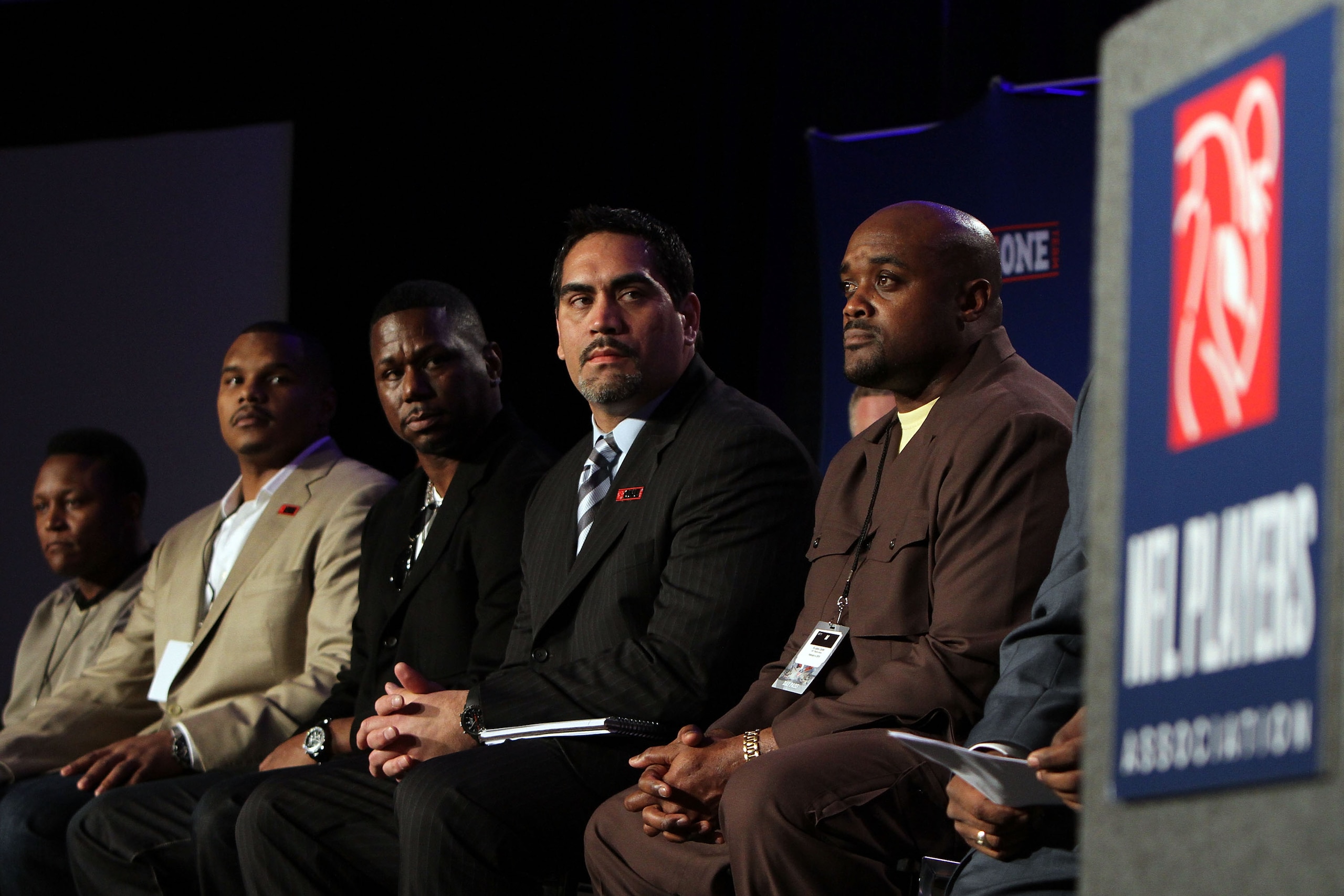
The time is winding down to get something done with both parties.
The deadline is March 3, when the league year ends, at which time the owners can start the lockout process. On the other side, the players could respond by de-certifying as a union and file an anti-trust lawsuit followed by a strike.
Communication has and will continue to be a problem on both sides. It has been reported there is improved communication between the players union and the NFL's managing council, which is important to help speed along any kind of resolution.
As for now though, there has been no sizable movement toward the resolve of a new CBA. It's no surprise both sides are playing hard ball.
The NFL players union has discussed a boycott of NFL draft activities, including the scouting combine later this month with player agents.
When The Lockout Happens Teams Will Still Get Paid
7 of 9
The franchises will still receive the guaranteed television revenue, but they can do nothing with players. No OTA's, no team meetings, no training camp, no free agent signing, no contracts with players, etc. If the lockout lasts into September, well that will be tragic because there would be no 2011 NFL season to speak of.
The owners are in a better position to withstand a lockout if one should occur financially. The reason being a lockout would reduce the operating expenses by at least 50-55 percent (an estimated $4.5 billion) with the elimination of player salaries, benefits, temporary layoffs and salary cuts to various team employees that would save them substantially.
Thanks to a very lucrative television deal with several broadcasting networks, the owners would still receive the guaranteed money. That kind of cash flow would allow owners to shore up more than 50 percent of their total revenue in a normal season, around $4 billion per team. That money would cover operating expenses and overhead through the entire season if needed.
Now, that lucrative television deal for the owners may not be the "insurance policy" they were looking for.
Legally-speaking, the players have the upper hand because in June 2010 the NFLPA filed a legal complaint with the Special Master appointed to resolve CBA disputes. The NFLPA alleges the NFL structured that deal so the league and teams would receive guaranteed money in the event of a lockout.
Because they were promised the guaranteed money, networks such as DirecTV, FOX, CBS and NBC received valuable benefits in 2009 and 2010 in exchange for the guaranteed money clause.
The NFLPA claims it deprived players of potential revenues for the short term, and for the long term, they planned and effectively acknowledged they are expecting a work stoppage. If the league is found guilty of planning a work stoppage or strike, the union may request that the money be placed into an escrow account that would make it by the owners during the strike.
If that happens, it would spell disaster for most team owners financially.
The Economic Impact
8 of 9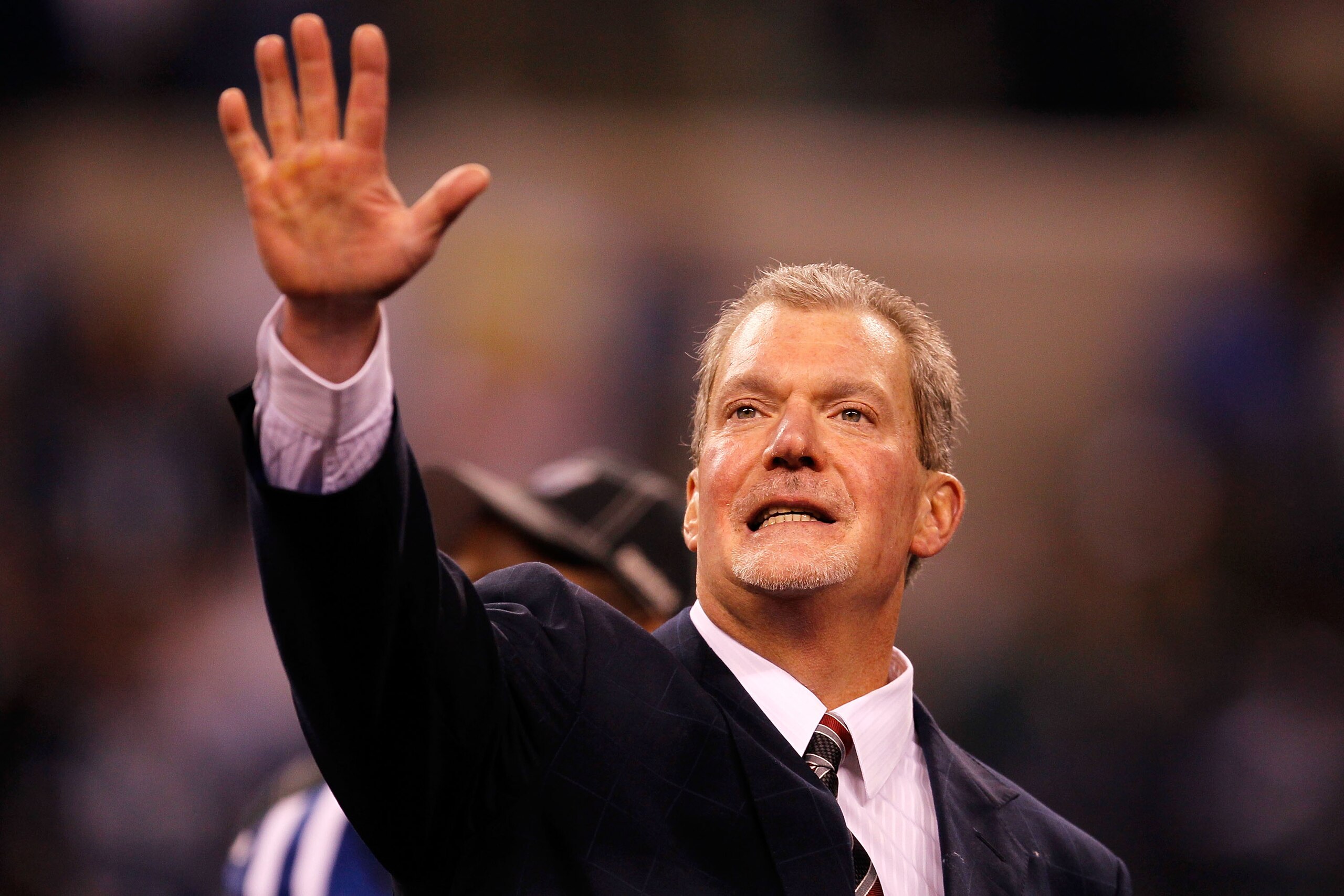
The economic impact of a lockout would not just hit the league, teams and players; it would also hit city revenues and produce a heavy loss of jobs.
According to the NFLPA website, NFLlockout.com, an estimated $140 million in revenue would be lost in each NFL city, and 150,000 jobs would be affected nationwide.
It’s estimated that Las Vegas sports books would be looking at an $850 million loss.
Other businesses such as stubhub.com, fantasy football sites, beer vendors and so on would lose a substantial amount of income as well.
Fans in NFL cities would lose the most.
Fans are taxpayers that have spent billions of dollars on stadiums with the promise there would be NFL games played there. Taxpayers have spent $6.5 billion in the last 20 years. It would be fair to say that teams who used taxpayer money for improving or rebuilding stadiums should be legally responsible to refund the taxpayers' money back to the city they reside in for local economic development.
Here is just one example: in Indianapolis, taxpayers were responsible for funding 87 percent of Lucas Oil Stadium, making it the most taxpayer-subsidized stadium in the United States. Colts owner Jim Irsay was able to cover his 13 percent portion of the cost when he sold the naming rights to Lucas Oil Company for $120 million. On top of that, taxpayers picked up the $48 million tab to break the lease on the RCA Dome.
So if a lockout does happen, do the taxpayers in Indiana get reimbursed the money for that year?
I would bet the farm they don’t.
When Its All Said and Done
9 of 9
Either way you look at it, a lockout for the 2011 season would not be favorable by any means for either side.
It seems crazy that NFL teams on average earned $33 million on operating profit in 2009 (earnings before interest, taxes, depreciation and amortization). Leading the way with huge incomes were the Dallas Cowboys, New England Patriots and the Washington Redskins, according to Forbes "SportsMoney."
The NFL has never been more profitable. Players are making millions of dollars on contracts and endorsement deals, so it’s hard to imagine that this widely-profitable sport may stop due to money.
Here is my take on the whole thing: like most labor disputes, there is compromise. Both parties have to put their emotions on the back burner and develop a creative way to financially benefit both sides to a satisfactory agreement.
This event is a very touchy and volatile situation that affects, not just careers, but lives. The communication lines between players and the owners will open up, and work will begin. A partnership will again be forged, the fans of the NFL will have their beloved teams back on the field come Sunday and we all live happily ever after.
.jpg?w=2560 "Saints Giants Football")
.jpeg?w=2560)