
NFL Power Rankings: Greatest Running Backs in Each Team's History
This week, we enjoy the fun, relaxed feel of the Pro Bowl. Next week, we’ll begin to buckle down and prepare for the Super Bowl between the Steelers and Packers, two of the NFL’s most historic franchises.
As we are upon the Pro Bowl, the NFL’s version of an All-Star game, we’ll get to see the best players of this past season.
In the spirit of great players, I’ve compiled for you great people a list of the greatest running backs ever to play for each of the current 32 NFL franchises. Some are no-brainers, others not so much.
The stats were taken from www.pro-football-reference.com.
All listed years and stats, unless otherwise specified, are from each player’s tenure with the listed team.
Arizona Cardinals: Ottis Anderson
1 of 32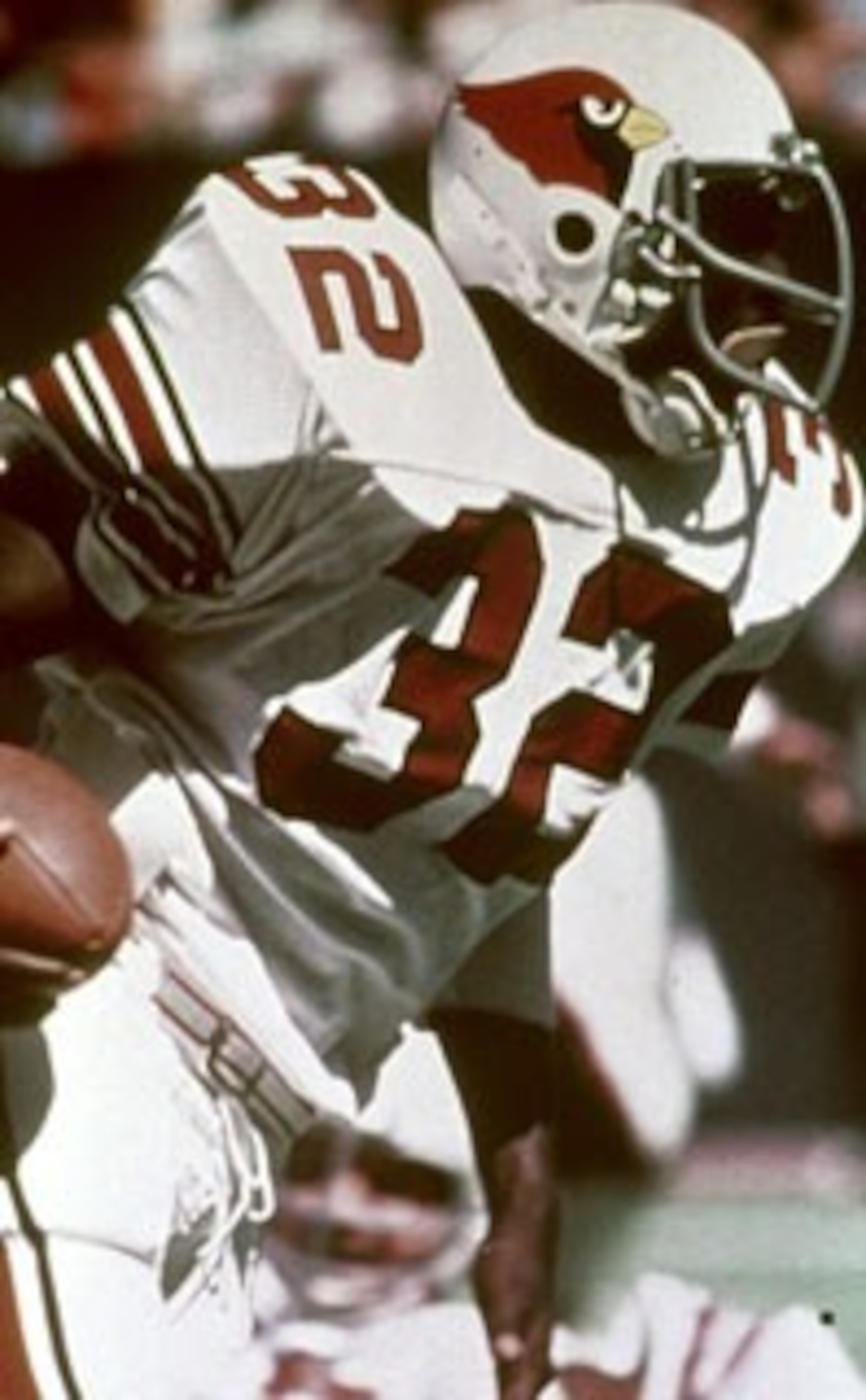
1979-86 (99 games)
Stats
Rushing: 2,562 Att; 10,273 Yds; 81 TDs / Receiving: 376 Rec; 3,062 Yds; 5 TDs
Accolades
2x Pro Bowl (1979-80), 1x First-team All-Pro (1979)
NFL Rankings
Rushing Yards: 24, Rushing Touchdowns: 17, Rushing Attempts: 19
Franchise Rankings
Rushing Yards: 1, Rushing Touchdowns: 1, Rushing Attempts: 1
The Cardinals, no matter where they called home (Chicago/St. Louis/Arizona), never really had that iconic figure carrying the football. And honestly, as a Bills fan, I’m not too big on Anderson (if you’re confused, go look for who the MVP was in Super Bowl XXV…notice the teams?). Fortunately, we’re talking about the Cardinals.
Anderson, after being drafted eighth overall by the St. Louis Cardinals, put on one of the best rookie performances in NFL history. The 22-year-old ran for 193 yards and a touchdown in a 22-21 opening day loss to the Dallas Cowboys.
Anderson would go on to surpass 100 yards nine times in the ’79 season, finishing with 1,605 for the year.
He had multiple 1,000+ yard seasons with the Cardinals. In fact, he did in five of his first six seasons. The only one he didn’t was the strike-shortened season of 1982 (he had 587 yards in eight games).
Honorable Mention: Jim Otis
Atlanta Falcons: Gerald Riggs
2 of 32
1982-88 (91 games)
Stats
Rushing: 1,587 Att; 6,631 Yds; 48 TDs / Receiving: 186 Rec; 1,384 Yds; 0 TDs
Accolades
3x Pro Bowl (1985-87)
NFL Rankings
Rushing Yards: 37, Rushing Touchdowns: 28, Rushing Attempts: 34
Franchise Rankings
Rushing Yards: 1, Rushing Touchdowns: 1, Rushing Attempts: 1
The Atlanta Falcons haven’t been blessed with a laundry list of iconic running backs. Gerald Riggs had a couple good years, mainly 1984 to ’86. In each of those three years, he had over 1,300 yards and over nine touchdowns.
Atlanta has had a few really good running backs, but they really haven’t stayed in Atlanta long enough to rack up the big stats. Warrick Dunn and Jamal Anderson were both good backs that could have been great Falcons, but Dunn was there for six seasons after spending six in Tampa, and Anderson was troubled by injuries throughout his career.
Honorable Mention: William Andrews
Baltimore Ravens: Jamal Lewis
3 of 32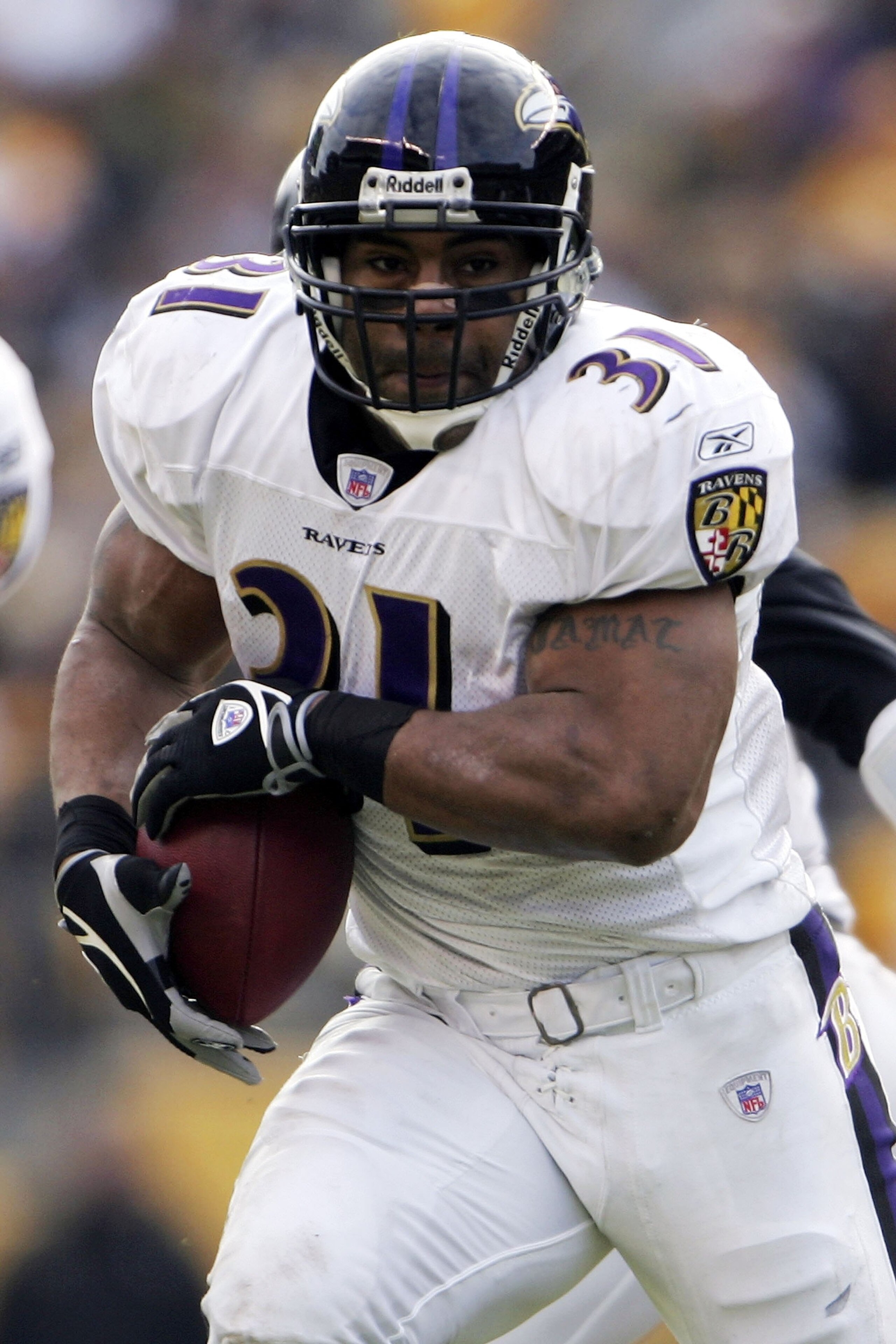
2000-06 (91 games)
Stats
Rushing: 1,822 Att; 7,801 Yds; 45 TDs / Receiving: 160 Rec; 1,365 Yds; 2 TDs
Accolades
2003 NFL Offensive Player of the Year, 1x Pro Bowl (2003), 1x First-team All-Pro
NFL Rankings
Rushing Yards: 21, Rushing Touchdowns: 42, Rushing Attempts: 20
Franchise Rankings
Rushing Yards: 1, Rushing Touchdowns: 1, Rushing Attempts: 1
In the Baltimore Ravens’ short time in existence, they’ve had a couple of very good running backs, none more so than Jamal Lewis.
Lewis helped the Ravens to their first and only Super Bowl victory in 2000 when they beat the New York Giants 34-7. Lewis ran for 101 yards and a touchdown in the game.
Jamal Lewis, at 240 pounds, was a bulldozer running through defenses, and quite literally. His career highs came in 2003, when he broke all kinds of records. First, he broke the record for rushing yards in a single game when he ran over the Cleveland Browns for 295 yards.
At the end of the 2003 season, Lewis was only 39 yards short of Eric Dickerson’s record for most rushing yards in a single season.
Honorable Mention: Ray Rice

.jpg?w=2560 "Texans-Mixon Released Football")
.jpg?w=2560 "Commanders Eagles Football")
Buffalo Bills: Thurman Thomas
4 of 32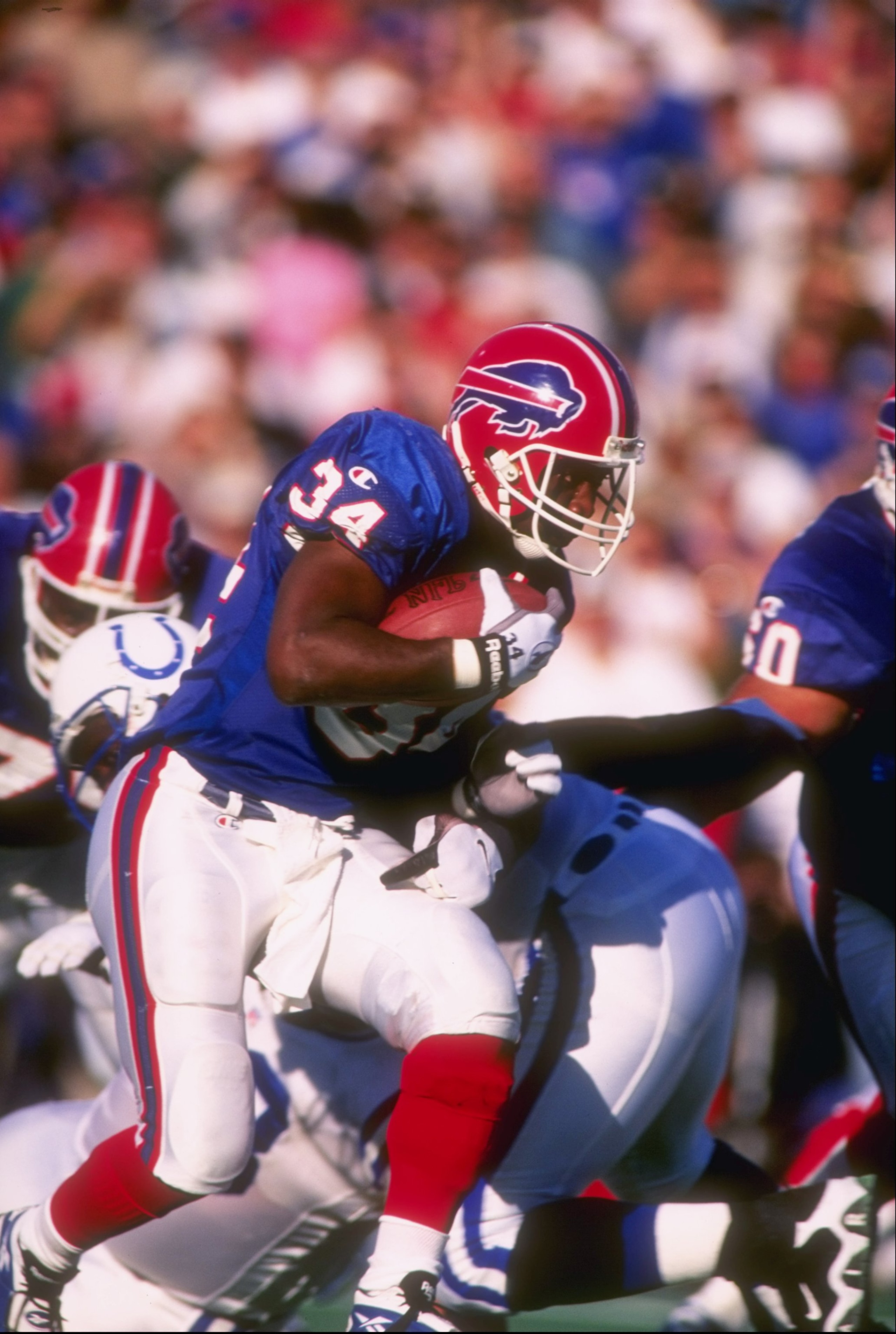
1988-99 (173 games)
Stats
Rushing: 2849 Att; 11,938 Yds; 65 TDs / Receiving: 456 Rec; 4,341 Yds; 22 TDs
Accolades
1991 NFL MVP, 1991 AP Offensive Player of the Year, 5x Pro Bowl (1989-93), 2x First-team All-Pro (1990-91), Hall of Fame Inductee: 2007
NFL Rankings
Rushing Yards: 14, Rushing Touchdowns: 33, Rushing Attempts: 13
Franchise Rankings
Rushing Yards: 1, Rushing Touchdowns: 1, Rushing Attempts: 1
Thurman Thomas, a college teammate of Barry Sanders, was a staple of the Buffalo Bills offense for a decade, helping to lead the team to record four straight Super Bowl appearances.
Despite his 5'10" stature, he was a force when rushing and receiving. In his 12 seasons as a Bill, he accumulated over 16,000 yards and 87 touchdowns. In addition to his superb playmaking skills, he was also considered a tremendous blocking running back.
Honorable Mention: OJ Simpson
Carolina Panthers: DeAngelo Williams
5 of 32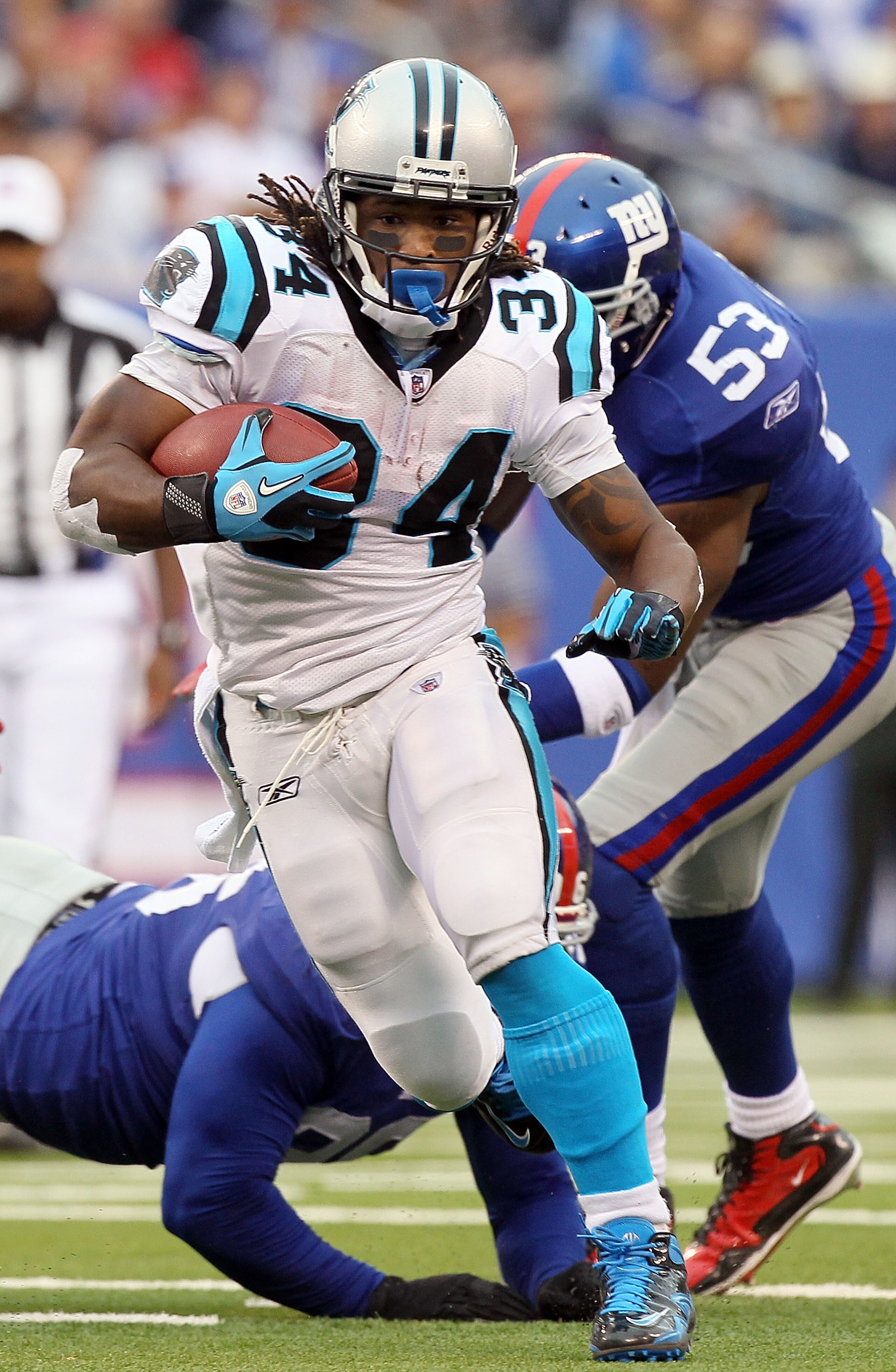
2006-Present (64 games)
Stats
Rushing: 841 Att; 4,211 Yds; 31 TDs / Receiving: 118 Rec; 922 Yds; 4 TDs
Accolades
1x Pro Bowl (2009)
NFL Rankings
Rushing Yards: 163, Rushing Touchdowns: 169, Rushing Attempts: 26 (Active)
Franchise Rankings
Rushing Yards: 1, Rushing Touchdowns: 1, Rushing Attempts: 2
The Carolina Panthers came to be in 1995. In their short 16 year existence, they haven’t quite had too many running backs worth mentioning.
Current running back DeAngelo Williams is already atop the Panthers’ leaders in rushing yards and touchdowns. He’s only had five seasons with the team and could really make a mark on the team’s history.
However, Williams is currently scheduled to be a free agent this offseason. It will be interesting to see if Carolina can bring him back to help build a team around.
Honorable Mention: DeShaun Foster
Chicago Bears: Walter Payton
6 of 32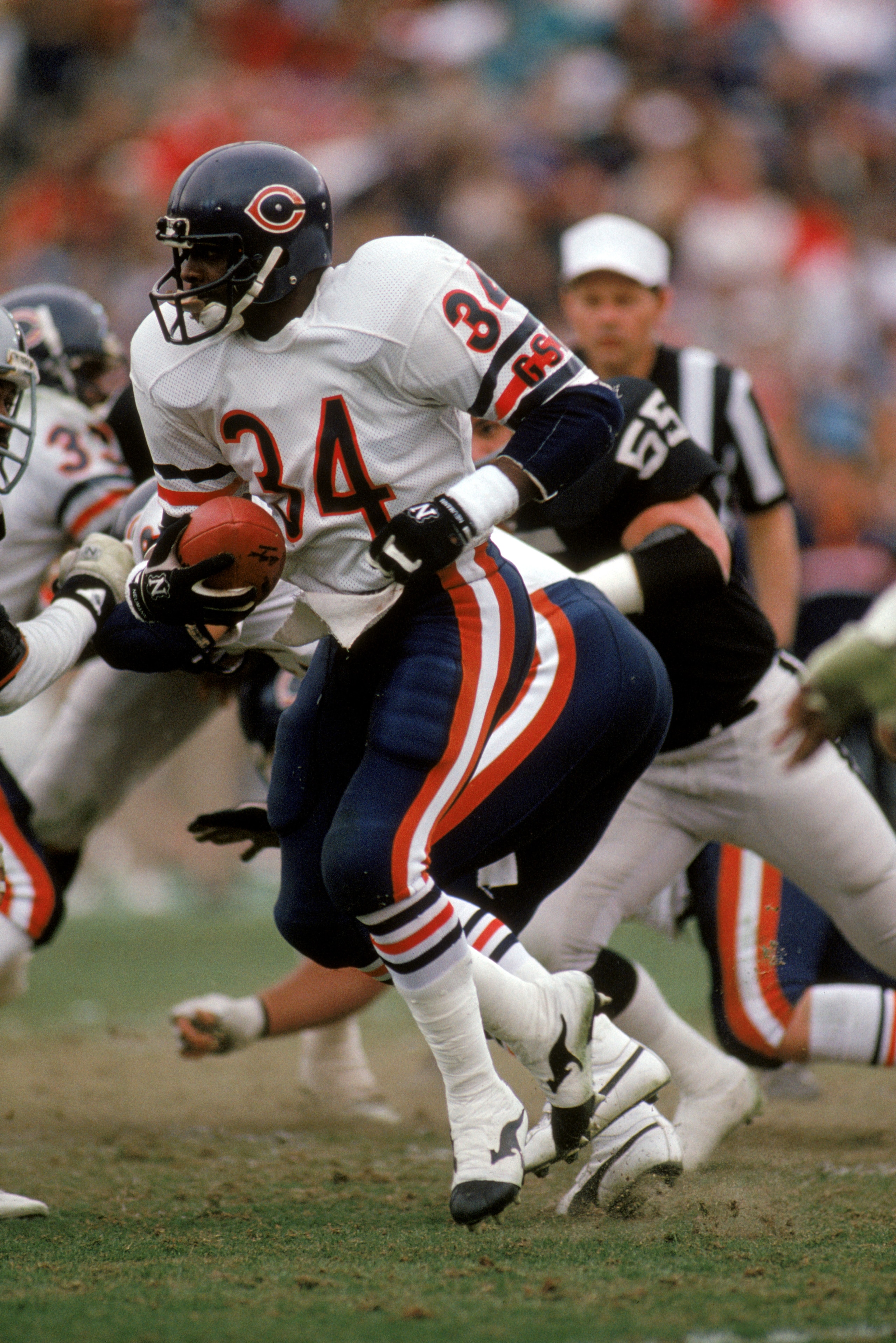
1975-87 (190 games)
Stats
Rushing: 3,838 Att; 16,726 Yds; 110 TDs / Receiving: 492 Rec; 4,538 Yds; 15 TDs
Accolades
1977 NFL MVP, 1977 NFL Offensive Player of the Year, 9x Pro Bowl (1976-80, 1983-86), 5x First-team All-Pro (1976-77, 1980, 1984-85), Hall of Fame Inductee: 1993
NFL Rankings
Rushing Yards: 2, Rushing Touchdowns: 4, Rushing Attempts: 2
Franchise Rankings
Rushing Yards: 1, Rushing Touchdowns: 1, Rushing Attempts: 1
Walter Payton is an icon and idol to many of today’s top running backs. He enjoyed an illustrious 13 year career. He was part of the 1985 Super Bowl XX winning team. Payton amassed over 1000 yards in ten of his thirteen seasons, and earned MVP honors in 1977, only his third season in the NFL.
On October 7, 1984 in a game against the New Orleans Saints, Payton broke Jim Brown’s career rushing record of 12,312 yards. Payton’s record would stand 18 years, until Emmitt Smith would surpass him in 2002.
Honorable Mention: Neal Anderson
Cincinnati Bengals: Corey Dillon
7 of 32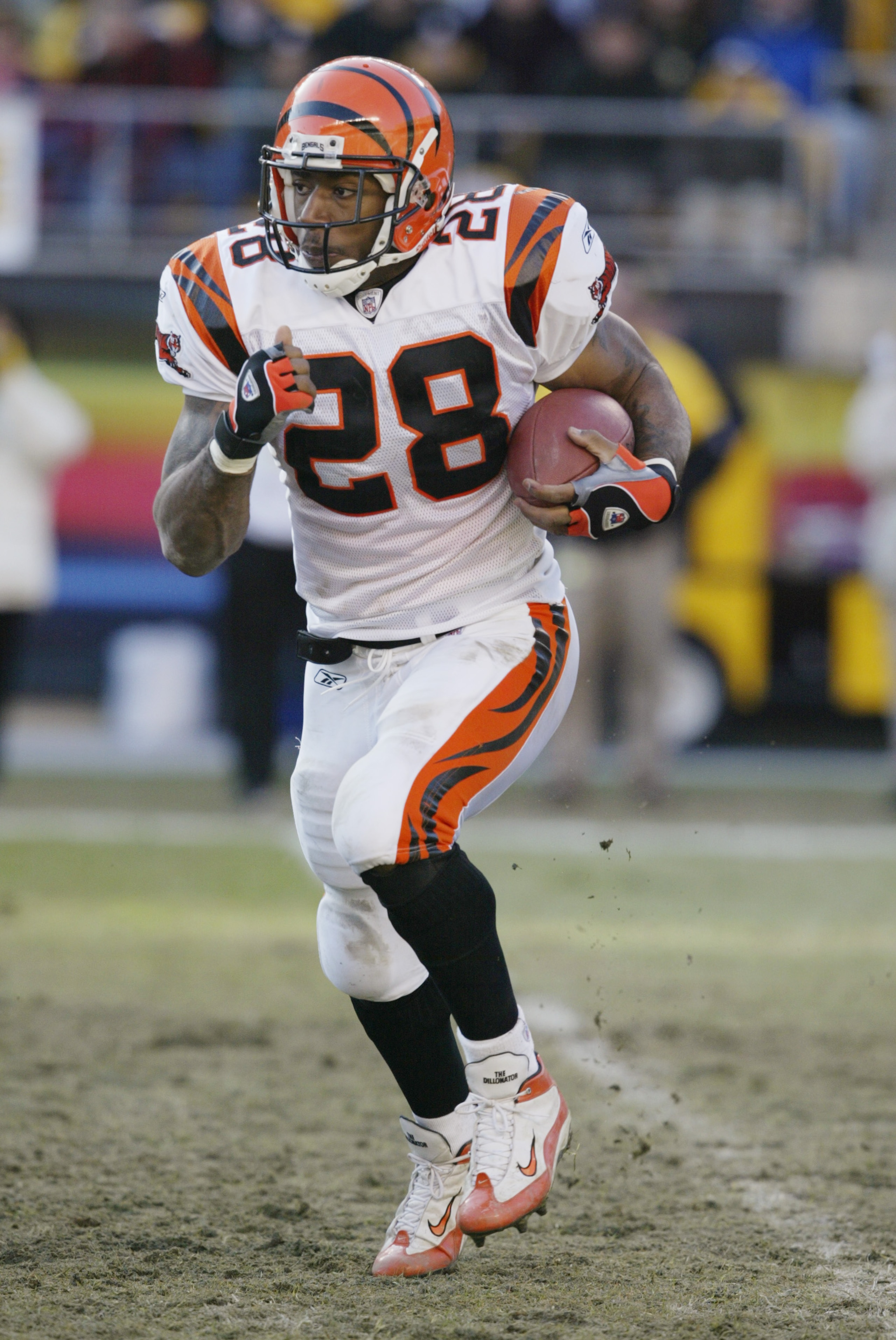
1997-2003 (107 games)
Stats
Rushing: 1,865 Att; 8,061 Yds; 45 TDs / Receiving: 192 Rec; 1,482 Yds; 5 TDs
Accolades
3x Pro Bowl (1999-01)
NFL Rankings
Rushing Yards: 17, Rushing Touchdowns: 16, Rushing Attempts: 18
Franchise Rankings
Rushing Yards: 1, Rushing Touchdowns: 3, Rushing Attempts: 1
Corey Dillon was a solid back for the Bengals for the better part of seven years. He ran for over 1,000 yards in six of his seven seasons.
In 2000, in a game against the Broncos, Dillon set the record for most rushing yards in a single game (278), which has since been broken.
Honorable Mention: Pete Johnson
Cleveland Browns: Jim Brown
8 of 32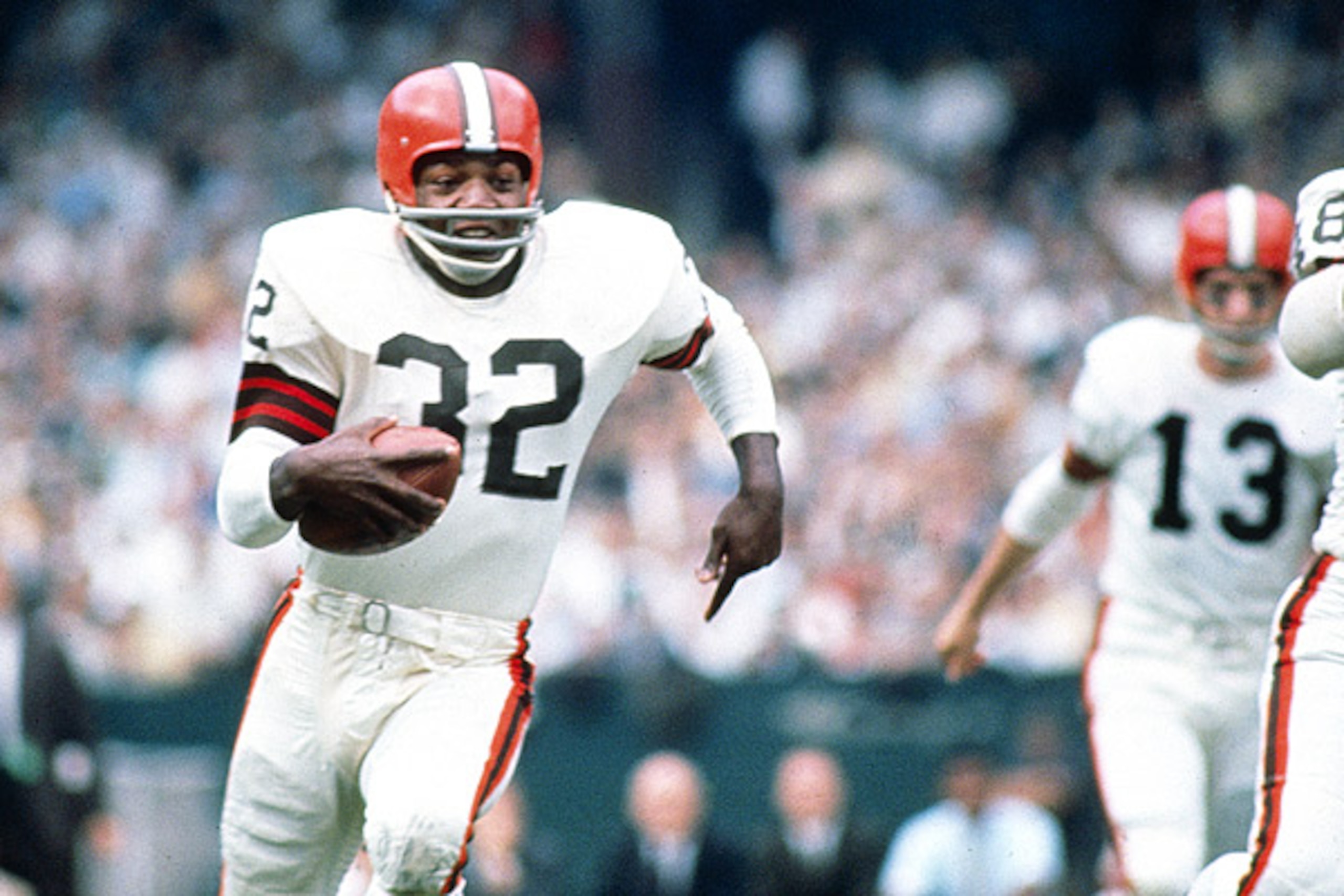
1957-65 (118 games)
Stats
Rushing: 2,359 Att; 12,312 Yds; 106 TDs / Receiving: 262 Rec; 2,499 Yds; 20 TDs
Accolades
3x NFL MVP (1957-58, 1965), 9x Pro Bowl (1957-65), 8x First-team All-Pro (1957-61, 1963-65), Hall of Fame Inductee: 1971
NFL Rankings
Rushing Yards: 9, Rushing Touchdowns: 5, Rushing Attempts: 24
Franchise Rankings
Rushing Yards: 1, Rushing Touchdowns: 1, Rushing Attempts: 1
Jim Brown is probably the most unanimous choice on this list. Not only is he one of the greatest running backs in NFL history, Brown would have to be considered one of the greatest pure athletes in all of sports.
In high school, Jim Brown excelled in football, baseball, basketball, lacrosse and track, earning 13 varsity letters.
Brown helped lead the Cleveland Browns (I’m not totally convinced the Browns didn’t change their name after drafting him) to win the 1964 NFL Championship (their last title, by the way).
Despite his phenomenal numbers, Brown only played nine seasons, four seasons of 12 games and five of 14. Oh, and he started every single one.
Honorable Mention: Leroy Kelly. Here’s to hoping Peyton Hillis turns into a superstar.
Dallas Cowboys: Emmitt Smith
9 of 32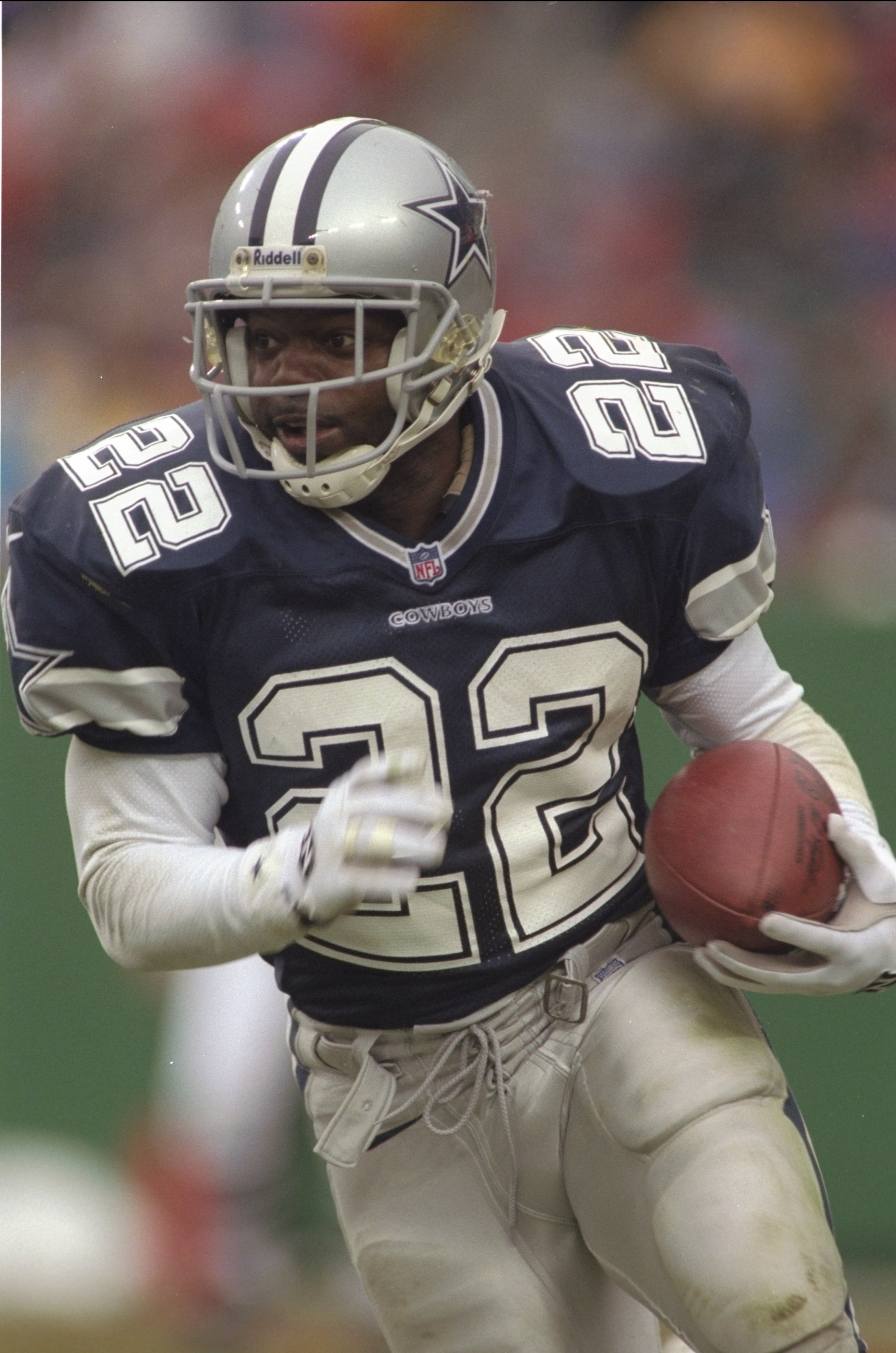
1990-2002 (201 games)
Stats
Rushing: 4,052 Att; 17,162 Yds; 153 TDs / Receiving: 486 Rec; 3,012 Yds; 11 TDs
Accolades
1993 NFL MVP, 1993 Super Bowl MVP, 1990 Offensive Rookie of the Year, 8x Pro Bowl (1990-95, 1998-99), 4x First-team All-Pro (1992-95), Hall of Fame Inductee: 2010
NFL Rankings
Rushing Yards: 1, Rushing Touchdowns: 1, Rushing Attempts: 1
Franchise Rankings
Rushing Yards: 1, Rushing Touchdowns: 1, Rushing Attempts: 1
Emmitt Smith is the greatest running back of all time. Well, according to the rushing yards list, he is. Emmitt was a tremendous back and at only 5’9”, proved a lot of people wrong that said he was too small to play in the NFL.
Emmitt was an integral part of the Aikman-Smith-Irvin trio that led the Cowboys to three Super Bowls in four years. In his three appearances, he rushed for 289 yards and five touchdowns, earning MVP in Super Bowl XXVIII.
On October 27, 2002, in a home game against the Seattle Seahawks, Emmitt Smith surpassed Walter Payton as the NFL’s all-time leading rusher. Including his two seasons in Arizona, he still holds the current record at 18,355 yards.
Honorable Mention: Tony Dorsett
Denver Broncos: Terrell Davis
10 of 32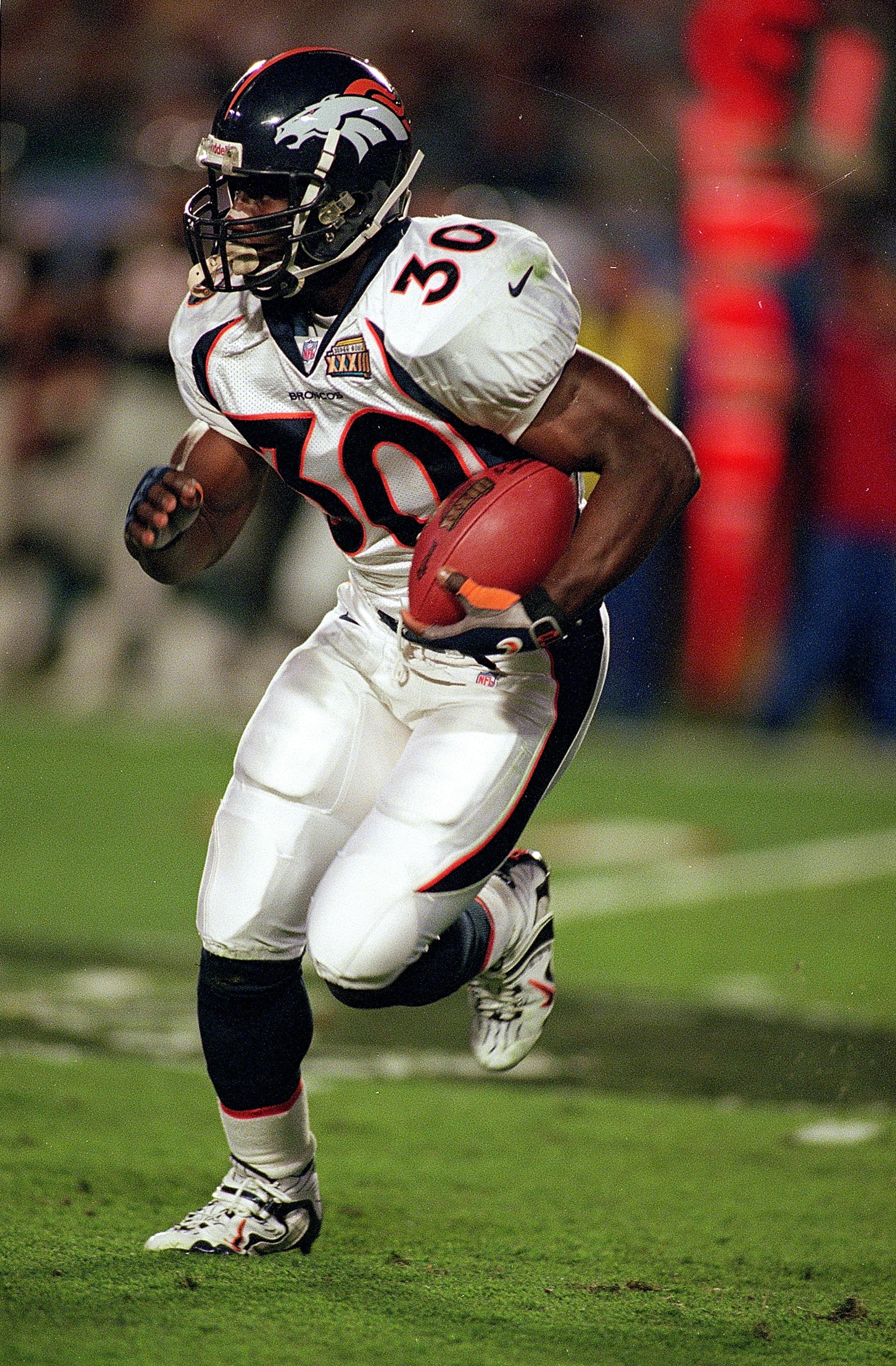
1995-2001 (78 games)
Stats
Rushing: 1,655 Att; 7,607 Yds; 60 TDs / Receiving: 169 Rec; 1,280 Yds; 5 TDs
Accolades
1998 NFL MVP, 1997 Super Bowl MVP, 1998 NFL Offensive Player of the Year, 1996 NFL Offensive Player of the Year, 3x Pro Bowl (1996-98), 3x First-team All-Pro (1996-98)
NFL Rankings
Rushing Yards: 46, Rushing Touchdowns: 40, Rushing Attempts: 53
Franchise Rankings
Rushing Yards: 1, Rushing Touchdowns: 1, Rushing Attempts: 1
It seems strange to me that in the illustrious, 50 year history of the Denver Broncos, their all-time leading rusher only played for seven seasons.
Not to take away any of Terrell Davis’s accomplishments, but I (along with many others) would have really loved to see him play longer.
Davis’s first four seasons were phenomenal, running for over 1,500 yards and 13 touchdowns in three of them (rookie year went for 1,117 yards and seven touchdowns). His best year was 1998, when he became the fourth (there are six now) player to rush for over 2,000 yards in a single season. He also notched 21 touchdowns.
He also helped lead the Broncos to back to back Super Bowl victories in 1997 and ’98, earning MVP honors in their Super Bowl XXXII victory over the Packers.
Honorable Mention: Floyd Little
Detroit Lions: Barry Sanders
11 of 32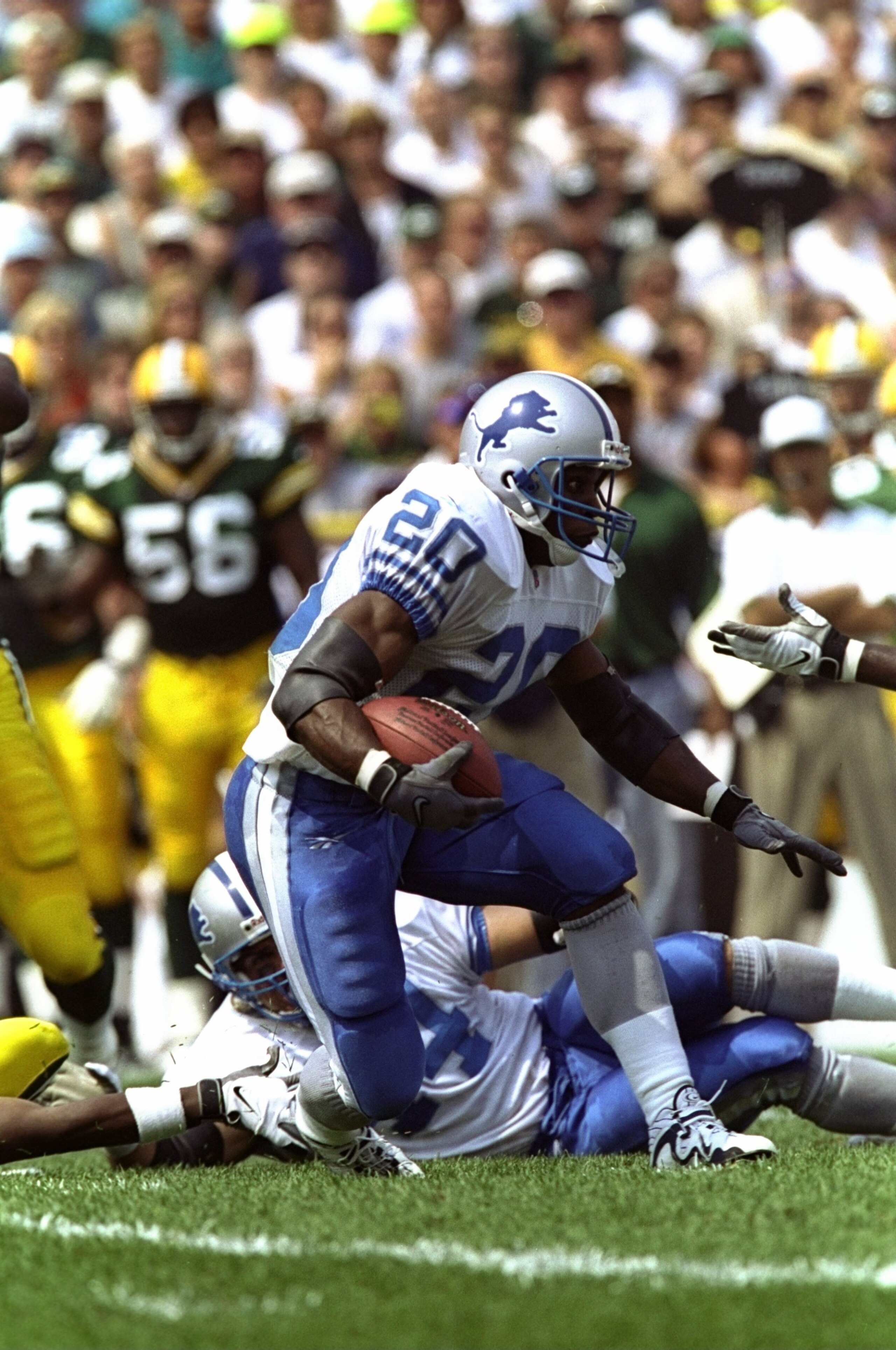
1989-98 (153 games)
Stats
Rushing: 3,062 Att; 15,269 Yds; 99 TDs / Receiving: 352 Rec; 2,921 Yds; 10 TDs
Accolades
1997 NFL MVP, 1989 NFL Offensive Rookie of the Year, 10x Pro Bowl (1989-98), 6x First-team All-Pro (1989-91, 1994-95, 1997), Hall of Fame Inductee: 2004
NFL Rankings
Rushing Yards: 3, Rushing Touchdowns: 9, Rushing Attempts: 6
Franchise Rankings
Rushing Yards: 1, Rushing Touchdowns: 1, Rushing Attempts: 1
Barry Sanders has arguably the most mysterious career in the history of the NFL.
Sanders was one of the most elusive backs in NFL history. He amassed over 1,000 yards in each of his ten seasons in the NFL, earning a trip to the Pro Bowl every year. In 1997, he even became the third player (at that time) to rush for over 2,000 yards in a season. This was after gaining only 53 yards in his first two games of the season.
In July of 1999, Barry Sanders announced his retirement, shocking the league and its fans. He was at 15,269 yards, only 1,457 shy of Walter Payton’s record. Sanders could have easily passed that in his next season and blown the record out of the water within a few seasons after.
Sanders would later admit his choice to retire stemmed from the Lions’ consistent culture losing and that he didn’t see that culture changing any time soon. Well, he was right. Since the Lions’ first season post-Barry (1999), the Lions have had only one winning season (2001, they went 9-7) and have gone 56-136 and had only one playoff appearance (losing 27-13 to the Redskins in 1999).
Honorable Mention: Billy Sims
Green Bay Packers: Jim Taylor
12 of 32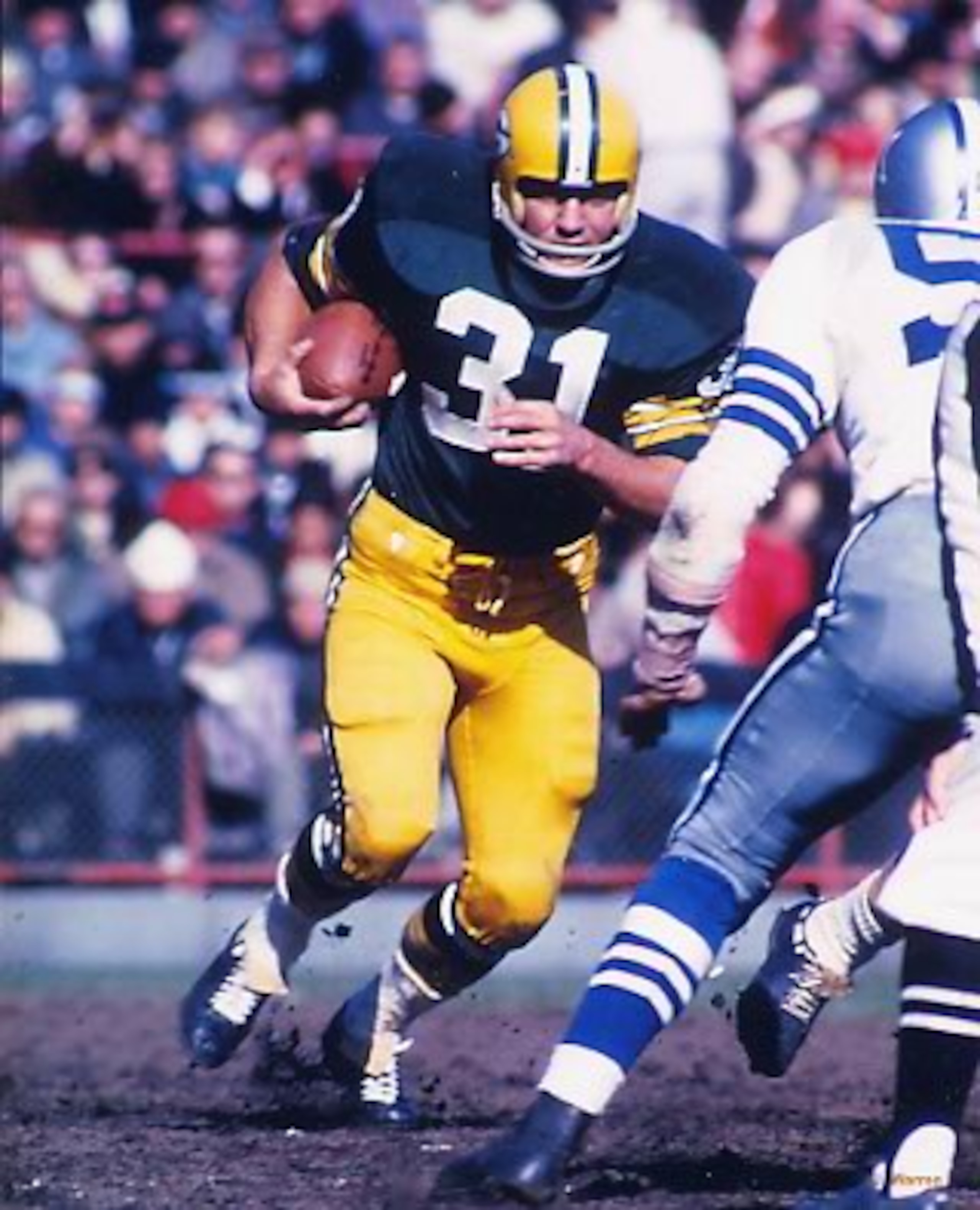
1958-66 (118 games)
Stats
Rushing: 1,811 Att; 8,207 Yds; 81 TDs / Receiving: 187 Rec; 1,505 Yds; 10 TDs
Accolades
1962 NFL MVP, 5x Pro Bowl (1960-64), 1x First-team All-Pro (1962), Hall of Fame Inductee: 1976
NFL Rankings:
Rushing Yards: 33, Rushing Touchdowns: 15, Rushing Attempts: 37
Franchise Rankings:
Rushing Yards: 2, Rushing Touchdowns: 1, Rushing Attempts: 2
Going into this list, I had no clue who Jim Taylor was. I know Paul Hornung, but not Taylor. What a career this guy had. In nine seasons with the Packers, Taylor ran for 81 touchdowns. That’s an insane number for such a short amount of time, especially back then. He played most of his career in 14 game seasons (the first three were 12 games).
His career highs came in 1962, when he ran for 1,474 yards and 19 touchdowns. He won the rushing title that season (the only season in Jim Brown’s career that he didn’t win it).
Honorable Mentions: Paul Hornung / Ahman Green
Indianapolis Colts: Lenny Moore
13 of 32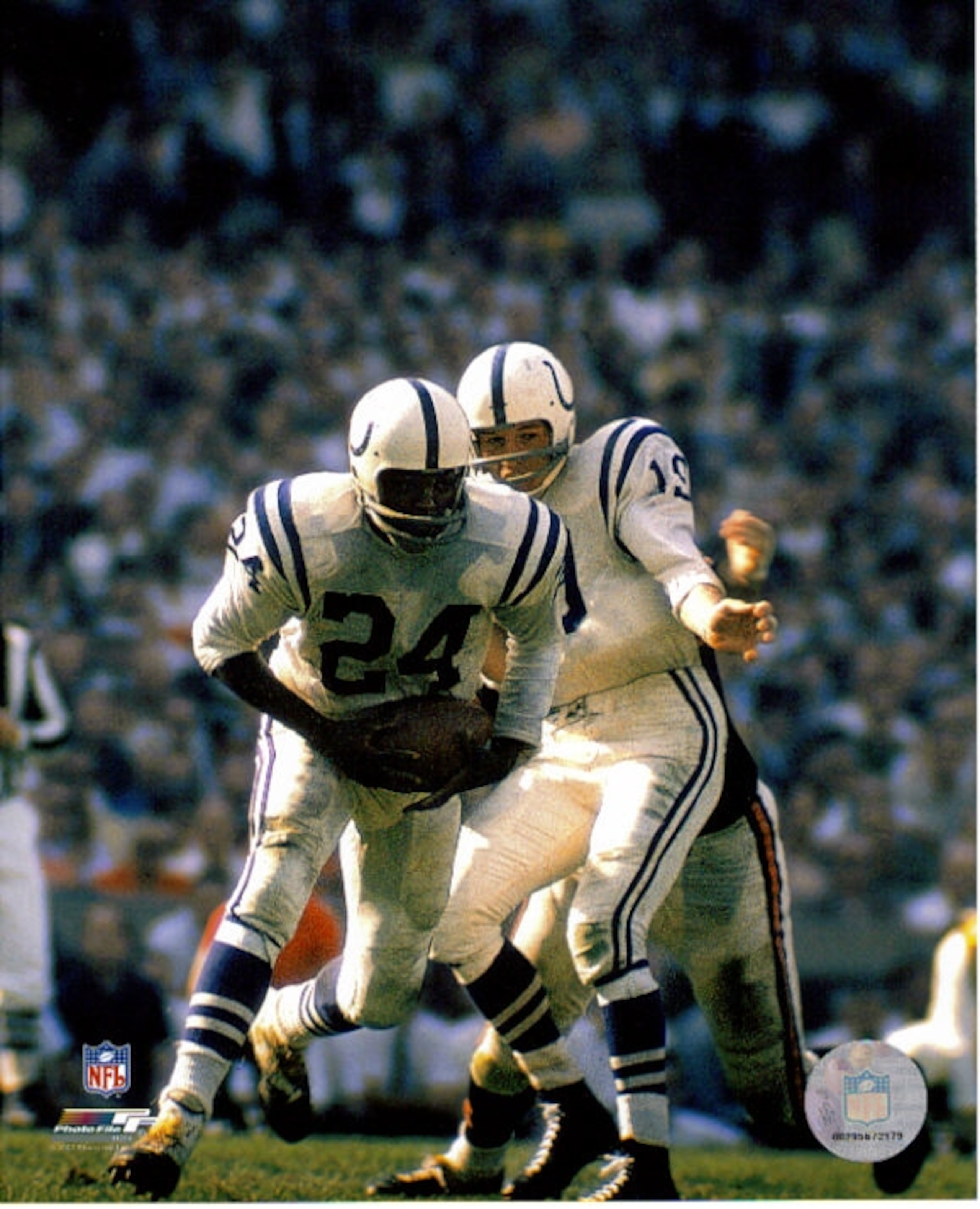
1956-67 (143 games)
Stats
Rushing: 1,069 Att; 5,174 Yds; 63 TDs / Receiving: 363 Rec; 6,039 Yds; 48 TDs
Accolades
7x Pro Bowl (1956, 1958-62, 1964), 5x First-team All-Pro (1958-61, 1964), Hall of Fame Inductee: 1975
NFL Rankings
Rushing Yards: 104, Rushing Touchdowns: 37, Rushing Attempts: 147
Franchise Rankings
Rushing Yards: 5, Rushing Touchdowns: 2, Rushing Attempts: 6
Many people may say “Who the heck is Lenny Moore?” That’s what I said too when I saw his name amongst the Colts’ leaders. This guy had amazing stats, numbers that are unheard of in today’s game.
In a 12 year career in Baltimore, Moore scored 63 rushing touchdowns (one behind leader Edgerrin James) AND 48 receiving touchdowns (fifth in team history). He is second all-time in Colts’ history behind Marvin Harrison for touchdowns scored (113).
One could argue that his rushing stats aren’t good enough to be considered the best, but if you look at his receiving numbers, imagine if half of that was on the ground, he’d be considered a great in any team’s history.
Honorable Mention: Edgerrin James
Houston Texans: Dominick Williams
14 of 32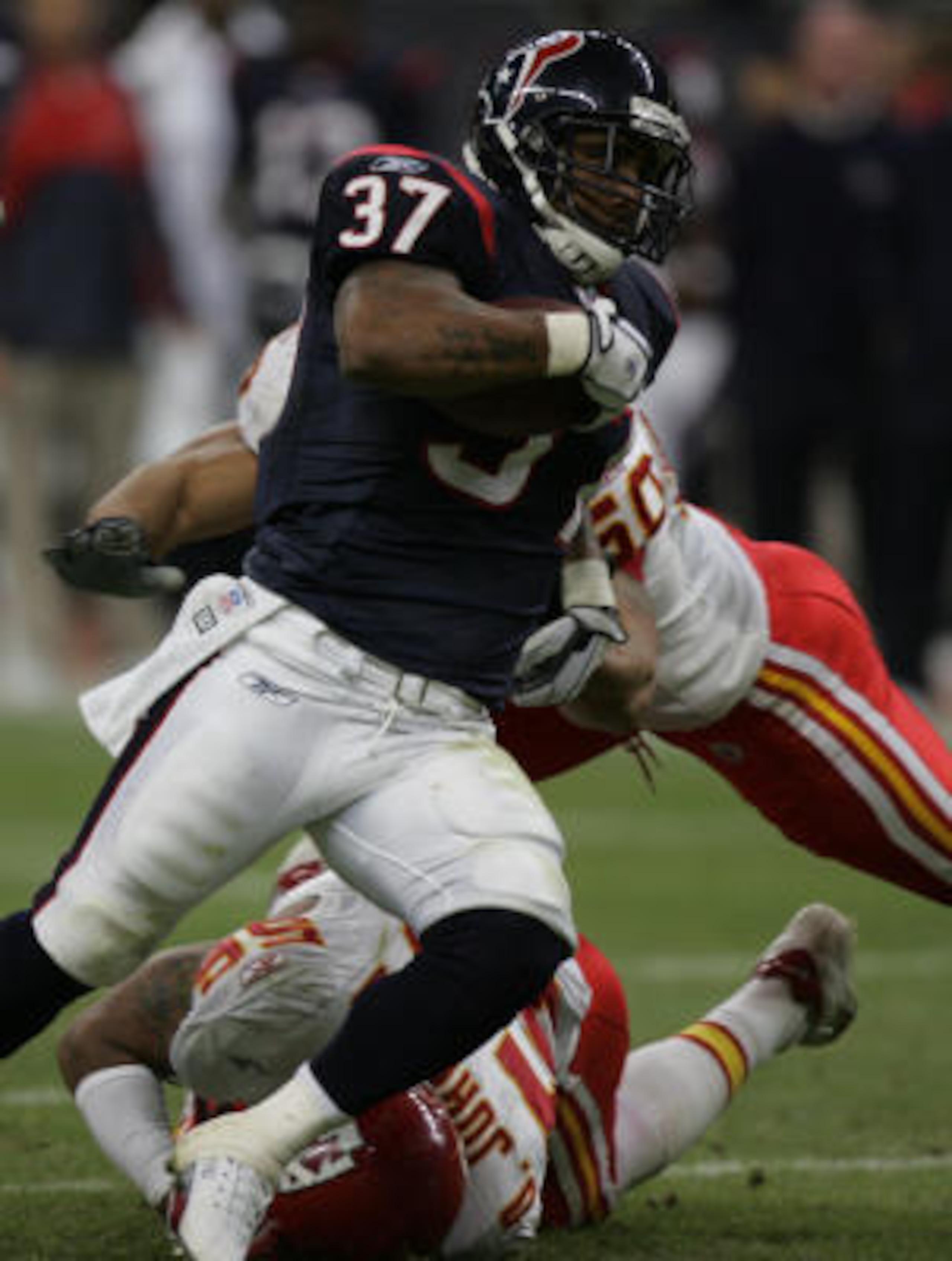
2003-05 (40 games)
Stats
Rushing: 770 Att; 3,195 Yds; 23 TDs / Receiving: 154 Rec; 1,276 Yds; 5 TDs
Accolades
2003 Diet Pepsi Rookie of the Year (Fan Voted)
Franchise Rankings
Rushing Yards: 1, Rushing Touchdowns: 1, Rushing Attempts: 1
The Texans of Houston have been around since 2002. For a long time, they had continuity at both quarterback and wide receiver. However, running back has been a sort of turnstile, with players coming and going rather quickly. In fact, their longest tenured running back was Jonathan Wells from 2002-2005 (1,167 yards and 10 touchdowns in 4 seasons).
Dominick Williams (formerly Davis) was a pretty good running back in his first two seasons. He ran for over 1,000 yards in each one, scoring eight touchdowns in 2003 and 13 in 2004.
Williams was on pace for another 1,000-yard season in 2005 until Week 11, when he suffered a knee injury. He was placed on injured reserve and would never end up returning to the field.
Honorable Mention: Steve Slaton
Kansas City Chiefs: Priest Holmes
15 of 32
2001-07 (65 games)
Stats
Rushing: 1,321 Att; 6,070 Yds; 76 TDs / Receiving: 251 Rec; 2,377 Yds; 7 TDs
Accolades
2002 NFL Offensive Player of the Year, 3x Pro Bowl (2001-03), 3x First-team All-Pro (2001-03)
NFL Rankings
Rushing Yards: 38, Rushing Touchdowns: 14, Rushing Attempts: 47
Franchise Rankings
Rushing Yards: 1, Rushing Touchdowns: 1, Rushing Attempts: 2
The Kansas City Chiefs have been around since 1960. Their top two rushers are from the 2000s. I wasn’t aware they had such a poor history of rushers.
Holmes isn’t a bad option though. He was good during his time as a Chief. In each of his first three seasons in Kansas City, he rushed for at least 1,400 yards and 14 touchdowns. In 2003, he set the record for most rushing touchdowns in a single season (27).
However, after back to back 20 plus touchdown seasons in 2002 and 2003, Holmes’s production declined rapidly. He finished his final three seasons as a Chief (also the remainder of his career) with a total of 1,480 yards and 20 touchdowns.
Honorable Mentions: Christian Okoye / Tony Richardson
Jacksonville Jaguars: Fred Taylor
16 of 32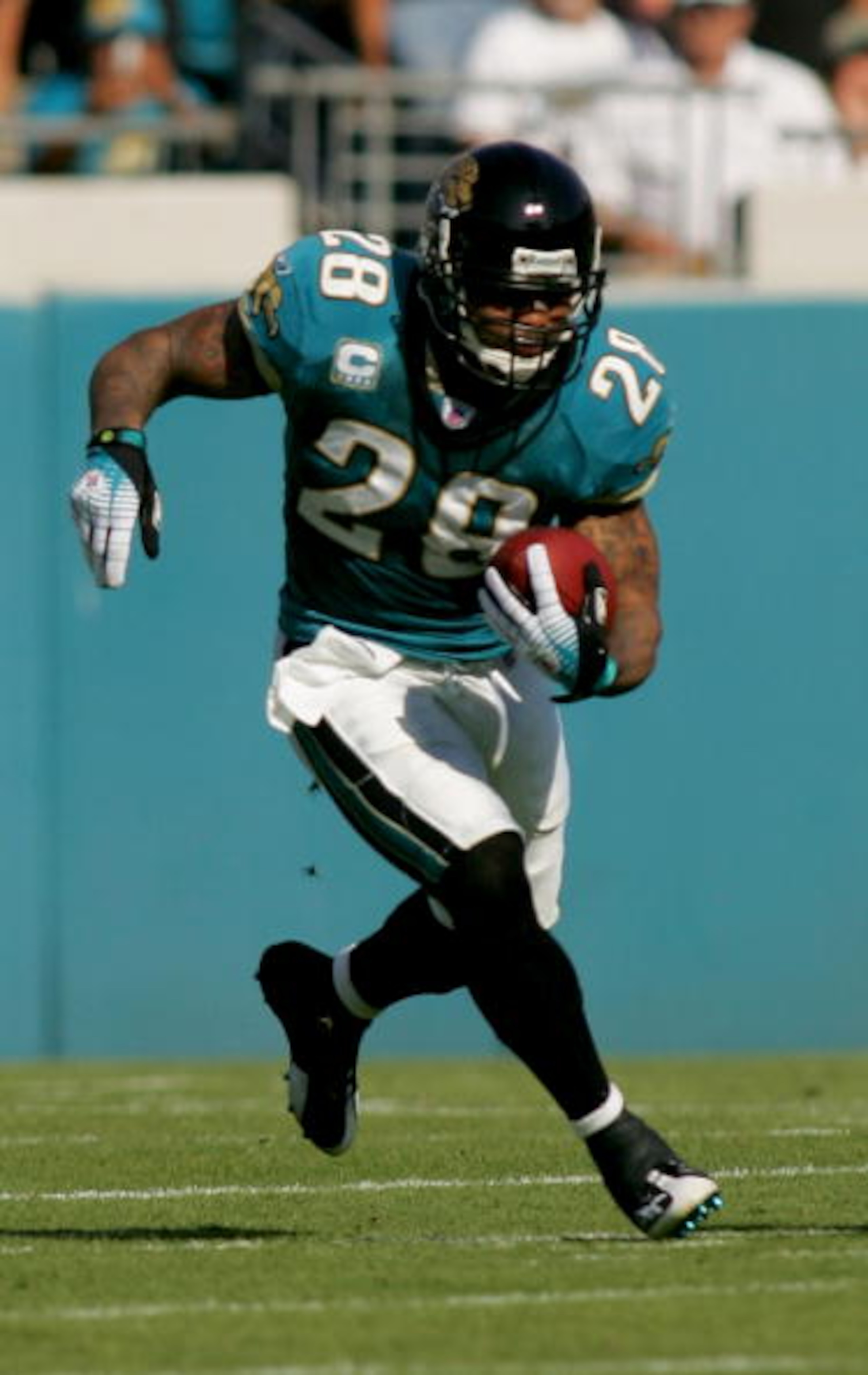
1998-2008 (140 games)
Stats
Rushing: 2,428 Att; 11,271 Yds; 62 TDs / Receiving: 286 Rec; 2,361 Yds; 8 TDs
Accolades
1x Pro Bowl (2007)
NFL Rankings
Rushing Yards: 15, Rushing Touchdowns: 32, Rushing Attempts: 21
Franchise Rankings
Rushing Yards: 1, Rushing Touchdowns: 1, Rushing Attempts: 1
Fred Taylor was never really one of the great running backs, but he was consistently good for a long period of time. His rookie season was fantastic, he ran for 1,223 yards and 14 touchdowns. Unfortunately, he was only able to duplicate that same kind of production once, two seasons later (1,399 yards and 12 touchdowns).
Taylor passed 1,000 yards in seven different seasons and currently sits 15th all-time.
Honorable Mention: Maurice Jones-Drew
Miami Dolphins: Larry Csonka
17 of 32
1968-74, 1979 (106 games)
Stats
Rushing: 1,506 Att; 6,737 Yds; 53 TDs / Receiving: 91 Rec; 688 Yds; 4 TDs
Accolades
1973 Super Bowl MVP, 1979 NFL Comeback Player of the Year, 5x Pro Bowl (1970-74), 2x First-team All-Pro (1971, 1973), Hall of Fame Inductee: 1987
NFL Rankings
Rushing Yards: 39, Rushing Touchdowns: 35, Rushing Attempts: 39
Franchise Rankings
Rushing Yards: 1, Rushing Touchdowns: 1, Rushing Attempts: 2
Larry Csonka was a bruising running back, plowing over countless defenders along his path. His stats were nothing spectacular, only amassing 1,000 yards in a season three times, topping out at 1,117 yards in 1972.
While Csonka was never one to rack up the amazing numbers, he was able to lead the Dolphins to the Super Bowl three times, losing the first to the Cowboys and winning the next two against the Redskins and Vikings.
In the two Super Bowl victories, Csonka went for a total of 257 yards and two touchdowns, and also earned MVP honors in Super Bowl VIII against the Vikings.
Honorable Mention: Mercury Morris
Minnesota Vikings: Adrian Peterson
18 of 32
2007-Present (61 games)
Stats
Rushing: 1,198 Att; 5,782 Yds; 52 TDs / Receiving: 119 Rec; 1,170 Yds; 2 TDs
Accolades
2007 NFL Offensive Rookie of the Year, 4x Pro Bowl (2007-10), 2x First-team All-Pro (2008-09)
NFL Rankings
Rushing Yards: 83, Rushing Touchdowns: 54, Rushing Attempts: 114
Franchise Rankings
Rushing Yards: 3, Rushing Touchdowns: 1 (Tied), Rushing Attempts: 4
Now, many people would completely object to see Peterson here. Let me start by saying this: I’m shocked that I put Peterson here.
Yes, the man finished just his fourth season in the NFL. But do you realize he’s ALREADY tied for the franchise lead for the most rushing touchdowns? Peterson, Chuck Forman (who played seven seasons) and Bill Brown (13 seasons) all have 52 rushing touchdowns as a Viking.
In his rookie season, he ran for 1,341 yards and 12 touchdowns. By the way, the Vikings’ starting quarterbacks in 2007 were Tarvaris Jackson (8-4), Kelly Holcomb (0-3) and Brooks Bollinger (0-1).
How about a sophomore slump? No way. Even with defenses knowing he’s the go-to guy, he led the NFL with 1,760 yards while adding 10 touchdowns.
In 2009 and ’10, he kept on trucking, posting over 1,200 yards and 12 touchdowns in each season.
Yes, he’s young, but the numbers speak for themselves. Minnesota found a diamond in Peterson, and he’s only just begun.
Honorable Mentions: Bill Brown / Chuck Foreman
New England Patriots: Jim Nance
19 of 32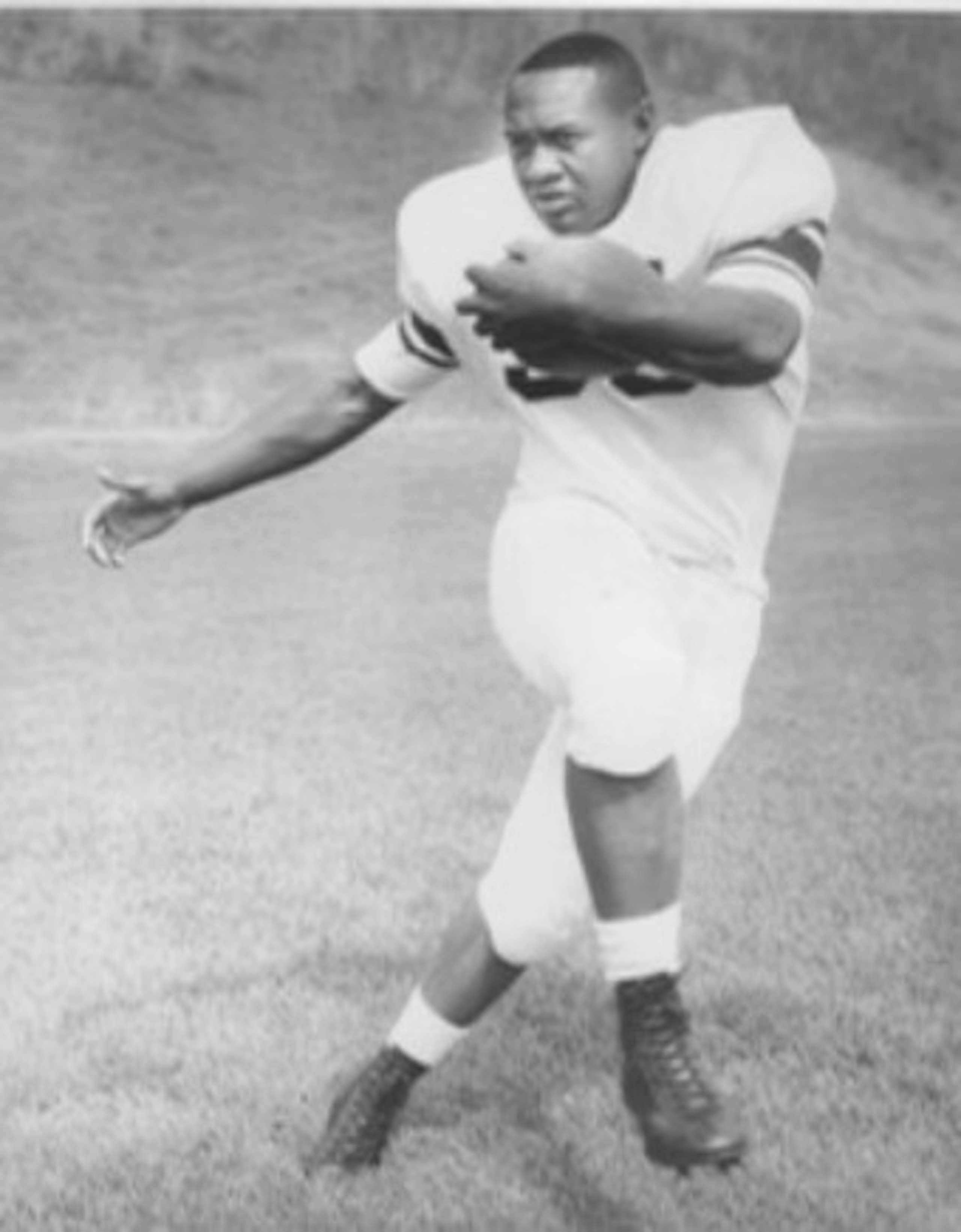
1965-71 (94 games)
Stats
Rushing: 1,323 Att; 5,323 Yds; 45 TDs / Receiving: 129 Rec; 844 Yds; 1 TDs
Accolades
2x Pro Bowl (1966-67), 2x First-team All-Pro (1966-67)
NFL Rankings
Rushing Yards: 93, Rushing Touchdowns: 78, Rushing Attempts: 91
Franchise Rankings
Rushing Yards: 2, Rushing Touchdowns: 1, Rushing Attempts: 2
This one was a little tough because Jim Nance and Sam Cunningham (1973-82) have almost identical stats. Here are Cunningham’s stats: 1,385 Att, 5,453 Yds, 43 TDs. So either way, you’re practically picking the same guy.
The only difference between the two men is that Nance was selected as a two-time All-Pro and Cunningham was not.
I was quite surprised to see that the Patriots don’t have a running back who has rushed for more than 6,000 yards. I guess from Grogan to Bledsoe to Brady, the Patriots have been a pass-heavy team.
Honorable Mention: Sam Cunningham
New Orleans Saints: Deuce McAllister
20 of 32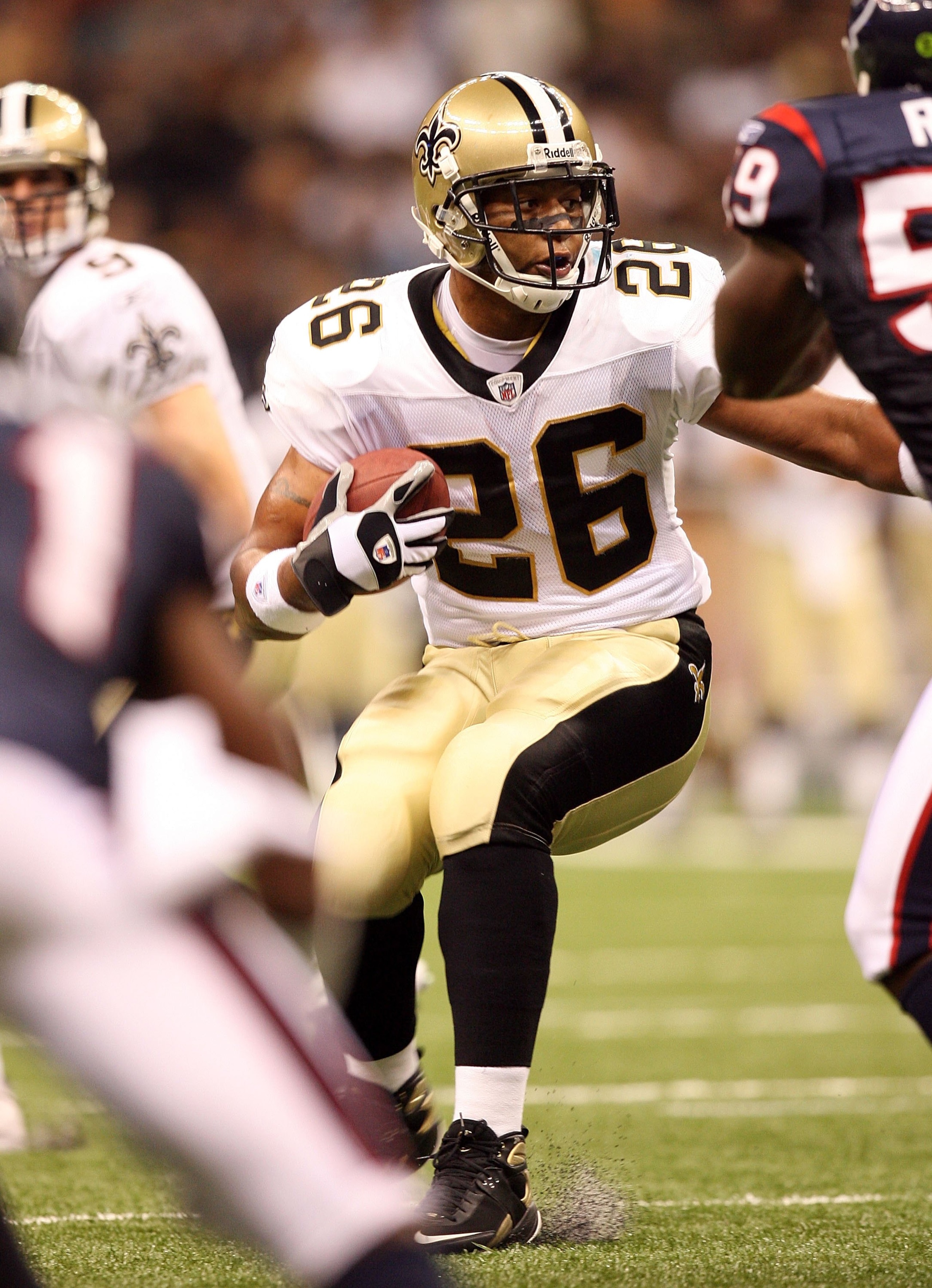
2001-08 (97 games)
Stats
Rushing: 1,429 Att; 6,096 Yds; 49 TDs / Receiving: 234 Rec; 1,720 Yds; 5 TDs
Accolades
2x Pro Bowl (2002-03)
NFL Rankings
Rushing Yards: 70, Rushing Touchdowns: 64, Rushing Attempts: 77
Franchise Rankings
Rushing Yards: 1, Rushing Touchdowns: 1, Rushing Attempts: 1
Deuce McAllister, when he was able to stay injury-free, was a great back, capable of putting up very good numbers.
After a slow rookie year, his next three seasons each reached over 1,000 yards.
McAllister suffered a torn right ACL in 2005 in only his fifth game. He would rebound the following season, rushing for 1,057 yards and ten touchdowns.
In the third game of the 2007 season, he would suffer another torn ACL, but in his left knee. That would be the end of his big production days, as the Saints featured Pierre Thomas and Reggie Bush from 2008 onward.
Honorable Mention: Dalton Hilliard
New York Giants: Tiki Barber
21 of 32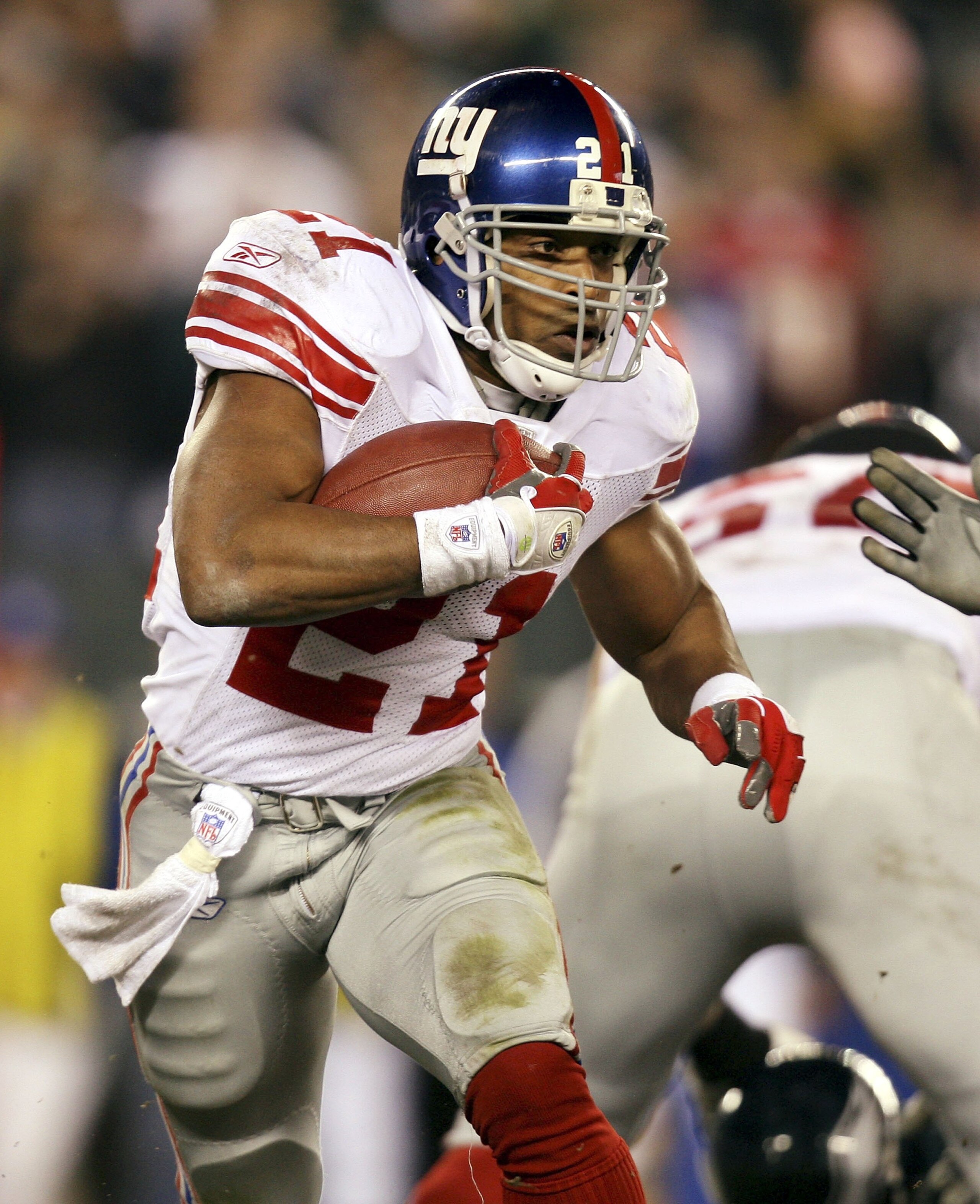
1997-2006 (154 games)
Stats
Rushing: 2,217 Att; 10,449 Yds; 55 TDs / Receiving: 586 Rec; 5,183 Yds; 12 TDs
Accolades
3x Pro Bowl (2004-06), 1x First-team All-Pro (2005)
NFL Rankings
Rushing Yards: 22, Rushing Touchdowns: 47, Rushing Attempts: 27
Franchise Rankings
Rushing Yards: 1, Rushing Touchdowns: 1, Rushing Attempts: 1
Tiki was the man. In just ten seasons with the Giants, he shot to the top of all the major rushing categories in team history, past names like Rodney Hampton, Frank Gifford and Alex Webster.
Perhaps the most impressive thing about Tiki’s success was that he didn’t become the permanent starting running back until 2000, three seasons after his rookie campaign.
Similar to Barry Sanders, Barber decided to retire in the prime of his career. Tiki announced in 2006 that he was retiring while his body was still in decent shape.
Tiki’s brother Ronde Barber is still playing cornerback for Tampa Bay at the age of 35. It would have been very interesting to see what Tiki’s career would have panned out to be if he had kept playing.
Honorable Mention: Joe Morris
New York Jets: Curtis Martin
22 of 32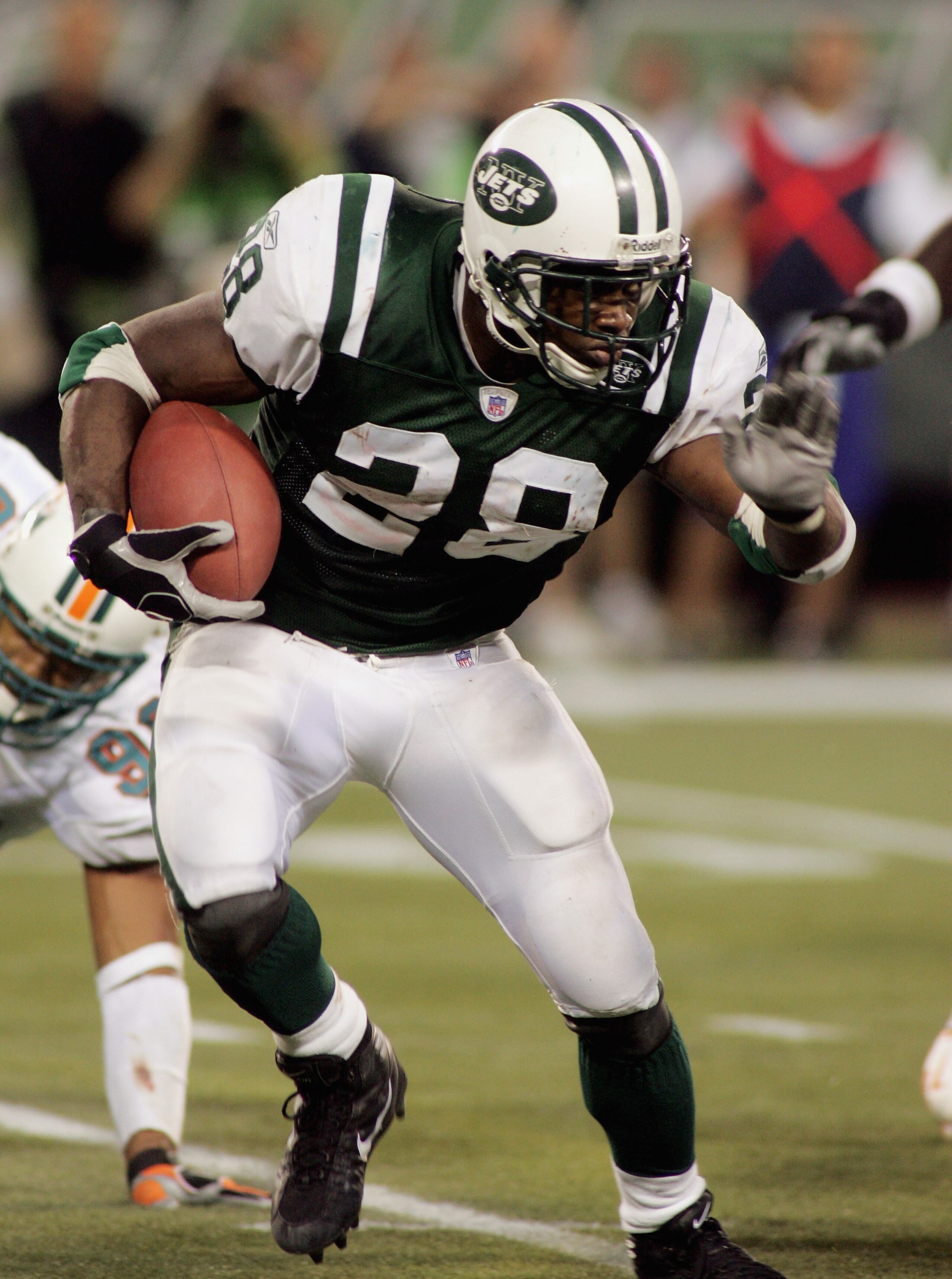
1998-2005 (123 games)
Stats
Rushing: 2,560 Att; 10,302 Yds; 58 TDs / Receiving: 367 Rec; 2,439 Yds; 5 TDs
Accolades
1995 NFL Offensive Rookie of the Year, 5x Pro Bowl (1995-96, 1998, 2001, 2004), 1x First-team All-Pro (2004)
NFL Rankings
Rushing Yards: 4, Rushing Touchdowns: 12, Rushing Attempts: 3
Franchise Rankings
Rushing Yards: 1, Rushing Touchdowns: 1, Rushing Attempts: 1
Curtis Martin broke into the league with head coach Bill Parcells and the New England Patriots, helping lead them to the Super Bowl in 1996. In 1997, Parcells became the coach of the New York Jets. A season later, the Jets signed Martin. In his eight seasons in a Jets uniform, he became the most prolific runner in team history, rushing for over 1,000 yards every season until his final one in 2005.
Martin typically doesn’t get the kind of recognition deserving of the league’s No. 4 leading rusher, but he should. He is in his first year of eligibility for the Hall of Fame this year and is currently one of 15 finalists. Based on his numbers, he should be a first-ballot inductee (and this is coming from a Bills fan), but his lack of Super Bowl rings could hold him out a season or two.
Honorable Mention: Freeman McNeil
Oakland Raiders: Marcus Allen
23 of 32
1982-92 (145 games)
Stats
Rushing: 2,090 Att; 8,545 Yds; 79 TDs / Receiving: 446 Rec; 4,258 Yds; 18 TDs
Accolades
1985 NFL MVP, 1983 Super Bowl MVP, 1982 NFL Offensive Rookie of the Year, 1985 NFL Offensive Player of the Year, 5x Pro Bowl (1982, 1984-87), 2x First-team All-Pro (1982, 1985), Hall of Fame Inductee: 2003
NFL Rankings
Rushing Yards: 12, Rushing Touchdowns: 3, Rushing Attempts: 8
Franchise Rankings
Rushing Yards: 1, Rushing Touchdowns: 1, Rushing Attempts: 1
Marcus Allen was a very solid back, seemingly always scoring touchdowns. His longevity says a lot about his career, seeing how after over 12,000 career yards, he only amassed over 1,000 yards in a season three times.
His most famous highlight came during Super Bowl XVIII, when he did everything a running back isn’t supposed to do and still ran 74 yards for a touchdown. He ran left, stopped, reversed field, ran right and then right through the Redskins defense.
Honorable Mention: Mark van Eeghen
Philadelphia Eagles: Steve Van Buren
24 of 32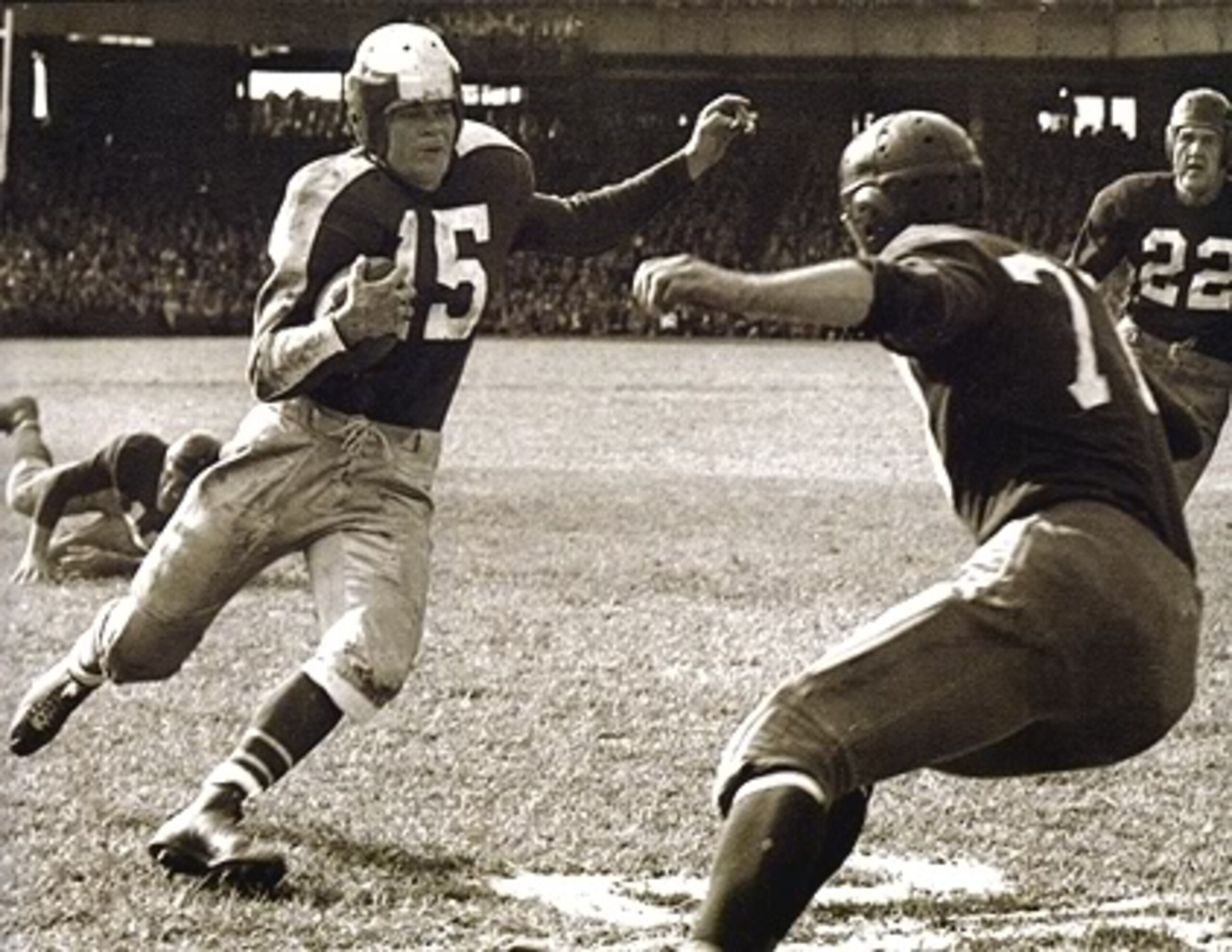
1944-51 (83 games)
Stats
Rushing: 1,320 Att; 5,860 Yds; 69 TDs / Receiving: 45 Rec; 523 Yds; 3 TDs
Accolades
5x First-team All-Pro (1944-45, 1947-49), Hall of Fame Inductee: 1965
NFL Rankings
Rushing Yards: 78, Rushing Touchdowns: 28, Rushing Attempts: 94
Franchise Rankings
Rushing Yards: 3, Rushing Touchdowns: 1, Rushing Attempts: 2
This one was kind of tough, as there were three great candidates. The winner this time was Steve Van Buren. I just couldn’t ignore that touchdown total. To play in only eight seasons in the forties and fifties and still be in the top 30 in touchdowns today is very impressive.
His yearly touchdown totals were impressive as well. He had four years (three in a row) of ten or more touchdowns.
Furthermore, he helped lead the Eagles to NFL titles in 1948 and 1949.
Honorable Mentions: Wilbert Montgomery / Brian Westbrook
Pittsburgh Steelers: Franco Harris
25 of 32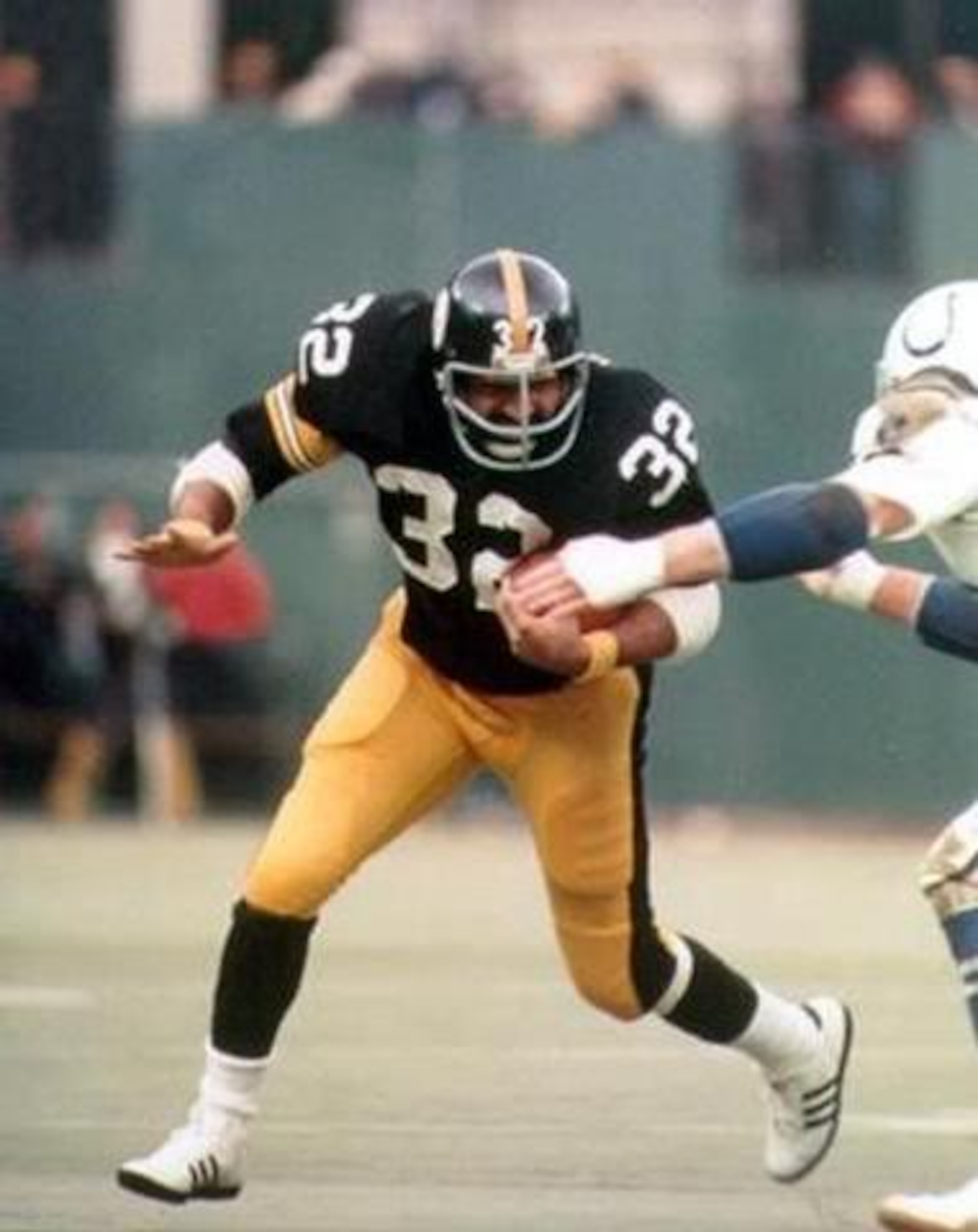
1972-83 (165 games)
Stats
Rushing: 2,881 Att; 11,950 Yds; 91 TDs / Receiving: 306 Rec; 2,284 Yds; 9 TDs
Accolades
1972 NFL Offensive Player of the Year, 1974 Super Bowl MVP, 9x Pro Bowl (1972-80), 1x First-team All-Pro, Hall of Fame Inductee: 1990
NFL Rankings
Rushing Yards: 13, Rushing Touchdowns: 10, Rushing Attempts: 10
Franchise Rankings
Rushing Yards: 1, Rushing Touchdowns: 1, Rushing Attempts: 1
In the illustrious history of the Pittsburgh Steelers, they’ve witnessed a plethora of iconic players wear black and gold. Franco Harris is the most iconic running back. He is responsible for the most iconic play in team history (if you need education on the Immaculate Reception, please research for yourself).
Many would argue that Jerome Bettis should be in this spot. However, I will argue that, although Bettis ranks higher than Harris on the NFL’s all-time rushing leader list, Harris is higher than Bettis on the Steelers’ all-time rushing leader list. Remember, Bettis played three seasons with the Rams, where he accumulated over 3,000 yards. They both have 91 career rushing touchdowns, but all 91 of Harris’s came in a Steelers uniform. In addition to the similar numbers, Harris played half of his career in a 14 game season.
Honorable Mention: Jerome Bettis
San Diego Chargers: LaDainian Tomlinson
26 of 32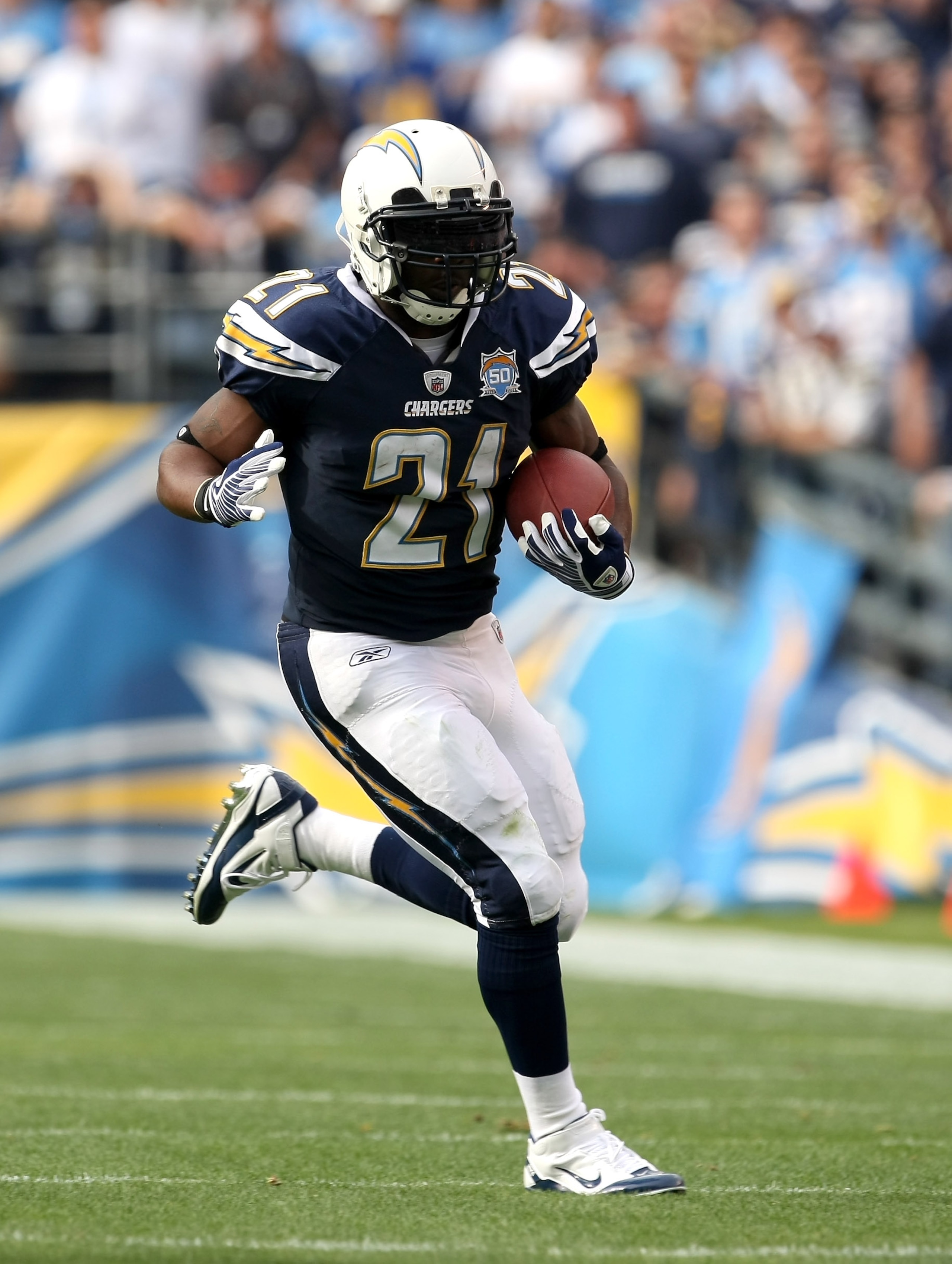
2001-09 (141 games)
Stats
Rushing: 2,880 Att; 12,490 Yds; 138 TDs / Receiving: 530 Rec; 3,955 Yds, 15 TDs / Passing: 8 Comp; 143 Yds; 7 TDs
Accolades
2006 NFL MVP, 2006 NFL Offensive Player of the Year, 5x Pro Bowl (2002, 2004-07), 3x First-team All-Pro (2004, 2006-07)
NFL Rankings
Rushing Yards: 6, Rushing Touchdowns: 2, Rushing Attempts: 5
Franchise Rankings
Rushing Yards: 1, Rushing Touchdowns: 1, Rushing Attempts: 1
LaDainian Tomlinson was drafted fifth overall in 2001 by the Chargers, after trading away the No. 1 overall pick to the Atlanta Falcons (who drafted Michael Vick). His rookie season saw him gain 1,236 yards and score ten touchdowns.
LT (as said by this generation of fans) ran for over 1,000 in each of his eight seasons for the Chargers, earning Pro Bowl nods in five of them. However, in 2009, he produced his third straight season of declining stats, rushing for 730 yards and 12 touchdowns. Though he became the fastest player to score 150 career touchdowns, the Chargers considered him to be fading.
At 30 years old, he was considered fading. Go ask any 30-year-old that isn’t a professional athlete if they feel they don’t work as well as they used to. In February of 2010, the Chargers released Tomlinson. He currently stands at sixth place on the all-time rushing yards list.
Honorable Mention: Marion Butts
San Francisco 49ers: Joe Perry
27 of 32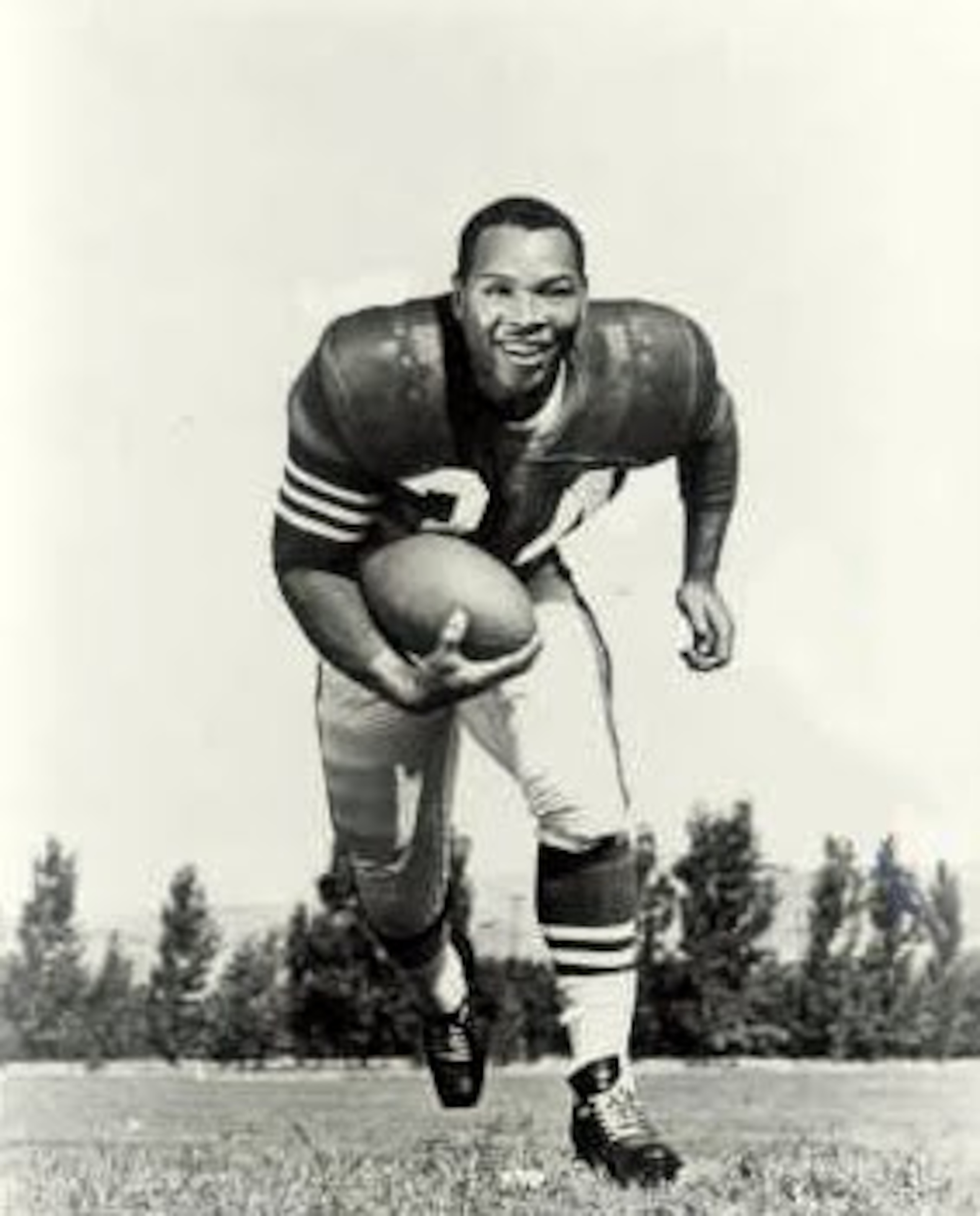
1948-60, 1963 (156 games)
Stats
Rushing: 1,667 Att; 8,689 Yds; 68 TDs / Receiving: 204 Rec; 1,505 Yds; 11 TDs
Accolades
1954 NFL MVP, 3x Pro Bowl (1952-54), 2x First-team All-Pro, Hall of Fame Inductee: 1969
NFL Rankings
Rushing Yards: 27, Rushing Touchdowns: 26, Rushing Attempts: 38
Franchise Rankings
Rushing Yards: 1, Rushing Touchdowns: 1, Rushing Attempts: 2
This one was a toughie. Joe Perry gets it for a couple reasons. One, he has a great name (I love old Aerosmith). Two, he was the NFL’s leading rusher before Jim Brown came along. And three, the man played 16 Seasons (14 with San Francisco).
I’ll admit, I didn’t know much about Perry before creating this list, but I have to say, I’m impressed with the man. Not only did he play as long as he did, he did so after serving America in WWII.
By the way, he’s still rockin’ (no, not the guitarist) at 84 years young.
Honorable Mention: Roger Craig
Seattle Seahawks: Shaun Alexander
28 of 32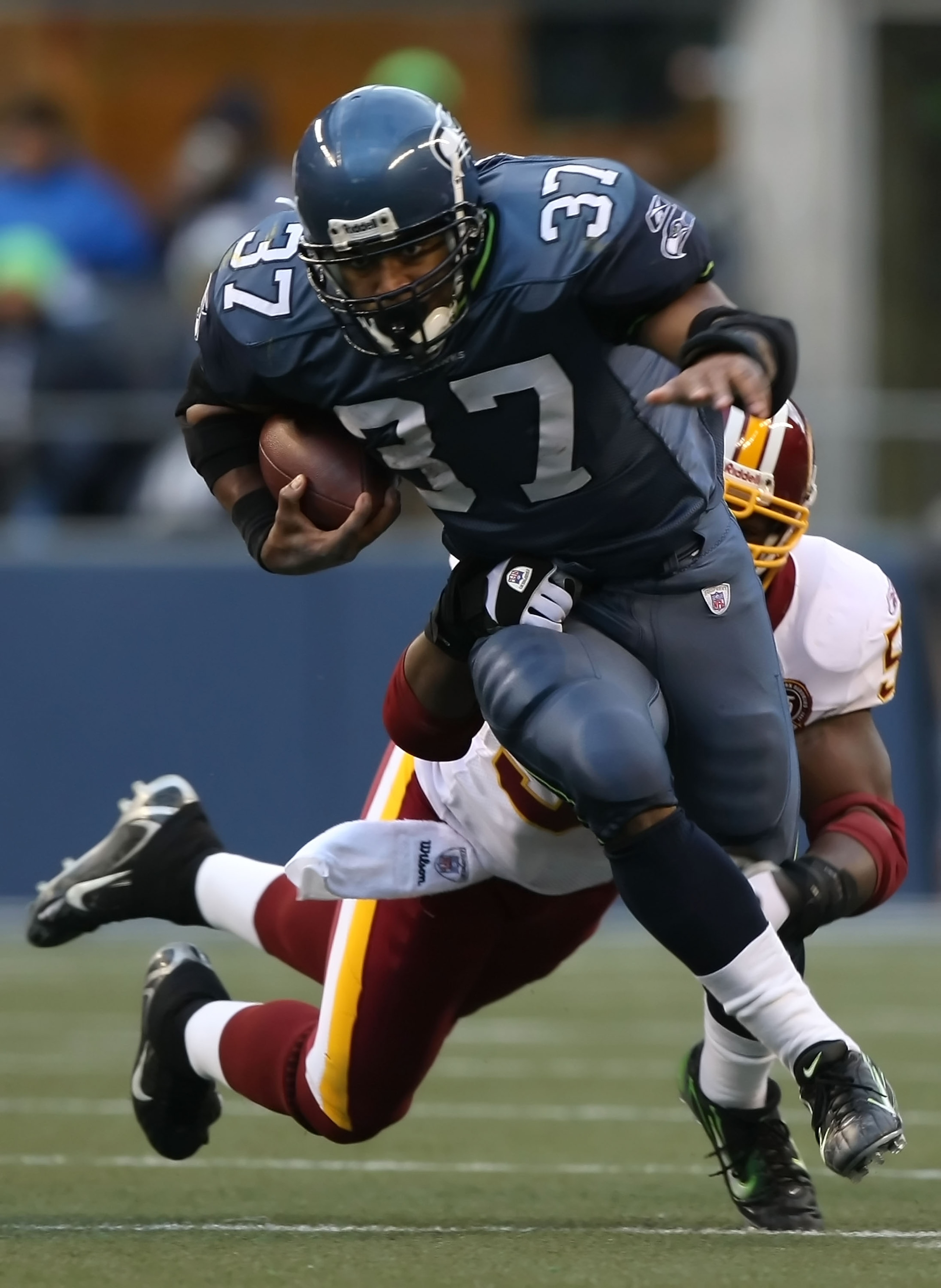
2000-07 (119 games)
Stats
Rushing: 2,176 Att; 9,429 Yds, 100 TDs / Receiving: 214 Rec; 1,511 Yds; 12 TDs
Accolades
2005 NFL MVP, 2005 NFL Offensive Player of the Year, 3x Pro Bowl (2003-05), 1x First-team All-Pro (2005)
NFL Rankings
Rushing Yards: 29, Rushing Touchdowns: 7, Rushing Attempts: 28
Franchise Rankings
Rushing Yards: 1, Rushing Touchdowns: 1, Rushing Attempts: 1
Shaun Alexander is one of the more disappointing stories in the NFL this century. After a slow rookie season, Alexander exploded, rushing for at least 1,100 yards and 14 touchdowns in each of his next five seasons.
In 2005, he tied Priest Holmes’s single season record for most rushing touchdowns with 27 (though it has been broken by LaDainian Tomlinson since). However, after earning the MVP honor in 2005, his production dropped to his worst output since his rookie year, gaining only 896 yards and seven touchdowns.
Alexander was released in 2007 after two straight sub-par seasons. Regardless, he still holds all the Seahawks’ major individual rushing records after only five solid seasons.
Honorable Mention: Curt Warner
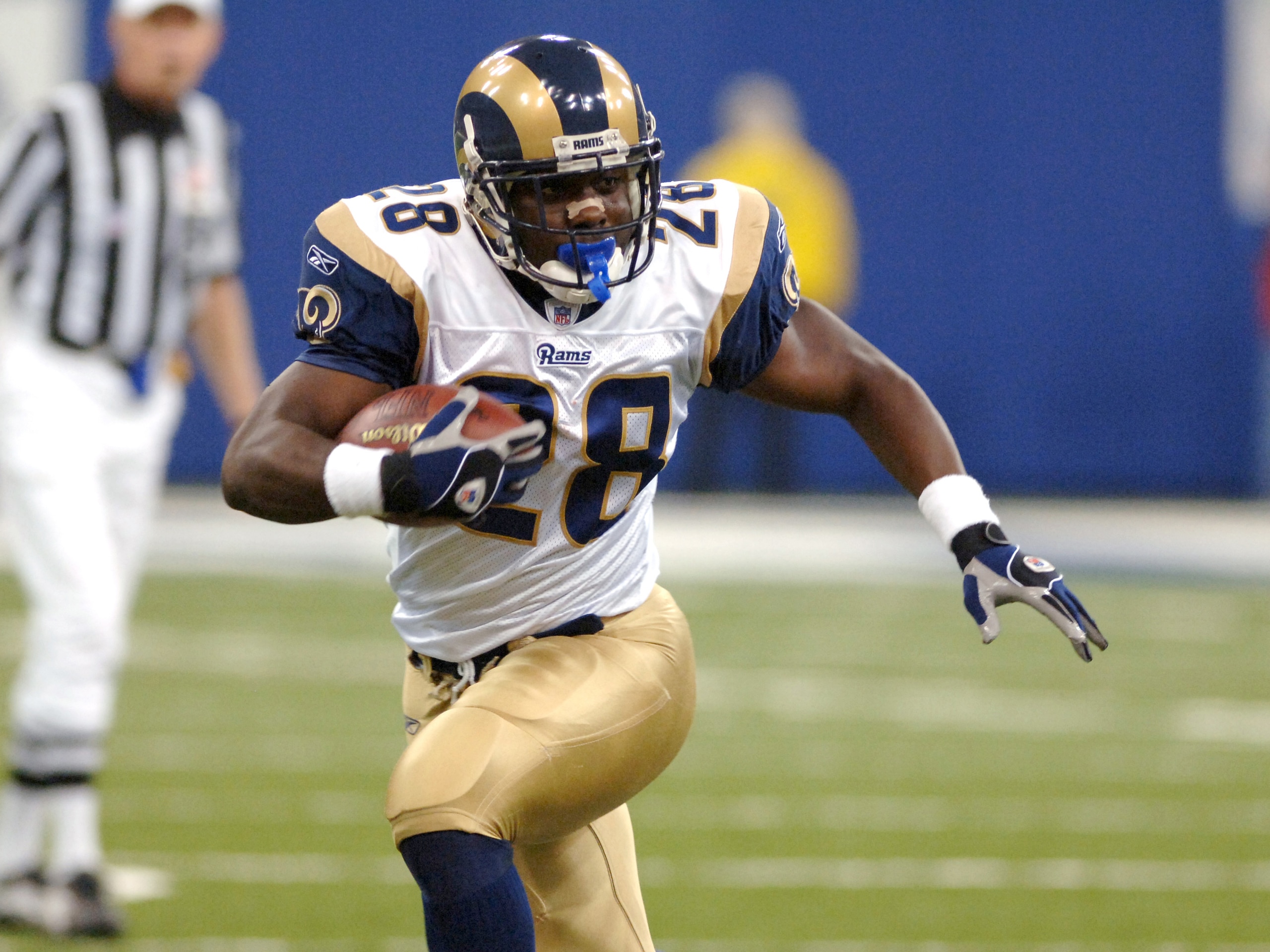
St. Louis Rams: Steven Jackson
29 of 32
2004-Present (100 games)
Stats
Rushing: 1,878 Att; 7,948 Yds; 47 TDs / Receiving: 327 Att; 2,670 Yds; 7 TDs
Accolades
3x Pro Bowl (2006, 2009-10)
NFL Rankings
Rushing Yards: 44, Rushing Touchdowns: 73, Rushing Attempts: 40
Franchise Rankings
Rushing Yards: 1, Rushing Touchdowns: 3, Rushing Attempts: 1
This one will probably get a few disagreements. But before you judge, take in to account this: Jackson is already atop the Rams’ rushing yards list and he has only played seven seasons. He’s a monster.
Jackson hasn’t quite gotten the recognition he deserves since the Rams have been bad for a while. However, with quarterback Sam Bradford’s emergence, the Rams will have two quality skill players to build an offense around. With another two or three seasons, Jackson could really separate himself atop the Rams’ statistical leader board.
Honorable Mentions: Marshall Faulk / Eric Dickerson
Tampa Bay Buccaneers: Mike Alstott
30 of 32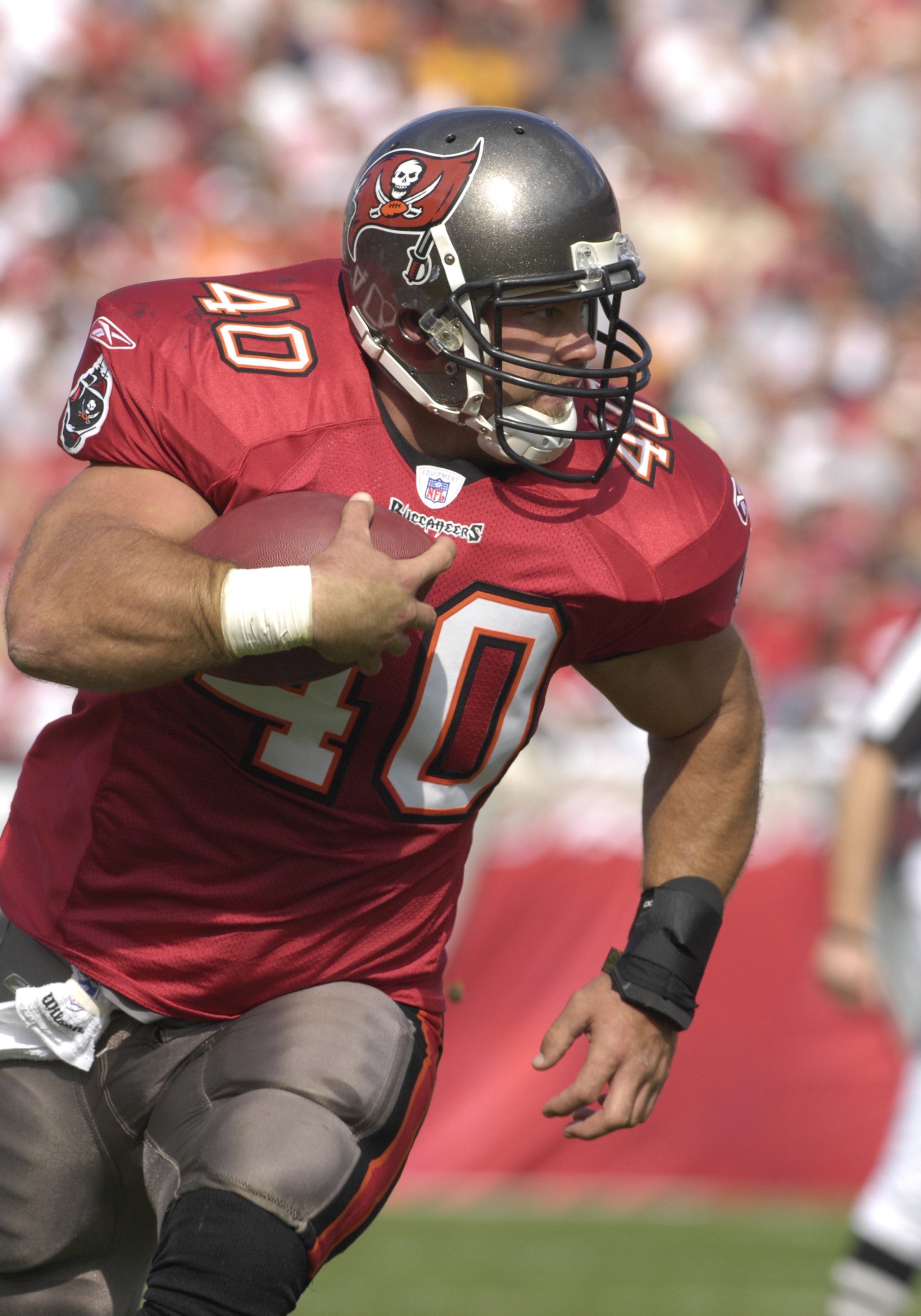
1996-2006 (158 games)
Stats
Rushing: 1,359 Att; 5,088 Yds; 58 TDs / Receiving: 305 Rec; 2,284 Yds; 13 TDs
Accolades
6x Pro Bowl (1997-02), 3x First-team All-Pro (1997-99)
NFL Rankings
Rushing Yards: 110, Rushing Touchdowns: 42, Rushing Attempts: 87
Franchise Rankings
Rushing Yards: 2, Rushing Touchdowns: 1, Rushing Attempts: 2
The Buccaneers are another franchise without a big list of terrific running backs. Mike Alstott gets the nod here for a few reasons.
One, he tops the franchise list for most rushing touchdowns by more than 20. Two, he spent his entire 11 year NFL career in Tampa.
Three, at 250 pounds, he was a nightmare for defenders to tackle. And four, he was a fullback for the majority of his career. Fullbacks are never known for putting up numbers like that.
Mike “you’re in good hands with” Alstott (as Chris Berman so often said) was always being used to plunge the ball into the end zone. He never surpassed 1,000 yards in a season, but still wound up with almost 60 touchdowns in his career.
Honorable Mention: James Wilder
Tennessee Titans: Earl Campbell
31 of 32
1978-1984 (91 games)
Stats
Rushing: 1,979 Att; 8,574 Yds; 73 TDs / Receiving: 115 Rec; 718 Yds; 0 TDs
Accolades
1979 NFL MVP, 1978 NFL Offensive Rookie of the Year, 1978 NFL Offensive Player of the Year, 1979 NFL Offensive Player of the Year, 1980 NFL Offensive Player of the Year, 5x Pro Bowl (1978-81, 1983), 3x First-team All-Pro, Hall of Fame Inductee: 1991
NFL Rankings
Rushing Yards: 30, Rushing Touchdowns: 23, Rushing Attempts: 28
Franchise Rankings
Rushing Yards: 2, Rushing Touchdowns: 1, Rushing Attempts: 2
This one had to be one of the toughest choices on the list. If you’re old school, you’ll say Earl Campbell, if you’re new school, you’ll say Eddie George (and if he keeps going the way he is, Chris Johnson will be joining this discussion).
Campbell and George both have excellent numbers. However, there’s one thing in my mind that distinguishes Campbell: he could flatten a defender, making him near impossible to tackle.
If you need further education on this beast, watch the video below.
Honorable Mention: Eddie George
Washington Redskins: John Riggins
32 of 32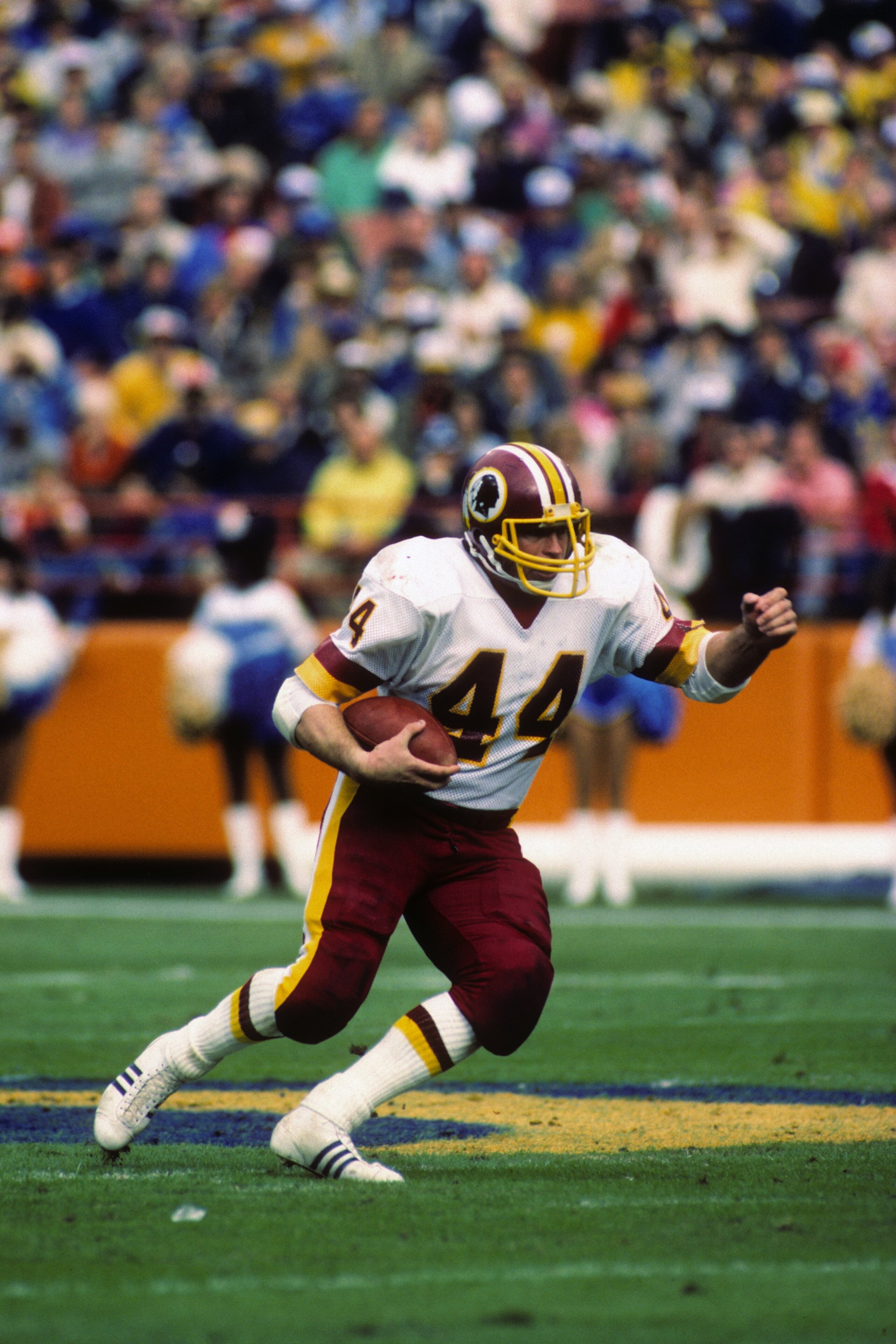
1976-79, 1981-85 (114 games)
Stats
Rushing: 1,988 Att; 7,472 Yds; 79 TDs / Receiving: 121 Rec; 928 Yds; 6 TDs
Accolades
1982 Super Bowl MVP, 1978 Comeback Player of the Year, 1x Pro Bowl (1975), 1x First-team All-Pro (1983), Hall of Fame Inductee: 1992
NFL Rankings
Rushing Yards: 16, Rushing Touchdowns: 6, Rushing Attempts: 12
Franchise Rankings
Rushing Yards: 1, Rushing Touchdowns: 1, Rushing Attempts: 1
John Riggins was a big, confident running back who actually had two separate stints with the Redskins. A contract dispute between him and the Redskins left Riggins sitting out the 1980 season.
Here’s a funny quote I found from Joe Gibbs, who had just taken over as head coach in 1981:
"He had a camouflage outfit on," Gibbs remembered. "He had been hunting, him and a buddy. He had a beer can in his hand. It was 10 o'clock in the morning and he's meeting his coach for the first time and I'm thinking [sarcastically], `This guy really impresses me.' But I went in there, and I'm telling him everything. I'm telling him, `You won't have to block, you're going to run.' I'm giving him everything. He hadn't said a word. Halfway through the conversation, he says, 'You need to get me back there. I'll make you famous.' "
"I thought to myself, 'Oh, my God, he's an egomaniac.' I thought, 'I'll get him back and then I'll trade him. I'm not putting up with a fruitcake.' So I fly back to Washington, and two days later he calls me. He says, 'Joe, I made up my mind, and I'm going to play next season.' I thought it was great. I've got him back, and I'll trade that sucker. But then he says, 'There's only one thing I want in my contract.' I ask what it was. He says, 'A no-trade clause.' "
Riggins helped take the Skins to back to back Super Bowls in 1982 and ’83, beating the Dolphins and losing to the Raiders. In Super Bowl XVII against the Dolphins, Riggins ran for 166 and a touchdown en route to earning MVP honors.
Honorable Mention: Clinton Portis

.jpg?w=2560 "Chiefs Dolphins Football")


.jpg?w=2560 "Viral Rams Coach Vid 🖕")