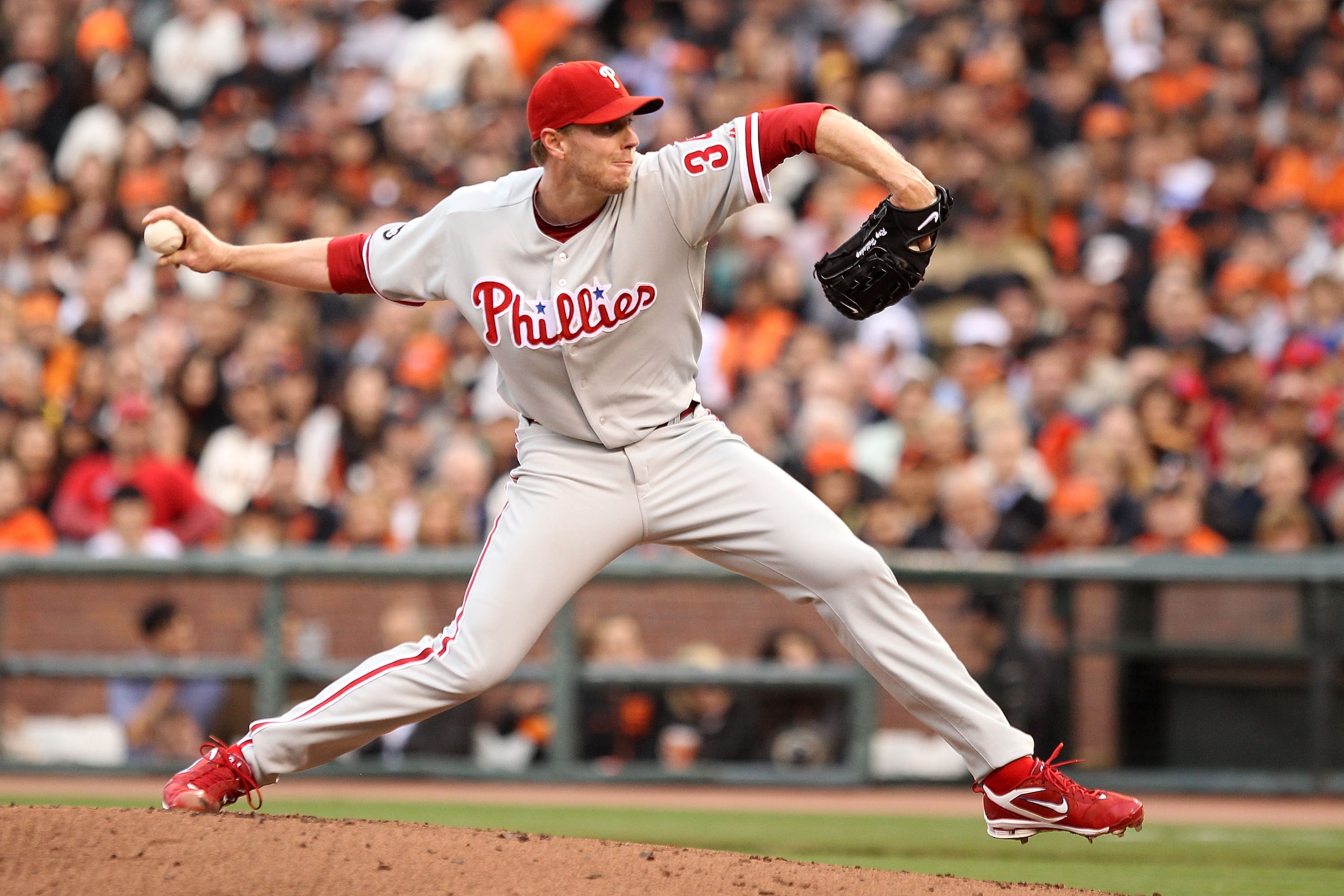

That's Just Wrong: The Filthiest Major League Pitches of 2010
With 2010 being "The Year of the Pitcher" it seemed high time someone threw together a list of the nastiest pitches from the season.
This list isn't based on any statistical evidence, merely on my opinion and observations.
Credit for my inspiration for this list goes to Joel Reuter who compiled a similar list in 2009.
#1 Four-Seam Fastball: Aroldis Chapman/Stephen Strasburg, Tie
1 of 14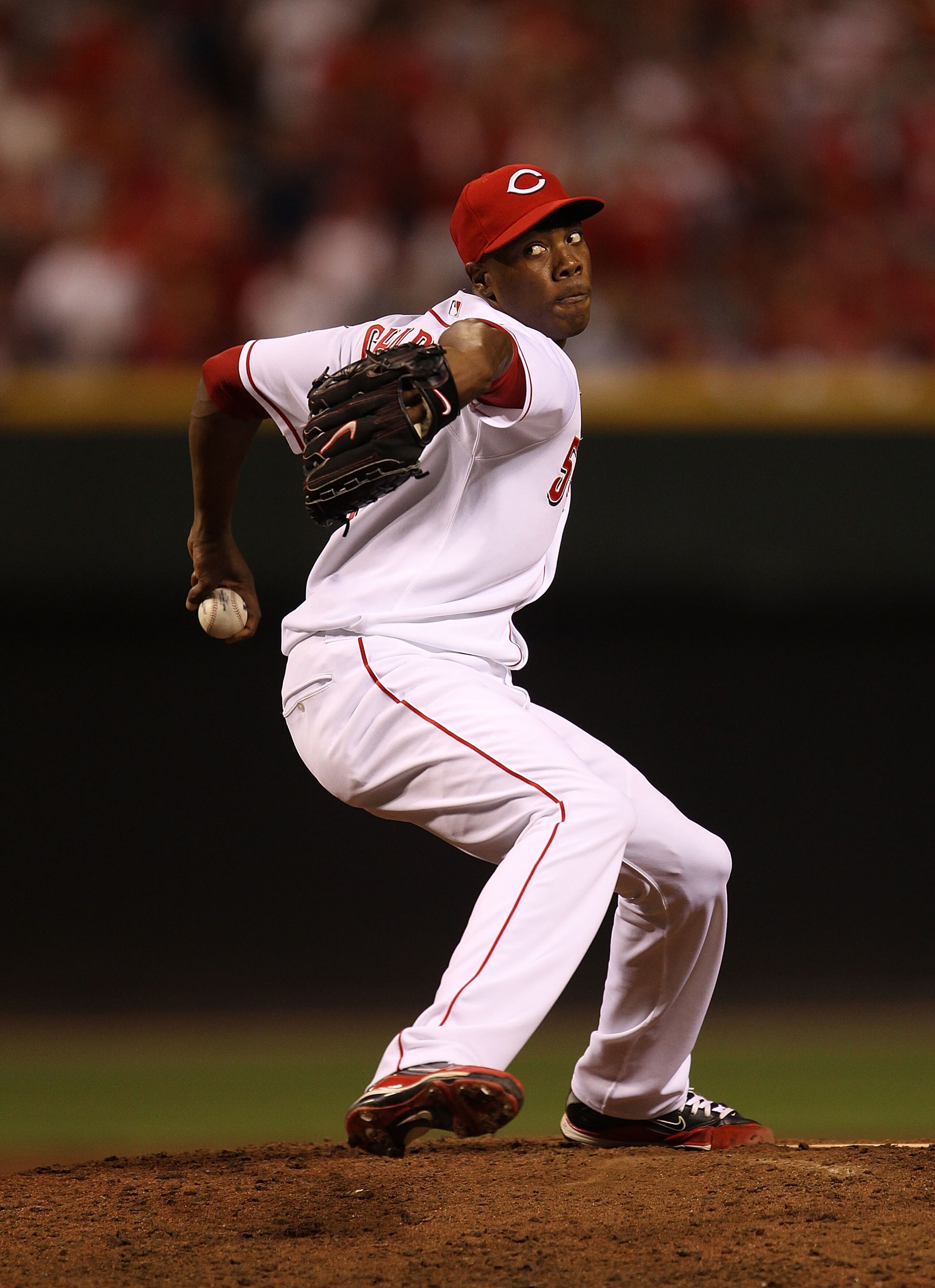
This one's a tie.
Both Chapman and Strasburg pitched in relatively few games this season, one due to injury (Strasburg) and one due to needing time to develop (Chapman).
Topping out at 105 (Chapman) and 102 (Strasburg) respectively, they had two of the nastiest four-seamers in the game in 2010.
#2 Two-Seam Fastball: Felix Hernandez
2 of 14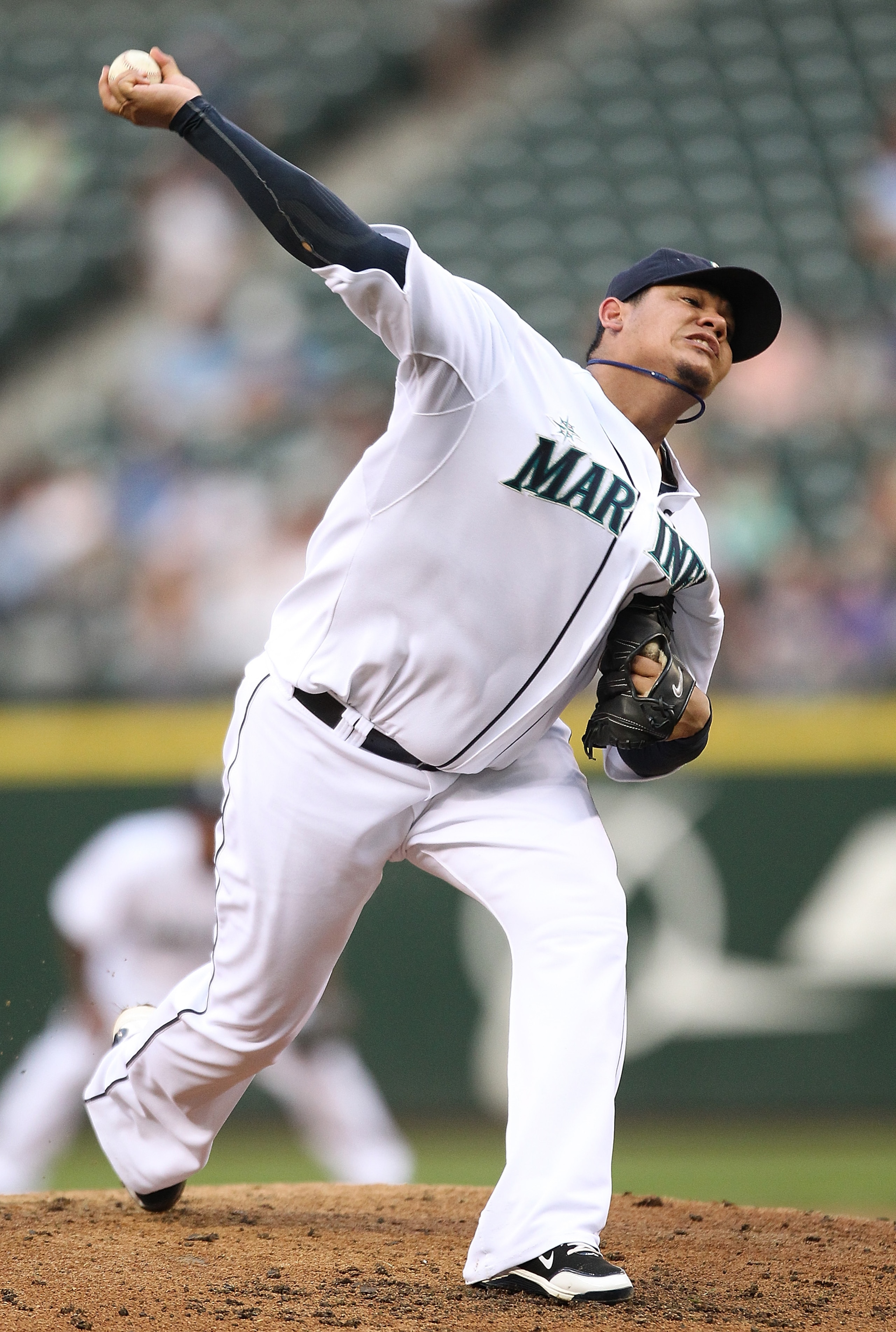
Sitting from anywhere between 93-98 MPH, Felix Hernandez took over a slot previously held by Jake Peavy with his filthy two-seamer.
What makes this pitch so lethal isn't just the speed, but the tremendous amount of break that "King" Felix is able to generate with such ease. He can throw it off the plate to right handed batters and still get a called strike as it runs in and catches the black, or he can get batters to swing at it only to have it dash inside.
One of the most effective pitches in baseball for two seasons running, "King" Felix Hernandez is truly the king of the two-seamer.
#3 Cut Fastball: Mariano Rivera
3 of 14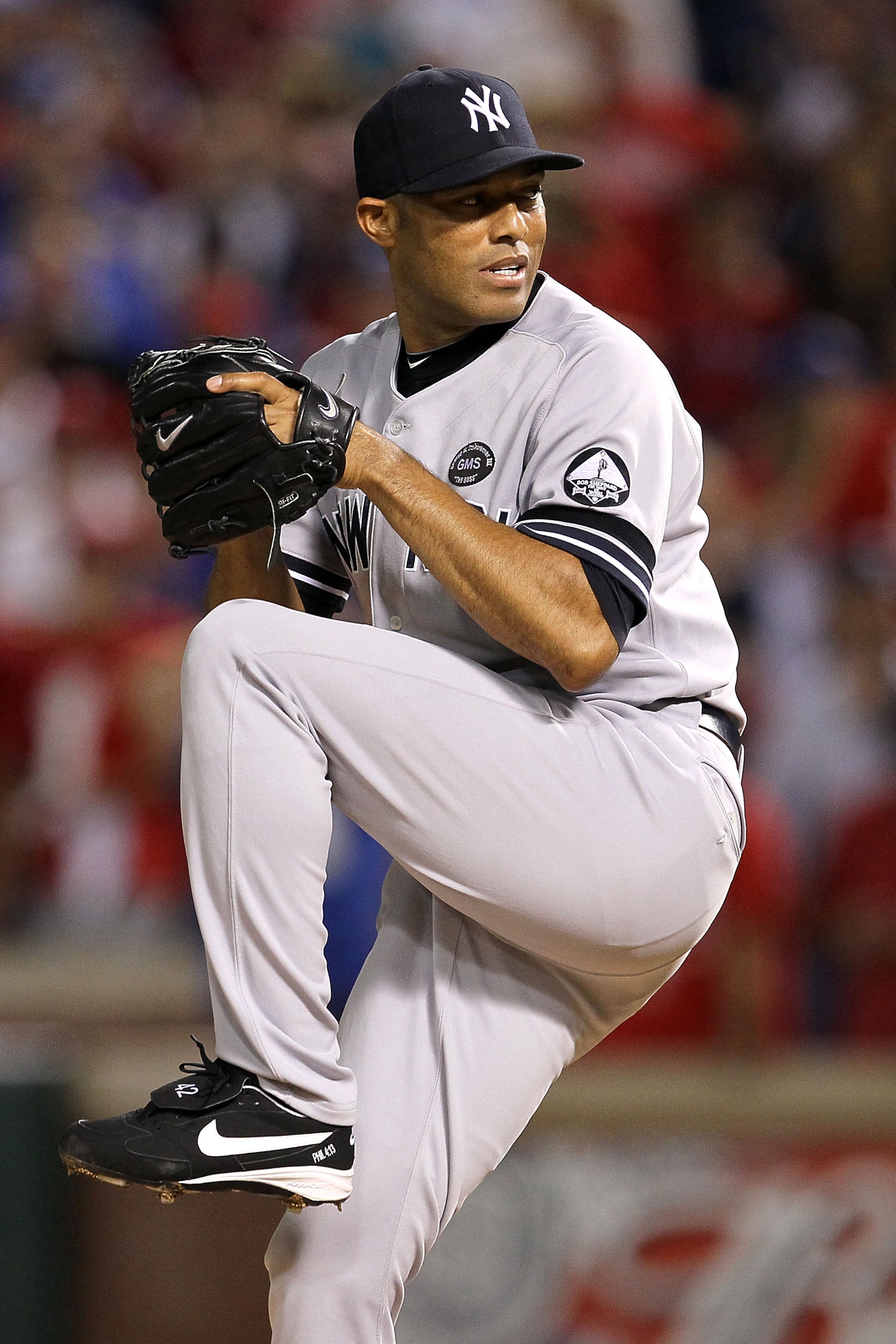
Mo Rivera has long had the top cutter in baseball, and last season was no different.
When a pitcher can be as dominant as Rivera has been with only one pitch, they truly are the best with that pitch.
Rivera only recently (a couple of years ago) started to throw a splitter at batters in the 9th inning to go along with his signature pitch, but the cutter is still his best pitch.
Rivera may not be able to hold on to the title for much longer as he ages and other pitchers begin throwing the cutter as well.

#4 Split-Finger Fastball: J.J. Putz
4 of 14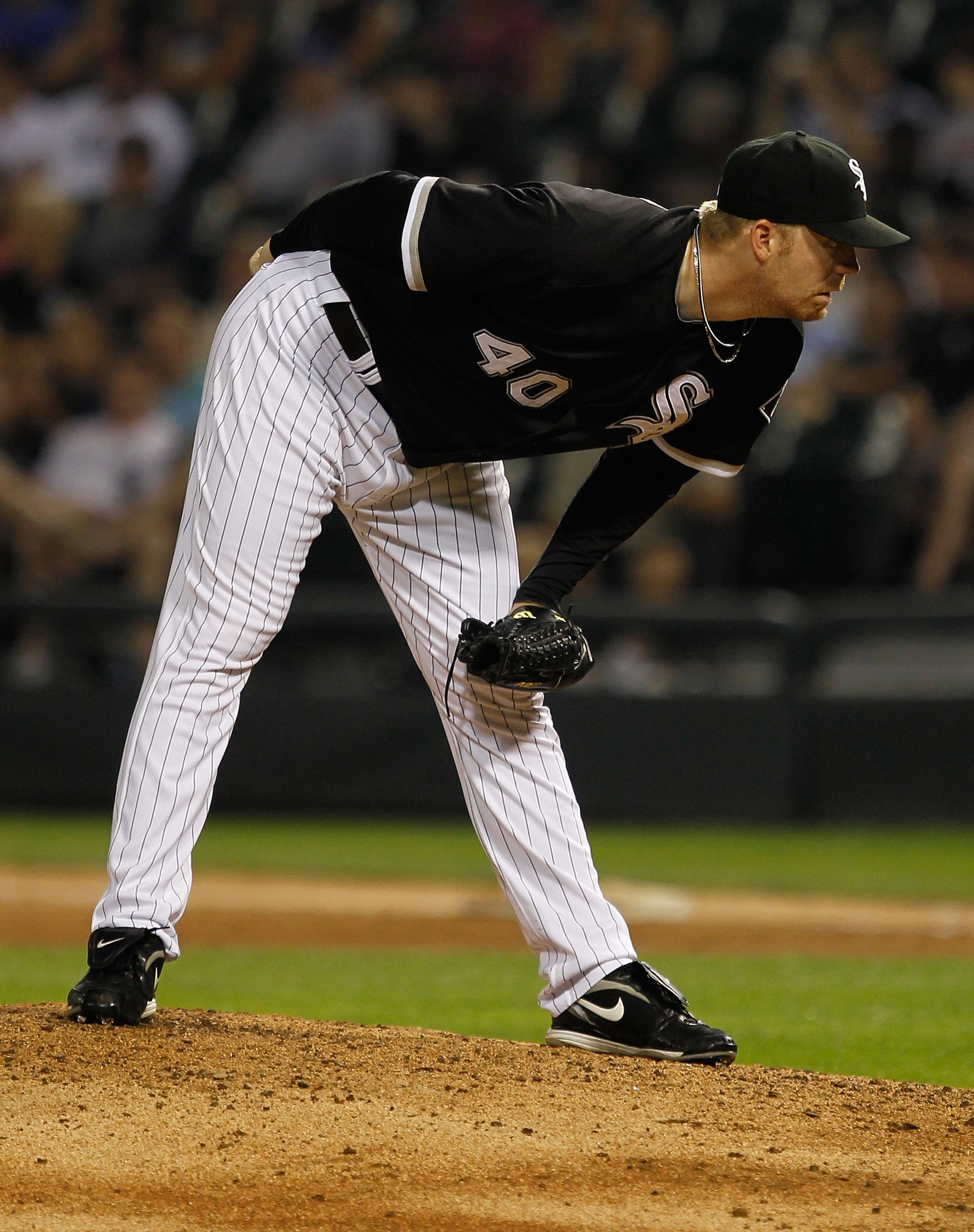
J.J. Putz is one of the most intimidating pitchers in baseball. From his "Thunderstruck" entry music (does he still do Thunderstruck?) to his signature stare-down right before his pitch, his entire routine is designed to help him focus and to intimidate the batter.
Every hitter that Putz faces knows what's coming. High heat, then the big splitter. Some pitchers might have trouble if the batters know what he's gonna throw, but it doesn't matter to Putz because they still have to hit it.
Honorable Mention: Brandon League. League didn't throw his splitter much in 2010, which is puzzling to a lot of analysts considering it was the #1 missed pitch in 2009 (78.3% swinging strike rate if I recall correctly). That's just filthy.
#5 Sinker: Fausto Carmona
5 of 14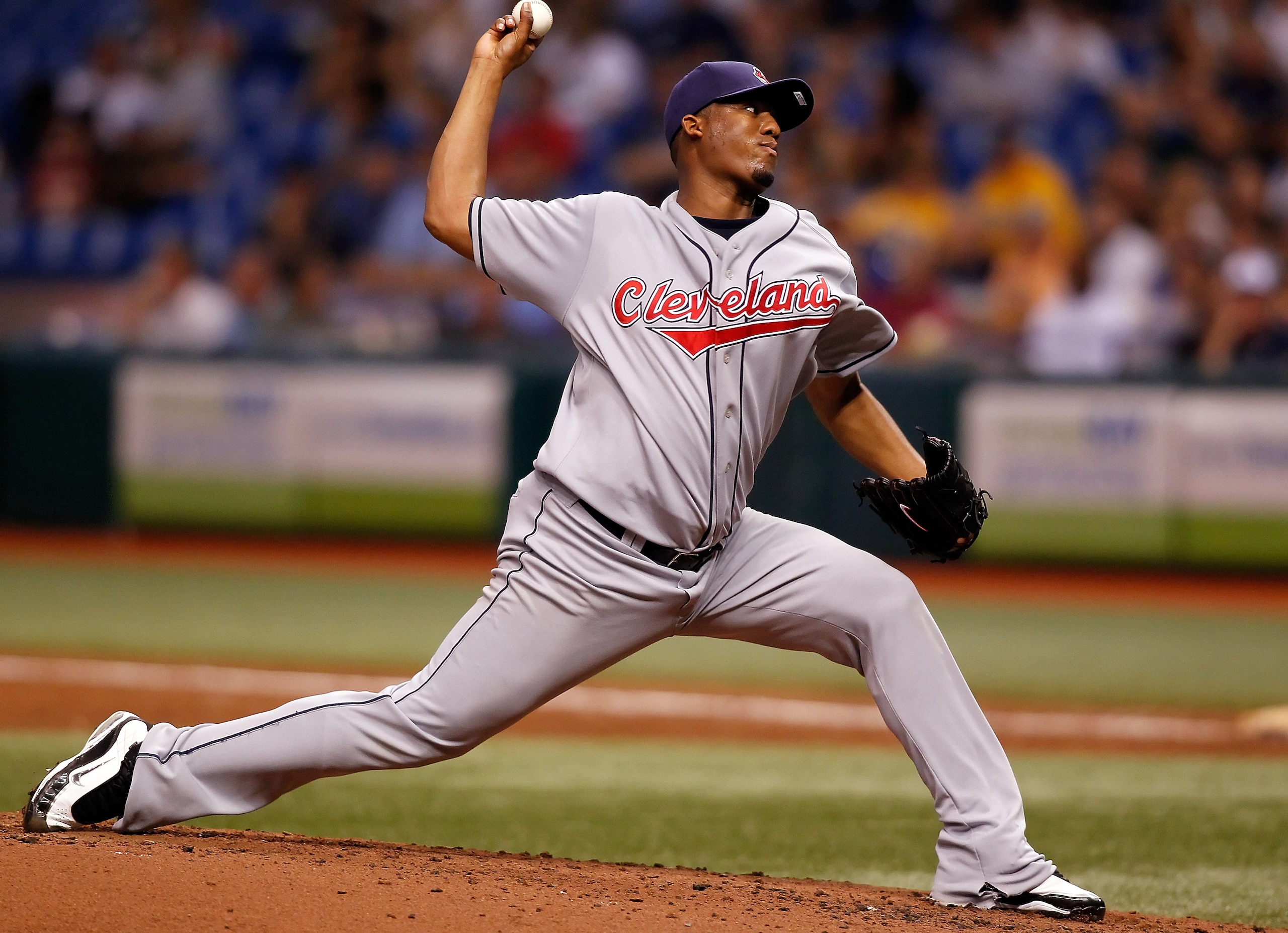
With Brandon Webb out for the year, the best sinker in the Majors belonged to Fausto Carmona.
With a nasty break into the dirt, Carmona can induce ground balls seemingly at will.
#6 Slider: Felix Hernandez
6 of 14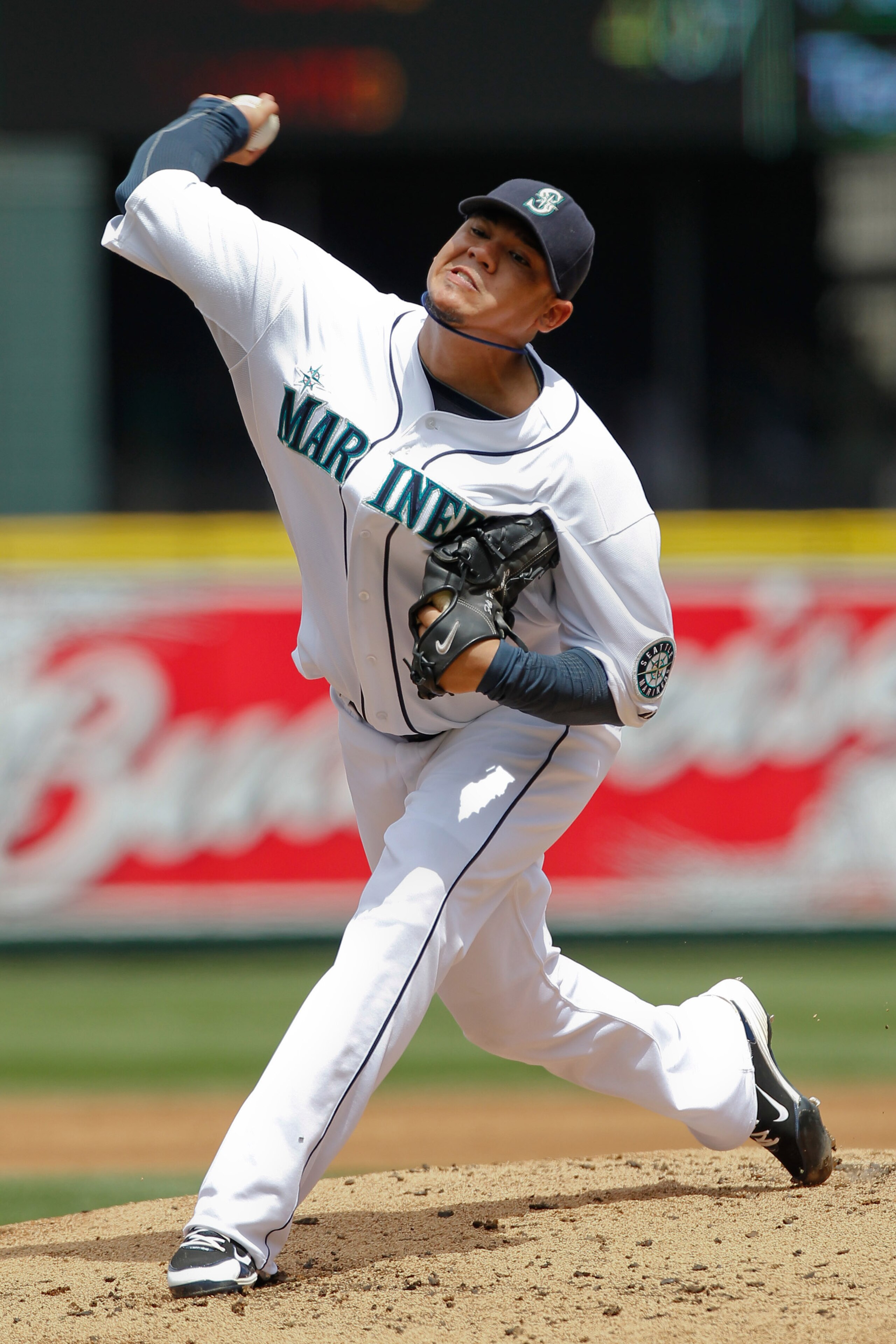
Chalk another one up for Hernandez, the A.L. Cy Young winner.
Watching him pitch now, its almost amazing to think that he pitched his first full season with a restriction against throwing what many scouts deem his best pitch: his slider.
Hernandez will throw this breaking ball in any count, against any batter. It comes in between 89-93 MPH, with a nasty late tailing break.
#7 12-6 Curveball: Tim Lincecum
7 of 14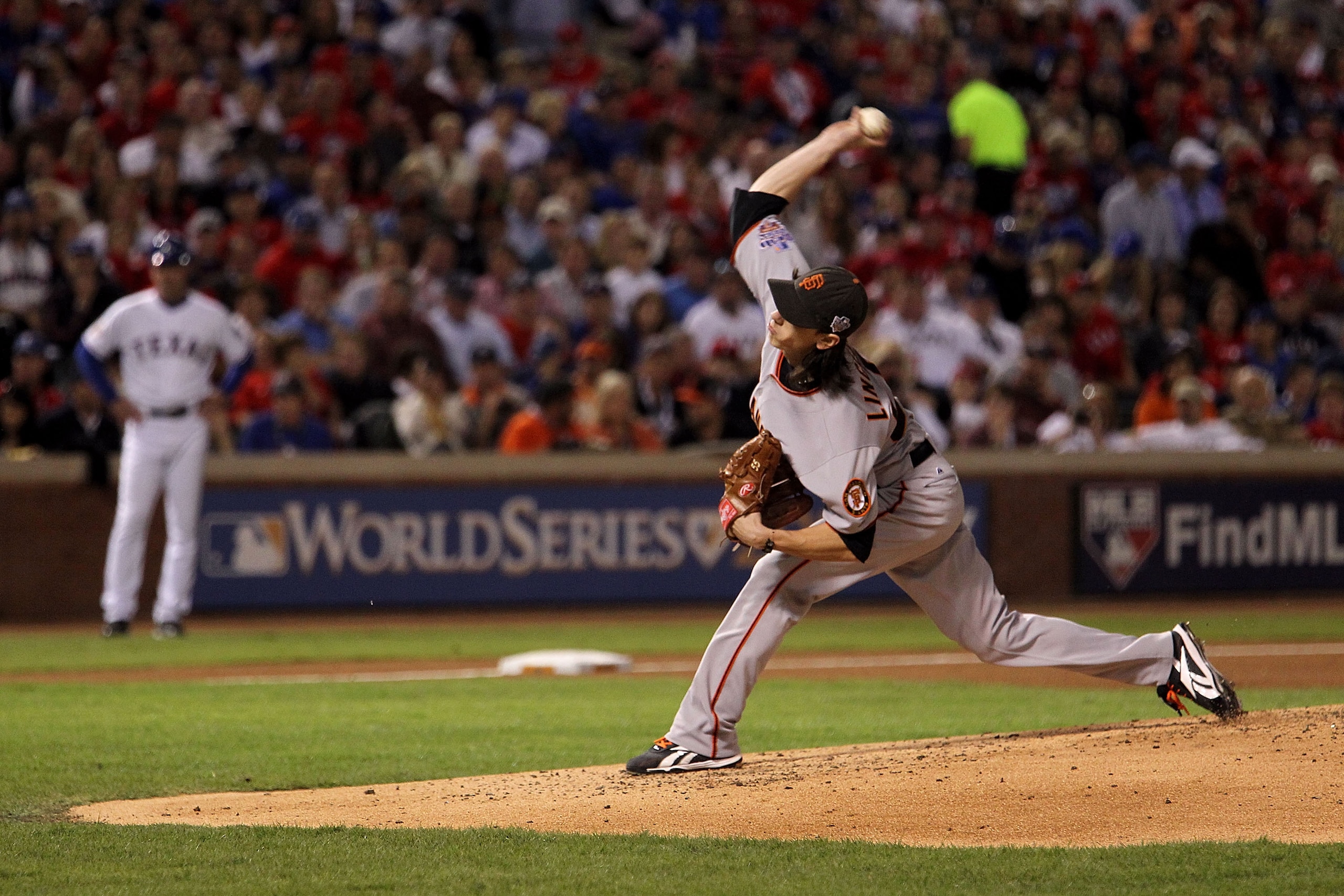
"The Freak", so named for his small stature--but big time pitching ability-- has the filthiest 12-6 curveball in baseball.
This pitch breaks so hard that it may appear to be coming in right down the middle only to bounce in the dirt as the batter takes his cut at it.
Lincecum might have had help with this pitch from Barry Zito, himself a downright nasty curveball artist in his own right.
#8 Hammer Curve: C.C. Sabathia/Felix Hernandez, Tie
8 of 14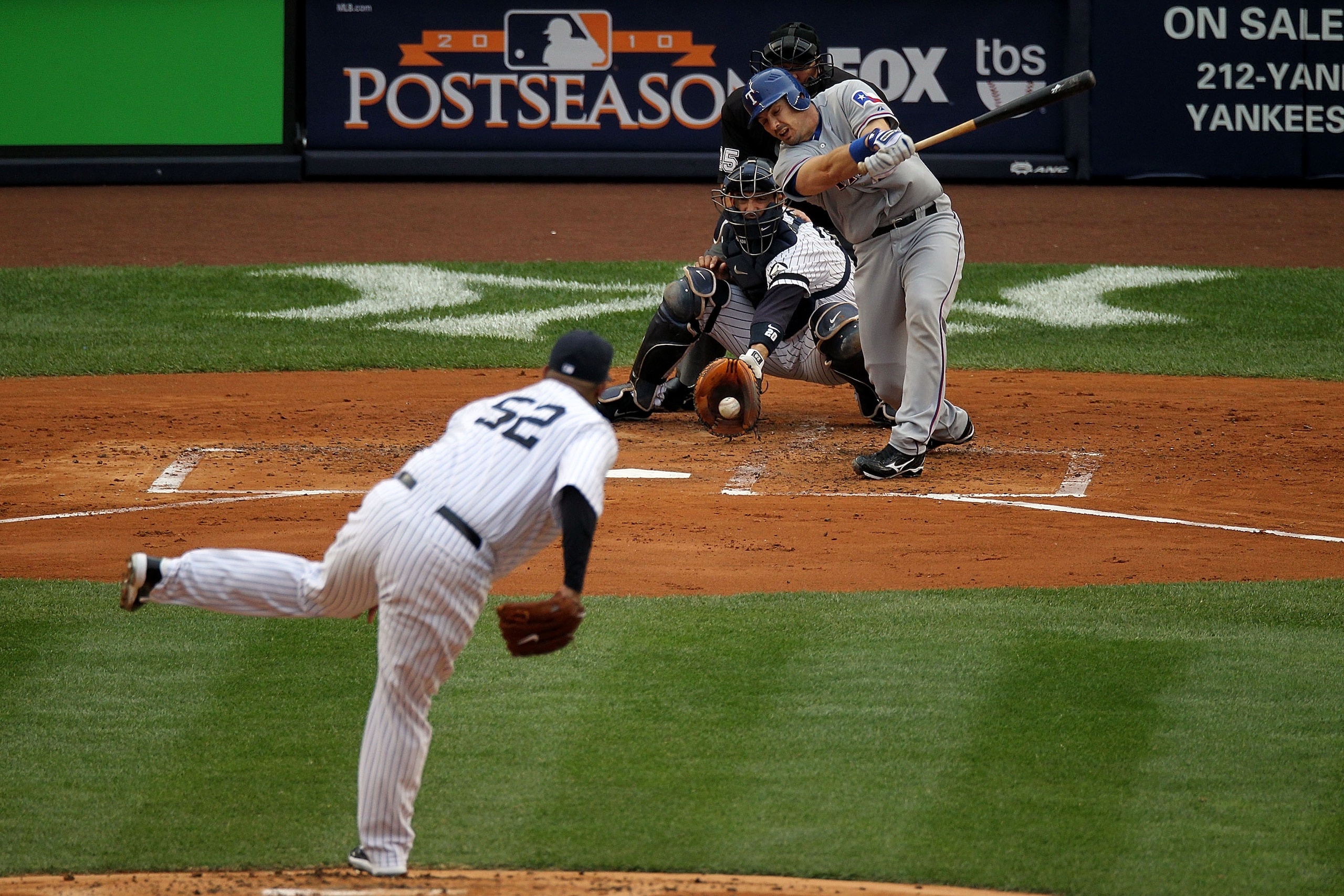
The second tie on our list is even closer than the first.
C.C. Sabathia and Felix Hernandez both throw wicked curves, one at around 87 MPH (Hernandez) and one a little slower at 83-85 (Sabathia). Both get good break on this pitch, and both will throw it regardless of the count.
#9 Sweeping Curveball: Roy Halladay/Ted Lilly, Tie
9 of 14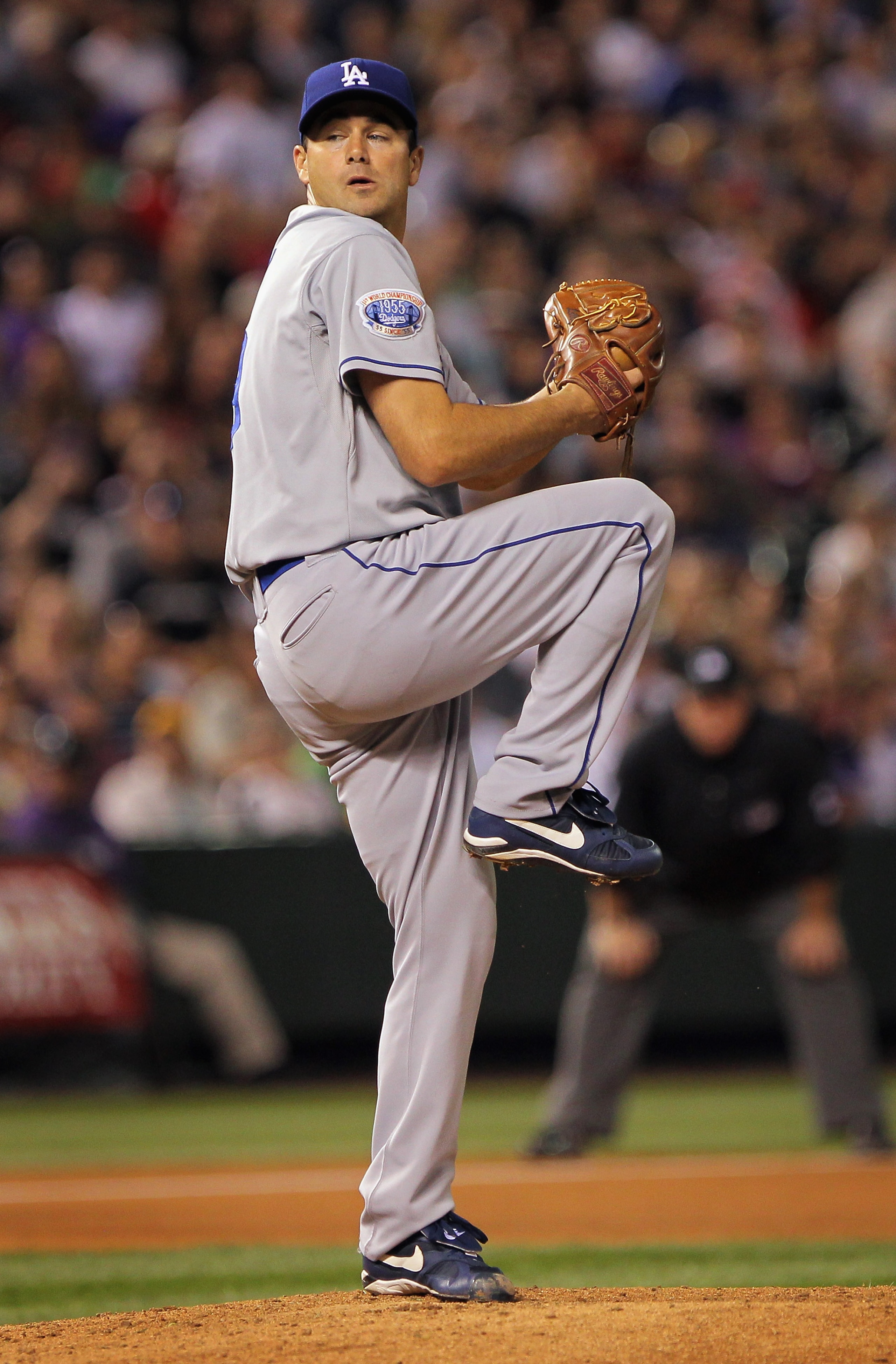
Ted Lilly's sweeping curveball is a thing of beauty to watch, as is Doc Halladay's. Either one is going to be swung at, and usually missed, by any hitter in baseball.
One of the things that makes this pitch so beautiful from either pitcher is the fact that they very rarely leave it "hanging" in the zone, making it that much more difficult to hit.
#10 Circle Changeup: Jamie Moyer
10 of 14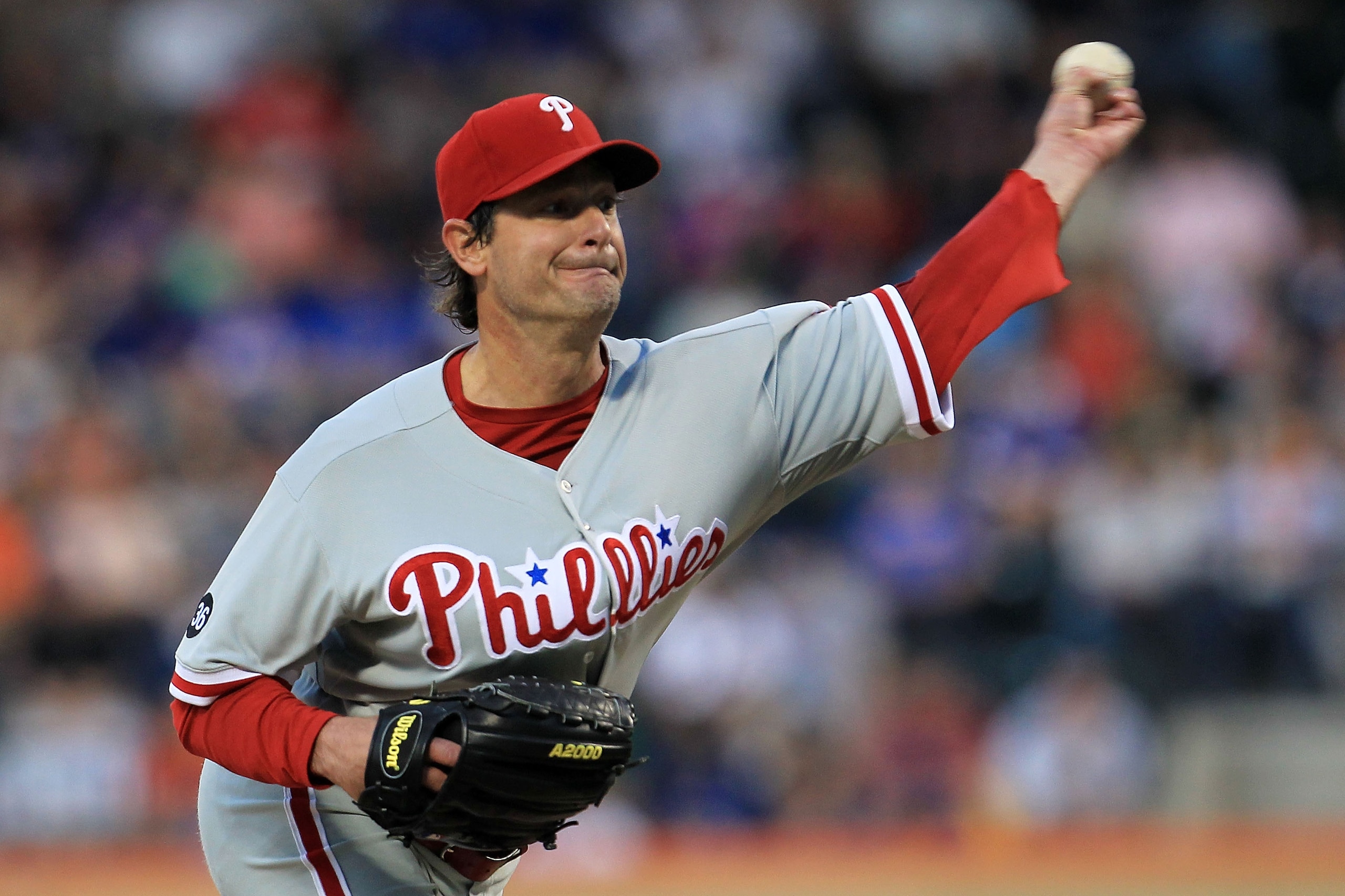
I don't care who you are, if your fastball is clocked at 82 on a regular basis, you're 47 years old, and you're still pitching at a major league level, you have to have a filthy changeup.
Moyer has, for quite some time, had the best circle changeup in baseball, which is good because, as was mentioned above, he's 47, throws an 82 MPH fastball, and is still able to pitch at a major league level.
#11 Straight Changeup: Tim Lincecum
11 of 14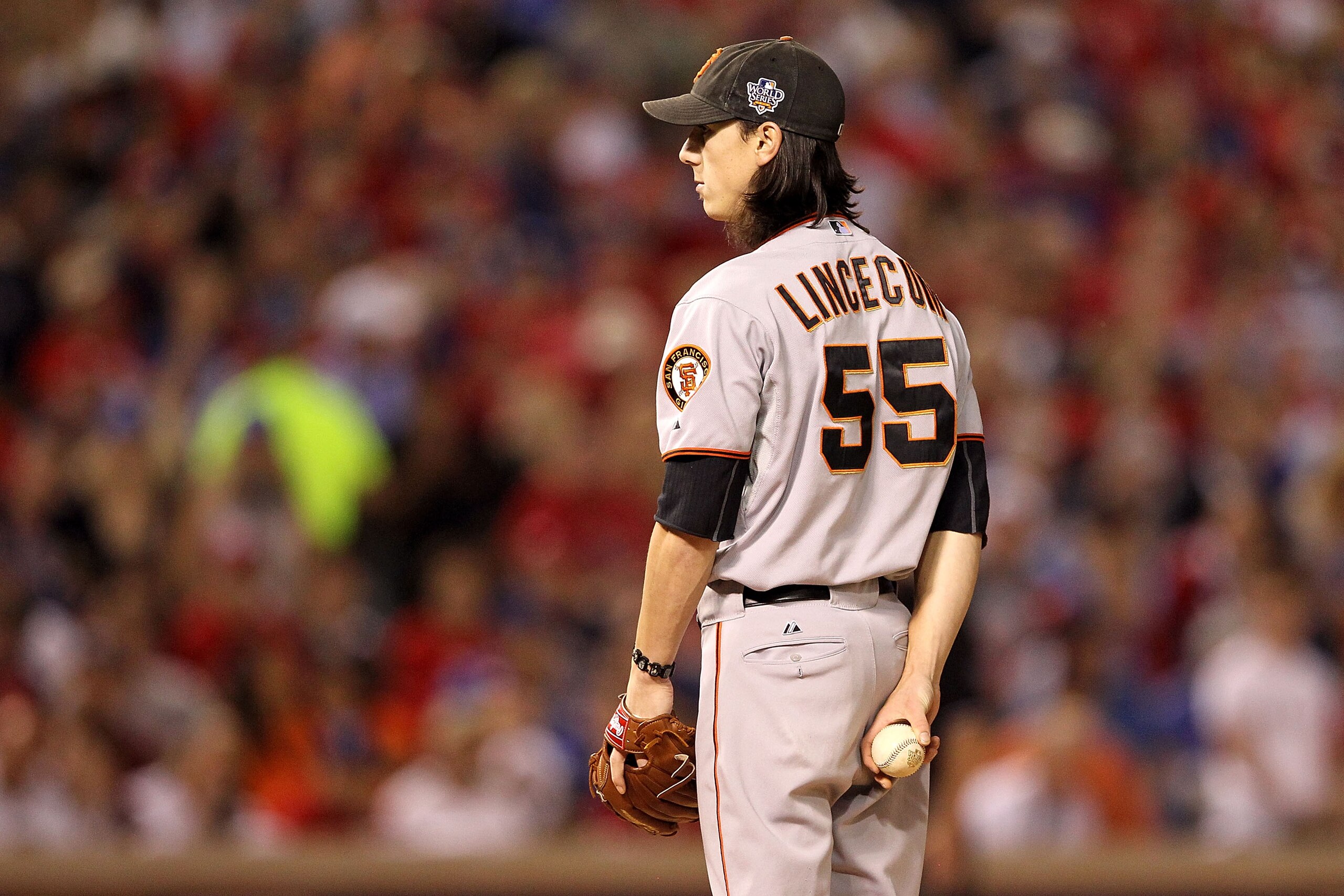
"The Freak" makes his second--and final-- appearance on this list with his changeup.
His decreased fastball velocity was a concern last year but overall it had very little effect on his changeup as he was still able to throw it for strikes and get outs. It is a nasty pitch for anyone to face, and it has to be demoralizing being struck out by someone so diminutive.
#12 Hard Changeup: Felix Hernandez
12 of 14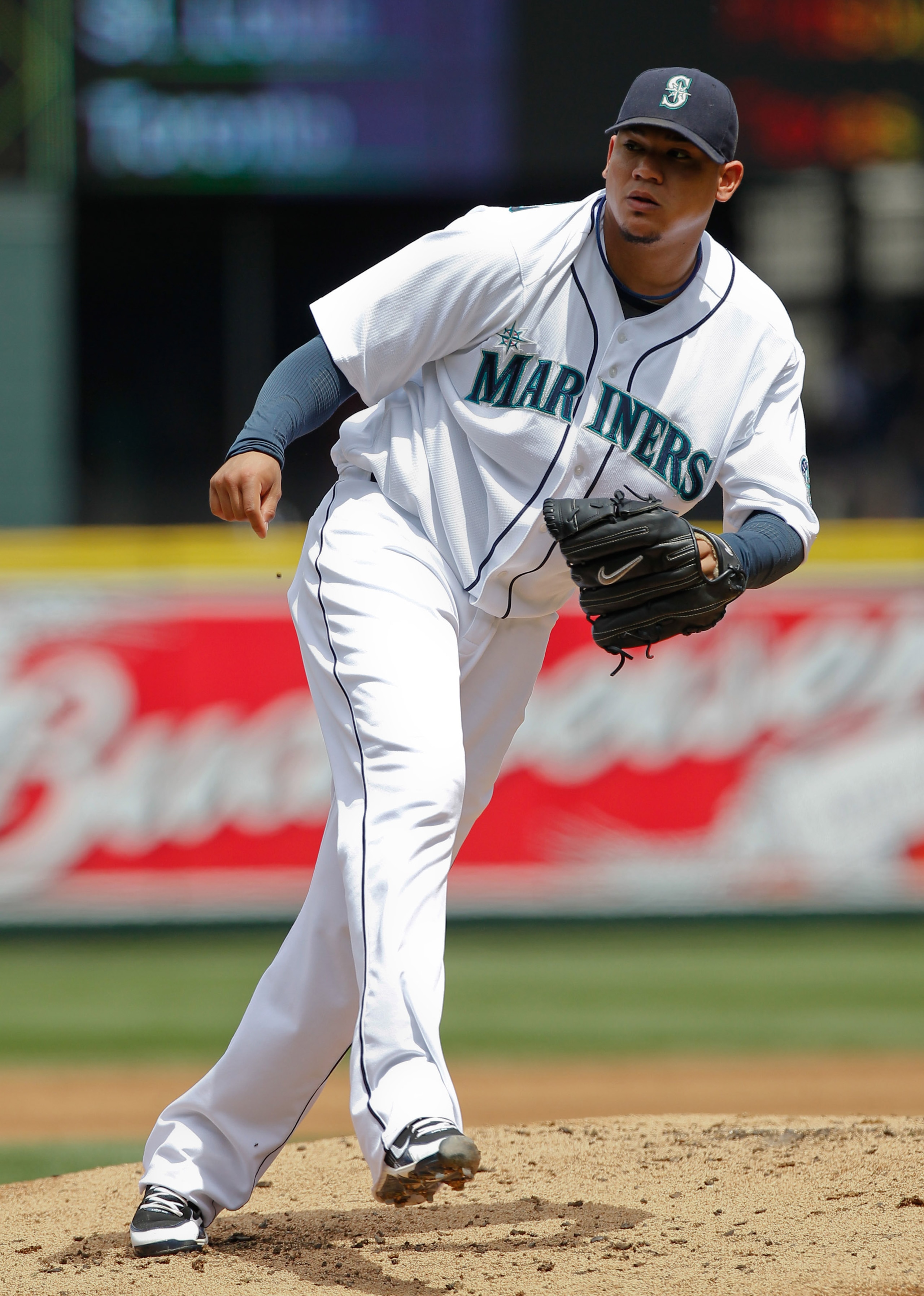
Felix Hernandez makes his last appearance on this list with his "was that really a changeup?" changeup.
Orel Hershiser, once a fabulous pitcher in his own right, now a commentator/analyst for Baseball Tonight and ESPN Sunday Night Baseball, once commented that he was jealous of Felix Hernandez. His reason? Hernandez could throw a changeup harder than Hershiser's fastball and still be impressively effective.
I, for one, have never seen a pitcher throw a changeup as hard as Hernandez. Regularly clocked between 89-92 MPH, the King's changeup is devastatingly effective with the late drop and break that he is able to achieve.
#13 Knuckle Curveball: A.J. Burnett
13 of 14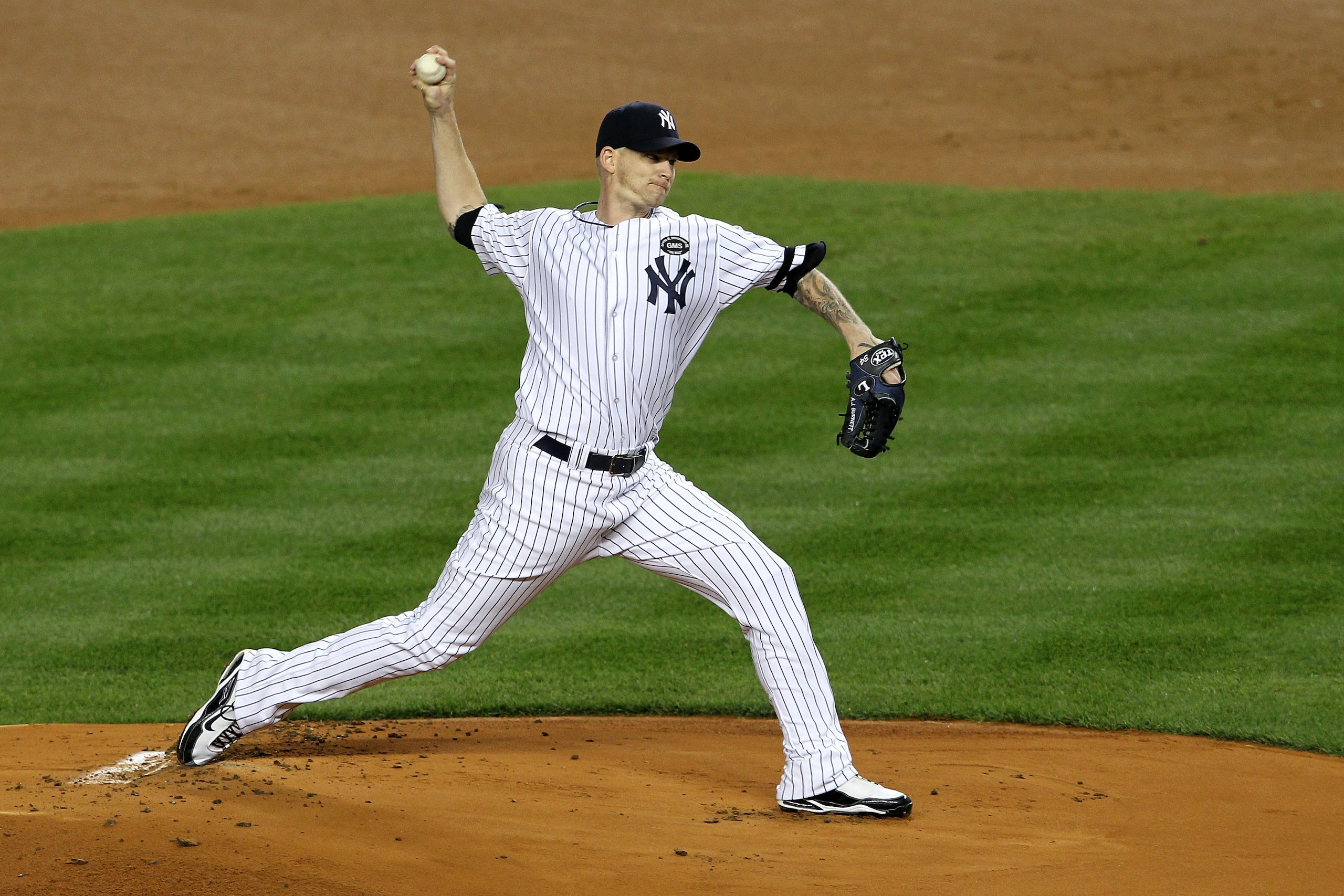
To be fair, Roy Halladay's knuckle curve is probably an equal, if not better, pitch, but he throws it with much less frequency than Burnett.
Burnett more than likely learned this pitch from Halladay during their days in Toronto. With the knuckle before the break into the dirt, Burnett's knuckle curve is a nasty pitch to watch.
#14 Knuckleball: R.A. Dickey
14 of 14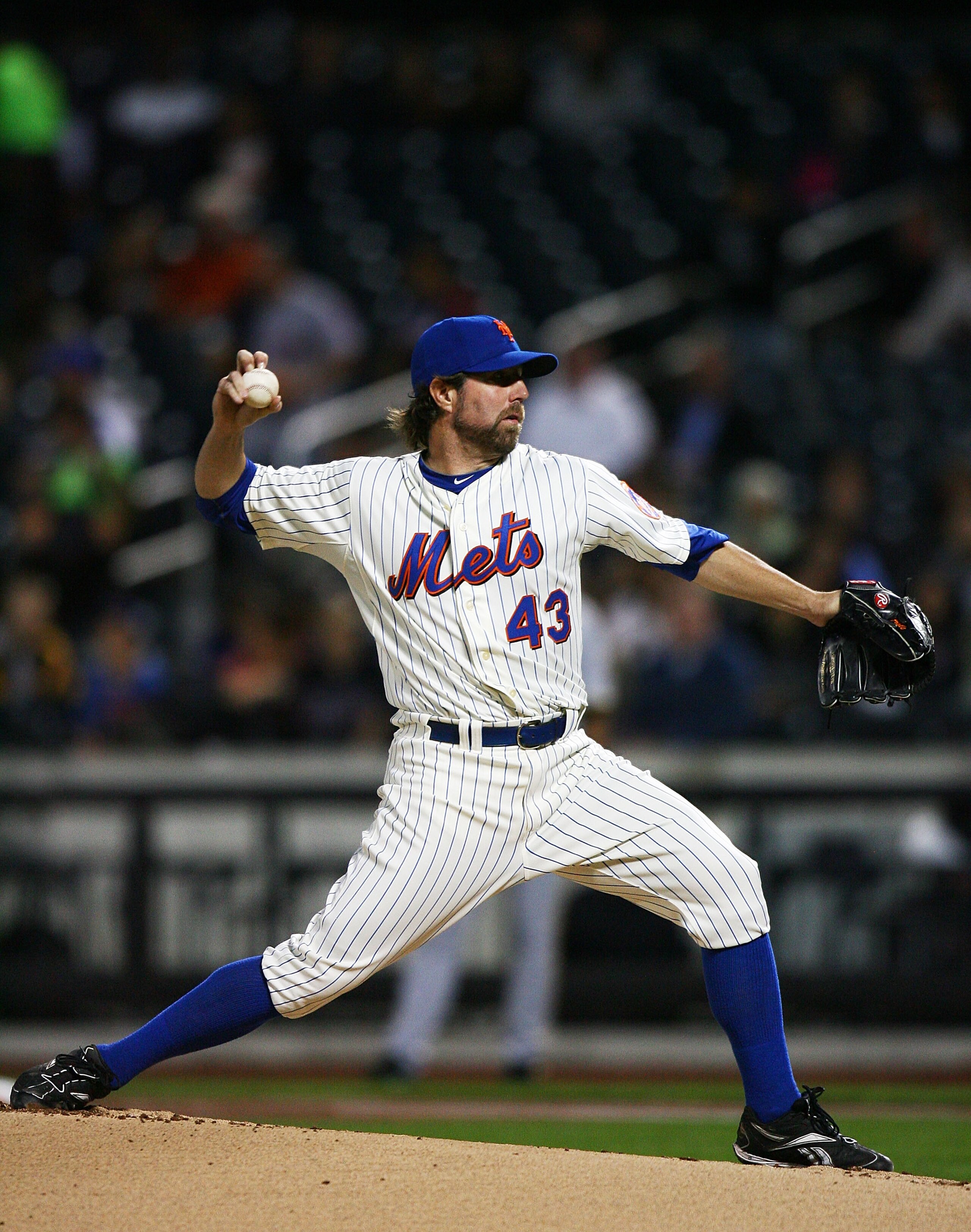
Once a vaunted pitching prospect with the Texas Rangers organization, Dickey had limited success as a conventional pitcher in the Major Leagues.
In an attempt to revive his career, Dickey made the switch to unconventional knuckleball pitcher and hasn't looked back. Up until last year, he wasn't very effective, but everything seemed to click and he took over Tim Wakefield's spot as the top knuckleballer in the big leagues.

.jpg?w=2560 "Jayden Daniels Left Off LSU Montage")
.png?w=2560 "Week 1 Winners & Losers 📊")
.jpg?w=2560 "Top 10 2027 NFL Free Agents")
