

MLB Hot Stove: 10 Winners and Losers After the Latest MLB Moves
Despite the fact that pitchers and catchers report in less than a month, there is still plenty developing and remaining to be decided for a number of teams across Major League Baseball.
Players are still out there looking for jobs, and general managers are still trying to fill in holes via a key free-agent signing or trade.
This week saw some big names catching on with new teams, so now is as good a time as ever to take a step back and try to rank some offseason winners and losers based on the moves they did or didn't make during the Hot Stove season.
It's obviously true that games and championships are not won during baseball's offseason, but the restructuring and maneuvering of teams can have a huge impact.
I'll go over 10 teams that improved, while also covering 10 teams that digressed during baseball's offseason, and get you primed on what to expect for the new faces in new places across Major League Baseball.
Winner No. 1: Boston Red Sox
1 of 20
The Red Sox missed the playoffs in 2010 thanks to an injury-riddled team, ineffective seasons from some key starting pitchers and a makeshift bullpen with only a few reliable arms.
They said goodbye to two major offensive players in their lineup through the departures of third baseman Adrian Beltre (gone to Texas) and catcher/designated hitter/first baseman Victor Martinez (the newest member of the Detroit Tigers).
But Boston made quite the splash in filling those two offensive holes, acquiring San Diego Padres first baseman Adrian Gonzalez, a great all-around player that managed to post huge offensive seasons despite playing his home games in the spacious, offense-sapping Petco Park.
Boston also plucked a left fielder from division rivals the Tampa Bay Rays, signing Carl Crawford to an enormous seven-year, $142 million contract.
Boston also shored up their bullpen by adding veteran right-handed relievers Bobby Jenks and Dan Wheeler, two American League veterans that will look to provide steady middle relief.
If they can keep their key players who missed chunks of the 2010 season healthy, the Red Sox could be the AL's most improved team for 2011.
Loser No. 1: Los Angeles Angels of Anaheim
2 of 20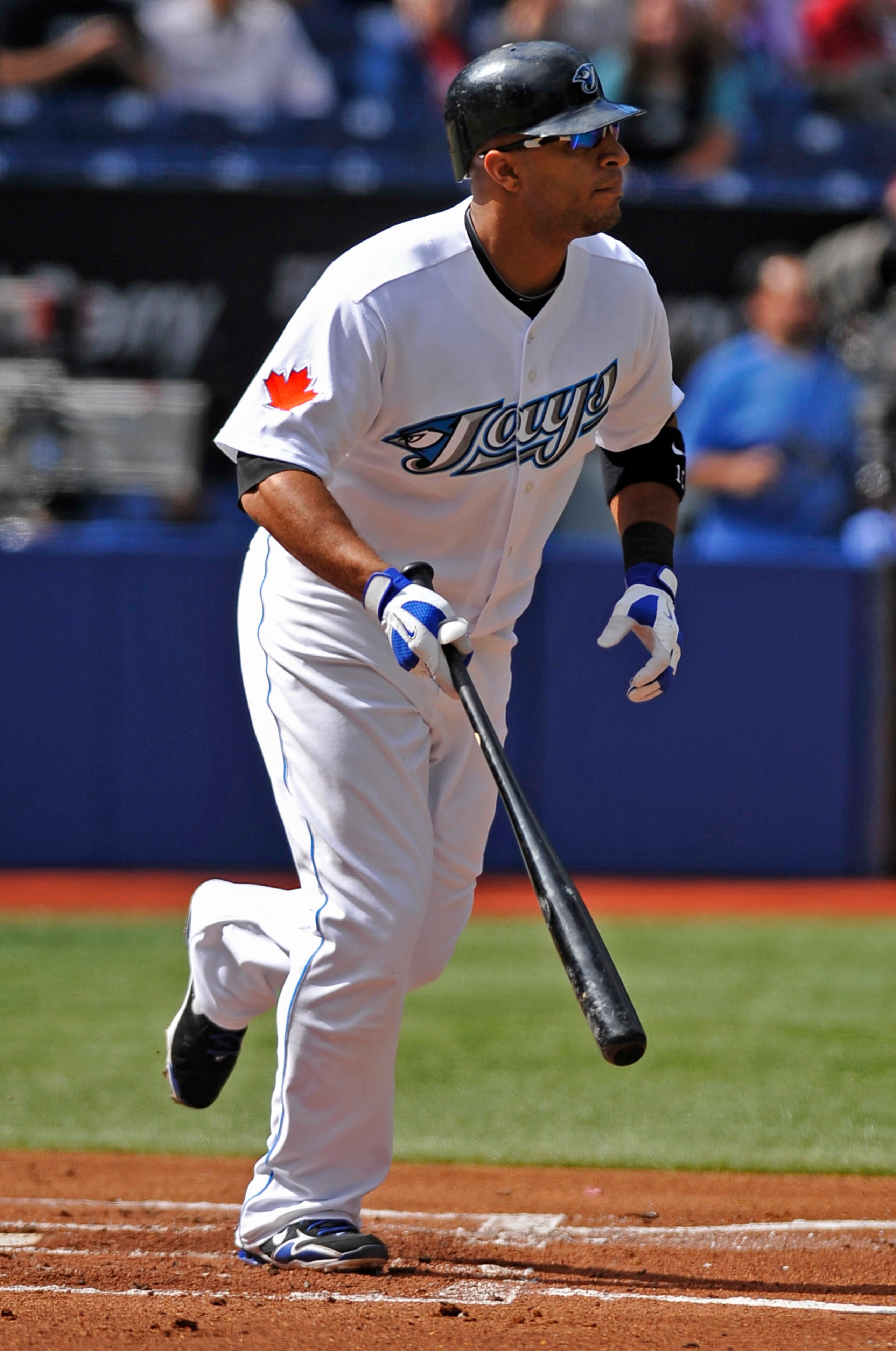
The Los Angeles Angels of Anaheim have botched most aspects of this offseason, and look to be the team that fared the worst during the Hot Stove season.
They were reportedly adamant about adding players after suffering quite a down season in 2010—a year removed form making it all the way to the American League Championship Series. Their targets were said to include Carl Crawford, Adrian Beltre, Rafael Soriano and potentially others.
They whiffed on Crawford, despite claiming that he was their number one target heading into the offseason. Even though he lingered on the open market for some time, the Angels couldn't sign Adrian Beltre, as he ultimately went to their division rival Texas Rangers.
And instead of signing Rafael Soriano to be the sure-fire closer, the Angels paid a king's ransom to sign Scott Downs, while also paying another left-handed reliever, the Japanese veteran Hisanori Takahashi.
The big shocker, though, went down this week.
Los Angeles shipped slugging catcher Mike Napoli—never a favorite of defensive-minded manager Mike Scioscia—and outfielder Juan Rivera, in exchange for the Toronto Blue Jays' Vernon Wells.
Wells is still owed $86 million over the next four seasons and the Blue Jays are said to not have kicked in any cash on the package.
Wells does have an opt-out clause after the 2011 season, so the Angels have to hope and pray he leaves over $60 million on the table to go elsewhere—unlikely given the money-driven nature of the sport.
This all adds up to a very bad offseason for a team that needed to make a few key moves for 2011.
Winner No. 2: Milwaukee Brewers
3 of 20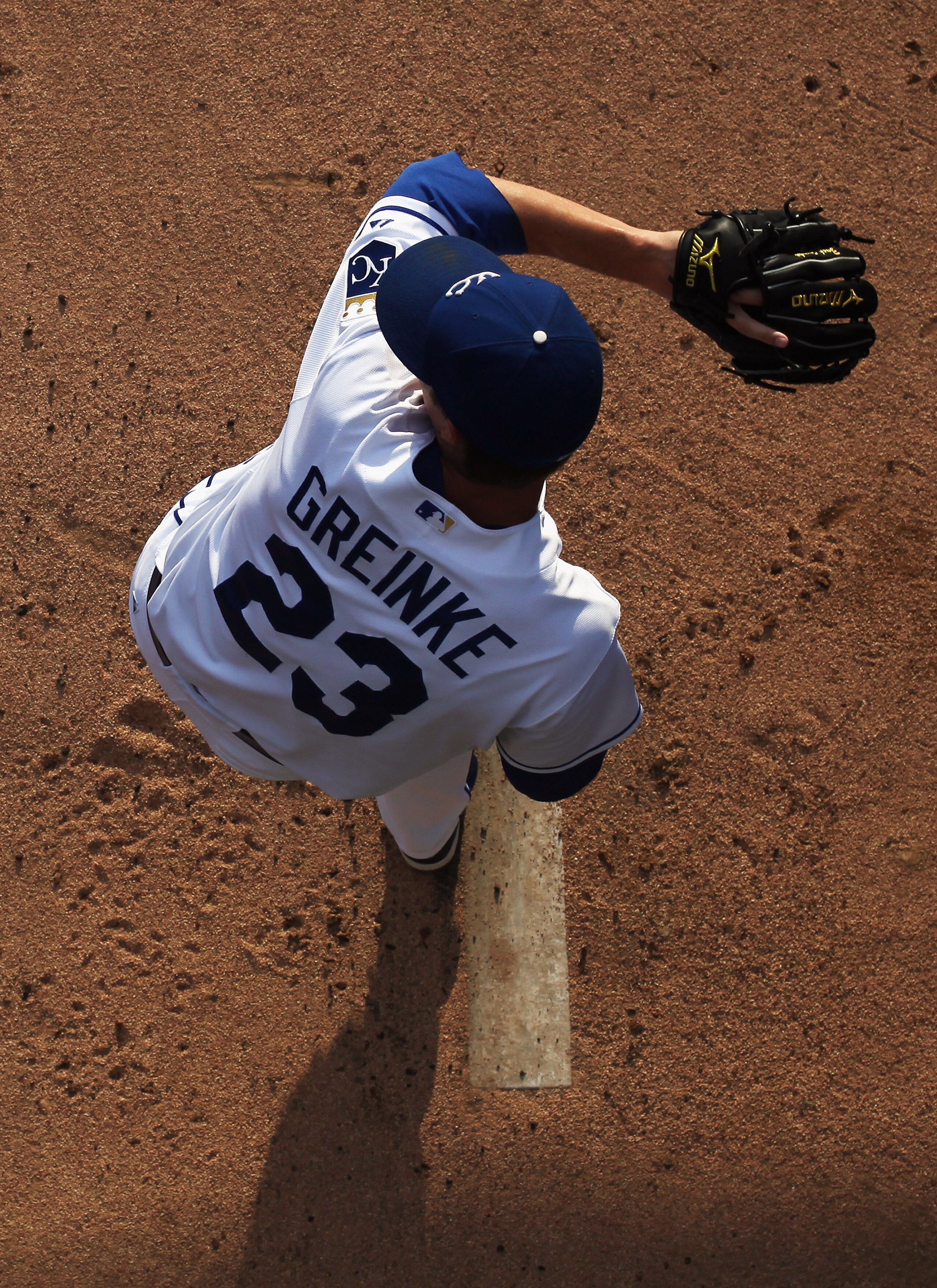
The Brewers finished in third place in 2010 with only 77 wins, and manager Ken Macha was shown the door at season's end, with the team vowing to improve heading into 2011.
Their first key move was picking up Toronto Blue Jays starter Shaun Marcum, who after missing all of 2009 due to injury, rebounded to have a nice 2010 season in the rough AL East, throwing 195 innings and posting a strong 3.64 ERA.
Marcum doesn't walk many hitters and relies on ground balls, making him a good bet to have a strong year as he transitions to the National League.
The Brewers' biggest move, however, came in December, when they landed the 2009 AL Cy Young winner, former Kansas City Royals starter Zack Greinke.
Greinke's name had been linked to a number of teams as a trade target, but Milwaukee ultimately won out, sending premiere shortstop prospect Alcides Escobar, OF Lorenzo Cain, RHP Jake Odorizzi and RHP Jeremy Jeffress for Greinke and veteran shortstop Yuniesky Betancourt.
The Brewers also held on to impending free-agent first baseman Prince Fielder, avoiding the temptation to trade him before the season and signing him up to a $15.5 million deal to avoid salary arbitration.
Milwaukee's rotation has an imposing three top arms, with Yovani Gallardo now joined by Zack Greinke and Shaun Marcum.
They could make a run for the the wide-open NL Central title or, at the very least, challenge for the Wild Card.


Loser No. 2: Washington Nationals
4 of 20
The Nationals made headlines by signing former Philadelphia Phillies outfielder Jayson Werth to an enormous seven-year, $126 million contract.
Werth was one of the top free agents, but he'll be 32 soon and the Nationals are now faced with the prospect of paying him $20 million a year through ages 35-38. He helps, but Washington also lost Adam Dunn this winter, who was an offensive force for the Nats and consistently outproduced Werth over the last few seasons.
Then you factor in the other moves that Washington made, such as trading outfielder/first baseman Josh Willingham to the Oakland A's for a very minimal return. Washington also acquired left-handed starter Tom Gorzelanny—trading three prospects for a serviceable but underwhelming arm.
Their rotation remains paper-thin, but they kept giving money to marginally impactful offensive players like Jerry Hairston Jr. and first baseman Adam LaRoche—a good value, just not enough to help with any NL East or Wild Card titles.
Clearly Washington wants to win, but their rotation is still very thin and their lineup might not have enough quality pieces to get it done.
Winner No. 3: Oakland Athletics
5 of 20
Oakland had a relatively strong 2010 season, as they hung around the AL West race for much of the year and ultimately finished second behind the eventual AL champion Texas Rangers.
Their pitching carried them through 2010, but general manager Billy Beane has improved their offense during the Hot Stove season thanks to some smart and cost-effective acquisitions.
Beane even managed to bolster an already strong pitching staff, making Oakland a potential contender to unseat the Rangers as the top team in the AL West.
The A's traded for Kansas City outfielder David DeJesus, shipping out starting pitcher Vin Mazzaro and a prospect for the last year of the outfielder's service before he hit free agency.
DeJesus is a productive player in that he gets on base at a good rate, meaning he'll fit in well in Oakland's patience-first lineup.
Beane also acquired Washington Nationals outfielder Josh Willingham, a quality slugger with 20 home run power who is also versatile enough to play a corner outfield spot or first base if needed.
The last offensive addition for Oakland was signing veteran DH Hideki Matsui. Matsui will be 37, but as a full-time DH, he can still hit and only cost $4.25 million (plus some incentives).
On the pitching side, Oakland added relievers Brian Fuentes and Grant Balfour on two-year deals, and also re-signed former starter Rich Harden.
They intend to let Harden compete for a rotation spot during the spring, but he might ultimately end up in the bullpen, giving the A's potentially one of the best pens in the league.
Loser No. 3: Texas Rangers
6 of 20
The Texas Rangers made grand overtures all throughout the early portions of the offseason about how they were adamant about retaining elite starting pitcher Cliff Lee, willing to go toe-to-toe with the New York Yankees in terms of bidding for the lefty starter's services.
In the end, Lee spurned both American League teams, but for the Rangers, their corresponding moves seemed a bit puzzling.
Texas turned around and took a flier on right-handed starter Brandon Webb, who has been out of action since 2008 after major shoulder surgery. He couldn't rehab his arm during 2009 or 2010, so he'll hope this third year is the charm for resurrecting what was a great career.
Texas, though, still has a big hole at the top of their rotation without Lee, and will need to have great things happen for Webb if they're going to fill it via this signing.
The Rangers' biggest high-profile move, however, was signing third baseman Adrian Beltre to a big five-year, $80 million deal.
Beltre had a wonderful year in 2010 for Boston, but he has struggled in a lot of seasons that weren't his walk year. He provides great defense, guaranteed, at third base, but his offense will be the question.
It also complicated matters for Texas' incumbent third baseman Michael Young, who will now be turned into a designated hitter/utility player of sort.
After missing out on Lee, the Rangers made a splash with Beltre, but it may not have been the right kind of splash for a team that thrived in 2010 thanks to a much improved pitching staff.
Winner No. 4: Philadelphia Phillies
7 of 20
They added the best starting pitcher on the market in Cliff Lee, giving them a loaded rotation with five quality arms capable of throwing great games on any given day.
The loss of outfielder Jayson Werth is softened a bit because their top prospect, Dominic Brown, also happens to play right field.
Thanks to their rotation, the Phillies seem fortified as the top team in the NL East.
Their offense will be the key to how far the team will ultimately go, as they struggled greatly at times last year in terms of scoring.
But thanks to their pitching addition in Lee, they are one of the winners this winter.
Loser No. 4: St. Louis Cardinals
8 of 20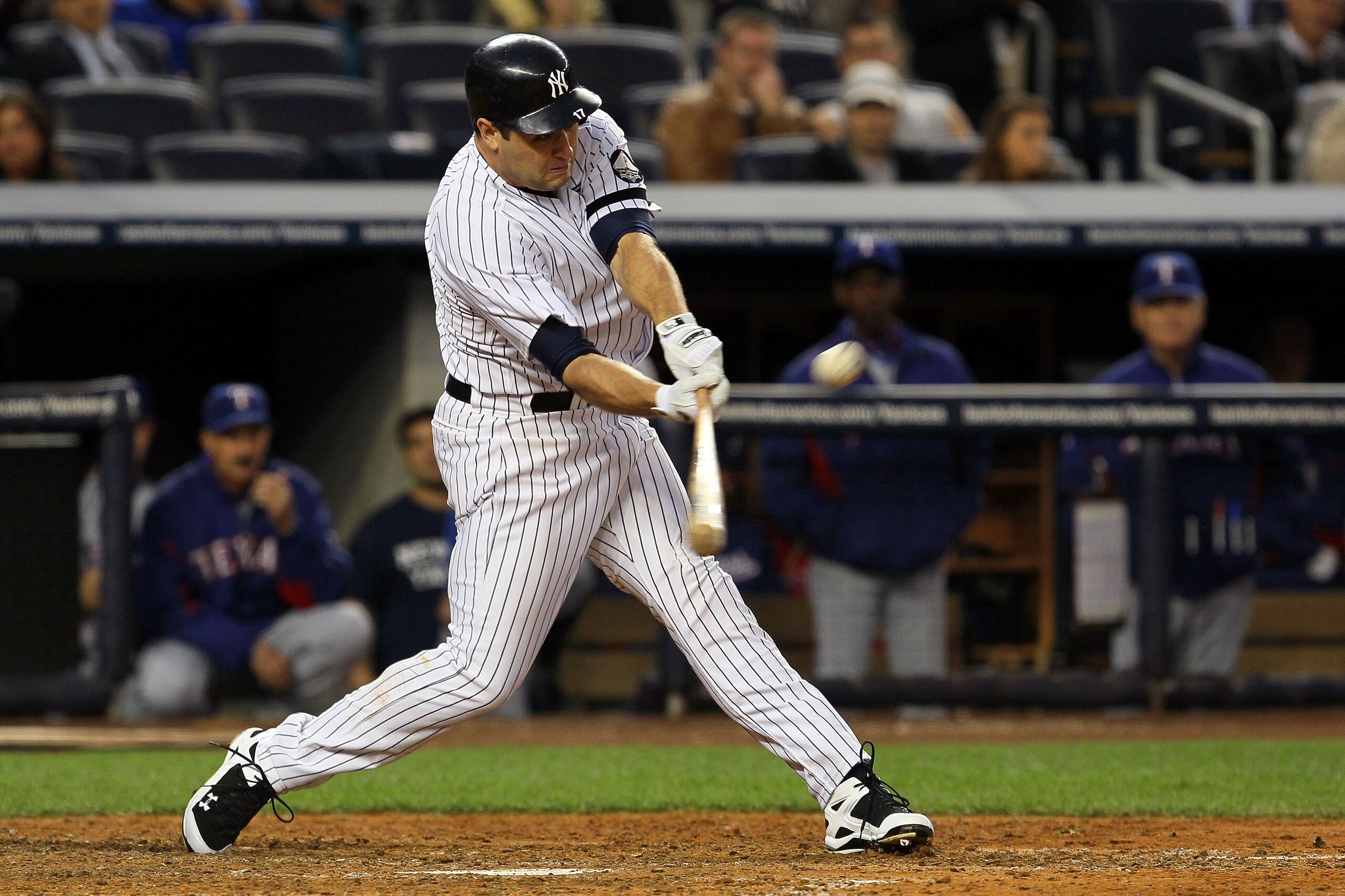
St. Louis' strength is their pitching, and it will always be as long as they trot out starters like Adam Wainwright, Chris Carpenter, Jaime Garcia and even Jake Westbrook.
But they made an effort to improve the offense around all-time great Albert Pujols this offseason, and the moves were extremely puzzling.
Their first and most high-profile addition is the veteran first baseman Lance Berkman, but his is the most confusing of all in Cardinals land.
The team says they intend to play Berkman in outfield, where he played early in his career. The problem, though, is that Berkman has been dogged by knee issues in recent years, and therefore his ability to hold up for a full year in the outfield is highly questionable
He also has struggled with the bat, particularly in 2010, posting career lows for home runs (14) and slugging percentage for a full season.
He still has a great eye at the plate, but his production has to be a question as he gets into his 30s.
The Cardinals' other offensive additions were shortstop Ryan Theriot, catcher Gerald Laird, and utility player Nick Punto—none of which can hit.
Again, it was a strange offseason for a perennial contender.
Winner No. 5: Toronto Blue Jays
9 of 20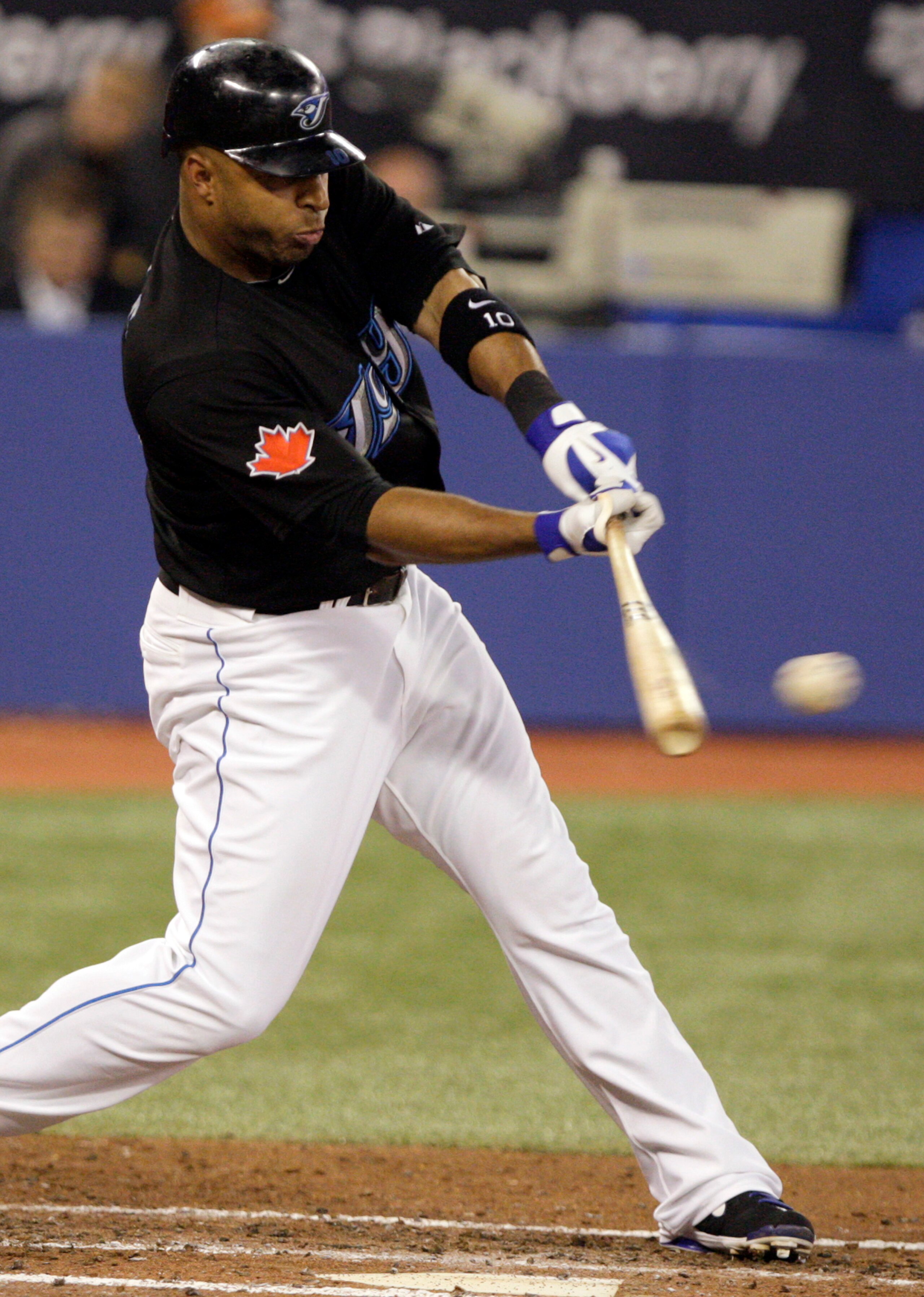
Toronto gets a huge "win" this offseason just by getting a quality return for Vernon Wells—and being freed entirely from Wells' gigantic contract.
The fact that they could also land quality offensive players like Mike Napoli—forever under-utilized by the Angels—and Juan Rivera, who posted eerily similar numbers to Wells in 2010, is just icing on the cake for GM Alex Anthopoulos.
Toronto also added speedy center fielder Rajai Davis via a trade with Oakland, and while he's not great at getting on base, he will be a quality defender who can steal bases in bunches when called upon.
Toronto also picked up relievers Jon Rauch and Octavio Dotel, who will look to fill the voids left by departed pitchers Kevin Gregg and Scott Downs.
Toronto now has some budget breathing room, and they've still got a tough young club heading into 2011, so it was a great offseason for the Jays.
Loser No. 5: San Diego Padres
10 of 20
The Padres shipped out their best player, first baseman Adrian Gonzalez, before he hit free agency despite the fact that they were a game away from the playoffs and Gonzalez's final year only paid him $6.2 million.
Yes, there was no chance the Padres would have been the highest bidder for Gonzalez's services had he hit the open market—but the team was still a contender.
If you look at what the Milwaukee Brewers did with Prince Fielder and the team around him, perhaps the Padres would have been better off keeping Gonzalez and making another run at the completely wide open NL West.
The corresponding moves they made in the absence of Gonzalez? They traded four prospects for shortstop Jason Bartlett, a solid defender but a player who had exactly one standout season at the plate in 2009.
They signed veteran second baseman Orlando Hudson to a two-year deal, who solidifies second base but has seen his offensive numbers decline in three straight seasons.
They also took a chance on outfielder Brad Hawpe, who was highly productive for the Colorado Rockies for a number of years—then promptly fell off a cliff.
The Padres also whiffed on first baseman Derrek Lee, who they were targeting to replace Gonzalez at first base.
It's not a great offseason for San Diego, a team that has the pitching to make a playoff run.
Winner No. 6: Atlanta Braves
11 of 20
The Braves lacked middle-lineup power in 2010, and that was a big issue for a team that had a strong pitching staff but ultimately couldn't hit enough to get out of the first round of the playoffs.
They addressed that need via a very smart trade, moving utility man Omar Infante and control-hungry left-handed reliever Mike Dunn to the Florida Marlins for All-Star second baseman Dan Uggla.
Infante had a strong offensive year in 2010 thanks to a very high batting average, as well as the fact that he was forced into duty all over the diamond because the Braves were faced with a myriad of injuries throughout the season.
He was forever a part-time player during his career, and it's hard to believe he would hit enough in 2011 to give the Braves' offense what they needed.
Uggla, on the other hand, is a masher to the max. He's averaged 32 home runs a year over his five seasons in the majors, and his power stroke is exactly what Atlanta needed.
The Braves made some other smart moves, as well, in bringing in veteran relief pitchers Scott Linebrink and George Sherrill—arms that could pan out with quality innings out of the bullpen.
They also return great young talents like starter Tommy Hanson, outfielder Jason Heyward, and relievers Johnny Venters and Craig Kimbrel, and will hope to work in their future first baseman in Freddie Freeman.
Overall, a strong offseason for Atlanta.
Loser No. 6: Florida Marlins
12 of 20
After just covering the Braves' good offseason, I now get to the Florida Marlins, who are closely related.
The Marlins came up on the very short end of the stick when trading Dan Uggla to their division rivals. Omar Infante has not yet proved to definitely be a quality full-time player, despite his 2010 All-Star appearance.
That the Marlins could only get Infante and an inconsistent left-handed reliever for Uggla is an indictment of their ability to receive any value in return for quality
They then shelled out a three-year, $18 million deal to catcher John Buck, who enjoyed a career year with Toronto—which also happened to coincide with his walk year.
The Marlins also took a chance on right-handed starter Javier Vazquez, signing him to a one-year, $7 million deal in the hopes that his return to New York was an aberration and can bounce back to his 2009 numbers.
But Vazquez's velocity completely dropped off the table during 2010, so that's a risky move for a team pinching every dollar on its payroll.
Winner No. 7: Baltimore Orioles
13 of 20
Baltimore enjoyed a nice run once Buck Showalter took over as manager late in the 2010 season, and they've carried some momentum though this offseason by making a number of smart upgrades.
The biggest acquisition is slugging third baseman Mark Reynolds, who has obvious warts to his game (he strikes out a ton, and is basically all or nothing at the plate) but is still a legitimate power threat that will slide right into the middle of the Baltimore lineup and fill a large void over at third base.
Baltimore bought low on Reynolds, which can often turn out to be a smart move, as it seems likely his 2010 season was an unusually bad year at the plate.
Baltimore also shored up other key positions, acquiring J.J. Hardy from the Minnesota Twins to fill a hole at shortstop formerly occupied by Cesar Izturis.
They also picked up a solid first baseman in the veteran Derrek Lee, who despite seeing his best days presumably slip behind him, can still play strong defense and may still have something left offensively. But either way, it's only a one-year commitment.
The Orioles also added talent to their bullpen with Kevin Gregg, who will presumably step in as the team's closer, a role that was never settled for Baltimore in 2010.
Gregg's salary is also relatively modest for a potential closer, making him a smart signing for Andy McPhail.
The AL East is extremely tough, so it's hard to see the O's competing in 2011, but they'll be a much tougher team to face than 2010.
Loser No. 7: Seattle Mariners
14 of 20
Seattle had a historically bad offensive team in 2010, as they were the worst team in the league in scoring runs and struggled badly to a last place finish.
They were considered by many as a team that might contend for the AL West title thanks to Cliff Lee's addition last winter, while also bringing in Chone Figgins as a co-catalyst alongside Ichiro Suzuki.
The problem is, there's nobody in the middle of the Seattle lineup that can drive anyone in, and the Mariners didn't come close to remedying that this winter.
Their biggest offensive upgrade came at catcher via Miguel Olivo, who is a consistent double digit home run hitter who also provides strong defense behind the plate.
Seattle had built up a proud baseball tradition from the late 90s through the 2000s, but they've been saddled with bad teams for numerous seasons now.
The winter of 2010 is not the start of something good either.
Other additions include Jack Cust, a designated hitter with on-base skills and power, but Cust may not be enough.
They also added Brendan Ryan, collecting yet another light-hitting infielder to join Josh and Jack Wilson and Chone Figgins. The team also, amazingly, gave never-healthy starter Erik Bedard another shot, albeit a non-guaranteed, incentive-laden deal.
But they also non-tendered Ryan Rowland-Smith, who was a useful pitcher for the Mariners, and could have helped back up Felix Hernandez in the starting five.
Winner No. 8: Chicago Cubs
15 of 20
The Cubs are saddled with some awful contracts that were handed to Alfonso Soriano, Carlos Zambrano, Aramis Ramirez, Carlos Silva and Kosuke Fukudome.
Accounting for over $75 million of the Cubs' 2011 payroll, there's only so much the organization can do.
But Chicago spent wisely this winter, as they signed first baseman Carlos Pena for one year and $10 million—a good value for a player that gets on base, hits for power, and provides Gold Glove caliber defense at first base.
Pena's strikeouts and low batting average can be tolerated if he continues to excel in those other three areas.
Another former Tampa Bay Ray was picked up in a quality trade for the Cubs, in starting pitcher Matt Garza. The Cubs gave up a decent prospect package to land Garza, but he will help their rotation immensely.
Chicago also did a nice job flipping left hander Tom Gorzelanny for multiple prospects, and they can only hope that the players they've invested big money in can stay healthy and regain some level of productivity in 2011.
Loser No. 8: Kansas City Royals
16 of 20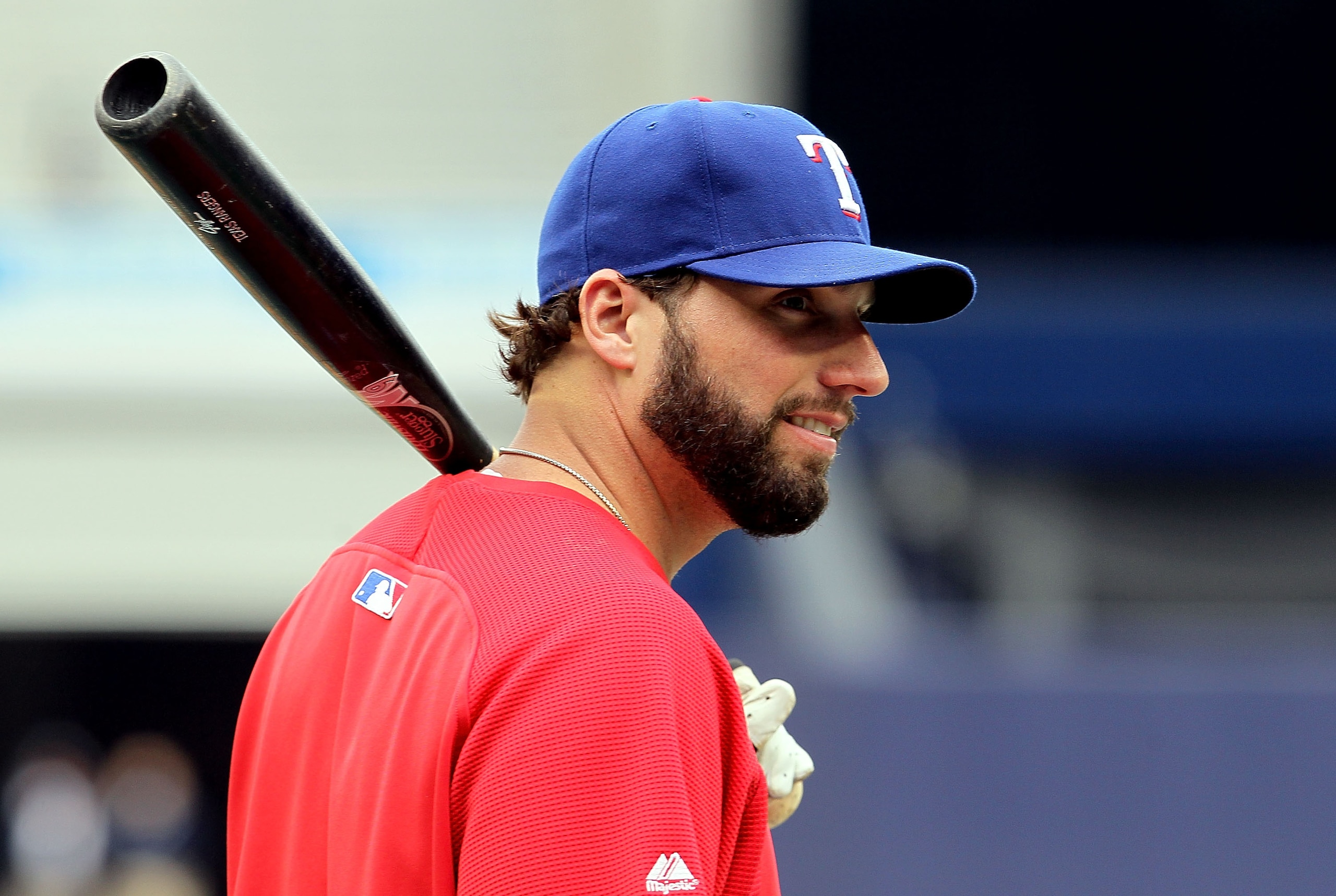
Any time you trade a recent Cy Young winner, it's hard to be anything but a loser of an offseason, and my issue with the Royals is more the ancillary moves they made besides unloading Zack Greinke.
The Greinke trade further boosts an absolutely loaded farm system, so it's clear Kansas City is building something (Mike Moustakas, Eric Hosmer, Mike Montgomery, Will Myers, etc.).
But Dayton Moore also decided to bring in Jeff Francoeur and Melky Cabrera as free agents who will get playing time in the outfield, neither of whom are everyday players.
He also dealt David DeJesus for Vin Mazzaro and another prospect, a return that he may have been able to greatly improve on if he'd waited until the mid-season.
Jeff Francis is a nice signing for Kansas City but with his health record, he certainly is no guarantee to deliver on the $2 million guaranteed.
Besides their farm system, it's tough to see a lot of positives for Kansas City heading into 2011.
Winner No. 9: New York Yankees
17 of 20
Many view the Yankees as offseason losers because they missed on Cliff Lee, but some solid acquisitions appear to be largely ignored.
They re-signed their two biggest in-house free agents—shortstop Derek Jeter and closer Mariano Rivera—who are still productive players this late in their careers.
Many thought Jeter would continue to earn $20 million annually, but he took a modest salary reduction for what presumably will be his last contract, and he still ranks as one of the more productive shortstops in the game—though far from the peak of seasons past.
And Mariano Rivera is still hugely effective despite being over 40.
Defense at catcher was a huge issue for the Yankees last year, and they signed Russell Martin to a very reasonable deal, allowing the aging and now defensively-challenged Jorge Posada to slide over to designated hitter full time.
The team got a big bullpen lift from lefty Boone Logan, who up until last year had never enjoyed the type of success he ultimately saw with the Yankees.
He has been the picture of inconsistency during his still-young career, so the Yankees added veteran lefty reliever, Pedro Feliciano, to ward against the potential struggles from Logan.
And they added the best closer on the open market, Rafael Soriano, making their bullpen one of the best in the game, considering it still features right-handers David Robertson and Joba Chamberlain.
Lee to Philadelphia and Andy Pettitte's uncertainty leaves question marks in the starting rotation, but they still return one of the best offenses and an extremely deep bullpen.
Loser No. 9: Tampa Bay Rays
18 of 20
Tampa Bay stockpiled draft picks, and they will have three first-round choices as well as seven sandwich round choices all told with 12 of the first 90 picks in the June draft.
That's an ideal cache of picks for a team that always looks to build from within due to payroll limitations.
The issue, though, is that they lost a ton of quality players to free agency, and while they've brought in some notable veterans as replacements, it's hard to imagine Tampa having enough offense to keep up in 2011.
They shipped out their No. 2 starter Matt Garza as well as shortstop Jason Bartlett, and lost Carl Crawford, Rafael Soriano and Carlos Pena to free agency.
The bullpen also lost Dan Wheeler, Grant Balfour, Randy Choate and Joaquin Benoit.
They have in-house replacements at the ready, such as Reid Brignac at shortstop, Jeremy Hellickson in the starting rotation, Dan Johnson at first, Matt Joyce and Desmond Jennings in the outfield, and so on.
But they've also brought in some veterans, namely signing Manny Ramirez to a $2 million deal to DH, as well as Johnny Damon, who will presumably spend time in left field and at DH as well.
So they've tried to stave off the decline offensively, but picked up players that appear past their prime. They will need a big year from their pitching staff if they're to still compete for a Wild Card or AL East crown.
Winner No. 10: Chicago White Sox
19 of 20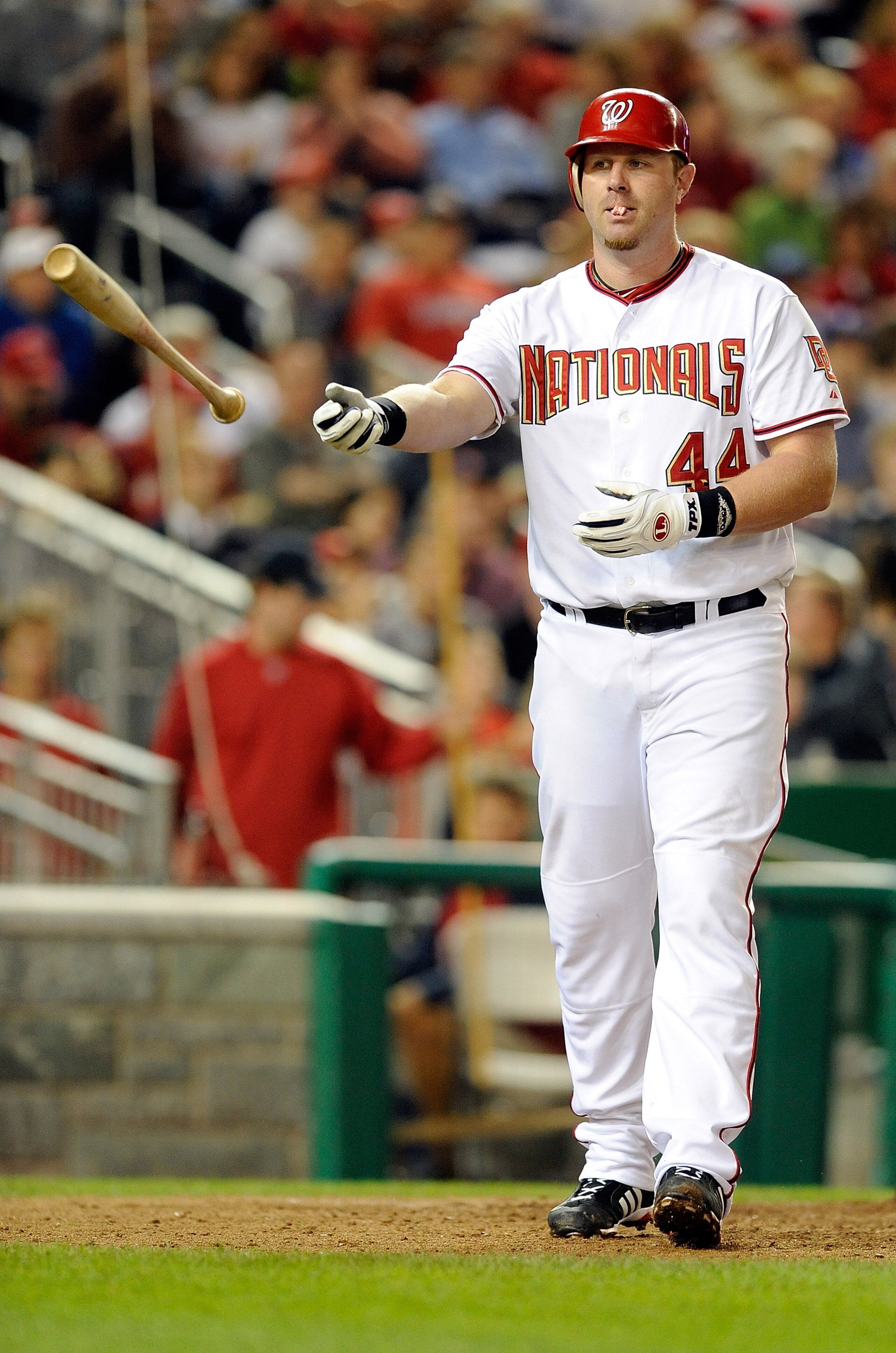
The ChiSox brought in Adam Dunn, the perennial 40 home run threat who mashes and gets on base—but can't do much with a glove.
Dunn adds a huge level of potency to the middle of the lineup, as does the returning Paul Konerko, who was re-signed from free agency. Konerko is towards the end of his career, but is still a solid hitter.
They brought in Will Ohman to be a left-handed specialist out of the bullpen, and are expecting big things out of young pitcher Chris Sale, who they drafted last June but has already cracked the majors.
They look to be a team with a strong middle lineup, made that much stronger with Dunn.
Chicago's additions make them a legit challenger to the Twins for the top spot in the AL Central.
Loser No. 10: Detroit Tigers
20 of 20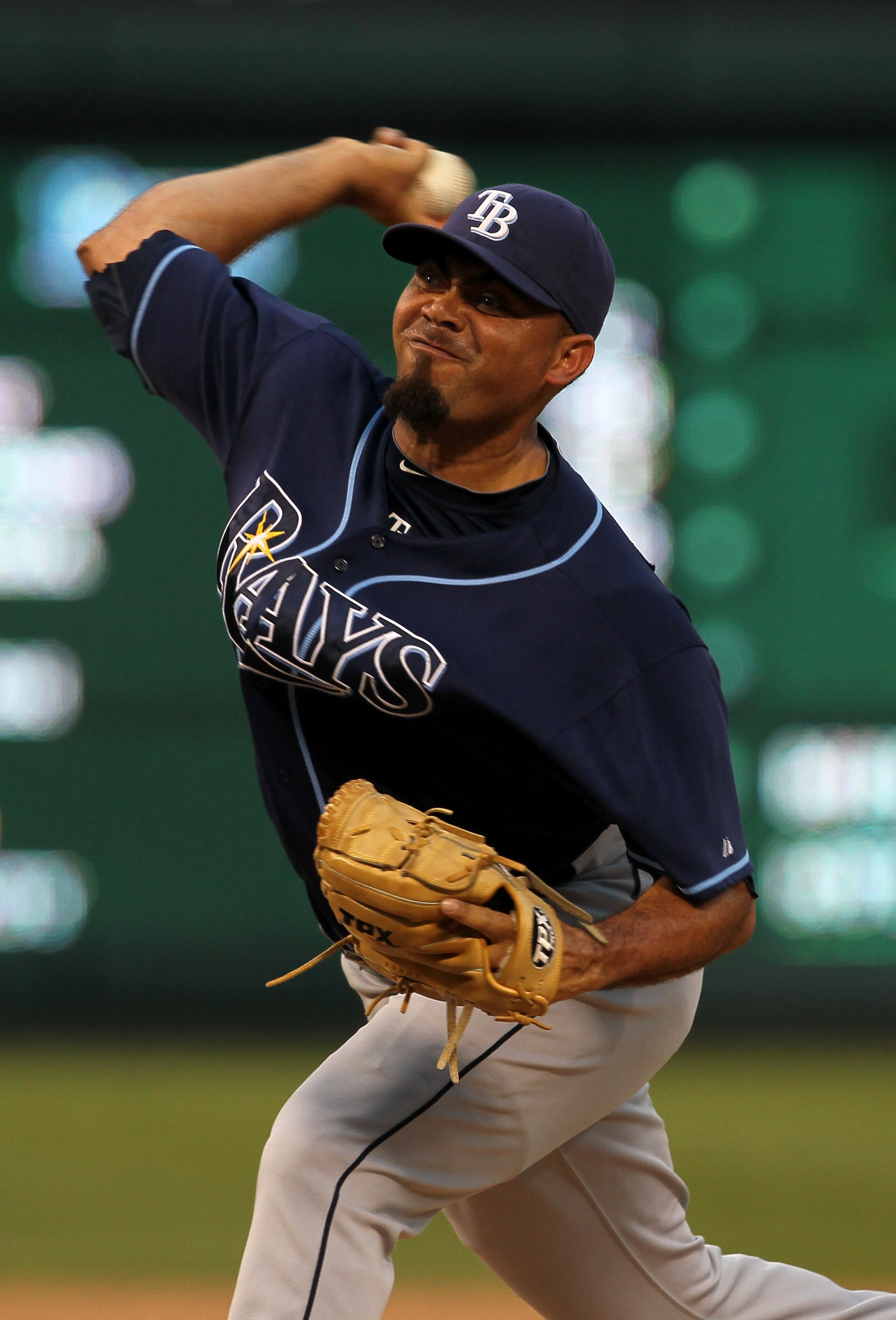
Detroit made the most surprising early Hot Stove move when they gave setup man Joaquin Benoit a three-year, $16.5 million deal, despite not being that far removed from major shoulder surgery.
Benoit enjoyed a great year in Tampa last year, but that is a mighty risky investment.
So too is the four-year $50 million deal for Victor Martinez, a great offensive player—without a position. The team also brought back Magglio Ordonez with $10 million for another year, a steep price for a player battling injuries and a loss of effectiveness in recent years.
Signing Brad Penny is a cost-conscious move that should help their rotation, but again, the big money they gave to Benoit is a questionable investment of resources.
Martinez will hit his worth early in the contract, but he has dealt with a lot of injuries due to the nature of his position—and $13 million is a lot to pay a designated hitter.
.jpg?w=2560 "Grading SNME in Atlanta 🔠")
.jpg?w=2560 "Top 10 2027 Free Agents ✍️")
.jpg?w=2560 "Giants Extend Jameis Winston")
.jpg?w=2560 "Projecting NFL Win Totals 🔮")
.jpg?w=2560 "McVay on Rams Travel Plans 🗣️")