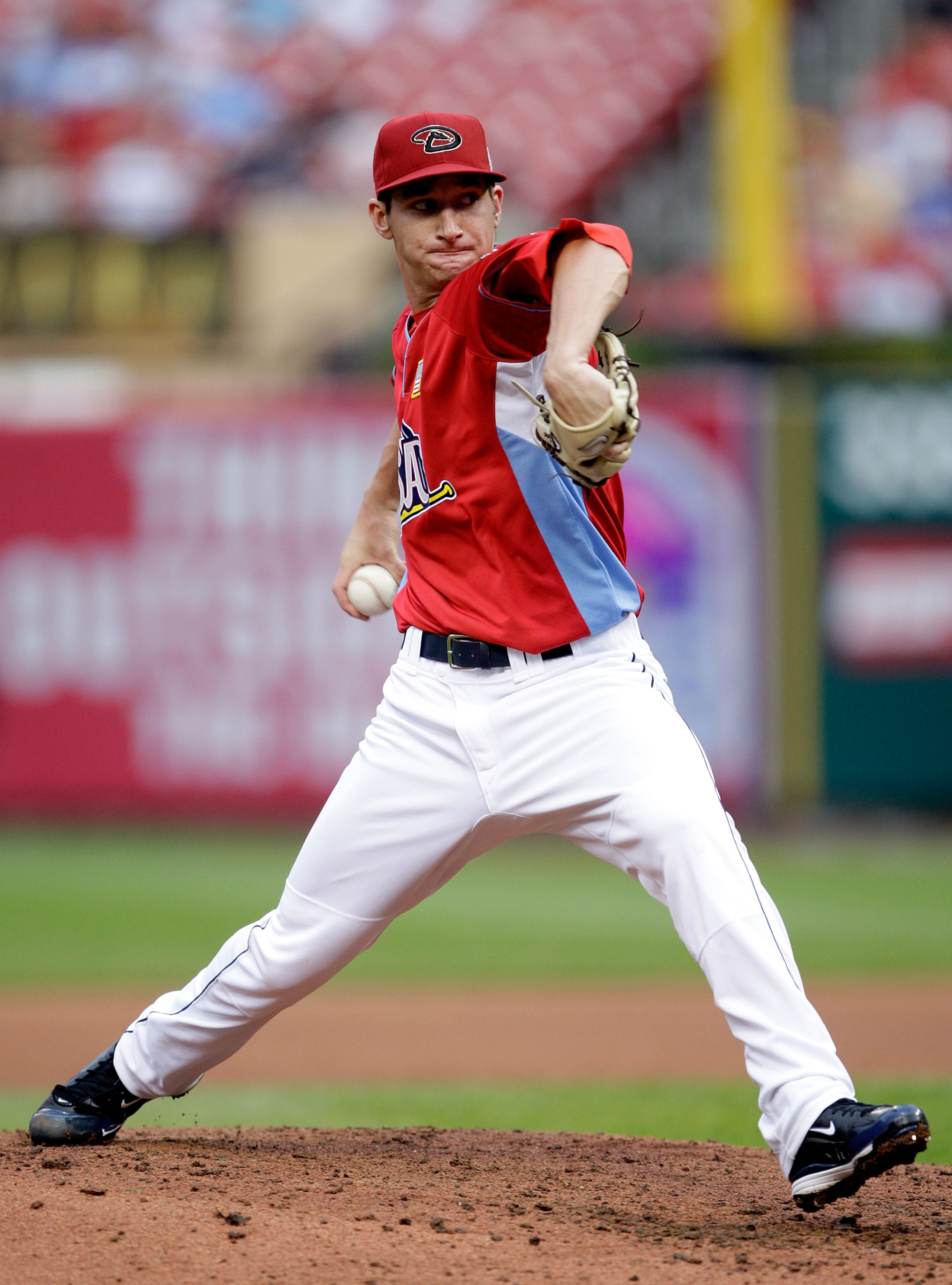

MLB Power Rankings: Brandon Belt and the Top 25 Prospects in the NL West
Few divisions in baseball have benefited as much from top-level prospects over the past few seasons.
Just take a look at the World Series champion San Francisco Giants, who were led to the title on the bat of Buster Posey and the arm of Madison Bumgarner.
Drop one rung down in the standings, and you'll find a team, the Padres, who were guided by a fantastic season by Mat Latos, who if healthy the entire 2010 season would have been worthy of some Cy Young attention.
Move on to the Rockies, and you'll find Carlos Gonzalez, a former top prospect in three different organizations and star of the Rockies 2010 season. Car-Go warranted serious MVP consideration as the Rockies made a late push for the wild-card.
Move even further down, and you'll find a Dodger's effort boosted by rookie John Ely and the usual consistent efforts from homegrown players Matt Kemp and Andre Ethier.
And last but not least, the Diamondbacks, where former top prospects Daniel Hudson and Barry Enright emerged as major pieces in Arizona's rebuilding effort.
2011 should be another banner year for the NL West in the prospect race. There are several top-notch talents ready to arrive on the scene and once again play major roles and potentially impact the pennant race.
Let's meet them, the top 25 prospects in the National League West.
25) Everett Williams, OF, San Diego Padres
1 of 25
The biggest question about Everett Williams before the 2009 draft was whether or not he would hit well enough to make up for the fact that he didn't have elite speed.
A year and a half later, the verdict is still out on Williams.
He did have a solid debut season in 2010, his first full campaign for a full-season squad, but the same problems that plagued him as a high-schooler reared their heads again. In 447 at-bats, Williams struck out an obscene 131 times, nearly 30 percent. He did hit record 25 doubles and five triples and showed some pop at opportune times, hitting five homers. He drove in 59 runs and scored 53 of his own.
In addition to the high strikeout numbers, Williams also struggled to find any consistency on the base paths. Considered to have above-average speed, he only stole 10 bases, getting caught five times. Only 15 attempts from a player who's major tool is speed. Not very promising.
There were highlights to his freshman season though. He played excellent in the field, committing only three errors in 185 total chances. And despite his high whiff rate, he managed to walk 51 times, showing he has the ability to be patient at the plate. Sometimes he's just too patient.
Despite all the negatives, Williams has some pretty high upside. His speed is good enough for 25-30 steals per season, and if he can get his bat to come around, certainly higher than his .244 average in 2010, he could be a impact player at the top of the lineup.
And with the friendly confines of Petco Park, the Padres can always use players like that.
24) Gary Brown, OF, San Francisco Giants
2 of 25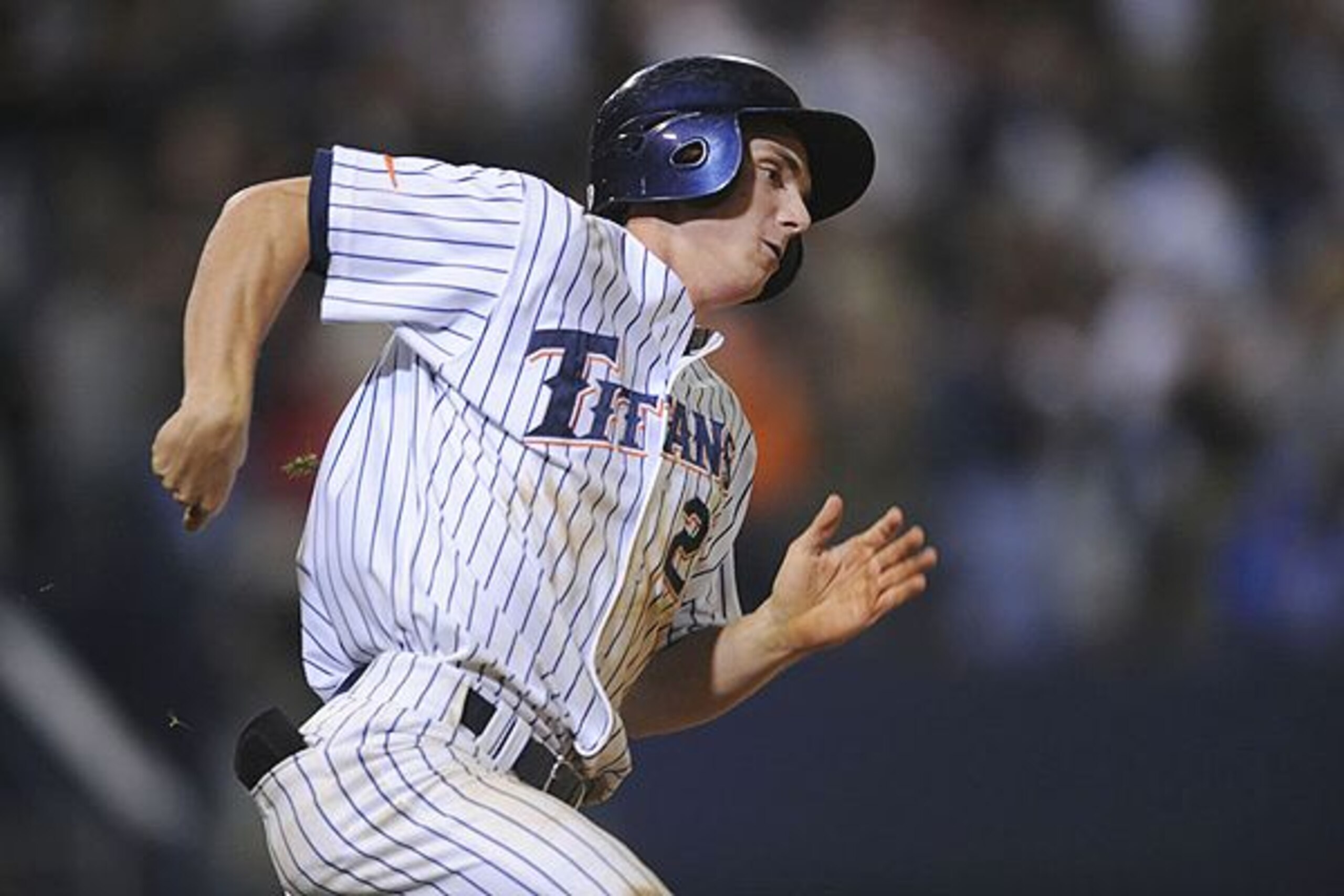
Gary Brown was somewhat of a strange pick for the Giants with the 24th overall pick in the 2010 draft.
Granted, Brown was an exceptional college player at Cal-Fullerton, but considering his ceiling is somewhat limited due to his size and lack of power, it might have made more sense for the Giants to go in another direction, like say...Anthony Ranaudo, Zack Cox, Kyle Parker, Nick Castellanos, Zach Lee or any of the other impact players who were left on the board.
So here they are with Brown.
What Brown does offer is plus, plus speed. He's a terror on the base paths, stealing 80 bases in three years at Fullerton, getting caught only 16 times.
And while he doesn't always look pretty doing it, Brown is pretty adept at getting on base. He improved his average 48 points from his freshman to sophomore year and another 98 points from his sophomore to junior season. Brown also has going for him the fact that he is almost impossible to strike out. He whiffed only 12 times his junior year as a Titan.
Brown is the ultimate lead-off guy, and despite his lack of true power, he'll emerge as one of the top prospects in San Francisco's system thanks to his hustle and baseball IQ.
23) Peter Tago, RHP, Colorado Rockies
3 of 25
Like Brown, Peter Tago is a product of the 2010 draft.
Tago is also in a similar situation to Brown, signing too late to see any playing time, which means that it will be close to nine months before we get to see him on a mound for the Rockies.
Still, the Rockies feel like they got their $983,000 worth with the six-foot-one right-hander. Tago featured one of the more electric fastballs of any high-schooler in the 2010 draft, one that can reach up to 96 mph. It sits more comfortably in the 91-94 range, but he can dial it up, especially early on.
One problem that the Rockies, as well as scouts for other teams saw in Tago, is that he tends to lose velocity as the game wears on. That could be some fault of his own 165-pound frame, so Tago will need to bulk up a bit to build his stamina.
And considering he's of Samoan descent, that shouldn't be too big of a problem.
The next thing Tago needs to work on is improving his curveball. It looks sloppy at times, and some wonder if maybe he would be better of scrapping the pitch, possibly for a slider.
His changeup also needs some work, but seeing as how his fastball was too much for most California high-schoolers to handle, he didn't really have the opportunity to use it that much.
If Tago can sharpen his command, improve his breaking pitches and build some stamina, he could find a nice home in the No. 2 or 3 spot in the Rockies future rotation.

22) Kyle Parker, OF, Colorado Rockies
4 of 25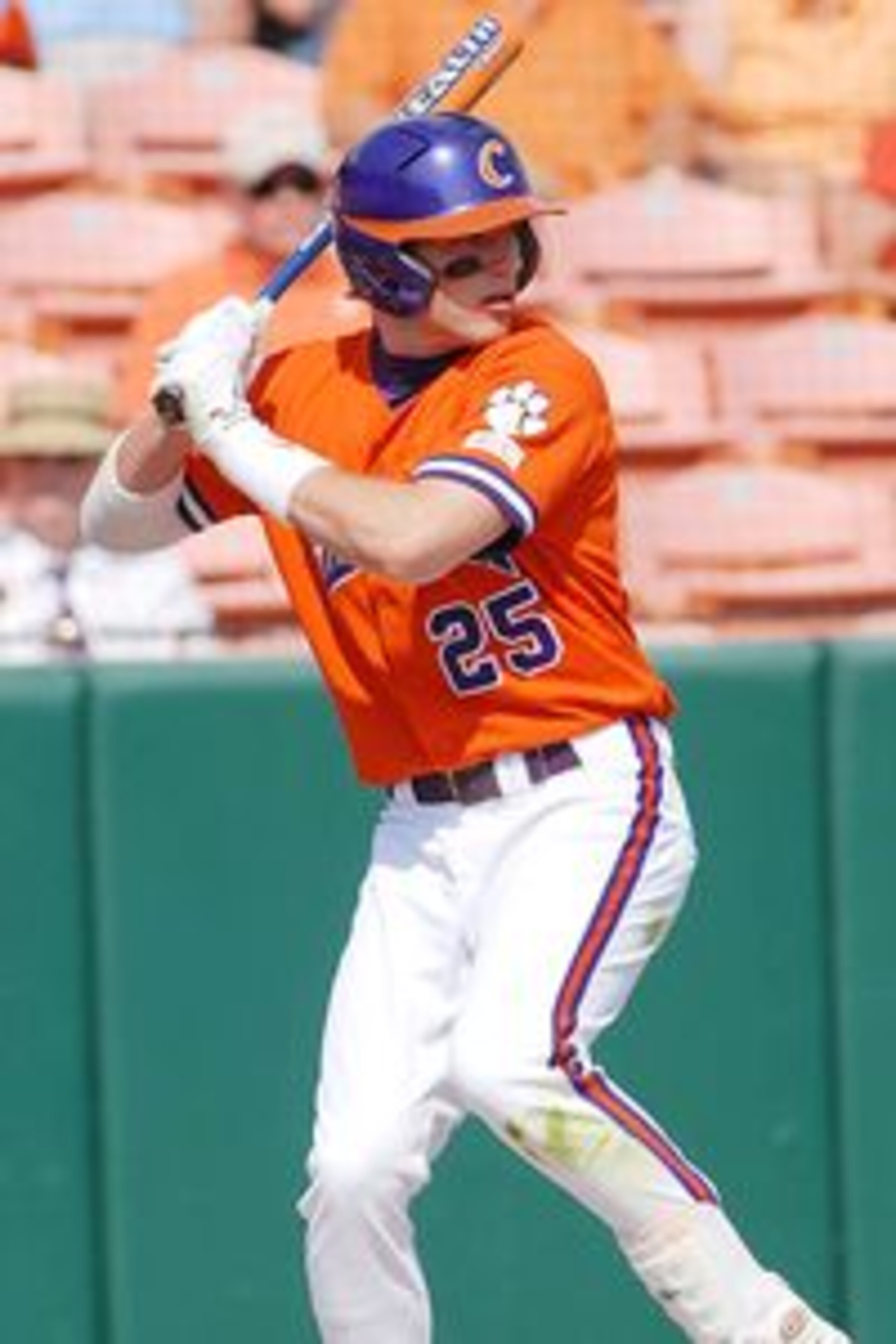
Not too many athletes can claim to ever have found themselves in the unlikely position that Parker did during the summer of 2010.
The Clemson two-sport star not only played a major role in getting the Tigers to the CWS as a power-hitting outfielder in the spring, but he also guided the Tigers football squad to a 9-5 record, the ACC Atlantic crown and a Music City Bowl victory over Kentucky the previous fall. As a result of his performances on both fields, Parker emerged as a legitimate top-three rounds talent on the baseball end, while his football prospects also seemed limitless.
The Rockies only complicated the situation when they selected Parker 26th overall in the first-round.
Luckily both sides were able to negotiate a deal that allowed Parker to return to Clemson for his junior and even possibly his senior seasons. The catch was that for every season he returns to quarterback the Tigers, he loses out on more bonus money. And after this past season's debacle, which included a heart-breaking loss to eventual champion Auburn, a 6-7 overall record and a few broken ribs for Parker in the Car Care Bowl, he's finally ready to commit to baseball full time.
Which is great, because while he's one heck of an athlete who can steal a few bags when he needs to, it's Parker's pure raw power that sets him apart as a prospect. He became the first college athlete in recorded history to hit 20 home runs and pass for 20 touchdowns. And he managed to hit those 20+ bombs after a grueling football season.
Parker is a natural fit for right field with a good arm, obviously. He should fit in nicely in Colorado's system, and should be one of the more interesting prospects to keep an eye on once he sets foot on the diamond.
21) Reymond Fuentes, OF, San Diego Padres
5 of 25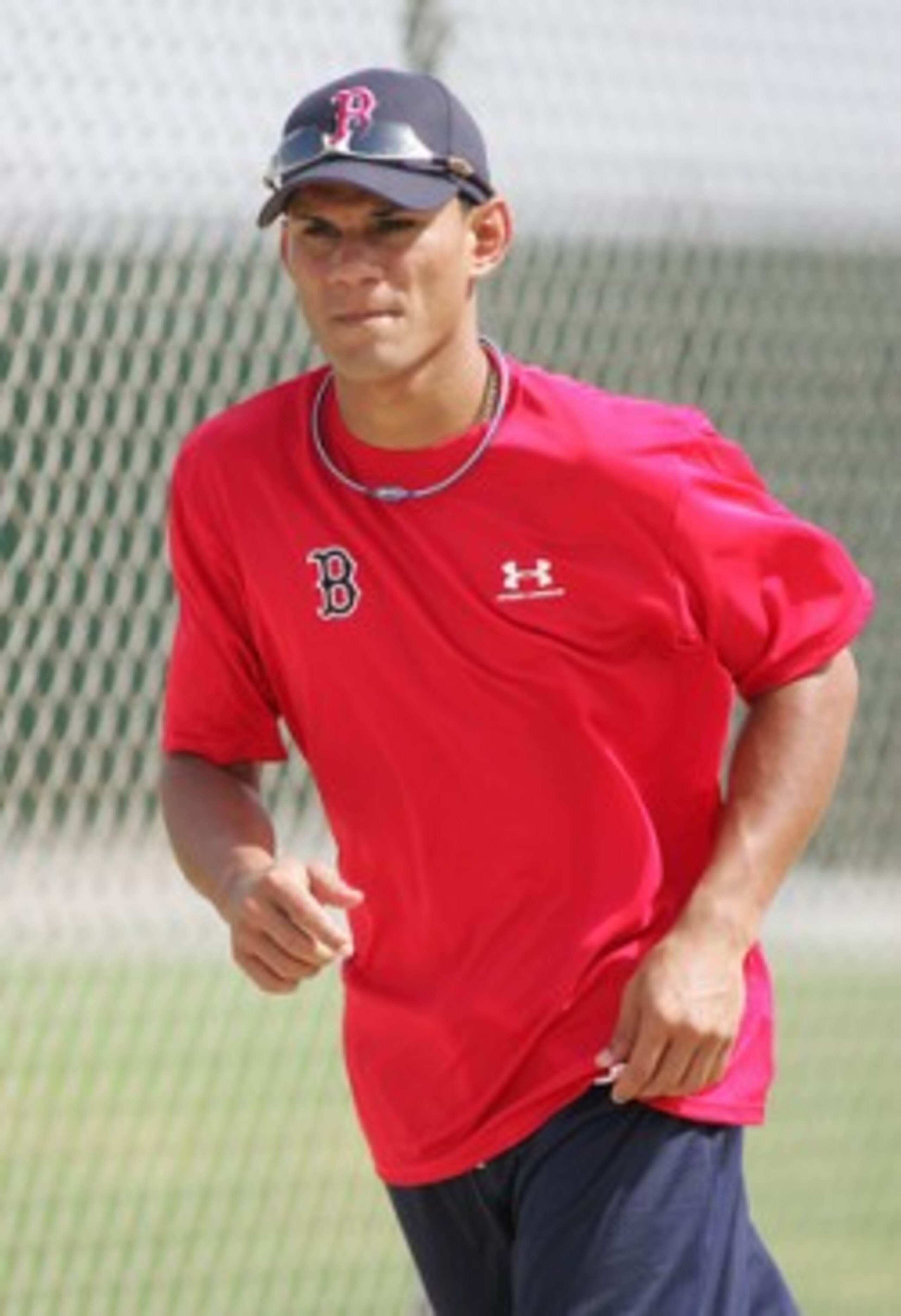
Fuentes was somewhat of a surprise pick when the Red Sox selected him 28th overall in 2009. The speedy outfielder became only the sixth Puerto Rican ever drafted in the first round.
Since then, Fuentes has fulfilled the promise that the Sox saw in him. In his rookie ball debut, he hit .290 in 40 games with 16 runs scored, 14 RBI and nine steals.
The Sox sent Fuentes to Low-A ball in 2010, where he held his own as a 19-year-old, hitting .270 with 15 doubles, five triples, five homers and 41 RBI. He was a beast on the base paths, swiping 42 bases, getting caught only five times.
After an impressive season that saw him jump near the top of the Sox prospect chart, the team dealt him to San Diego along with Casey Kelly and Anthony Rizzo to acquire Adrian Gonzalez.
Any flaws Fuentes displayed were minor in comparison to his pluses. He profiles as a typical lead-off hitter, with plus-plus speed and a pretty seasoned bat. In the field, he is a sensational athlete, with excellent range and a great arm.
Fuentes certainly has the bloodlines to succeed. He's a cousin of Carlos Beltran, and he's often been compared to Johnny Damon and Jacoby Ellsbury.
He has the potential to be a starting center-fielder and impact bat at the top of the order.
20) Francisco Peguero, OF, San Francisco Giants
6 of 25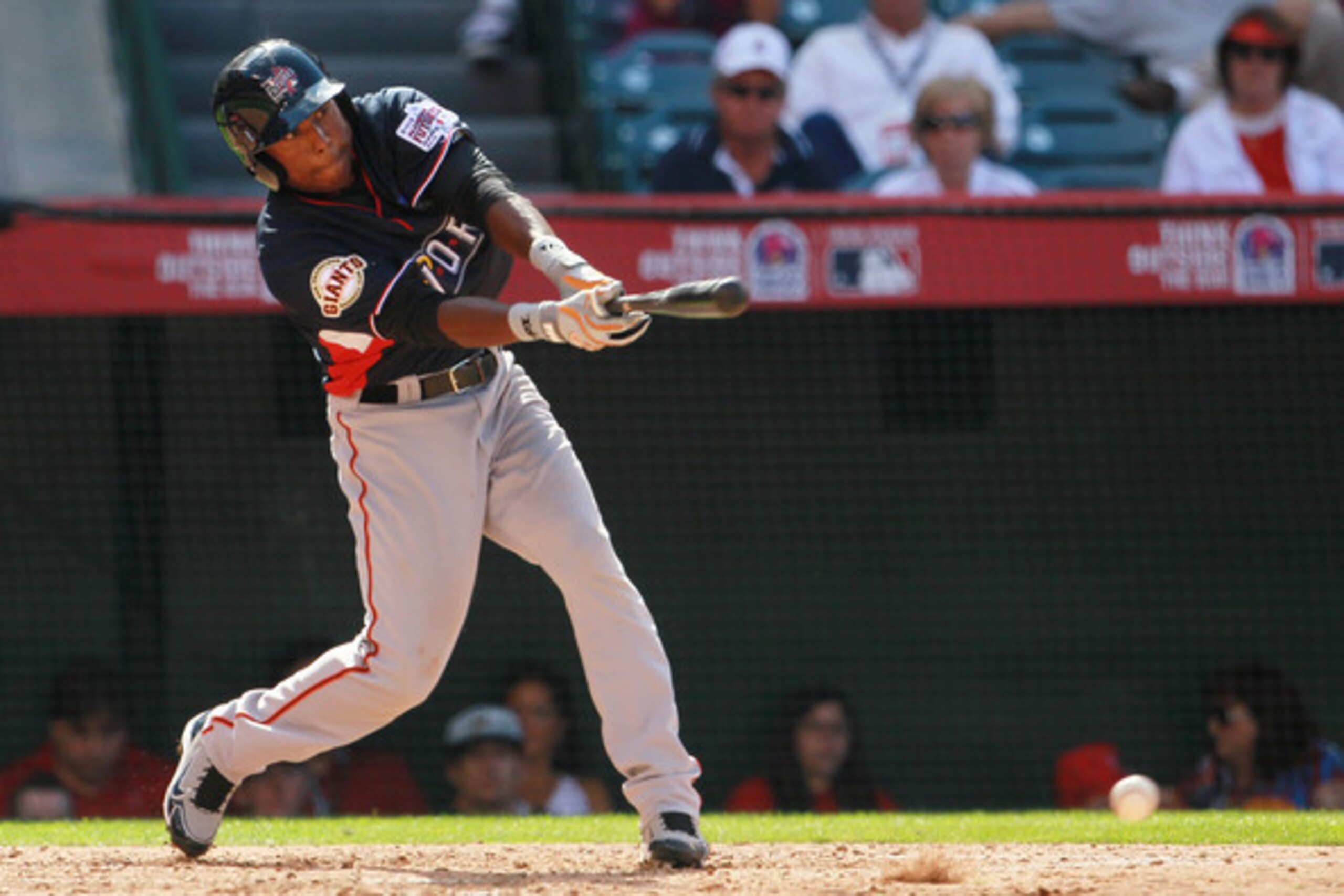
Few players in minor league baseball are as exciting to watch as Peguero.
Combining great speed with a great bat and excellent defensive ability, the 22-year-old has his sights set on the Giants long-term center-field position.
He's shown an impressive bat, often compared to fellow Giant Pablo Sandoval and has hit every where he's been.
His first foray into full-season ball saw him hit .285 with 13 doubles, eight triples, four homers and 43 RBI. He scored 56 runs of his own and stole 25 bases.
The next season, he was at his best hitting .353 between two levels. He recorded three more RBI in 25 fewer games than the previous season and stole 22 bases. His 2009 season ended with a promotion to High-A San Jose for the playoffs and Peguero winning the playoff MVP honors.
In San Jose full time for the 2010 season, Peguero hit .329 in 122 games. He set career highs in every offensive category, including doubles (19), triples (16), home runs (10) and RBI (77). He also swiped 40 bases and managed to slice his strikeout rate for the second consecutive season.
In addition to his seasoned bat and excellent range in the outfield, Peguero also has a cannon for an arm, and as his 2010 season showed, he has a chance for at least average power.
Peguero is easily one of the best hitters in San Fran's system, and he should continue to shoot his way through the system, with some experts predicting an ETA in the majors of late 2011.
19) Chris Withrow, RHP, Los Angeles Dodgers
7 of 25
Chris Withrow, a first-round pick in 2007, has struggled to develop as quickly as the Dodgers had hoped, but that hasn't stopped him from working his way to Double-A in only two full seasons.
The 2010 season saw the bottom drop out for Withrow. After struggling with his command in 2009, he walked batters at a higher rate than ever before (4.8 per nine innings), and surrendered 13 home runs. And unlike 2009, he was unable to maintain a decent ERA, which spiraled out of control to 5.97, just another home run away from 6.00.
On the plus side, Withrow did manage to stay healthy, even if the results were subpar, and he is still a fantastic prospect with tons of upside.
At six-foot-three, 195 lbs, he has the perfect pitcher's frame, and with a mid-to-high 90s fastball that touches 99 mph, and two other pitches that have above-average potential. The first is his curveball, which he has pretty good command of and can throw for strikes in any count. His changeup is still a work in progress, and he threw it a lot in 2010, which should help his development in the long-term.
Withrow is only 21 years old (turning 22 in April), and even though he may begin 2011 back in Double-A, he should at least reach Triple-A sometime this season, giving the Dodgers another home-grown arm knocking on the door, looking to join Chad Billingsley and Clayton Kershaw.
Withrow's ceiling is as a No. 2 or no. 3 starter.
18) Anthony Rizzo, 1B, San Diego Padres
8 of 25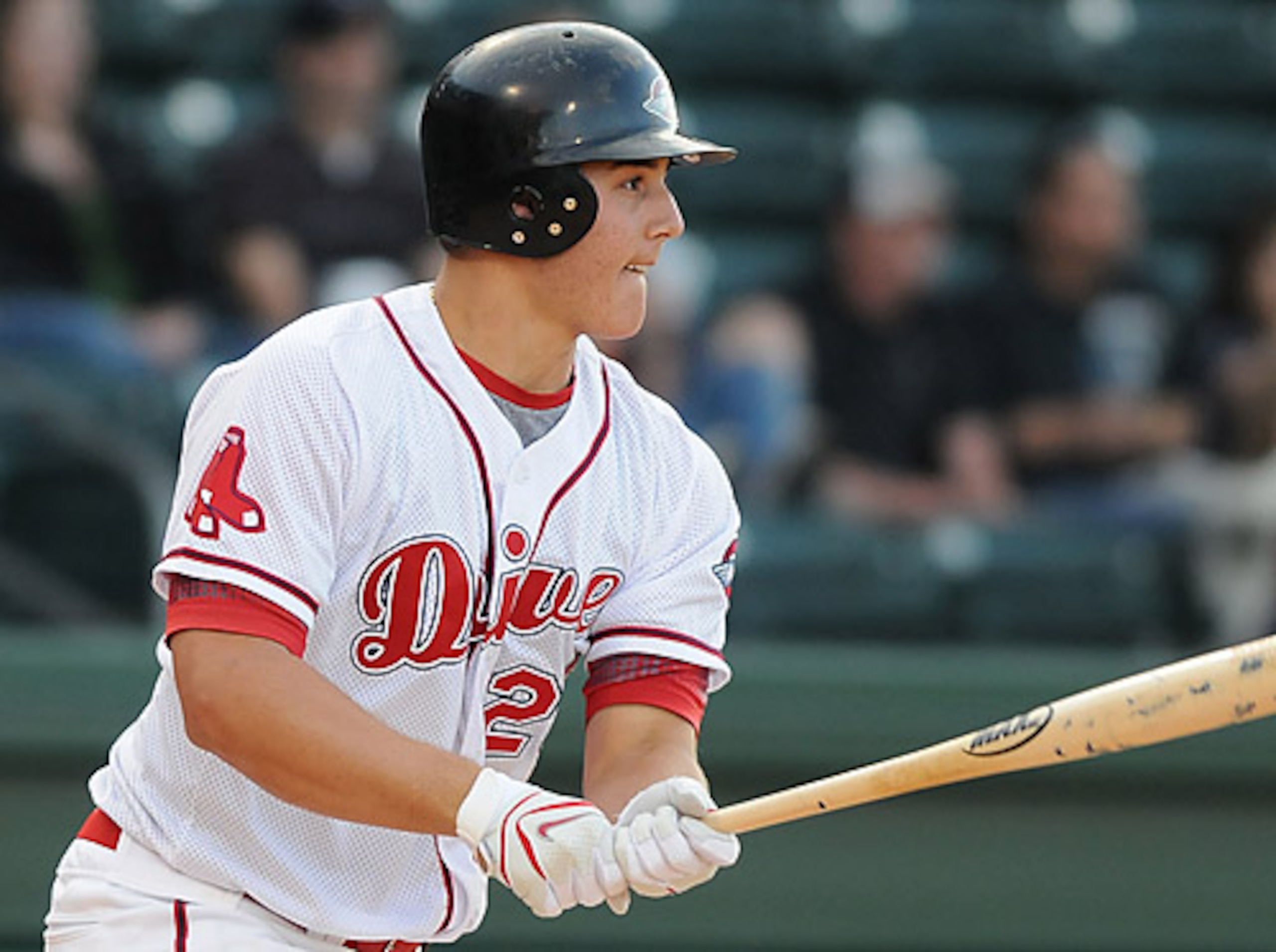
Rizzo has been through enough that scathing reviews on his bat and the supposed holes in it aren't going to do too much to dim his confidence.
The 21-year-old was diagnosed with lymphoma in mid-2008, endured chemotherapy and was declared cancer free in late 2008.
The next season, Rizzo declared he was healthy with his bat. He hit .297 with 12 homers and 66 RBI and 37 doubles. In addition, he showed an impressive eye at the plate, garnering an impressive number of walks.
His 2010 season was excellent, and Rizzo emerged as one of the top bats in Boston's system. His average dropped to .260, but he still hit 25 homers and drove in 100 runs, scoring 92 of his own. He rapped 42 doubles and even managed to swipe 10 bases. His strikeout numbers jumped, but he also upped his walk total.
In addition to his solid bat and above-average power, Rizzo is also a whiz defensively. Two years in a row he has been rated as his league's best defensive first-baseman by Baseball America, and he shows really soft hands and a strong arm.
Rizzo did most of his damage at Double-A in 2010, so he should be primed for a chance at Triple-A in 2011, when he'll be making his debut with his new organization, the Padres, who dealt for him, Casey Kelly and Reymond Fuentes late in 2010 in a swap for Adrian Gonzalez, who's hole Rizzo might have a chance to fill as early as 2011.
17) Jerry Sands, 1B/OF, Los Angeles Dodgers
9 of 25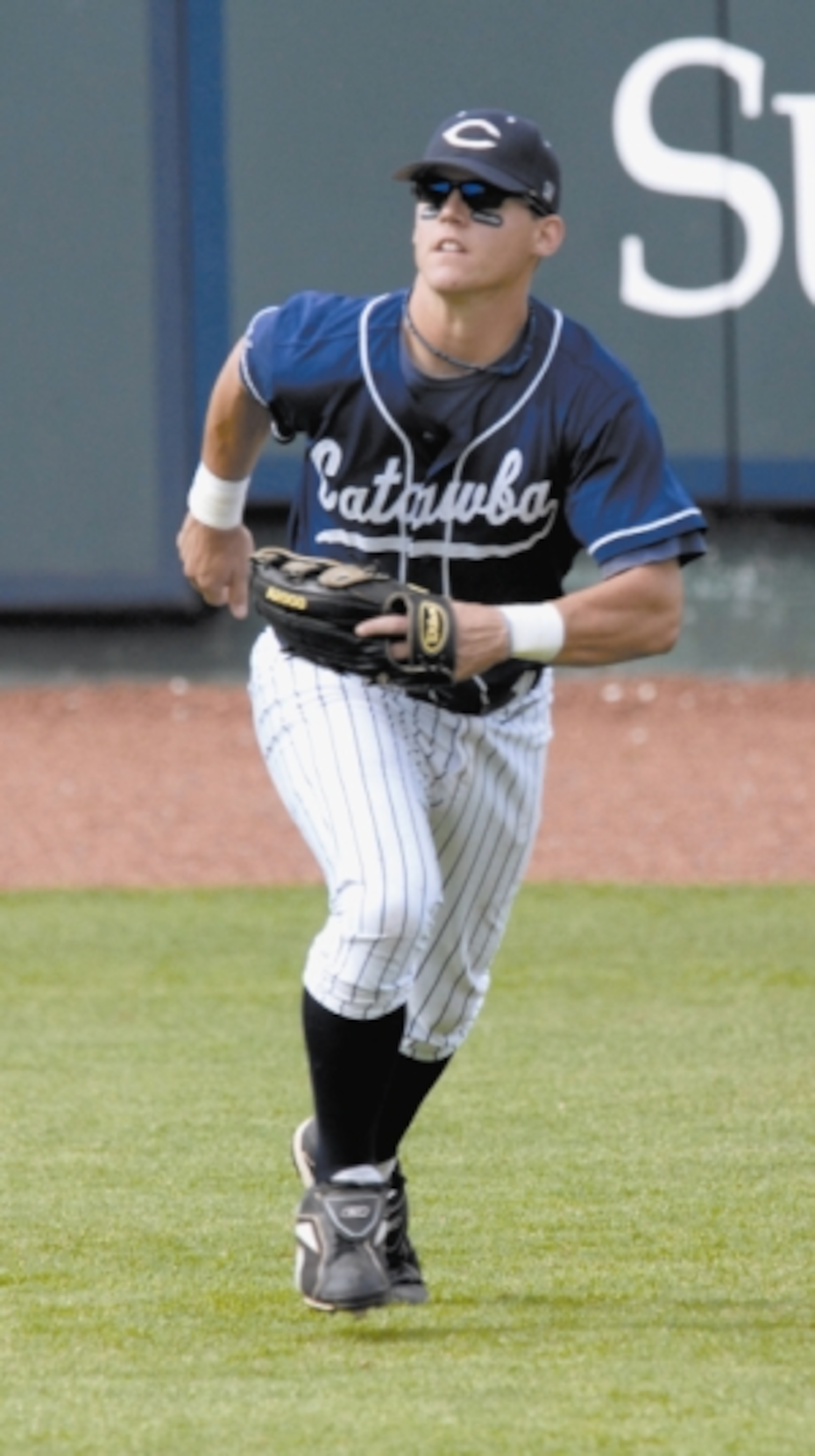
Sands, a 2008 25th-round draft pick has a lot of things going for him.
First, he's a pretty big dude. He's six-foot-four and weighs close to 230 lbs and definitely looks the part of a slugging first-baseman.
Second, he has as much raw power as anyone in the minors. Seriously.
Sands took out his late-round aggression on Low-A and Double-A pitchers this past season, swatting 35 home runs, driving in 93 runs. The 22-year-old began the season at Great Lakes and crushed opposing pitching to the tune of a .333 average with 18 homers and 46 RBI in only 69 games.
Since he was a bit old for the competition, the Dodgers aggressively promoted Sands, past High-A to Double-A Chattanooga. He didn't miss a beat, swatting 17 more homers, driving in 47 more runs and posting a .270 average. For the season, he finished hitting .301.
There are also a few things Sands, a Catawba College alum, has going against him.
First, he strikes out a lot. The same is true of most power hitters, even those at the big-league level. The hope is that as Sands rises through the ranks (eventually culminating with an ascension to L.A.), he is able to use a more discerning eye at the plate.
Second, Sands has no true position. He played at least 34 games at three different positions in 2010: right field, left field and first base. And while he didn't play terribly at any, he didn't look great enough to lock down any one position long-term.
If Sands can cut down on the strikeouts and keep slugging at this pace, he should be in L.A. in no time, even if the Dodgers can't find a position-home for him.
16) James Darnell, 3B, San Diego Padres
10 of 25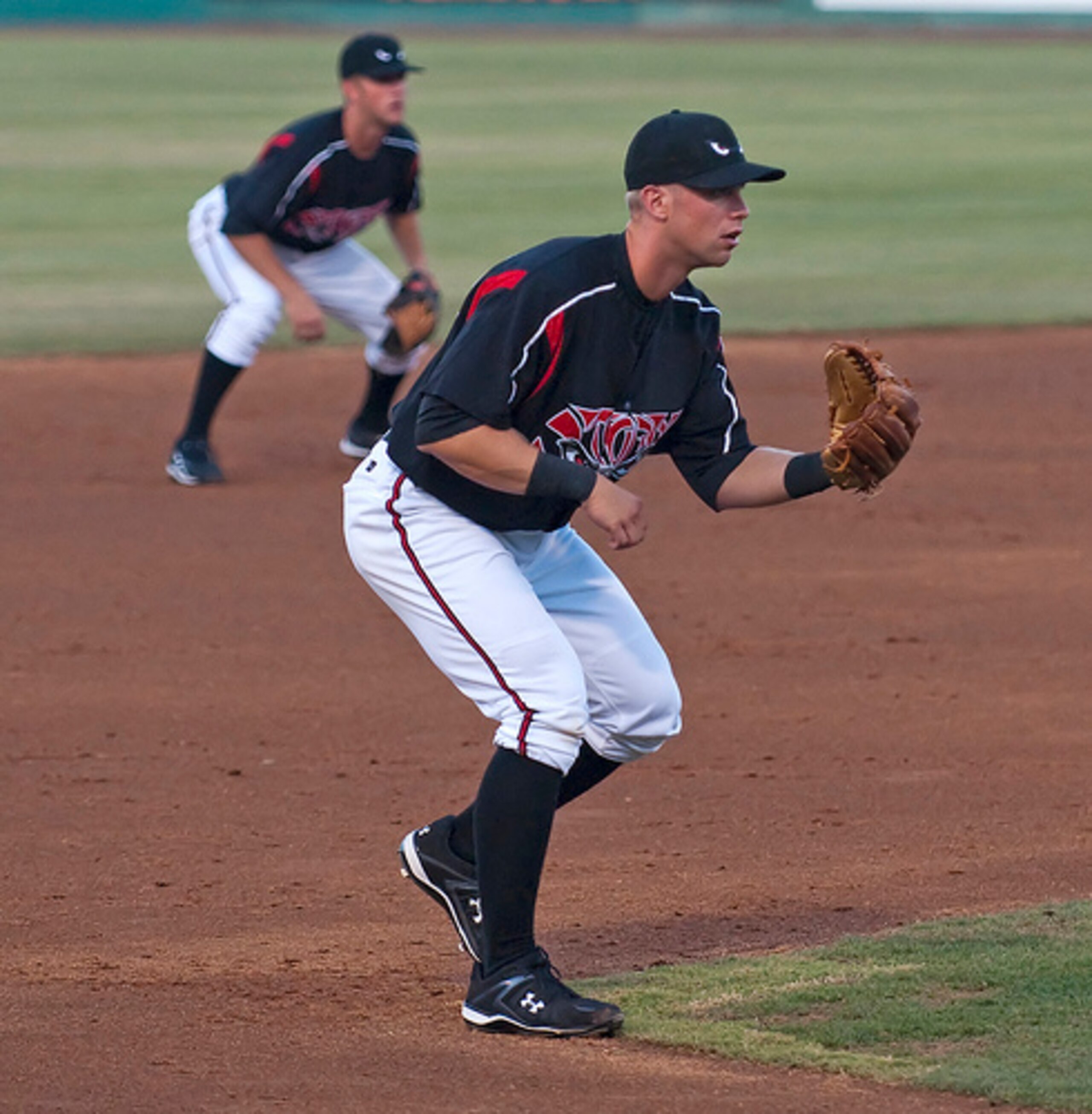
For a college player, Darnell has moved through the minors just about as quickly as is possible.
And while his 2010 season in no way measured up to his previous season, he still has plenty of upside and could have a long-term home at third base for the Padres.
His average dropped 40 points from his 2009 number and his hit total, doubles, home runs and RBIs dropped as well. He was facing a higher level of competition in Double-A, but Darnell has been great at adapting in his short minor leaguer career.
On the plus side, he did maintain an exceptional walk-to-strikeout ratio for the third consecutive season, meaning he was really good at maintaining his poise even when things weren't going right for him at the plate.
Even with his disappointing performance in 2010, Darnell still has a very high ceiling. He offers above-average power and has amazing bat speed. He's a good baserunner and so far, seems to be a pretty good defender at third base. And while some aren't sold on his defensive ability, Darnell did cut his errors down from 30 in 2009 to 24 last season.
Darnell should start out in Triple-A in 2011 and should challenge for a roster spot in spring training. He'll get his chance to make his debut sometime during the season, and if he shows an ability to hit for power in the big leagues he could overtake Chase Headley at third.
15) Donovan Tate, OF, San Diego Padres
11 of 25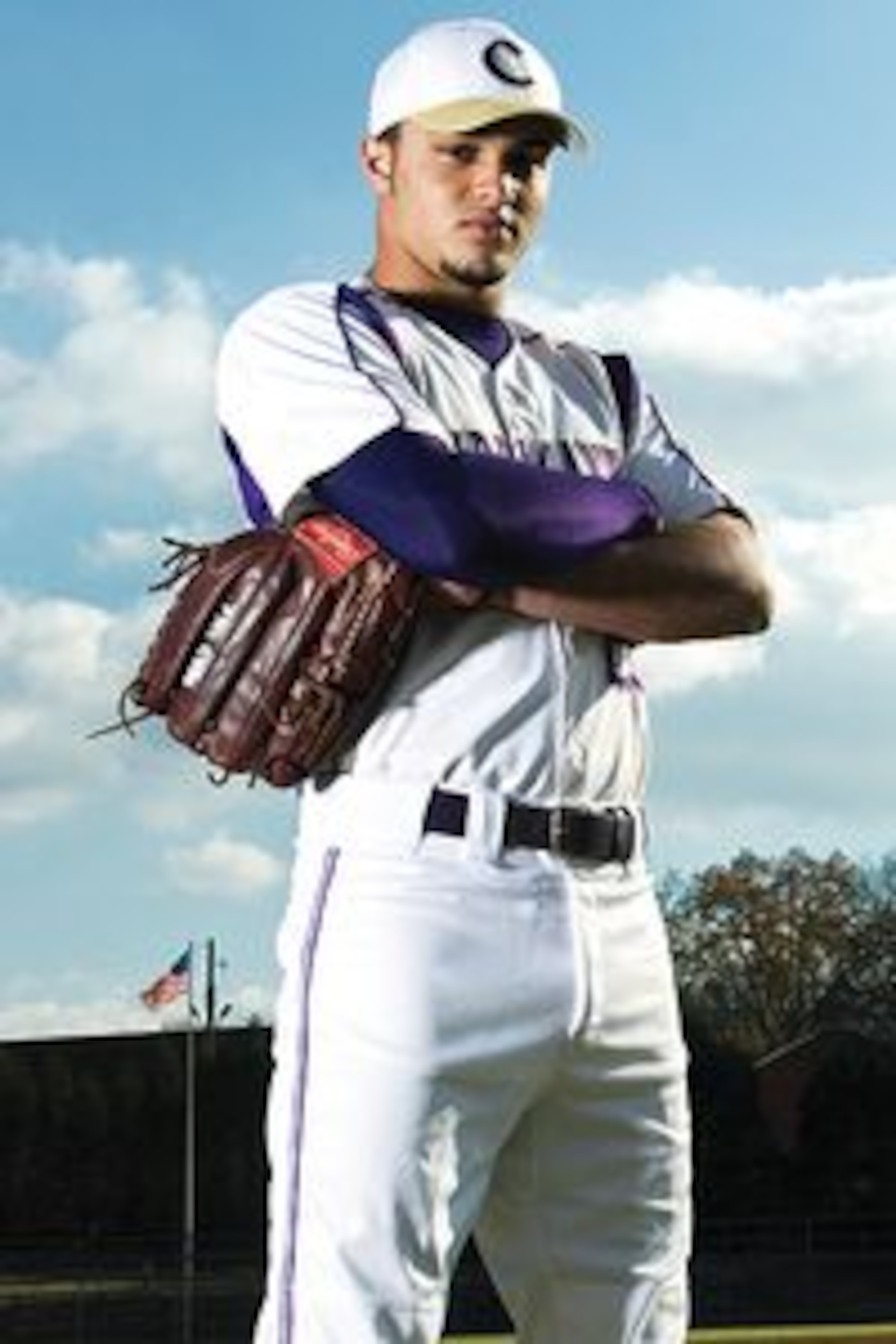
There are several reasons Donovan Tate earned a $6.2 million bonus as the third overall pick in the 2009 draft.
He was one of, if not, the best overall athlete available in that year's class. He also graded out with good speed, as a pretty good runner on the basepaths, as an above-average defender in the outfield, and as a solid hitter with the chance for above-average power.
Unfortunately, nobody has been able to get a long enough look at Tate to gauge whether or not any of these still hold true.
It's been a long, hard road for Tate to even get back on the field, much less to the status as one of the top prospects in the game. He's had to deal with multiple injuries, including a 2009 ATV accident that left him with a broken jaw.
It appears, at least for the time being, that all those are finally behind Tate. He is reportedly 100 percent healthy and looked really good during the Padres 25-day instructional league this past October. Good enough to be named the league's MVP, which is apparently enough to garner some excitement around Petco Park.
Tate will most likely start off with the Low-A Fort Wayne TinCaps (if there ever was a dumber name for a minor league team...) and while offering an unlimited ceiling, looks to be at least four-to-five years away from making it to the big leagues.
14) Nolan Arenado, 3B, Colorado Rockies
12 of 25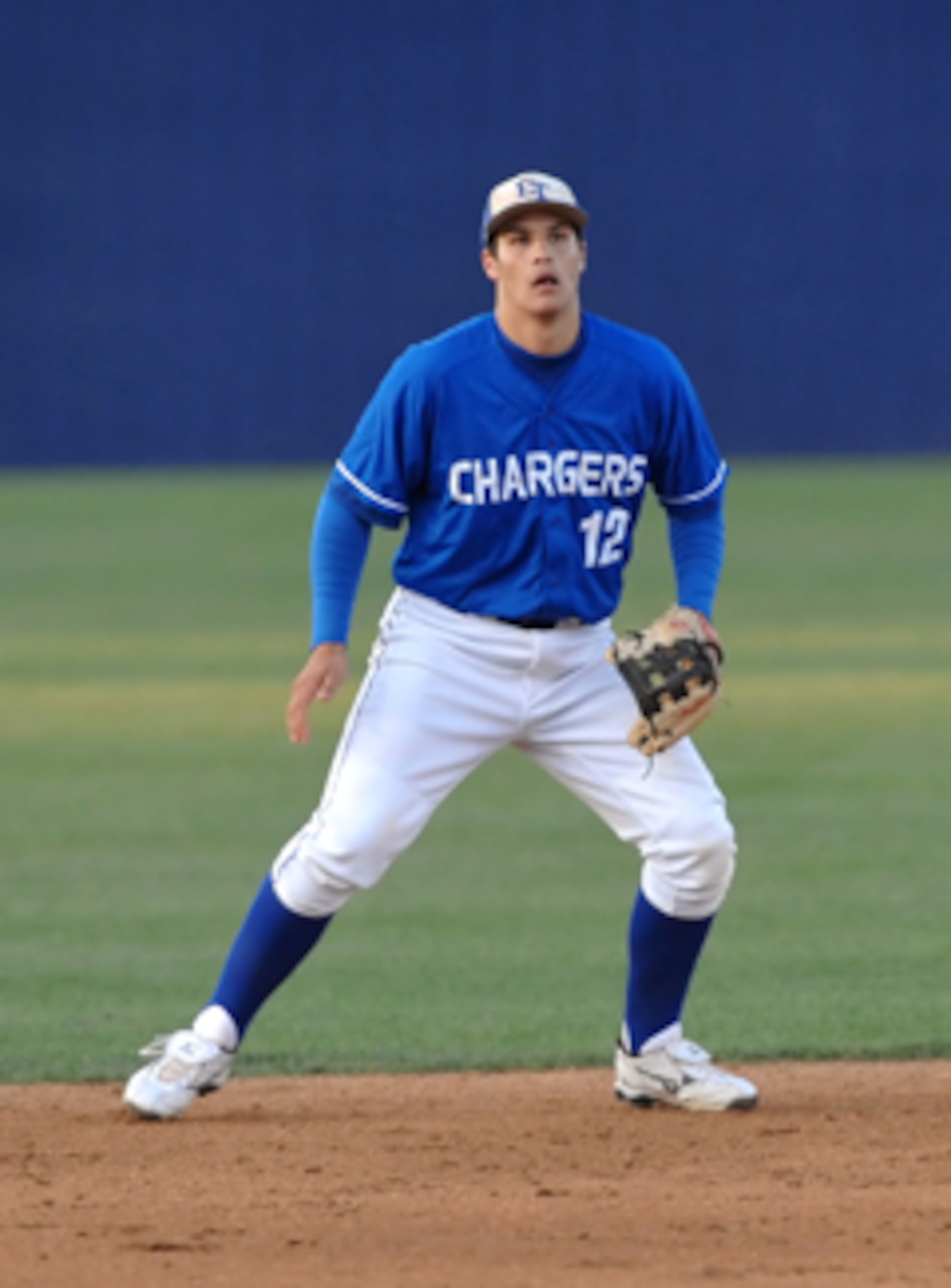
Arenado was widely praised as being one of the most polished bats in the 2009 draft and the Rockies were lucky to snag him with their second-round pick, one round after securing fellow California high-schooler Tyler Matzek.
Since signing, Arenado has displayed just about all of the positives the experts saw in him leading up to the draft.
Arenado has excellent, above-average raw power and a quick bat, capable of hitting for average. He played a lot of shortstop in high school but profiles as a third baseman long-term, and the Rockies have already moved him there.
In Arenado's rookie-ball debut, he hit an impressive .300 with 15 doubles and two homers as an 18-year-old. He posted a great 16-to-18 walk-to-strikeout ratio.
In 2010, he got his first taste of full-season ball and responded amazingly well. He maintained a great average (.308) and showed great pop (41 doubles and 12 homers). He was a great run producer (65 RBI) and he improved his defense dramatically.
Arenado will be 20 years old heading into the 2011 season, where he'll most likely start out in High-A ball, although a skip to Double-A might not be out of the question given how the slugger has performed so far.
He would make a perfect compliment to Troy Tulowitzki and would give the Rockies one of the best young left sides of the infield in baseball if he continues to develop and improve.
13) Tyler Skaggs, LHP, Arizona Diamondbacks
13 of 25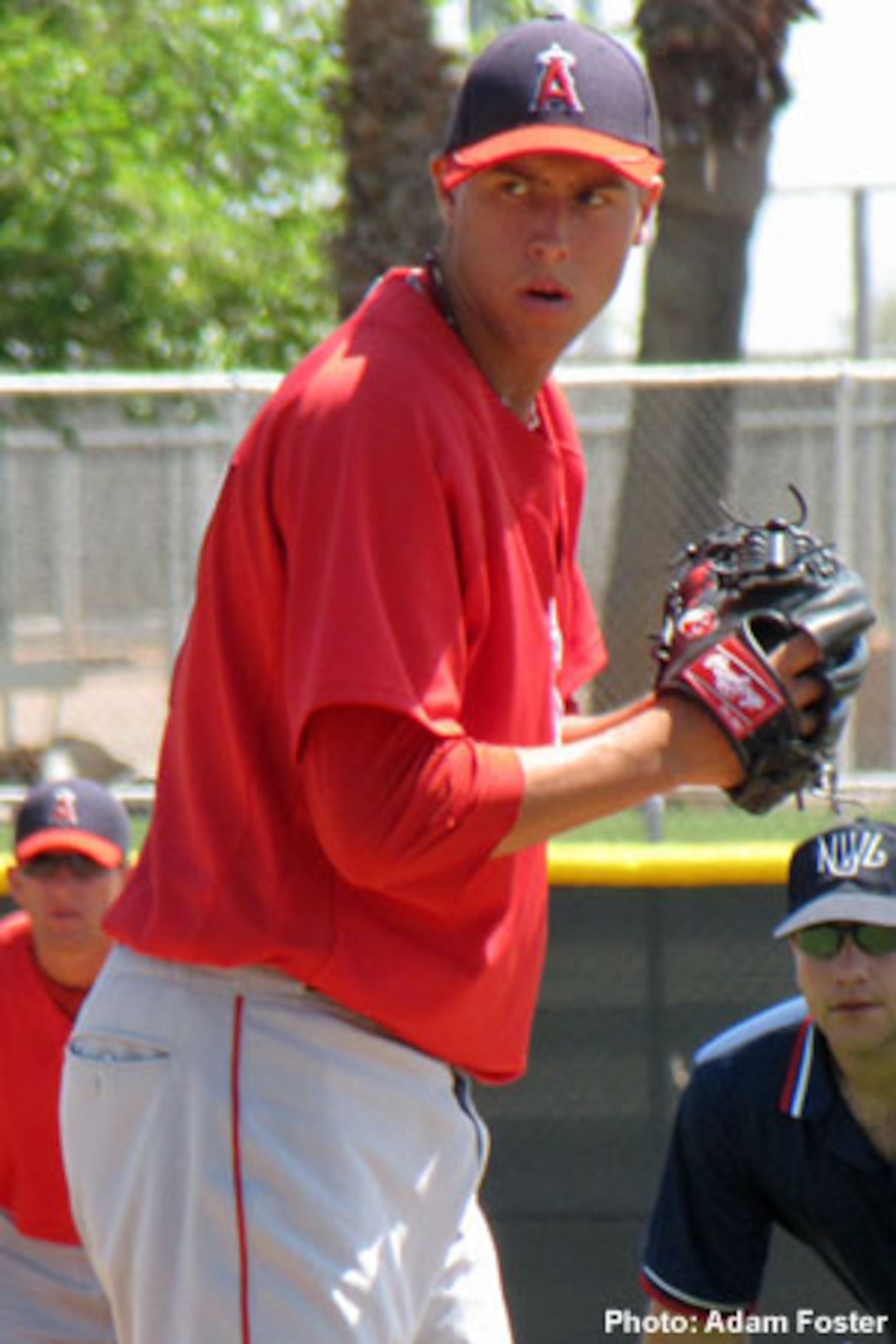
Skaggs impressed enough in the 10 innings he pitched for the Angels in 2009 for the Diamondbacks to demand he be included in the deal that sent Dan Haren to Anaheim.
Now he ranks as one of the top prospects in Arizona's system.
A lanky left-hander with at least three potential plus pitches in his arsenal, Skaggs reminds some of Orioles left-hander Brian Matusz, which bodes well for both the player and the franchise, which needs to rebuild their system on the strength of their pitching, which now includes Jarrod Parker, Dan Hudson and Barry Enright.
Skaggs had a solid 2010 season, posting a 9-5 record and a 3.29 ERA in 23 games (18 starts). He showed remarkable control with 102 strikeouts and only 25 walks in 98.1 innings.
After being traded, he pitched in four contests for the D-Backs Low-A South Bend squad and he looked as good as ever. While his innings were limited, he posted a 1.69 ERA in 16 innings, striking out 20, while walking only four batters.
Skaggs throws in the low-to-mid 90s and could stand to add some velocity as he adds some more weight to his frame. His slider is already an above-average pitch, and his curveball, while he doesn't throw it that much, isn't far behind.
The 19-year-old Skaggs should begin the 2011 season in High-A ball and should be an interesting guy to keep an eye on.
12) Brandon Belt, 1B, San Francisco Giants
14 of 25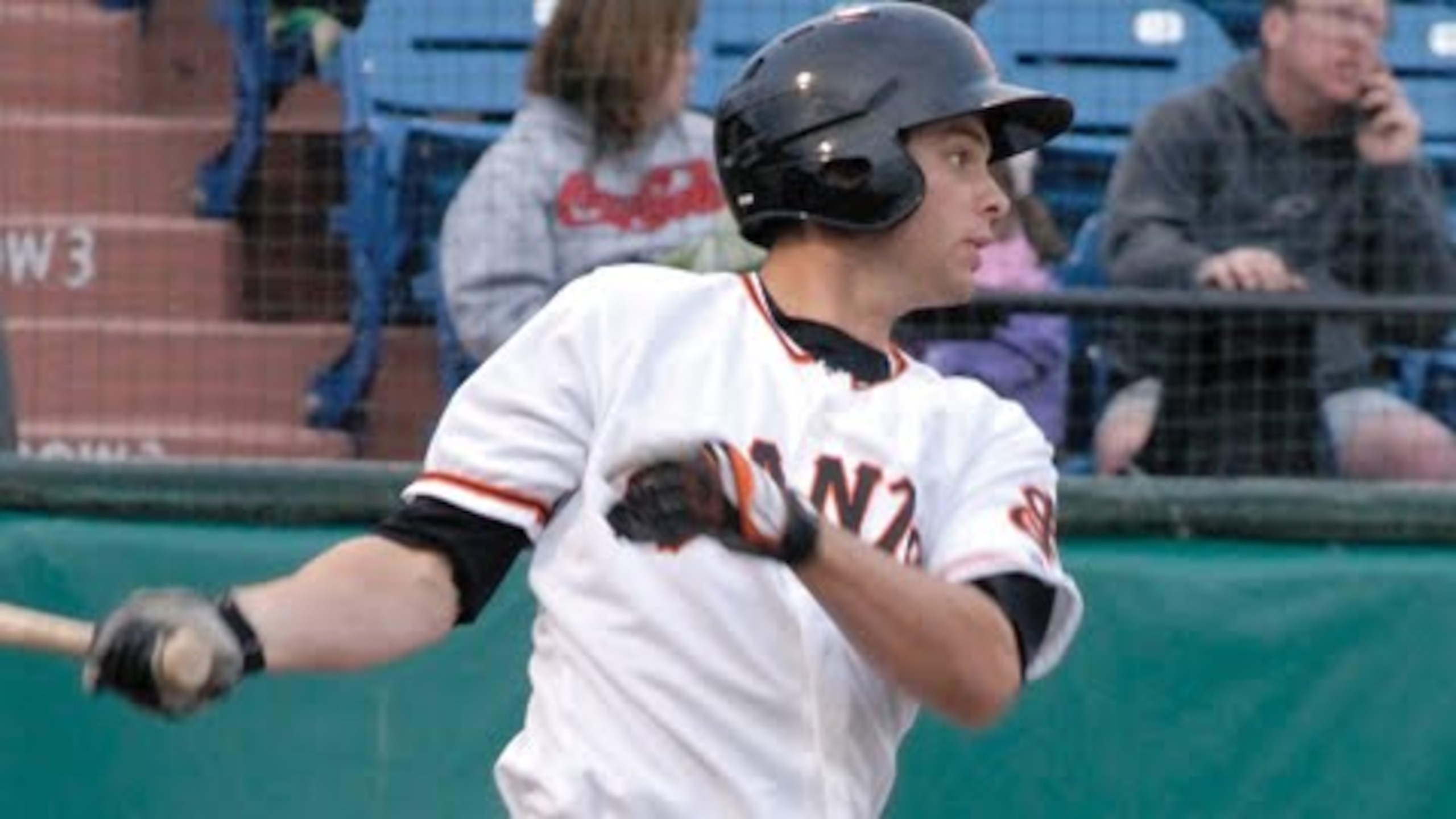
After a wildly successful college career at Texas, Belt came to the Giants via the fifth-round in the 2009 draft.
Since then, he has rocketed up the prospect charts, thanks to an impressive 2010 season, which was one of the best of any hitter in the minors.
Belt his an astounding .352 in 136 games over three levels, culminating in a 13-game tryout in Triple-A, in which he hit four homers in 41 at-bats.
He finished the season with 23 homers and 112 RBI, 22 stolen bases and a 93-to-99 walk-to-strikeout ratio.
Had the Giants left Belt in High-A ball, where he hit .383 with ten homers and 62 RBI in 77 games, Belt could have topped 30 homers and 130 RBI. Instead, the Giants decided to challenge him, and he responded in a big way.
Now, Belt is only a level away from joining the World Series champions.
Belt, who didn't rank in Baseball America's pre-season top-30 of San Fran prospects, features above-average power, a great ability to hit for average and sneaky speed. He isn't the greatest defender at first base, but he's serviceable, especially with the big bat he carries.
Belt is a shoe-in to join the Giants sometime during the 2011 season. He has nothing left to prove in the minors and should only be in Triple-A to gain a little more seasoning.
11) Zack Wheeler, RHP, San Francisco Giants
15 of 25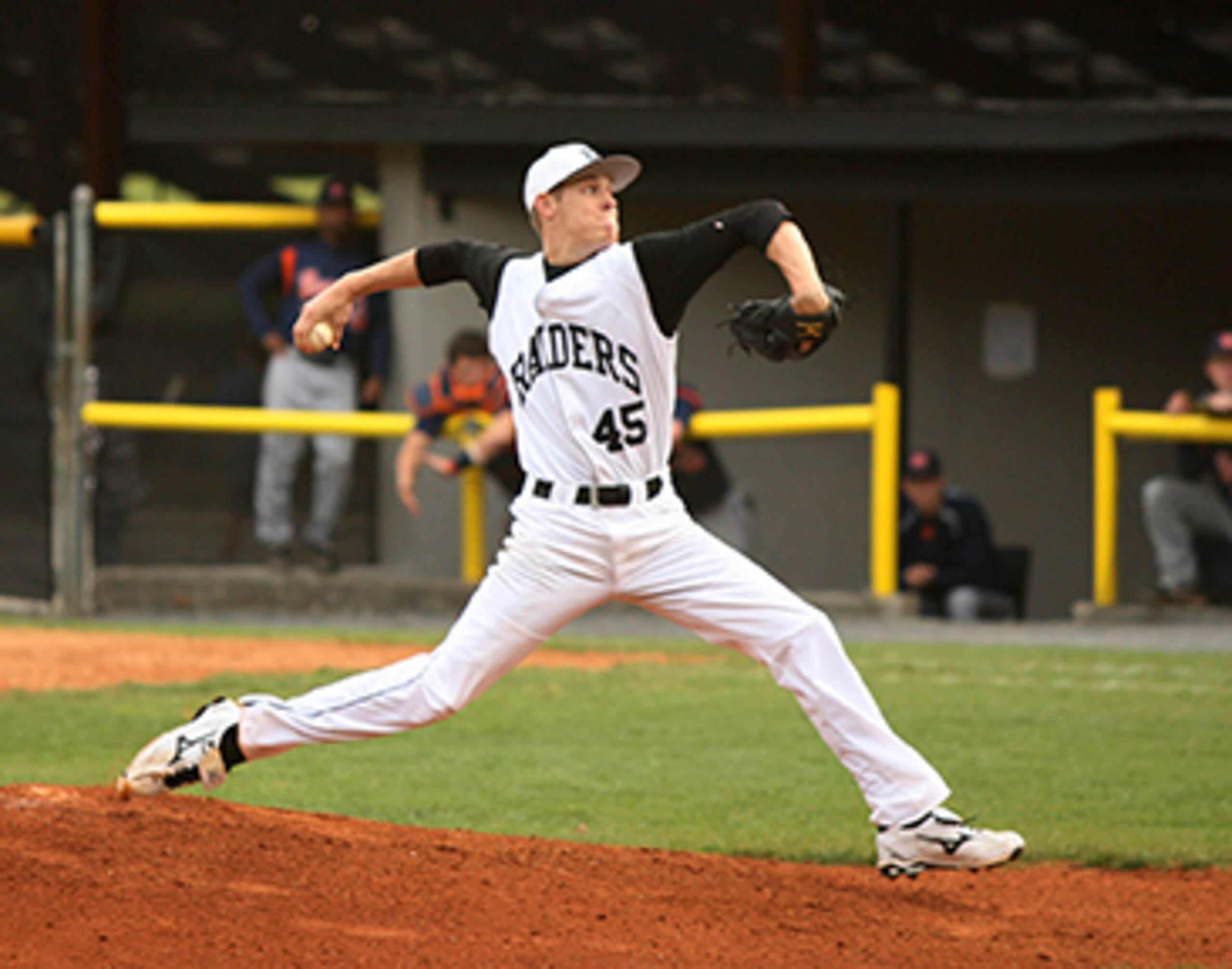
Wheeler was widely praised as having one of the best arms in the 2009 draft.
His fastball reaches the mid-to-high 90s, although he comfortably sits in the 91-94 range, which is more than good enough when you factor in his plus curveball and his improving changeup. Both pitches have the potential to develop into above-average big-league pitches.
At six-foot-four and only 170 lbs, Wheeler has a ton of projection left. He could stand to add about 30 pounds, and that could add some mph to his velocity, giving him an even higher ceiling.
Wheeler got his first professional taste for Low-A Augusta in 2010, and he responded quite well. He was a strikeout machine (70 in 58.2 innings), and while he did have some issues with his control (5.8 walks per nine innings) he managed to keep runners on base, and he didn't surrender a home run the entire season.
He wasn't given the opportunity to pitch without a pitch or inning limit, so it still stands to be seen how effective Wheeler will be late into games, but from what has been seen of him so far, he still projects as a top-of-the-rotation starter, something the Giants big-league rotation is chalk full of.
Wheeler is far enough away from the big-leagues that he could slot in as a replacement to either Lincecum or Cain, whenever one, or both, becomes too expensive to hang on to.
10) Casey Kelly, RHP, San Diego Padres
16 of 25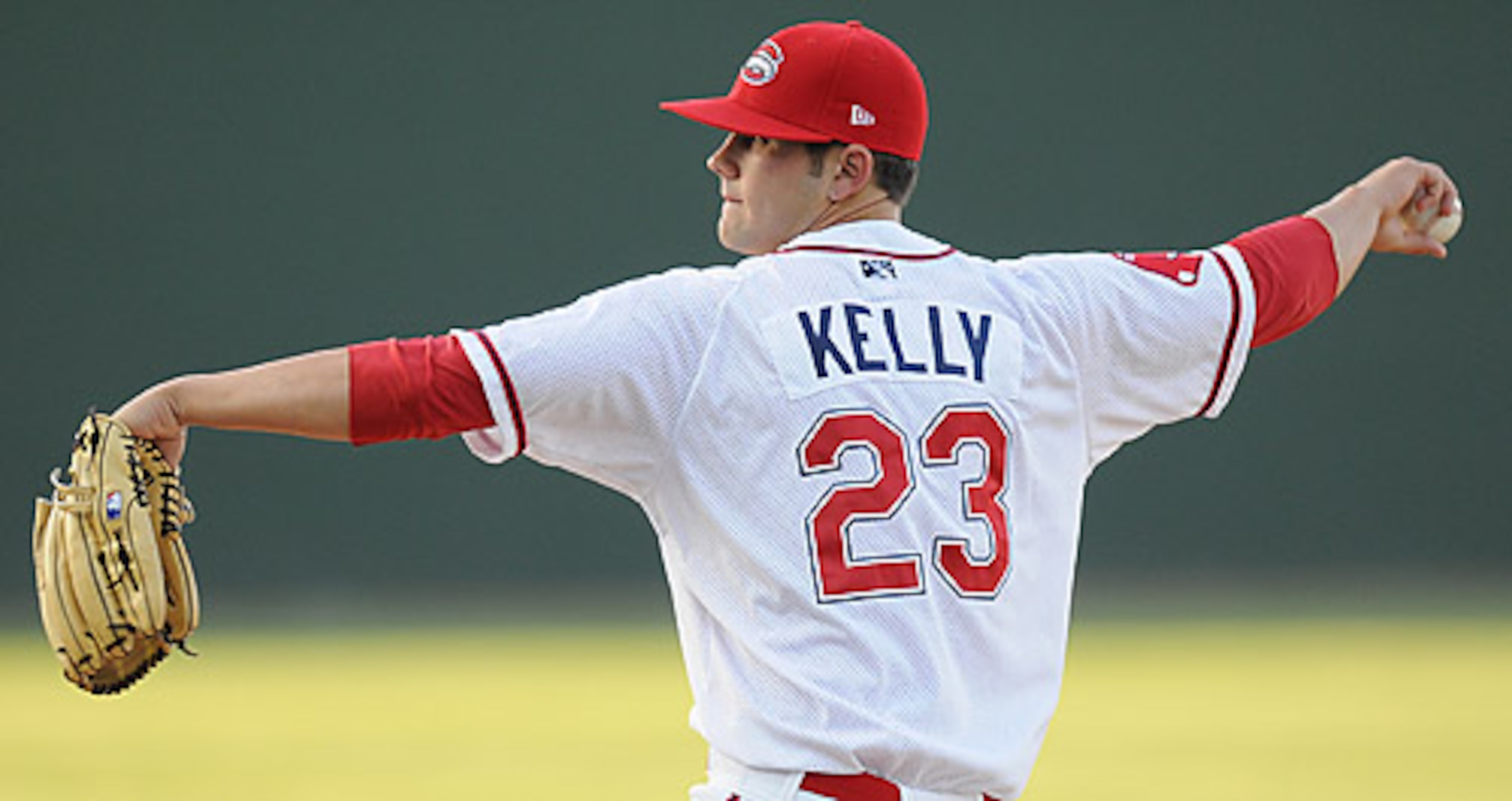
Casey Kelly was such a talented, polished two-way star during high-school that the Red Sox, of all teams, actually let him try his hand at both positions (shortstop and starting pitcher) during his first season with the club.
They must have known what we all now know and what it took Kelly only 292 at-bats to discover. His future is on the mound.
Kelly is no longer a member of the Boston organization and was the prime piece of the trade that sent Adrian Gonzalez to the Red Sox. He immediately became one of the Padres top prospects and should be a perfect fit for the friendly confines of Petco Park for years to come.
Kelly struggled in 2010, posting a 5.31 ERA and surrendering 10 home runs in 95 innings, but he continued to grind and pitched much better than any of his final numbers indicated.
Most importantly, he continued to flash his low-to-mid 90s fastball, his impressive hard-breaking curveball, and an improving changeup. Each pitch has the potential to be plus-plus, as they say in the scouting biz.
Best of all, Kelly still has some room to grow, meaning his frame could support a few extra ticks on the radar gun.
He's also never really had any issues with his control, and walks have never been a problem, so Kelly should be a safe bet to at least develop into at least a middle-rotation starter.
9) Zach Lee, RHP, Los Angeles Dodgers
17 of 25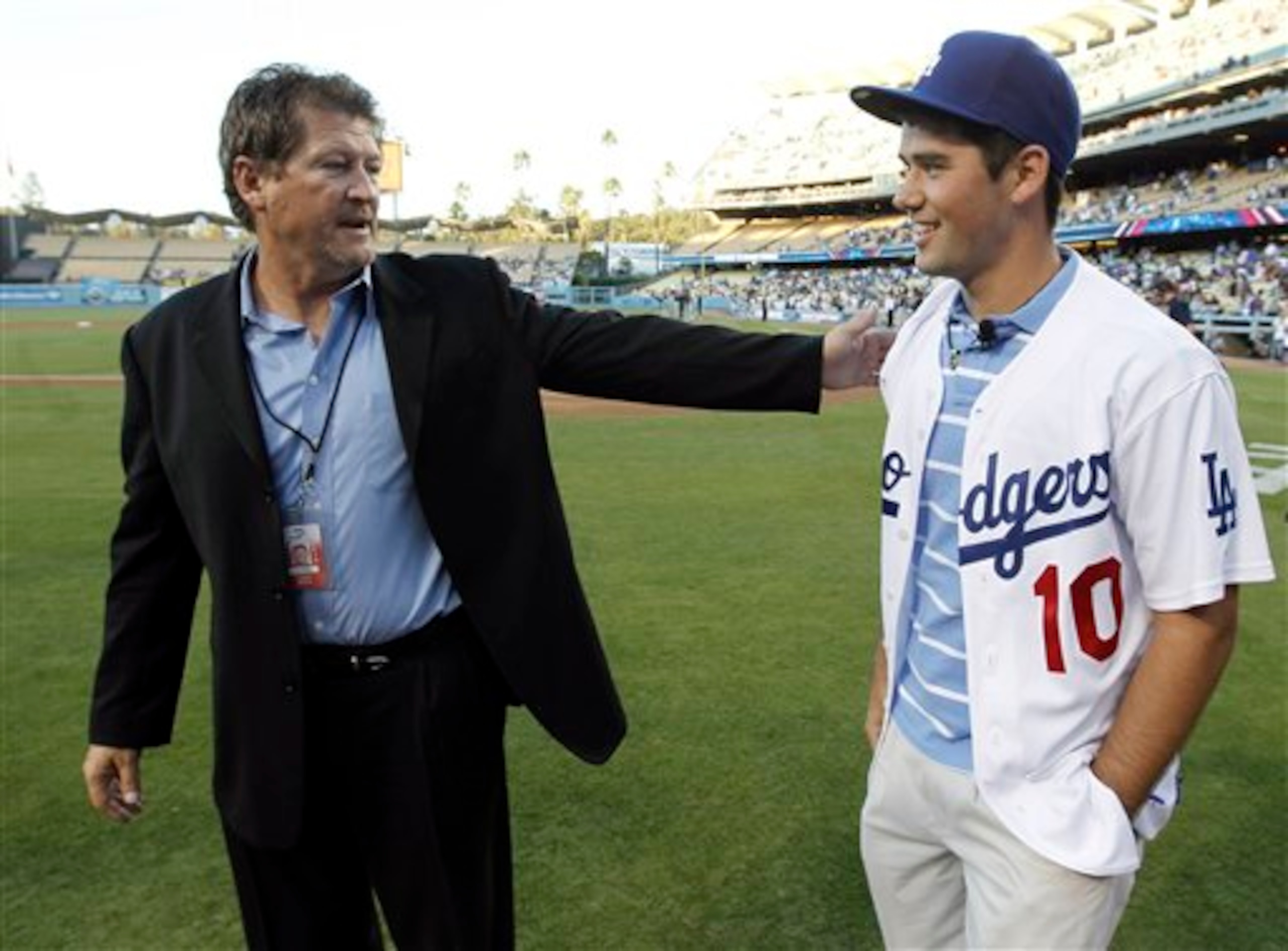
When the Dodgers took Zach Lee with the 28th overall pick in the 2010 draft, few actually believed the team would pony up what it was going to take to sign him. After all, the team's owners were in the midst of a divorce battle that left very little money to spend on high-draft picks, and Lee was a highly touted football recruit with a full ride to LSU.
Many felt the team was throwing away the pick, knowing that Lee wouldn't sign for anywhere near slot money, and instead picking up a compensation pick in the (much deeper) 2011 draft when the courtroom drama had hopefully ended.
Boy, wasn't everyone taken for a loop when the Dodgers actually inked Lee to a $5.25 million deal, forcing him to give up football, and allowing the Dodgers to pick up one of the top-five pitchers in the draft.
If Lee had gone as a top-five pick, no one would have been surprised. He's that good. He features a low-to-mid 90s fastball than can touch 96 mph. His fastball has excellent movement and high-school hitters were no match for it. His slider grades out as above-average, giving him two excellent pitches to develop.
He also throws a changeup, which MLB.com declared "Major League average right now." And he's comfortable enough to throw the pitch anytime, any count.
On top of it all, Lee is an incredible athlete. He was destined to play QB for the Tigers before the Dodgers swooped in and changed his mind.
When he finally gets back on the diamond this spring, expect him to dominate thanks to his superior secondary pitches.
Lee could be a top-five overall prospect come the end of the season.
8) Cory Luebke, LHP, San Diego Padres
18 of 25
A first-round, supplemental pick in 2007, Luebke has emerged as one of the strongest pitching prospects in San Diego's system, with his only real competition coming from Simon Castro.
That's what happens when you blow through the system in four seasons.
Luebke's rise has been impressive enough that he earned the opportunity late last season to make his big-league debut, and he pitched incredibly well in his four opportunities. Well enough to earn consideration for a rotation spot out of spring training in 2011.
It was a whirlwind season in 2010 for the 25-year-old left-hander. He began the year with questions about his age in Double-A. He silenced the critics and opposing batters, posting a 5-1 record and a 2.40 ERA in 10 appearances (eight starts) spanning 56.1 innings. Luebke struck out 44 and walked only 12 batters, surrendering only two longballs.
He earned a mid-season promotion to Triple-A where he pitched just as well, posting a 5-0 record (bringing his total record to 10-1) and a 2.97 ERA in nine starts. He flashed his excellent command, striking out another 44 batters while walking only 17.
For the season, Luebke finished 10-1 with a 2.68 ERA and an 88-to-29 strikeout-to-walk ratio in 114 innings.
And then came his big-league callup, where he struck out 18 batters and issued only six walks in 17.2 innings.
Luebke is a bear when he pitches inside, which he's done a lot of the past few seasons, shattering bats at a record pace. He throws in the low 90s and compliments the plus pitch with an outstanding slider and a solid-average changeup.
At six-foot-four and 215 lbs, Luebke features the prototypical pitcher's body, and he also prototypes as a No. 2 starter in the big leagues.
7) Christian Friedrich, LHP, Colorado Rockies
19 of 25
Maybe it was the lingering effects from a bruised elbow, or maybe it was the addition of another superstar left-hander that bruised his ego, but something affected the six-foot-four, 220-pound Friedrich in 2010, in a negative way, causing him to have his worst season as a pro.
Friedrich was the golden-boy of Colorado's system before the addition of Tyler Matzek, racking up strikeouts by the boat load and pitching his way to Double-A in just two seasons.
The 2009 season saw him make huge in-roads, posting a 6-5 record, a 2.41 ERA and an eye-popping 159 strikeouts in 119.2 innings. His 12.0 strikeout per nine innings was well in line with his career number, while his walk rate (3.2 walks per nine innings) jumped, but an insignificant amount.
Then the wheels came off in 2010.
Friedrich's strikeout numbers dropped, dramatically. He went from a career strikeout rate of 12.1 per nine innings to a career low of 8.0. His walk rate increased again, this time to 3.6 per nine. He surrendered career highs in hits, earned runs and homers.
And his ERA ballooned to 5.05.
On the plus side, Friedrich was able to reign in his wildness. A year after issuing 17 wild-pitches, the lefty allowed only one in 87.1 innings.
Some of his struggles could be that he was in Double-A, facing better competition, but Friedrich was a college draft-pick, meaning he should be able to adapt and overcome adversity better than a high-schooler.
He certainly has all the makings of a top-of-the-rotation arm. His mid-90s heat and hard curveball usually make him hard to get a read on, and his changeup has improved so rapidly that it now grades out as an above-average pitch.
The task for 2011 for Friedrich will be to prove his 2010 campaign was a fluke and that he actually learned a few things while he was struggling so badly. If he can improve his command and cut down on the homers, he could reach Triple-A before the end of the year.
6) Thomas Neal, OF, San Francisco
20 of 25
Even after a somewhat subpar season in 2010, Neal still profiles as a middle-of-the-order bat for the Giants in a lineup that is beginning to look more and more impressive each year.
Neal had a career year in High-A ball in 2009, hitting 22 home runs, driving in 90 runs and hitting .337 with 41 doubles.
While he didn't reach any of those numbers in 2010, he still made some significant progress for the Double-A Giants team. His average dropped to .291, which is still an impressive number. His home run power dipped from 22 to 12, despite playing in seven more games, and his RBI total dropped from 90 to 69. He also walked less than his 2009 season.
A couple of things can be attributed to his relative "struggles" in 2010. One, is that in 2009, he played in the Cal League, where balls travel farther and numbers are regularly inflated.
Another, is that Neal isn't as good as most experts thought after his spectacular campaign two seasons ago.
He's still an impact bat capable of hitting for a decent average and above-average power, but he isn't going to be a 30-homer guy at the big-league level.
It looks like he'd be more comfortable hitting third or fifth in the lineup, rather than the clean-up spot that so many Giants fans had him ticketed for before the 2010 season.
Neal should garner some serious kudos for the way he fought through the 2010 season, but he should also get a pass for the inflated numbers he put up in the Cal League in 2009.
He's still an excellent prospect, easily the best position player that the Giants have to offer, and he should get his chance at Triple-A this season, with an outside chance of a mid- or late-season call-up.
5) Wilin Rosario, C, Colorado Rockies
21 of 25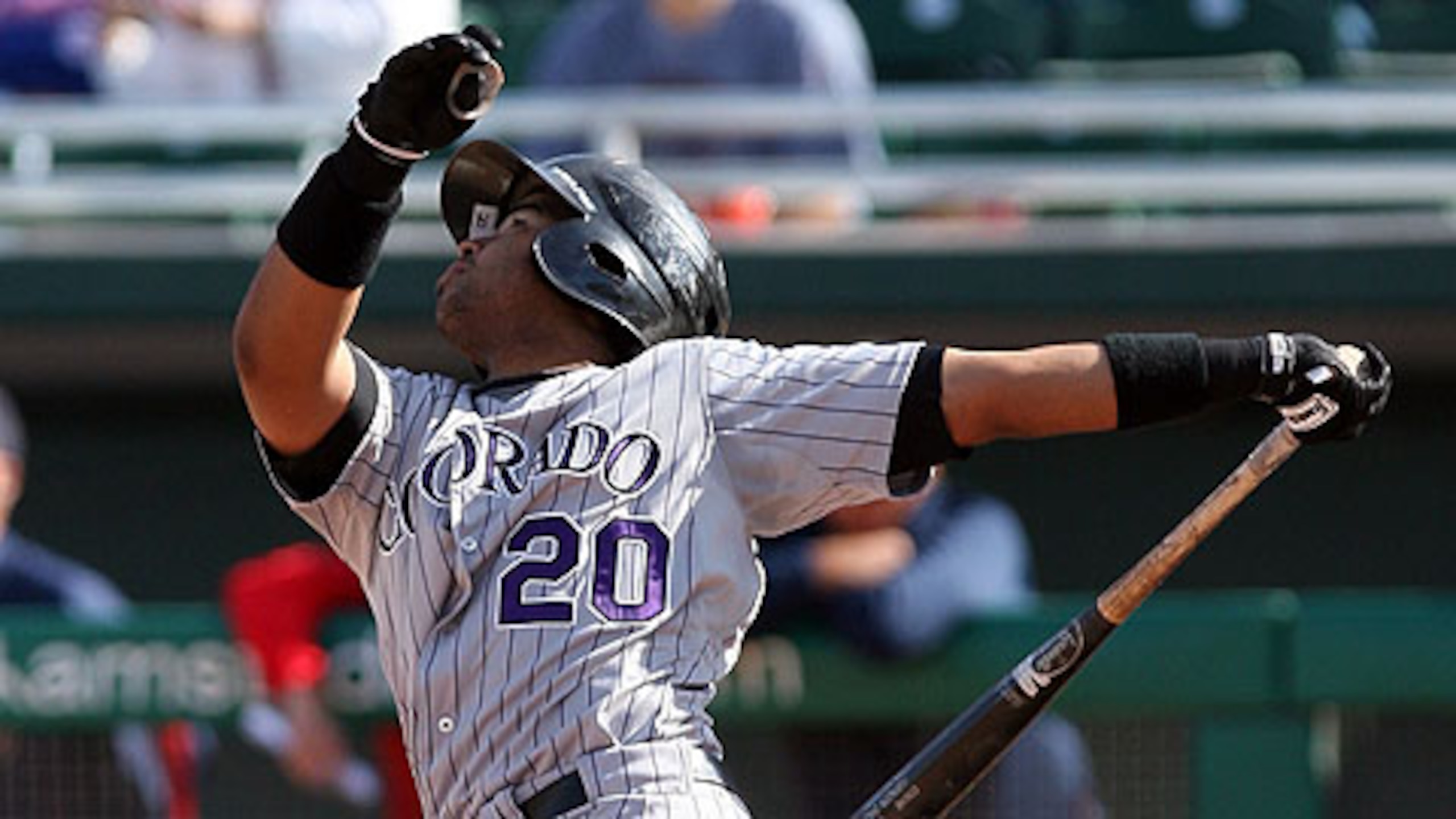
Rosario was well on his way to a September call-up last year when a torn ACL ended his 2010 season a month prematurely.
Luckily he's already back to 100 percent healthy and should be raring and ready to go in time for spring training, where he could arguably compete for a spot on the Rockies opening day roster.
Most likely, however, he'll return to the minors for more seasoning. He shouldn't need too much, though.
Rosario has made his game by being a great hitter with slightly above-average power in the minors. He was on his way to a career-best season in 2010 when he was felled with the injury. He was hitting .285 with 19 homers and 52 RBI for the Rockies Double-A squad.
The year before, he struggled with a wrist injury but still managed to drive in 33 runs in 58 contests at High-A Modesto. The Rockies aggressively jumped Rosario, who hadn't played above rookie ball, two whole levels and were incredibly impressed with his performance
In 2008, Rosario had one of his best seasons, hitting a career-high .318 with 12 homers and 49 RBI in 66 games.
As good as Rosario is at the plate, he's even better behind it. He has a strong, quick arm and threw out 47 percent of base-stealers in 2009 and 41 percent last season.
Rosario should be the Rockies' long-term solution behind the plate and could develop into one of the most complete catchers in the big leagues given some time.
4) Simon Castro, RHP, San Diego Padres
22 of 25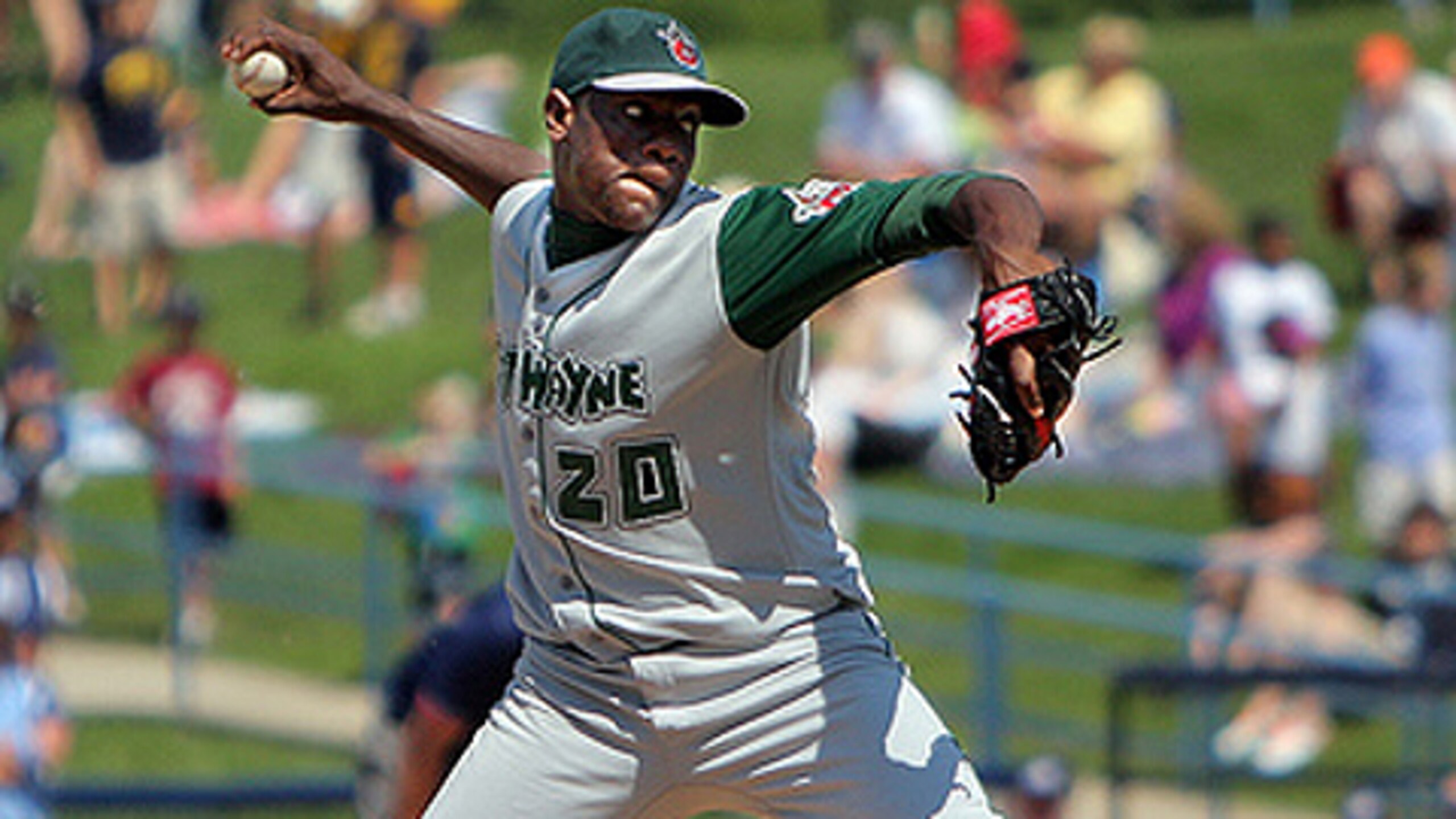
Despite all the late-season additions to San Diego's farm system, Simon Castro still is the best prospect, regardless of position, that the Padres have to offer.
He has quietly put together a string of successful seasons, culminating in a promotion to Triple-A Portland to end the 2010 season. And while he didn't fare too well in that two-start trial (16 hits, nine ER in 10 innings, 7.82 ERA), that shouldn't put a damper on the great season he had.
He finished the season with an even 7-7 record but posted the best ERA of his career (3.28) in 25 starts.
His strikeout numbers dropped dramatically from the year before (157 to 113) in roughly the same number of innings, but most of his other numbers remained the same, showing that Castro is just getting better at becoming a better pitcher without needing the strikeouts.
In fact, his 2010 season was just about as identical as he could get to his 2009 numbers, aside from the win total and strikeouts. He posted roughly the same number of walks, surrendered the same number of runs, home runs and hits, and his ERA was only a hair different (3.33 in 2009).
The 22-year-old find from the Dominican Republic, Castro helps his cause by throwing in the low-to-mid 90s, topping out at 96-97 mph. He features a nasty slider and has been working diligently on his changeup which has improved dramatically from 2009.
His ceiling is as a top-of-the-rotation starter, but many feel that would make an excellent long-term closer.
Castro will head back to Portland for some more seasoning in Triple-A but could become a rotation mainstay in San Diego by the All-Star break.
3) Dee Gordon, SS, Los Angeles Dodgers
23 of 25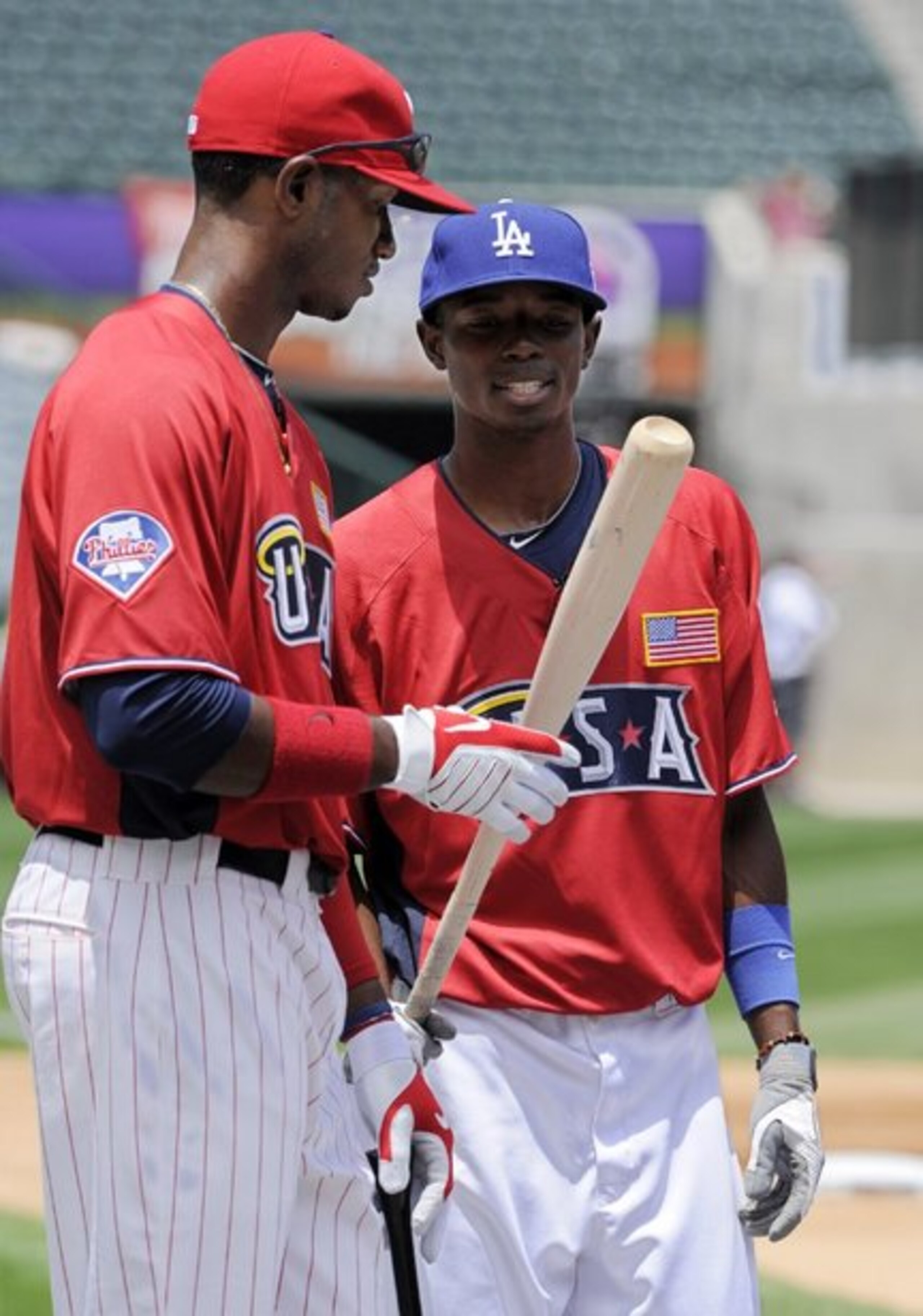
After spending the 2008 and 2009 seasons blowing away just about every scout who saw him in live action, Gordon spent 2010 shoring up his status as the best position prospect in the National League West.
The numbers on Gordon are out of this world.
As a first-year player in rookie ball, he hit .331 with 45 runs and 18 steals in only 60 games.
His first full pro season saw him steal 72 bases, score 96 runs, hit 17 doubles and 12 triples. He also hit .301.
And last year, while his average dipped to .277, he still stole 53 bases, hit 17 doubles and 10 triples.
In all three seasons, he has displayed amazing athleticism and played solid defense, even if the error totals (95 in three seasons) don't correspond.
Gordon has plus-plus speed and has the potential to be a plus-plus leadoff hitter for the Dodgers for the next decade. His only flaw is his lack of power, which scouts say he could grow into as he progresses as a hitter.
Gordon should be ticketed for Triple-A as a 23-year-old in 2011 and should get an invite to spring training. If he performs well, he could earn a shot with the big-league club sometime during the season.
2) Tyler Matzek, LHP, Colorado Rockies
24 of 25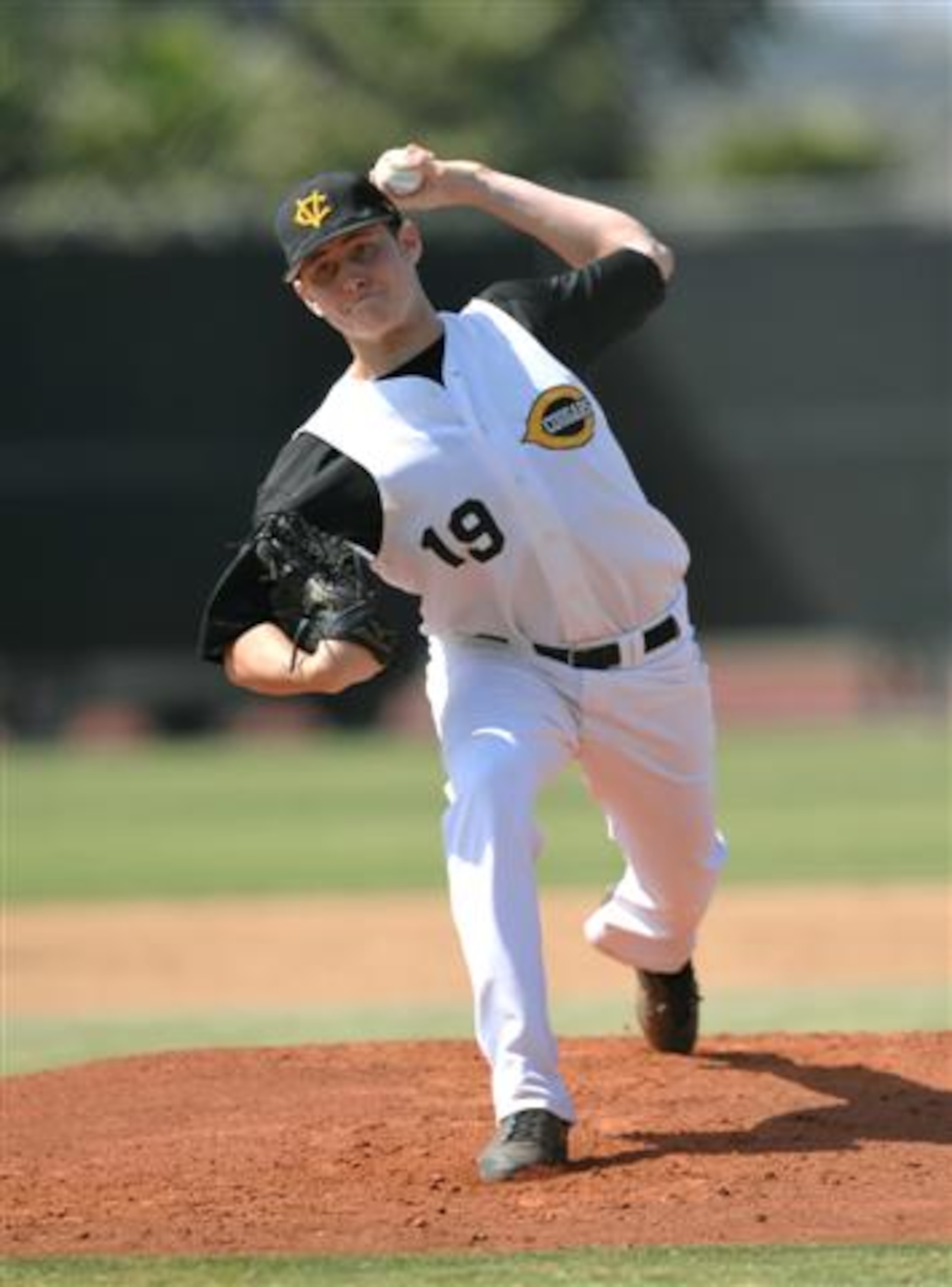
Matzek first burst onto the scene as a junior in high school. Even as a 17-year-old, he was talented enough to garner talk of being a first-round pick in 2009.
The 2009 draft came and went and Matzek was landed by the Rockies with the 11th overall pick, despite concerns about his bonus demands and the prospect of playing college ball. The Rockies managed to get him signed, for a reasonable $3.9 million.
After a very tough, gritty 2010 season, Matzek has emerged as one of the best left-handed pitchers in all of the minors.
In 18 starts, the 19-year-old struck out 88 batters over 89 innings and allowed only 62 hits. Unfortunately, he did walk 62 batters, for an astronomical 6.25 walks per nine innings. Somehow, Matzek was able to pitch well, even without his best command, finishing with a 5-1 record and a 2.92 ERA in the South Atlantic League.
On the mound, Matzek features a low-to-mid 90s fastball than can reach as high as 96 mph. He compliments it with three solid secondary pitches. His curveball has the potential to be a plus pitch, while his slider and changeup both have above-average potential.
He's also a pretty good athlete who fields his position well.
He could stand to add some weight to his six-foot-three frame and would allow him to handle the increased work-load the Rockies are sure to heap on him in 2011.
At best, Matzek is a top-of-the-rotation starter for the Rockies.
1) Jarrod Parker, RHP, Arizona Diamondbacks
25 of 25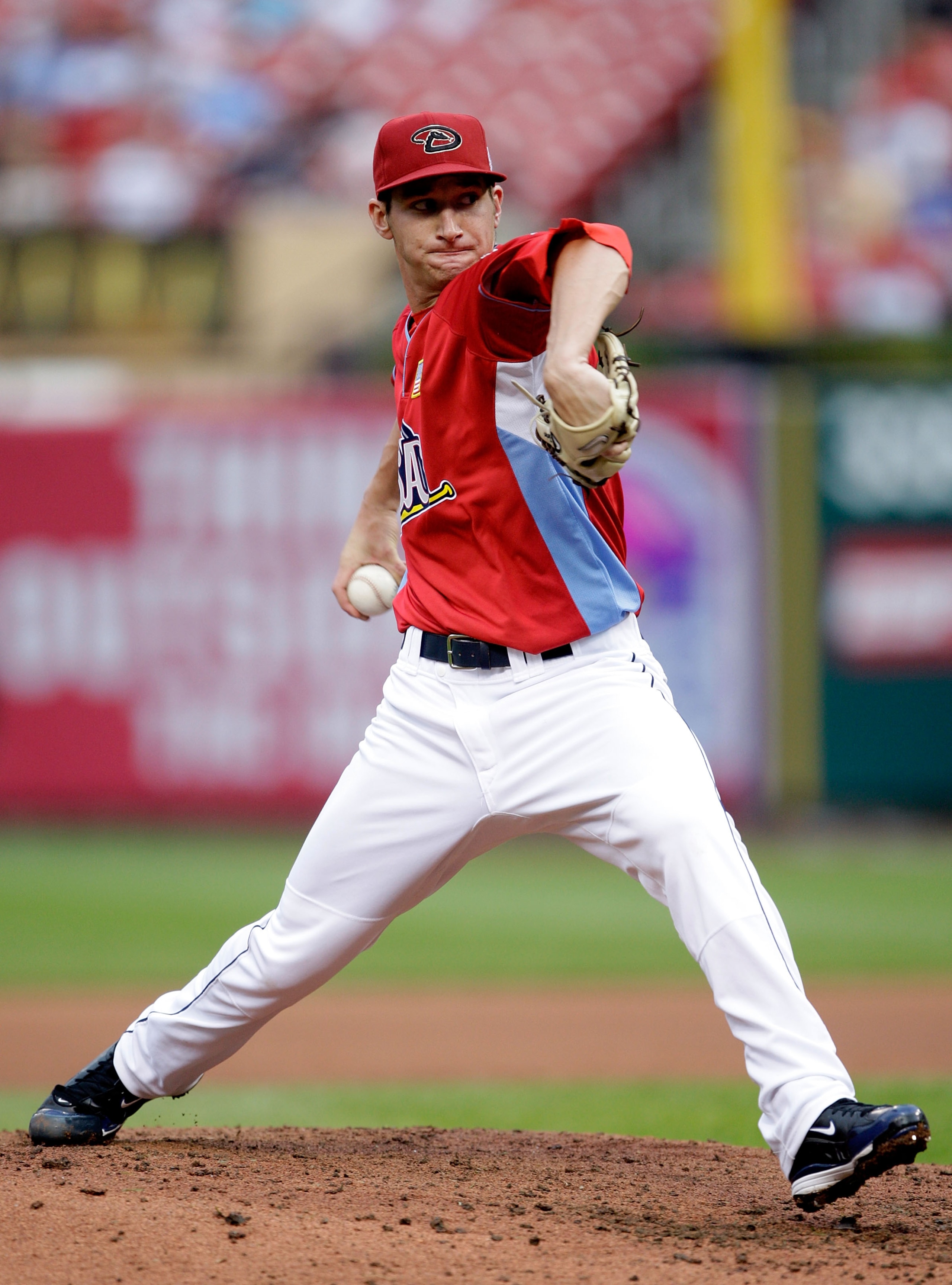
The ninth overall pick in the 2007 MLB Draft, Arizona's Jarrod Parker is the best prospect in the National League West.
Which says so much about his talent, makeup and stuff, considering the 22-year-old right-hander hasn't pitched in a regular season minor (or Major) league game since 2009.
Parker missed the last year and a half due to Tommy John surgery, but the early reports are that he's looking completely healthy and at least as good as he did before the surgery, when he was one of the top-15 prospects in all of the minor leagues. Even after missing so much time, MLB.com thought enough of Parker to include him on their top-50 prospects list heading into the 2010 season. Parker checked in at number-21.
When Parker was healthy, he was dominant. Making the most of a Tim Lincecum-like frame (6-1, 180 lbs), Parker won 12 of his first 24 professional starts, striking out 117 batters in 117 innings in Low-A ball as a 19-year-old back in 2008.
His second pro season began even better with Parker posting a 0.95 ERA with 21 strikeouts in 19 innings in his first four High-A starts before a promotion to Double-A. He pitched well for a 20-year-old in the Southern League, but near the end of the season his arm began to wear down and he was diagnosed with a major elbow injury.
Parker has an better arsenal than any pitcher currently in the Arizona organization, Majors or minors. In fact, he might have one of the top-five repertoires in the N.L. West right now. When healthy, his fastball sat in the mid 90s (93-95) and touched 98 mph on occasion.
He also features three other above-average pitches. His curveball is ridiculously good and his slider is an excellent compliment. And his changeup experienced tons of improvement before his injury. If he can regain the feel he once had for it, there's nothing keeping Parker from the top of the Diamondbacks rotation.
.jpg?w=2560 "NFL Preseason Week 1 Winners/Losers 📊")


.jpg?w=2560 "Gonzo Not Happy with Kraft 😬")
.jpg?w=2560 "NFL legend calls plays during preseason")