Joey Votto and the Cincinnati Reds: Ranking the Queen City MVPs
Joey Votto put an exclamation point on the Cincinnati Reds' surprising season Monday as he was crowned the National League MVP, the Reds first MVP since Barry Larkin won the crown in 1995.
Votto had an amazing season, batting .324 with 37 home runs, 113 RBI and a flashy 1.024 OPS, easily all bests in his career, and is looking like a superstar in the making.
As Votto held off perennial MVP candidate Albert Pujols and the upstart Carlos Gonzalez to win the award in a landslide, I started to wonder how Votto's MVP award ranked with the 11 other MVP awards to grace the Cincinnati trophy case.
So, here are the best MVP seasons from the best of the best in major league baseball's first town.
12. Ernie Lombardi 1938
1 of 12
The separate Cy Young award for pitchers wasn't created until 1956, meaning that Lombadi beat out all position players and pitchers for the award in 1938, and he certainly earned it.
He won the NL batting title in 1938, batting at .342 for the season, beating Johnny Mize by five points for the title.
He batted in 95 runs, clobbered 19 dingers and led the league defensively with a 51.7 percent pace of throwing out runners.
11. Frank McCormick 1940
2 of 12
The Reds threw together a three-peat of MVP Award winners from 1938-1940 after Frank McCormick won the award, something they would do again from 1975-77.
The big first baseman smacked the cover off the ball in 1940, as he led the league in hits for the third year running with 191 hits cobbling together a .309 batting average.
While he was not the standout that either of the past two award winners were, he was overall great at everything in 1940, earning him the award.
The Reds would finally put it all together in 1940 with a World Series victory over Detroit in seven games.
10. Johnny Bench 1970
3 of 12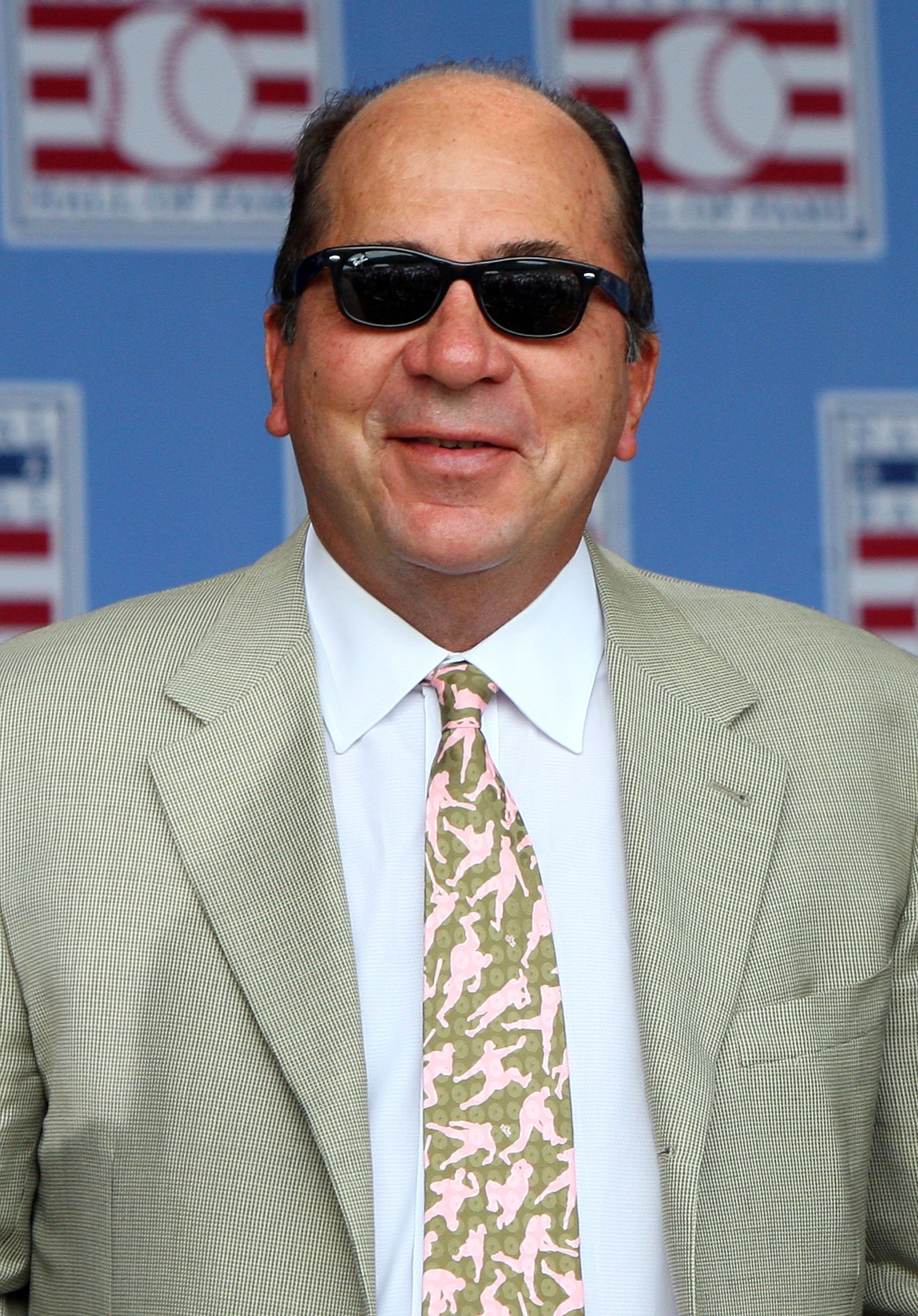
Johnny Bench won his first MVP Award in 1970 and did so by playing the style of baseball that he has always played, and did it as good as he had ever done it.
Bench slugged with the best of the batters in the majors in '70 and was, as usual, a terrific presence behind the plate.
Bench clobbered 45 home runs, batted in 148 runs and posted an OPS of .932, along with batting .293 and legging out four triples, all career highs.
He won yet another Gold Glove Award while catching 57 percent of base runners stealing, the highest mark of his career, which led the league.

.png?w=2560)
9. 1995 Barry Larkin
4 of 12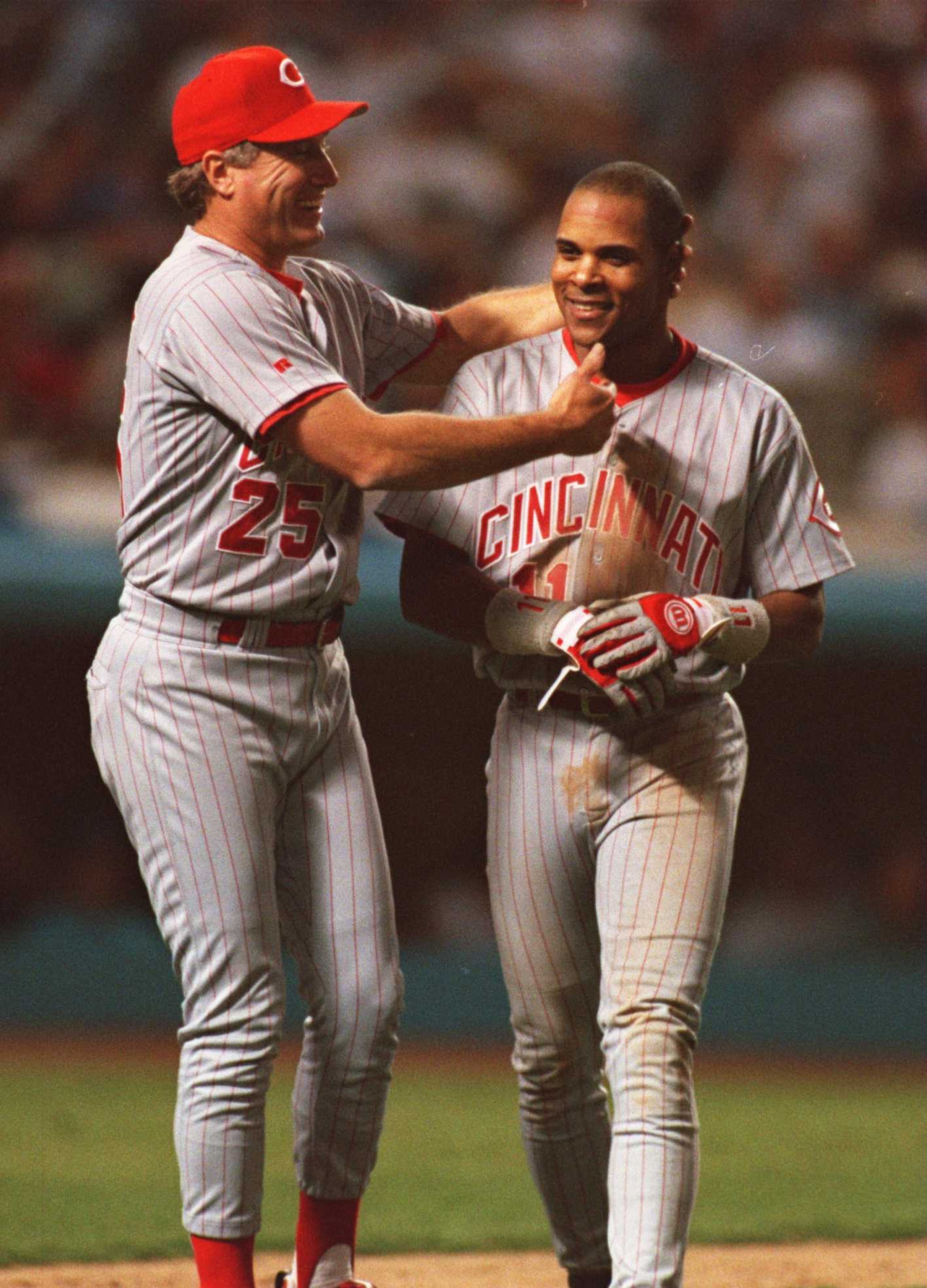
Larkin, the first Reds MVP in nearly two decades, would have spent his whole career being overshadowed by Ozzie Smith as the best shortstop of the 90s if it were not for his 1995 season.
Larkin would lead the Reds to their last playoff appearance for the next 15 seasons with his quick bat, lightning speed and magnificent defense.
Larkin never led the league in any offensive category, but he was consistently one of the best players in the league, and was given recognition with this award.
He batted .319, got on base at a .394 clip and slugged .492, all while winning a Gold Glove award at short and swiping 51 bases.
8. Frank Robinson 1961
5 of 12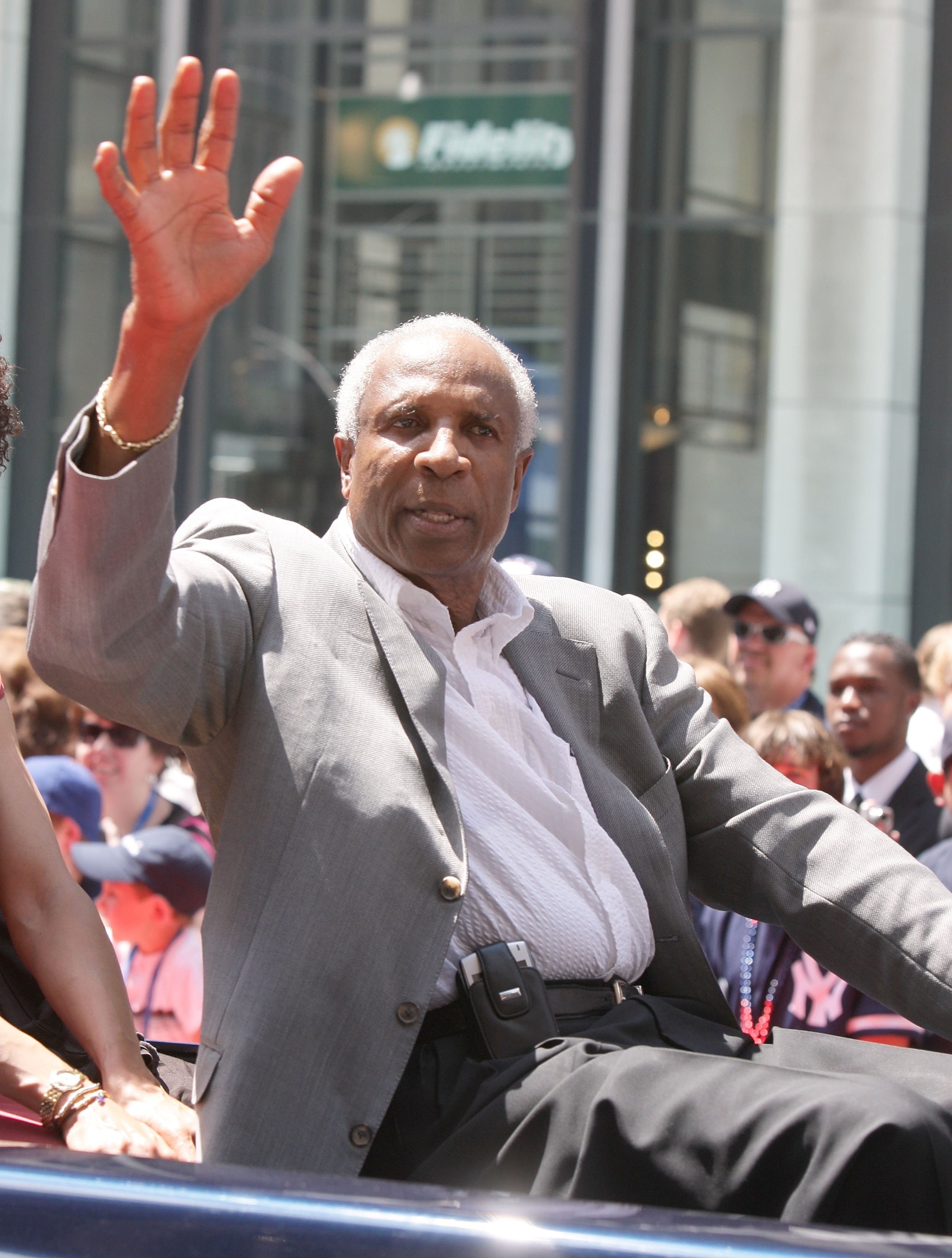
The first of Frank Robinson's MVP seasons, he belted 31 home runs, batted .323, slugged .611, batted in 124 runs and even stole 22 bases, good enough for third in the league.
He had 15 outfield assists and had the range of any other outfielder in the game.
Robinson did his job as the leader of the offense, and his presence in the outfield led the Reds to 93 wins and the National League pennant, only to lose to the Yankees in the World Series four games to one.
7. Joey Votto 2010
6 of 12
Votto is the hope of every Reds fan in the country, showing flashes of Albert Pujols potential this season, and getting the hardware to back it up.
Votto had an OPS of 1.024, a .324 batting average, 37 home runs, 113 RBI, 16 stolen bases and posted the highest Win Probability Added mark, at 6.7.
He led an emerging team to their first playoff appearance in 15 seasons, bringing excitement and hope back to Cincinnati baseball.
6. Bucky Walters 1939
7 of 12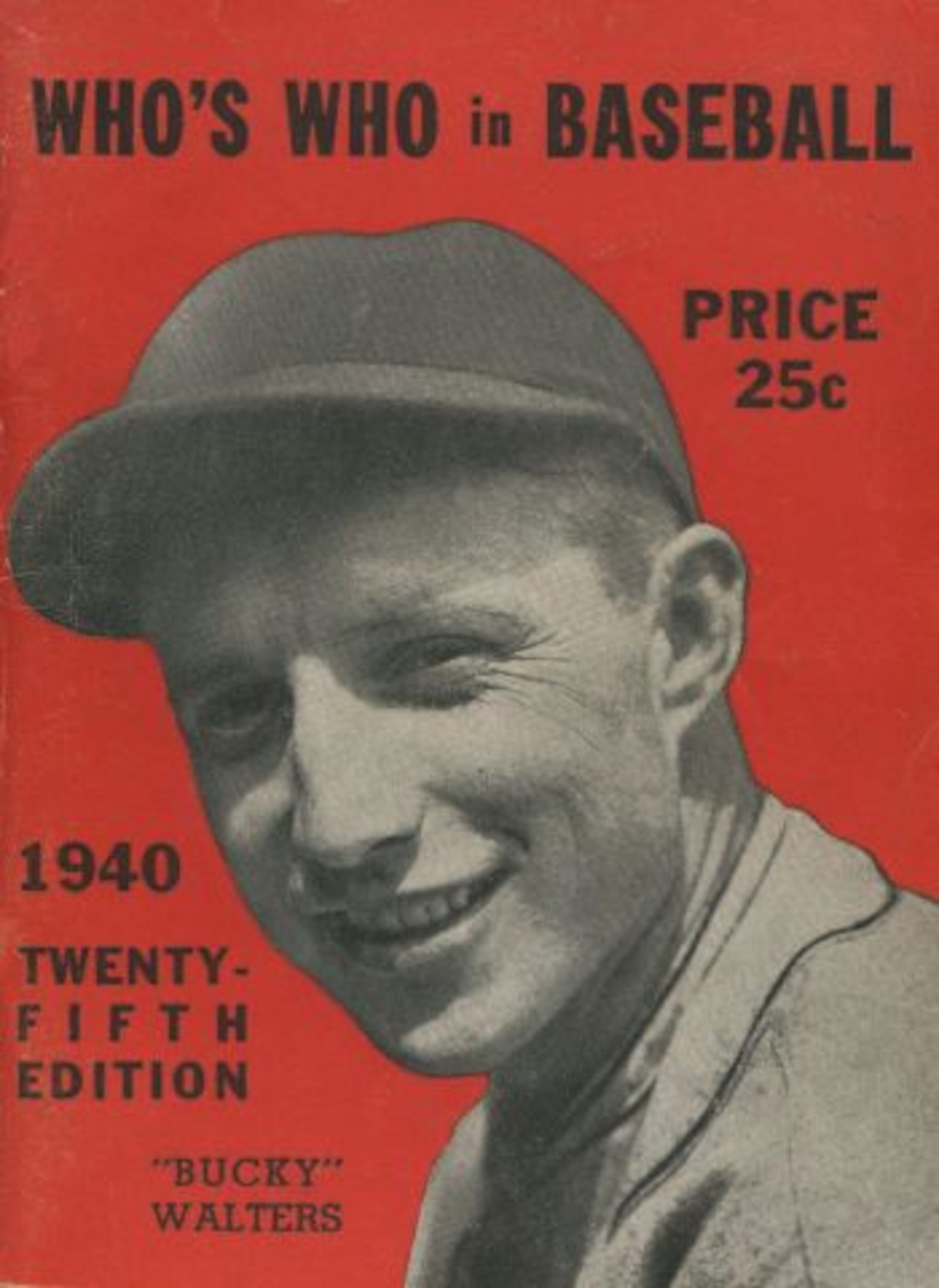
Walters won in 1939, giving the team back-to-back MVP awards for the first time in its history, but not the last.
Walters, a pitcher and fine batter, won in a landslide with 90 percent of the first-place votes being cast for the third baseman turned pitcher.
He won the pitching Triple Crown, winning 27 games, striking out 137 batters and posting an ERA of 2.29, outdistancing the rest of the field by leaps and bounds.
He also had 31 complete games, a 1.125 WHIP and a minuscule 7.1 hits per nine innings.
His hot pitching wouldn't translate to the postseason, as he lost two games to the Yankees in the World Series.
5. Pete Rose 1973
8 of 12
A year after Johnny Bench won his second MVP Award, Pete Rose won his first.
Charlie Hustle legged out 230 hits, the most of his career, while batting .338 and posting an OPS of .838.
He went on to post eight hits in five postseason games, two of which were home runs, as the Reds failed to reach the World Series in an NLCS loss to the New York Mets.
He had a usual terrific season in the field, leading the league in defensive WAR, posting a very impressive 2.0.
Hopefully Bud Selig doesn't ban me for life for mentioning the old fella.
4. Johnny Bench 1972
9 of 12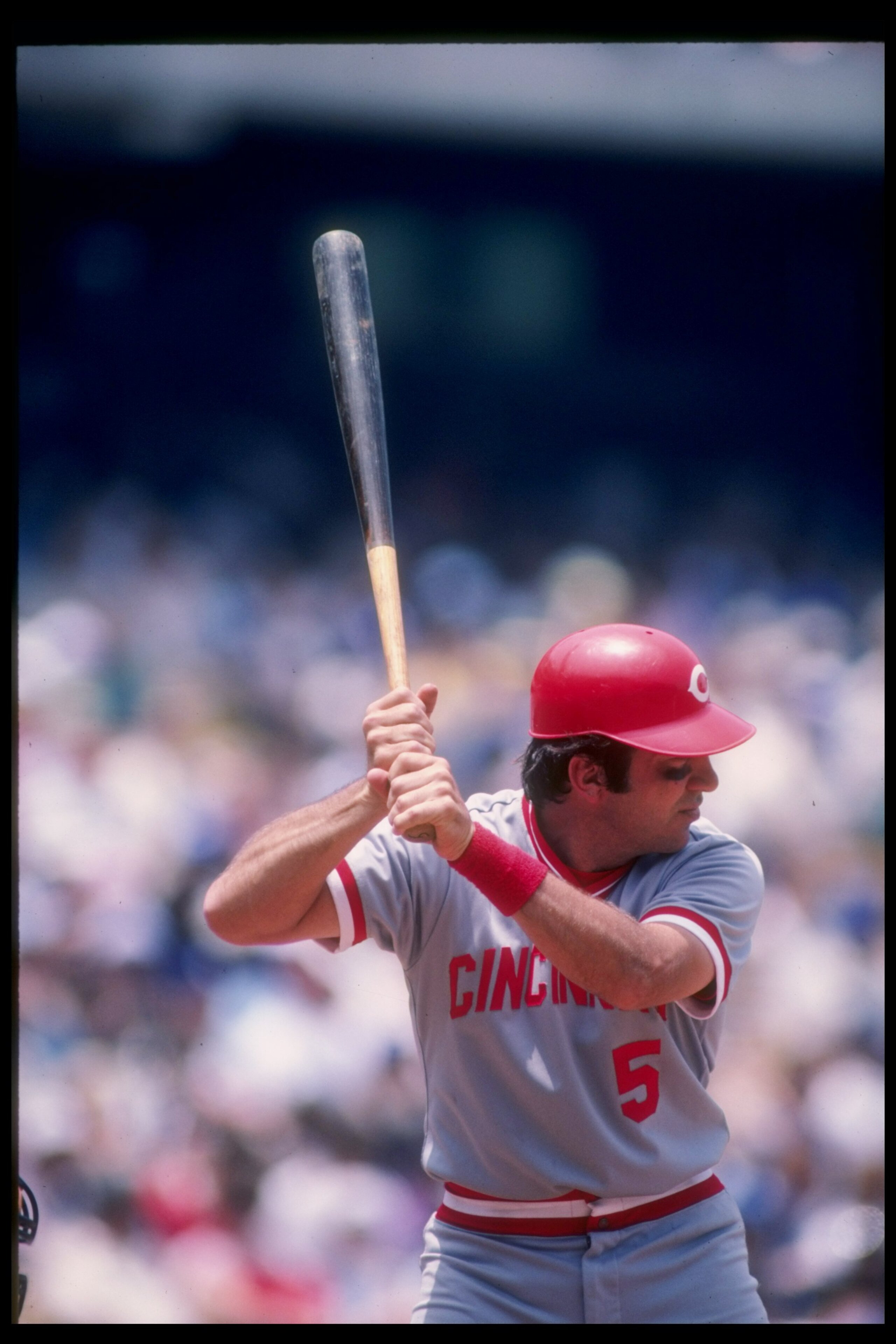
The recent Hall of Fame inductee had a powerful season in 1972.
Bench slugged 40 home runs and 125 RBI, along with a .541 slugging percentage and a .920 OPS.
He was also a Gold Glove winning catcher, leading the league with 57 percent of runners getting thrown out under his watch. His defensive WAR sat at 1.4, leading all players.
His 9.1 WAR was second in the league, lagging behind only his teammate Joe Morgan, and he smacked a home run every 13.5 at-bats.
It was years like this that gave Bench the legacy of being one of the greatest catchers of all time, and easily the best ever in Cincinnati.
3. Joe Morgan 1976
10 of 12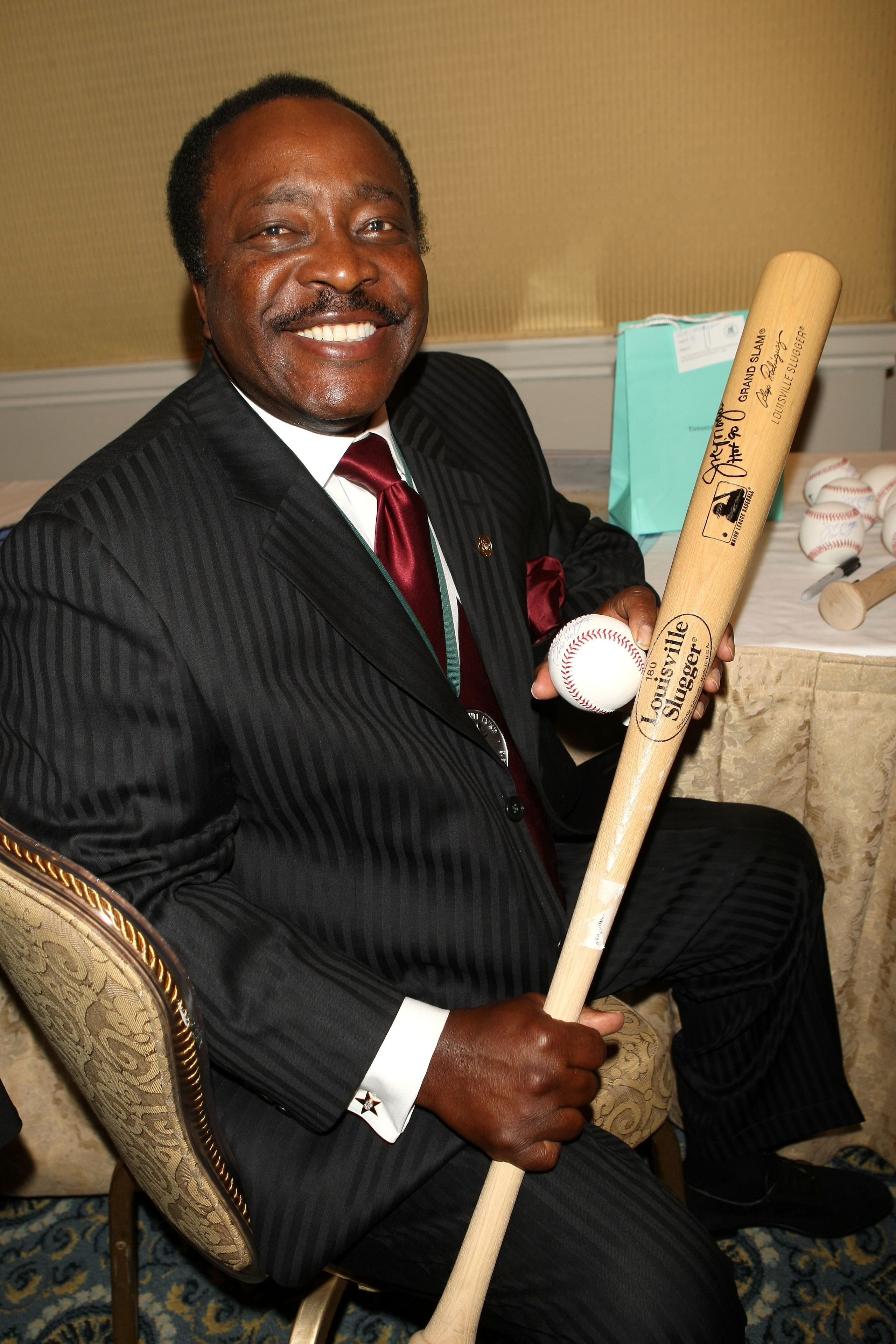
Joe Morgan's second MVP award in as many years was also quite possibly the best season of his long career.
Morgan just missed the percentage Triple Crown, as he finished fifth with a batting average of .320, and led the league with a .444 on base percentage and .576 slugging, combining for a career-high 1.020 OPS.
He won yet another Gold Glove at second base and posted a 10.0 WAR, the third time he posted double digits in WAR during his career.
He beat out his own teammate, George Foster, for the award and led the Big Red Machine to their second Championship in two years.
2. George Foster 1977
11 of 12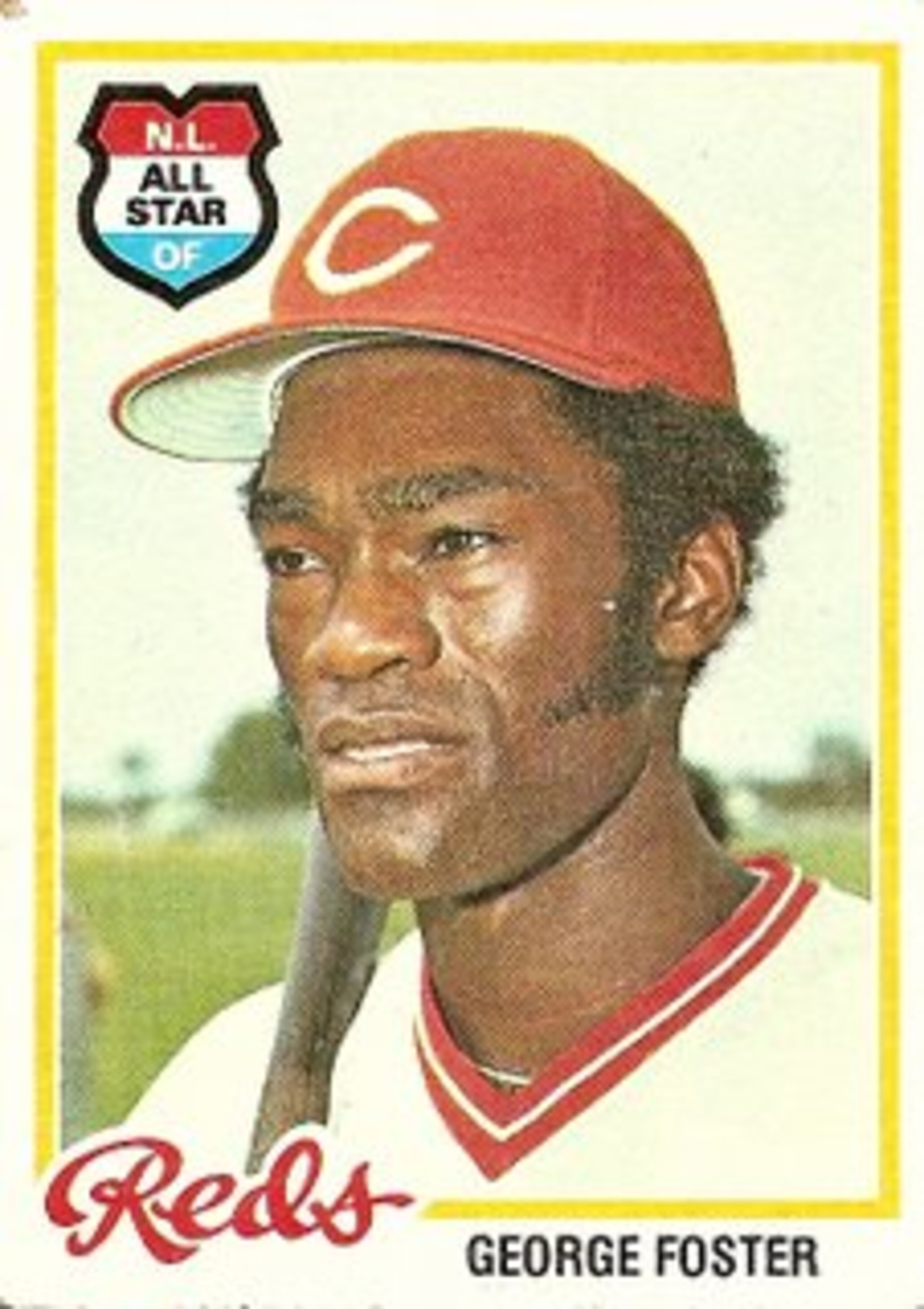
Foster tends to get lost in the lore of great Reds players with Pete Rose, Joe Morgan and Johnny Bench commanding loads of attention, but he had one of the most powerful seasons of the 1970s in 1977.
The third straight MVP Award to be awarded to a Cincinnati Reds player went to a guy who hit the most home runs in a season since Willie Mays in 1965, and the most until Mark McGwire hit 52 in 1996.
Foster led the league with 52 home runs (Jeff Burroughs was second, trailing Foster by 11), RBI with 149, slugging with .631 and OPS with 1.013.
His power couldn't carry the Reds to another World Series, as they finished 88-74, second in the NL West to the Dodgers.
1. Joe Morgan 1975
12 of 12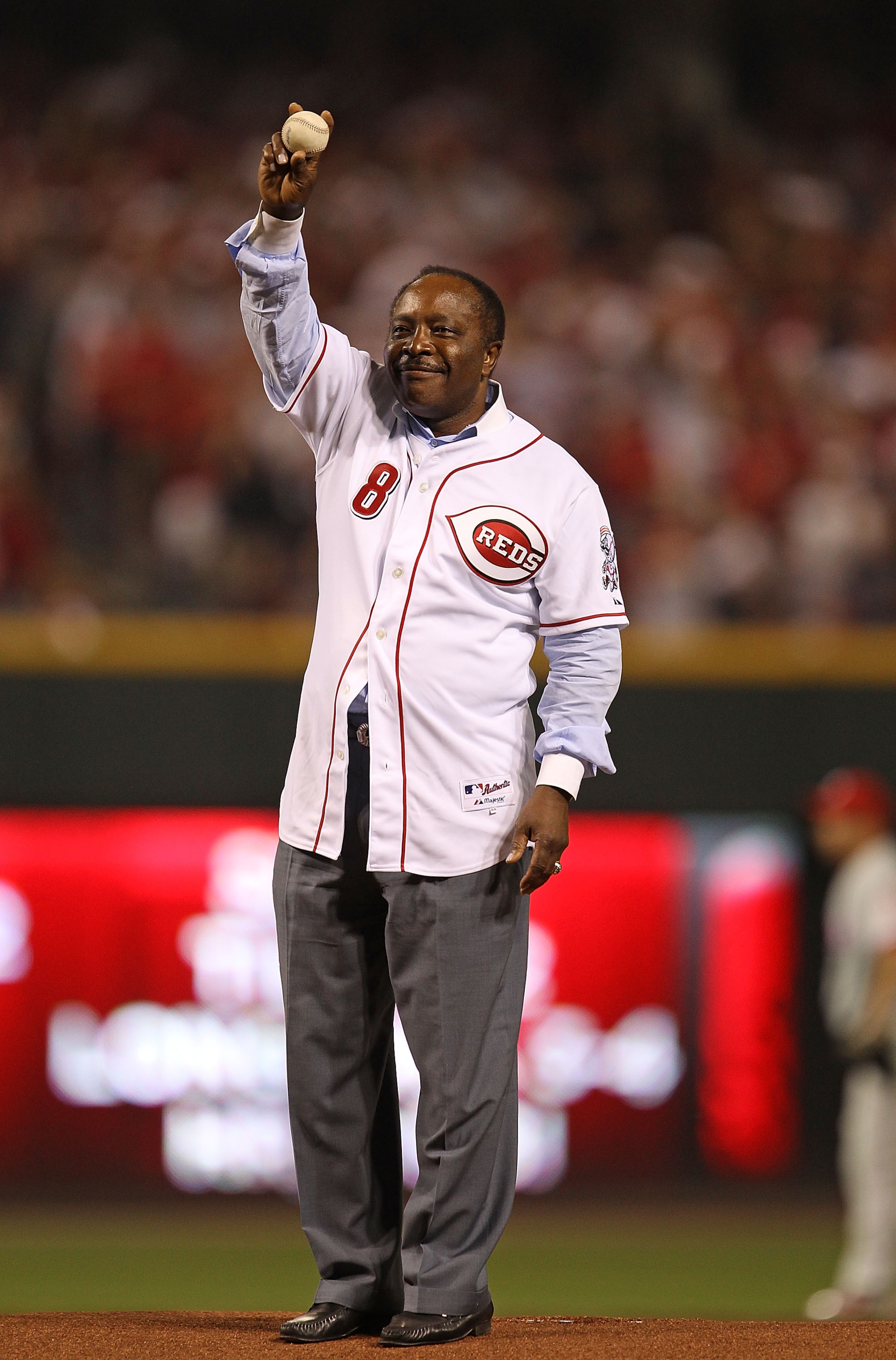
Jon Miller's favorite broadcast partner was a monster of a player in 1975, the first of his two MVP Award winning seasons.
Morgan was his usual patient self, drawing 132 walks against only 52 strikeouts, and added a Gold Glove to his award stash due to his prowess at second base.
Morgan batted .327, got on base at will with a .466 OBP and slugged .501, enabling him to lead the league in OPS.
Morgan's 12.0 WAR was the second-best mark of the 1970s, just behind Steve Carlton's 12.4 in 1972.

.jpg?w=2560 "Top Trade Targets Entering Week 6")