Brad Childress: Did Vikings Coach Write Manual on How to Lose a Team?
Minnesota Vikings head coach Brad Childress may have sealed his fate on Monday, when he announced that the Vikings were cutting newly acquired wide receiver Randy Moss, based largely on his criticism of the team's playcalling, and apparently, their choice of meal.
Moss' sudden departure comes as a shock to the Vikings organization, fans and ownership. However, this isn't the first time Childress has run afoul of the team.
In fact, in his five seasons at the helm in Minneapolis, Childress seems to have written an incredibly detailed manual on how to lose a team and lose your job.
We've broken it down into 15 concise, easy to understand steps, so would-be coaches can follow in Chilly's footsteps. The first ones typically aren't enough to get you fired by themselves, but the ones nearer to the end sure are.
15. Rely On an Ancient Quarterback, With No Backup Plan
1 of 15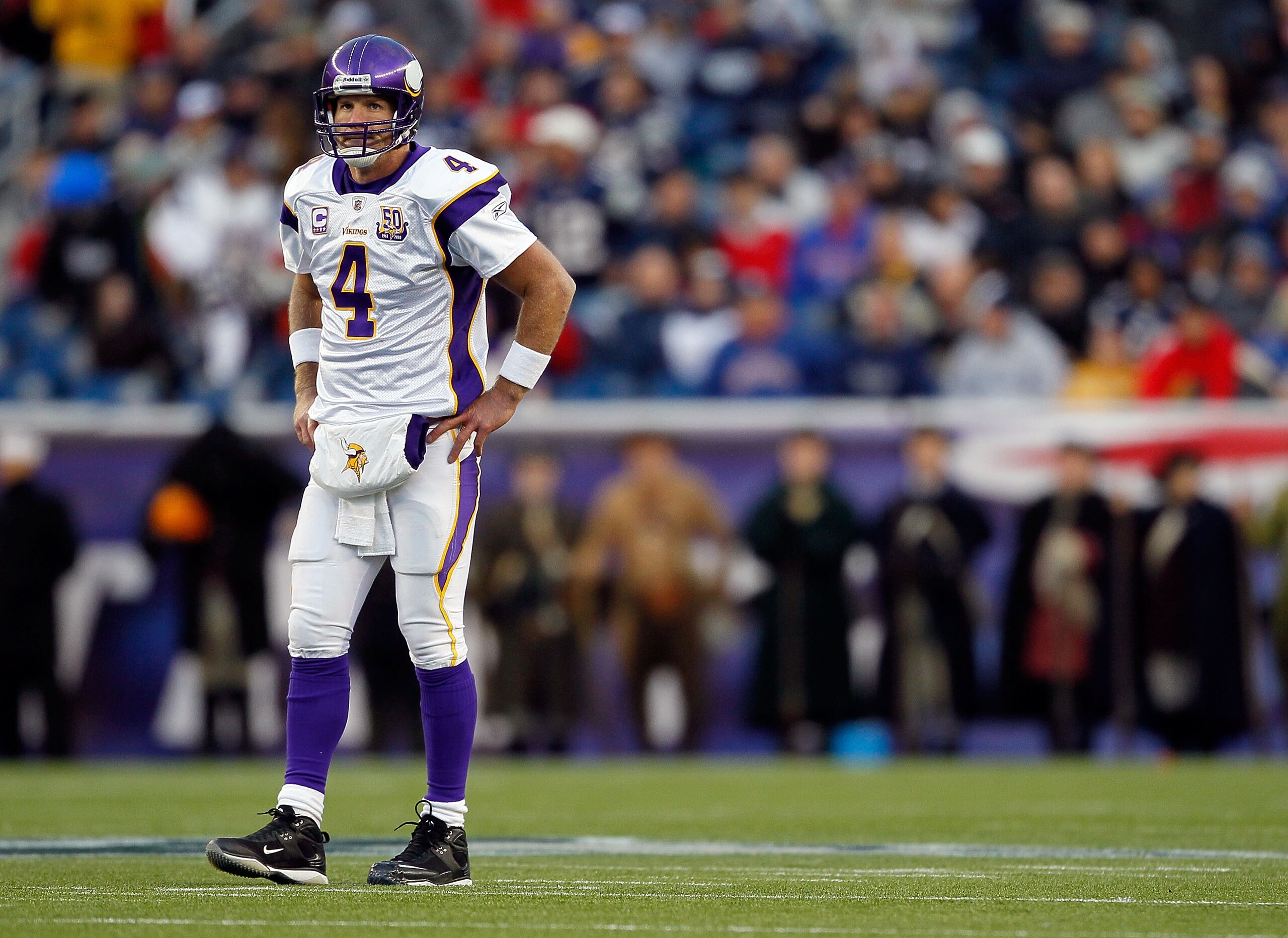
When He Did This: Before the 2010 season.
What Happened: With just weeks left before the start of the regular season, Childress decided he didn't like the quarterbacks he had, despite failing to draft one from a strong class of prospects. So, rather than sticking with his active players, Childress sent three captains to Mississippi to re-recruit 41-year-old quarterback Brett Favre, who had just begun to settle into his retirement. Favre was nursing ankle injuries, but decided to come back anyway.
Why It's Bad: Aside from having a quarterback twice as old as your rookies, by pursuing Favre so actively, Childress essentially told his players "I don't trust you to win, so we need him". By not drafting a replacement, Childress showed he didn't know his team all that well.
Seat Heat Meter: 2/10. By itself, this is a low-level mistake. It's the kind coaches make all the time; bringing a player back for one year too many.
14. Create a Quarterback Controversy
2 of 15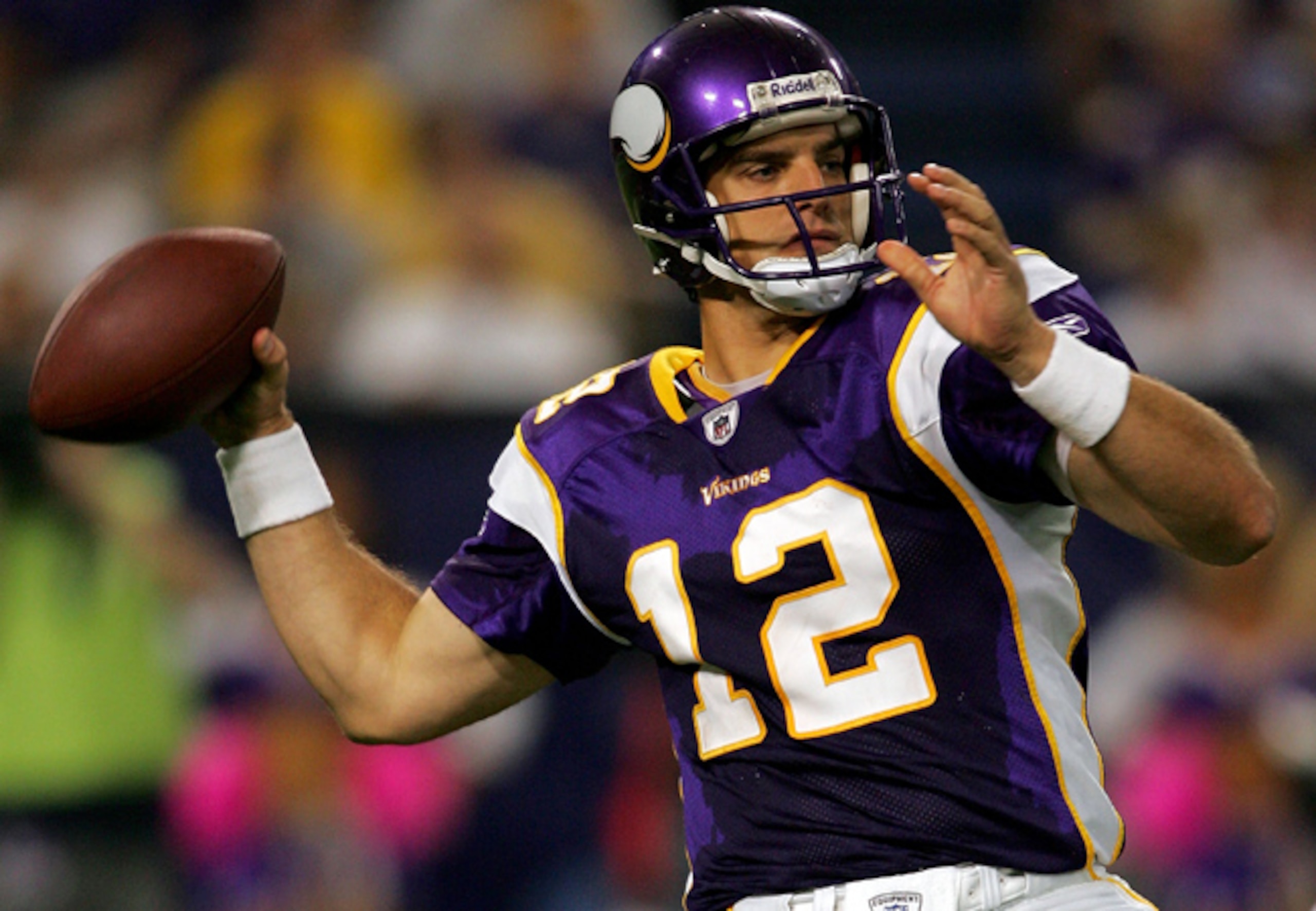
When it Happened: 2008.
What Happened: The Vikings lost their season-opener in 2008, with Tavaris Jackson struggling. Rather than letting the youngster fight through his struggles, Childress benched him in favor of journeyman Gus Frerrotte after Week 2. Gus went 8-3 as a starter before he hurt his back, and the Vikings made the playoffs. Frerotte said he'd love to come back the next year, but the Vikings declined to let him start, picking Jackson and then Brett Favre.
Why it's Bad: When you bench someone you think should be your quarterback of the future, and then his replacement plays much better than he does, you're bound to start trouble. People will want the replacement to continue starting, and if you don't let him, you're bound to irk fans and players.
Seat Heat Meter: 3/10. Again, by itself, this isn't really a fireable offense.
13. Piss Off The Fan Base
3 of 15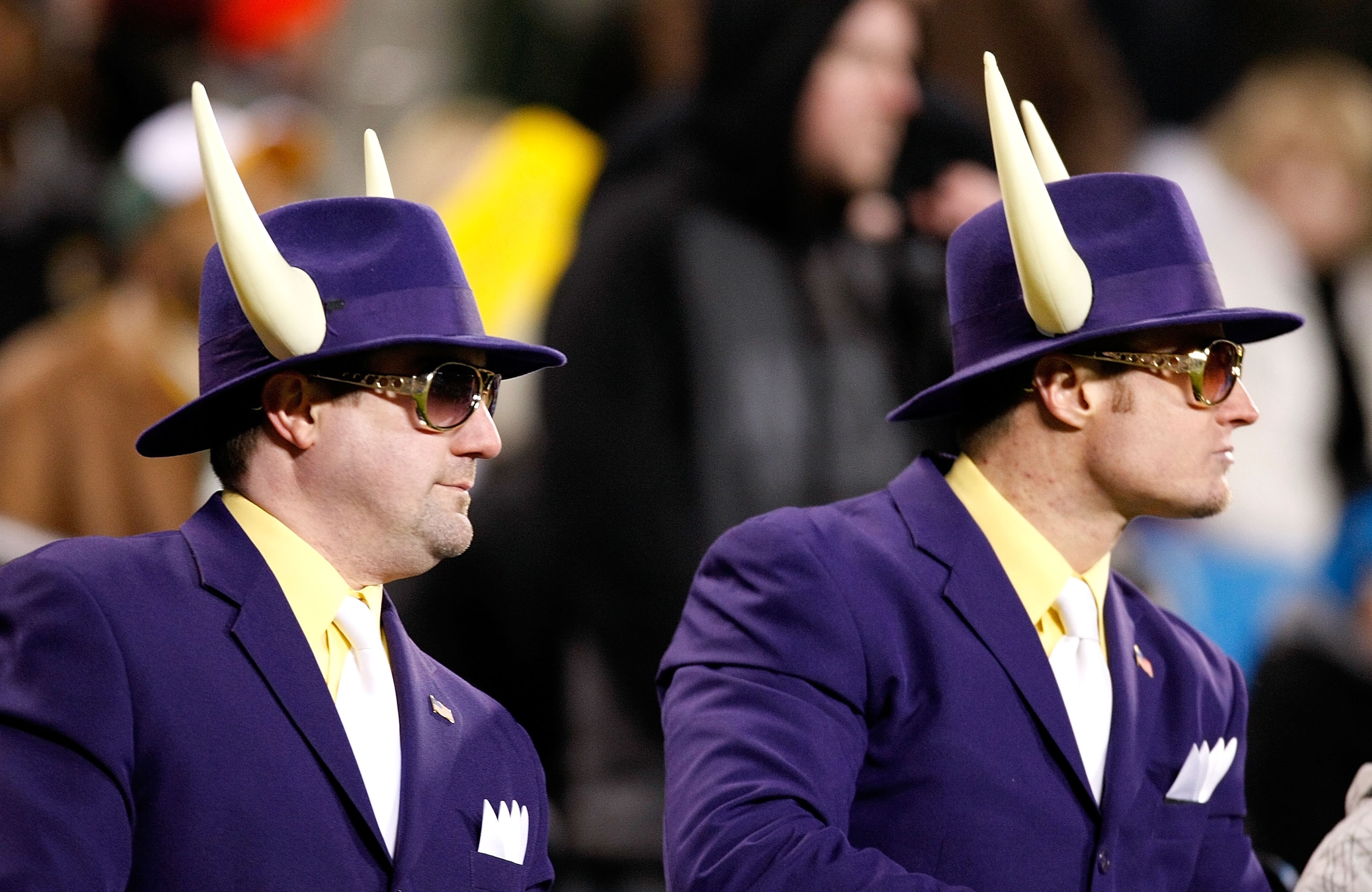
When It Happened: It's been happening since he was hired, more or less.
What Happened: Childress has been irking the Vikings fan base with his questionable coaching tactics and stubborn nature for some time now.
Why It’s Bad: The fans generate revenue. If they don't like the way you're coaching the team, that revenue can dry up. They can make your life miserable, so it's probably a good idea to be nice to them. Besides, do you want to cross these guys?
Seat Heat Meter: 3.5/10. When the fan base turns on you, it's a good indicator you could be on your way out the door, but it's not a job ender in and of itself.
.jpg?w=2560 "Jaguars 49ers Football")
12. Hire Your Own Replacement
4 of 15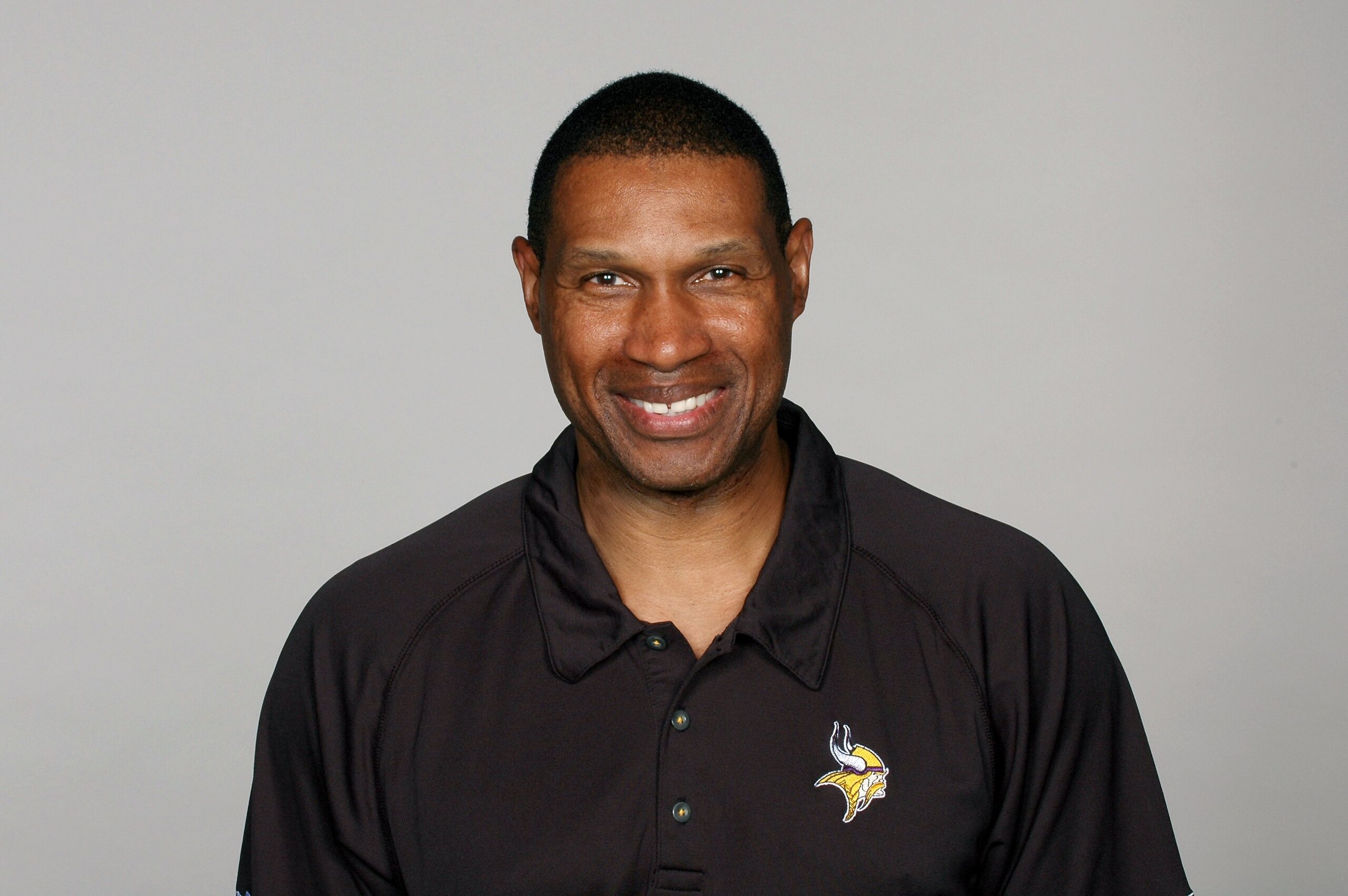
When It Happened: 2007.
What Happened: Childress hired Leslie Frazier as his defensive coordinator. Frazier is generally thought of as one of the top head coaching candidates in the NFL.
Why It’s Bad: IF you're going to run amok, the last thing you want to do is provide your boss with a ready-made replacement if they need to fire you. It makes you that much easier to get rid of.
Seat Heat Meter: 3.5/10. Frazier's presence is only an issue if Childress' job is in trouble.
11. Get Called Out By Players In The Press
5 of 15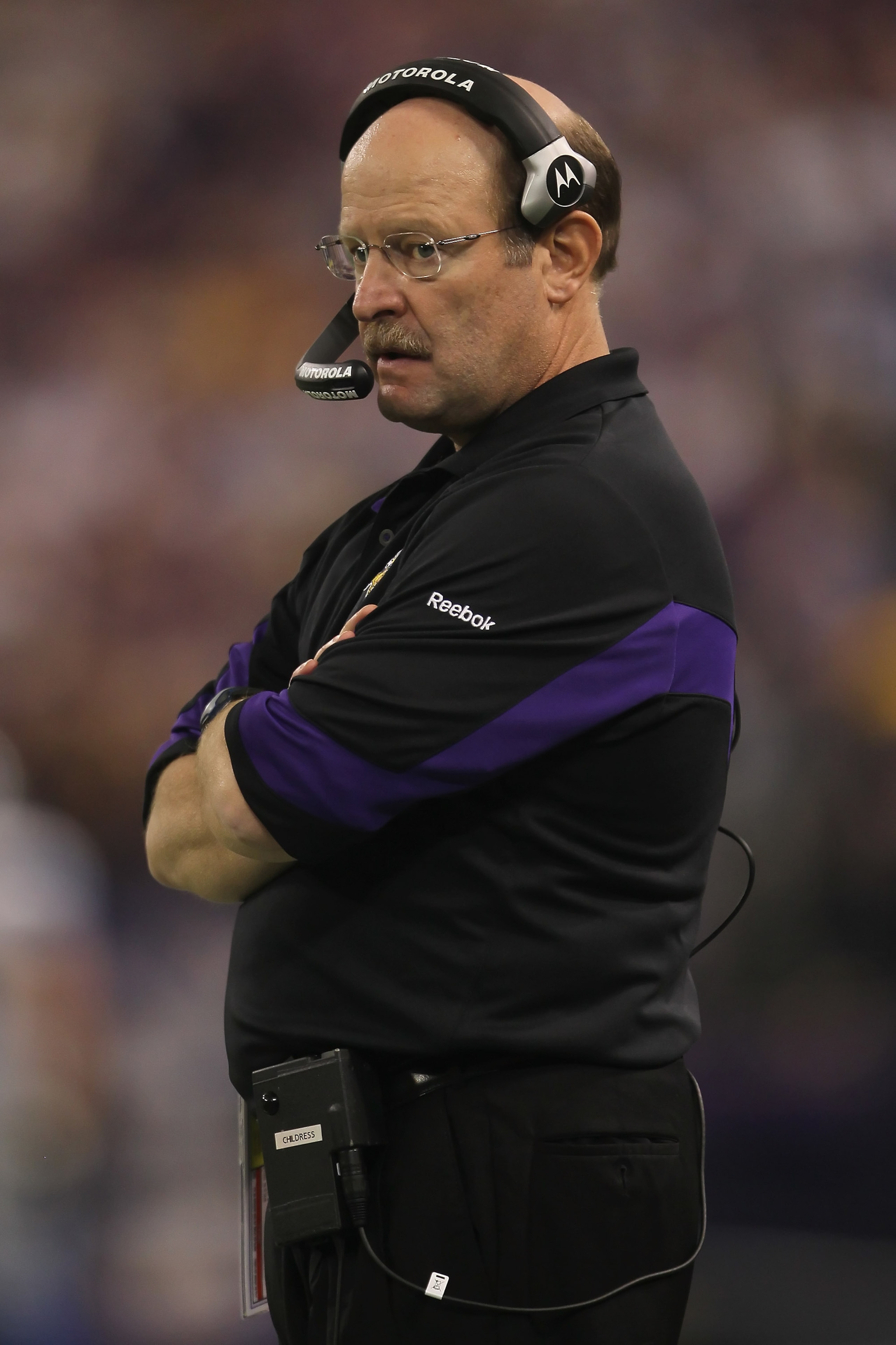
When It Happened: It seems like it's been going on for a while now.
What Happened: Left and right, it seems that players and former players are piling on Childress. Wide receiver Percy Harvin, the now departed Moss, retired center Matt Birk, retired quarterbacks Gus Frerrotte and Brad Johnson. They've all laid into Chilly in the press over the years.
Why It’s Bad: When your players hate you enough to talk about how much they don't like you or your style of game management to the media, they must really hate you.
Seat Heat Meter: 4.5/10. When the players are rebelling, things get a little toasty in the coaches chair.
10. Alienate Management
6 of 15
When It Happened: Steadily since the end of the 2006 season.
What Happened: Childress has been flaunting his power over president of player personnel Rick Spielman and vice president of football operations Rob Brzezinski for some time now, making final decisions on players even if the other two don't sign off on the move.
Why It’s Bad: If the owner decides he wants a change in the head coaching guard, it's typically a good idea to have someone in management who will fight for you.
Seat Heat Meter: 4.5/10. With two of the three points on owner Zygi Wylf's triangle of power alienated, no one will stick up for Childress is the owner decides to make a move.
9. Lie to The Media
7 of 15
When It Happened: Off and on since he was hired.
What Happened: Childress has been one of the worst liars in the NFL coaching ranks; not because he does it more, but because he's terrible at it. Most recently, he tried to claim he "gave" Randy Moss permission to stay in New England to visit family, when in fact the player had refused to return to Minnesota with the team.
Why It’s Bad: The media helps influence public perception of sports figures. If you're honest and forthcoming, they typically look more favorably on you than they would if you lied about little things to the point where they stopped trusting you.
Seat Heat Meter: 5.5/10. Once the media turns, your seat starts to feel more like a stovetop.
8. Divide The Locker Room
8 of 15
When It Happened: Steadily over the years.
What Happened: Through a series of boneheaded decisions, Childress has effectively divided the locker room. By bringing Brett Favre back, Childress alienated those players who thought the team was good to go with Tavaris Jackson. Brad has proven quite adept at alienating players and separating them into smaller groups, and with each schism, the team's morale dips.
Why It’s Bad: A house divided cannot win football games.
Seat Heat Meter: 6/10. Not quite enough to get you canned, but you'd best be winning football games if you divide the locker room.
7. Piss Off The Veterans
9 of 15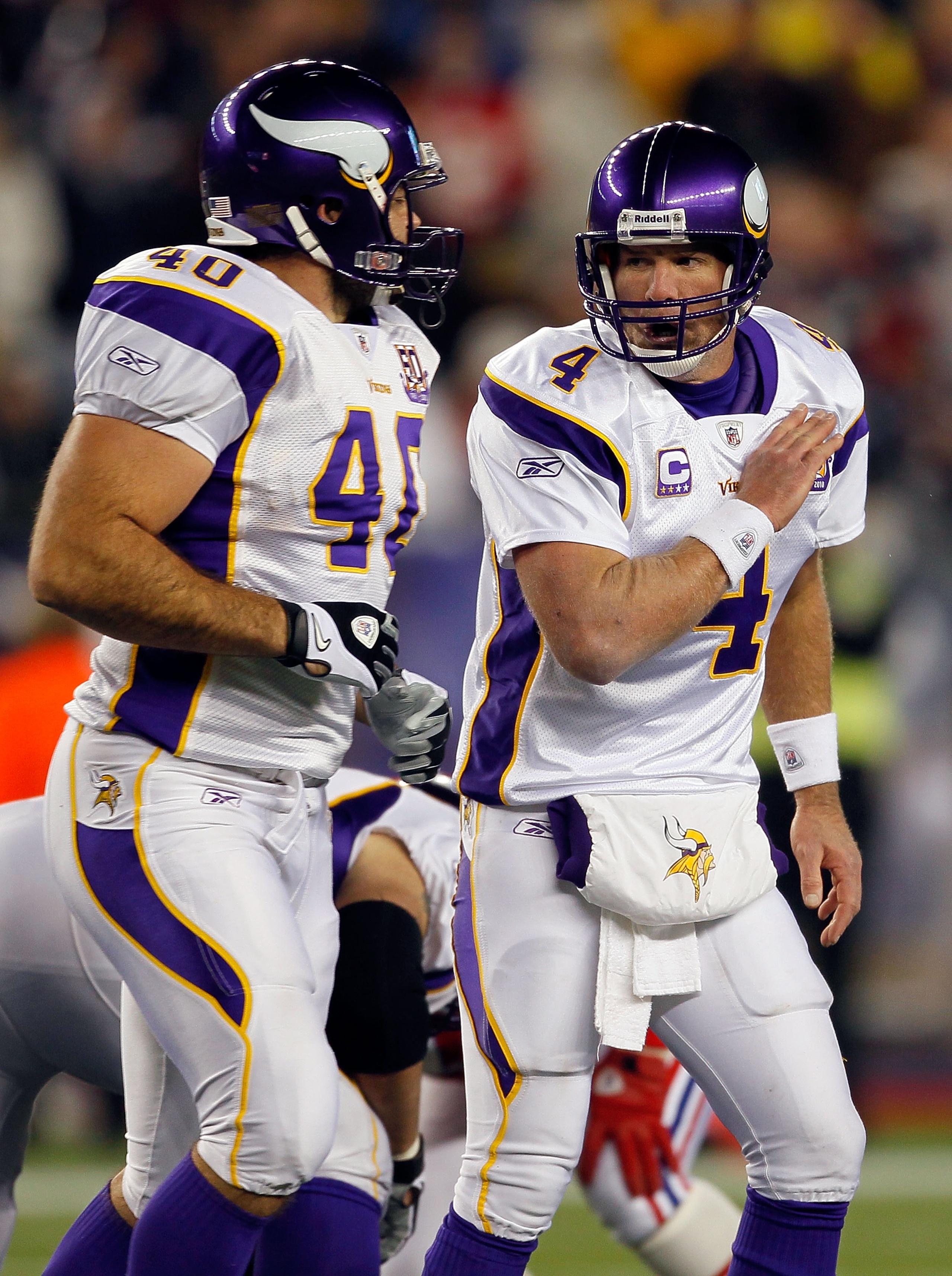
When It Happened: Most notably in 2010, but off and on throughout Childress' tenure with the Vikings.
What Happened: It has become widely known that many of the Vikings players don't think too highly of Childress or his football I.Q. When he acts like a dictator, the veteran players don't take too kindly to that.
Why It’s Bad: Players like to feel like they have a say in what the team does in a game. Take Randy Moss. Part of his anger was because he felt like the Vikings didn't listen to him. When players feel disrespected, they stop listening. When they stop listening, the team suffers. When the team suffers, the coach is in hot water.
Seat Heat Meter: 7/10. It's hard to keep your job when the players don't like you.
6. Cut Players
10 of 15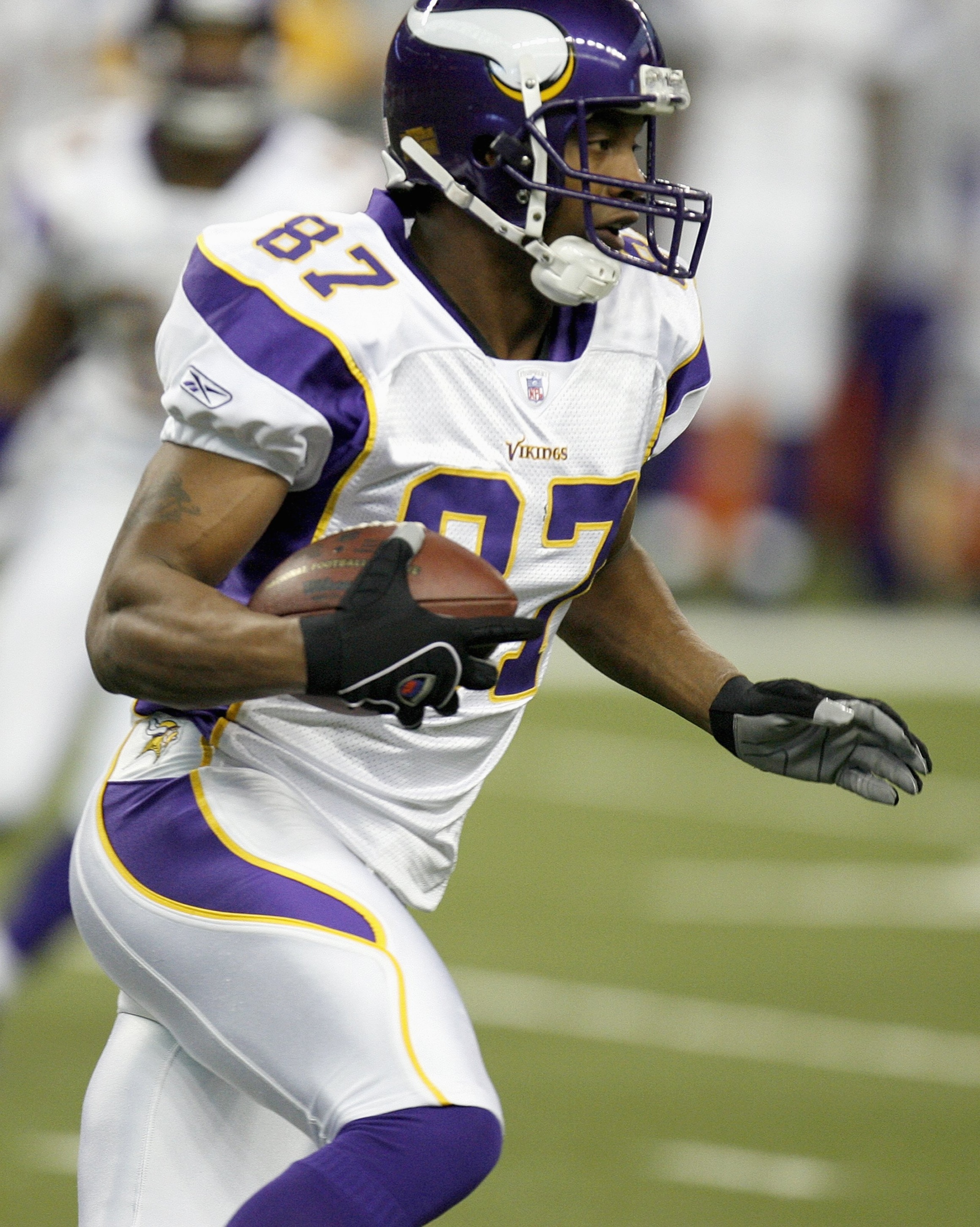
When It Happened: On a regular basis since Childress was hired in 2006.
What Happened: It began with Marcus Robinson. The veteran wideout was leading the Vikings in touchdown receptions when he complained in the media about the team's play. So Childress cut him. On Christmas. Similar things have happened through the years, to players like Brad Johnson and Randy Moss.
Why It’s Bad: When you're cutting players for speaking their minds, it tends not to make you a beloved locker room figure. On top of being seen as cold and aloof, it shows you don't care about the players or their opinions.
Seat Heat Meter: 7.5/10. This goes hand-in-hand with pissing off the veterans, and it's a good way to go about doing it, too.
5. Different Rules For Different Players
11 of 15
When It Happened: Most recently, this season.
What Happened: To give one example of this, Childress cut Randy Moss for complaining about the playcalling. When Brett Favre has clashed with him, though, Childress hasn't done anything.
Why It’s Bad: When you have different standards for different players, guys stop adhering to the rules altogether, because they see them as being unfair.
Seat Heat Meter: 8/10. When something like this comes to light, you'd better have a good reason for it.
4. Piss Off The Owner
12 of 15
When It Happened: November 2010.
What Happened: When Childress announced Moss' release, Vikings owner Zygi Wilf was furious, because he had been the one who wanted Moss in Minnesota in the first place. This isn't the first time Childress has done something like this, either; he'd gotten in trouble for releasing Robinson while bypassing the power structure in place in 2006, as well.
Why It’s Bad: Typically, it's not the best plan to anger the man who signs your paycheck.
Seat Heat Meter: 9/10. Hope your resume's updated.
3. Behave Arrogantly
13 of 15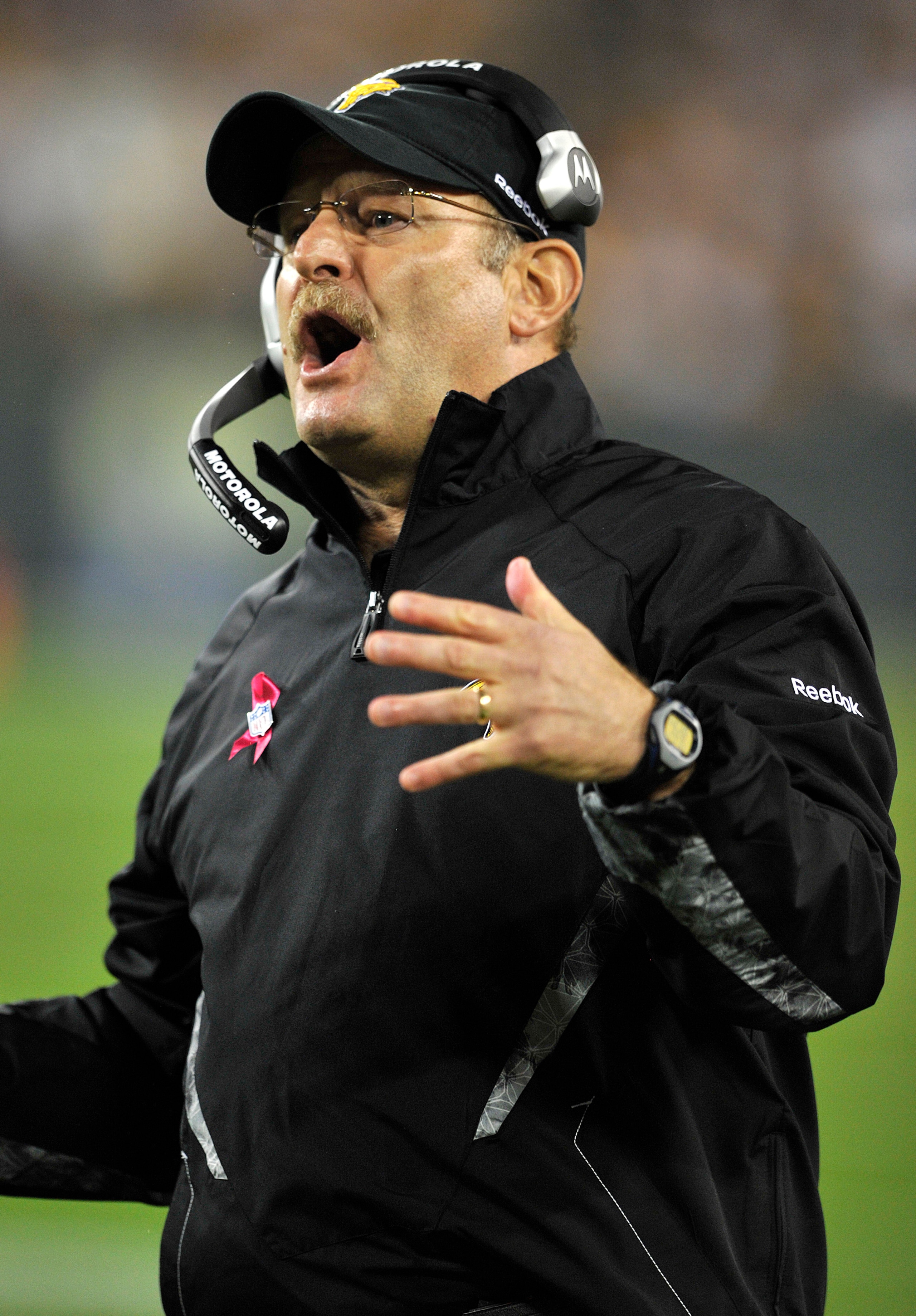
When It Happened: Since he was hired.
What Happened: Almost from the moment he became head coach of the Vikings, Childress has showed incredible arrogance in his actions, choosing to ignore advice from players, cutting and trading away players without consent, deceiving the media and general public. It all smacks of a coach who thinks he's too good for rules and fairness.
Why It’s Bad: Arrogance is not a quality you want in a head coach.
Seat Heat Meter: 9/10. Most people have little tolerance for the kind of arrogance Childress has exhibited.
2. Act Like a Dictator
14 of 15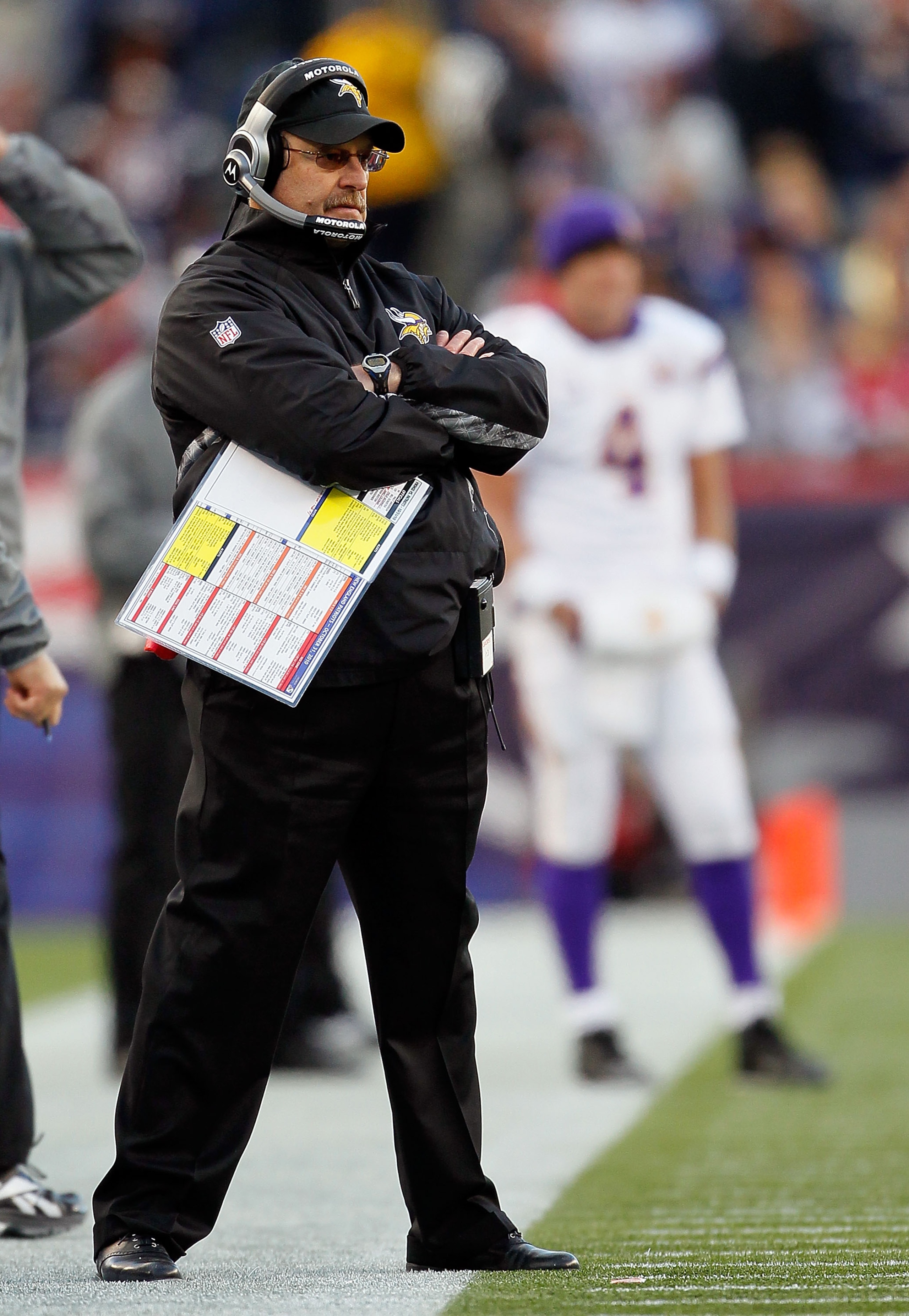
When It Happened: Since day one in 2006.
What Happened: Childress rules this team with an iron fist. He demands that players cowtow to his system, refusing to change anything. If a player crosses him, he releases them or trades them. He usurps power from the other management figures in Minnesota, and generally behaves like a tyrant.
Why It’s Bad: Authoritarian regimes breed resentment and discontent. We're beginning to see it boil over.
Seat Heat Meter: 9.5/10. If a coach can't learn to run the team without being a dictator, he's not long for the coaching ranks.
1. Be a Terrible Coach
15 of 15
When It Happened: Since day one.
What Happened: We knew this was coming. From the moment Childress took over the Vikings, there were rumblings that he wasn't a good in-game coach. We've seen it throughout his tenure: poor play calls, refusal to adapt to game situations or adjust to what an opponent is giving them, poor review skills, and a general stubbornness about his manner of coaching.
Why It’s Bad: If you're a bad coach, you won't win football games.
Seat Heat Meter: 10/10. The only surefire way to get fired, and Childress has finally proven what many suspected: his moderate success in Minnesota was more a result of the players he had at his disposal, rather than the coaching he did.
.jpg?w=2560 "Colts Apology Football")
.jpg?w=2560 "Steelers Lions Football")
.png?w=2560 "Best Fits for Top Free Agents📍")

.jpg?w=2560 "Court Halts College Eligibility Ruling (AP)")