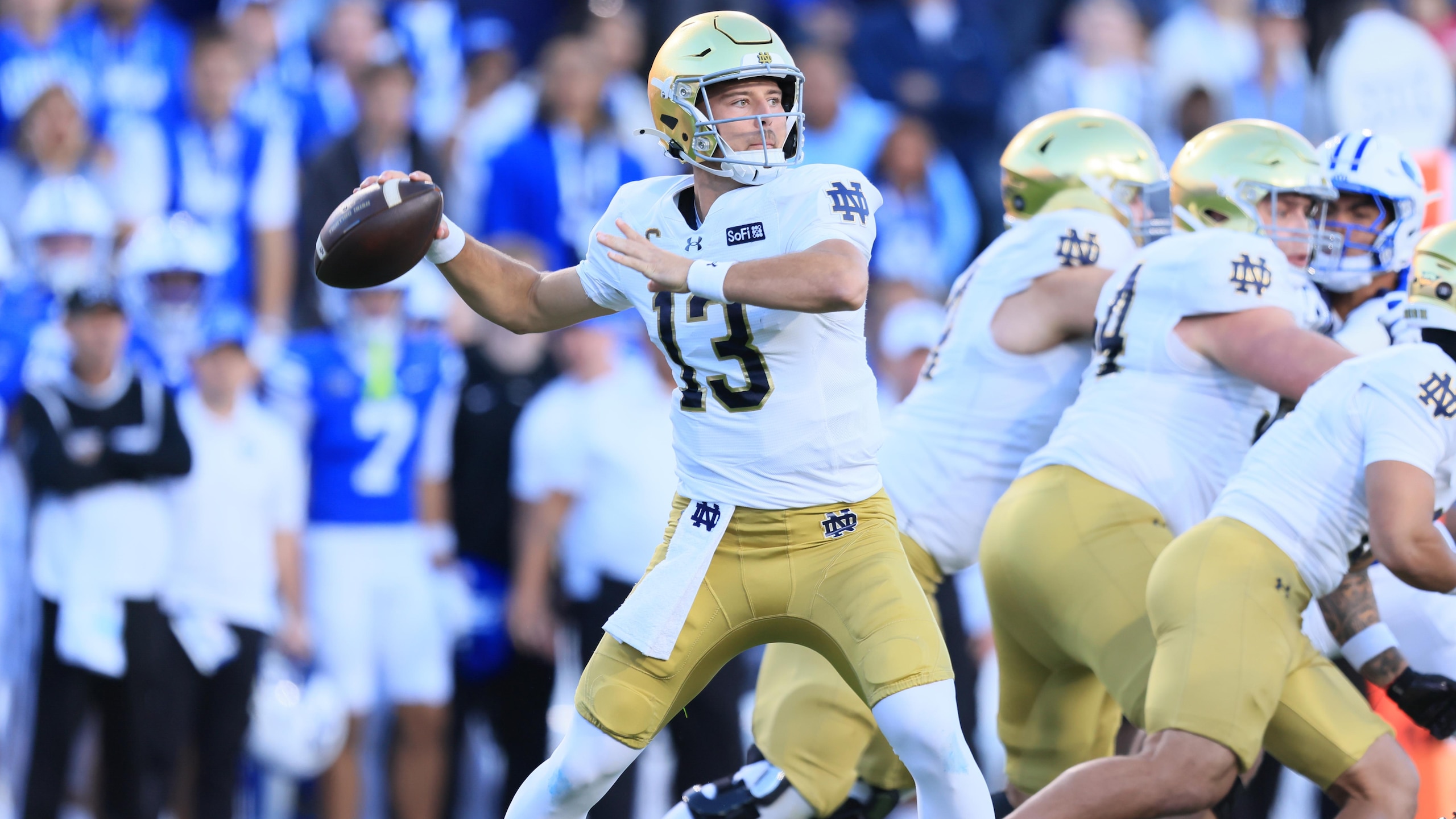
Running backs are far from dead in the first round of fantasy football drafts.
Some might think the onset of the committee on the field means it's wideout-or-bust in the first round of fantasy drafts, but that's false. Few traditional workhorses such as Adrian Peterson of the Minnesota Vikings remain, but the definition of "workhorse" has changed in dramatic fashion.
Now, barring the two rare traditional workhorses, it's all about backs who can catch passes out of the backfield and barely come off the field at all.
.jpg?w=2560 "Bills Rams Football")
.jpg?w=2560 "Seahawks Broncos Football")
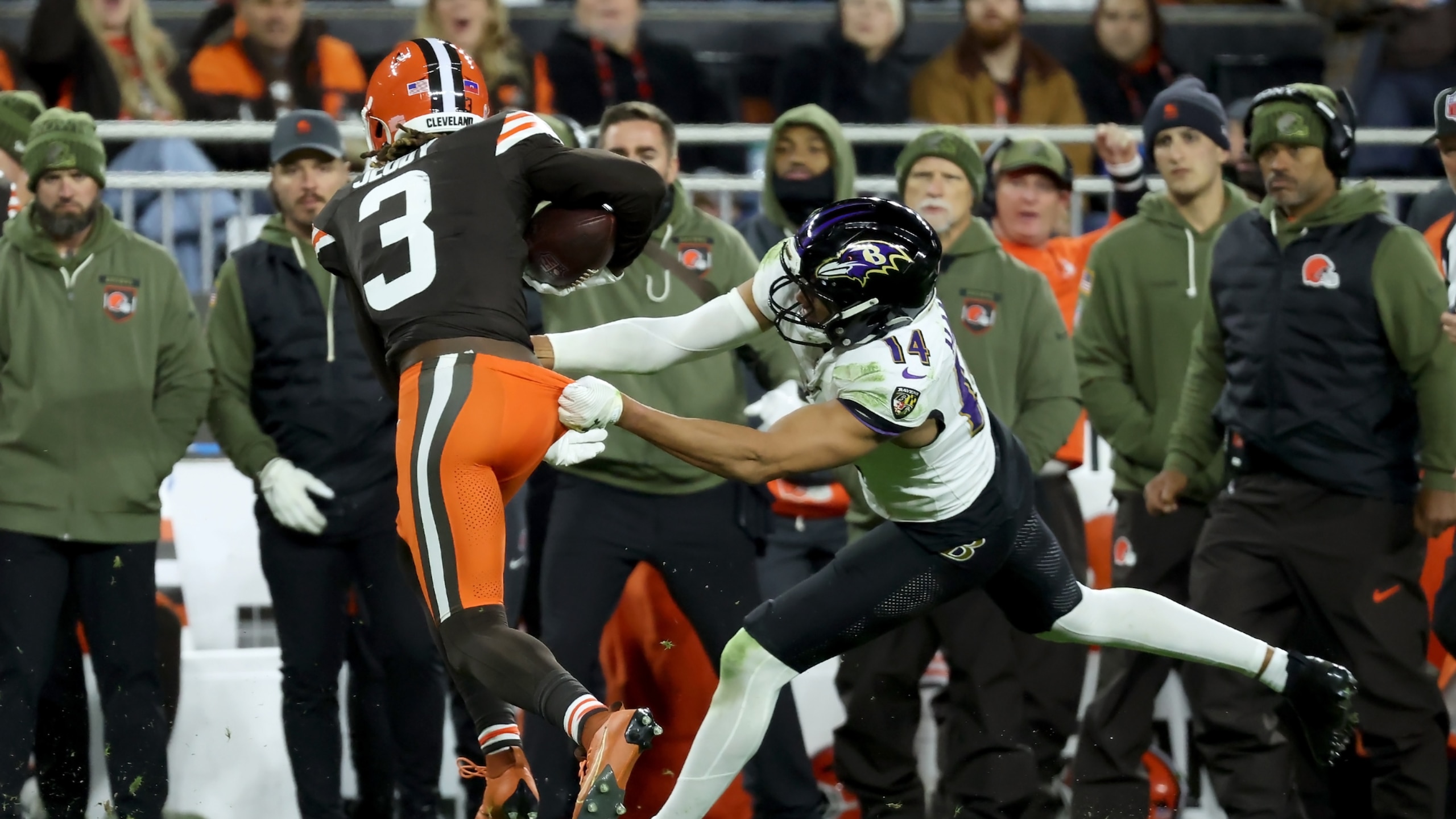
This sort of change in the fantasy landscape is reflected in the mock draft below, based on a standard 12-team league:
| Round 1 | |||
| 1.01 | Antonio Brown | WR | PIT |
| 1.02 | Odell Beckham Jr. | WR | NYG |
| 1.03 | Todd Gurley | RB | LA |
| 1.04 | Julio Jones | WR | ATL |
| 1.05 | Adrian Peterson | RB | MIN |
| 1.06 | DeAndre Hopkins | WR | HOU |
| 1.07 | Ezekiel Elliott | RB | DAL |
| 1.08 | A.J. Green | WR | CIN |
| 1.09 | Rob Gronkowski | TE | NE |
| 1.10 | Devonta Freeman | RB | ATL |
| 1.11 | Dez Bryant | WR | DAL |
| 1.12 | David Johnson | RB | ARI |
| Round 2 | |||
| 2.01 | Jamaal Charles | RB | KC |
| 2.02 | Le'Veon Bell | RB | PIT |
| 2.03 | Allen Robinson | WR | JAC |
| 2.04 | Lamar Miller | RB | HOU |
| 2.05 | Jordy Nelson | WR | GB |
| 2.06 | Alshon Jeffery | WR | CHI |
| 2.07 | Doug Martin | RB | TB |
| 2.08 | Brandon Marshall | WR | NYJ |
| 2.09 | LeSean McCoy | RB | BUF |
| 2.10 | Cam Newton | QB | CAR |
| 2.11 | Mark Ingram | RB | NO |
| 2.12 | Mike Evans | WR | TB |
Said traditional workhorses who must come off the board in the first round are Peterson and Todd Gurley of the Los Angeles Rams.
Peterson ranked second in scoring among backs last year with 217 points thanks to 327 carries for 1,485 yards and 11 scores. Gurley was fifth with 176 points, rushing for 1,106 yards and 10 touchdowns.
Devonta Freeman of the Atlanta Falcons is the top example of a versatile, do-it-all back these days. He was the top-scoring back last year with 230 points thanks to his 265 rushes for 1,056 yards and 11 scores, as well as his 73 catches for 578 yards and three scores through the air.
For those who doubt Freeman for one reason or another, he's already hard at work changing minds this preseason, as radio host Jayson Braddock illustrated:
Close behind Freeman in this regard is David Johnson of the Arizona Cardinals. Even mired in a committee approach, Johnson ranked two spots behind Gurley thanks to 125 carries for 581 yards and eight scores, with 36 catches for 457 yards and four more scores as a receiver.
These two types of backs have different approaches but the same result: top-10 production that must come off the board early. That said, the rest of the picks in the first round mostly need to feature target-hog wideouts such as Antonio Brown and DeAndre Hopkins.
Otherwise, general tips follow.
One of the most important tips is to never draft a quarterback in the first round. Seriously, just don't. Look at the following nugget from ESPN.com's Tristan H. Cockcroft: "Seventeen quarterbacks scored at least 240 fantasy points—that's an average of 15 per game over a 16-game season—a record number reaching that threshold, and those 17 outscored every player at every other position."
Sure, having Cam Newton or Tom Brady would be great, but taking one of them in the first round at arguably the deepest position in fantasy doesn't make a ton of sense. Remember, Ryan Fitzpatrick and Kirk Cousins scored more than 270 points last year, whereas Matt Ryan and Ben Roethlisberger did not.
Sticking with quarterbacks, don't waste a pick on a backup. If an owner does manage to nab an Aaron Rodgers or Carson Palmer in the middle rounds, there's no sense in wasting a pick on a backup. Given the aforementioned depth and ease of projecting quarterbacks, the waiver wire will always have a solid player with a good matchup available during a starter's bye week.
Draft target-heavy wideouts over the first few rounds. This ensures a narrow range of outcomes, which is what owners want: assured production from first- and second-round picks.
It's why Brown is so good: He has received at least 165 targets in each of the past three seasons, and with those he's rung up at least 1,499 yards and eight scores.
At tight end, draft for upside. Jason Witten, Antonio Gates and Kyle Rudolph are all known for their consistency but scored 88 or fewer points last year. Only eight tight ends scored more than 100 points, and some of those, such as Benjamin Watson and Gary Barnidge, were completely out of left field.
Even with tips and a mock draft for reference, owners must understand that there are many ways to win. One owner could go running back the first three rounds and win. Another could go all-in on the riskiest play available, grabbing Rodgers in the first and Rob Gronkowski in the second.
That's the beauty of fantasy football. Going in armed with tips and solid advice, though, puts an owner one step ahead of the competition.
All scoring info courtesy of ESPN standard leagues, as are points-against info and ownership stats. Statistics courtesy of ESPN.com. Average draft position (ADP) courtesy of Fantasy Football Calculator.
.jpg?w=2560 "Raiders Saints Football")
.png?w=2560 "B/R CFB Top 25 After Week 7 🔢")

.jpg?w=2560 "AEW WrestleDream Live Grades 🔠")