

B/R MLB 300: Ranking the Top 30 Relief Pitchers
After taking a look at the top starting pitchers, the B/R MLB 300 has now reached its final position: relief pitchers.
Our list of the top relievers contains 30 of our 300 overall players, and they were chosen based on a scoring system that adds up to a total of 80 possible points.
First, there are 25 points for control. The basic idea is to look at how well pitchers throw strikes and, by extension, avoid walks. But we'll also dive into how well pitchers hit their spots and whether there's any rhyme or reason to their location patterns.
Next, there are 30 points for whiffability. This is where we'll look at how well pitchers miss bats and rack up strikeouts, and that's pretty much all there is to it.
After that, there are 25 points for hittability. This is where we'll look at how well pitchers manipulate contact. Ground balls and pop-ups are preferred, and we'll also look at how well (or not) they keep the ball in the yard and how well they stifle hard contact.
A score in the middle is meant to denote average, not failing. For example, having 15 out of 30 whiffability points means the player has merely average whiffability, whereas 10 out of 30 is clearly below-average and 20 out of 30 is above-average. It's also important to note that if two or more players ended up with the same final score, the edge went to the player we'd choose if we had to pick just one.
Before we begin, here's an important reminder that, while we used what's happened in 2015 as a foundation for the scores, this list projects performances for the 2016 season. Players were evaluated based on the staying power of each of their skills with progression, decline and past luck in mind—which created different rankings than simply judging where each player stands today would have.
You may now start the show.
Notes on Stats, Links and Sources
1 of 31
Putting together these rankings did require some good, old-fashioned video scouting. But for the most part, it involved digging deep into baseball's treasure chest of statistics.
The primary sources for these statistics were Baseball-Reference.com, FanGraphs, Brooks Baseball, Baseball Prospectus and Baseball Savant. The various links you'll find throughout will take you to relevant data on these sites. Clicking on them is not mandatory. They're there for your pleasure.
As for the stats referenced within, there are some you may not be familiar with. These would be:
- BB% and Zone%: The first tells us the rate at which pitchers walk batters, and the second tells us the rate at which they find the strike zone. These will be our guiding stars for figuring out control scores. The averages for relief pitchers are an 8.6 BB% and a 45.4 Zone%.
- K% and SwStr%: The first tells us the rate at which pitchers strike out batters, and the second tells us the rate at which they get swings and misses. These will be our guiding stars for whiffability scores. The averages for relievers are a 22.1 K% and an 11.0 SwStr%.
- GB%, IFFB% and HR/FB: These tell us the rate at which pitchers get ground balls, infield pop-ups and give up home runs on fly balls. They'll be helpful in figuring out hittability scores. The averages for relievers are a 45.5 GB%, a 9.6 IFFB% and a 10.8 HR/FB.
- Soft% and Hard%: These tell us the rate at which pitchers give up soft and hard contact, which will also help for hittability scores. The averages for relievers are an 19.3 Soft% and a 27.9 Hard%.
The averages noted above are reference points that will often come in handy throughout the piece, but know that they're among many plucked from FanGraphs to help inform the rankings.
Now then. Let's get started.
30. Brad Ziegler, Arizona Diamondbacks
2 of 31
Control
Brad Ziegler is never really wild, per se, but he did avoid walks better than usual in 2015, with a 6.5 BB%. This is despite the fact he continued to only toy with the strike zone, posting a 40.2 Zone%. But that, of course, is by design. Ziegler's entire game revolves around using his funky delivery to throw sinkers, sliders and changeups that look like they could hit the bottom of the zone but then sink below it. He's very good at repeating this over and over and consistently earns himself a high chase rate as a result. Odds are he won't repeat his 6.5 BB%, but rest assured he knows what he's doing.
Whiffability
Whiffs, however, are not Ziegler's thing. That's something he proved for the umpteenth time in 2015, posting just a 13.7 K% and an 8.3 SwStr%. Only having fastball velocity in the mid-80s certainly doesn't help, but that's only part of the issue. Another part has to do with how he doesn't change eye levels. Hitters know to look low, making it easier to make contact even if Ziegler gets them to chase. With that being the case, whiffs should continue to elude him.
Hittability
This is how Ziegler is able to get away with not getting whiffs. His contact management revolves around ground balls, which is something he was once again elite at throughout 2015 in posting an absurd 72.8 GB%. Only Zach Britton (more on him in a bit) did better, and Ziegler was also among the elites with a 24.5 Soft% and a 21.2 Hard%. The latter figure is probably too good to be true, but not so much his GB% or his Soft%. As such, look for him to keep on excelling in this department.
Total
In a league full of hard throwers with all sorts of electric secondary pitches, Ziegler is hardly the sexiest reliever under the sun. But by aiming low, lower and lower still, he racks up plenty of ground balls and, in general, is one of the hardest relievers to hit.
29. Mark Lowe, Toronto Blue Jays
3 of 31
Control
Mark Lowe finished 2015 with a strong 5.6 BB% and a 50.4 Zone% to match. He didn't make things especially easy on himself either, throwing about half fastballs and half sliders. But he showed especially strong command against lefty batters, putting them on the lookout with outside fastballs before back-dooring them with sliders. He wasn't quite as precise against righty batters, throwing them mainly challenge fastballs, but he did show he could easily play with the outside corner with his slider against them, too. So all in all, his control revival was indeed well-earned.
Whiffability
Lowe also greatly improved in this department, finishing with a 28.4 K% and a 14.1 SwStr%. At the heart of these numbers was a velocity increase, as he went from throwing 92.2 miles per hour in 2014 to averaging 95.5 in 2015. His fastball's whiff rate responded accordingly and, along with his slider, gave him two solid swing-and-miss pitches to go to. But given that Lowe found all that extra velocity at the age of 32, the big question going forward is obviously whether he can maintain it. On that, one has doubts.
Hittability
On the surface, it looks like Lowe also managed contact well in 2015. He may not have specialized in ground balls (40.3 GB%) or pop-ups (8.9 IFFB%), but he did finish with a solid 17.9 Soft% and 25.0 Hard%. But the catch is that those latter two numbers are owed to a huge increase in effectiveness upon arriving in Toronto from Seattle, as his Soft% went from 11.8 to 27.3 and his Hard% went from 30.6 and 16.4. Given that his numbers in Seattle were accumulated in a much larger sample size, those are the ones that are more indicative of how hittable he is.
Total
Lowe's career seemed finished in 2013 and 2014, but he was born again in 2015. Whether he can maintain the mid-90s velocity that made it all possible is a question mark, but he's undeniably back on the map among his fellow relievers.


28. Francisco Rodriguez, Milwaukee Brewers
4 of 31
Control
He may have only posted a 45.7 Zone%, but Francisco Rodriguez ended 2015 with a career-best 5.1 BB%. The trick for him was to also post the best chase rate (36.0 O-Swing%) of his career, and the trick for achieving that was straightforward. Rodriguez kept the ball down like never before and kept hitters guessing with fastballs at the knees and curves and changeups below the zone. This has been Rodriguez's MO for a while now. But though the idea didn't change in 2015, his execution of it sure did.
Whiffability
You'd expect Rodriguez to earn more whiffs with better execution of his approach, and you'd be right. He finished with his best K% in years at 28.7, as well as his best SwStr% in years at 14.0. His high-80s fastball and his curveball didn't do much heavy lifting, but his changeup remained a deadly swing-and-miss pitch. And because it's a pitch he continues to lean on more and more, it's a pitch that should continue to keep the whiffs coming.
Hittability
Now for the not-so-good news. Rodriguez may have good control and a nasty changeup working for him, but he's not immune to hard contact. He remained just an OK ground-ball artist in posting a 46.4 GB%, and he balanced out his solid 20.4 Soft% with a not-so-solid 29.6 Hard%. In a related story, his 14.3 HR/FB made it four years in a row with a double-digit HR/FB. When he's not missing bats, he's in danger.
Total
Rodriguez's peak years are pretty far in the past by now, but he's still kicking. For that, he can thank his transformation into more of a control-oriented pitcher, albeit one who still has a killer changeup.
27. Keone Kela, Texas Rangers
5 of 31
Control
Keone Kela finished his rookie year with a solid 7.4 BB% and a solid 46.8 Zone%. He threw his mid-90s fastball about 60 percent of the time, though his fastball command wasn't very precise. He couldn't quite find the corner against lefty batters, and too often he worked in the middle against righty batters. Improving on that may be difficult, as he fits the reliever mold of having mechanics that are more about deception than efficiency. But at the least, he showed he has no trouble keeping his curve and changeup down. As long as he can do that, a few misplaced fastballs won't get him in too much trouble.
Whiffability
With a 28.0 K% and 13.7 SwStr%, Kela also showed in his rookie season that he's plenty capable of missing bats. For that, he had his big, looping curveball to thank. It accounted for over 30 percent of his pitches, and by the end of the year, it was one of the best swing-and-miss curveballs any reliever had thrown. As a bonus, his little-used changeup also did its job by getting whiffs at nearly a 20 percent clip. If he uses that pitch more in his sophomore season, he could be even tougher to hit.
Hittability
In addition to getting whiffs, Kela was able to specialize in the best of both worlds in the contact-management department. He got more ground balls (50.6 GB%) and pop-ups (13.3 IFFB%) than the average reliever, mainly thanks to his four-seamer. But on that front, one catch is that four-seamers don't tend to pick up many ground balls. Regression should therefore be expected with his GB%. And that could spell trouble, as Kela managed just a 19.1 Soft% and 29.3 Hard% despite all his ground balls and pop-ups. If he regresses, he could be even easier to barrel up.
Total
Kela wasn't on many radars coming into the year, but he did more than enough to establish himself as one of the game's more talented setup men. Through his combination of solid control and an arsenal highlighted by a nasty curveball, he's a tough customer for opposing hitters late in games.
26. Jonathan Papelbon, Washington Nationals
6 of 31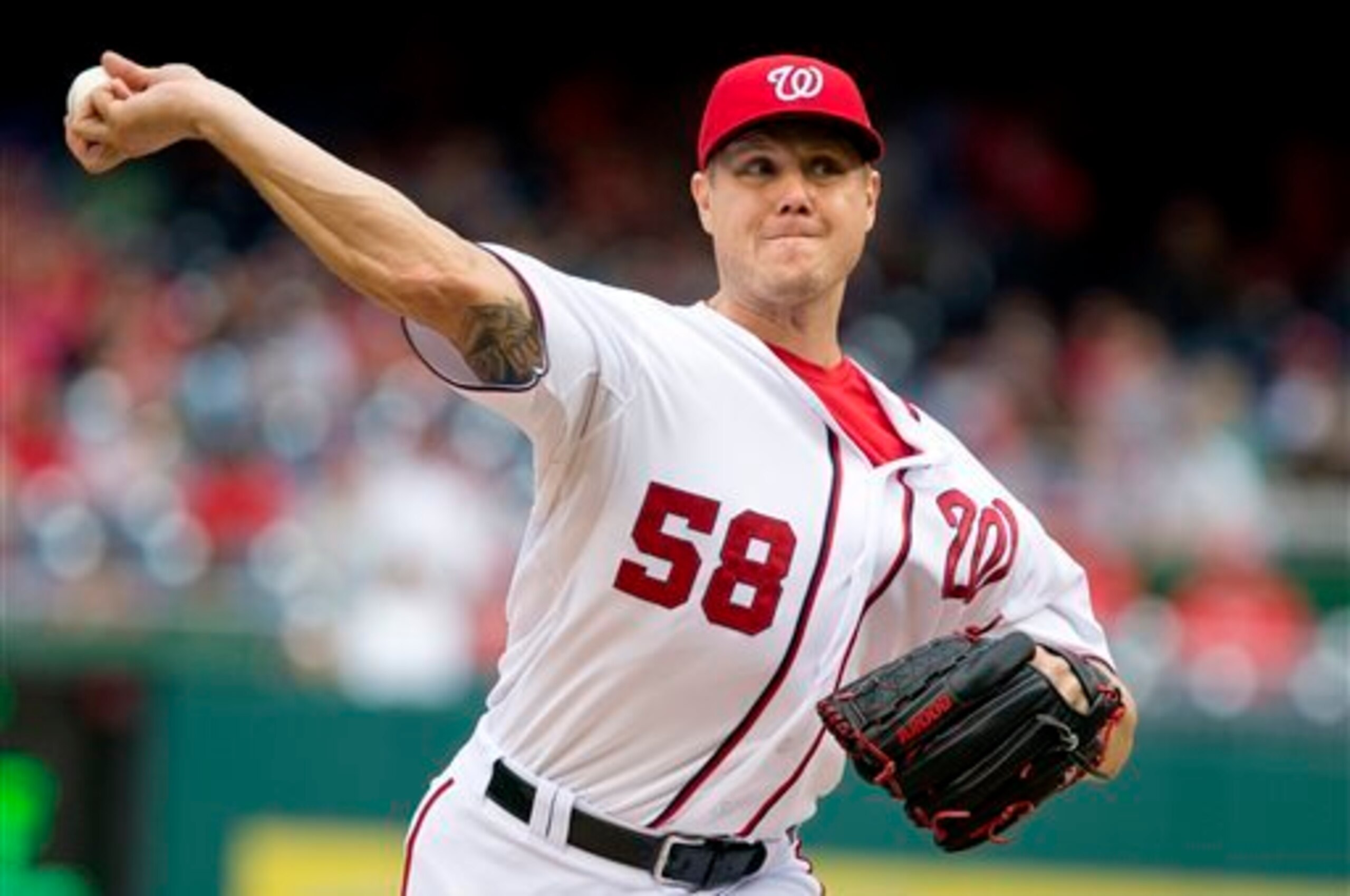
Control
Jonathan Papelbon definitely controls his pitches better than he controls his temper. He finished 2015 with a 4.6 BB% that was par for the course and a 48.5 Zone% that was his highest in years. It helps that he still relies on his four-seamer for about 70 percent of his pitches, and everything hinges on his ability to spot those up in the zone so he can set hitters up for sliders and splitters. It's not a very complicated approach, but he's very good at executing it, and it's largely effective.
Whiffability
The bad news is that Papelbon finished 2015 with the lowest K% of his career, at 21.5. The not-so-bad news is that he at least managed to miss bats at a strong rate, posting a 12.4 SwStr%. Though his fastball velocity is still only in the 91-92 range, his ability to mix, match and locate his three primary pitches allows all three to maintain whiff rates in the double digits. His days of having explosive swing-and-miss stuff are most certainly over, but he can still get whiffs from his craftiness.
Hittability
This, not surprisingly, is where Papelbon really struggles these days. Thanks to his splitter, his 49.7 GB% goes to show that he can still get a ground ball when he wants one. Also, his four-seamer is still more of a go-to pitch for pop-ups than his 8.1 IFFB% lets on. But his 17.9 Soft% and 29.9 Hard% are much truer reflections of how hittable he is. Though he can keep hitters guessing well enough, he simply can't overwhelm them like he once could.
Total
Papelbon is far from the overpowering reliever he used to be, but he's continuing to show that he can get by on what he has left, thanks to his excellent control. He's still a good guy to have around, provided your superstar hitters run out their pop-ups.
25. Cody Allen, Cleveland Indians
7 of 31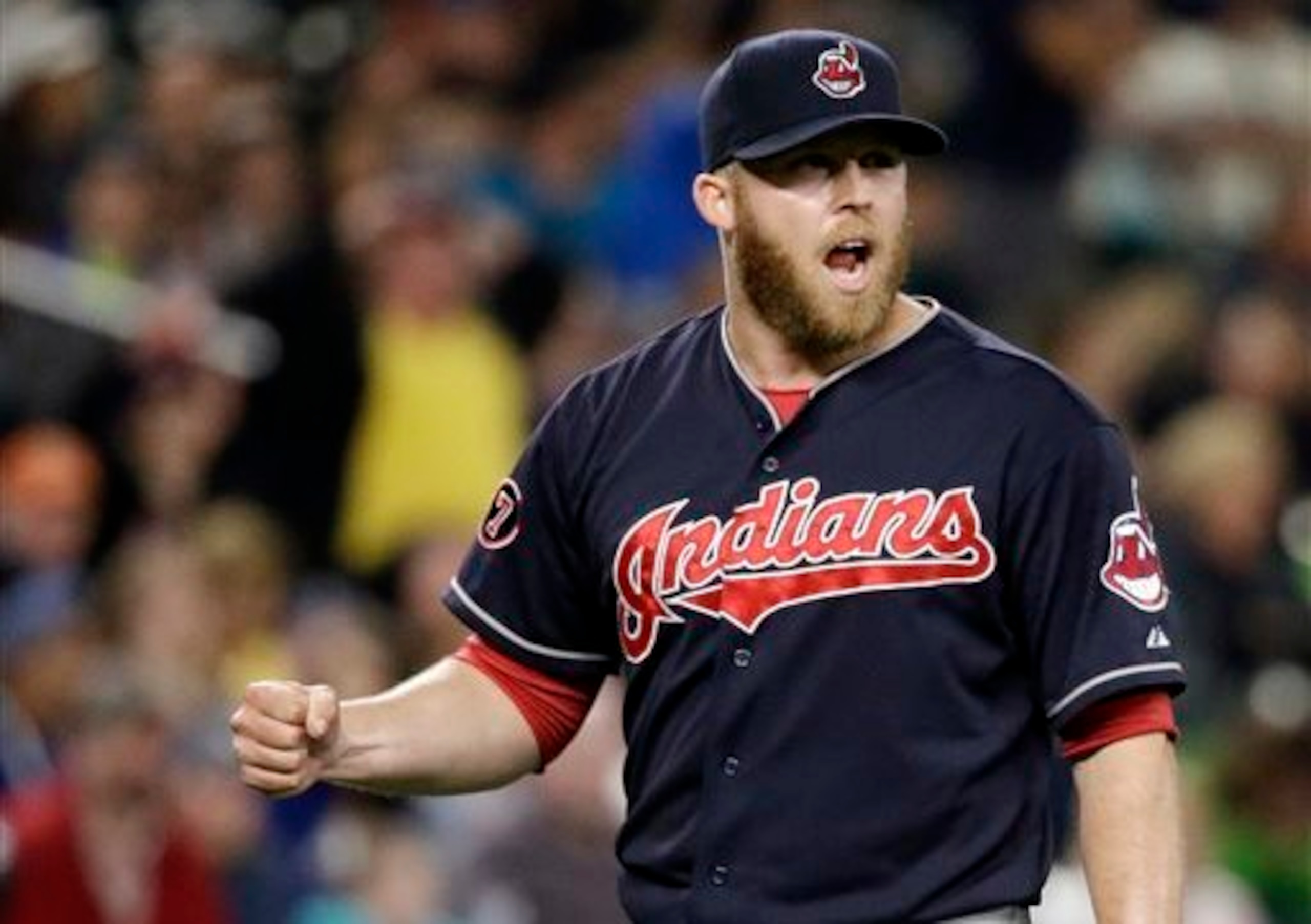
Control
If you look at Cody Allen's 8.7 BB% and 44.8 Zone%, it looks like he had lousy control in 2015. But it was a tale of two halves. After posting a 10.9 BB% in the first half, he settled down with a 6.2 BB% and a 47.2 Zone% in the second half, in which he settled on a release point that suited him. He still didn't have the most precise fastball command, but what he had worked well enough to set up all his low curveballs. It may only be one good half, but it was a step in the right direction all the same.
Whiffability
Allen may have needed the second half to get his control under, ahem, control, but he was tough to hit throughout in finishing with a 34.6 K% and 13.3 SwStr%. Though his mid-90s heat definitely helped, it was all about the curveball for Allen. He once again threw his curve a lot, and it was one of the top swing-and-miss curveballs thrown by any reliever. It may not have bought him as many whiffs as his K% would indicate, but it's definitely an elite weapon that should continue to serve him well.
Hittability
As per usual, Allen's approach to contact management didn't involve inducing many ground balls in 2015. But his fastball and curveball did join forces to bring him one of the league's top IFFB% at 15.4. That helped play a role in him also racking up a 20.0 Soft% and 25.0 Hard%. It's too bad, however, that he got significantly easier to hit around once he started throwing more strikes in the second half. Given that he shouldn't want to stop throwing strikes, that may continue into 2016.
Total
You can't tell from looking at his 2.99 ERA, but 2015 was Allen's best season to date. Though his improved control in the second half came with increased hittability, on the whole he showed he was capable of solid control of a dangerous arsenal, which indeed tends to be a good recipe for success.
24. Glen Perkins, Minnesota Twins
8 of 31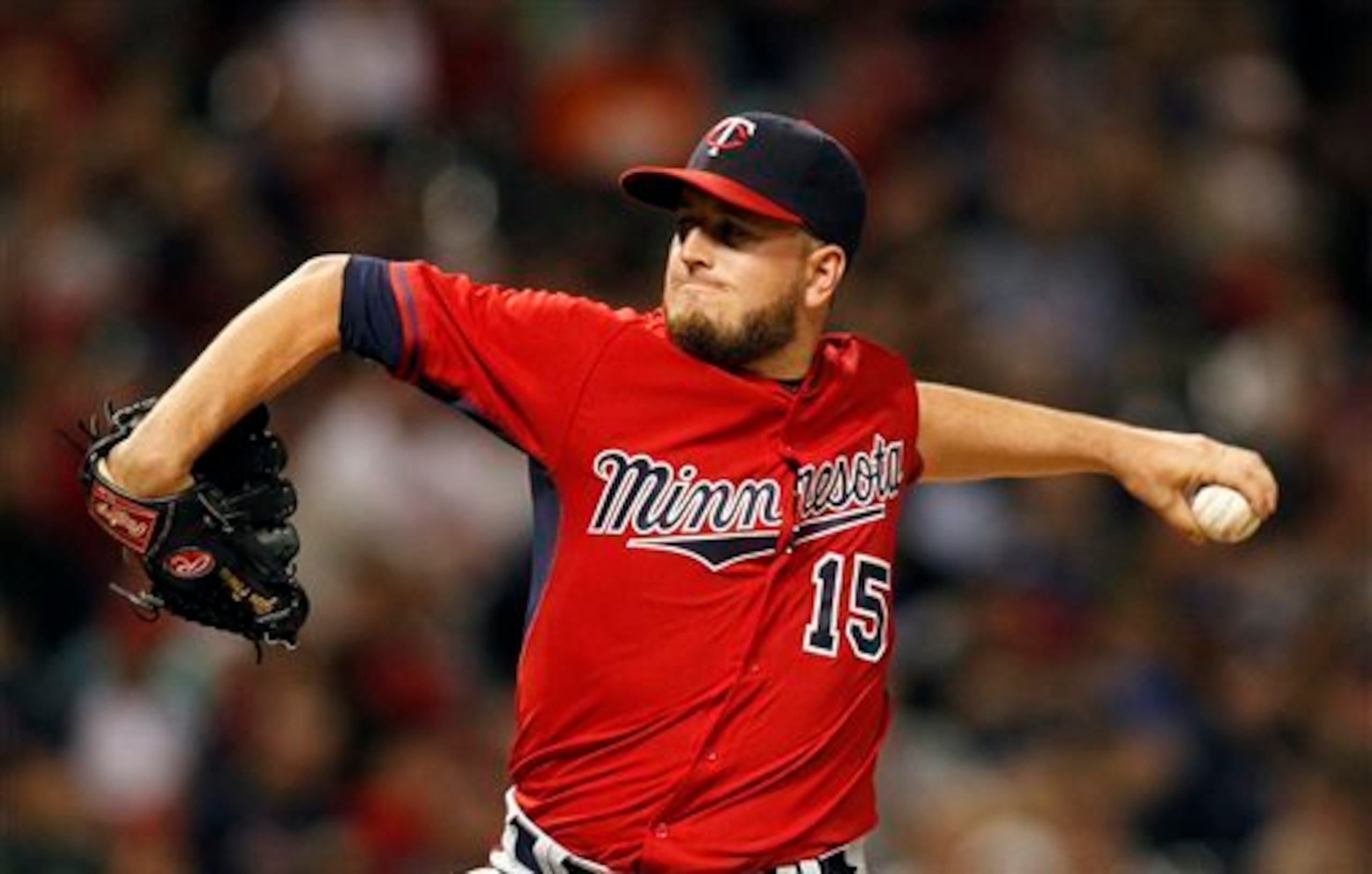
Control
Glen Perkins came into 2015 with a reputation for being a strong control artist, and he lived up to it and then some by posting a 4.2 BB% and an absurd 54.6 Zone%. A straightforward delivery and an arsenal full of four-seamers help make Perkins' job easy, and he makes it even easier by not trying to get too fancy with his control. He works both his fastball and his slider on the glove-side edge of the zone and is very consistent at doing so. It's definitely simple, but it's hard for a reliever to be more effective.
Whiffability
Perkins finished 2015 with a 22.7 K% and an 11.0 SwStr%, numbers that put him in the realm of average by reliever standards. He failed to recover much velocity after a big tail-off in 2014, and his fastball continued to struggle to miss bats as a result. The good news is that he at least kept his slider's whiff rate over 20 percent. It's not the nastiest slider you're going to find among relievers, but his ability to locate it definitely helps. As long as that stays the case, his whiffability won't fall too far.
Hittability
Perkins has tended to be a fly-ball pitcher in recent seasons, and he doubled down on that habit in 2015. He went from a 41.6 FB% in 2014 to a 44.8 FB% in 2015. The good news is that he also continued collecting pop-ups with a 11.7 IFFB%. The bad news is that no specific number of pop-ups seems to be able to save him from hard contact. He may have posted a 21.3 Soft%, but his 32.8 Hard% made it three years in a row with a Hard% of at least 30. He may be crafty, but he's definitely not untouchable.
Total
Perkins is continuing to get by on his control, which is as good or better than any other reliever's. And it's a good thing he has that control, as he has fairly hittable stuff that affords him few mistakes.
23. Trevor Rosenthal, St. Louis Cardinals
9 of 31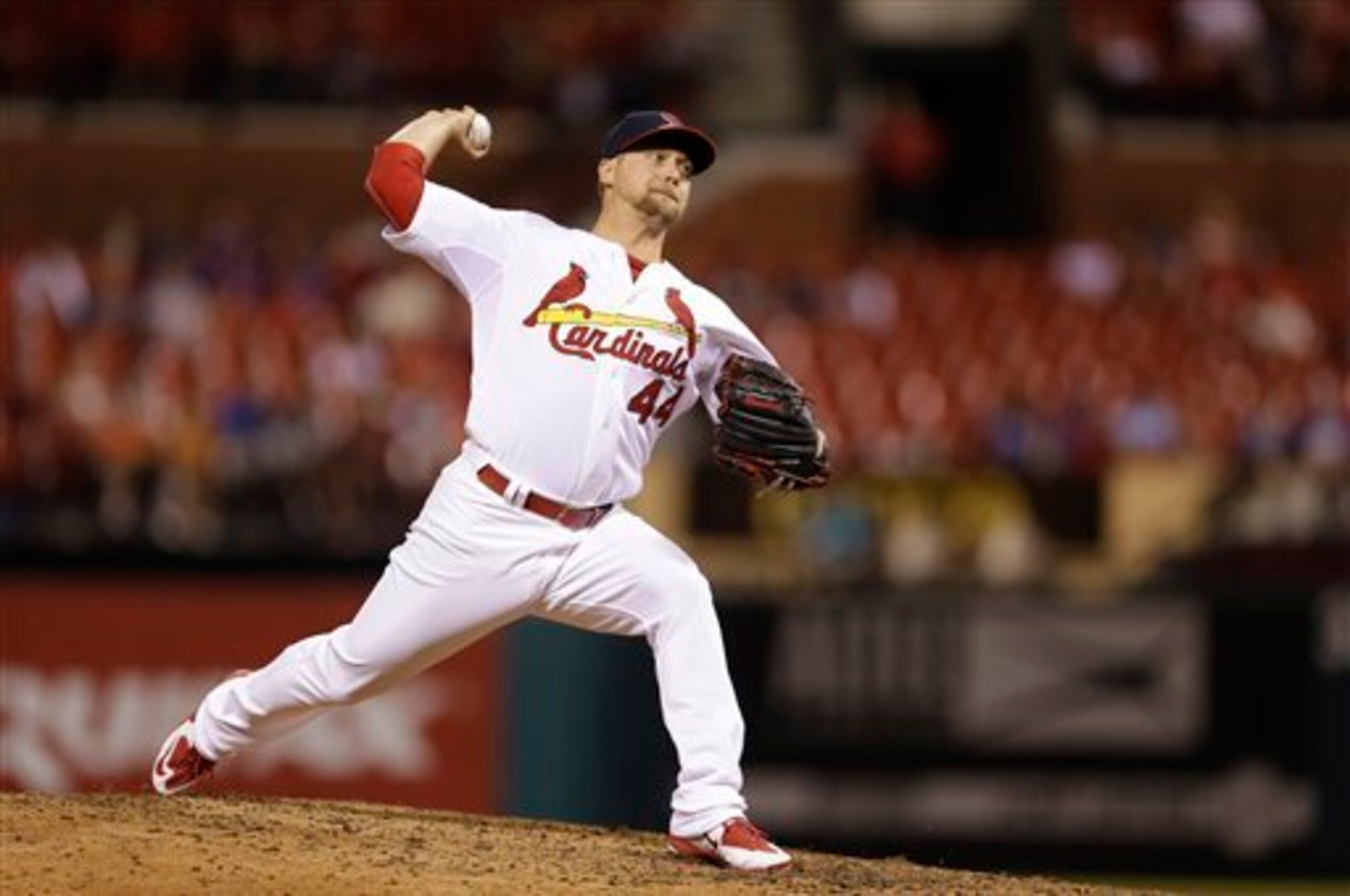
Control
Trevor Rosenthal wasn't nearly as wild in 2015 as he was in 2014, but he only improved to "just OK" with an 8.7 BB% and a 46.6 Zone%. Throwing strikes should be easy for him, given that he throws over 70 percent four-seam fastballs, but he's not exactly Pedro Martinez in his prime with his fastball command. Part of the explanation for that has to do with how, while he does have solid drop-and-drive mechanics, he hasn't been able to maintain a consistent release point over the last two seasons.
Whiffability
Whiffs are something Rosenthal handles better than control, as he once again outpaced the average reliever with a 28.9 K% and an 11.6 SwStr%. But that's actually yet another step down from his 2013 peak, and it's hard to see how he's supposed to improve. Despite gaining back some velocity in 2015, the whiff rate on Rosenthal's fastball didn't improve. And in the meantime, the whiff rate on his changeup continued its descent to mediocrity. As a result, he no longer has an outstanding swing-and-miss pitch.
Hittability
Though Rosenthal has become easier to make contact against, the good news is that he hasn't become any easier to hit. The 45.8 GB% he posted in 2015 isn't necessarily a good bet to last given the nature of his arsenal, but his 12.9 IFFB% and 4.8 HR/FB continued a trend of him being next to impossible to square up even when a better can get the ball in the air. His 21.9 Soft% and 26.4 Hard% also reflect that. More than anything, this is the benefit of him being a slightly wild pitcher with nasty stuff.
Total
Rosenthal's huge save totals the last two seasons overstate how good he really is. But even once you ignore those, you still see a pitcher who's no easy matchup, thanks to his electric stuff and his slightly wild style.
22. A.J. Ramos, Miami Marlins
10 of 31
Control
It looks unflattering enough that A.J. Ramos finished 2015 with a 9.4 BB% and a 40.1 Zone%, but the real story is how much his control deteriorated in the second half. He posted a 12.5 BB% and just a 36.8 Zone%. This partially had to do with how Ramos downplayed the use of his four-seamer in favor of more moving pitches, but his release point got away from him a little as well. And while one wants to think this was a one-time thing, it actually looks like a pattern. Consistency, it seems, is not Ramos' thing.
Whiffability
Ramos' control may have fallen apart, but his ability to miss bats remained strong throughout 2015, ultimately ending with a 31.4 K% and 16.0 SwStr%. He has good velocity with an average fastball near 93 miles per hour, but it's all about his slider and changeup. He has two pitches with whiff rates over 20 percent, and 2015 saw his changeup become the best swing-and-miss changeup any reliever had thrown. It's no wonder he became an elite swing-and-miss pitcher, and he should stay that way.
Hittability
Relative to what you'd expect from a guy with iffy control of an arsenal that has a lot of movement in it, Ramos isn't much of a ground-ball pitcher. He finished 2015 with a 43.4 GB%, which is par for the course for him. But this doesn't mean he can't manage contact. He baffled enough hitters to earn an 10.9 IFFB%, and overall he posted a 23.0 Soft% and 23.6 Hard%. That's what wildness and a whole bunch of movement can do for you.
Total
Ramos is nothing if not unpredictable, but that's as much a strength as it is a weakness. Though he may not always know where the ball is going, it moves so much that his wildness only makes him tougher to hit.
21. Carter Capps, Miami Marlins
11 of 31
Control
Carter Capps' 2015 season ended in August because of an elbow injury, but he showed solid command with a 5.9 BB% and 47.1 Zone% while healthy. In theory, he made it easy by throwing about 65 percent fastballs. But in reality, his weird hop-skip-and-a-jump throwing motion restricted his fastball command to the middle of the zone. He can get away with that because of how his delivery makes his 98.1 mph heat look like 108.1 mph heat, but it still means he's barred from more advanced control.
Whiffability
With a word of warning being that Capps only made 30 appearances in 2015, we can still say this: holy moly. He posted an absurd 49.2 K% and an even more absurd 25.4 SwStr%, rates that make even Aroldis Chapman look like a chump. This is what you can do when your fastball really does look even faster than its velocity says, as Capps featured one of the top swing-and-miss fastballs any reliever had thrown. And lest we overlook it, his curveball was the top swing-and-miss curve among relievers. In short: That funky delivery definitely isn't wasted on mediocre stuff.
Hittability
Capps' stuff may miss bats at an amazing rate, but the downside is that all sorts of damage happened to him when he didn't miss bats. He failed to rack up either ground balls (40.8 GB%) or pop-ups (5.3 IFFB%), and overall he posted a subpar 15.7 Soft% and downright ugly 41.2 Hard%. These figures look too flukey to be real, but they're actually consistent with what Capps did in his time in the majors in 2014. If hitters can so much as put the bat on the ball, they're liable to sting Capps.
Total
Capps may be surprisingly easy to square up, but he's otherwise one of the scariest relievers in all of baseball. By combining both a delivery and raw stuff that explode at the hitter, he allows himself to achieve ridiculous heights of swing-and-miss dominance.
20. Drew Storen, Washington Nationals
12 of 31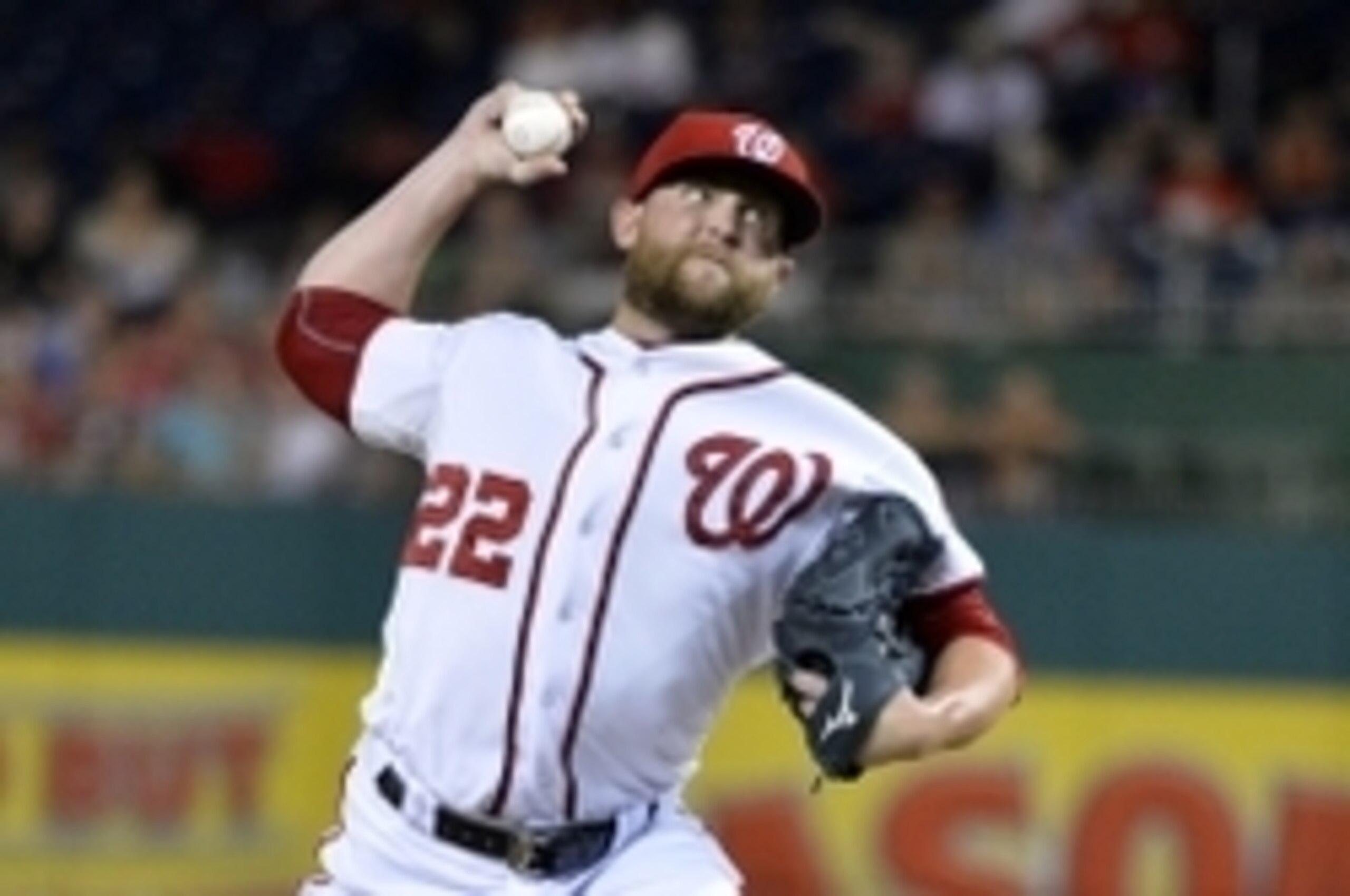
Control
Even despite an ugly showing in September, Drew Storen still finished 2015 with a 7.0 BB% and 46.5 Zone%. He did himself a favor by simplifying things in 2015, moving away from a four-pitch attack and more toward his four-seamer and slider. And though he spent a little too much time in the middle of the zone with his four-seamer, his command of it generally worked to set hitters up for sliders at and below their knees. If he keeps that up while continuing to downplay his sinker and changeup, his control will remain a strong part of his game.
Whiffability
Storen wasn't much for whiffs in 2014, but he was in 2015. He posted a 29.4 K% and a 12.2 SwStr%, going from merely average whiffability to easily above-average whiffability. It helped that he gained a bit of velocity, but the real key was his slider. Beyond simply throwing it more, he threw it with more glove-side run. That didn't turn it into an elite swing-and-miss pitch, but it's certainly a reason why it was one of three respectable swing-and-miss offerings in Storen's arsenal. That's plenty.
Hittability
One of the costs of Storen becoming more of a conventional fastball-slider pitcher in 2015 was his GB%, which fell to 38.4 from 52.5. But that doesn't mean he was easy to hit. His extra four-seamers helped him to a 13.5 IFFB%, and he also easily outpaced the average reliever in posting a 24.3 Soft% and a 25.0 Hard%. Those numbers go to show what a pitch can do when he combines solid control with an array of pitches that all move in different directions.
Total
Storen's 2015 season definitely didn't end well, as Washington's mid-summer trade for Jonathan Papelbon seemed to fry all his circuits. But on the whole, he was even better in 2015 than he was while he was racking up a 1.12 ERA in 2014. With good control of a strong arsenal, he showed he could both miss bats and jam hitters better than the average reliever.
19. Roberto Osuna, Toronto Blue Jays
13 of 31
Control
Roberto Osuna finished his rookie year with a 5.9 BB% and a 47.0 Zone%. Of course, it should be easy to find the zone when nearly 70 percent of your pitches are four-seam fastballs, but it's to Osuna's credit that he wasn't content to just throw his heat in the zone and let his mid-90s velocity do the heavy lifting. He was fairly consistent at working lefty batters on the outside edge and righty batters up in the zone. Thus did he set lefties up for changeups off the outside corner and righty batters up for sliders off their own outside corner. Nothing too fancy, but fancier than what many relievers do with their control.
Whiffability
With a 27.7 K%, Osuna notched plenty of strikeouts in 2015 and arguably should have had more in light of his 14.7 SwStr%. In his fastball, changeup and slider, he had three pitches with whiff rates in the double digits, nice collection by reliever standards. The best of those was his slider, which emerged as one of the elite swing-and-miss sliders among the reliever brotherhood. All this considered, it's possibly that what we saw in 2015 was actually the least of Osuna's swing-and-miss potential.
Hittability
Because Osuna threw so many four-seamers in 2015, it's not surprising that he was primarily a fly-ball pitcher with a 46.1 FB%. He got away with this relatively easily, posting an 18.4 Soft% and 25.1 Hard%, figures that can attest to the electricity of his stuff. But Osuna also mixed in just a 8.5 IFFB% to go with all his fly balls, making it questionable as to whether he can serve up so many fly balls to the outfield and get away with it to the tune of a such a small 8.5 HR/FB rate again.
Total
It's largely thanks to Osuna's emergence that all the hand-wringing over the state of Toronto's bullpen dissipated as 2015 moved along. With good control and electric stuff, he should be entrenched as one of the AL's most overpowering relievers for years to come.
18. Ken Giles, Philadelphia Phillies
14 of 31
Control
It may not look like Ken Giles has great command based on his average-ish 8.4 BB%, but the solid 46.9 Zone% is a truer representation of what he can do. He makes things easy on himself with a calmer delivery than many relievers have, as well as a pitch mix that includes over 60 percent fastballs. And though he doesn't have precise fastball command, generally working up in the zone allows him to easily set hitters up for sliders at and below the knees. Simple, but effective.
Whiffability
Giles didn't blow away hitters in 2015 like he did in 2014, but there's still plenty to like about his 29.2 K% and even more to like about his 14.8 SwStr%. Losing almost a full mile per hour off his fastball velocity didn't help its whiff rate, but it remained capable of blowing hitters away. But his slider, not surprisingly, remained his main weapon for hunting whiffs. It accounted for nearly 40 percent of his pitches and roughly 25 percent of them induced whiffs. As long as he has that, the whiffs will be there.
Hittability
This is where Giles really had a harder time in 2015 than he did in 2014. His contact management suffered mainly from the fact that he ceased inducing pop-ups at a strong rate, as his IFFB% fell from 13.9 to 6.6. And though he maintained a solid 20.0 Soft%, he also posted a 29.7 Hard%. The good news is that Giles remained extremely tough to take over the wall, posting a 3.3 HR/FB. But overall, he's certainly more about missing bats altogether than he is about missing the sweet spot.
Total
It wasn't quite as smooth a ride, but Giles showed in 2015 that his 2014 breakthrough was no fluke. He has one of the best fastball-slider combinations of any reliever, and he's going to miss enough bats with it to maintain his spot as one of the league's most dangerous firemen.
17. Hector Rondon, Chicago Cubs
15 of 31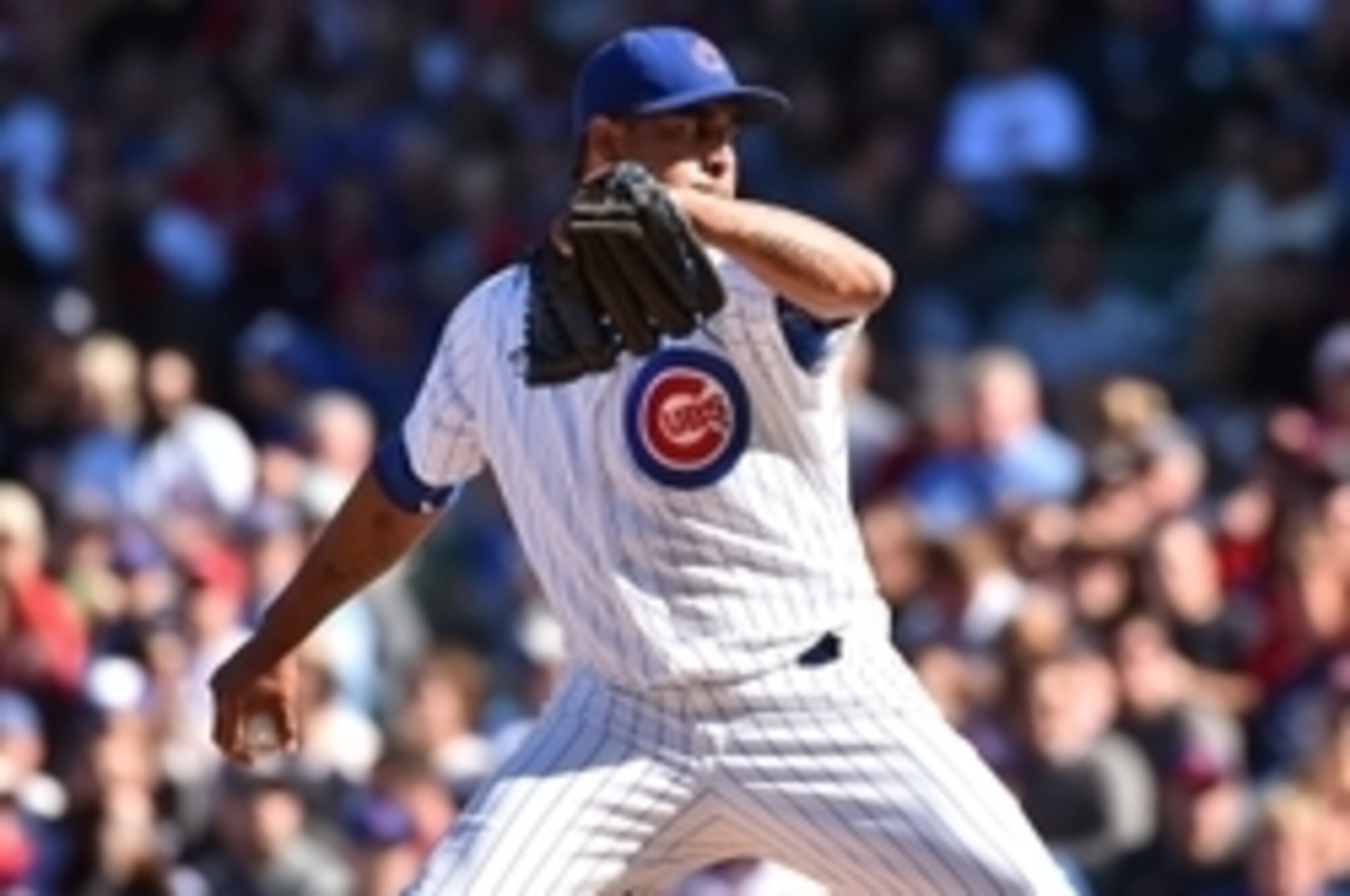
Control
Though Hector Rondon didn't finish 2015 with a particularly strong Zone%, at 45.7, he did quite well in finishing with a 5.3 BB%. As much as anything, this is a testament to his fastball command. Whereas many relievers with mid-90s heat just throw it up there and let their velocity do the work, Rondon actually tries and largely succeeds at working the outside corner against lefty batters and righty batters. Thus are they set up for low sliders. All told, his control is a bit more nuanced than the next reliever.
Whiffability
Rondon should be an elite swing-and-miss pitcher with his mid-90s heat and sharp slider. But with a 24.6 K% and 10.8 SwStr% in 2015, he made it two years in a row in which he was really just OK. At play is the fact that neither his four-seamer nor his sinker is especially good at getting whiffs despite their velocity. And while his slider is indeed quite good at missing bats, it's not as good as quite a few of the other sliders thrown by the league's relievers. As such, this aspect of Rondon's game is disappointing.
Hittability
Sinkers and sliders accounted for a larger chunk of Rondon's pitches in 2015, so we shouldn't be surprised that his contact management revolved around a strong 52.4 GB%. And in general, combining his nasty stuff with his solid control once again proved better at limiting hard contact than at missing bats. He finished with a solid 19.6 Soft% and an even better 22.2 Hard%. Because all this was fairly consistent with what Rondon did in 2014, you can expect more of the same in 2016.
Total
It's disappointing that Rondon doesn't miss more bats with his stuff, but that's the only complaint worth making about his style. With good control and a strong ability to jam hitters, he has what he needs to remain one of the league's better closers.
16. David Robertson, Chicago White Sox
16 of 31
Control
David Robertson's control got away from him in 2014, but it came back to the tune of a 5.2 BB% and 46.9 Zone% in 2015. A key was toning down the use of his curveball and focusing more on his cutter. And though he could stray over the middle against lefty batters, in general he was good at keeping his cutter down and playing with the glove-side edge of the zone. He also dropped many of his hammer curveballs in the same area. That, friends, is how good control makes a comeback.
Whiffability
Just like in 2014, Robertson finished as one of the top relievers in K% at 34.4. But the difference in 2015 was that he finished with an even higher SwStr% at 14.3. And while some of that had to do with his cutter's whiff rate climbing into the double digits, the real key is that his curveball just keeps becoming a more dangerous swing-and-miss pitch every year. It is now one of the very best swing-and-miss curves in the business, and the whiffs will keep coming as long as it stays that way.
Hittability
Robertson may be peaking as a strikeout pitcher, but his contact management is still nothing special. His 9.8 IFFB% and 20.1 Soft% are evidence that he didn't totally lose his ability to jam hitters, as one would certainly expect of a guy with good command of a nasty cutter-curveball combination. But his 35.6 GB% tied his career low, and he also surrendered a 13.7 HR/FB and 32.2 Hard%. That reflects how his cutter is a surprisingly hittable pitch, an issue he'll be hard-pressed to solve.
Total
Before anyone asks, yes, Robertson pitched a lot better than his 3.41 ERA in 2015. He may be prone to hard contact, but his strong control and excellent swing-and-miss stuff still make him a tough matchup late in games.
15. Tony Watson, Pittsburgh Pirates
17 of 31
Control
Control was an issue for Tony Watson when he first broke into the league, but his 5.8 BB% in 2015 made it three years in a row with a solid walk rate. This is despite the fact he went into the zone less often than ever with a 41.7 Zone%, which points to what he can do with his fastball command. Watson sticks to the edges of the zone as well, or maybe even better, than any other reliever in MLB. To boot, he also does a superb job of playing with the arm-side corner with his changeup. His control is really quite excellent.
Whiffability
The past season was another in which Watson was just OK at getting whiffs, posting a 21.2 K% and an 11.6 SwStr%. He has what he needs to miss bats, as his fastball averages in the mid-90s, and his changeup has some stupendous arm-side fade that helps it pick up whiffs at a better than 20 percent clip. But with his changeup once again accounting for under 20 percent of his pitches, Watson showed once again in 2015 that he doesn't really sell out for whiffs.
Hittability
Watson's ability to combine strong location with nasty stuff may not pay off in whiffs, but it does pay off in outstanding contact management. With his work in 2015, he made it two years in a row with a strong GB% (47.6), a strong IFFB% (10.8) and easily better-than-average Soft% (24.8) and Hard% (22.9) rates. And though he may be a lefty reliever, he's a rare lefty reliever who's capable of jamming both left- and right-handed batters.
Total
Watson doesn't get a whole lot of attention, but he's been one of the better relievers in baseball for a couple of years now. Though he doesn't miss bats as well as some of the big relief arms, he makes control and contact management look elementary.
14. Carson Smith, Seattle Mariners
18 of 31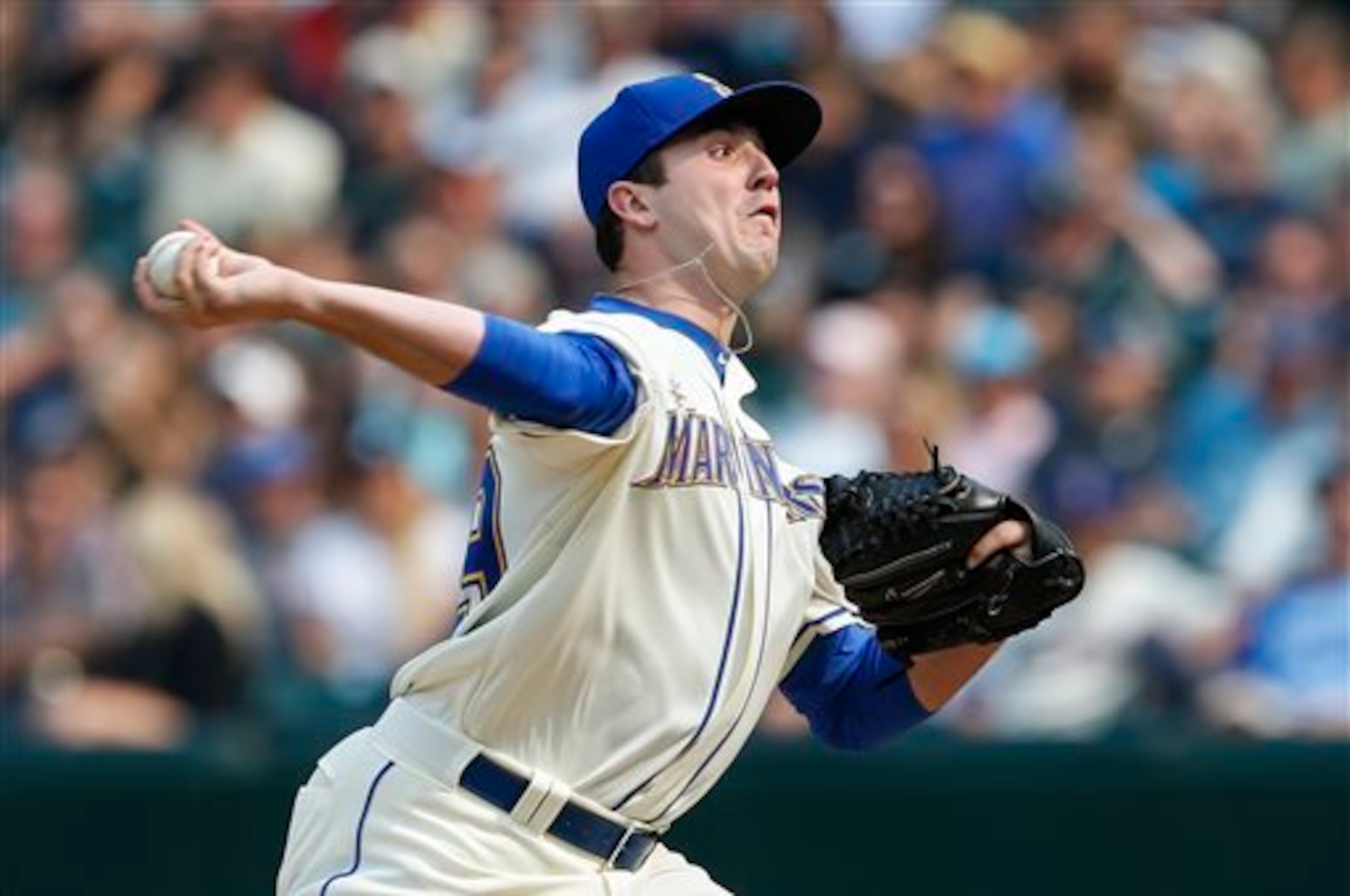
Control
Carson Smith showed good control in his first full season, finishing with a solid 7.8 BB% and 47.4 Zone%. You'd certainly expect worse from a guy with such a herky-jerky delivery, as Smith seems more worried about deception than precision. But that doesn't stop him from showing good command of his sinker-slider combination. He's able to work at the bottom of the zone and off the corner on his arm-side with his sinker, easily setting hitters up for sliders on and off the glove-side corner.
Whiffability
In addition to good control, Smith also showed off a strong ability to miss bats with a 32.4 K% and 12.5 SwStr%. Though he throws reasonably hard with an average fastball of 92.9 miles per hour, his whiffs come almost exclusively from his slider. It accounted for more than 40 percent of his pitches in 2015, and it picked up whiffs better than 20 percent of the time when thrown. That's thanks to the kind of late, sharp movement you want to see in a late-inning slider, and it should keep working wonders for Smith.
Hittability
Your typical sinker-slider reliever gets by on his ability to induce ground balls. Smith showed in 2015 that he's no different, posting a 64.8 GB% that definitely fed into his 24.5 Soft% and 19.6 Hard%, both impressive rates. And given Smith's relative inexperience, it is indeed a good sign that he only got harder to hit as the season went along.
Total
He did it while flying under the radar, but the 2015 season saw Smith emerge as an elite late-inning reliever. With a nasty sinker-slider combination at his disposal, he showed he can handle control, whiffability and hittability notably better than the average reliever.
13. Luke Gregerson, Houston Astros
19 of 31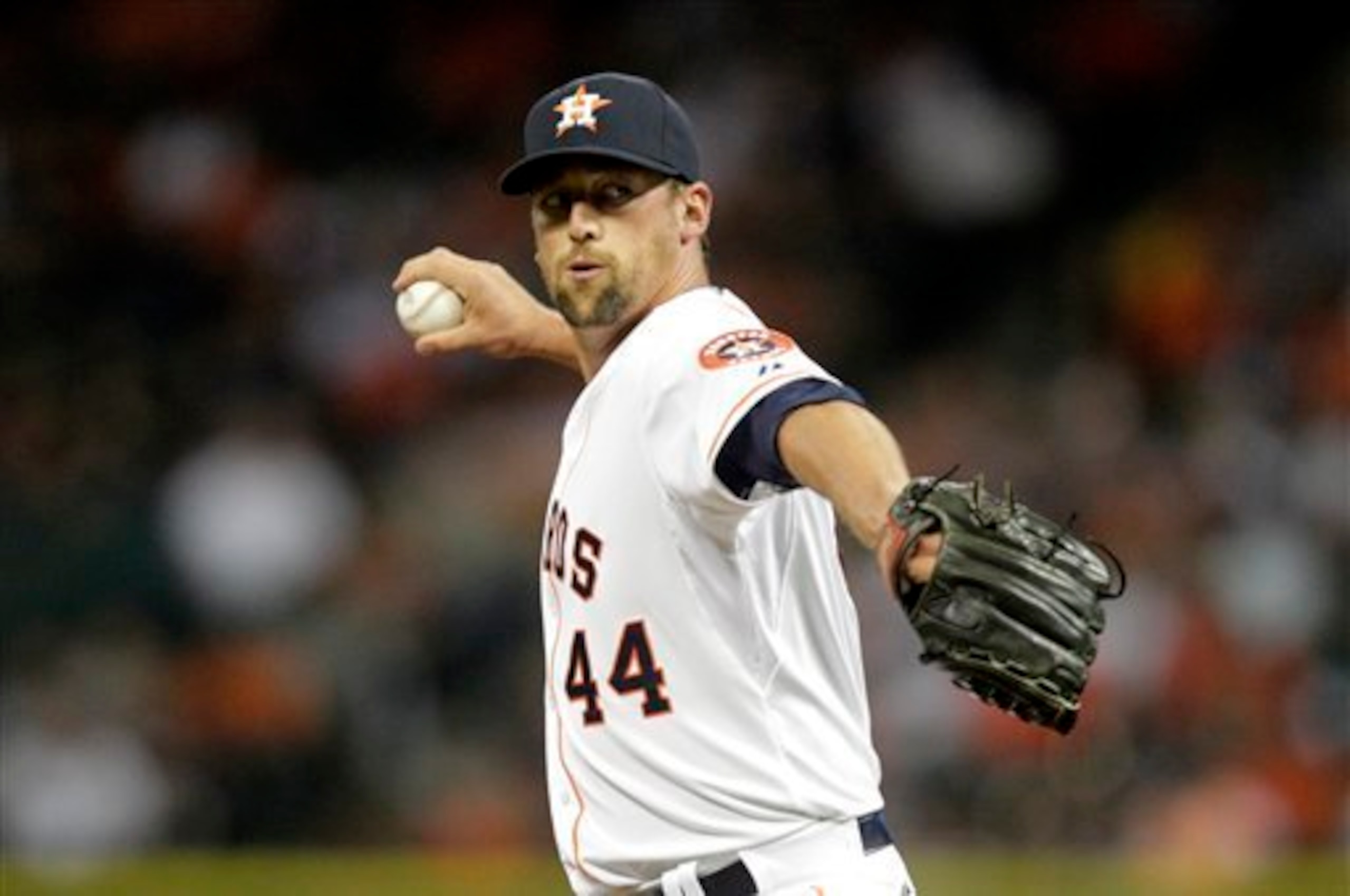
Control
Luke Gregerson has become a master of avoiding walks, as he's watched his BB% fall from 7.9 as recently as 2011 to 4.2 in 2015. But as per usual, he did this with a low Zone% at 41.3. His approach hinges on hitters expanding the zone, and he gets away with it by operating like Brad Ziegler: sinkers low and sliders lower. But where Ziegler only toys with the bottom of the zone, Gregerson actually uses it, thereby giving hitters more incentive to protect. Such is the plan, which he executes to perfection.
Whiffability
With a high-80s fastball and a slider that doesn't exactly stand out next to the top relief sliders in the business, you wouldn't expect many whiffs out of Gregerson. But he finished 2015 with a solid 24.7 K% and an even better 15.2 SwStr%, as both his sinker and his slider racked up double-digit whiff rates. That goes to show how sequencing and locating can sometimes be just as effective as purely electric stuff. It's hard to call Gregerson a truly great whiff artist knowing that his K% generally doesn't live up to his SwStr%, but he's definitely better than expected.
Hittability
With an ability to stay low and lower with his sinker-slider combination, Gregerson's contact management naturally revolves around his ability to get ground balls. With a 60.4 GB%, he was once again quite good at that in 2015. But he also made it two years in a row with a double-digit IFFB% at 10.5 and also finished with a 25.0 Soft% and a 20.2 Hard%. Granted, there's a "too good to be true" vibe about these numbers given that some of them are out of line with Gregerson's career norms. But if nothing else, they show how hard to square up he's capable of being.
Total
Gregerson's lack of electric stuff makes him easy to overlook, but he's not to be underestimated. With strong control of his sinker and slider, he's a lot better at overpowering hitters than you probably think.
12. Koji Uehara, Boston Red Sox
20 of 31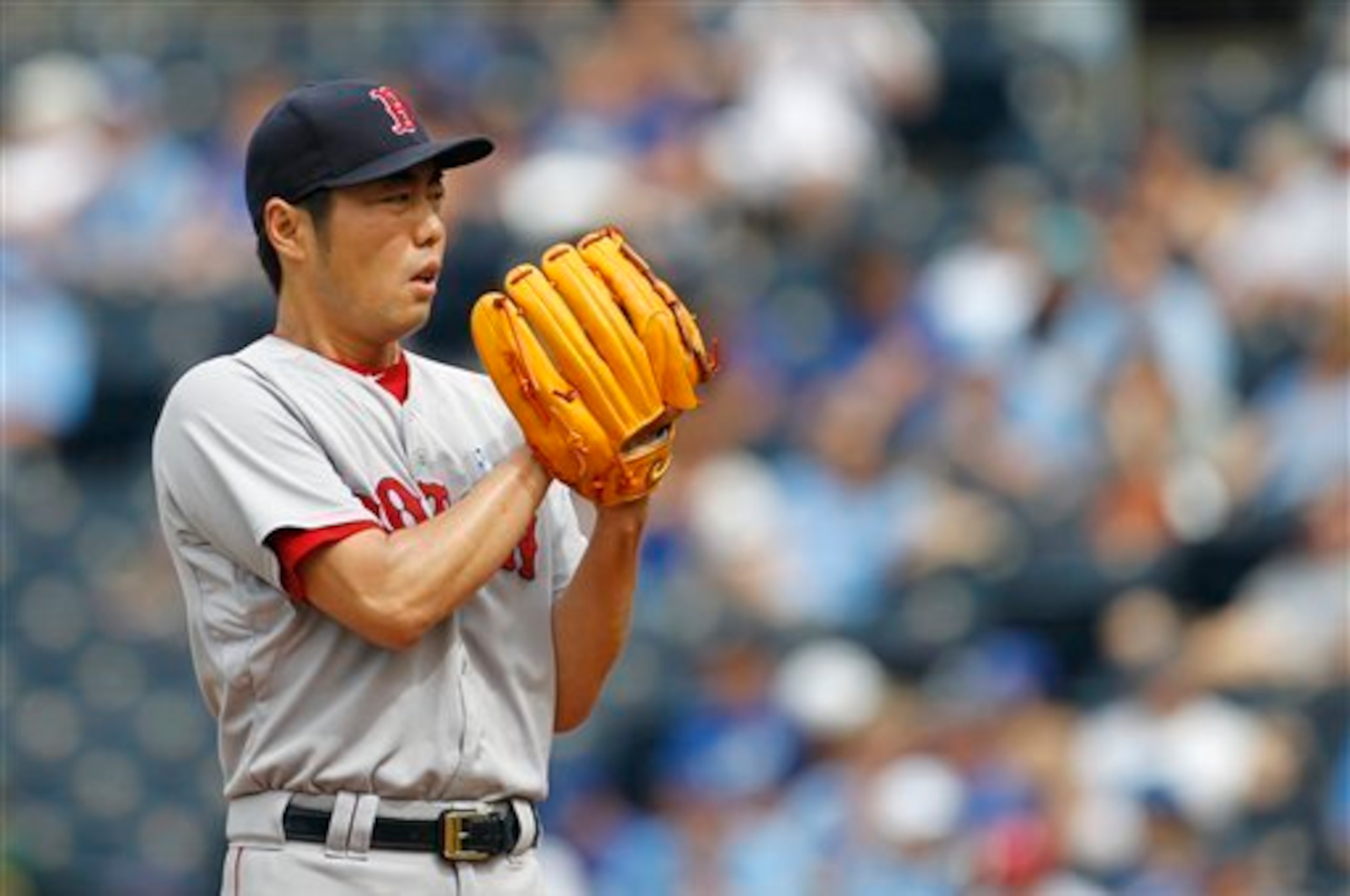
Control
When a wrist injury ended Koji Uehara's season in August, he had a 5.6 BB% that was strong by everyone else's standards, but just OK by his. Uehara made his splitter his primary pitch, and his Zone% paid the price by dropping to 42.2. However, Uehara definitely still knew what he was doing, continuing to use high fastballs to set up low splitters and vice versa. And largely because his splitter so often looked like a strike halfway to home, he continued to rack up swings outside the zone. Uehara won't be as sharp as he used to be while throwing so many splitters, but he's still pretty sharp.
Whiffability
Uehara also finished 2015 with a subpar strikeout rate by his standards, as his 29.4 K% was the lowest of his career. But at the same time, he still posted an 18.6 SwStr% that put him with the best in the business. His splitter and fastball remained a very effective swing-and-miss combination, even despite the latter's loss of velocity. Even if further lost velocity renders Uehara's fastball unable to get whiffs, he should still be an easily above-average swing-and-miss pitcher.
Hittability
It may have seemed like Uehara's contact management fell off in 2015, but it actually didn't. Though hitters had a very easy time getting the ball in the air against him (56.0 FB%), he held them to a 16.1 IFFB% and also posted a 24.0 Soft% and 23.1 Hard%. Numbers like these reflect how well Uehara keeps hitters off balance, as instances of hitters guessing right against him are rare. Nonetheless, there is the sneaking suspicion that he won't have such an easy time if he does indeed lose more velocity in 2016.
Total
There's no question that we saw Uehera at his very best in 2013, but he showed while he was healthy in 2015 that he's still capable of being one of the most dominant relievers in the game. With outstanding control of his deceptively nasty fastball-splitter combination, he makes many a hitter look silly.
11. Sergio Romo, San Francisco Giants
21 of 31
Control
Sergio Romo's trademark control came roaring back in 2015, as he dropped his BB% from 5.2 to 4.4 BB%. He did this despite only posting a 42.0 Zone%, but that speaks to his style. He's quite good at playing with the edges of the zone with his heat, setting hitters up to see sliders either on or off the glove-side corner. He may not pound the zone, but he's so good at playing with the zone that hitters give him strikes by going fishing. The big catch, however, is that lefty batters see him a lot better and have comparatively little trouble drawing walks against him.
Whiffability
Romo's whiffability also made a comeback, as he lit things up with a 30.9 K% and his best SwStr% in years at 16.7. This had everything to do with the revival of his slider as a swing-and-miss pitch. He not only got back to throwing it about 60 percent of the time, but the pitch itself regained the beautiful glove-side run that it had lost in 2014. Or, put another way: It regained its GIF-ability. But once again, the big catch is that Romo doesn't fool lefty batters nearly as well as he fools righty batters.
Hittability
This is an area where Romo had lost his way in recent seasons, but he got back on track in 2015. He still lacks a go-to pitch for ground balls, but his combination of stuff and command once again bought him plenty of pop-ups with a 13.0 IFFB%. Elsewhere, he also blew away the average reliever with a 23.0 Soft% and 18.9 Hard%, the latter of which was an elite mark. But like above, the catch is that Romo's hittability takes a, well, hit when a lefty batter is in the box.
Total
His 2.98 ERA may say otherwise, but 2015 was very much a renaissance season for Romo. His drop-off in effectiveness against left-handed batters can't be ignored, as he is indeed a reliever who needs the platoon advantage to succeed. But when a right-handed batter is in the box, he's about as dangerous as any reliever in MLB.
10. Craig Kimbrel, San Diego Padres
22 of 31
Control
With a 9.2 BB%, Craig Kimbrel once again reminded in 2015 that walks are generally going to be a part of his game. But as his 46.4 Zone% can vouch, his walk rate tends to overstate his control struggles. He makes things easy on himself by throwing about 70 percent four-seam fastballs, and he's plenty capable of consistently putting those in the zone. The catch, of course, is that his fastball command is less than precise. He can also have issues repeating his funky delivery, hence the walks.
Whiffability
Kimbrel didn't have his best season in 2015, but a 36.4 K% and a 15.7 SwStr% are only disappointing by his standards. And it's not as if he's losing anything either. His fastball velocity continued to creep upward, and it also continued to get whiffs at a strong rate. His curveball, meanwhile, remained one of the best swing-and-miss curveballs thrown by any reliever. It's looking more and more like he hit his swing-and-miss peak in 2012, but don't be surprised if he makes a strong recovery after a down 2015.
Hittability
Kimbrel doesn't take the mound looking to eliminate hard contact, but it's something he's capable of doing pretty much by default. He's generally an OK ground-ball pitcher, and he was once again in 2015 with a 46.1 GB%. He also posted another double-digit IFFB% at 11.4 and held hitters to a 25.6 Hard%. What Kimbrel continues to struggle at, however, is jamming hitters. He only posted a 17.8 Soft%, which is about par for the course.
Total
Kimbrel wasn't as overpowering in 2015 as he usually is, but nobody should be worried about him. Though he may not have the most nuanced approach to pitching, his stuff remained as electric (or even more electric) as ever.
9. Andrew Miller, New York Yankees
23 of 31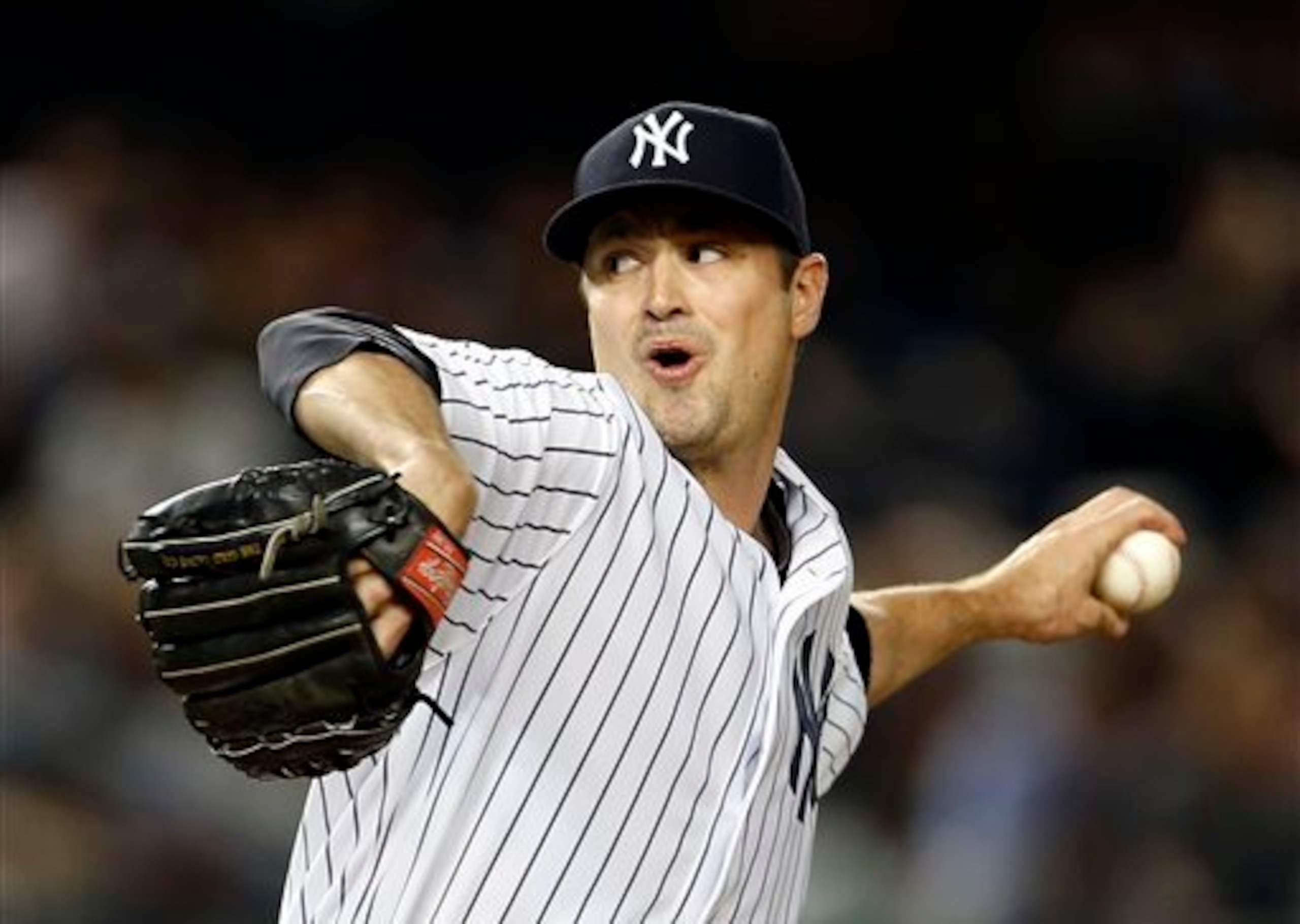
Control
Andrew Miller carried over his improved control from 2014 into 2015, finishing with a solid 8.1 BB% and 46.9 Zone%. To boot, he pulled this off despite making his slider his primary pitch. That speaks to how much more consistent he was with the fastballs he did throw, as the raw PITCHf/x data had him putting over 60 percent of his heaters in the zone. But lest anyone get too excited, his fastball command is still of the "just get it over" variety. His control is better, yes, but it's still well short of elite.
Whiffability
If you thought Miller was an elite bat-misser in 2014, get a load of what he did in 2015. With a 40.7 K% and 18.0 SwStr%, he had a firm place among MLB's whiffiest relievers. He can miss bats with his mid-90s fastball, but his slider is a new-age weapon that even Skynet can envy. It once again ranked as one of the best swing-and-miss sliders any reliever had thrown, and throwing it more obviously allowed him to get the most out of it. Because you must have one, go enjoy a GIF.
Hittability
Though Miller mainly aims for whiffs when he pitches, he is capable of jamming hitters when they make contact. That's evident in the roughly par-for-the-course 48.3 GB% he racked up in 2015, as well as in his 22.3 Soft%. But he also tends to run into hard contact. His 12.5 HR/FB and 10.0 IFFB% go to show he's still more likely to serve up a big fly than a pop fly, and his 29.8 Hard% also isn't too far off his career norm. His main problem is that, as unhittable as his slider is, his fastball is a different story.
Total
We tend to scoff at big contracts for relievers, but the Yankees made a good call when they signed Miller for big bucks. Now that he has some control to go with his excellent stuff, he's become one of the most unhittable relievers in the business.
8. Wade Davis, Kansas City Royals
24 of 31
Control
Based on his 8.0 BB% and his 45.8 Zone%, it doesn't look like Wade Davis had great control in 2015. But he's a good case study for numbers not telling the whole story. He made things easy by throwing roughly 80 percent four-seamers and cutters, and his MO was to work both edges with the former and the glove-side edge with the latter. Though he didn't execute this plan with perfect efficiency, he at least generally avoided making bad mistakes over the middle. That's not a bad substitute for pinpoint command.
Whiffability
With a 31.1 K% and 11.6 SwStr%, Davis wasn't nearly as overpowering in 2015 as he was in 2014. And alas, his whiff decline impacted all three of his primary pitches. The bright side, however, is that Davis' stuff itself was fine. He actually gained a bit of velocity, and none of his three primary pitches lost a noticeable amount of movement. As such, odds are his 2015 whiffability will prove to be a low point rather than a new normal.
Hittability
Davis might have been the hardest reliever in MLB to square up in 2014, but not as much in 2015. Notably, both his GB% (47.6 to 38.4) and his IFFB% (16.3 to 11.3) dropped down to more human levels. But even despite that, he still posted a 20.9 Soft% and a 17.6 Hard%, the latter of which was actually a huge improvement over what he did in 2014 and also put him among the best of the best in MLB. This goes to show that, while it may have been easier to make contact against Davis, his mix of command and electric stuff didn't make him more hittable.
Total
After emerging as the most dominant reliever in MLB in 2014, Davis took more steps back in 2015 than his sparkling 0.94 ERA would lead one to believe. But with solid control of a deadly arsenal of stuff, rest assured he's still one of the best there is.
7. Mark Melancon, Pittsburgh Pirates
25 of 31
Control
It was business as usual for Mark Melancon in 2015, as he posted a low BB% (4.8) despite also posting a low Zone% (41.3). His trick is to earn many of his strikes outside the zone by racking up a high chase rate, and he really does earn those strikes. He works his cutter on and off the glove-side edge with ridiculous efficiency, making hitters desperate for something good to hit. That's when he's liable to drop his breaking ball on them, which looks like a strike until it's not. Suffice it to say, he's a crafty one.
Whiffability
This is where Melancon fell off in 2015, posting just a 21.2 K% with a modest 11.8 SwStr%. He lost about a mile per hour off his cutter, hurting both its whiff rate and, by extension, his curveball's whiff rate. It remained a dangerous pitch with a whiff rate over 20 percent, but less dangerous due to the decreased velocity differential. Because Melancon is now on the wrong side of 30, whether he can regain that lost velocity and boost his whiffability again may not be entirely likely.
Hittability
It may have been easier to make contact against Melancon in 2015, but it was no easier to actually hit him. His mix of movement and location once again bought him a strong GB% at 57.5, as well as plenty of pop-ups with a 14.6 IFFB%. And overall, he gathered plenty of soft contact by holding hitters to a 27.0 Soft% and 25.6 Hard%. He thus enjoyed the best of all worlds and should be able to keep it up.
Total
Melancon has been one of the best relievers in baseball for a couple years now, and he proved in 2015 that he didn't need his usual whiffability to keep getting the job done. With precise control of a nasty cutter and curveball, he's a tough puzzle for hitters to solve.
6. Darren O'Day, Baltimore Orioles
26 of 31
Control
Throwing strikes once again proved to be no problem for Darren O'Day in 2015, as he finished with a 5.5 BB% and 46.5 Zone%. And even these figures undersell his control. He throws a four-seamer, sinker and slider, and each pitch has a purpose. He puts his four-seamers up in the zone and his sinkers and sliders down in the zone, and his precision in doing so allows him to easily change eye levels and keep hitters off balance. That he can do this with such an unorthodox delivery only makes it more impressive.
Whiffability
O'Day is generally solid at getting whiffs, but he became more than just solid in 2015, racking up a 31.9 K% and 14.8 SwStr%. His velocity may top out in the high-80s, but working in more high four-seamers the last two years has given him an elite swing-and-miss fastball to go with his solid swing-and-miss slider. But the big catch, as always, is that O'Day's whiffability takes a hit when there's a left-handed batter at the plate. They see him better, and, thus, are not as easily fooled.
Hittability
What makes O'Day such a dangerous contact manager? It's hard to point to anything specific, as he once again posted a subpar GB% (35.1) while being short of elite at racking up IFFB% (11.6). But he nonetheless posted a 22.6 Soft% and a league-best 16.8 Hard%, making him one of the hardest relievers to square up for a second year in a row. And even against lefties, he remained surprisingly effective. This, apparently, is what you can do when you baffle hitters with all sorts of different looks.
Total
O'Day is another guy who's easy to overlook because of how he doesn't have electric stuff. But in combining a funky delivery with very precise command of three different pitches, he can miss bats and limit hard contact about as well as any electric-armed reliever.
5. Aroldis Chapman, Cincinnati Reds
27 of 31
Control
Throwing strikes continued to be a challenge for Aroldis Chapman in 2015, as he posted just a 45.5 Zone% and a 11.9 BB%. It hypothetically should be easy for him to throw strikes given that over 75 percent of his pitches are fastballs, but his ability to throw those in the zone is at best inconsistent. Of course, we can grant that his ridiculous velocity means he doesn't have much incentive to hone his fastball command. But it's also the price he pays for having a delivery with so many moving parts.
Whiffability
It was business as usual for Chapman in this department in 2015. He wasn't as overpowering as he was in 2014, but a 41.7 K% and a 19.3 SwStr% are still pretty darn good. Such is life when you average just under 100 miles per hour with your fastball, which allows Chapman to earn whiffs on nearly 20 percent of his fastballs. His slider isn't quite as nasty by comparison, but it also draws whiffs better than 20 percent of the time if for no other reason than it catches hitters offguard as they look for Chapman's heat. With stuff like this, Chapman should have a few more years left as baseball's swing-and-miss poster boy.
Hittability
The past season wasn't Chapman's finest from a swing-and-miss perspective, but it was from a contact-management perspective. He got pop-ups at an extraordinary rate, posting a 19.6 IFFB%. He also had an elite Soft% at 26.6 and an elite Hard% at 20.2. The obligatory word of warning is that such numbers aren't exactly in line with Chapman's norms, but it's also not hard to imagine him repeating them. With wild command of a nigh unhittable fastball, it's a wonder he hasn't always jammed hitters to this degree.
Total
Without even average control, Chapman can't be called a perfect reliever. But it seems as long as he has his triple-digit heat, he doesn't need to have good control to be totally overwhelming for opposing hitters.
4. Dellin Betances, New York Yankees
28 of 31
Control
Dellin Betances had issues keeping the free passes at bay in 2015, as his BB% rose to 12.1 from 7.0 in 2014. To this end, it didn't help that his curveball became his primary pitch, while his fastball command went all over the map. However, that 12.1 BB% exaggerates how wild Betances was. He was actually more consistent with his release point than he was in 2014, and he also posted a solid 46.1 Zone% even despite his high walk rate. Looking ahead to 2016, you can expect some improvement.
Whiffability
Though Betances may not have been more in control in 2014, he was even harder to hit. He was once again among the top relievers with a 39.5 K%, and he also upped his SwStr% from 13.0 to 15.1 His curveball remained one of the best swing-and-miss curveballs among relievers, and throwing his fastball at an even higher average velocity allowed it to become even harder to hit. Betances isn't quite among the best swing-and-miss relievers now. But the way he's trending, he soon should be.
Hittability
As easy as it is to focus on how well Betances' stuff misses bats, we shouldn't overlook how easily it jams hitters. His fastball-curveball combination once again proved capable of producing ground balls (47.7 GB%) and pop-ups (12.2 IFFB%) in 2015, and he was once again one of the top soft contact merchants among relievers with a 29.1 Soft%. And even despite his not-so-great 12.2 HR/FB, he also kept his Hard% below average at 24.7. This, friends, is what electric stuff can do.
Total
Betances' 2015 season wasn't quite as strong as his 2014 season, but there's no question he maintained his place as one of the elite relievers in baseball. Even without particularly good control, his electric fastball-curveball combination once again proved plenty capable of mowing down opposing hitters.
3. Zach Britton, Baltimore Orioles
29 of 31
Control
At just 5.5, Zach Britton posted his lowest BB% yet as a reliever in 2015, this despite the fact he only posted a 43.9 Zone%. Like several relievers we've discussed, his trick was to get hitters to give him strikes by expanding the zone, which he got very good at. How he does this is not complicated. He throws 90 percent sinkers, and he either puts them at the knees or just below the knees. And because the movement on his sinker is so late and so sharp, it's no wonder he racks up the swings on the ones he puts below the knees.
Whiffability
Another thing Britton improved on in 2015 was his ability to miss bats, as he posted a 31.2 K% and a 16.4 SwStr%. Given that they account for the vast majority of his pitches, his overall whiff rate is certainly helped by the fact that his sinker is the best swing-and-miss sinker thrown by any reliever. And though he rarely uses it, his curveball is pretty darn good in its own right. The only thing limiting Britton from getting more whiffs is the fact that he doesn't really chase them when he pitches, but that's about it.
Hittability
Another thing Britton's awesome sinker is good for, as you might have heard, is getting ground balls. And when we say it's good at getting ground balls, we mean it's historically good at getting ground balls. His 79.1 GB% from 2015 is the highest ever recorded. To boot, he also led all MLB relievers with a 34.0 Soft%, and posted an easily better-than-average 19.5 Hard%. After a season like that, there's little question that there is no reliever harder to square up than Britton.
Total
After establishing himself as a top-tier reliever in 2014, Britton took the next step in 2015. He improved his control and his whiffability, all while remaining a ground-ball magnet that seemingly nobody can hit.
2. Jeurys Familia, New York Mets
30 of 31
Control
Jeurys Familia showed off improved control in 2015, dropping his BB% to 6.2 and upping his Zone% to 44.0. What helped was him keeping it much simpler with his pitch selection, as he turned to his sinker and slider almost exclusively. But the real key for him was how he used these two pitches to rack up swings outside the zone, enticing hitters to expand with sinkers off the arm-side corner and sliders off the glove-side corner. Though this approach made him dependent on hitters' charity, his consistency and the sheer movement of his stuff allows it to work.
Whiffability
Familia also made strides with a 27.9 K% in 2015, but that undersells what he could become in the whiffability department. He posted a 15.9 SwStr% to go with his 28.0 K%, largely because his truly disgusting sinker joined his slider as a legit swing-and-miss pitch. And by the end of the year, he was also breaking out a splitter that proved to be very easy on the eyes and very adept at getting whiffs, ultimately posting a whiff rate over 30 percent. Familia thus could have as many as three elite swing-and-miss pitches in 2016, which is a very scary thought.
Hittability
Familia also made strides here, going from a pitcher who was tough to hit to a pitcher who was very tough to hit. His sinker and slider joined forces to give him a 58.3 GB% and an 11.6 IFFB%, and both of those numbers were trending up rather than down in the second half. He also posted a 23.9 Soft% and 23.9 Hard%, making him pretty much the total threat in the contact-management department. Given how much his stuff moves and how much control he has over that movement, this may indeed continue.
Total
If Familia is not yet on your radar, he should be. He has some of the nastiest stuff of any reliever in the game and pretty good command of it to boot. As a result, he's turning into one of the game's most overpowering firemen.
1. Kenley Jansen, Los Angeles Dodgers
31 of 31
Control
Kenley Jansen's control has never been a problem, but he took it to a new level in 2015. In posting a 4.0 BB% and, even more impressive, a 57.2 Zone%, he was the most aggressive strike-thrower among relievers. Of course, throwing 85 percent cutters does make his task of finding the strike zone that much easier, and he definitely can fill up the zone with his cutter. But lest anyone jump to an obvious conclusion, Jansen isn't exactly Mariano Rivera. With the way he spots his cutter against lefties and righties, he's more about challenging them than he is about putting it where they physically can't hit it.
Whiffability
Though Jansen gave hitters more pitches in the zone to hit in 2015, it didn't hurt his whiffability in the slightest. In posting a 40.0 K% and a 16.6 SwStr%, it was par for the course. In a related story, it was par for the course for his cutter's whiff rate, which continued to hover close to 20 percent. Hitters know it's coming, but they just can't hit it. Just from looking at it, it's a wonder anyone ever does.
Hittability
Jansen's cutter may be hard to hit, but hitters don't have any trouble getting it in the air when they do make contact. Jansen's GB% is perpetually under 40, and in 2015 his FB% skyrocketed north of 50. That could be a recipe for disaster for a closer, but Jansen balanced out a 10.3 HR/FB with a 13.8 IFFB% and, overall, a 25.5 Soft% and a 28.2 Hard%. It was the same old story: Home runs are going to happen, but in between is going to be a considerable amount of jammage.
Total
There's nothing the least bit complicated about Jansen's style, as all he does is wind up and throw cutters pretty much right down the middle. But his cutter is such a nasty pitch that hitters can't do anything with it anyway, resulting in him being one of the most well-rounded relievers in MLB.





.jpg?w=2560 "Weather Channel Trolls Texans-Titans 💀")

.jpg?w=2560 "Grading WWE Raw 🔠")