In Court of Public Opinion, Roger Goodell's Reputation Might Be Beyond Repair
It's somewhat ironic that both Twitter and Roger Goodell's tenure as NFL commissioner were born at the same time. When both launched in the summer of 2006, Twitter wasn't ballyhooed, and Goodell wasn't a controversial figure.
Nearly nine years later, both have exploded, and it feels as though Goodell has as many critics as Twitter does users. A quick perusal of the social networking service also gives you an impression of just how far Goodell's approval rating has plummeted.
"I was looking for the best person to be commissioner, and I had no doubt in my mind that was Roger Goodell," said Pittsburgh Steelers owner Dan Rooney, per Mark Maske of the Washington Post, the week the search committee Rooney co-chaired selected Goodell to succeed Paul Tagliabue. "He knows labor. He knows TV. He knows the people. He knows the fans."
.jpg?w=2560 "Rams Seahawks Football")
.jpg?w=2560 "Panthers Buccaneers Football")
.png?w=2560 "Bills Football")
Note: No mention of the players.
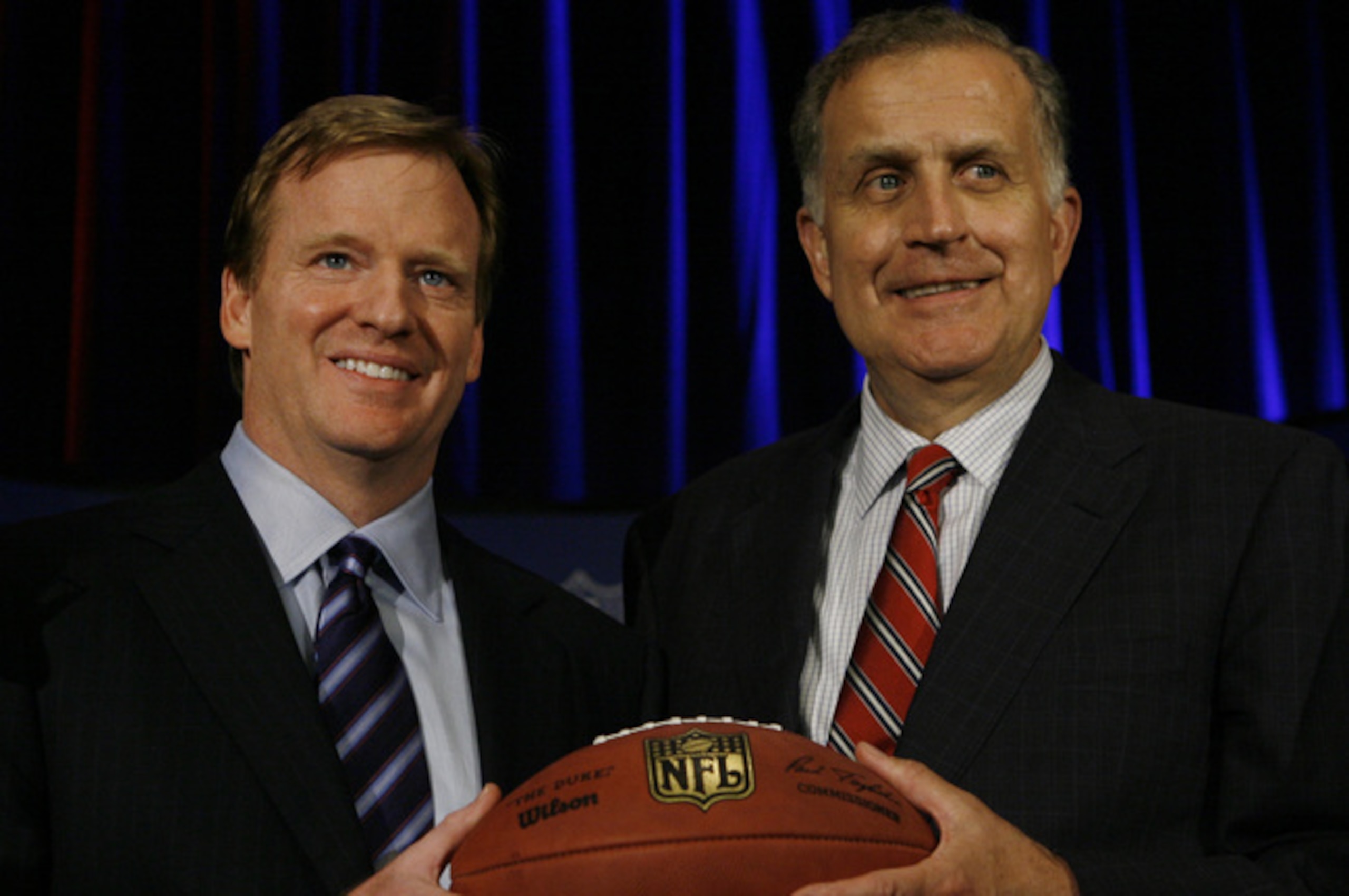
It's not as though the league's 32 owners have soured on Goodell in the last nine years, but if players and fans were still undecided, it's safe to say they've largely turned against the 56-year-old.
"Goodell is described as a good guy with an underrated toughness," wrote USA Today's Jim Corbett at the time.
Little did any of us realize how tough he'd become, but it's only in seemingly arbitrary situations, and arguably in order to protect the league's best public relations interests.
Goodell established a reputation as an iron-fist leader during his very first offseason when he suspended Tennessee Titans cornerback Adam "Pacman" Jones for an entire season and Cincinnati Bengals wide receiver Chris Henry and Chicago Bears defensive tackle Tank Johnson for eight games each, all due to multiple arrests.

With the Jones and Henry suspensions came Goodell's announcement that he was introducing a more stringent personal-conduct policy.
"Along with longer suspensions and larger fines for individuals who violate the policy," read an Associated Press report (via USA Today) on the stronger rules and regulations, "Goodell will hold teams responsible, as well."
That spawned satirical news site the Onion to publish an item (warning: link contains NSFW language) entitled, "Roger Goodell Tightens Code Of Conduct After NFL Players Break His Priceless Vase." Here's an excerpt:
"NFL Commissioner Roger Goodell announced in a press conference yesterday that the NFL Code of Conduct would be tightened further after several NFL players blatantly disobeyed the league's long-standing policy of not playing ball in Goodell's house and broke his priceless flower-print Chinese porcelain vase—a family heirloom that had been passed down from generation to generation of Goodells and which Goodell counted among his most prized possessions.
"
It quickly became evident that Goodell was not going to be a player-friendly commissioner, especially as his regime began to clamp down on in-game behavior. The league levied heavy fines for taunting, and touchdown celebrations practically became defunct.
According to Google Trends, the term "No Fun League" didn't register on Google until the year Goodell took over for Tagliabue. Nowadays, it's a popular colloquial phrase—one synonymous with Goodell's reign.
That alone might not have sunk Goodell in the court of public opinion, but fans' interests are usually tied closely to those of the players, not the owners, and Goodell quickly established himself as a staunch defender of the latter. Representing the owners is his job, of course, but Goodell has always been able to alienate players and fans in a special way.
It starts with those seemingly inconsistent disciplinary rulings, some of which were for a while tied to flawed policies, which Goodell either helped implement or was slow to tweak.
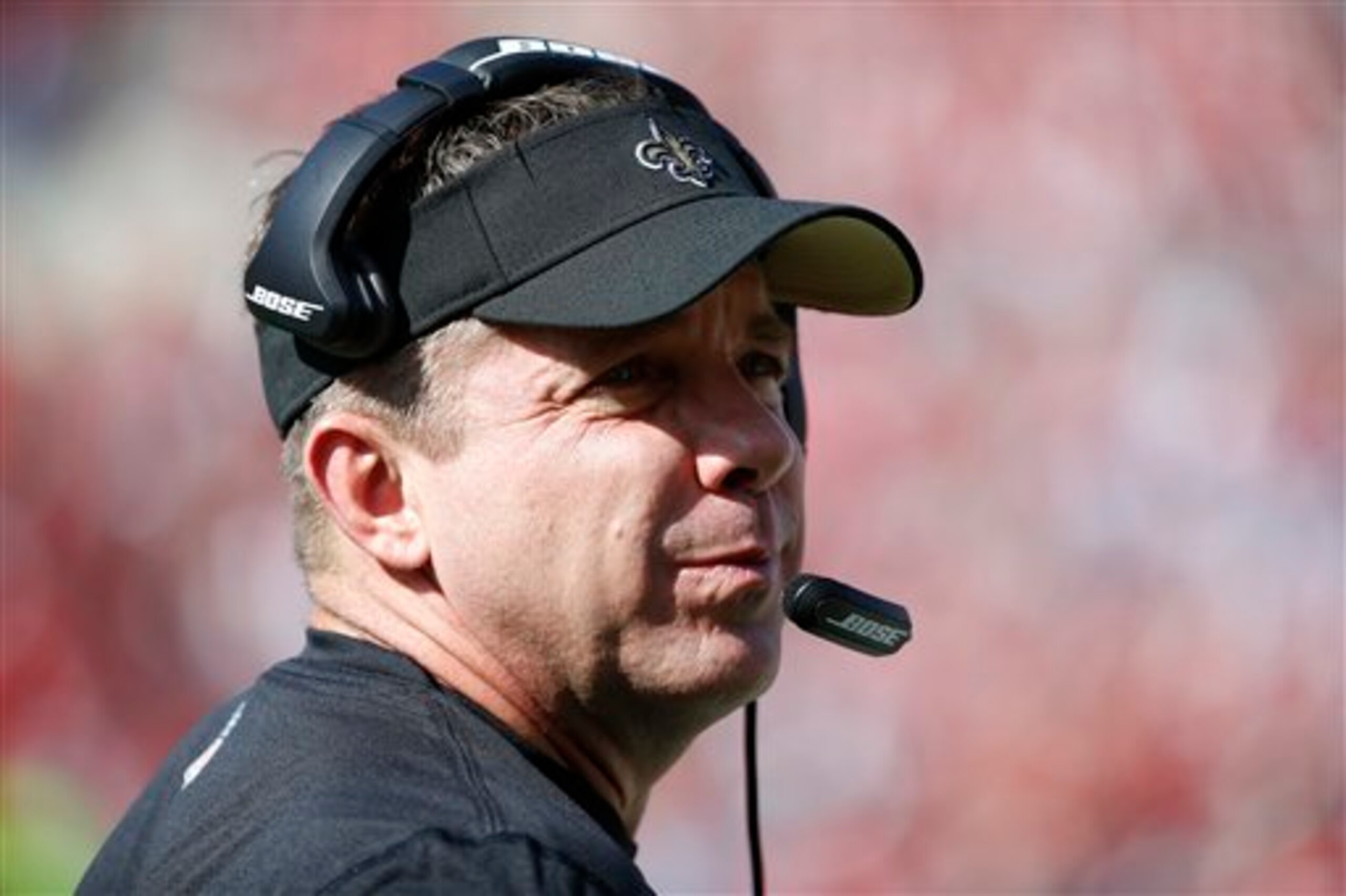
The sentence Goodell handed down for the bounty scandal in 2012 crippled the New Orleans Saints, and the league has now twice docked the New England Patriots first-round picks for scandals regarding seemingly minor breaches of the integrity of the game. And at a player level, guys are routinely suspended four or more games for seemingly harmless violations of the league's policy on substance abuse.
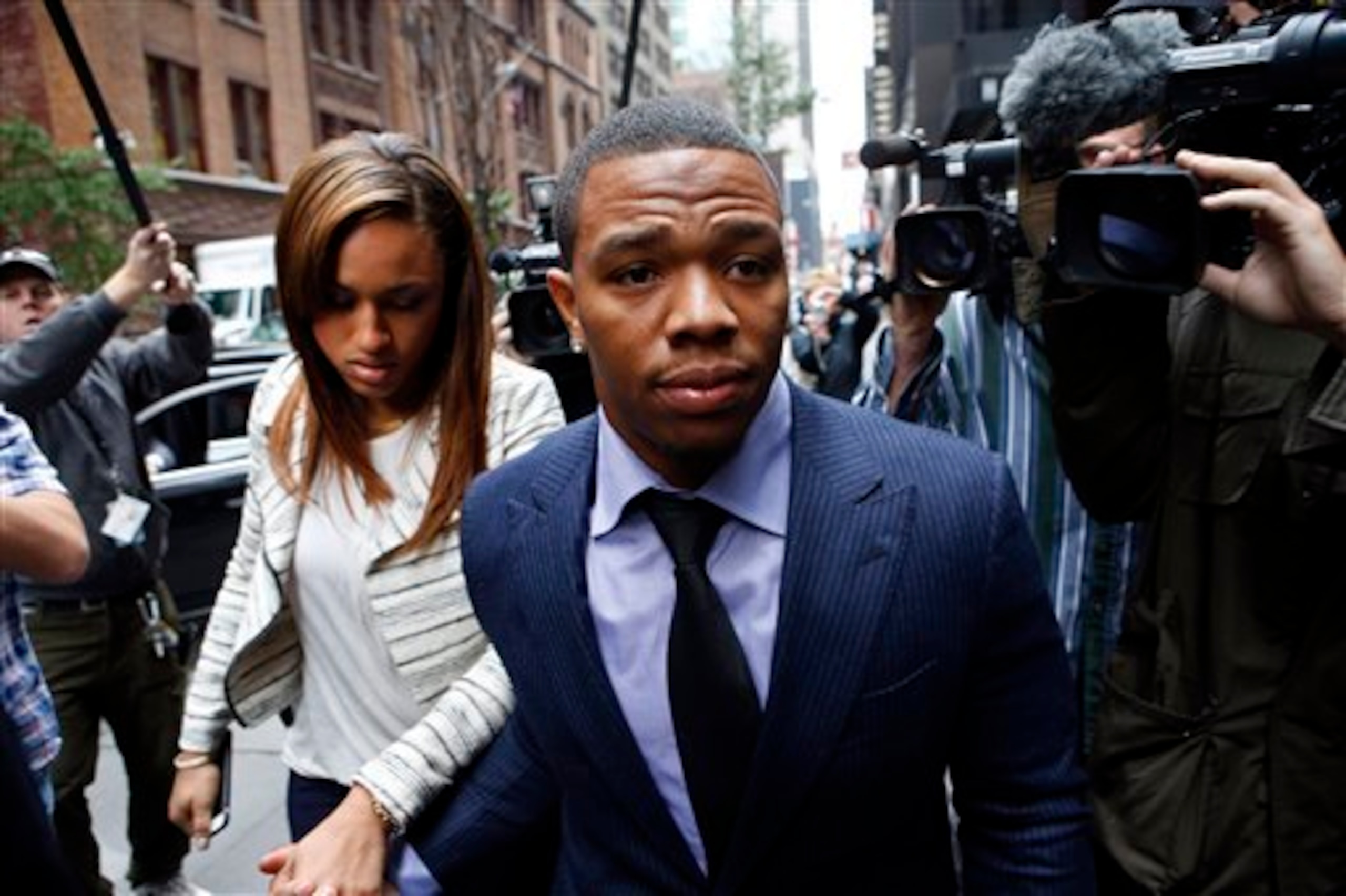
While Cleveland Browns receiver Josh Gordon missed the majority of the 2014 season, mainly for smoking too much weed, Goodell originally suspended running back Ray Rice just two games for a domestic-violence incident in which he was caught striking his then-fiancee on camera.
Juxtapose Gordon and Rice's punishments and throw in the five-game suspension Terrelle Pryor served in 2011 for selling merchandise while in college and you begin to wonder what's happening.
(Later, in what many construed to be an attempt to save face in light of new, damning evidence, Goodell and the league suspended Rice indefinitely. But a neutral arbiter overturned that sentence on appeal, ruling that the penalty was "an abuse of discretion." Turns out you can't be blatantly reactive nor extreme when handing out sentences.)
Not only have those fluctuating penalties befuddled players and fans, but Goodell's critics also despise the fact he's acted as judge, jury and executioner while handling the league's many player- and team-related scandals.
There's been plenty of consternation surrounding the fact Goodell continues to retain authority to rule on appeals, and the league financed the report (warning: link contains NSFW language) from investigator Ted Wells that led to recent penalties doled out to the Patriots.
While initial penalties are now handed out only after several authorities have been consulted, it seems counterintuitive to include Goodell in every step of the process, including the appeal.

That's what caused the NFLPA to request that a neutral arbitrator hear Tom Brady's appeal of his four-game suspension. In making that request—one that was, unsurprisingly, denied—the union cited "the NFL’s history of inconsistency and arbitrary decisions in disciplinary matters," per the Associated Press.
As far as his reputation goes, it hasn't helped that Goodell has been forced to play a villainous role, which was epitomized when he became NFLPA enemy No. 1 during the 2011 labor dispute. But strikes and lockouts happen, and former commissioner Pete Rozelle's reputation survived both.
In 2013, before the Rice scandal, related domestic-violence controversies and Deflategate, a USA Today poll found that 61 percent of players disapproved of the job Goodell had done.
Then came the Rice debacle, as well as controversial approaches to off-field incidents involving stars Adrian Peterson and Greg Hardy. And this past fall, a poll conducted for Sports Illustrated, by Marketing and Research Resources, found that only 28.5 percent of fans believed Goodell should keep his job, with his approval rating among females plummeting to 20 percent.
And at around the same time, 61 percent of respondents to an ESPN poll thought Goodell should no longer serve as commissioner.
The criticism has also rolled in quite consistently, mainly from players, fans and the media, but also from Goodell's predecessor.
"If they see you making decisions only in economic terms, they start to understand that and question what you're all about," Tagliabue said earlier this year regarding Goodell's arguably myopic focus on the bottom line, per James Montgomery of Rolling Stone. "There's a huge intangible value in peace. There's a huge intangible value in allies."
Goodell has made some tremendous mistakes, particularly with disciplinary matters. But the league is making more money than ever, and the only folks he has to answer to are those who are benefiting financially from those increased profits.
"Goodell does not need to have any credibility with you or me," Bleacher Report's Mike Tanier wrote in the fall. "He does not need credibility with the players. Credibility with the union would help—it is a lot easier to do business when the base level of trust between labor and management is better than 'keep your hand on your wallet at all times'—but it is not essential. Goodell needs credibility with his bosses, the NFL owners."
But what happens if that credibility also begins to erode?
As Tanier pointed out, "Ravens owner Steve Bisciotti certainly did not enjoy having to play both sides against the middle when the league was in 'Tape? What tape?' mode" regarding the existence of footage containing Rice's domestic knockout punch.
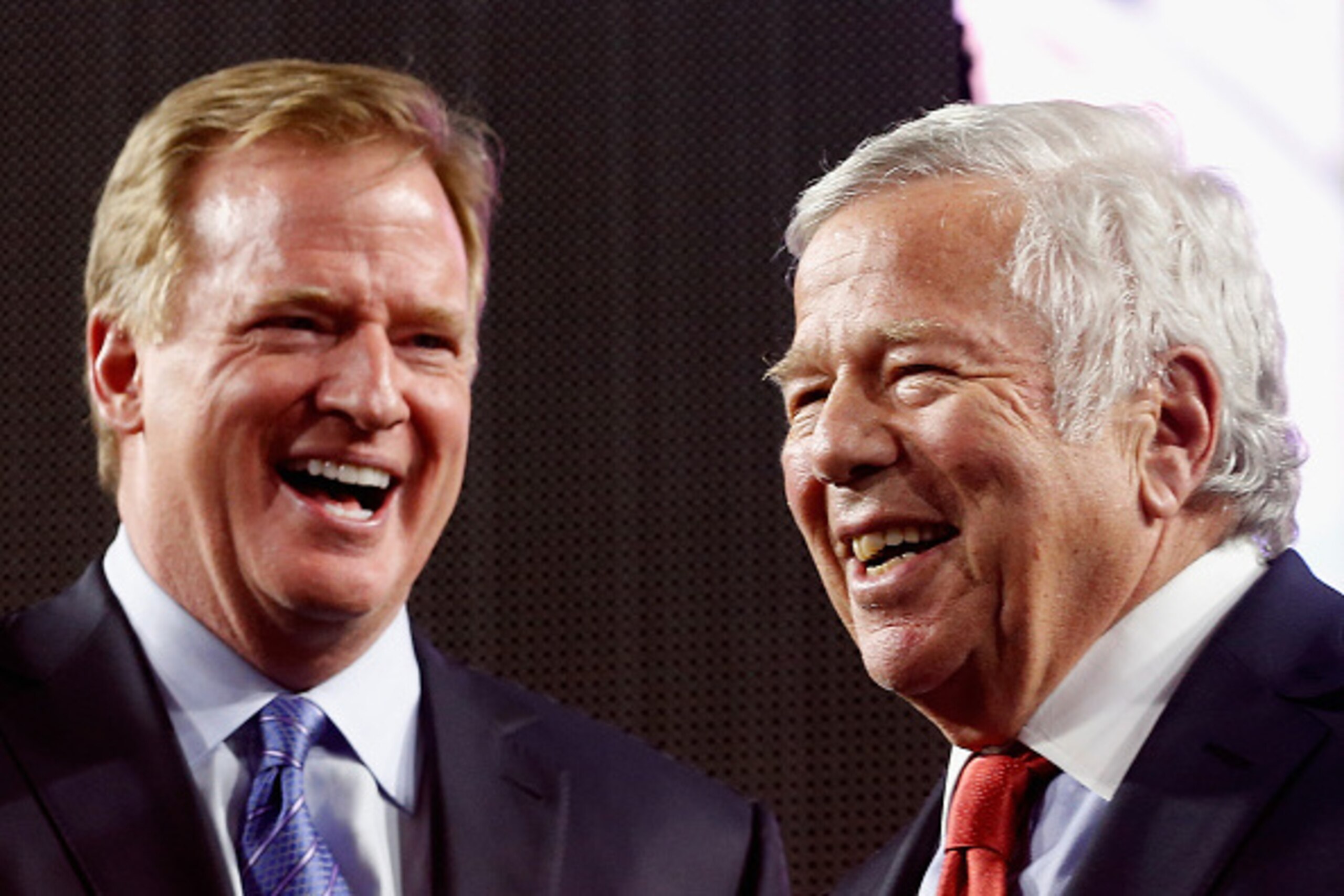
And now the Patriots are fighting vehemently against Goodell and his colleagues, which is particularly noteworthy, considering that Pats owner Robert Kraft has been a staunch supporter of Goodell's from Day 1.
When allegations regarding Deflategate emerged in January, Kraft had his back against the wall while noting that he'd expect an apology from the league if the Wells Report wound up clearing the franchise of wrongdoing.
"I am disappointed in the way this entire matter has been handled and reported upon," said Kraft at the time, per Mike Reiss of ESPN.com. "We expect hard facts as opposed to circumstantial leaked evidence to draw a conclusion of this investigation."
Kraft also stated this week (via Fox's Mike Garafolo) that the penalties levied against his team and his quarterback by Goodell and NFL executive vice president Troy Vincent "far exceeded any reasonable expectation."
It's enough to cause you to wonder if Goodell will ever become capable of regaining public favor. He's 56 and has already been digging that public-opinion grave for nine years.
Tagliabue retired as a 65-year-old after more than 16 years on the job. Rozelle served for 29 years but got an earlier start and walked away from the commissioner role at the age of 63. That likely indicates Goodell is at least halfway through his projected tenure.
At this point, it might be impossible for Goodell to gain a favorable reputation among the majority of those in the football world, but so long as the National Football League remains the king of the North American sports castle, it might not matter.
Brad Gagnon has covered the NFL for Bleacher Report since 2012.
.jpg?w=2560 "Cardinals Football")
.jpg?w=2560 "Grading Monday Night Raw 🔠")