

Breaking Down the MLB Offseason's Best and Worst Entering 2015
Nothing marks the dawn of a new year quite like listing good and bad things from the previous year.
Maybe everyone just thinks too much about Santa Claus' naughty or nice lists around December because the Internet devolved into a wasteland of "best" or "worst" of 2014 lists. Much like baseball's first- and second-half splits, the calendar's arbitrary endpoint sends everyone into reflection mode.
By the way, this is another one of those articles. Most moves don't fall into either extreme, as there is always risk and reward to juggle with any decision. But it's simple math that some teams will thrive while others falter due to the choices they made. Everyone can't win at the same time.
Now that 2015 is underway, let's look all the way back to the past two months to identify the offseasons's major booms and busts.
Best: New York Yankees Making Sensible Moves
1 of 6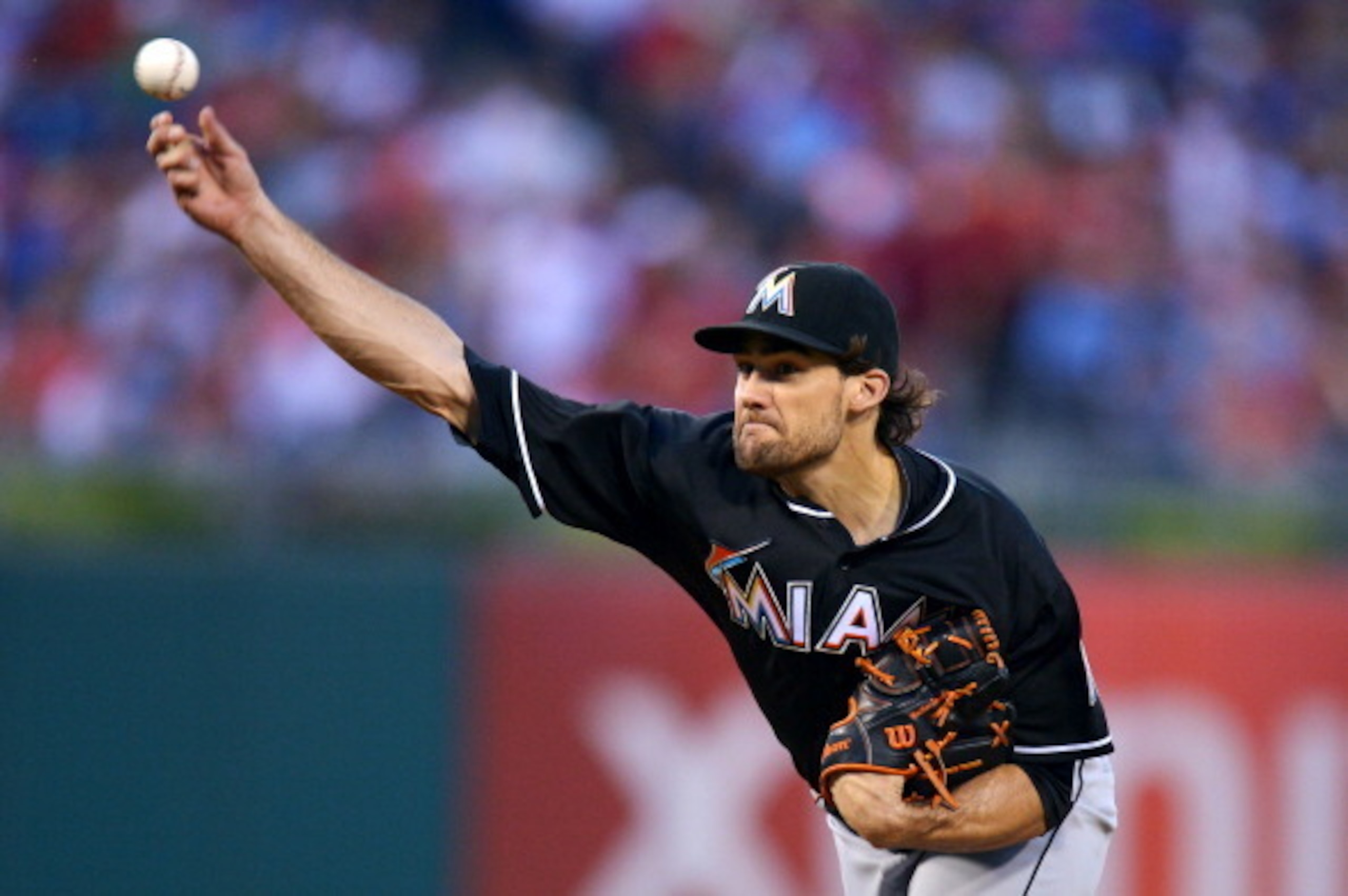
For once, the New York Yankees did not make a major offseason splash...at least not yet. Nevertheless, Brian Cashman responsibly addressed problem spots with prudent transactions.
Despite what Kevin Towers once said, Didi Gregorius is not, and will never be, vintage Derek Jeter. But he's better than 2014 Derek Jeter, who performed below replacement-level with an atrocious .617 OPS. A strong defender who could offer some pop in Yankee Stadium, the 24-year-old Gregorius gives the Yankees an upgrade at shortstop over the retired legend.
Some fans bemoaned the club's disinterest in retaining David Robertson, but they instead signed another stud relief pitcher for less money. Take a look at how Robertson, who will earn $46 over the next four years, compared to Andrew Miller, whom the Yankees instead snagged for four years and $36 million.
Robertson (2014): 64.1 IP, 3.08 ERA, 1.06 WHIP, 96 K, 23 BB
Miller (2014): 62.1 IP, 2.02 ERA, 0.80 WHIP, 103 K, 17 BB
The same skeptics are wondering why the Bronx Bombers splurged $52 million for four years on Chase Headley, a career .265 hitter whose 31-homer outburst in 2012 now clearly signifies the outlier. Instead, let's celebrate a bargain.
Due to a keen batting eye, he touts a .347 career on-base percentage. That's one point higher than Pablo Sandoval recorded, who netted a five-year, $95 million deal. Since Sandoval reaches first with singles rather than walks, he will earn $43 million more.
Over the past five years, Headley has reeled in a 21.9 WAR compared to Sandoval's 14.8. Both third basemen wield superb gloves, but Headley operates on another level defensively. That value doesn't show up in his batting average.
It would have been nice to see the Yanks retain Brandon McCarthy after his dazzling stint with the squad, but balking on the injury-prone veteran is understandable. Instead, they traded for Nathan Eovaldi, a 24-year-old with the league's fourth-highest fastball velocity among starting pitchers.
Despite 2014's meddling 6.40 strikeouts per nine innings (K/9), he amassed a 3.37 Fielding Independent Pitching (FIP) grade due to issuing just 1.94 walks per nine (BB/9). The Miami Marlins also tossed in Garrett Jones, a left-handed slugger who can exploit Yankee Stadium's short right-field porch.
These moves won't vault them back into the title picture, but it'll prevent the Yankees from falling too deep into the abyss.
Worst: New York Mets Jump Gun, Then Get Gun-Shy
2 of 6
Looking to buck the trend of six straight losing seasons, the New York Mets attacked the free-agent market immediately to tackle their corner-outfield woes. Since that questionable move, they have largely gone missing.
In a vacuum, Michael Cuddyer for two years and $21 million hardly marks the offseason's worst transaction. The subdued price takes into account the 35-year-old's 280 games played over the past three years, and it also acknowledges he'll never win a batting title outside of Coors Field.
The biggest problem with poaching Cuddyer from the Colorado Rockies? His former team extended the veteran a qualifying offer, which means the Mets must cough up their first-round amateur draft pick as compensation.
They forfeited the No. 15 pick for an oft-injured slugger moving away from a slugger's paradise who is also a defensive liability. Hey, if the Wilpons are sliding all their coins across the table this year, that's their prerogative. They haven't made the playoffs since 2006, but they have a cavalcade of bright young starting pitchers along with budding star Travis d'Arnaud behind the plate and defensive deity Juan Lagares patrolling center field.
This is the Mets going all in and...wait, they've done nothing since?
Well, they scooped up John Mayberry Jr., who should spell Cuddyer and Lucas Duda against left-handers. That's a nice, under-the-radar maneuver. But what about their bullpen, the only one with a negative WAR in 2014? Who will play shortstop in 2015?
This isn't a "Get Troy Tulowitzki at all costs" rant or a call to deplete their farm system to win now by any means necessary. Restraint is good, but if general manager Sandy Alderson is frugal enough not to dip into a deep prospect class, why was he comfortable trading a valuable first-rounder for Cuddyer?
There's no way he would have outright traded Brandon Nimmo, 2011's Round 1 selection, for someone of Cuddyer's similar value. If so, he should be pestering the Tampa Bay Rays for Ben Zobrist right now.
The Mets tried to be bold and frugal at the same time, but like Liz Lemon, they can't have it all.
Best: Teams Improved at Oakland Athletics' Expense
3 of 6
This is not an attack on Billy Beane that tunnels deeper into deriding evil computer nerds for bringing logic and data into baseball. This also isn't blindly praising Beane for every step he has ever taken since Moneyball.
Feeling his window closed, Beane unloaded several of the Oakland Athletics' top contributors, receiving prospects and young, but damaged, major league talent in return. These moves may pay off in the long run, but there's huge risk in a playoff team dumping all of its stars.
Nobody, however, can deny Oakland's trading partners tangibly improved their 2015 rosters. Eager to earn their first playoff berth since 1993, the Toronto Blue Jays landed what very well may be the offseason's biggest coup by acquiring third baseman Josh Donaldson.
Over the past two seasons, Donaldson orchestrated Oakland's quintessential out-of-nowhere breakout, hitting .277/.363/.477 while playing impeccable defense at the hot corner. During those two years, only Mike Trout and Andrew McCutchen topped him on FanGraphs' WAR leaderboard.
Move him from Oakland to the hitting-friendly Rogers Centre, and he could belt 35 homers next season.
The Cleveland Indians bolstered their offense with Brandon Moss, who collected 25 deep flies and a .772 OPS even after his second-half tailspin. In exchange for someone who has notched a .503 slugging percentage since 2012, Cleveland parted with Joe Wendle, a 24-year-old who hit .253/.311/.414 in Triple-A last season.
Derek Norris also fell back to earth as the season winded down, but he's a 25-year-old catcher with an 11.4 percent walk rate and two straight two-win seasons. After sacrificing Yasmani Grandal in the Matt Kemp deal, Padres GM A.J. Preller quickly located a worthy replacement.
Jeff Samardzija pitched like a true ace during the 2014 campaign, producing a stellar 2.99 ERA through 219.2 innings with a career-low 1.76 BB/9 rate. Those premium arms are tough to locate at a discount, but his looming free agency allowed the Chicago White Sox to rent Oakland's rental without gutting the farm system.

Worst: Are the Atlanta Braves Rebuilding?
4 of 6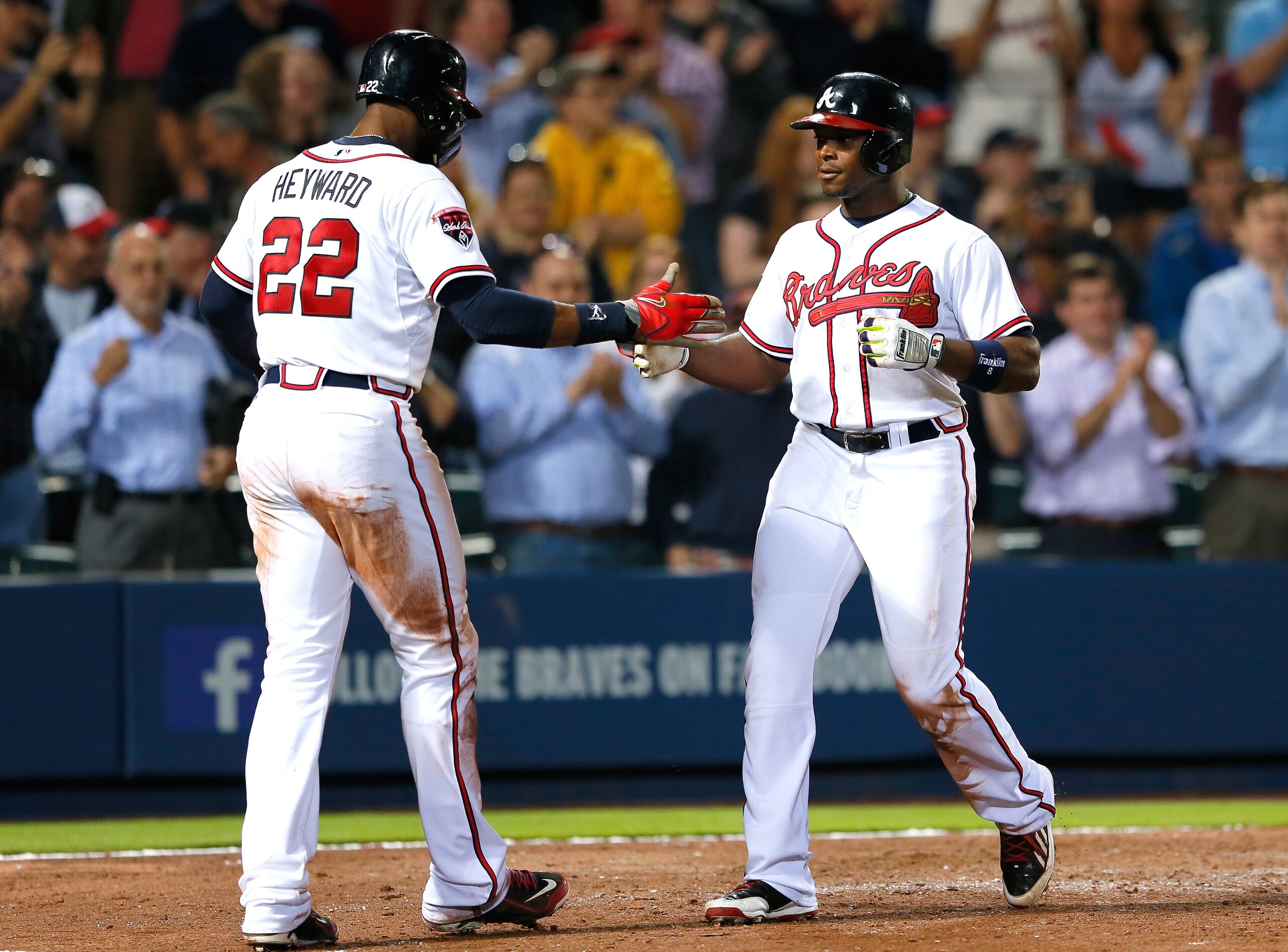
The answer to the lead-in question seems obvious. Yes, of course the Atlanta Braves are rebuilding. Why else would they trade Jason Heyward and Justin Upton?
Preparing for both outfielders to hit free agency next winter, the Braves jettisoned their two prized outfielders out of fear of them splitting next offseason. Although selling Heyward for Shelby Miller—a young starting pitcher with four years of team control—makes sense in the long run, the 24-year-old righty submitted the seventh-worst FIP (4.53) among all starters last season.
While Atlanta banks on Miller's rebound, the St. Louis Cardinals receive a defensive whiz who churned out the same 5.1 WAR as Jose Altuve and Yasiel Puig last season. And this trade isn't even why the Braves make the "worst" section.
After shedding future free agents, the Braves signed a current one, inking Nick Markakis to a four-year, $44 million deal. So let's get this straight: A team that just traded two of its top three position players handcuffed itself to a declining 31-year-old outfielder for four years?
Markakis has tallied slugging percentages below .400 in each of the previous two seasons. For a contending squad like the Baltimore Orioles, he's a solid piece. For a retooling organization cutting future costs, he's an unnecessary addition.
One guy they're sticking with at the moment, Evan Gattis, is headed to left field with A.J. Pierzynski taking over at catcher. If ever there was somebody to trade, it's Gattis, whose flaws offset the seismic power.
His .487 career slugging percentage and affordability will draw several suitors, but his .304 career on-base percentage, 22.7 strikeout percentage and atrocious defense should frighten Atlanta. During 2013, he cost the Braves 10 runs in 48 games at left field.
He needs a move to the American League, and Atlanta's pitching will suffer if the front office can't make it happen.
Best: Chicago Cubs and White Sox Reload
5 of 6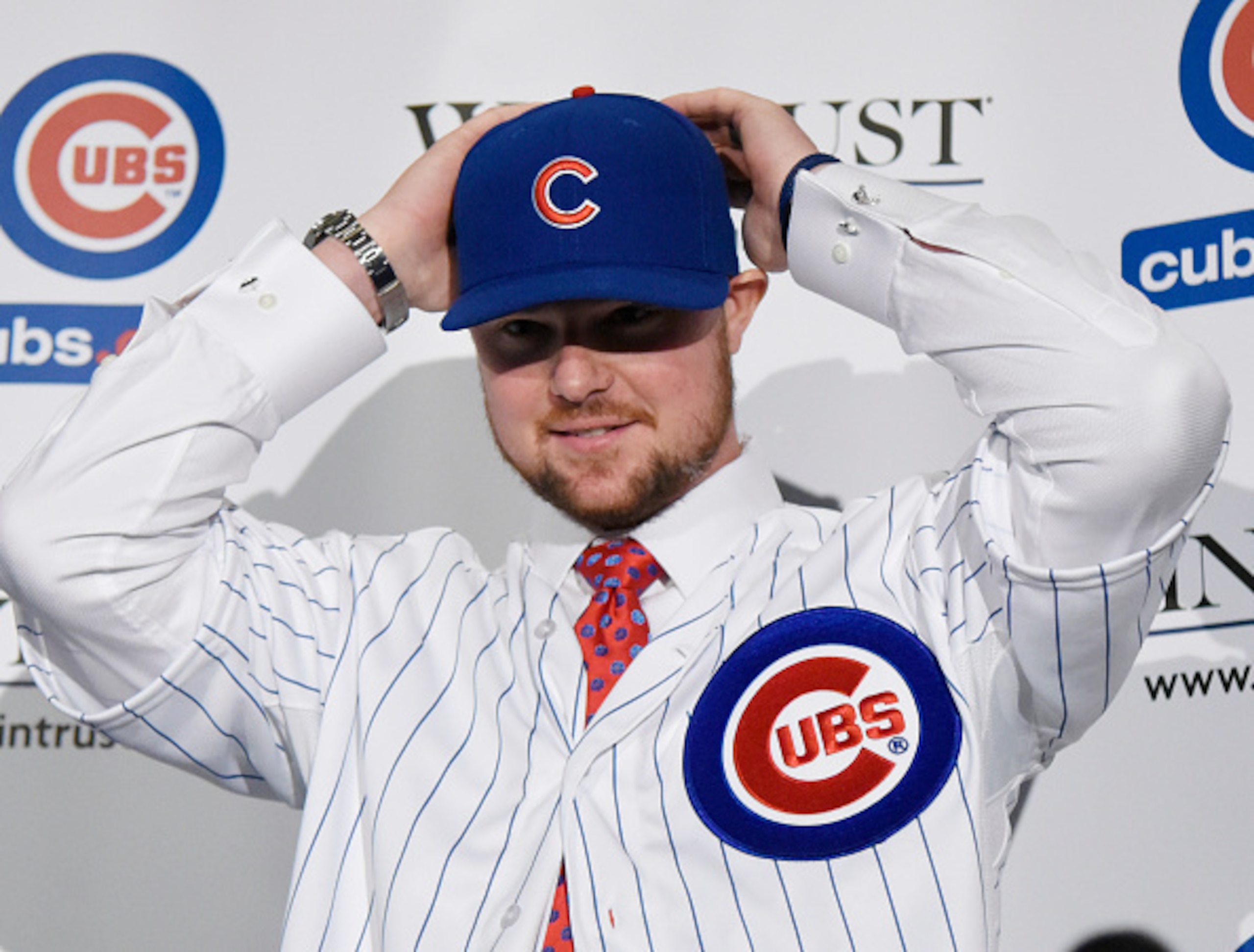
Neither Chicago club has made a playoff appearance since 2008. That, however, could change soon after the Cubs and White Sox each added significant reinforcements.
The Cubs, armed with a killer batch of future offensive stars, needed the pitching to support Anthony Rizzo, Kris Bryant, Jorge Soler and Javier Baez. Jon Lester certainly fits the bill.
Paying top dollar for any 30-year-old pitcher is scary, but the Cubs had the money to spend and a statement in need of making. Bouncing back to ace form in 2014, the lefty netted a 2.46 ERA with a 9.01 K/9 and 1.97 BB/9 rate.
Even if he doesn't prove worth $155 million, the Cubs can justify the investment by escaping last place for the first time in five years. Don't discount the Jason Hammel signing, either, as the righty submitted a 2.98 ERA through 17 starts before the Cubs shipped him to Oakland.
While the Cubs still need a year or two for their young talent to blossom, the White Sox are a dangerous team this year. Uninspired by a 73-win season, they added Samardzija, Robertson, Melky Cabrera, Adam LaRoche and Zach Duke.
Samardzija, Cy Young contender Chris Sale and the underrated Jose Quintana give the White Sox a formidable Big Three with Duke and Robertson stabilizing the bullpen. One or two decent back-end starters would complete the puzzle.
A competent offense that placed 10th in team OPS last year gets better. LaRoche has belted at least 20 homers during every full season of his career, and Cabrera rated fifth among qualified left fielders with a .458 slugging percentage.
At $42 million, Cabrera becomes the offseason's greatest free-agent bargain if he comes close to replicating last year's numbers. Just like that, the White Sox intensified the American League Central competition.
Worst: Aging Designated Hitters Get Long-Term Deals
6 of 6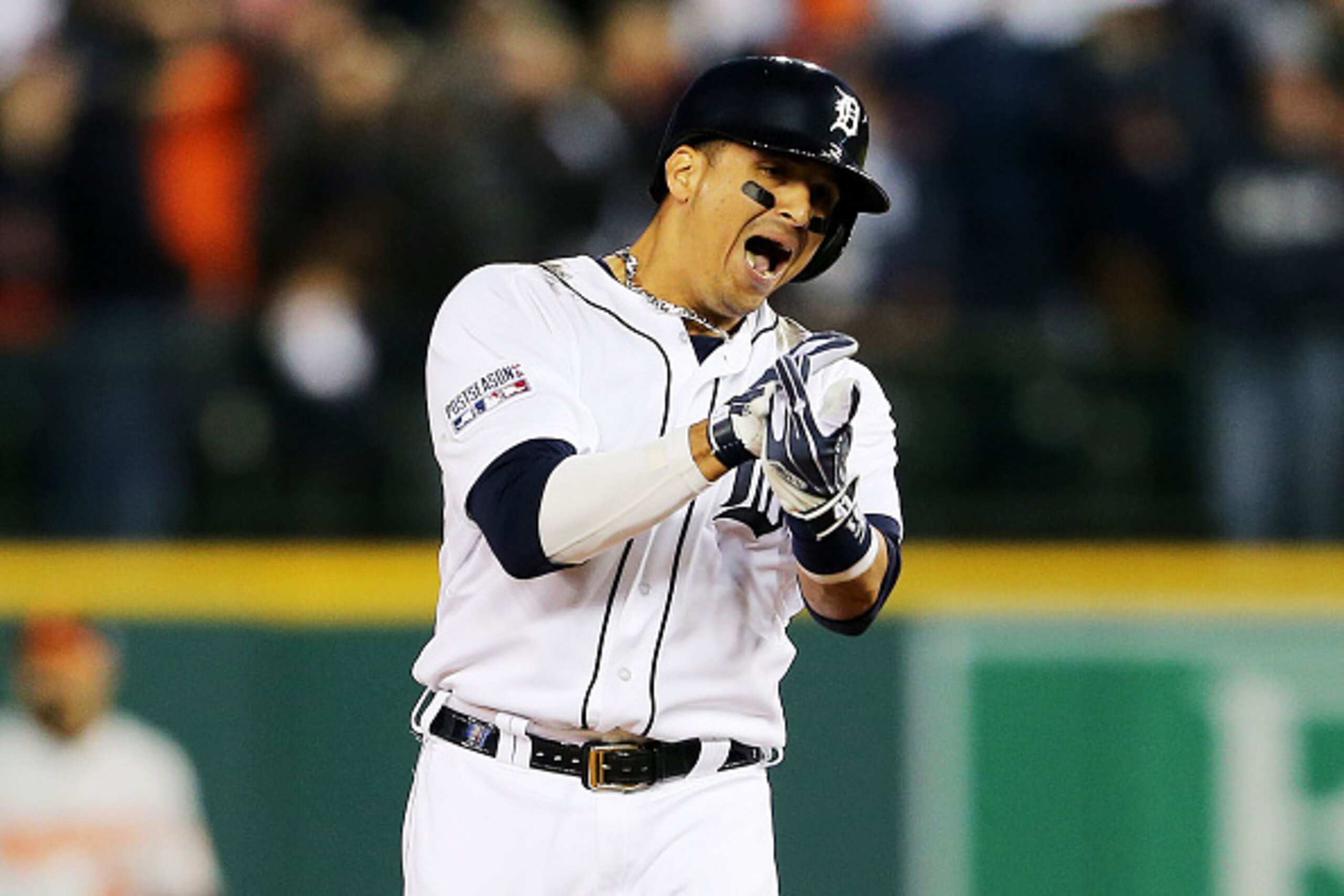
Impact hitters are hard to find. How hard to find are they? Impact hitters are so hard to find that two veteran designated hitters received four-year deals this offseason.
Where to begin on Nelson Cruz? He's 34 years old. He has played over 130 games twice since becoming a big league regular in 2009. Since 2011, he has recorded a .323 on-base percentage with a 7.8 WAR.
Coming off an MLB-best 40 homers, Cruz is the purest of power hitters. That could become a problem for the Seattle Mariners, who play half of their games inside the spacious Safeco Field.
Big boppers don't typically withstand Father Time well, so four more seasons of elite power from the slugger is a lot to ask.
Martinez re-upping with the Detroit Tigers is not nearly as disastrous. While power erodes before anything else, plate discipline lasts longer. Not only did the 36-year-old notch a 10.9 walk percentage, but he posted an MLB-low 6.6 strikeout percentage.
The problem? He's a career .306 hitter who batted .335. Average fluctuates, and such a high clip is not sustainable. Especially not along with 32 homers, the real red flag from Martinez's career revival.
Over the past three years—including 2012, which he missed in its entirety—the former catcher tallied 26 long balls. He has averaged 18.7 homers per season over his career, so Detroit paid a steep price to keep a guy who just reached his peak production. Now the club has to cross its fingers and hope he cruises back into a .300, 20-homer option.
Natural aging will make both overpaid, but steeper declines can turn Cruz and Martinez into stiff liabilities before their contracts expire.
Note: All advanced statistics are courtesy of FanGraphs.



.jpg?w=2560 "NFL head coaching legend has a Minecraft hobby just as impressive")
.jpg?w=2560 "Baker, Bucs Agree to Deal 💰")
.jpg?w=2560 "Week 1 Waiver Wire Targets")
.jpg?w=2560 "Donald Won't Play Week 1")