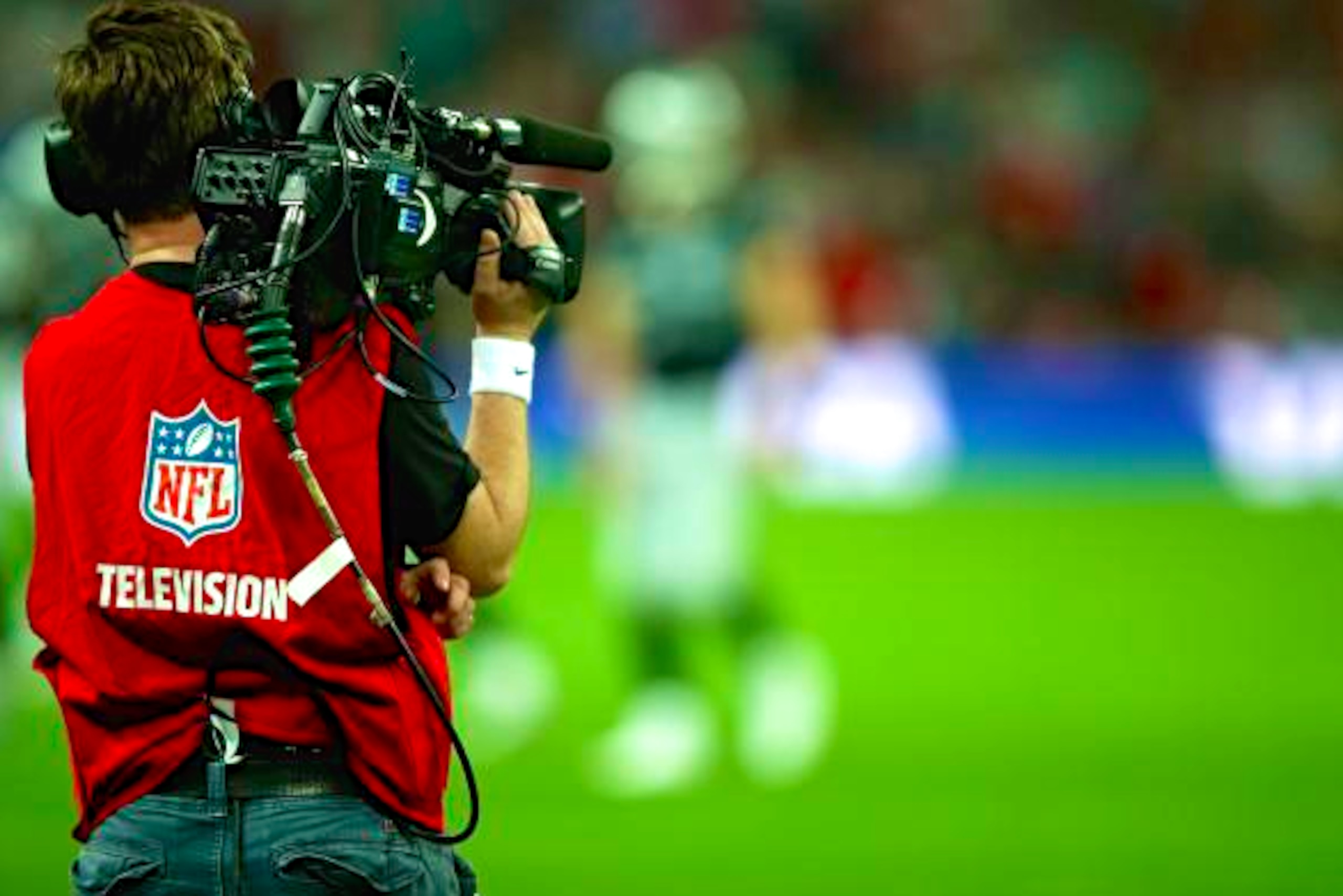

FCC Ends NFL Blackout Rule: Latest Details, Comments and Reaction
The Federal Communications Commission voted Tuesday to end the sports blackout rule, which kept NFL games off local television if a game didn't sell out. The move doesn't guarantee the league must start allowing those games to get shown, but it removes the federal regulation surrounding the issue.
Daniel Kaplan of SportsBusiness Journal noted the official decision:
.jpg?w=2560 "Patriots Seahawks Football")
He also provided insight from FCC commissioner Mignon Clyburn:
Mark Alesia of The Indianapolis Star points out the NFL wasn't on board with this change:
Darren Rovell of ESPN passed along the league's response to the ruling:
The NFL remained in favor of the regulation because it provided an incentive for fans in local markets to purchase tickets. Without a guarantee the game would be on television on a weekly basis, the only way to see the game for sure was to attend it.
Yet Edward Wyatt of The New York Times reports times have changed. He notes the rules came from an outdated period where sellouts were more of a concern and team revenue wasn't so heavily based on television money.
He provided details about the lack of recent blackouts:
"Now, a majority of teams' revenue comes from television rights, and barely a handful of games are blacked out each season, or even threatened with a blackout. In 2013, two of the N.F.L.'s 256 regular-season games were blacked out. In 2011, 16 games were blacked out locally, all of them happening in one of four cities: Buffalo, Cincinnati, San Diego and Tampa Bay.
"
In other words, there was a very small percentage of games where the stadiums weren't filled to capacity, and the rules punished a small group of fanbases.
Congressman Brian Higgins, who serves an area including Erie and Niagara counties in Western New York with plenty of Bills fans, passed along comments from FCC commissioner Ajit Pai:
It's a major step in the right direction for those who have fought for this change in recent years, even if there are more hurdles to clear.
Darren Rovell of ESPN points out a potential trickle-down effect should blackouts end for good:
Since the FCC has moved out of the way, the focus now shifts to the NFL, which will have to decide how to proceed without a federal regulation to fall back on for support. It won't be clear how a change would impact overall ticket sales until it's put in place.
Ultimately, it wasn't fair to punish a select few fanbases, mostly smaller markets, for being unable to sell out large stadiums. The NFL will fear more teams could have trouble filling the seats with a guarantee the game will be available on television every week, though.
All told, the issue will remain at the forefront, but the FCC is no longer a factor.
.jpg?w=2560 "Packers Jacobs Plea Football")

.jpg?w=2560 "Grading WWE NXT 🔠")
