

Every NBA Team's Biggest 2016-17 Offseason Regret
NBA perfection is nearly impossible.
No team can exit the offseason in flawless fashion. Not even the Golden State Warriors, despite inking Kevin Durant to a new contract and retaining all of their superstars. Nor the Utah Jazz or Detroit Pistons, in spite of commendable offseason moves that push them higher in their conferences' respective standings.
Every organization has (at least) one decision that leads to at least a little bit of regret. Some have been more impactful than others, but all have led to situations that might otherwise have been avoided.
Atlanta Hawks: Trying to Make a Super-Big Lineup Work
1 of 30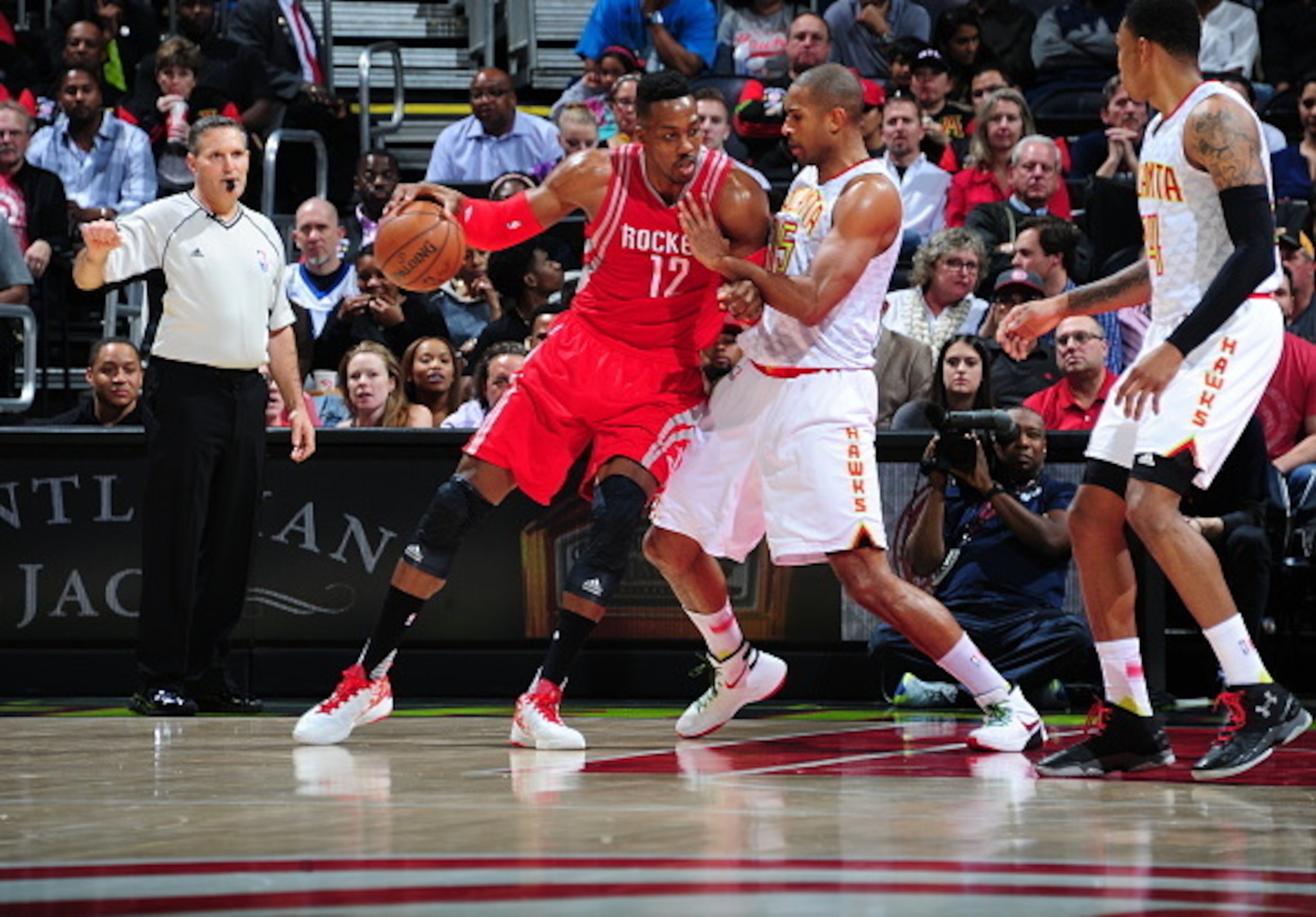
It's important to remember the timeline of the Atlanta Hawks' free-agency proceedings.
Dwight Howard was not signed as a replacement for Al Horford. Instead, he agreed to join his hometown franchise while the front office was still hoping to retain its incumbent center and build a remarkably big lineup.
As WSB's Zach Klein reported on Twitter, contradicting the idea that Horford and Howard could somehow work together, "Multiple sources tell me Al Horford is not a fan of the Dwight Howard signing," Klein tweeted. "Could play major role in decision to stay with Hawks."
When viewed through a different lens, the Howard decision is a bit more defendable. He may require schematic changes on both ends in order to keep the Hawks humming, but his rim-protection and pick-and-roll ability do make him a valuable presence in any lineup. Given the free-agency climate, it was tough for Atlanta to find a better replacement for its All-Star big man in Horford.
But that's still a distortion of reality. Had Atlanta not embarked upon such an aggressive pursuit of Howard early in the offseason sequence, there's a solid chance it could still be throwing out the Paul Millsap-Horford frontcourt that has worked so well in previous campaigns.
Boston Celtics: Failure to Make Draft-Day Trade
2 of 30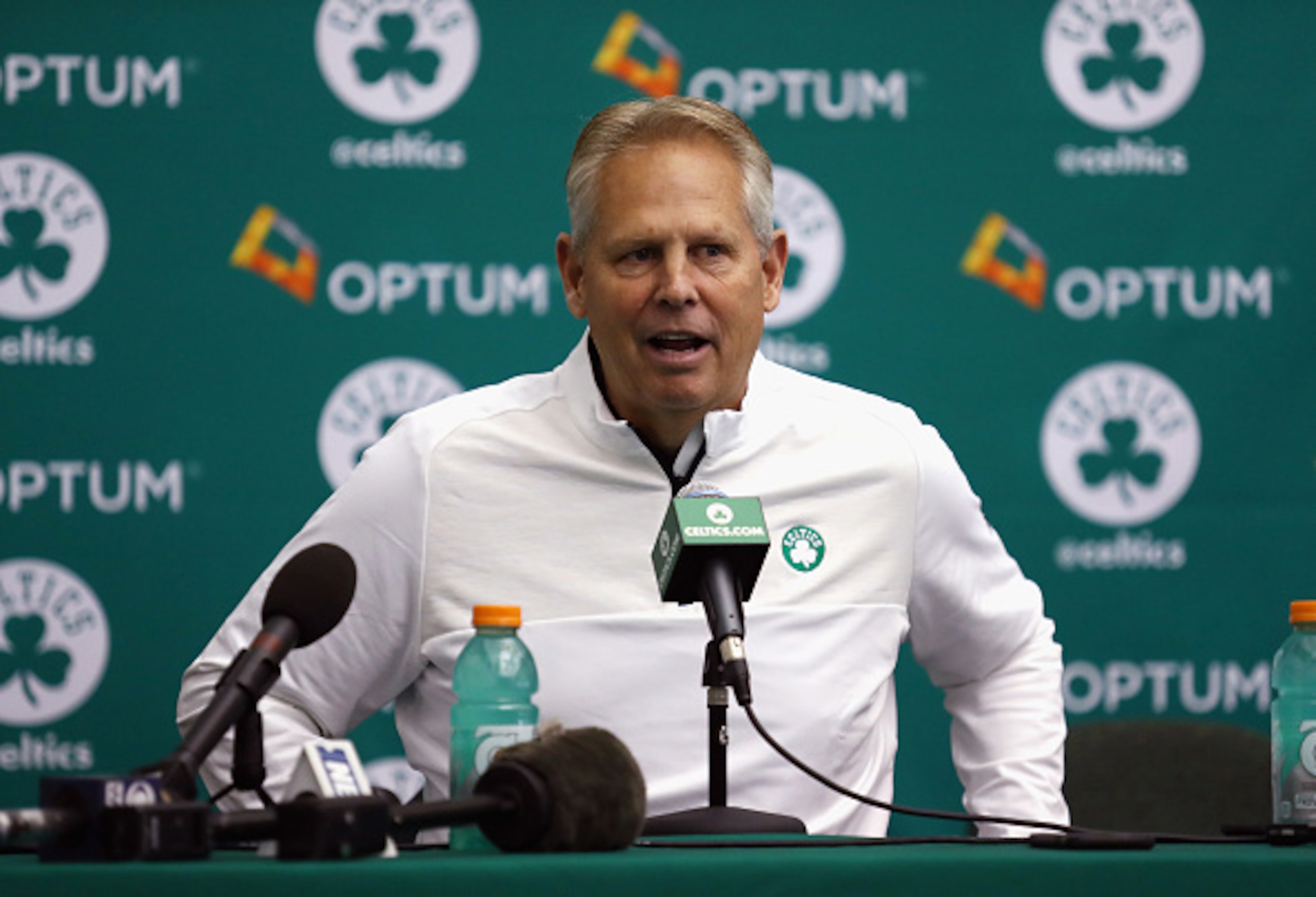
Don't interpret this as a slight against Jaylen Brown, whom the Boston Celtics picked at No. 3 in the 2016 NBA draft. He could turn out to be a terrific player at the professional level, thriving on both ends as he makes use of his standout athleticism.
But even with Brown in the fold, the C's failed to utilize their draft-day assets advantageously. They entered the night with a staggering eight picks, yet they used six of them on Brown (No. 3), Guerschon Yabusele (No. 16), Ante Zizic (No. 23), Demetrius Jackson (No. 45), Ben Bentil (No. 51) and Abdel Nader (No. 58). The Celtics traded two second-round selections to the Memphis Grizzlies for a future first.
This wasn't the plan.
In win-now mode, Boston was supposed to package some of its first-rounders together to land a present star, potentially shooting for the moon with an acquisition of a Blake Griffin/Russell Westbrook type of player. Instead, general manager Danny Ainge, widely known for his trading propensity, never found anything he liked.
"If they were close, we might have stretched," Celtics co-owner Wyc Grousbeck told the Associated Press, via Boston.com. "We didn't feel anything was close and we'd give counter offers and the other side didn't feel it was close."
Brooklyn Nets: The Past
3 of 30
The Brooklyn Nets tried to make the most of the hand that the previous brain trust dealt them, taking a high-upside flyer in the draft (Caris LeVert) and signing a former prospect who had been written off in his previous location in Anthony Bennett. They even traded Thaddeus Young for a draft pick—a move unequivocally made with an eye on the future.
But nothing Brooklyn did this summer stacks up against the previous incompetence that put the Nets in this awful, unsolvable situation.
Brooklyn's top draft pick was conveyed to the Boston Celtics with no recompense, denying it a chance at adding a true potential superstar in late June. The lack of current talent gave it little free-agency appeal, preventing it from doing anything more than handing up-and-coming restricted free agents massive offer sheets that were matched by their previous employers.
There's not even much to trade.


Charlotte Hornets: Point Guard Swaps
4 of 30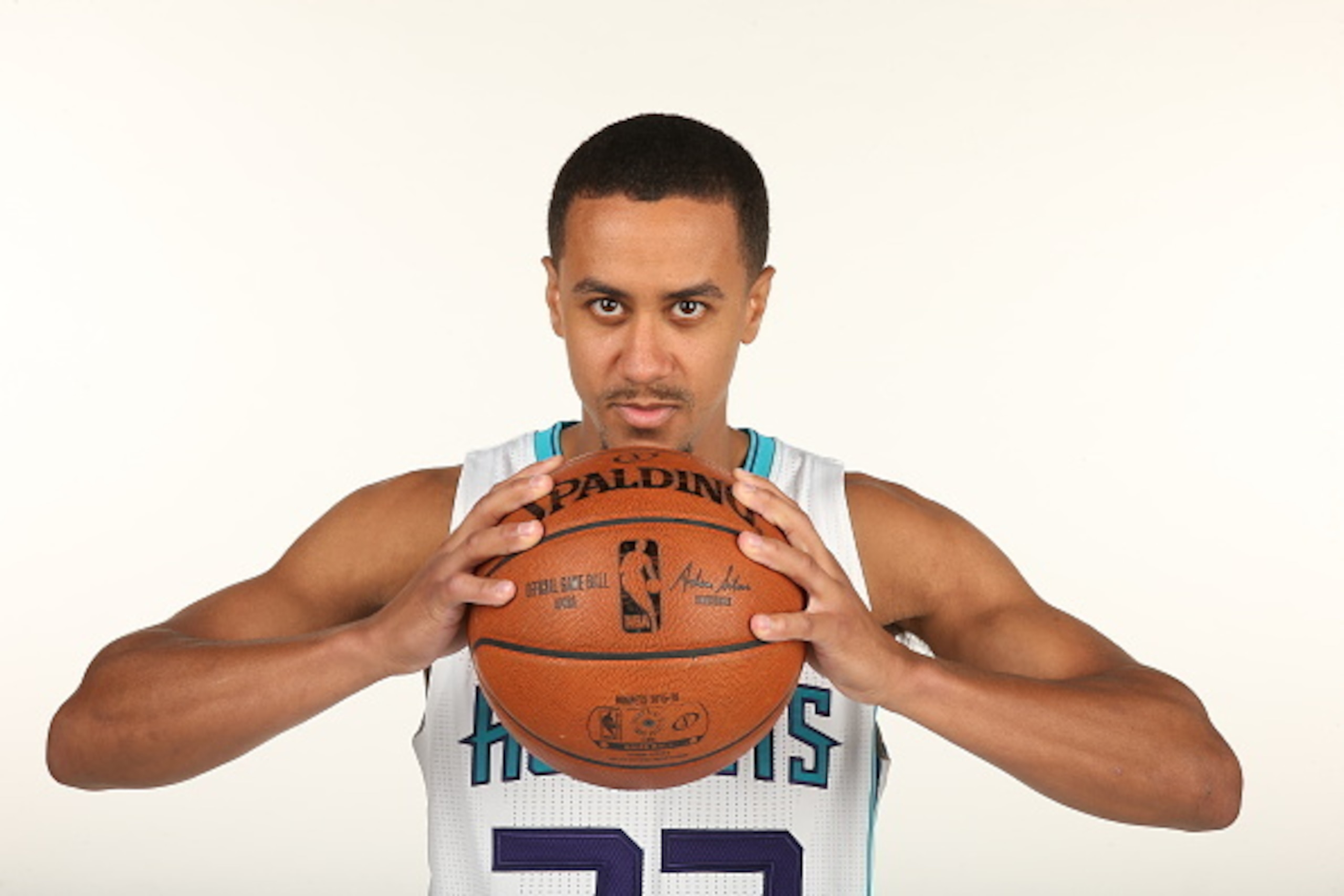
While the Charlotte Hornets did a marvelous job keeping their dangerous core together, they couldn't bring back every single piece that led them into the 2016 playoffs. Jeremy Lin escaped, signing with the Brooklyn Nets, and the point guards tasked with replacing him (Ramon Sessions and Brian Roberts) don't quite stack up.
Sessions is an aging floor general who struggles to stop a nosebleed on the defensive end, while Roberts has had similar troubles. And while Lin might not be a standout stopper, he at least became adequate while maintaining his offensive value.
It's tough to see either of the replacements attacking the hoop quite so well, either, as Lin was so often asked to do in his role as a sixth man.
"I hate to see him go, but at the same time I'm definitely happy for him," Kemba Walker told the Charlotte Observer's Rick Bonnell. "He deserves to be a starter in this league. He's such a great player and he proved that last season. There were games where I was off and he carried the team."
The Hornets were 0.9 points per 100 possessions worse when Lin was on the floor last season. But that's understandable when he was usually replacing Walker, who played like a fringe All-Star. Plus, it's not like Roberts (6.7 worse with Charlotte and 19.0 worse with the Portland Trail Blazers) and Sessions (1.5 worse with the Washington Wizards) avoided similar trends.
Chicago Bulls: Forgetting About Shooting
5 of 30
The idea of a Jimmy Butler, Rajon Rondo and Dwyane Wade triumvirate initially sounds promising. Even if all three players are better with the ball in their hands, they should be talented enough to make it work.
But it doesn't take much digging to come up with a major concern, and we're not even referring to Rondo and Wade's declining defense in recent seasons.
The NBA has increasingly become a three-point-shooting league, with most teams relying heavily on perimeter marksmanship. But by putting these three recognizable names together, the Chicago Bulls are refusing to adhere to the trend.
Though Rondo did make 36.5 percent of his triples during his lone season with the Sacramento Kings, it's hard not to view that as a one-year fluke. Not only did the percentage come on just 2.4 attempts per game, but it also shatters his previous career-high of 31.4 percent (on only 1.3 attempts per contest, no less). Meanwhile, Butler knocked down just 31.2 percent of his triples in 2015-16, while Wade went 7-of-44 the entire season in Miami.
This would be fine if the rest of the roster was loaded with floor-spacing presences, but that's not the case. Chicago had to trade away Mike Dunleavy Jr. and the newly acquired Jose Calderon to clear up space for Wade's arrival, and the frontcourt doesn't contain enough stretchy options unless Bobby Portis plays more than expected and Nikola Mirotic can push Taj Gibson to the bench.
Trying to play against compressed defenses that dare them to shoot will be a serious issue for the Bulls throughout the 2016-17 campaign.
Cleveland Cavaliers: J.R. Smith's Contract Situation
6 of 30
The Cleveland Cavaliers and J.R. Smith still haven't come to terms, though there have been no rumors of the shooting guard looking to join another organization. And as we get closer to the beginning of the regular season, things are starting to get a bit more contentious.
"Smith, 31, reportedly declined an offer of $10 million to $11 million per year from Cleveland," Zach Braziller reported for the New York Post, also noting that Smith tweeted nothing more than an ellipsis after the Cavaliers signed Toney Douglas in the middle of the ongoing negotiations. "The ex-Knick declined his $5.3 million player option for the 2016-17 season in July."
Even LeBron James is tired of this, telling Cleveland.com's Joe Vardon:
"I hate coming into another season—two years in a row—with one of my big guns not here. So, for a leader of a team and for me personally, I just hate to deal with this s--- again. It's just too big of a piece to our team to have to deal with in another training camp.
"
James is correct: While he, Kyrie Irving, Kevin Love and Tristan Thompson draw most of the attention, Smith was huge during Cleveland's title run. He accepted his role as a tertiary scorer who could catch fire and committed himself to playing high-quality defense, ultimately helping the Cavaliers' net rating improve while he was on the court and earning the team's fourth most total points added, per NBA Math.
At this point in the offseason, there's no way to replace him. A deal needs to be made, even if the Cavaliers have to pony up more cash than they'd like.
Dallas Mavericks: Everything That Led to Harrison Barnes
7 of 30
Let's turn things over to The Ringer's Jonathan Tjarks:
"The Mavs signed him [Harrison Barnes] to a four-year, $94 million contract in the offseason, but he wasn’t their Plan A. They opened free agency trying to sign Mike Conley, Nicolas Batum, and Hassan Whiteside in order to form the most bootleg superteam imaginable, only to be left scrambling when all three re-signed with their original teams. Signing Barnes was a concession to the obvious.
If the Mavs could not compete for the top players in the free-agent market, their only hope of acquiring a star was signing someone with the potential to grow into one. Forget becoming the next Durant. The Mavs are just hoping Barnes can be what Chandler Parsons was supposed to be.
"
There's certainly a chance Barnes could justify the max contract that the Dallas Mavericks gifted to him, even if little he did during his Golden State Warriors tenure justified so much money. He does still have quite a bit of potential, though the hype stems mostly from his days as a high-school standout and superstar at North Carolina.
But Dallas handed him an exorbitant amount of cash because it had cap space to burn and desperately needed someone with upside. There's a much greater chance the move backfires in spectacular fashion, leading to Barnes' gaudy contract becoming the NBA's latest albatross.
Denver Nuggets: No Dice on Dwyane Wade
8 of 30
"Adding Wade to the mix would have had its benefits—instant box-office appeal, a championship level leadership, and a player who proved last season he still had a lot left in the tank," Christopher Dempsey wrote for the Denver Post after a failed pursuit of the former Miami Heat superstar.
Ultimately, the veteran 2-guard opted to sign with his hometown Chicago Bulls, spurning the Denver Nuggets and their reported offer of $52 million over two seasons.
Does this open up more minutes for the many youngsters on the roster? Sure.
It admittedly would've been tough to manage a shooting guard rotation that included Wade, Gary Harris, Will Barton, Jamal Murray and Malik Beasley. Development now should be easier for the many youngsters. But the Nuggets had plenty of money to spend, given the youth scattered throughout this roster and the accompanying smaller contracts.
They also didn't have any other notable targets in free agency.
Wade would've helped make a distinct playoff push and expedite this rebuild, all while helping solve the major attendance issues at the Pepsi Center (Denver finished No. 28 in home attendance percentage last year, per ESPN.com.)
Detroit Pistons: Boban-Sized Contract for Boban
9 of 30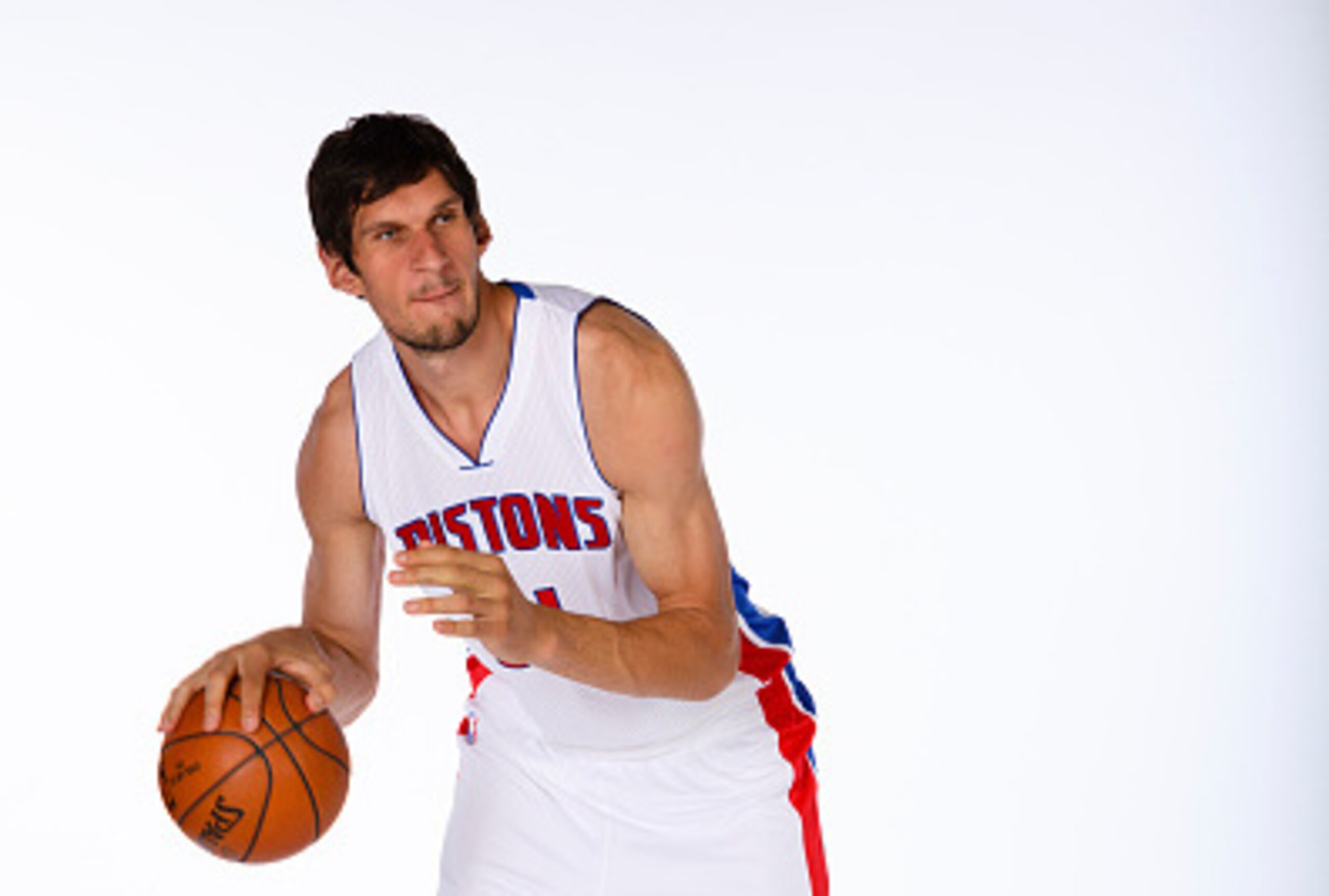
Boban Marjanovic was a force for the San Antonio Spurs during his rookie season, averaging 21.0 points, 13.7 rebounds and 1.6 blocks per 36 minutes while shooting 60.3 percent from the field. He looked the part of a future star, dunking over smaller players, knocking down mid-range jumpers and playing great defense in his limited role.
Even the advanced metrics look phenomenal: Marjanovic earned a staggering 27.7 player efficiency rating, finished as an above-average player in both offensive and defensive box plus/minus, submitted a fantastic true shooting percentage and finished No. 12 among centers in ESPN.com's real plus/minus.
But he did all this while playing just 9.4 minutes per game.
Thrust him into a bigger role, and there's no telling what could happen. Unfortunately, history is littered with players who thrived in a small setting and then struggled when asked to do more. The Detroit Pistons have reason to believe that won't be the case as he settles in as Andre Drummond's primary backup, but they can't be certain.
However, they paid him as if they are.
It's not the signing of Marjanovic that leads to regret, so much as the fact it took three years and $21 to get him on board.
Golden State Warriors: Retaining Anderson Varejao
10 of 30
If any team deserves to escape from the offseason sans regrets, it's the one that signed Kevin Durant without losing Stephen Curry, Klay Thompson or Draymond Green. Even those the Golden State Warriors let go were replaceable, especially given the incoming veterans (Zaza Pachulia, David West) and young talents (Patrick McCaw, Damian Jones).
But the Dubs weren't perfect, almost solely because of a decision highlighted by Jason Patt on a roundtable for Today's Fastbreak: "Bringing back Anderson Varejao was an odd move. He had some moments in his short time with the Warriors last season, but he’s mostly bad and Steve Kerr seemed to strangely trust him. Hopefully he won’t be playing any key minutes in 2016-17."
Varejao struggled immensely after he left the Cleveland Cavaliers and joined the team that would eventually face his old squad during the NBA Finals. He failed to make a significant defensive impact and looked out of place in the fast-paced Golden State offense.
As talented as the Warriors are, it's almost inconceivable that they could struggle in any situation. But they were outscored by a ridiculous 7.8 points per 100 possessions when Varejao played during the regular season.
Houston Rockets: Forgetting About Defense
11 of 30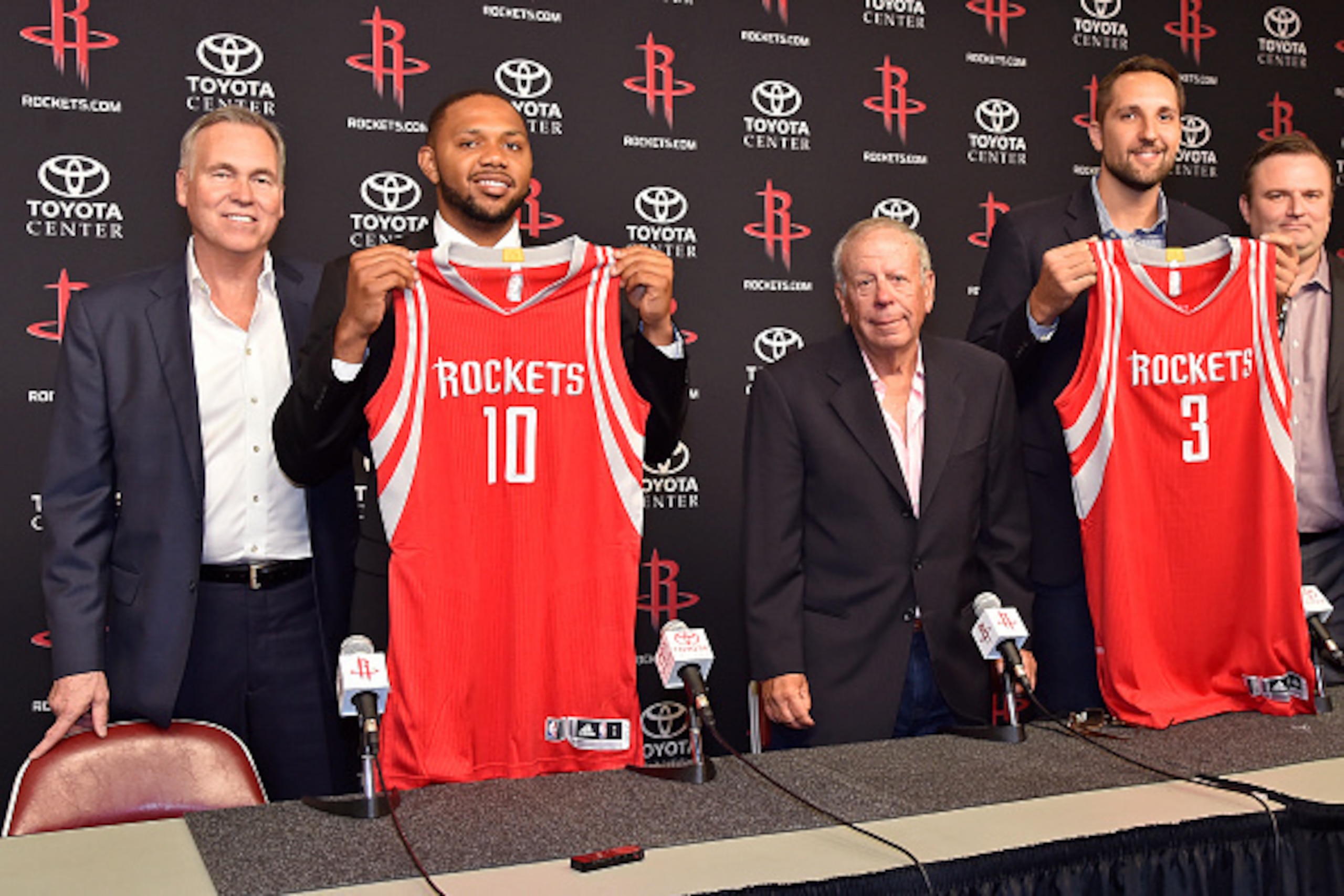
No, this isn't a shot at Mike D'Antoni. It's an argument that, in conjunction with the hiring of an offense-only head coach, the Houston Rockets also decided to make a number of moves that all but guarantee a lack of defensive excellence, (much less defensive anything).
James Harden already struggled immensely while guarding opposing 2-guards, and there's no telling how bad he could look if tasked with stopping floor generals. Yet, that's the situation Houston has decided to put him in by moving him to the point.
Beyond that, the two new additions—Eric Gordon and Ryan Anderson, both signed away from the New Orleans Pelicans—figure to feature prominently in D'Antoni's rotations despite Anderson being a notoriously poor defender and Gordon being inconsistent even on his good days.
Assuming both become immediate starters, take a look at how porous the opening lineup's members were defensively in 2015-16, per NBA Math:
| James Harden | Minus-25.42 | No. 367 |
| Eric Gordon | Minus-65.71 | No. 440 |
| Trevor Ariza | 17.44 | No. 123 |
| Ryan Anderson | Minus-117.42 | No. 470 |
| Clint Capela | 50.85 | No. 55 |
That's less than ideal.
Indiana Pacers: Committing to the Fast Break
12 of 30
On paper, it seems like the Indiana Pacers improved.
Jeff Teague is a bigger national name than George Hill, and Thaddeus Young's arrival can only mean good things. Throw in Al Jefferson as a backup center and more minutes for Myles Turner, and you have yourself a strong offseason.
But by committing to so many fast-paced players, the Pacers may have created more problems than solutions.
Hill was better than Teague in 2015-16, and he's a stronger fit next to Monta Ellis and Paul George. Not only does he thrive when asked to play without the ball in his hands (something that isn't as true for the ever-probing Teague), but his defense allowed Ellis to take on weaker matchups and become a plus on that end of the floor.
And while Young is a transition threat, his defense next to Turner might not allow for enough rim protection.
Indiana may not regret its offseason plan quite yet, but it will once it fails to emerge as a playoff lock in the improving Eastern Conference.
Los Angeles Clippers: Backcourt Contract Extensions
13 of 30
We recently ranked the NBA's worst contracts, and the Los Angeles Clippers had two members of their roster prominently featured, both of whom were inked to new extensions this offseason.
First came Austin Rivers, checking in at No. 8 after he was dealt $35 million over the course of three years. He's being paid to serve as a sixth man, even though his production indicates that he should rarely make it off the bench before garbage-time scenarios. Nepotism must be a factor here because despite constant improvement since leaving Duke, Rivers is still a decisively subpar option on both ends.
Second was Jamal Crawford, ranking No. 6 after he inked a three-year, $42 million contract. He may be coming off a Sixth Man of the Year season, but let us reiterate the many reasons why he was faultily handed the award:
- The Clippers were 6.2 points per 100 possessions worse when he was playing
- ESPN.com's real plus/minus had him as the league's No. 62 shooting guard. Among all positions, he was No. 349.
- NBA Math's total points added indicated he was the No. 457 most valuable player in the NBA.
- Even by player efficiency rating, which notoriously rewards volume shooting while ignoring defense, Crawford was a below-average player (14.0).
These are not strong investments, and they prevented the Clippers from providing further upgrades for their bench.
Los Angeles Lakers: The Mozgov Contract
14 of 30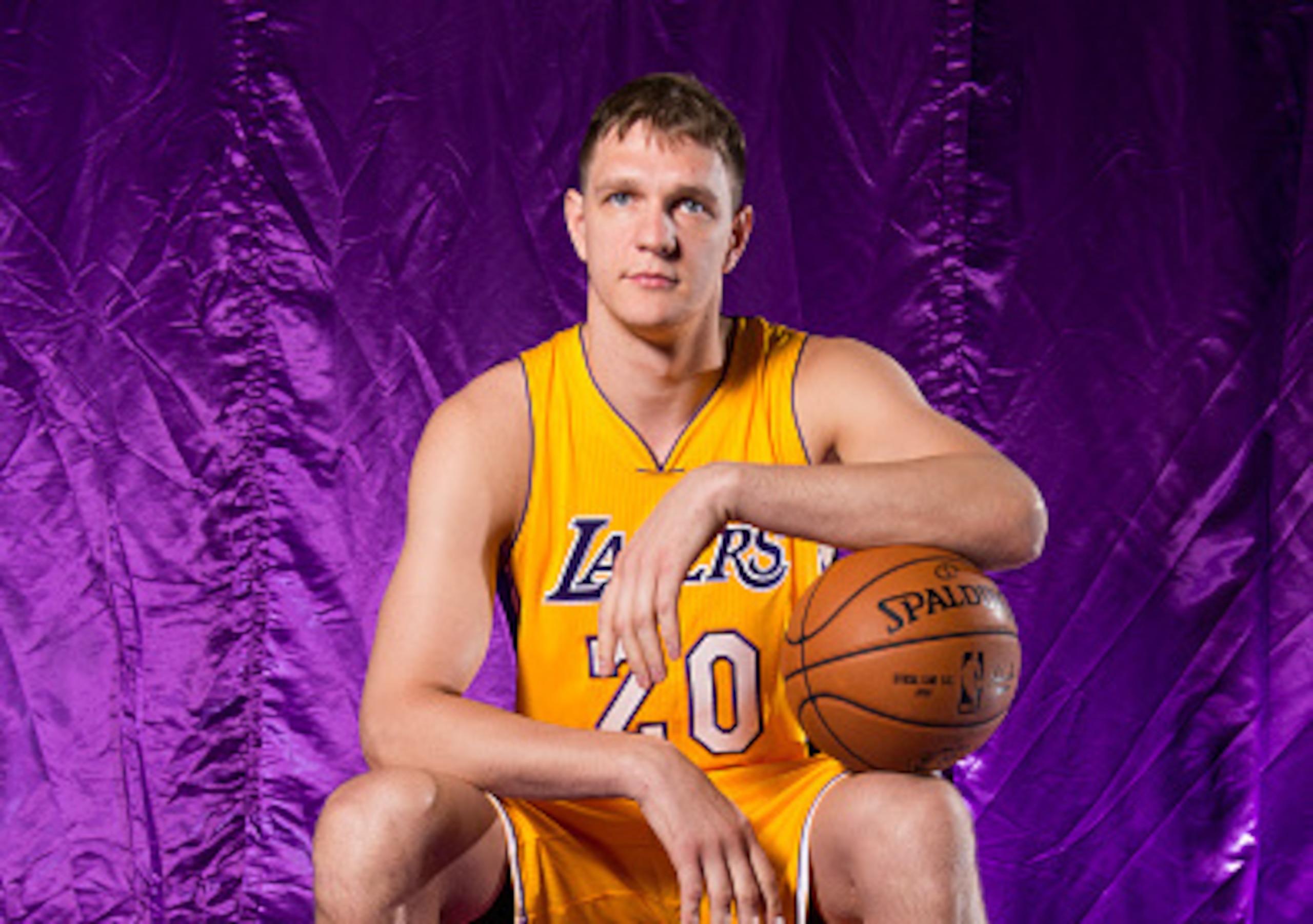
The Los Angeles Lakers gave Timofey Mozgov a four-year deal worth $64 million.
Enough said.
This move is in no way defensible, even if you're willing to engage in some mental gymnastics and point to the plethora of rookie-scale deals on the Tinseltown ledger. It's still just too much money for an aging big man with little confidence, who struggled to play in an up-tempo system and was basically benched by the Cleveland Cavaliers.
That's especially troubling when the Lakers figure to play a similar style. With D'Angelo Russell, Jordan Clarkson and Brandon Ingram, they'll be pushing the pace at all times and trying to let the youthful pieces take over—which could leave Mozgov as the odd man out.
It wouldn't be remotely surprising to see this center making an average of $16 million per year to sit on the bench for vast portions of the action.
Memphis Grizzlies: Not Getting Younger
15 of 30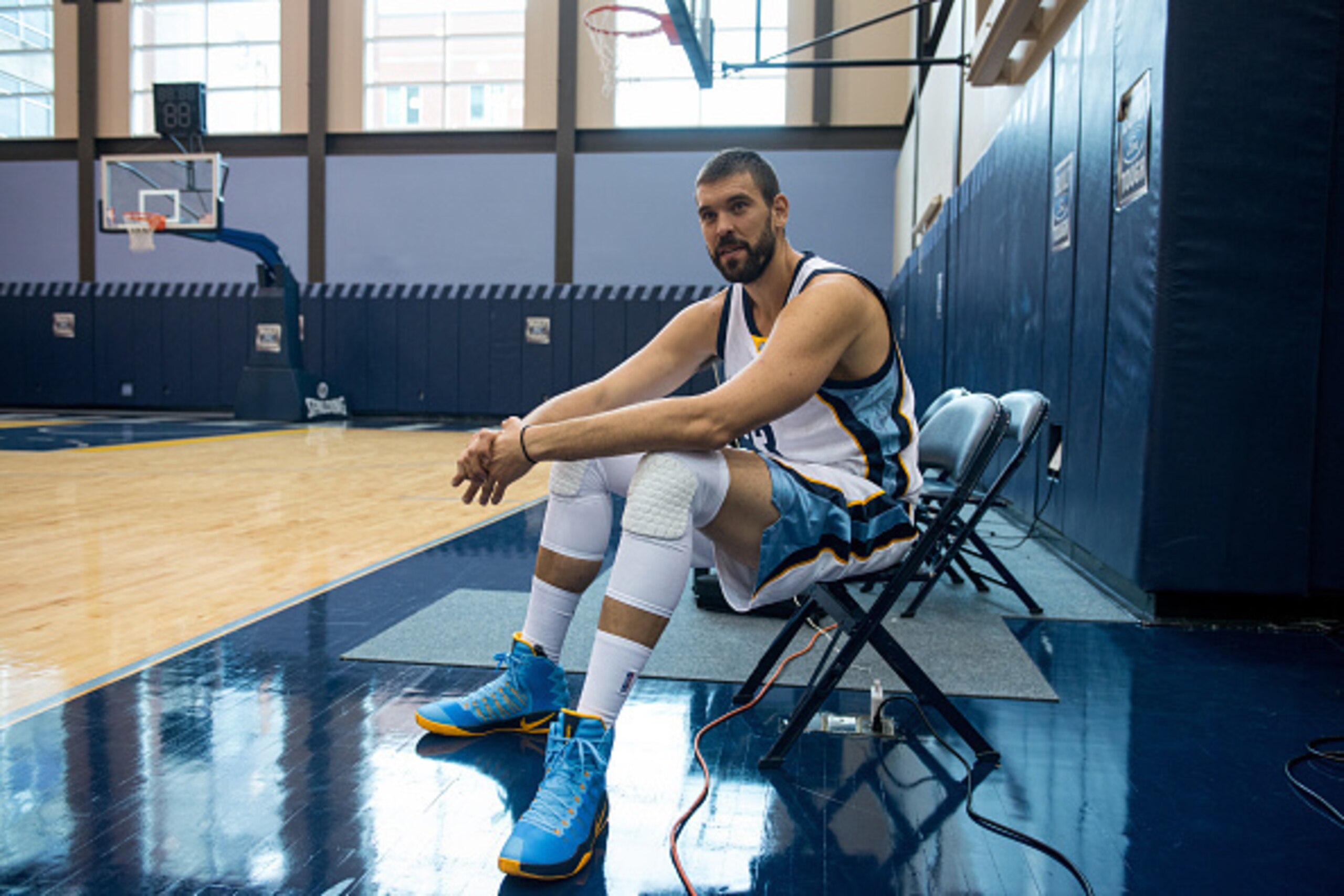
The Memphis Grizzlies are poised to be one of the Western Conference's surprise contenders, bringing back all their important pieces while adding Chandler Parsons and a number of other rotation members into the mix. For years, they've been missing that shooter who can space the court around Marc Gasol and Zach Randolph, and Parsons figures to change that.
But injuries have ravaged this team in previous seasons, and they have to be a bit concerned about the prospect of repeating the past. This roster didn't get any younger or less injury-prone, with every member of the projected starting five getting up there in years (ages provided are accurate as of the start of the 2016-17 campaign) or featuring lengthy injury histories:
- Marc Gasol: 31 years old and coming off knee/foot injuries that limited him to 52 games in 2015-16
- Zach Randolph: 35 years old and coming off a knee injury that limited him to 68 games in 2015-16
- Mike Conley: 29 years old and coming off an Achilles injury that limited him to 56 games in 2015-16
- Tony Allen: 34 years old and hasn't played in at least 65 games during the last three seasons
- Chandler Parsons: 28 years old and has played in 66 or fewer games each of the last two seasons
That's a troubling combination, and the Grizzlies had to know the risks of basically running it back with one more injury-prone piece added into the mix.
Miami Heat: The End of an Era
16 of 30
Kobe Bryant never played for anyone other than the Los Angeles Lakers. Tim Duncan was the San Antonio Spurs. Dirk Nowitzki is the Dallas Mavericks.
Dwyane Wade was never supposed to play for anyone other than the Miami Heat.
The 2016 offseason may have been an appropriate time for Wade to end his status as a Heat lifer, but the way it happened was too acrimonious.
That's the part Miami should regret, as it was unwilling to pay a bit extra to retain his services, knowing full well it wasn't a title contender either way. The order in which it pursued its players was a bit strange, and the lowball offers levied in Wade's direction could legitimately be viewed as slights to the future Hall of Famer.
Team president Pat Riley even specifically admitted he regrets what happened, per Anthony Chiang of the Palm Beach Post:
"What happened with Dwyane floored me … The buck really stops here. I’m not trying to fall on the sword for anybody. I have great regret that I didn’t put myself in the middle of it and immerse myself totally in the middle of it, get in a canoe and paddle to the Mediterranean if I had to, be in New York when he arrived on the 6th and greet him at the airport. I didn’t do that. I wasn’t there in the middle of the negotiations, and that’s my job.
"
Seeing Wade play for the Chicago Bulls and knowing full well that reality could've been prevented will be painful.
Milwaukee Bucks: Keeping Greg Monroe
17 of 30
If it seems like the Milwaukee Bucks have been trying to offload Greg Monroe's contract ever since signing him to a mega-deal, it's only because they have.
That didn't change this offseason, with ESPN.com's Marc Stein reporting Monroe "remains available via trade" and Michael Scott of Sheridan Hoops and the Associated Press revealing the Bucks were shopping him "hard" in mid-July.
And yet here we are, and Monroe is still a Buck.
His presence in Milwaukee remains baffling, given the organization's youthful proclivities and desire to play up-tempo basketball. This lumbering big man can still be quite valuable in the right location, but that's clearly not where he's currently playing and it doesn't help that he's blocking John Henson and Miles Plumlee from getting more run.
The Bucks are brimming over with potential, but they may not be able to hit their ceiling until they accept a trade for Monroe that involves cents on the dollar.
Minnesota Timberwolves: Signing Jordan Hill
18 of 30
Even with Kevin Garnett pulling the plug on his NBA career and Nikola Pekovic set to miss the entire year, the Minnesota Timberwolves have too many big men.
Karl-Anthony Towns is the clear standout, coming off a historically excellent rookie season and poised to take the league by storm in 2016-17. The ever-underrated Gorgui Dieng figures to play alongside him when the 'Wolves aren't going small, and they also need to allocate plenty of minutes for Cole Aldrich and Nemanja Bjelica. Adreian Payne should also get one more chance to contribute before he cements his status as a draft bust.
But Minnesota also elected to sign Jordan Hill to a contract. A one-year deal would be justifiable, even if the 29-year-old weren't coming off a season in which he once again struggled to play above-average offense. However, he received two years.
The money he's owed ($8 million total) isn't too significant, but his presence on the roster will be. If he's taking minutes away from younger players with distinctly higher ceilings, that'll be a shame for one of the league's true up-and-coming teams.
New Orleans Pelicans: Committing to Solomon Hill
19 of 30
During the 2015-16 campaign, his last of three with the Indiana Pacers, Solomon Hill averaged just 4.2 points, 2.8 rebounds, 1.0 assists, 0.6 steals and 0.2 blocks while shooting 44.7 percent from the field and 32.4 percent from downtown. His per-36-minute numbers were similarly nondescript—10.2 points, 6.9 rebounds and 2.4 dimes.
His PER? Below average, sitting at 12.2. His box plus/minus indicates he was perfectly mediocre, checking in right at zero.
Outside of his hot shooting during the playoffs, there was little reason to believe he was a sure thing. Plus, he was already 25 years old when the New Orleans Pelicans signed him to a four-year contract worth $48 million over the summer.
Investing in Hill admittedly isn't the worst idea in the world, given his untapped potential on both ends. But committing to him for that many years and that much money puts the Pelicans in an unnecessarily risky position, since it's by no means a guarantee he even settles in as a mid-tier starter.
At some point, you need certainty around Anthony Davis.
New York Knicks: The Joakim Noah Contract
20 of 30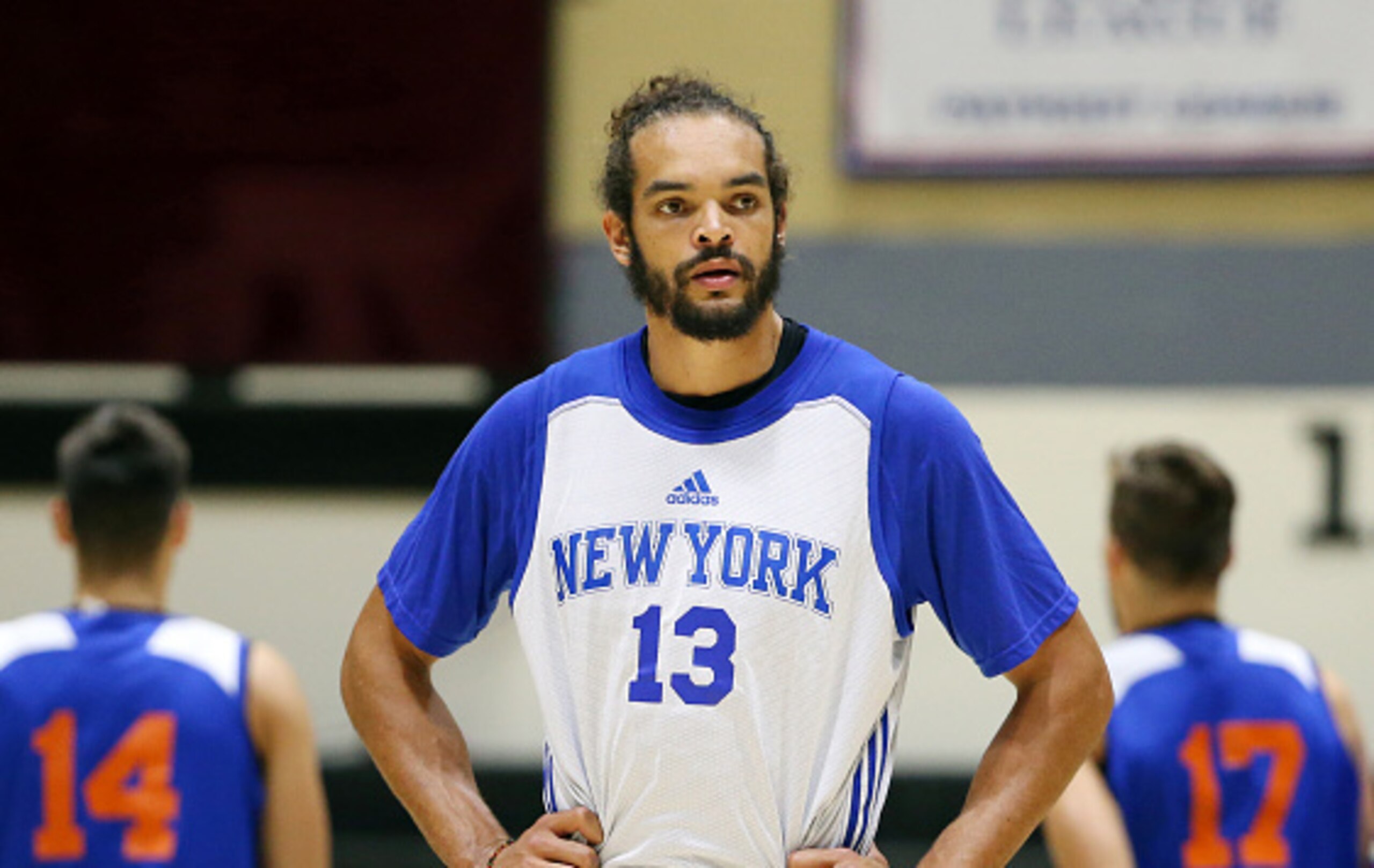
By now, you've surely heard the familiar refrain spoken by anyone who doubts the New York Knicks' ability to compete for a championship in 2016-17: The collection of talent assembled in Madison Square Garden would indeed chase a title, so long as it was still 2011.
Joakim Noah may bounce back from the previous few campaigns, staying healthy and reinserting himself in the races for MVP and Defensive Player of the Year. But the center is quickly approaching his 32nd birthday, played only 29 games in 2015-16 and has declined significantly since his last All-Star appearance in 2014.
Nonetheless, the Knicks gave him a four-year deal worth $72 million.
They may not regret it this year, (though there's a strong likelihood they will), but they're nearly certain to have second thoughts as we move toward the end of that contract, particularly when they're left paying him nearly $19.3 million during the 2019-20 season.
Oklahoma City Thunder: Hmmm...
21 of 30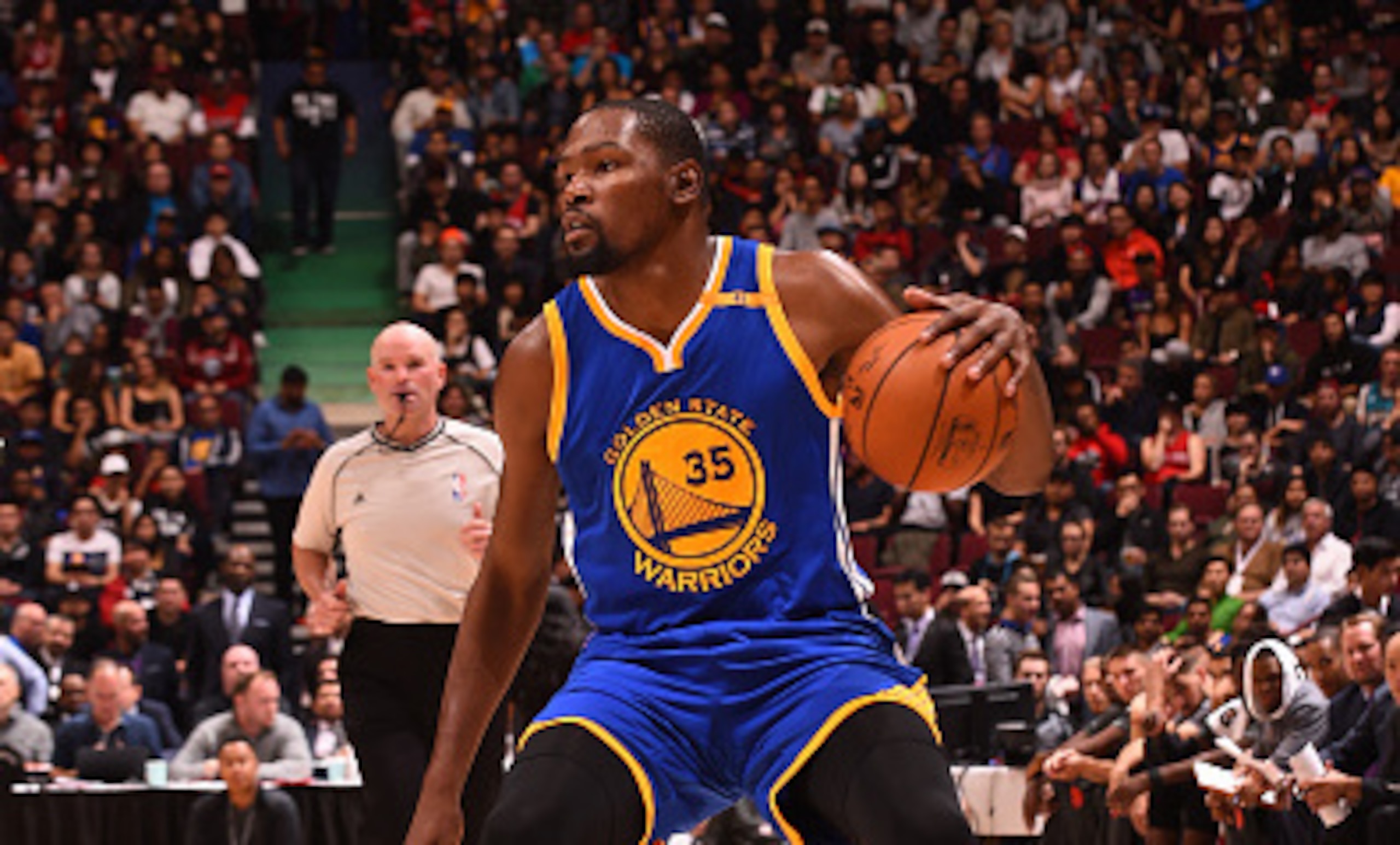
When you pour your heart and soul into retaining the player who's served as the face of the franchise ever since he was drafted, then lose him in free agency to a superpower within your own conference, it's pretty obvious what your biggest regret is going to be.
Such is the case for Kevin Durant and the Oklahoma City Thunder.
If you have friends who are OKC fans, lend them a shoulder to cry on at least once during the 2016-17 season.
They'll need it.
Orlando Magic: A Lack of Vision
22 of 30
Individually, nothing the Orlando Magic did defies logic.
Continuing to roster Nikola Vucevic makes sense, given his immense offensive ability and the fact he's steadily served as a franchise leader for a few years running. He's even improving on defense as he learns how to maximize his production in the limited area he can cover.
Trading Victor Oladipo might be painful, but getting Serge Ibaka is a solid haul. The team needed a veteran presence and strong defender around the rim, and that's exactly what the Congolese power forward had been for the Oklahoma City Thunder.
Stephen Zimmerman was a talented center with plenty of upside, making it perfectly reasonable to take him with the No. 41 pick of the 2016 NBA draft. Aaron Gordon obviously isn't going anywhere. Bismack Biyombo is reasonably paid, even on his four-year deal worth $70 million. Even Jeff Green's new contract (one year and $15 million) is justifiable, since it's of the prove-yourself nature.
But you can't evaluate this team by looking only at the individual pieces, and everything that happened this summer fails to make sense when analyzing the total package. It's almost as if different front-office members were making decisions without consulting one another, overloading the frontcourt and likely mitigating the impact of any one piece.
Philadelphia 76ers: The Ben Simmons Injury
23 of 30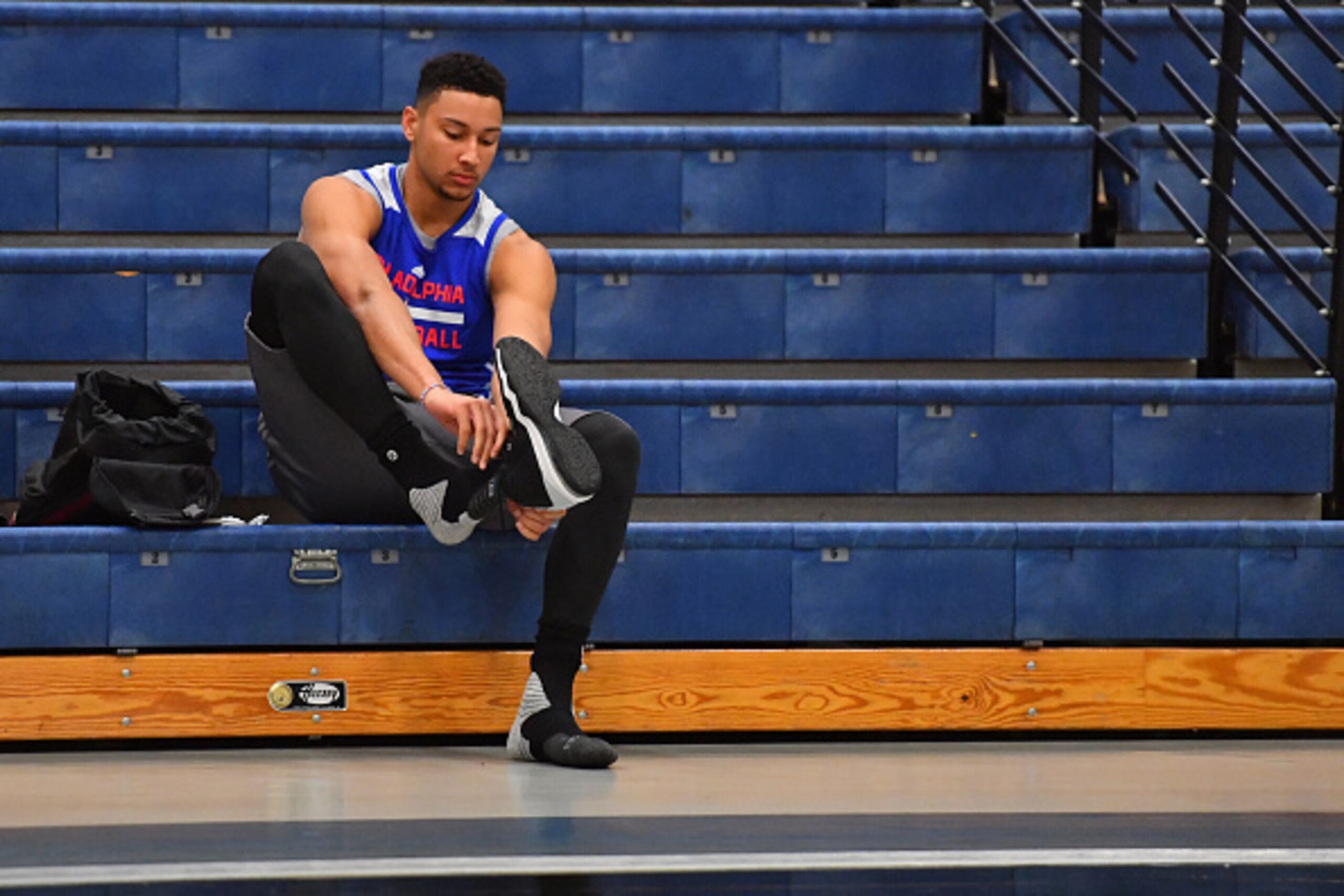
"I just got off the phone with someone I trust who said there's no way his [Ben Simmons'] agent will let him play this season," the Philadelphia Daily News' Bob Cooney explained, via 97.5 The Fanatic's Twitter feed.
The No. 1 pick and presumptive favorite for Rookie of the Year was supposed to carry the Philadelphia 76ers out of the NBA's basement, bringing legitimacy to the organization that had been trusting the process for so long. Instead, he fractured his foot and was forced to go under the knife.
Making matters worse is the type of fracture, as the team announced he "underwent successful surgery to repair an acute Jones fracture of the fifth metatarsal of his right foot."
"Jones fracture" is one of those phrases you never want to read. It carries a higher risk of re-injury, due to the lack of blood flow to the injured area, and it's the same injury that kept Kevin Durant out for almost the entirety of 2014-15. It's no wonder those close to Simmons would like him to tread carefully and potentially sit out the whole year, thereby delaying his rookie campaign until 2017-18.
This is a disaster for the Sixers.
And though they likely couldn't have done anything to prevent the injury, they're likely regretting their decision not to contain him with bubble wrap until the start of the season.
Phoenix Suns: Keeping All the Guards
24 of 30
"Not trading Eric Bledsoe or Brandon Knight," Kelly Scaletta wrote for Today's Fastbreak, "...it's like that 'one's gotta go' meme that's always floating around, but in this case, there are only two people on it. There has to be someone out there who wants a starting point guard."
The Suns have tried this before, and it didn't work out too well.
After rostering Eric Bledsoe, Goran Dragic and Isaiah Thomas during the 2014-15 season, they frustrated Dragic to the point he demanded a trade. Then they shipped Thomas off to the Boston Celtics that same season. The three-headed monster was a complete failure, and now they're starting back down the same path.
Bledsoe, Knight and Devin Booker are all talented, but it's nearly inevitable they get in each other's way. One of the three will have to function as a sixth man, and that's before we look at the presences of rookie Tyler Ulis and veteran Leandro Barbosa.
Having too much talent is sometimes a bad thing, even for a bottom-feeding team in the Western Conference. Consolidation was necessary in the desert, and it didn't happen.
Portland Trail Blazers: Overpaying Evan Turner
25 of 30
Paying Evan Turner to serve as a sixth man would've been understandable. But by handing him a four-year deal worth $70 million, the Portland Trail Blazers are all but ensuring he starts next to Damian Lillard and C.J. McCollum.
That's a problem.
Turner isn't a strong enough wing defender to cover up for the mistakes of that porous backcourt, and he functions much better when playing with the ball in his hands. Someone such as Allen Crabbe or Maurice Harkless is a more natural fit as an off-ball threat, rather than another handler who will take touches away from the starting guards—guards who also thrive with possession.
If Turner permanently moves to the bench and plays only when either Lillard or McCollum is taking a breather, this will make a lot more sense. And to Rip City's credit, it did bring him off the pine in the preseason opener.
But that's an awful lot of money for someone who isn't in the starting five, and the cash may prevail when it's time to make decisions at the start of the year.
Sacramento Kings: The Draft
26 of 30
"I do my job. I can't control [the draft]. I control what I can control," DeMarcus Cousins told reporters during a Team USA practice, per Jason Jones of the Sacramento Bee. He would later continue, "I really don't understand it, but I do my job."
We're just as confused as Cousins.
The Sacramento Kings desperately needed help at point guard and the other smaller positions. Center was the one area of strength, given Cousins' presence and the impressive rookie season of Willie Cauley-Stein. Nonetheless, Sacramento drafted Georgios Papagiannis and Skal Labissiere, both of whom will line up in the frontcourt. The former is a true center at 7'2", and the latter (6'11") is a natural power forward who should also spend time at the 5.
Neither makes sense for the Kings, even if the players weren't terrible values where selected.
With the No. 13 pick used on Papagiannis, the Kings could've taken Denzel Valentine, Wade Baldwin IV or Beasley. With the No. 28 pick spent on the Kentucky product, they could've selected Dejounte Murray, Ulis or McCaw. Any combination would've been an upgrade for this team, especially because smaller choices wouldn't have confused the oft-disgruntled big man who continues to serve as the franchise centerpiece.
San Antonio Spurs: Relying on David Lee
27 of 30
It's tough to find a substantial regret for the San Antonio Spurs, unless you want to count their inability to convince Tim Duncan he shouldn't retire.
This organization always seems to make the right moves, and that's exactly what it did in 2016, whether by drafting Murray at the end of the first round, signing Pau Gasol to replace Duncan or bringing back so many key pieces.
Thus, the only questionable decision was signing David Lee to a two-year deal with a player option for 2017-18.
A 33-year-old power forward, Lee has been little more than a shell of his old self for a few years running. He's been forced into smaller roles and has had trouble staying healthy, both of which are concerning for a franchise that now has to rely on him as the primary backup 4.
Ideally, the man filling that role would be a defensive stalwart, ready to aid either LaMarcus Aldridge or Gasol—both of whom are more limited stoppers than the Spurs would prefer. But that's never been Lee's strong suit, and teams usually play him for his offense in spite of his overall porosity.
Toronto Raptors: Ponying Up for DeMar DeRozan
28 of 30
Kyle Lowry and DeMar DeRozan are both All-Star contributors for the Toronto Raptors, but that doesn't mean the combination has worked wonders. According to nbawowy.com, the team isn't actually at its best when both guards are on the floor together:
| DeRozan On, Lowry Off | 100.6 | 106.3 | Minus-5.7 |
| Lowry On, DeRozan Off | 108.7 | 96.0 | 12.7 |
| DeRozan/Lowry On | 110.1 | 105.4 | 4.7 |
DeRozan would be best suited as the leader of a team that needed him to serve as the primary ball-handler in all situations, forcing him to become an equal-opportunity scorer and distributor.
But the Raptors aren't that team, and they struggle when he's on the floor without his backcourt mate. Worse still, his presence prevents Lowry from doing as much as he could in other situations.
The Raptors didn't really have a choice this offseason—they had to pay him a max deal in order to keep him in town, especially with no real opportunities to replace him. That still won't keep them from regretting the money owed when he prevents this team's ceiling from rising to realistic title consideration.
Utah Jazz: Losing Trevor Booker
29 of 30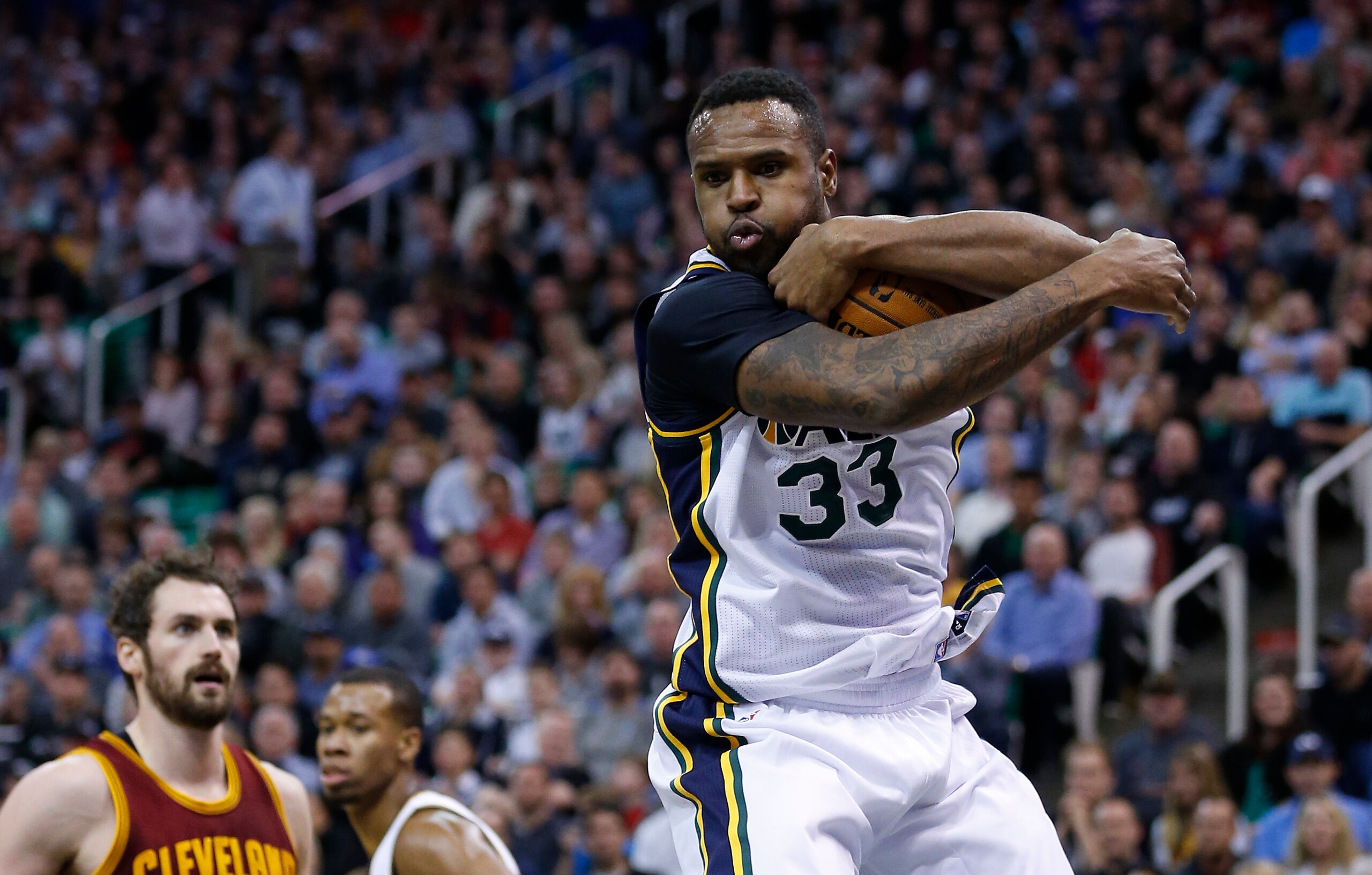
We have to pick at nits with the Utah Jazz, since this team had one of the best offseasons imaginable. They retained all key pieces other than Trevor Booker, brought in a significant amount of new talent at reasonable prices (Boris Diaw and Joe Johnson) and parlayed a draft pick into George Hill, who's a significant upgrade at point guard.
Fifty wins are not out of the question for this vastly improved team, so long as it stays healthy.
But we have to pick a regret, and the choice is simple: Losing Booker was the only negative the team had, both because he was a fan favorite and because he was valuable on the floor.
The underrated power forward's production could be subsumed by an improved Trey Lyles, but that's not an absolute lock.
Washington Wizards: Failing to Retain Jared Dudley
30 of 30
"The [Washington] Wizards, [Jared] Dudley told CSN late Friday night, didn't make a strong push to retain him," J. Michael reported for CSN Mid-Atlantic before going on to detail how Dudley's relationship with the Washington Wizards had taken a tun for the worse. "They made one phone call at the start of free agency but never made him an actual offer."
Exacerbated by Markieff Morris’ arrival to fill a similar role, the problems occurred under former head coach Randy Wittman, and there's reason to believe the same scenario wouldn't have unfolded under the new hire.
Scott Brooks would have given Dudley a chance for a fresh start to serve as both an outspoken veteran leader and a convincing stretch 4, but it was already too late as Washington headed into the offseason with a different plan.
Given the potential chemistry issues that exist between John Wall and Bradley Beal, having a presence such as Dudley might have helped this team remain steady throughout a season that needs to result in a playoff appearance.
Adam Fromal covers the NBA for Bleacher Report. Follow him on Twitter@fromal09.
Unless otherwise indicated, all stats are from Basketball-Reference.com,NBA.com or NBA Math.

.jpg?w=2560 "Grading WWE Raw 🔠")

.jpg?w=2560 "Viral Rams Coach Vid 🖕")

.jpg?w=2560 "Injury-stricken Seahawks signing veteran RB")
.jpg?w=2560 "Bijan's INSANE 1st Half 🤩")