

This one is dedicated to all those NBA players who need an extra hug.
The Association's waters of underappreciation can be tricky to navigate. Criteria are inexact, and you have no way of officially calculating which talents aren't receiving enough love.
But we're going to make this as objective as possible.
Our undervalued players are those who deserve more—more playing time, more respect, more attention, more public flattery. They can be stars, role players or benchwarmers. There are no limitations, though we will give special consideration to reserves and bench-riders before superstars.
These players, for the record, do not need your pity. They just need to know that what they're doing on the court won't always go unnoticed or be perpetually undersold.
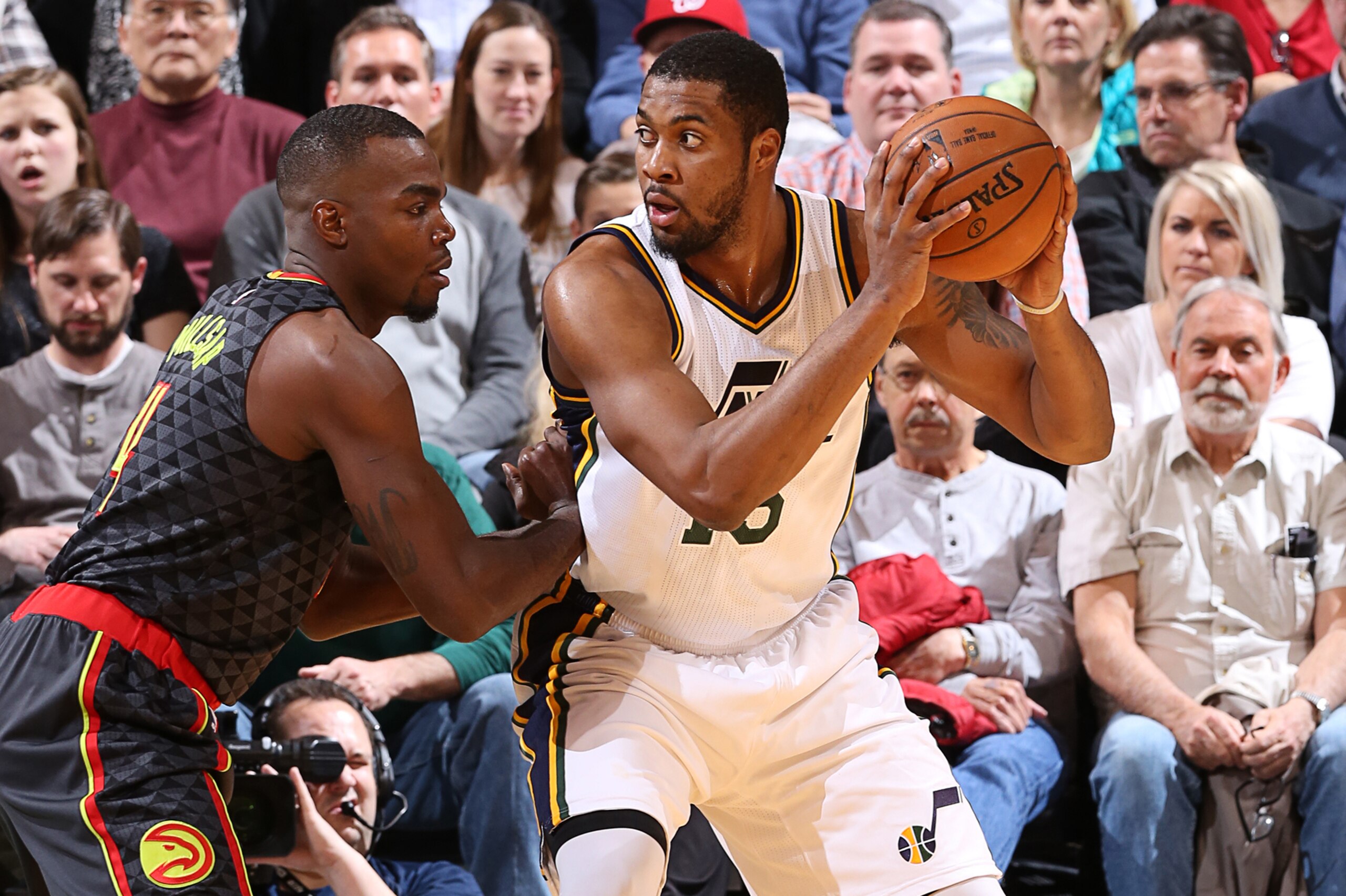
Atlanta Hawks: Paul Millsap
1 of 30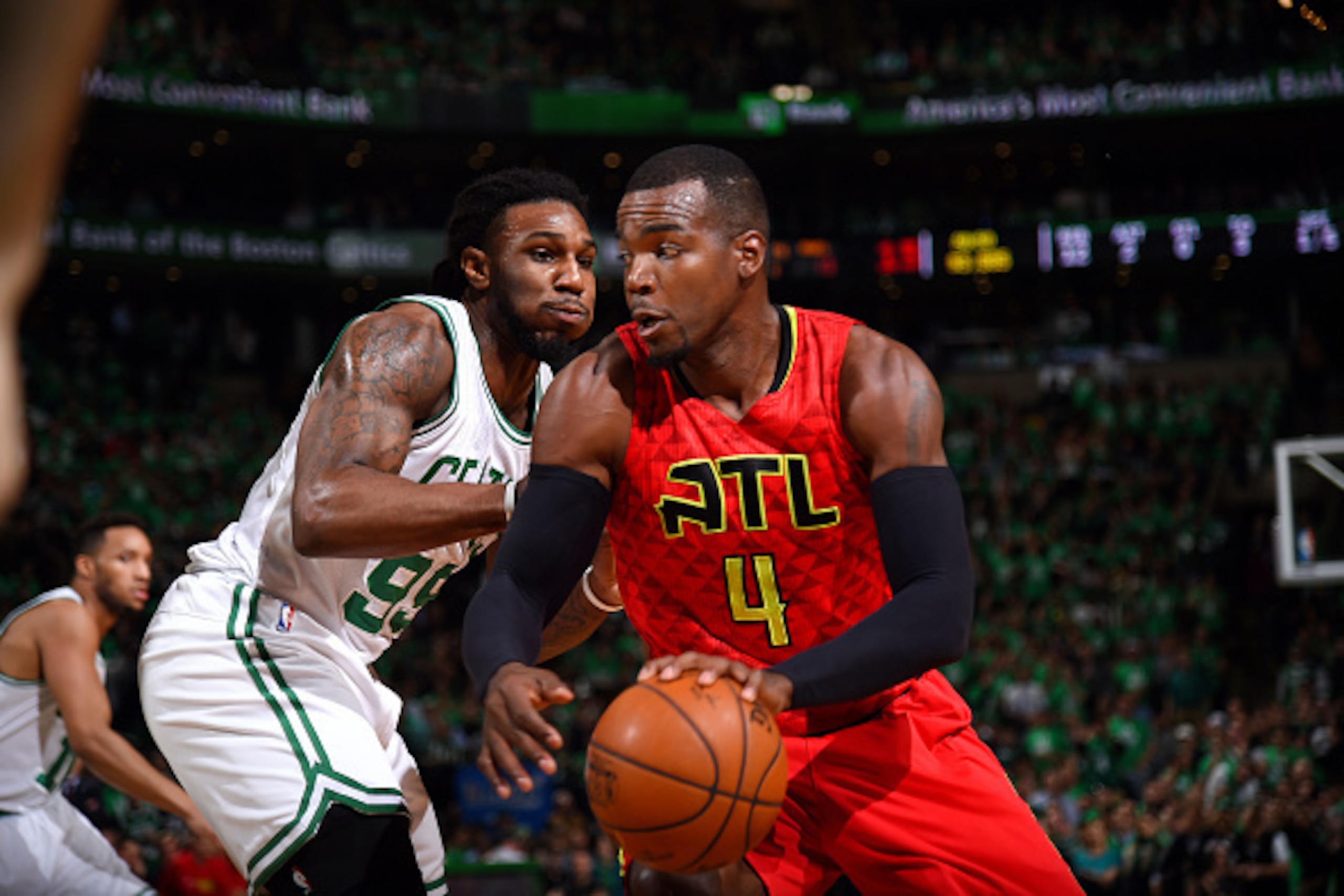
Since joining the Atlanta Hawks in 2013-14, Paul Millsap has joined DeMarcus Cousins as the only two players who are clearing 18 points, three assists, 1.5 steals and one block per 36 minutes; Kawhi Leonard as the only two qualified players who are posting an offensive box plus-minus (OBPM) better than one and defensive box plus-minus (DBPM) better than three; and LaMarcus Aldridge, Kevin Durant, Anthony Davis, LeBron James, Leonard and Kevin Love as the only forwards to rack up more than 25 win shares.
His reward for this stretch of dominance?
Almost getting traded so the Hawks could fit the disjointed frontcourt pairing of Al Horford and Dwight Howard under the salary cap.
Three All-Star selections, two Player of the Week awards and one Player of the Month honor are sprinkled in there as well, but Millsap is half-Draymond Green, half-LeBron, all rolled into one package. He should be routinely, and reflexively, mentioned as one of the NBA's top 15 players.
And yet, he's not, which makes him one of the Association's most extreme underappreciation cases.
Boston Celtics: Jae Crowder
2 of 30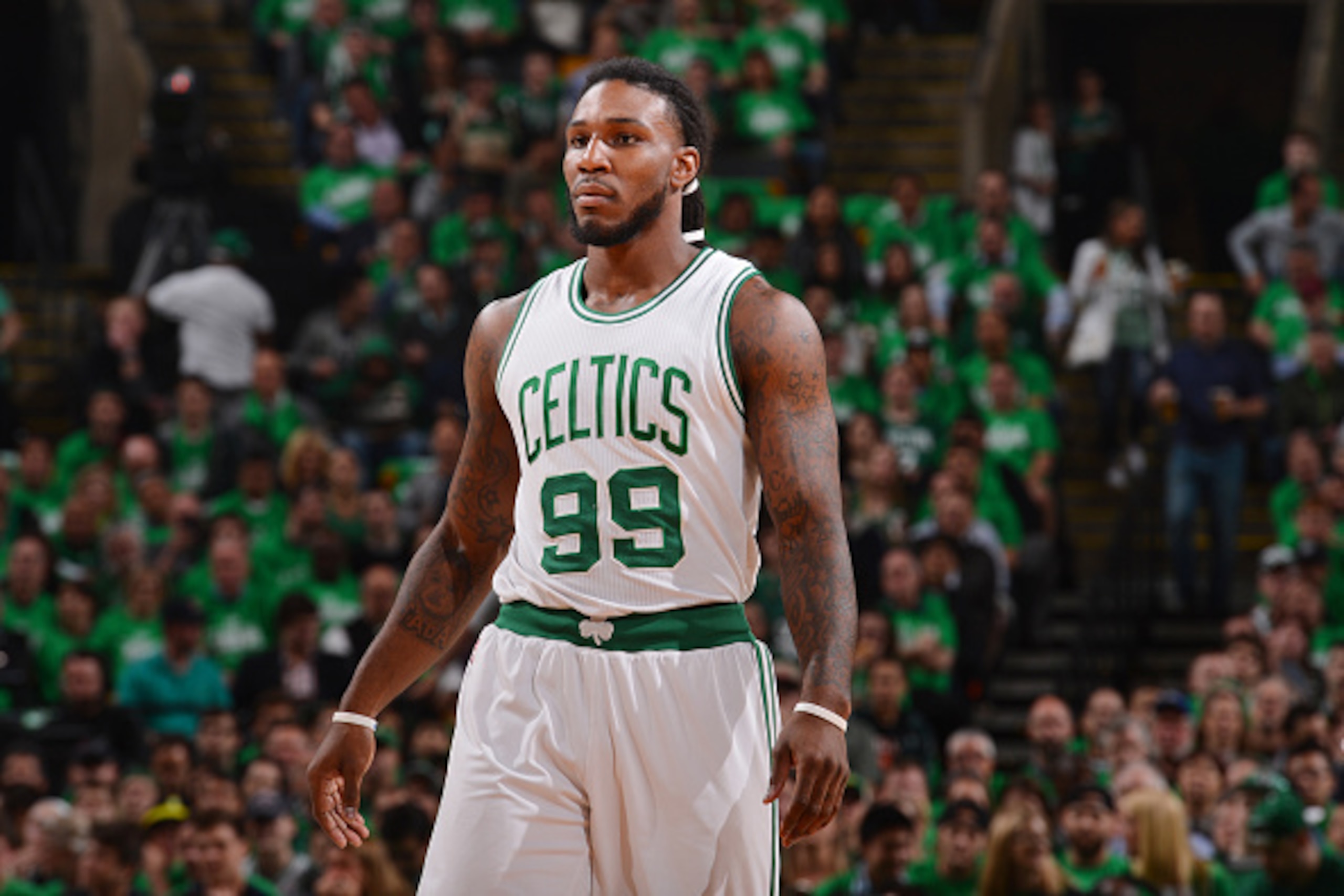
This isn't for Boston Celtics fans who refuse to give up Jae Crowder in hypothetical Jimmy Butler and Blake Griffin trades. It's for those who don't understand why Crowder is a sticking point in conjectural blockbuster negotiations.
Maybe a refusal to use him as collateral in the pursuit of another superstar is crazy, but Crowder is responsible for a bulk of the Celtics' identity. They aren't able to play fast and furious with an emphasis on defense if he, at 6'6", doesn't hold his own when matched up against all non-centers.
Crowder's unrelenting commitment to the less glamorous end, despite its importance to Boston's play style, is nowhere near fully appreciated. Consider what he said of the team's Kevin Durant chase in free agency, per MassLive.com's Tom Westerholm:
"We were the only team in the NBA to beat both (Cleveland and Golden State) on their home court — the only team in the NBA, the Boston Celtics. We told him that. We played him clips from both games and told him basically the scouting report of how we guarded Steph (Curry) and Klay (Thompson) — our game plan, basically... I felt like afterward, I was talking to Isaiah, like maybe after you sit back, you shouldn't have told him everything, but who the (expletive) thought he was going to Golden State, realistically? It was like a slap in the face for us, basically."
"
If you ranked every team's chances of poaching Durant from the Oklahoma City Thunder, the Celtics would have placed in the top three, maybe the top two. Certain organizations would pony up their most guarded secrets just to be in that discussion. Where some will paint Boston's involvement as progress and an honor, Crowder is left lamenting the opportunity.
#Respek.
Brooklyn Nets: Luis Scola
3 of 30
Luis Scola, now with the Brooklyn Nets, deserves a lifetime underappreciated achievement award.
He is no longer the high-usage weapon he was with the Houston Rockets half a decade ago, but his per-36-minute splits haven't nosedived off a cliff in the wake of reserve roles with the Indiana Pacers and Toronto Raptors. Plus, the Argentine was never a high-volume guy in his heyday; his usage rate has eclipsed 25 just once.
Power forwards who don't protect the rim or suffocate ball-handlers off the dribble (and who aren't named Ryan Anderson) rarely carve out prominent roles these days. Scola is a victim of that umbrella, and it doesn't help that he's 36.
But people tend to overlook consistency, which Scola embodies. He does what he does, and he's done it, without fail or stark regression, for nearly a decade.
On top of that, there's a general lack of love for players in their mid-30s who start shooting threes for the first time and do so at a 40 percent clip—like Scola did in Toronto.

Charlotte Hornets: Marvin Williams
4 of 30
Marvin Williams is still haunted by the Ghost of Being Drafted Before Chris Paul. A four-year, $54.5 million payday this summer doesn't change that. He may never be fully cherished outside the Charlotte Hornets locker room because of a moment in 2005 over which he had no control.
Make no mistake, though: Williams' bag of tricks is deep. His value has skyrocketed as the NBA ventures deeper into its pace-and-space era. He can play center, even at 6'9", and the Hornets have unlocked his potential as a shooter and rim protector—their decision to run him out at small forward in the playoffs notwithstanding.
Williams was one of two players last season to surpass 500 rebounds, 100 assists, 75 blocks and 150 made three-pointers. His company? Some dude named Kevin Durant.
Wait, there's more. Only three other players have matched Durant's and Williams' benchmarks: Dirk Nowitzki (2000-01), Paul Pierce (2001-02) and Rasheed Wallace (2005-06).
So how about we table those decade-old expectations and start to appreciate the player Williams has become in Charlotte?
Chicago Bulls: Robin Lopez
5 of 30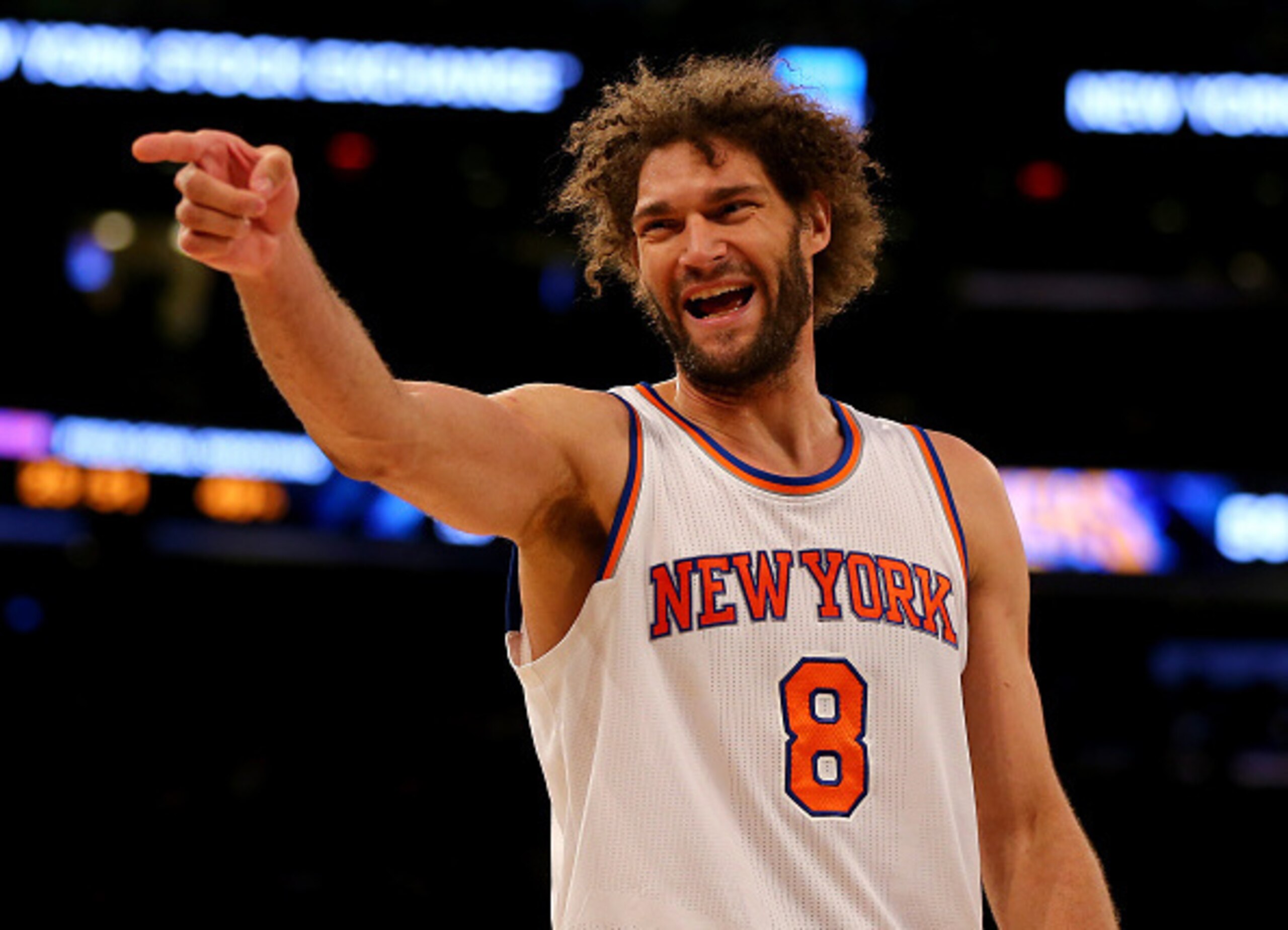
Justifying the New York Knicks' acquisition of Derrick Rose is easy for some. It's not like they gave up a superstar or top prospect. He only cost them a fading Jose Calderon, a sushi-raw Jerian Grant and Robin Lopez. No big deal.
Well, losing Lopez is actually a huge deal. He won't turn 29 until April and is on one of the NBA's best contracts—three years, $41.4 million left—this side of the salary-cap explosion. His trade value, in theory, has never been higher. He made strides as a passer and post-up scorer in New York, and his defensive efforts will leave a dent on the flimsiest teams, as Blog A Bull's Tyler Pleiss outlined:
"With Lopez anchoring the paint, the Knicks finished with best rim protecting percentage in the league at 48.5 percent, finishing in front of the Bulls, who were seventh. In addition, opponents shot 10.7 percent lower on shots less than six feet away from the rim against Lopez, and 7.2 percent lower 10 feet or less from the rim. He can contain the pick-and-roll aptly (something Pau Gasol struggled immensely with), and knows when recover help-side (again, something Gasol couldn't do).
"
Nabbing Lopez in exchange for the expiring contract of Rose is a coup for the Chicago Bulls. The Knicks undervalued him by rolling the dice on a fallen, if artificial, MVP winner at his expense, replacing him with $72 million worth of Joakim Noah.
At least Lopez is now on a different team, in a different city, with a chance for a fresh start. Maybe the Bulls will appreciate him in ways the Knicks didn't.
Cleveland Cavaliers: Tristan Thompson
6 of 30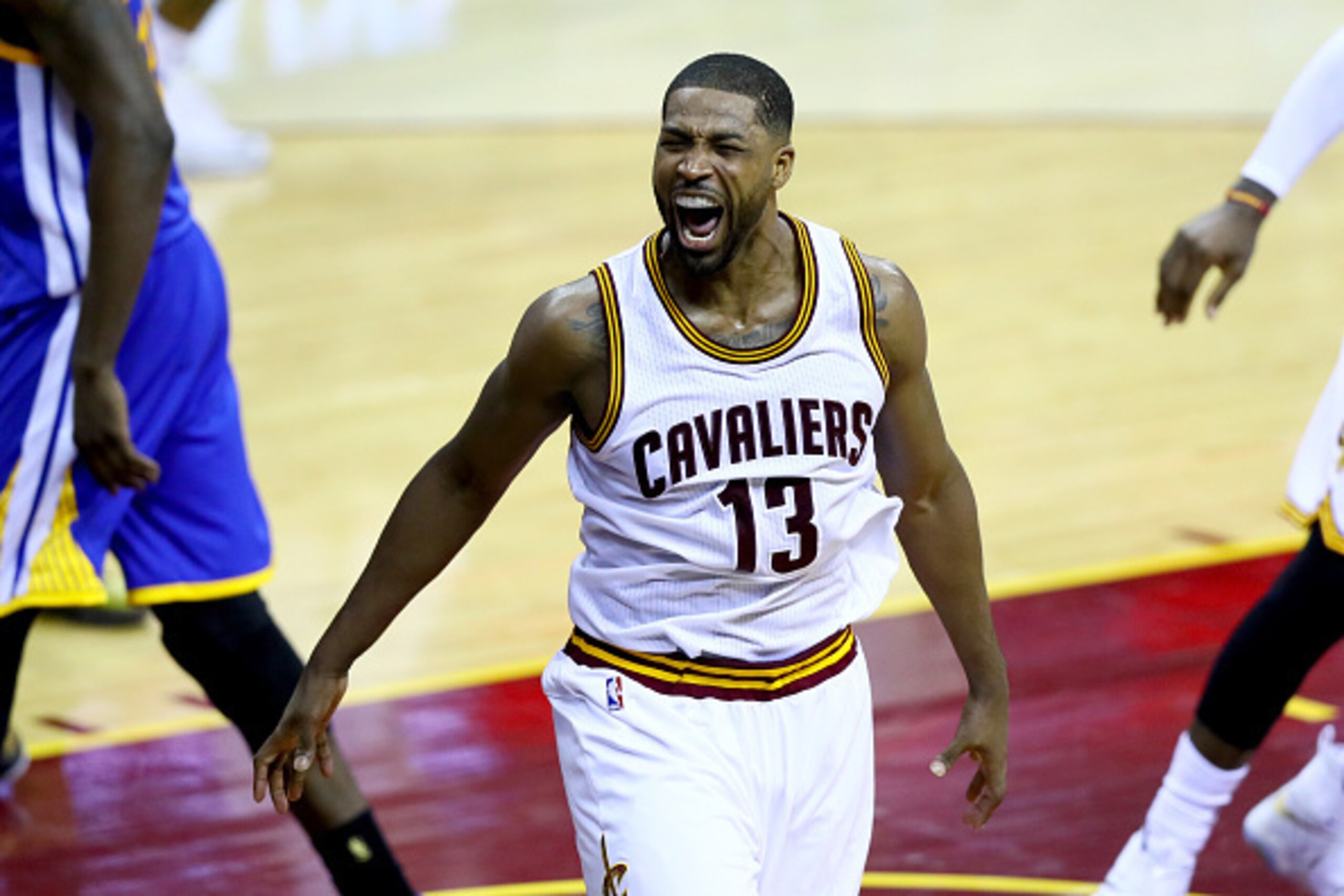
It shouldn't be possible to undersell Tristan Thompson. He is the Cleveland Cavaliers' fourth- or fifth-best offensive option—if that—and now one season into a five-year, $82 million deal.
But there are nights when he looks like the reigning champ's third-best player, ceding status to only Kyrie Irving and LeBron James. The Cavaliers don't survive long term on the defensive end if they play Kevin Love without him, and Thompson is much better suited for center in small(ish) lineups that aim to space the floor—even though he doesn't stretch the defense himself.
The sacrifices he makes on a nightly basis, which pre-date James' return, are equally overlooked. Most 20-somethings in the prime of their career would quibble over a lack of touches and fewer minutes. Thompson's usage rate has plummeted since he first entered the NBA, and he may never be a 30-plus-minutes-per-game guy with this version of the Cavaliers.
Winning a title makes these types of concessions easier, and Thompson, in the interest of honesty, has no business being a headlining offensive option or foundational cornerstone. But his willingness to accept this without the slightest bit of resistance is an understated key to Cleveland's fast-improving culture.
Dallas Mavericks: Andrew Bogut
7 of 30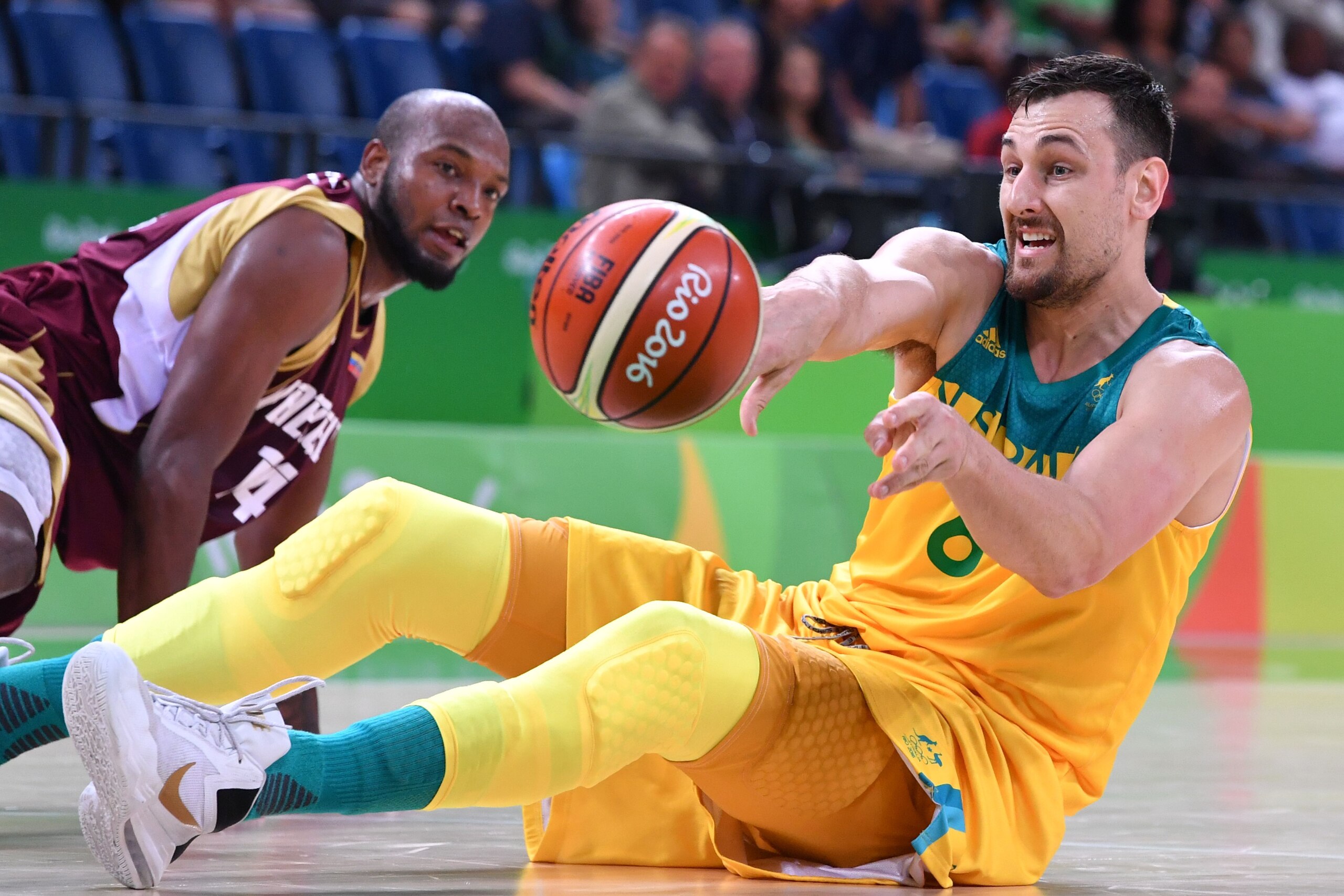
Andrew Bogut gets a bad rap for recurring injuries, and he appeared to overstay his welcome with the Golden State Warriors ahead of their Kevin Durant love affair, according to CSNBayArea.com's Monte Poole.
That kind of stuff matters, but the Warriors will miss him for the same reason the Dallas Mavericks are lucky to have him: defense.
Opponents shot 45.2 percent at the rim when Bogut defended them last season, which was the fifth-best mark among the 85-plus players who defended at least 250 such field-goal attempts. His block percentage (5.8) also ranked fifth, and he posted a better rebounding rate (18.3) than DeMarcus Cousins (18).
Over the last two seasons—aka Golden State's glory days—Bogut didn't just lead the Warriors in DBPM. He paced the entire league.
Even with a deeper-than-credited supporting cast, Golden State is going to feel his absence more than most realize—the deployment of a "super-ultra-mega death squad" lineup notwithstanding.
Denver Nuggets: Nikola Jokic
8 of 30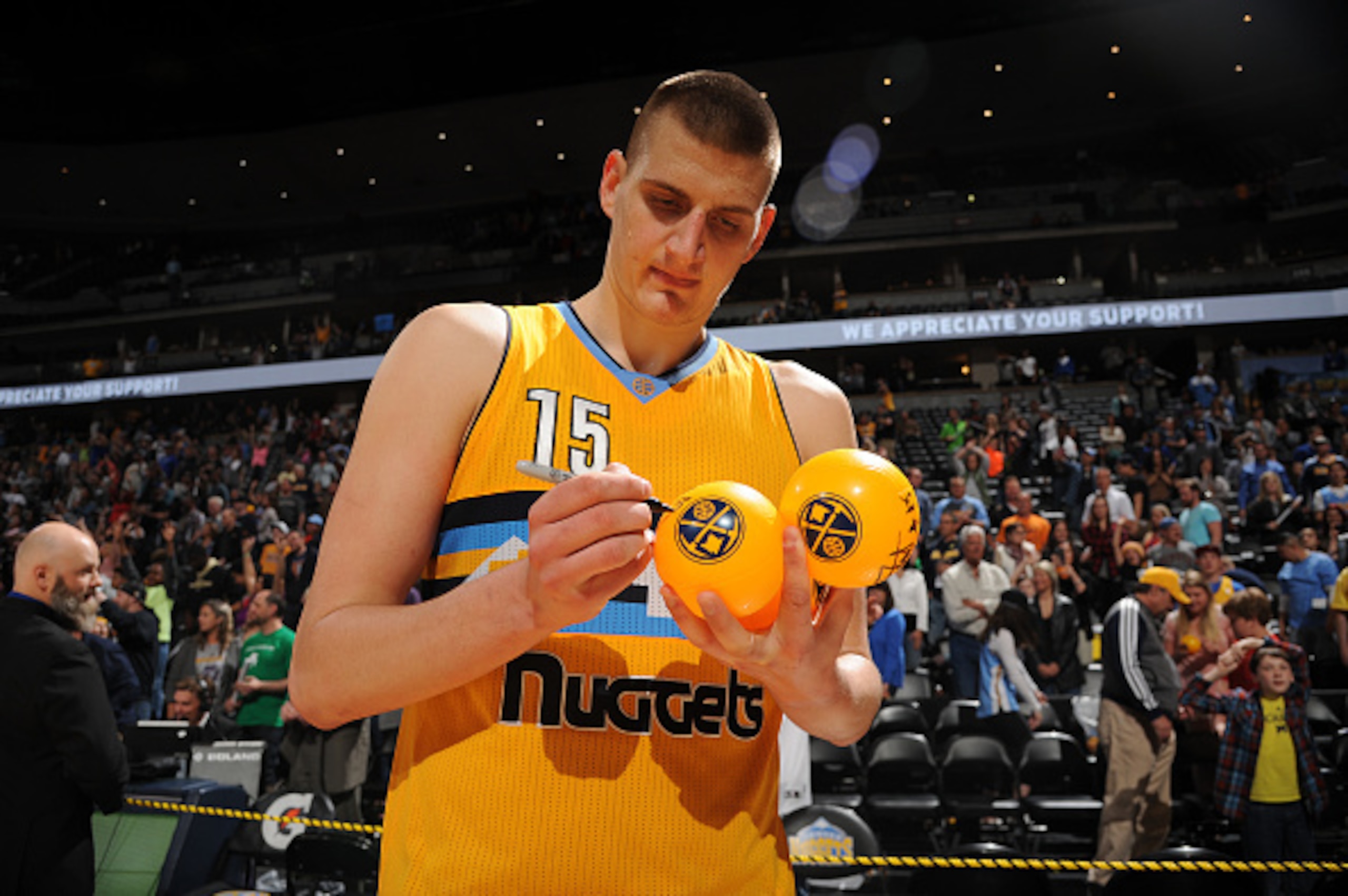
Surely a soon-to-be sophomore cannot be considered underappreciated, let alone be the most under-loved player on his own team, right?
Actually, it turns out he can.
"Feels like an appropriate time to remind everyone that, as a rookie, Nikola Jokic finished No. 19 in NBAMath.com's Total Points Added metric," Bleacher Report's Adam Fromal recently tweeted. "Like, No. 19 out of all 476 players from 2015-16. Like, two spots ahead of Karl-Anthony Towns and 129 ahead of Kristaps Porzingis."
This is awkward.
Jokic finished third in Rookie of the Year voting but should have checked in at second. Though curtailed usage and playing time didn't allow the Denver Nuggets newbie to outshine Towns, he was noticeably better than Porzingis. The Kevin Durant-appointed unicorn merely benefited from a hotter start and bigger market.
The good news is Jokic might not make listicles like this in the future. He used an Olympic performance against Team USA as his own personal "here I am, world" stage, and Denver's inevitable rise through the NBA ranks should help him receive (already) overdue recognition.
Detroit Pistons: Kentavious Caldwell-Pope
9 of 30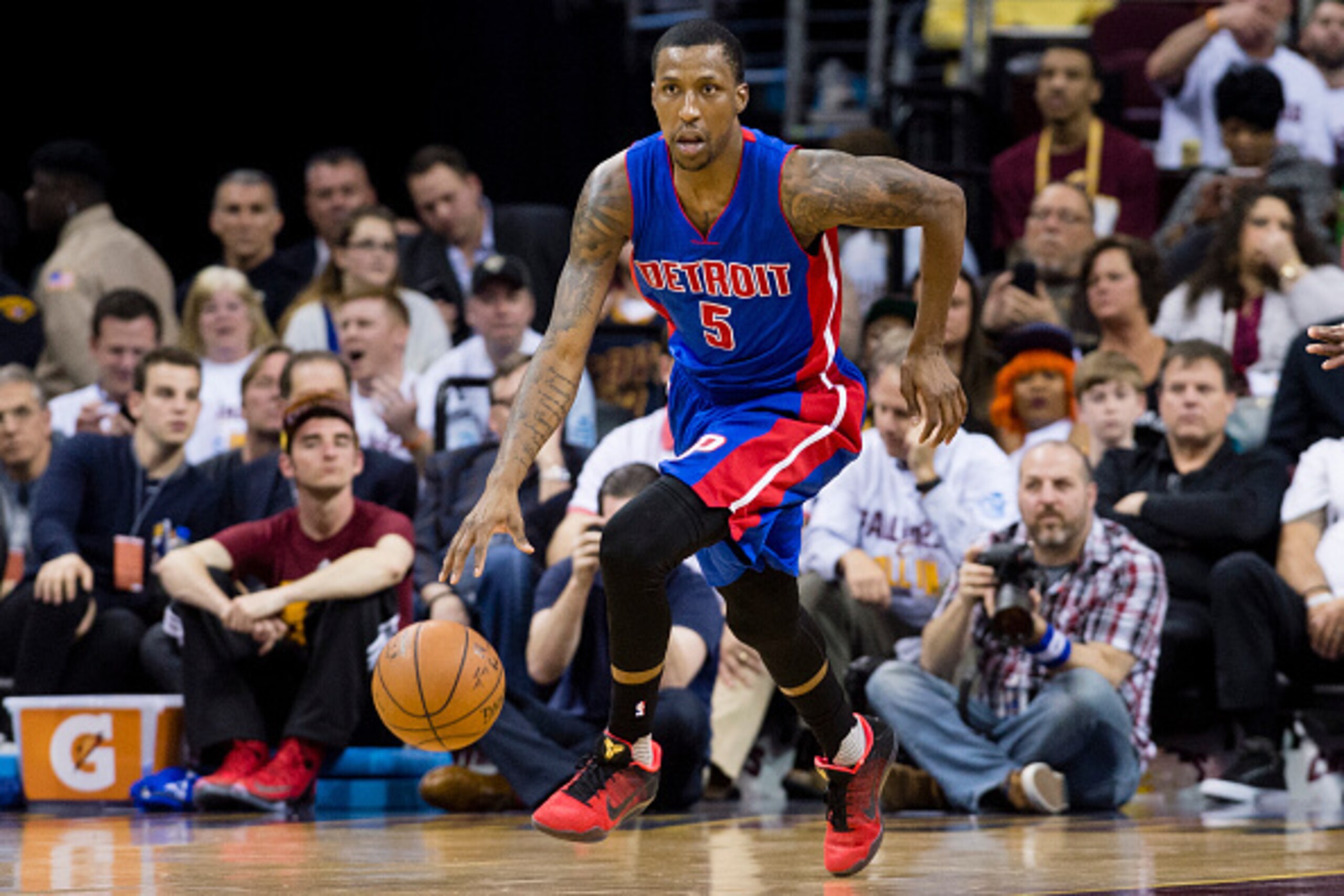
Kentavious Caldwell-Pope is about to incite a far-flung case of sticker shock—misinformed shock, that is.
Back in July, the Detroit Pistons made it clear they were interested in signing him to an extension before the deadline, according to the Detroit Free Press' Vince Ellis. That deal, whether it comes this fall or during restricted free agency next summer, will flirt with and potentially cross the $100 million threshold—at which point professional screamers will adjourn to the mountaintops to express their displeasure.
The issue, of course, is Caldwell-Pope will be worth that much coin in this brave, new, zero-loaded cap climate. He typically assumes the toughest perimeter assignment on defense and profiles as a future All-Defensive Team fixture.
Caldwell-Pope still needs to develop an above-average outside touch and better vision on drives, but he, not Tobias Harris or Marcus Morris, notched the highest net rating of any Pistons wing last season. The work he does in a low-profile role obscured by bigger names (Andre Drummond, Reggie Jackson) and higher-volume shooters (Harris, Jackson) deserves much more dap.
Golden State Warriors: Shaun Livingston
10 of 30
Injuries at the beginning of Shaun Livingston's career allowed him to escape expectations that came with being the fourth overall pick in 2004. Looking back, that liberation may have been too successful.
Many folks will worry about, or revel in, the Warriors' lack of depth after signing Kevin Durant. Both stances are weird, because the Warriors have depth. Their second unit might not finish in the top five of offensive and defensive efficiency as it did last season, according to HoopsStats.com, but the Dubs have capable bodies on the pine.
Chief among them is Livingston, one of the most underrated, unnderappreciated and under-recognized players in basketball. Certain aspects of this status are the occupational hazard of backing up two-time MVP Stephen Curry, but at 6'7", he is a small forward masquerading as a point guard who posts up like a traditional power forward.
Livingston ranked in the 79th percentile of back-to-the-basket efficiency for 2015-16—on just 34 possessions, but still. He carried Golden State's second-stringers in the playmaking department, finished with the highest assist percentage of anyone not named Draymond Green or Curry and spent time defending four different positions.
Can your favorite team's point guard understudy do all that?
Houston Rockets: K.J. McDaniels
11 of 30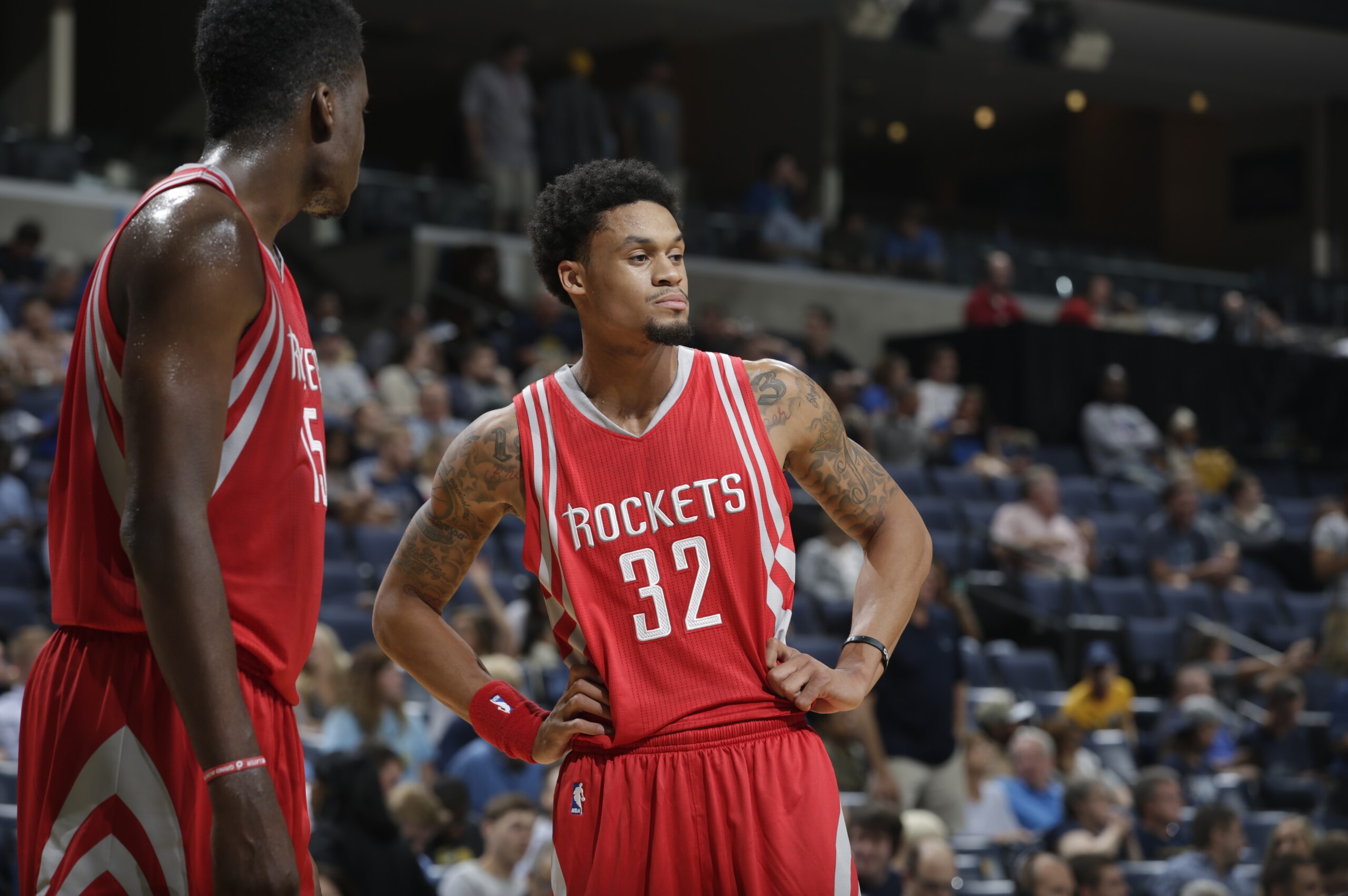
Fair warning: Freshly instated Houston Rockets head coach Mike D'Antoni has roughly 10 to 15 regular-season games to give K.J. McDaniels a shot at everyday minutes before someone (most likely me) acquaints Twitter with a "FreeKJRightNow" hashtag.
Yes, McDaniels' inclusion here is solely about playing time. No, we're not sorry. He has yet to log 300 total minutes since joining the Rockets midway through 2014-15.
That's criminal.
Eight other players have ever cleared 13 points per 36 minutes while matching McDaniels' assist (8.9), steal (1.6) and block (3.9) percentages and total playing time through their first two seasons: Marcus Camby, Kevin Garnett, Andrei Kirilenko, Tracy McGrady, Larry Nance, Jusuf Nurkic, David Robinson and Tyrus Thomas. That's (mostly) good company.
Some of McDaniels' splits must be taken with metric tons of salt. He began his career with the Philadelphia 76ers and has enjoyed the per-36-minute springboard that is sparse playing time. But his numbers, along with a 6'11 ¼" wingspan that should allow him to defend power forwards, are intriguing enough to warrant an actual look.
Indiana Pacers: Thaddeus Young
12 of 30
Thaddeus Young is an unsung hero. He has endured stints with three different NBA rebuilds (Philadelphia 76ers, Minnesota Timberwolves, Brooklyn Nets), and now finds himself with the Indiana Pacers, a squad that presents a different kind of challenge.
Team president Larry Bird is only sort of rebuilding the Pacers. In taking this route, he has assembled a ton of ball-dominators: Monta Ellis, Paul George, Jeff Teague and Young. (Rodney Stuckey is here, too.)
It's unclear how Young fits into this scheme. He doesn't eat up a lot of touches but won't be drilling threes off the catch. He is shooting under 32 percent from deep for his career and drained a mere 20 percent of his spot-up treys last season.
Still, Young's adaptive nature is underrated. He shot nearly 42 percent between 16 feet and the three-point line in 2015-16, so he offers just enough floor spacing, and the Pacers can use him as a de facto point forward while running everyone else off screens and cuts.
When Young isn't involved in the offense, he can still be a defensive asset. The only other players in the league to collect at least 16 points, nine rebounds, two assists and 1.5 steals per 36 minutes last season were DeMarcus Cousins, Nikola Jokic and Paul Millsap—a group that, not surprisingly, includes two of our other underappreciated talents.
Los Angeles Clippers: Wesley Johnson
13 of 30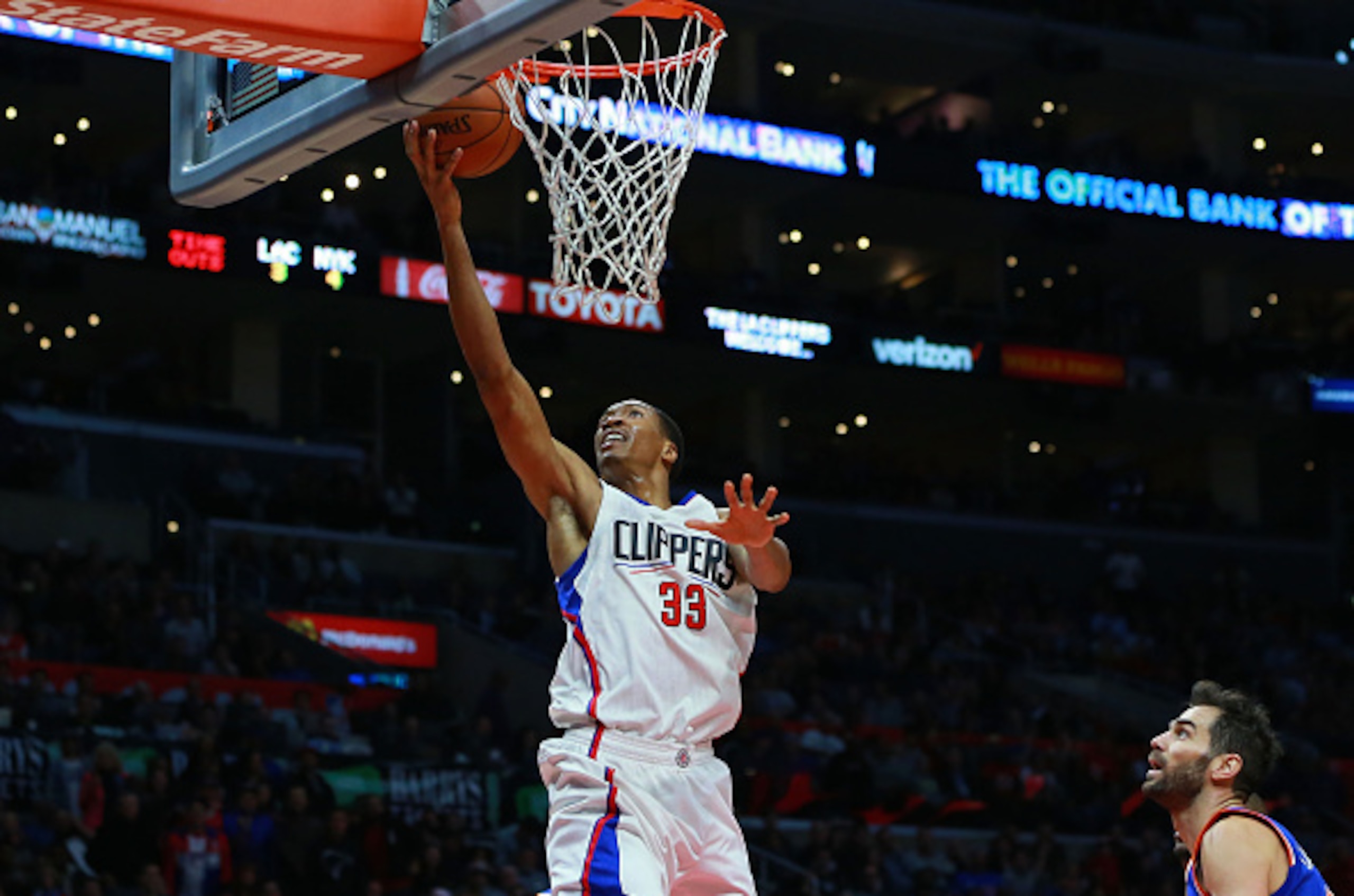
Blake Griffin truthers will argue the superstar's stint in the trade rumor mill has left him underappreciated. Good for them. There's just one problem: They are wrong.
Wesley Johnson is the oft-overlooked cog in the Los Angeles Clippers' wins machine. His three-point stroke is forever in doubt, but he is the closest thing to a stretch 4 that Hollywood's other team deploys.
He spent almost 40 percent of his minutes at power forward in 2015-16. When he and Luc Mbah a Moute–who has at least one inch and 15 pounds on his running mate—shared the floor without Griffin, it was the 6'7" Johnson who usually matched up with opposing 4s.
Officially, Johnson shimmied between three different positions all year, playing a brand of physical defense that belied his size. His steal rate (2.6) and block percentage (2.7) were matched by one other non-center—Paul Millsap. (See what I was saying about Millsap now?)
The real kicker: Johnson will earn roughly half ($5.6 million) of what Austin Rivers will bring home ($11 million) next season, because blatant nepotism is in vogue for unknown reasons that probably wouldn't make sense anyway.
Los Angeles Lakers: Luol Deng
14 of 30
Luol Deng feels expensive for the Los Angeles Lakers at four years and $72 million. The deal takes him through his 35th birthday—a harrowing milestone for someone who was subjected to Tom Thibodeau's "rest is overrated!" war cry for almost four seasons.
Except this is kind of the point. Some of us are conditioned to view Deng as this broken-down, washed-up, creaky-old, post-prime liability. In reality, nothing could be further from the truth.
"You know what Deng was last year?" posed CBS Sports' Matt Moore. "Vital to the third seed in the East and a hyper-versatile wing/combo forward who did everything that was needed, because he was still very skilled."
Underestimating Deng's defensive versatility isn't wise. He switched on to shooting guards with the Miami Heat and logged ample time at small forward before transitioning to full-time power forward duty. More than 25 percent of his minutes even came at center during the playoffs, when Miami elected/was forced to embrace pint-sized lineups, and he mostly survived.
The Lakers don't have players with this functional range. Given Timofey Mozgov's contract-year letdown and the arriving Yi Jianlian's turnstile defense, the Lakers may eventually see Deng as a fixture at center. Perhaps then he'll get more symbolic fist bumps for his contributions.
Memphis Grizzlies: JaMychal Green
15 of 30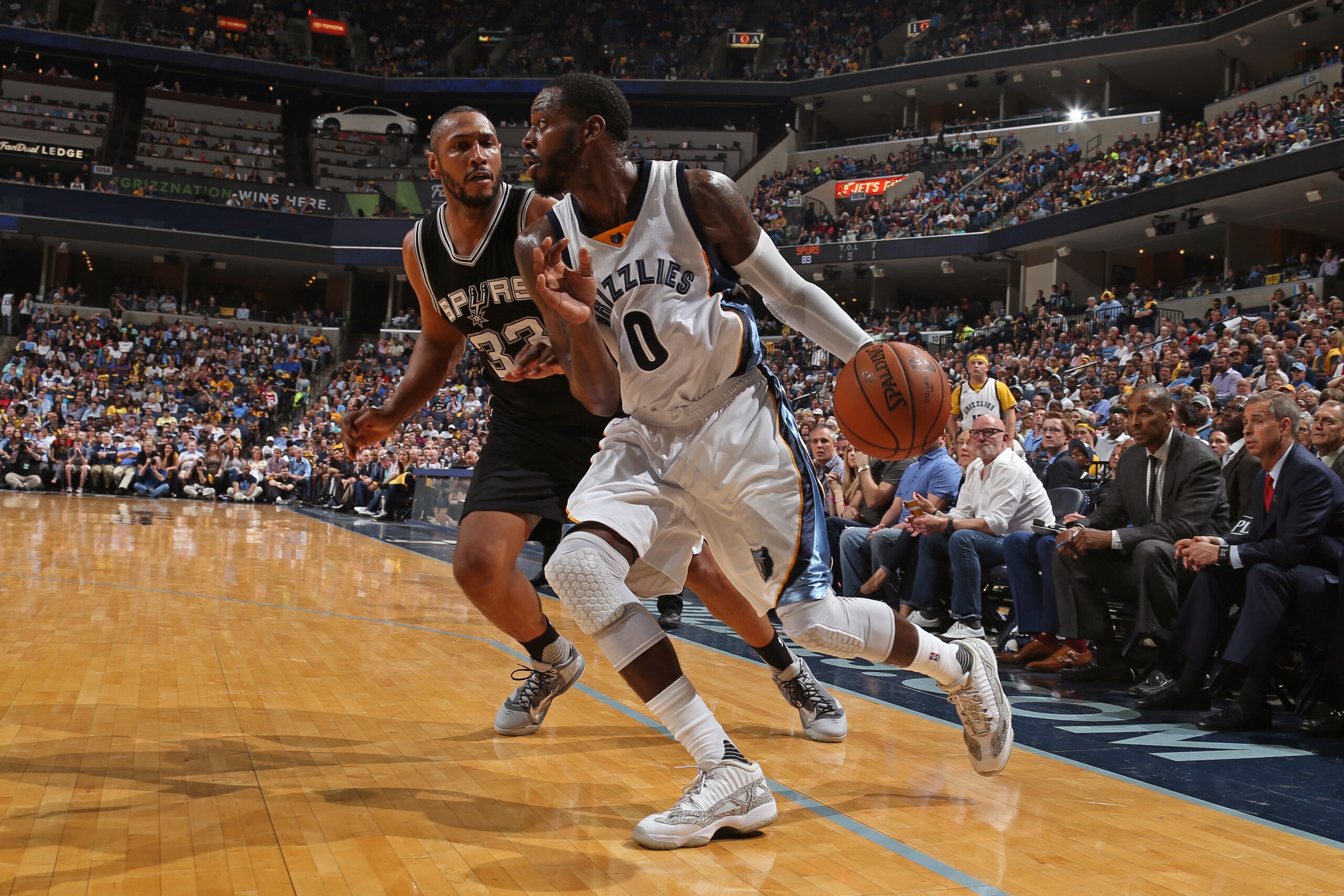
Any chance of JaMychal Green receiving extended spin as the Memphis Grizzlies' stretch-4-in-training next season evaporated with Chandler Parsons' arrival. Or did it?
Memphis had the 26-year-old Green play with its summer league team in Las Vegas, and head coach David Fizdale talked as if he has big(ish) plans for the third-year forward, per the Commercial Appeal's Ronald Tillery:
"I thought it would be good for me to see him in what I’m trying to do. I wanted an early look at him. I also thought from a leadership standpoint it would help him develop. It was good for him to come out here and be the veteran guy instead of being in the locker room where he’s the young guy. He’s kind of in that middle stage so I wanted to put him in a situation to grow as a leader. Him coming out here was big. It shows the character he has and the leader he’s going to become.
"
Should the Grizzlies embrace a spacier, less gritty style, Parsons is the best playmaking power forward option on the roster. But Green is the second-best candidate. He shot a good-enough 33.3 percent on threes as a sophomore and put down an even-better 36.7 percent of his corner triples while leading an injury-infested Memphis squad in total appearances (78).
There is a real possibility Green becomes more important to the Grizzlies' game plan than Brandan Wright, and he may even challenge Zach Randolph for frontcourt minutes. It's time to pay him more attention.
Miami Heat: Justise Winslow
16 of 30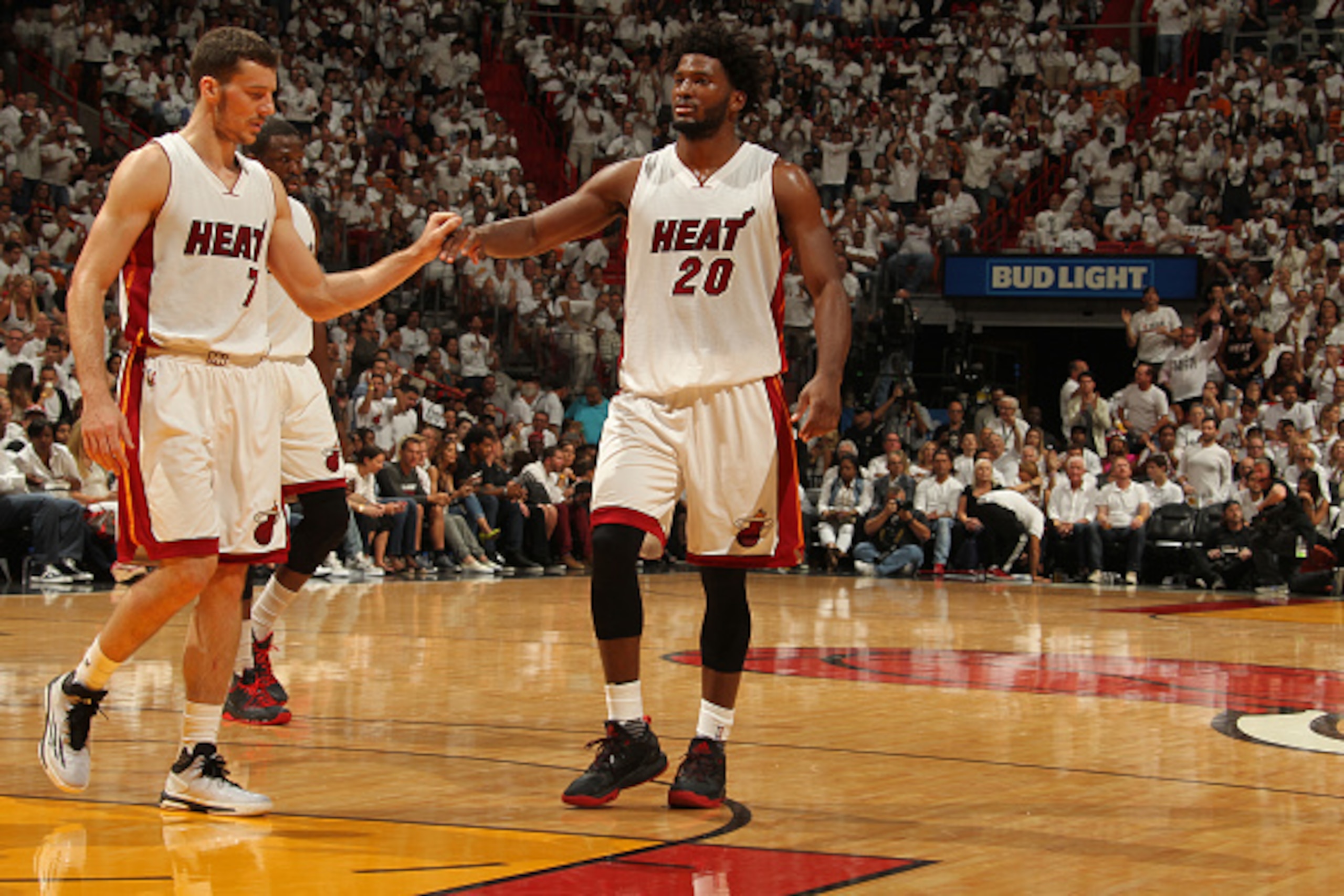
Miami Heat president Pat Riley is allowed to operate without regard for future first-round picks or a full-scale rebuild largely because of his free-agency track record. He positioned the team to sign Chris Bosh, LeBron James and Dwyane Wade in 2010 and has kept Miami in the running, at least financially, for big offseason splashes in every summer since the Big Three's disbandment.
Good will, however, can only carry him so far—particularly now, with Bosh's health in doubt, Wade playing in Chicago and Goran Dragic underperforming. But Riley's mystique lives on, in part because he has turned fliers into fixtures (Tyler Johnson, Josh Richardson, Hassan Whiteside) and most definitely because Justise Winslow is an under-21 pillar for the future.
Significant parts of Winslow's rookie year went overlooked. He was a novice who was vying for playing time on a postseason hopeful, and there were kiddies around the NBA who were making bigger splashes. A sub-40 percent clip outside three feet of the hoop help didn't help his cause either.
Winslow is nevertheless a star-in-waiting—his defense demands that respect. He hangs with shooting guards, small forwards and power forwards, and his DBPM, as a first-year contributor, was the highest of any Miami wing.
Most importantly, since he is already good enough to cover the opposition's best scorer, there's hope yet that the Heat won't feel the absences of Luol Deng and Wade as much as we think.
Milwaukee Bucks: John Henson
17 of 30
Four years into his career, John Henson has averaged more than 19 minutes per game only once. This makes no sense given the state of the Milwaukee Bucks. Back issues limited Henson to a career-low 57 appearances in 2016-17, but the team didn't do his stock any favors.
Thoroughly seduced by a surprise playoff appearance in 2014-15, Milwaukee brought in Greg Monroe to anchor the middle. One 33-win letdown later, look how that turned out.
Henson is a far better fit for the rotation and deserves to be more than a sporadically used second-stringer. He is a superior rim-runner and offers real rim protection behind Jabari Parker—something last year's starting lineup couldn't muster.
In the 539 minutes Monroe played beside Giannis Antetokounmpo, Michael Carter-Williams, Khris Middleton and Parker, the Bucks were a defensive disaster. They surrendered 112.4 points per 100 possessions—a mark that would have ranked dead last in the league by a wide margin—and posted a worse net rating (minus-6.7) than the NBA Development League doppelgangers known as the New Orleans Pelicans (minus-4.1).
Swap out Monroe for Henson, and Milwaukee's offensive (112.7) and defensive numbers (83.3) reached league-best levels. The sample size is noticeably smaller (61 minutes), but the improvement holds weight in theory. That alone makes chaining Henson to the bench in favor of Monroe—or Miles Plumlee, for that matter—a groundless no-no.
Minnesota Timberwolves: Gorgui Dieng
18 of 30
Gorgui Dieng works with Karl-Anthony Towns because of the latter's jumper, but he's often displaced on either end of the floor. He finds himself defending more power forwards and, most notably, must tiptoe outside the paint whenever Towns goes to work inside the elbows.
And you know what? Dieng has made this flip-flopping work, despite the absence of a three-point touch. As Eric in Madison explained for Canis Hoopus:
"Dieng took a real step forward this season, finishing better around the rim, extending his range out to 20-plus feet (though he fell off from the shorter mid-range where he had been deadly in his first two years) and improving his defense from below average to likely above average. He wound up posting the 14th highest RPM among centers this season after being 41st in 2014-15.
"
Through three years, Dieng has played for three different Timberwolves teams. His progression amid constant change—especially as a passer—is far more advanced and well-rounded than most realize. Last season, the only player to match Dieng's assist (10.1), steal (2.1) and block (3.5) percentages while seeing more than 2,000 minutes of action was (once again) Paul Millsap.
Don't be surprised when the extension-eligible Dieng gets a deal, either this fall or next summer, that pays him more than the $72 million Bismack Biyombo received from the Orlando Magic. He is on that same tier, if not higher, even though most of his accolades go unnoticed.
New Orleans Pelicans: Jrue Holiday
19 of 30
Look, we get it. Jrue Holiday has been injury-prone since joining New Orleans. He's missed 107 of a possible 246 regular-season contests with the Pelicans. That's no good. You can even understand head coach Alvin Gentry using him as a minutes-capped reserve for most of 2015-16.
But Holiday isn't the now-departed Eric Gordon. He has played like a fringe All-Star candidate when healthy—much more asset than liability.
The 18.2 points, 7.9 assists, 1.7 steals and 35.7 percent shooting from distance he's averaged per 36 minutes while in New Orleans? Yeah, just two players have matched that over the same stretch: Stephen Curry and Chris Paul.
Last year, as the Pelicans devolved into a 30-win eyesore, Holiday transformed the offense whenever he was on the floor. New Orleans scored like a top-eight attack and almost ranked as a net positive per 100 possessions (minus-0.3)—which, when you're bleeding more points overall (minus-4.1) than the Sacramento Kings (minus-3.0), is saying something.
So while the acquisition of Holiday was shortsighted and hasn't unfolded according to plan, his tenure isn't over yet. His contract expires in 2017, so he has time to turn his New Orleans stay into a success story.
New York Knicks: Kyle O'Quinn
20 of 30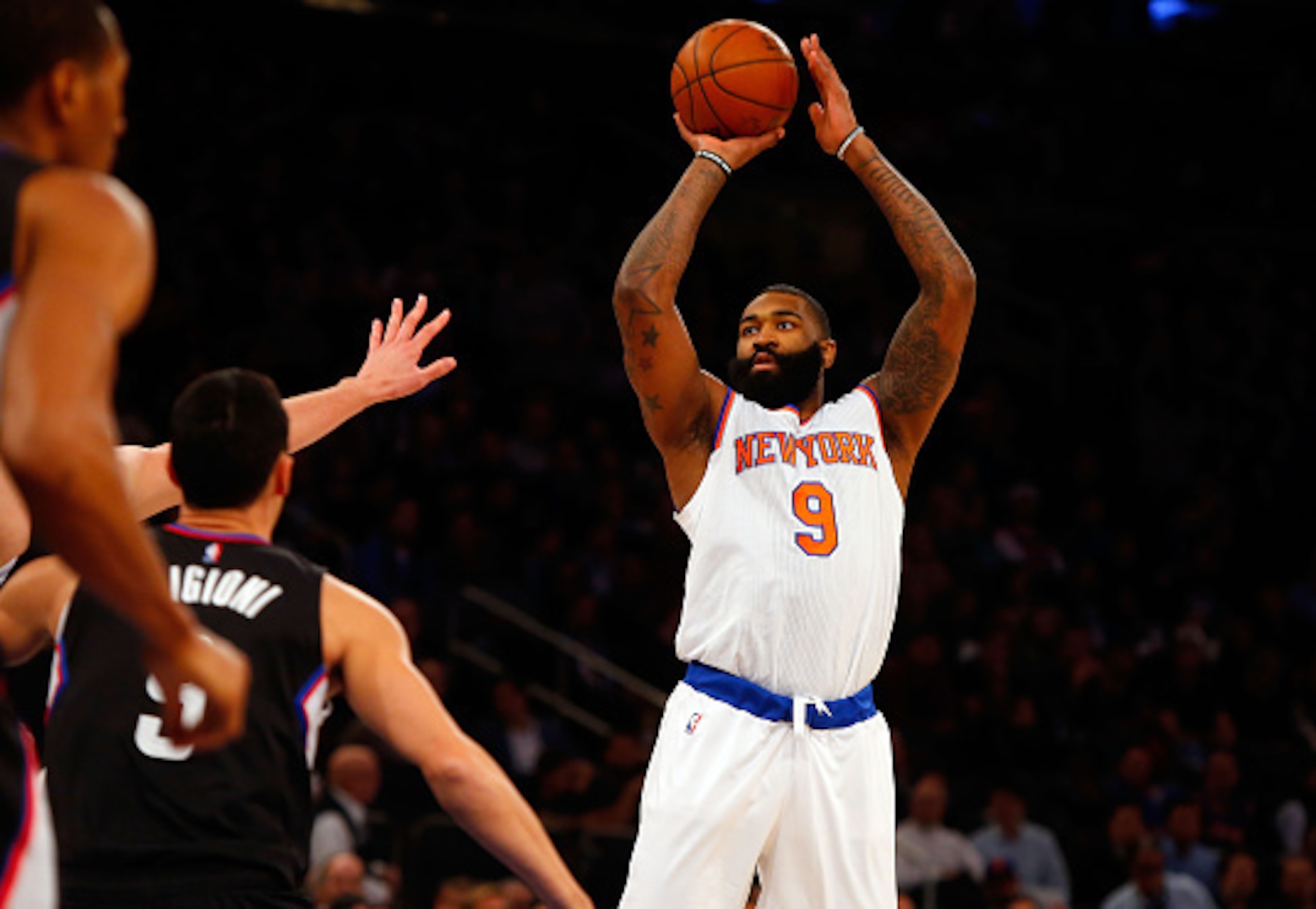
Why did the Knicks sign Kyle O'Quinn to a four-year, $16 million contract and then proceed to play him less than the Magic did in each of the previous two seasons? That's apparently a question without an answer.
“I have no idea,’’ O’Quinn said on the subject, per the New York Post's Marc Berman. “If I knew, I wouldn’t have did it.’’
Sources told Berman "defensive lapses" were the cause of O'Quinn's inconsistent role, which is funny. His rim-protection numbers were right in line with Kristaps Porzingis', and New York's defensive rating improved with O'Quinn on the floor.
Conditioning wasn't—or at least shouldn't have been—the issue, either. O'Quinn has trimmed down this summer, per Berman, but the Knicks finished in the bottom seven of pace.
Whatever the on-court issue, New York should move beyond it. O'Quinn can space the floor and is an underrated passer with incredible statistical splits. Pau Gasol was the only other player in 2015-16 to average at least 14 points, 11 rebounds, three assists and two blocks per 36 minutes.
The Knicks, in turn, are out of reasons not to play him—assuming they had any acceptable justifications in the first place.
Oklahoma City Thunder: Steven Adams
21 of 30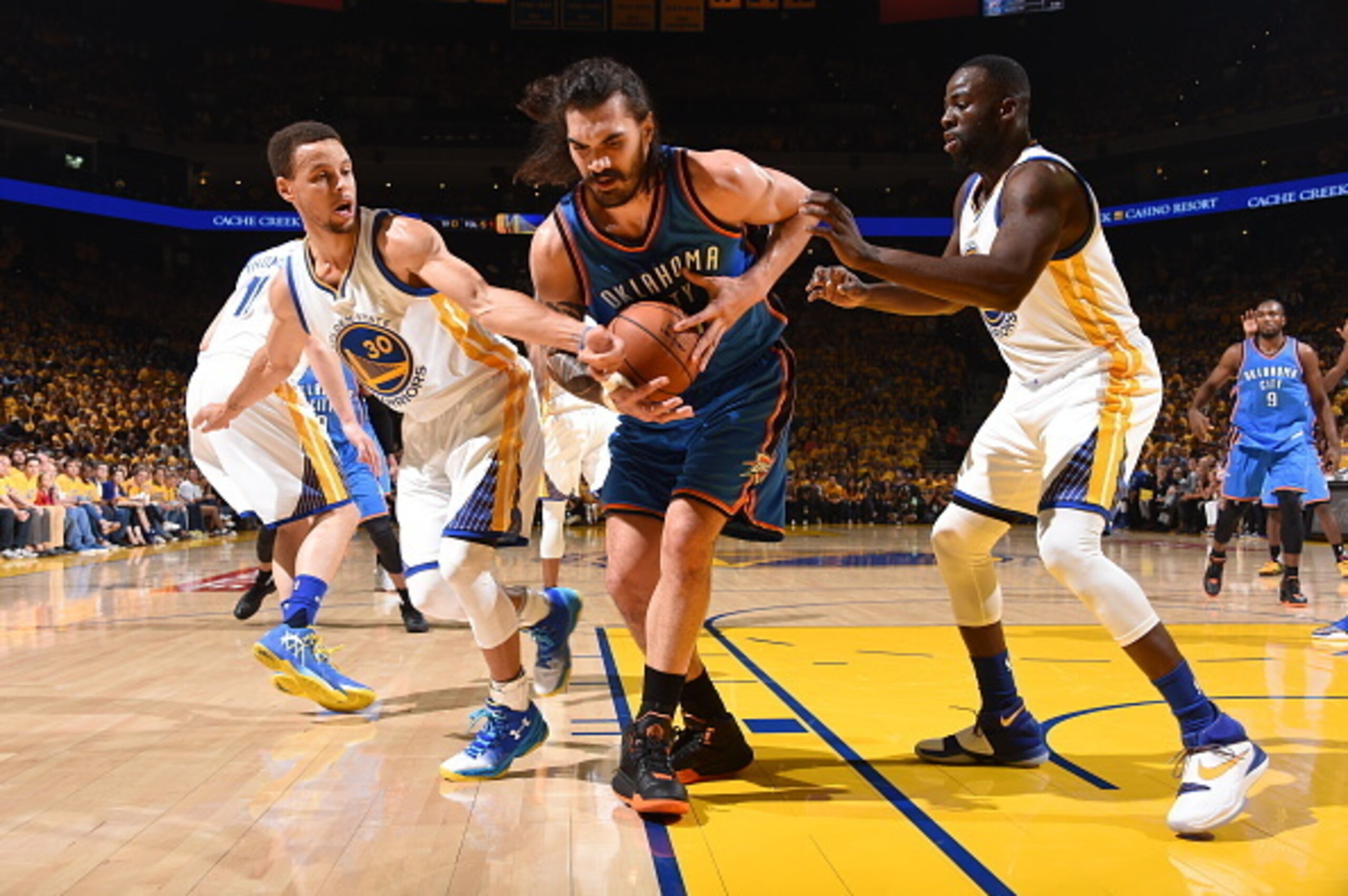
Get used to Steven Adams being the second-most important player on the Thunder. Even better, get used to feeling good about his sudden change in status.
Adams has never been more integral to Oklahoma City's livelihood than following the departures of Kevin Durant and Serge Ibaka, though the idea of casting him as Russell Westbrook's No. 2 can be initially unsettling. He isn't a scorer. He didn't even record a top-10 usage rate on his own team last season. His numbers don't wow you like a conventional second-in-command, and they never will.
None of which means Adams isn't ready. He started real progression before Durant left, emerging as a devastating pick-and-roll slasher (finishing in the 76th percentile of roll-man efficiency) and setting the tone defensively for a team that scrapped its way into the top 12 of points allowed per 100 possessions.
When Adams was in the game, the Thunder let up 99 points per 100 possessions. When he stepped off the court, that number climbed to 107.1—an 8.1-point gap that marked the difference between ranking third and 27th in defensive efficiency.
As far as Adams has to go offensively, that defensive impact renders him a viable building block. Sometime next season, with two of Oklahoma City's primary safety nets elsewhere, maybe he'll be revered as such.
Orlando Magic: Nikola Vucevic
22 of 30
Nikola Vucevic had a strong case as the NBA's most underrated big man long before this summer. Then the Magic traded for Serge Ibaka and signed Bismack Biyombo.
If you're thinking Orlando's offseason is one big misunderstanding or head coach Frank Vogel is simply obsessed with all-big lineups, you're half right. The Magic aren't exactly gushing over Vucevic's immediate future.
"There are people within the team who think that by midseason," ESPN.com's Zach Lowe wrote, "it will be clear Orlando's best lineups feature [Aaron] Gordon at power forward and Ibaka at center—sort of a problem given the $30 million per year invested in Vucevic and Biyombo."
This is what Vucevic gets, apparently, for playing like an All-Star. Since 2014-15, he is one of four qualified players who are compiling 20 points and 2.5 assists per 36 minutes on 50 percent shooting. That puts him in the company of Kevin Durant, Blake Griffin and LeBron James, and yet, he'll be left scrounging for minutes and touches on a Magic roster that isn't built to accentuate any of his best qualities.
The NBA is weird sometimes.
Philadelphia 76ers: Robert Covington
23 of 30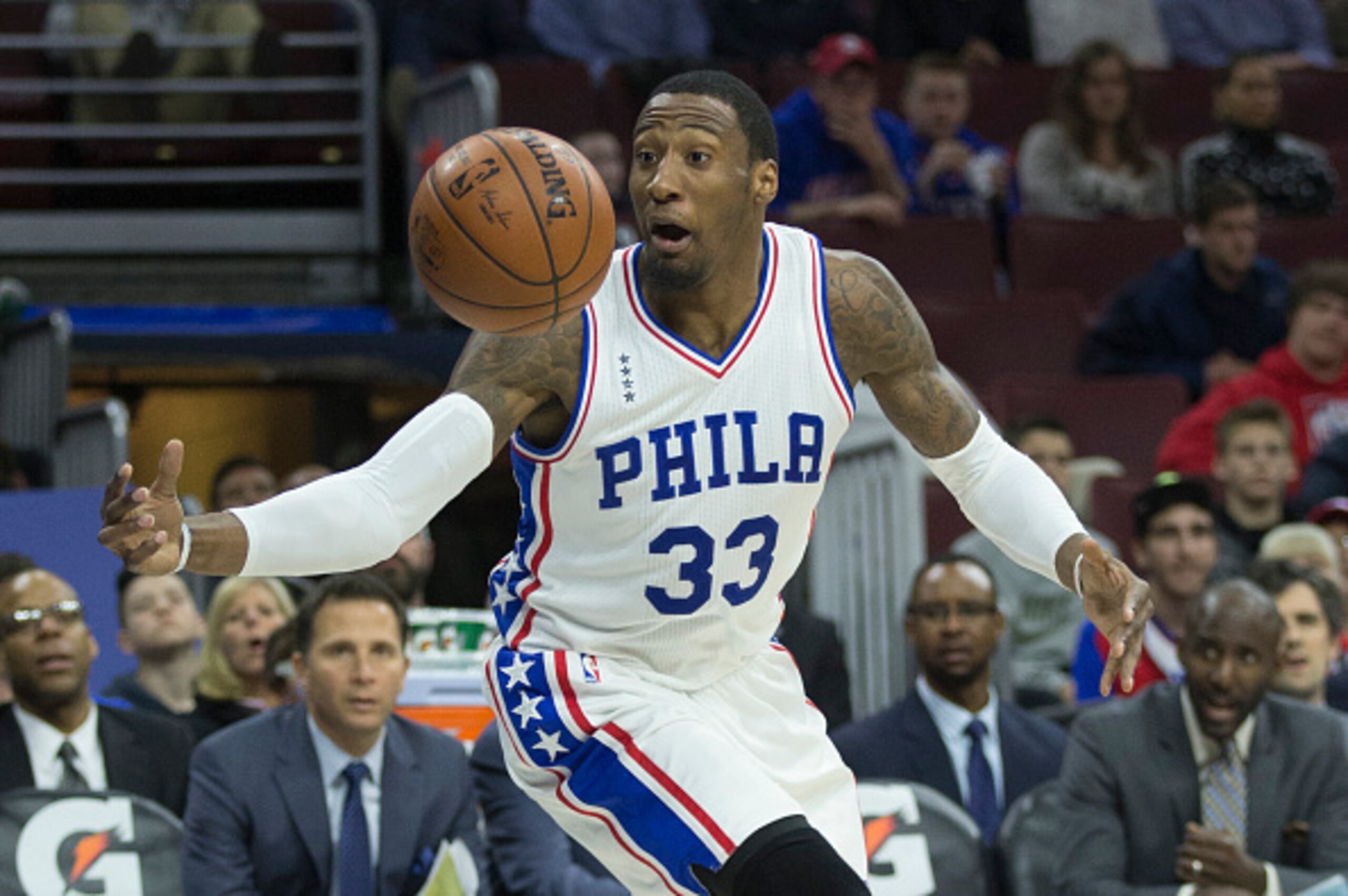
A 6'9" combo forward? With a defensive conscience? Who's shooting better than 36 percent from three-point land for his career? And plays for the Philadelphia 76ers? How are we not talking about him, and his bright future, all the time?
Robert Covington's development somehow takes a backseat in most Sixers discussions. You laugh, or roll your eyes, but he's a quality player on what has been a woefully bad team. There is no reason for him to be wasting away in relative obscurity, hardly ever mentioned in the same breath as many of the Association's other premier wing prospects.
Just two players cleared 16 points, six rebounds and 1.5 steals per 36 minutes last season while burying 35 percent or more of their threes and matching Covington's playing time (1,903 minutes): Paul George and Kawhi Leonard. Expand the scope to include the last two seasons, and Covington shares statistical territory with Leonard alone.
This is not a player who should be glossed over because he struggles to finish around the rim or because Philly's depth chart is teeming with touted big-man prospects. Covington is a cornerstone talent himself, and unlike most of his higher-profile running mates, minus Nerlens Noel, he's shown he can excel at the NBA level.
Phoenix Suns: Jared Dudley
24 of 30
Jared Dudley assured himself of a slideshow cameo the moment he finished penning this excerpt from his "I'm Home" piece for The Players' Tribune:
"The [Phoenix] Suns were looking for a guy to work with their exciting, young talent they have coming through, and both the team and I felt like I was a perfect fit. Don’t get me wrong: I’m still going to contribute, but I’m also going to leave a mark off the court as well. I’m here do things the right way because there was just no other way to do it. This is a really exciting time to be a Phoenix Suns fan. I know I can have a major role in this team’s success not just this year, but also five years from now. That’s my goal.
"
This from a guy who is in the prime of his career, hasn't shot under 36 percent from behind the arc since he was a rookie and has shown he can tussle with power forwards. Dudley could have made a real impact—not to mention received more guaranteed minutes—on a contending team. He returned to a rebuilding Suns squad anyway.
Sure, the three-year, $30 million carrot they dangled no doubt helped, but there are two ways to look at this: Interested suitors ready to win made the mistake of not offering him more money, or he accepted less coin to help reinvent the culture of a team he holds near and dear.
Either way, Dudley comes off as underappreciated.
Portland Trail Blazers: Evan Turner
25 of 30
A $70 million contract from the Portland Trail Blazers suggests Evan Turner should no longer count among the underappreciated. Alas, reaction to said deal shows otherwise.
"It's not just the money (although the idea that anyone paid him $70 million is pretty staggering), but I also don't see the basketball fit for him alongside Damian Lillard and C.J. McCollum," ESPN.com's Amin Elhassan wrote. "He's a ball-dominant wing who is an atrocious spacer. For Portland's roster, I'd rather have a Marvin Williams or Jared Dudley, both of whom signed for considerably less."
These are valid concerns. Turner has shot 33 percent or better on three-point attempts just once and isn't a reliable off-ball scorer. There's no guarantee he can play alongside Al-Farouq Aminu and Maurice Harkless, two more wings with similar limitations. And then there's the fact neither of the Blazers' most relied upon skyscrapers from last season, Ed Davis and Mason Plumlee, is a threat outside the paint.
All of this ignores how well Turner fared with the Celtics. He made a living working his butt off on defense and serving as the makeshift point guard on offense. Boston ran Avery Bradley, Isaiah Thomas and Marcus Smart off the ball whenever they played with him. Portland should have no problem doing the same, especially since both Lillard and McCollum are better shooters than Smart.
Coming off stints with the Pacers and Sixers, Turner earned every bit of the complicated reputation that followed him. He did enough with the Celtics, though, to have the benefit of the doubt for the time being in Portland.
Sacramento Kings: Kosta Koufos
26 of 30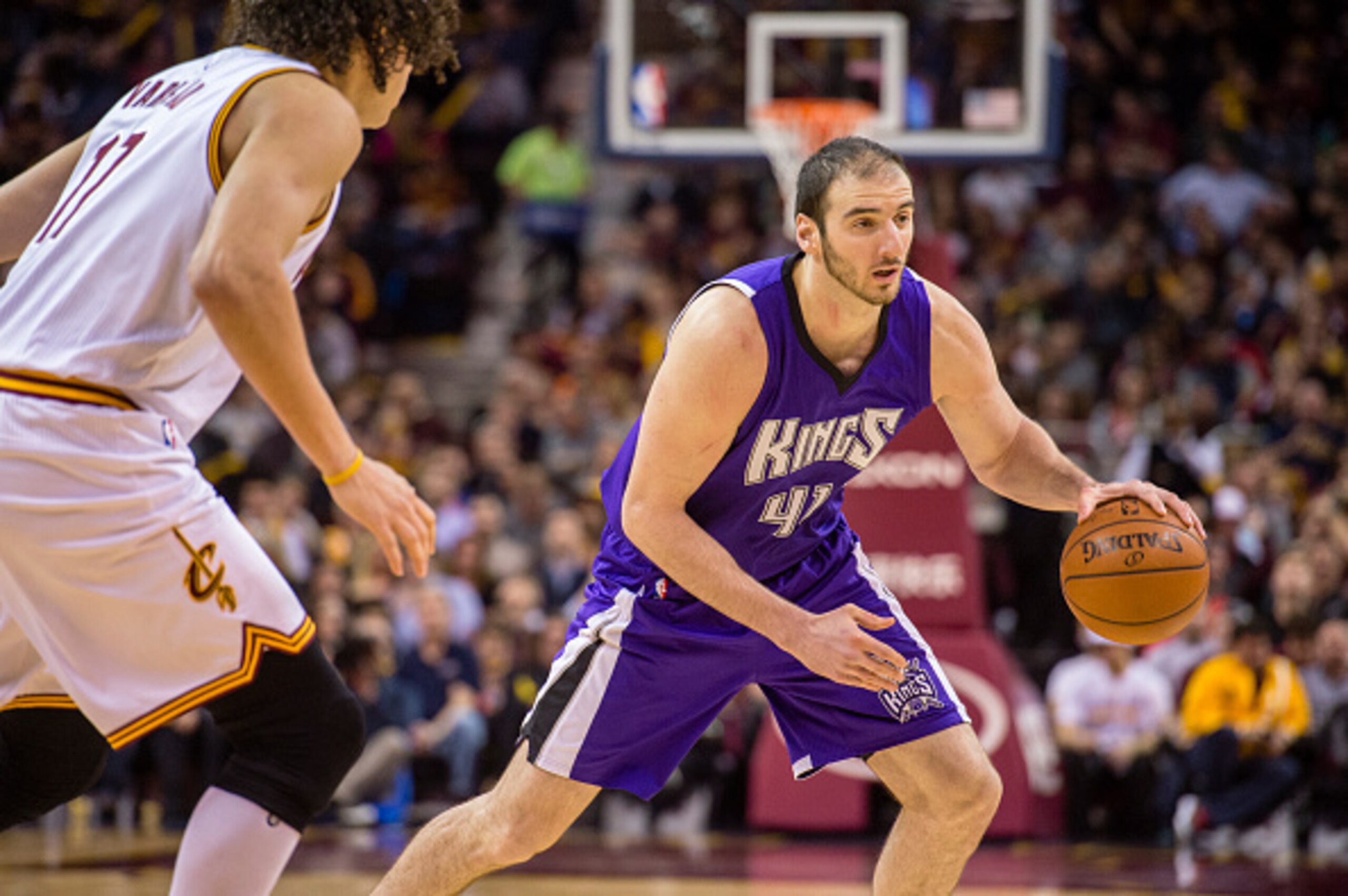
DeMarcus Cousins isn't the only Kings big man who should be ticked that the team picked up two more centers, Georgios Papagiannis and Skal Labissiere, in the first round of this year's draft. Kosta Koufos has his own bone to pick with the front office.
He was already consigned to extensive time at power forward in a rotation that included Willie Cauley-Stein and Cousins last season. Any minutes the rookies receive will only make it harder for Koufos to see minutes at center, his natural position.
Sources previously told ESPN.com's Marc Stein the Kings, presumably due to their Sixers-ish frontcourt logjam, were looking to trade Koufos. Incoming offers haven't tickled their fancy, or they were never serious about moving him, because he's still in Sacramento.
Shoving Koufos into a power forward limbo is a shame. He actually has an edge over many opponents when used exclusively at center, has range outside 10 feet of the basket and protects the paint better than Cousins. And what he doesn't offer as a post-up scorer, he makes up for as an offensive rebounder. He paced the Kings in that department by a mile and has a higher career offensive rebounding rate than Dwight Howard.
Too bad Koufos doesn't yet have the role he deserves.
San Antonio Spurs: Kyle Anderson
27 of 30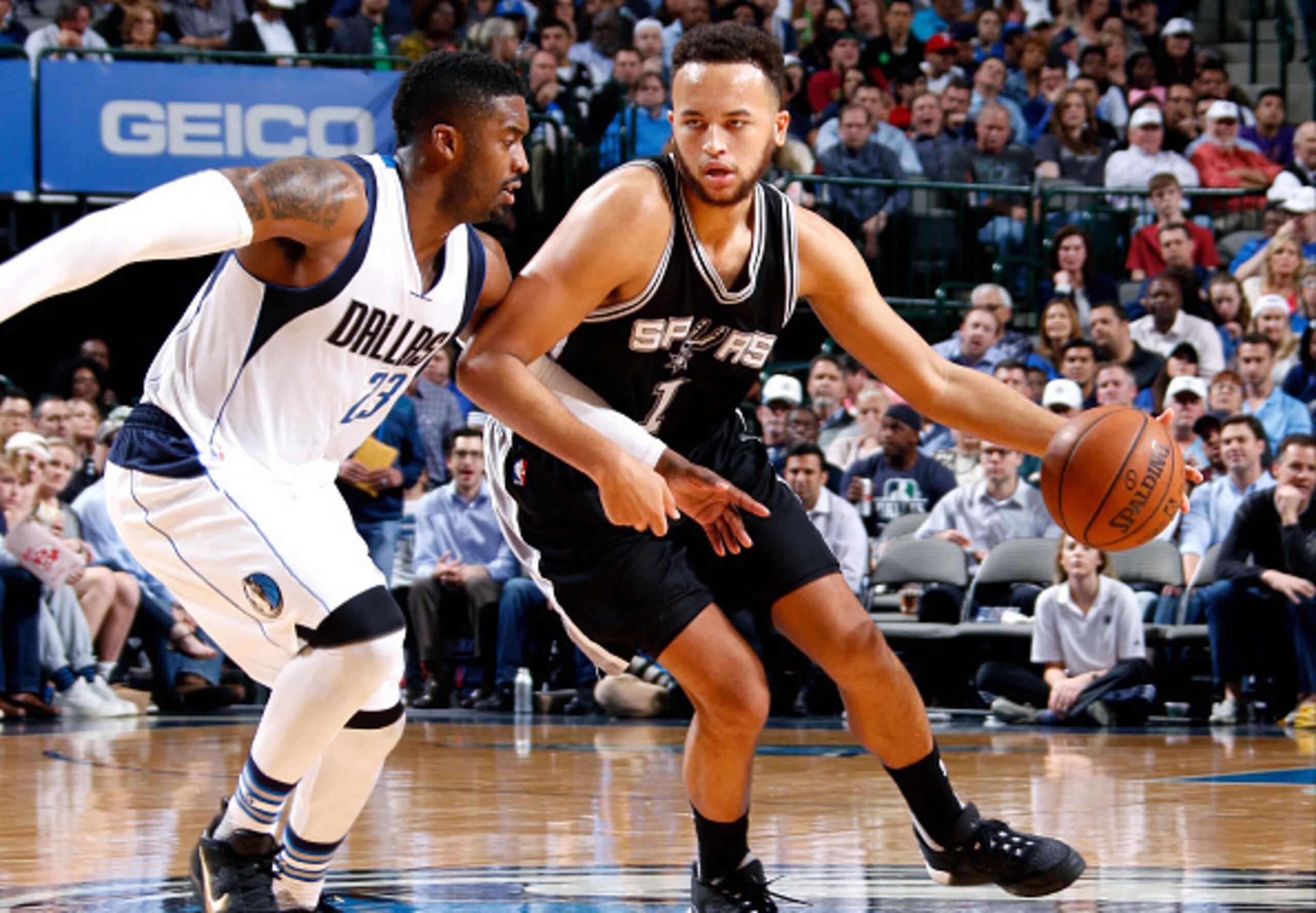
Kyle Anderson's time with the San Antonio Spurs has been quiet—too quiet. There has not been a lot of buzz surrounding his future with the team. Sarcastic Boris Diaw parallels have outnumbered optimistic takes.
This is what happens when you begin your career on a dynastic team that doesn't need you. Only now, after Tim Duncan's retirement and the Diaw trade, the Spurs need him.
Even though head coach Gregg Popovich gravitated away from small-ball lineups last season, he may have to revisit them if the LaMarcus Aldridge-Pau Gasol coupling doesn't hold up defensively. Kawhi Leonard can soak up time at the 4, but San Antonio was, somewhat shockingly, a sieve when he shared the frontcourt with Aldridge, according to NBAWowy.com.
Anderson, while mostly used as a small forward to this point, has the extra size and girth at 6'9" to join the power forward rotation. His ball-handling and vision will create plenty of offensive mismatches, and he masks a glaring lack of speed with keen instincts: He doesn't crowd the ball against rival forwards and relies on his lanky arms rather than his body to contest shots.
This isn't to say he's the heir apparent to anyone in particular. But the additional options he puts at the Spurs' disposal, as a multiposition wing with an improving three-point stroke, deserve more fanfare.
Toronto Raptors: Cory Joseph
28 of 30
Serious question: Are there 15 starting point guards better than Cory Joseph? The Raptors, like the Spurs before them, have Joseph coming off the bench behind Kyle Lowry. But you can argue that he's better than roughly half of the league's top-billing floor generals.
His three-point shooting is spotty, but he's a more efficient pick-and-roll ball-handler than guys like Mike Conley, Goran Dragic and Ricky Rubio. He zooms around defenders in a flash and routinely has more success finishing around the rim than Lowry.
Joseph also headlined a second unit that ranked seventh in defensive efficiency for 2015-16, according to HoopsStats.com. He would often defend shooting guards and small forwards when playing with DeMar DeRozan and/or Lowry; the Joseph-Lowry pairing, in fact, performed much better on defense than the DeRozan-Lowry tandem.
That's why it doesn't feel right referring to Joseph as just another backup. The Raptors have two starting point guards on their roster. Let's just leave it at that.
Utah Jazz: Derrick Favors
29 of 30
Derrick Favors is basically a star, just without the credentials. He doesn't receive All-Star consideration, but if you made a list of the Western Conference's top five power forwards and excluded him, you'd be committing a crime of ignorance.
The Utah Jazz's low profile obscures national attention quite a bit. They don't champion a flashy brand of basketball and have made the playoffs just once since he arrived. Favors' own health didn't do him any favors this past season either; he appeared in a career-low 62 games while laboring through back issues.
But this isn't about one season. Anthony Davis and Dwight Howard are the only other players since 2013-14 to average at least 17 points, nine rebounds, one steal and 1.5 blocks per 36 minutes on 50 percent shooting or better. You won't catch them on a list like this.
Maybe being a traditional big man during the jump-shooting age keeps Favors' status at bay. Or perhaps Rudy Gobert's rise, along with the arrival of Trey Lyles, ruined any chance he had at notoriety. Whatever.
Favors is worth more attention and respect than he enjoys, though that may never change.
Washington Wizards: Andrew Nicholson
30 of 30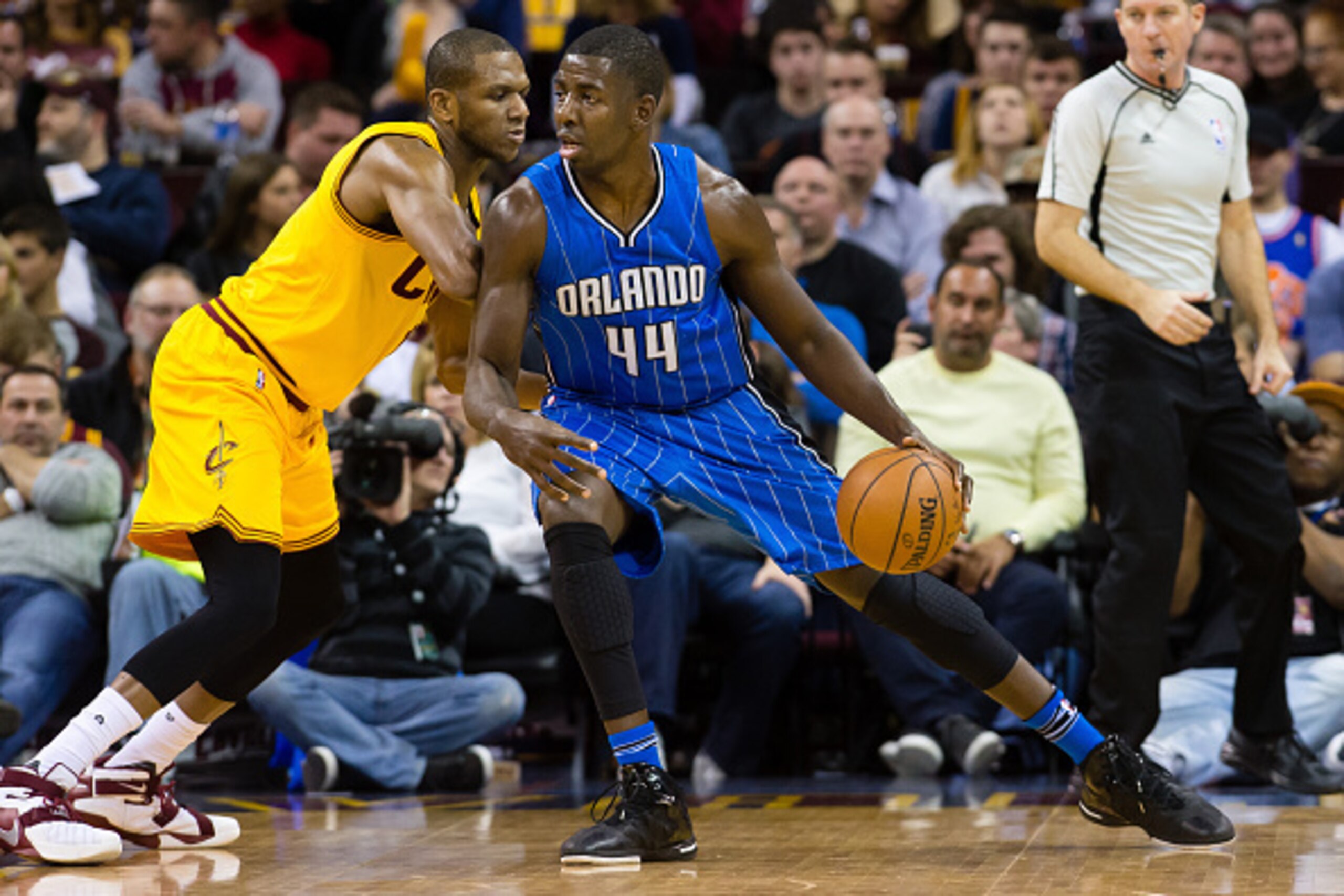
Andrew Nicholson* became expendable to the Magic once they sold their floor-spacing stock. Truthfully, though, Nicholson's role diminished in Orlando a long time ago, even if former head coach Scott Skiles momentarily flirted with making him an every-game staple.
And that begs an important question: Huh?
Although Nicholson hasn't been spectacular through his first four seasons, he's done enough to pique curiosity. Power forwards need to shoot threes, so he started firing triples. He converted a career-high 36 percent of his threebies last season amid respectable volume (five attempts per 36 minutes) and is working to improve upon that efficiency, per the Washington Post's Gene Wang.
In 2015-16, Nicholson was one of six players to average 16 points per 36 minutes, drain more than 40 three-pointers and maintain a block percentage north of two. He joined Kevin Durant, Al Horford, Kawhi Leonard, Paul Millsap and Kristaps Porzingis. Indeed, Nicholson's passing off the bounce must get better, and unimpressive rim protection is masked by the occasional block.
But contrary to what his role in Orlando implied, there's something here.
*Writer's note: Shoutout to Ian Mahinmi, who totally would have earned this nod if he wasn't about to make $15.9 million(!).
Stats courtesy of Basketball-Reference.com and NBA.com unless otherwise cited. Salary information via Basketball Insiders.
Dan Favale covers the NBA for Bleacher Report. Follow him on Twitter, @danfavale.






.jpg?w=2560 "Latest Peyton-Colts Rumors")