

The 2025 NBA Draft is a wrap, and while Day 2 wasn't headlined by a Cooper Flagg-level star or a shocker like Yang Hansen at No. 16, there was movement. And a lot of it.
Across the 29 picks made on Thursday, 15 were traded. Not all were notable, and most won't be remembered. But it's a sign that every pick matters, even late in the draft game, and teams are still trying to get it right.
How did each team fare across those same 29 picks?
Read on to find grades for every selection.
Day 1 Grades, provided by Bleacher Report's Zach Buckley, can be found here.
Zach Buckley contributed to the analysis for second-round grades.
31. Phoenix Suns: Rasheer Fleming, PF, Saint Joseph's
1 of 29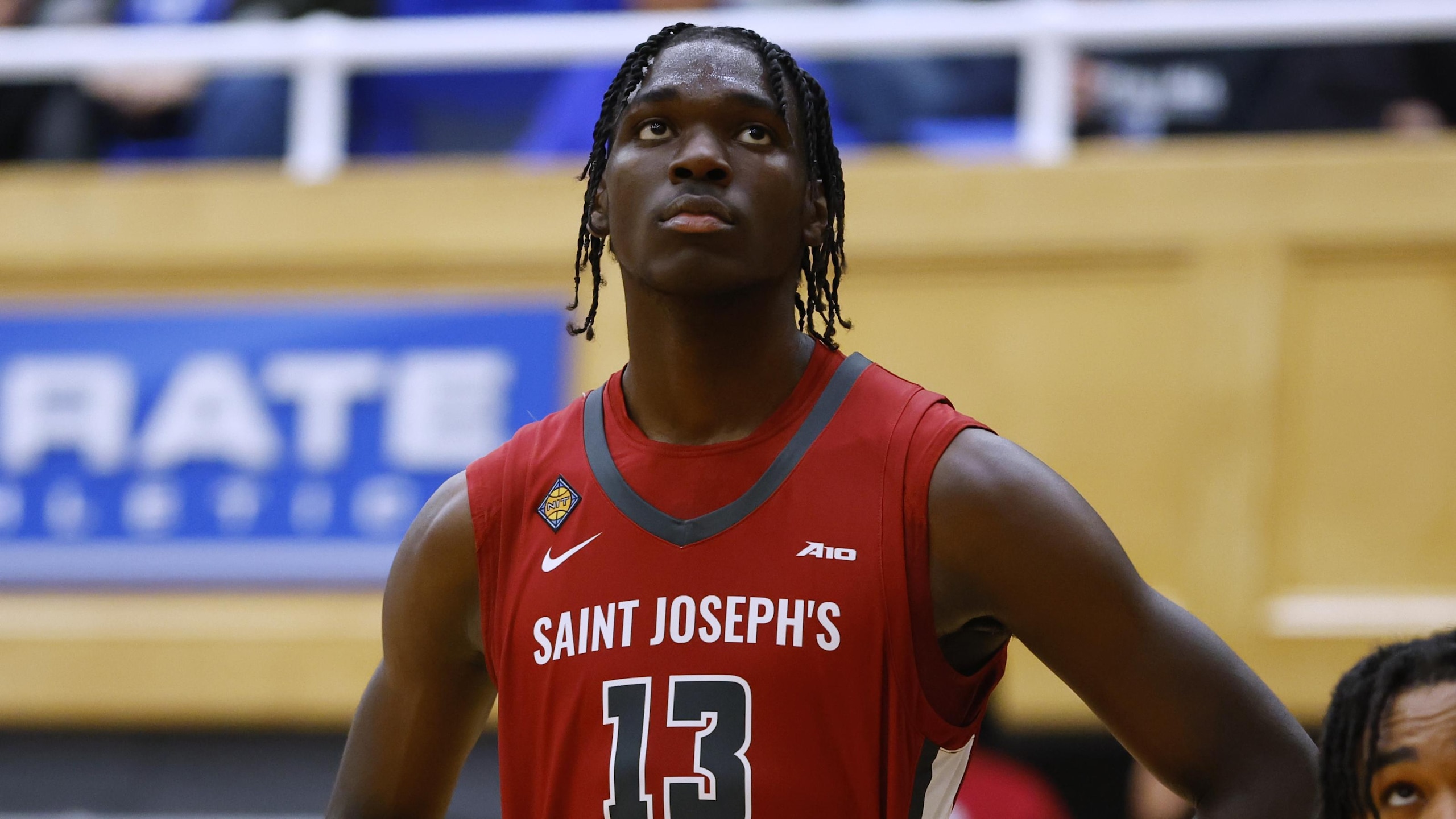
The Phoenix Suns just keep adding to their frontcourt through this draft. And in the second round, they got a versatile big man in Rasheer Fleming who might even be able to play some wing and finished in the top 30 in Jonathan Wasserman’s final big board.
While Fleming's 6'8", 232-pound frame doesn't seem built for the 5 spot, his ridiculous 7'5" wingspan and spring-loaded vertical athleticism give him a shot to handle at least small-ball minutes there.
And if he can log some minutes at center, his profile looks fascinating.
Fleming does everything you want a rim-running big to do, but he's also a legitimate long-range shooting threat (39 percent this past season) with a pinch of straight-line driving and flashes of defending in space.
If he can't serve as a 5, then his skill set looks rather rudimentary for a modern wing. He isn't a shot-creator, can be a step slow with his off-ball reads and won't overpower opponents like he did in the A-10.
Grade: B+
*Check out Rasheer Fleming's full scouting report here.
32. Orlando Magic: Noah Penda, SF/PF, Le Mans
2 of 29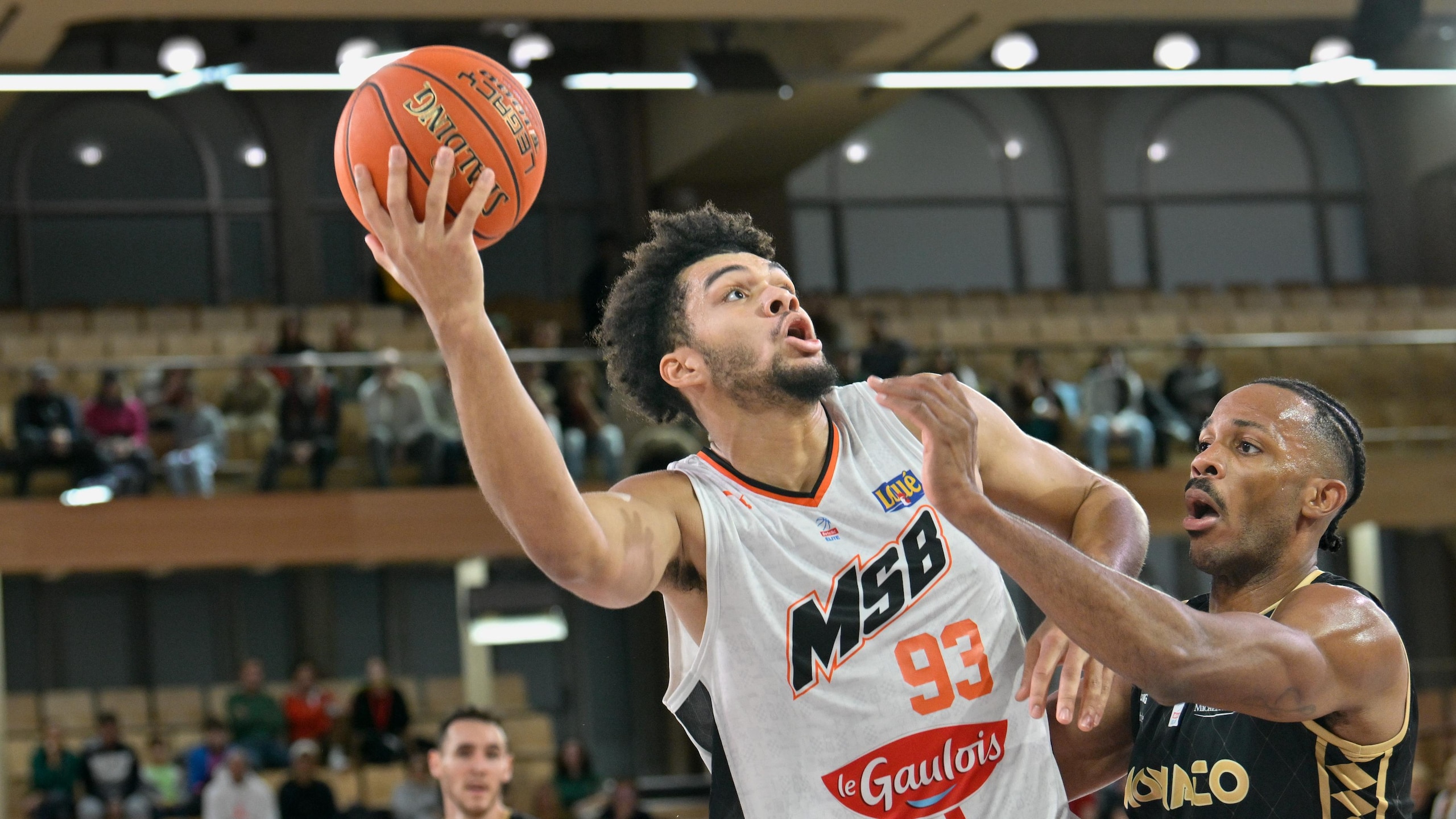
The Orlando Magic traded a whopping four second-round picks to move up to No. 32 and take Noah Penda. While that’s a steep price to pay, Penda’s versatile defense, particularly off the ball, fits Orlando’s culture well.
And he’s far from just a defender.
You'll hear the glue-guy label get attached to Penda quite a bit, and for good reason. His skill set covers most bases, and he might think the game even better than he plays it. He's the proverbial one-step-ahead player who jumps out in film for awareness and instincts alone.
Yet, you can't quite call him a do-it-all contributor, since he essentially provides everything other than consistent scoring. That wouldn't seem to be a worry for a connective role player, but if he poses no scoring threat—his jumper is shaky, his dribble drives lack wiggle and he doesn't have much vertical punch around the basket—he might hurt the teammates you're drafting him to help.
Grade: B
*Check out Noah Penda's full scouting report here.
33. Charlotte Hornets: Sion James, SF, Duke
3 of 29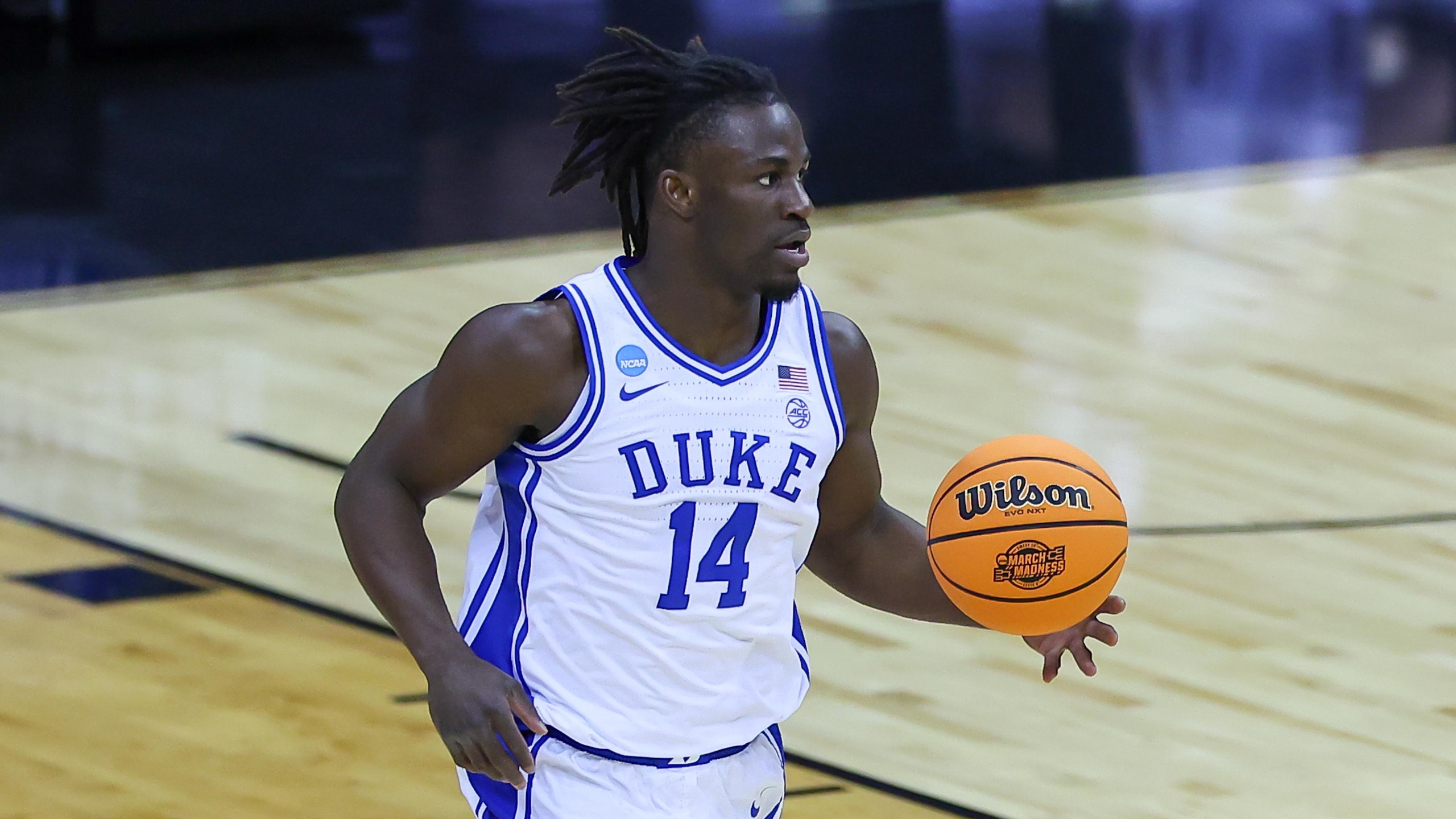
If James' shooting holds up, a lengthy NBA future seems easier to project.
James plays with force, possesses functional athleticism and disrupts all kinds of action on the defensive end. Offensively, he's a willing passer and powerful finisher.
About that shooting, though. It was a drag early in his career (31.7 percent from three in his first three seasons) and perked up late (39.4 percent the past two), but it never offered real volume. He had 126 threes in 153 career contests.
If his gains don't sustain, life could be challenging on the offensive end, since he doesn't have a great first step or a deep array of dribble moves.
For the Charlotte Hornets, who have LaMelo Ball and Brandon Miller (plus Kon Knueppel and Liam McNeeley, taken in this year’s first round), that may not be as big a problem, but it could still limit his chances to stick around long-term.
Grade: C
*Check out Sion James' full scouting report here.
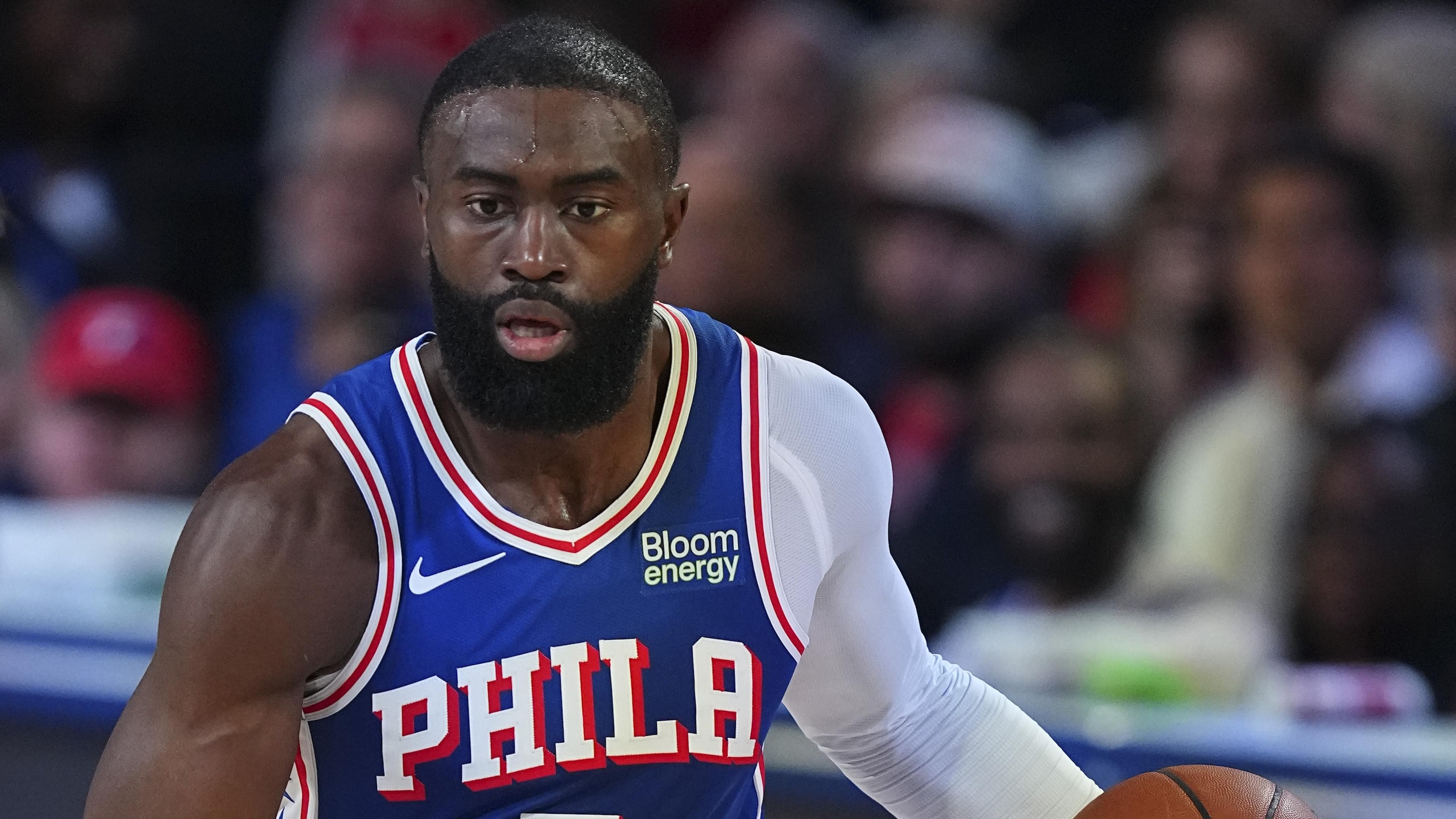
34. Charlotte Hornets: Ryan Kalkbrenner, C, Creighton
4 of 29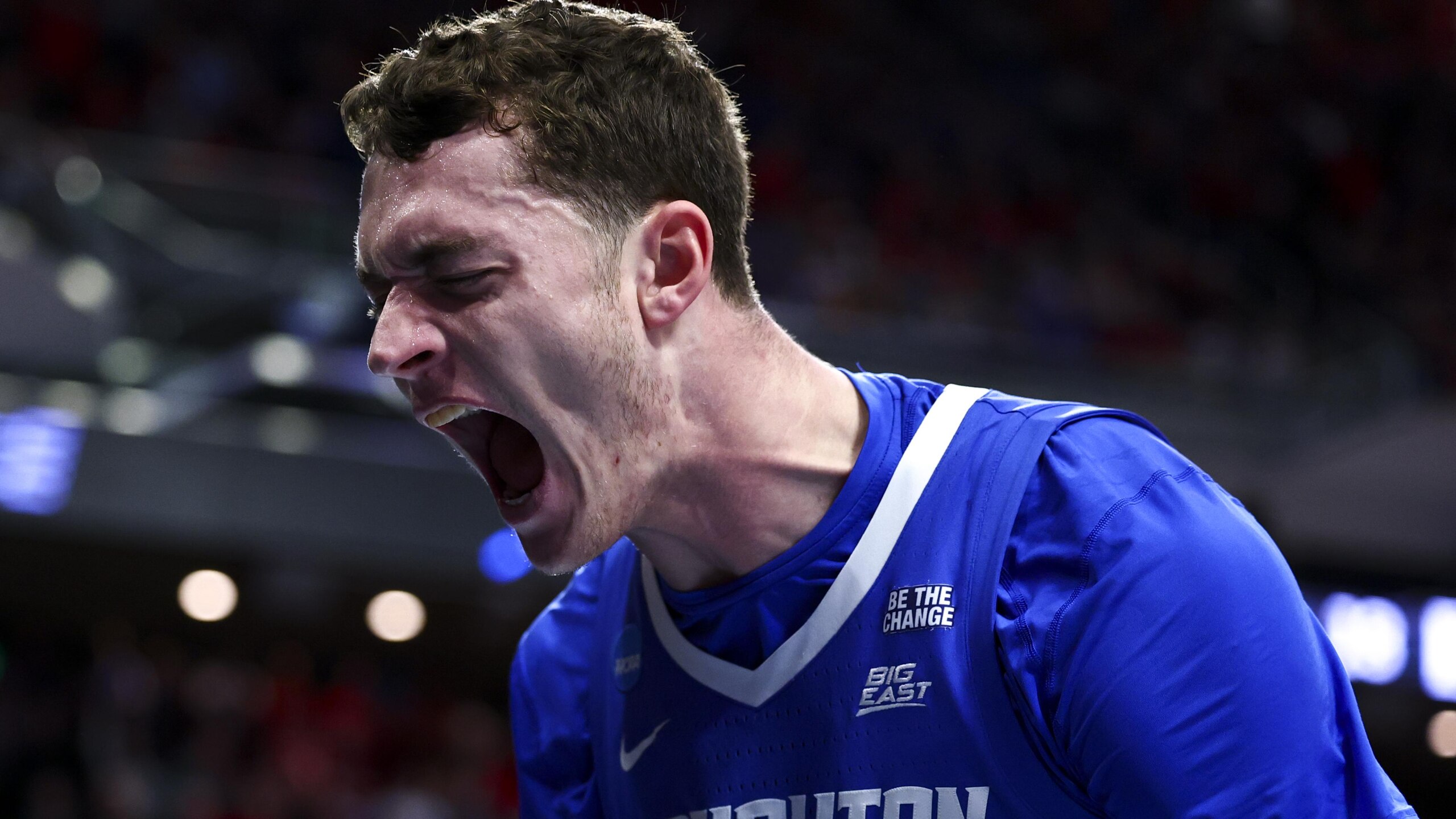
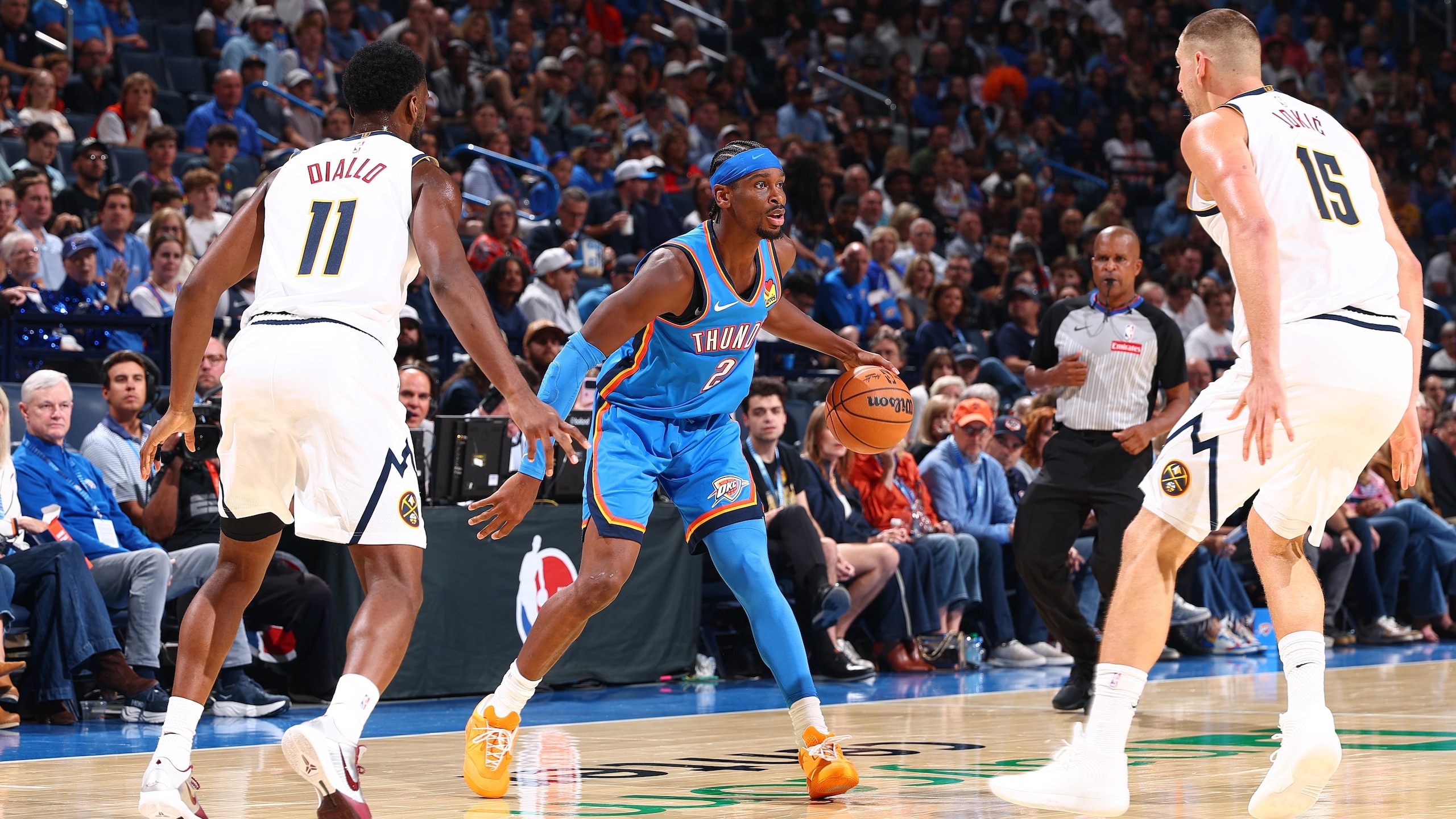
Need size, interior scoring and shot-blocking? The 7'1" Kalkbrenner is your guy. He is an elite paint protector who feasts on point-blank scoring chances.
Need anything else? He's probably not for you. There's hope of an outside shot materializing with time, but that's certainly no guarantee. He also moves like he's forever stuck in molasses and lacks vertical explosion.
But Charlotte is a team that can probably exercise some patience as he works through those concerns. The Hornets won’t be good in the short term. They have time for a project, and they traded Mark Williams to the Suns during the first round of the draft. There may be some minutes available for Kalkbrenner right away.
Grade: B-
*Check out Ryan Kalkbrenner's full scouting report here.
35. Philadelphia 76ers: Johni Broome, C, Auburn
5 of 29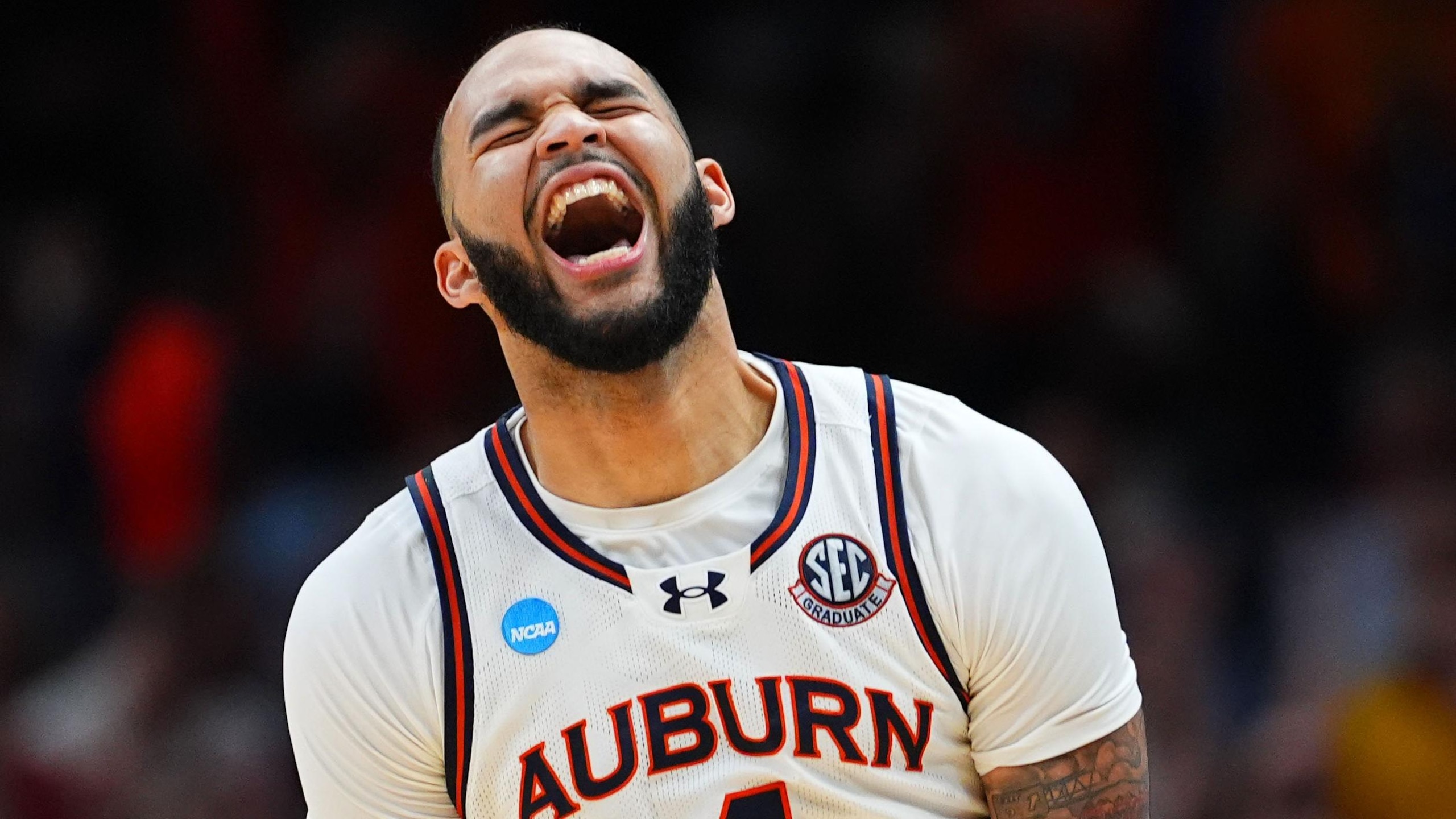
Broome was one of the best players in college basketball this past season, but that may not mean a ton for his NBA outlook. The production is encouraging, and the skills are obvious, but with his 23rd birthday fast approaching, he's kind of already racing against the clock in terms of development.
That means the jumper that scouts hoped he might have by now may never come around, which ups the pressure for everything else to translate. It just might, but he won't overwhelm anyone with size or explosiveness, and there are questions about his defensive fit, even though he plays hard on that end.
For the Philadelphia 76ers, that bit of extra experience might actually be a good thing. As long as Paul George and Joel Embiid are on the roster, they need win-now players.
And given Embiid’s struggles to stay on the floor, Broome might even need to play early in his career. Don’t expect a massive impact right now, but Broome’s feel for the game could help Philly remain competitive when the stars are out.
Grade: B
*Check out Johni Broome's full scouting report here.
36. Los Angeles Lakers: Adou Thiero, SF, Arkansas
6 of 29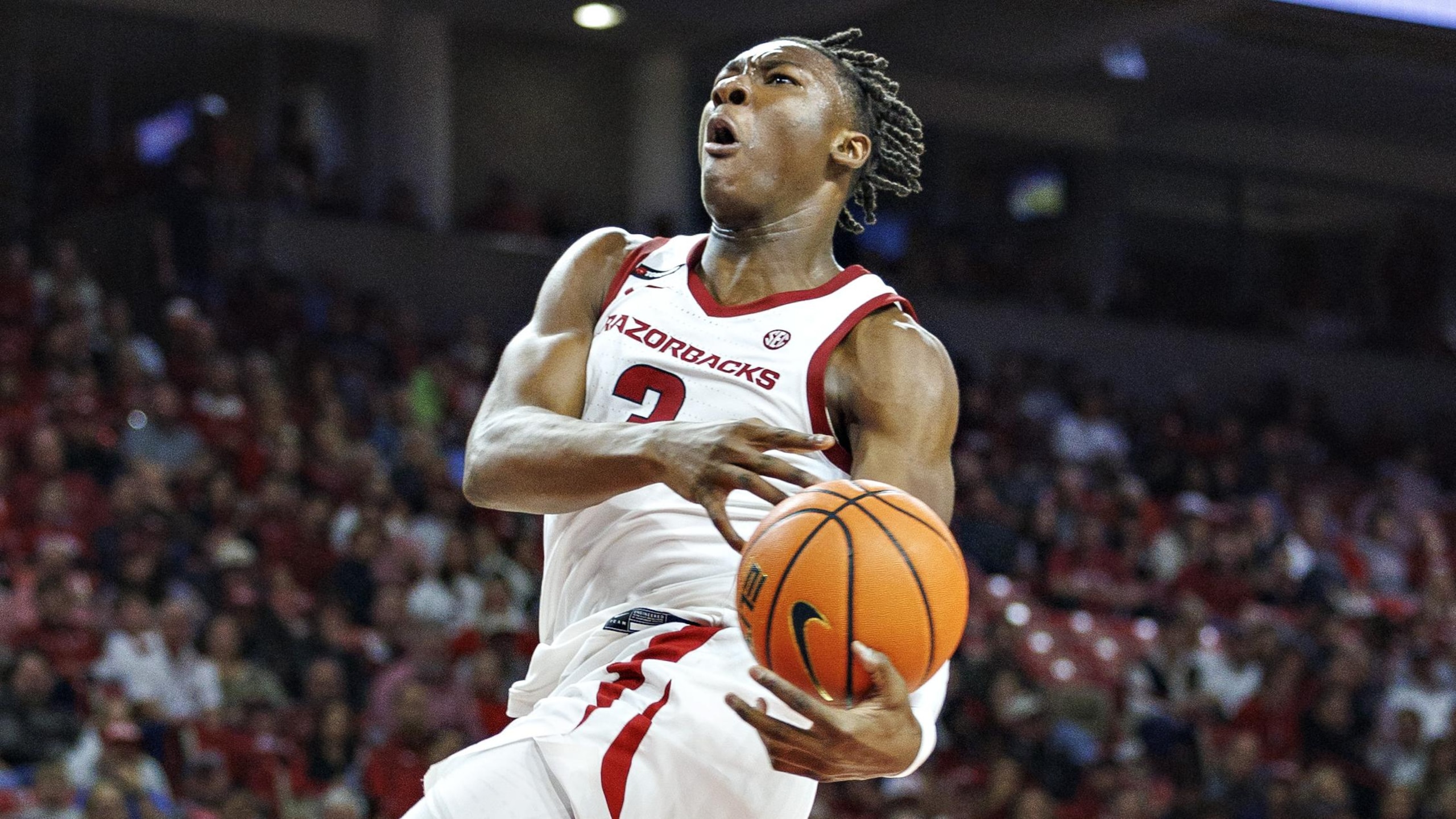
Thiero is powerful and fearless, and there is an undeniable physicality driving most everything he does. He finishes with ferocity, ruthlessly attacks the boards and drops jaws in transition.
He doesn't shoot, though—like, at all. He attempted just 74 threes over three collegiate campaigns and misfired on all but 21 of them. His 71.1 career free-throw percentage leaves little hope for development in this department.
But on a team with as much on-ball creation as the Lakers, you’d think NBA-ready shooting may have been more of a priority. Luka Dončić, LeBron James and Austin Reaves can all generate open looks for supporting players, and those are more dangerous when they are threes than they are when an inexperienced wing is hoping to attack a closeout.
Grade: C
*Check out Adou Thiero's full scouting report here.
37. Detroit Pistons: Chaz Lanier, SG, Tennessee
7 of 29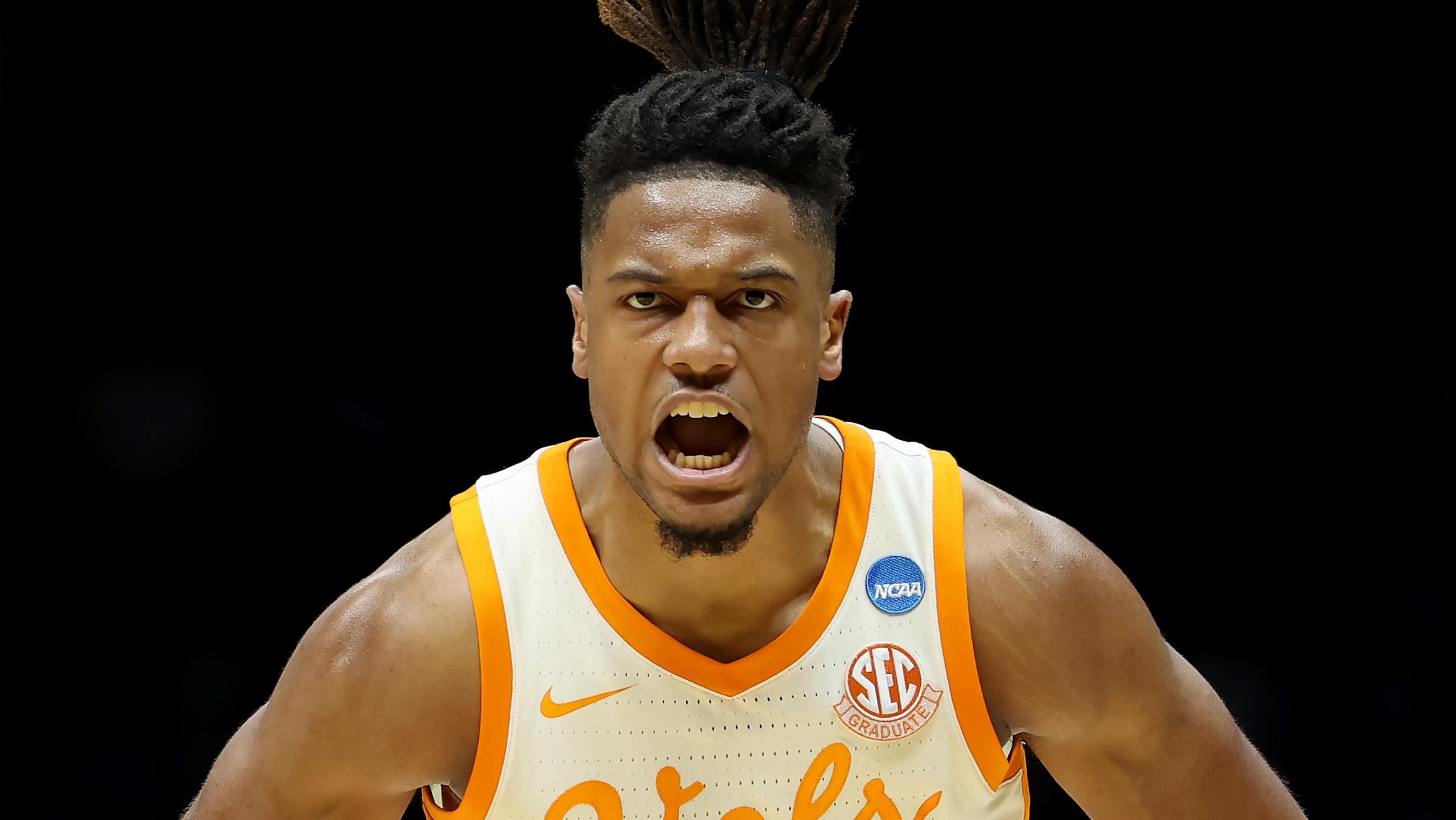
Lanier belongs in any discussion regarding this draft's best shooter. Over the past two seasons, which he split between North Florida and Tennessee, the 23-year-old tallied 229 three-point makes at a 41.5 percent clip.
There isn't much else in his game worth mentioning, though, and since he's an older prospect, that may always be the case. He's also sized like a combo guard (6'4", 206 lbs), but he doesn't have the handles, vision or touch to execute on-ball responsibilities.
For the Detroit Pistons, he won’t really need to. They already have an All-NBA creator in Cade Cunningham. And with Tim Hardaway Jr. and Malik Beasley entering free agency, looking for shooting made sense in this spot.
Grade: B+
*Check out Chaz Lanier's full scouting report here.
38. Indiana Pacers: Kam Jones, PG/SG, Marquette
8 of 29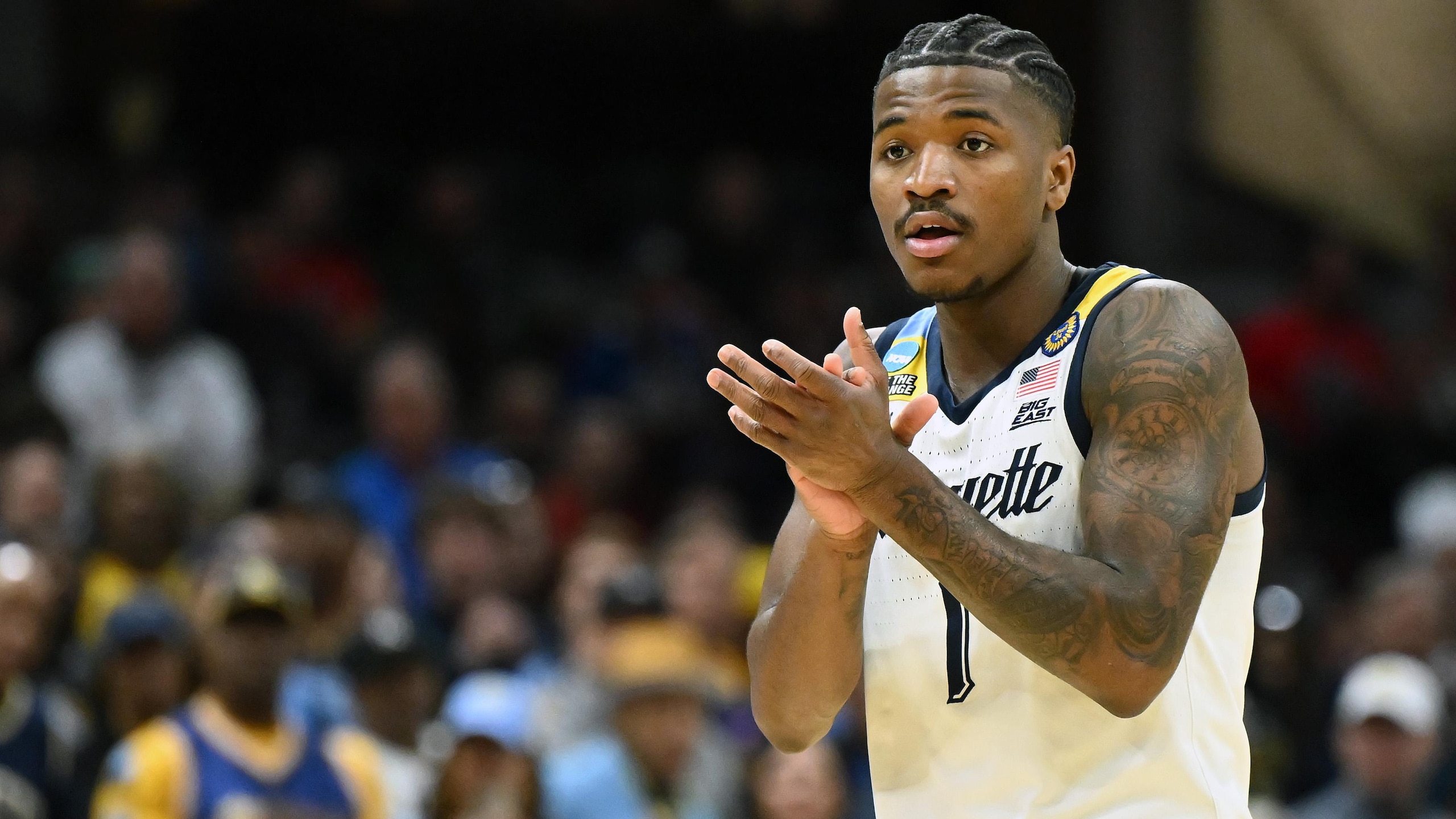
Jones doesn't quite ace the eye test (6'3", 202 lbs), but he usually jumps off your streaming device. He is a fluid handler and decisive attacker who can score from every level but also offers ball security and a pinch of passing.
He probably won't be a positive presence on defense, though, so he needs all of his offensive tools to surface at the next level. You want to believe they will, but his three-ball abandoned him this past season (31.1 percent), and he's never been a reliable free-throw shooter (career 67.1 percent).
Of course, going to the Indiana Pacers means there might be some minutes available for Jones, too. Tyrese Haliburton’s devastating Achilles injury in the Finals means the Pacers might be in a bit of a gap year, and Jones has a chance to establish himself as a role player earlier than he may have expected.
Grade: B+
*Check out Kam Jones' full scouting report here.
39. Toronto Raptors: Alijah Martin, SG, Florida
9 of 29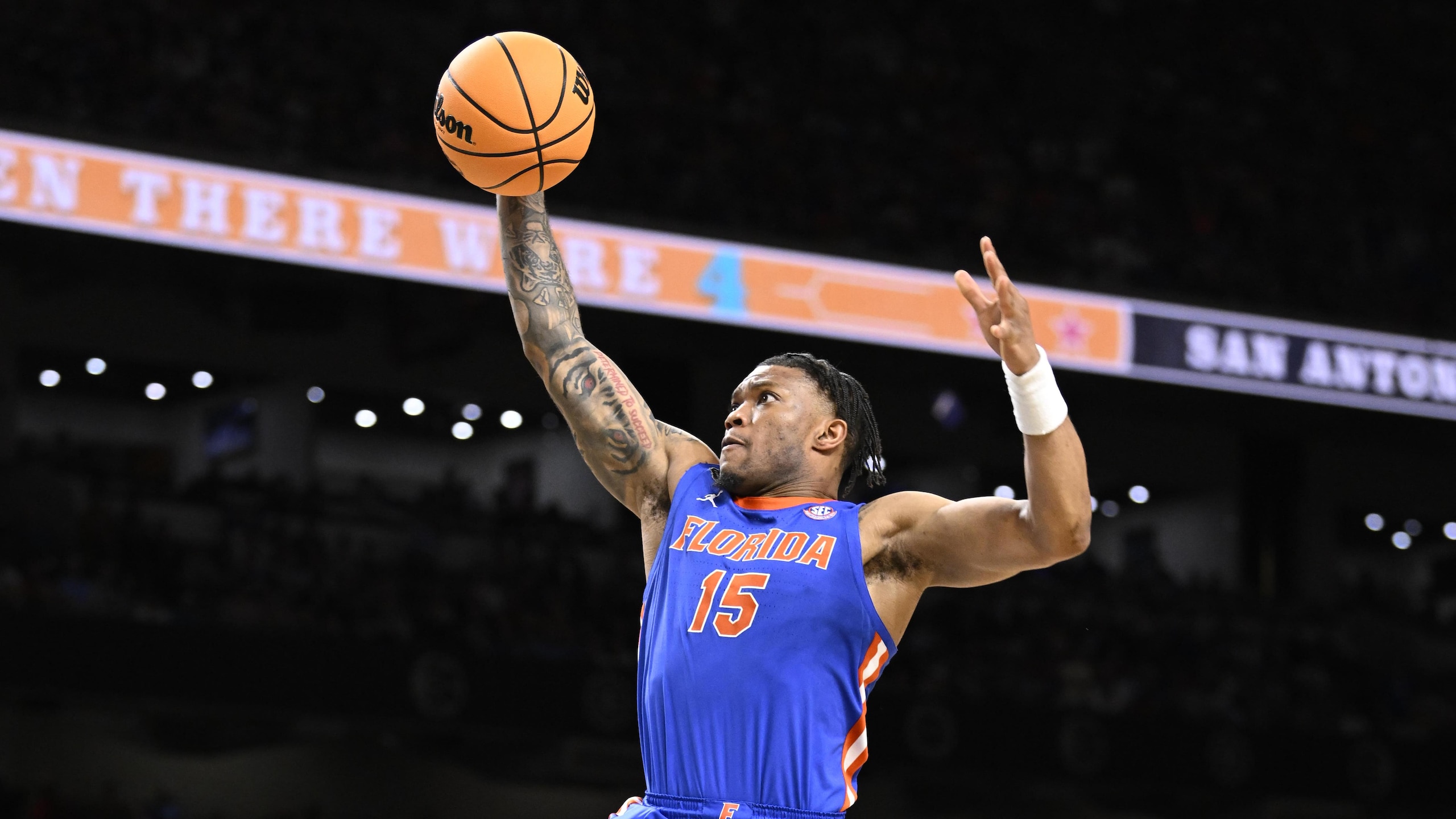
Martin is the kind of prospect who makes you want to believe in his potential. He's an explosive athlete who plays with great energy and unshakeable confidence. He could have some of the best highlights of any second-rounder—on both ends of the floor.
It's just a shame he isn't a few inches taller, because he's essentially a 6'2" scoring guard with a streaky shot and limited creation. If straight-line drives aren't available, he doesn't have a great counter. He has to build his off-the-bounce bag, because defenses will sag off him until he finds consistency with his perimeter shot.
To play for the Raptors, he’ll need to do that quickly. They’re woefully short on shooting efficiency and volume from their highest-profile players (Scottie Barnes and Brandon Ingram). Any members of the supporting cast need to be able to spread the floor for them.
Grade: C
*Check out Alijah Martin's full scouting report here.
40. New Orleans Pelicans: Micah Peavy, SF, Georgetown
10 of 29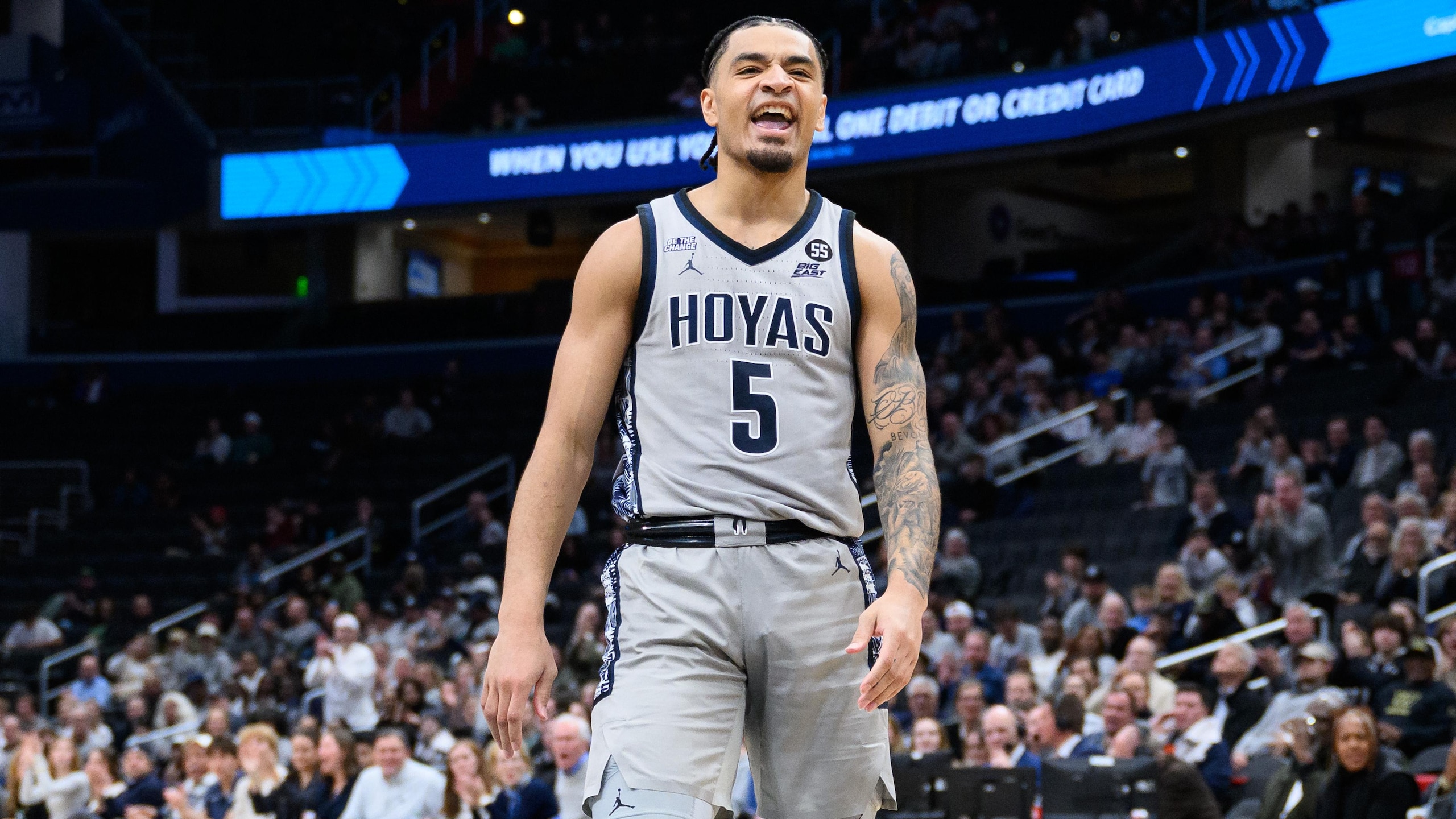
Peavy checks all the necessary boxes of an NBA wing defender. He is big (6'6", 212 lbs), strong and agile, and he'll take on challenges of all styles and sizes. There's a reason we haven't mentioned his offense yet, but it looked better this past season, when he expanded his shooting range and leveled-up as a passer.
His shot seems mechanically OK, but the results have rarely been there. He was a career 32.3 percent shooter in college (on low volume) and a 60.6 percent foul shooter. He's also a pretty rigid ball-handler and can struggle to finish amid congestion.
On a team with Zion Williamson, a little more evidence to suggest he can space the floor would be nice, but Peavy, Herb Jones and Trey Murphy III could be fixtures in pretty terrifying defensive lineups (assuming those veterans Pelicans aren’t traded).
Grade: B
*Check out Micah Peavy's full scouting report here.
41. Phoenix Suns: Koby Brea, SG/SF, Kentucky
11 of 29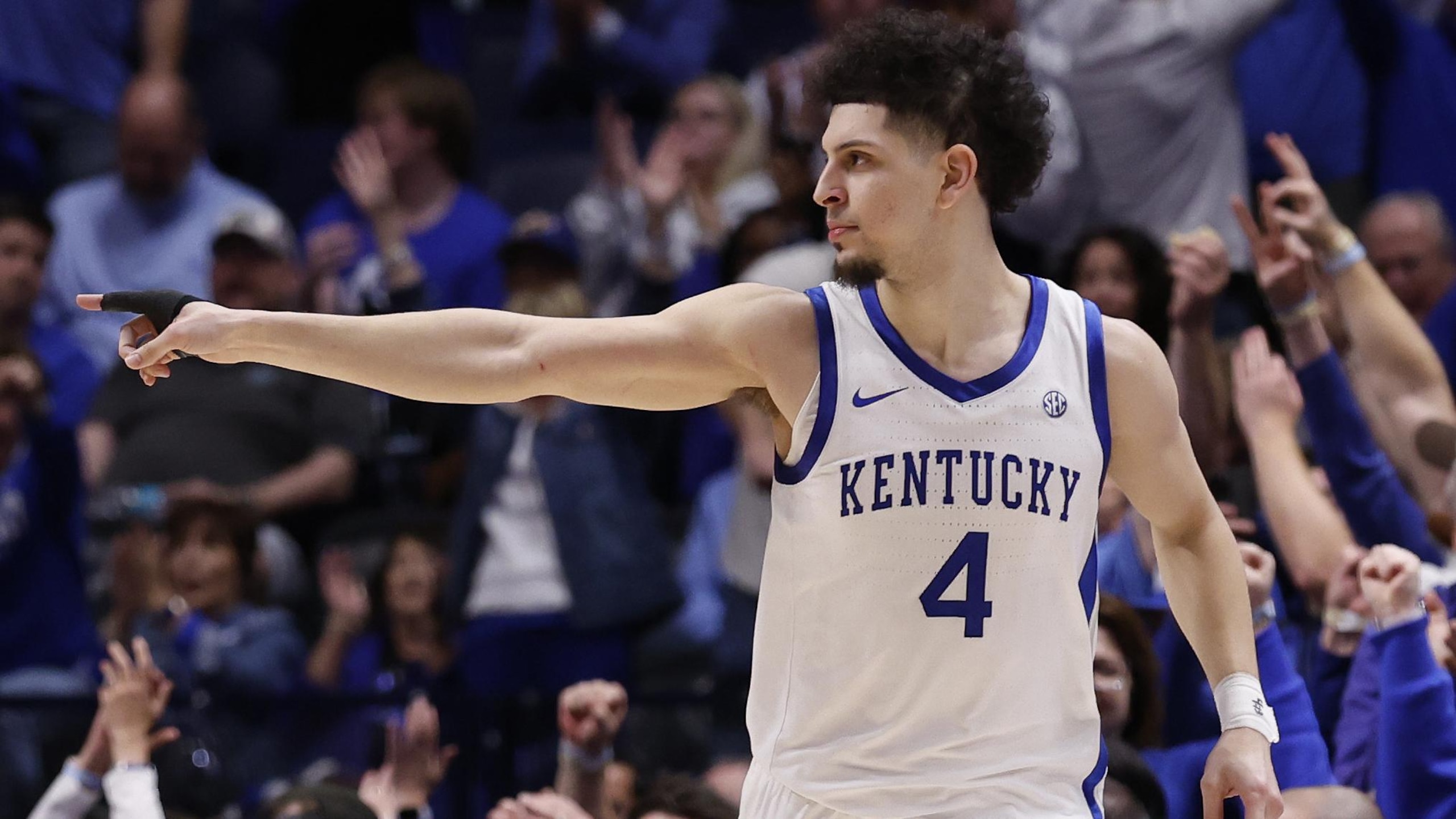
Is this the right range for a specialist? Because Brea doesn't really project to be anything more. His perimeter shot is sweet, but it's kind of all he has to offer.
If you're going to pick a specialty for the modern NBA, though, this is the area to master, and Brea may well have done that. He fired up 730 long-range looks across his five-year college career and connected on an absurd 43.4 percent of them.
And not to suggest that Brea is heading to Phoenix to replace Kevin Durant, but not having the future Hall of Famer there means the Suns need someone to get up some threes and maintain the team’s volume from last season (Phoenix finished in the top half of the league in three-point attempts per game).
Grade: B
*Check out Koby Brea's full scouting report here.
42. Sacramento Kings: Maxime Raynaud, C, Stanford
12 of 29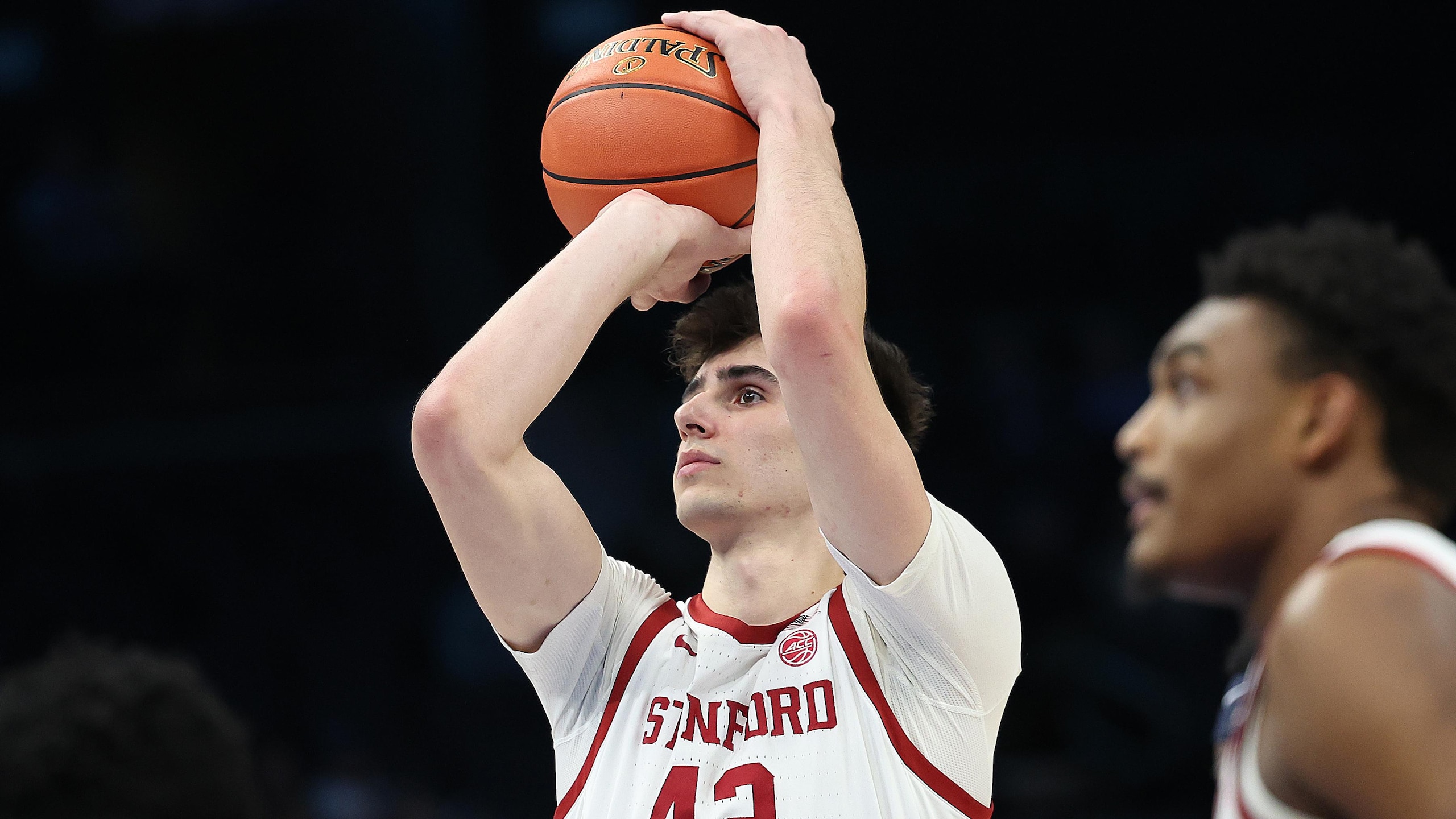
A 7'1" offense-first center who shined in combine scrimmages, Raynaud looks like a roaring success for Stanford's player development program. Every time the Cardinal upped his usage, he seemed to answer the call with new tricks. At this point, he's heading to the league boasting a bag that features everything from range shooting and point-blank finishing to ball-handling and passing out of the post.
You wonder, though, whether this league's quickness will bother him—both as a defender and a decision-maker. He'll get skewered in space and can be slow to punish defenses who throw double-teams in his direction.
The learning curve may be flattened a bit as Domantas Sabonis’ potential backup, though. Raynaud won’t be asked to play a huge role or finish a ton of possessions right away. Against reserves, he can focus on what he does well and will have time to adjust to some of the intricacies of NBA basketball.
For the big man who ranked 32nd overall on Jonathan Wasserman’s big board, this is good value.
Grade: B+
*Check out Maxime Raynaud's full scouting report here.
43. Washington Wizards: Jamir Watkins, SF, Florida State
13 of 29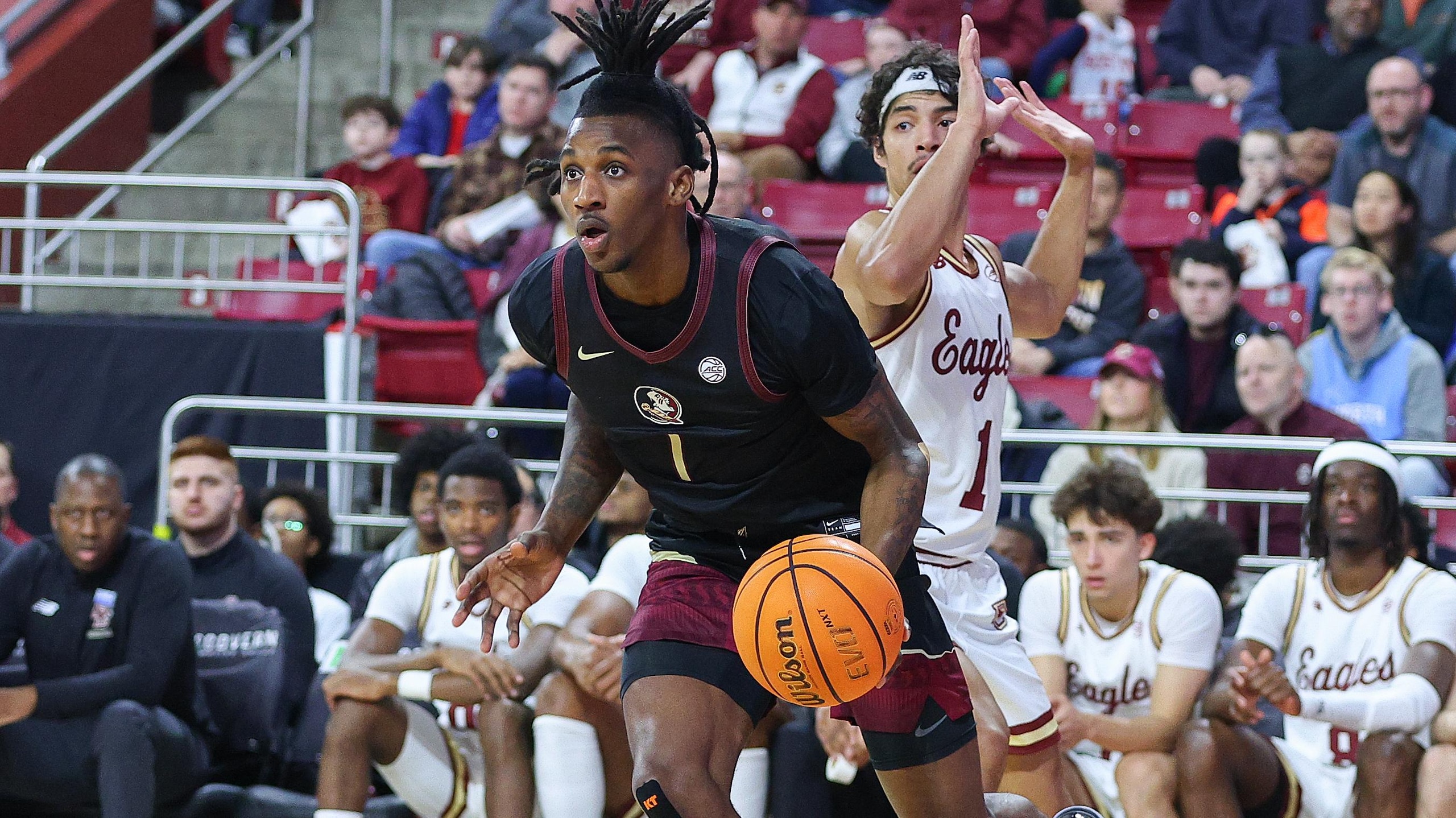
Watkins appears on the cusp of becoming a helpful, reliable, all-purpose role player. He can initiate offense, move all over the defensive end and get to the basket.
But he's not a shooter (career 32.5 percent in college) or a great finisher, so there are worries about where he'll find his scoring niche.
On the Washington Wizards, he’ll have plenty of time for that search. And his lack of a jumper won’t doom his chances of playing right away.
In lineups with up-and-comers like Tre Johnson (selected in Wednesday’s first round) and Alex Sarr (who started to show some offensive upside toward the end of last season), Washington could use a gap-filler like Watkins.
Grade: B+
*Check out Jamir Watkins' full scouting report here.
44. Oklahoma City Thunder: Brooks Barnhizer, SF, Northwestern
14 of 29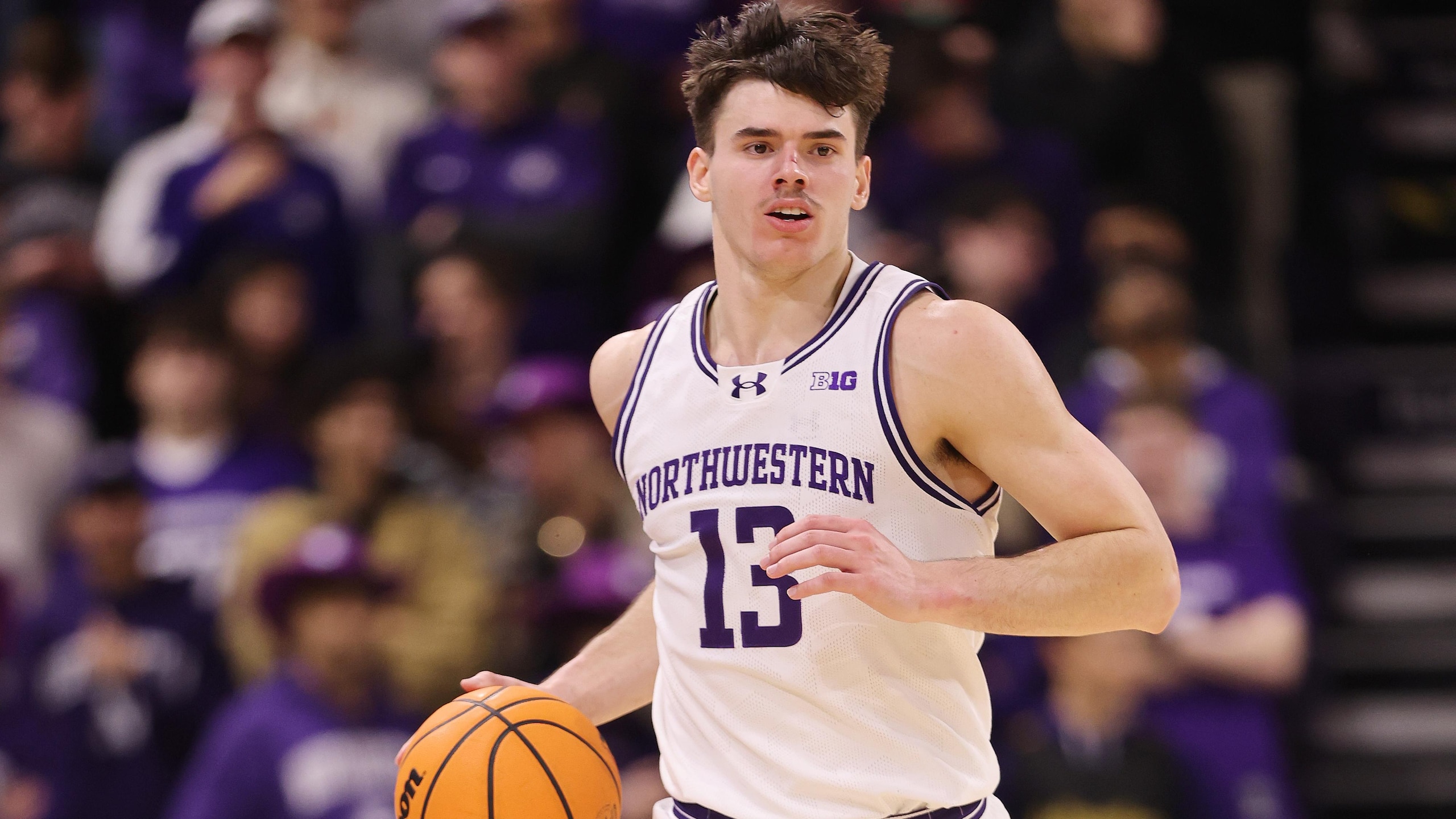
Barnhizer pairs a solid, long frame with advanced instincts. He is a coach's kid (he played for his dad in high school), and it shows. He seemingly knows where to be at all times, and he's a good enough passer to punish inattentive defenses.
He is, however, not much of a shooting threat, nor a great separator with the basketball, so it's unclear where he'll make his mark as an NBA scorer. And for all the fight and smarts he'll show on the defensive end, he lacks the lateral quickness to keep in front of speedy perimeter players.
Barnhizer will have plenty of time to work through those flaws in his game, though. Assuming he makes the regular-season roster, Barnhizer will almost certainly be near the bottom of the reigning champs’ depth chart. And he shouldn’t look at that as a bad thing.
In Oklahoma City’s developmental program, with a shooting coach as proven as Chip Engelland, Barnhizer has a much better chance of becoming an NBA player than he would’ve elsewhere.
Grade: B
*Check out Brooks Barnhizer's full scouting report here.
45. Minnesota Timberwolves: Rocco Zikarsky, C, Brisbane
15 of 29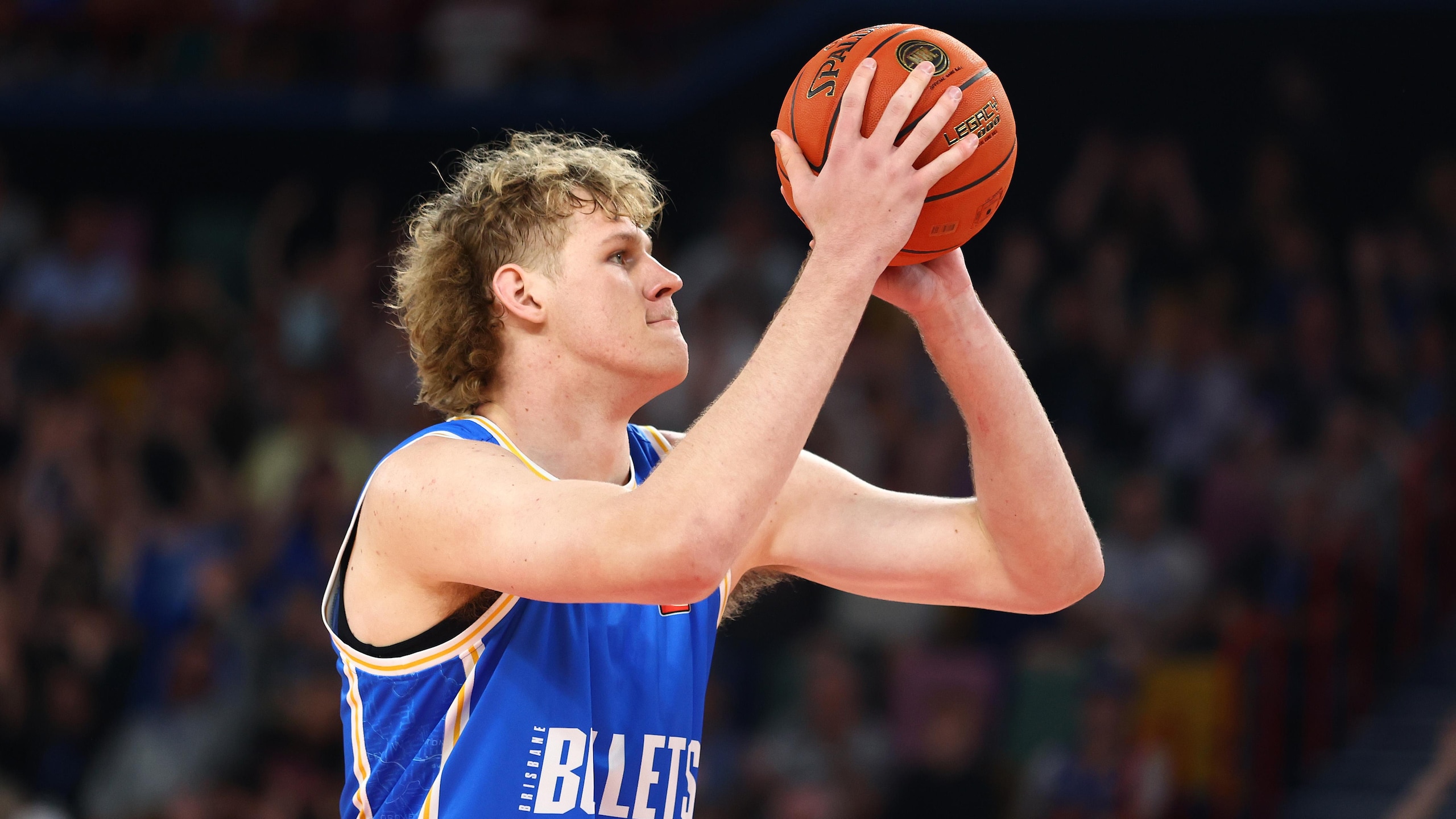
Zikarsky stands 7'3" and hasn't turned 19 yet. If you're looking for reasons to have interest, those are the primary ones.
As the old adage holds, you can't coach size, and he offers it in abundance. What can you coach out of him? Hopefully a lot, because he's unseasoned in almost all facets.
For the Minnesota Timberwolves, who boast Rudy Gobert, you’d think he has time to develop, but Julius Randle and Naz Reid both have 2025-26 player options.
Zikarsky may be required to take up some space a little earlier than expected, even if he doesn’t do a ton beyond that (for now).
Grade: C+
*Check out Rocco Zikasky's full scouting report here.
46. Boston Celtics: Amari Williams, C, Kentucky
16 of 29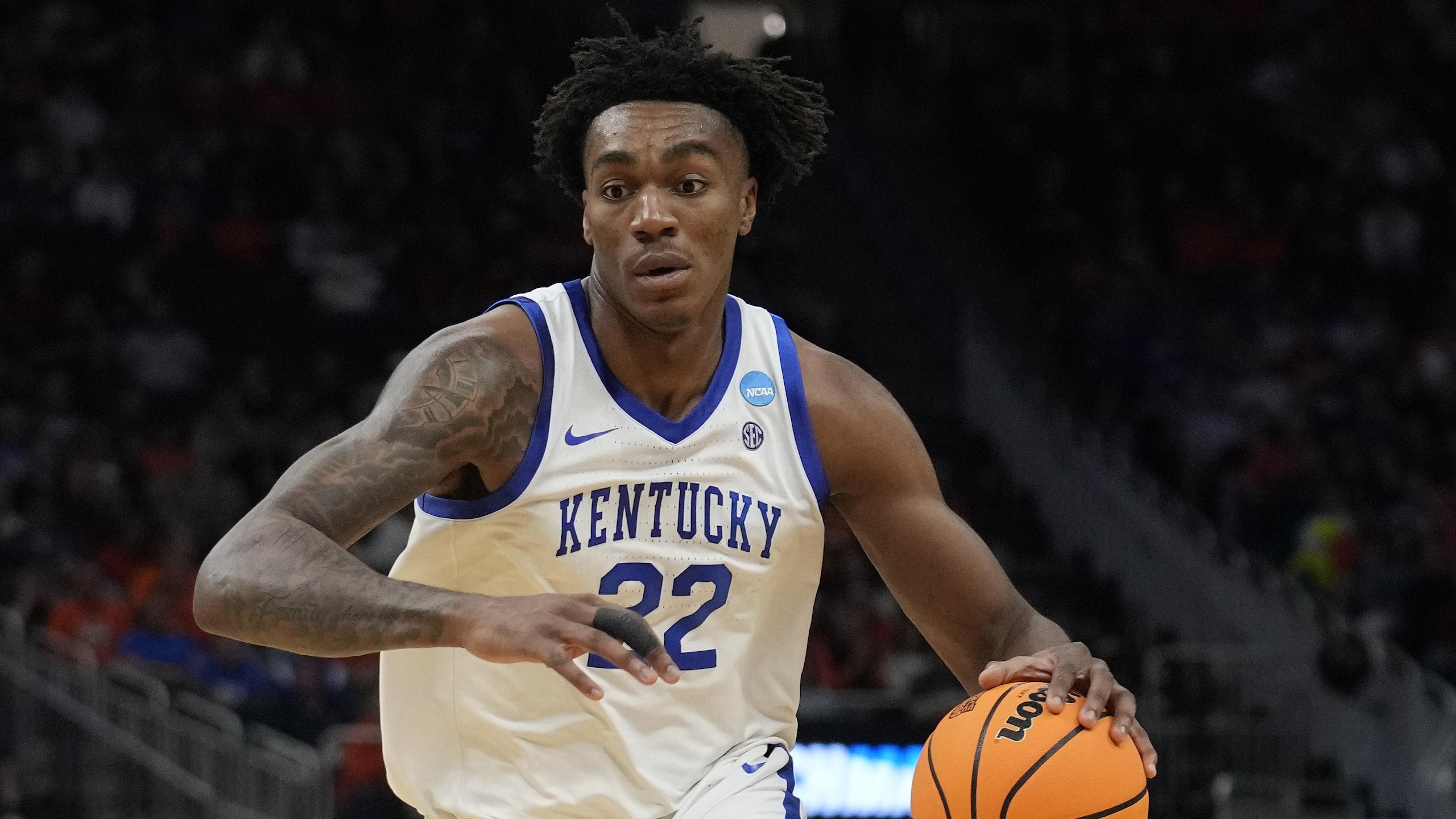
With the Boston Celtics entering a gap year without Jayson Tatum, even second-round picks like Amari Williams may get a chance to showcase some talent.
Williams offers great size (6'11" with a 7'5" wingspan), intriguing vision and disruptive defense around the basket. And he has the kind of fight in him where he'll try to hammer home a dunk even when he doesn't have a clear path to the cup.
But he's not a dynamic athlete, nor a shooter, and his handles might not be tight enough for him to be utilized as a playmaker.
Still, even after multiple salary-shedding moves, Williams would have a number of reliable targets to look for as a passer. And if there’s a coach that can figure out how to deploy a big as unique as Williams, it may be Joe Mazzulla.
Grade: B+
*Check out Amari Williams' full scouting report here.
47. Milwaukee Bucks: Bogoljub Markovic, PF, Mega
17 of 29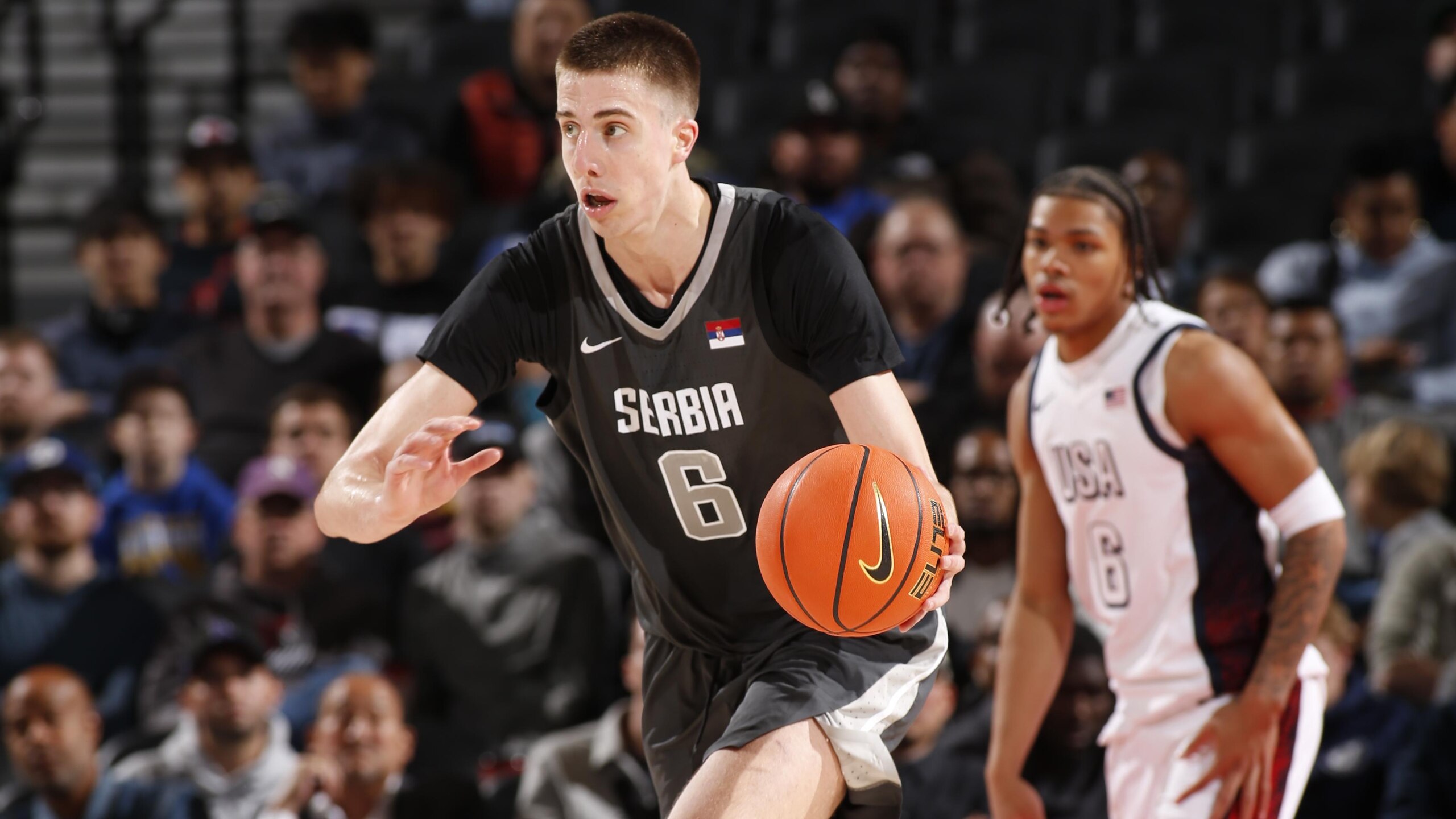
The Serbian pipeline to the NBA continues with Markovic, who offers a familiar blend of size (6'11") and skill. He is impressively comfortable making plays on the move, and his perimeter shot could be a real weapon, provided he speeds up the release a tad.
Defense will never be his calling card, but you hope there's enough here in terms of length, awareness and competitive fire that he won't be a total zero on that end.
ESPN’s Jonathan Givony said that he would likely be “stashed” back in Serbia for the 2025-26 season. And given Giannis Antetokounmpo’s presence on the Milwaukee Bucks, you’d think they might be more interested in a win-now player.
Those just aren’t easy to find at this point in the draft. Fliers are.
Grade: B+
*Check out Bogoljub Markovic's full scouting eport here.
48. Memphis Grizzlies: Javon Small, PG, West Virginia
18 of 29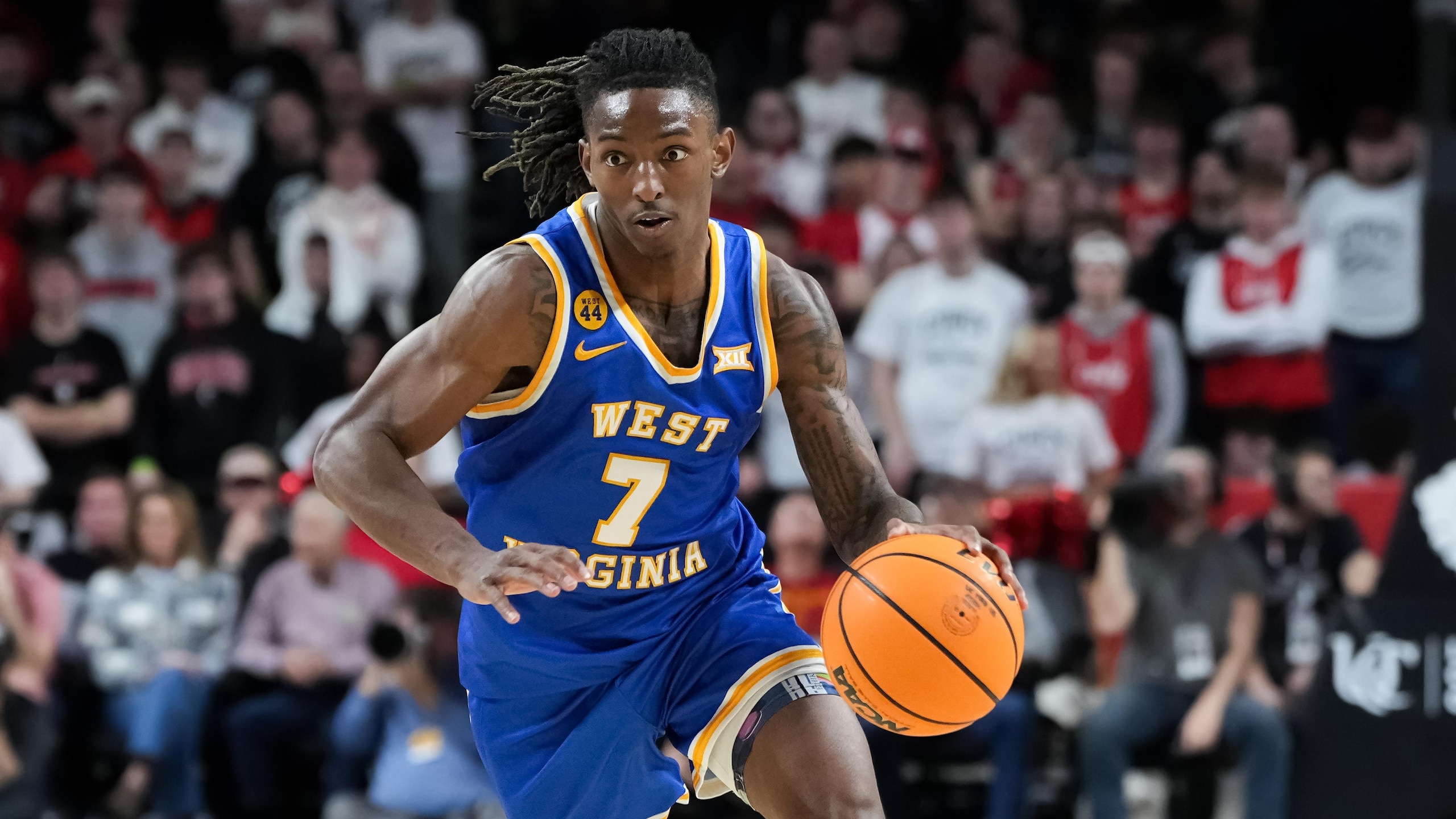
Small has spark plug written all over him—assuming his last name doesn't get the better of him. This league is running out of spots for 6'1" guards, and while his athleticism allows him to play above his measurements, he'll still get singled out on defense.
He better be good on offense, then. He is a confident shooter and willing passer, but his jumper is streaky and his vision can disappear when he's forced to go off-script.
Most of those concerns will, at the very least, be tempered by the fact that Small will be a reserve for the Memphis Grizzlies. And with Desmond Bane gone, there could be a perimeter scorer’s lane for Small to fill.
Considering he came into the draft at No. 30 on Wasserman’s big board, this is great value for the Grizzlies.
Grade: A-
*Check out Javon Small's full scouting report here.
49. Cleveland Cavaliers: Tyrese Proctor, PG/SG, Duke
19 of 29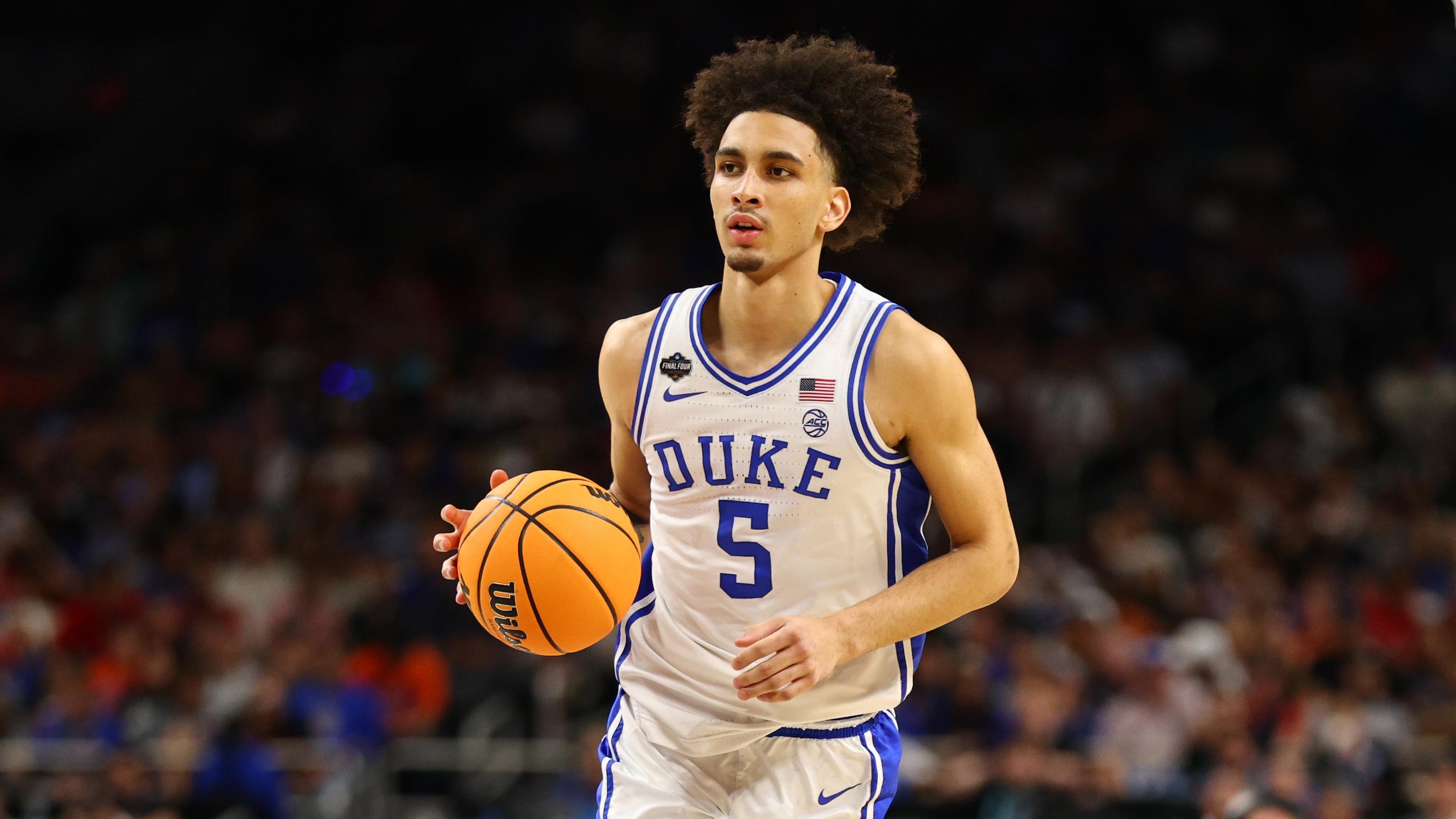
Proctor is a real shooting threat. He has both standalone net-shredders and movement buckets in his bag, and that opens up everything else in his game. When he can leverage the threat of his long-range shot, he can make things happen as both a driver and secondary distributor.
Does the Association have a huge appetite for a 6'4", 183-pound shooter, though? Because that might be all he is. If he can't bulk up, he'll struggle to adequately defend, in which case that shot-making probably isn't enough for him to stick.
Having said that, those questions won’t have to be answered right away, especially for a team as loaded as the Cleveland Cavaliers.
Going to the squad that just finished first in the East should afford Proctor some time to improve on his body and other weaknesses.
This is another steal, relative to the 31st spot Wasserman had him on his big board.
Grade: A
*Check out Tyrese Proctor's full scouting report here.
50. Los Angeles Clippers: Kobe Sanders, SF, Nevada
20 of 29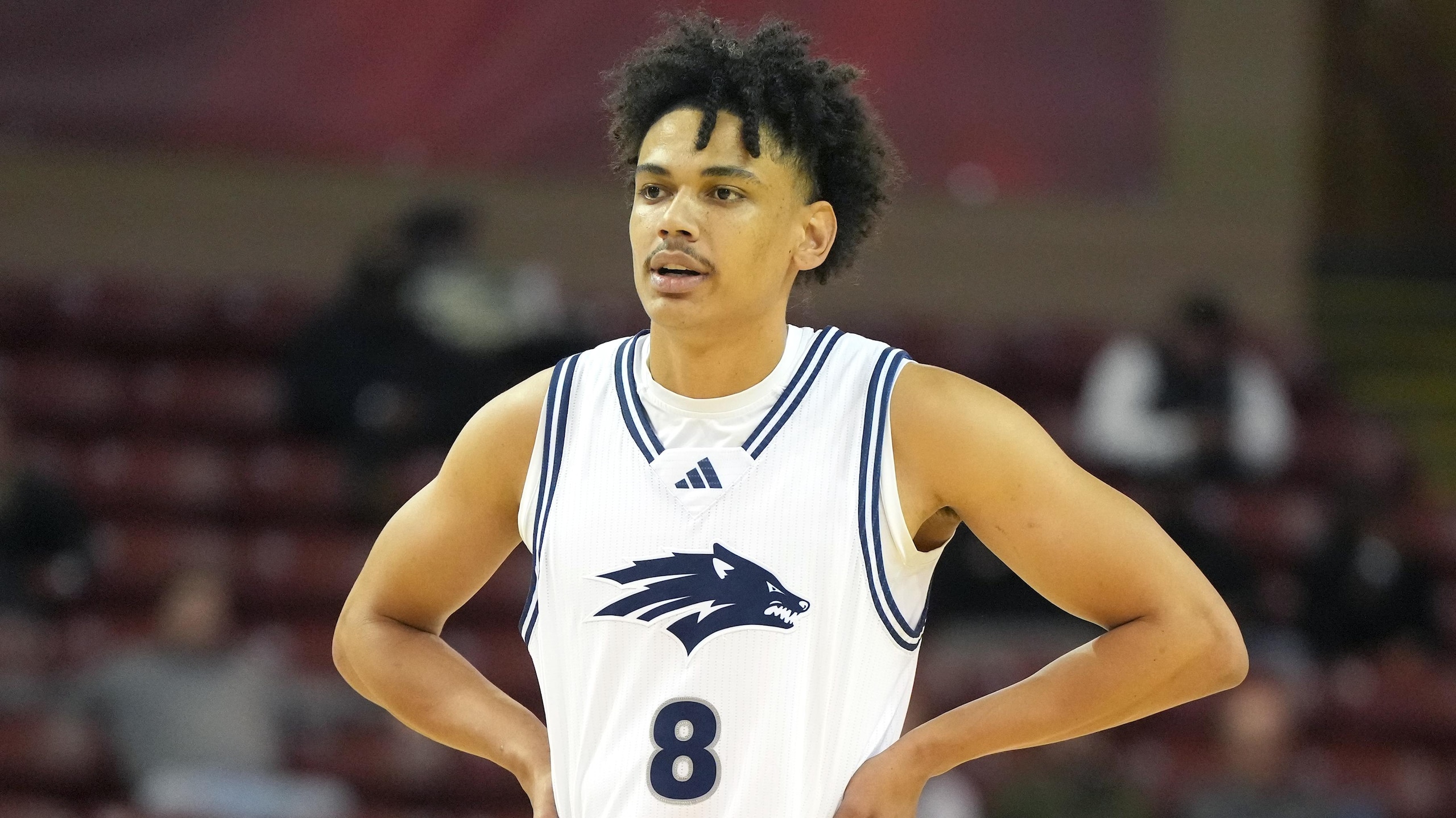
Sanders is a 23-year-old who spent his first college seasons at Cal Poly before transferring to Nevada ahead of the 2024-25 campaign. He might have some late-bloomer appeal, but not every front office could look past his age or lack of high-level experience.
The Los Angeles Clippers, of course, did. And now, he’s joining a core of wings already loaded with defense and versatility.
Sanders’ skill set intrigues, as it potentially offers everything from three-level scoring to secondary playmaking and excellent awareness. He might not be an NBA-caliber athlete, though, so that could render all of those skills less useful.
Grade: B+
Check out Kobe Sanders' full scouting report here.
51. New York Knicks: Mohamed Diawara, SF, Cholet Basket
21 of 29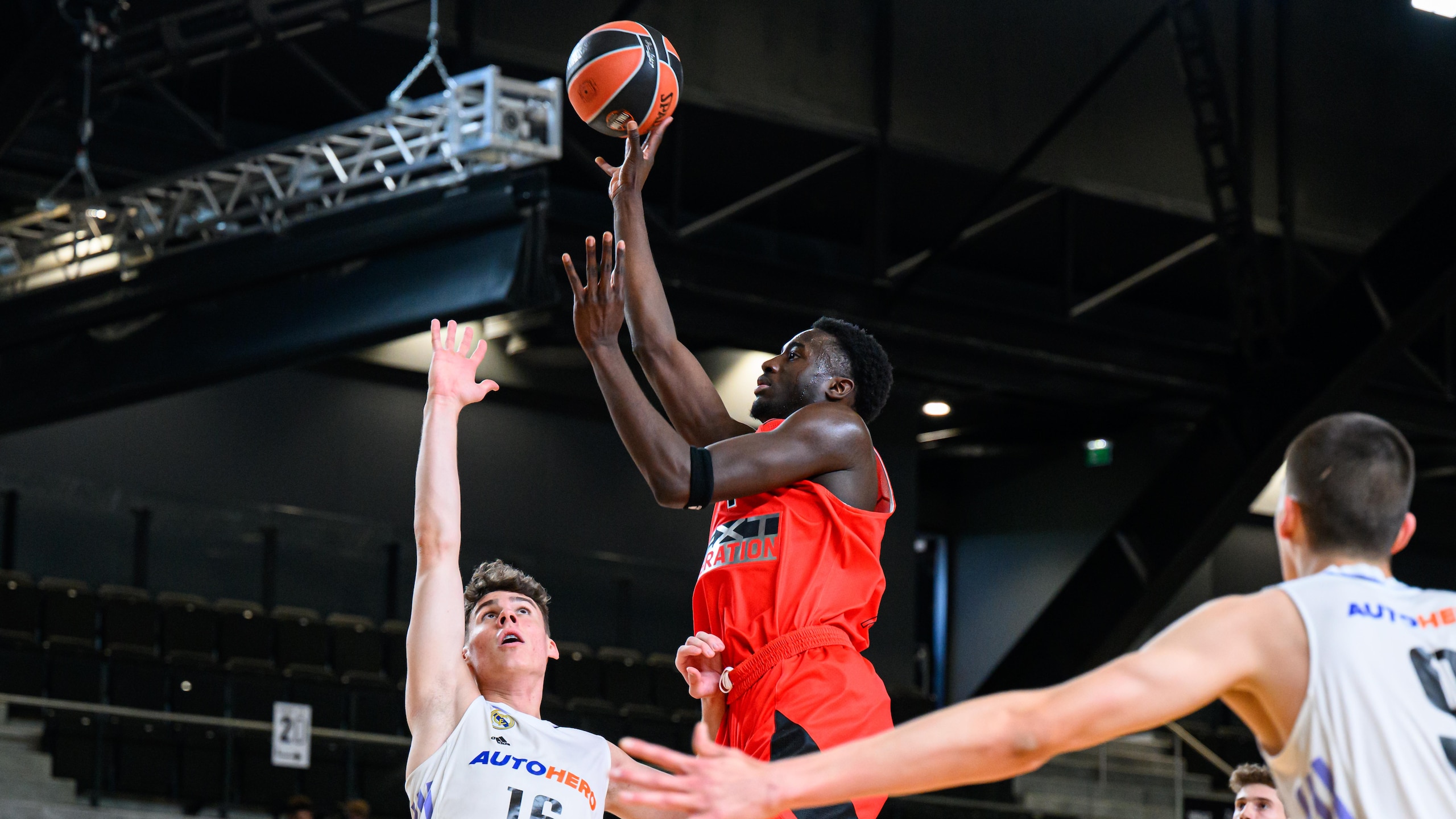
Mohamed Diawara, a 20-year-old wing who hasn’t enjoyed a consistent role overseas till 2024-25, averaged 5.8 points in 19.6 minutes for Cholet Basket.
There, he also got his first real chance to show off hints of point forward upside. And that’s perhaps what makes him most intriguing. High-end passing and good athleticism, even in the NBA, isn’t an overly common combination for forwards.
And for the New York Knicks, a team that’s already loaded in its first six or seven roster spots, Diawara should have time to develop (assuming he’s able to make the roster).
This is a flier, for sure. Diawara wasn’t even on Wasserman’s final big board. But the 51st pick is a fine spot for a flier.
Grade: C+
52. Golden State Warriors: Alex Toohey, SF, Sydney
22 of 29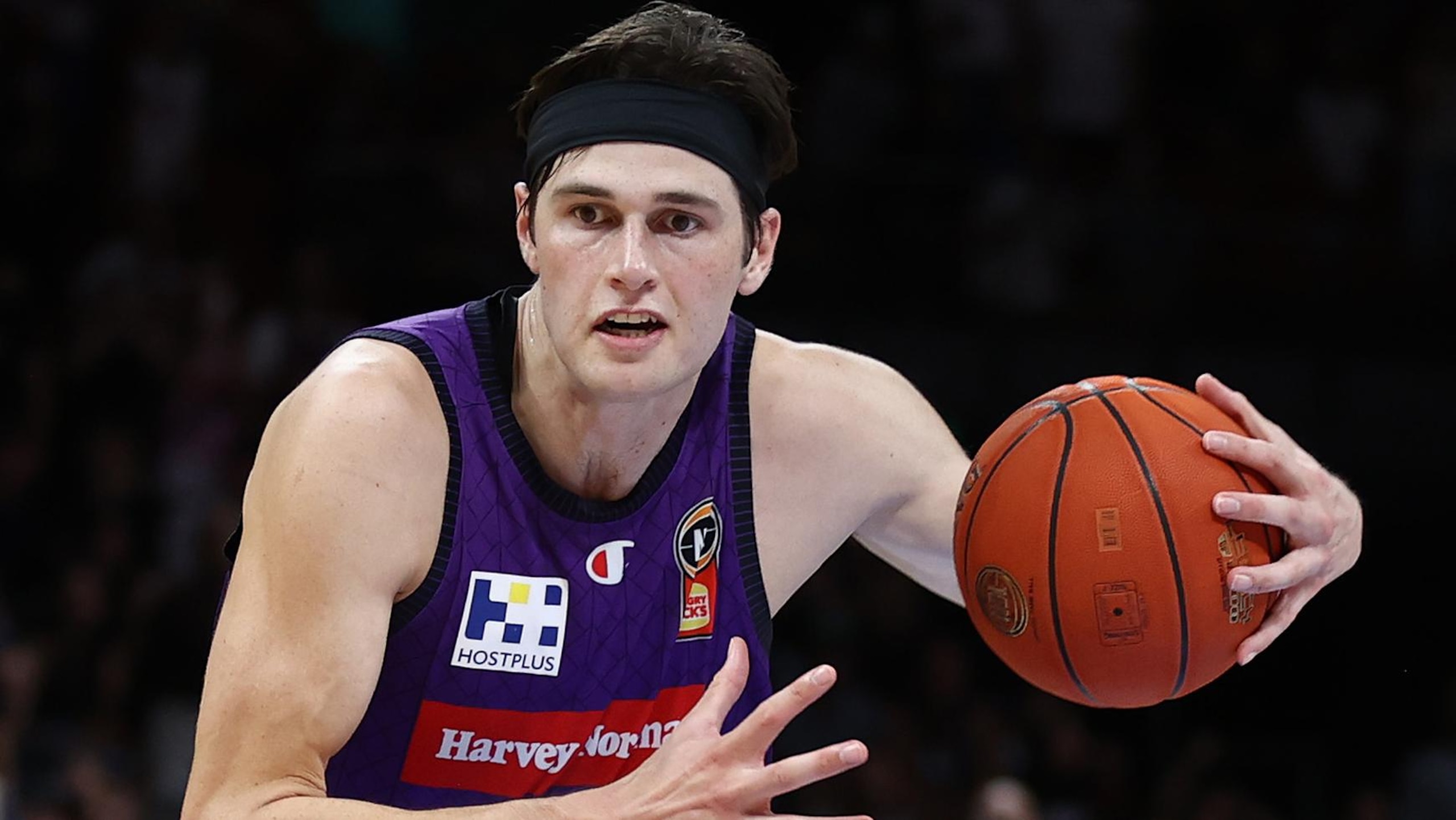
Toohey could have a long NBA career in front of him, but it all hinges on the development of his distance shooting.
There is plenty to like with the rest of his game, like his grab-and-go rebounding, rapid-read passing, defensive motor and overall basketball IQ, all traits that scream Golden State Warriors basketball.
He'll have a hard time finding meaningful minutes without adding consistency to his outside shot, but Golden State has a pretty decent outside shooter Toohey can observe and learn from.
For someone who was in the top 40 of Wasserman’s board, this is great value for the Warriors.
Grade: A
*Check out Alex Toohey's full scouting report here.
53. Utah Jazz: John Tonje, SG, Wisconsin
23 of 29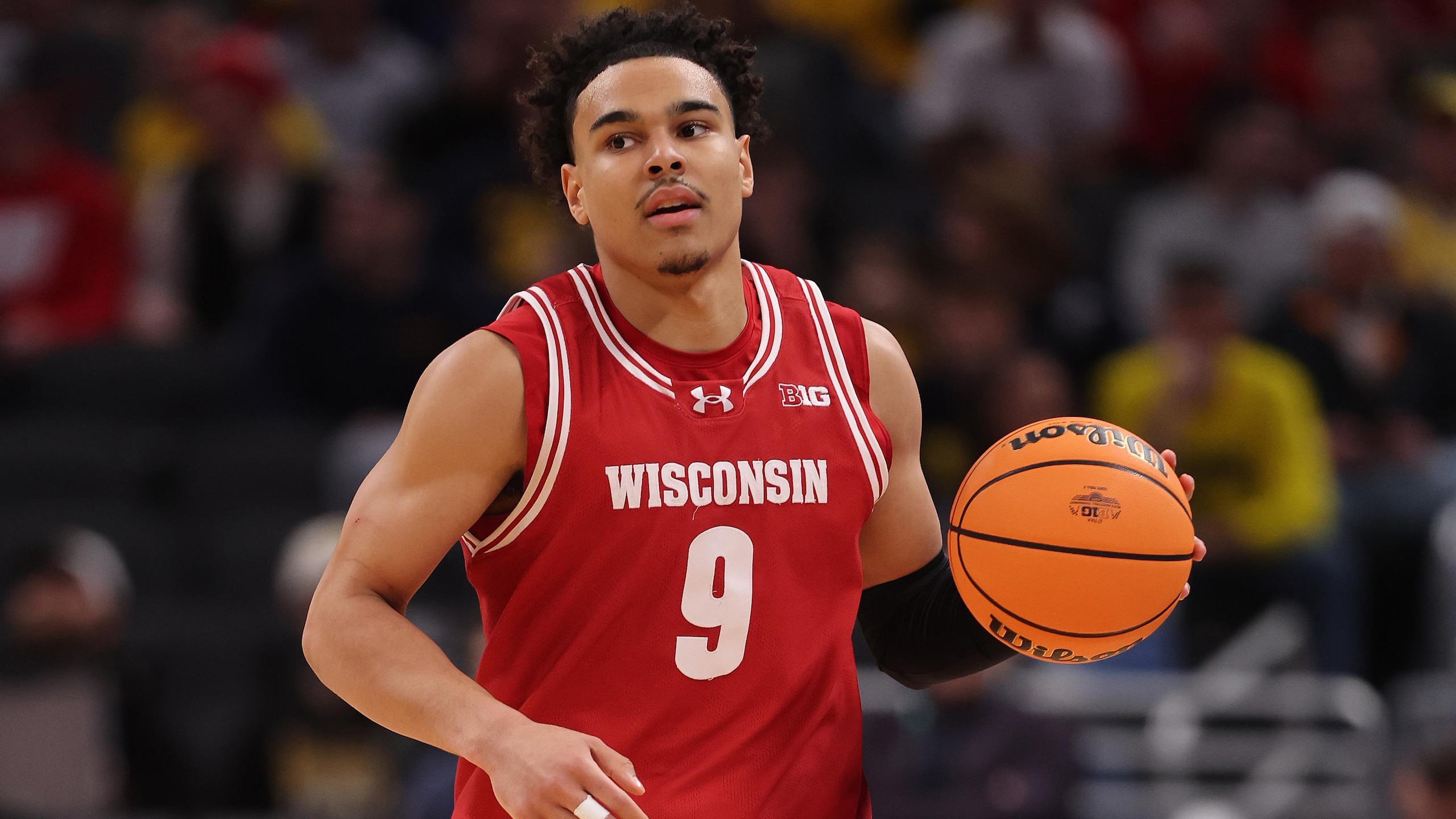
The well-traveled Tonje—he played at three schools across five college basketball seasons—arrives in the NBA with a league-ready frame and the physicality to maximize it. And for being a power player, he also happens to possess a potent outside shot, albeit one that could be released a little quicker.
He won't bully NBA defenders the way he did in the college game, though, and he doesn't have the burst to just race around them. That same lack of speed shows up when he's forced to defend in space.
For a team that will likely be chasing lottery balls again next season (despite what Austin Ainge has said), those weaknesses are probably fine (at least for now).
Utah is loaded with young talent. And if Tonje makes the roster, he’ll likely get shots to show what he has.
Grade: B-
*Check out John Tonje's full scouting report here.
54. Indiana Pacers: Taelon Peter, SG, Liberty
24 of 29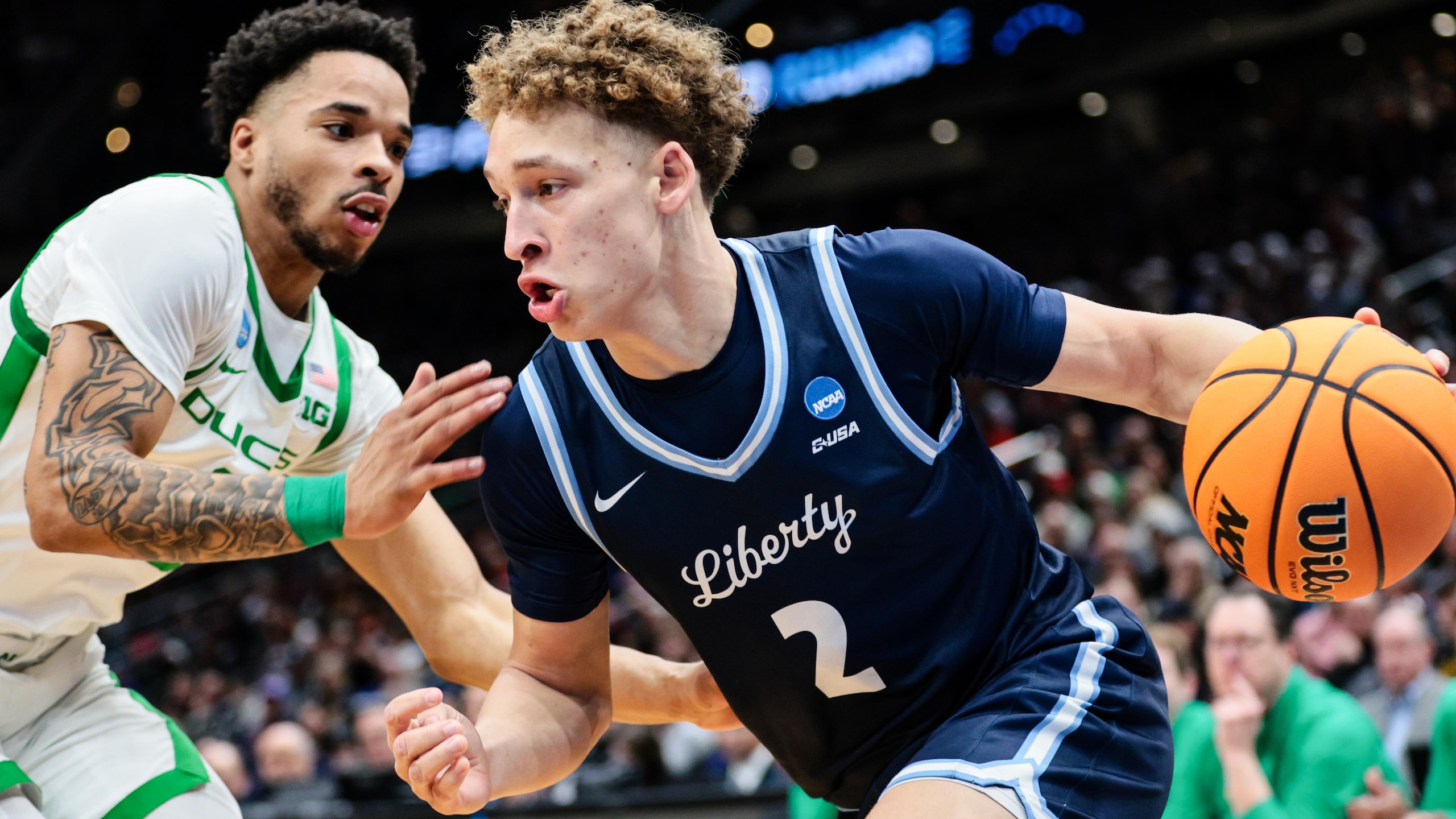
A sharpshooter for the Liberty Flames in 2024-25, Taelon Peter torched the nets with a 45.3 three-point percentage and led the entire NCAA in true shooting percentage.
Indiana has gained a reputation in recent years of being able to uncover hidden gems. Aaron Nesmith was a castoff from the Boston Celtics. Andrew Nembhard was a second-round pick.
And now, the Pacers have a chance to develop a three-point shooting specialist who was nowhere near anyone’s radar heading into the draft.
It’s a gutsy pick, but this is the right range for gutsy.
Grade: C+
55. Chicago Bulls: Lachlan Olbrich, PF/C, Illawarra
25 of 29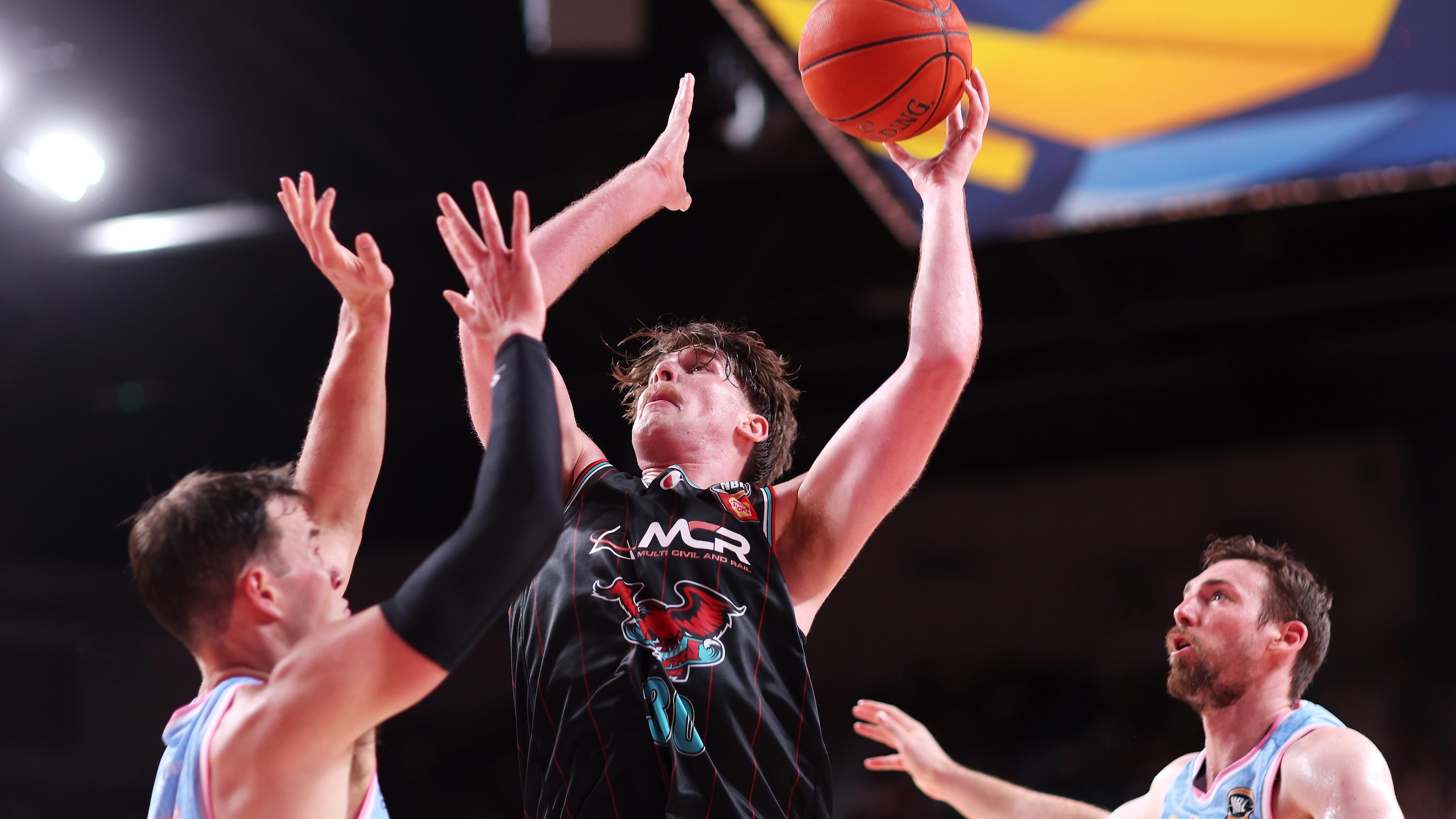
If Olbrich had better physical tools, he wouldn't have lasted this long. As it is, though, there's only so much excitement one can generate about a center who stands less than 6’9” tall, has a sub-7'0" wingspan and isn't much of an athlete. He also has shown zero range on his jump shot.
Once you get through those red flags, there's somehow still a lot to like. He is a gifted passer, a savvy screen-setter, a comfortable ball-handler and a reliable close-range scorer.
Magnifying those skills will take some work on the part of the Chicago Bulls, but getting this much skill at No. 55 is a win. Olbrich was 43rd on Wasserman’s big board.
Grade: B+
*Check out Lachlan Olbrich's full scouting report here.
56. Golden State Warriors: Will Richard, SG, Florida
26 of 29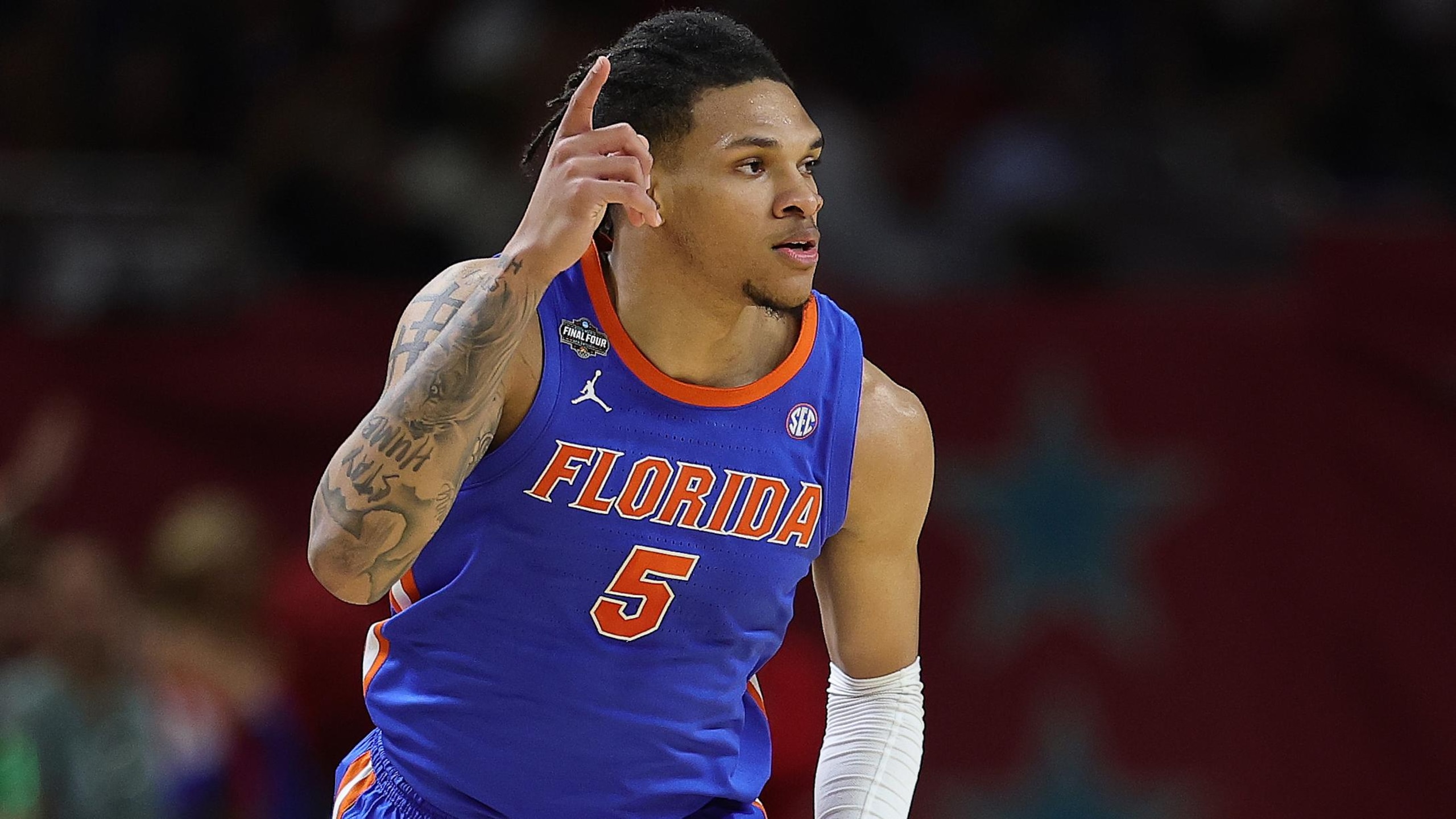
Finishing 70th on Wasserman’s big board, Will Richard jumped into the second round of the draft for the Golden State Warriors, who traded specifically to grab him.
Of course, that doesn’t mean he’ll even make Golden State’s roster. There’s a significant climb ahead of him there.
With a bit more size, the 6'3" Richard could hold significant appeal as a three-and-D wing. And maybe he will anyway. Positional versatility isn't an option at his size, but he has the length to play bigger than his height (6'10" wingspan), the lateral movement to keep in front of speedy players and the shotmaking skills of an off-ball launcher.
Without that size, he's small for a 2-guard and not good enough with the ball in his hands to play the 1. His shooting isn't as consistent as you'd like from a non-creating guard, either. While he hit 39.8 percent of his threes as a sophomore, he shot below 36 percent from range in each of his three other collegiate campaigns.
Grade: C-
*Check out Will Richard's full scouting report here.
57. Boston Celtics: Max Shulga, PG/SG, VCU
27 of 29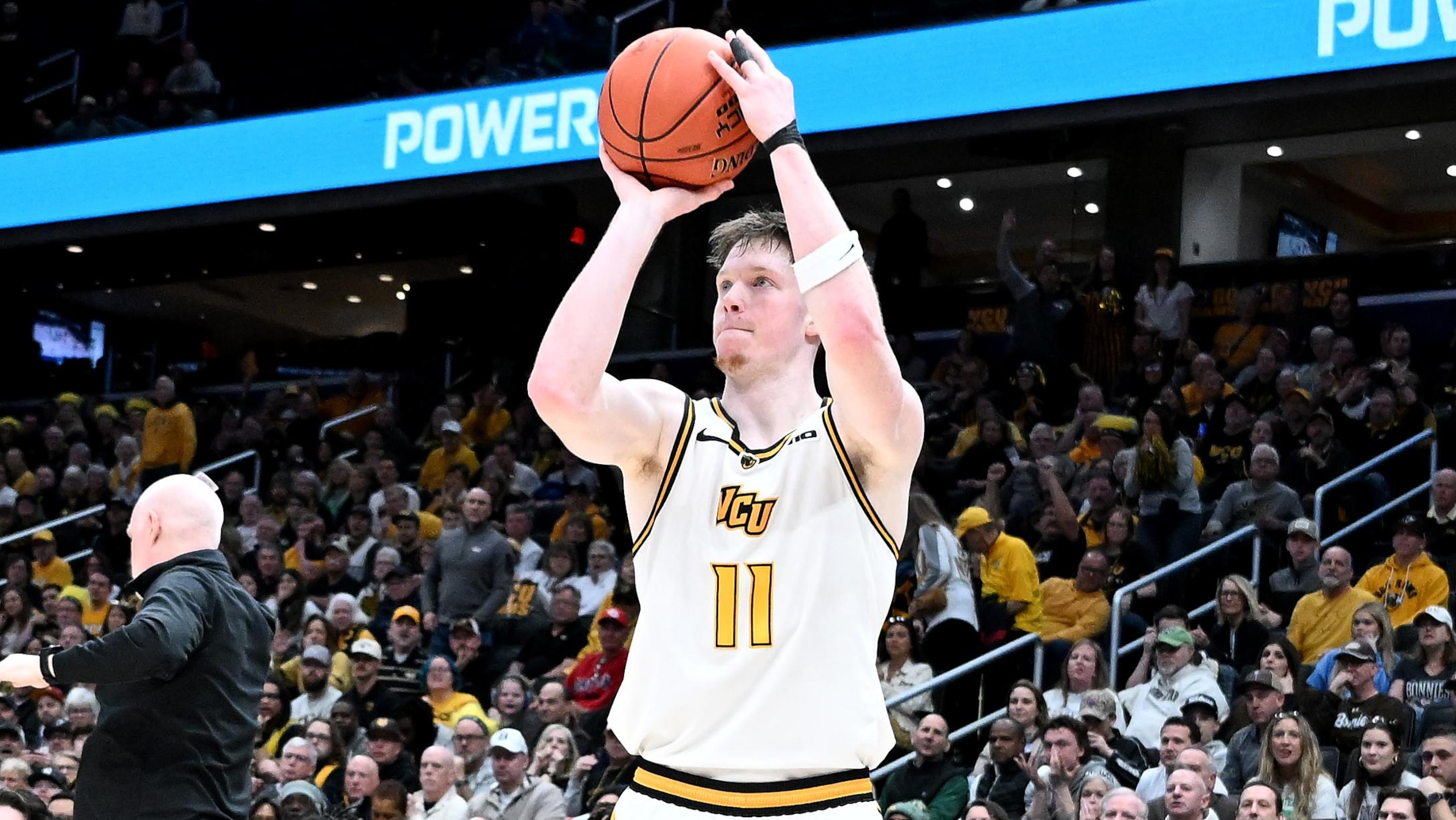
Shulga isn't quite a shooting specialist, but that's where he'll make his biggest impact. He's an off-ball sharpshooter in almost every situation, whether he's scrambling around a screen, taking a dribble handoff or simply spotting up. He has enough functional handles to get around his defender, too, especially if they're worried about his long-ball. He isn't a creative passer, but he's a capable one.
He needs to shoot well enough to be put into that specialist tier, though, because that's the closest thing he has to an elite skill. And it tends to be more really good than great. His dribbling, distributing and defensive activity aren't enough to get him a rotational role. His outside shot will have to do that.
That’s especially true now that he’s made his way to the Boston Celtics, who emphasize the three more than any team in the league.
Grade: C-
*Check out Max Shulga's full scouting report here.
58. Cleveland Cavaliers: Saliou Niang, Dolomiti Energia Trento
28 of 29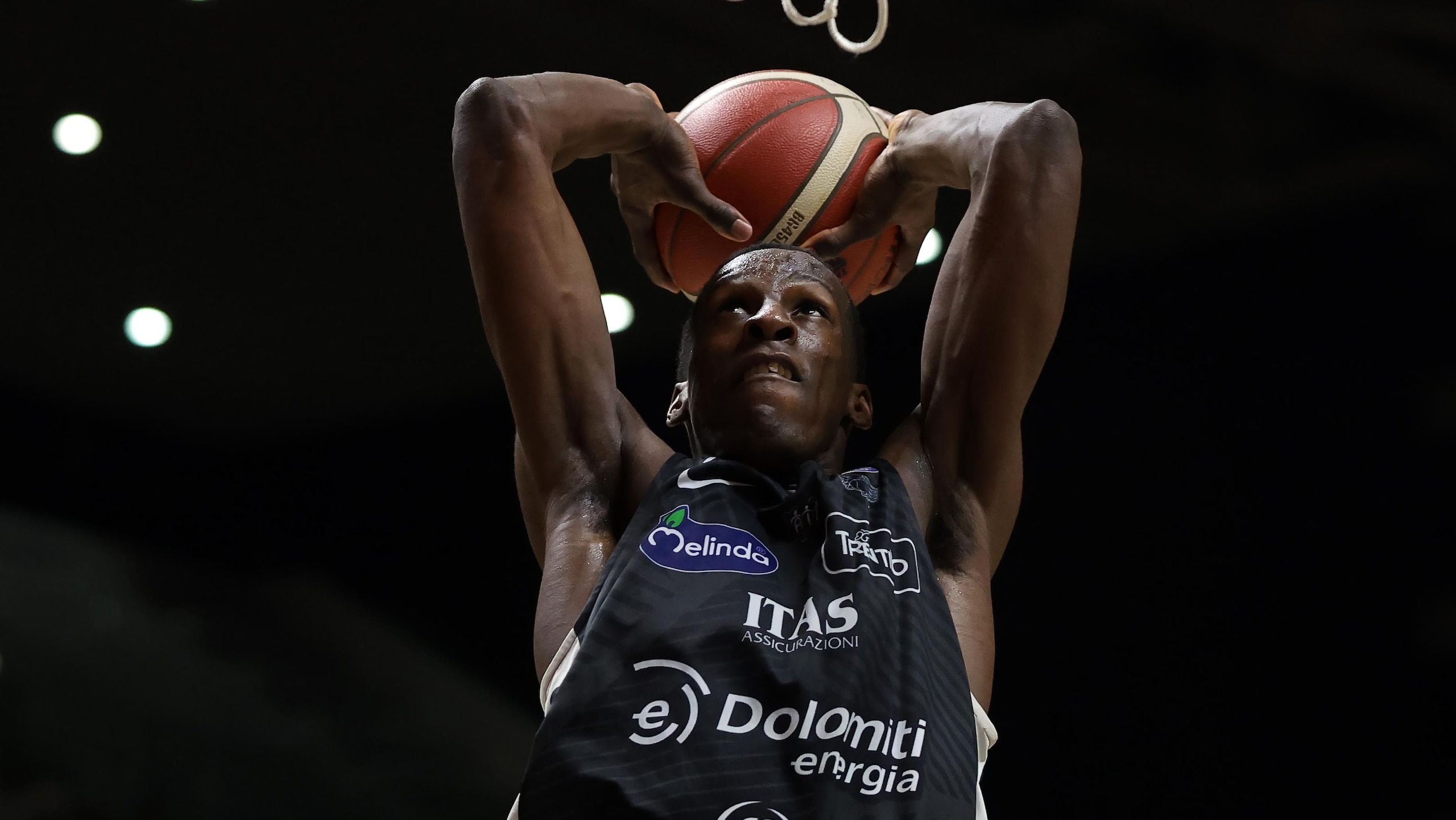
Saliou Niang, described as a “Senegalese Ron Holland” by ESPN’s Jonathan Givony, was another surprise name called at the end of the second round.
The 6’6” wing with a near-6’11” wingspan will likely play overseas for the 2025-26 season to develop his jump shot, but he’s already made some leaps in recent years.
In 30 Lega Basket games this season, the 21-year-old Niang averaged 8.1 points in just 20.3 minutes.
Grade: C
59. Memphis Grizzlies: Jahmai Mashack, G, Tennessee
29 of 29
To round out the 2025 NBA draft, the Memphis Grizzlies gave us one last curveball: Tennessee’s Jahmai Mashack.
A four-year player who averaged 4.2 points for his career, Mashack obviously earned this moment with his defense. He led the SEC in defensive box plus/minus this season and averaged almost four steals per 100 possessions in college.
A 6’4” defensive specialist with little to no offensive game to speak of may not have a great shot at making the Grizzlies’ roster, but Mashack has the competitiveness necessary to beat the odds.
Grade: C