
San Francisco 49ers: Ranking the Most Painful Offseasons in Franchise History
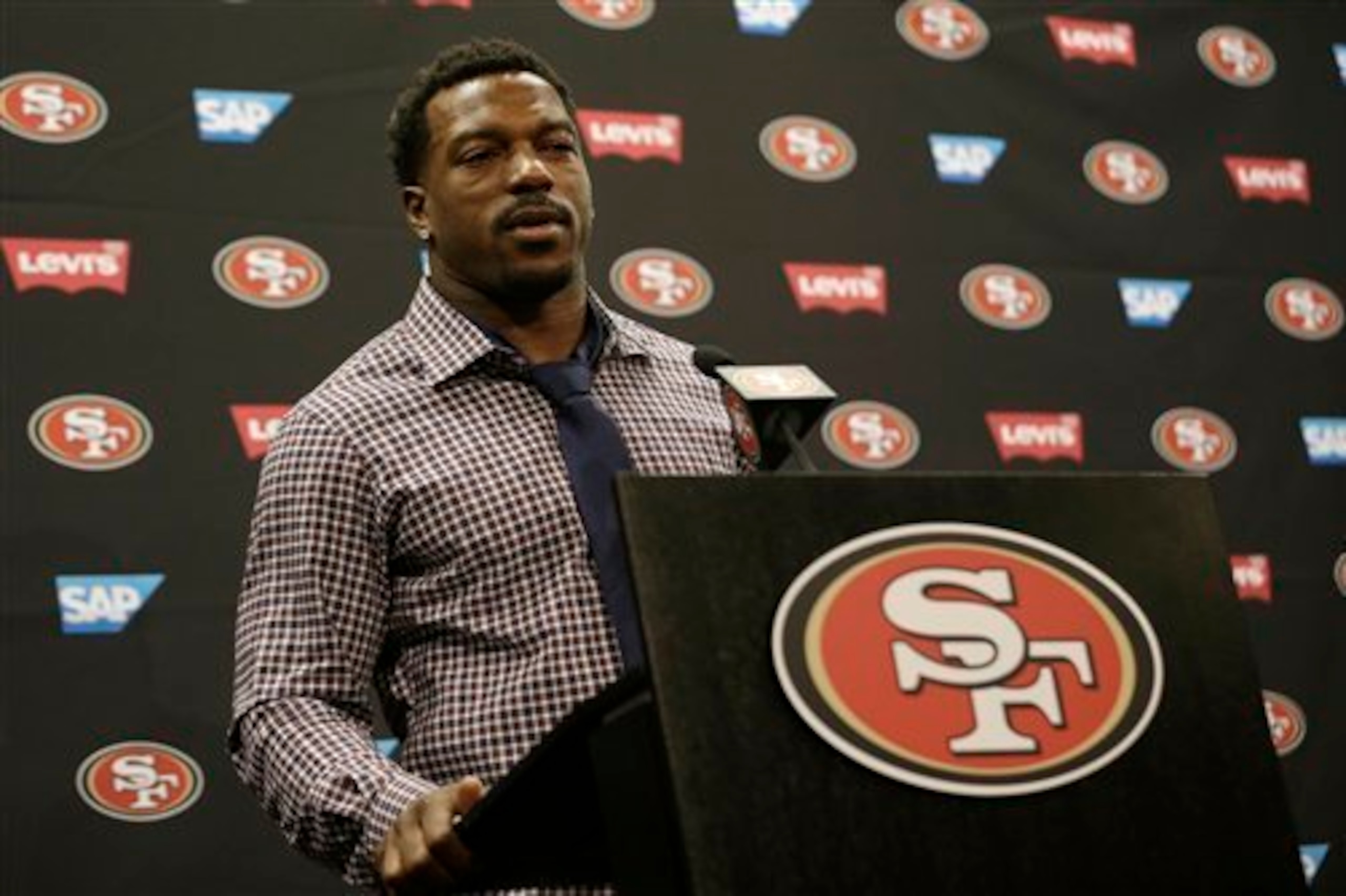
March 9, 2015, will be a day that lives in infamy for San Francisco 49er fans. With the announcement of Patrick Willis’ retirement, rumors from SI.com's Chris Burke that Justin Smith would be joining him and the news that Frank Gore would be leaving—either to Philadelphia or Indianapolis, depending on what time of day you started reading the reports—fans had to absorb the loss of three longtime bedrocks of the team one after another. It’s not hyperbole to say that this was the worst single offseason day in franchise history.
March 9, 2015, was also the last full day of the 2014 NFL calendar—the league year started on March 10 with free agency. It was fitting, then, that it was filled with bad news for the 49ers. This past year has been one of the roughest in franchise history, starting with Ray McDonald’s domestic violence issues, on to Aldon Smith’s nine-game suspension, followed by a season crippled by injuries and a confusing and anarchic coaching change. The fact that the offseason would continue that trend just feels fitting.
If Monday was the worst 24-hour period for the 49ers in franchise history, does that make this 2015 offseason the worst in franchise history? I decided to go back into the archives to try to find something, anything that was worse than the projected losses the 49ers are suffering. I also went back and checked how the team actually performed after those seasons, to see if there’s some room for optimism.
A brief note on what we’re actually measuring here: We’re just looking for long-term players leaving the franchise, rather than free-agent signings. It’s always exciting to see the 49ers grab a player like Torrey Smith, but we’re more focusing on the doom and gloom today, watching players with long-term histories with the franchise hang ‘em up.
Honorable Mentions: 1989 and 1993
1 of 11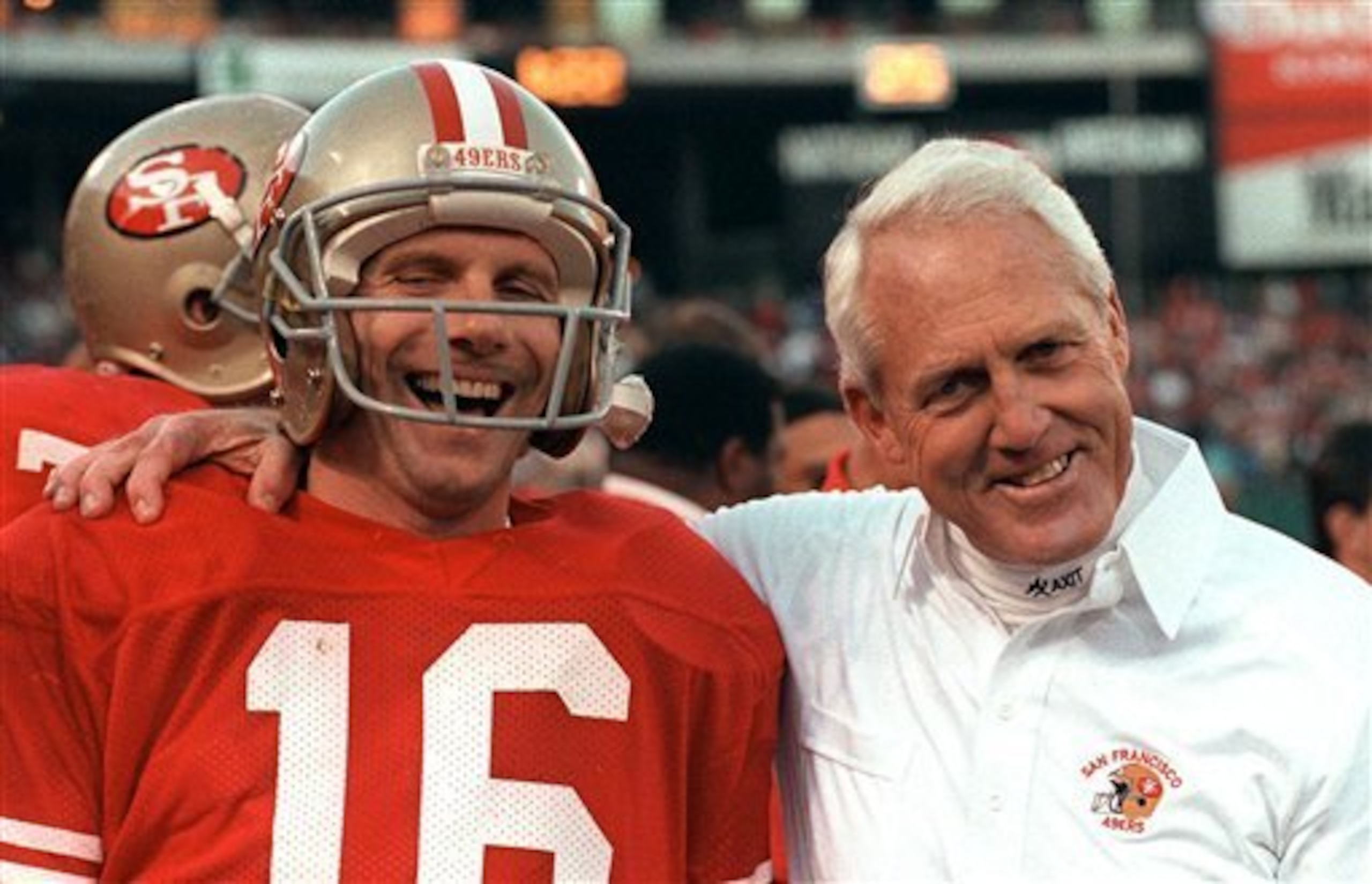
Neither of these years quite cracks the bottom of the list, but they’re worth mentioning briefly.
Bill Walsh retired from coaching immediately after the 1988 season. Losing the best coach in franchise history always hurts, but the pain is somewhat alleviated by the fact that his very last game was a win in Super Bowl XXIII. In addition, the team mostly remained intact entering 1989, with only Randy Cross and Dwaine Board being major subtractions from one year to the next.
Joe Montana was traded after the 1992 season, which is one of my personal worst memories about the franchise, as Montana was my idol growing up. The fact that the franchise had another Hall of Fame quarterback in Steve Young ready to take over softens the blow a little, but it was more the fact that Montana had already missed two years that lowers the impact the most. Montana was already replaced on the roster, more or less, before he was traded. Add in the fact that the only other major loss that season was Michael Carter, and you don’t quite crack the bottom of the top 10.
No. 10: 2004
2 of 11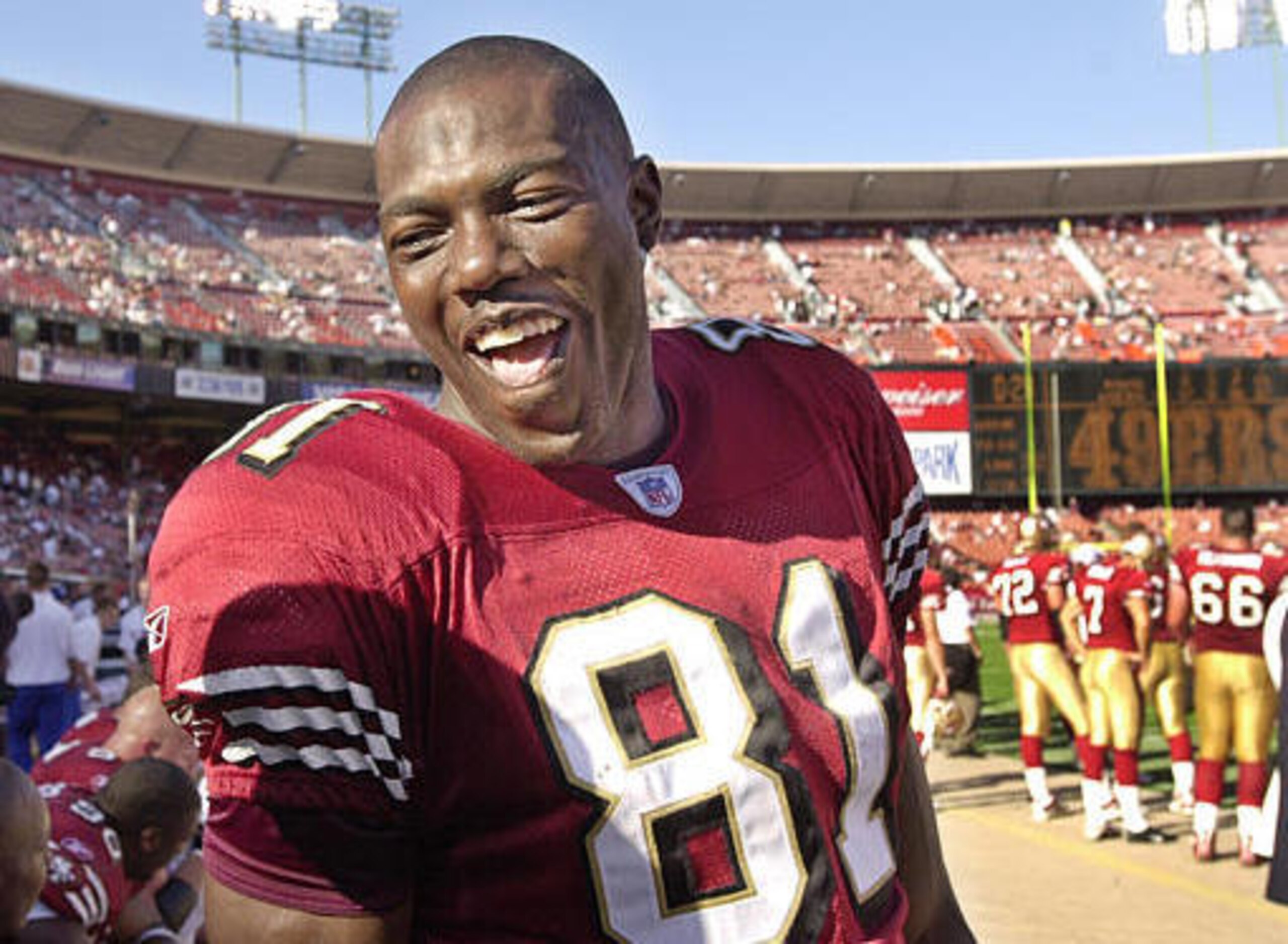
The 2003 season ended with a minor disaster for the 49ers, as they finished 6-10 in Dennis Erickson’s first year as head coach after two straight playoff appearances. It was also the high point of the conflict between quarterback Jeff Garcia and wide receiver Terrell Owens, with Owens publicly criticizing Garcia’s performance during the season, and Garcia sniping back over Owens’ praise of backup Tim Rattay. Clearly, something had to be done.
The result was a full housecleaning. Owens was traded to the Philadelphia Eagles after a messy contract dispute. Garcia was released thanks to a horrible salary-cap situation, and he ended up signing with the Cleveland Browns. Offensive tackle Derrick Deese was also waived and ended up signing with the Tampa Bay Buccaneers. The same happened to running back Garrison Hearst, who played for the Denver Broncos the next year.
It was also the last season for players like Zack Bronson and Tai Streets, who had been contributors for a few seasons.
The end result was one of the worst seasons in 49ers history, with the team stumbling to a 2-14 record. San Francisco didn’t have another winning season or playoff berth until 2011.
No. 9: 2001
3 of 11
Speaking of horrible salary-cap situations, the 49ers wandered through salary-cap wilderness in 1999 and 2000, finishing a combined 10-22 and missing the playoffs in back-to-back seasons for the first time since the 1979-80 seasons.
Those two offseasons, the 49ers made a move away from the dynasty years of Bill Walsh and George Seifert and moved into the 21st century. This saw a lot of great players leave the team, but perhaps none more important than Jerry Rice.
Rice was released thanks to San Francisco’s salary-cap issues, with the thought that the 16-year veteran had to be winding down. I suppose he was, in a way, but a wound-down Rice is still a starting NFL receiver, and he played four more mostly successful years with the Oakland Raiders and Seattle Seahawks.
Rice alone was a big loss, but the 49ers also said goodbye to Ken Norton Jr., as he retired after seven seasons leading San Francisco’s linebacker corps. It was also the last season in the red and gold for Charlie Garner, Junior Bryant and Winfred Tubbs.
However, the 49ers recovered. New talents like Jeff Garcia, Terrell Owens, Garrison Hearst and Bryant Young led the team back to the playoffs that season and the next—the last hurrahs for the team before the Erickson/Nolan/Singletary eras.
.jpg?w=2560 "Chiefs Giants Football")
.jpg?w=2560 "Titans Colts Football")
.jpg?w=2560 "Steelers Buccaneers Football")
No. 8: 1994
4 of 11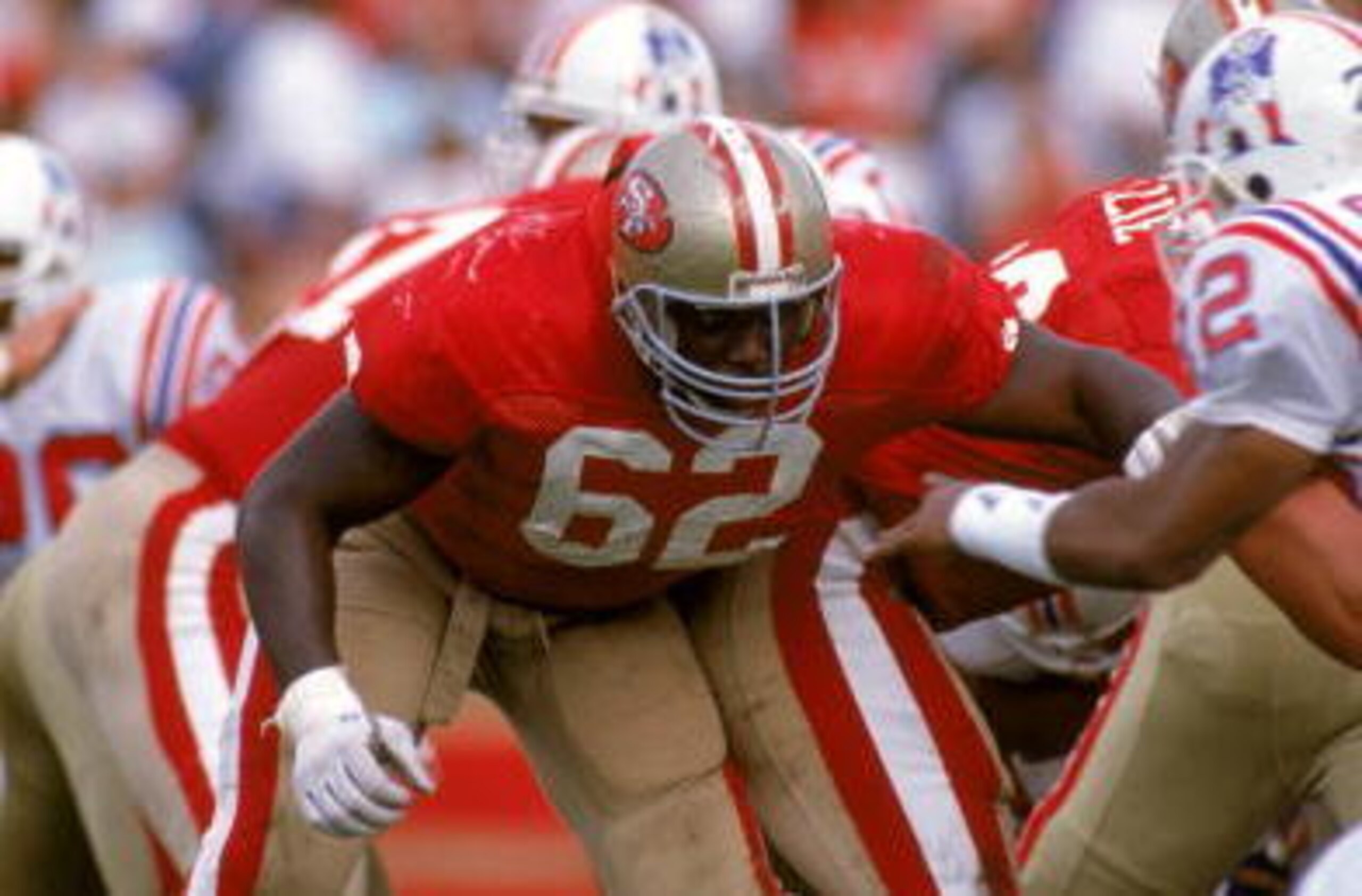
The modern form of free agency first began in 1993, but it wasn’t until the next offseason that the 49ers really were impacted by it. The 1993 season had seen the 49ers lose to the Dallas Cowboys for the second straight year in the NFC Championship Game, and head coach George Seifert, owner Eddie DeBartolo and president Carmen Policy decided the 49ers had to make some bold moves. It was also the first year of the new salary cap, so unlike previous seasons, players had to be let go in order to sign new players.
Out went longtime guard Guy McIntyre, who ended up joining the Packers as a free agent. Cornerback Don Griffin was not re-signed in free agency, ending up in Cleveland instead. Linebacker Mike Walter, a starter since 1985, retired.
Tom Rathman, Bill Romanowski, Kevin Fagan, Larry Roberts, Keith DeLong and Roy Foster all saw their last seasons in the red and gold in 1993 as the 49ers cleaned house. It’s the second-largest exodus the franchise has ever seen, with nine multiyear contributors all leaving at once.
Of course, what they did instead was manipulate the new salary cap, putting off years of debt in order to bring in free agent after free agent, bringing in Deion Sanders, Ken Norton, Gary Plummer, Ricky Jackson, Bart Oates and Derrick Deese to beef the roster up significantly.
While the deferred money and contract sleight of hand eventually ended up slamming the 49ers, they did get Super Bowl XXIX out of the deal. It just goes to show you that sometimes massive changes are necessary to get over a final hurdle.
1994 had to make the list simply due to the sheer number of players who ended up leaving. The lack of any one great superstar departing keeps it rather low, though.
No. 7: 1988
5 of 11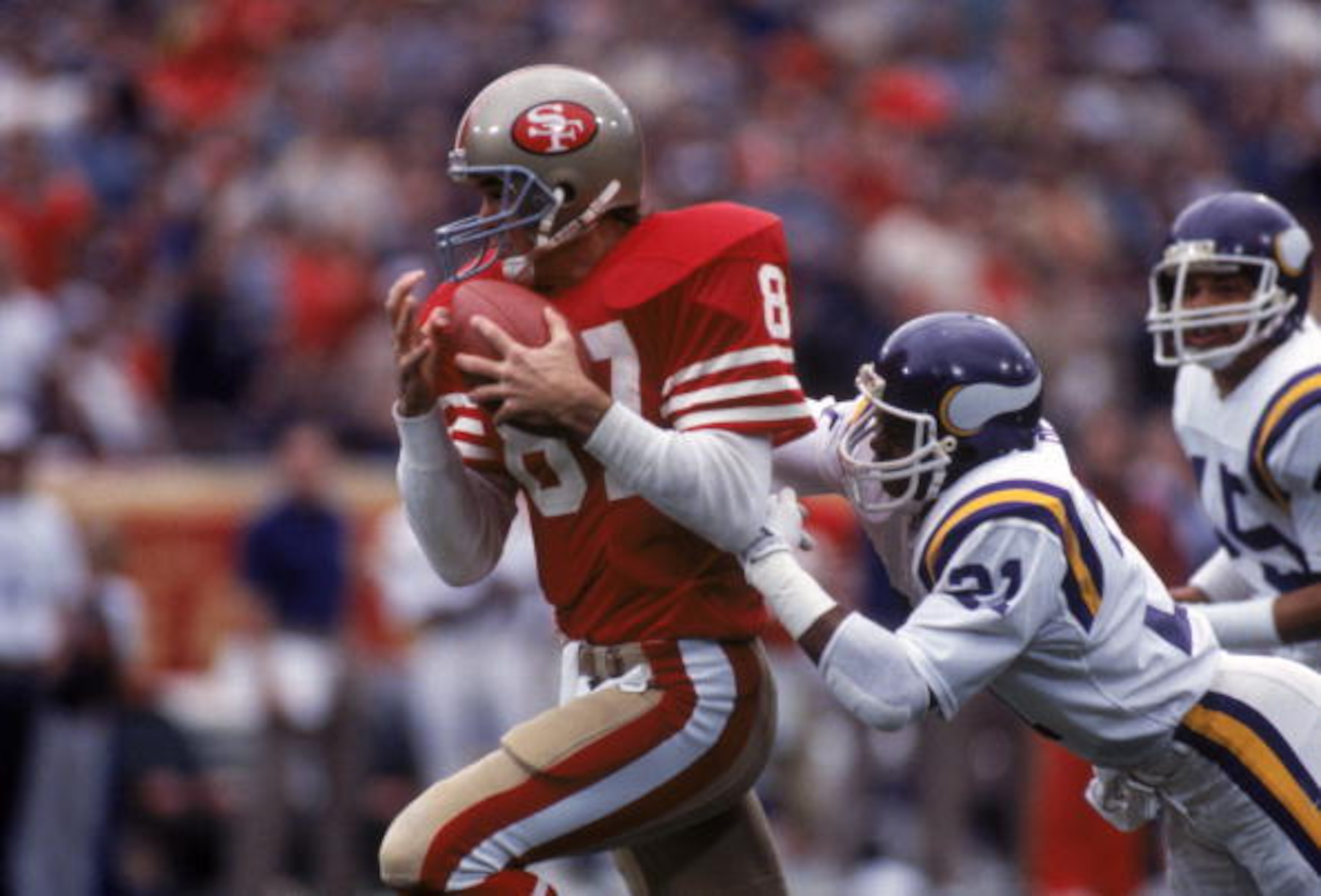
The 1987 season was an awkward one thanks to a player strike, full of replacement players and in-season negotiations between the player’s union and the NFL. There was also on-field turmoil for the 49ers, as this was the first season where replacing Joe Montana with Steve Young began to be seriously considered, thanks to Young’s performance in the playoffs.
It had been three years since the 49ers’ last Super Bowl win, and that’s too many for a Bill Walsh-coached team. Accordingly, the team made some depth changes that offseason, letting go of a number of stars from the 49ers’ first two Super Bowl squads.
Offensive tackle Keith Fahnhorst, who had been with the team since 1974, retired. Fred Quillan, the starting center since 1978, joined him, as did wide receiver Dwight Clark. These were three key players on the 49ers’ first two Super Bowl runs, but they were getting up there in age and had to be phased out.
In addition, Carlton Williamson, Ray Wersching, Milt McColl and Russ Francis all did not return to the team in 1988.
The losses were more sentimental than damaging; the 49ers had replacements for all of those players apart from Wersching already on the roster. At the time, however, there was no way to know the 49ers would kick it back into gear and win the next two Super Bowls
With a brewing quarterback controversy, it was bittersweet to see so many players from the “glory days” leave the team. Those feelings went away quickly, however, when Walsh’s 49ers went on to win Super Bowl XXIII.
No. 6: 1975
6 of 11
The mid-70s were not a great time to be a 49ers fan. After three consecutive playoff appearances from 1970-1972, the 49ers entered the doldrums of the league, finishing with just one winning season from 1973 through 1980.
The 1974-75 offseason saw the retirement of one of San Francisco’s Hall of Famers in linebacker Dave Wilcox. Faced with back-to-back losing seasons—as well as knee issues—Wilcox decided to hang up the cleats rather than risk further damage to his body. He was joined in retirement by 15-year veteran tackle Len Rohde, who was urged by head coach Dick Nolan to retire. Center Forrest Blue was traded to the Baltimore Colts to complete the loss of three of San Francisco’s four greatest players at the time, excepting only cornerback Jimmy Johnson.
The 49ers also saw the departure of longtime contributors Randy Beisler, Ted Kwalick, Bill Belk, Stan Hindman and Bruce Gossett that offseason, so you had not only legends leaving the team, but key role players as well.
The departures certainly didn’t help the team. The 49ers fell from 6-8 to 5-9 and would continue to hover around that point for half a decade.
No. 5: 1974
7 of 11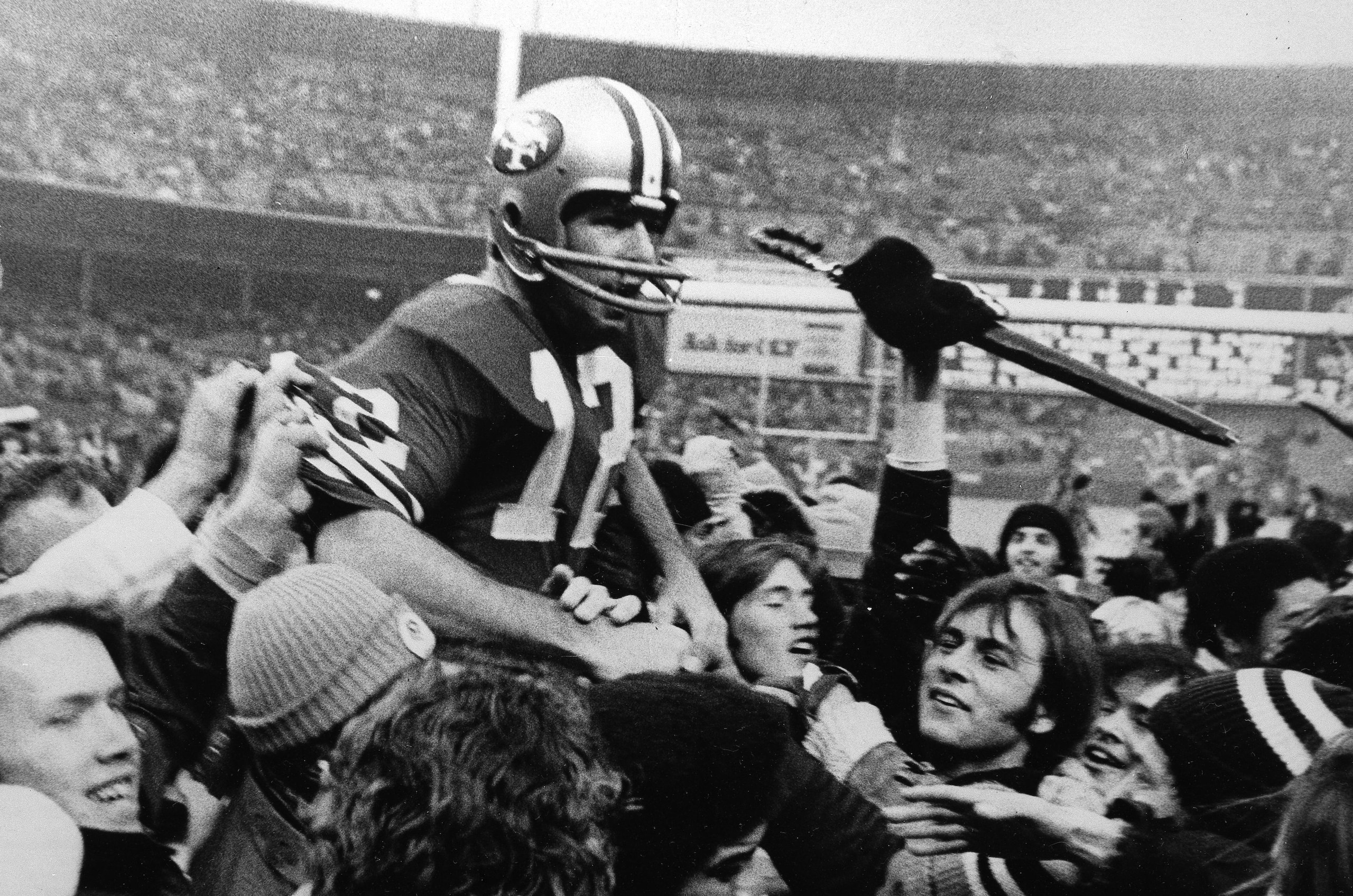
In fact, the best news about the 1975 offseason was that it was less painful than the one immediately preceding it.
While losing a Hall of Fame linebacker and a couple of longtime offensive linemen is never a good thing, the NFL has always loved its quarterbacks, and so the loss of John Brodie after the 1973 season hurt a lot.
Brodie retired with the third-most passing yards in NFL history, behind only Johnny Unitas and Fran Tarkenton. The 49ers had no real option to replace him and struggled with Steve Spurrier for a few seasons. At the time, Brodie was arguably the best player in franchise history, though Leo Nomellini might have a few words to say about that.
The 49ers also lost a 15-year veteran in Charlie Krueger to retirement; he’d been a staple on the defensive line since 1959 and had started the most games in franchise history to that point. Another 100-plus-game starter who left was running back Ken Willard, who had rushed for 5,930 yards for the franchise and was second to only Joe Perry on the team’s rushing chart at that point. At the time, he was the leading active rusher in NFL history but was traded to the St. Louis Cardinals.
Vic Washington, Dick Witcher and Doug Cunningham also left the team that offseason.
That ended up being two major blows in two years for the franchise, and it took them until the arrival of Bill Walsh to fully recover. It got worse before it got better, as we’ll see in a little bit.
No. 4: 2000
8 of 11
As bad as the 1974 and 1975 offseasons were, they fall short of the whammy that hit the 49ers at the turn of the century. We talked about Jerry Rice leaving the team in 2001 alongside Ken Norton Jr., but that was just the denouement to the major issues the 49ers had faced the previous year.
That, of course, was the image of Steve Young lying unconscious on the turf in Arizona, having absorbed a blitz and suffered yet another concussion—his fourth in three seasons at the time, and that’s only counting concussions that were reported. Young had to retire—his health and safety were at risk, and no team would be willing to put him back under center with that sort of liability.
The 49ers also saw Tim McDonald, who had anchored the strong safety position for seven seasons, retire, and watched Lee Woodall and Chris Dalman leave the franchise as well.
Losing Young and Rice in back-to-back seasons signified the end of the era of greatness for the 49ers, and while Steve Mariucci was able to right the ship somewhat and get a couple of playoff seasons out of the Jeff Garcia 49ers, it was never quite the same.
No. 3: 1978
9 of 11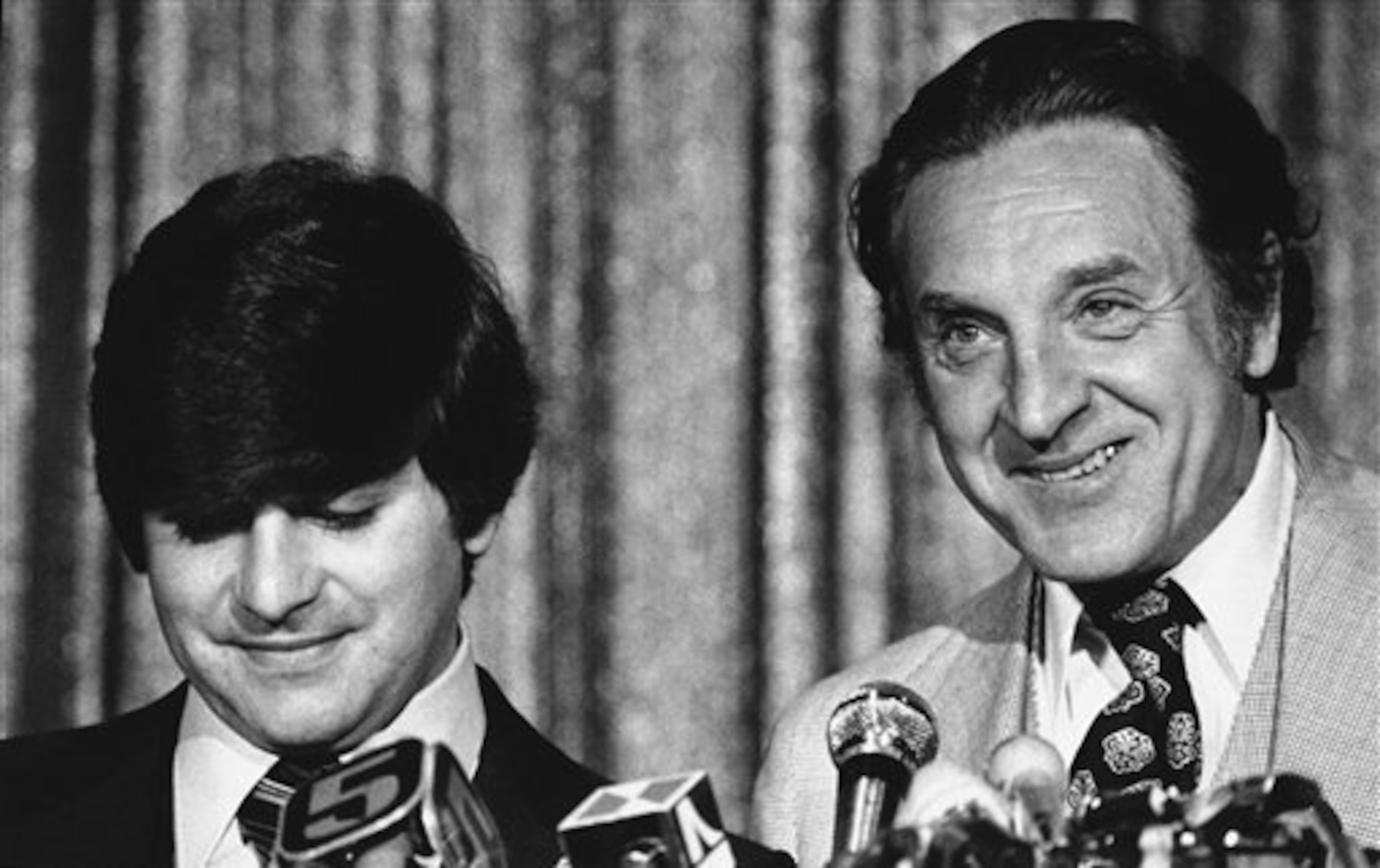
Only once in franchise history have the 49ers seen a double-digit number of key contributors leave the team in one offseason. Between the end of the 1977 season (a bad 5-9 year) and the beginning of the 1978 season (a horrid 2-14 year), the 49ers saw the following occur:
- Head coach Ken Meyer was fired after just one season as a head coach.
- Starting wide receiver Gene Washington was released after nine seasons with the team.
- Defensive end Tommy Hart was traded to the Chicago Bears.
- Starting offensive guard Woody Peoples was released.
- Strong safety Mel Phillips retired.
- Offensive tackle Cas Banaszek retired.
- Linebacker Skip Vanderbundt was traded to the New Orleans Saints.
- Cornerback Bruce Taylor was released.
- Starting quarterback Jim Plunkett was released during the preseason with no established player behind him.
- Multiple-year starters Delvin Williams, Dave Washington and Ralph McGill also saw their last years with the franchise.
Had the Internet been a thing in 1978, it would have been full of articles pillorying general manager Joe Thomas. He gutted the team, resulting in an almost entirely new roster in 1978, and rebuilt it in his own image. Never before—and never since—has one San Francisco general manager taken such bold steps to alter the identity of a franchise.
Of course, bold steps only work if you have brilliant plans to back them up. None of the players released or traded had adequate replacements, with the possible exception of Freddie Solomon stepping in for Gene Washington. Thomas wasted draft picks trading for a washed up O.J. Simpson, botched the 1978 draft horribly and attempted to cancel a game out of fears he would be assassinated.
Thomas was fired that offseason, and someone named Bill Walsh was brought in to run the team. It took a couple of years to recover from the sheer disaster that was this offseason.
No. 2: 2015
10 of 11
While I have little fear that the results of the 2015 offseason will be anywhere near as disastrous as the 1978 offseason, it hurts more. General manager Trent Baalke is lightyears ahead of Joe Thomas in terms of acquiring players, so many, if not all, of the departures this year at least have the potential to be replaced. Players like Chris Borland, Tank Carradine and Carlos Hyde will get the opportunity to show what they can do.
However, the quality of the players the 49ers are losing this year outweighs anyone the 49ers lost in 1978. Any one of Patrick Willis, Frank Gore or Justin Smith would easily top the '78 rankings, and the 49ers are likely saying goodbye to all of them in one season—in just one 48-hour period, actually.
While it remains possible that Smith will re-think his retirement, as Matt Barrows reported for The Sacramento Bee on Monday, Willis and Gore are both gone. That’s the heart and soul of the defense and the franchise’s all-time leading rusher. That hurts.
It’s not just them, though—it’s not only quality over quantity that puts this year ahead of '78. You’re seeing a multiple-time Pro Bowl guard in Mike Iupati leave, reportedly to the division-rival Arizona Cardinals, according to Adam Schefter of ESPN. Michael Crabtree is also likely gone, even if he’s being replaced by Torrey Smith.
To top it all off, you have to include the loss of the head coach and both coordinators as part of the offseason chaos. Going from one of the best coaches in the NFL in Jim Harbaugh to an entirely unproven commodity in Jim Tomsula after one 8-8 season still baffles. As we can see by looking back at the '70s, there are times when the franchise would kill for an 8-8 season.
Losing three potential Hall of Famers in one offseason is damaging. What could possibly be more painful?
No. 1: 1991
11 of 11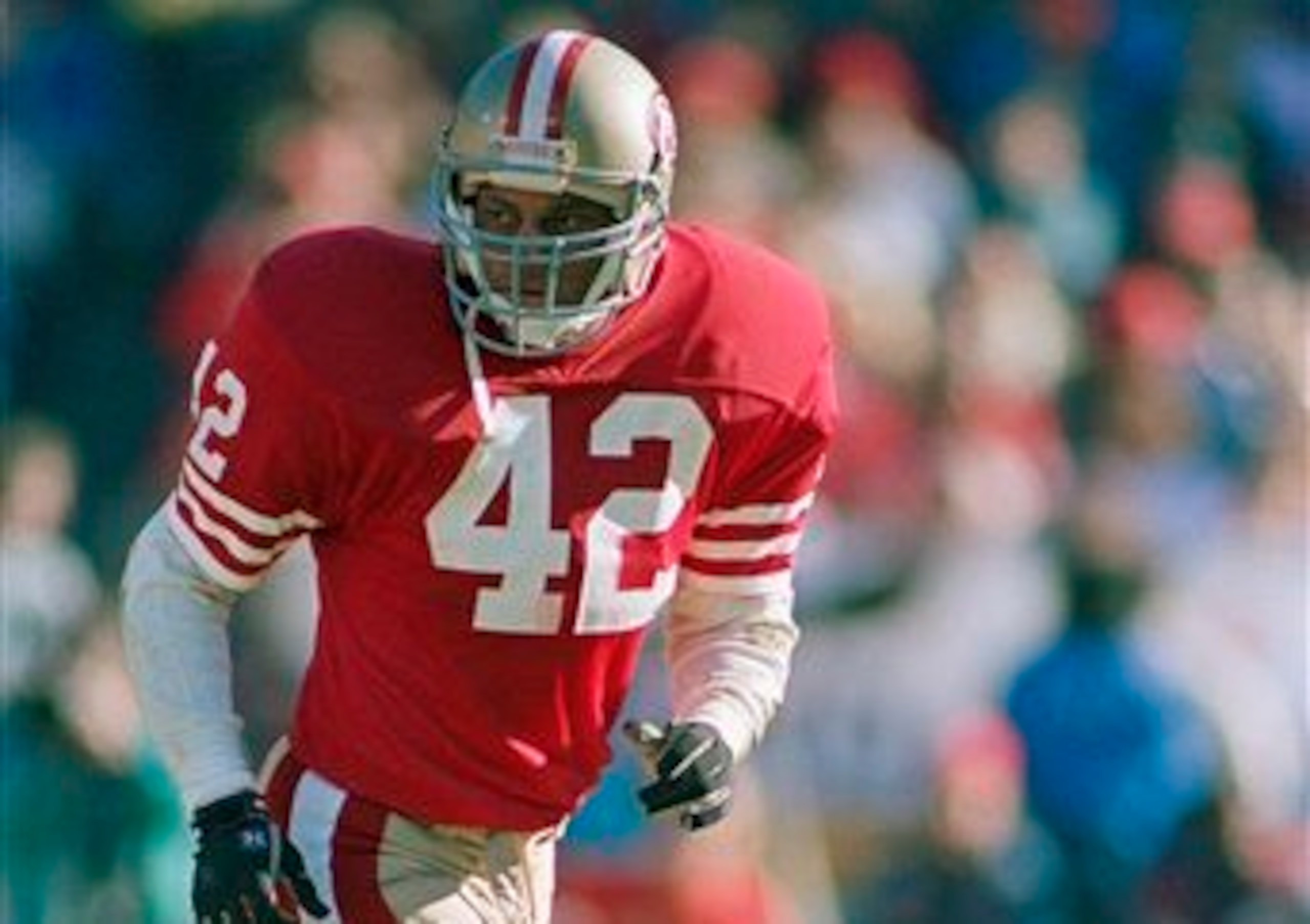
There is only one offseason I would rank as more painful that this year’s. It may have one less Hall of Fame candidate in it, but in one offseason, the 49ers lost five major contributors from the Super Bowl dynasty years.
Ronnie Lott, Hall of Famer and heart and soul of the defense, left in free agency to join the Los Angeles Raiders. He was joined by the franchise’s then-leader in yards from scrimmage, running back Roger Craig. They map onto the losses of Willis and Gore rather well.
Keena Turner, who had started at linebacker throughout the 1980s, opted to retire after the 1990 season. The same is true of Eric Wright, who had started at cornerback since 1981. Offensive tackle Bubba Paris was released as well due to weight issues.
Add in the departures of Jim Fahnhorst, Mike Wilson and Pete Kugler, and that’s 29 Super Bowl rings that left the franchise in just one offseason. As beloved as players like Gore, Willis and Smith are to 49ers fans, they never did bring a title to the Bay Area. There’s nothing quite like the impact of the dismantling of a Super Bowl champion to deliver a stomach punch to a fanbase.
If all that wasn’t enough, remember that Joe Montana suffered an injury in the NFC Championship Game—a game that the 49ers nearly won, which would have given them a chance to complete the NFL’s only ever three-peat in the Super Bowl against the Buffalo Bills.
Montana stuck around with the team for two more seasons, but he never again started a game. He doesn’t get listed with the players who actually left, but fans knew at the time that his injury was severe.
The 49ers missed the playoffs in 1991 but still had a 10-6 record. They bounced back a season later. The team recovered from the '91 offseason better than I expect the team to recover from the '15 offseason.
Still, when you look at the raw talent, history of success and sheer number of players the 49ers lost in 1991, it remains firmly entrenched as the most painful offseason a 49ers fan has ever had to sit through.
Every generation has one—1978, 1991 and 2015. The one that’s most painful to you depends on when you became a 49ers fan.
Bryan Knowles is a Featured Columnist for Bleacher Report, covering the San Francisco 49ers. Follow him @BryKno on twitter.
.jpg?w=2560 "Colts Football")
.jpg?w=2560 "Eagles Jaguars Football")