

How Washington Redskins Can Change Their Defense Via Free Agency and the Draft
Greater flexibility up front, along with more size in the secondary. Those are the qualities the Washington Redskins can find in both free agency and the 2015 NFL draft to change their defense.
Both qualities fit with the change in direction the unit will undergo following the arrivals of new defensive coordinator Joe Barry and new general manager Scot McCloughan. The former is being tasked with calling a more aggressive version of Washington's 3-4 defense.
Head coach Jay Gruden has called it a "shoot-the-gap-type 3-4," according to Mike Jones of The Washington Post. Gruden also described a scheme that will include "plenty of alignments that feature a 4-3 look."

.jpg?w=2560 "Rams Eagles Football")
.jpg?w=2560 "Falcons Saints Football")
That type of multiple-front defense demands versatile front-seven players. In particular, it will require two very specific pieces.
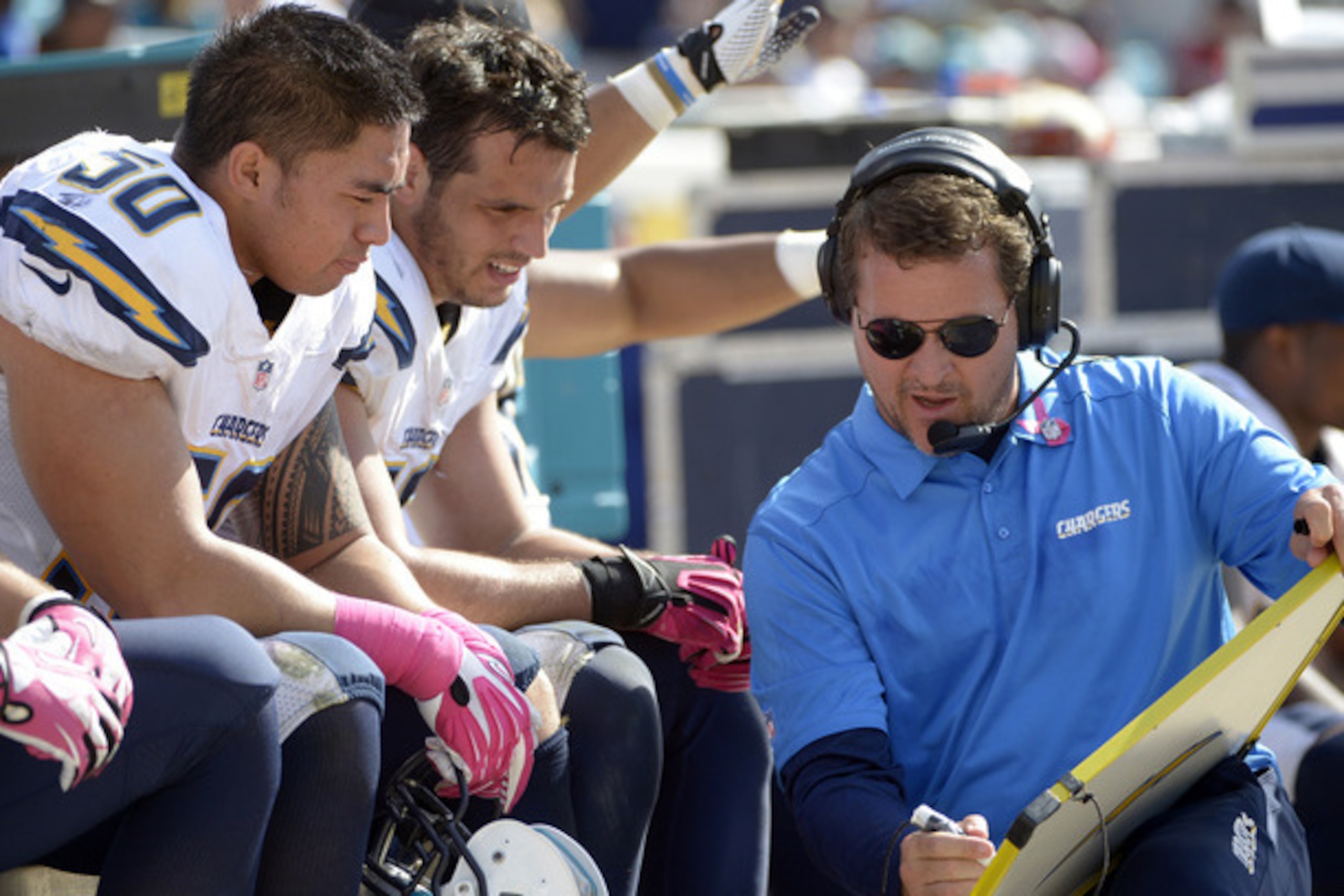
The Elephant
Call it an "Elephant," "Jack," "Joker," "Predator" or "Leo." Every hybrid defense needs an edge-rusher who can function as a defensive end and an outside linebacker.
It's this player's alignment that determines what looks the defense shows an offense. If he joins the line and puts his hand down, the defense becomes a 4-3. If he stays standing and off the line, the D is a 3-4.
If you're looking for a prototype, think Terrell Suggs. He's the foundation of the Baltimore Ravens' flexible scheme.
The Ravens are a 3-4 D, but consistently show four-man-front looks. They are often based on how and where Suggs is aligned.
Take a look at this view from the AFC Wild Card clash with the Pittsburgh Steelers:
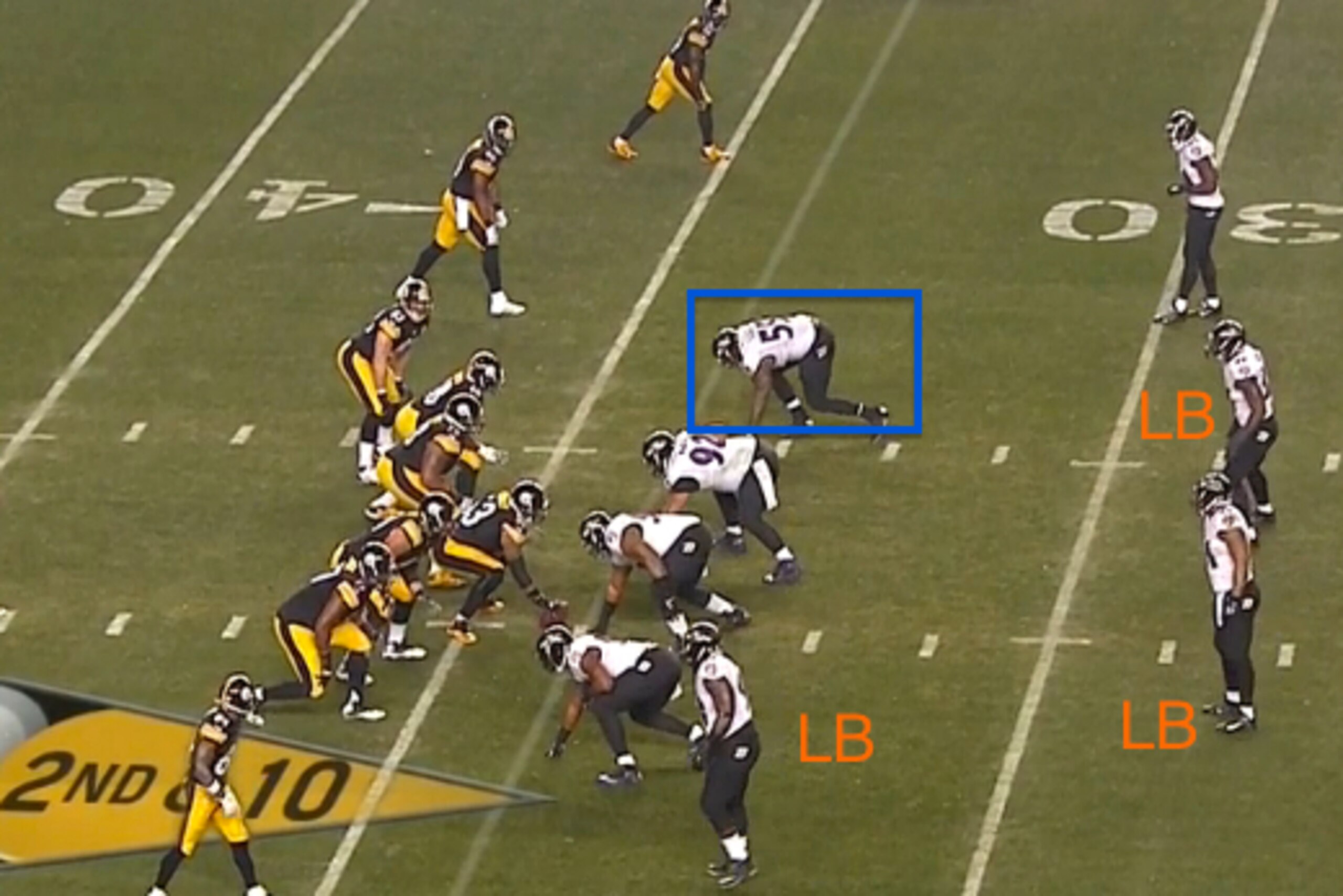
Suggs (squared) joined the line from his linebacker spot and became a classic D-end. Generally, he's likely to align on either side of the formation in either guise.
Fortunately for Washington, there are plenty of free agents and draft prospects who fit the Suggs mold. Among them is another Raven, Pernell McPhee.
At 6'3" and 280 pounds, the 26-year-old has the size to put his hand down and still function effectively as an end. But he's also quick and flexible enough to rush from a standing position.
Like Suggs, McPhee can start a play on either side from both alignments. He can even slide inside in certain looks, only increasing the options for generating pressure.
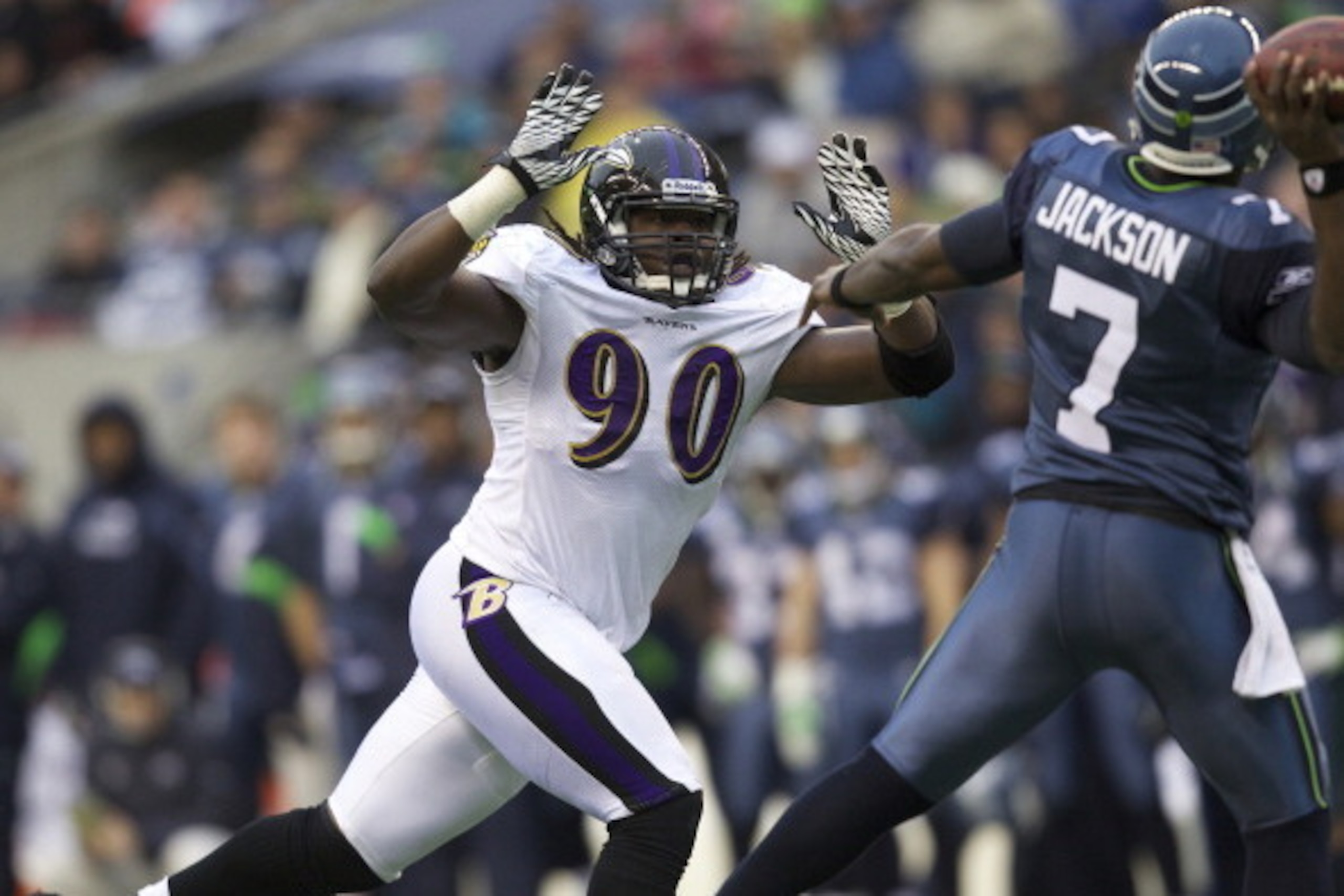
CBS Sports analyst Pete Prisco identified McPhee as an intriguing option on the market: "This versatile player has just six starts on his resume in four years, but he is coming off an impressive season. The Ravens would love to keep him, but can't."
McPhee is joined by Philadelphia Eagles situational player Brandon Graham and Cleveland Browns rush end Jabaal Sheard as players who fit the way Washington is going up front.
So do 2015 draft class members Shane Ray and Dante Fowler Jr. The former is thick-bodied and short-armed despite a lack of elite size. The 245-pounder relies on speed and can slide inside.
NFL.com draft pundit Lance Zierlein highlighted Ray's ability to line up in multiple spots: "Played 4-3 defensive right end in base but rushed from three-technique in some sub-packages."
Zierlein also compared Ray to veteran Chris Clemons. He's a classic dual-threat pass-rusher who's played as a Leo for both the Seattle Seahawks and Jacksonville Jaguars.
Clemons allows teams with 4-3 personnel to show 3-4 looks whenever he stands up on the open side of an under front. Take a look at this view from Seattle's game against the Arizona Cardinals in Week 1 of the 2012 season for a fine example:
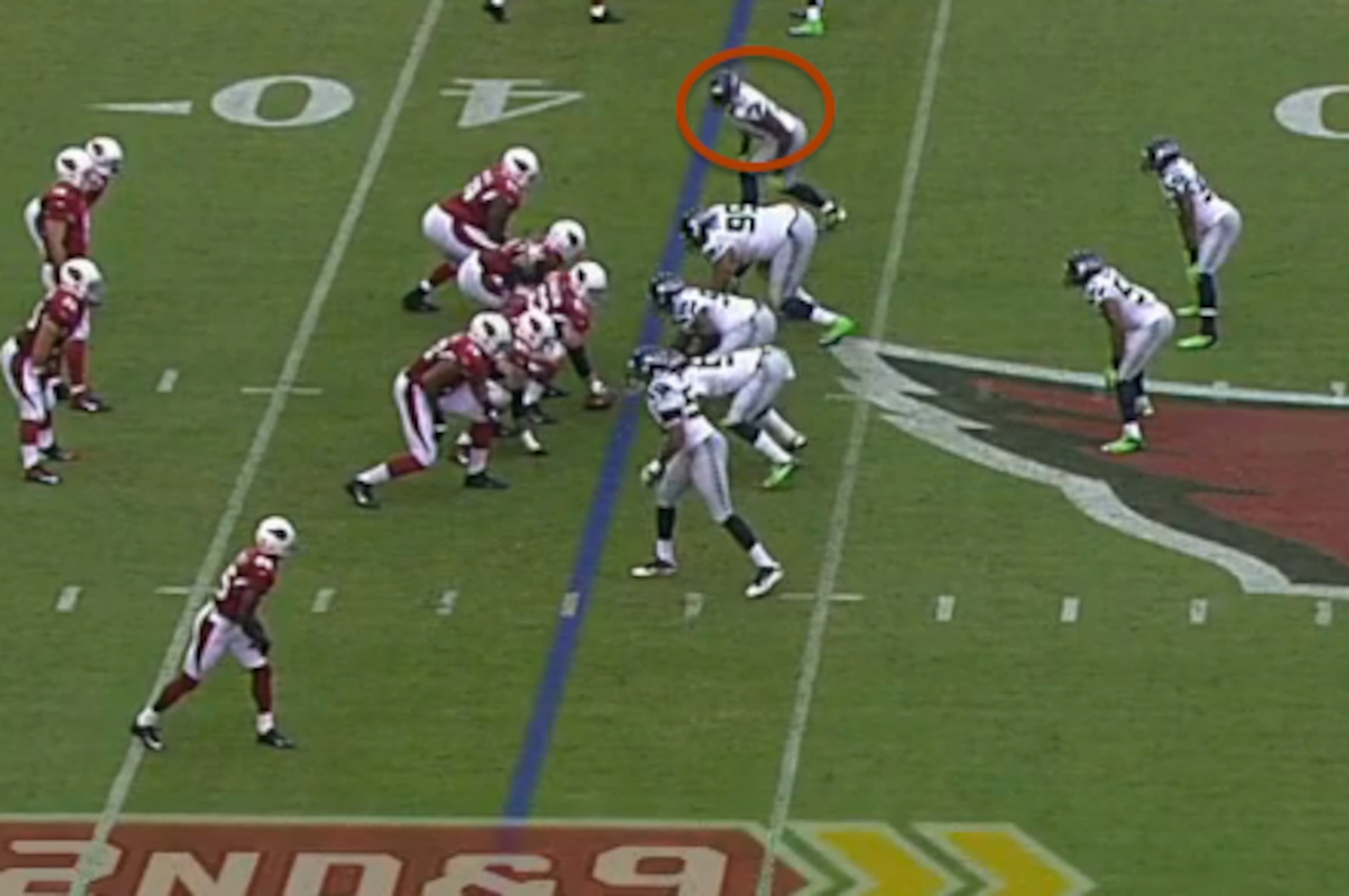
The Seahawks had their 4-3 base personnel on the field with a linebacker stacked outside the right tackle. As soon as Clemons (circled) lifted his hand off the ground and became a standing rusher, the front morphed into a 3-4.
Fowler may be even more versatile than Ray. In fact, he compares well to Suggs, according to CBS Sports writers Dane Brugler and Rob Rang.
The pair emphasized just how flexible Fowler has been at the collegiate level: "Depending on the situation the Gators line him up at RDE, LDE, DT, and OLB, ask him to rush from the two-point and three-point stance and occasionally drop him into coverage -- including after he has started the play with his hand in the dirt."
A lot of these types of examples are merely semantic distinctions. But it's clear how easily a defense can blur the lines between 3-4 and 4-3 looks. Essentially, your base defense is determined by what the edge-rushers do pre-snap.
But it's also important to keep teams guessing along the interior.
The Wandering Behemoth
OK, so I coined that phrase myself and I'm not great at naming things. But the point is a true hybrid scheme isn't just built on flexibility at its edges.
A multiple-front system also relies on D-linemen who can play a variety of techniques. Ideally, you want a disruptive presence, big enough to play over guards and even centers but also quick enough to rush around tackles.
Not many multifaceted beasts like this exist. Today's prototype is undoubtedly New York Jets mass of humanity Muhammad Wilkerson.

The 6'4", 315-pounder is a lineman of different faces, depending on the call and the scheme. He can play 3-technique and rush the B-gap between a guard and tackle. Wilkerson can also align over a center in 46-style Bear fronts.
Finally, he's even quick enough to play a 6-technique on the outside of a tackle and rush the edge. With a lineman like Wilkerson, a smart coordinator can almost flip his defense play to play.
While the college and pro production lines don't make many like him, there is one obvious Wilkerson-style behemoth in this year's draft. Of course, that distinction belongs to USC's Leonard Williams.
He's played all across the front for the Trojans and has that dream combination of quick-twitch speed and brute-force power. Sadly, it's that same combination which makes Williams a long shot to still be on the board when McCloughan makes his selection at fifth overall.
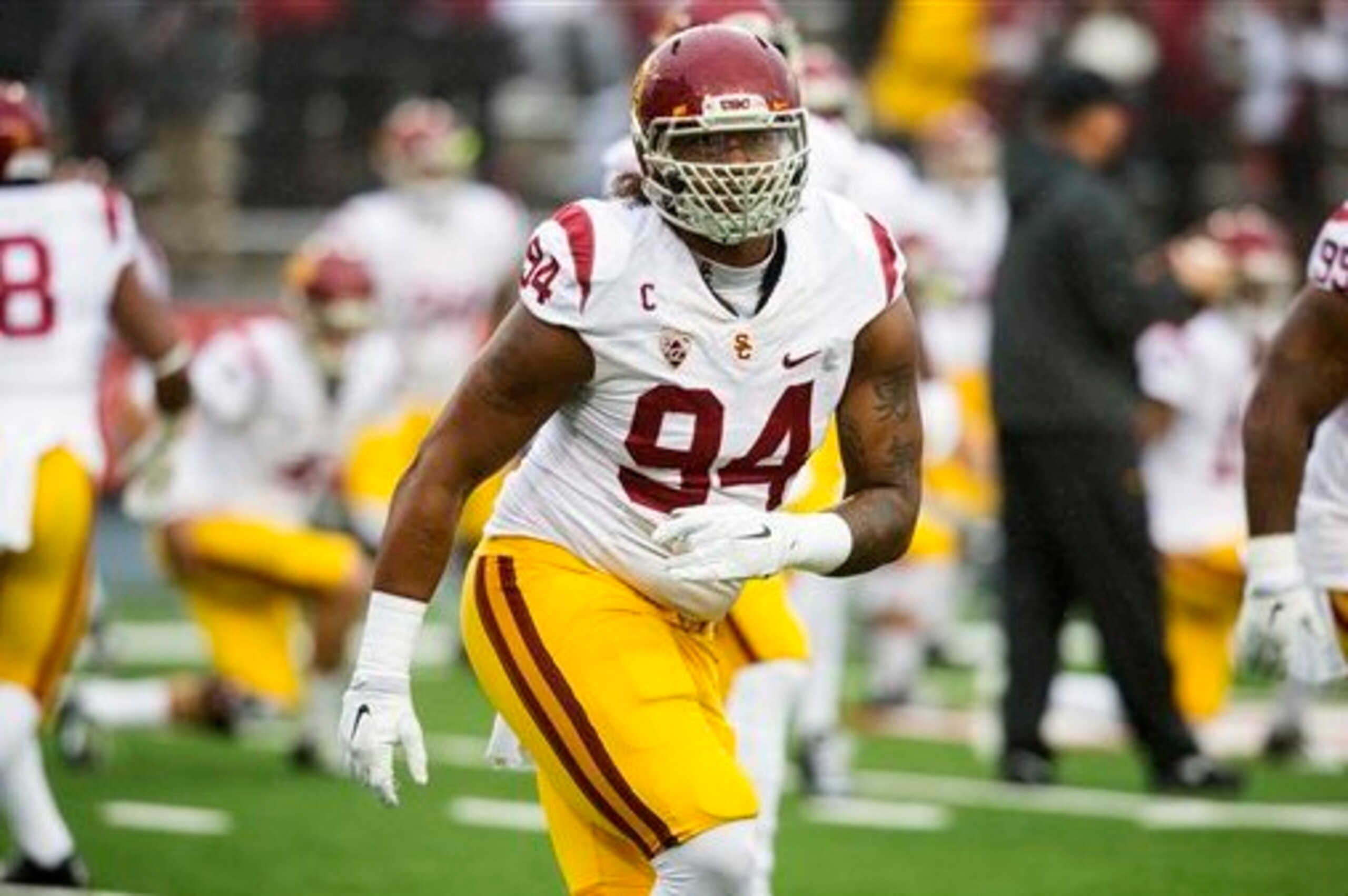
But if Williams is still there, it will certainly be hard to pass on a player NFL Media draft analyst Bucky Brooks compared to former New England Patriots great Richard Seymour, the quintessential wandering behemoth during the 2000s.
The Redskins won't find a Williams in free agency, but they can find players who would still increase the scope of what they do up front.
One interesting target is Cleveland Browns house-sized D-tackle Ahtyba Rubin. He can line up at end or over the center.
Moving 6'2", 325-pound Rubin around would cause blocking schemes a ton of problems. Barry could even align Rubin to disrupt the strength of an opponent's running game.
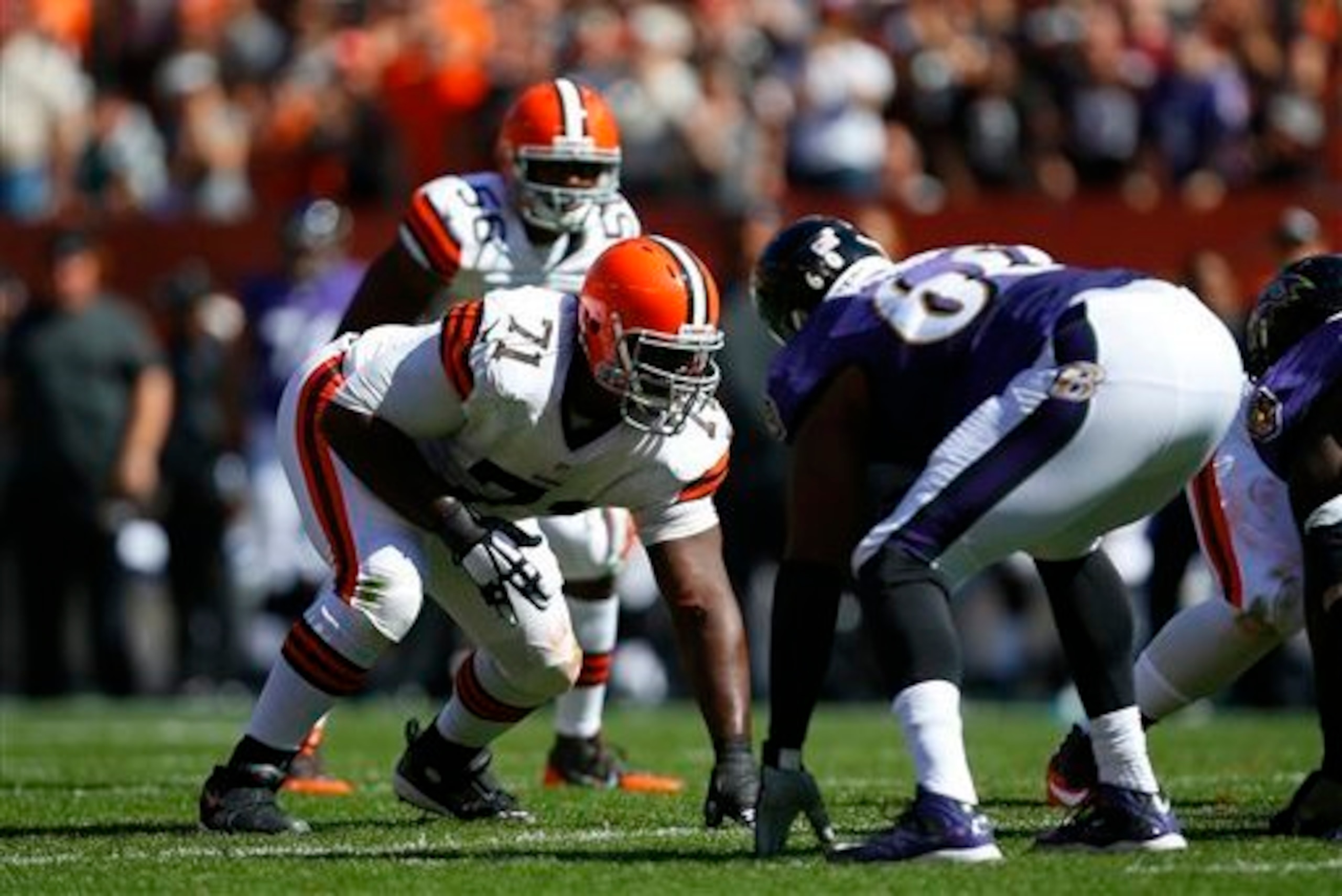
For instance, if a team runs well off left tackle, like NFC East rival the Philadelphia Eagles do, Rubin would align over Jason Peters. But if a team gets its most joy on the ground between the guard-center gap, the way the Dallas Cowboys do behind Zack Martin and Travis Frederick, Rubin could play as a tilted nose tackle, able to slant across either blocker.
If a team..., well, you get the idea.
Moving Rubin around to target different areas of the line would be similar to the way the Pats use trench monster Vince Wilfork. It's just another way to mix things up in the front seven.
The Redskins already have plenty of flexible pieces along the line. Jason Hatcher is a classic 3-technique who will thrive with more single-gap principles. Chris Baker can shift to either end, tackle or nose guard.

Finding other roving mammoths will only make Washington's front more unpredictable, and ultimately more effective.
But changes needn't be limited to what happens up front.
Playing Press versus the Pass
McCloughan's arrival could herald a significant change in a routinely porous secondary. It's a change based on one thing: Getting bigger on the outside.
That means stout, press-style cornerbacks. It's something McCloughan believes in from his days helping build Seattle's physical "Legion of Boom" secondary, per Real Redskins blogger Rich Tandler.
He tabbed Utah's Eric Rowe as one draft prospect the Redskins might pursue in this context. The 6'1", 201-pounder certainly has the size to play press.
So does Washington's Marcus Peters, a long corner compared to Denver Broncos burly cover man Aqib Talib by CBS Sports analyst Rob Rang.
Despite off-field issues at the collegiate level, Peters is still viewed as a first-round prospect, according to B/R draft analyst Matt Miller:
Yet, as good as Peters is, McCloughan would likely be loathe to use the fifth pick on a player with baggage. He may not even be enamoured with the idea of trading back to get Peters later in the opening round.
But you can expect McCloughan to at least consider some of free agency's beefier defensive backs. Byron Maxwell rates as an obvious choice thanks to the Seahawks connection. He certainly has the size at 6'1" and 207 pounds.
Maxwell also plays on the same side of the field that Redskins 2013 second-round pick David Amerson currently calls home. Amerson has struggled consistently since entering the league, looking particularly vulnerable last season.
But Maxwell might command a hefty contract on this year's market. So McCloughan may be tempted by another former Seahawk, Walter Thurmond III. He endured an injury-hit year with the New York Giants, but his ability to play the slot would be invaluable in Washington.
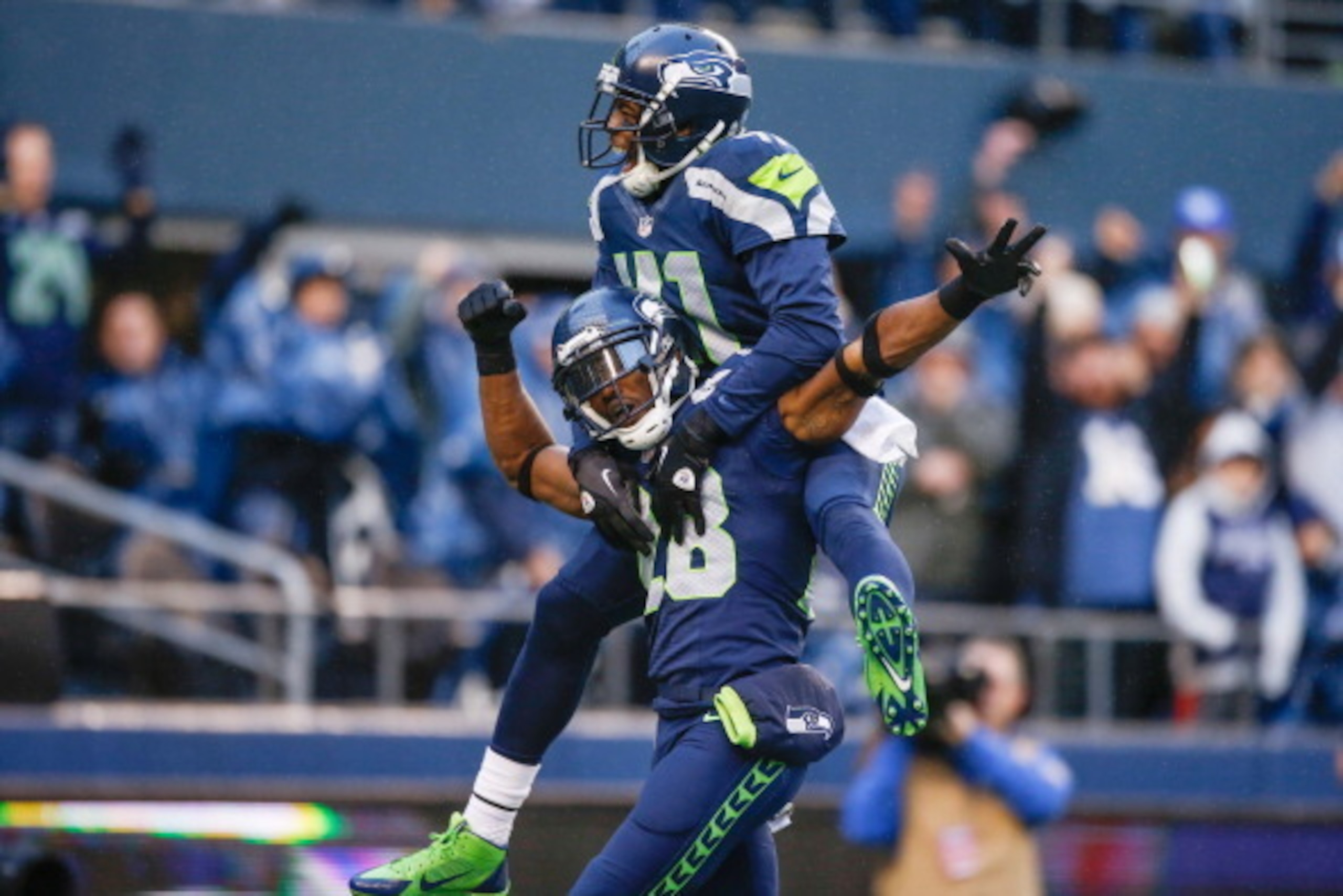
The Redskins secondary has looked good when its corners have been allowed to press. More aggressive techniques certainly suit the size offered by 6'1", 205-pounder Amerson and 5'11", 197-pound rising star Bashaud Breeland.
Constructing a jumbo-style coverage unit that roughs up and smothers receivers would dovetail well with more varied pressure schemes up front.
With these two qualities in place, Washington could finally field a defense capable of winning some games rather than losing them.
.jpg?w=2560 "Texans-Mixon Released Football")
.jpg?w=2560 "Commanders Eagles Football")

.jpg?w=2560 "Grading WWE Raw 🔠")


