The Most Prolific Pro Offenses in Sports History
Though sports are about defense as much as they are about offense, in comparison, the average fan seems to embrace the latter a whole lot more. And it makes some sense: If people view touchdowns, baskets and goals as products of success, their absence may well be seen as failure.
We're lucky, then, that sports history boasts exciting offenses that were as dynamic as they were dominant.
The Edmonton Oilers of the '80s stand as the perfect example, a team which scored its way to five Stanley Cups while employing an offensive style that captivated the hockey world.
On the pitch, and in a similar fashion, FC Barcelona continued to embrace its wondrous tiki-taka brand of ball in 2011-12 and, in the process, managed to score more single-season goals than any team ever.
And, in the NFL, the St. Louis Rams of 2000 also scored points at a furious rate while simultaneously introducing the world to the Greatest Show on Turf.
Like most sports fans, we've found inspiration in these otherworldly attacks and, to take things one step further, have done our best to spotlight the 23 most prolific pro offenses in sports history.
Quickly, we should note that we considered a few different variables when picking our teams. First, we looked at success in both historic and relative terms. In other words, the teams we selected both bullied their respective opponents and belong in the history books.
Next, we shied away from listing franchises on more than one occasion, assuming their central stars were the same in the seasons under consideration. Finally, we did our best to account for generational bias as well as for certain scoring trends; we gave teams from every era equal opportunity but also adjusted our analysis to mitigate the scoring volatility in, say, baseball and basketball over the years.
With all that in mind, we've identified 23 legendary offenses that may vary in shapes and sizes but delivered a prolific punch, and points, all the same.
Close, but No Cigar
1 of 24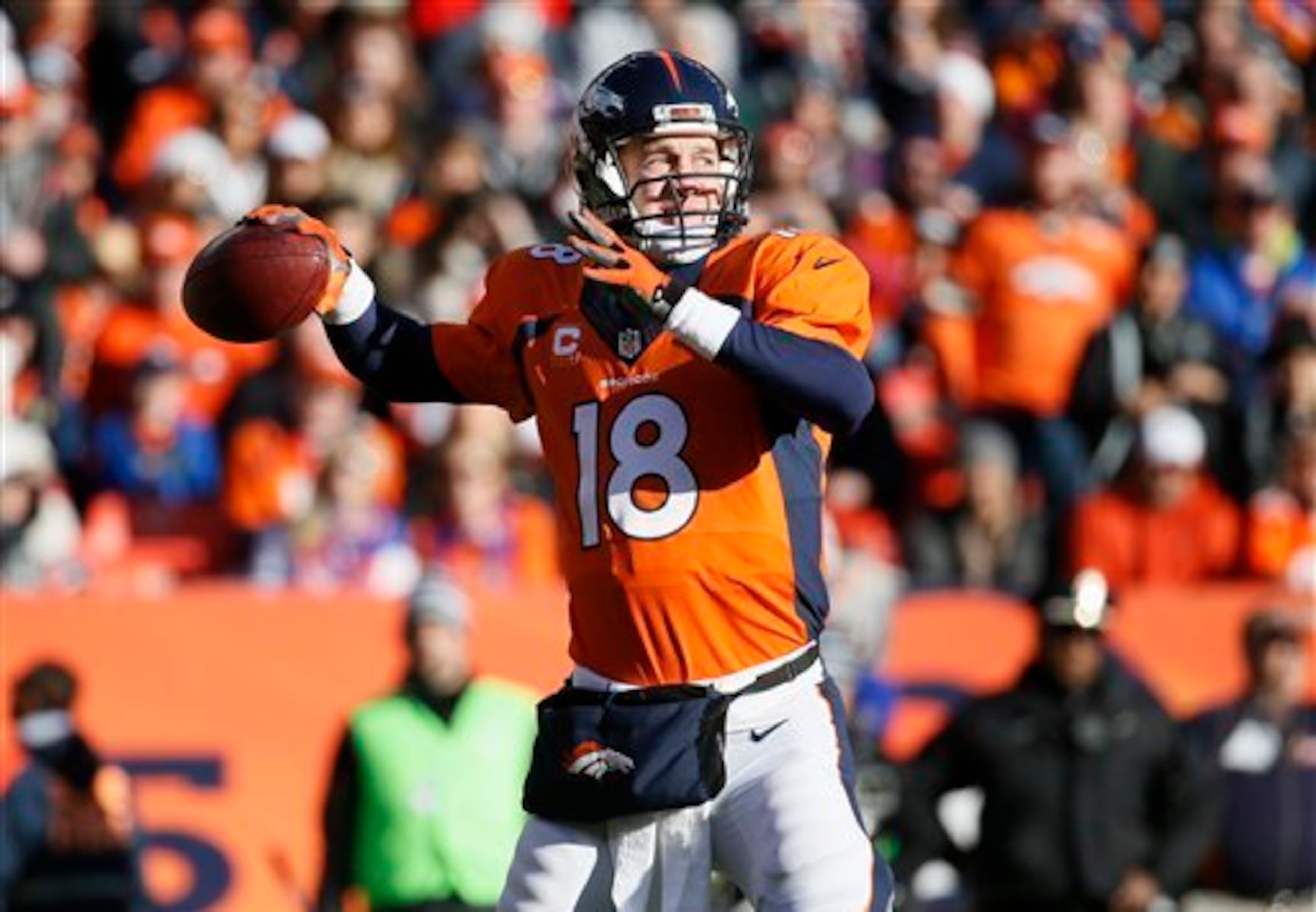
Though we feel like we've selected 23 amazing offenses, there are plenty of others worth honoring too. With that in mind, we present to you this prolific list of honorable mentions:
San Francisco 49ers, 1994
2 of 24
This star-studded offense—led by nine Pro Bowlers, including Hall of Famers Steve Young and Jerry Rice—was a juggernaut in just about every way imaginable.
At the quarterback position—by far the game's most important—the Niners were in the best possible hands in Steve Young. In '94, he completed more than 70 percent of his passes for 3,969 yards, 35 touchdowns and an NFL-record QB rating of 112.8.
His main target—Hall of Famer Jerry Rice—wasn't too shabby either, hauling in 112 passes for 1,499 yards and 13 scores.
Out of the backfield, Ricky Watters was as versatile as they come—he caught 66 passes in addition to rushing for 877 yards—while Brent Jones was a major contributor at tight end, registering 49 catches of his own.
All told, San Francisco scored a whopping 505 points in 1994, with a gaudy 32 points-per-game average.
More importantly, though, the offense turned things up a notch in the games that counted the most. Watters, for example, set an NFL playoff record with five TDs in San Francisco's 44-15 divisional win over the Bears, while Young threw six touchdown passes in a 49-26 Super Bowl win over the Chargers. In the team's three playoff wins, the offense averaged an almost unthinkable 44 points per game.
Historically elite production? Check.
Recognizable stars? Check.
Super Bowl title? Check.
Really, for what else can one ask?
Sacramento Kings, 2003-04
3 of 24
During the 2003-04 NBA season, defense was the name of the game. The league average for offensive efficiency—102.9—was the lowest it had been since way back in 1979.
The Kings, however, were an offensive exception; they were simply too good to let something as silly as current trends stand in their way.
Sacramento's offensive rating (points produced per 100 possessions) was a solid three points better than the next-best SuperSonics. The Kings were was one of only two teams to average more than 100 points per game, putting up 102.8 points per contest (nearly five points better than third place).
It was a versatile group too. Mike Bibby and Peja Stojakovic starred on the perimeter—the two combined to score 42.6 points per night—and set the pace for a team that shot better than 40 percent from three, 48 percent on twos and nearly 80 percent from the line.
And, believe it or not, the Kings were even better in the paint, where Chris Webber and Vlade Divac teamed up to form one of the league's most formidable frontcourts.
Thanks in part to a subpar defense—which on the year ranked 21st of 29 teams—the postseason didn't go exactly how Sacramento had planned. After defeating the Dallas Mavericks in Round 1, the Kings fell in Game 7 of the Western Conference Semifinals to a surprisingly talented bunch from Minnesota, led by Kevin Garnett, Sam Cassell and Latrell Sprewell.
Yet, however devastating the series loss was, it couldn't possibly obscure or diminish the historically regal offense the Kings put on display for more than six months of regular-season ball.
.jpg?w=2560 "Seahawks Chiefs Football")


Real Madrid C.F., 2011-12
4 of 24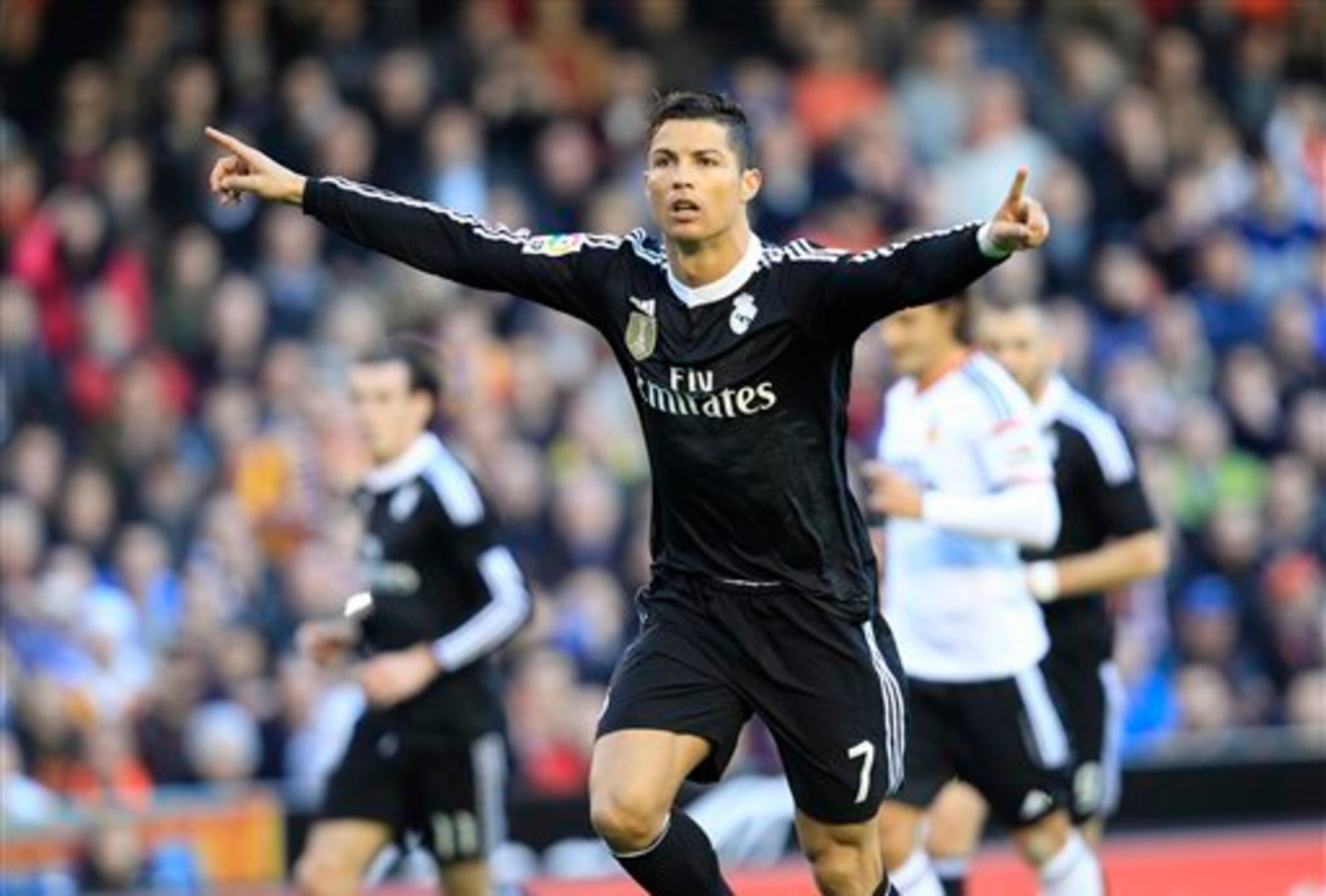
To the pitch we go, where in 2011-12 Real Madrid's offensive attack achieved brilliance of the historical sort.
En route to its 32nd La Liga title, Real Madrid set numerous offensive records, most notably for total points (100) and goals scored (121) in a single season. The latter sat 14 goals better than the previous all-time mark, which Madrid set in 1989-90. Outside of league play, over the course of the entire season, Real Madrid scored a mind-numbing 174 goals in 58 games played (that's, for the record, three goals per game).
It comes as no surprise, then, that Madrid sported a virtual all-Star team on the field—led by the likes of Cristiano Ronaldo, Karim Benzema, Gonzalo Higuain, Kaka, Angel Di Maria, Mesut Ozil, Sergio Ramos and Xabi Alonso—in addition to the great Iker Casillas in goal.
With 46 goals in La Liga and 60 scored overall, Ronaldo won both the Pichichi Trophy and European Golden Shoe for the year, while three other members of the squad posted double-digit goals, with two scoring 26 or more.
It all only further cemented what we already knew at the time: The Portuguese forward was a legendary striker playing alongside a collection of great goalscorers as part of a historically elite attack.
New England Patriots, 2007
5 of 24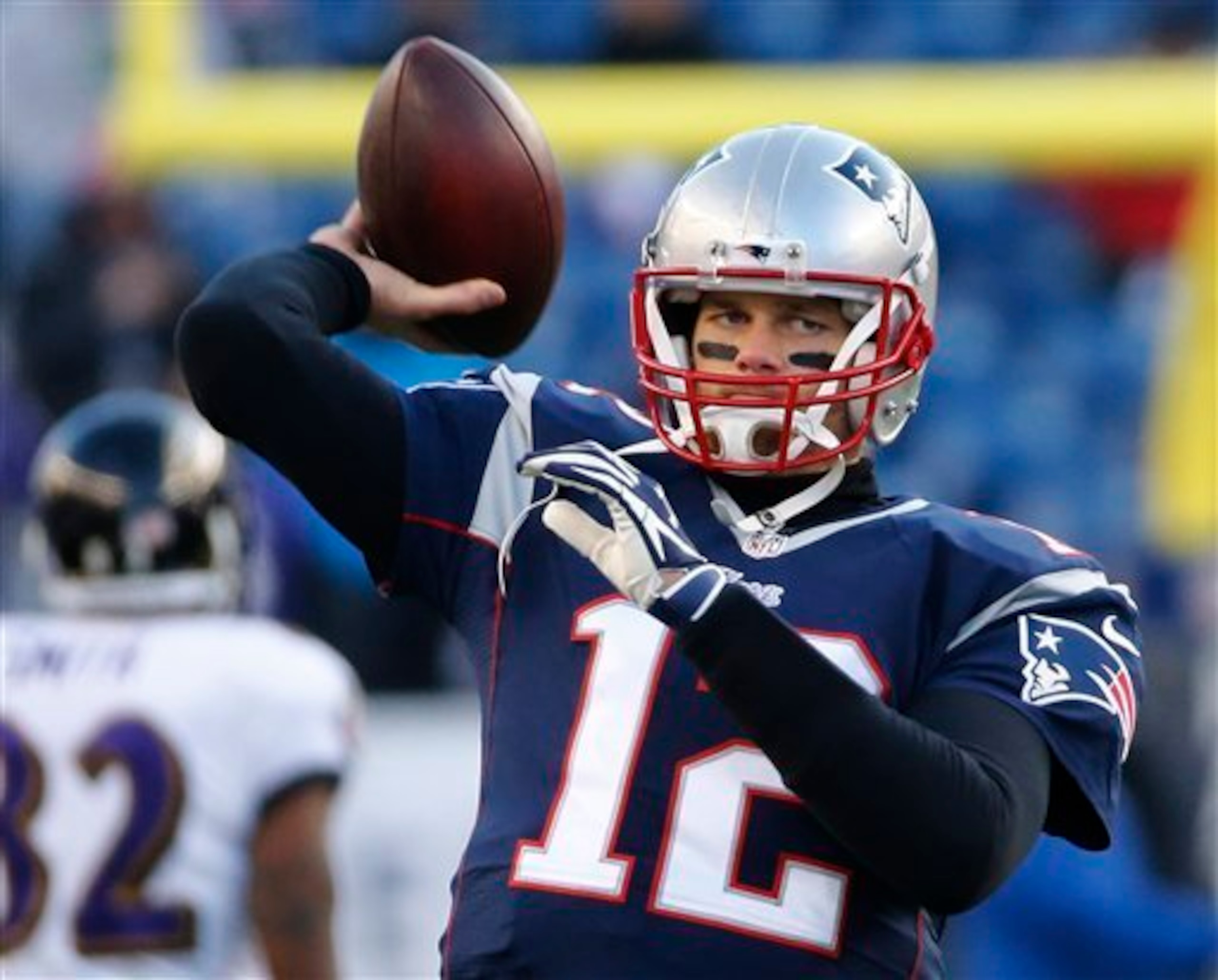
The Tom Brady-led Patriots have experienced many great seasons on the offensive side of the ball. None, however, rival their historic run in 2007, when they shattered offensive records en route to becoming just the second team in NFL history to make it to 16-0.
Of course, the then-unprecedented offensive explosion was hardly by chance. After blowing a 21-3 lead against the Colts in the AFC Championship Game just months earlier, the Patriots retooled in a major way, most notably with offensive upgrades.
In just one offseason, New England signed Donte Stallworth and then traded for both Wes Welker and, you guessed it, the great Randy Moss. And, as we know well by now, the NFL felt their earthquake-like impact immediately—Welker tied for the league lead in receptions, while Moss hauled in 98 balls of his own, including an NFL-record 23 touchdown catches.
All told, the new-and-improved, star-studded Patriots scored an all-time-high 75 touchdowns and demolished the NFL record for points in a season with 589—33 points better than the next-best mark—and a modest 36.8-point average per game.
As expected, the rest of the league struggled to keep up with the prolific Pats, who scored 30 or more in 12 games, 40 or more in four contests and 50 or more twice.
In the end, New England suffered a shocking Super Bowl loss to an underdog New York Giants squad, finishing the season with a still-respectable 18-1 record. Title or not, though, for a solid 18 weeks, New England was home to what was literally the most prolific offense the NFL had ever seen.
Utah Jazz, 1997-98
6 of 24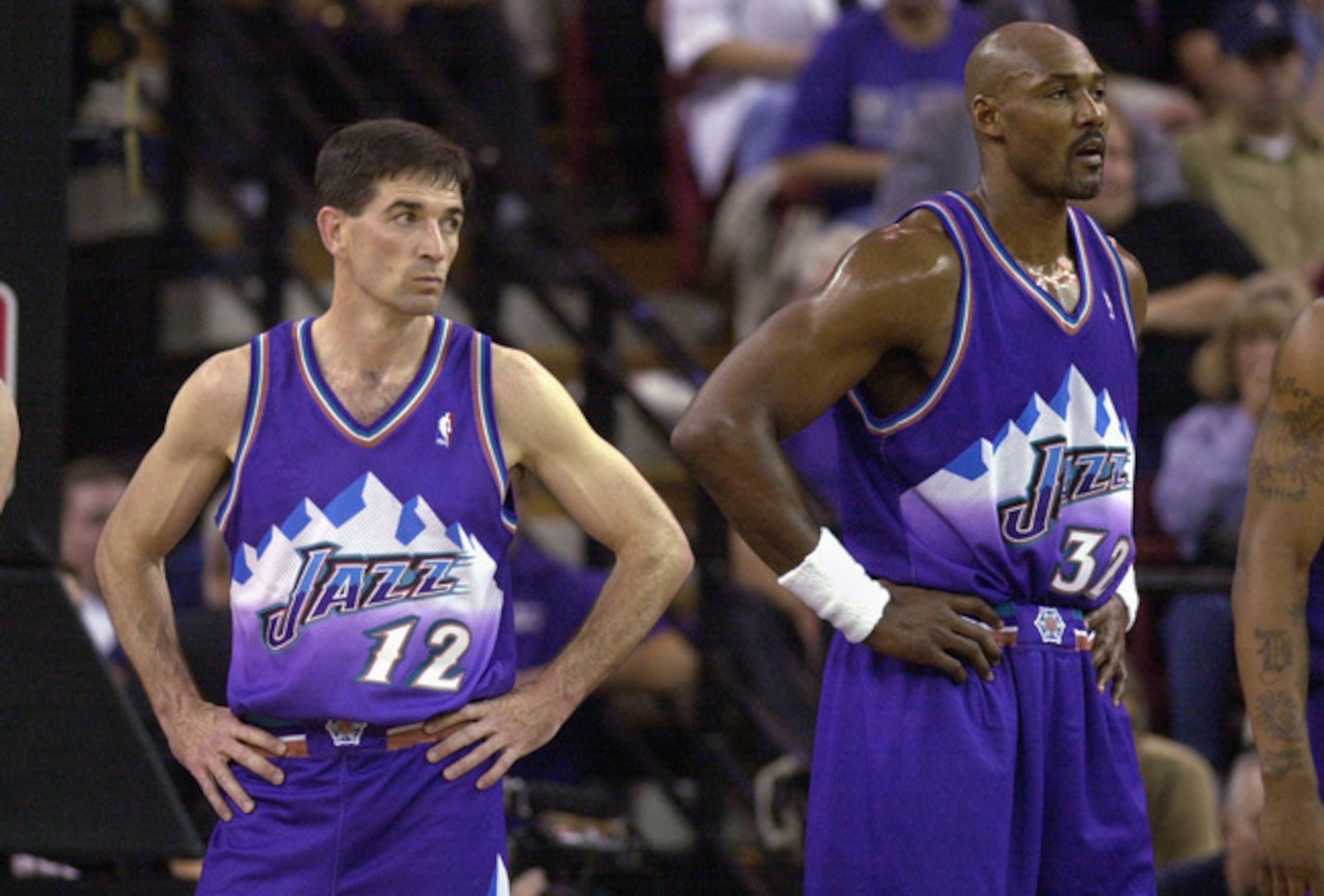
Upon first glance, it isn't exactly surprising that a team led by a Hall of Fame point guard—John Stockton—and a Hall of Fame power forward—Karl Malone—put together one of the most impressive offensive campaigns in NBA history. After all, the former currently sits as the all-time leader in career assists, while the latter ranks second overall in total points scored.
Of course, basketball is far from a two-man game and—even with their vaunted pick-and-roll sets and The Mailman's NBA-record 825 trips to the line—Stockton and Malone needed, and got, plenty of assistance.
In addition to the 39 points, 12.9 rebounds and 12.4 assists the dynamic duo brought the floor each night, Utah received an additional 23.2 points per outing from All-Star Jeff Hornacek and key cog Bryon Russell and 7.7 points per game or more from another three guys (Shandon Anderson, Adam Keefe and Howard Eisley).
And with their many weapons in place, the '97-98 Jazz offense flowed like a perfect musical arrangement, finishing atop the league—which they, oh by the way, shared with Michael Jordan—in offensive rating (points produced per 100 possessions).
Despite a middle-of-the-road defense—which ranked 18th of 29 teams in defensive rating—Utah's bear of an offense managed to score itself all the way to the NBA Finals. And though it eventually lost there—in six games to the Bulls—Utah's total body of work in '97-98 remains among the most offensively dynamic efforts in league history.
Boston Bruins, 1970-71
7 of 24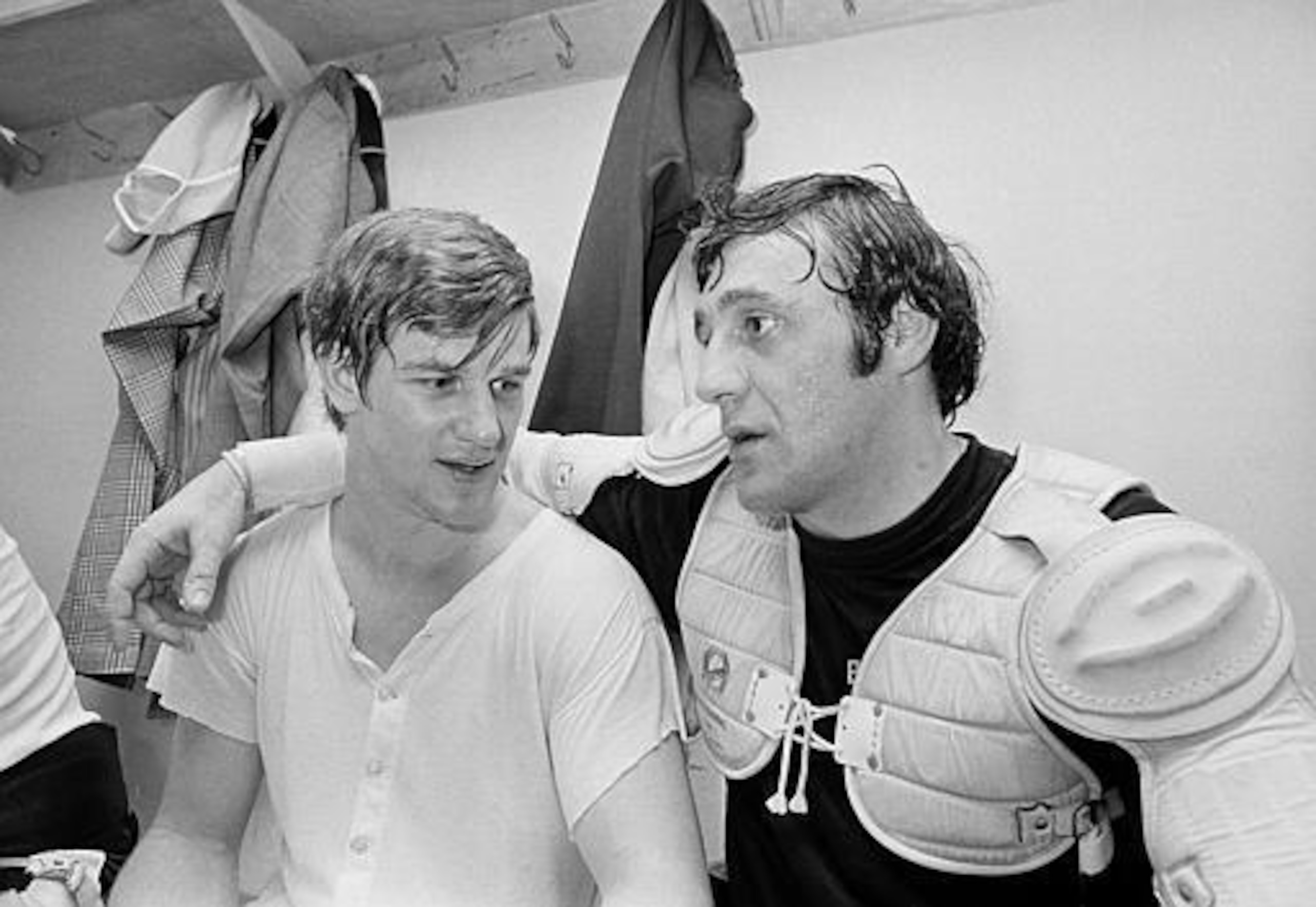
Thanks in large part to major contributions from two hockey legends—defenseman Bobby Orr and center Phil Esposito—the 1970-71 Boston Bruin offense was about as challenging to stop as any in the history of hockey.
And upon glancing at a few key stats from Boston's memorable season, it all seems to make plenty of sense. Orr, for example, set NHL records for both single-season assists (102) and points (139) by a defenseman—redefining the notion of "offense from defense" and giving his team a profound advantage in the attacking third. Esposito was equally dominant, setting a league record for shots on goal (550) and a club record for points in a season (152).
For their efforts, Orr won both the Hart and James Norris Memorial trophies and Esposito took home the Lester B. Pearson Award as well as the Art Ross Memorial Trophy.
Now, with all that said, an offense doesn't reach legendary status with just two stars, and in the case of the Bruins, that fact was exceedingly true. In fact, the '70-71 squad thrived in large part through unprecedented depth, setting a then-NHL record with 10 different players scoring 20 goals or more (it's worth noting, Boston would break its own record with 11 scorers in '77-78).
With Orr and Esposito setting the pace—and what seemed like an endless supply of scorers following their lead—the Bruins managed to score an astonishing 399 times in one season, 108 goals more than any other team in the league. And for those of you out there who aren't exactly math enthusiasts, that's an incredible 5.1 goals per game, which still stands as the seventh-best average in hockey history.
When the star-studded cast fell short of their goals in postseason play, it was the Bruin defense, not its transcendent offense—which, by the way, scored 26 goals in just seven playoff games—that let Boston down.
Detroit Tigers, 1935
8 of 24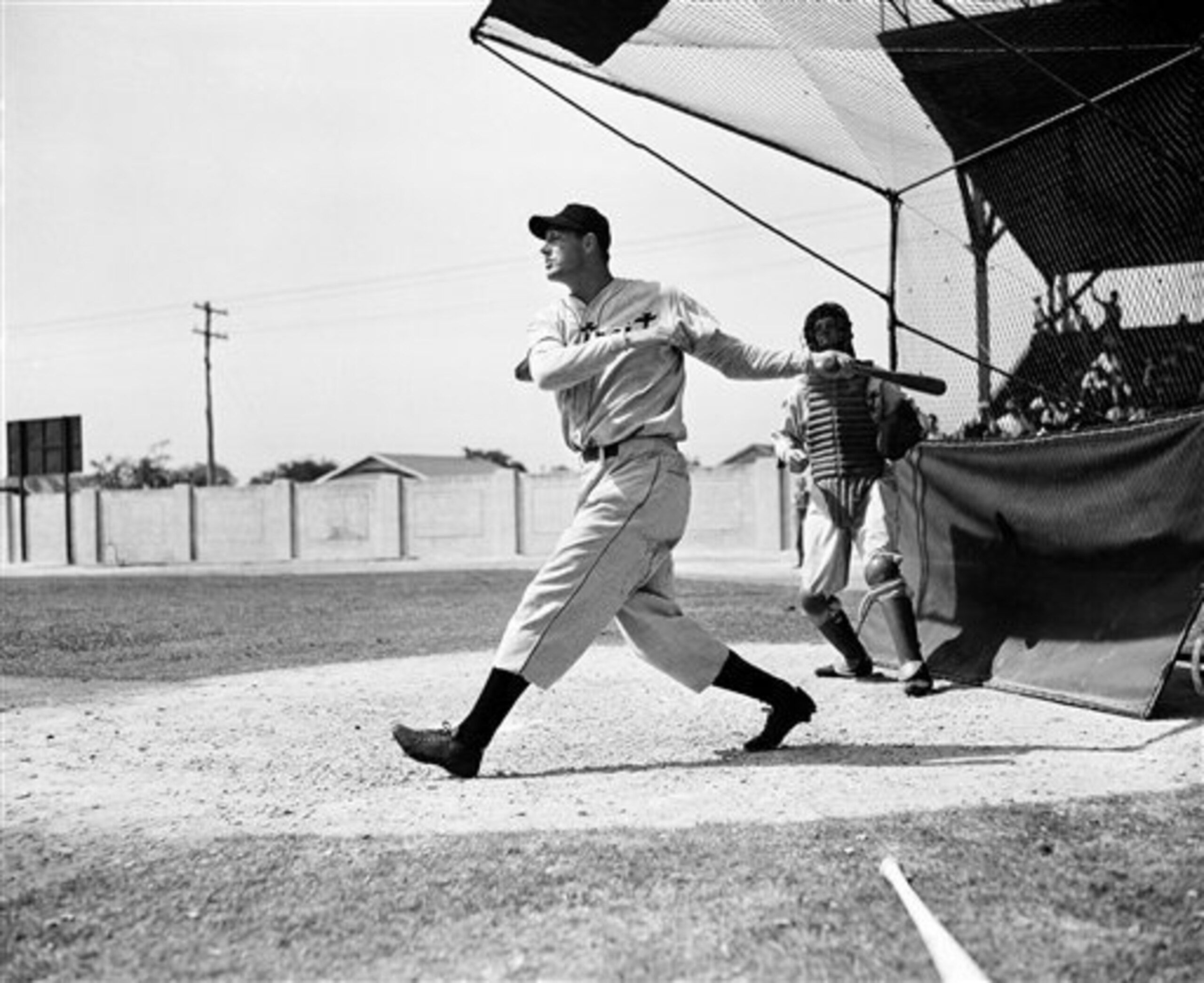
After losing the 1934 World Series in a seven-game duel with St. Louis, the Detroit Tigers rebounded in 1935 and rode an extraordinary offense back to the World Series, where they defeated the Chicago Cubs in six games.
For the '35 Tigers, winning the title was no doubt momentous but hardly surprising. After all, Detroit was home to four future Hall of Famers—Hank Greenberg, Charlie Gehringer, Mickey Cochrane and Goose Goslin—and to numerous other offensive stars, including Billy Rogell and Peter Fox.
To no one's surprise, Greenberg led the American League in home runs (36), RBI (170), total bases (389) and extra-base hits (98) en route to winning AL MVP honors. And, in addition to Hammerin' Hank's heroic efforts, three other Detroit starters—Cochrane, Gehringer (who also recorded 108 RBI) and Fox—hit .319 or higher on the year. Goslin wasn't too far behind, hitting .292 while knocking in 109 runs.
Add it all up and what do you get? A ludicrous 919 runs scored and an even more insane 96-run gap between Detroit and the year's second-most prolific offense.
Looking back now, it's clear the '35 Tigers had it all: a roster loaded with stars, an out-of-this-world offense and, as a result, a world championship.
Chelsea, 2009-10
9 of 24
In terms of both offensive production and total team success, the 2009-10 Chelsea side was a truly historic one. In winning the Premier League and the FA Cup, the club became just the seventh team all-time to complete the "Double."
Of course, the Blues owed much of their success to a record-setting offense, which—with 103 goals scored—became the first in Premier League history to top the 100-goal mark.
Fittingly, the explosive bunch was led by two of the world's best goalscorers—Didier Drogba and Frank Lampard—who combined for 51 goals in Premier League play (64 on the year). Chelsea's offense, though, was also greatly bolstered by other elite attackers—such as Florent Malouda, Salomon Kalou and Nicolas Anelka—as well as by crafty distribution from the likes of Michael Essien, Joe Cole, Michael Ballack and Deco.
In most aspects of life, soccer included, the concept of relativity is an important one. In Chelsea's case, it only further emphasizes just how exceptional the '09-10 offense really was. When, for example, compared to second-place Manchester United—which in total points on the season trailed the Blues by just one, 86-85—Chelsea's 103 goals dwarfed Man U's 86 by a sizable 17-goal margin.
And that, my friends, is what a special offense looks like.
Miami Dolphins, 1984
10 of 24
From an all-around talent perspective, the 1984 Miami Dolphins may not hold up against many of the other teams to grace our list. When you have Dan Marino, though, minor details—such as overall team talent—hold very little import.
Simply put, there was no slowing Marino in '84.
In just his second year in the league, the Hall of Fame signal-caller set NFL records for both passing yards (5,084) and touchdowns (48) en route to scoring 32.1 points per game, the 14th-highest average in league history. Better yet, Miami's 513-point total was a resounding 95 points better than the next-best Seahawks.
And while Marino was the team's only true legend, the pass attack was clearly set up to succeed. The offensive line allowed just 14 sacks in 18 games, and the team's top two wideouts—Mark Clayton and Mark Duper—formed an explosive duo. On the year, Clayton caught 73 balls for an NFL-record 18 touchdowns, while Duper was on the receiving end of 71 balls, 1,306 yards and eight scores.
Perhaps, though, instead of numbers, a quote from Hall of Fame coach Chuck Noll will better put Miami's prolific offense in perspective: "I've never seen a team that could pass the way they do, week in and week out," said the Steelers coach after the Dolphins demolished Pittsburgh 45-28 in the AFC Championship Game, according to ESPN.com. "It's like a writer winning the Pulitzer Prize every week."
Los Angeles Lakers, 1986-87
11 of 24
One could easily argue that no offense on our list was as exciting, efficient and star-studded as the Showtime Lakers of 1986-87.
The starting lineup—Kareem Abdul-Jabbar, A.C. Green, James Worthy, Byron Scott and Magic Johnson—included three Hall of Famers (Kareem, Magic and Worthy) and another All-Star (Green) in addition to the versatile and savvy Scott. Of course, one of the aforementioned Hall of Famers—that lanky center out of UCLA—just so happens to also be the NBA's all-time leading scorer, while Magic ranks fourth overall in career assists.
Coincidence? We think not.
The '86-87 Lakers were dynamic off the bench too, sporting two double-digit scorers in Michael Cooper and Mychal Thompson. In all, the team had an astonishing seven players average 10 points or more, including all five starters.
On their way to an NBA championship, the accomplished bunch averaged an impressive 117.8 points per game while posting a then-historic offensive rating (points produced per 100 possessions) of 115.6.
And, perhaps more importantly, they looked like this while doing it.
Pittsburgh Penguins, 1992-93
12 of 24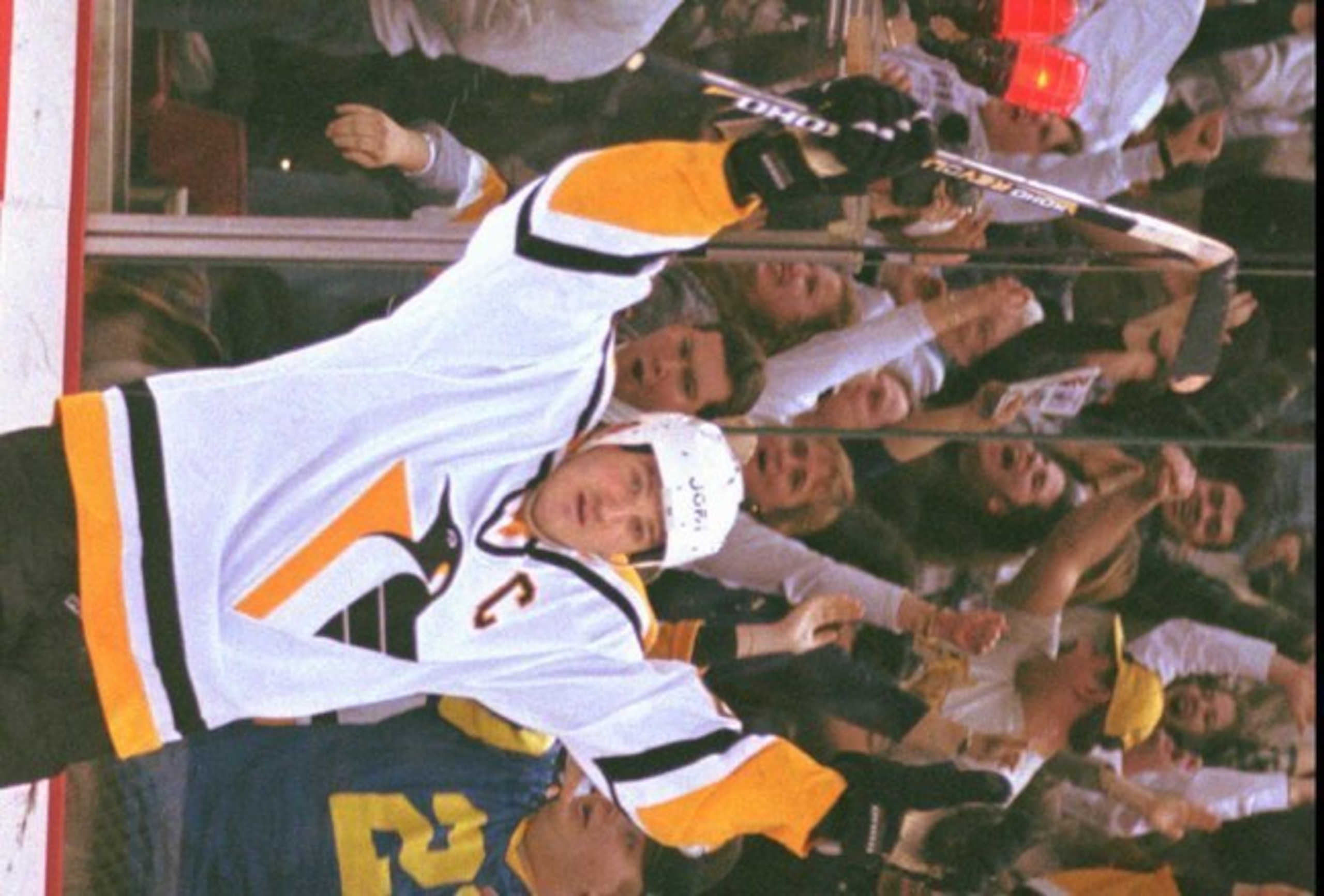
Utilizing a total team approach to perfection, the 1992-93 Pittsburgh Penguins achieved extraordinary production on the offensive end of the ice.
In amazing fashion, four Penguins surpassed the 100-point mark for the season, five scored at least 30 goals on the year—Mario Lemieux, Kevin Stevens, Rick Tocchet, Jaromir Jagr and Joe Mullen—and eight netted 20 or more.
Most notably, Lemieux had a one-of-a-kind campaign, contributing 160 points to Pittsburgh's cause despite appearing in just 60 of 84 regular-season games. In fact, had he not missed time, Lemieux was actually on pace to break Wayne Gretzky's records for most goals (92) and points (215) in a single season. And for his nonetheless remarkable play on the game's most exciting offensive powerhouse, the team captain was rewarded handsomely, taking home the Hart and Art Ross Memorial Trophies as well as the Lester B. Pearson Award.
Once the dust had settled, Pittsburgh's legacy in '92-93 was simple: One of hockey's greatest players ever teamed up with a deep collection of offensive stars to form one of the most deadly attacks in the sport's history.
Cleveland Indians, 1999
13 of 24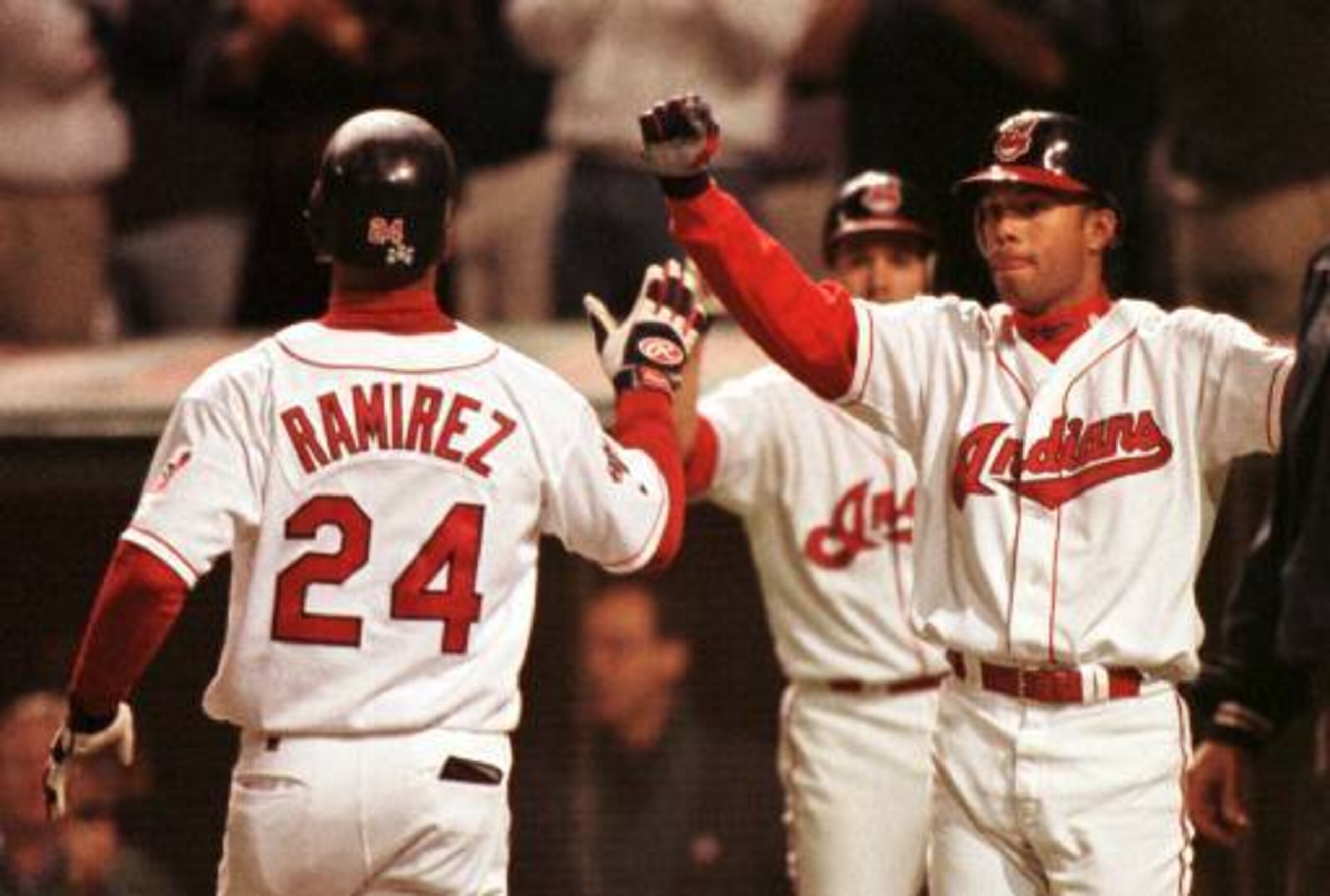
When it comes to single-season run production, a quick look at baseball's history books can be quite revealing. Most notably, an obvious and considerable generational lopsidedness persists.
Case in point: Only 16 teams in the history of baseball have ever scored more than 1,000 runs in a single season, and all but one did it in or prior to 1950 (14 of the 16 teams played in 1932 or earlier).
Which one team was the modern exception for offensive greatness, you ask? It was, of course, the 1999 Cleveland Indians, who scored an obscene 1,009 runs, which sits 13th-best all-time. And consider this: Over its 162-game regular season, at least one member of the Tribe crossed home plate in all but three outings.
For the sake of comparison, we should also note that Cleveland's run total was a solid 64 better than Texas' second-place number.
Of course, as most surely know, it was outfielder Manny Ramirez who led the score-fest—the 12-time All-Star found a way to drive in 165 runs, the most RBI hit by any player since Jimmie Foxx registered 175 in 1938.
Ramirez, however, was far from alone. Five different Indians scored at least 100 runs—Ramirez, Jim Thome, Roberto Alomar, Omar Vizquel and Kenny Lofton—while another four—Ramirez, Thome, Alomar and Richie Sexson—registered 100 RBI or more, and none of that accounts for David Justice, who contributed 123 hits and 21 homers of his own.
Overall, the '99 Indians were an utterly dominant bunch—the starting lineup alone included a Hall of Famer and five more perennial All-Stars—that came together to form the most dynamic offense in modern baseball history.
Washington Redskins, 1983
14 of 24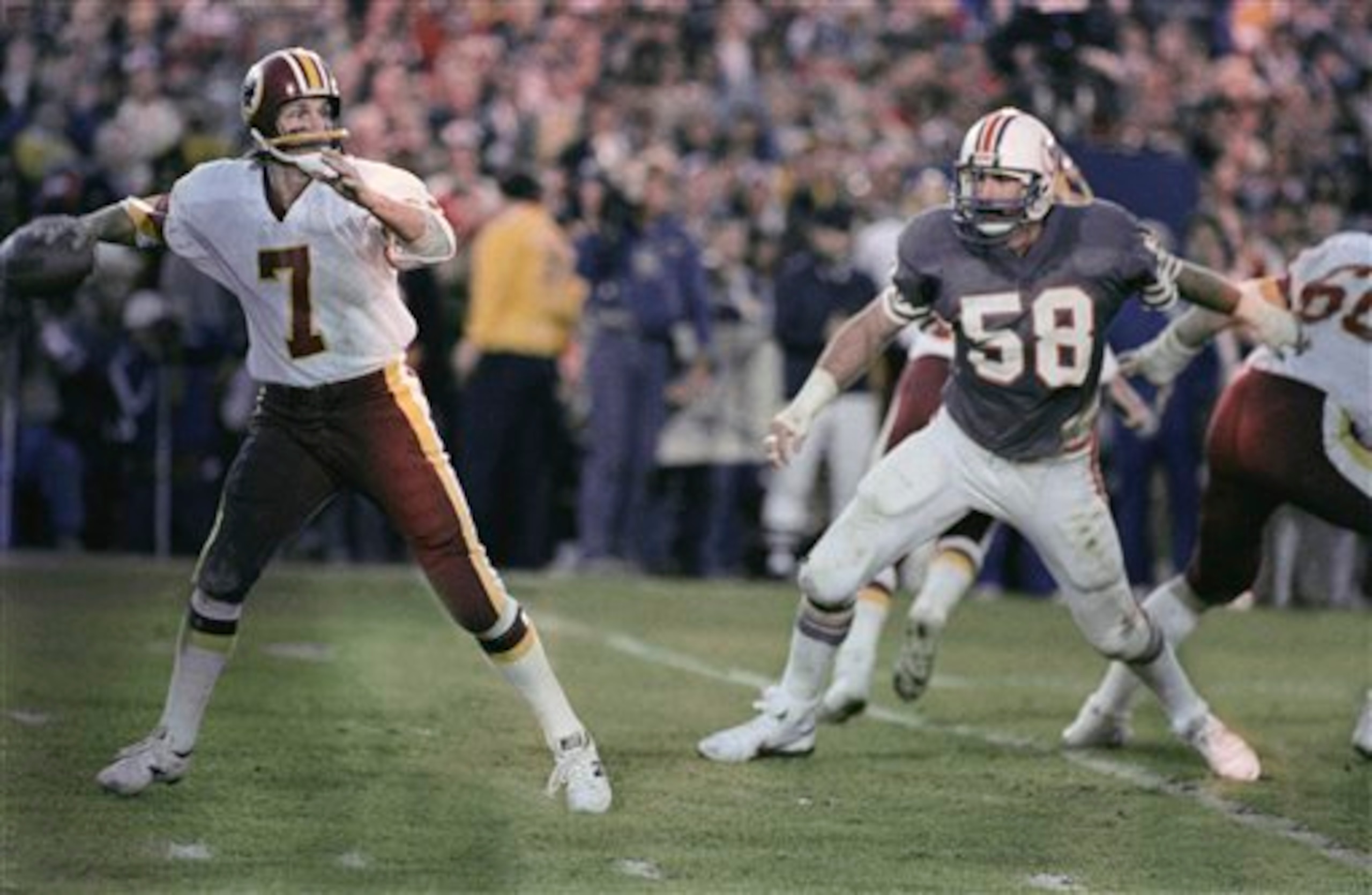
Led by the likes of Joe Theismann, John Riggins and Joe Washington in the backfield, and by Charlie Brown and Art Monk out wide, the 1983 Washington Redskins took the NFL by offensive storm.
The team scored a gaudy 541 points over the course of the year—at the time, an NFL record—and, excluding a Super Bowl loss to the Raiders, never once scored less than 23 points in a single game. All told, it was good enough for an average of nearly 35 points per game, tied for fourth-best all-time.
In the name of context, you should know that no other team in 1983 managed to score more than 479 points.
More specifically, Theismann orchestrated it all by completing better than 60 percent of his passes for 3,714 yards and 29 touchdowns on his way to earning league MVP honors. His job, though, was made considerably easier thanks to yeoman-like work from Riggins, who rumbled his way to 1,347 yards and 24 "smack-em-in-the-face" touchdowns.
In an embarrassment of riches, Riggins's counterpart—the often overlooked Washington—averaged 5.3 yards per carry on the year and combined with Monk to catch 94 passes, while Brown—the team's top big-play guy—reeled in 78 balls for 1,225 yards and eight touchdowns.
Simply put, Washington's '83 offense was about as well-rounded and explosive as they come, and it put up historic numbers to prove it.
Dallas Mavericks, 2003-04
15 of 24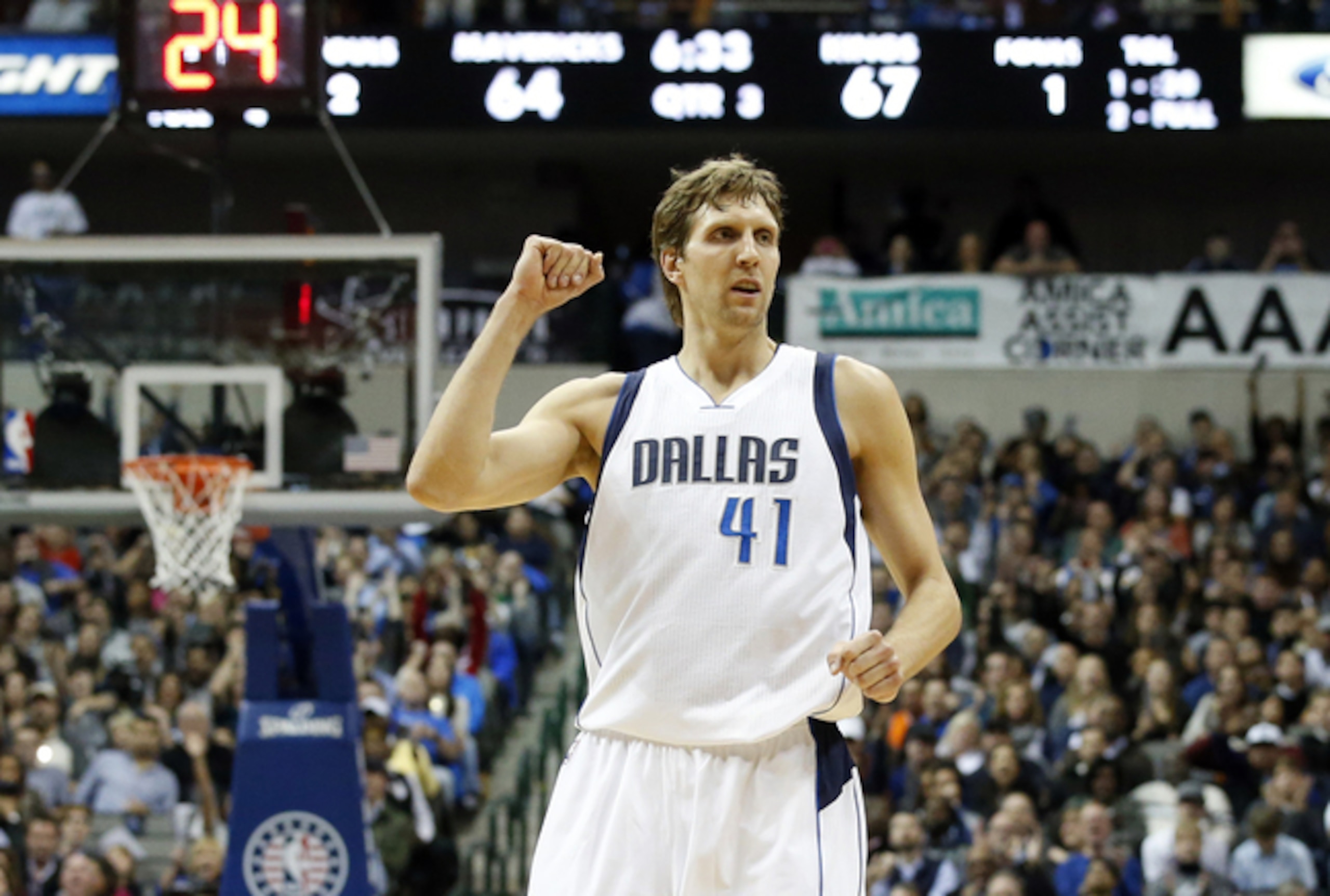
We go back to the hardwood here to celebrate our second team from the 2003-04 NBA season.
Interestingly, the other team we highlighted—the '03-04 Sacramento Kings—was responsible for eliminating the Mavs from postseason play that year. Yet, when looking at things from a strictly offensive point of view, we have to give Dallas the slight offensive edge (we should say, their defenses were hardly comparable).
For the Mavs, it all started in the backcourt, where two-time NBA MVP Steve Nash controlled the reins. Of course, the Canadian product had plenty of places to go with the ball, including the soft hands of 2007 NBA MVP Dirk Nowitzki.
The offensive assault didn't stop there, either...to say the least. In Michael Finley, Antawn Jamison and Antoine Walker, Dallas had three more dynamic, double-digit scorers at its disposal and, collectively, an additional 47.4 points per night.
As a result of it all, Dallas led the NBA in both points per game (105.2)—it was one of just two NBA teams to average more than 100 points per contest—and total offensive rating (112.1).
And despite operating in a defense-first version of the NBA, the '03-04 Mavs were as offensively proficient and prolific (relatively speaking) as any team ever.
Montreal Canadiens, 1976-77
16 of 24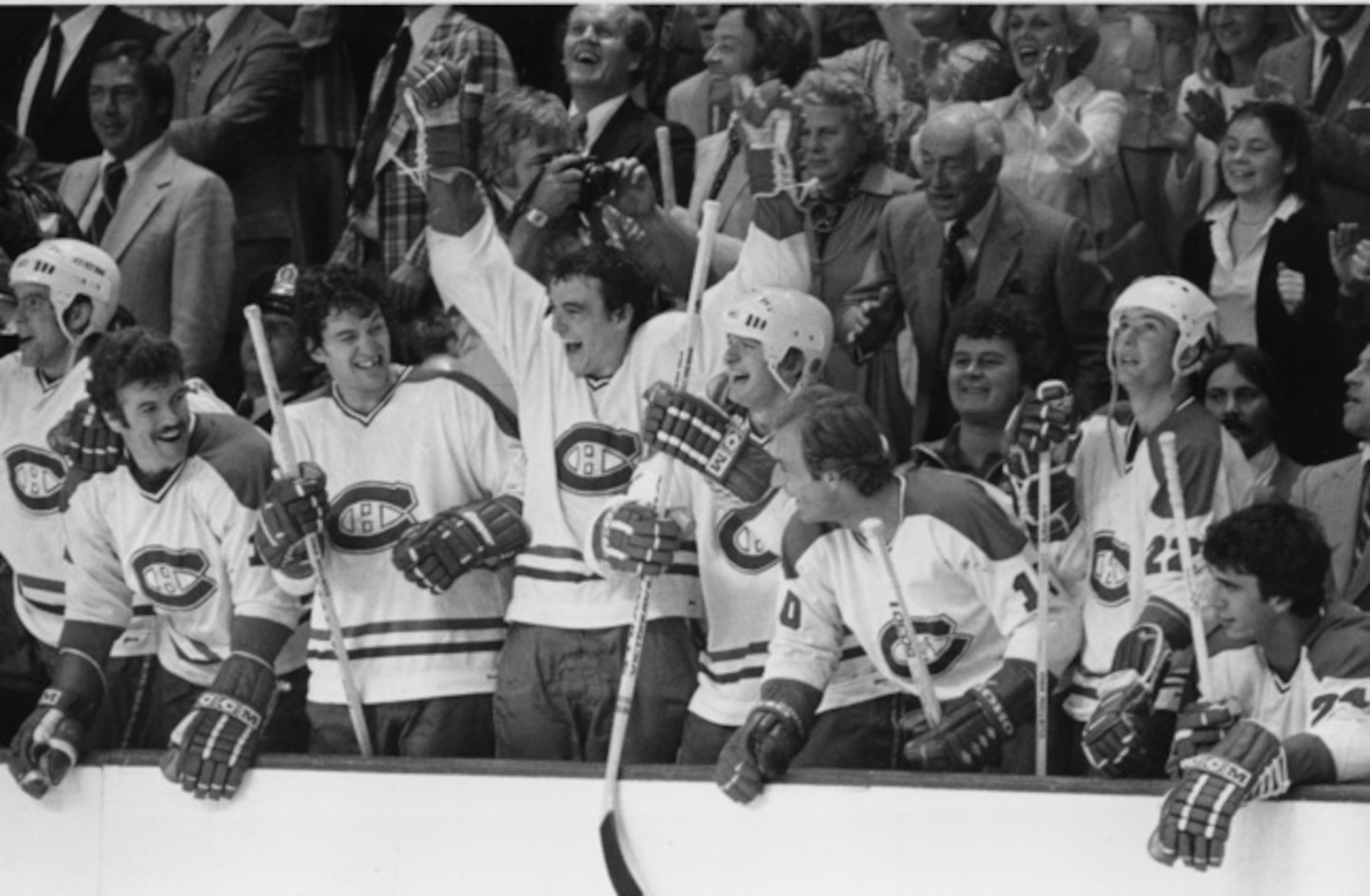
We can spout historic stats at you in true overabundance (and probably still will), but here's all you really need to know about the '76-77 Canadiens: Widely regarded as the greatest team in NHL history—it set the league record for points in a season with 132—Montreal's roster featured nine future Hall of Famers.
“When we scrimmaged, you were playing against the best players in the world,” recalled Peter Mahovlich, per The Hockey News, who lost his spot on the first line to Jacques Lemaire that season despite posting a team-record 82 assists the year before. “You couldn’t help but get better because we had a bunch of guys who loved to be on the ice. Guy Lafleur loved to be on the ice. Steve Shutt loved to be on the ice. Larry Robinson loved to be on the ice and going at top speed. It was fun.”
The legendary group was captained by right winger Guy Lafleur, who—after leading the league in assists (80) and points (136)—managed to take home the Art Ross, Conn Smythe, Hart and Lou Marsh trophies.
Yet, as alluded to above, Lafleur received plenty of help too, most notably from Steve Shutt, who led the league in goals with 60.
In total, eight guys scored at least 20 times during the regular season, while another six scored 13 goals or more. Montreal's wild average of 4.8 goals per game still ranks 12th best all-time, and its 387 goals on the year exceeded the league's second-most prolific offense by 64 scores.
It's hard to identify the absolute "best" at anything. But with star power and over-the-top production specifically in mind, it's clear that Montreal's attack in '76-77 was among the greatest in the history of sports.
Brooklyn Dodgers, 1953
17 of 24
In 1953, no matter where you searched in the Brooklyn clubhouse, you were bound to stumble upon an All-Star, as the Dodgers sent an impressive six to the annual game.
Hall of Famer Jackie Robinson, three-time NL MVP Roy Campanella and 1953 Rookie of the Year Jim Gilliam headlined the group. And in teaming up with fellow stars like Pee Wee Reese, Gil Hodges and Duke Snider, they formed the nucleus of a historically elite offensive attack.
Five members of the starting lineup hit .302 or better—Campanella, Hodges, Snider, Robinson and Carl Furillo. Four launched at least 21 homers—Campanella, Hodges, Snider and Furillo. And three registered a minimum of 122 RBI—Campanella, Hodges and Snider—while Robinson and Furillo knocked in 95 and 92 runs, respectively.
All together, the lineup produced 955 runs on the year, which was, unbelievably, 187 runs more than the second-most prolific NL offense.
We should note the dynamic Dodgers eventually lost in disappointing fashion to the Yankees in a six-game World Series, though the defeat did little to deny the most obvious of truths: The Dodgers sure could score some runs.
Minnesota Vikings, 1998
18 of 24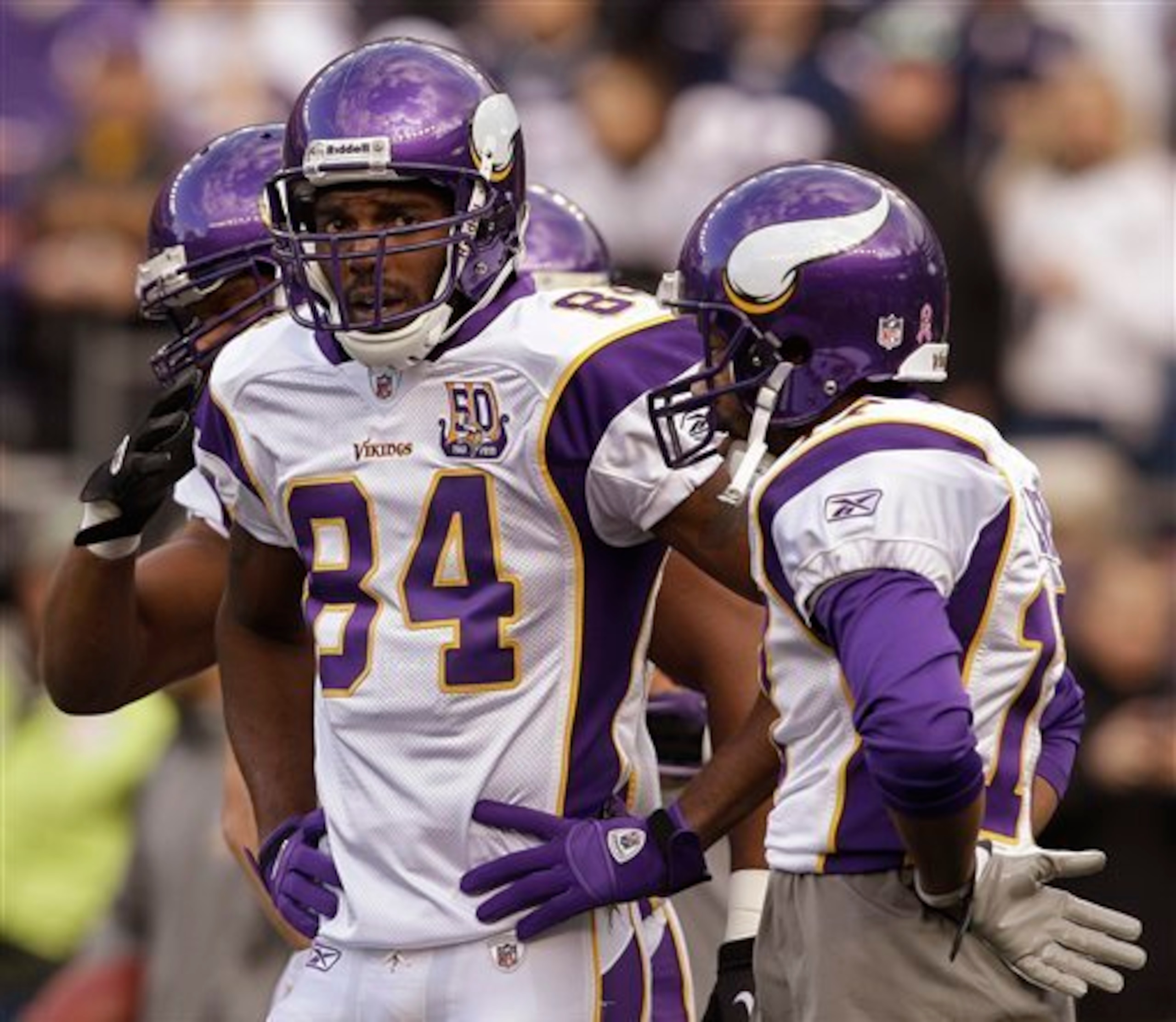
The Minnesota Vikings of 1998 featured an offense that was as explosive as it was efficient. In addition to setting an NFL record for points scored in a season (556 for an average of nearly 35 per contest), the '98 Vikes had an almost-unreal 85 plays go for 20 yards or more.
They were also much better than the rest, scoring 55 more points than the next-best offense.
To be exact, Minnesota's offensive juggernaut did most its damage through the air, with quarterback Randall Cunningham completing 61 percent of his passes for 3,704 yards to go along with 34 touchdowns and just 10 interceptions.
Cunningham, of course, just so happened to have the NFL's most dynamic receiving tandem at his disposal and took full advantage of both Cris Carter and Randy Moss. Few defenses had what it took to slow the feared duo, which was illustrated by their combined 2,324 receiving yards and 29 touchdowns.
It didn't help defenses, either, that opponents had to respect Minnesota's run game too, which was led by 1,000-yard back Robert Smith. Even the kicking game was deadly, with Gary Anderson connecting on a perfect 35 of 35 field-goal attempts.
The 15-1 Vikes were eventually derailed by the Falcons in the NFC Championship Game. Yet even in defeat, Minnesota's historic offense managed to do what it did best: score (27 points, to be precise).
Phoenix Suns, 2004-05
19 of 24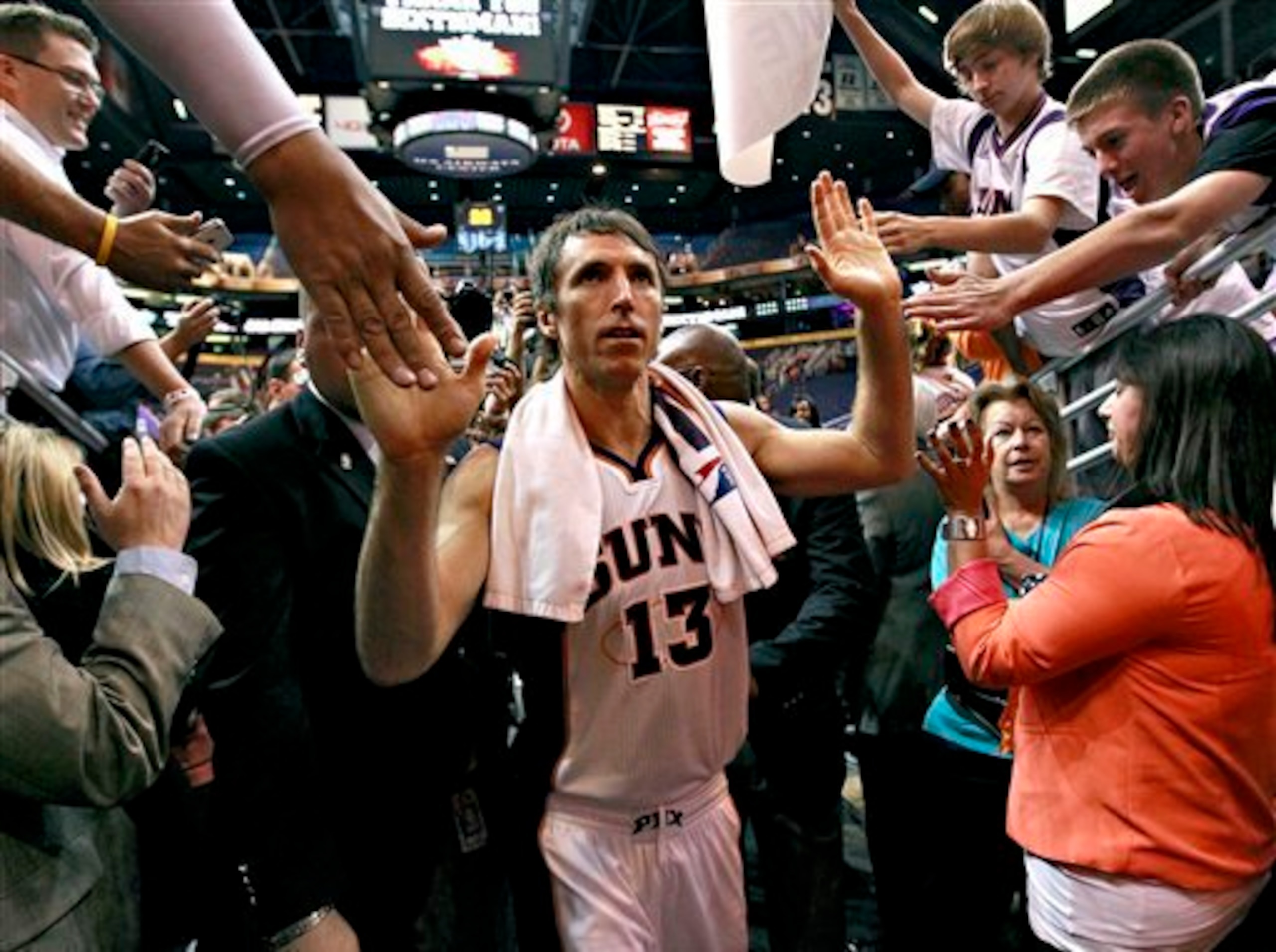
A Steve Nash-led team appears on our list once again, and by the way, the '04-05 version of the Suns is just one of a few that could have made our rankings.
We went with the earliest incarnation, however, as it featured Shawn Marion, Joe Johnson (in a contract year), Quentin Richardson and Jim Jackson in addition to Nash and Amar'e Stoudemire. From the celebrated six-man group, five scored in double figures with Stoudemire's 26 points per game leading the way.
Of course, the roster wasn't just loaded but also perfectly tailored to head coach Mike D'Antoni's uptempo offense. Over 82 games, D'Antoni's bunch ranked first in pace, field goals, three-point buckets, three-point percentage and effective field-goal percentage.
Not surprisingly, Phoenix also led the NBA in scoring at 110.4 points per game as well as in offensive efficiency with a rating of 114.5. It's worth noting the NBA's second-best offense that year—Sacramento—managed to score just 103 points per game, seven fewer than Phoenix's outlandish number.
Following an NBA-best 62-win season, the Suns were ousted by the Spurs in the Western Conference Finals, but not for a lack of offense—even in defeat, Phoenix averaged 104 points per game during the series.
Edmonton Oilers, 1983-84
20 of 24
Much like the Montreal Canadiens of '76-77, the '83-84 Edmonton Oilers featured one of the most talented rosters in NHL history.
And with stars such as Wayne Gretzky, Glenn Anderson, Jari Kurri, Paul Coffey and Mark Messier roaming the ice, plenty of goals were sure to follow.
More specifically, Gretzky's 87 scores on the year led both the club and the league and so too did his 118 assists. As a result, the Great One finished the year with 205 points and won the Art Ross Trophy for a fourth consecutive season.
Gretzky wasn't the only Oiler, however, to put up prolific numbers. Coffey registered 126 points—the second-highest total ever from a defenseman—while both Kurri and Messier also broke the 100-point barrier (Anderson finished the year one point shy with 99). Perhaps more impressive, 11 Oilers scored 13 goals or more on the year, with five netting at least 37.
Edmonton finished out the year by winning its first of five Stanley Cups and, in the process, scored more goals (446) than any team in NHL history.
New York Yankees, 1931
21 of 24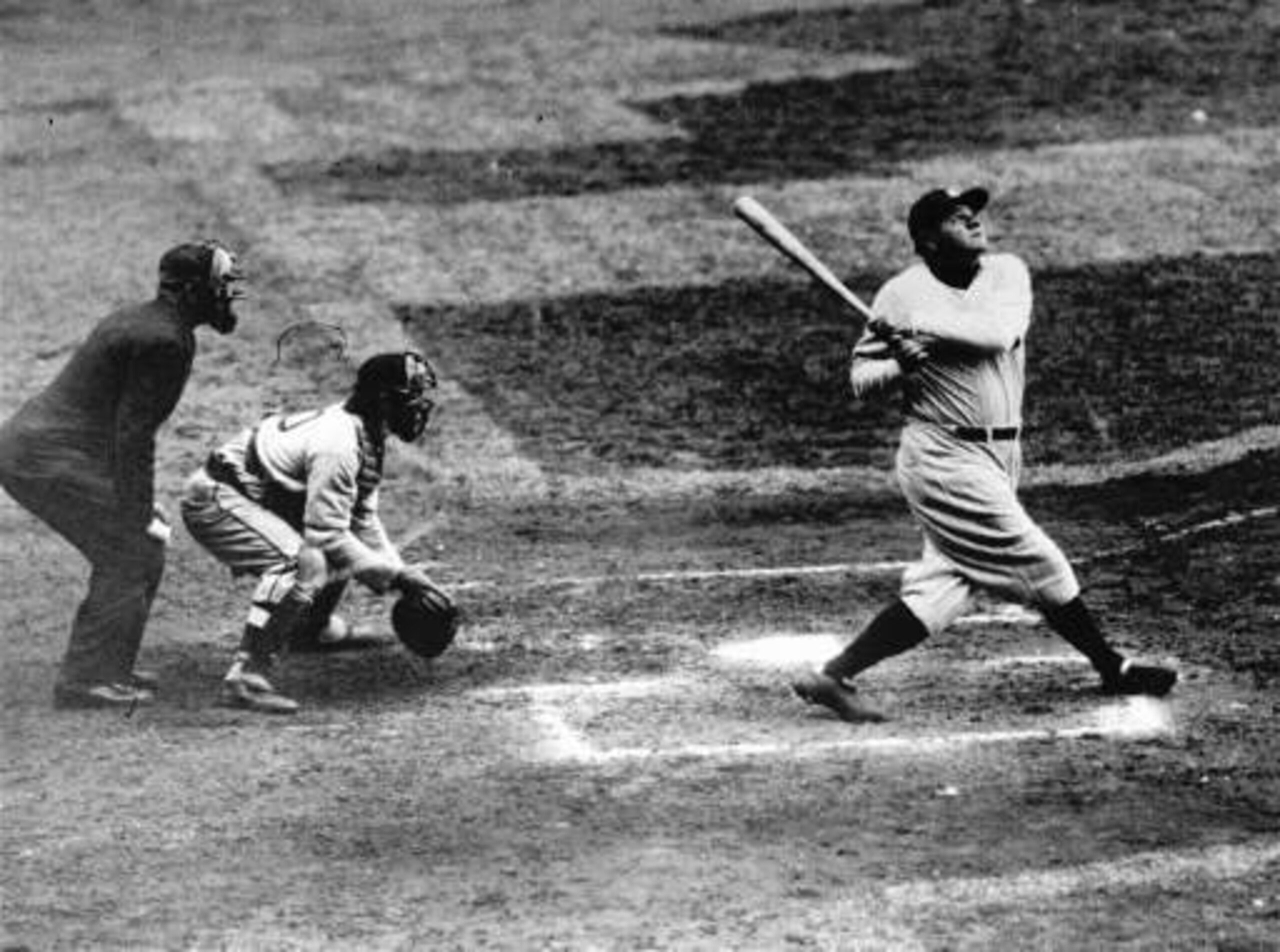
In the field alone, the 1931 New York Yankees featured six future Hall of Famers in addition to countless All-Stars. Of course, the group's most prominent names were none other than Lou Gehrig and Babe Ruth—two guys who didn't need much help carrying an offense but still got plenty.
In the starting lineup, six of eight batters hit .302 or better, with Ruth leading the way at .373. The Sultan of Swat also powered his way to 46 homers, a number that Gehrig actually matched that year.
And as mentioned above, other Yankees were involved in the scoring too. In all, eight batters recorded at least 58 RBI, with four Yanks—Gehrig, Ruth, Ben Chapman and Lyn Lary—hitting at least 107.
Considering the unrivaled star power, it's hardly surprising that the '31 Yanks remain the "modern" standard for offensive excellence. If, for example, you want to find a major league baseball team that managed to score more runs the Yankee's 1,067, you have to go back more than a century, all the way to 1895.
FC Barcelona, 2011-12
22 of 24
The 2011-12 La Liga season featured two of the best attacks in soccer history. In an earlier slide we addressed Real Madrid's record-setting offensive dominance (121 goals in a La Liga season), which means it's now time to spotlight the Boys from Barca.
First, we should note that Barcelona's 114 goals in 2011-12 were impressive but less than Real Madrid's aforementioned record mark. With, however, the rest of the season's tournaments included, Barcelona's offensive proficiency was just as special, if not even better.
Over the course of the year—64 games, to be exact—Barcelona scored a record 190 goals (114 in the league, 35 in the Champions League, 26 in the Spanish Cup, five in the Spanish Super Cup, two in the European Super Cup and eight in the World Club Cup). In comparison, Real Madrid scored 174 goals in 58 games, 16 fewer scores in six less outings for an almost identical three-goal average per game.
And, just like Real Madrid's, Barcelona's roster overflowed with talent too. The world's best player—Lionel Messi—set the curve, scoring an absurd 73 goals on his way to winning FIFA's 2011 Ballon d'Or. He was aided, though, by four more double-digit goalscorers and a hoard of like-minded stars, including Cesc Fabregas, Alexis Sanchez, Xavi, Pedro, David Villa and Andres Iniesta.
Barcelona has been home to some of the best sides in soccer history, but from a purely offensive standpoint, the 2011-12 squad takes the cake. Thanks in large part to the world's best scorer—Messi—playing his absolute best soccer (his 73 goals were 13 more than his next-best output), the Boys from Barca set a new standard for offensive greatness.
St. Louis Rams, 2000
23 of 24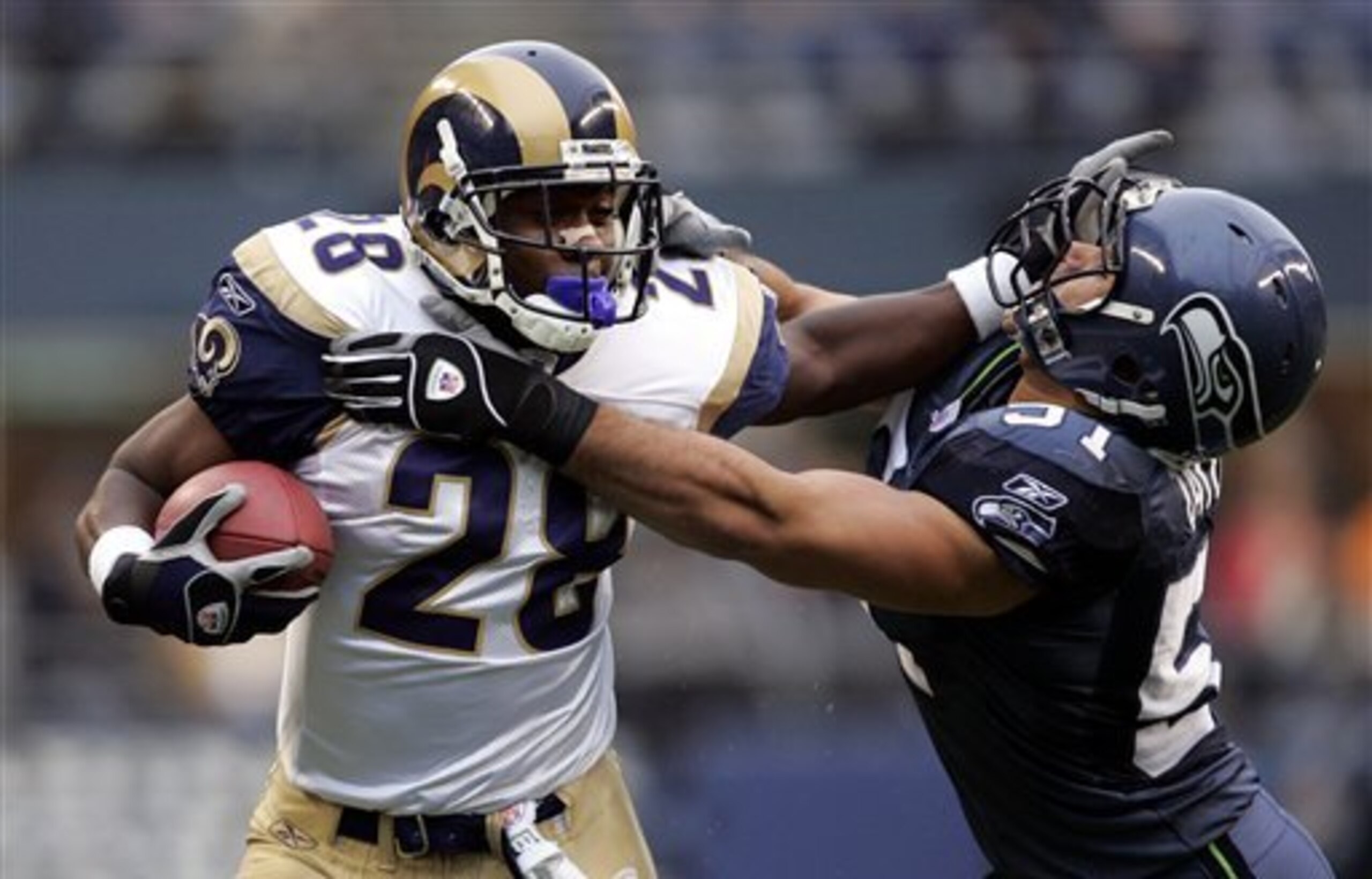
The 2000 St. Louis Rams were—and are—referred to as the Greatest Show on Turf for good reason.
Led by a resurgent Kurt Warner, the elusive Marshall Faulk and a dynamic duo of receivers in Isaac Bruce and Tory Holt, the 2000 Rams managed to improve on their out-of-nowhere offensive explosion of 1999.
The team got off to a blazing start—it averaged 43.7 points per game over its first six contests—and its 540 points on the year—33.8 per game—led the NFL for a second consecutive season.
What separated the Rams' 2000 offense from other elite attacks, however, was the amount of adversity it overcame without falling off. Warner, for example, was forced to miss five games with a broken pinky, but a steady Trent Green filled in more than admirably. Combined, the two quarterbacks threw for 5,492 yards on the year, with 169 completions going the way of Holt and Bruce.
What was perhaps even more impressive, though, was Faulk's heroic effort turned. To be sure, the eventual MVP did it all, rushing for 1,359 yards on 5.4 yards per carry in addition to notching 28 scores. Better yet, the versatile back also hauled in 81 balls for 830 receiving yards, a 10.2-yard average per catch.
In the end, St. Louis produced at an elite level with or without Warner and also despite its NFL-worst defense—a true testament to the overall talent that once resided in St. Louis. In fact, with their backs against the wall, the Rams became the first team in NFL history to score more than 500 points while also allowing their opponents to put up 450 or more.
Along the way, then, the 2000 Rams proved to be even more than just the Greatest Show on Turf; they were the most resilient offense on Earth, too.
Chicago Bulls, 1996-97
24 of 24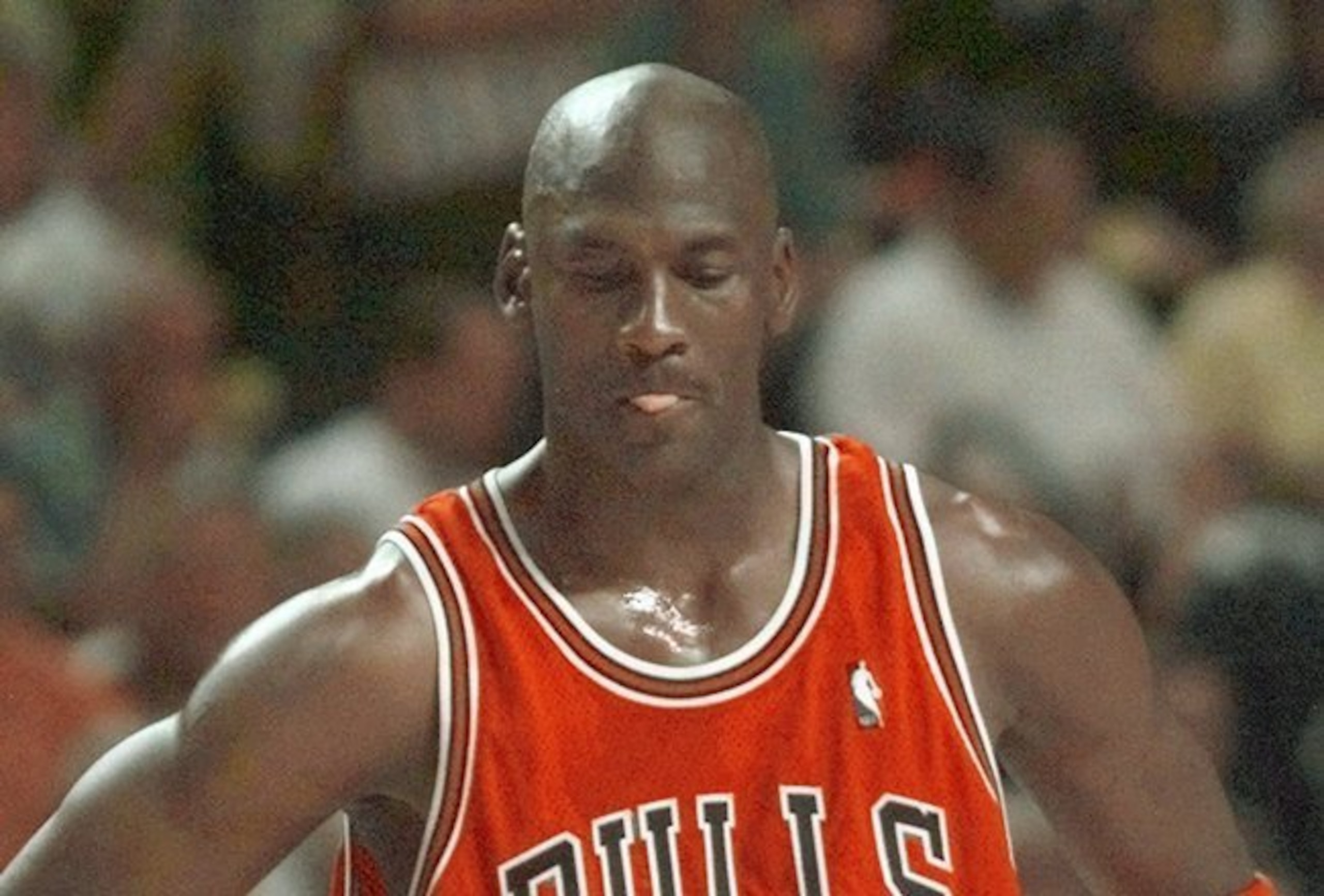
It's only fitting that the NBA's GOAT—Michael Jordan, of course—also suited up for what is historically one of the league's most prolific offenses.
As was expected of Jordan-led teams, the Bulls of '96-97 paced the NBA in points per game as well as in offensive rating and did so against the stingiest NBA in years (here we have to account for relative rather than pure production). Here, Jordan's well-known and absolute refusal to be denied played a major role, no doubt.
Similar to the year prior, His Airness once again received a majority of his offensive help from Scottie Pippen and Toni Kukoc, who averaged 19.4 and 13.1 points per game, respectively. And Jordan's ability to effectively distribute and create for others—while also averaging a robust and league-leading 30.4 points per game—allowed for guys like Luc Longley, Steve Kerr, Ron Harper and Dennis Rodman to play meaningful offensive roles as well.
As most know by now, the '96-97 Bulls went on to win 69 games and their fifth NBA title in seven seasons. They did it, however, not with suffocating defense but with an extraordinary offense, led by the greatest scorer in the history of the NBA.
Follow Janovitz on Twitter @BrainTrain9