
Whatever Happened To: Sports Edition
In the enormous, always-changing world of sports, fans are regularly left wondering, "Whatever happened to" this or that?
Rules frequently change, technology constantly redefines, and even stars can vanish before we know it.
Athletes we were ready to idolize—such as Johan Santana and Freddy Adu—disappeared in what seemed like a moment. And ideas we thought were forever—like FoxTrax and Reebok Pumps—were actually nothing more than fads.
So below—in our Whatever Happened To: Sports Edition list—we celebrate some of our favorite sports things and people that quickly disappeared but are definitely worth remembering.
Close, but No Cigar
1 of 11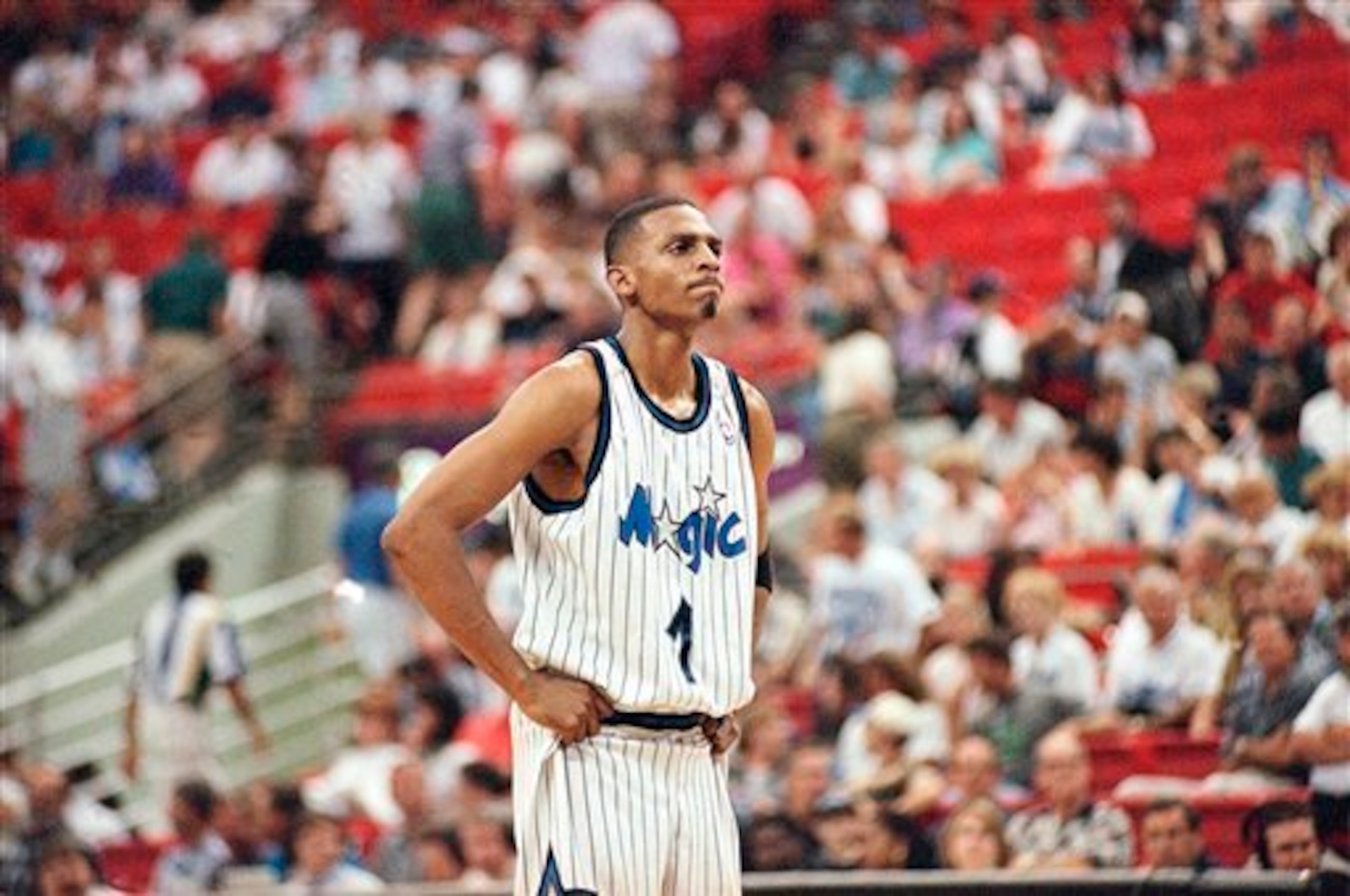
Though we confined our list to a favorite 10, there were other things and people in sports that quickly vanished but are still worth remembering. This, then, is our "Whatever Happened To..." list of honorable mentions:
- Seattle Supersonics
- Michigan Football
- Anfernee Hardaway
- Stromile Swift
- Rock N' Jock
- Ryan Leaf
- The Granny Shot
- The Tuck Rule
- Bullpen Cars
- Baseball Cards
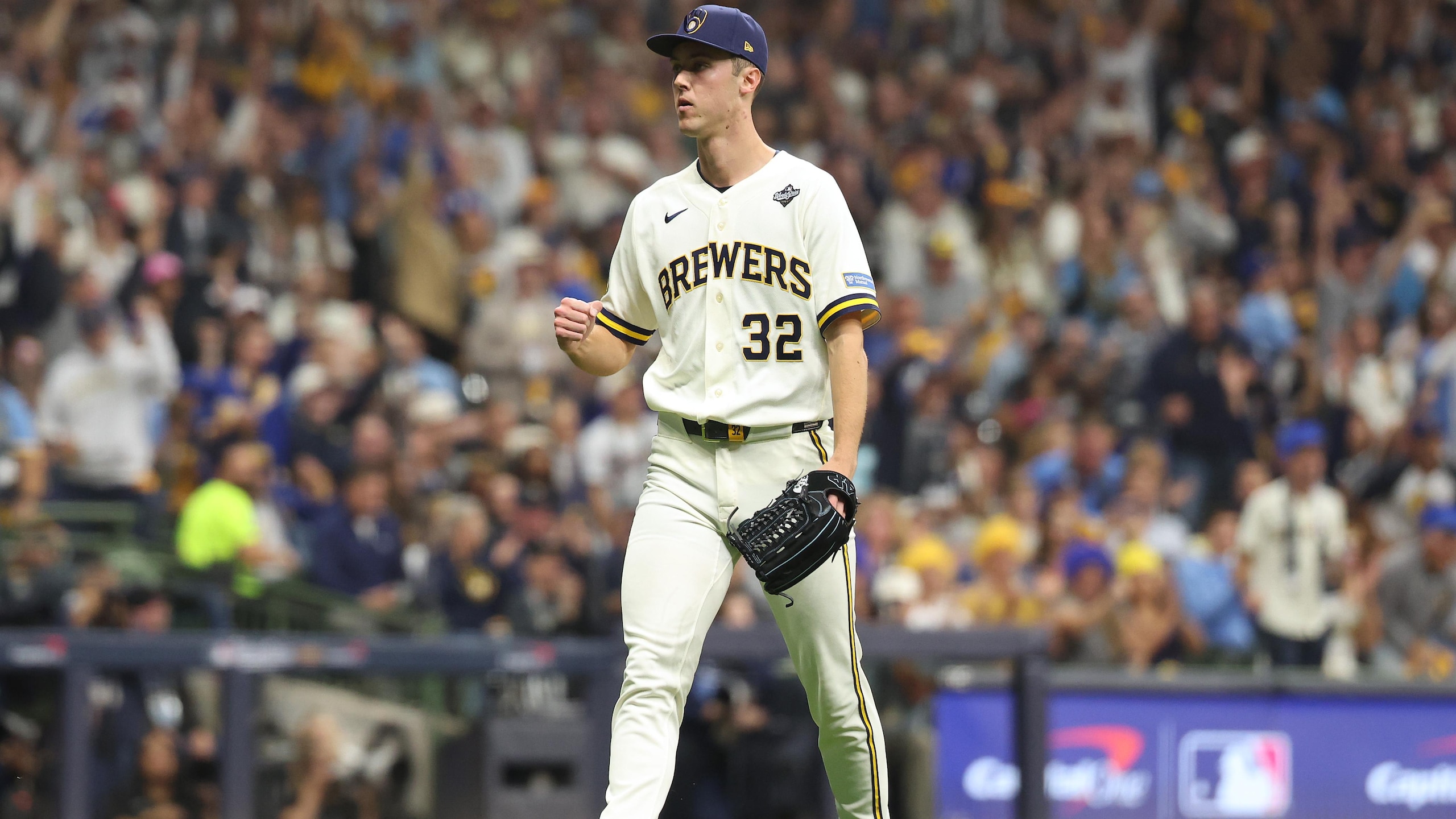
Johan Santana
2 of 11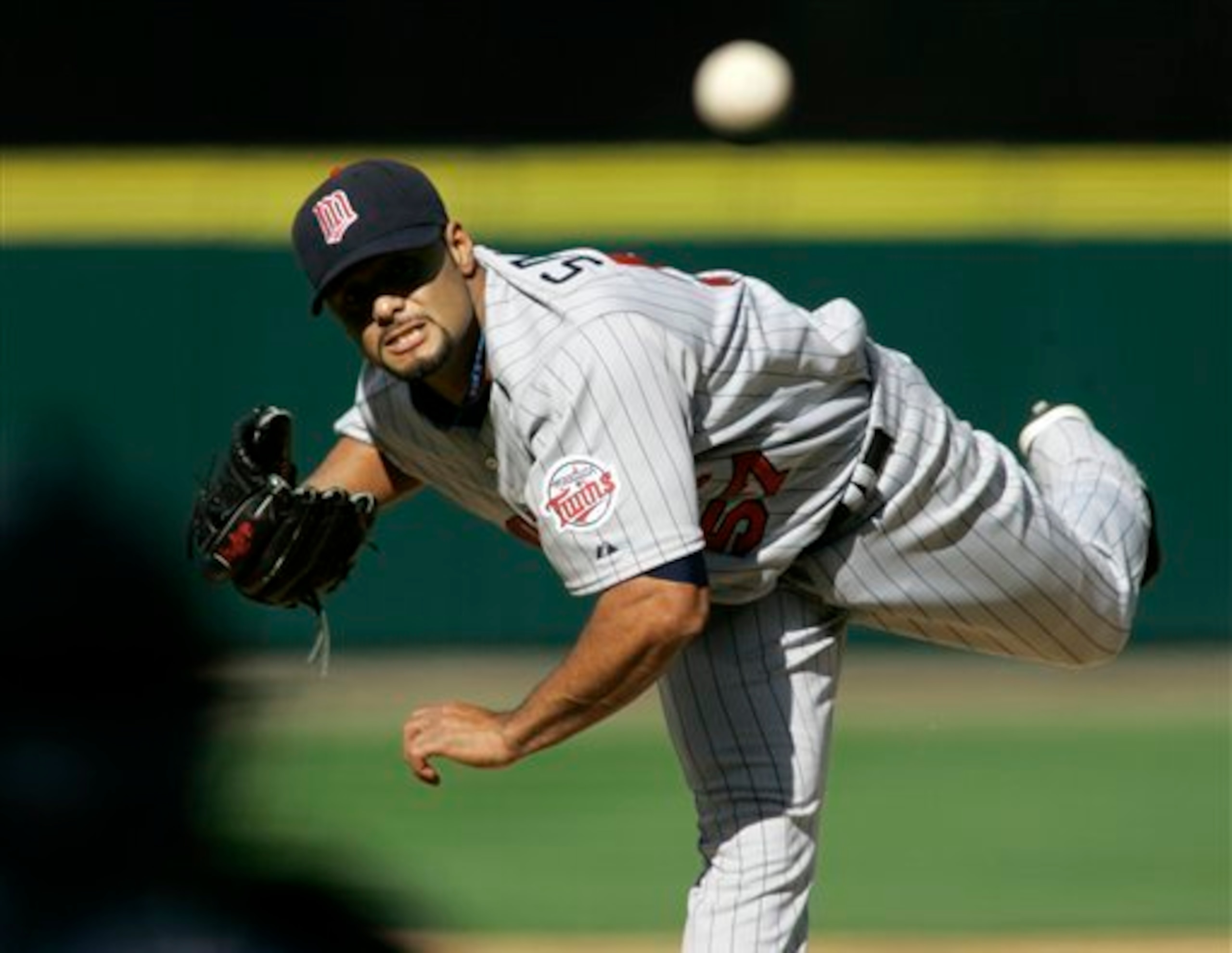
In his prime—between 2004 and 2007—Johan Santana was arguably baseball's best pitcher.
He won the Cy Young Award in 2004 and 2006 and was a three-time ERA champion ('04, '06, '08) as well as a four-time All-Star, doing most of his damage in Minnesota for the Twins.
Yet when the ace was traded to the Mets in 2008, it marked the beginning of the end.
His first three seasons ('08-'10) in the Big Apple were strong, but he missed all of 2011 following surgery on his shoulder and then struggled in 2012 (4.85 ERA) despite throwing the first no-hitter in Mets franchise history.
What might have been a somewhat gradual decline was nevertheless complete, as Santana hasn't pitched since, missing all of 2013 and 2014.
From top of the game to out of it completely—all by the age of 33—fans everywhere have been left wondering, "Whatever happened to Johan Santana?"
Breakaway Basketball Hoops
3 of 11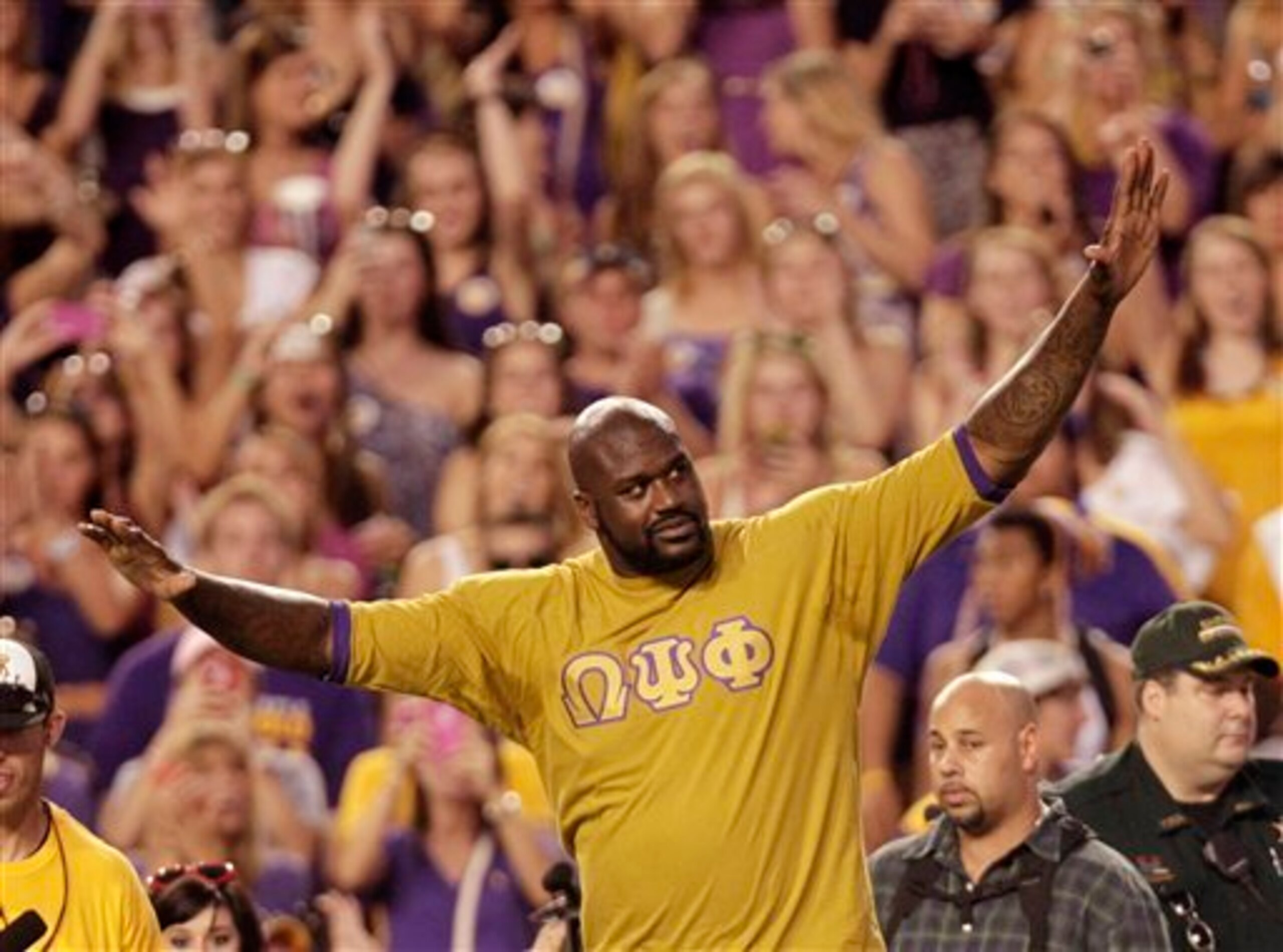
Whatever happened to basketball hoops with a little give? You know, the ones that the right dunk would either shake or break.
Well, I'll tell you what happened: Shaquille O'Neal.
But before the Big Aristotle came along and started delaying games on a regular basis, basketball hoops—and their relative resilience—were of secondary concern.
In recent years, however, hoops have been fortified to take on any and all dunkers. And as a result, the good old days are a thing of the past.


Freddy Adu
4 of 11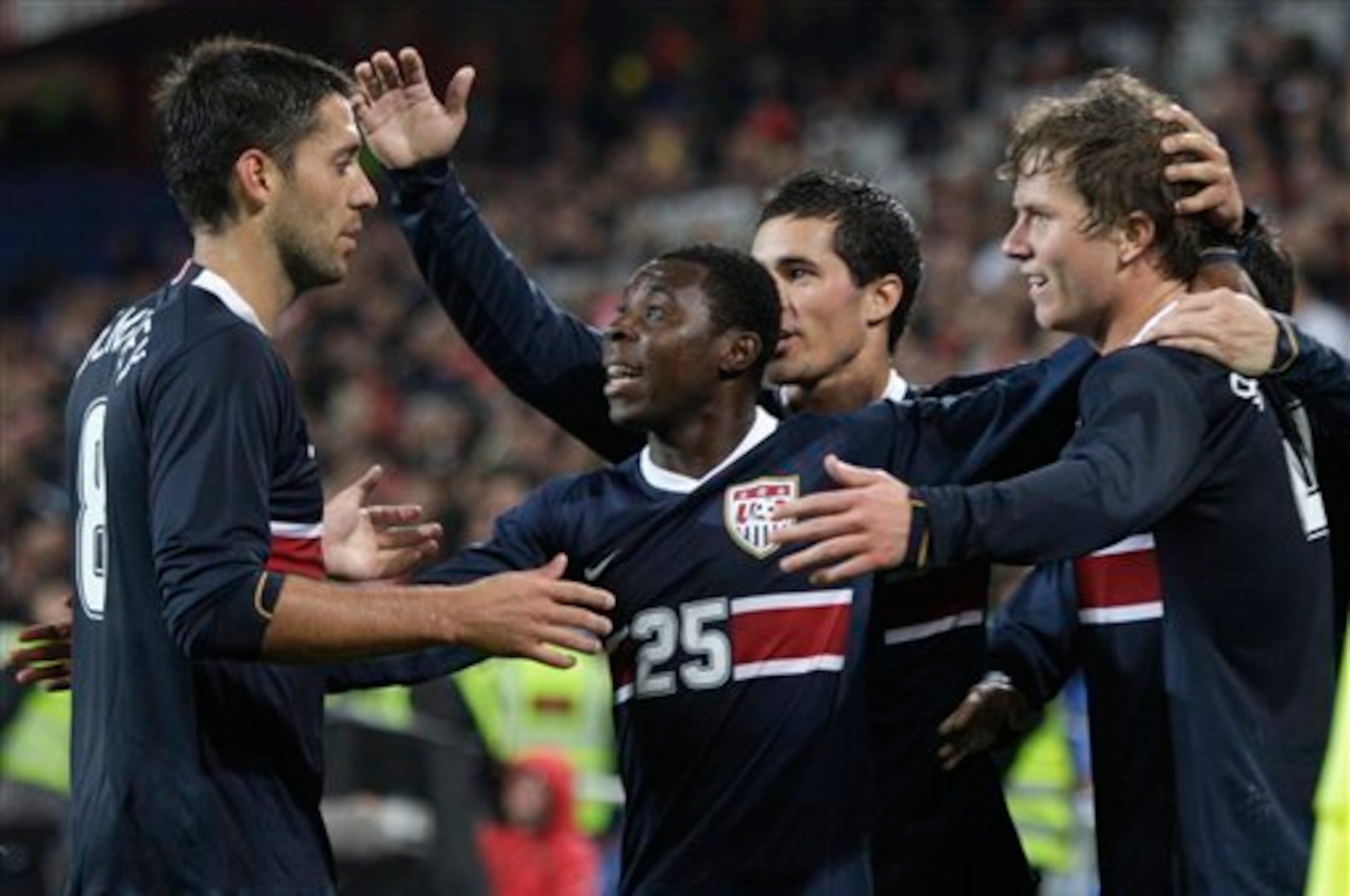
At the age of 14, Freddy Adu became the youngest athlete ever to sign a professional contract in the United States, and in 2004, he became the youngest player to appear in an MLS game.
Hailed as the next Pele, Adu was the future of soccer in a country where soccer needed a future.
His relevance, however, dissipated as quickly as it had first materialized.
Adu was completely out of the MLS 12 goals and four short years later.
Since then, he has made appearances in Portugal, Brazil and France. In 2014, he was cut by the Dutch club AZ Alkmaar and is currently trying to catch on with a team somewhere in Serbia (which sounds like it could be the title of Wes Anderson's next flick).
Yet far from both home and the limelight, sports fans can't help but wonder what in the world happened to Freddy Adu.
Of course, now you know.
Staying Put
5 of 11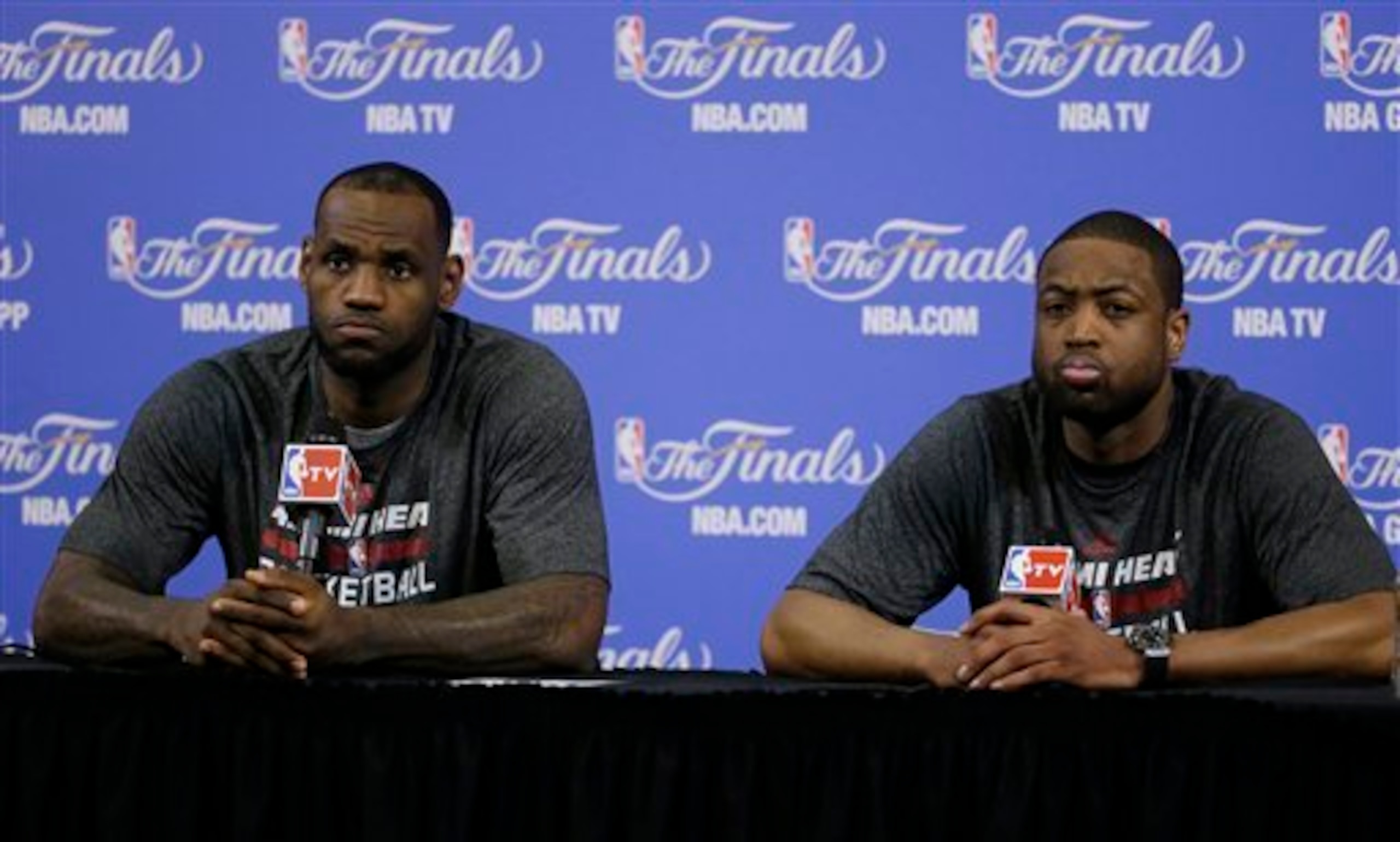
In the NBA Americans grew to love, the league's brightest stars represented a single city. Their counterparts were their biggest rivals, not their best friends.
It was Michael Jordan's Bulls. The Pistons belonged to Isiah Thomas, the Celtics to Larry Bird and the Lakers to Magic Johnson.
They dreamed of titles and supremacy, not of teaming up.
Fast forward to today, and everything has changed.
LeBron James has played with Dwyane Wade and Chris Bosh in Miami and is now suiting up with Kevin Love and Kyrie Irving in Cleveland. Dwight Howard forced his way onto to teams with Kobe Bryant and James Harden. Carmelo Anthony and Amare Stoudemire took a similar route, teaming up in New York.
Doing one's "own thing" and serving as the championship force on a title-winning team you started with is nothing more than a thing of the past.
And worst of all, today's stars actually like each other.
Reebok Pumps
6 of 11
In the 1990s, if you played basketball even once, you likely owned a pair of Reebok Pumps.
We didn't just want them; we needed them. They promised the world, freeing the vertically challenged with portable air.
Overnight, however, the revolutionary brand vanished, from basketball courts to basement corners.
And why?
Reebok's Pumps were both cool and useful. More than shoes, they were like a stylish pair of wings, promising both social acceptance and the gift of flight.
Somehow, though, our favorite shoes fell out of favor, leaving us all to wonder, "Whatever happened to..."
Boxing
7 of 11
Once upon a time, boxing mattered. Can't-miss fights were real, and boxers were stars about which people actually cared.
Now, though, that's far from true.
Late last year, as a selling point of sorts, Golden Boy CEO Richard Schaefer provided results from a nationwide survey.
According to Schaefer, the survey found that boxing is currently the seventh-most popular American sport in terms of overall "level of interest"—21 percent of respondents said they had some interest in the sport—sandwiching it between hockey and mixed martial arts.
These numbers are a far cry from the sport's glory days and even more troubling when you consider that Schaefer promotes boxing for a living and was actually using the stat to brag.
A sad fact: Once a pastime, boxing is now simply past its time.
FoxTrax
8 of 11
What is officially known as FoxTrax was known to most as the hockey puck that glowed.
The genius idea was concocted in 1994, when Fox won the rights to broadcast NHL games in the U.S. With a growing faction of fans complaining they couldn't follow the puck, Fox decided to remedy the problem by making it light up.
The idea was both novel and fun.
The FoxTrax puck was first used during the 1996 NHL All-Star Game. Its last appearance, however, was not long after—the 1998 Stanley Cup Final.
When NHL broadcast rights moved to ABC in August of 1998, it spelled the inventive puck's death.
The Demise of FoxTrax: when contracts get in the way of genius.
The BCS
9 of 11
We've been without the BCS for less than a year, but barely a trace of it remains. Like its computer never even existed, we've ushered in yet another politic-filled, human-driven era of college football.
Don't forget, the BCS was created in 1998 in response to a flawed system of governance, one that required human voters to select the two teams most worthy of title contention. Not surprisingly, the overtly subjective model had to be abandoned, a decision from which the computer-based BCS would rise.
And it worked.
Sure, people always found the two-team model to be too limiting, but the teams that were actually selected were always worthy enough.
So when the NCAA decided to adopt a four-team playoff beginning in 2014, it was shocking to see it return to an overall process of subjectivity—a 13-person selection committee.
So we ask, would the more objective system of the past—the one that consistently found the top two teams—not have been better suited to find the four most deserving programs?
And does anyone really believe the selection committee's decisions won't be rife with controversy and ridicule?
To be sure, the new system is worse than the old and, before long, will have us saying, "Whatever happened to that college football selection committee?"
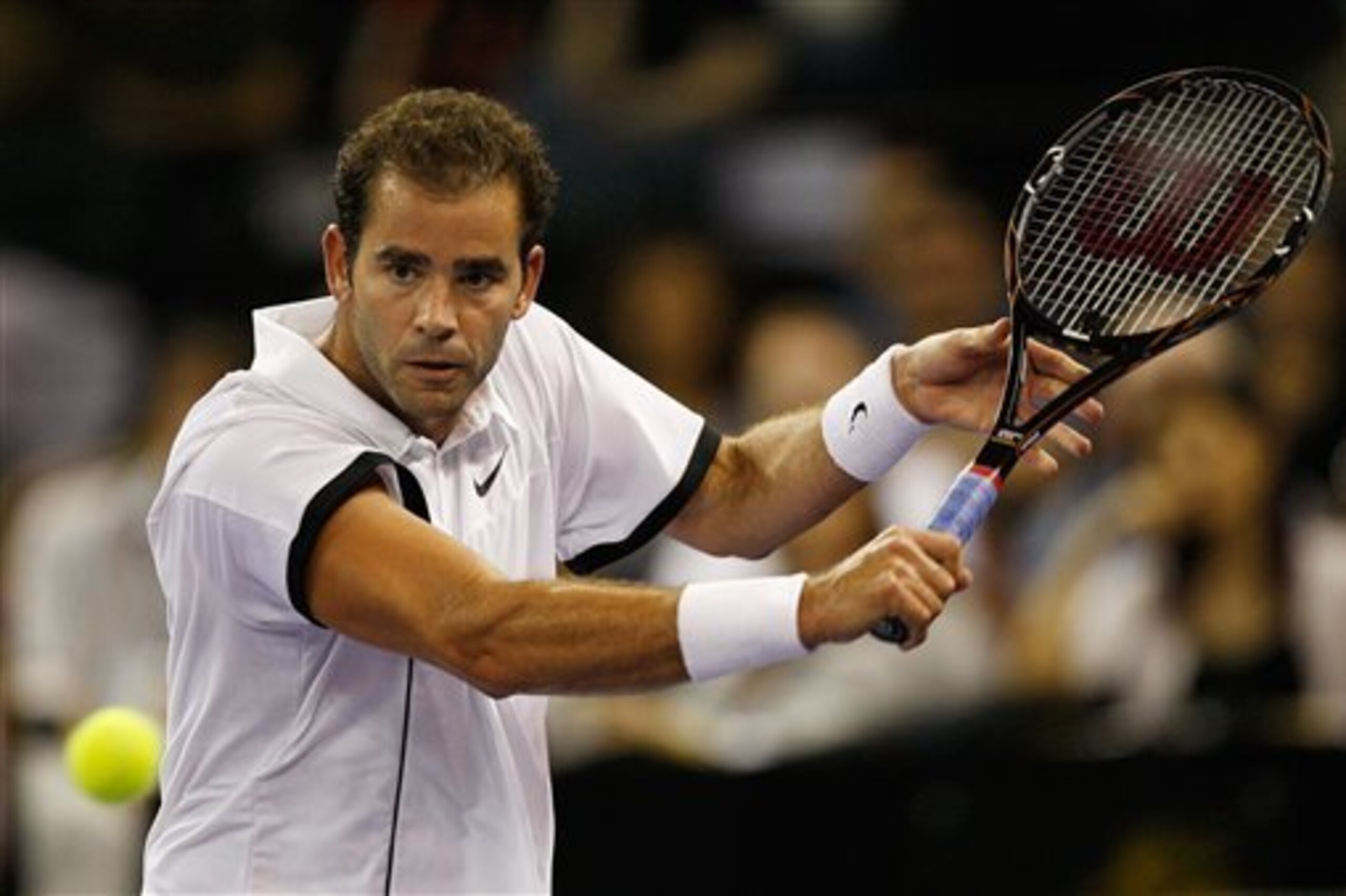
The Serve and Volley
10 of 11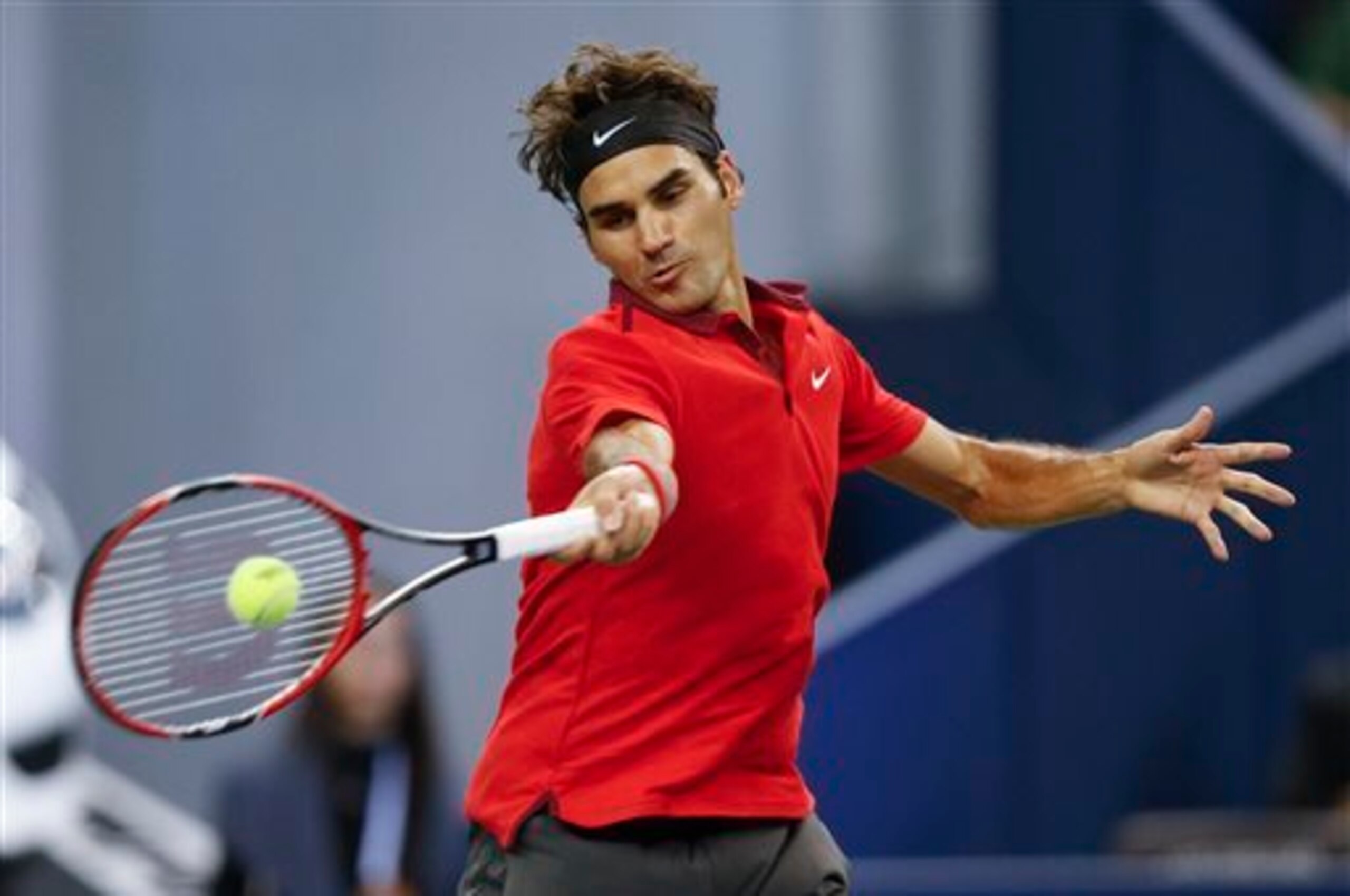
Tennis was once dominated by the serve and volley. Most fans found it overly bullish and exceedingly boring. But there was an art to it. Master it, and you could master your opponent.
As recently as the late '90s, Pete Sampras dominated the sport with the serve and volley to the tune of 14 Grand Slam singles titles.
Yet today, the tennis world is completely without specialists of the sort. Even top-ranked players like John Isner—who is 6'10" and armed with one of the sport's deadliest serves—refuse to serve and volley on a consistent basis.
There will forever be moments within a match that call for the serve and volley. The style, however, will never again define a player's game; it's a thing of the past, departed without so much as a goodbye.
Tiger Woods
11 of 11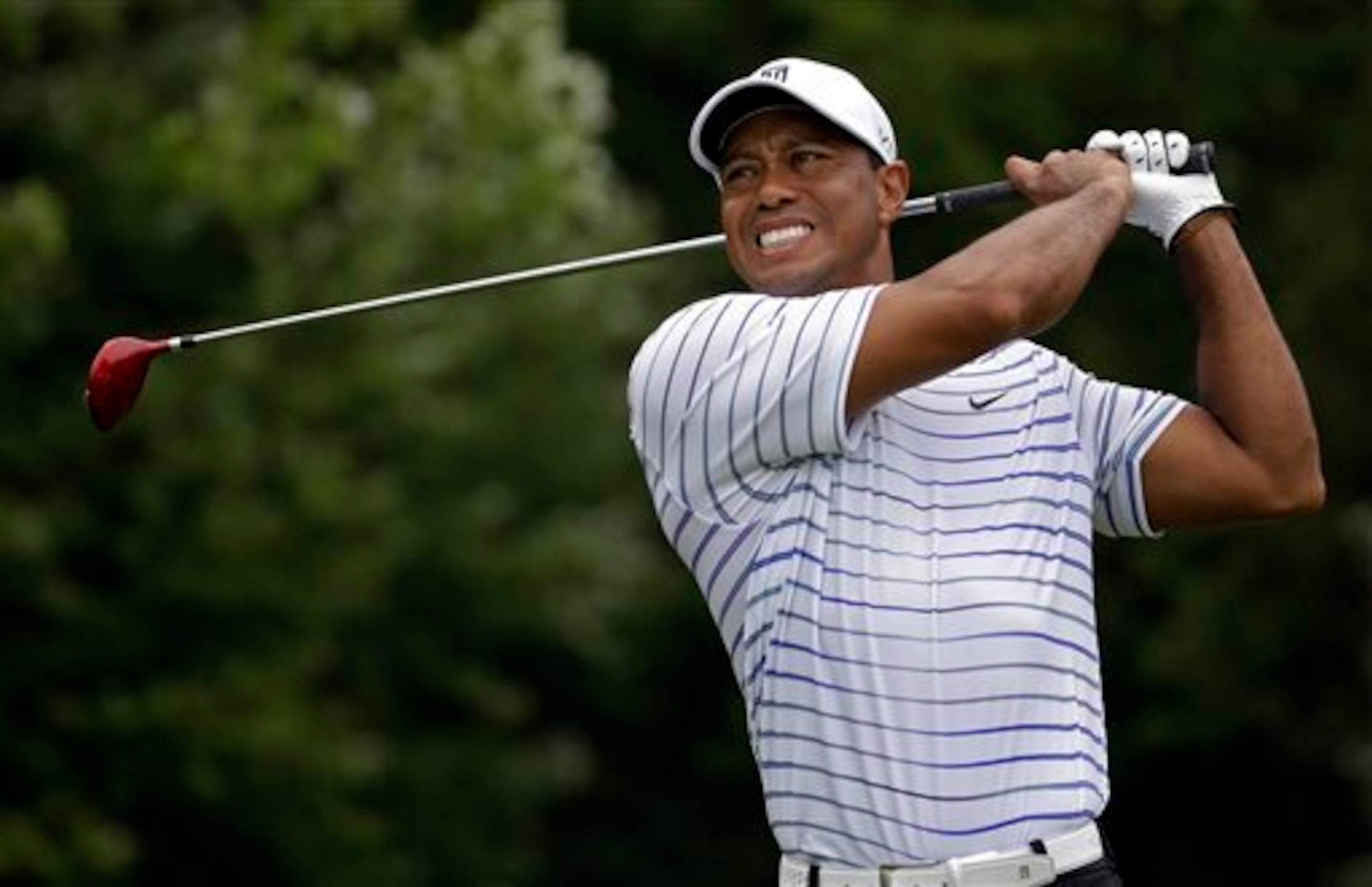
Tiger Woods is certainly still both visible and relevant in golf, holding the world's No. 1 ranking as recently as April 2014.
In this way, then, he is quite unlike any other person or thing on our list.
The Tiger of today, however, hardly resembles the Tiger we all grew to know, love and even idolize. Today's Tiger in no way resembles the Tiger that once kept us glued to our TVs.
Never before has an athlete so dominant—his sport's greatest of all time—so quickly become just another guy.
Once on pace to retire with the most major championships in golf history, Tiger hasn't won big since the 2008 U.S. Open.
A legend who formerly defined himself on four Sundays a year is now happy to play on any Sunday at all. A man who used to always hold the mental advantage—no matter which golfers he faced—now never does.
So whether you blame the 2006 death of his father or his well-established marital and injury issues, the question still remains: Whatever happened to the Tiger we once knew?
Follow Janovitz on Twitter @BrainTrain9

.jpg?w=2560 "NFL House in Paris Closes for Protests")
.jpg?w=2560 "Trevon Diggs Cut by Seahawks")