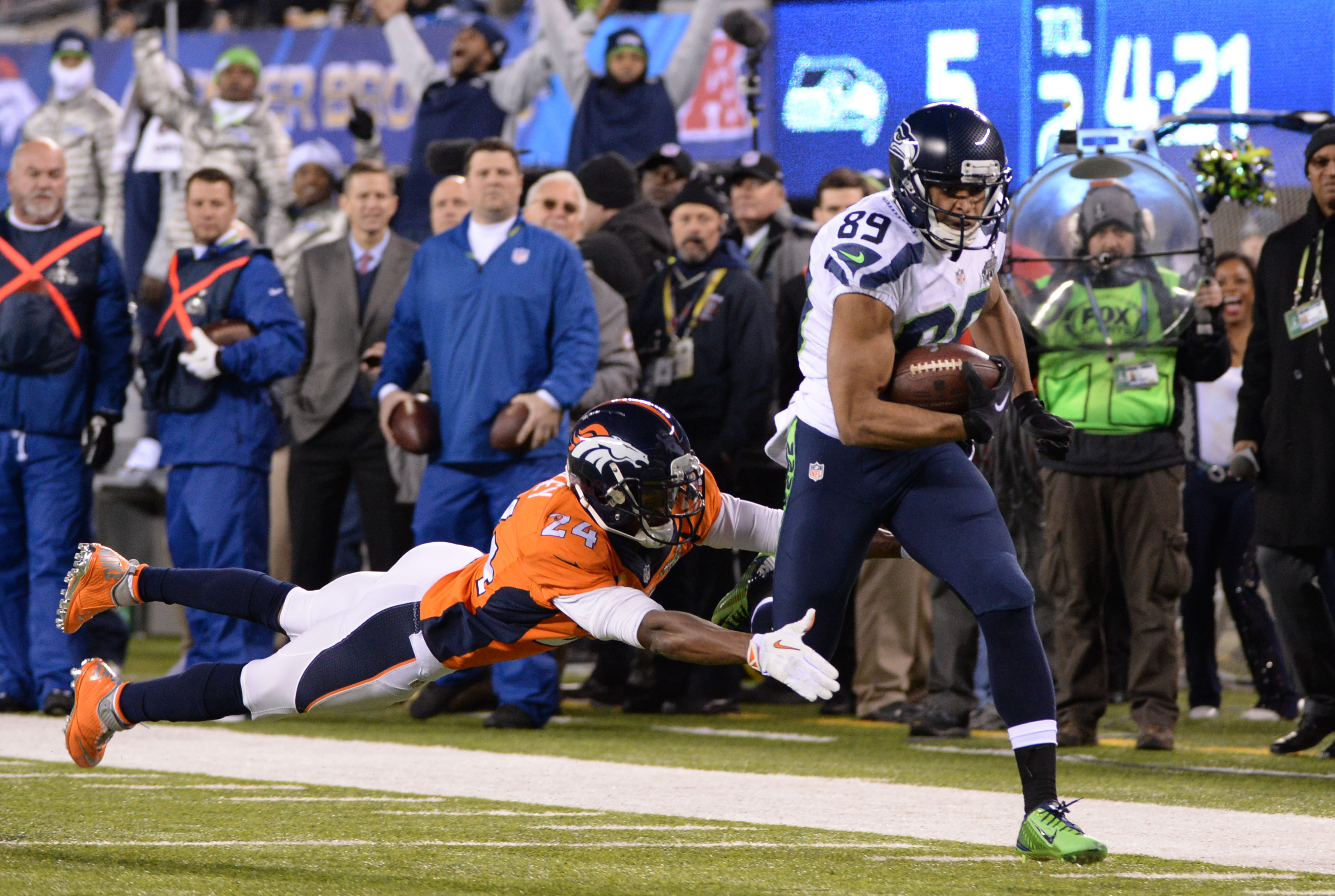

Seattle Seahawks' Super Bowl XLVIII Win Was Worth the Wait
Thirty-seven years later, I can say it was all worth it.
It was 1977, and at eight years old I was searching for a new NFL team. I had dabbled with the Miami Dolphins as a toddler, rooted for the white-helmeted Philadelphia Eagles and namesake Roman Gabriel for a few years and then decided on the Dallas Cowboys for 1976—they had one red stripe on their helmets that year, in celebration of the American Bicentennial.
Roger Staubach and company disappointed me, though, falling to the Los Angeles Rams by two points in the playoffs, and I spurned them for their failure for all time.

.jpg?w=2560 "Rams Eagles Football")
.jpg?w=2560 "Texans-Mixon Released Football")
Needing a new team, I could say that I cast my eyes to the Pacific Northwest and the Emerald City, and a magnificent new concrete domed stadium, in settling on a second-year expansion team that could only improve with time and age.
I was eight. I liked their helmets. That was about it.
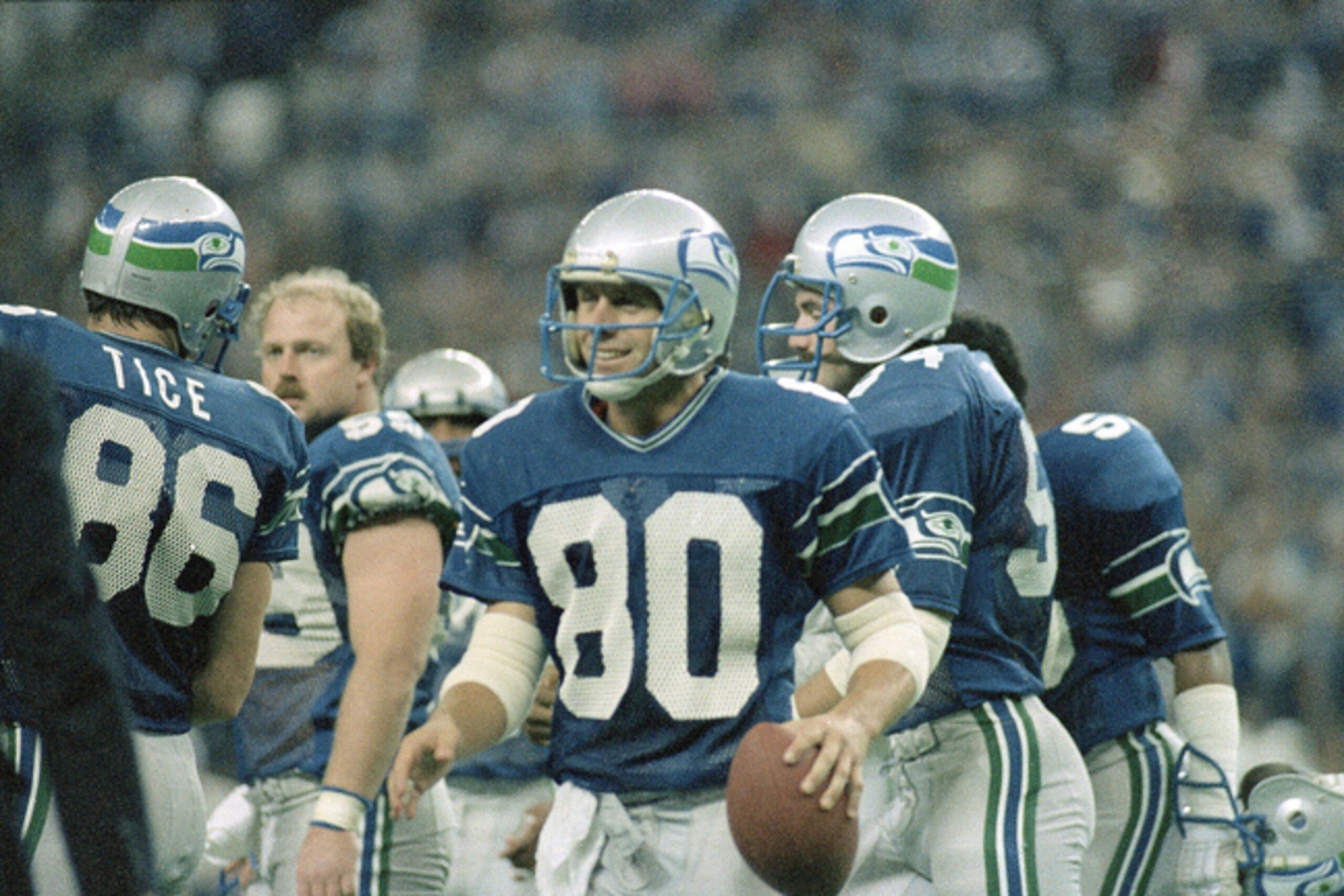
Surprisingly, though, I stuck with that nascent club clad in blue and green jerseys and silver hats with a totemic illustration of a bird of prey, all the colors of a raging sea. My favorite Seahawks players were the go-to combination of their early years at the Kingdome: quarterback Jim Zorn and wide receiver Steve Largent. I had a Zorn Seattle jersey from the Sears catalog—remember their NFL Christmas selection?—among a myriad of other Seahawks merchandise.
I even got Zorn’s autographed photo, complete with Biblical quotation, after writing to him as part of a third grade project. I stuck out like a sore thumb at grade school in all that blue and green, but I didn’t care. Everyone else cheered for their favorite NFL team—mine just happened to play thousands of miles away.
They weren’t consistent, but the early Seahawks were exciting. Expansion NFL teams back then weren’t as fairly built as they are now and were usually made up of cast-offs and players in the twilight of their careers—and Seattle’s first head coach, the Jack Patera, knew it.
So they ran fake field goals and scored touchdowns. They went for onside kicks—in the second quarter—and recovered them, even on Monday Night Football.
They were as unorthodox as a professional football team might be, but they were never boring.
They just weren’t necessarily winning. In fact, as the seasons went by, they were pretty much just below average. Not horrendous, but not necessarily very good, either. I still stuck with them.
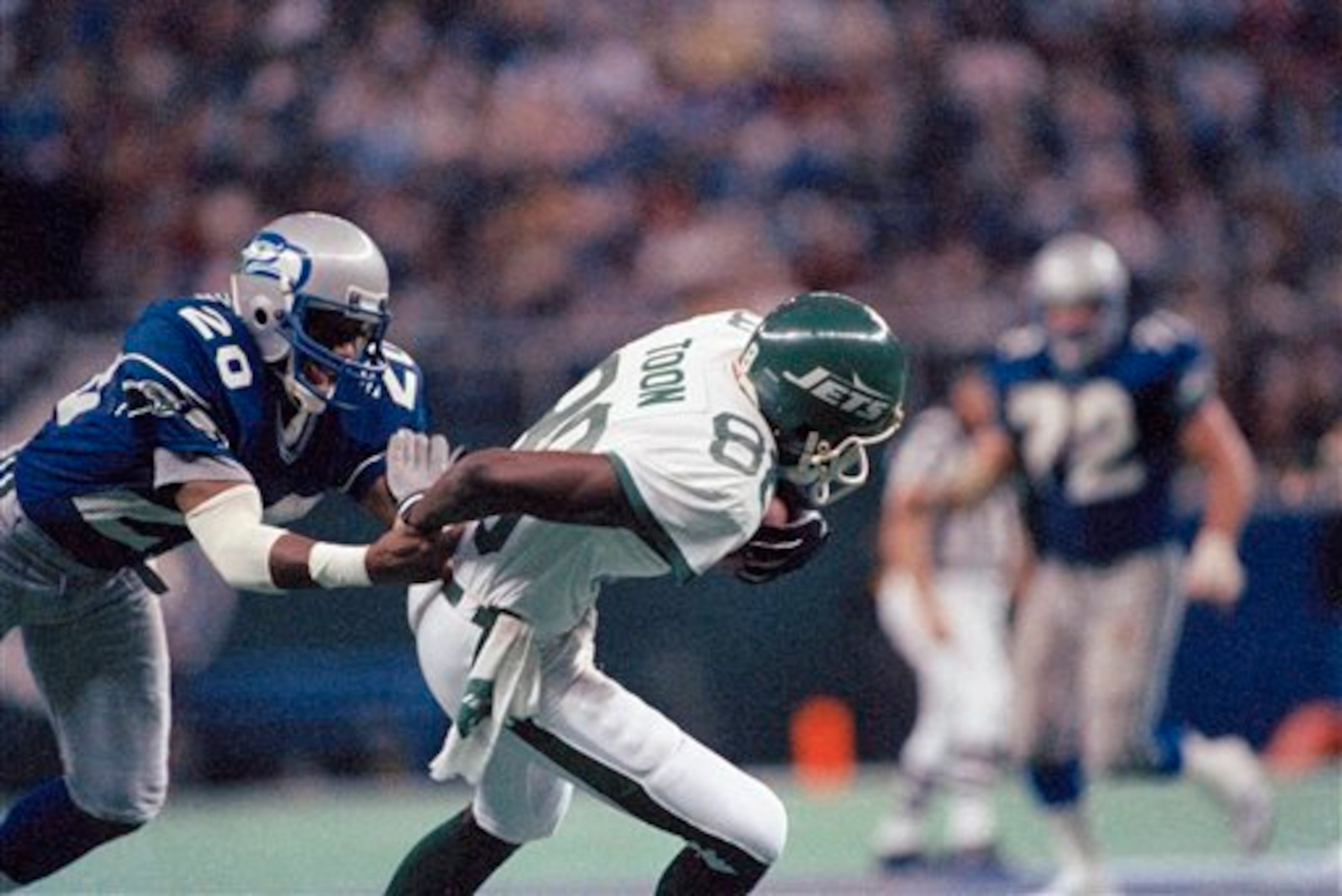
The Seahawks actually went 9-7 in both their second and third years in the AFC West before the bottom dropped out with nine straight losses en route to a 4-12 finish in 1980. I also remembered not being able to get into Shea Stadium that October for one of those wins over the New York Jets because the game was sold-out. We wandered around the perimeter hearing cheers from the inside before heading back over the Hudson and home.
I cried so much that day I think I made myself sick. It wasn’t the last time the Seahawks would bring me to tears as a kid, either.
The next year wasn’t much better for Seattle, which finished fifth in the division again while going 6-10 overall. This time my family had secured tickets for the Seahawks’ visit to Queens. The week before, they got shellacked, 32-0, by the New York Giants at the Kingdome as Joe Danelo kicked six field goals for the visitors.
I felt so humiliated I thought of not going to Shea, for fear the same thing would happen against the other Metropolitan NFL team, who to that point had never beaten Seattle.
I went with my folks and brother. I froze in the bleachers and screamed so much my 12-year-old voice cracked. I also watched newly-acquired running back Theotis Brown rumble for over 100 yards, Zorn hit Largent for a TD, Sherman Smith run for another, and the Seahawks won, 19-3. Later that year they beat the Jets again, 27-23, this time in Seattle.
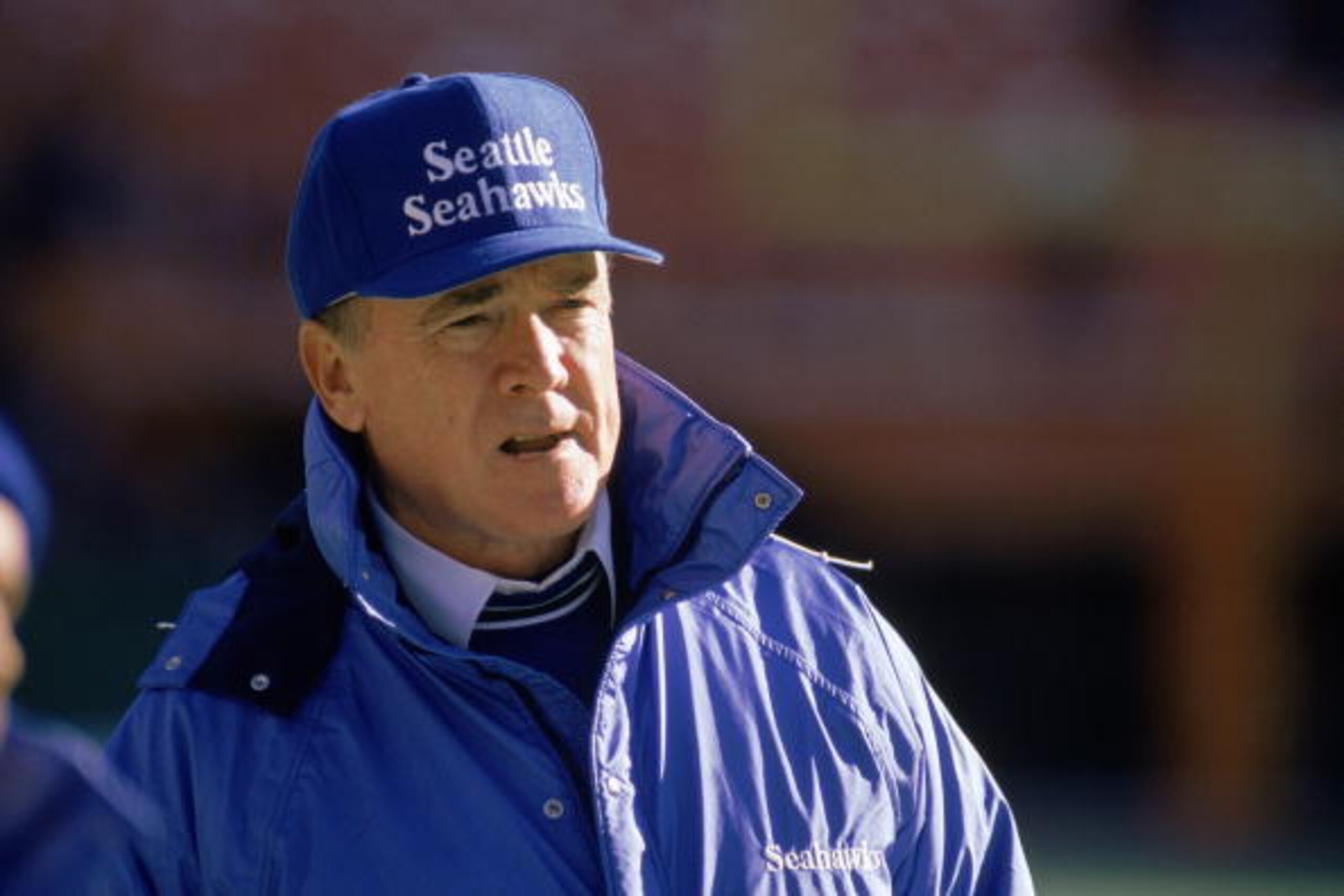
Things took off when Chuck Knox took over as head coach in Seattle in 1983. The uniforms were updated, making more liberal use of royal blue on the socks and the helmet facemask, while also putting the iconic Seahawks head on the jersey sleeve.
Things especially took off on the field with running back Curt Warner leading the way on the ground and Dave Krieg having succeeded Zorn behind center. That year the Seahawks again finished 9-7, but finally broke through to the playoffs after a win over New England in the regular-season finale.
Seattle bested Denver at the Kingdome, 31-7, in a wild-card game, and then shocked Miami with a come from-behind 27-20 victory at the Orange Bowl, with Largent catching two key back-to-back passes and Warner rolling right on the next play to score the winning points.
They were one win from the Super Bowl—and then they got crushed by the Los Angeles Raiders in California in the AFC Championship Game. At least I got to see Zorn mop up for Krieg, but school sure wasn’t fun that Monday. More tears (at home), but the Seahawks were still my team.
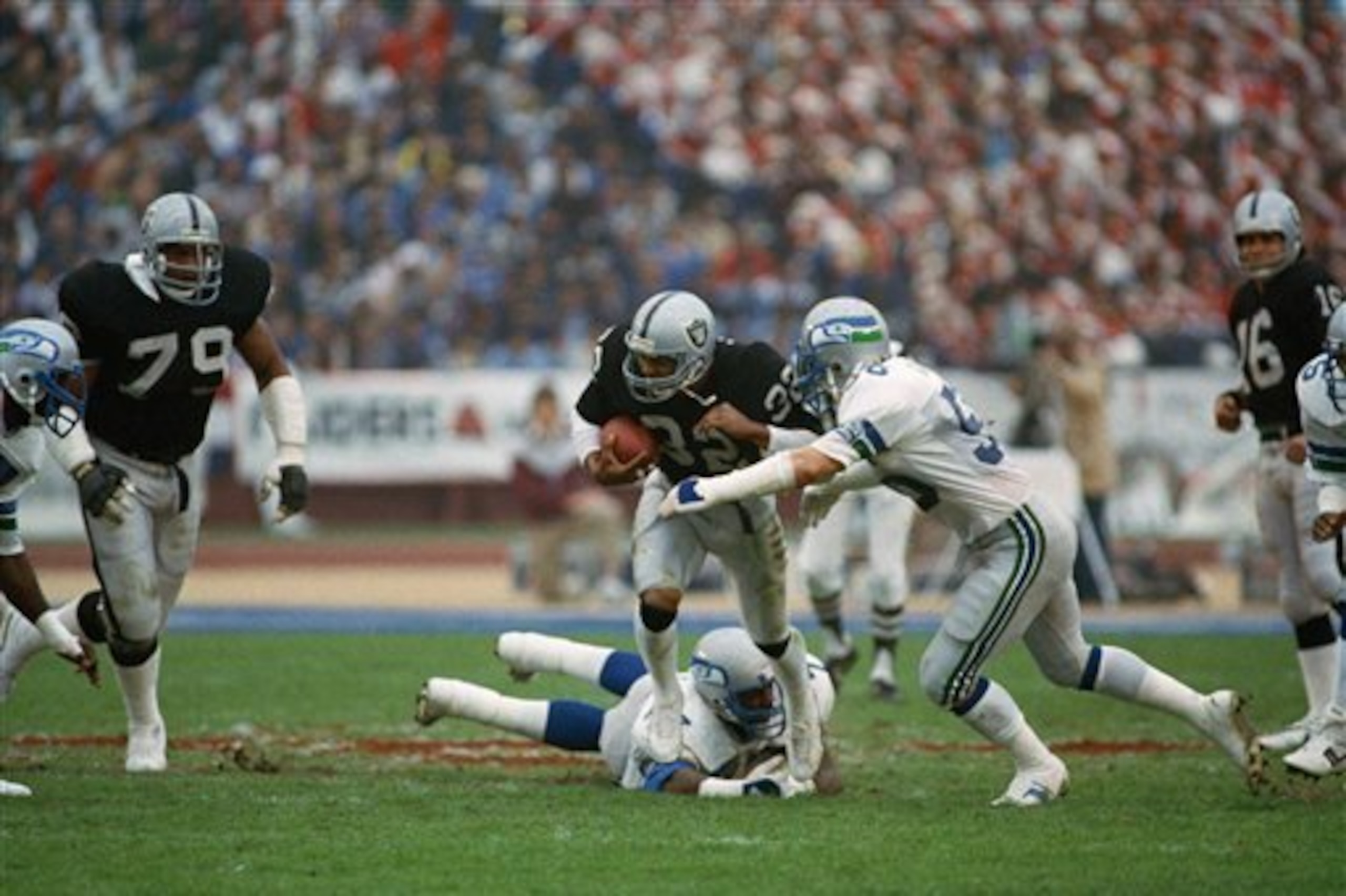
They continued to be my team even when I went away to college in Massachusetts. They were still my team years later when I lived in Michigan and I was often glued to the TV at my local watering hole on Sundays where I could catch their games. Some were good. Others were awful.
I spent my first year out of college in Fairbanks, Alaska, and was the only time I ever got to see the Kingdome—dozens of miles down below, all lit up at night, on one of my many flights to and from the 49th State. I was dismayed when it met its end at just 24 years old, live on ESPN Classic in March 2000, and I wished I had made just one more trip to Seattle to attend a game there before it went.
Oh well. At least Alaska was saturated with Seahawks stuff, since they were the closest NFL club to the Last Frontier. Largent was retired by then, and Zorn and others were gone, too. Things were changing, including Seattle's head coaches, and wins were scarce. Playoffs? Insert Jim Mora quotes here. The Super Bowl? Something other NFL teams played in, not Seattle.
To be honest, there were times I momentarily thought of dropping the Seahawks as “my” team—especially in the early 1990s, when they were just plain bad, including a 2-14 mark in 1992—but I always quipped that the first year I formally renounced them, they would go all the way just to spite me. I figured I was in it for the long haul, no matter how long it took, if ever.
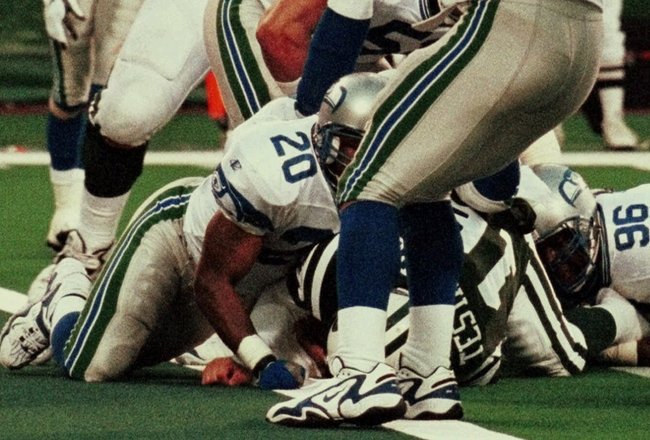
After "Helmet-gate" at the Meadowlands in 1998, when the Seahawks were beaten by Vinny Testaverde's head getting to the goal line, but not the ball (which spurred the return of instant replay on officials' calls), the Seahawks canned Dennis Erickson and brought in Mike Holmgren. They won the AFC West one final time, said good-bye to the Kingdome, and moved outside to Husky Field, while their new home began construction on the spot where the old one stood before its implosion.
The 'Hawks changed uniforms, divisions and stadiums in 2002, and after a few playoff teases, finally broke through to the big game at the end in 2005, after topping the Carolina Panthers in the NFC Championship Game at what was then called Qwest Field behind quarterback Matt Hasselbeck, a Boston College alum like me (but much more famous).
Shawn Alexander was the NFL’s reining rushing and scoring champion, and I’ll admit I even got a little choked up watching the clock countdown that night against Carolina, knowing that for the first time ever, the Seahawks were honestly and truly going to the Super Bowl.

I’ve spent the last eight years pretty much trying to forget Super Bowl XL in Detroit.
There were some questionable calls made in that contest (I still don’t think Ben Roethlisberger got in the end zone), but I don’t point the finger entirely at the officials as to why Seattle didn’t fare better at Ford Field. The Seahawks gave up three big Pittsburgh plays that essentially killed them that day, and their clock management at the end of both halves was horrible. The final score was 21-10 Steelers, and that’s the way it will always stay.
Seattle regressed a bit after that loss, and watched first Arizona and then San Francisco win the division in their stead. Holmgren stepped down, and Jim Mora., Jr. was fired after one season at the Seattle helm. Alexander was done in by injuries and other players also moved on.
Then Pete Carroll, who won two national titles at USC before the Trojans program was hit with NCAA sanctions, decided to try the NFL a third time as a head coach (coincidence?), and made his way to Washington state.
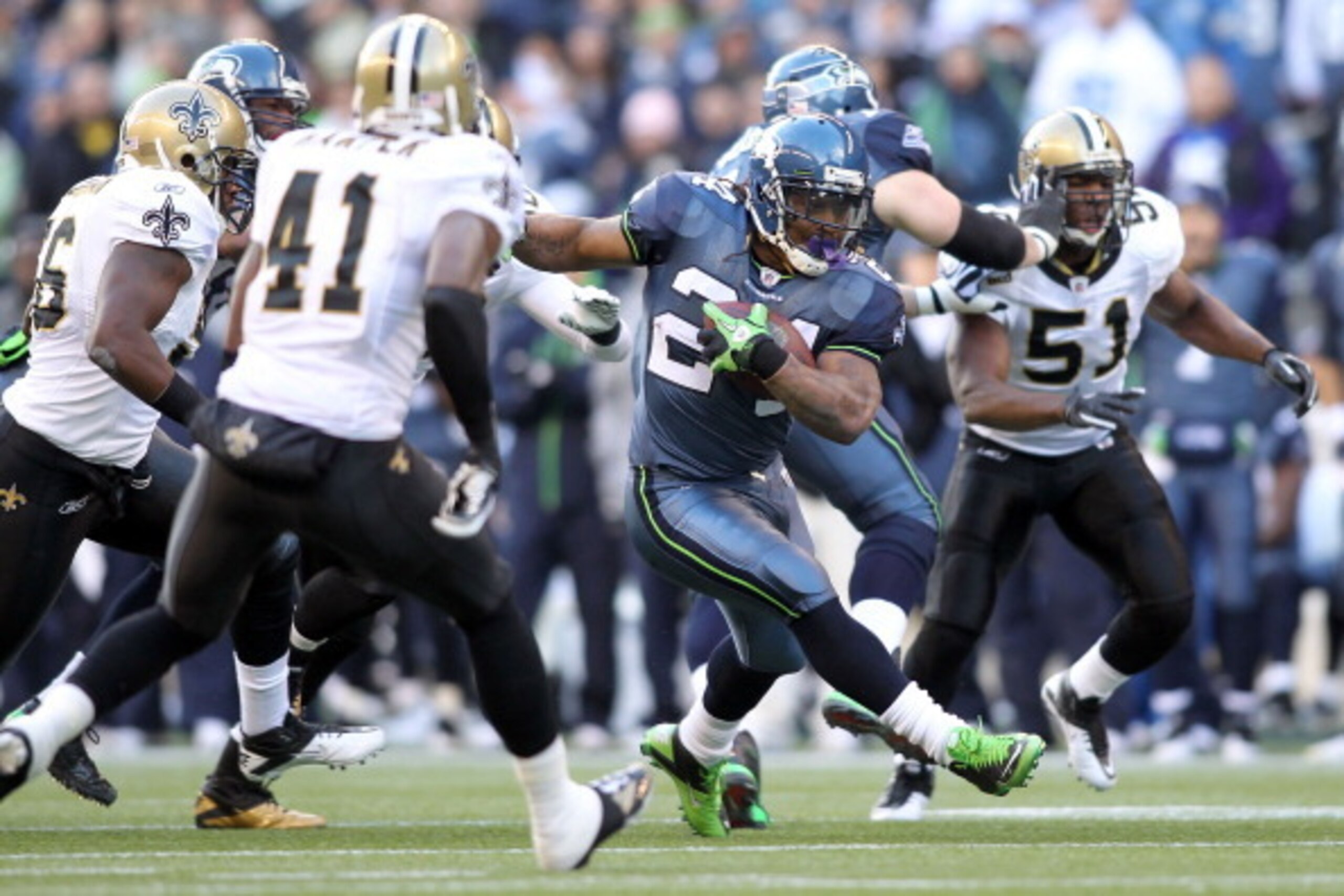
The Carroll era in Seattle started off slowly. The Seahawks made the playoffs in 2010 with a losing record (7-9) as NFC West champions, prompting an outcry from others whose NFC teams had better records but didn’t get into the postseason. Then “Beast Mode” was truly born in the playoffs, when Marshawn Lynch set off a small earthquake on his long TD run in a 43-37 home wild-card win over the defending NFL champions, the New Orleans Saints.
The Seahawks missed the playoffs the next year, though, and were still in search of a franchise QB after they didn’t re-sign all-time leading passer Hasselbeck. Enter Russell Wilson, a North Carolina State and Wisconsin alum who suffered from Doug Flutie syndrome—or “you’re too short to be an NFL quarterback.”
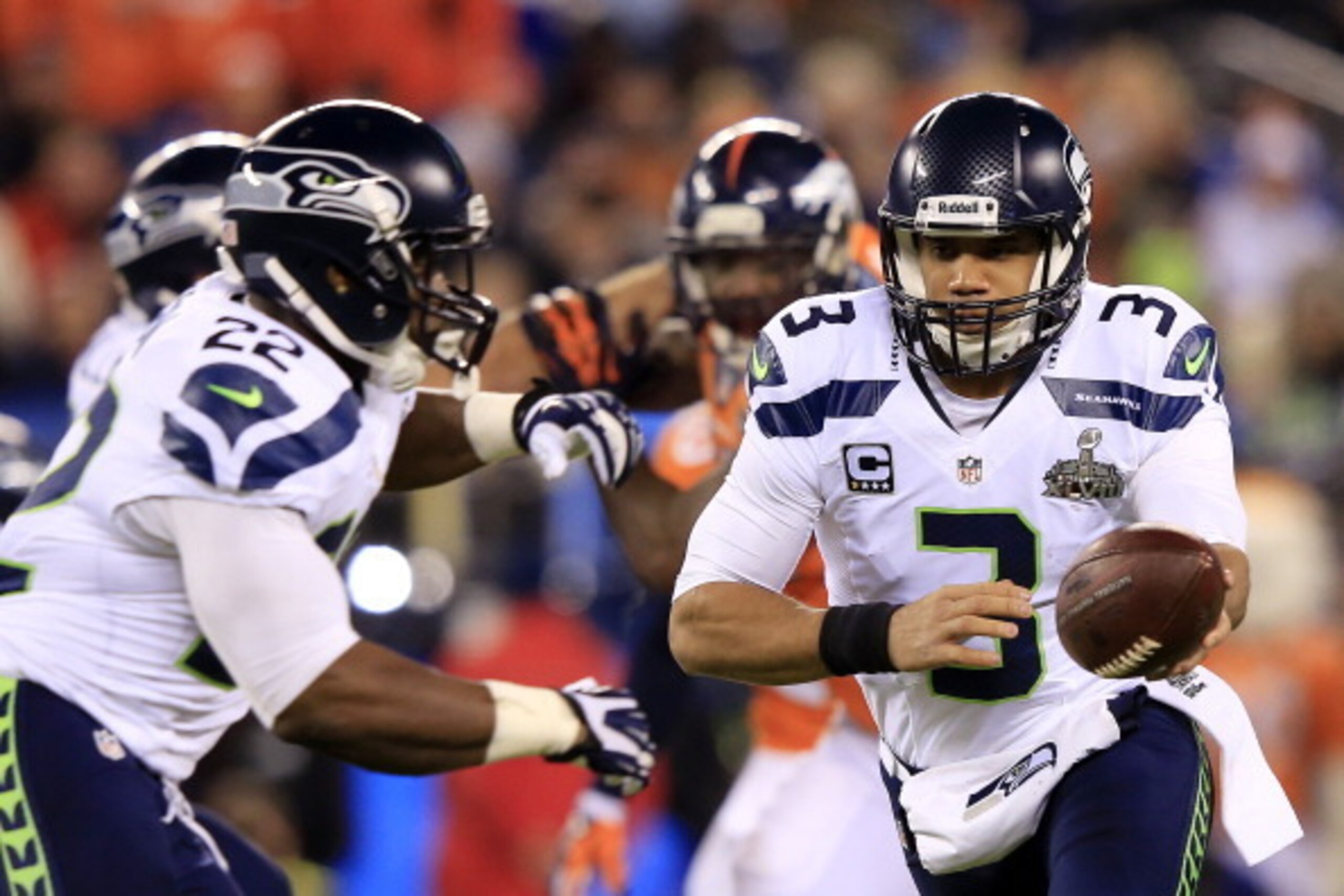
Carroll gave Wilson the ball, despite a huge contract for free agent QB Matt Flynn, and the Seahawks ultimately came within an Atlanta Falcons field goal of again reaching the NFC title game in 2012.
Preseason predictions had the Seahawks going to the Super Bowl, even winning it. Wilson and company went 13-3 in the regular season, although they didn’t look as strong offensively down the stretch as they had earlier in the year. The Seahawks defense, though, was swarming like a living, ravenous thing made up of 11 savage parts, especially in the secondary—the newly-christened Legion of Boom—and helped them to playoff wins at CenturyLink Field over the Saints and 49ers.
Then it was a cross-country flight east to the Meadowlands (minus Testaverde) for one more crack at an NFL title.
There's really no need to recap Super Bowl XLVIII. I couldn’t have predicted that 43-8 Seattle outcome in my wildest dreams, and I admittedly was waiting early on for the other shoe to drop—but by the fourth quarter, even the most tepid fan could see it was a done deal. And yeah, I got a little misty-eyed before it was all done—but it was overshadowed by the smiles. I'm not eight anymore and have the gray hairs to prove it.
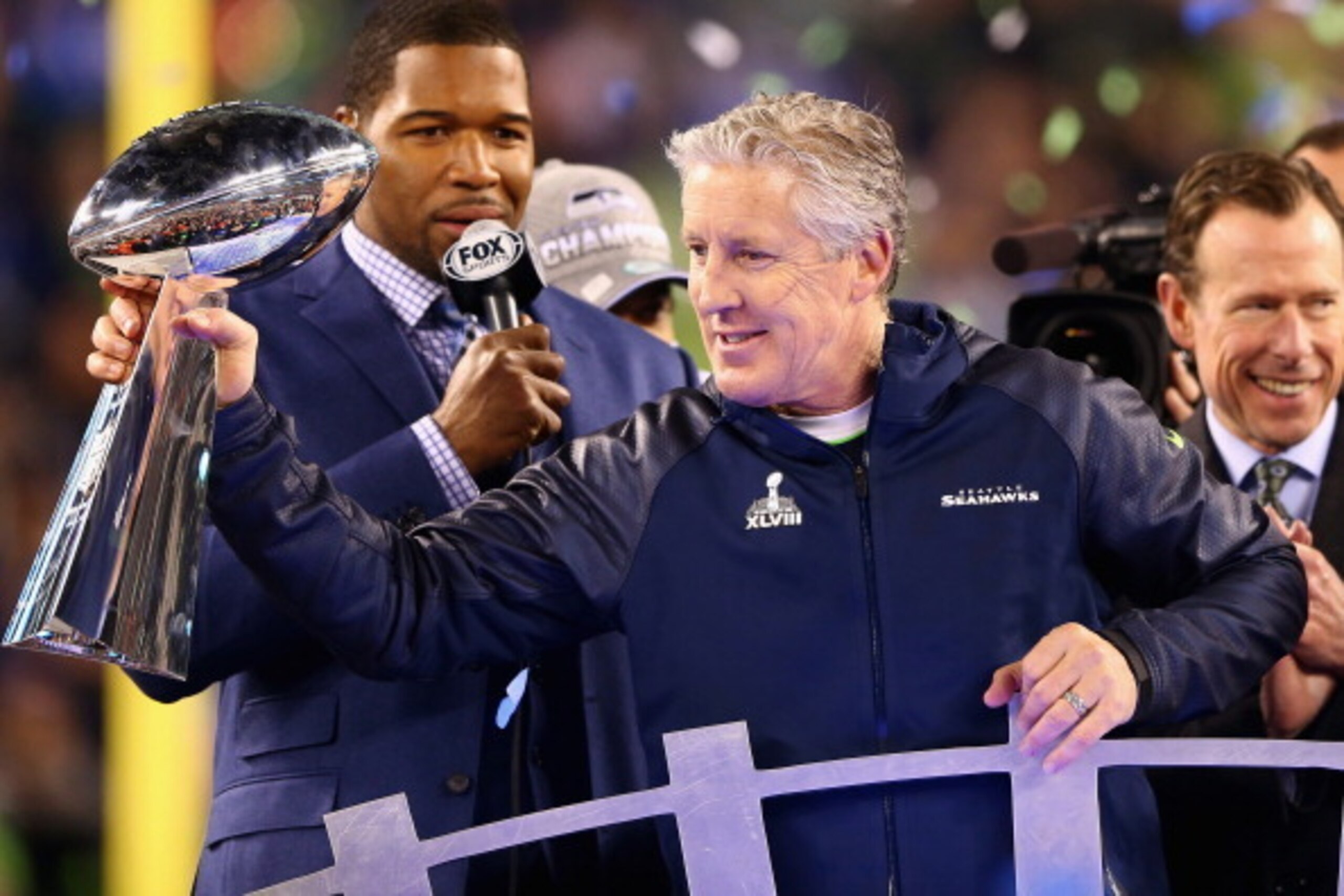
I thank Carroll, Wilson, Lynch, Malcolm Smith, Percy Harvin, Doug Baldwin, Jermaine Kearse, Richard Sherman, Kam Chancellor, Earl Thomas, Red Bryant and the rest of the Seahawks coaches and players for engineering such a near-perfect outing. I admire them for getting the job done when all last week all they heard was that they would be the final stepping stone to Peyton Manning’s anointment as possibly the NFL’s greatest QB of all time—and left people (somewhat unfairly) questioning Manning's legacy after harrying him and his teammates all Sunday.
And I thank Carroll and company again for taking the 12th Man, including those of us out east, along for a magnificent ride. And for honoring those who came before them—Zorn, Largent, Patera, Jacob Green, Cortez Kennedy, Walter Jones, Hasselbeck, Alexander and so many others who wore the Seahawks head over the past four decades. This ultimate win was as much for them, and more, as it was as much for us in the stands or watching on TV.
And after Sunday, after hoping and waiting since 1977, I can honestly say this whole strange up-and-down Seattle trip has been ultimately worth it.
Seattle Seahawks—Super Bowl Champions.
Sounds pretty good to me.
.jpg?w=2560 "Falcons Saints Football")
.jpg?w=2560 "Commanders Eagles Football")

.jpg?w=2560 "Grading WWE Raw 🔠")


