
Baseball's 25 Biggest One-Hit Wonders of All Time
Most professional baseball players spend their entire careers in the minors waiting for a chance to show the big-league club what they can do. Some players seize the opportunity and play well enough to earn a permanent spot on the team. Some players struggle and are sent back down to the minors to work on their game.
Then there are some players who have one incredible season but can't maintain a high level of performance and find themselves out of baseball faster than they can make it to home plate. This list is dedicated to those players.
Here's a chronological look at baseball's 25 biggest one-hit wonders of all time.
Irv Young, SP, Boston Beaneaters (1905)
1 of 25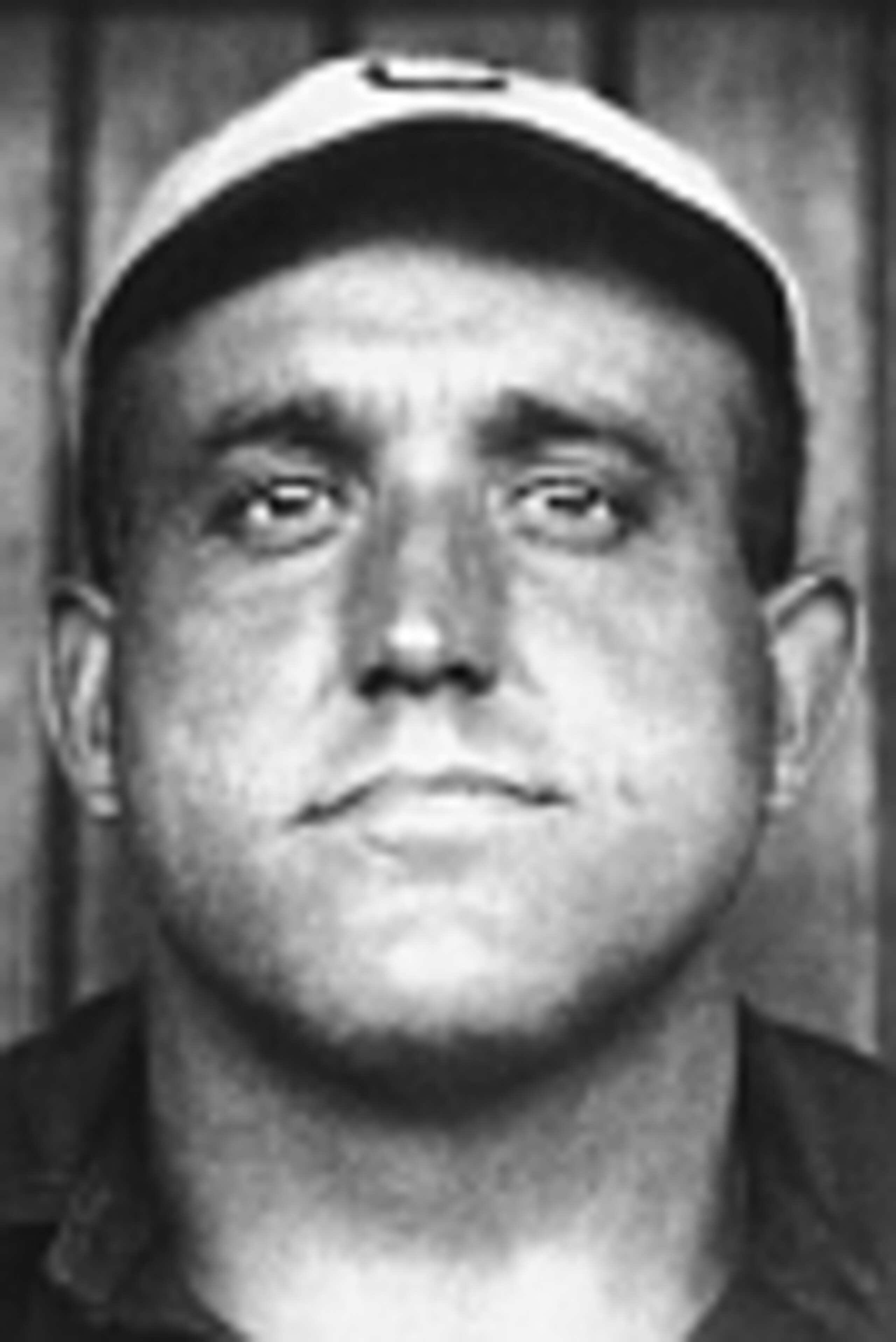
Young made 42 starts for the Beaneaters in 1905 and completed 41 of them as he pitched a league-leading 378 innings. The next year he nearly matched his totals by making 41 starts and completing 37 of them in 358.1 innings. It was all downhill after that for the lefty.
Once anointed the second coming of Cy Young, Irv’s young arm virtually fell off. He made just 78 starts the rest of his career and was a part-time reliever by 1908. He retired in 1911 at the age of 33 with his arm likely hanging by a thread.
Bill James, SP, Boston Braves (1914)
2 of 25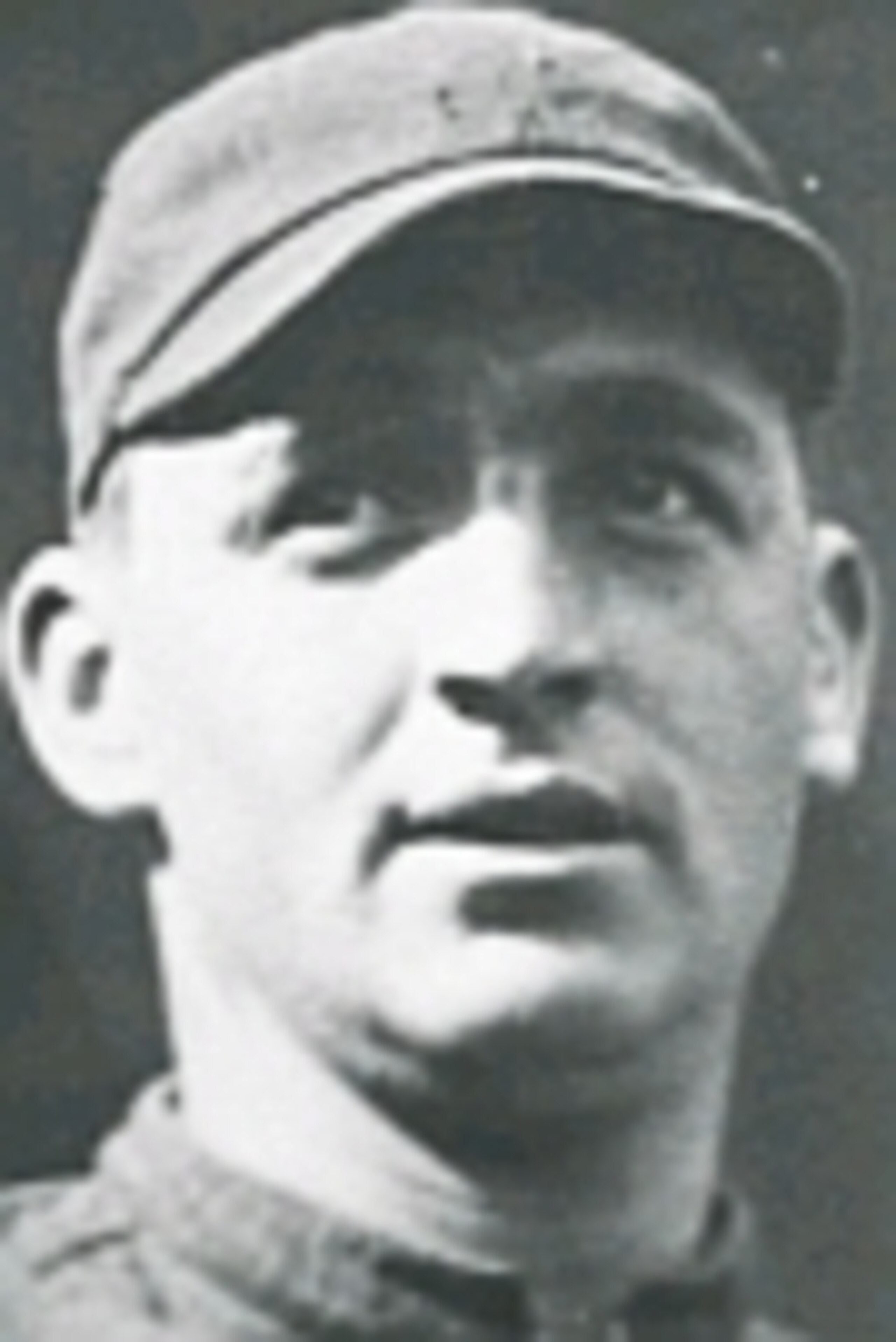
No, this is not the “Father of Sabermetrics” Bill James. This is “Seattle Bill,” a right-hander who won 26 games for the Braves in one incredible season.
James made 37 starts, 30 of which were complete games, and pitched 332.1 innings. He finished with a 1.90 ERA and even added three saves along the way. Then in the postseason James led the Braves to a World Series title over the Philadelphia Athletics with 11 scoreless innings.
But Seattle Bill never did anything in the majors after that. He pitched just another 73.2 innings, and after a brief comeback attempt in 1919, James was out of baseball for good at 27.
Bob Hazle, OF, Milwaukee Braves (1957)
3 of 25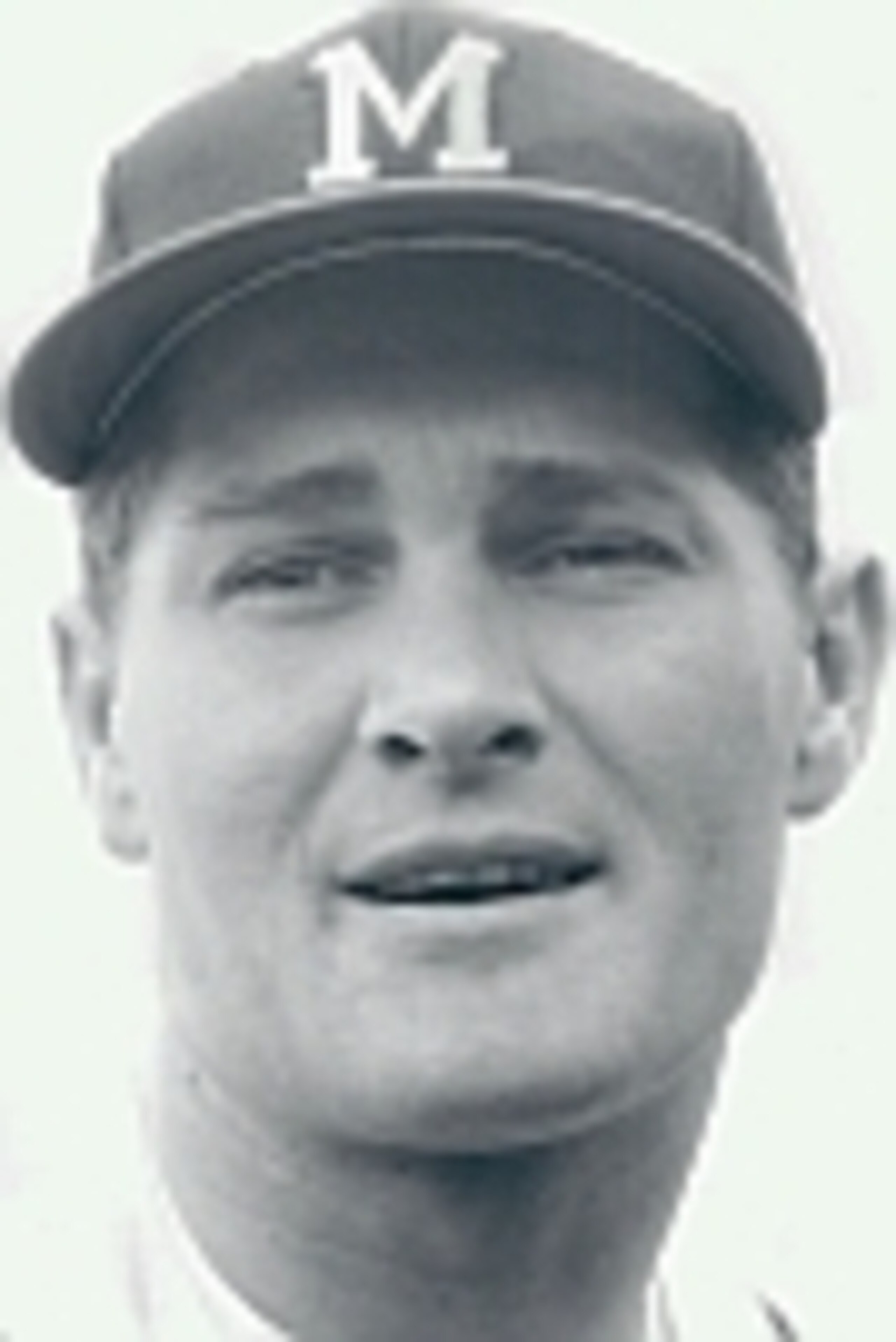
“Hurricane” Hazle debuted for the Cincinnati Redbacks in 1955 but didn’t make his name until two years later as an outfielder/pinch-hitter for the Braves. He was promoted to the majors after an injury to starting outfielder Bill Burton and instantly set the Milwaukee offense on fire.
In 41 games Hazle batted .403 with seven home runs, 12 doubles and a crazy 1.126 OPS. He finished fourth in Rookie of the Year voting despite playing in a quarter of the games and helped the Braves win a World Series title that year.
The rest of Hazle’s story isn’t so glorious. The next season he struggled offensively, and he never made it back to the bigs after 1958. He took his final professional at-bat at the age of 27.


Tom Cheney, SP, Washington Senators (1962)
4 of 25
If you’ve never heard of Cheney before, it’s probably because you haven’t looked at the record books lately. The slim righty holds the major-league record for strikeouts in a single game (21), except he did it in 16 innings. Pitching against the Baltimore Orioles, Cheney pitched all 16 innings and threw an unreal 228 pitches in a 2-1 win.
Not surprisingly, Cheney’s arm was never quite the same after that performance. He threw only 136.1 innings the following season and 48.2 innings in 1964. By 1961 arm troubles had effectively ended his career. I guess this is why coaches watch pitching counts so carefully.
John Paciorek, OF, Houston Colt .45s (1963)
5 of 25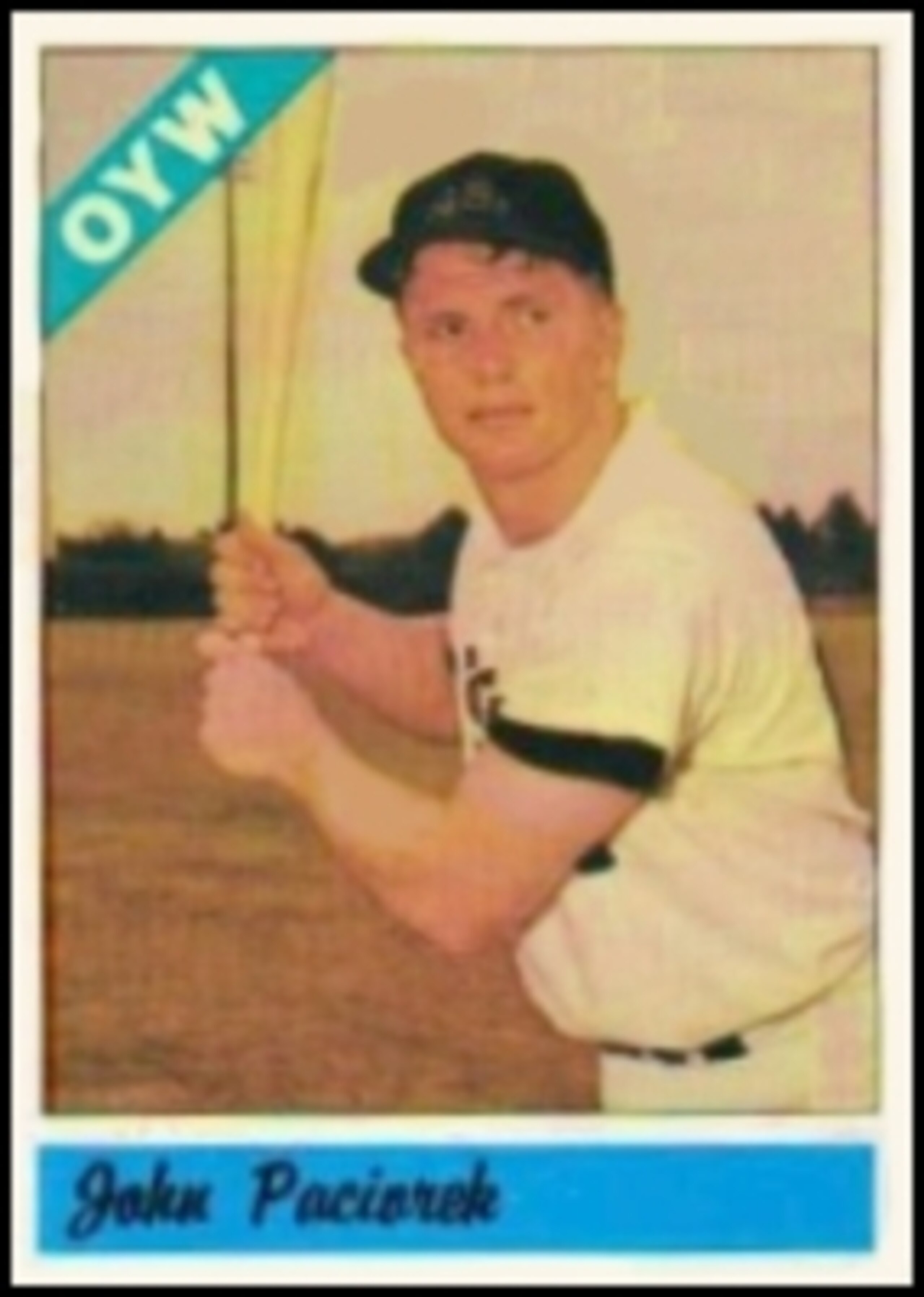
Paciorek played exactly one game in his major-league career and got three hits in three official at-bats. He also drove in all three of his team’s runs in Houston’s last game of the season. So what happened to the 18-year-old?
Paciorek was supposed to be a starter for Houston the following season, but he never made it back because of chronic back problems. At least he can say he owns the highest career batting average in baseball history—a perfect 1.000.
Dick Ellsworth, SP, Chicago Cubs (1963)
6 of 25
Ellsworth pitched three competent seasons for the Cubs before 1963 and another six after 1963. But it’s what he did in 1963 that makes him a Chicago legend. The lefty won 22 games and finished second in the league with a 2.11 ERA in 290.2 innings, all of which became career highs.
Ellsworth did make the All-Star team the following season, but he never again won more than 16 games, and his ERA was always around 4.00. He finished his career with a 3.72 ERA when only three of his 13 seasons were anywhere near that number.
Wally Bunker, SP, Baltimore Orioles (1964)
7 of 25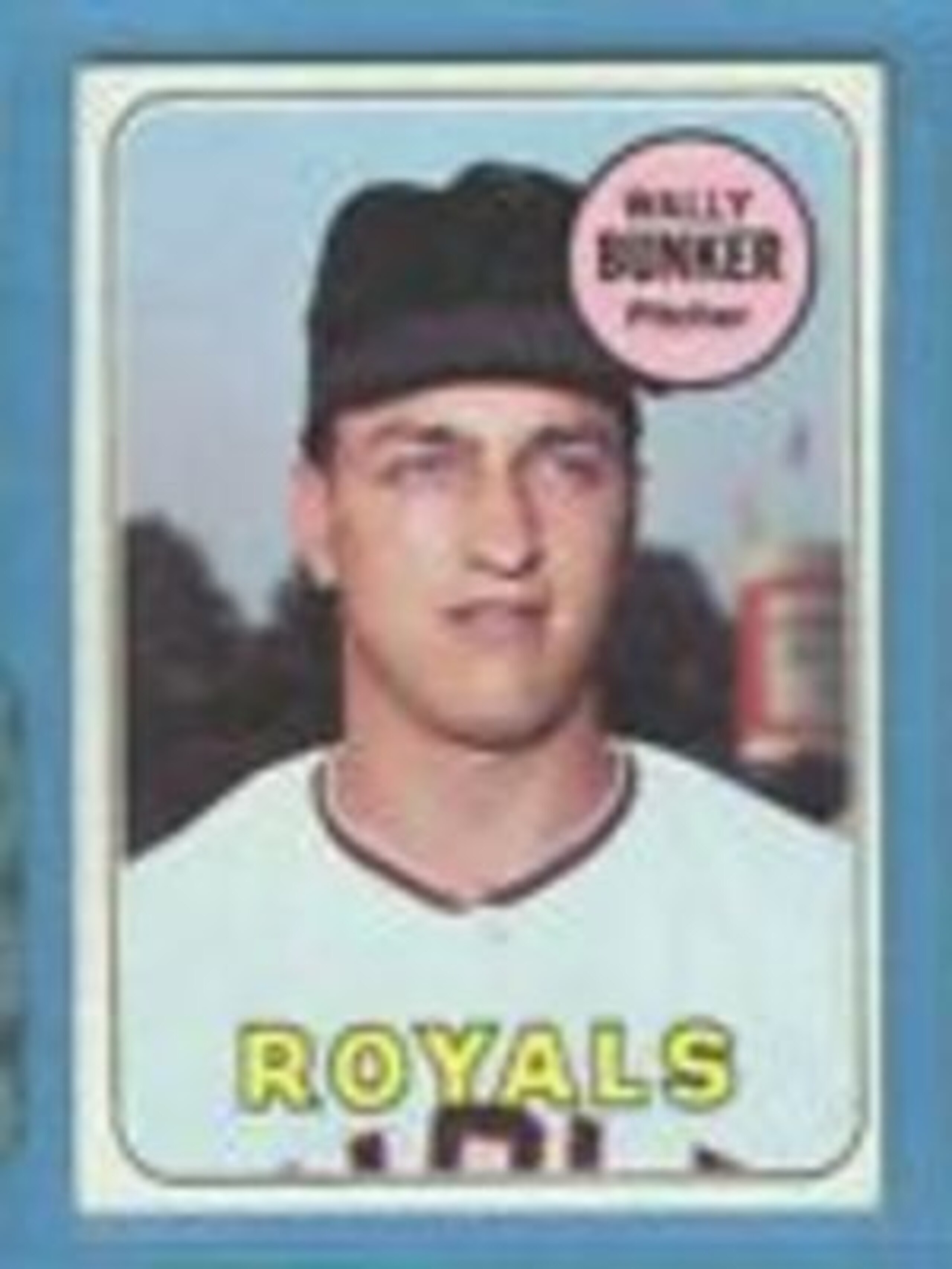
Bunker made his major-league debut for the Orioles at the young age of 18, but he pitched like the greatest of the veterans. In 1964 the righty went 19-5 in 29 starts with a 2.69 ERA and 1.04 WHIP.
He wasn’t much of a strikeout artist, but hitters didn’t know what to do against Bunker. That season he finished with 12 complete games and a couple of one-hitters.
Bunker pitched six more seasons and was a serviceable starter for the Orioles and Royals through 1971, but he certainly wasn’t an ace. The righty made 122 more starts and only won 41 of them, retiring in 1971 at the age of 26.
Tommy Harper, 3B, Milwaukee Brewers (1970)
8 of 25
Harper remains one of the fastest men to ever play the game, but he was nothing more than a slap hitter—except in 1970. The 5’9” infielder erupted for 31 home runs, almost twice as many as his second-highest total (18 in 1965), and finished with a career-best line of .296/.377/.522.
He only stole 28 bases that year, well off his 73 steals from the year before, but that’s because he hardly spent any time at first base thanks to his 70 extra-base hits.
Harper had several very good major-league seasons, but none compare to his awesome display of power in 1970. That year alone accounted for nearly a quarter of his 146 career home runs in 15 major-league seasons.
Mark Fidrych, SP, Detroit Tigers (1976)
9 of 25
Fidrych exploded onto the baseball scene in 1976 as a 21-year-old rookie and instantly became one of the best players in the league. In 29 starts the righty threw 24 complete games with four shutouts and finished with a 19-4 record.
His 2.34 ERA and 1.08 WHIP were good enough to make him the near unanimous choice for Rookie of the Year and a second-place finish in Cy Young voting behind the great Jim Palmer.
The rest of Fidrych’s career? Not so inspiring. He made only 27 starts and was out of the league by 1980 because of arm trouble. Washington Nationals fans can only hope that Stephen Strasburg isn’t another Fidrych.
Joe Charboneau, OF, Cleveland Indians (1980)
10 of 25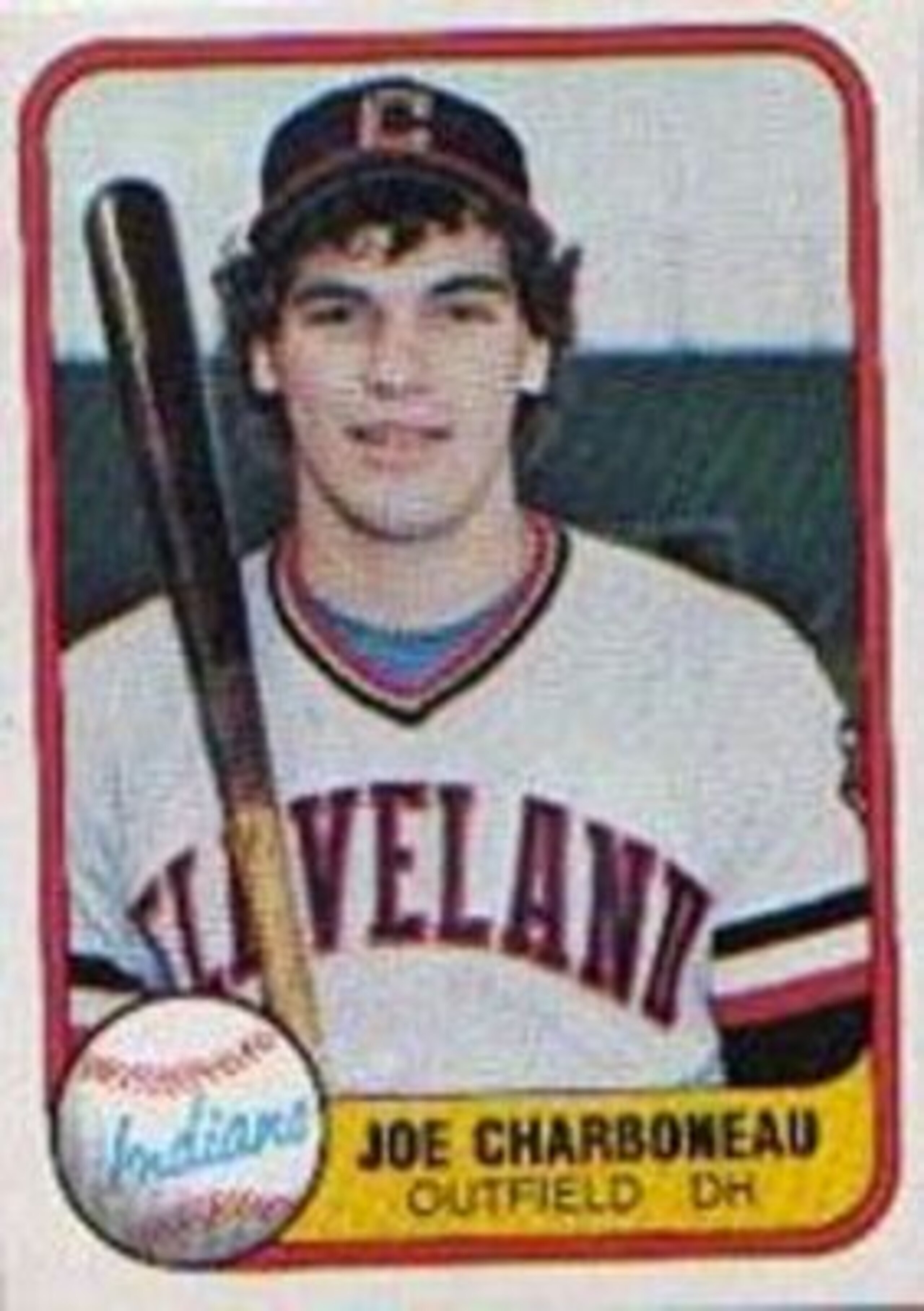
Charboneau looked like a true masher the way he was playing in his rookie season for the Indians. He batted .289 with an .846 OPS and 23 home runs and 17 doubles.
Cleveland still finished with a losing record that year, but Indians fans took solace in the belief that they finally had a slugger that could compete with George Brett and the Kansas City Royals.
Unfortunately, the full-of-life Charboneau apparently wasn’t full of baseball. He played in just 70 more games for the Indians and was done by 1982 at the age of 27.
Jerome Walton, OF, Chicago Cubs (1989)
11 of 25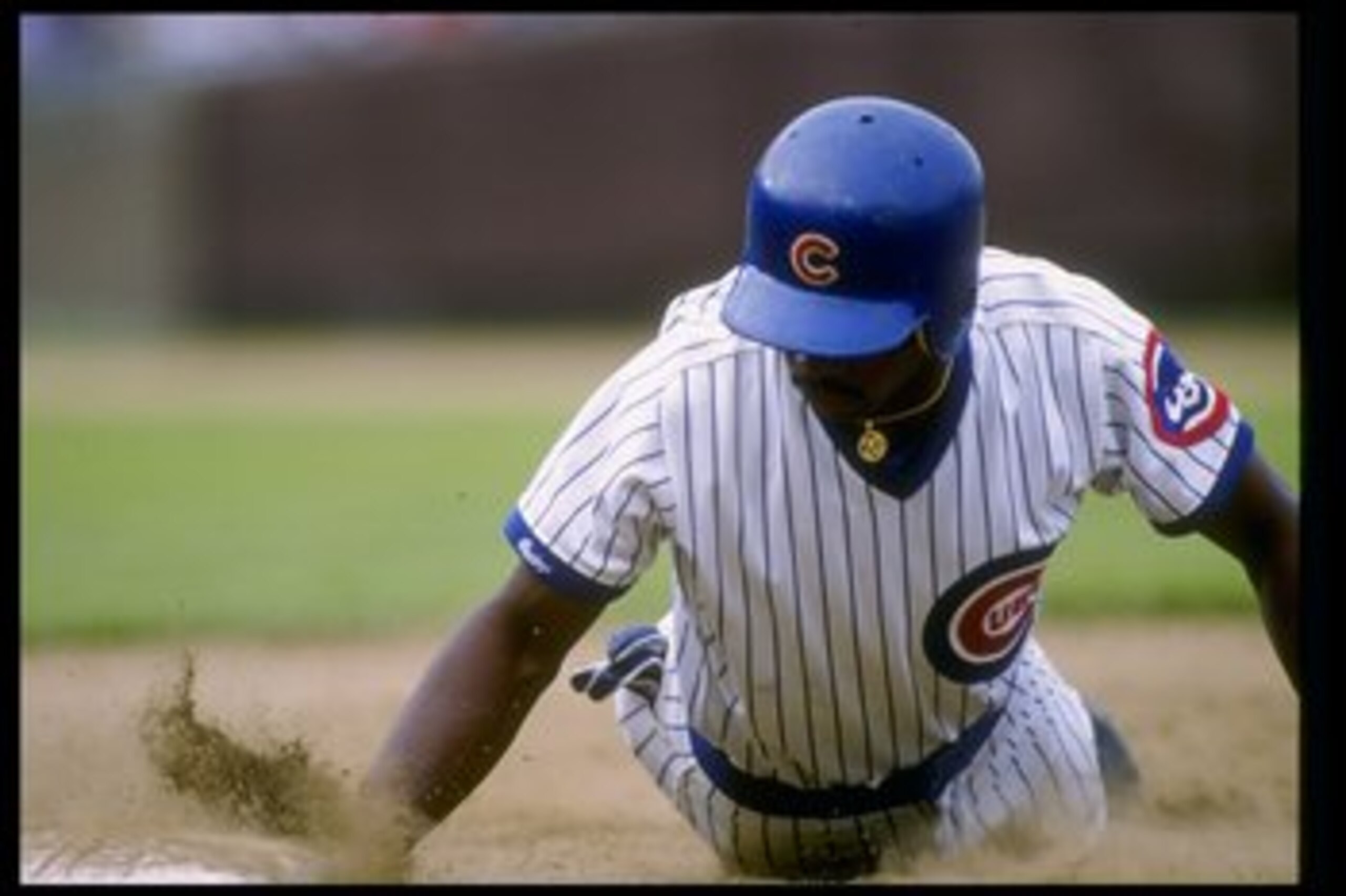
As a rookie Walton batted .293 with a .721 OPS in 116 games. He added five home runs, 23 doubles and 24 steals, good enough to win the Rookie of the Year award.
Walton would never come close to equaling those numbers throughout the course of his 10-year major-league career, becoming a utility outfielder by 1992. Over his next 482 games he recorded another 284 hits, 54 doubles, 20 home runs, 86 RBI and 34 steals. That’s not exactly All-Star production.
Kevin Maas, DH, New York Yankees (1990)
12 of 25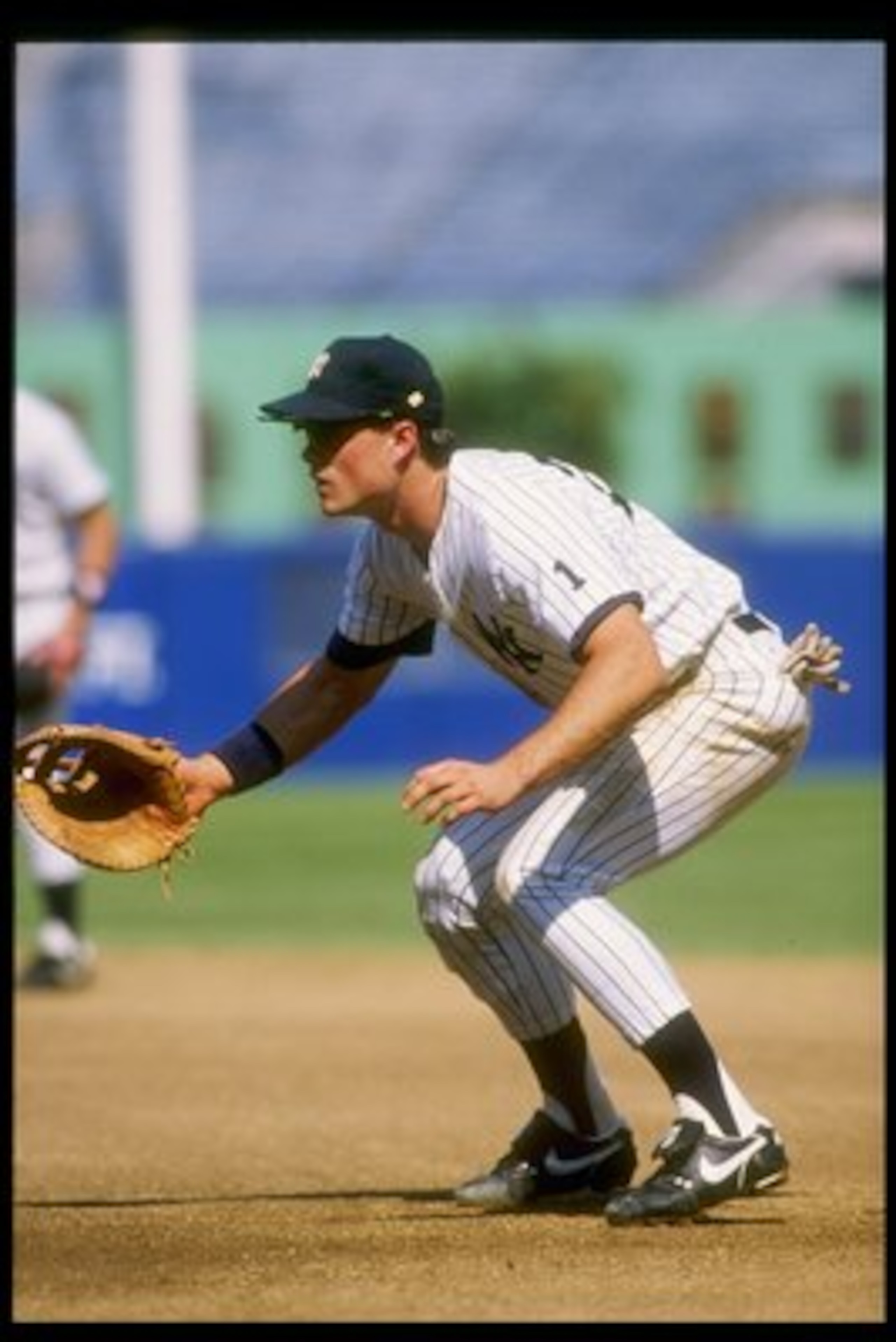
The Yankees have had more than their share of sluggers over the years, but Maas doesn’t get nearly as much attention as a Ruth, Gehrig or Jackson. However, what he did in 1990 ranks up there with any of the Yankee greats.
In 300 plate appearances as a rookie Maas hit a ridiculous 21 home runs and finished with a .902 OPS. He was second on the team in homers behind Jesse Barfield (25) despite playing in 74 fewer games.
Unfortunately, that’s as good as it got for Maas. He hit 23 home runs as a full-time player in 1991, but his batting average plummeted, and his OPS never got above .727 again. Maas was done by 1995 with just 65 career dingers on his résumé.
Dave Fleming, SP, Seattle Mariners (1992)
13 of 25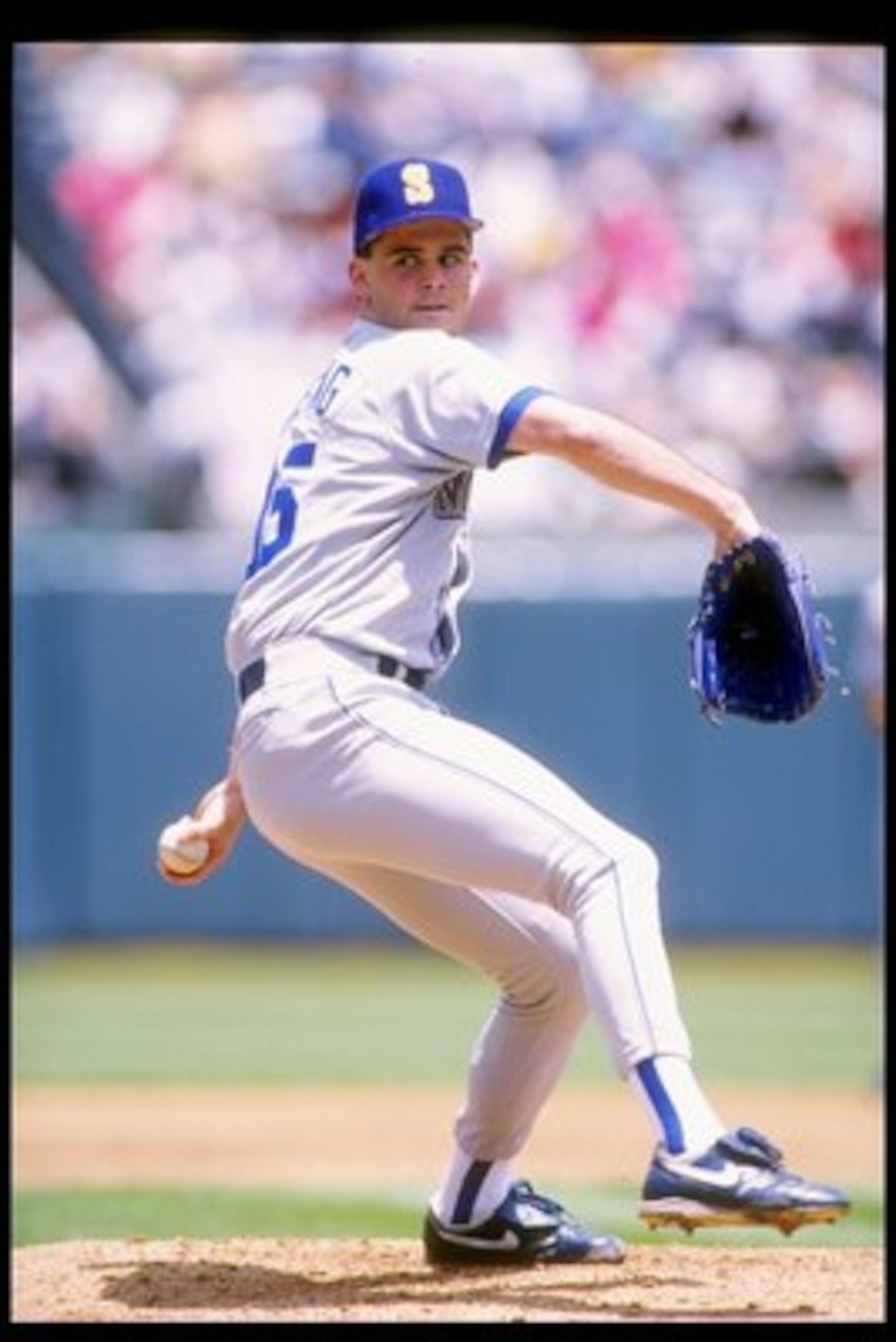
Fleming made his major-league debut only a year after being signed and was an instant success in Seattle. He finished his rookie year winning 17 games with a 3.39 ERA and 112 strikeouts in 228.1 innings, giving the Mariners a fearsome one-two punch with the great Randy Johnson.
But the lefty struggled after his rookie campaign and only won another 20 games the rest of his career, retiring in 1995 after a brief stint with the Kansas City Royals.
Chris Hoiles, C, Baltimore Orioles (1993)
14 of 25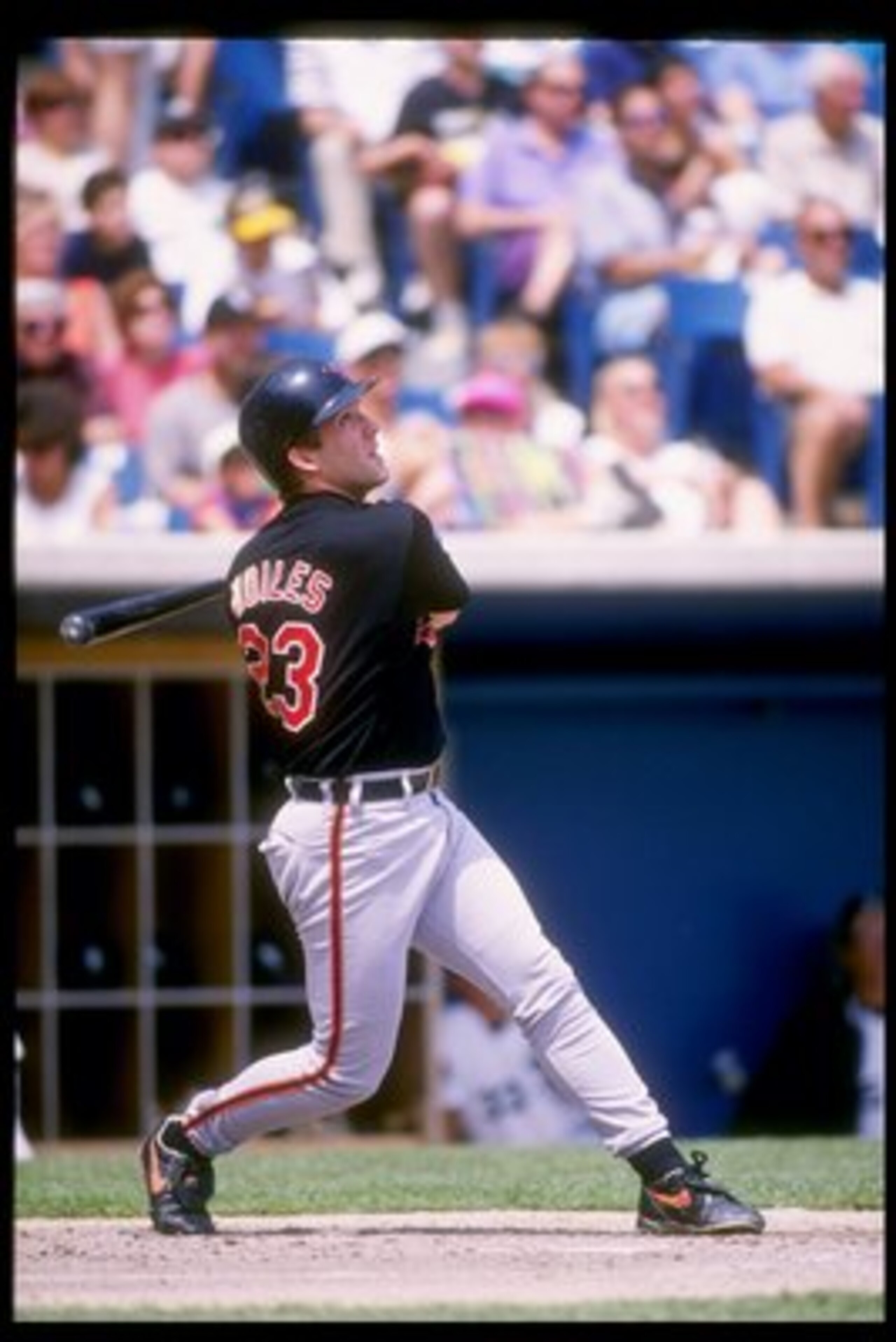
You don’t often hear people mention Hoiles when discussing the great offensive catchers in baseball. But his 1993 performance ranks right up there with anything that Mike Piazza, Ivan Rodriguez or Johnny Bench was capable of.
In 126 games Hoiles hit 26 home runs, drove in 82 runs and finished with a .310/.416/.585 line that placed him in the top five in each category.
Hoiles was always a good power-hitting catcher, but getting on base never came so naturally to him as it did in 1993 at the age of 28.
Bob Hamelin, DH, Kansas City Royals (1994)
15 of 25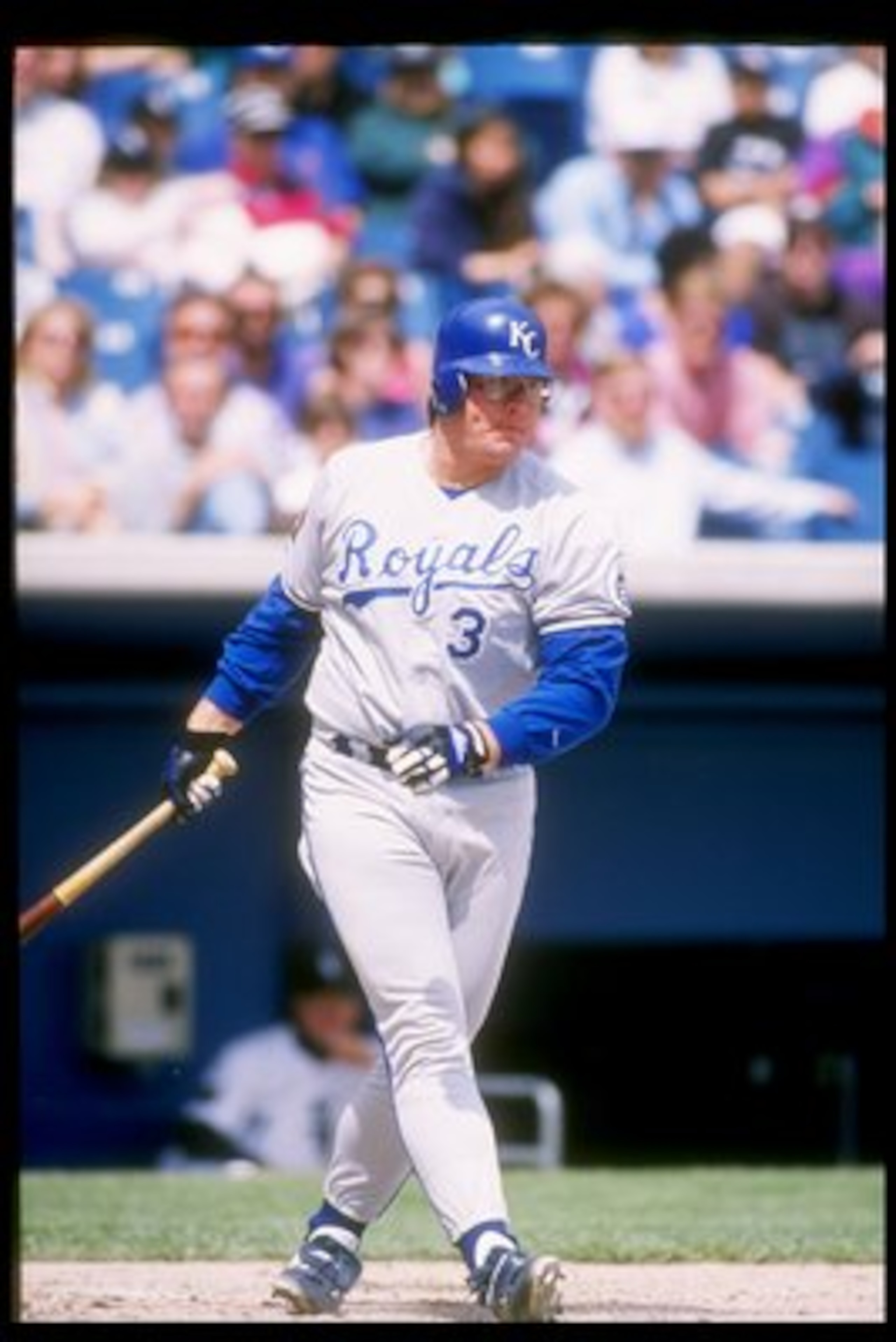
George Brett retired in 1993 after a Hall of Fame career and was replaced by Hamelin. Much to everyone’s surprise, Hamelin outdid Brett himself by hitting .282/.388/.599 in 101 games and smacking 24 home runs. He easily won the Rookie of the Year award over another pretty good slugger named Manny Ramirez.
But all Brett comparisons faded after that season. Hamelin struggled to reclaim his former glory and was even sent down to the minors to work on his swing. The Royals eventually gave up on him, and he was out of baseball by 1998 after just six major-league seasons.
Tuffy Rhodes, OF, Chicago Cubs (1994)
16 of 25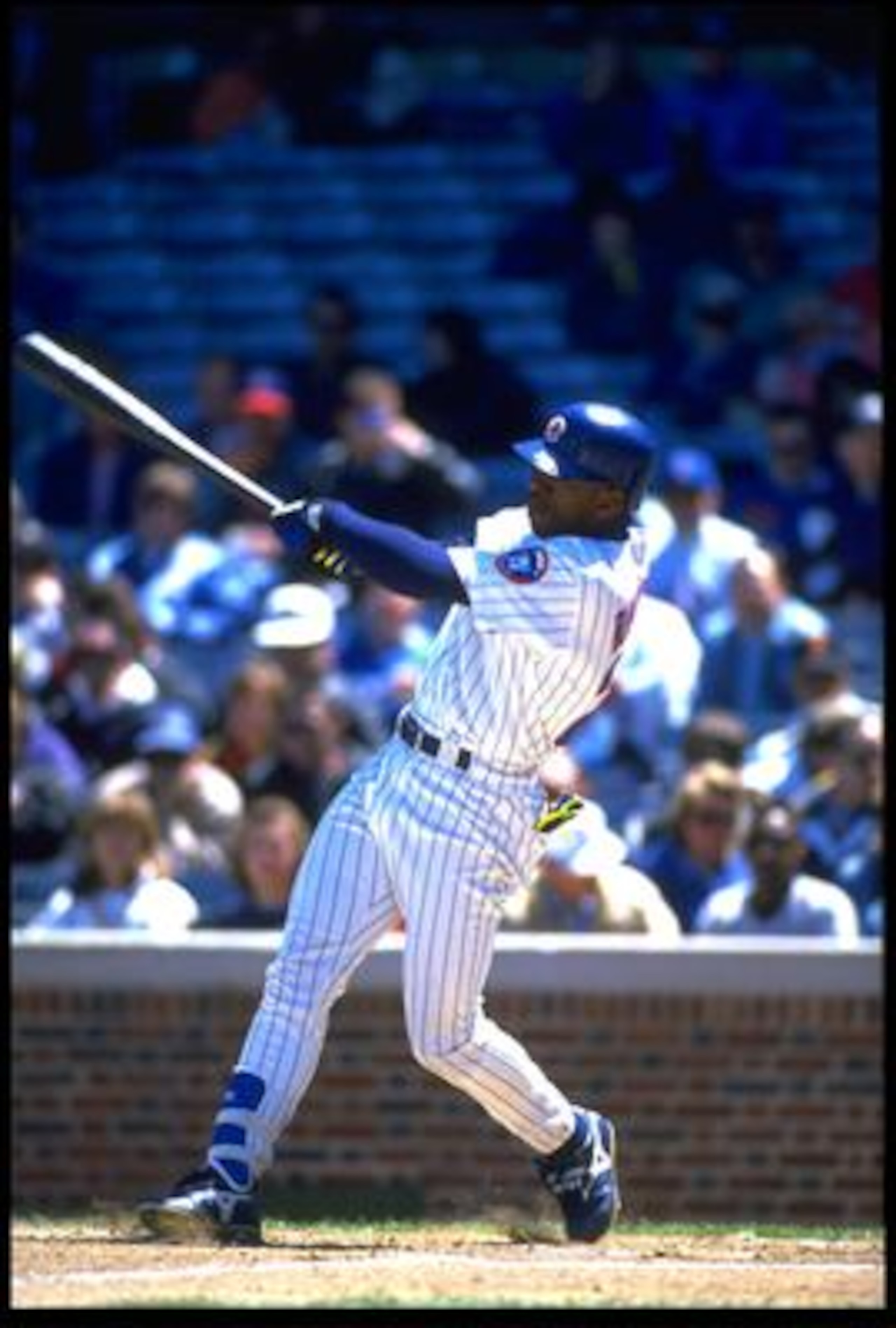
Tuffy spent most of his career as a utility man, but he’ll always be remembered for what he did in 1994. Hitting against the great Dwight Gooden, Rhodes launched three of his 13 career home runs. He played in a career-high 95 games that season and finished with 17 doubles, eight home runs and a .705 OPS.
He only had eight more hits the rest of his career and would be out of the majors after the next season at just 26 years old. Tuffy would go on to have a very successful career playing baseball in Japan and was always known as a great power hitter.
Brady Anderson, OF, Baltimore Orioles (1996)
17 of 25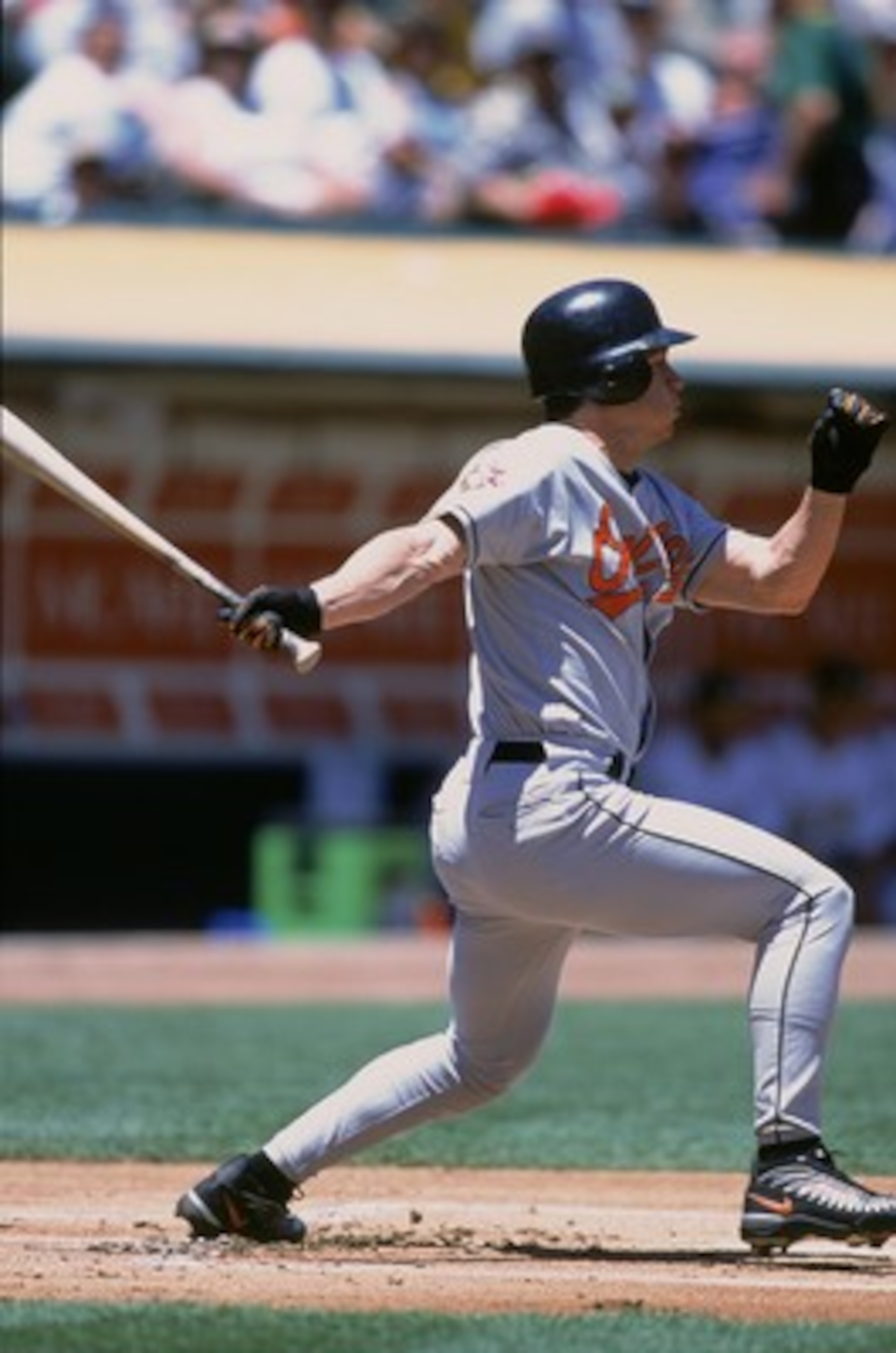
Anderson was a three-time All-Star and one of the best Orioles ever, but absolutely nobody thought the outfielder was capable of what he did in 1996.
After hitting between 12 and 21 home runs in the previous four seasons, Anderson exploded for 50! He hit a career-best .297/.396/.637 and topped 100 RBI (110 to be exact) for the only time in his 15 major-league seasons.
In 1997 Anderson went back to hitting 18 home runs with an OPS closer to .800, so how he got so impossibly hot in 1996 is still a matter of debate.
Justin Thompson, SP, Detroit Tigers (1997)
18 of 25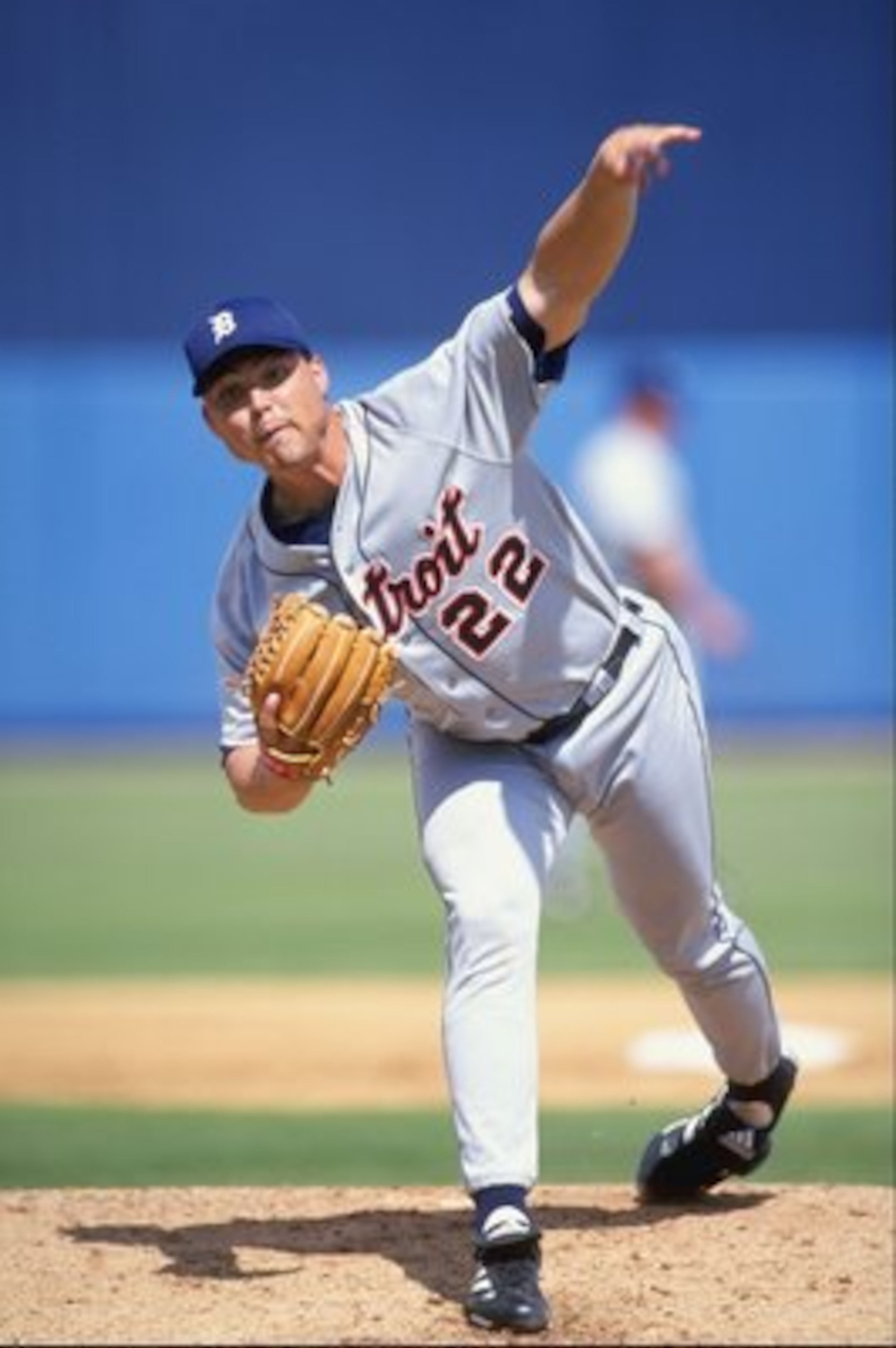
Thompson was a hard-throwing lefty drafted out of high school who didn’t even make it to the majors until he was 23. But a year later the lefty was already an All-Star with a 3.02 ERA in 32 starts and 223.1 innings.
His arm got a similar load in 1998 and 1999, but his ERA rose by over a full run each season, and he was done as a starting pitcher at just 26 years old.
Thompson made a comeback with the Texas Rangers in 2005 as a reliever and gave up four runs in 1.2 innings. Suffice it to say that his once-promising career is definitely over.
Shawn Estes, SP, San Francisco Giants (1997)
19 of 25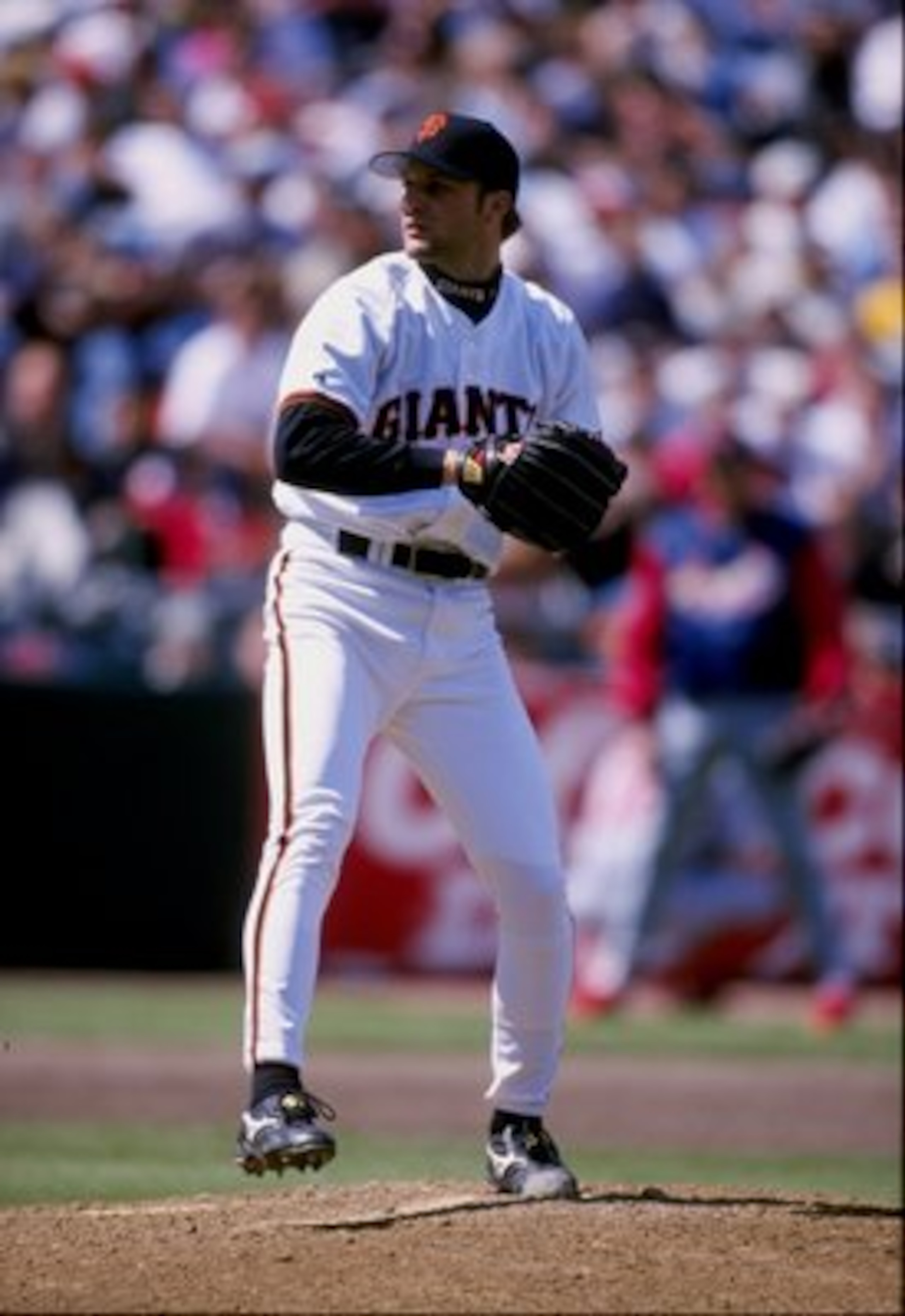
Estes made the All-Star team just once in his 13-year major-league career. In 1997 the left-hander made 32 starts and finished with a 19-5 record, 3.18 ERA and 181 strikeouts in 201 innings. He also led the league in walks with 100.
Although Estes would go on to pitch several more decent seasons, he would never again warrant the kind of praise that made him the 11th overall pick in the 1991 MLB draft. His ERA hovered between 4.00 and 6.00, and walks became even more of an issue, at least one every two innings.
Hideki Irabu, SP, New York Yankees (1998)
20 of 25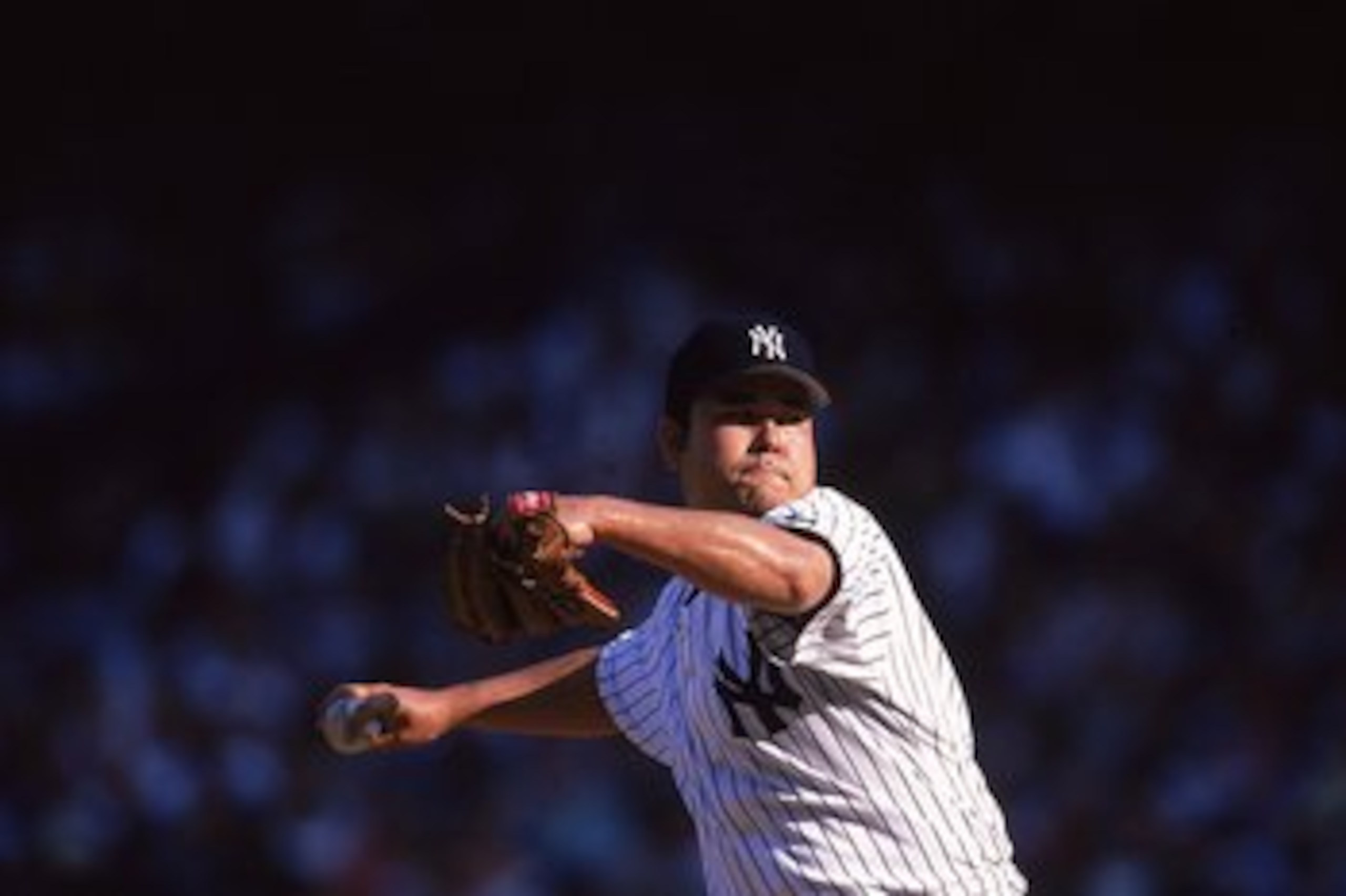
Irabu was a high-profile pitcher coming out of Japan, and he forced his way onto the Yankees, where he joined a staff that featured Andy Pettitte, David Wells, David Cone and Dwight Gooden.
He was impressive in his first full season in New York, as he went 13-9 in 28 starts and finished with a 4.06 ERA in 173 innings, earning a World Series ring despite not pitching in the playoffs that year.
However, that’s as good as it got for “Fat Toad.” He never matched his strikeout totals from Japan and watched his ERA balloon over each of the next four seasons. The Yankees finally dumped him in a trade for Ted Lilly, and Irabu was out of baseball by 2002 at the age of 33.
Daisuke Matsuzaka of the Red Sox is following a very similar career path.
Rick Ankiel, SP, St. Louis Cardinals (2000)
21 of 25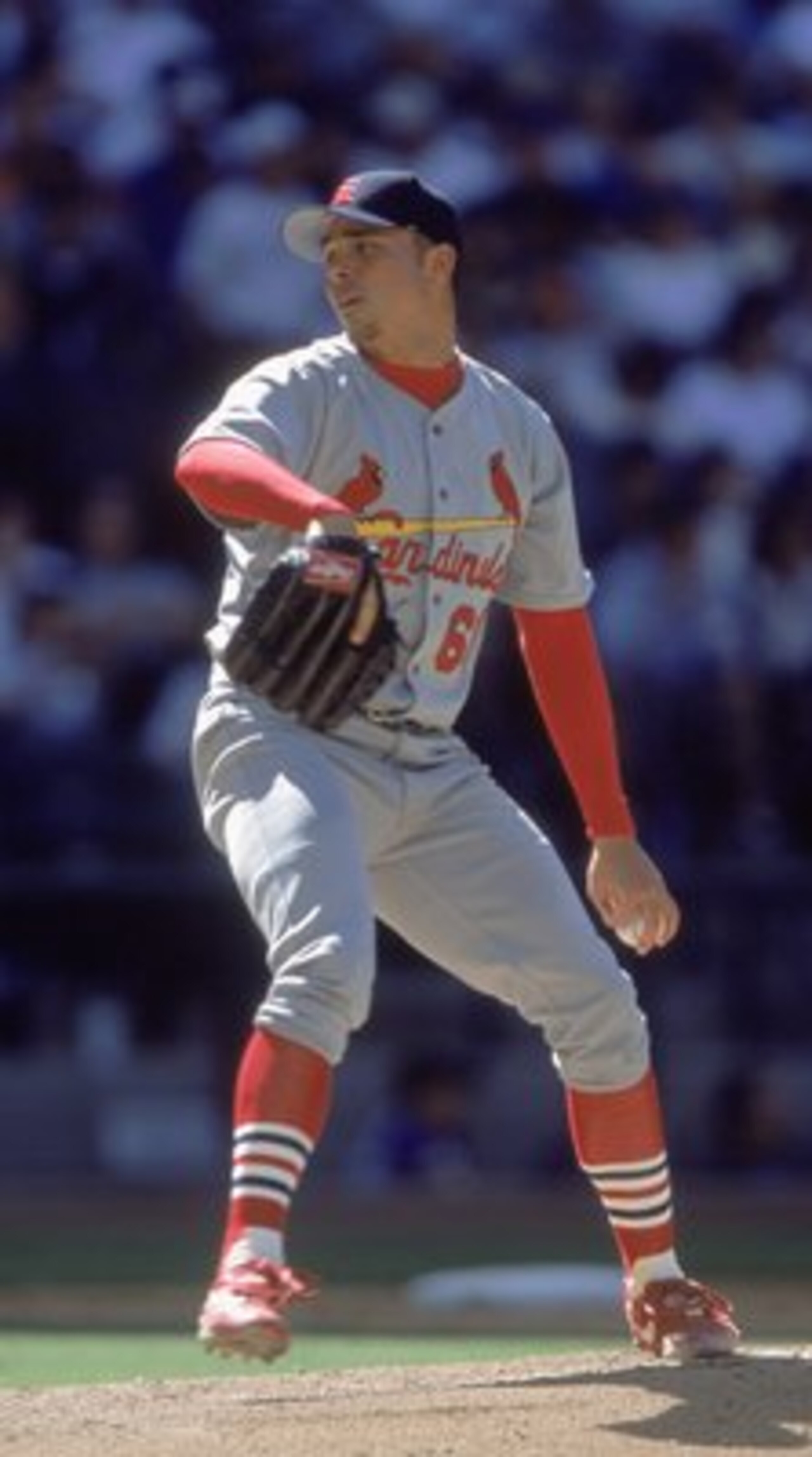
Ankiel’s story is a popular one. As a 20-year-old rookie for the Cardinals the lefty made 30 starts and finished with a 3.50 ERA in 175 innings. He finished second in Rookie of the Year voting and was supposed to be the savior for a staff that had suddenly gotten old and mediocre. But then the playoffs happened.
Ankiel couldn’t throw strikes that postseason and never again regained his pitching form, giving up entirely after a failed comeback in 2004. He’s now a pretty good-hitting outfielder for the Washington Nationals.
Luis Gonzalez, OF, Arizona Diamondbacks (2001)
22 of 25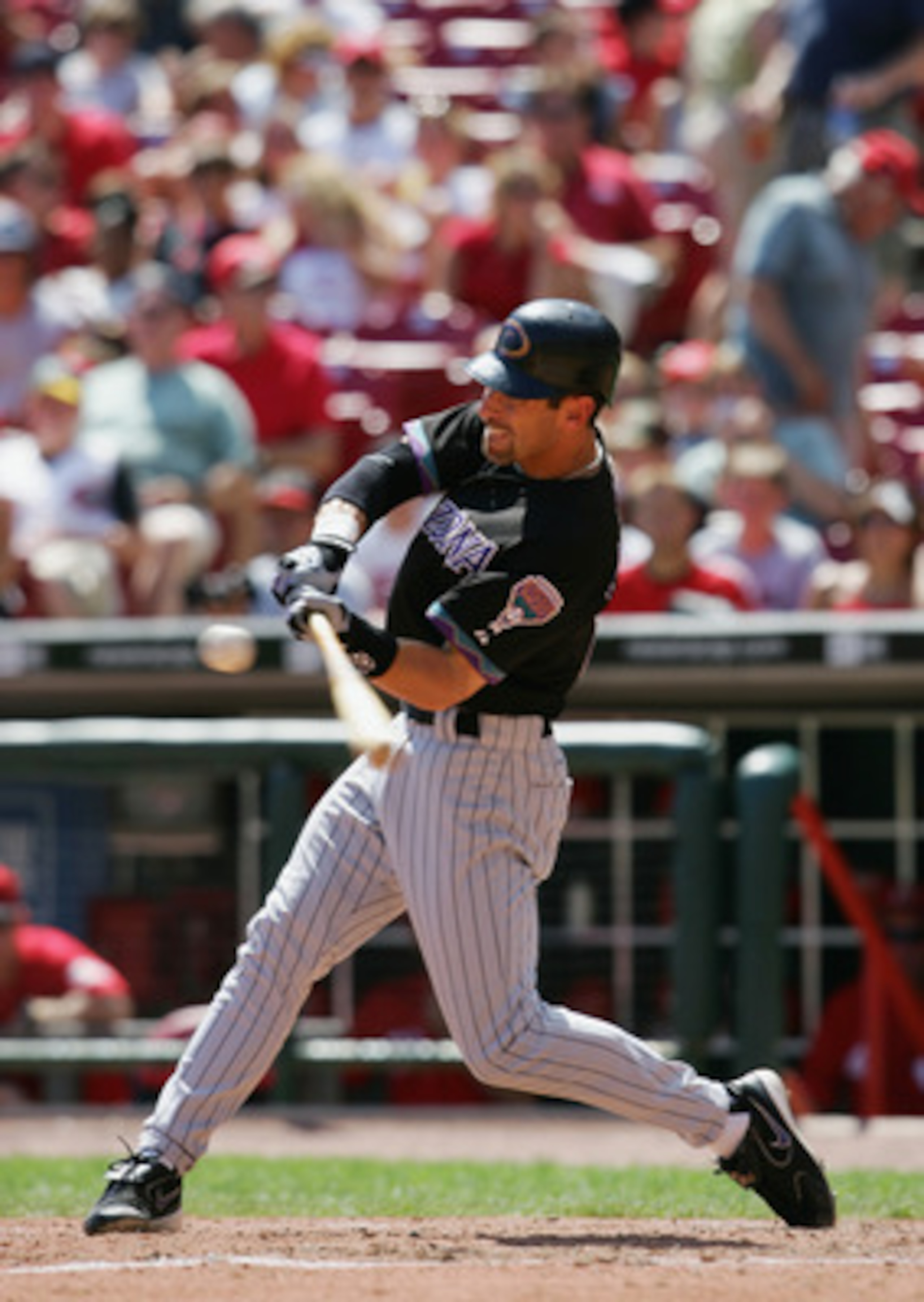
Gonzalez played baseball for 19 seasons and was a five-time All-Star, so it may be a bit of a stretch to call him a “one-hit wonder.” Still, what he did in 2001 so exceeded expectations that it’s impossible to leave him off this list.
Gonzalez smacked a career-best 57 home runs, drove in 142 runs and sported an OPS of 1.117. His previous career highs in those three categories were 31, 114 and .952 respectively. Whatever Gonzalez did to have a career year at the age of 33, it worked.
Marcus Giles, 2B, Atlanta Braves (2003)
23 of 25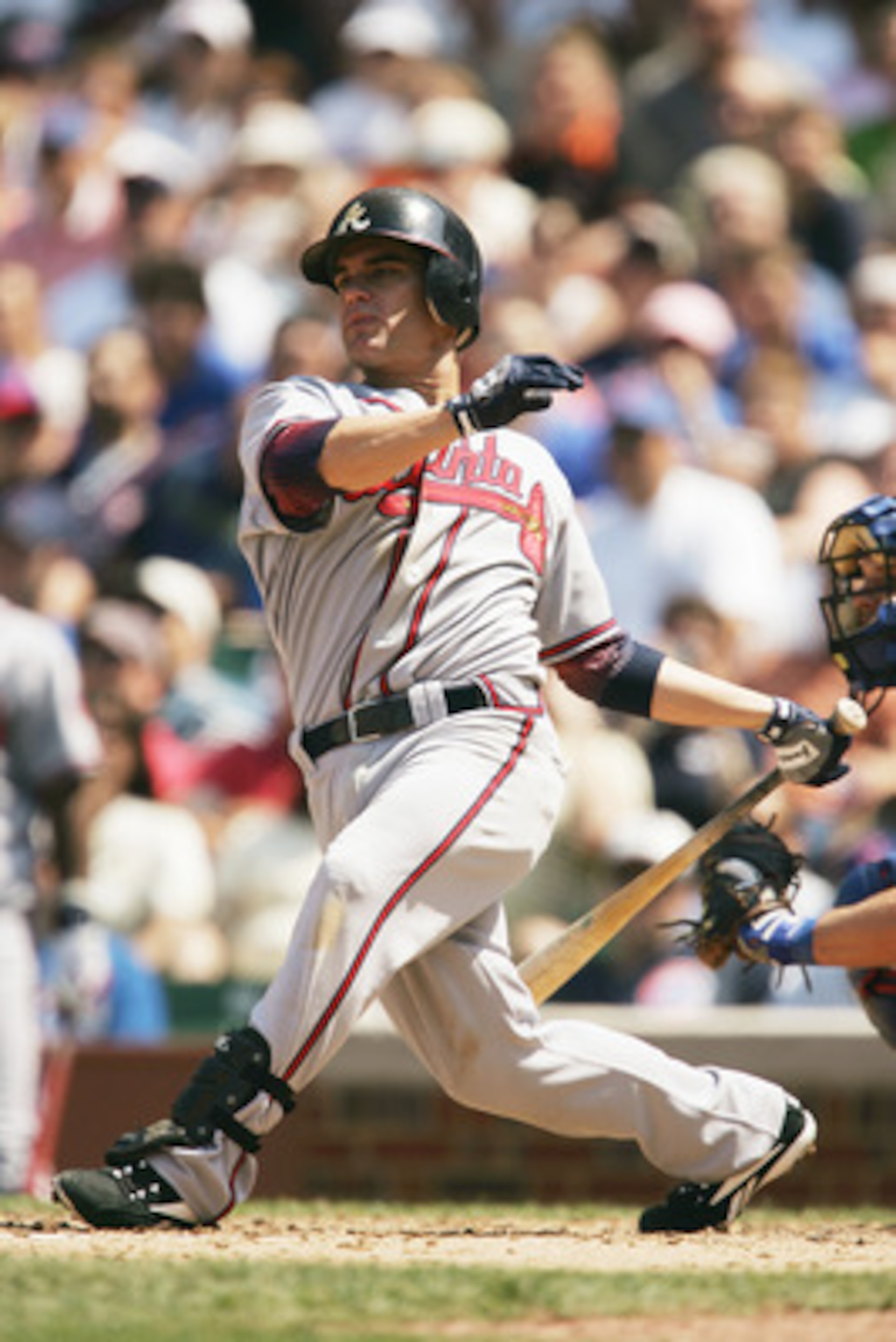
Braves fans couldn’t stop drooling at the thought of Giles, Rafael Furcal and Andruw Jones forming the foundation for a team that already had veterans Chipper Jones and Gary Sheffield.
Giles was far from the best player on that team, but in 2003 he definitely played like one. The second baseman batted .316/.390/.526 with 21 home runs, 49 doubles and 14 steals (all career highs).
Just 25 years old, Giles was well on his way to becoming a perennial All-Star. But injuries forced him to miss a third of the 2004 season, and after a solid 2005 season he fell off the cliff. He lost any semblance of power as his batting average plummeted well below .300, and he was out of the majors entirely by 2007.
Oliver Perez, SP, Pittsburgh Pirates (2004)
24 of 25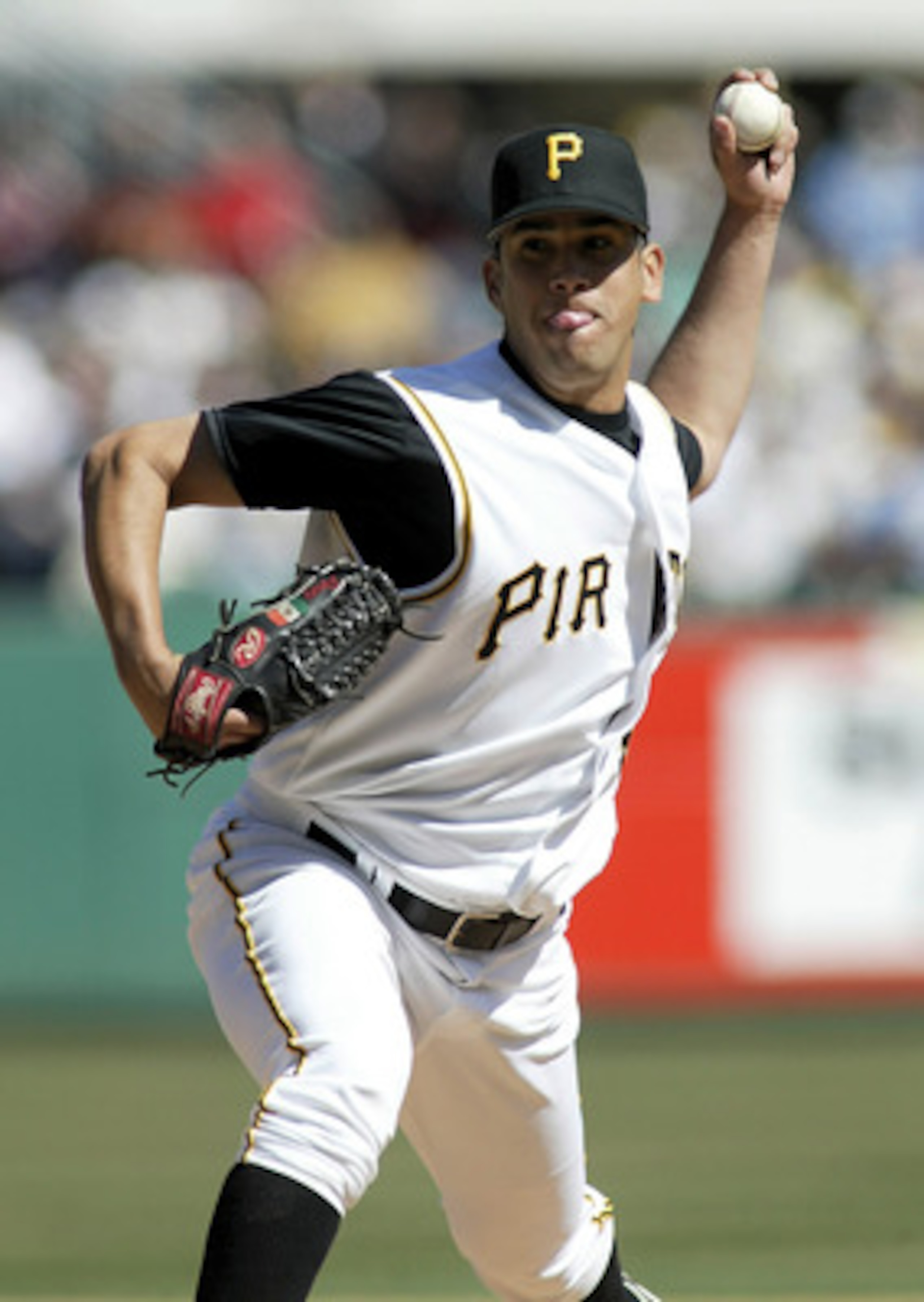
If you’re a Mets fan, you probably remember Perez as the guy who took your money to walk everyone in sight and give up long ball after long ball. If you’re a Pirates fan, however, you might remember Perez as the guy who once looked like he was going to become one of baseball’s elite pitchers.
In 2004 Perez finished with a 2.98 ERA (his next lowest total is 3.56 in 2007) and 239 strikeouts in 196 innings. The hard-throwing lefty was untouchable as a 22-year-old and looked like he might be able to bring the Pirates out of the MLB dungeon.
Injuries and inconsistency, however, ruined Perez’s career, as he got increasingly wild and lost a few miles on his fastball. He is making $12 million this year not to pitch for the Mets and has not won a game since 2009. He is 29 years old.
Dontrelle Willis, SP, Florida Marlins (2005)
25 of 25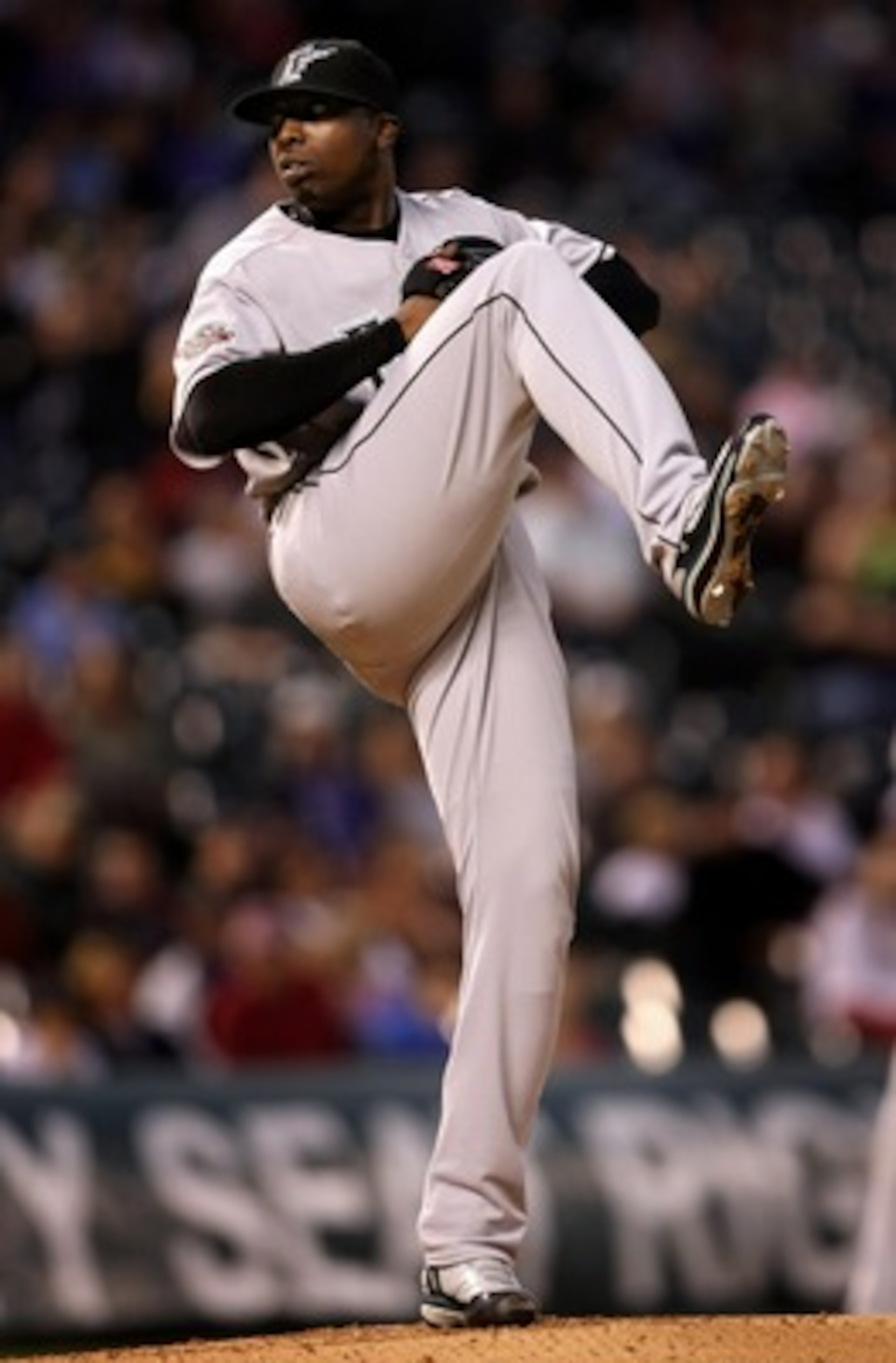
It might be slightly unfair to label Willis as a one-hit wonder since his first five major-league seasons were all pretty good, including his Rookie of the Year campaign in 2003.
However, he never came even close to what he did in 2005—34 starts, 22-10 record, 223.1 innings, 170 strikeouts, 2.63 ERA, 1.13 WHIP. Those are career highs in every statistical category, and the big lefty did it at the age of 23.
The rest of D-Train’s career, however, is not so impressive. He couldn’t hit the strike zone, he couldn’t get batters out and he definitely couldn’t stay healthy. Willis, believe it or not, is 29 and is still trying to make it back to the big leagues, potentially as a reliever.



.jpg?w=2560 "Terrell Owens Being Sued for Defamation")
.jpg?w=2560 "WWE NXT Live Grades ✍️")