Chair Shots and Ladder Matches: The Role of Violence in Pro Wrestling
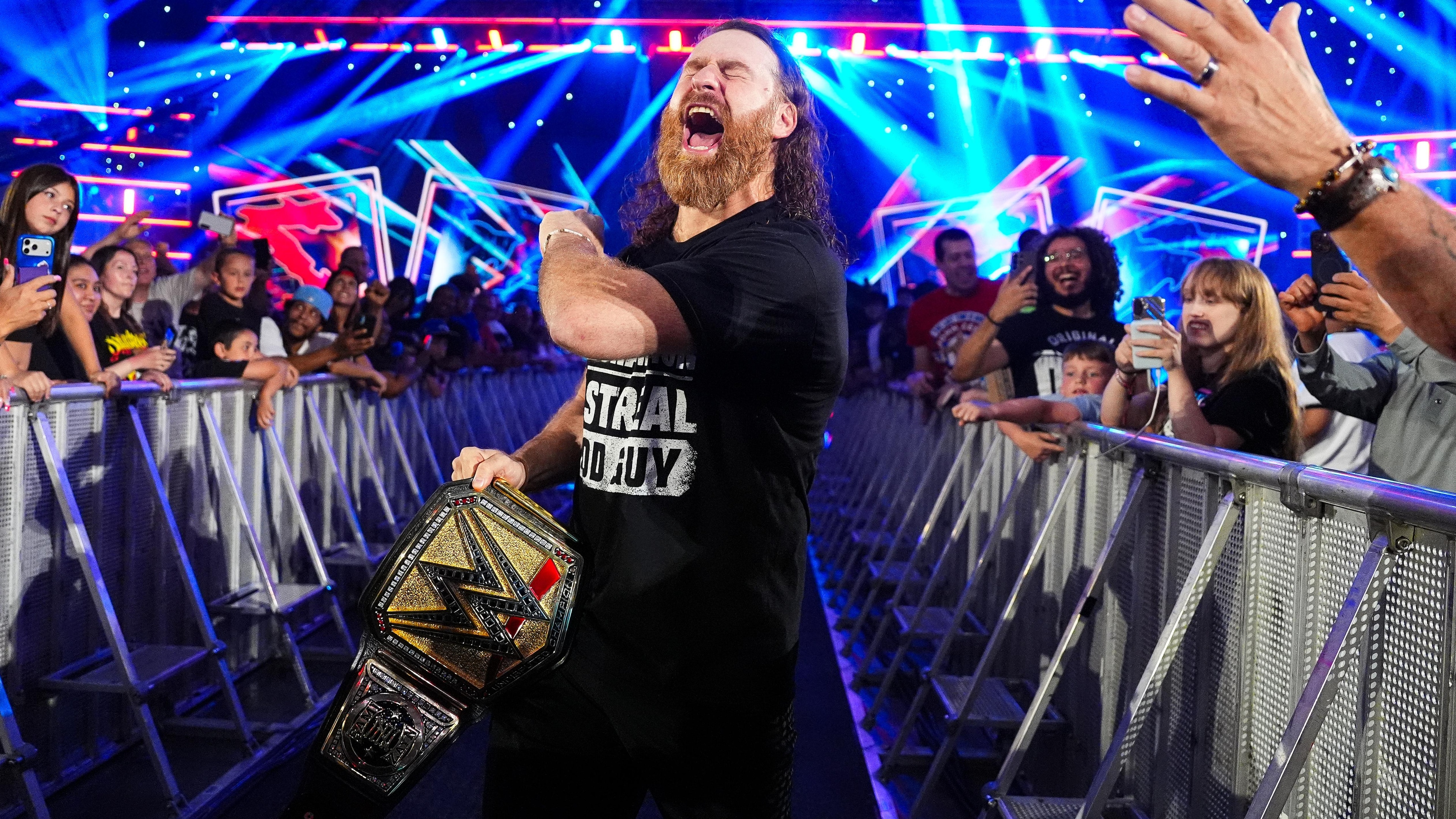
Professional wrestling affects behavior both unintentionally and intentionally; viewers believe in the reality of the scripted movements and therefore emulate their heroes.
Such belief in the reality of actions expressed on the professional wrestling broadcasts represents an opportunity to misunderstand the violence portrayed by wrestlers on RAW, Smackdown, and other professional wrestling television programs.
The most obvious knock against professional wrestling in the industry’s role in television violence is the thought by many that wrestling is savage.
.jpg?w=3840)
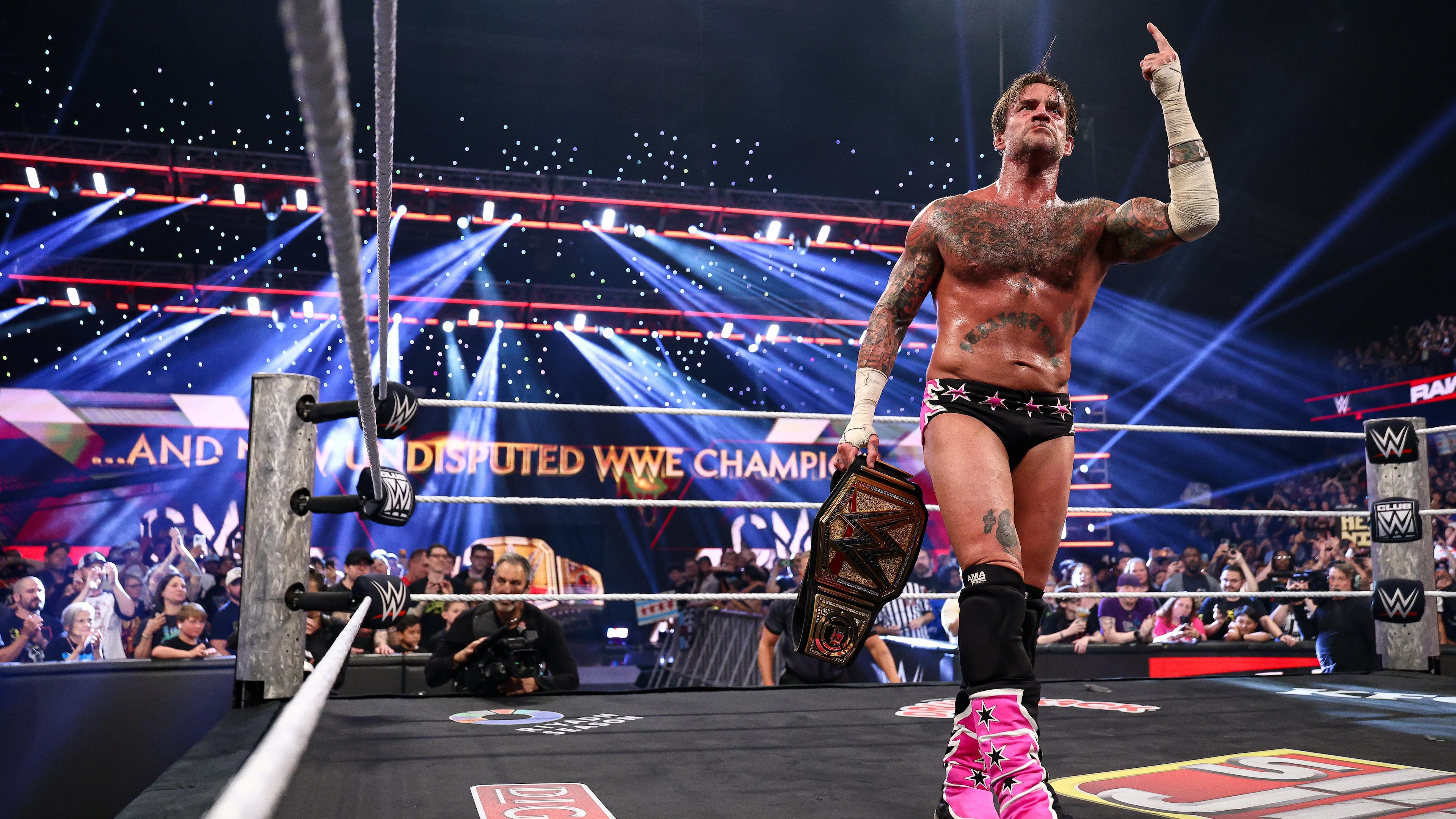
Many scholars have condemned professional wrestling, “for lacking any human dignity in its portrayal of violence and for fostering fighting among impressionable youth.” (Tamborini 2).
Scholars are not the only ones who feel this way as professional wrestling in all forms have been routinely condemned by many other fields, most of whom have never actually watched the programming that World Wrestling Entertainment (WWE) or other promotions such as Total Non-Stop Action Wrestling (TNA) have put on television.
In a 2002 professional study on the violence in professional wrestling, the researchers studied 10 hours of WWE programming, including both the company’s RAW and Smackdown programs.
At the conclusion of the study, the researchers stated that all past studies on professional wrestling violence had failed in that the researchers, for the 2002 study “[knew] little about the manner in which it [professional wrestling] portrays violence” (Tamborini 2).
The fact that all researchers, including the writers of the 2002 study, are missing is that the world of professional wrestling is that of scripted storylines and of sports fiction. The violence that just the casual fan or critic of the sport sees is a “fight” that was weeks or months in the making.
Such ignorance of such intricacies of professional wrestling culture, such as seeing violence and assuming that the wrestlers and the fans are savage because of the media’s outdated views on the over-the-top, bloody sport, partaken by overweight and out-of-shape men that many remember from the 1980’s, increase, in critics' minds, the amount of violence found on WWE programming.
In addition, to a vastly overexaggerated view of wrestling violence by many in the media and various conservative parent groups and civilians, the fact remains that comparative violence on nationally broadcast network television shows are worse in the percentage of violence shown.
The scholarly study referenced before also stated, “The results [of the study] showed that 16 percent of violent interactions in wrestling result in unrealistic harm, compared to 24 percent in … [network television] primetime programs…” (Tamborini 14).
This statistic contradicts common American feelings on professional wrestling, where wrestling is in fact less violent then primetime network programs which are on at the same time as WWE and other wrestling programs, but escape most of the ire that parental groups put on the WWE and other related professional wrestling organizations.
This statistic contradicts common American feelings on professional wrestling, where wrestling is in fact less violent then primetime network programs which are on at the same time as WWE and other wrestling programs, but escape most of the ire that parental groups put on the WWE and other related professional wrestling organizations.
These parental groups have routinely demanded that professional wrestling, and most notably WWE, be forced to decrease not only the violence on the company’s programs, but the language on the programs.
“[T]he Parents Television Council (PTC) has ranked WWE programming among the worst shows on… television… [because WWE is] too violent for family hour” (Tamborini 2).
The problem with the Parents Television Council condemnation is that the primary offender for professional wrestling violence, WWE’s RAW, comes on at 9 o’clock at night on Monday night, which is traditionally a school night and a time at which adult programs with “non-kid friendly” content are shown.
The fact that RAW is shown at 9 then contradicts the notion, by the PTC, that family hour and WWE programming coincide. The PTC is not the only parenting group that has condemned the WWE, as there have been countless others, but a common theme within the parent groups is that the WWE has to do something about kids watching the WWE’s TV-14 rated shows.
The parents have taken the responsibility, off of each parent, in choosing what their children watch, and have put the blame of changing their programming on the WWE, which is not geared toward children based on the language, violence, and sexual nature of the RAW program.
Monitoring one’s own children in what they are watching and what they are doing is central to being a good parent. Nothing makes this point more clear than the news of the deaths of a “9 year old from North Carolina and 6 year old from Florida… [from trying to] imitat[e] wrestling moves,” seen on WWE programming (Tamborini 15).
Without the presence of WWE programming in these homes, or with the presence of discussions on what is acceptable or not in society, and what is safe and what is unsafe, it is likely these two boys would not have perished.
It also should be noted that RAW is rated TV-14, which means that any child under 14 years of age should not be watching the program the children who died, from attempting maneuvers that they witnessed on television, were less than 14 years of age, and was therefore not the target audience the WWE was aiming for.
Though, the deaths of the 9 and 6 year olds were tragedies, the WWE should not be blamed because both WWE’s RAW and Smackdown are marketed for adult males given the violence, sexual content, and the time at which RAW is shown, 9 o’clock.
Given that the target audience is adult males, and the rating is TV-14 it is the responsibility of the parent to censor WWE programming by turning the show off.
Many aspects are combined in the effects of violence in professional wrestling on the general public. The views of wrestling by those who watch and do not watch greatly differ in the audience’s views on professional wrestling.
The fact that professional wrestling has more violence then that of other primetime programs is true. It is the still the responsibility of the parent; however, to monitor and converse about what their child is watching.
Monitoring what children watch will lessen the chances of the emulation of inappropriate trademarks, wrestling maneuvers, and suggestive actions between the children that watch the mature programming of professional wrestling.

-(1).jpg?w=3840)
.jpg?w=3840 "Biggest FA Mistakes of the Century 💸")