
NFL Draft 2011: Justin Houston and Round 2 Sleepers
Like it or not, but the draft is basically a glorified crapshoot. That might be a blunt way to put it, but to even the most basic NFL fans who happen to scan past drafts, it’s apparent immediately.
The famous picks (both good and bad) still resonate in the minds of fans. Tom Brady in the sixth. Joe Montana in round three. Even Ryan Leaf (though for dubious reasons).
But it’s my opinion that championship teams aren’t built through the draft by finding these occasional superstars. Instead, teams that can consistently find the greatest number of competent (though not Hall of Fame) caliber players do the most to position themselves for success.
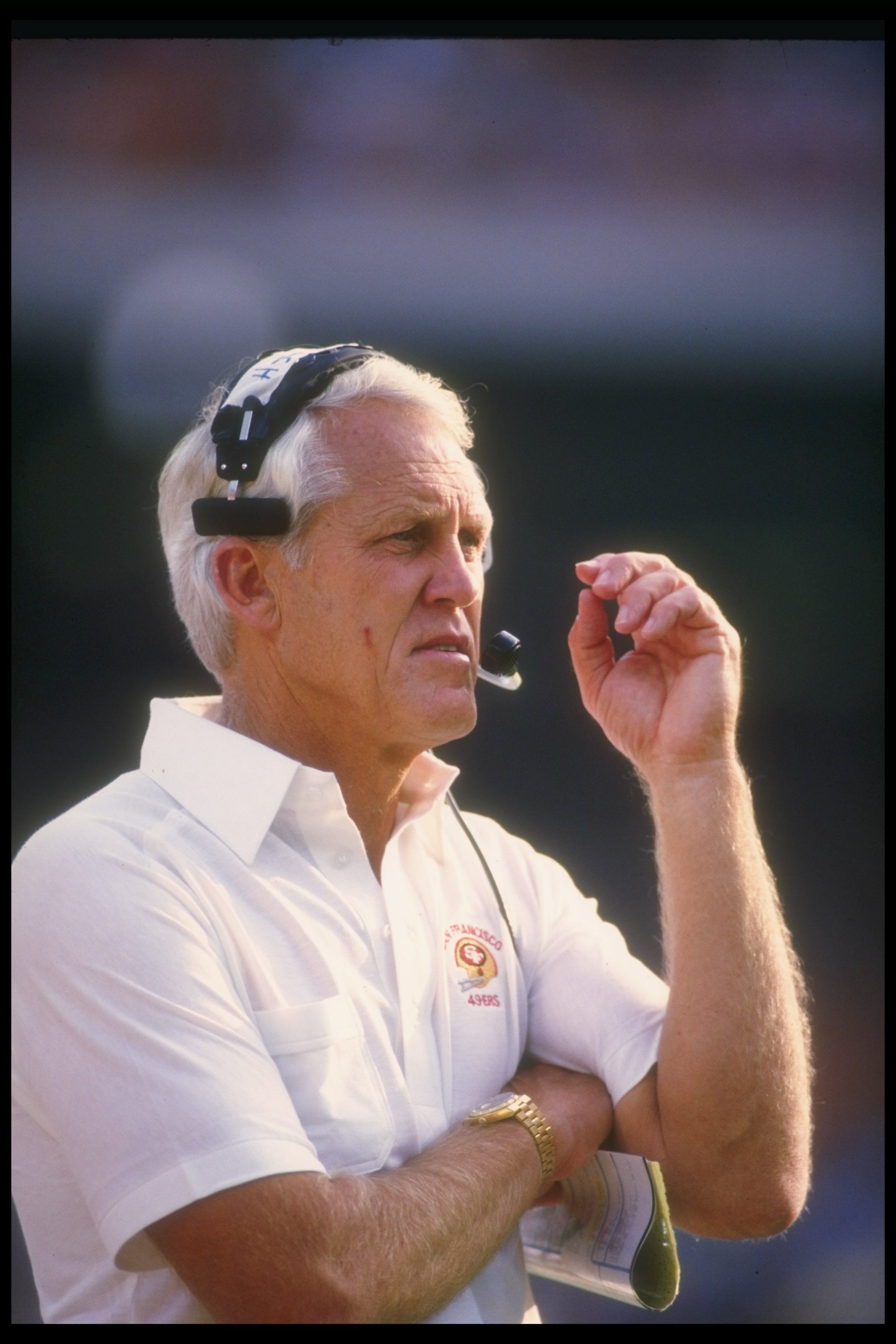
That’s why Bill Walsh, one of the greatest draft wizards of all time, declared the 1986 draft his favorite as 49ers coach.
1986 was not the draft where Walsh snagged Jerry Rice or Joe Montana.
But it was the year that San Francisco did more in one draft to improve their team than any other. In came players like Charles Haley, Tom Rathman, John Taylor, Don Griffin, Tim McKyer, Steve Wallace and Kevin Fagan. All became starters for multiple championships in one of the greatest runs in NFL history.
Effectively, the 49ers rebuilt themselves between their 1984 and 1988 titles, and the 1986 draft was the keystone of that transition.
It’s for this reason that I’ve always found the classic coverage of the draft very curious. For lack of a better term, it’s elitist. Mel Kiper Jr. and Todd McShay are great at telling us what they think about the guys they believe will be picked in the top 15-30, but after that there seems to be a significant drop off in reporting.
So without further ado, a look at some of the potential later round players, all aspiring to become the next Tom Brady (or, failing that, Tom Rathman).
I might not be right with what round each player will be picked in, but it’ll at least get you aware of potentially season-making sleepers waiting in the depths of the 2011 draft.
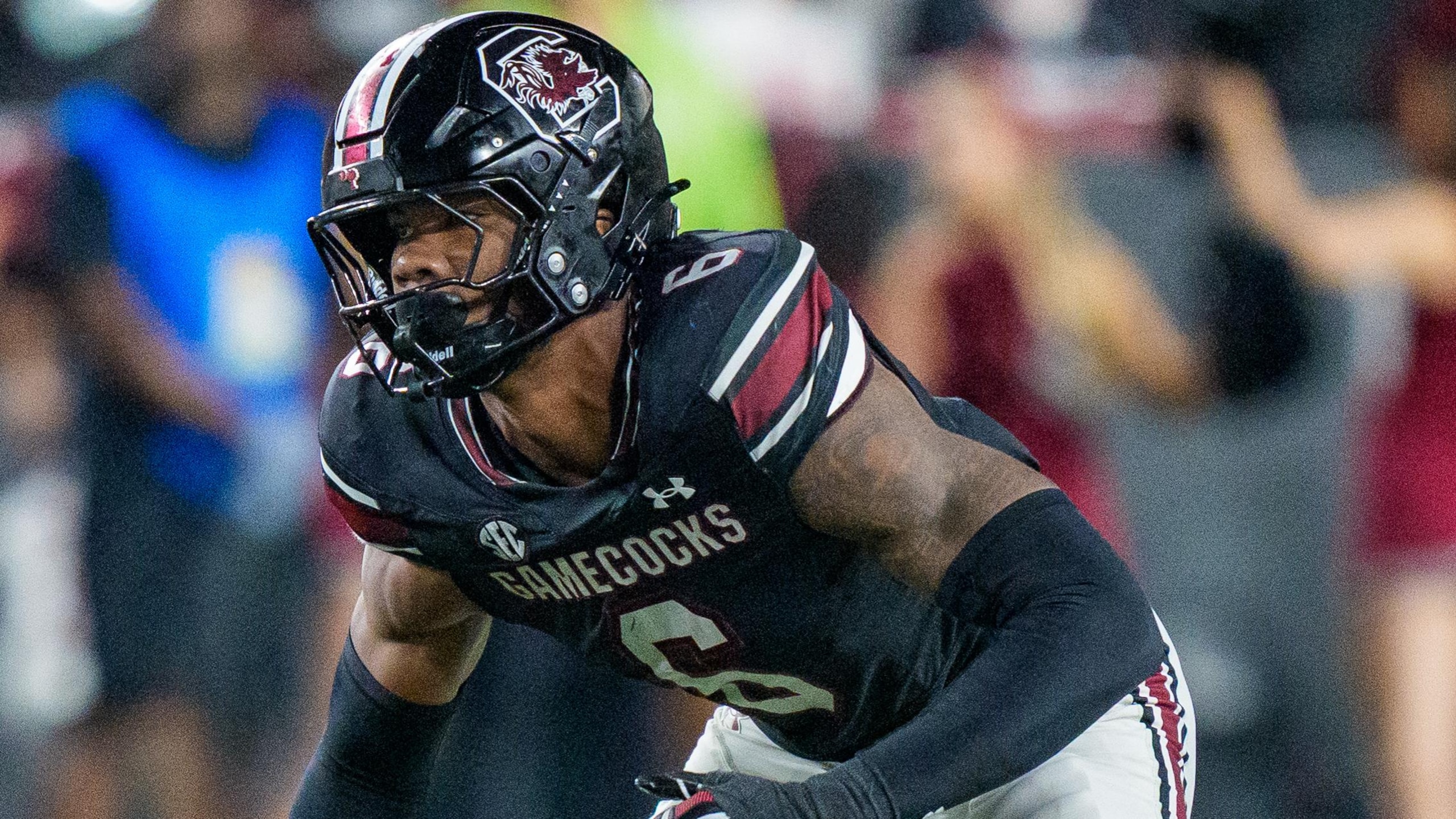
Justin Houston, OLB, Georgia
1 of 5
Justin Houston, OLB, Georgia
Listing players who might go in the second round is paradoxically easy and difficult all at the same time. It’s easy because it’s a simple process in theory (look for the best players not taken in the first). Yet it’s difficult because it’s impossible to know who will and won’t get picked in the first.
Yet one player who I’ve consistently seen drop from the first round is Justin Houston. He’s a physical freak (listed at 6’2” 270 with an explosive first step).
More importantly, he’s been sufficiently undervalued for various reasons (stemming primarily from the fact that he chose to come into the draft as an underclassmen in a year when there are a number of other solid outside linebackers).
With pass rushers, I never like to complicate it. If they’ve proven that they can get the quarterback at the college level (i.e. record sacks), then there stands a decent chance they can do it in the pros, so long as they weren’t the benefactor of a system that artificially inflated their numbers.
I don’t think anything is inflated about Houston’s numbers. The dude played in the SEC. That’s a pretty good conference last time I checked (with a serious number of skilled linemen trying to block him). I’d say keep it simple with the analysis: if he recorded 10 sacks in the SEC, he can play on my team.
Mikel Leshoure, RB, Illinois
2 of 5
Mikel Leshoure, RB, Illinois
Historically, undervalued running backs are the most common commodity found in the second round. With players like Clinton Portis and Maurice Jones-Drew having come out of round two in the past, it’s likely that there will be at least one running back who emerges from this part of the draft.
Leshoure could very well be that guy. He's a big tough runner who barreled his way to 1697 rushing yards and 17 touchdowns. More than that, he's coming from an Illinois team that didn't overwhelm opponents (which is why he could avoid the "Ron Dayne Syndrome", who profited off of having a great offensive line.)
More than his running though, Leshoure seems to be an impressive blocker and adept at picking up blitzes. This is a skill that most draft experts tend to belittle, but ask any quarterback or Offensive Coordinator and they'll say it can mean the difference between a rookie getting on the field or riding the bench.
Dontay Moch, DE/OLB, Nevada
3 of 5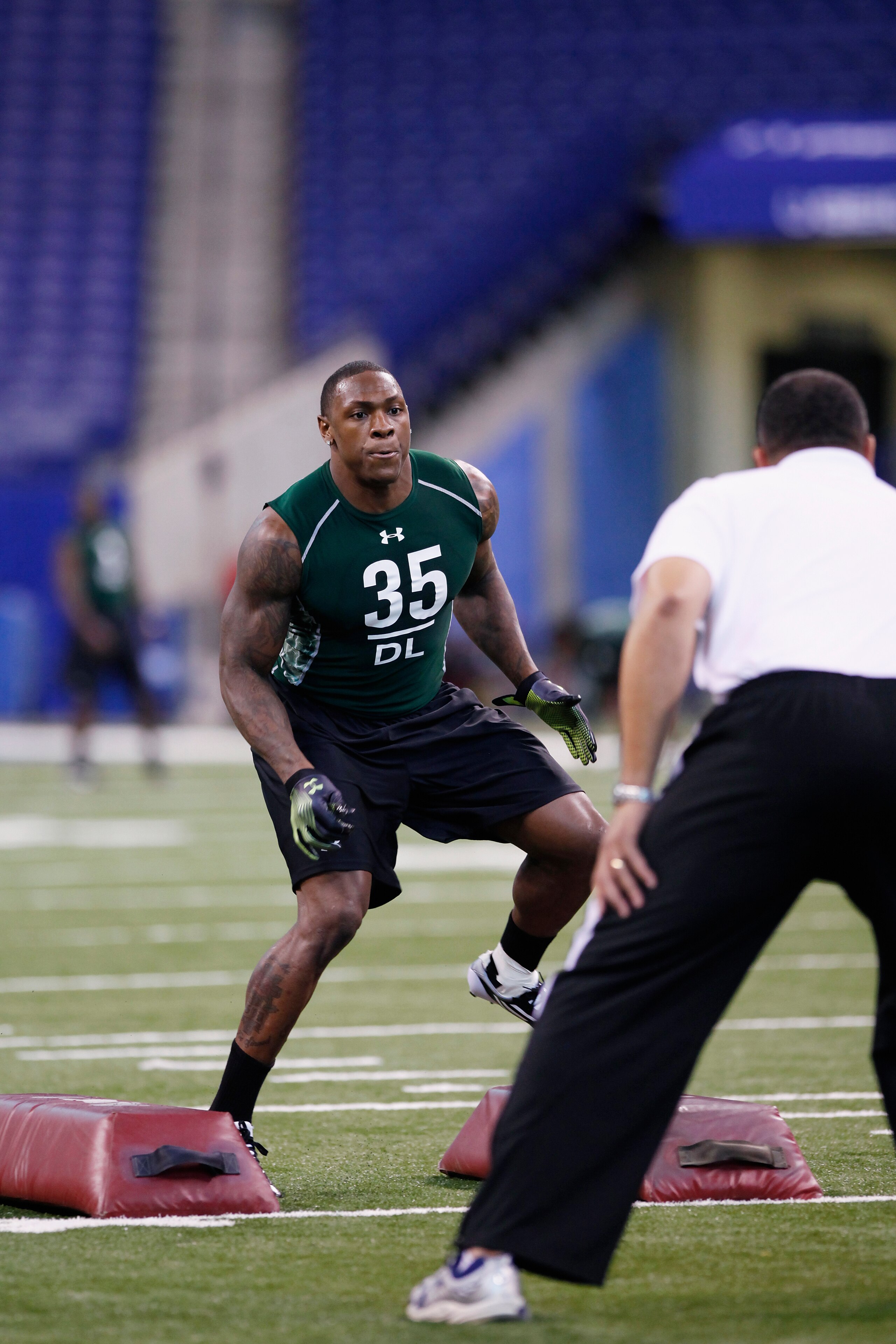
Dontay Moch, DE/OLB, Nevada
He's a classic "tweener," who some people can see playing defensive end or linebacker. Some say he's too small for one position or the other, but I never rate someone simply being "small" as an argument.
This is particularly true in Moch's case, since he destroyed the Combine like a 15 year old playing in little league. Even though he's 6'1" and 250 pounds, he still ran a ridiculous 4.40 in the 40 and recorded a 42" vertical jump (both Combine bests for his position.)
Normally, I'm not a person to rate arbitrary Combine times as a reason to call him a sleeper, but in Moch's case he combines impressive athleticism with on-the-field results. He was 2009 WAC Defensive Player of the Year, recording 20.5 tackles for loss. And he was only a handful of sacks short of setting the WAC career record.
Basically, whoever gets this guy is getting a very viable pass-rusher in the NFL.
.jpg?w=2560 "Vikings Buccaneers Football")
Rahim Moore, S, UCLA
4 of 5
Rahim Moore, S, UCLA
Safeties are, for whatever reason, generally valued in a strange way. Everyone always seems to covet the physically freakish, hard hitting safeties while consistently missing the point of a a safety.
A good safety should ideally be fast, but most of all, smart (since they're often the last line of defense). The classic example of mis-valued safeties was in the 2002 draft, where Dallas took Oklahoma sledgehammer Roy Williams at eight, leaving future Hall of Famer Ed Reed on the board for Baltimore until the end of the first round (I bet they would reconsider that now).
Such is the case in the 2011 draft (or kind of anyway since there is no highly touted Roy Williams-like safety ranked in the top 10).
Rahim Moore, out of UCLA, is definitely in the Ed Reed mold. He takes excellent lines of pursuit and is quick to get to the ball. He's a hard worker on and off the field, and it shows in his play (he has very good instincts in diagnosing plays).
Since safeties aren't highly rated in this draft, he could be the first of his position taken.
Torrey Smith, WR, Maryland
5 of 5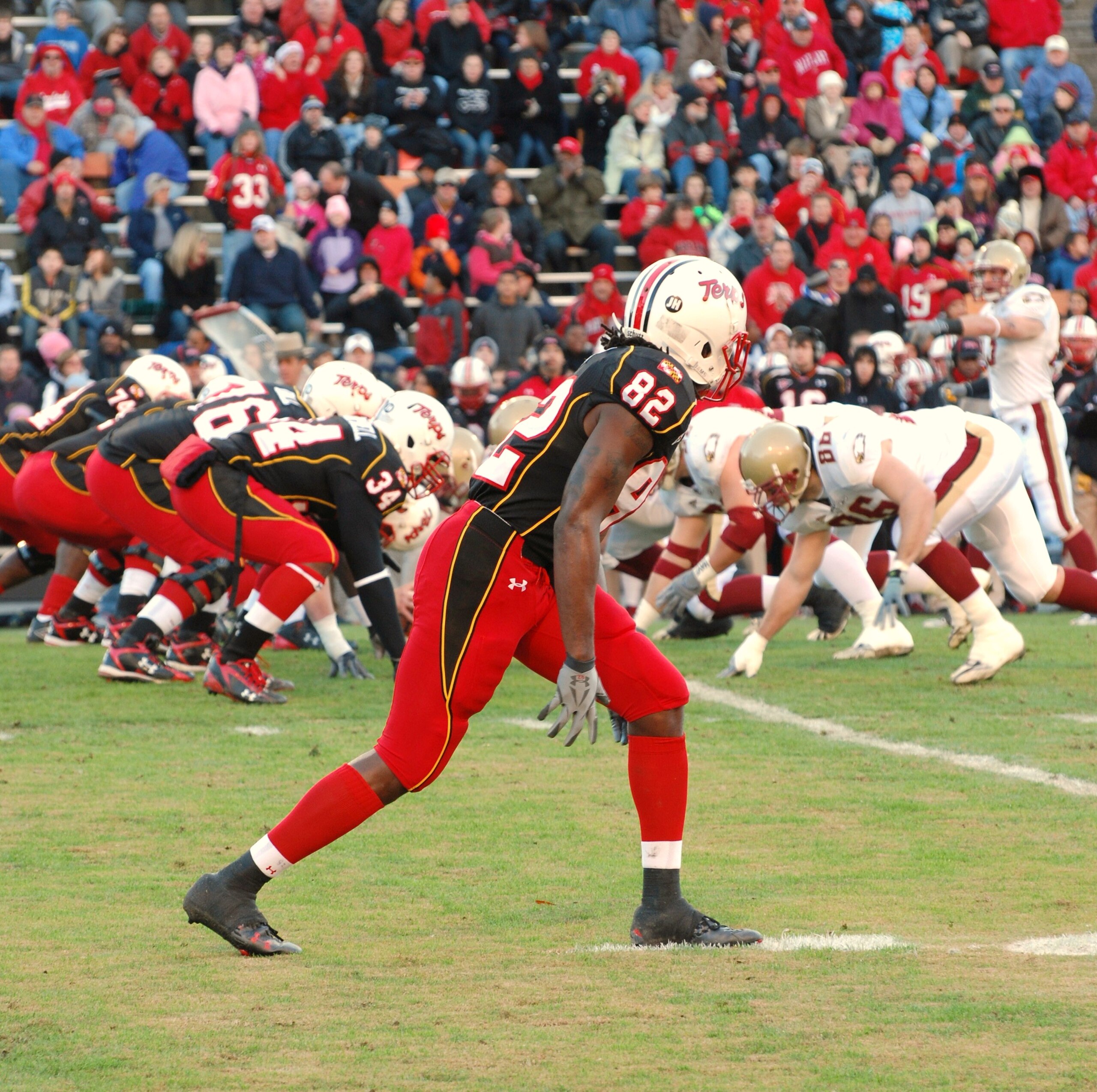
Torrey Smith, WR, Maryland
There's always a good wideout whose improperly valued and drops to some lucky team in the second round. Look at Deion Branch or Desean Jackson.
And, speaking of Jackson, Torrey Smith kind of reminds me of him. He's an extremely fast and explosive wide receiver who can stretch any defense vertically.
The questions surrounding Smith are based on his durability and his route running/hands. I realize that these are legitimate concerns, but if he gets picked by the right team (as Jackson did with Philadelphia), then he could become a very productive NFL player.
Beyond pass catching, he's also a good blocker for someone his size and has a tremendous background. Smith emerged as the father-figure to his six younger siblings in a family where they only had their mother. He has worked hard to get where he is and I wouldn't expect him to simply rest on his natural gifts.
(It's also worth pointing out that there are a number of other very good wide receivers who could go in the second, I just highlighted one of them.)
And stay tuned for a look at possible sleepers in round three tomorrow...
.jpg?w=2560 "Rams Broncos Football")
.jpg?w=2560 "Patriots Jaguars Football")