
NFL Draft 2011: Should the New England Patriots Target Mark Ingram?
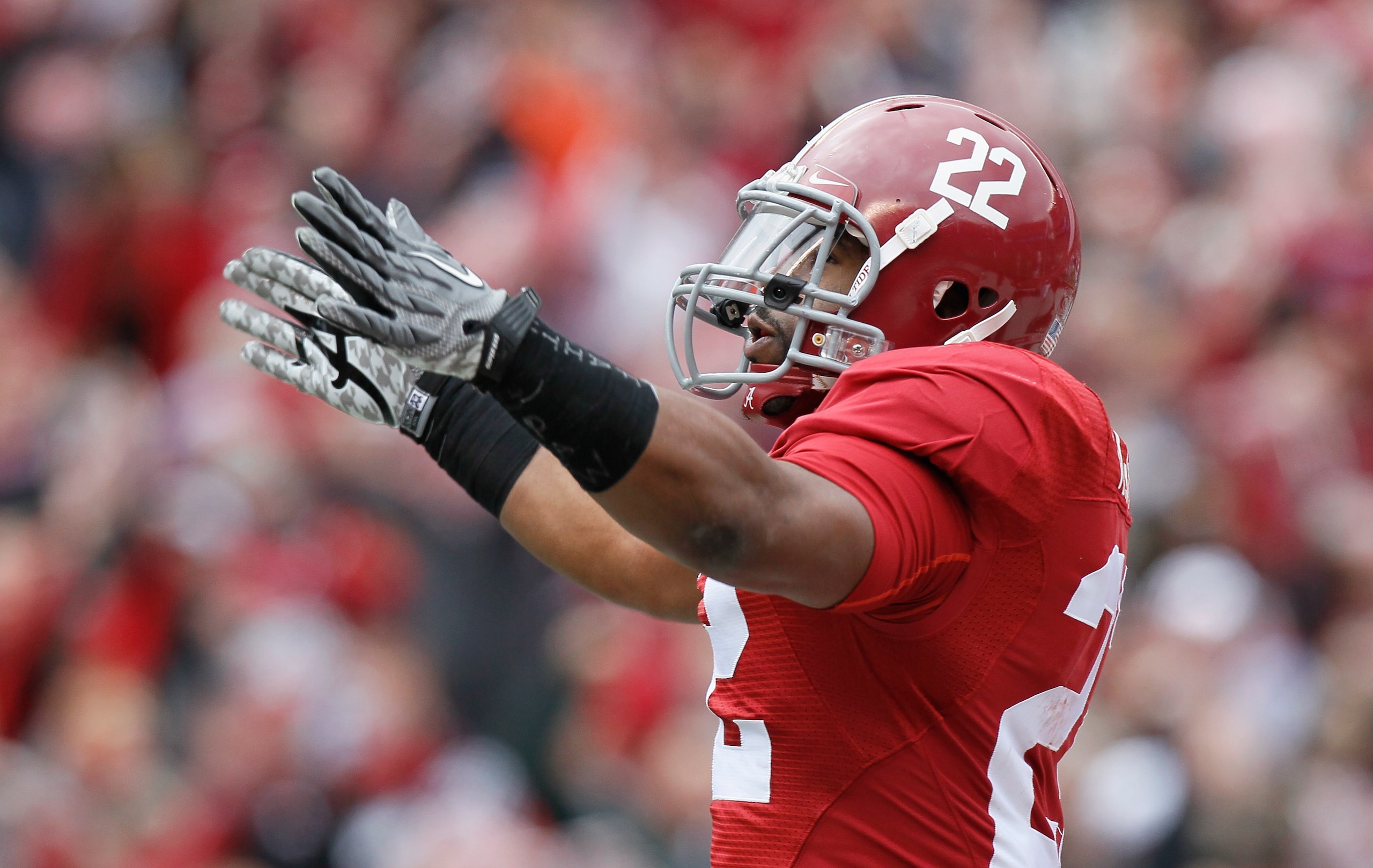
It was assumed that the Oakland Raiders' first-round pick in the 2011 NFL Draft, traded to the New England Patriots for Richard Seymour in 2009, would be a potential top-10 pick that the New England Patriots could use on a skill position player like Mark Ingram.
When the Raiders enjoyed a 2010 season that was slightly better than prognosticators had predicted, though, that bumped the Patriots into the middle of the first round.
As luck would have it, the very back that Patriots fans had targeted after his 2009 Heisman campaign with a "potential top-10 pick" could very likely fall into their lap with the 17th overall pick.
The only question now is, do the Patriots even need him?
Check out Erik Frenz's football curator page at myspace.com/football. Follow Erik on Twitter at @e_frenz.
Danny Woodhead and BenJarvus Green-Ellis
1 of 11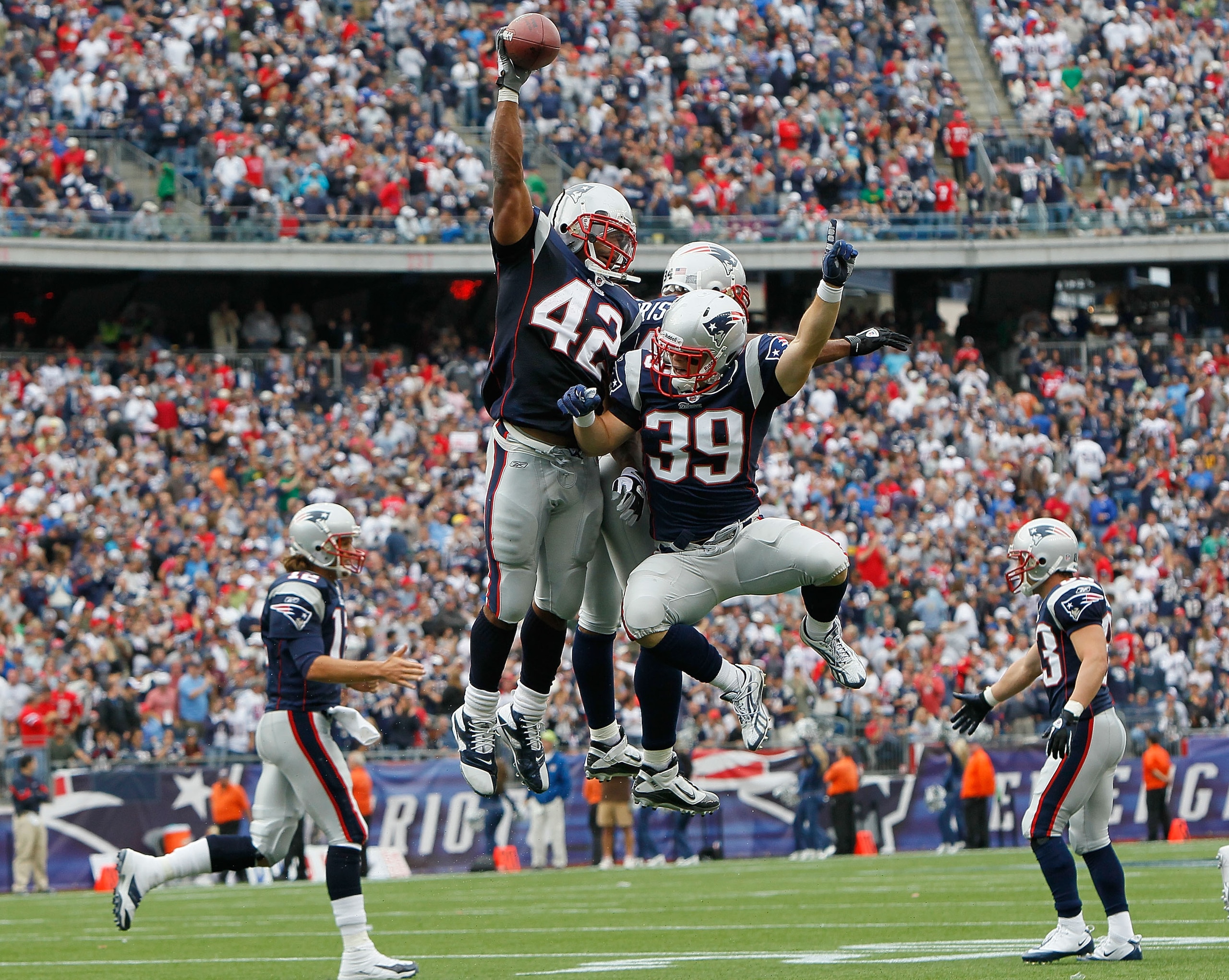
One of the most random backfields in the NFL is also one of the best. How Danny Woodhead and BenJarvus Green-Ellis ever came to be is entirely by chance, but neither of them is complaining, nor is anyone within the Patriots organization.
Green-Ellis has been kicking around on the Patriots roster for awhile, but was never considered anything more than quality depth. With a 1,000-yard season firmly under his belt, though, that perception has changed drastically.
And to take a flier on a free agent pick-up in Week 2 in Woodhead and have him turn out to be one of your leaders in yards from scrimmage is nothing short of miraculous.
The two are proof positive that talent can be found on the open market.
Tom Brady
2 of 11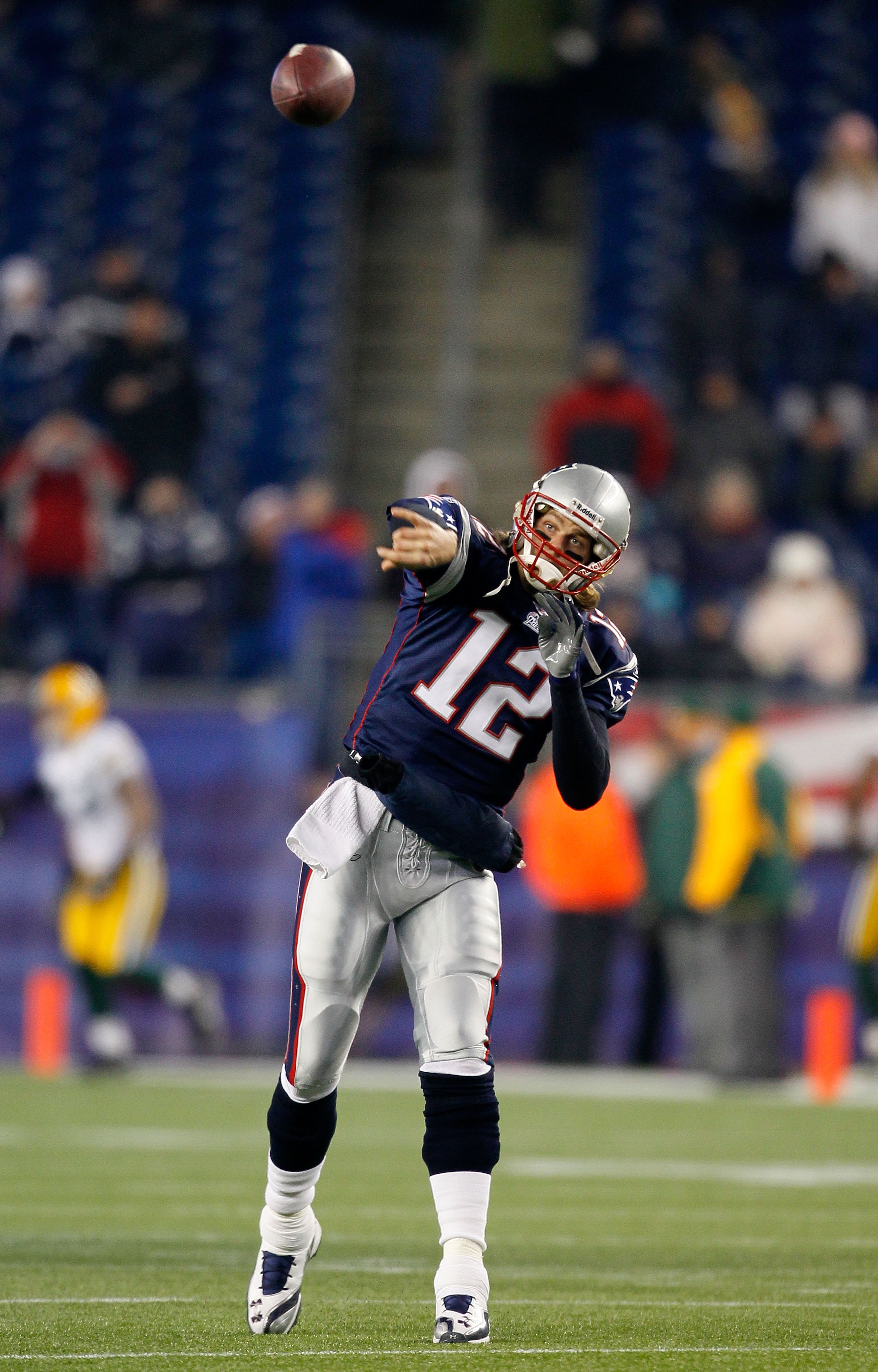
Sure, Tom Brady could benefit from having an ultra-talented running back to hand off to.
But does he need one?
He has had two of the best seasons a quarterback has ever had without a "quality" No. 1 running back (although, as mentioned earlier, BenJarvus Green-Ellis really came into his own in 2010). Why spend a first-round pick on a guy who isn't necessary for your offense to function?
In that sense, an offensive lineman would be a much better choice. He would enhance both the running game and the passing game. Boom, there's your value, Belichick.
Laurence Maroney
3 of 11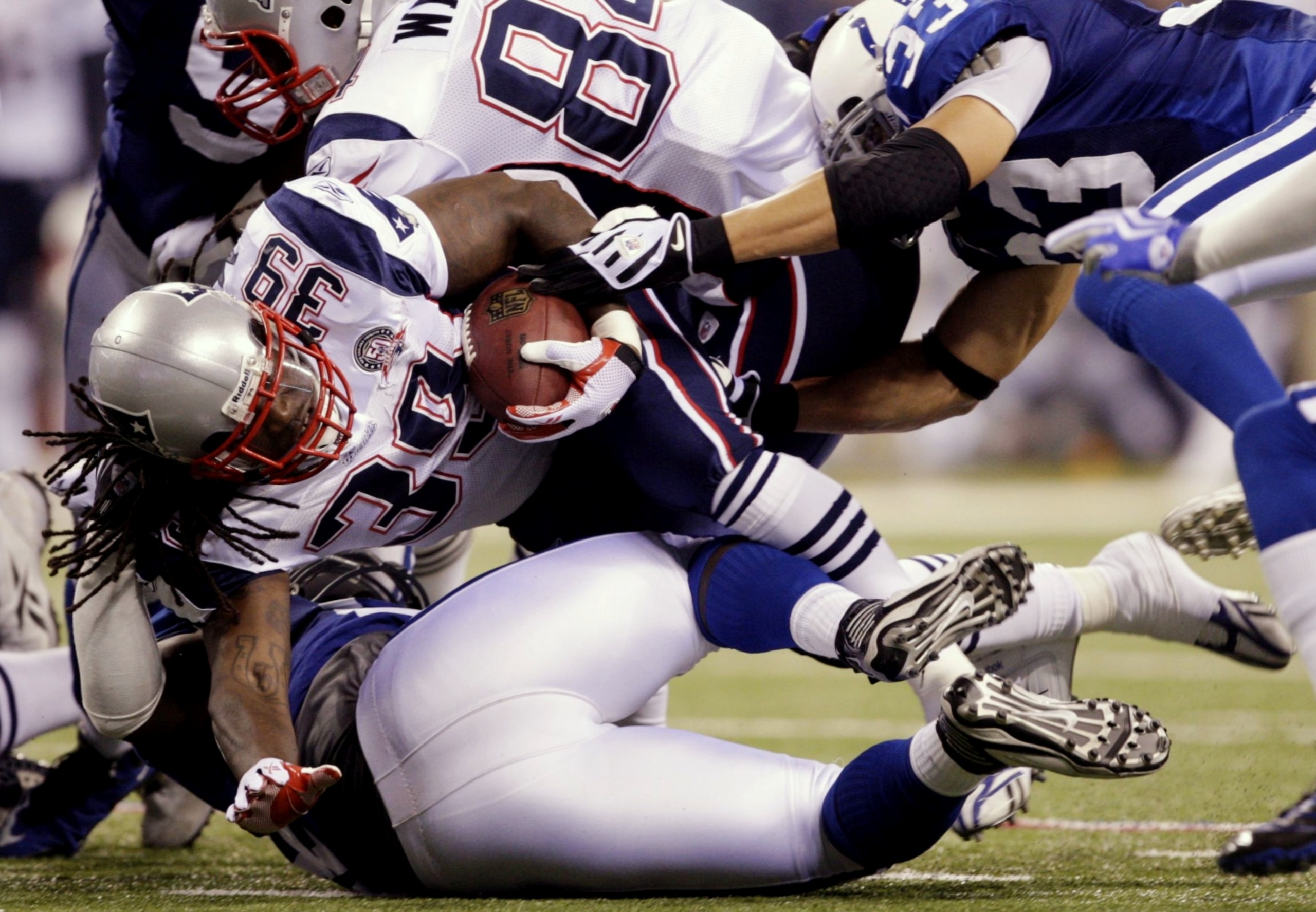
Yes, the dreaded, dreadlocked tap-dancer at the LOS continues to make his presence felt in New England.
His presence screams, "oDn't use a first-round pick on a running back when you run a pass-happy system!"
The Patriots can get by on their back-ups because they don't rely on them. For whatever reason, be it his indecisiveness, predictability or lack of reps, Maroney was just never the complement to the passing game that the Patriots needed him to be.
Why spend a top pick on a back who will likely never be more than a complement to the pass attack, when you can build a three-headed monster of late-round picks to do it for you?
Speaking of which...
.jpg?w=2560 "Steelers Football")
Late-Round Backs
4 of 11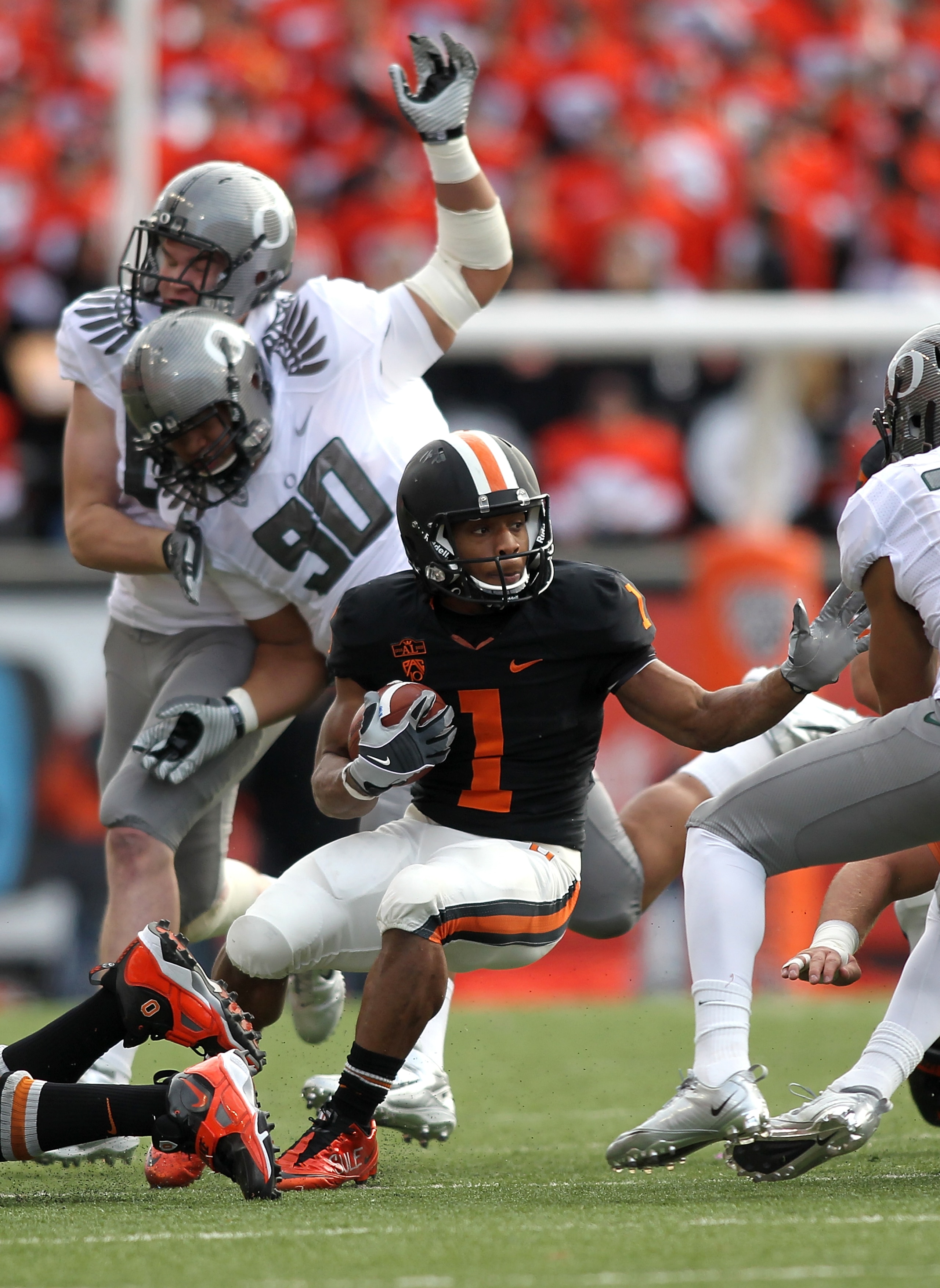
There are plenty of talented running backs to be had in the later rounds of the draft.
They may not be the "future franchise back" that someone like Mark Ingram might be, but they can add to an already-talented backfield.
Guys like Ryan Williams, Kendall Hunter, Jacquizz Rodgers and others would be solid selections in a later round. They would all bring a new dimension to the backfield and wouldn't cost a first-round pick.
And I'd take the value of three talented inexpensive prospects over one elite prospect.
Other Pressing Needs
5 of 11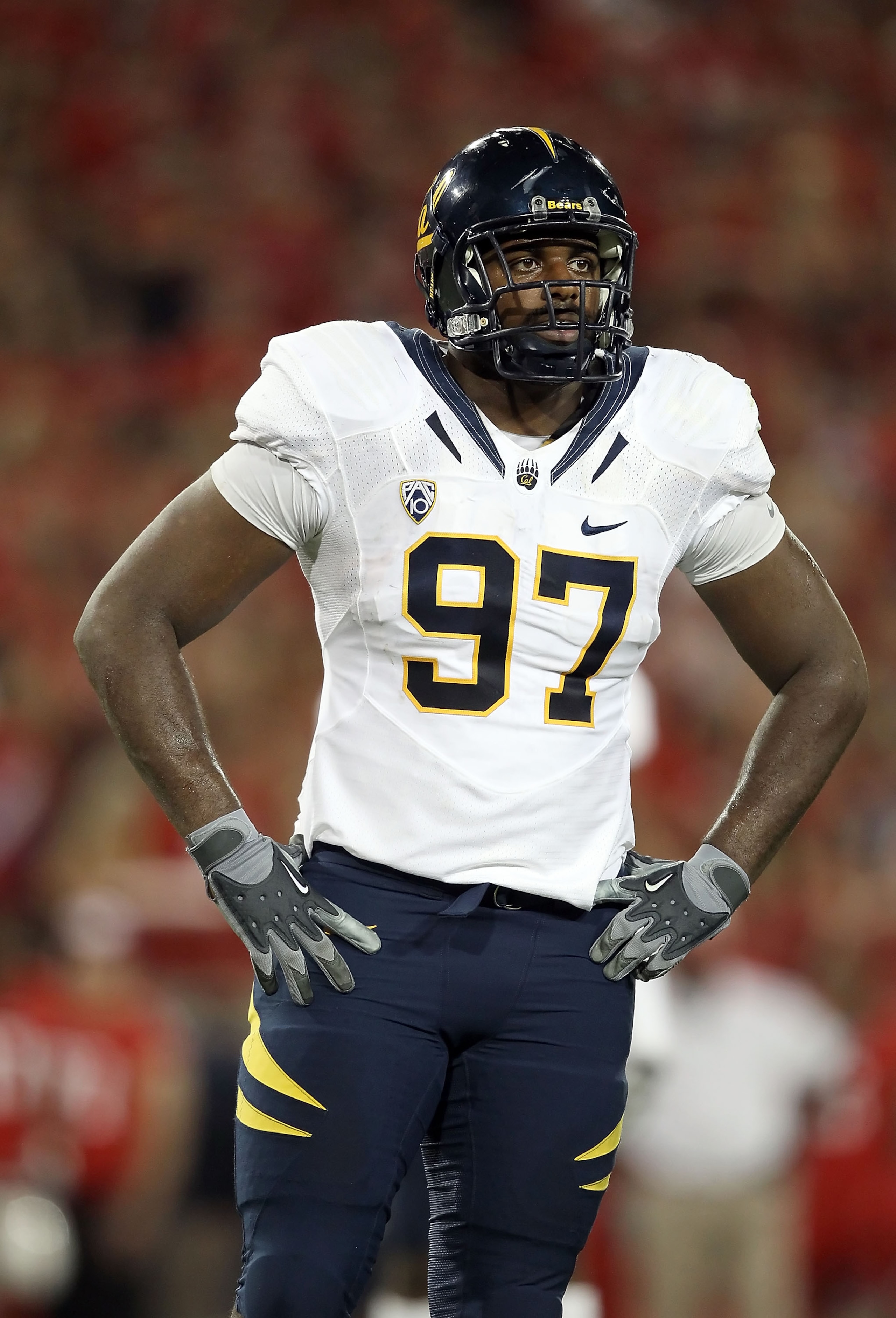
With the 17th pick, the Patriots could address a need at defensive end or outside linebacker, where they currently lack any impact players. Or they could draft a third running back, where they already have two impact players.
There could be riots if the Patriots don't address the front seven with at least one of their first two picks. Though Mark Ingram may not be the worst alternative to a pass-rush specialist, if his selection comes at the expense of a top defensemen, it could be scrutinized pretty heavily.
Wear and Tear on NFL Running Backs and the Risk of Injury
6 of 11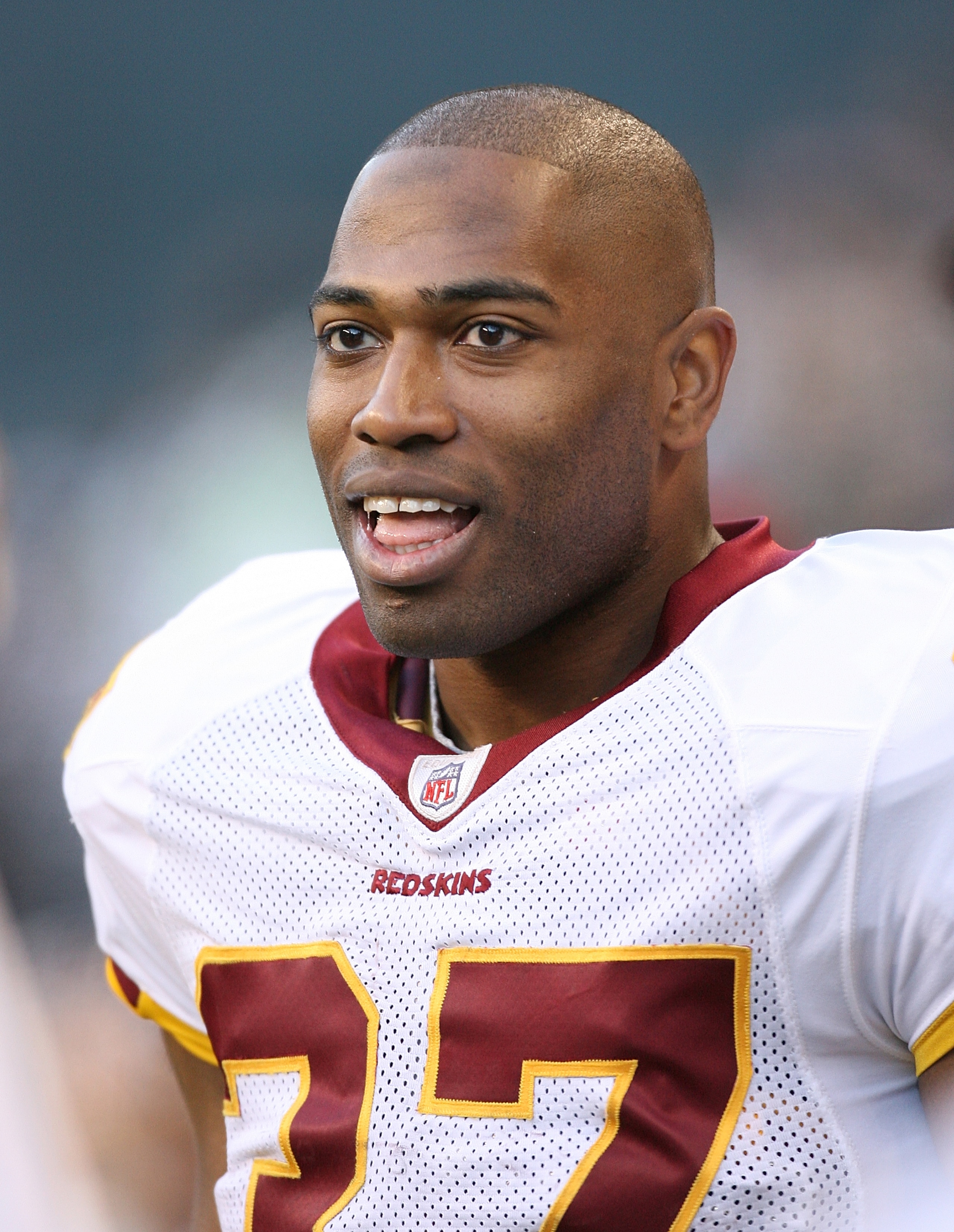
It only takes one injury to throw the career of an NFL running back through a loop.
The Patriots understand this better than many. They have stockpiled cheap free agency pick-ups and formed a formidable backfield.
Mark Ingram may not have a history of injury now, but it only takes one. The wear and tear on running backs immediately diminishes the value of taking one in the first round. Other NFL teams have caught onto this and are now much more apprehensive of selecting one that high.
And need I remind you all of another former Alabama running back who ultimately succumbed to the wear and tear of the job?
What's Ingram Got to Do with It?
7 of 11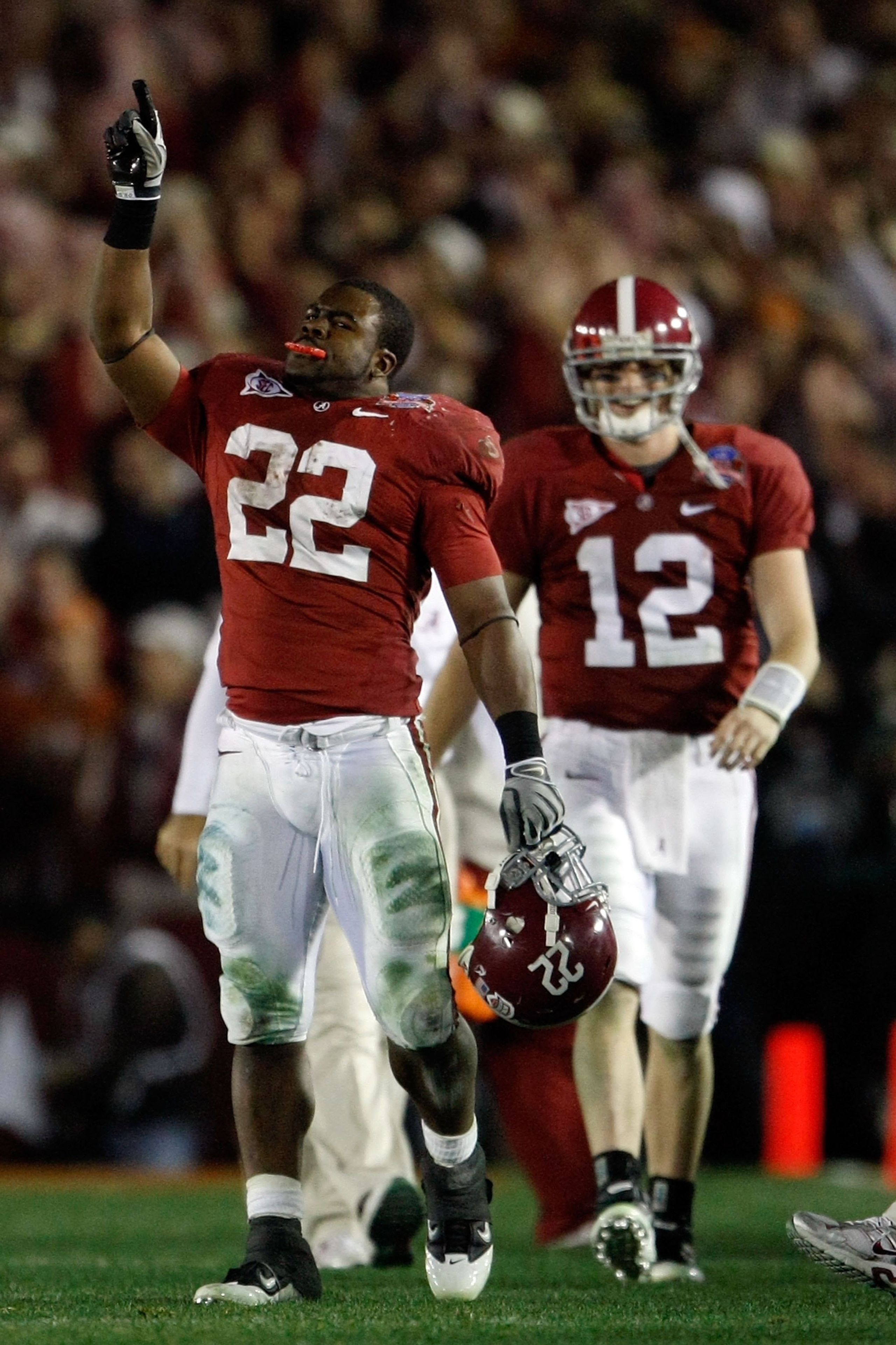
It's important to note that not one of these reasons is directly attributed to Mark Ingram.
If the Patriots are inclined to take him with their 28th or even 17th pick, I have no reason to doubt that he can contribute in a positive way to the team.
So after all that I just said, how could I possibly defend selecting Ingram in the first round?
Coaching Tree Ties
8 of 11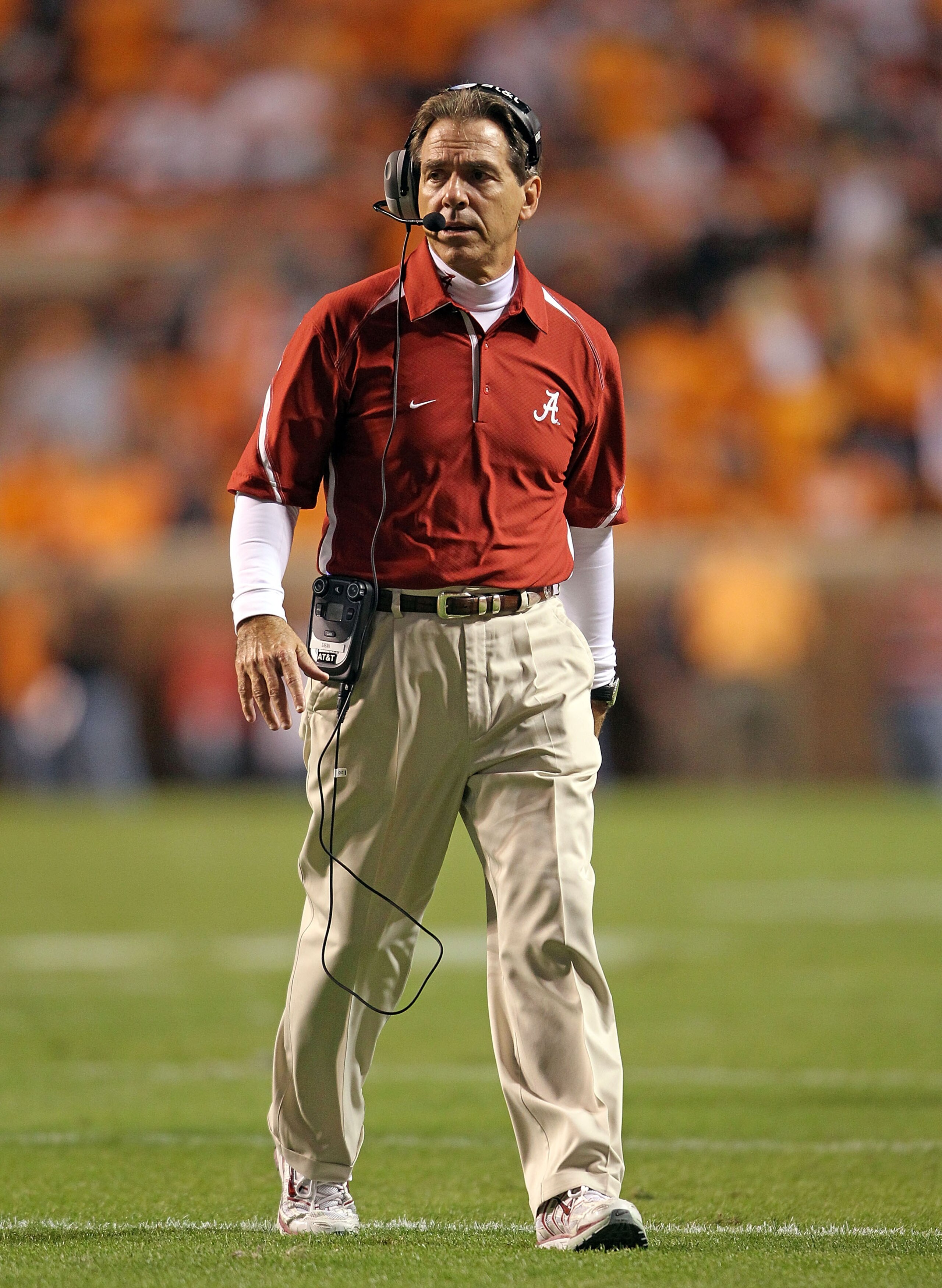
It's no secret that Nick Saban and Bill Belichick are good friends. Saban is probably giving his buddy Bill all the good intel on Mark Ingram.
Of course, there's not much bad intel to be had on the top running back prospect.
Bill Belichick respects his peers very much. He looks for guys who have come up in those systems because he knows they are coming from a good background and a solid upbringing through their college years.
Top Performer Against Top Competition
9 of 11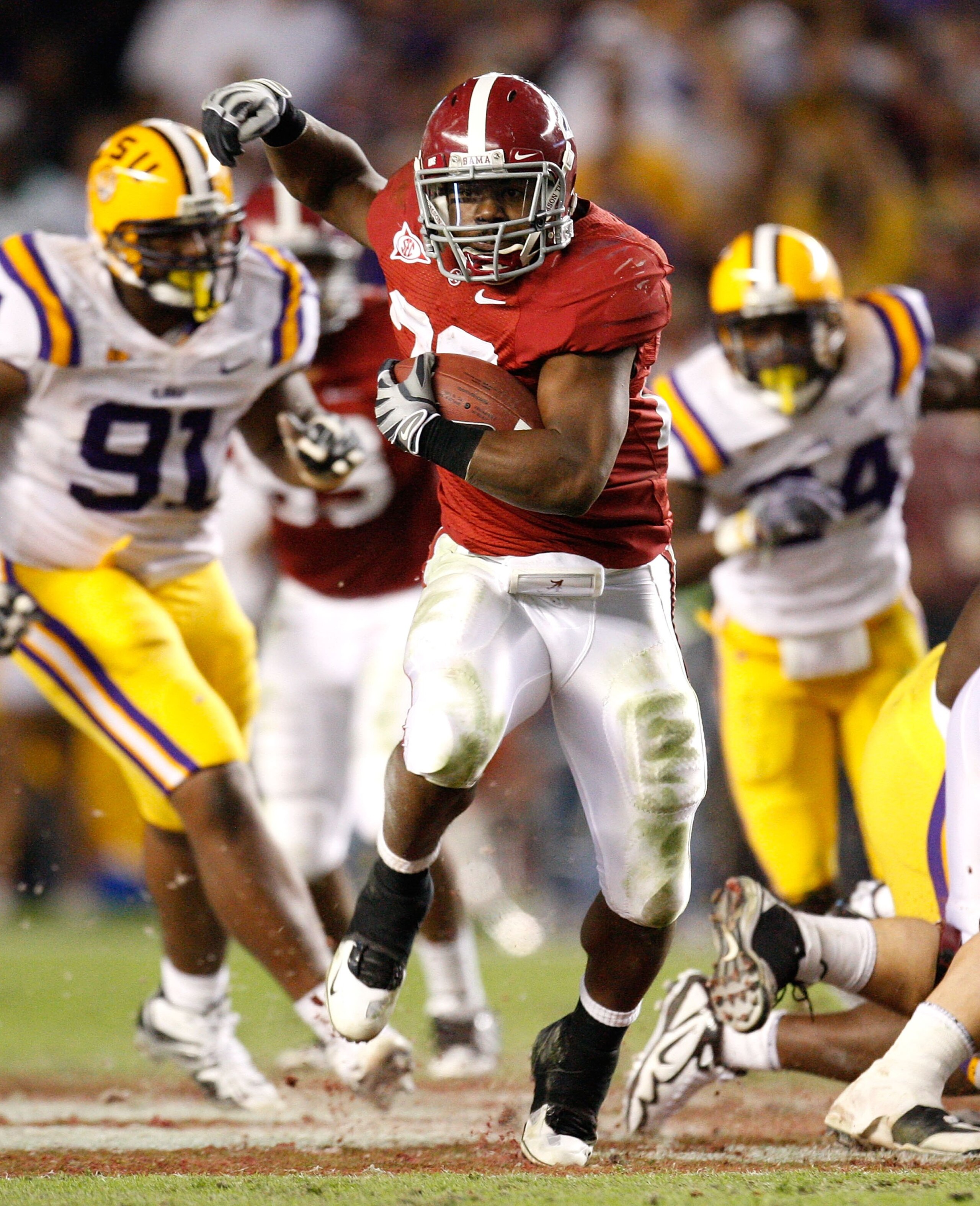
Throughout his three-year college career in the SEC, Ingram has made his presence felt. What has historically been one of the hardest conferences to run the ball was the playground for his 2009 Heisman Trophy campaign.
What's more, Ingram performed well on the grandest stage in college football: the BCS National Championship game. He helped Alabama bring home the trophy.
To build a championship team, a good place to start is with championship players.
Conclusion
10 of 11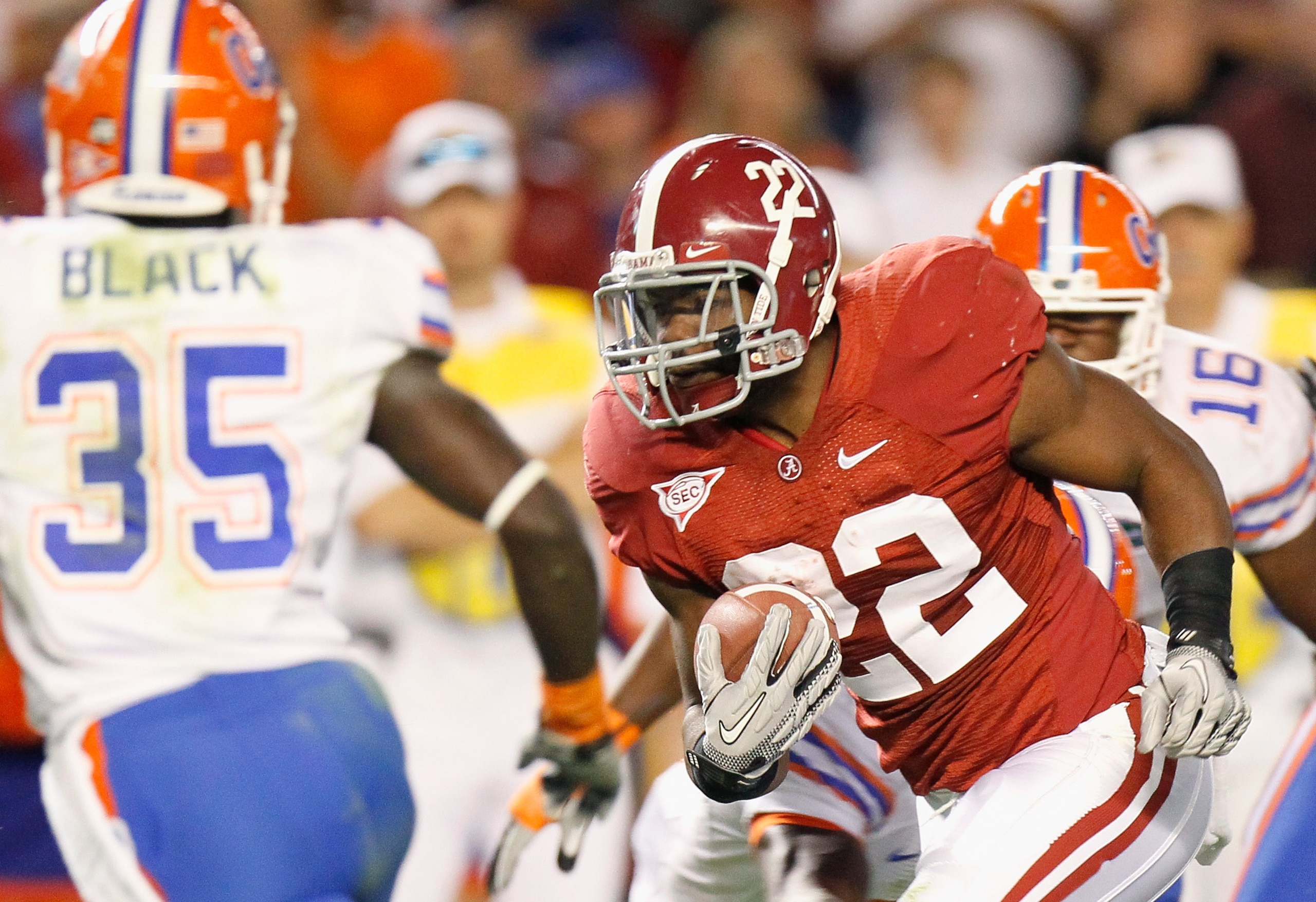
Adding Ingram would obviously improve the offense, even if it would be an unnecessary or "luxury pick," but to me, there are enough other alternatives out there.
The Patriots still need to address their problems in the front seven. Getting after the quarterback has been a struggle, to say the least, and there are a number of high-quality pass-rushing prospects who could be available at the end of the first round.
As mentioned earlier, the Patriots could find better value in a later round.
Why use a high pick on a running back who could ultimately succumb to wear and tear, when you could just as easily use a third-round pick on someone who may not be as talented but whose talents can be maximized nonetheless?
Your Thoughts?
11 of 11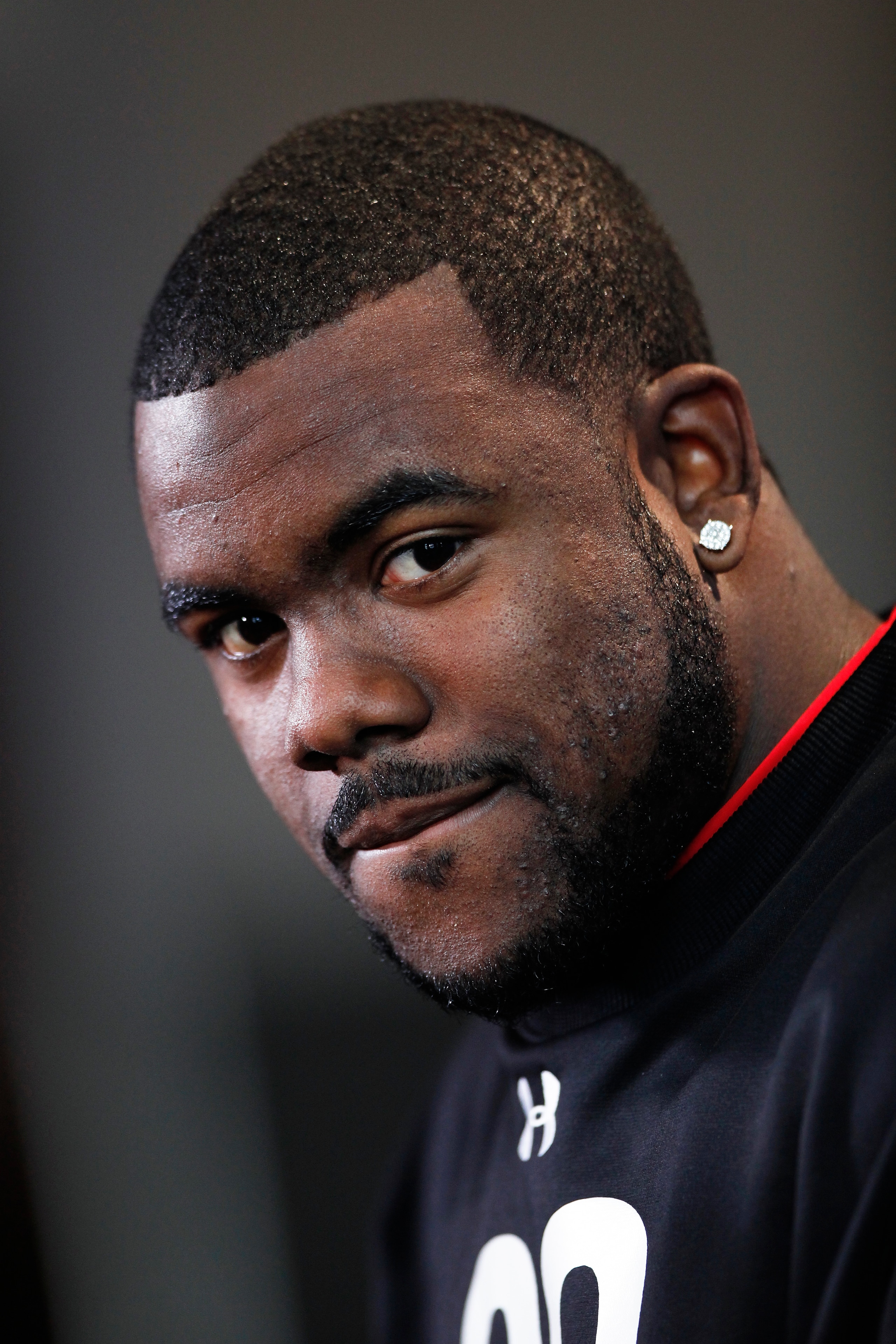
What do you think? Should the Patriots use a top pick on Ingram if he becomes available?
Please post your thoughts in the comments section below.
.jpg?w=2560 "Jaguars Saints Football")

.jpg?w=2560 "Players with Shocking Career Earnings 😳")