
MLB Power Rankings: The Best Big-Game Pitcher in Each Team's History
Every MLB franchise has its great moments, and behind every great moment is a great pitcher.
Say what you want about the myth of clutch or the randomness of small sample sizes, but if you had to pick someone to take the mound for your favorite team in Game 7 of the World Series, you'd have a hard time being fully objective.
In this slideshow are the best big-game pitchers in the history of each MLB team, from the young hurlers who stepped up under pressure to the grizzled veterans who made careers out of excelling under pressure.
Black-and-white headshots are public domain images, courtesy of Baseball-Reference.com.
Arizona Diamondbacks: Curt Schilling
1 of 30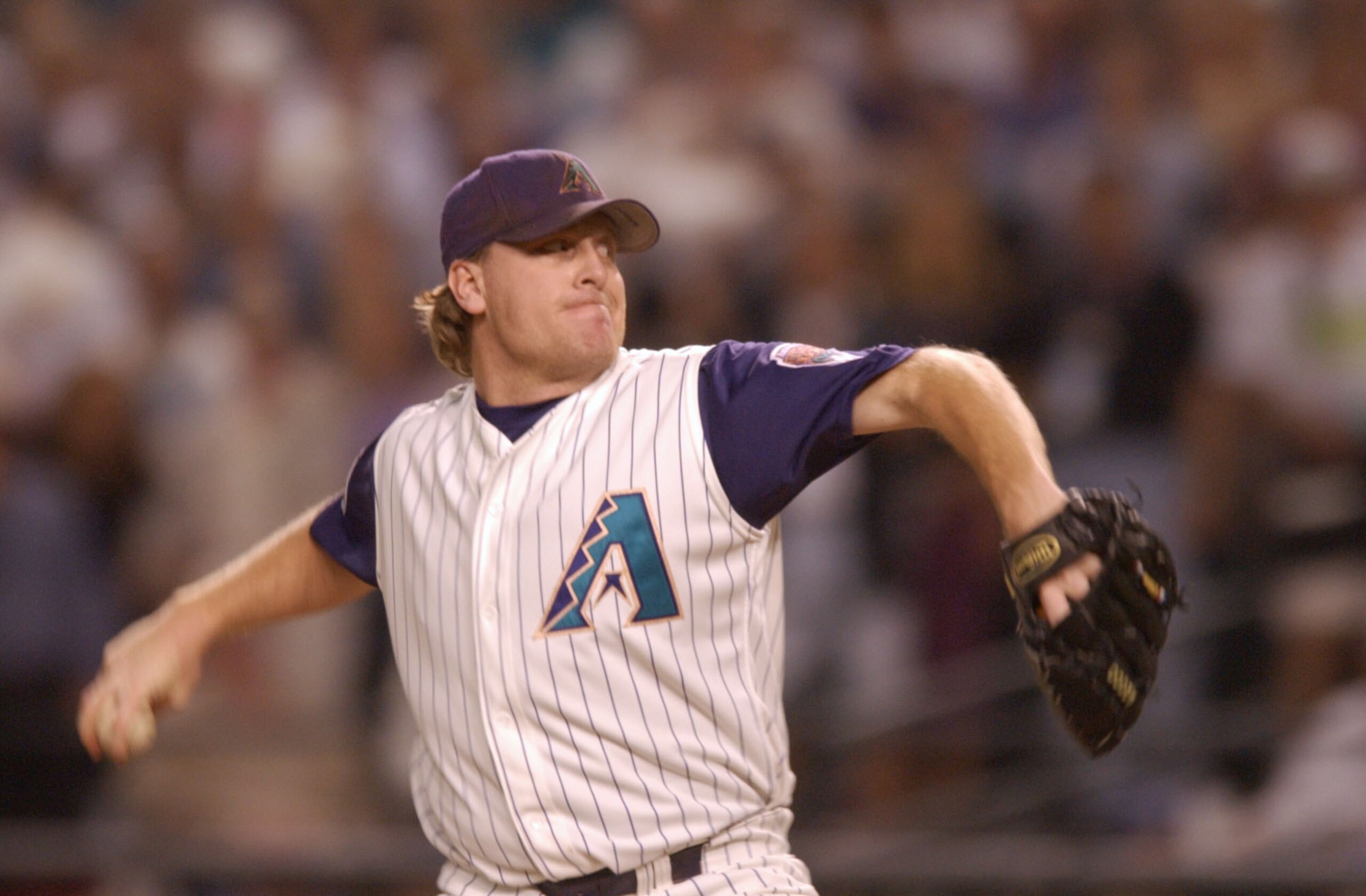
With apologies to Randy Johnson (and he'd have been a great pick here too—it really was a toss-up), is there any way to overstate how much Schilling meant to the Arizona franchise?
In 55.1 innings of postseason work with the Diamondbacks from 2001 to 2002, Schilling went 4-0 with a 1.14 ERA.
The 2001 World Series co-MVP whiffed 63 batters while wearing the green and purple in the postseason against just seven walks.
Atlanta Braves: John Smoltz
2 of 30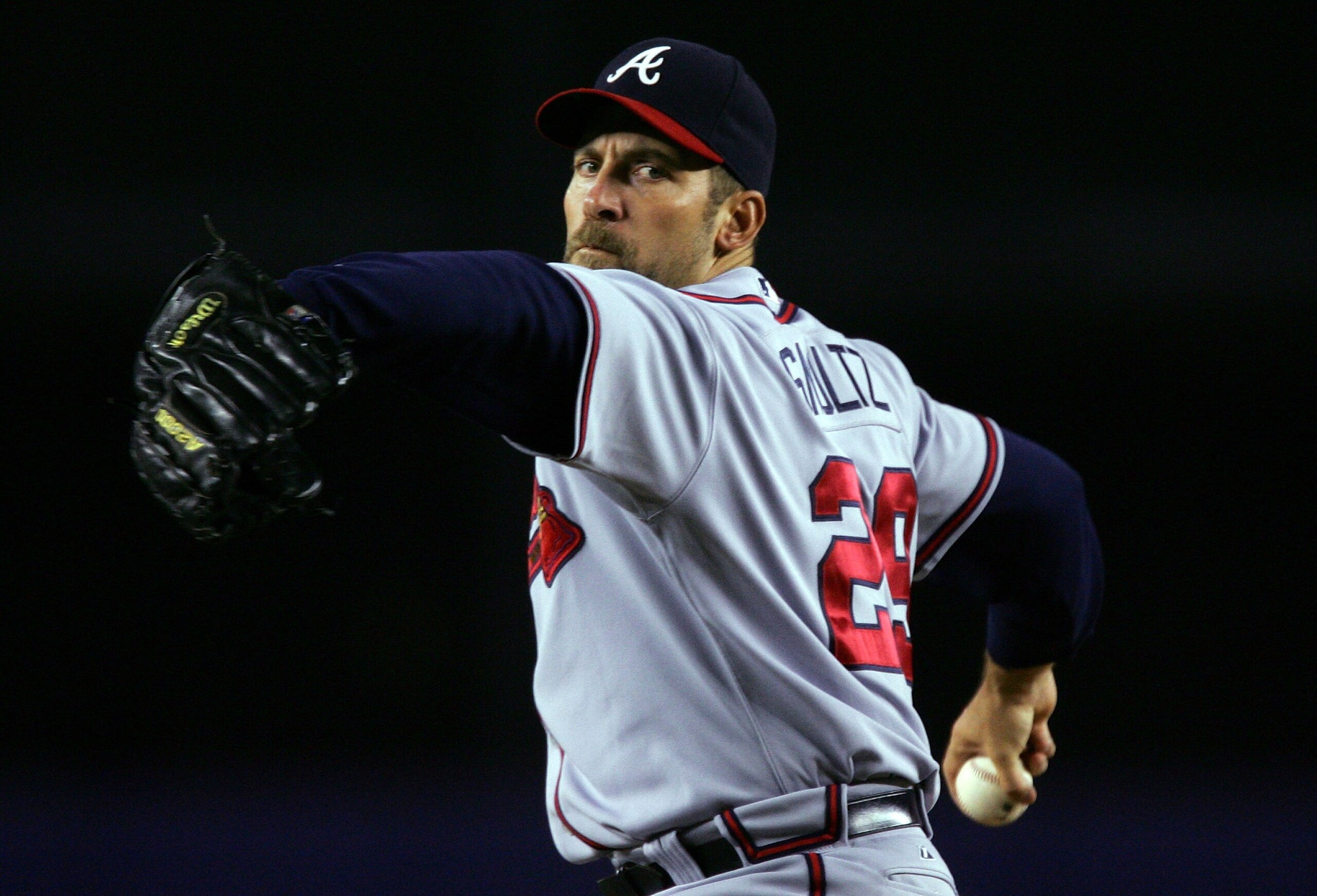
Simply put, no one has ever been as good in the postseason for as long as John Smoltz.
In 207 postseason innings with the Braves, Smoltz went 15-4 with four saves, a 2.65 ERA and 194 strikeouts. Since that's roughly a full season's worth of work, imagine the Cy Young accolades a pitcher would receive if he put up those kinds of numbers in the regular season.
With apologies to Greg Maddux, there's no Brave I'd rather see on the mound in a big game than Smoltz.
Baltimore Orioles: Jim Palmer
3 of 30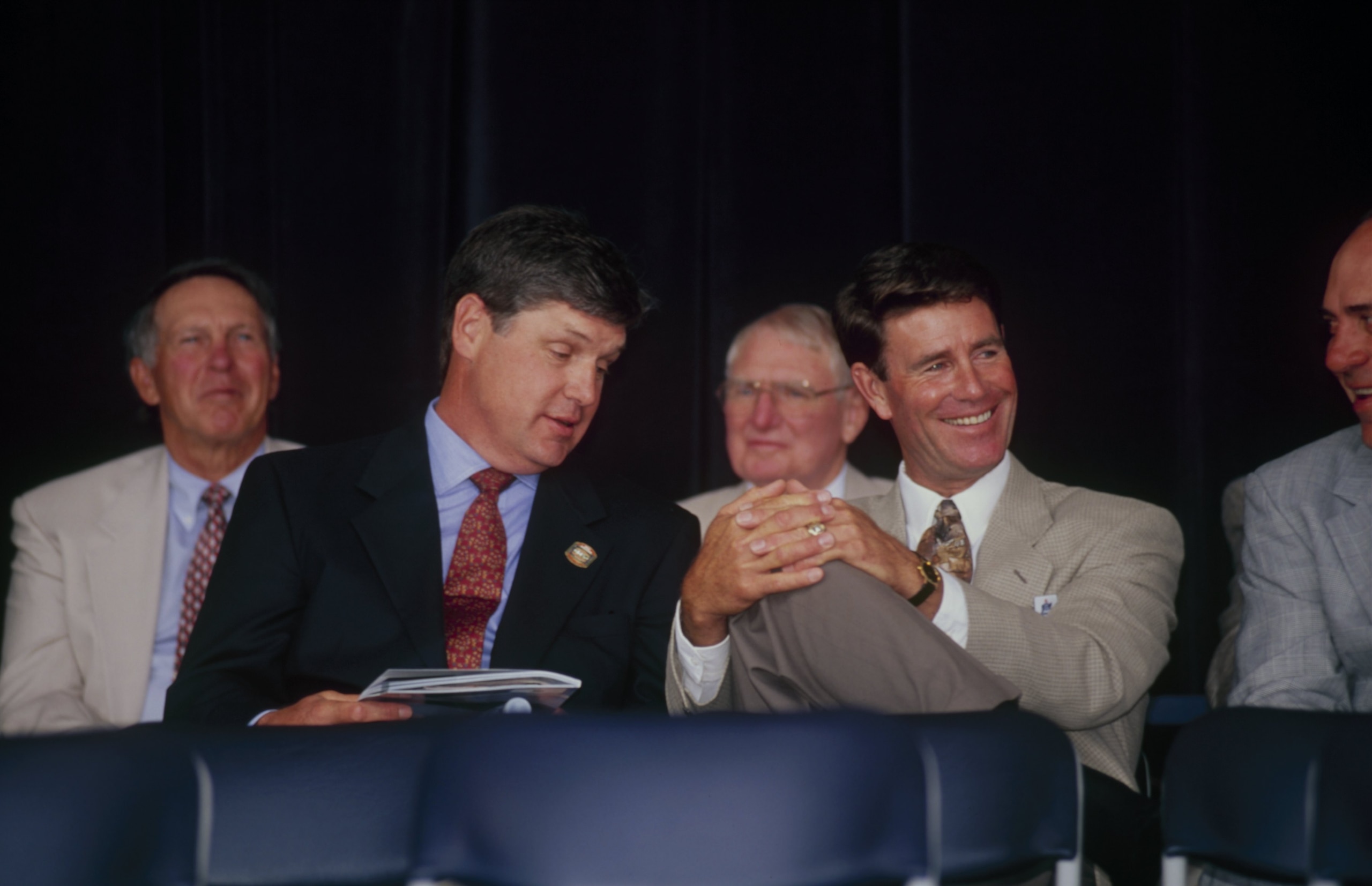
Palmer as the Orioles' greatest big-game pitcher—big surprise, right?
Just how amazing was he? Palmer helped Baltimore reach the playoffs eight times, winning six pennants and three World Series rings.
All told, he went 8-3 with a 2.61 ERA in 17 postseason games. The O's could use a guy like him right about now.
.png?w=2560)
_1.png?w=2560)
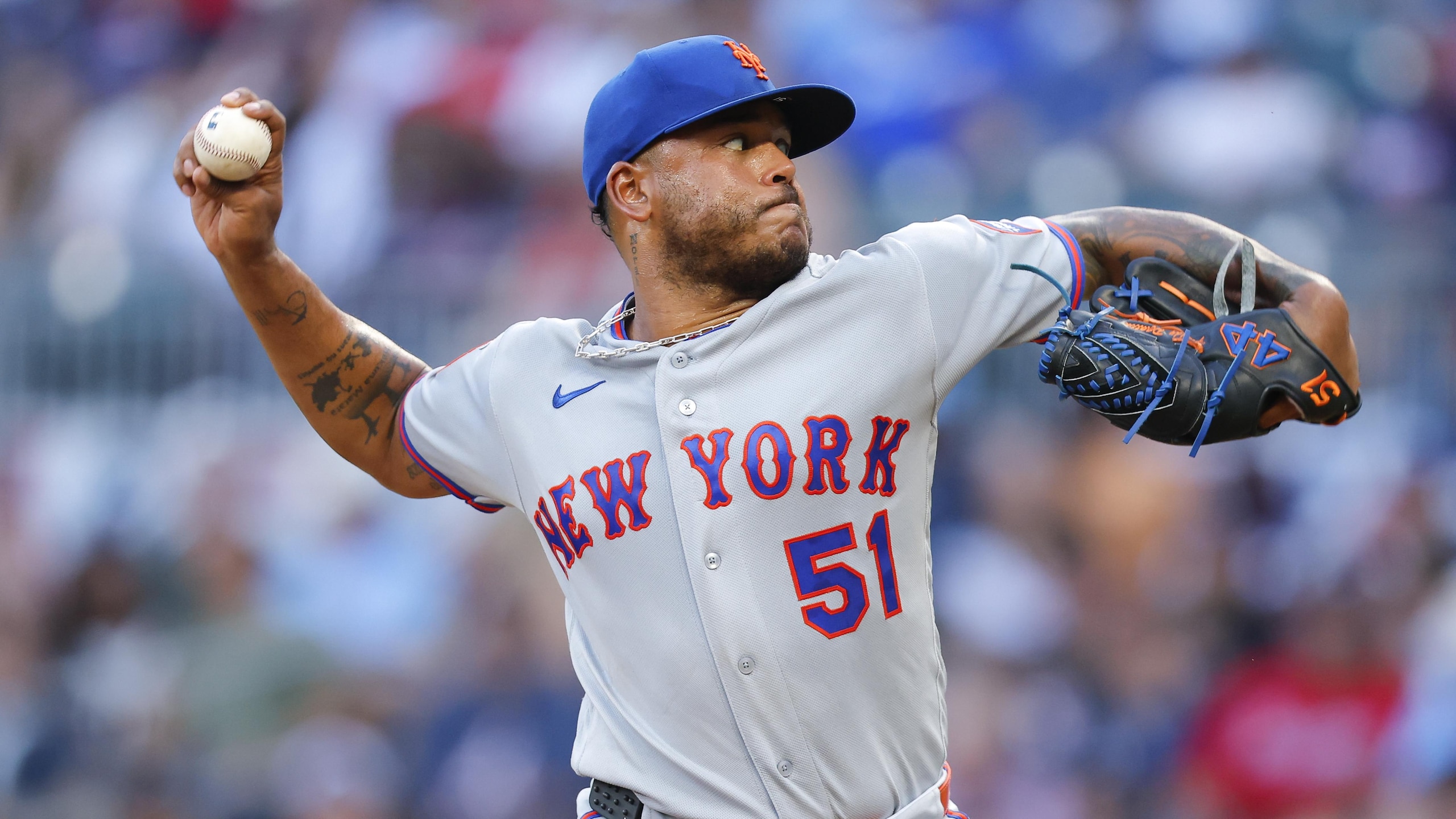
Boston Red Sox: Curt Schilling
4 of 30
With apologies to every other great pitcher in Boston Red Sox history, there's no way this could go to anyone but Schilling.
Schilling's bloody sock game wasn't the greatest moment in franchise history (or even in that postseason—really, after the 2004 ALCS, the World Series seemed anticlimactic), but it's definitely up there.
But his postseason accomplishments don't stop there. In eight playoff starts with Boston, he went 6-1 with a 3.28 ERA. He won a game in every postseason series he pitched in.
Chicago Cubs: Orval Overall
5 of 30
Who in the name of Steve Bartman is Orval Overall? Well, I'm glad you asked.
In six seasons with the Cubs in the early 1900's, he won 86 games with a 1.91 ERA. One of the greatest strikeout pitchers of his era, he led all of baseball in 1909 with his 6.5 K/9 rate.
From 1906 to 1910, Overall appeared in eight World Series games and posted a sterling 1.58 ERA. With two wins and a 0.98 ERA in 18.1 innings, he helped lead the Cubs to their most recent championship...in 1908.
Chicago White Sox: Eddie Cicotte
6 of 30
Another old-timey Chicago ballplayer, Eddie Cicotte was a key piece of the White Sox's 1917 championship and 1919 pennant-winning teams.
In his playoff career, he went 2-3 with a 2.22 ERA in six games.
Cincinnati Reds: Don Gullett
7 of 30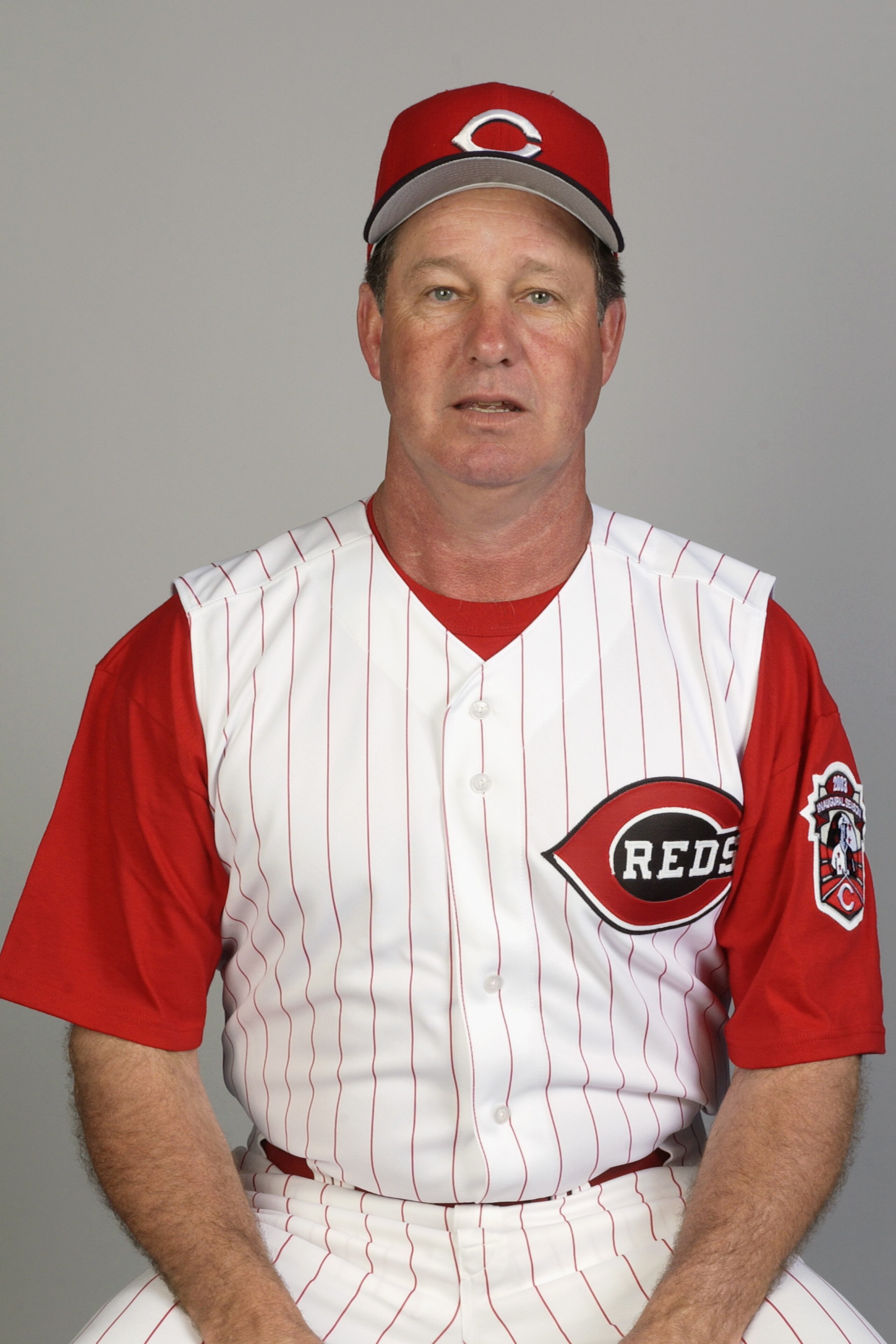
A key piece of the legendary Big Red Machine, Gullett helped Cincinnati to the playoffs five times from 1970-6.
In his Reds career, he went 91-44 with a 3.03 ERA. He was even better in the postseason, when he went 4-3 with a 2.96 ERA in 17 games.
Cleveland Indians: Bob Feller
8 of 30
Who else would it be if not Rapid Robert?
No, the "Heater from Van Meter" didn't show his best stuff in the postseason—he was 0-2 with a 5.02 ERA in two playoff starts—but as an Indians fan, there is no other historical Cleveland player I would ever want to see on the mound in a big game.
Colorado Rockies: Ubaldo Jimenez
9 of 30
Part of being a new team means not having many historical franchise players. So for now, the Rockies will have to make do with Jimenez.
At age 23, Ubaldo went 0-1 with a 2.25 ERA in three starts in the 2007 playoffs. He looked pretty bad in the World Series, walking five batters in 4.2 innings and taking the loss in Game 2, but he was still the best starter the Rockies threw out there.
Detroit Tigers: Mickey Lolich
10 of 30
Lolich appeared in just five postseason games in his 16-year career, but boy, did he make the most of them.
Lolich threw three complete-game victories to lead the Tigers to a World Championship in 1968. That's unbelievable.
Detroit wasn't as successful in his second playoff season, 1972, but Lolich pitched even better, throwing 19 innings in two games (yes, he threw 10 innings in one start) with a 1.42 ERA as the Tigers fell to the Athletics in the ALCS.
Florida Marlins: Josh Beckett
11 of 30
Beckett was just 23 years old in 2003 when his magical season helped lead the Florida Marlins to a championship.
He posting a 3.04 ERA in 23 starts during the regular season, but Beckett saved the best for October. In 42.2 innings, he mowed down the Giants, Cubs and Yankees to the tune of a 2.11 ERA.
Beckett's best work came in the World Series. After holding New York to two runs in seven innings in Game 3, he finished off the Yankees with a complete-game shutout in Game 6 to give the Fish the title.
Houston Astros: Roy Oswalt
12 of 30
Like the Rockies, this is a franchise without much playoff history. Therefore, this honor falls to Oswalt almost by default.
That's not to say he was bad for Houston when it mattered—he went 4-0 with a 3.70 ERA in the 2004 and 2005 postseasons, including the clinching win in Game 6 of the 2005 NLCS.
Kansas City Royals: Bret Saberhagen
13 of 30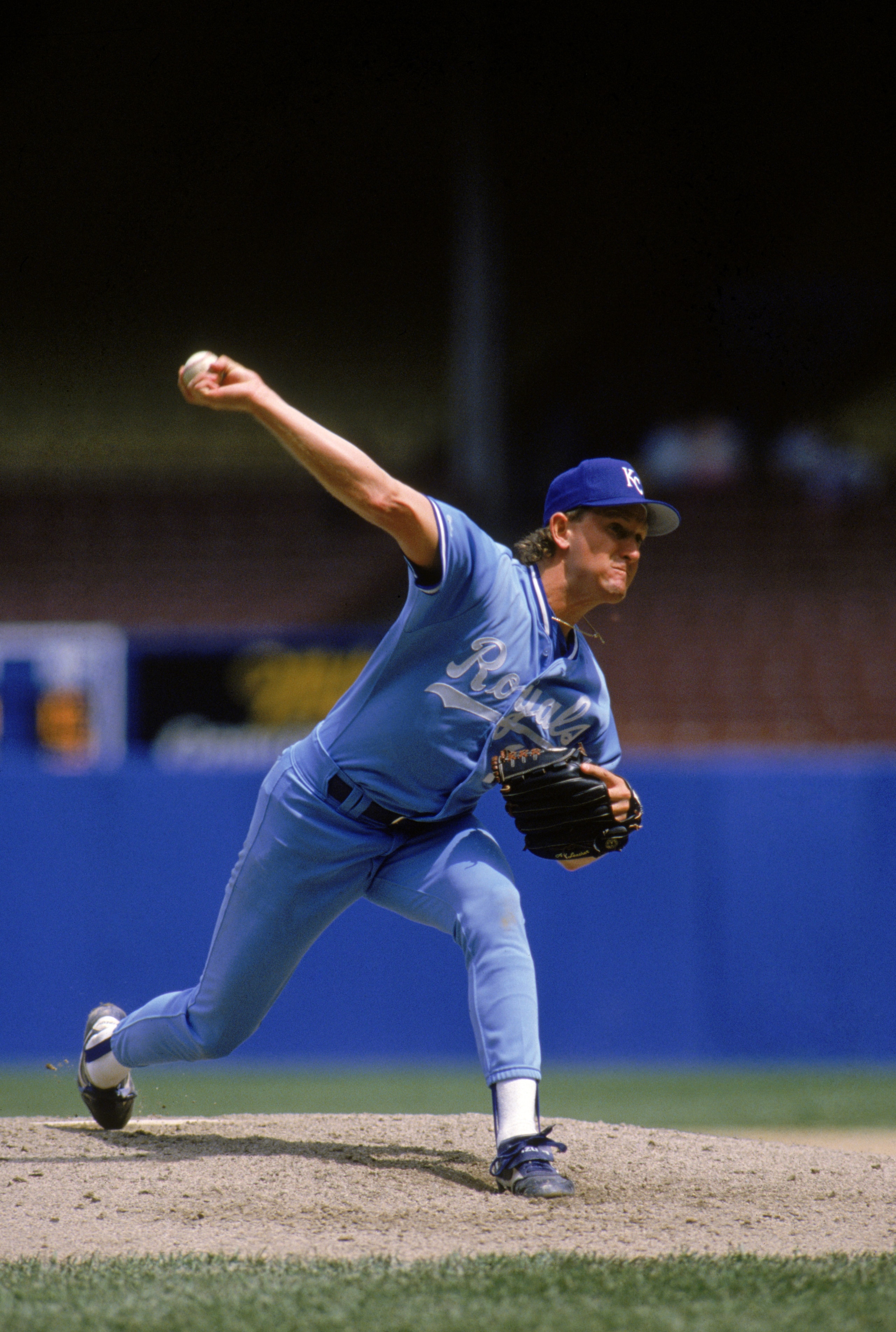
Where would the Royals have been without Bret Saberhagen in 1985?
One thing's for sure: Without Saberhagen, Kansas City might not have won the World Series.
The Series MVP, Saberhagen threw two complete games, including a shutout in the clinching Game 7, posting a sterling 10:1 K:BB ratio in the process.
Los Angeles Angels of Anaheim: John Lackey
14 of 30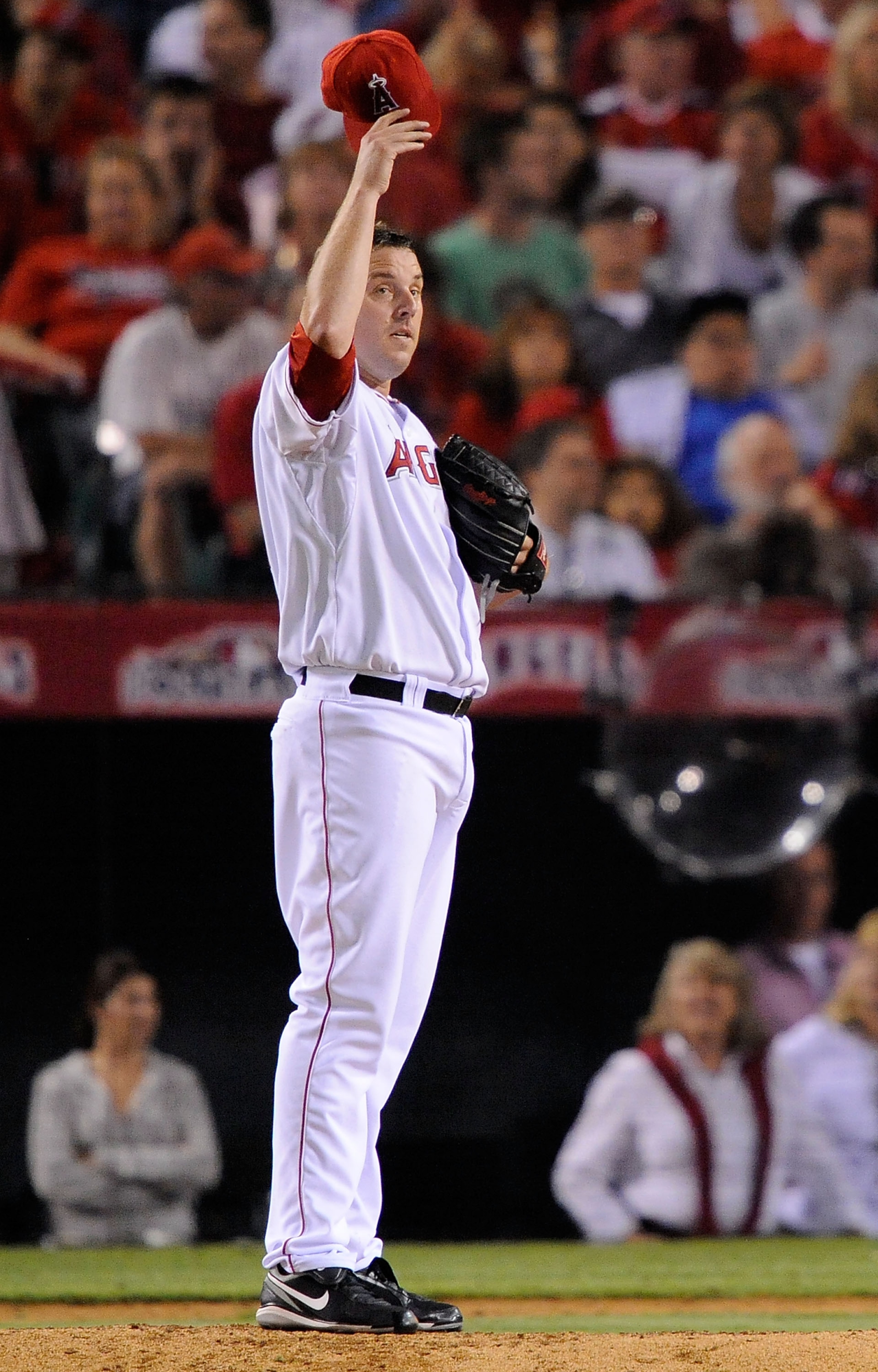
With the possible exception of 2007, Lackey has never really been the ace that his current salary would suggest during the regular season.
But during the playoffs? That's another story.
In 78 postseason innings for the Halos, Lackey allowed just 27 earned runs for an ERA of 3.12.
During the Angels' 2002 championship run, he went 2-0 with a 2.44 ERA—as a 23-year-old rookie.
Los Angeles Dodgers: Sandy Koufax
15 of 30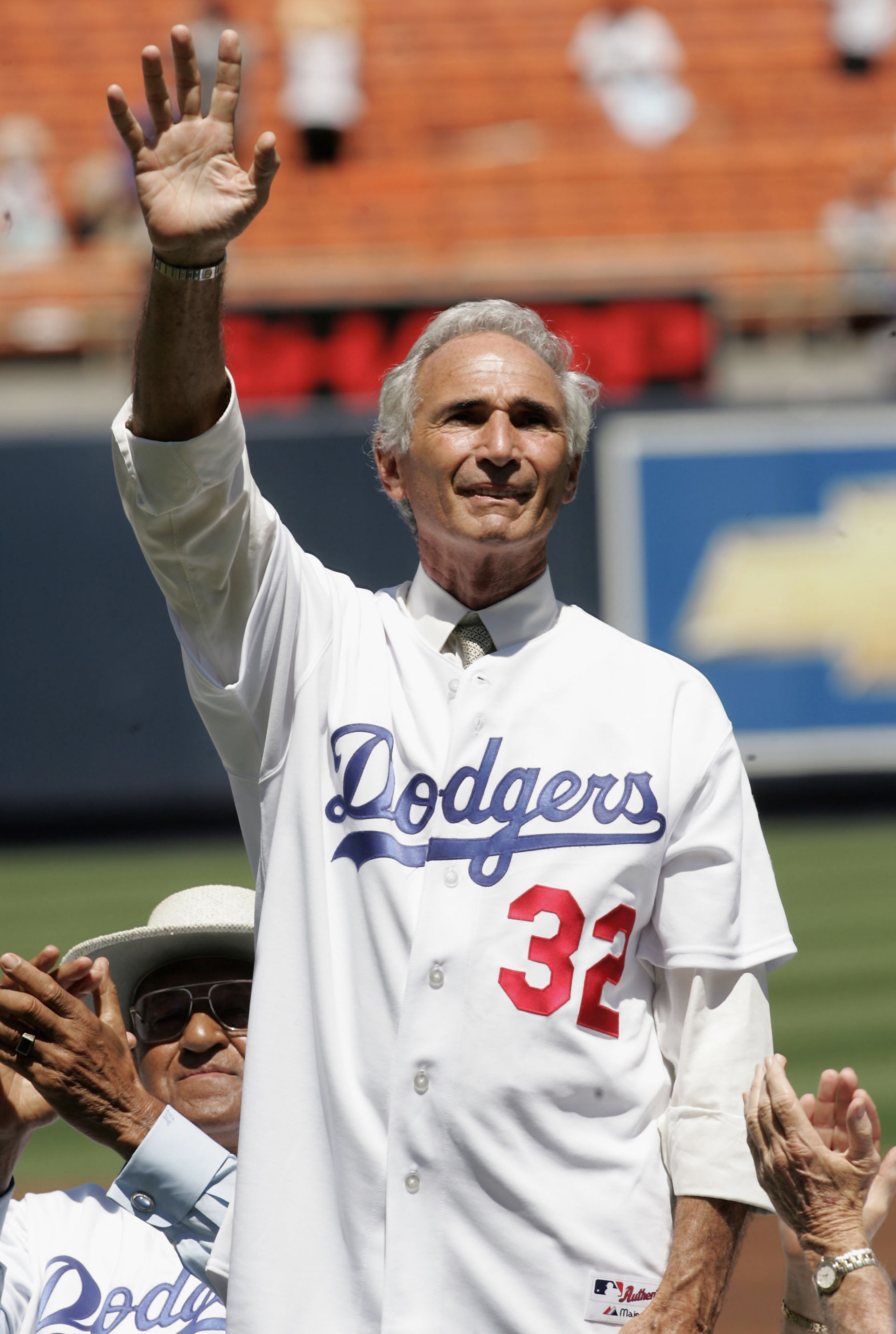
Who else could this possibly be?
Koufax was one of the greatest pitchers of all time, but he also had possibly the best postseason career in baseball history.
In four career Fall Classics, Koufax appeared eight times, going 4-3 with a 0.95 ERA, two shutouts and 61 strikeouts against 11 walks in 57 innings.
It don't get much bigger than that, folks.
Milwaukee Brewers: Pete Vuckovich
16 of 30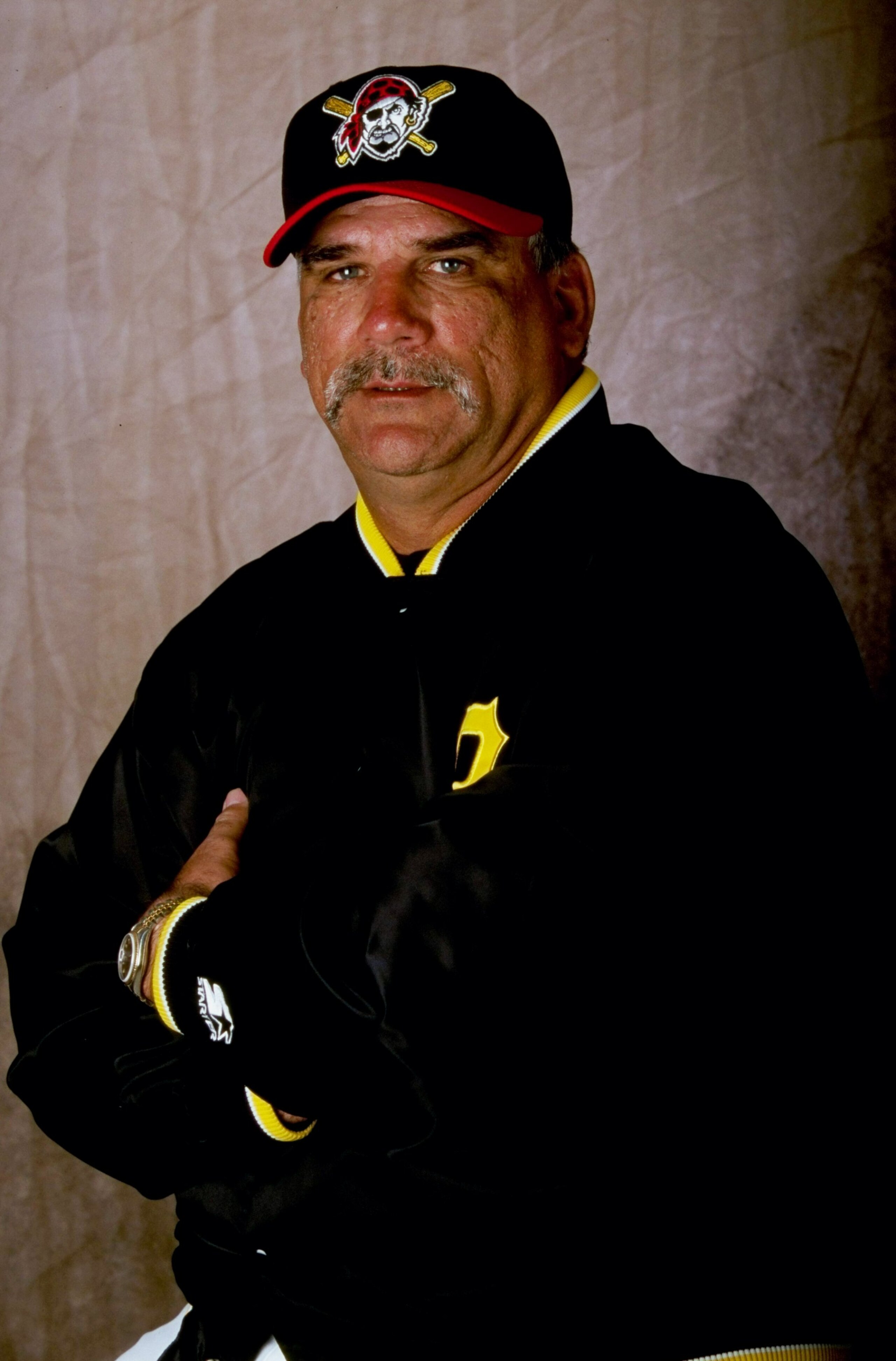
Another franchise without a real big-game hero, the closest the Brewers have had to a clutch pitcher was Vuckovich.
Vuckovich wasn't great in his six postseason appearances, going 1-2 with a 3.74 ERA in the 1981 and 1982 playoffs. But Milwaukee might not have made the playoffs either year without him; he went 32-10 with a 3.42 ERA those two years.
You might also recognize Vuckovich as Clu Haywood from Major League.
Minnesota Twins: Walter Johnson
17 of 30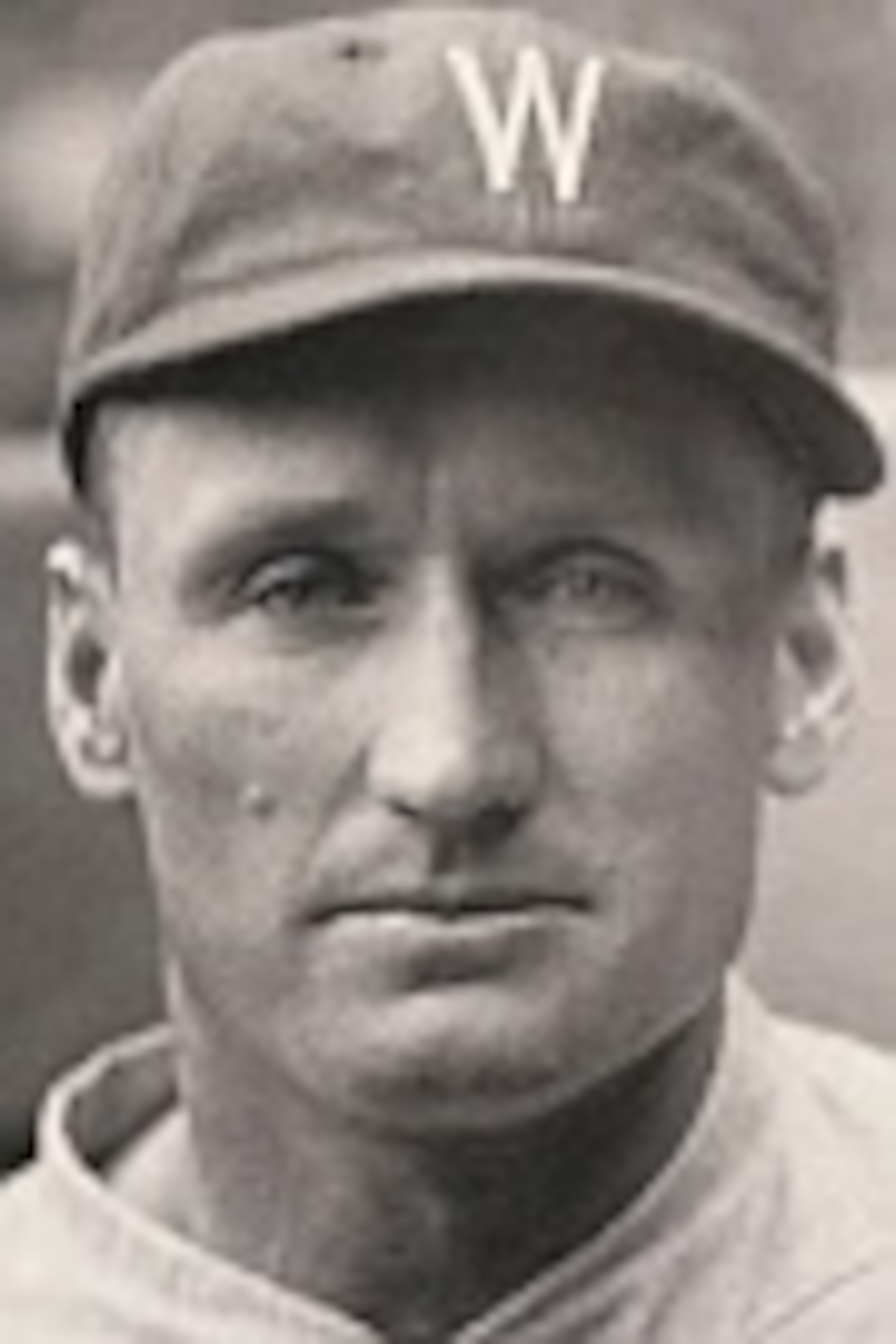
One of the greatest pitchers who ever lived, it's only natural that the Big Train is the Twins' best-ever clutch hurler.
Johnson had 50 innings of experience in the postseason with the Washington Senators. In that time, he posted a 2.52 ERA—which, amazingly, was 35 points higher than his career regular-season mark.
He finished his career with two pennants and a World Series championship under his belt.
New York Mets: Tom Seaver
18 of 30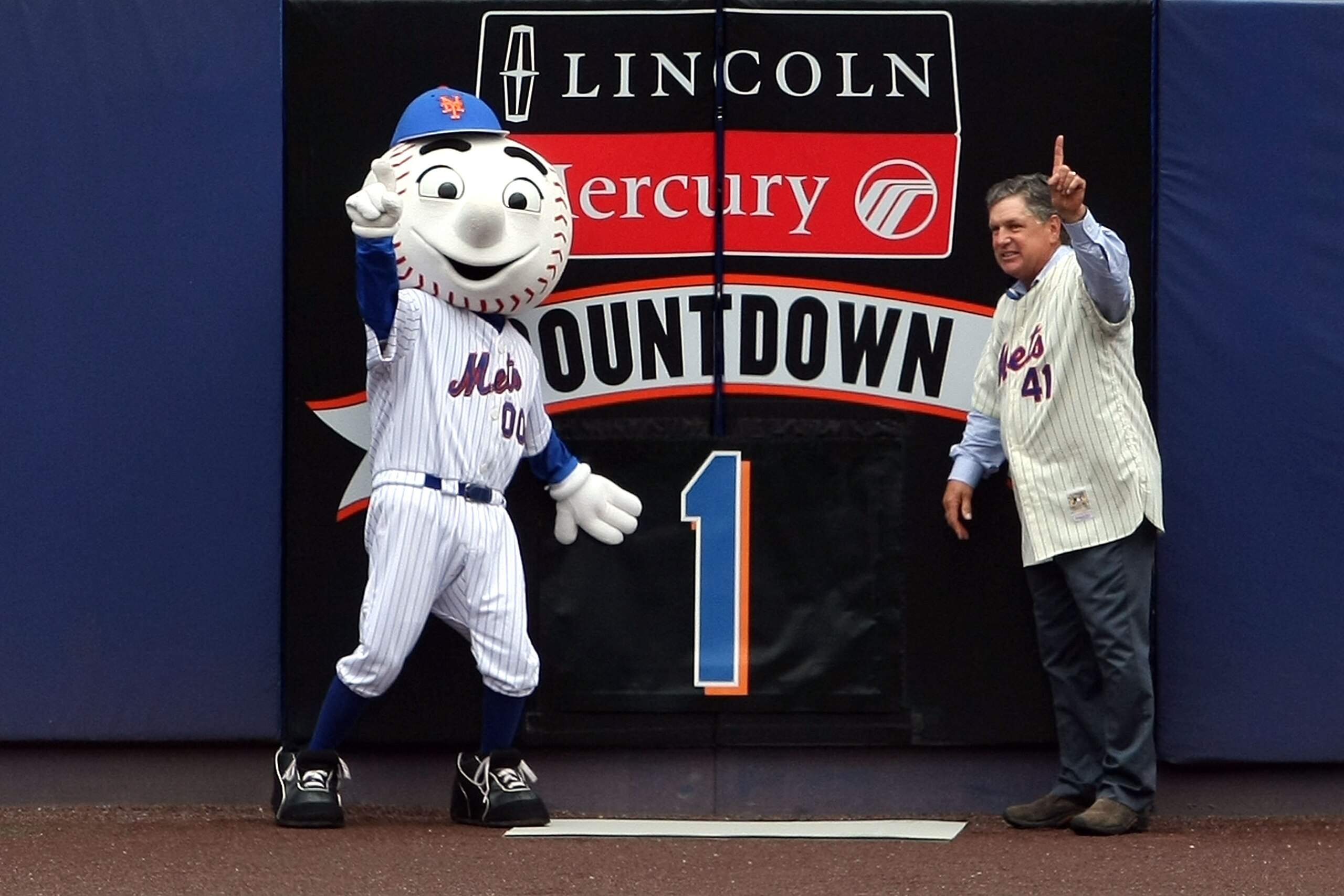
This one wasn't particularly difficult either.
In 53.2 playoff innings with the Amazin's, the greatest pitcher in team history went 3-3 with a 2.85 ERA, leading the Mets to a World Series win in 1969 and a pennant in 1973.
Of course, the Mets wouldn't have even made the playoffs without Seaver—at least in 1973, when he went 19-10 with a 2.08 ERA and New York won the division by one game.
New York Yankees: Mariano Rivera
19 of 30
How can anyone possibly describe what Mariano Rivera has done, or what he means to the Yankees franchise?
The unequivocal best pitcher in postseason history has thrown about two full seasons' worth of relief work over a whopping 88 appearances.
His .772 WHIP is No. 1 among pitchers with more than 36 innings of postseason experience, and his 39 saves are by far a playoff record.
The best part is his 0.74 ERA—the single best mark among pitchers with at least 30 innings in the playoffs.
Despite his meltdowns in 2001 and 2004, it's safe to say that New York wouldn't have earned five rings in the last 15 years without Mo.
Oakland Athletics: George Earnshaw
20 of 30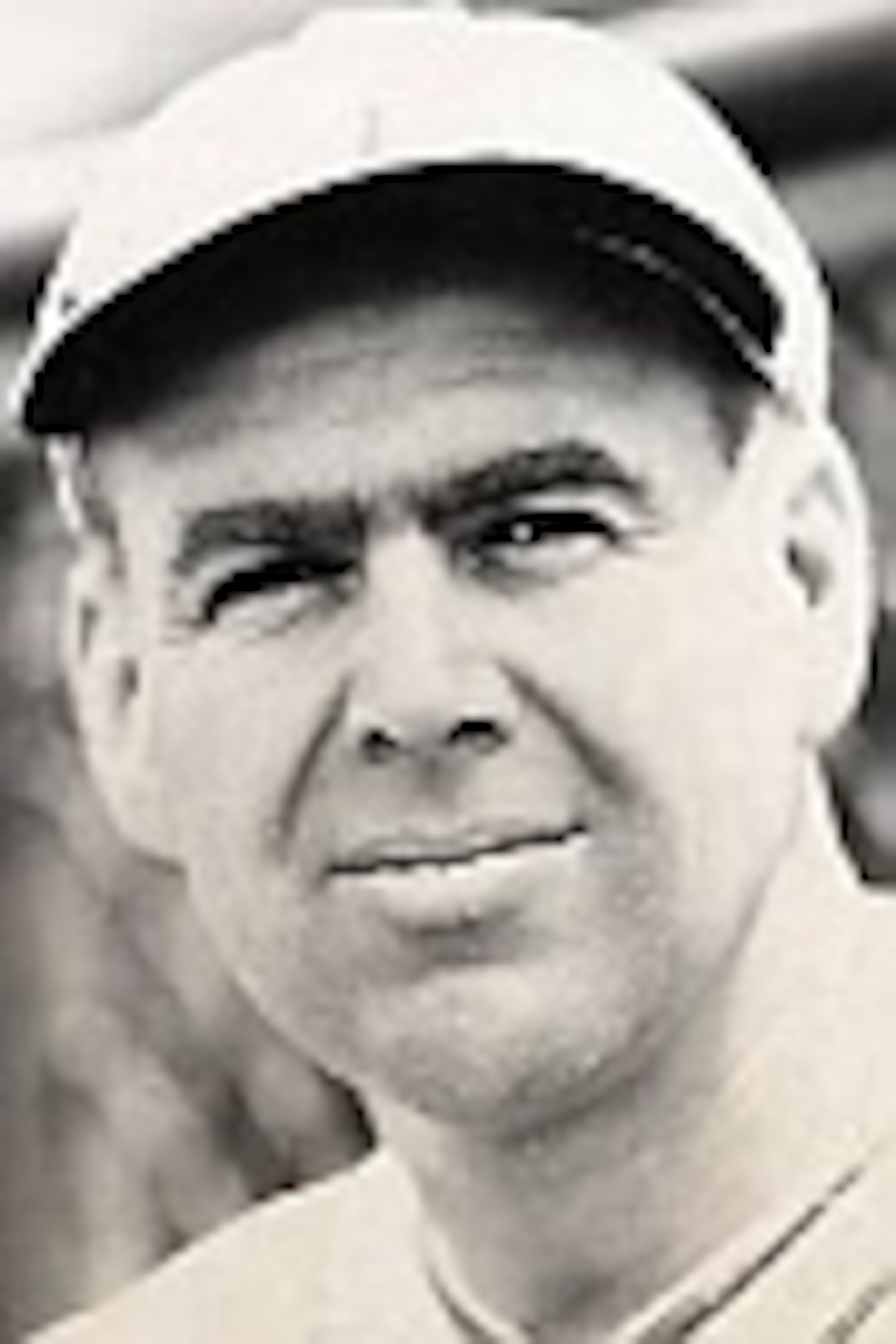
How did the Philadelphia Athletics manage to win back-to-back World Series in 1929-30? Say hello to George Earnshaw.
A decent but historically forgettable pitcher during the regular season—his career ERA+ is exactly 100—Earnshaw was one of the greatest postseason pitchers of all time.
In three Fall Classics with the A's, "Moose" made eight starts and threw five complete games, posting an insane 1.58 ERA in 62.2 innings.
Philadelphia Phillies: Cliff Lee
21 of 30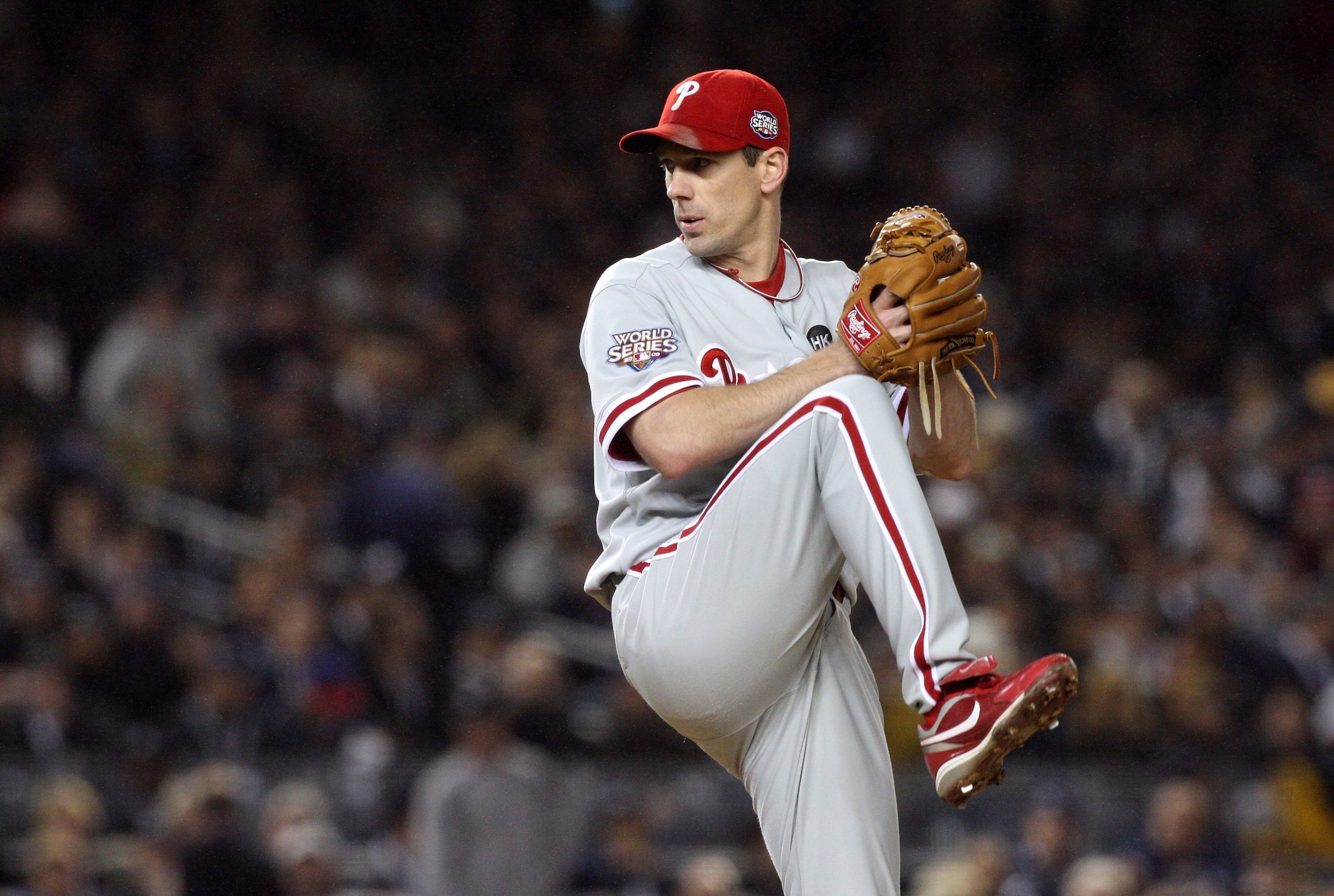
The Phillies failed to repeat as World Series champions in 2009, but it sure as heck wasn't Cliff Lee's fault.
Lee made a name for himself as the best clutch pitcher in the game in the 2009 playoffs, going 4-0 with a 1.56 ERA through the postseason.
Is it any wonder that the Phillies wanted him back?
Pittsburgh Pirates: Babe Adams
22 of 30
The relief ace of my Presidents Day All-Star team, Adams was a key player for the 1909 champion Pirates team, and, at age 43, was still around to pitch when Pittsburgh won the Series again in 1925.
In his first Fall Classic, he threw three complete games, going 3-0 with a 1.33 ERA; the second time around, he pitched a scoreless inning of relief.
San Diego Padres: Kevin Brown
23 of 30
Brown spent only one season in San Diego, but it was the best of his illustrious career, and he made quite a mark on the Padres team.
In 1998, Brown went 18-7 with a 2.38 ERA, 2.23 FIP and 9.3 WAR to lift the Friars to an NL pennant.
In six playoff appearances that year, Brown went 2-2 with a 2.52 ERA, racking up 46 strikeouts in just 39.1 innings.
San Francisco Giants: Christy Mathewson
24 of 30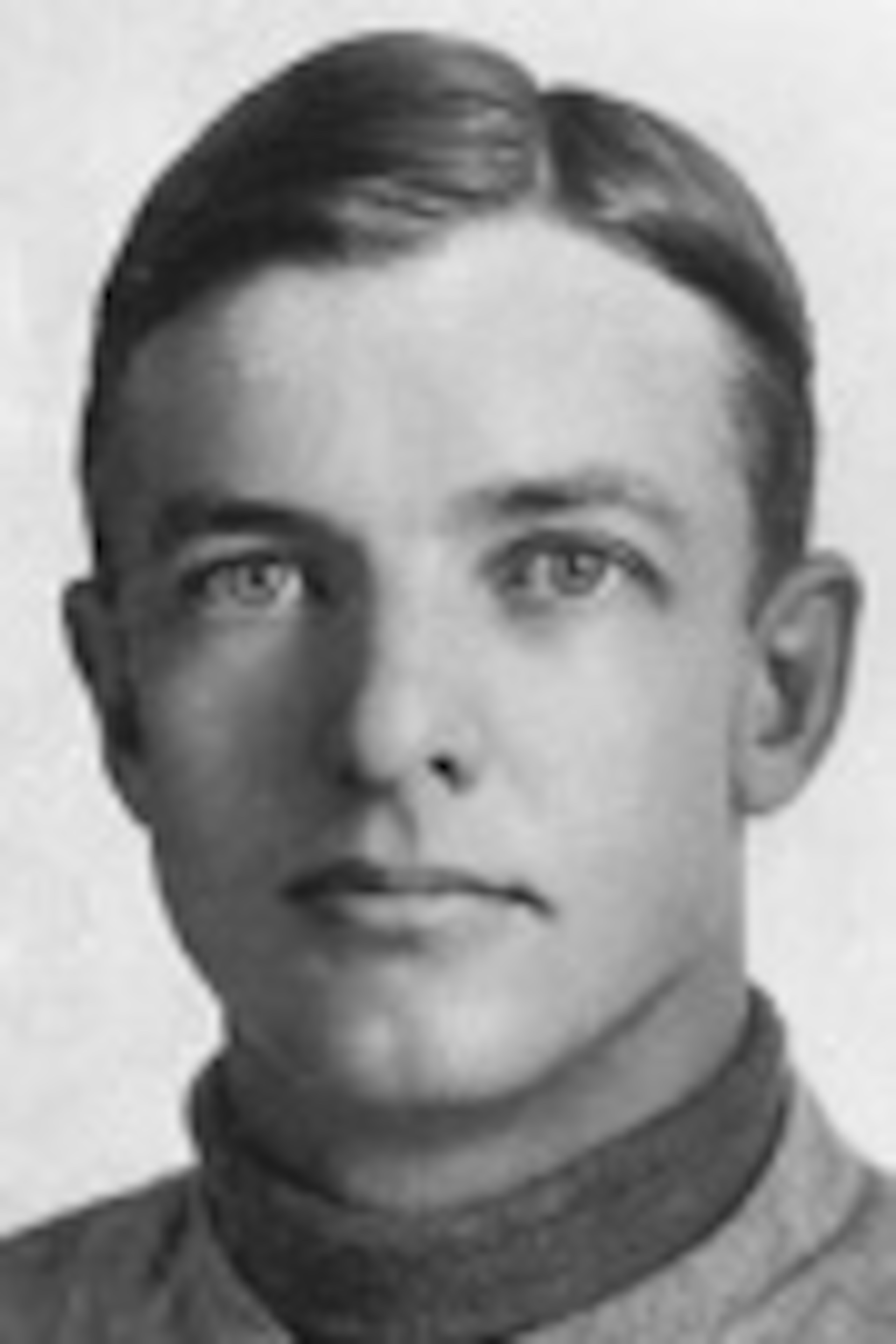
Forget what I said about all the other pitchers who had great postseason careers—none of them hold a candle to Christy Mathewson.
In four World Series, Mathewson made 11 starts. You might not be impressed by his 5-5 record, and his 101.2 innings pitched might not seem like much (unless, of course, you consider that he averaged more than nine innings per start).
But check this out: Mathewson had a career 0.97 ERA in the World Series. And with triple-digit innings, that's not just a small sample size.
If he's not a big-game pitcher, I don't know who is.
Seattle Mariners: Randy Johnson
25 of 30
Johnson owns the Seattle record books in strikeouts (2,162), shutouts (19) and WAR (37.4), but he didn't just save his success for the regular season.
The Mariners made the playoffs just twice during Johnson's 10-year tenure with the team, but he excelled in the few chances he had, throwing 38.1 innings with a 3.52 ERA.
But beyond that—look at his face. Even in slow-pitch softball, would you really want to be staring him down with the game on the line?
St. Louis Cardinals: Harry Brecheen
26 of 30
In 32.2 postseason innings, Harry Brecheen has a 0.83 ERA. No, that's not a typo.
Yes, Brecheen was primarily a reliever, having been the starter in only three of the seven playoff games in which he appeared. That could damage his reputation as a big-game pitcher, but consider this: all three of his starts were complete games.
For what it's worth, he went 4-1 in his playoff career, including three victories in 2006—two as a starter and one in relief.
Tampa Bay Rays: David Price
27 of 30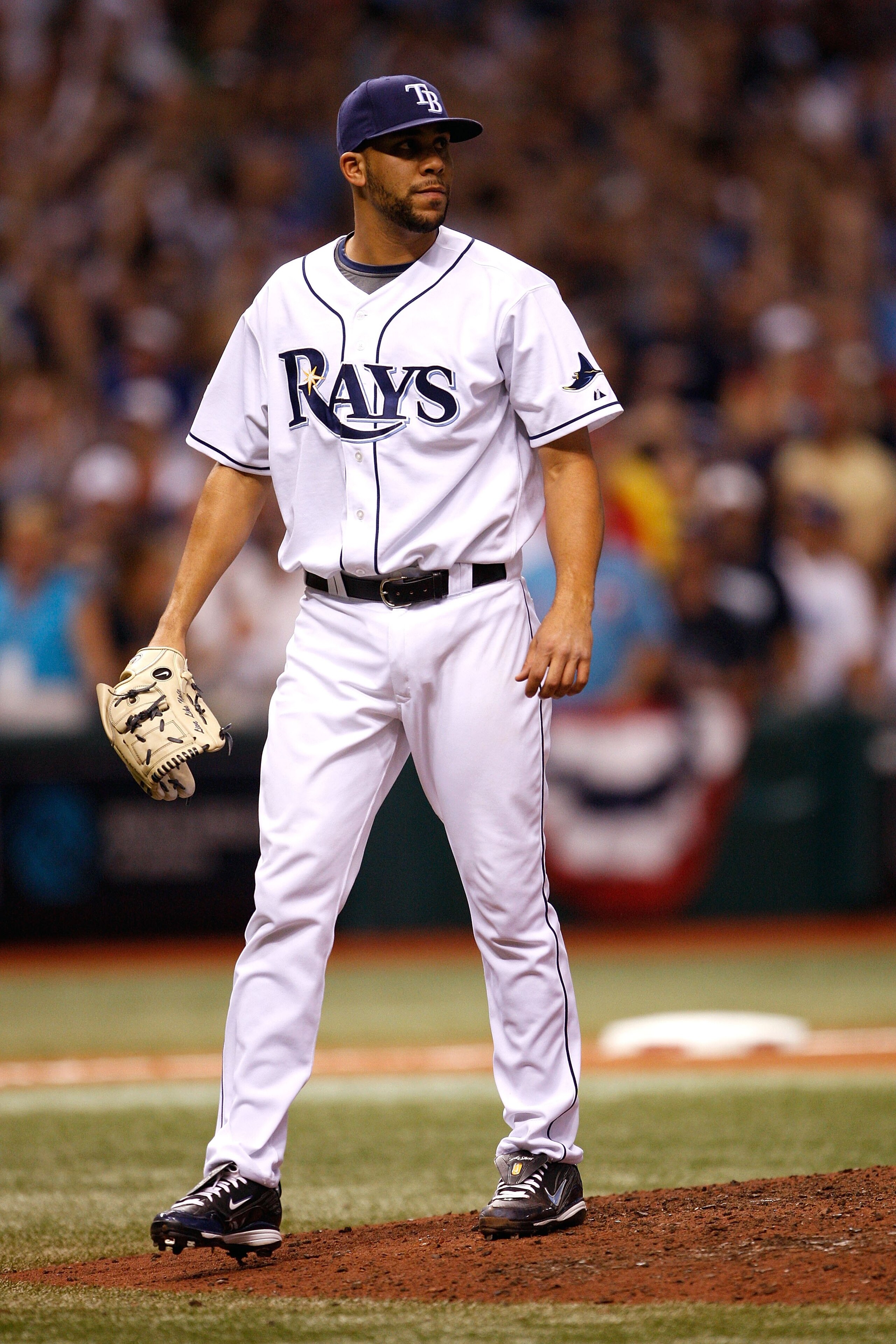
Price wasn't spectacular in the 2010 postseason, but it would take a lot for people to forget his incredible performance as a 22-year-old pre-rookie in October 2008.
Dropped in the middle of the playoffs to act as relief ace for the AL pennant winners, Price made three appearances in the ALCS to shut down the surging Red Sox, getting the extra-inning win in Game 2 and earning the save in the clinching Game 7.
All told, he allowed one earned run while striking out eight in 5.2 innings against two of the best lineups in baseball.
Texas Rangers: Cliff Lee
28 of 30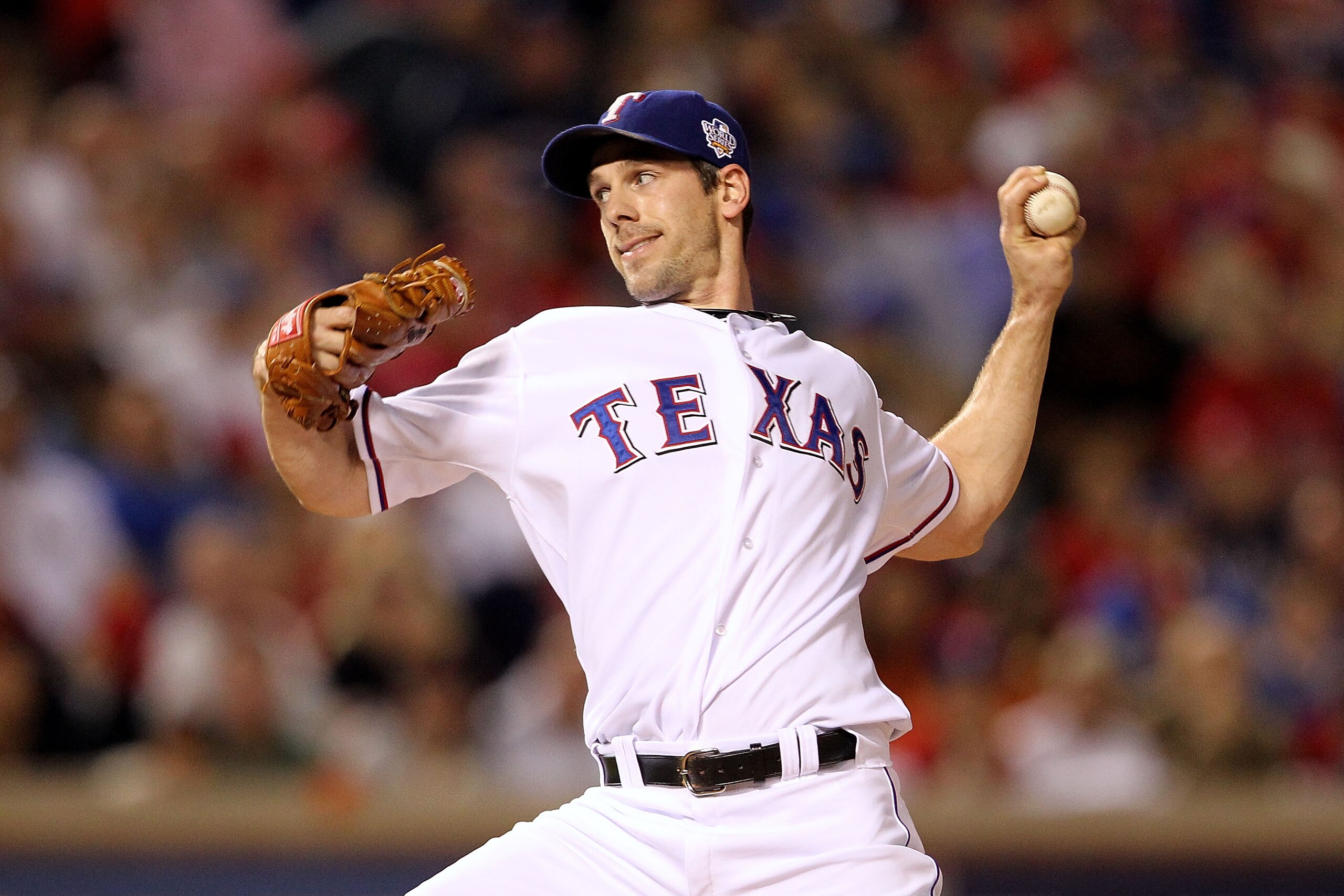
The winter's hottest free agent here makes his second appearance on the list.
Lee was absolutely phenomenal for the Rangers after being traded in July; his 4-6 record and 3.98 ERA don't tell the full story of his dominance (2.99 FIP).
His performance last October wasn't as legendary as the prior year's, but he still went 3-2 with a 2.78 ERA, including eight innings of two-hit ball against the Yankees in the ALCS.
The best part? He whiffed 47 batters in just 35.2 innings while issuing only two walks.
Toronto Blue Jays: David Cone
29 of 30
Cone spent just two nonconsecutive partial seasons with the Blue Jays, but he certainly made the most of his short time in Toronto.
In 1992, he posted a 2.55 ERA in his short regular-season stint with the Jays, but he helped lead them to a playoff berth.
Toronto went 3-1 behind Cone in the playoffs that year while its imported ace posted a 3.22 ERA in 22.1 innings and pitched a quality start in the decisive Game 6 of the World Series.
Washington Nationals: Stephen Strasburg
30 of 30
Don't think Strasburg has ever pitched in a big game? Well, maybe not for his team, but what about for himself?
Strasburg's debut on June 6, 2010 must have been the single most anticipated rookie debut in MLB history. The pressure was on—as were the cameras.
How did he respond? He held the Pirates to two runs on four hits in seven innings while striking out 14.
I'd say he handled it pretty well.
For more of Lewie's work, visit WahooBlues.com. Follow him on Twitter @LewsOnFirst or @WahooBlues.
.jpg?w=2560 "Jeanty Avoids Major Injury")
.jpg?w=2560 "Report: Saints Trade For 49ers RB")
.jpg?w=2560 "Bucs Rookie's 'Bane' Face Mask 😈")