
2011 Fantasy Baseball Preview: 7 Stats You Need To Know To Win Your League
Anyone who tells you that luck doesn't play a big role in baseball is either lying or joking.
A pitcher who induces a weak grounder up the middle doesn't become any worse if it passes undeterred to Derek Jeter's left. Nor is the slugger who smashes a deep fly ball into the gap any less talented because Franklin "Death to Flying Things" Gutierrez makes an amazing diving catch.
The eternal question is: How can we differentiate between luck and skill in baseball?
One of the most incredible innovations of the sabermetric movement is the quantification of luck. While it's impossible to truly isolate players' talent from luck in their performance, some of these newfangled statistics can give us a pretty good idea of which players are the beneficiaries of good luck, which are struggling through no fault of their own, and which are producing at about the level they should be.
Just in time for fantasy baseball season, here are seven stats that help to quantify or isolate luck. Know these numbers and you can master your league.
BABIP
1 of 15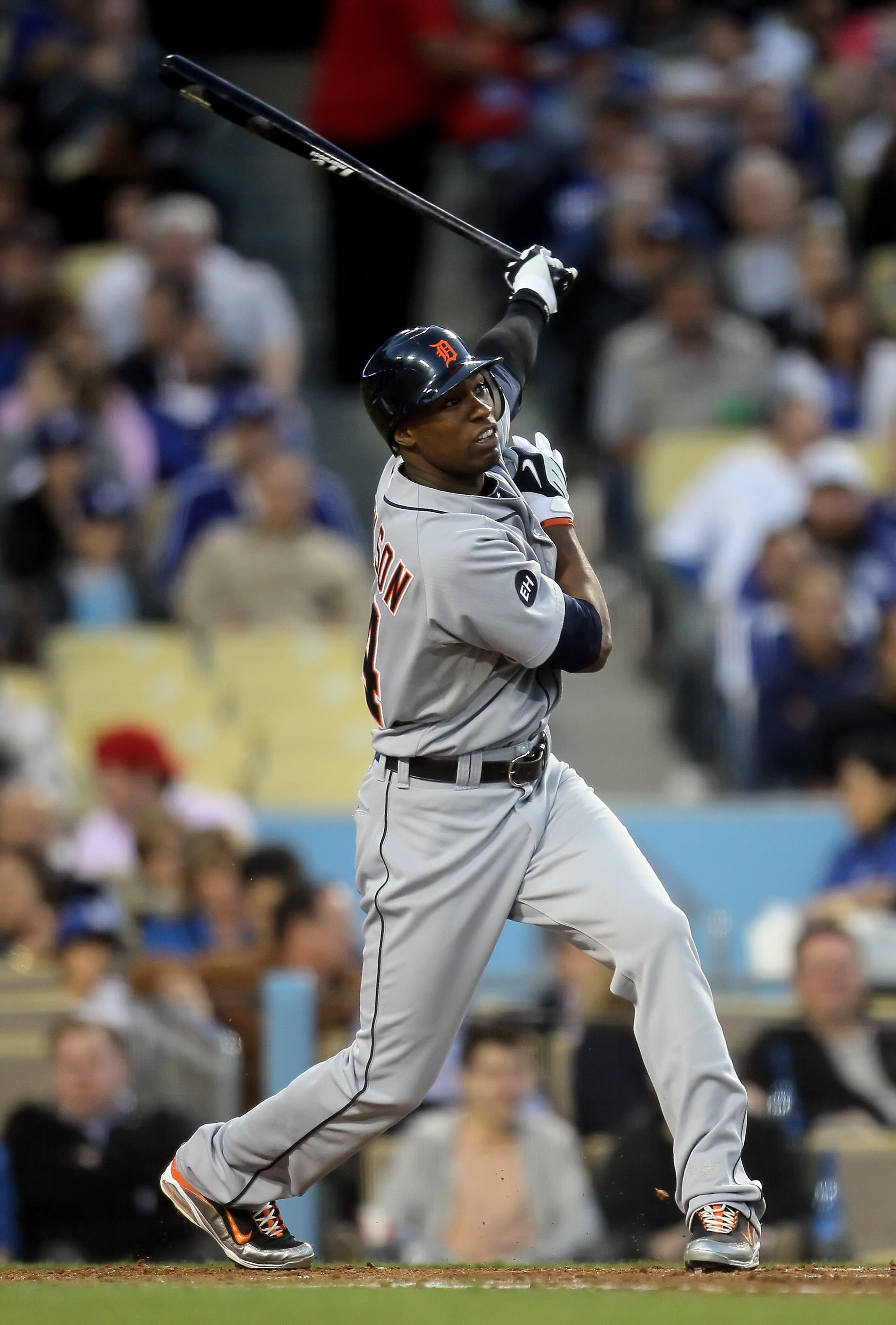
Also known as "hit rate," Batting Average on Balls in Play is exactly what it sounds like—the proportion of batted balls a batter hits or a pitcher allows somewhere in the confines of the diamond that fall for hits.
The league average is right around .300 (it was .297 last year), and year-to-year variations are almost always due to luck.
Batters have some control over their BABIP. Powerful line-drive hitters and guys with speed tend to be more successful, for obvious reasons.
Pitchers can also influence their hit rates, but to a lesser extent; for example, groundball pitchers' BABIPs tend to be slightly higher than their flyball-inducing counterparts.
In 2010, hitters' BABIPs ranged from .196 (Aaron Hill) to .396 (Austin Jackson), with middle 50 percent between .288 and .330.
Pitchers' hit rates, meanwhile, stretched from .238 (Trevor Cahill) to .369 (Kyle Lohse), with the middle 50 percent between .284 and .317.
Why You Should Care
2 of 15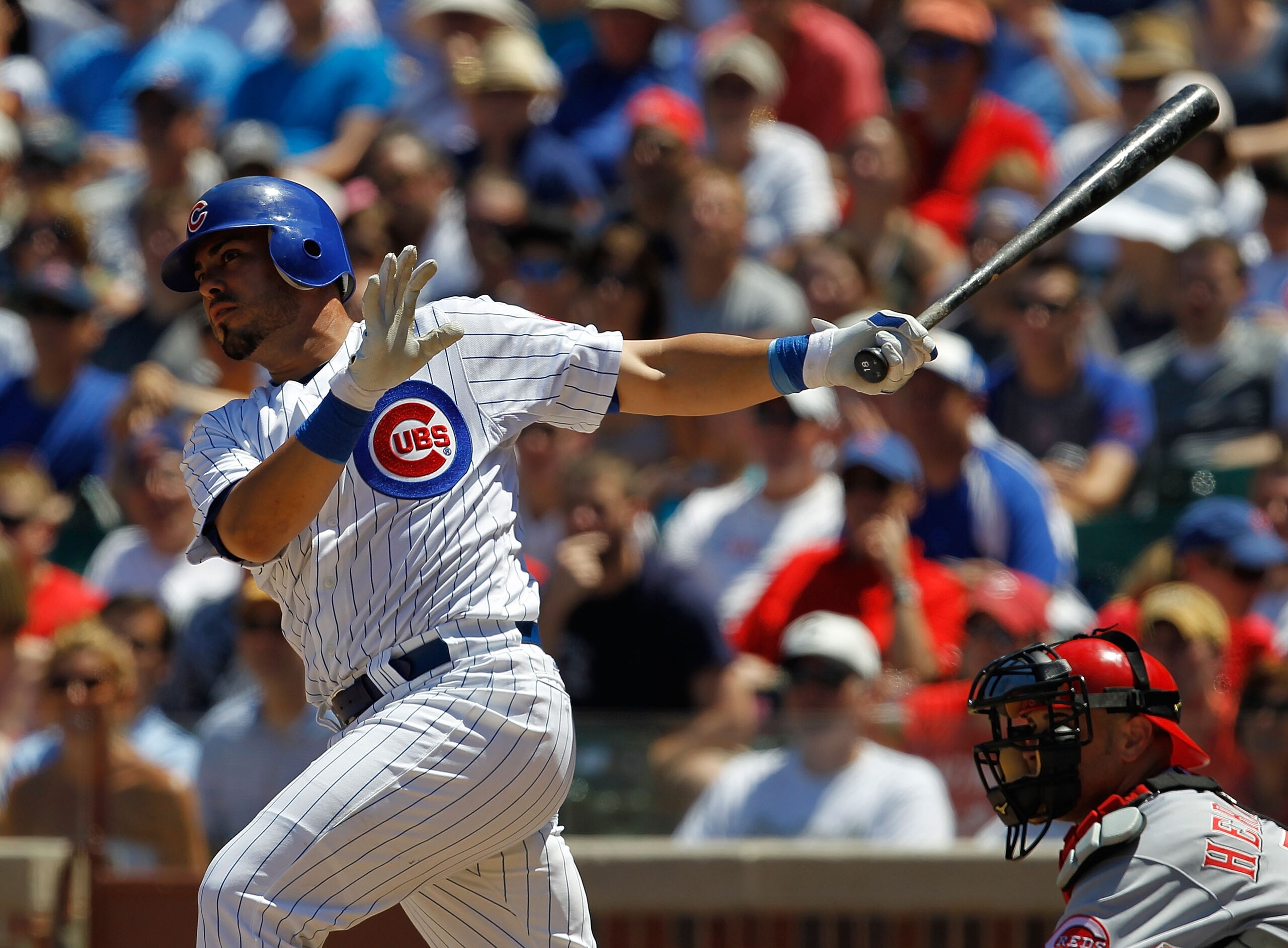
It should be obvious that, for a hitter, an increase in BABIP leads to a higher batting average, which, in turn, improves a player's on-base and slugging percentages.
More balls falling for hits means more RBI, and more chances to get on base inevitably lead to more runs and steals.
For example, in 2009, Geovany Soto hit .218/.321/.381 with 47 RBI and 27 runs. In 2010, he ranked to the tune of .280/.393/.497 with 53 RBI and 47 runs scored. The difference? His BABIP jumped from .246 to .324.
Hit rate fluctuations can have similar effects on pitchers. Yovani Gallardo improved his control (3.7 BB/9, down from 4.6 in 2009) and let fewer balls out of the park (0.58, down from 1.02) yet saw his ERA increase from 3.73 to 3.84.
The reason? His BABIP jumped 49 points from the previous season, going from .275 to .324.
More on BABIP
3 of 15In case I didn't explain it well enough, here's a great informational video by DRaysBay.com's Bradley Woodrum.



The Solution: xBABIP
4 of 15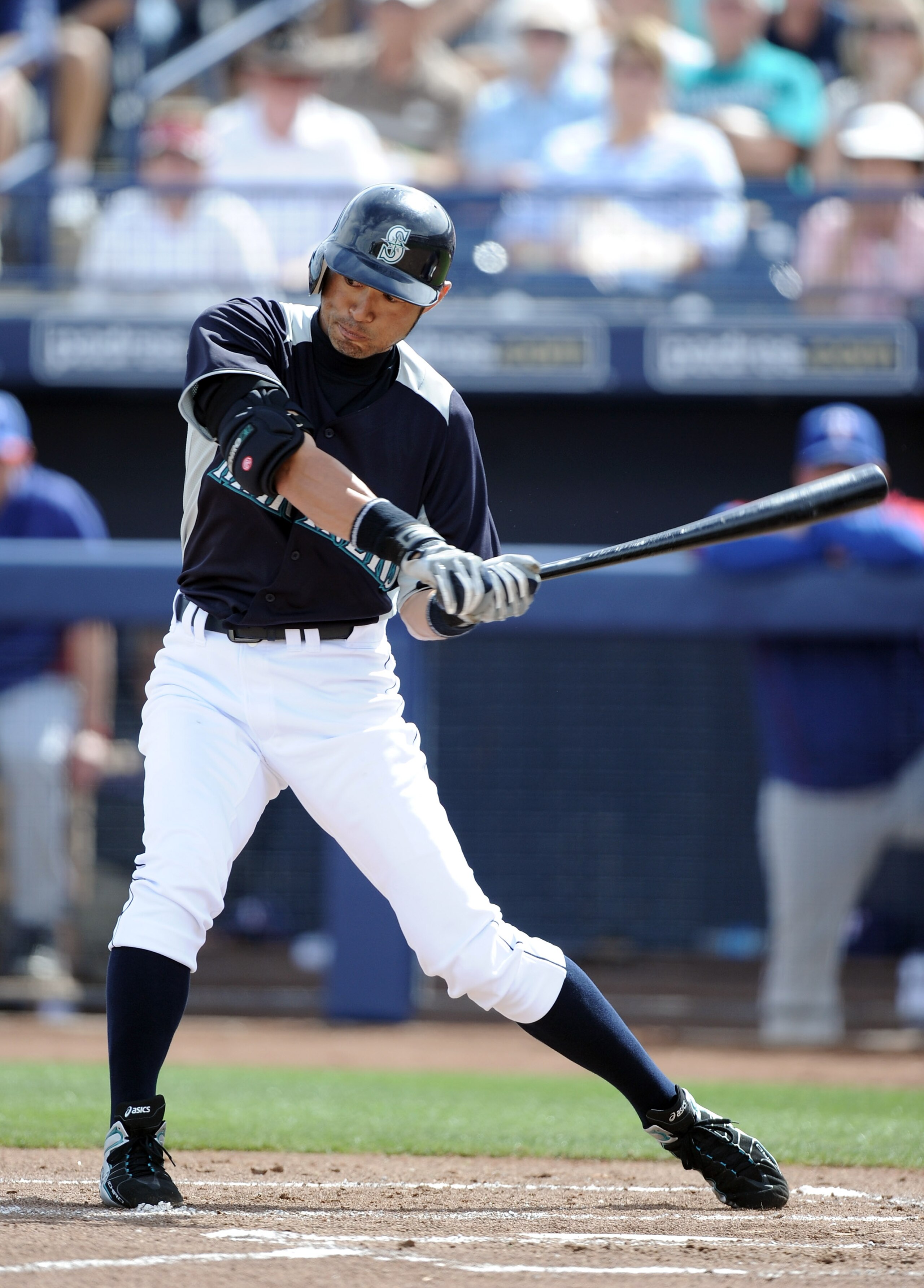
Expected Batting Average on Balls in Play is an estimation of what a batter's BABIP should be based on his batted-ball profile and other reliable statistics. Calculated with the use of The Hardball Times' Simple xBABIP Calculator, we can substitute it for a player's actual BABIP to determine his luck-neutral statistics.
A similar, less reliable method can be used to find xBABIP for pitchers by simply using the league-average BABIP values for each batted-ball type.
For example, Ichiro Suzuki's .353 BABIP last season might make it look like he got lucky, but his good speed, grounder-heavy batted-ball profile and great contact skills give him a .347 xBABIP, meaning his hit rate was just about right.
By contrast, xBABIP shows that 2010 home run king Jose Bautista was quite unlucky. One would suspect that his .233 BABIP was partly due to bad luck, and while his .286 xBABIP shows that we should expect a substandard hit rate from him, it's clear that he got the short end of the stick last year.
LOB Percentage
5 of 15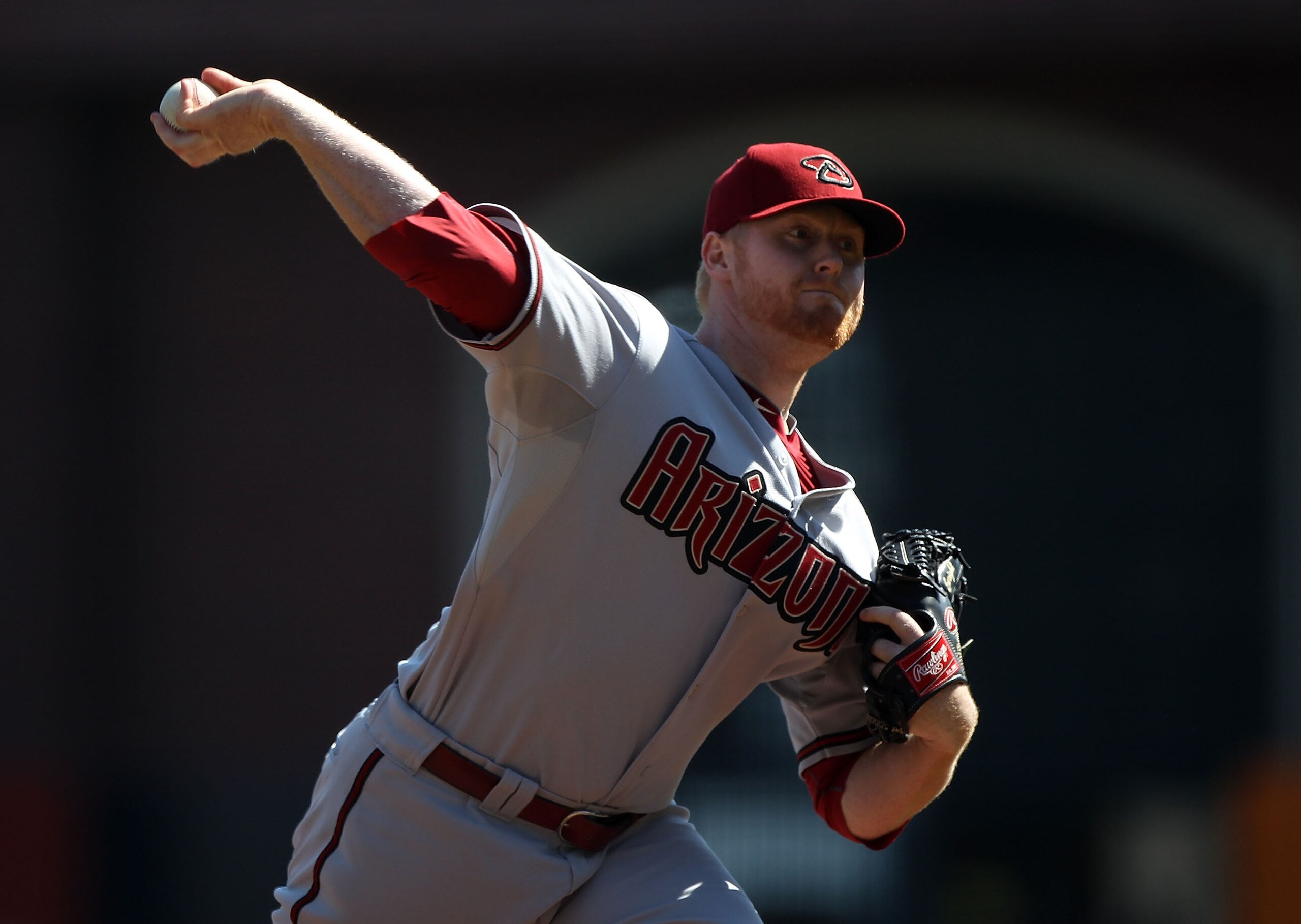
Also known as "strand rate," Left on Base Percentage is the proportion of baserunners a pitcher allows that don't score.
Most pitchers' strand rates hover right around 72 percent (league average was exactly 72.0 percent in 2010).
A good pitcher can maintain a higher LOB% (the more outs a pitcher gets, the fewer chances the baserunners have to score), but most fluctuations are due to luck.
Last season, pitchers' strand rates spanned from 58.5 percent (Felipe Paulino) to 84.9 percent (Barry Enright), with the median 50 percent between 69.0 percent and 75.4 percent.
Why You Should Care
6 of 15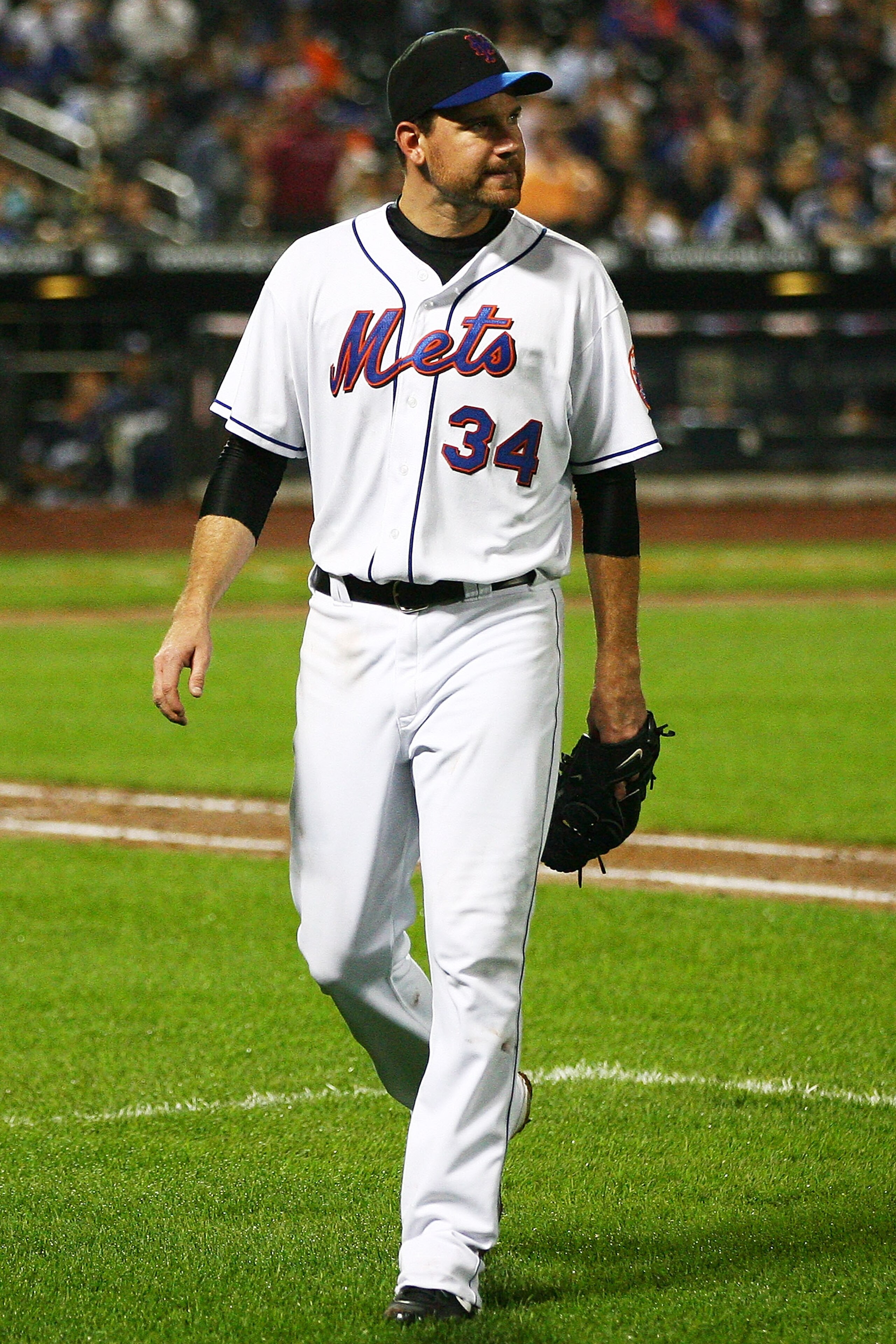
The lower a pitcher's strand rate gets, the more runs score. The more runs score—well, that one's pretty obvious.
On April 29, 2010, Mike Pelfrey and Livan Hernandez looked like aces. They had pitched to ERAs of 0.69 and 0.87, respectively.
Everyone knew they wouldn't be able to keep up their fast starts over the course of what would be historically great seasons. But besides intuition, their strand rates help us understand why they did so well at first.
On that day, Pelfrey's LOB rate was 93.6 percent. Hernandez, incredibly, had a 99.2-percent strand rate.
When their strand rates came crashing down (73.7 percent for Pelfrey, 73.0 percent for Hernandez), so did their performances.
More on LOB Percentage
7 of 15Here's another of Woodrum's videos (part one):
Even More on LOB Percentage
8 of 15...and part two:
The Solution: FIP
9 of 15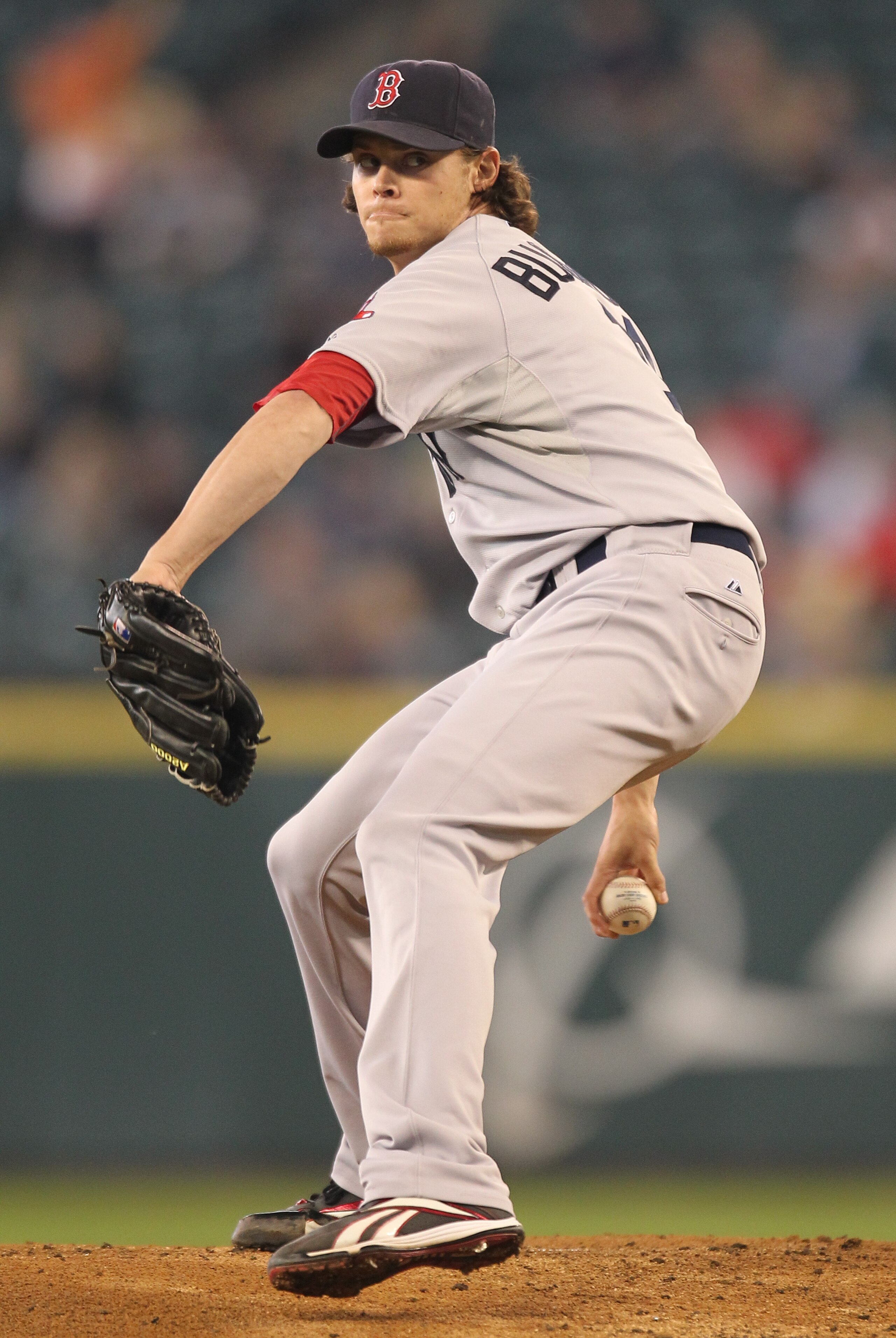
Fielding Independent Pitching is an estimation of what a pitcher's ERA would be in a luck-neutral environment, calculated solely based on strikeouts, walks, hit-by-pitches and home runs allowed.
Because it excludes defense and game situations, FIP does not fluctuate with BABIP and LOB rate. It is a better predictor of future ERA than is past ERA.
For example, Josh Johnson led the National League with a 2.30 ERA last season, and his 2.41 FIP suggests that his success was legitimate.
On the other hand, Clay Buchholz posted an eye-popping 2.33 ERA in 2010, his first full season. But we can see from his .261 BABIP and 79.0-percent strand rate that he got pretty lucky.
Buchholz' 3.61 FIP is still very good, but that's the difference between a possible All-Star and a legitimate Cy Young candidate.
More on FIP
10 of 15Here's one last video (my personal favorite).
Another Solution: TERA
11 of 15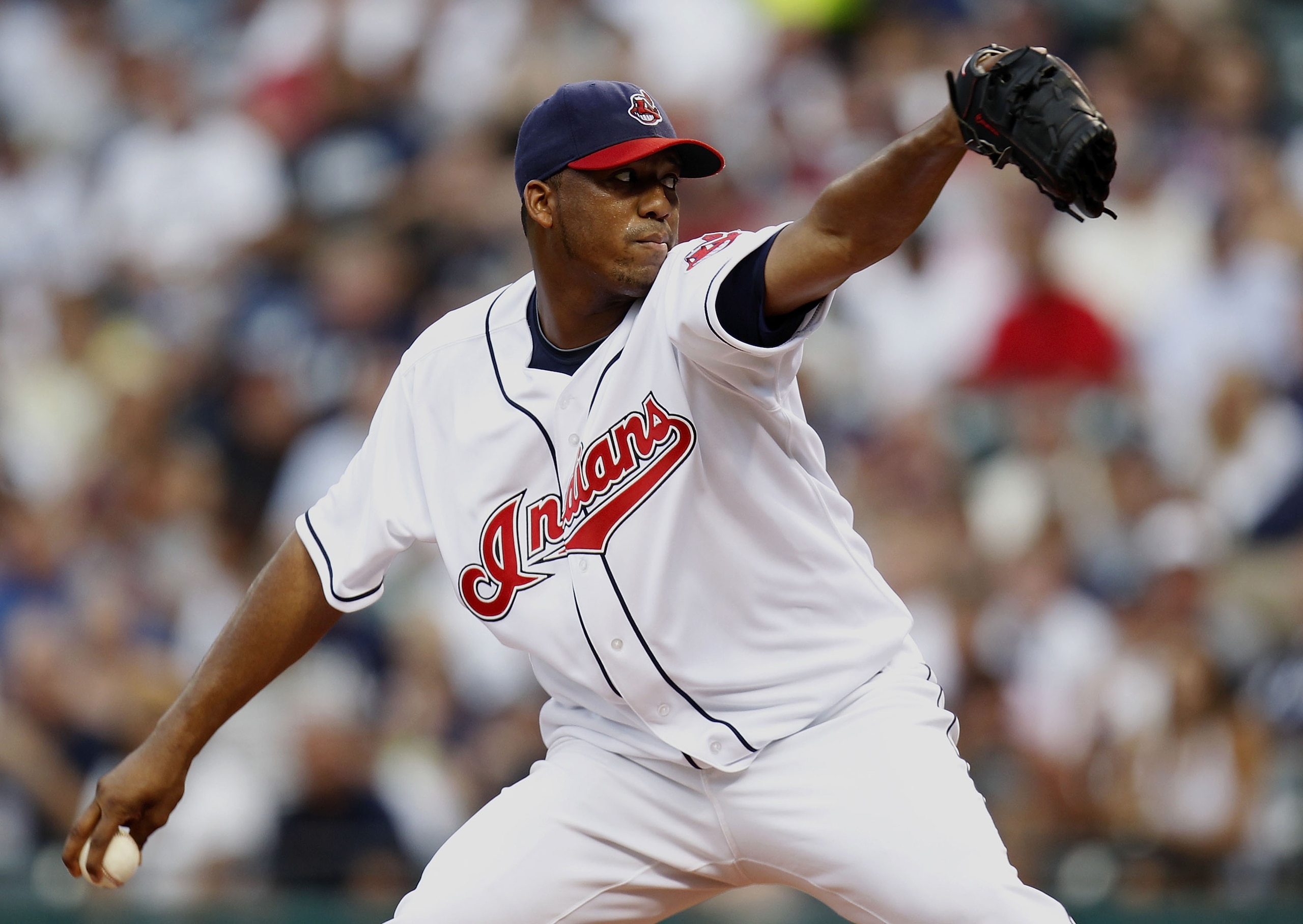
Pitchers may not have much control over whether batted balls fall for hits, but they do have some control over how batted balls are hit.
In that spirit, tERA—True Earned Runs Allowed—estimates what a pitcher's ERA would be in a neutral-luck situation by adding weighted value data about each type of batted ball to the concept of FIP.
It's not as good as FIP, but it is a better predictor of future ERA than is past ERA.
For example, Fausto Carmona seems to fit the profile of a lucky pitcher—he had a .283 BABIP (is pre-2010 career mark was .302, so he doesn't have a history of inducing weak contact), and his FIP (4.11) was substantially higher than his ERA (3.77).
But was it really luck?
Thanks to Carmona's excellent groundball-inducing skills (55.6 percent GB rate) and the lowest line-drive rate in the league (13.6 percent), his tERA was 3.70, suggesting he may have actually been a tad unlucky.
HR/FB Rate
12 of 15
Home Run Rate is the proportion of fly balls a batter hits or a pitcher allows that end up clearing the fences.
For pitchers, many people believe HR/FB is a product of luck.
Like strand rate, some pitchers have demonstrated an ability to consistently post high or low HR/FBs (groundball pitchers tend to have higher marks), but for most pitchers, variations seem to be random chance. Most years, the average home run rate is around 10.6 percent (2010 average: 9.5 percent).
Last year, pitchers' HR/FB rates ranged from 3.6 percent (Felipe Paulino) to 15.8 percent (Blake Hawksworth), with the middle 50 percent falling between 7.6 percent and 11.3 percent.
Why You Should Care
13 of 15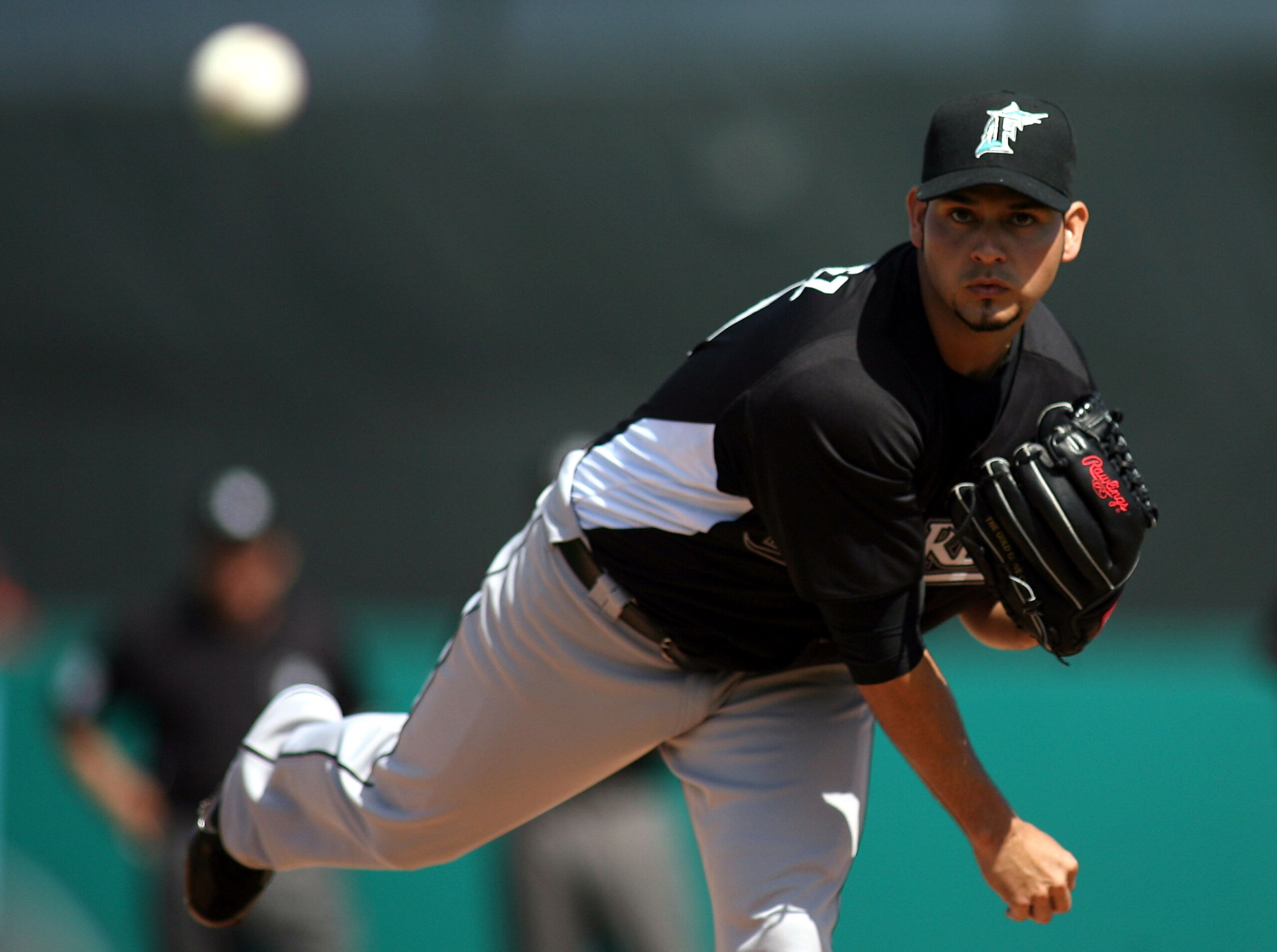
When a hitter steps up to the plate, a home run is the best possible outcome of his at-bat—which means it's the worst thing for a pitcher to allow.
Therefore, the lower a pitcher's HR/FB rate is, the better he will perform.
Take Anibal Sanchez. He had a phenomenal 2010 season, posting a 3.55 ERA (and, even better, a 3.32 FIP) and amassing 4.3 WAR.
Why was he suddenly so successful? Improving his control helped, but the biggest boost came from keeping the ball in the park. After allowing dingers at an 11.5-percent HR/FB rate in 2008-9, he finished at 4.5 percent last year—the third-lowest mark in baseball.
The Solution: xFIP
14 of 15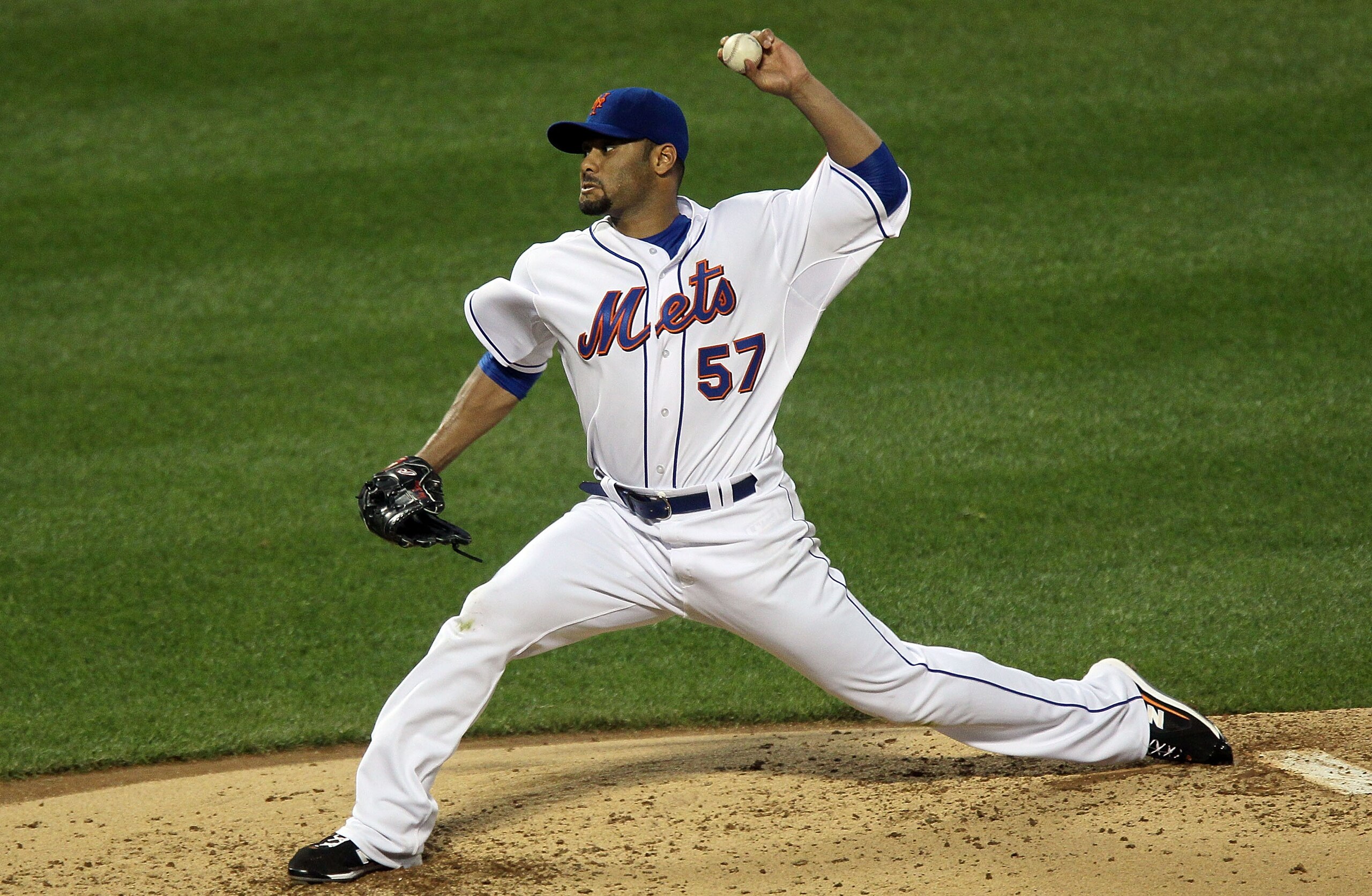
Expected Fielding Independent Pitching is the same as FIP, but with home runs allowed replaced with an estimate of how many home runs the pitcher would allow in a luck-neutral environment, calculated by using the pitcher's fly rate and the league-average HR/FB.
Based on the assumption that pitchers cannot control whether a fly ball leaves the park, xFIP is also a better predictor of future ERA than is past ERA.
For example, Johan Santana posted an impressive 3.54 FIP in 2010, but also ended up with a HR/FB rate of just 6.0 percent. Whether because he was playing in cavernous Citi Field or because of good luck (his 9.1 percent career HR/FB rate suggests some ability to limit homers, but this was his lowest HR/FB rate since 2002), he didn't give up as many home runs as he should have.
As a result, Santana had a 4.32 xFIP—or, 134 points above his ERA.
One Final Note
15 of 15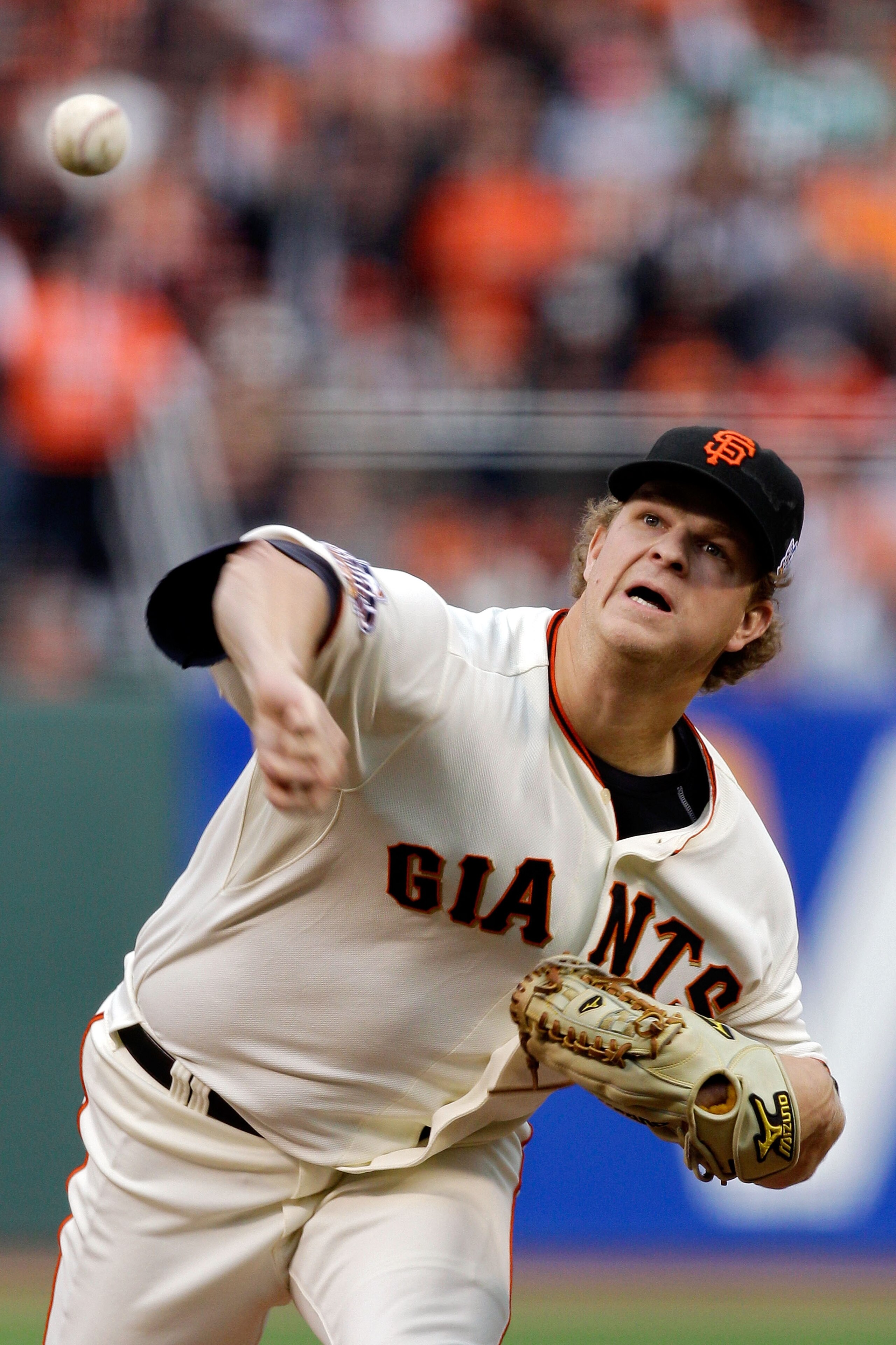
Just because a player seems to have gotten lucky last year doesn't mean he's certain to regress in 2011. Things like xBABIP and FIP aren't supposed to be precise predictions, and if someone continues to outperform his peripherals, it doesn't mean the systems don't work.
When you roll two dice, you're always most likely to get a seven, but that doesn't mean you'll never get snake eyes twice in a row.
In addition, these estimators do not account for the fact that some of the external factors players face remain constant.
Take Matt Cain, the go-to example for those who are offended by the notion that luck can play such a major role in baseball. Cain has consistently outperformed his peripherals throughout his five-year career, posting ERAs more than a run lower than his xFIPs thrice, plus another season when he beat expectations by 96 points.
But, as FanGraphs' Matthew Carruth notes, he's spent his entire career in a pitcher-friendly ballpark against substandard hitters, backed by the best defense in baseball.
In other words, don't put all your stock in these numbers, because no prediction system is perfect and sabermetrics is still a young field of study. But if you learn to effectively use and understand these luck-neutral statistics, you'll have a huge leg up in your fantasy league this year.
For more of Lewie's work, visit WahooBlues.com. Follow him on Twitter @LewsOnFirst or @WahooBlues.

.jpg?w=2560 "Grading WWE Raw 🔠")




.jpg?w=2560 "Viral Rams Coach Vid 🖕")