
NFL Combine 2011: The Top 10 Skills Needed for Evaluating NFL Talent
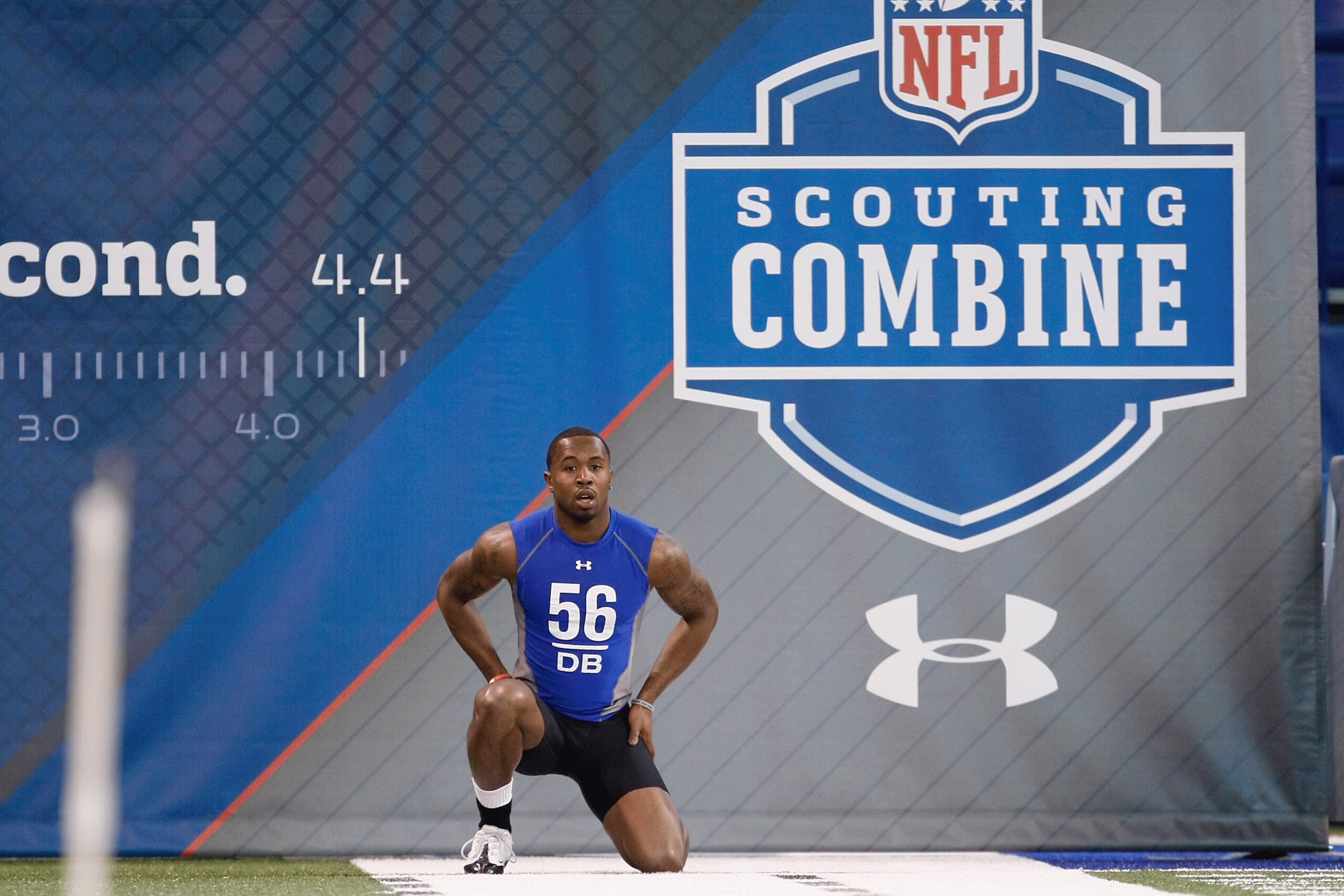
With roughly 330 college football players invited this week to the NFL Scouting Combine, how does any NFL scouting department truly evaluate one athlete from the next? What are the key skills and qualities needed to be able to consistently make the right choices year after year?
In this article, we will delve into these issues and attempt to identify the attributes that distinguish top flight NFL talent evaluators from the pack. Their skills will be on display all week in Indianapolis, sometimes behind closer doors.
Figure that of the 330 players, only 224 will be drafted.
There will also be some compensatory picks added to the end of round seven, how many remain to be seen. The rest will fall in to the undrafted free-agent pool, at which point sharp front offices are able to scoop up talent and fill in missing pieces. Due to the uncertainty of the CBA, this may be a very important step in fielding a competitive team.
Good Cop Bad Cop
1 of 11
Teams are allowed 15 minutes to conduct their player interviews. That's it. What can you accomplish in 15 minutes? As much as you possibly can. There is no time for good cop, bad cop. You dig in and ask as many relevant football questions as you can ask. No time for a social call. Get down to business.
You forget all of the routine questions that players have been asked for months leading up to the combines. If there is a tough question to ask, you ask it, but being mindful not to cross over any lines that one would regret—like asking about how his mother earns a living.
The scouts, general managers and coaches aren't there to make friends. They are looking to identify who has the makeup they need to be part of their football team.
B.S. Detector
2 of 11
Because the agents of high draft picks will stand to earn tremendous pay days for their percentage of the clients' deal, the firm will put together a team to coach up the player and prepare him for the rigors of the combines. Think of a lawyer practicing with his client prior to giving testimony in front of the jury. The more you practice and prepare the better you will come across.
Due to all of the coaching, it is becoming harder and harder to determine which athletes are genuine in their responses, and which ones are putting their thoughts on auto-pilot and answering all of the questions from rote. Trusting your gut instincts and figuring out the players that are being genuine is a definite strong skill to bring to the table.
If they can find a pattern of questions to ask that throws the athlete off-stride, or asks things that they weren't prepared to address, all the better.
Establishing A Professional Network
3 of 11
It is one thing to see the player in workouts, and watch him on game tape. It is another thing to make some phone calls and talk to teams that played against the athlete in question. Do some digging, find out what they tried to do to negate his skills, and learn if it was effective or not.
Establishing a professional network of trusted professionals is something that doesn't come about overnight. It is something you earn with time on the job, and by the nature of how you treat other people when they request something of you.
This could range to talking to high school coaches, trainers, weight room coaches, to their positional coaches or former teammates. The amount of digging you do will either verify what you already believed or lead you to go in an entirely new direction. Like anything else in life, nothing ventured, nothing gained.


.png?w=2560)
Become A Film Critic
4 of 11
You have heard the expression "Don't believe everything you read" many times before. Well, the same thing can be said for watching football on tape, with a slight alteration to make it, "Don't believe everything that you see".
Game tape can be very deceiving. What if you get a highlight reel from an agent who is trying to promote one of his players? Was the 25-yard touchdown run against a Division One school? Was it in the first quarter or was it in garbage time against the second or third-string? Was it against a Division II school? Was it when his team was trailing by 28 points and the opponents were blitzing against the pass?
The point is, there is tape that suggests one thing, but the reality is something completely different. A guy intercepts a pass, and returns it for a touchdown—the reality could be that the ball was underthrown, and the defender was beaten badly on the play. You have to be able to know what you are looking at and understand it for what it's worth.
What if a player was playing hurt and kept the injury under wraps? How would you determine if what you were watching was his true value, or not?
Understanding The Make Up Of Every Player
5 of 11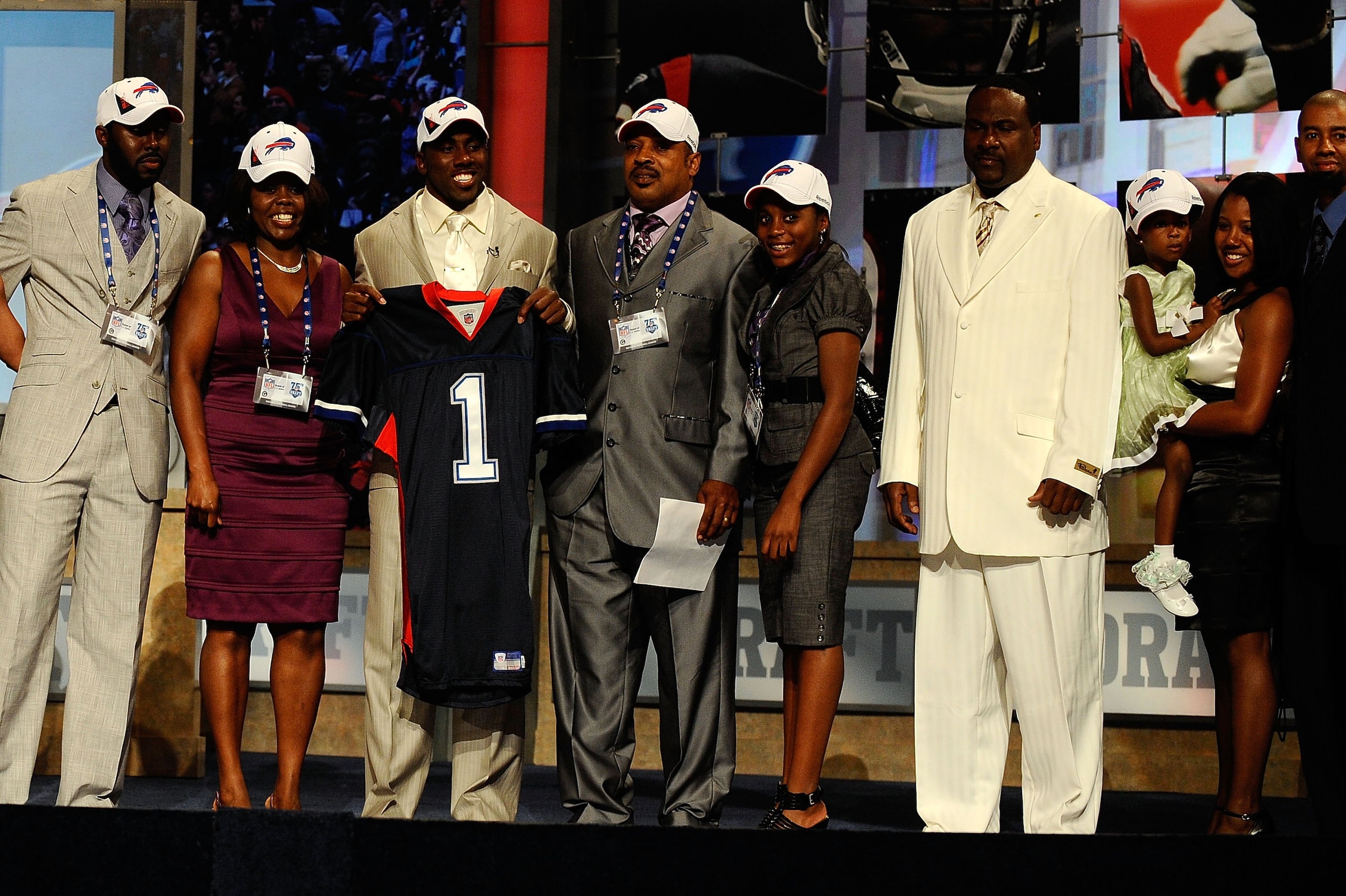
How well does each team know the path traveled by every player to reach the doorstep of becoming employed by an NFL team? Do you know what their upbringing was like? What kind of a support system did they have in place? Do they have someone to turn to for encouragement, support and love when they hit a bump in the road? What happens when things don't always go their way?
Understanding how much adversity they have faced and how they were able to cope with adversity, can be a very telling factor. How much did the Bills dig in to the adversity factors that C.J. Spiller faced in college? He scored on so many long touchdowns by running the ball, catching the ball and returning kicks that things at Clemson were probably not that difficult for him.
Did the Bills have any way of knowing that after he scored two touchdowns against the New England Patriots in week two that he would fail to score again for the rest of the year? Would he get down on himself, or would he battle back?
Fearless
6 of 11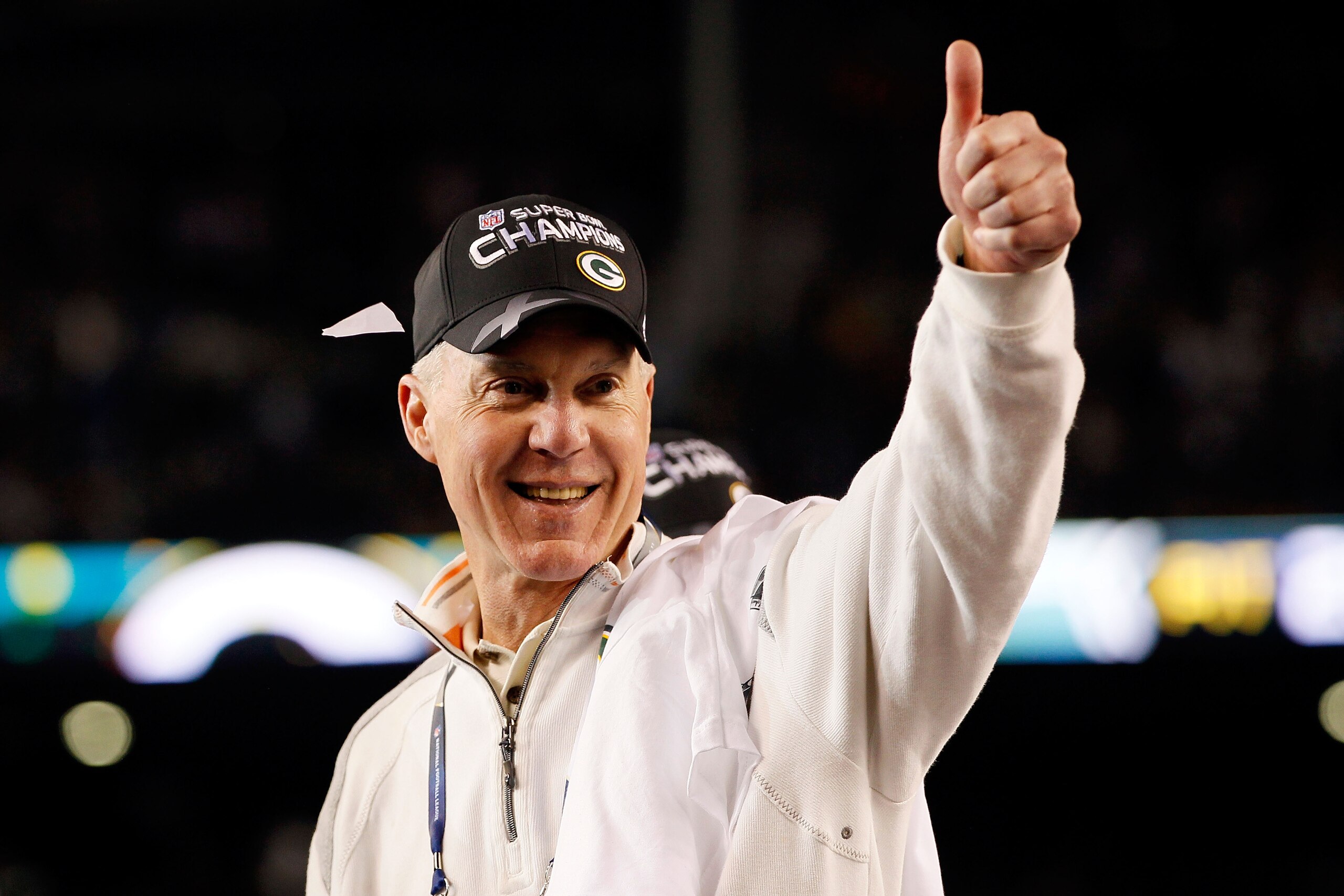
NFL general managers like Ted Thompson have been able to elevate their teams to the pinnacle of the NFL by making solid drafts year after year. The reason they're able to do that is because they've made their share of mistakes over the years; they're able to trust their instincts about who to take.
They know when to take risks and when not to.
Drafting James Starks in the sixth round, even though he had been injured in his senior year at the University of Buffalo, was a great time to take a risk on a player like that, who offered the Packers a high degree of upside. It's moves like that one which allow some general managers to become great at what they do. You can't be afraid of making a mistake.
Able To Learn From Your Mistakes
7 of 11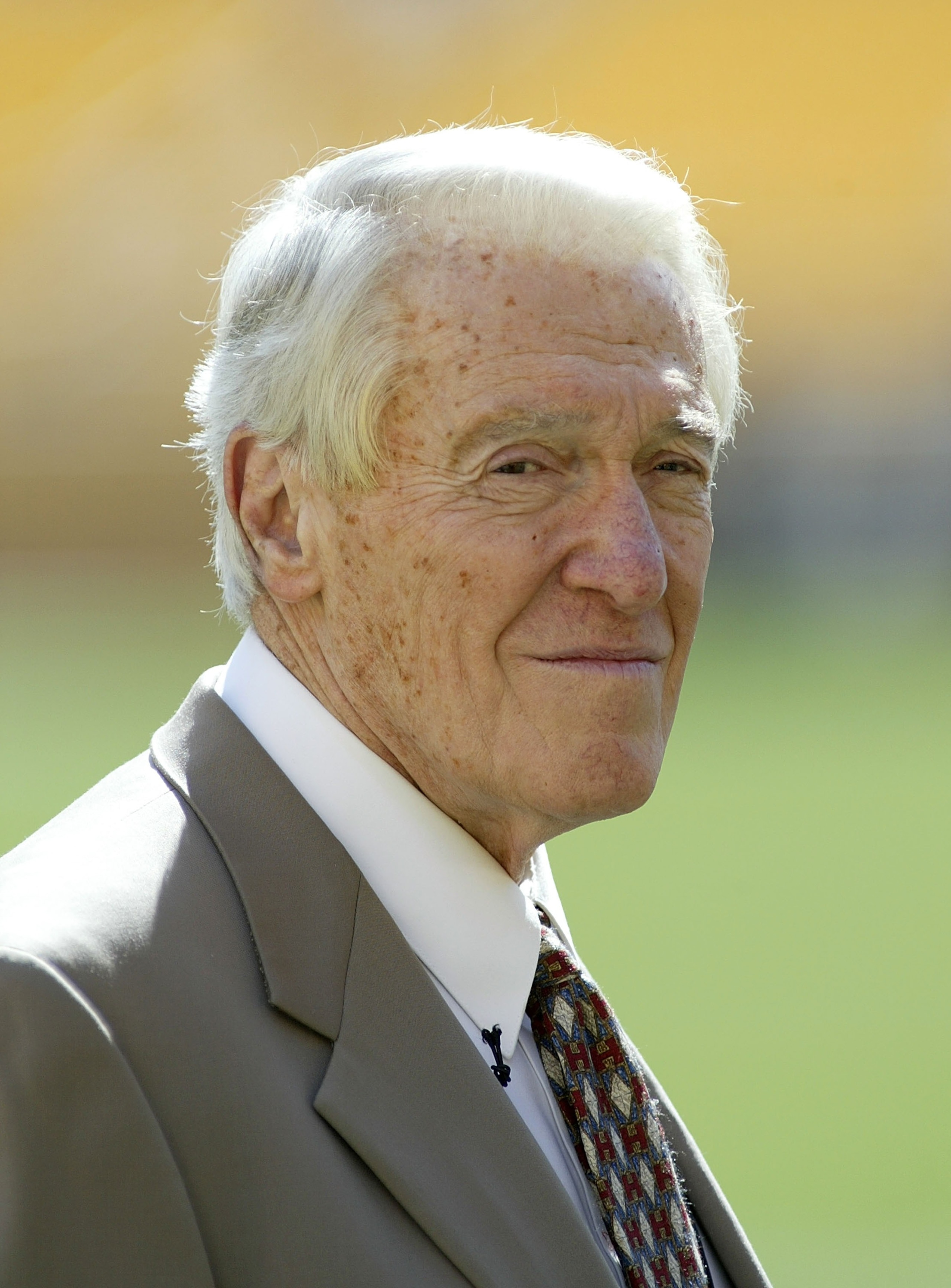
Marv Levy is a NFL Hall of Fame coach. He is enshrined because of his coaching ability, not because of what he did as a general manager of the Buffalo Bills. In fact, Marv is a great example of why not every great football coach deserves to be a general manager.
Once you make a mistake or two in your first draft, you hopefully are able to decipher what went wrong and be smart enough to learn from your mistakes. Some people are able to do that, and wind up with a long track record of great draft picks over the years.
Then there are some people that don't come close to making the same claim.
Understanding All the Intangibles
8 of 11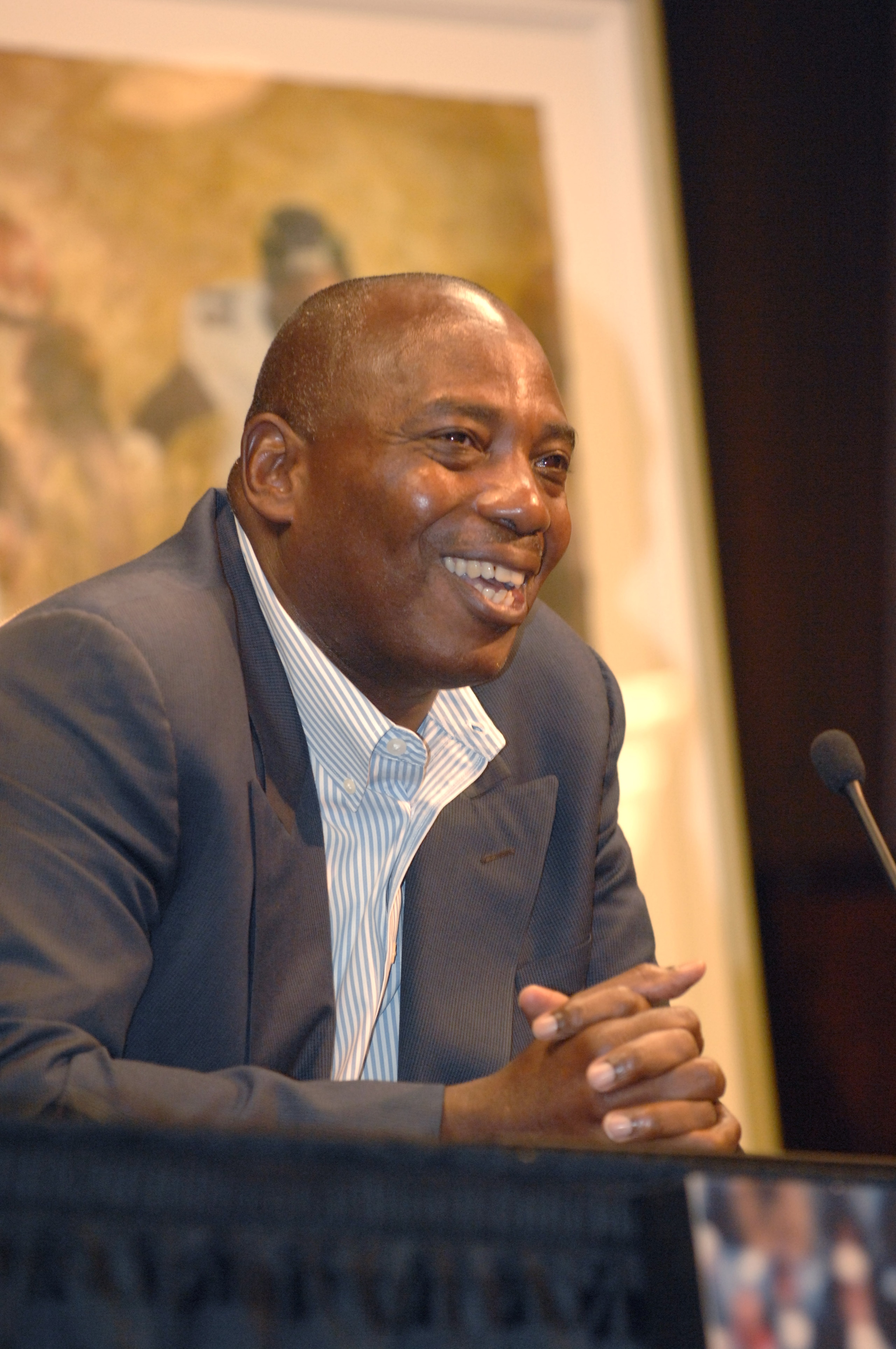
Ozzie Newsome is an example of a general manager that has been able to look at all of the intangibles and decipher them to come up with one successful draft after another.
There are so many intangible qualities to look at; personality, football intelligence, memory and recall, making quick decisions in a game, work ethic, perseverance, character, love of the game and pedigree.
Then there are other intangibles to think about, such as: marketability, players desire to play for your team, what agent he signed with and will that relationship be easy or hard to negotiate with. Will the player have outrageous demands likely holdout?
Is there another sport involved like pro baseball, and which sport will he ultimately choose? This is a wide ranging area, but is one where the great general managers excel and the average ones get hung up on.
Technology Savvy
9 of 11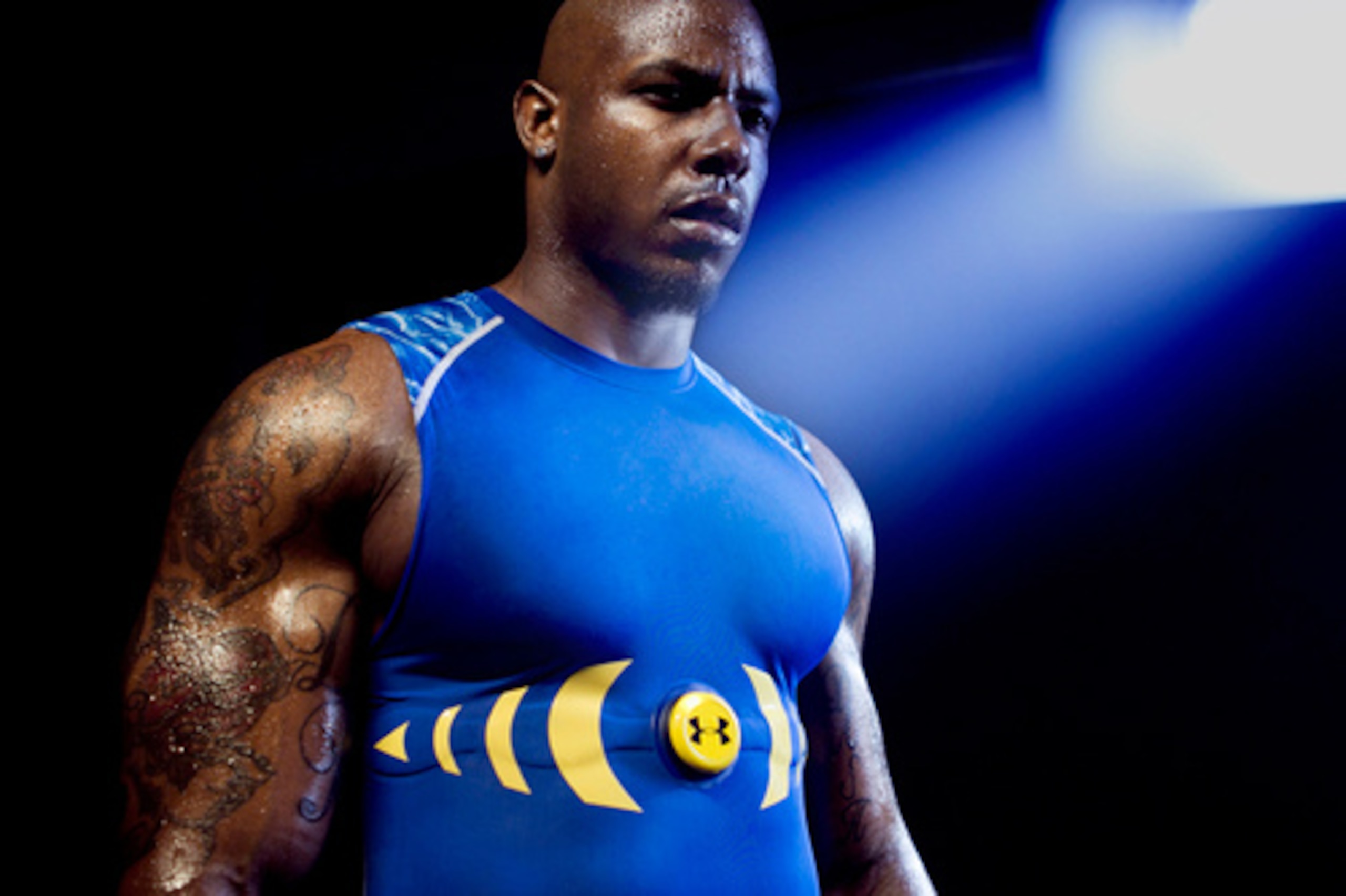
From surfing the web, to the latest technology advancements in evaluating athletic performance, talent evaluators need to stay on top of all the new means to determine what makes a player tick.
Some of you may have caught the bit on the first day of the combines about the new Under Armour electronic shirt that can test for explosiveness, among other things. It's unbelievable what keeps coming out, and organizations need to ably consider how the new knowledge can be added in to the mix.
I think talent evaluators that are afraid to learn new technology will basically find they're headed to the way of the dinosaurs.
Tunnel Vision
10 of 11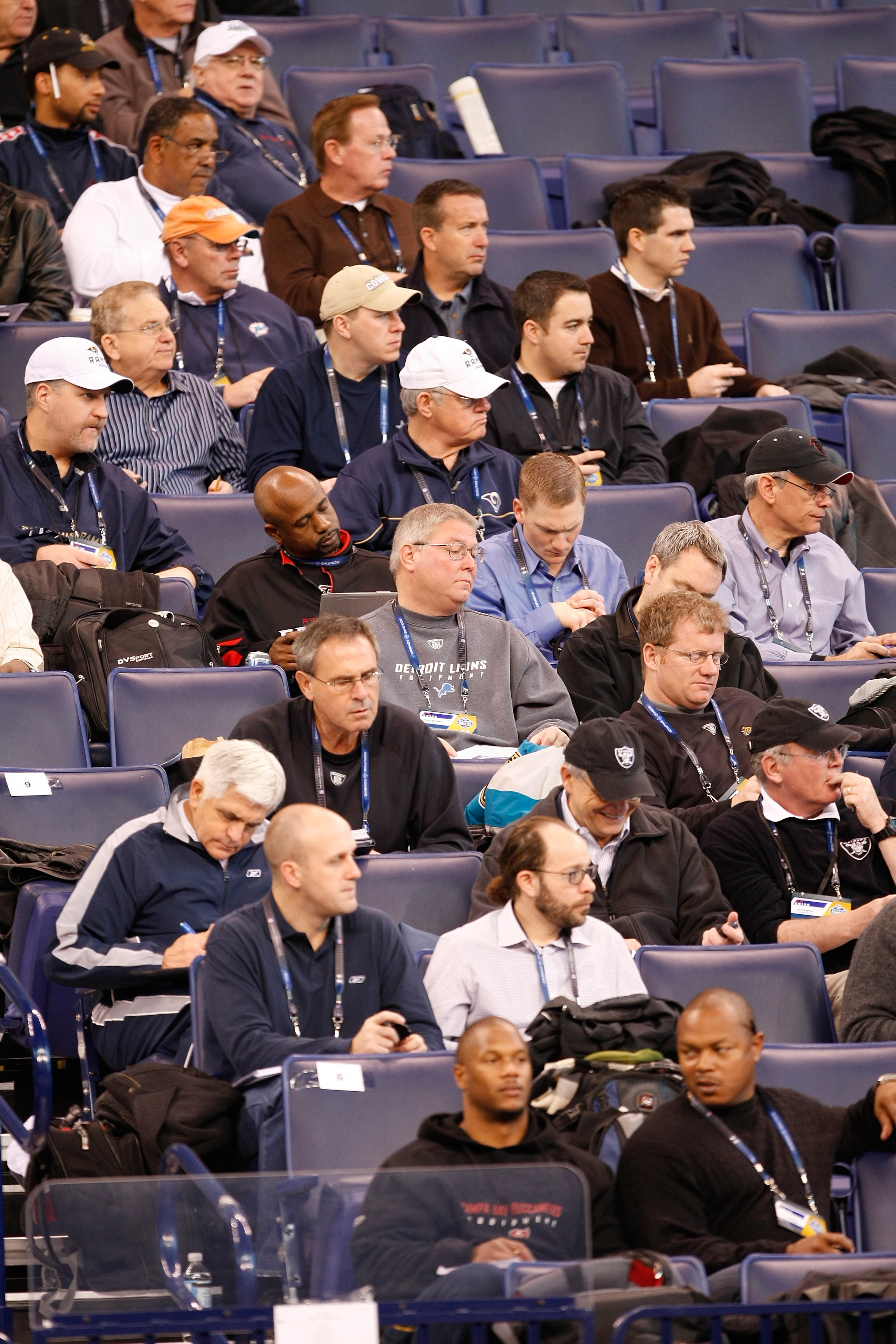
There are going to be a ton of evaluators present at the combines, in addition to all of the national media and industry experts. When they start interfacing with each other, and then the public adds their two cents, a whirlwind of opinions start to form what we refer to as general public opinion.
The successful talent evaluator is able to brush all of the public sentiment aside and focus on what his team needs him to do, or who is the best player for his organization. Feeling public pressure and changing your mind to please what everybody else is a sure formula for losing your way and looking back with regret.
We could also add "trust no one," because we've heard how assistant coaches will come in overnight and alter the teams' draft board to elevate players they want the team to draft. Teams now resort to taking a picture of their board every night to make sure it hasn't been altered.
Bottom Line: Turning over Every Stone
11 of 11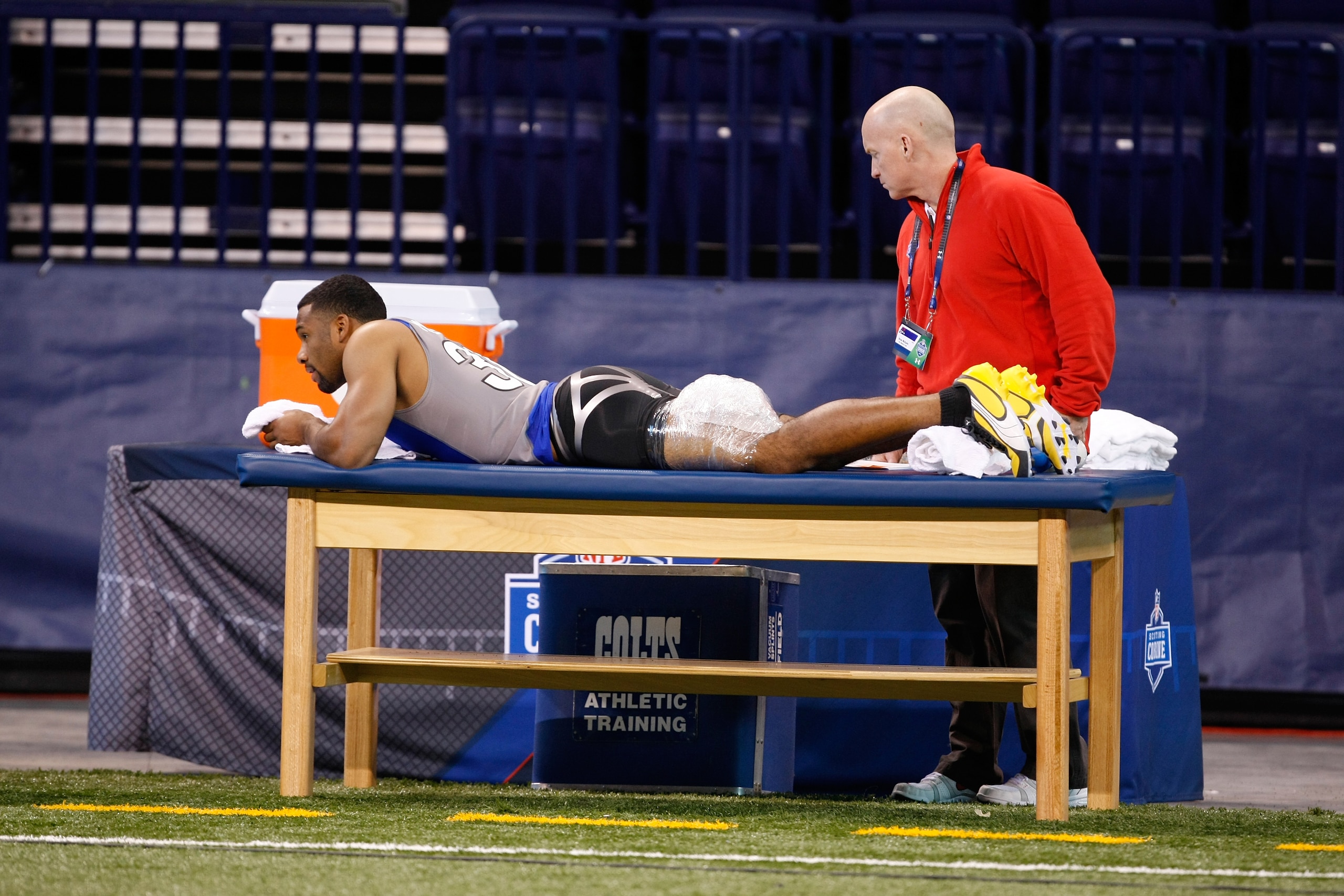
From doing background checks, to having team doctors look at past injuries, to putting the players through all of the various workout drills, the talent evaluators have to dot every "i" and cross every "t," to make sure they have done their due diligence.
Here is a review of what every top evaluator needs to be successful. You can compare this list to your favorite team and determine how many of these areas are his strengths and which ones are lacking.
1) Good Cop Bad Cop
2) B.S. Detector
3) Establishing a Professional Network
4) Become A Film Critic
5) Understanding the Make Up of Every Player
6) Fearless
7) Able To Learn From Your Mistakes
8) Understanding All the Intangibles
9) Technology Savvy
10) Tunnel Vision
If you are aware of other qualities that we haven't included, feel free to chime in.
.jpg?w=2560 "Vikings Giants Football")
.jpg?w=2560)