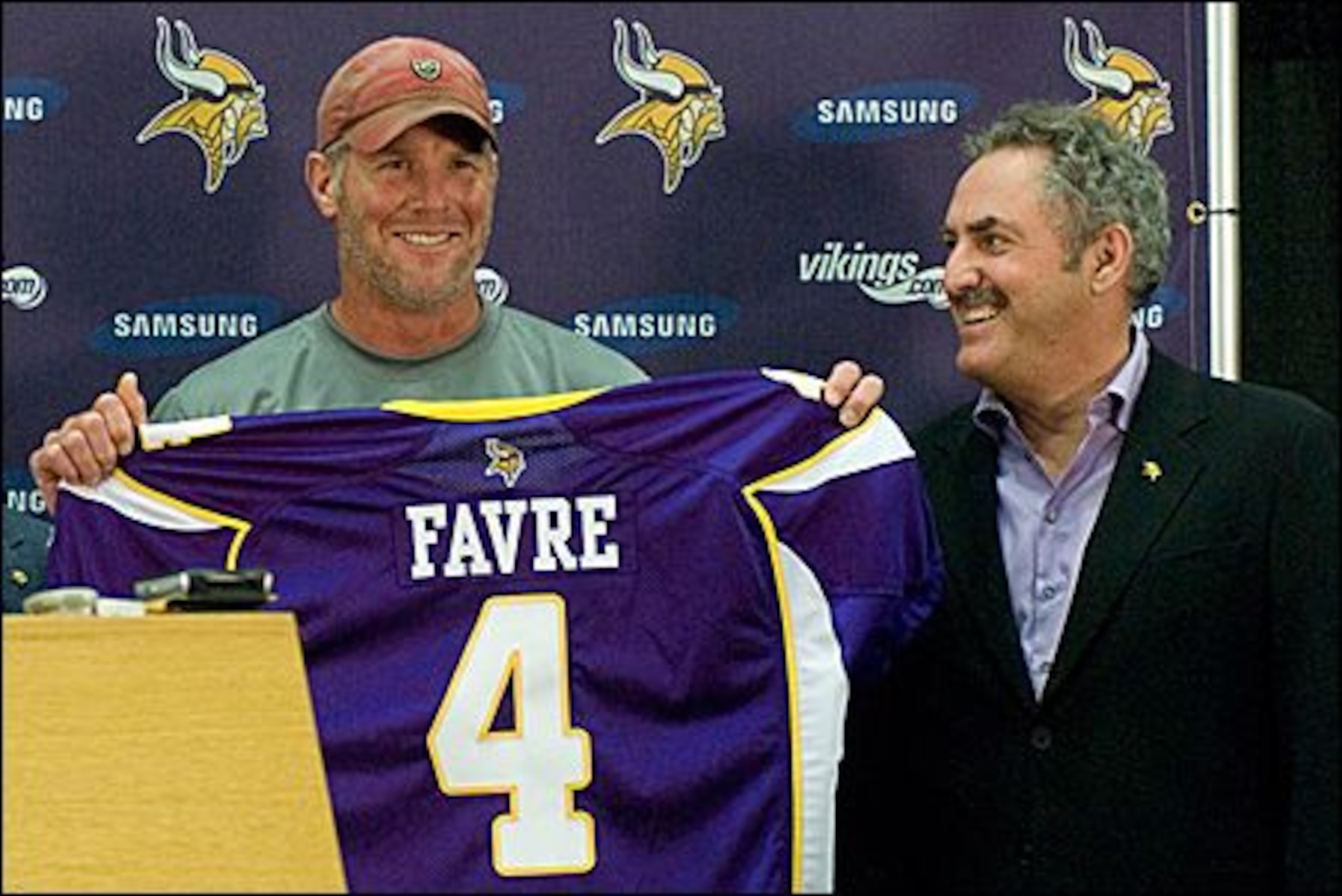

Power Ranking the Most Disappointing Acquisition in the History of Each NFL Team
Power Ranking the Most Disappointing Acquisition in the History of Every NFL Team
Power ranking the most disappointing acquisition in the history of every NFL team is as fun as it is challenging.
Now, for the most part, disappointments come from high draft choices. But to avoid the same old collection of “Ryan Leaf, JaMarcus Russell, and the biggest NFL Draft busts” we’ve kept all draft choices off this list.
Since free agency is a relatively modern invention in the NFL (the unrestricted phase beginning in 1993), most of these entries will be from the past 20 years. But trades are also eligible for this list, and those date back to the beginning of the NFL.
For these players, it doesn’t matter if their tenure with the new club was soiled by injury, arrest, bad coaching, or just poor play. No excuses on this list!
And since we’re talking about the worst ACQUISITIONS in team history, we’re only looking at one side of the deal: The Bucs dealing Steve Young AWAY isn’t what we’re talking about.
Expectations are also going to be a key factor: Sure the Cardinals signing Emmitt Smith or the Rams signing Joe Namath didn’t produce much. But given their age, neither was expected to be the Super Bowl MVP they once were.
Philadelphia Eagles: Signing Jevon Kearse, DE
1 of 32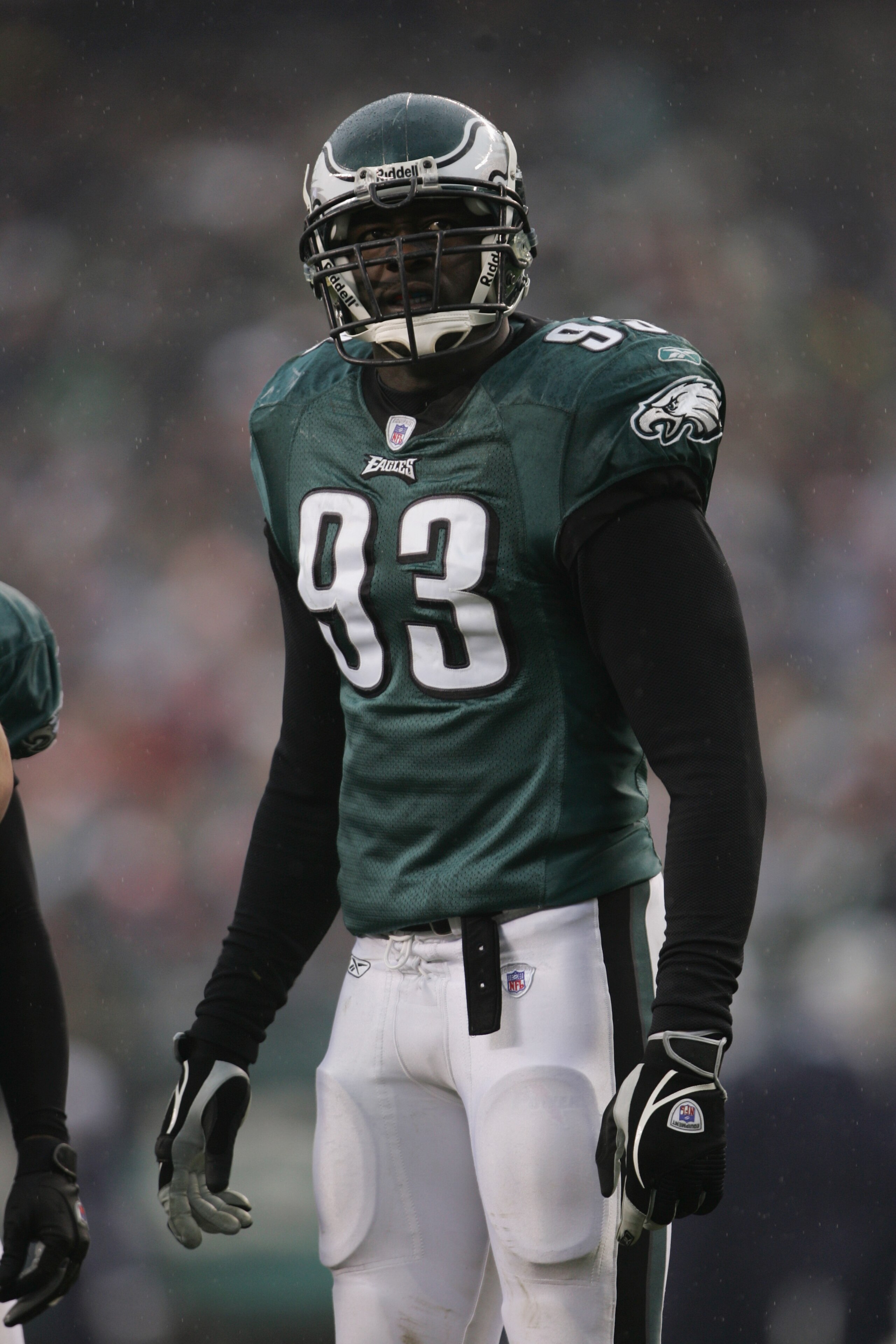
How Acquired: Free Agent, 2004
Tenure: Four years
With Tennessee, “The Freak” was a three-time Pro Bowler and a two-time runner-up for NFL Defensive Player of the Year.
During the 2004 offseason, despite a recent knee injury and diminished productivity, he was the most coveted defender on the open market. A month before they signed Terrell Owens, the Eagles locked up Kearse with an eight-year, $66 million ($16 million bonus) deal.
Kearse’s stay in Philadelphia wasn’t a disaster: He played four years and recorded 24 sacks, including two during the club’s run to Super Bowl XXXIX.
But it wasn’t quite worth the enormous money or the enormous hype.
New York Giants: Signing LaVar Arrington, LB
2 of 32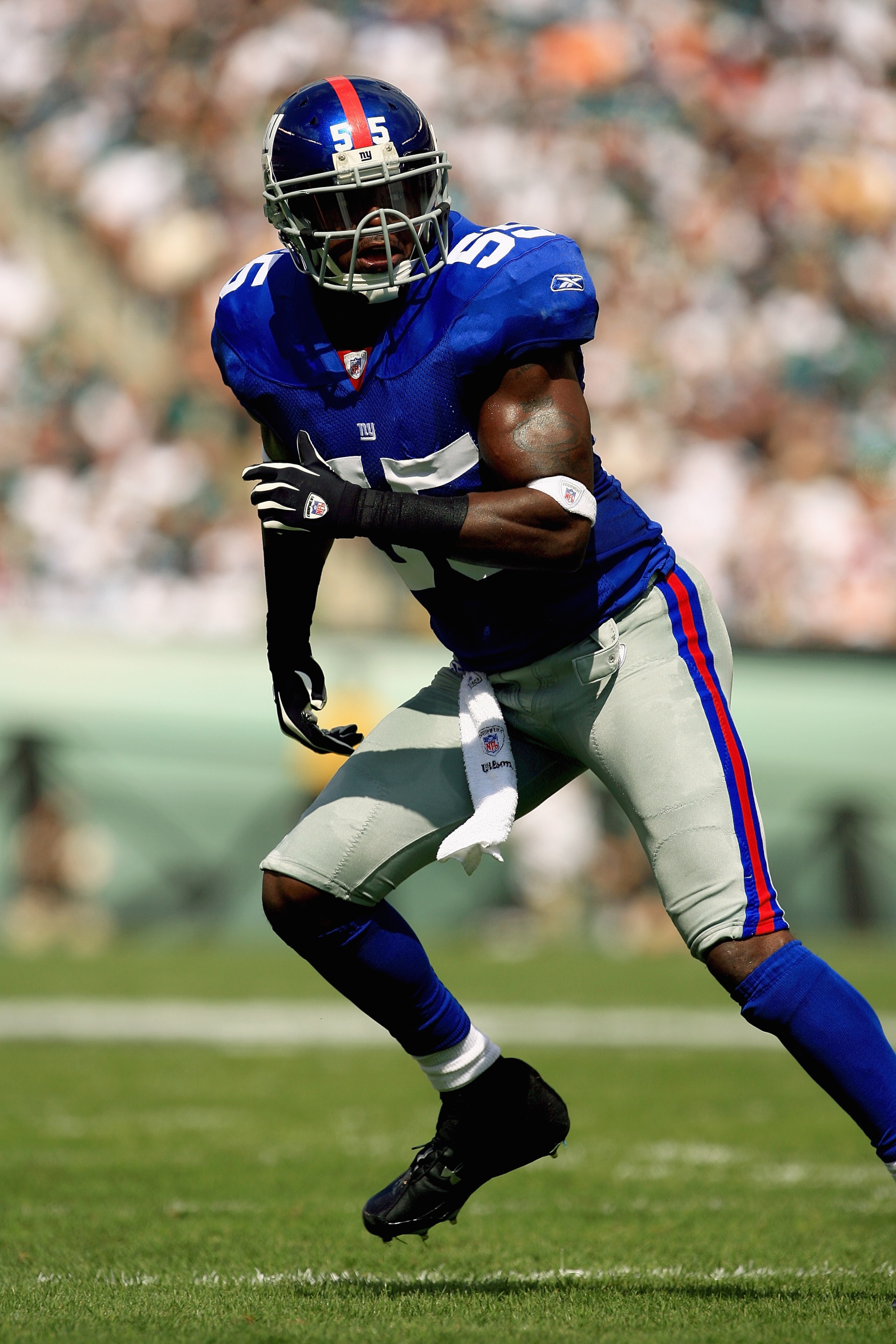
How Acquired: Free Agent, 2006
Tenure: One year
Arrington was an incredible talent at Penn State and for six years with the Washington Redskins he largely lived up to being the second overall selection in the 2000 draft.
He went to three straight Pro Bowls, but ran into some injuries and problems with the coaching staff in 2004 and 2005.
The Redskins essentially released him in the spring of 2006, but because he was only 28 years old, he was a very attractive free agent.
Washington’s rival, the New York Giants, jumped at the chance and so did Arrington. They signed him to a seven-year, $49 million deal.
But against the Cowboys in Week 7 of 2006, Arrington tore his left Achilles tendon and missed the remainder of the year.
At the end of the season, the Giants released him and Arrington never played again.
Dallas Cowboys: Signing Mike Vanderjagt, K
3 of 32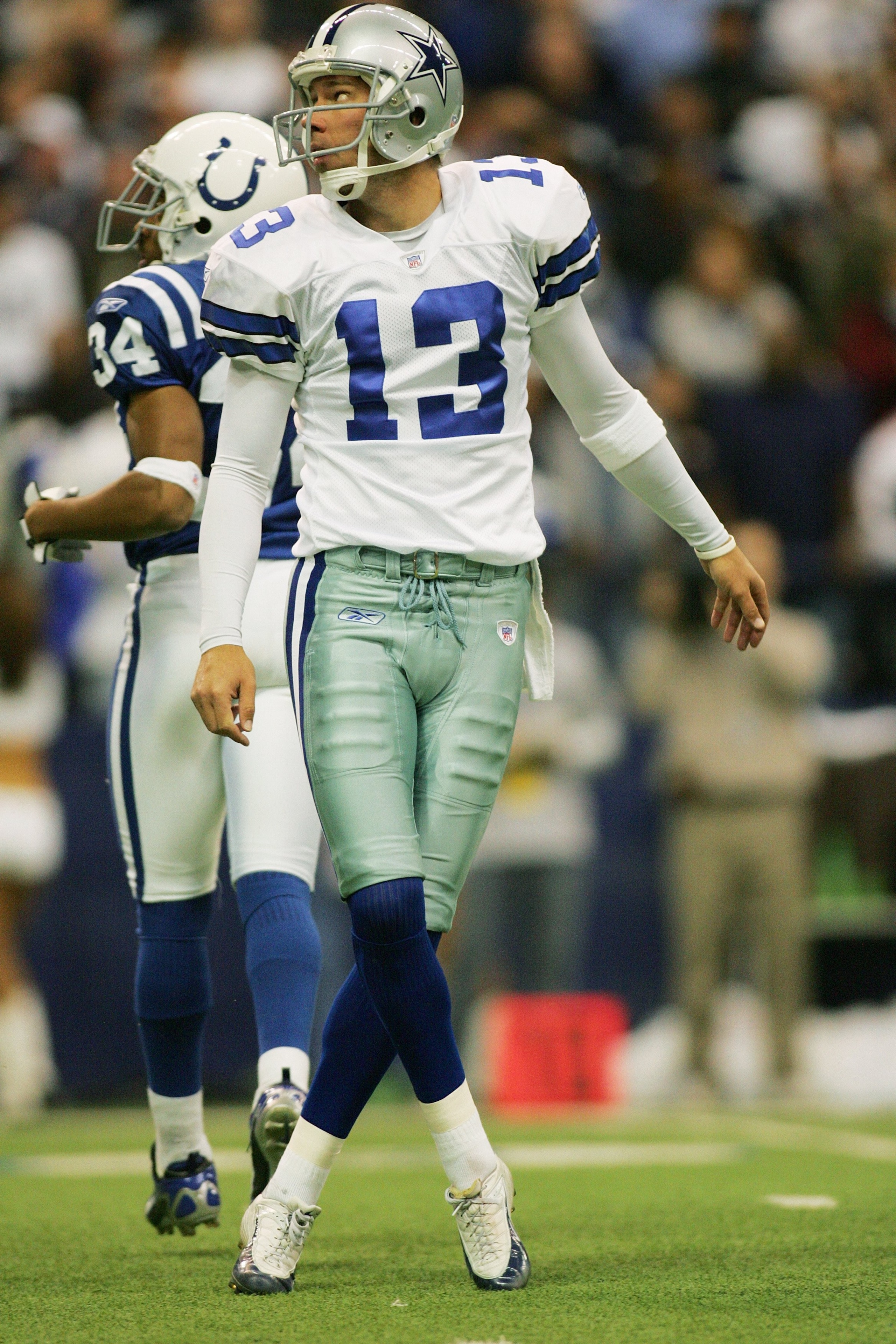
How Acquired: Free Agent, 2006
Tenure: One year
After shanking the game-tying field goal in a playoff loss to the Steelers, free agent Mike Vanderjagt wasn’t brought back to the Colts following the 2005 season.
In attempt to correct their woeful kicking game, the Cowboys gladly gave him a three-year, $5.4 million deal.
Between a horrible preseason, injuries and a handful of misses, the tenure of Dallas’ “idiot kicker” ended after just 10 weeks; the Cowboys cut him in late November.
Dallas has made a handful of bad trades (Roy Williams) and bad free-agent acquisitions (Ryan Young), but because Vanderjagt was viewed as such a reliable acquisition, he’s the worst of them all.
.jpg?w=2560 "Patriots Seahawks Football")
.jpg?w=2560 "Buccaneers Football")
Washington Redskins: Signing Albert Haynesworth, DT
4 of 32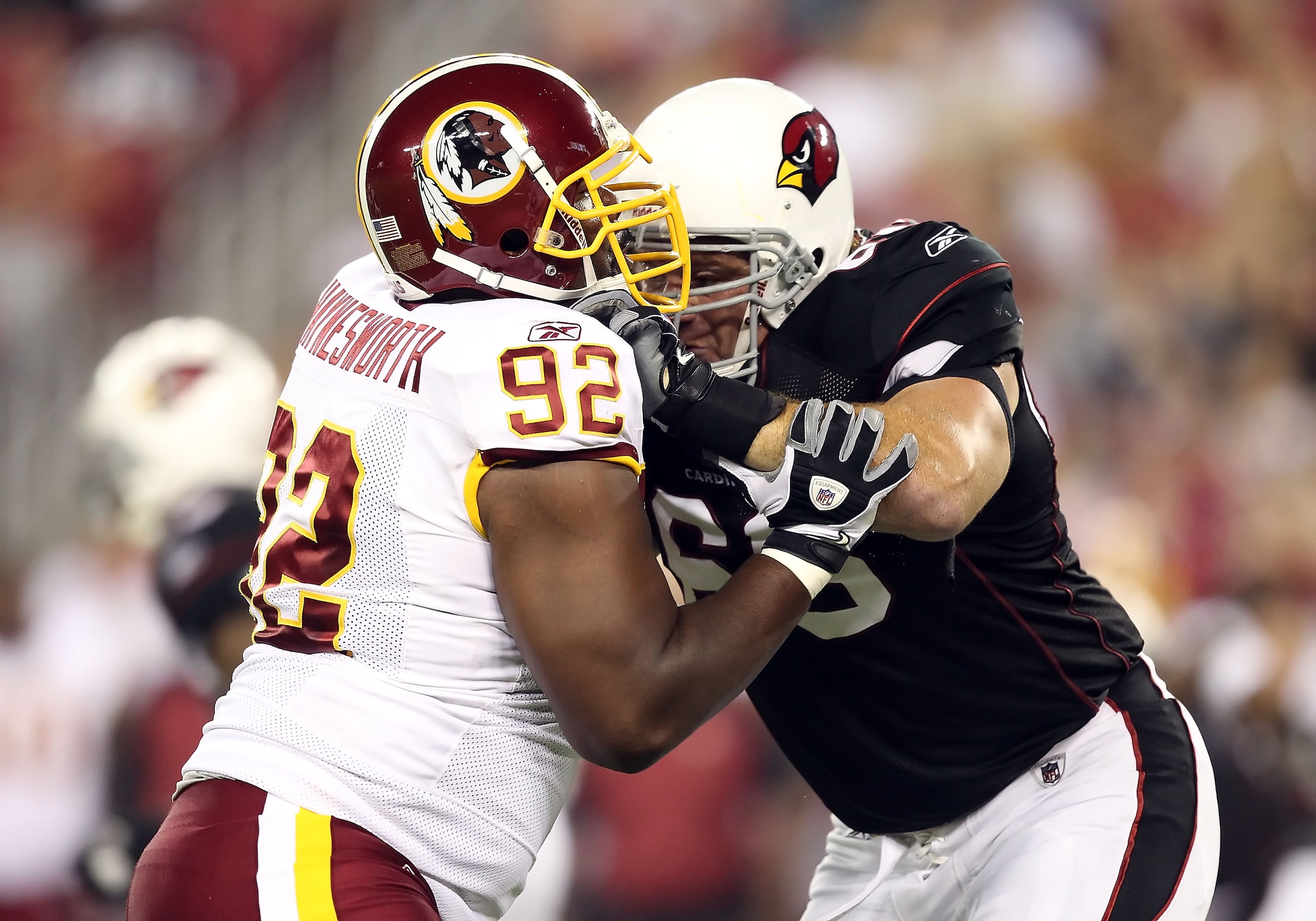
How Acquired: Signing Free Agent, 2009
Tenure: Two years????
Maybe we’re blinded by the immediacy of Haynesworth—after all, the Redskins signing Deion Sanders and Adam Archuleta were borderline tragic.
But because Haynesworth was only 27 and coming off back-to-back All-Pro seasons, he faced much higher expectations.
And considering his suspension, his infamous “nap” on the ground during a loss to the Eagles, and his alleged sexual assault, the Redskins have never made a worse move in terms of performance or PR.
Chicago Bears: Trading for Rick Mirer, QB
5 of 32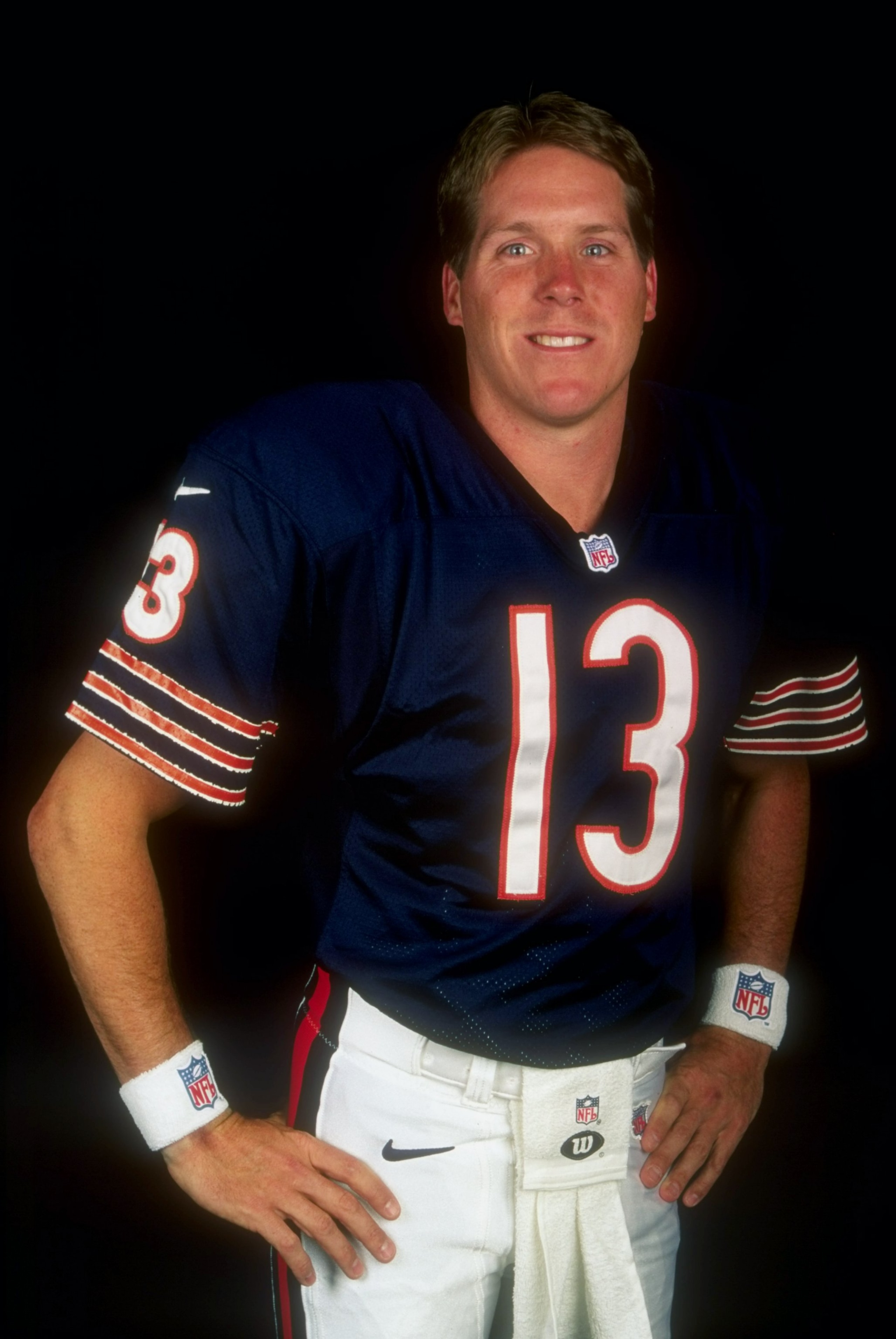
How Acquired: From Seattle in exchange for draft choices, 1997
Tenure: One year
It’s one thing to overspend for a player with a proven track record, like a Pat Swilling or Herschel Walker.
But what were the Bears thinking—other than his Notre Dame connection made for a good story—when they gave up the 11th overall pick in the 1997 draft for Rick Mirer? (The Bears also got a fourth-rounder as a part of the deal)
Mirer was 20-31 as a starter and threw 17 more interceptions than touchdowns in four season with the Seahawks. Yet the Bears somehow thought he was the missing piece to their quarterback puzzle.
He wasn’t.
Mirer started just three games for the Bears, losing both of them, while tossing six interceptions and zero touchdowns. He was cut before the start of the next season.
Green Bay Packers: Signing Joe Johnson, DE
6 of 32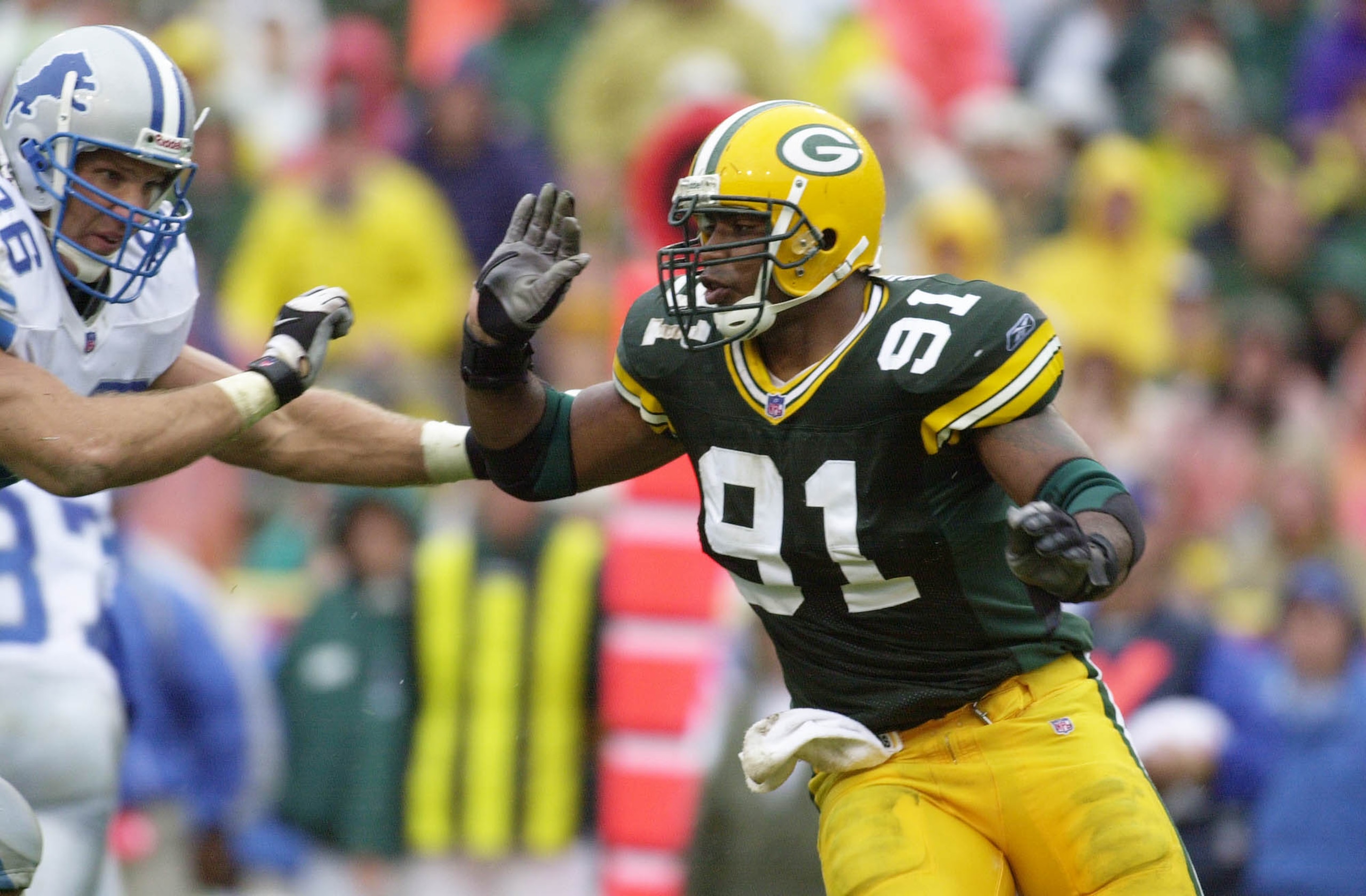
How Acquired: Free Agent, 2002
Tenure: Two years
Widely considered the “the best defensive lineman available in free agency,” Joe Johnson signed a huge deal with Green Bay after another productive season (21 sacks from 2000-01) with the Saints.
But over the next two years Johnson was only able to play 11 games with the Packers and would retire after the 2003 season.
Detroit Lions: Trading for Pat Swilling, LB
7 of 32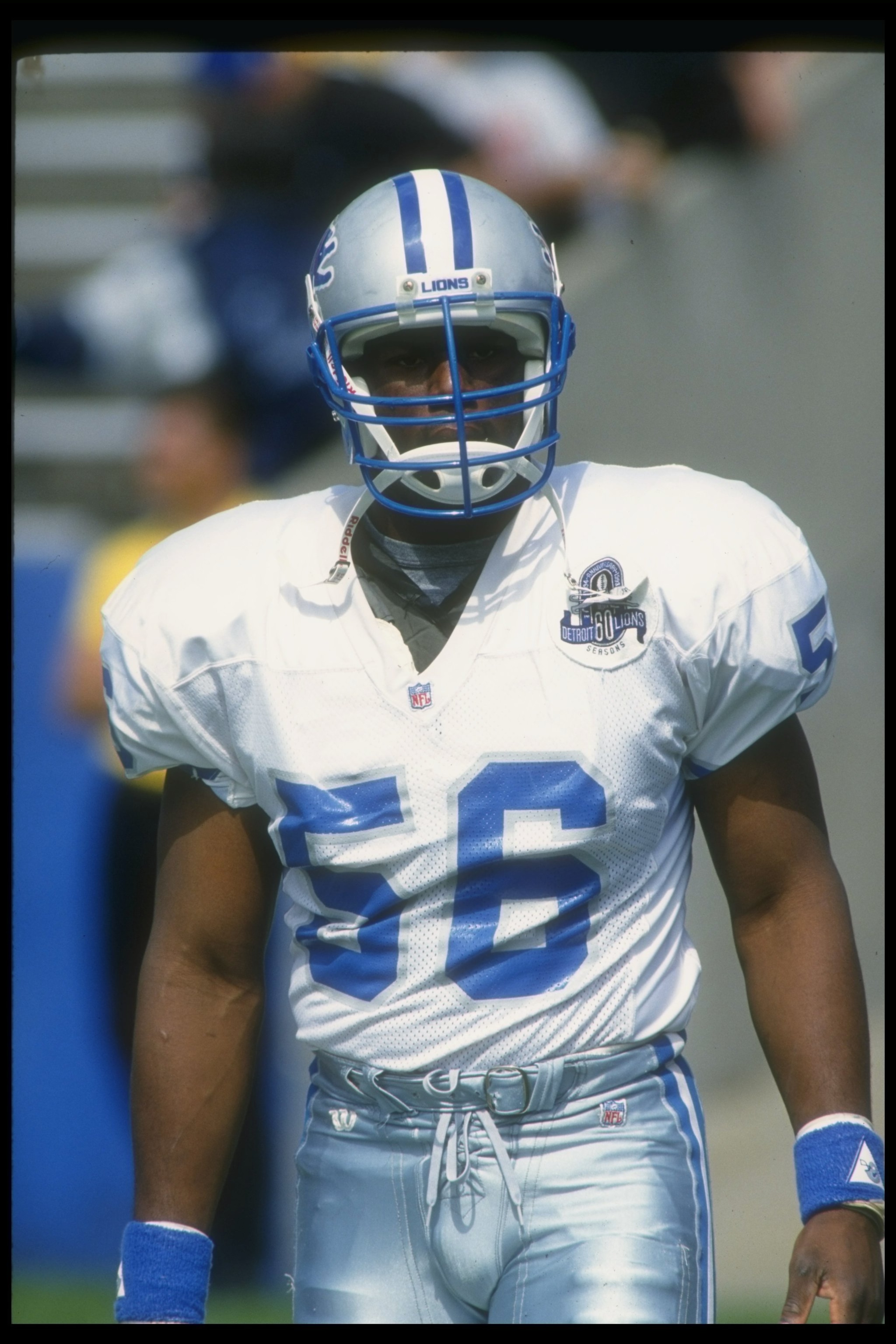
How Acquired: From New Orleans in exchange for draft choices, 1993
Tenure: Two years
As maligned as the free-agent signing of quarterback Scott Mitchell was a year later, at least he had one extremely effective year (4,338 yards, 32 touchdowns) with the club and started 57 games in Detroit.
Furthermore, all they wasted on Mitchell was money. In exchange for Pat Swilling—who started just 21 games and recorded only 11 sacks—the Lions gave the Saints the eighth overall pick in the 1993 draft. (The Saints would spend that on future perennial Pro Bowler Willie Roaf).
Swilling left Detroit after the 1994 season and signed with the Raiders, where he promptly returned to double-digit-sack form.
Minnesota Vikings: Trading for Herschel Walker, RB
8 of 32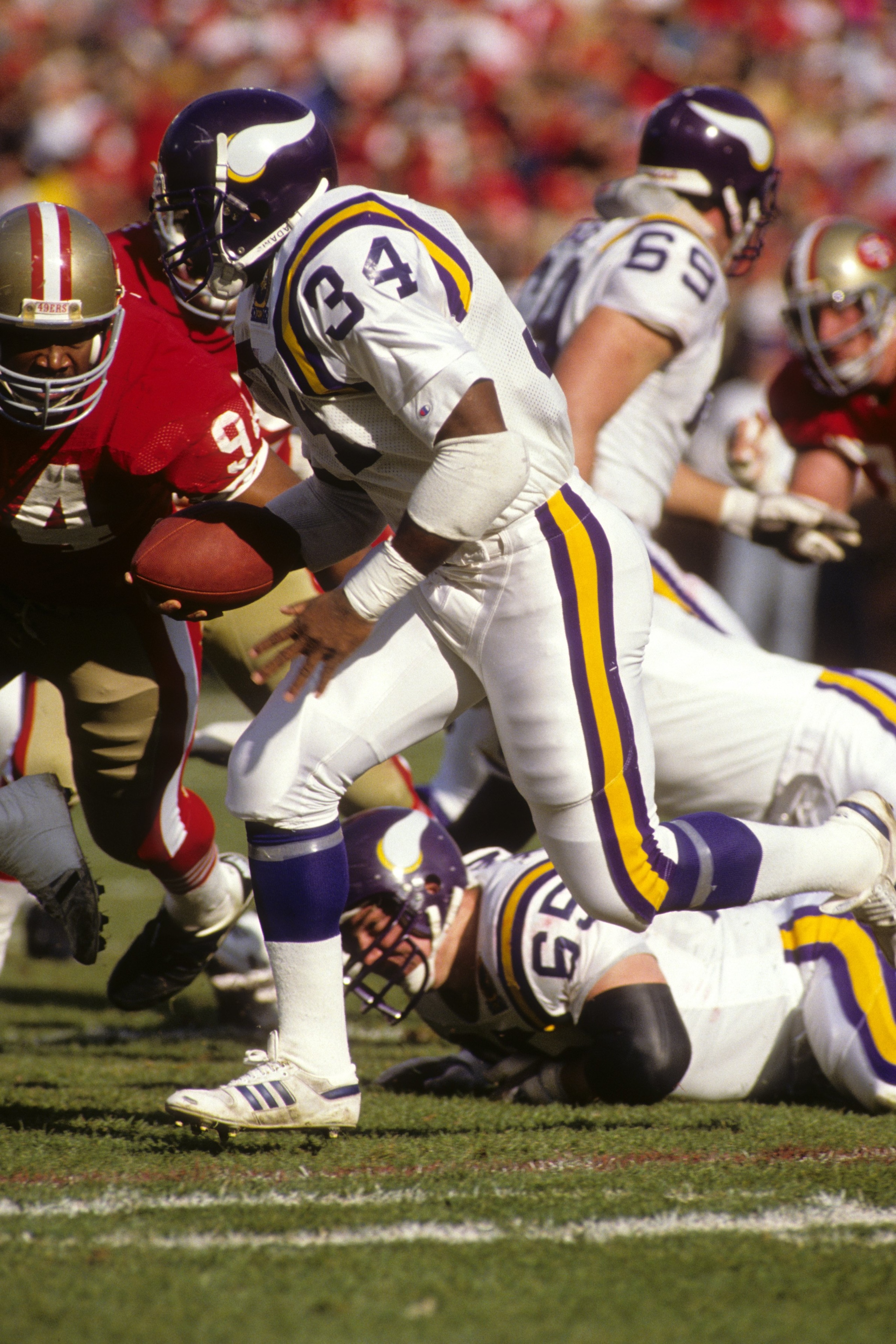
How Acquired: From Dallas, in exchange for players, draft choices, 1989
Tenure: Three years
At the time, everyone thought that Minnesota fleeced the Cowboys and their new-to-the-NFL head coach and owner. Within a few years, it was clear that Dallas was the shrewder of the two.
And not just because they ended up getting players like Emmitt Smith, Darren Woodson, Alvin Harper and Dixon Edwards.
The Vikings were hoping that Walker, who was coming off a 1,514-yard season with the Cowboys, would be the missing piece to a team that had been in the NFC title game two years earlier.
But Walker was never able to be the every-down back they had shipped away a fortune for. After the 1991 season, he was cut.
Atlanta Falcons: Trading for Peerless Price, WR
9 of 32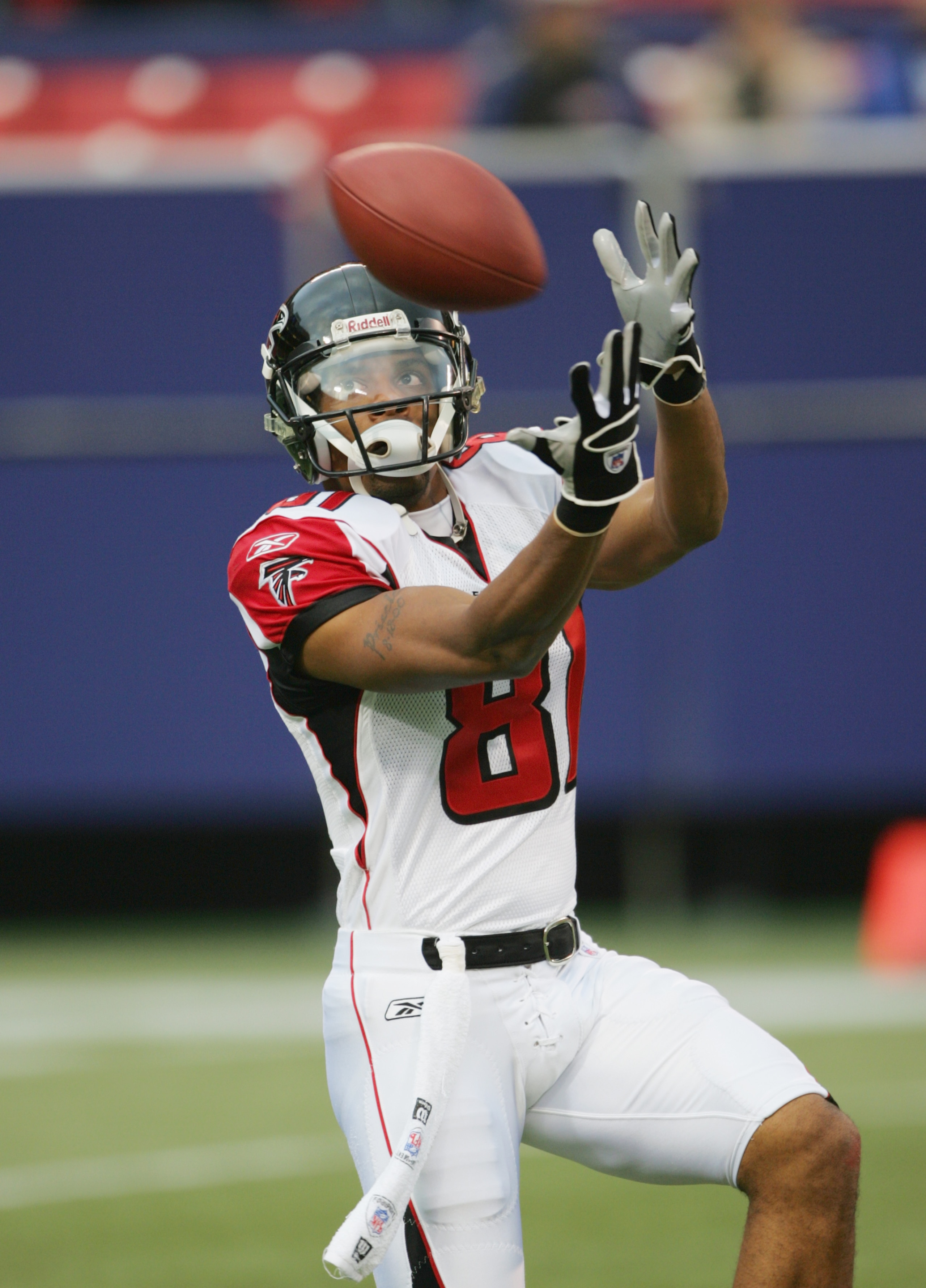
How Acquired: From Buffalo in exchange for draft choices, 2003
Tenure: Two years
In 2002, with Drew Bledsoe throwing him the ball, Peerless Price blossomed into a great receiver for the Bills. He caught 94 passes for 1,252 yards, and nine touchdowns.
Desperate to arm Michael Vick with a receiver capable of those types of numbers, the Falcons gave Buffalo their first-round pick (No. 23) in exchange or Price.
Price had a good first year (64 catches, 838 yards), considering that Vick was sidelined throughout most of the 2003 season.
But with Vick returning to full strength the next year, Price caught fewer than half (45) the number of passes he caught during his great 2002 season.
He was not brought back after 2004 and the Falcons would continue to unsuccessfully search for that Vick target.
New Orleans Saints: Trading for Heath Shuler, QB
10 of 32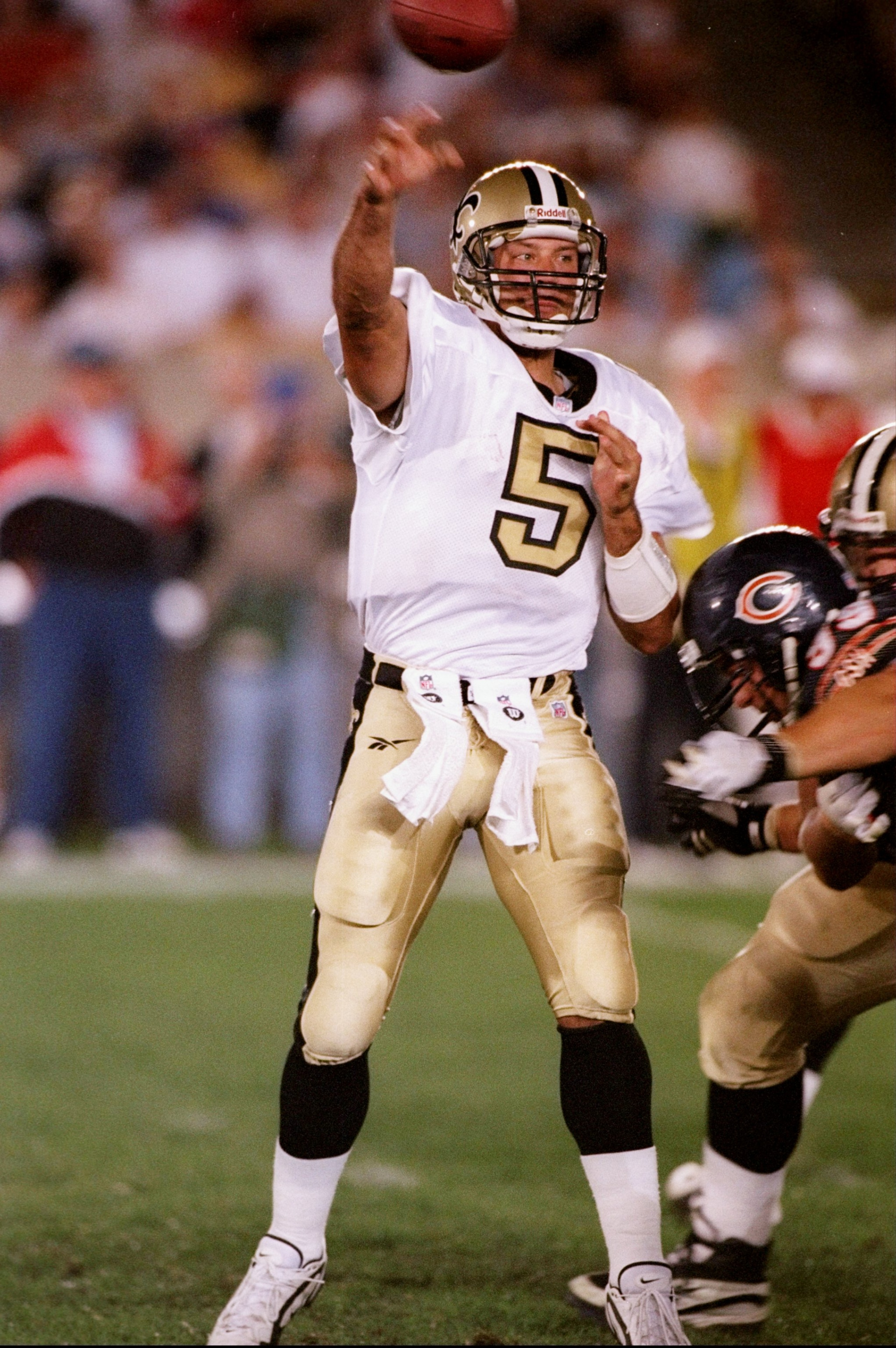
How Acquired: From Washington in exchange for draft choices, 1997
Tenure: One year
Now, the Saints didn’t give up nearly as much as the Bears did in exchange for Rick Mirer: New Orleans gave the Redskins a third- and a fifth-rounder.
But after watching one season of Shuler’s play, the Saints were overwhelmed with buyer’s remorse.
As bad as he was in Washington, Shuler was worse in New Orleans: He threw 14 interceptions and only two touchdowns while losing five of his seven starts.
Shuler retired after that miserable 1997 season and eventually headed for an even more dangerous game: politics.
Tampa Bay Buccaneers: Signing Alvin Harper, WR
11 of 32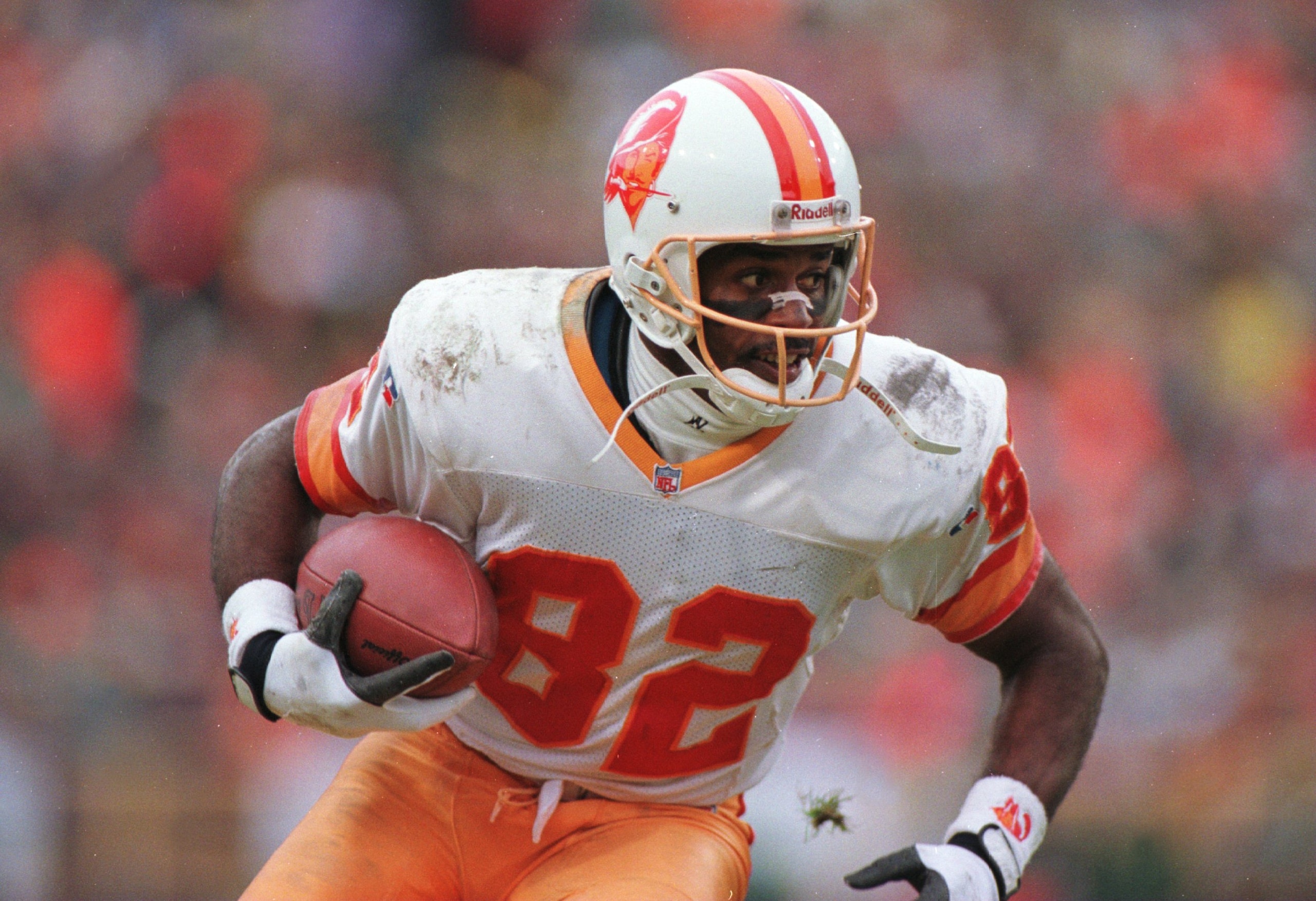
How Acquired: Free Agent, 1995
Tenure: Two years
One of the biggest names on the 1994 free-agent market was Alvin Harper, the big-play dynamo for the Cowboys dynasty.
With Michael Irvin opposite him (and Emmitt Smith in the backfield) Harper had few opportunities to put up great numbers, and never caught more than 36 passes and never totaled more than 821 yards. But he did lead the Cowboys in touchdowns (8) in 1994.
But because he averaged over 20 yards per catch in his career with Dallas, teams went after him when he became a free agent in 1994.
Hoping to give their young former first-round quarterback Trent Dilfer a great pass catcher, the Buccaneers gave him a four-year, $10 million deal.
Although he set a new career-best for receptions (46) his yards-per-catch was nearly cut in half and he scored just two touchdowns.
A year later he caught just 19 passes and was cut after the 1996 season.
Carolina Panthers: Trading for Sean Gilbert, DT
12 of 32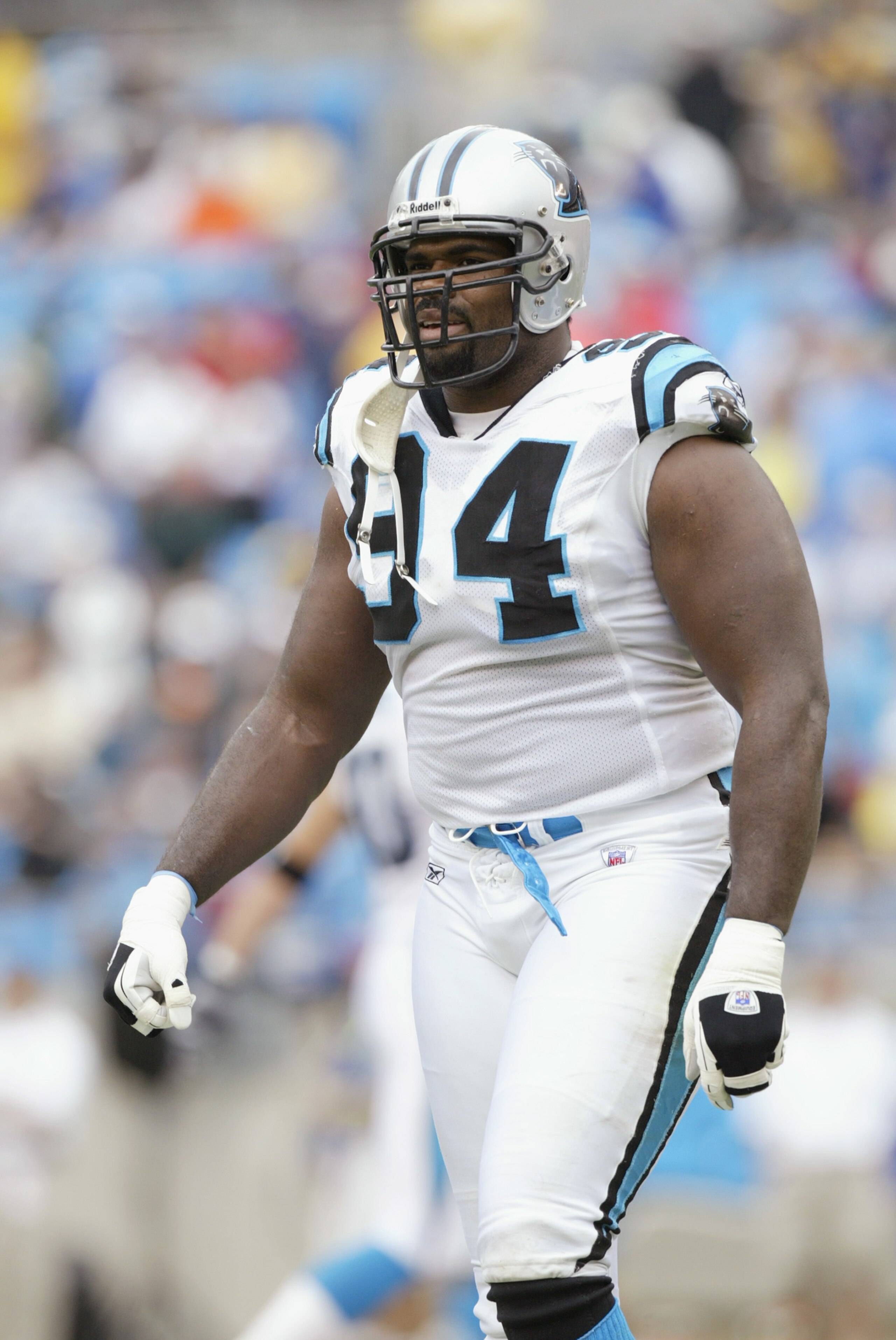
How Acquired: From Washington in exchange for draft choices, 1998
Tenure: Five years
Gilbert, once the third overall pick in the NFL draft, sat out the entire 1997 while disputing his deal with Washington, but he was a pretty good player.
But was he worth both a six-year, $40 million deal AND two first-round picks?
Just for the right to sign him to that enormous deal, the Panthers gave Washington their first-rounders in 1999 and 2000.
He started all but one game over the next three seasons and recorded 12.5 sacks, but he would have had to play like Lawrence Taylor to warrant the contract and picks that turned out to be the fifth and 12th overall.
Needless to say, he didn’t.
Seattle Seahawks: Signing Nate Odomes, CB
13 of 32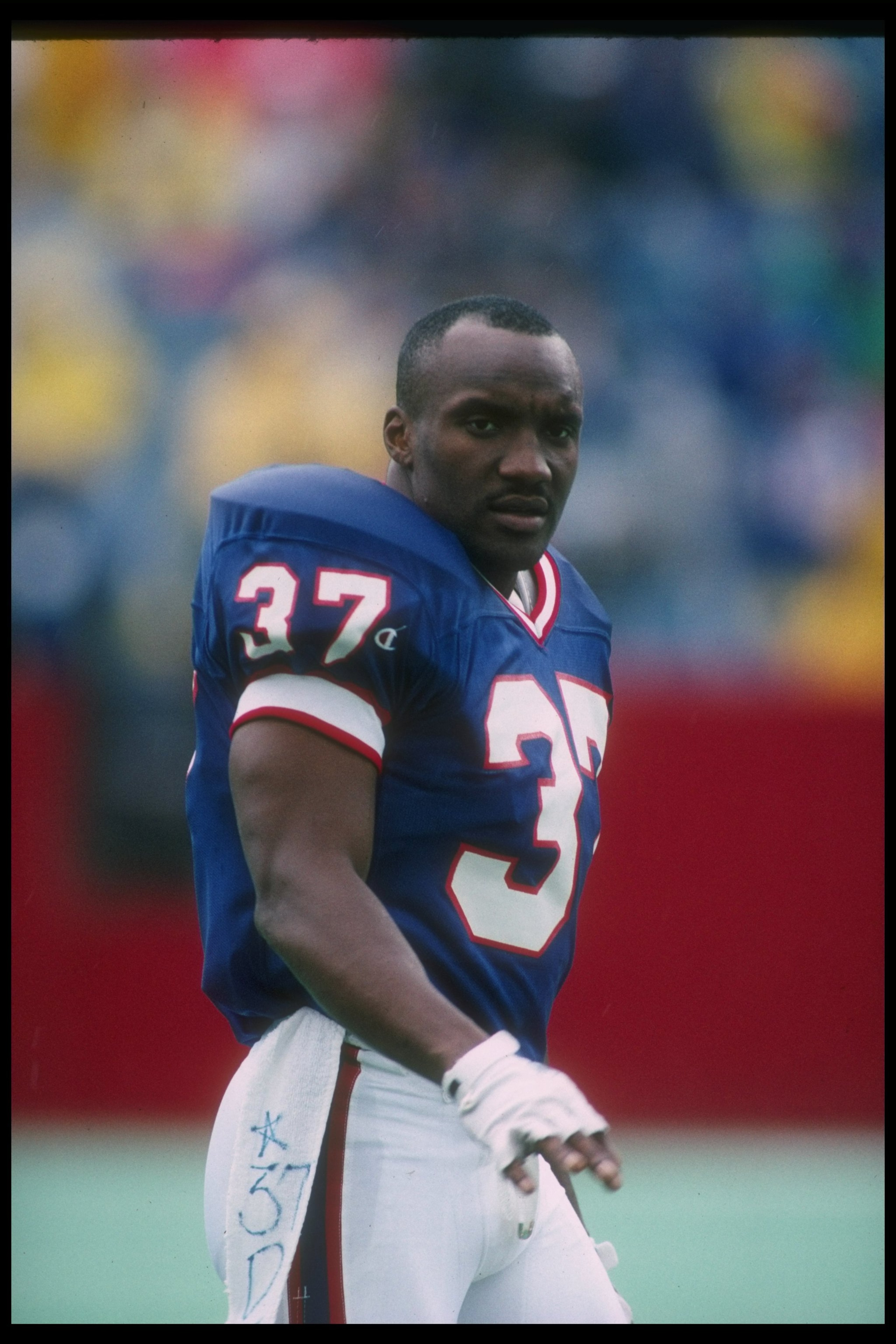
How Acquired: Free Agent, 1994
Tenure: Two years
With a trio of Pro Bowl linebackers and future Hall of Fame defensive end Bruce Smith, the early 1990s Bills secondary was largely overshadowed. But in 1992 and 1993, cornerback Nate Odomes finally earned Pro Bowl spots—great timing with NFL free agency booming.
Already unable to keep high-priced stars like Will Wolford and Shane Conlan, the Bills were also unable to afford Odomes, who signed a four-year, $8.4 million deal to join the Seahawks.
But injuries over the next two years kept him from playing a single down for Seattle, and despite taking a pay cut before the 1996 season he was cut in training camp.
Los Angeles/St. Louis Rams: Signing Chris Miller, QB
14 of 32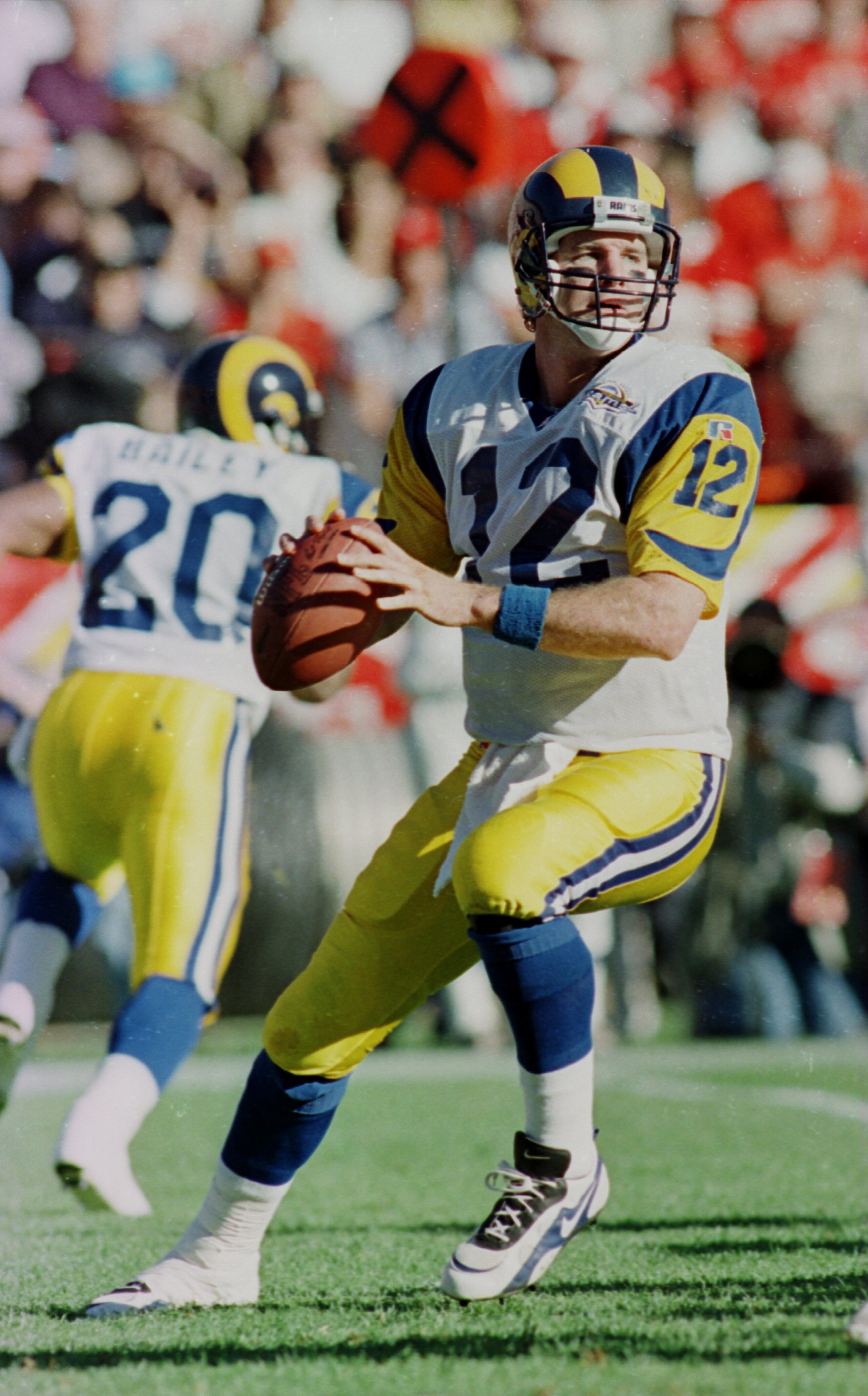
How Acquired: Free Agent
Tenure: Two years
Five years before they (incorrectly) thought they had found their franchise quarterback, Trent Green, on the free-agent market, the Rams jumped at the opportunity to sign Chris Miller, the 28-year-old former pro bowler.
In 1994, the Rams won just two of Miller’s 10 starts and were soon headed for St. Louis, where Miller improved slightly but repeated concussions caused him to sit out the 1996 season, and he was soon released.
San Francisco 49ers: Signing Gabe Wilkins, DT
15 of 32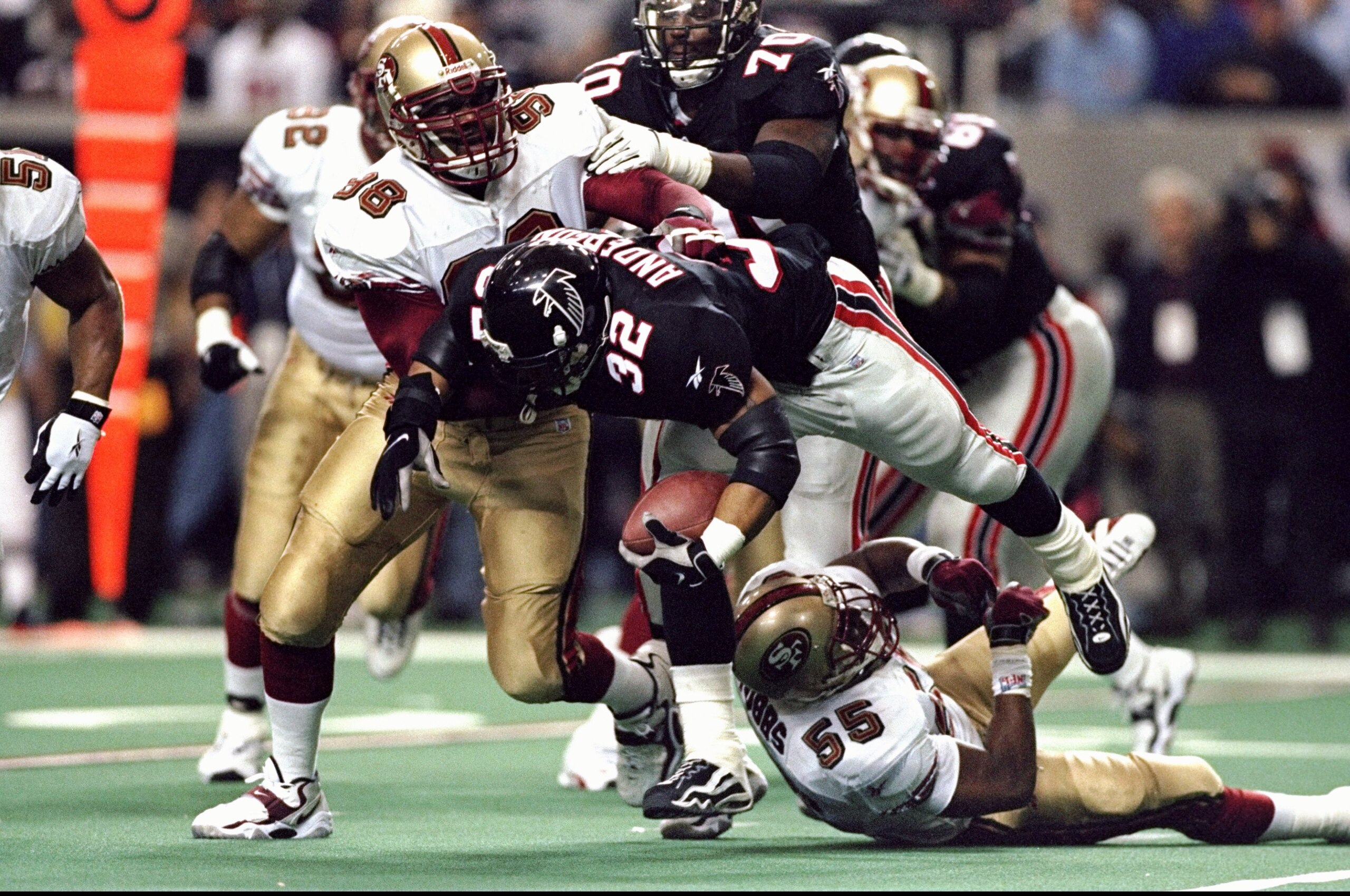
How Acquired: Free Agent, 1998
Tenure: Two years
Watching so much game film in preparation for their frequent postseason battles (1995, 1996 and 1997) with the Packers must have left the 49ers enamored with Wilkins.
After a good fourth season in the NFL (5.5 sacks), San Francisco, looking to replace Dana Stubblefield—who had signed with Washington—gave Wilkins a five-year, $20 million deal.
After just one sack in two seasons, he was released and retired from the NFL.
St. Louis/Arizona Cardinals: Signing Derek Anderson, QB
16 of 32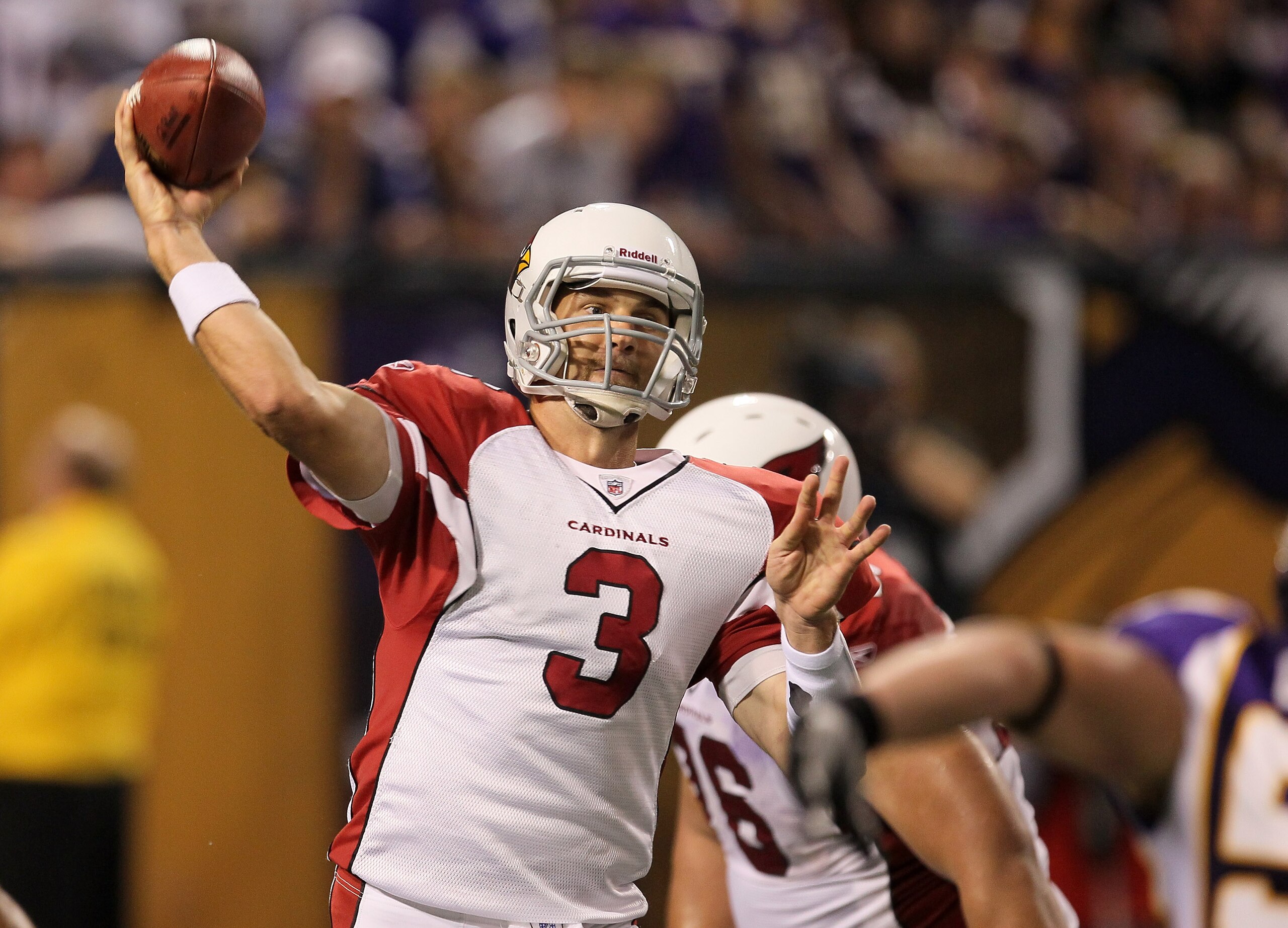
How Acquired: Free Agent, 2010
Tenure: One year???
Anderson could be back next year for the Cardinals. He could have another All-Pro caliber season as well. But based on what we saw in 2010, his first year in Arizona, that seems as about likely as the Cardinals lining up Neil Lomax and Stump Mitchell in their 2011 backfield.
Last year, looking to replace Kurt Warner and unsettled on Matt Leinart, the Cardinals gave Anderson a two-year, $7.25 million deal.
And since he went 2-6 as a starter while throwing 10 picks and completing half his passes, they would have been better off going with their two rookies (John Skelton and Max Hall) and spending that $7.25 million on the NFL’s 32nd-ranked running game or their 30th-ranked scoring defense.
New England Patriots: Trading for Duane Starks, CB
17 of 32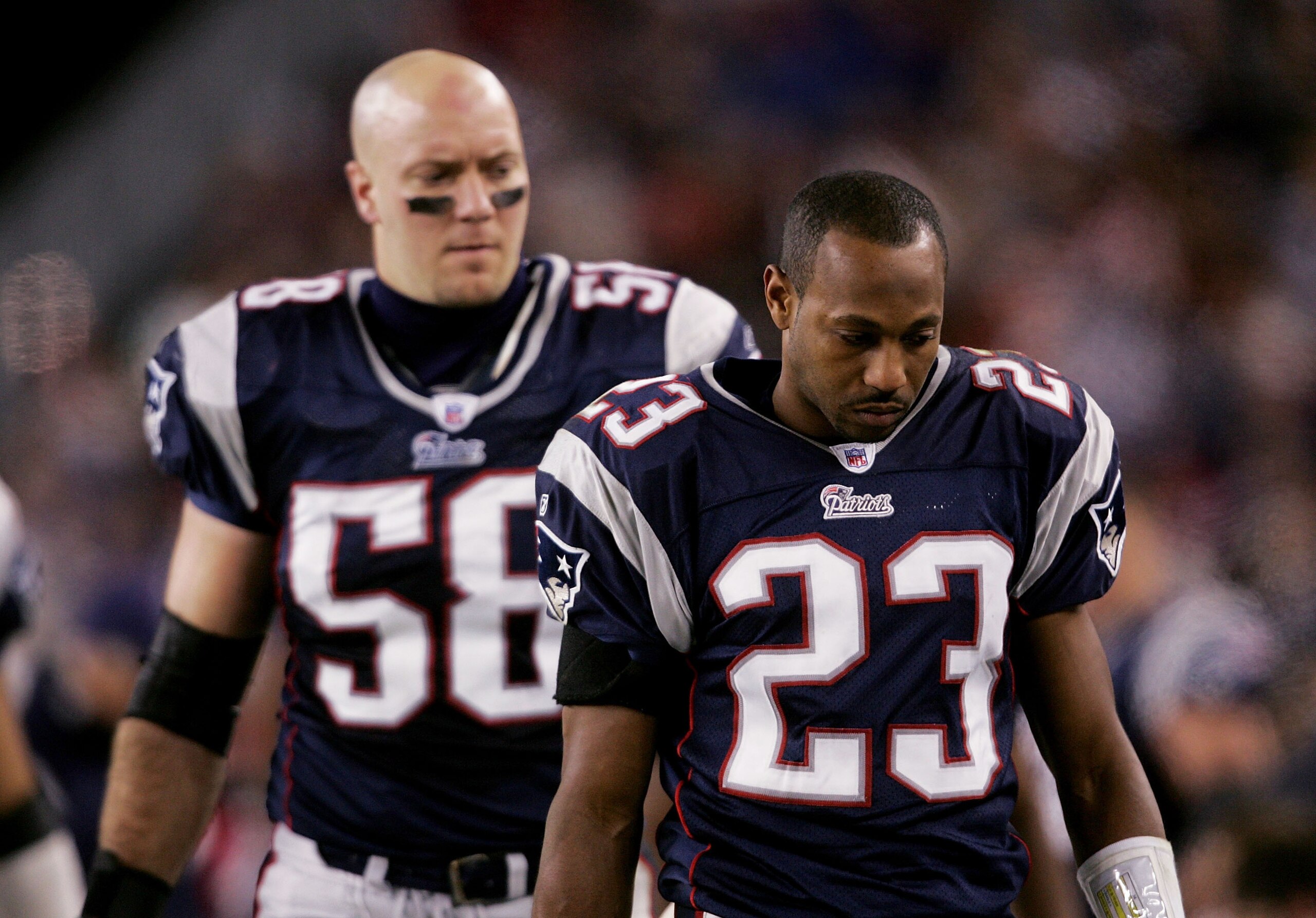
How Acquired: From Arizona in exchange for draft choice
Tenure: One year
With either Bill Parcells or Bill Belichick at the helm throughout virtually all of the free agency era, the Patriots have made very few unwise trades and free-agent signings; even bringing in “malcontents” like Corey Dillon and Randy Moss proved to be brilliant moves.
But New England did misstep when they tried to replace Ty Law—who had left for the rival Jets after wanting a huge contract—with Duane Starks.
In exchange for a third-round pick, the Patriots received Starks, who had struggled with injuries after signing a five-year, $23 million deal to leave the Ravens in 2001.
Two months into that first year with the Patriots, a shoulder injury landed Starks on IR and he was cut the next offseason.
New York Jets: Signing Neil O’Donnell, QB
18 of 32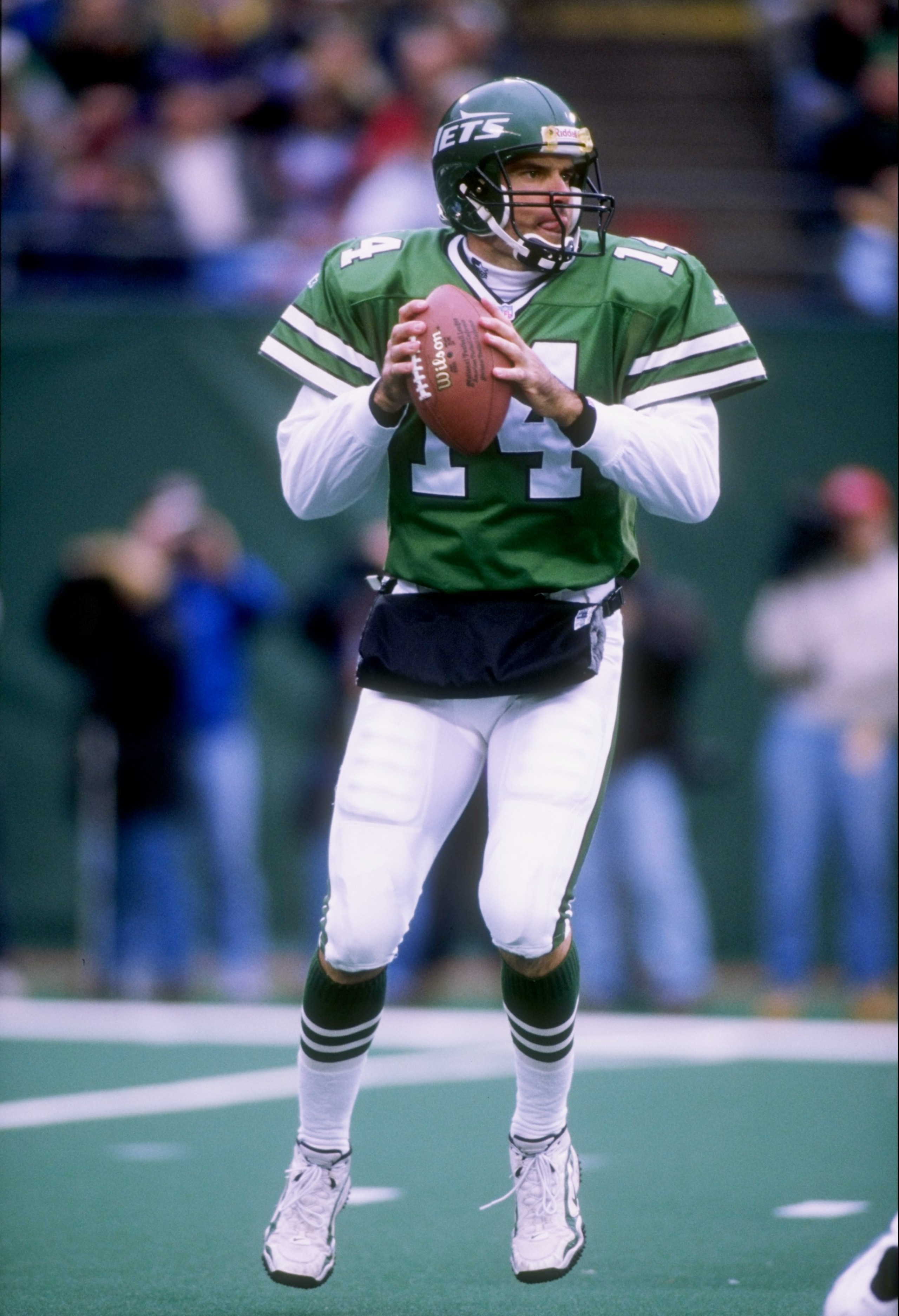
How Acquired: Free Agent, 1996
Tenure: Two years
You can’t really fault the Jets for going out and signing Neil O’Donnell during the spring of 1996. He was coming off a season in which he led the Steelers to a Super Bowl. And the Jets were absolutely desperate for a new quarterback. Furthermore, he was the hometown kid, a native of Morristown, New Jersey.
And with the first overall pick in that April’s draft, they could supply him with a great receiver in USC’s Keyshawn Johnson.
Still, O’Donnell’s homecoming was a disaster: The Jets lost all six of his starts in 1996, along with nine of their 10 other games.
A year later, under Bill Parcells, he and the Jets were much improved, but they still cut him less than halfway into his five-year, $25 million deal.
Miami Dolphins: Signing Eric Green, TE
19 of 32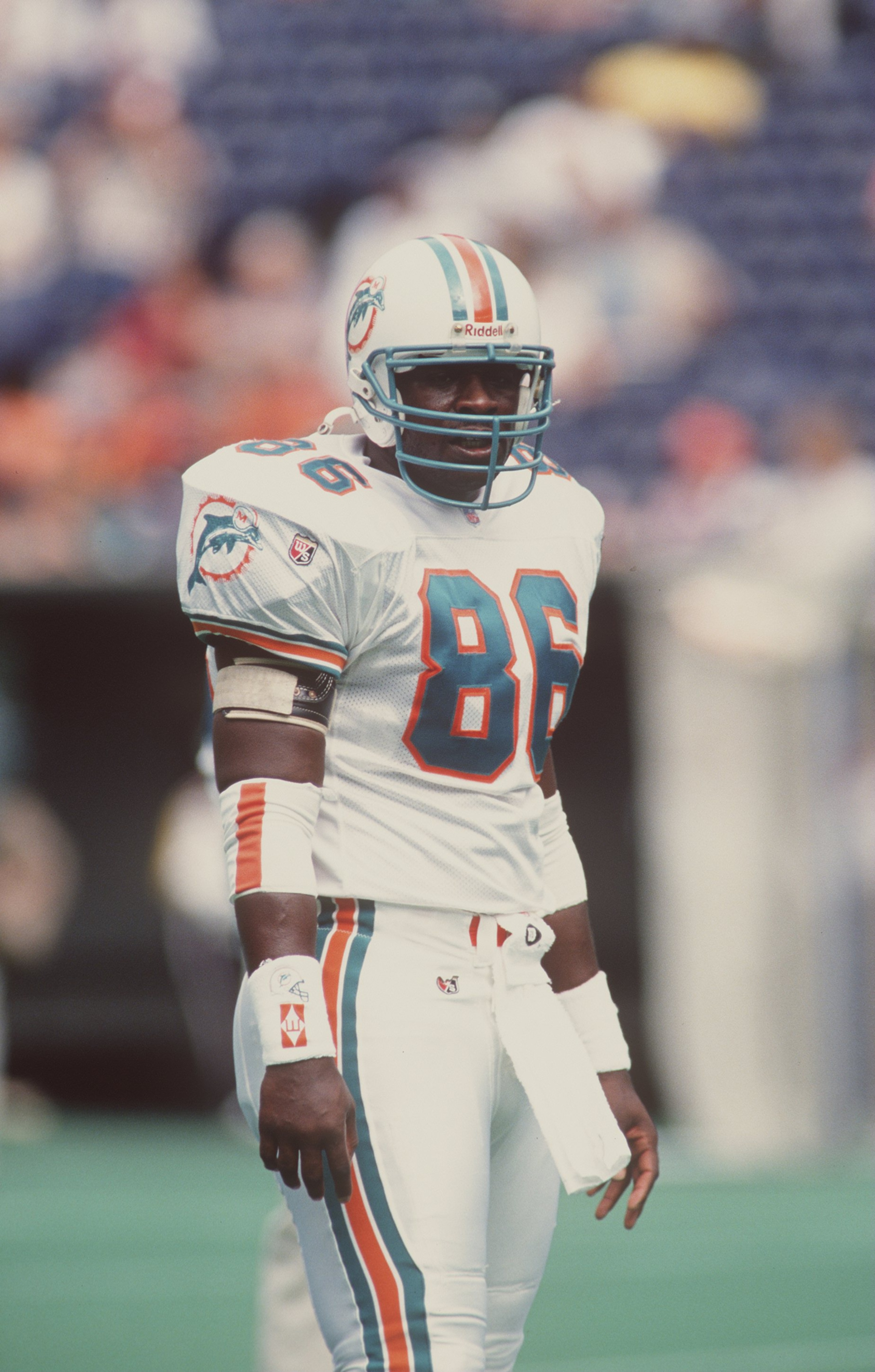
How Acquired: Free Agent, 1995
Tenure: One year
Always trying to supply Dan Marino with great pass catchers, the Dolphins pursued Steelers two-time Pro Bowl tight end Eric Green during the 1995 offseason.
Green signed a six-year, $12 million deal that May, declaring, according to the Pittsburgh Post-Gazette, “I will reach my goal of playing in the Super Bowl or possibly winning the Super Bowl.”
The Steelers, the team he had just left, promptly went to that year’s Super Bowl. Green lasted just one season and was cut in July 1996 because new head coach Jimmy Johnson didn’t like his “work habits and weight problem.”
Buffalo Bills: Trading for Rob Johnson, QB
20 of 32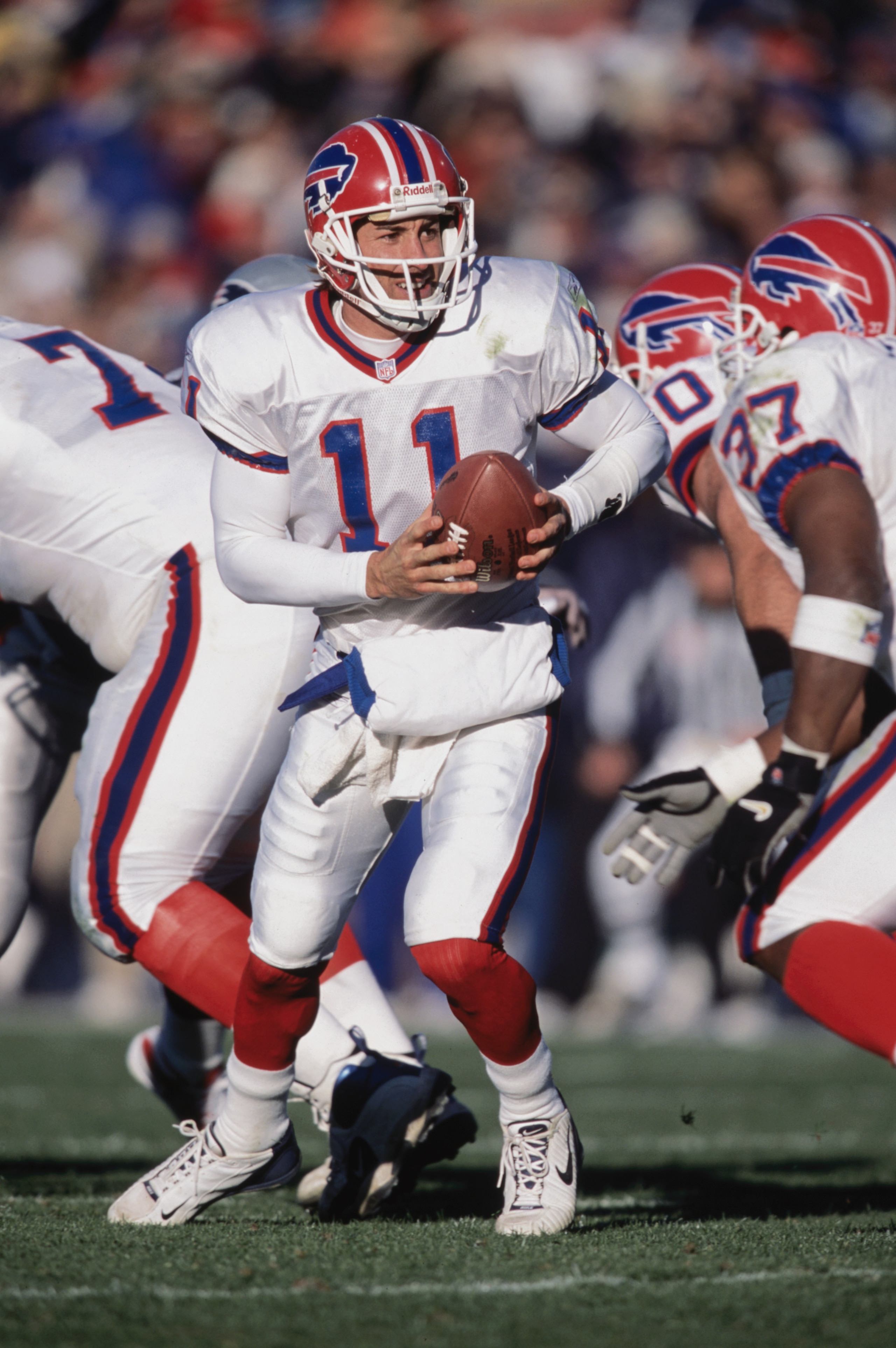
How Acquired: From Jacksonville in exchange for draft choices, 1998
Tenure: Four years
Although his 9-17 record as a starter in Buffalo doesn’t reflect well on Rob Johnson, the blame for his stay with the Bills belongs to general manager John Butler: How can you trade a first- and fourth-round pick for a quarterback with one career start AND give him a five-year, $25 million deal?
Johnson had a few bright moments at the outset of his Bills career, but not enough to keep 36-year-old Doug Flutie from taking his job. Twice.
Not much more to add to that explanation.
Pittsburgh Steelers: Trading for Gene Lipscomb, DT
21 of 32
How Acquired: From Baltimore in exchange for three players, 1961
Tenure: Two years
The Steelers have made some bad REPLACEMENT decisions: filling in Plaxico Burress’ void in 2005 with Cedrick Wilson, filling in Rod Woodson and Willie Williams void in 1997 with Donnell Woolford, attempting to have a replacement for Jerome Bettis in place by signing Duce Staley in 2004.
But their worst proactive acquisition came decades earlier.
Before the tradition of Pro Bowl linemen (Mean Joe Greene, Ernie Holmes, L.C. Greenwood, Casey Hampton, Brett Kiesel, Aaron Smith, etc.), the Steelers landed two-time All Pro Gene “Big Daddy” Lipscomb during the 1961 offseason.
They had to part with a small wide receiver named Jimmy Orr, but by getting Lipscomb the Steelers dreamed of finally earning a playoff spot.
But the 30-year-old Lipscomb, who earned a Pro Bowl spot in his second season with the club, died from a drug overdose before the 1963 season and it would be another decade before the club reached the postseason.
Meanwhile, in Baltimore, Orr became one of the favorite targets for Johnny Unitas, another Steelers washout.
Baltimore Ravens: Signing Elvis Grbac, QB
22 of 32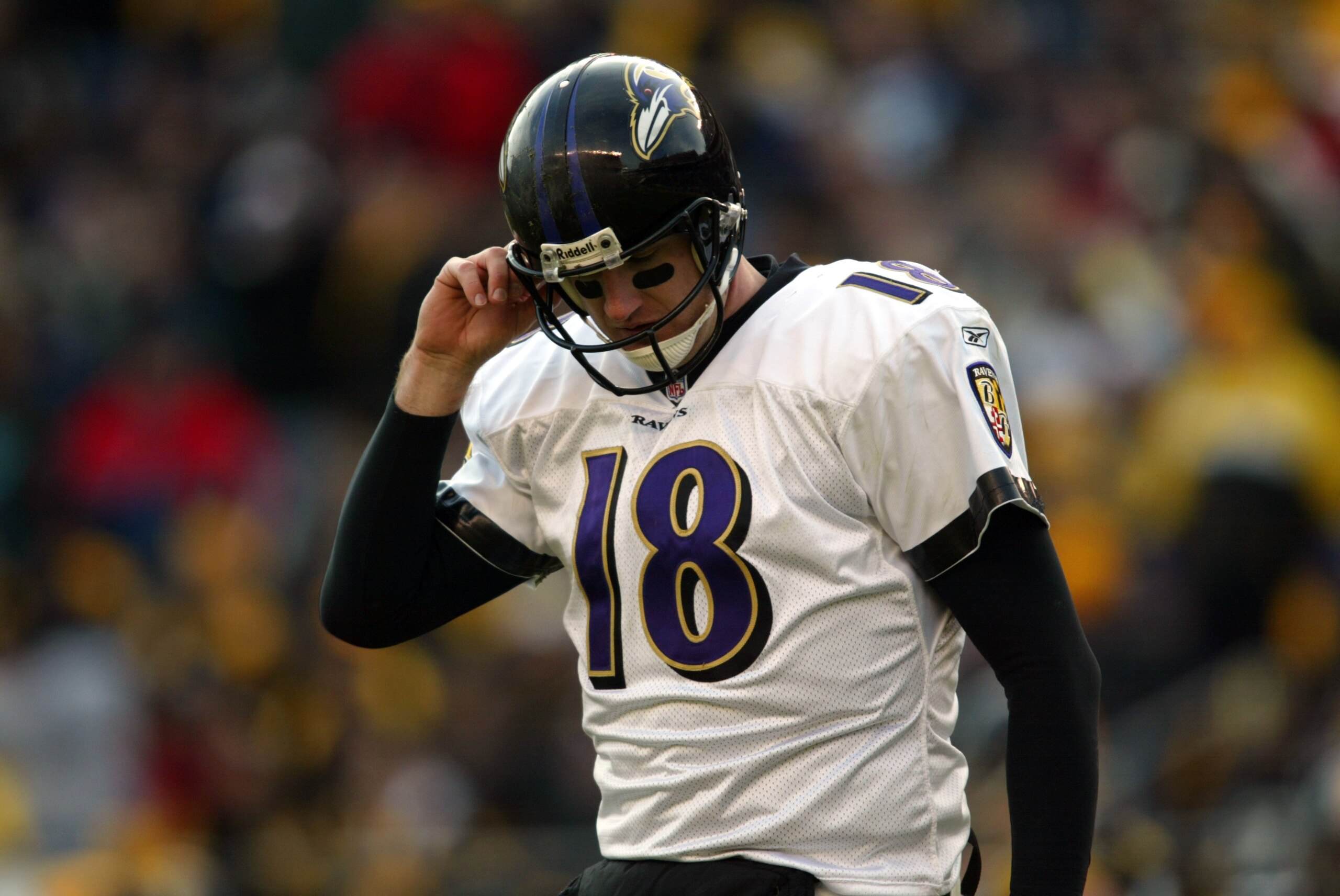
How Acquired: Free Agent, 2001
Tenure: One year
Grbac didn’t really stand a chance in Baltimore. Not after he told the press that he could “make the team better”—considering they had just won the Super Bowl, some didn’t take kindly to that.
With a five-year, $30 million deal in hand, Grbac easily won the team’s starting role but threw more picks than touchdowns, threw three more interceptions in a playoff loss to Pittsburgh, and retired the following offseason, thus continuing the Ravens' long search for a quarterback.
Cleveland Browns: Signing Andre Rison, WR
23 of 32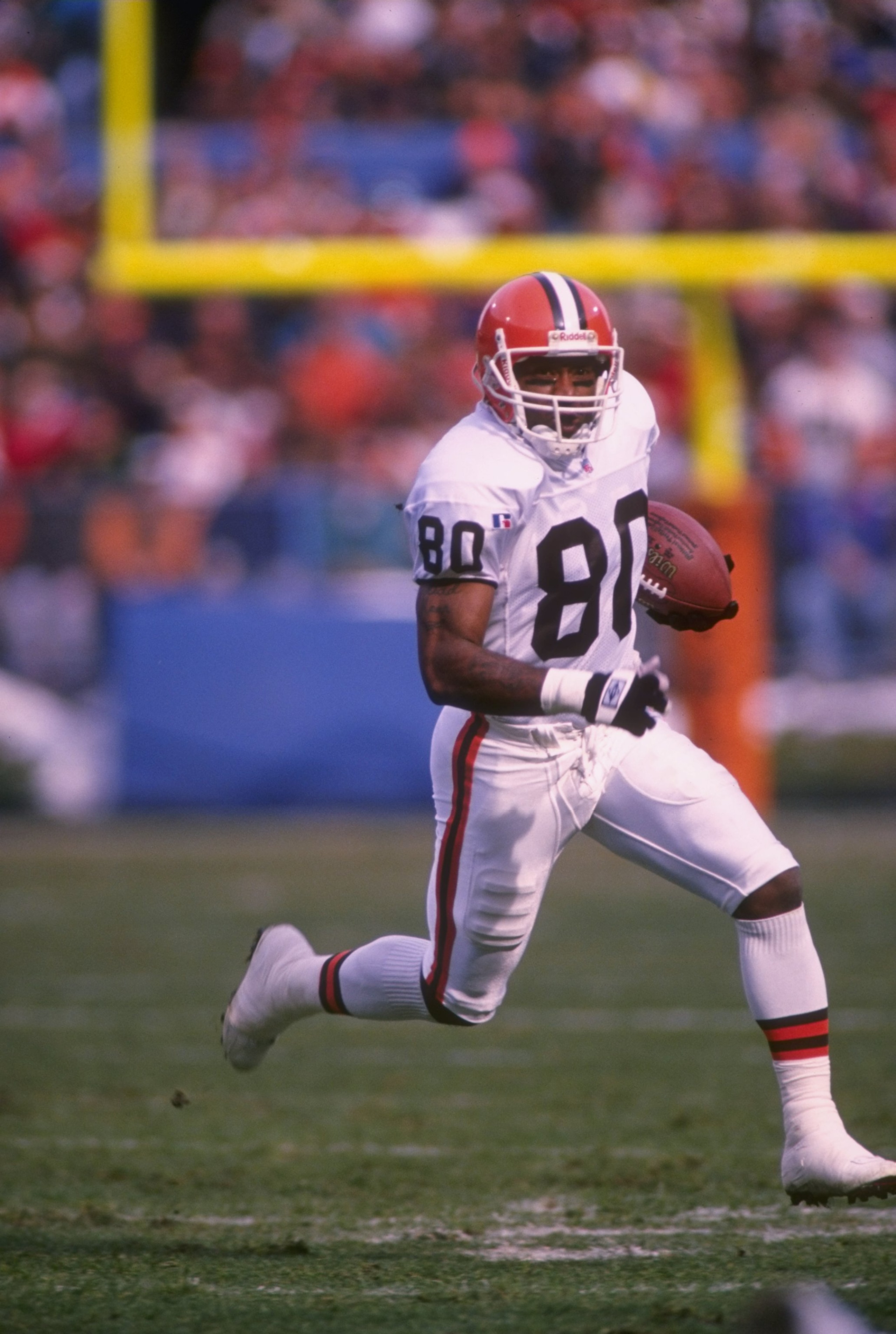
How Acquired: Free Agent, 1995
Tenure: One year
After a great 1994 season in which they won a playoff game, seemingly all the Browns needed to become a Super Bowl contender was a fine receiver for resurgent Vinny Testaverde.
Cleveland believed they landed one in the offseason, signing Andre Rison away from the Falcons. After all, he averaged over 80 catches, 1,000 yards and 10 touchdowns a season during his five years in Atlanta’s Run-n-Shoot offense.
But the Browns' 1995 season soon went from promising (thanks to a 3-1 start) to disastrous as the club announced it was moving to Baltimore in early October.
Despite a strong start, Rison faded in the second half of the messy season and once the Browns became the Ravens, he was released one year into a five-year, $17 million deal.
Cincinnati Bengals: Signing Laveranues Coles, WR
24 of 32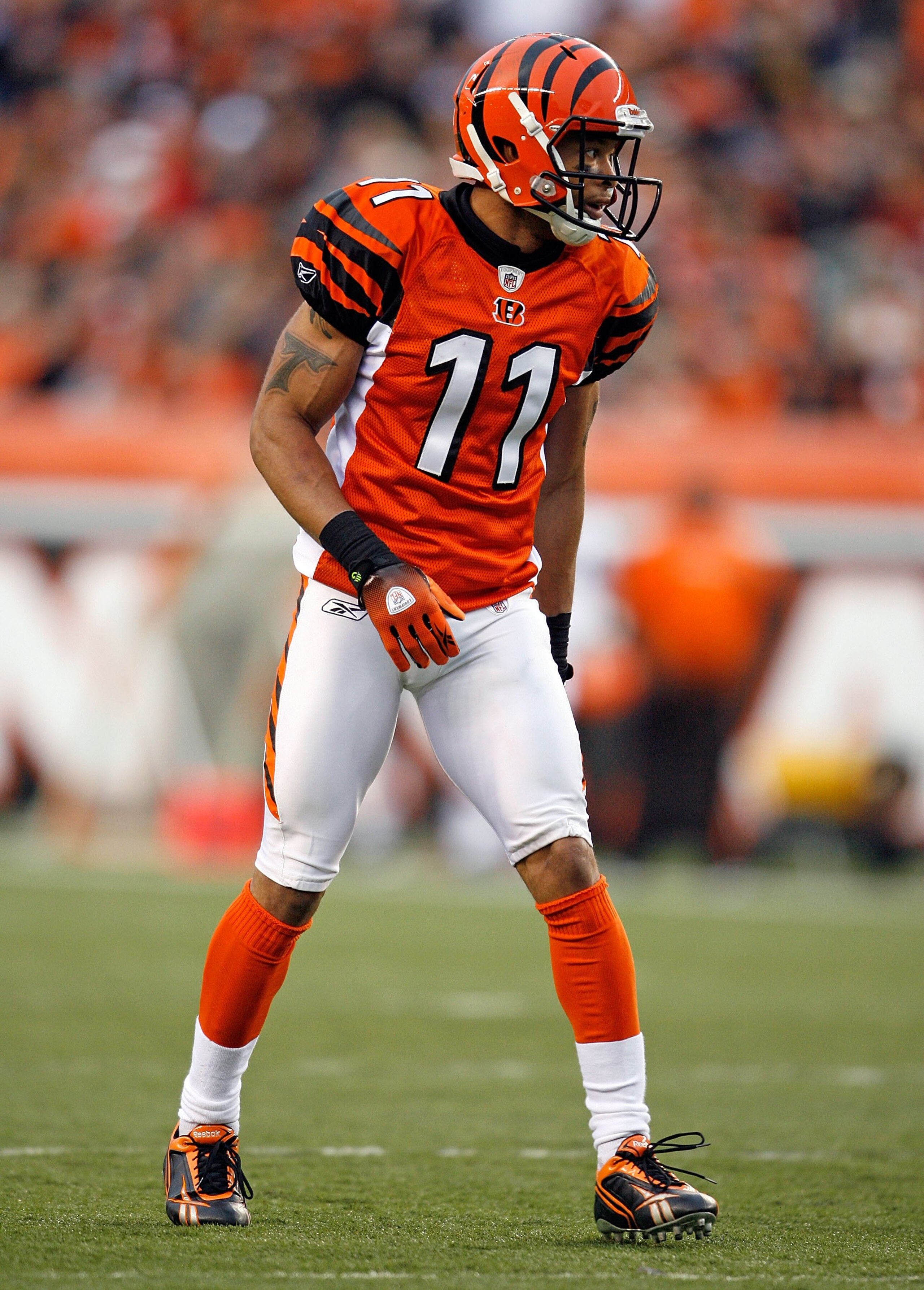
How Acquired: Free Agent, 2009
Tenure: One year
A year before the great Terrell Owens/Chad Ochocinco experiment would fail miserably, the Bengals attempted to pair Ochocinco with former Pro Bowler Laveranues Coles.
In March 2009, the Bengals gave Coles, who was fresh off his second stint with the Jets, a four-year, $28 million deal.
But after largely underperforming (43 catches, 514 yards) and being defeated at home in the playoffs by his former team, Coles was let go in the spring of 2010. Naturally, he eventually re-signed with the Jets for a third stint.
Indianapolis Colts: Signing Craig Erickson, QB
25 of 32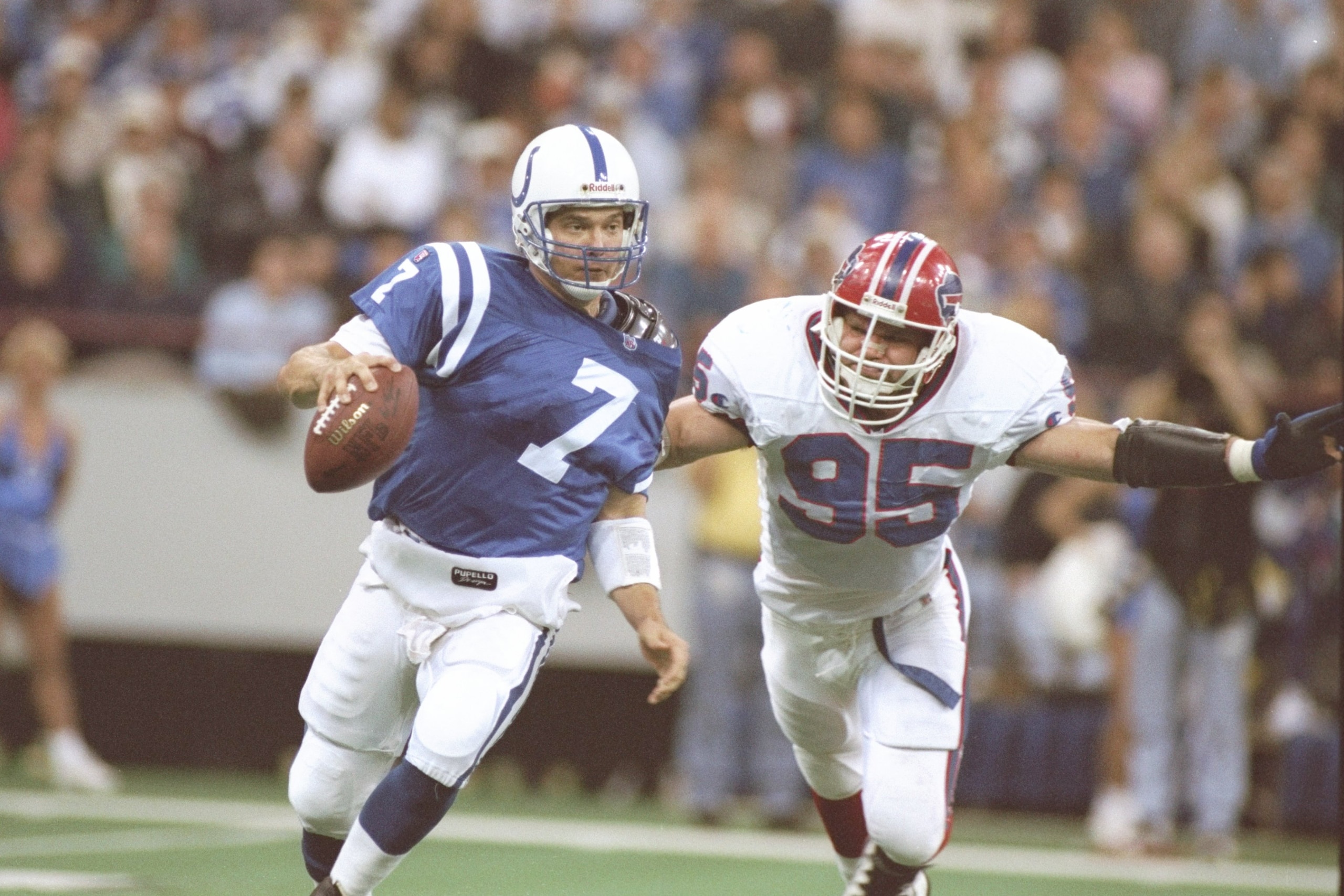
How Acquired: Free Agent, 1995
Tenure: One year
In between the Jeff George first overall selection and the Peyton Manning first overall selection, the Colts tried to fill their quarterback void with a former Miami (FL) star.
Following a decent season in 1994 with Tampa, Erickson hit the free-agent market and had plenty of suitors.
But the Colts nabbed him with a three-year, $6 million deal.
Little did the Colts know, they already had a quarterback on the roster capable of taking them deep into the playoffs, Jim Harbaugh. In September, Harbaugh took over and led the Colts to within a Hail Mary of the Super Bowl. Erickson was cut the following August.
Jacksonville Jaguars: Signing Bryce Paup, LB
26 of 32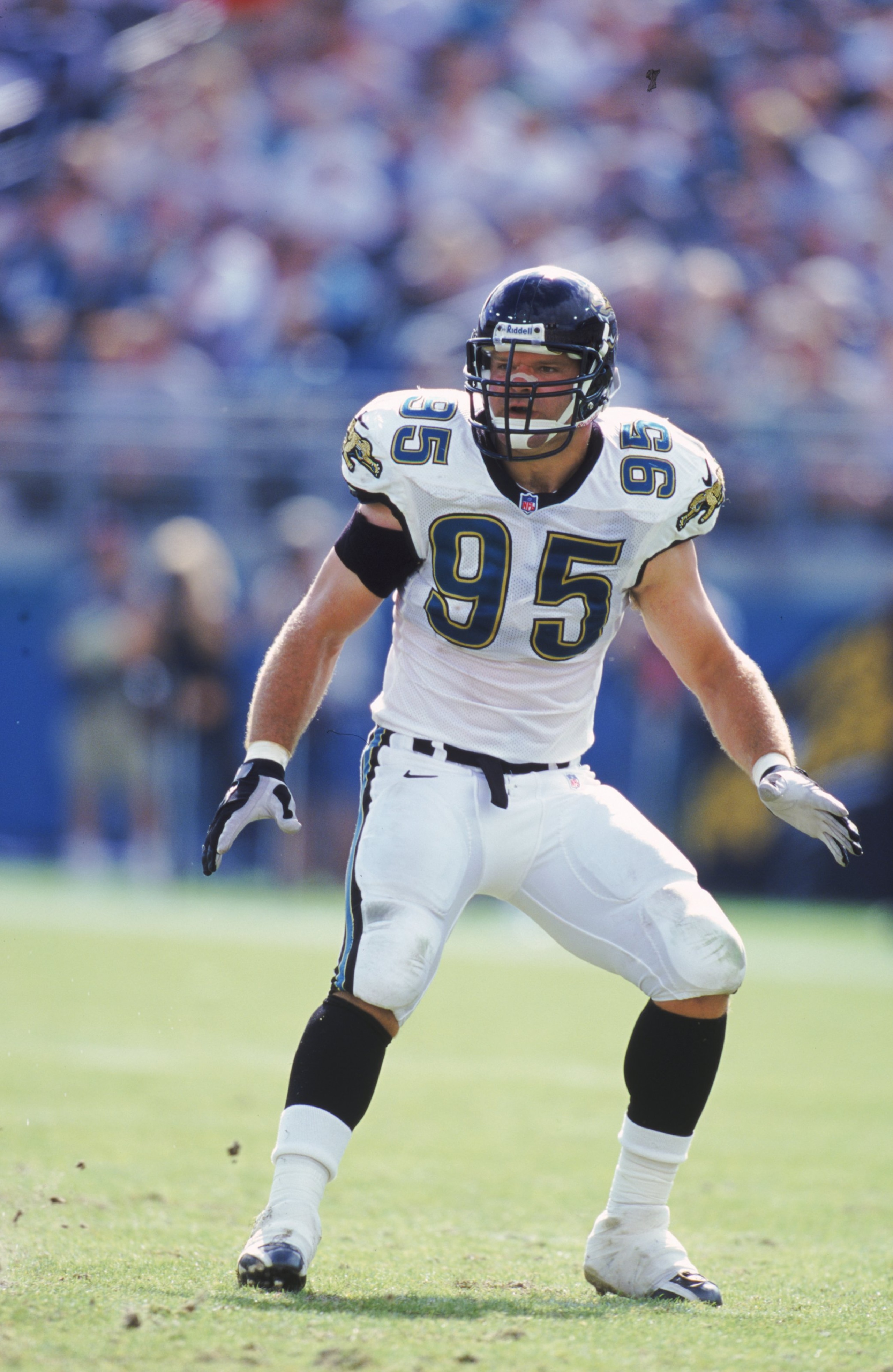
How Acquired: Free Agent, 1998
Tenure: Two years
Despite consecutive playoff berths, the Jaguars desperately sought to upgrade their defense during the 1998 offseason.
Bryce Paup, the NFL Defensive Player of the Year just a few years back, was their man.
Jacksonville made him the second highest-paid linebacker in the NFL.
But Paup, whose sack totals had been in steady decline since his incredible 1995 season (17.5 sacks), was unable to improve the Jags pass rush and only recorded 7.5 in two seasons. He was cut after just two seasons.
Houston Texans: Signing Ahman Green, RB
27 of 32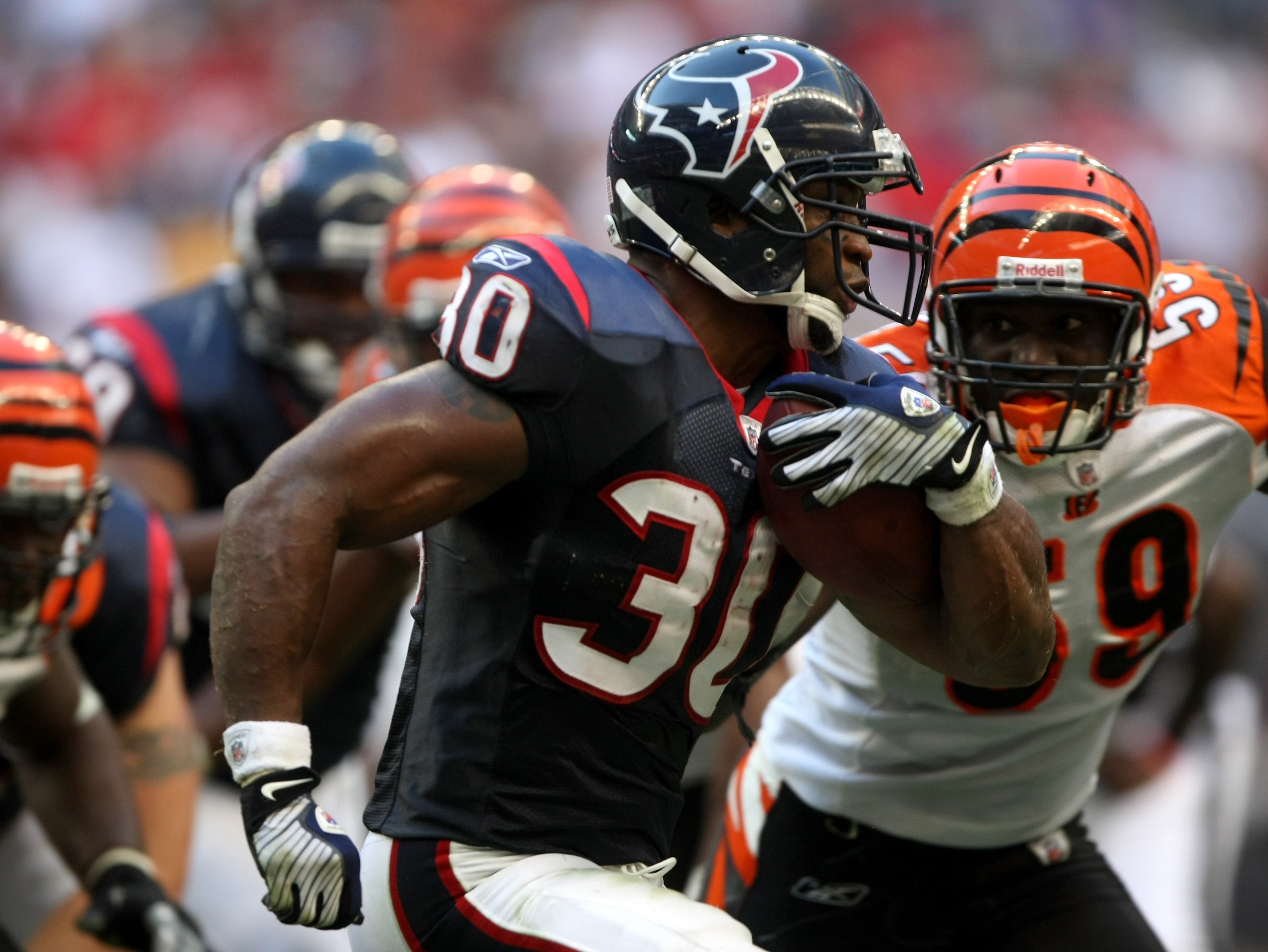
How Acquired: Free Agent, 2007
Tenure: Two years
Although he was 30 and had already suffered a few significant injuries, Ahman Green was a major commodity on the 2007 free-agent market.
After all, he had been a six-time 1,000-yard rusher, four-time Pro Bowler, and besides Bo Jackson was the only player in NFL history with two runs of 90 yards or more.
So Houston fans were pleased when the Texans gave him a four-year, $23 million deal. The reunion with his former Packer head coach Mike Sherman (now the Texans assistant head coach) made for huge expectations.
But Green couldn’t avoid more injuries, only made six starts, and was cut after the 2008 season.
Houston Oilers/Tennessee Titans: Signing Yancey Thigpen, WR
28 of 32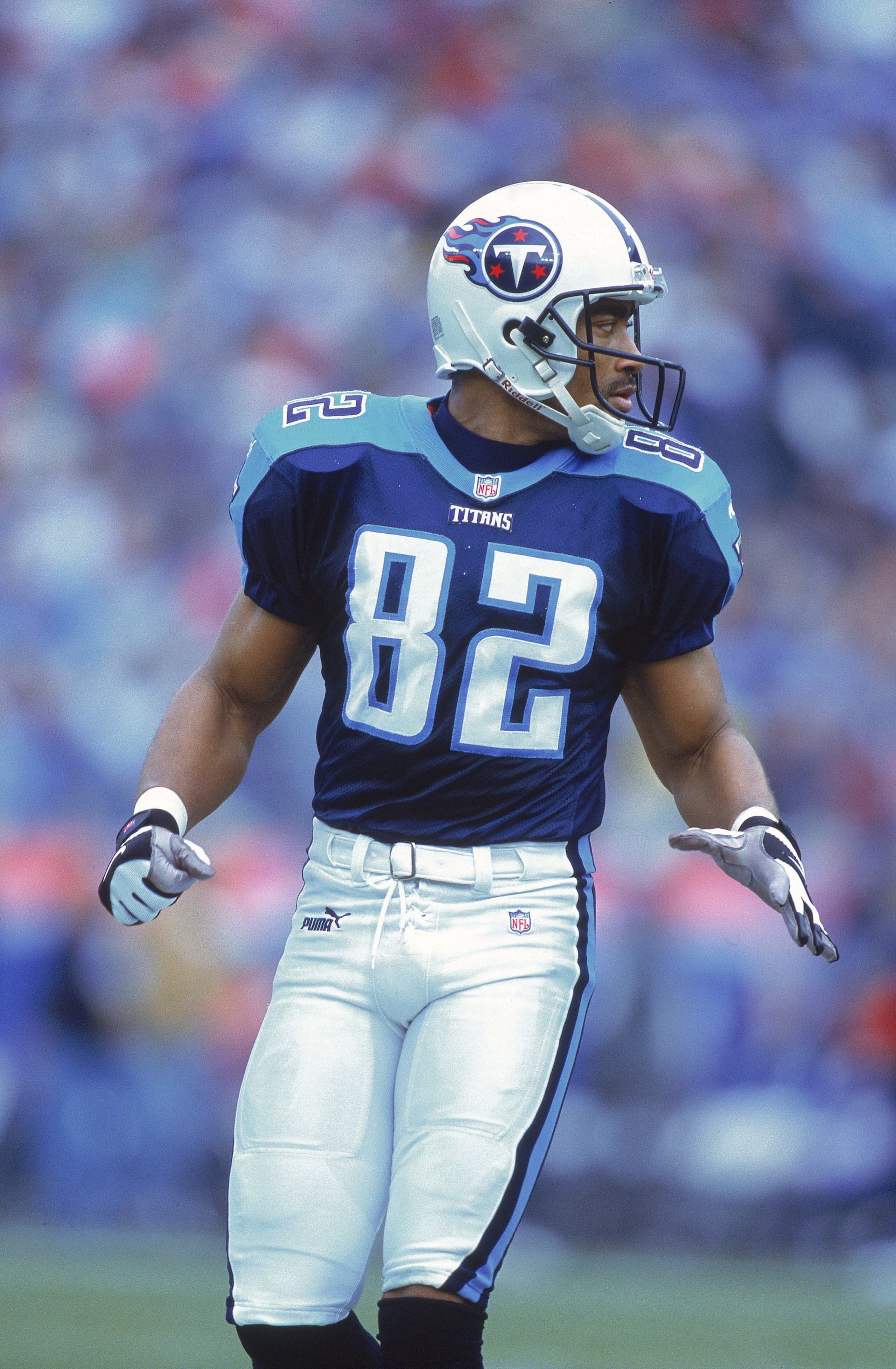
How Acquired: Free Agent, 1998
Tenure: Three years
The Titans' decision to sign Randy Moss was certainly a disaster. But at least they knew that was a major gamble: He was traded and cut the previous month.
But when they signed Yancey Thigpen (five years, $21 million) in the 1998 offseason, they had to think their wide receiver problems were solved. Two of the previous three seasons, Thigpen had been a 1,300-yard Pro Bowl receiver for the Steelers.
And although he had a few moments, including a touchdown in the 1999 AFC Championship Game win over Jacksonville, Thigpen just couldn’t avoid injuries and was forced to retire at age 31.
Kansas City Chiefs: Signing Johnnie Morton, WR
29 of 32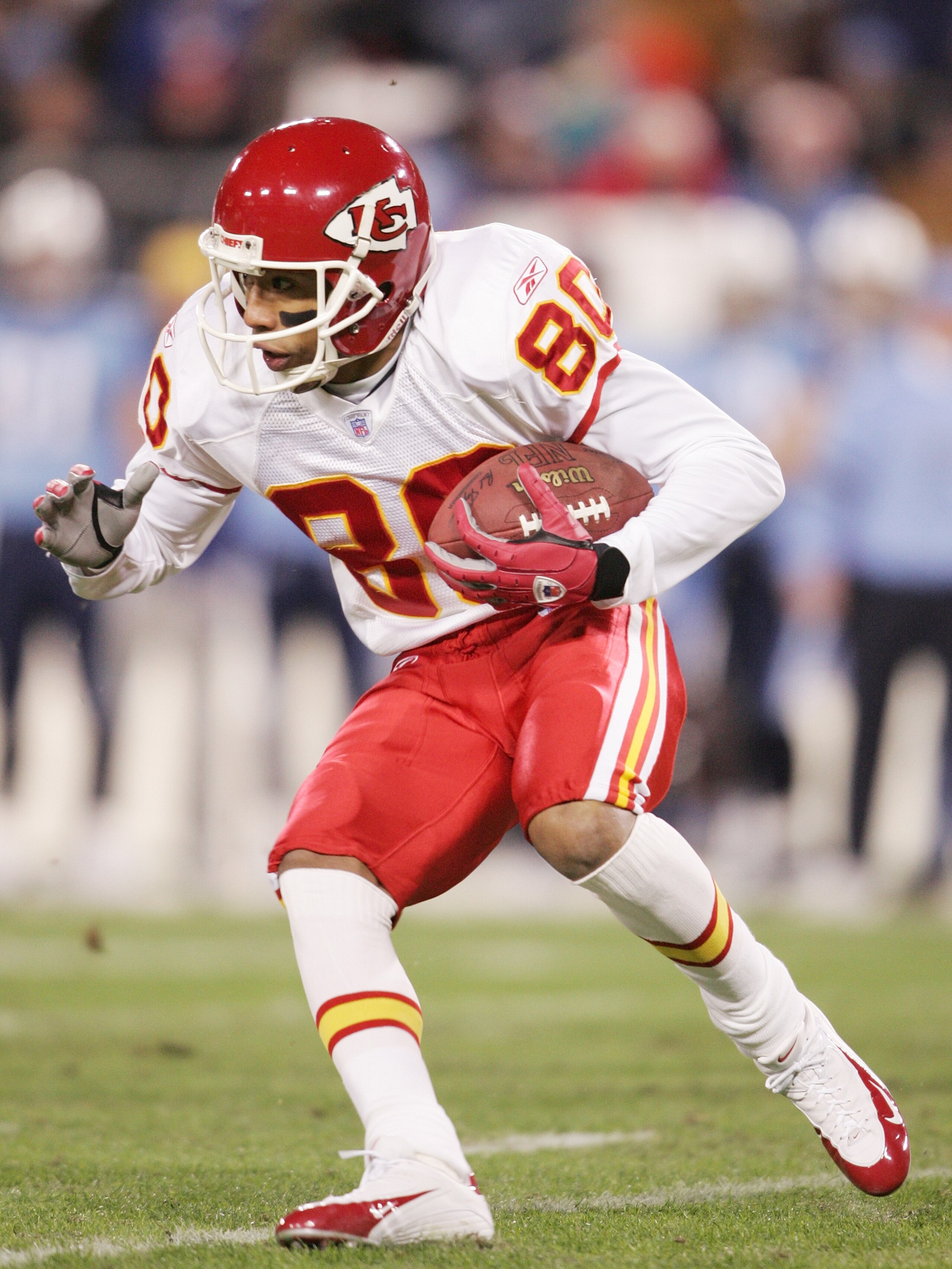
How Acquired: Free Agent, 2002
Tenure: Three years
The Chiefs, in need of a wide receiver, seemingly caught a huge break during the spring of 2002. Johnnie Morton, who had 77 catches and 1,154 yards for the moribund Lions, was a cap casualty and available.
Kansas City snatched him up—at seven years, $24.5 million—to pair him with Priest Holmes, Trent Green and Tony Gonzalez.
But Morton struggled that first year, averaging less than two catches and 30 yards per game, and would only score eight total touchdowns in three seasons with the Chiefs. On the same day his brother Chad was cut by the Redskins, Johnnie was cut by Kansas City.
Los Angeles/Oakland Raiders: Trading for Randy Moss, WR
30 of 32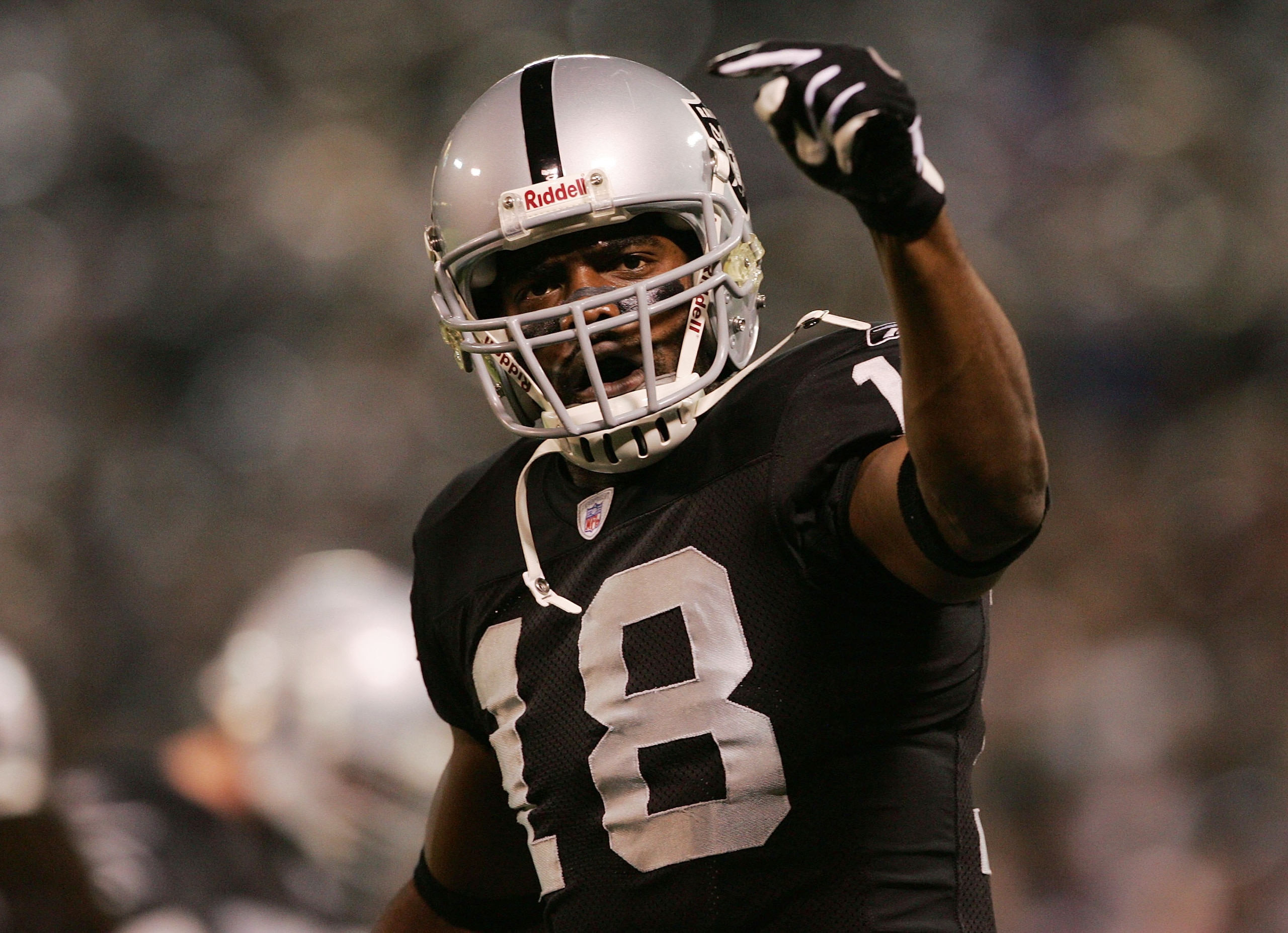
How Acquired: From Minnesota in exchange for player, draft choice, 2005
Tenure: Two years
Maybe dealing away a draft pick isn't that big of a deal in Oakland—after all, in the previous decade they had quite a knack for squandering high draft choices: JaMarcus Russell, Darrius Heyward-Bey, Robert Gallery, Phillip Buchanon, Fabian Washington, etc.
Still, if you're going to trade away the seventh overall pick in the draft, something reliable SHOULD be coming in return. Not the case for the Raiders, who dealt their first choice in 2005 along with starting linebacker Napolean Harris to the Vikings for Moss.
Fresh off his mooning incident in Green Bay, Moss arrived in Oakland and had a decent first season: 60 catches, 1,005 yards. But after the worst season of his career, he was shipped to New England—for a fourth-round pick—where Moss immediately set a new record for touchdown catches in 2007.
San Diego Chargers: Signing David Boston, WR
31 of 32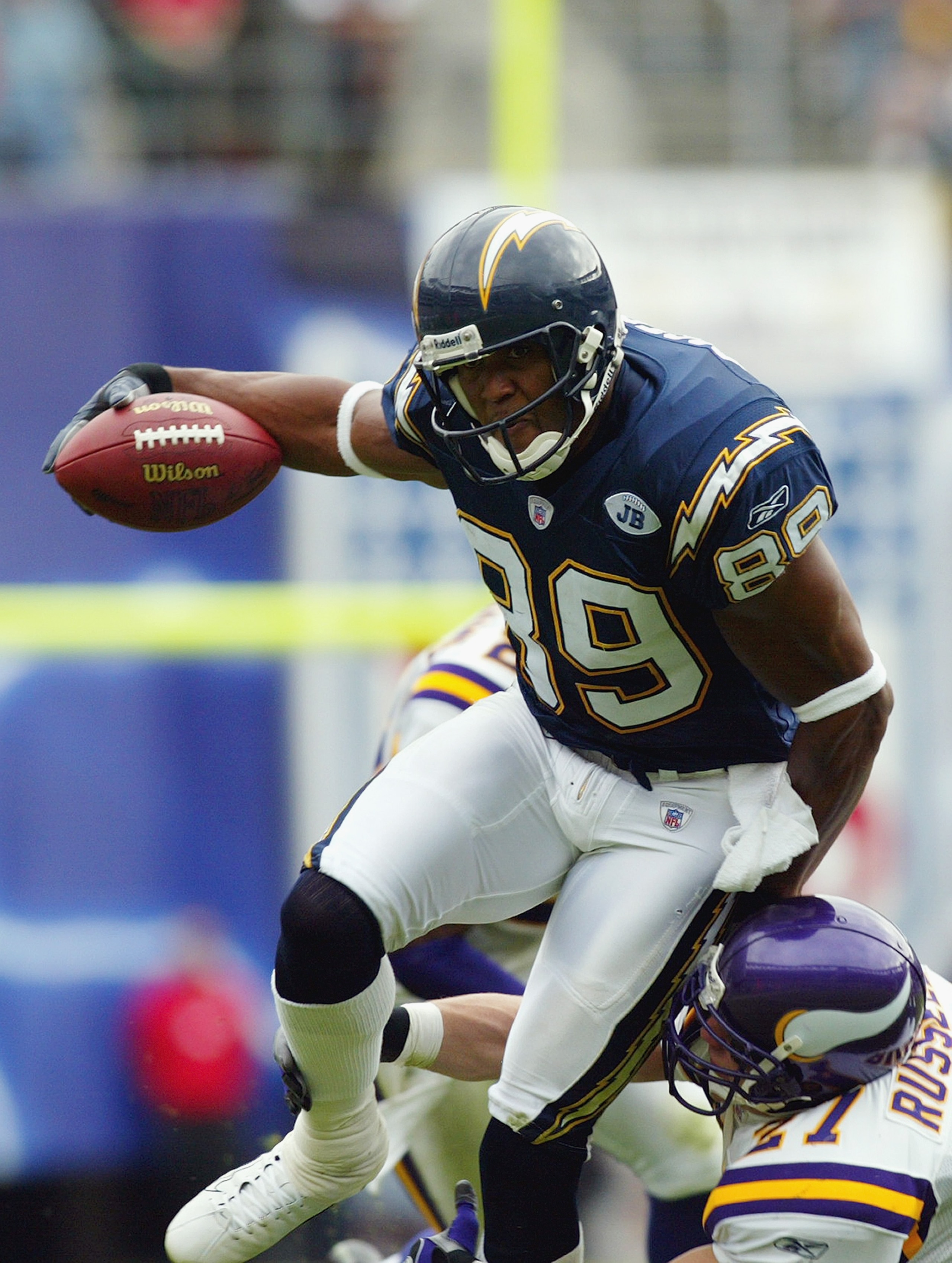
How Acquired: Free Agent, 2003
Tenure: One year
In 2001, Boston had one of the most remarkable season a wide receiver ever had, catching 98 passes for 1,598 yards. And was off to another fine campaign the next season before tearing up his knee.
That didn’t dissuade the Chargers from giving him an enormous contract the following offseason. Not only did they believe he would be 100 percent by training camp, but as head coach Marty Schottenheimer said:
"We believe David Boston is one of the top receivers in the National Football League. He has remarkable playmaking ability and we're delighted to have him be part of what we're doing. He brings to our offense what we consider to be big-play potential that few guys in this league bring.''
But Schottenheimer didn’t drool over Boston for long, even if he did record 70 catches and seven touchdowns that first season.
The team suspended him late in the season and the following spring San Diego unloaded him in exchange for a sixth-round pick.
Denver Broncos: Signing Dale Carter, CB
32 of 32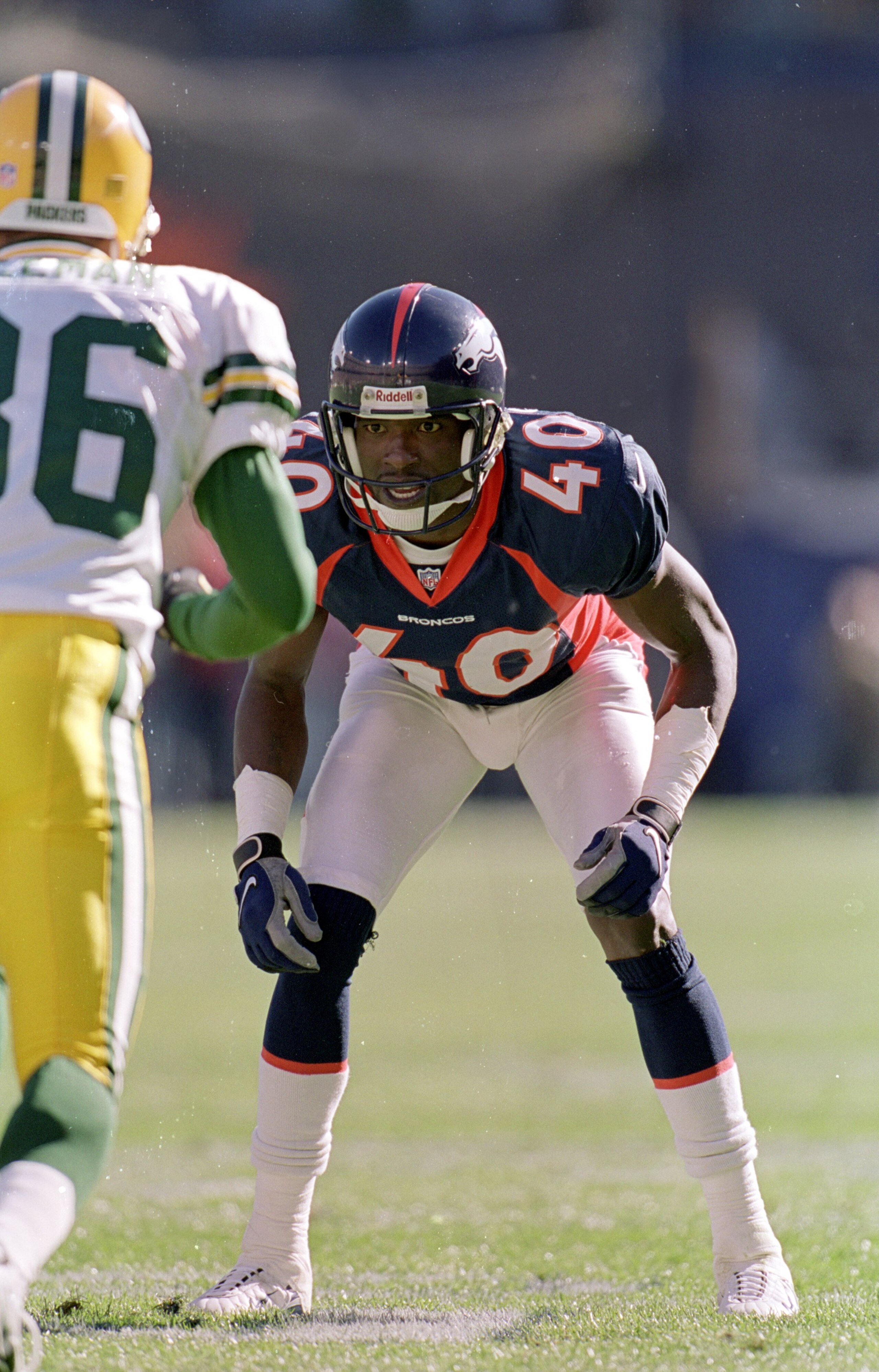
How Acquired: Free Agent, 1999
Tenure: One year
Carter was just two years behind his former Chiefs teammate defensive end Neil Smith, who had left Kansas City in 1997 and signed with the rival Broncos only to win a pair of Super Bowls.
After those two world championships, Denver made Carter the NFL’s highest paid defensive back, giving the seven-year veteran a four-year, $22.8 million deal.
One year later, he was suspended by the NFL for a drug violation, then was cut by the Broncos after playing only 14 games for the team.

.jpg?w=2560 "Grading WWE NXT 🔠")
