
AL East Positional Analysis and Ranking: Starting Rotation (No. 2 Starter)
I am in the midst of a series examining the relative strengths and weaknesses of the teams in the AL East, on a position-by-position basis. The players at each position are ranked in relation to their peers within the division, with each team being assigned points based on where their player ranks in comparison to the other players.
Today, the series continues with a look at the No. 2 starters in each rotation.
The best player will earn 10 points for his team, with the remaining players being assigned either seven, five, three and one points.
At the end of the process, I will accumulate all of the points for each team and create a divisional power ranking.
Analysis/Ranking
1 of 6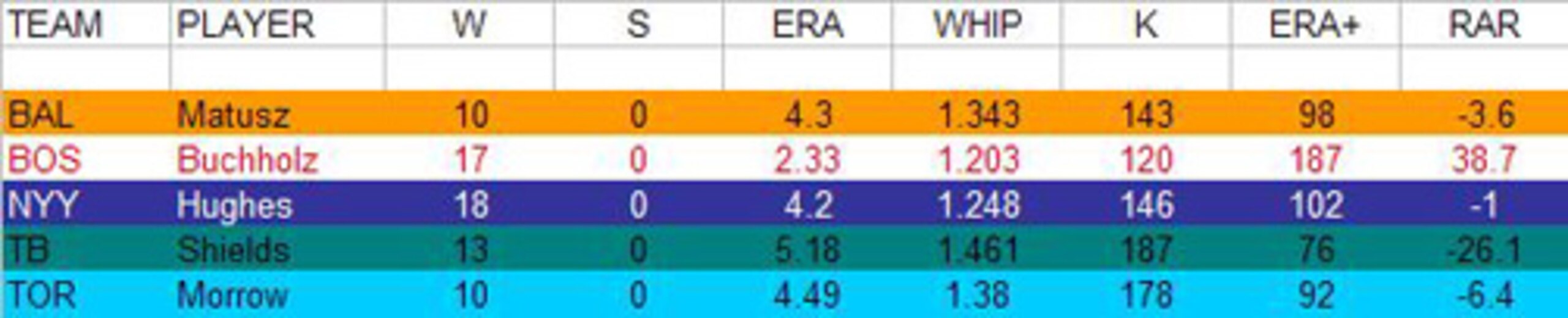
Here are the 2010 statistics for each of the five projected starters entering the 2011 season.
The chart presents the five basic stats used in fantasy baseball, plus ERA+ and Runs Above Replacement (RAR). The rankings contained herein are based on these stats, plus projections as to what the upcoming year may have in store.
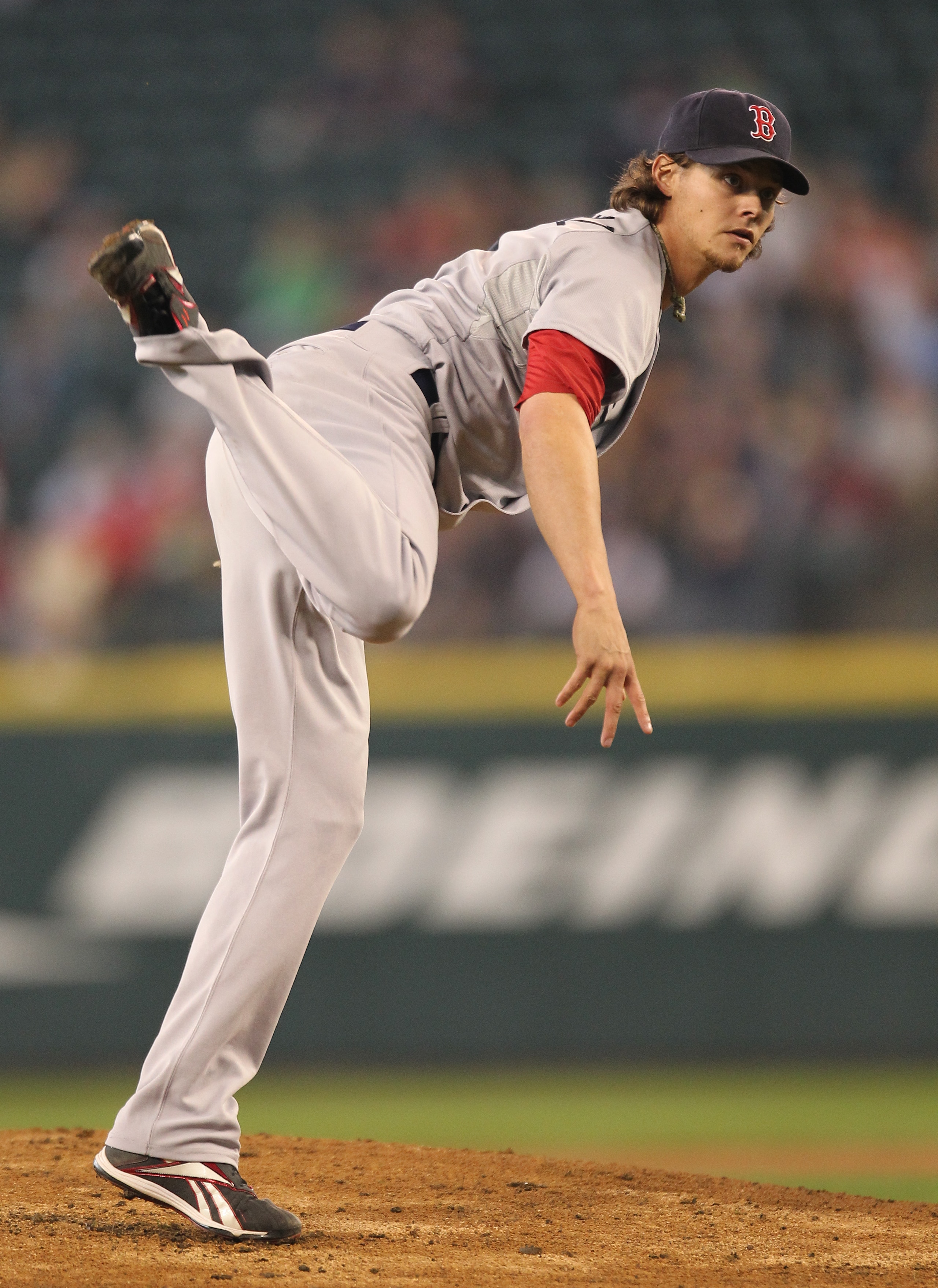
1. Clay Buchholz, Boston Red Sox
2 of 6
Outside of his family and the Red Sox organization, there is no bigger Clay Buchholz fan in America than me. From the day in June 2007, when I first saw him pitch against the Fisher Cats in Manchester, N.H. (Double-A), I believed he would be a star in the major leagues. In my heart, the only question was whether or not he would develop into a superstar.
Over the last couple of years, there were occasions when his struggles brought my declarations into question. His success last season should have been a vindication of my long-held belief that he might become precisely what he was last year—one of the best pitchers in the game. But, paradoxically, it wasn’t.
Certainly, his 17-7 record and 2.33 ERA look impressive on the surface, but there are many signals that suggest his performance was not nearly as outstanding as it appeared.
His xERA (3.75) was nearly a run-and-a-half higher than his ERA. His control, dominance and command all slipped considerably. His hit rate was low (26 percent), and his strand rate was high (82 percent). He also gave back some of the gains he made in his ground ball rate, decreasing from 54 to 51 percent.
For Fantasy Owners
Buchholz had an outstanding season in 2010, but it seems highly unlikely he will be able to repeat that performance in 2011. If his hit rate and strand rate return to the norm, his ERA would likely increase to the vicinity of his xERA. When buying, base your estimation of his value on his 2009 statistics, not his 2010 numbers.
2. Brian Matusz, Baltimore Orioles
3 of 6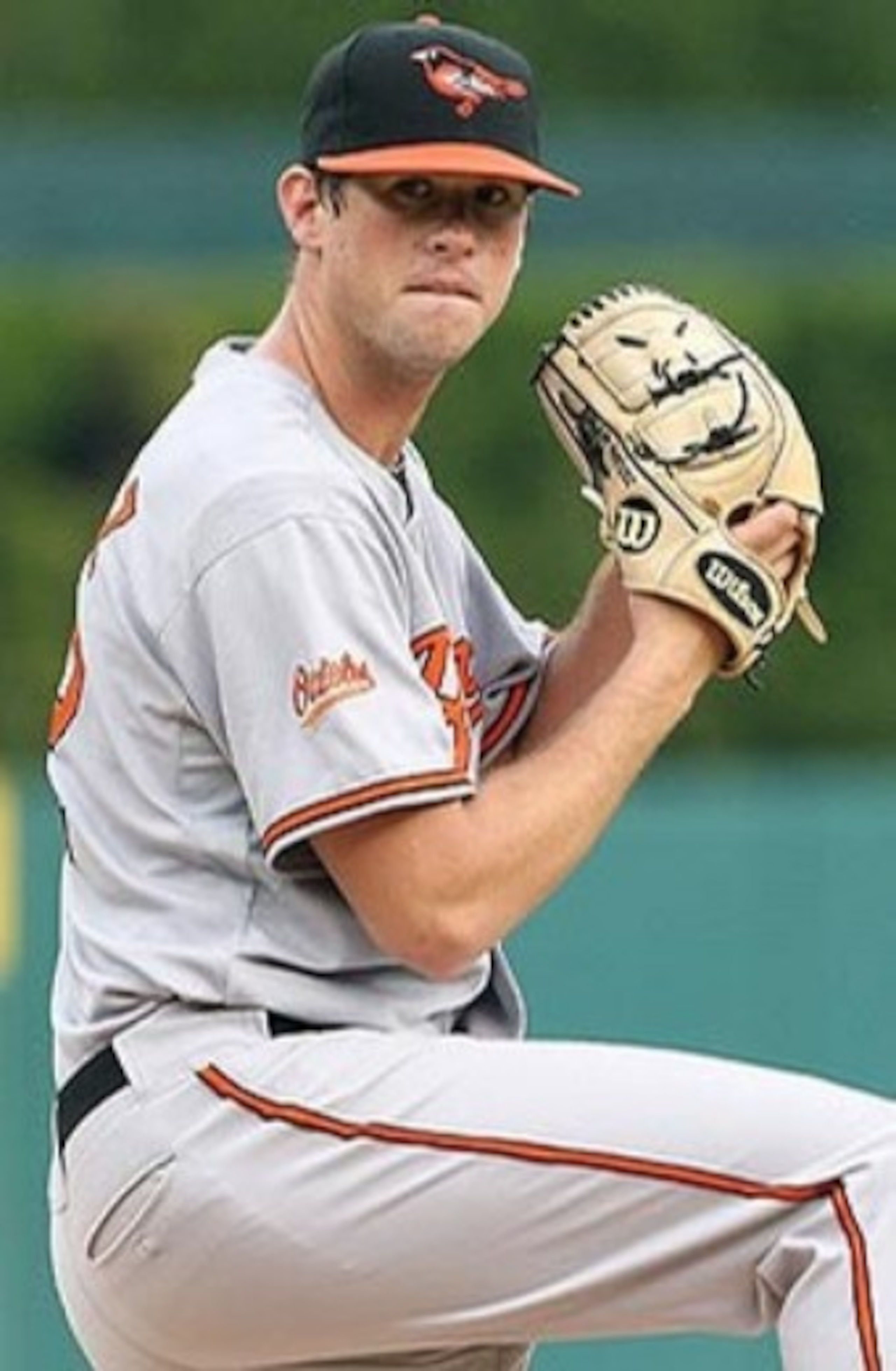
Brian Matusz’s performance in the second half of 2010 shows that better days lie ahead for this ace in the making.
For the most part, his performance improved as the year progressed.
He won seven games and posted a 3.96 ERA in the second half of the year; six of those seven wins came in his last 10 starts. Overall, his hit rate was just about where you would expect it, but his strand rate and command were lower than what he should post. He made reasonable gains in his ground-ball rate (36 percent), though you would prefer to see that number increase to 45 percent or more.
Taking all of these facts into consideration, it is reasonable to expect he will continue to make significant improvement as he matures.
Both his walk rate and strikeout rate increased during the second half of the season, leaving his command at approximately the same level. He needs to find the plate with more regularity and lower the walk rate by a factor of one to reach his full potential.
For Fantasy Owners
Some folks may think this is an aggressive projection for Matusz, but I have never shied away from making an aggressive projection.
His second-half stats suggest he will have a breakout season in 2011. After the All-Star break, he posted a 3.63 ERA with a 1.194 WHIP, .228 BAA and a 2.52 strikeout-to-walk ratio. Further, he is a left-hander who pitched very well against his AL East opposition—notably, the Red Sox and Yankees.
I believe he can get to 15 wins and post a 3.75 ERA (+/-) in 2011.

3. Philip Hughes, New York Yankees
4 of 6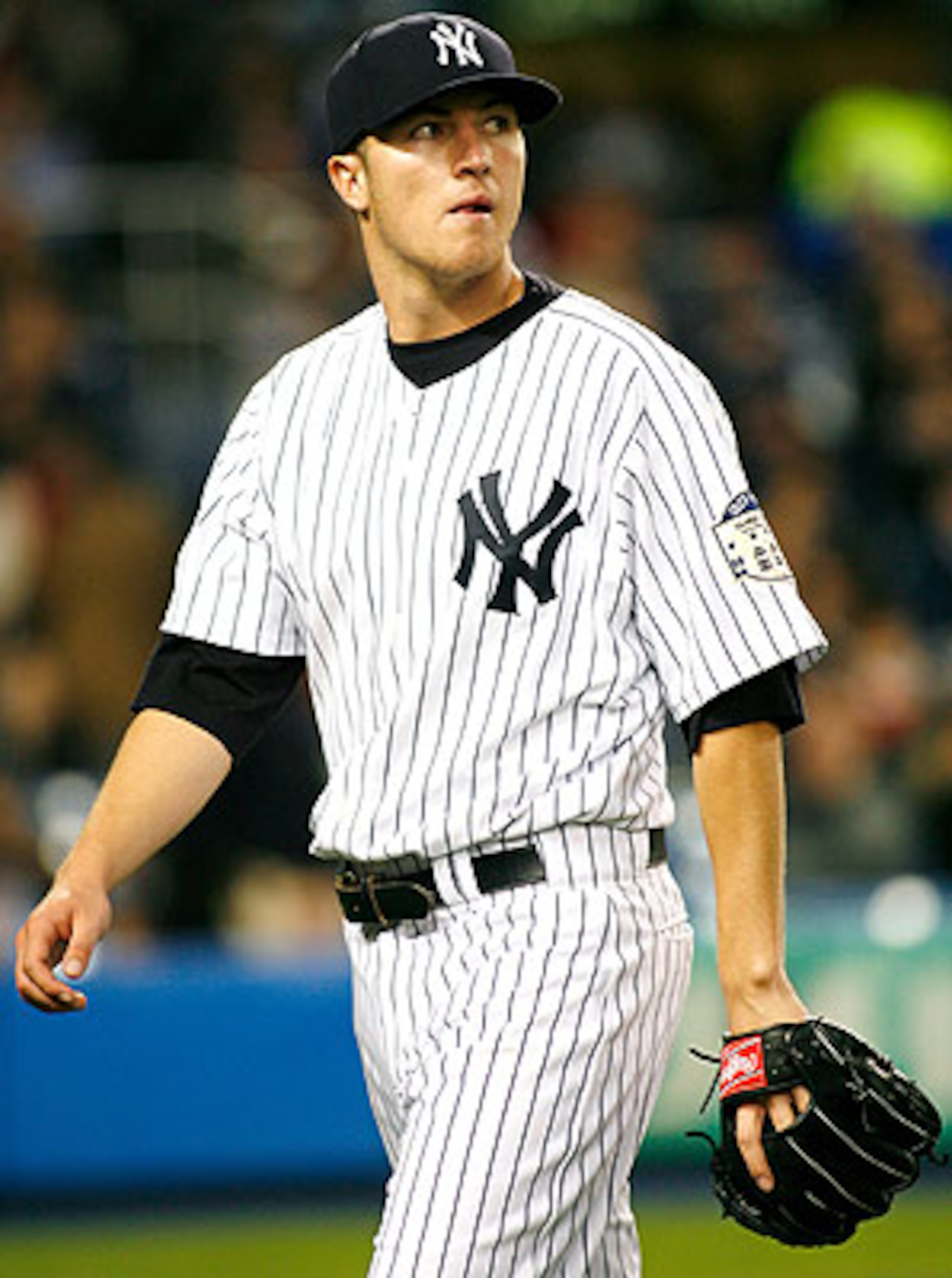
I wanted to put Brandon Morrow here, but his poor control prevented me from upgrading him to third in this group of pitchers. As for Philip Hughes, I think he is what he is—an outstanding reliever who, if forced into the rotation, should be slotted as a No. 4 or No. 5 starter.
The problem is, he will be slotted as a No. 2 starter because of the current state of the Yankees' rotation. He will win games because of the Yanks’ offense, but at his best, I see him posting an ERA in the vicinity of 3.80–3.90 as a member of the starting rotation where his stuff gets exposed.
Yeah, I know, typical Red Sox fan, right?
I am well aware he was an All-Star last year, but that was on the strength of his first half, which really was just an “okay” half-season, as he posted a 3.83 ERA leading up to the break.
What did that get him—or the Yankees—in the second half of the season? Nothing. He went 8-6, with a 4.59 ERA, after the All-Star game. He tired as the season wore on, underscoring the point that he probably belongs in the bullpen.
Until he demonstrates he can remain strong throughout the entire season, I believe we can expect more from him in 2011—a strong first half followed by a tough second half.
For Fantasy Owners
The peripherals suggest that, in the year ahead, Hughes will produce stats very similar to those he compiled last season.
Last year, his hit percentage was low (28 percent), and I see it increasing to somewhere in the vicinity of 30-31 percent in the upcoming season. On the other hand, his strand rate was a bit on the low side (71 percent), and I see that improving slightly to 72-73 percent. The movement in the two metrics should balance out, and Hughes should come in at 16-18 wins, a 4.00-4.10 ERA and a 1.25-1.30 WHIP.
4. Brandon Morrow, Toronto Blue Jays
5 of 6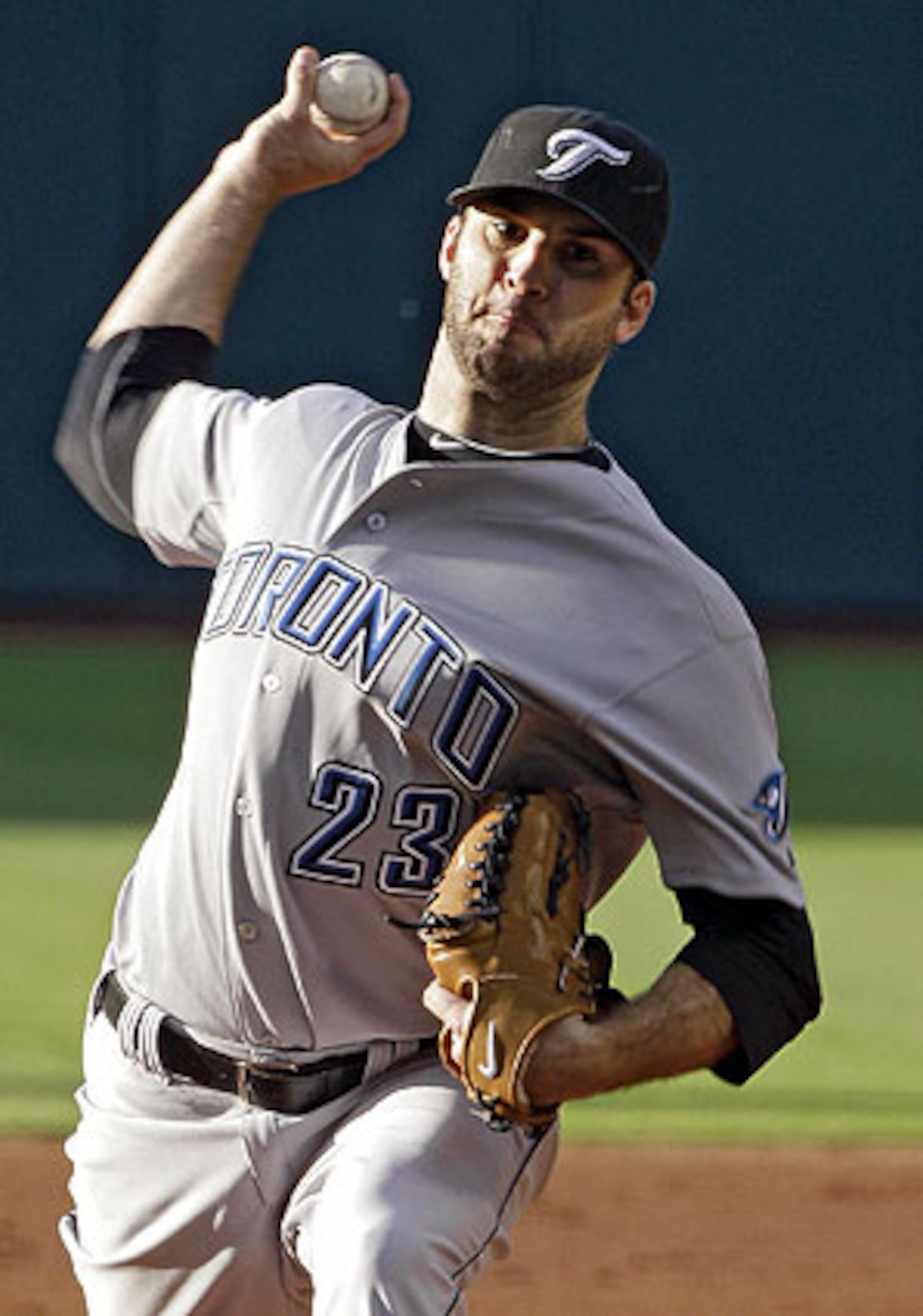
The peripherals scream that Brandon Morrow should be rated higher in this group of pitchers, but his control (4.1 BB/9 IP) prevents me from upgrading him. His dominance (11 K/9 IP) was the best of any pitcher who pitched at least 140 innings last year, and in spite of his control issues, his command was still a respectable 2.7 (K:BB ratio).
Over the last couple of years, Morrow has demonstrated an increasing ability to keep the ball on the ground, raising his ground ball rate to 40 percent while lowering his fly ball rate to 42 percent. Pretty impressive for such a hard thrower!
Unlike Buchholz and Hughes, his peripherals suggest that better days are ahead. His hit rate last season (35 percent) was quite high and should drop three or four points. His strand rate (just 68 percent) was far too low and should increase by as many as five points in 2011.
For Fantasy Owners
For all the above reasons, I see Morrow having a much better year in 2011 than he had in 2010.
IMO, the potential for growth in the peripherals, suggest he could post an ERA in the neighborhood of 3.80–3.90, but much of that will depend on whether he can lower his walk rate. As for how many wins he will post, that will depend on whether the Blue Jays' offense continues its almost-obscene home run barrage.
5. James Shields, Tampa Bay Rays
6 of 6
Many pundits have proclaimed that James Shields will be a draft-day bargain this year based on their belief his HR/FB rate (14 percent) skewed all of his numbers last year, but I'm not among those people who feel he is headed for a huge rebound. The peripherals indicate his performance will improve, but I believe he'll have trouble getting his ERA anywhere close to 4.00.
His HR/FB rate should adjust down to his historical average of 11 percent, and his hit rate (35 percent last year) will move toward his career rate (32 percent). But, those gains will be largely offset by a regression in his strand rate, which was low (68 percent). I look for it to move back toward his career norm of 73 percent.
For Fantasy Owners
I am not saying Shields will be as bad as he was last year—THAT would be almost impossible!
But I don’t see him improving to the point where his ERA is once again down in the mid-to-high-3.00s. He would have to fix all his problems, see improvements in the home run rate/hit rate and maintain an unrealistically-low strand rate in order to do so. I just don’t see that happening.
It says here that, at best, he will win 14-15 games, while posting a 4.40 ERA and a 1.40 WHIP; much better than last year, but hardly a “steal-of-the-draft” kind of season.

.jpg?w=2560 "NFL Preseason Week 1 Winners/Losers 📊")



.jpg?w=2560 "Gonzo Not Happy with Kraft 😬")
.jpg?w=2560 "NFL legend calls plays during preseason")
.png?w=2560 "Cowboys Rookie's Bold Quote 😤")