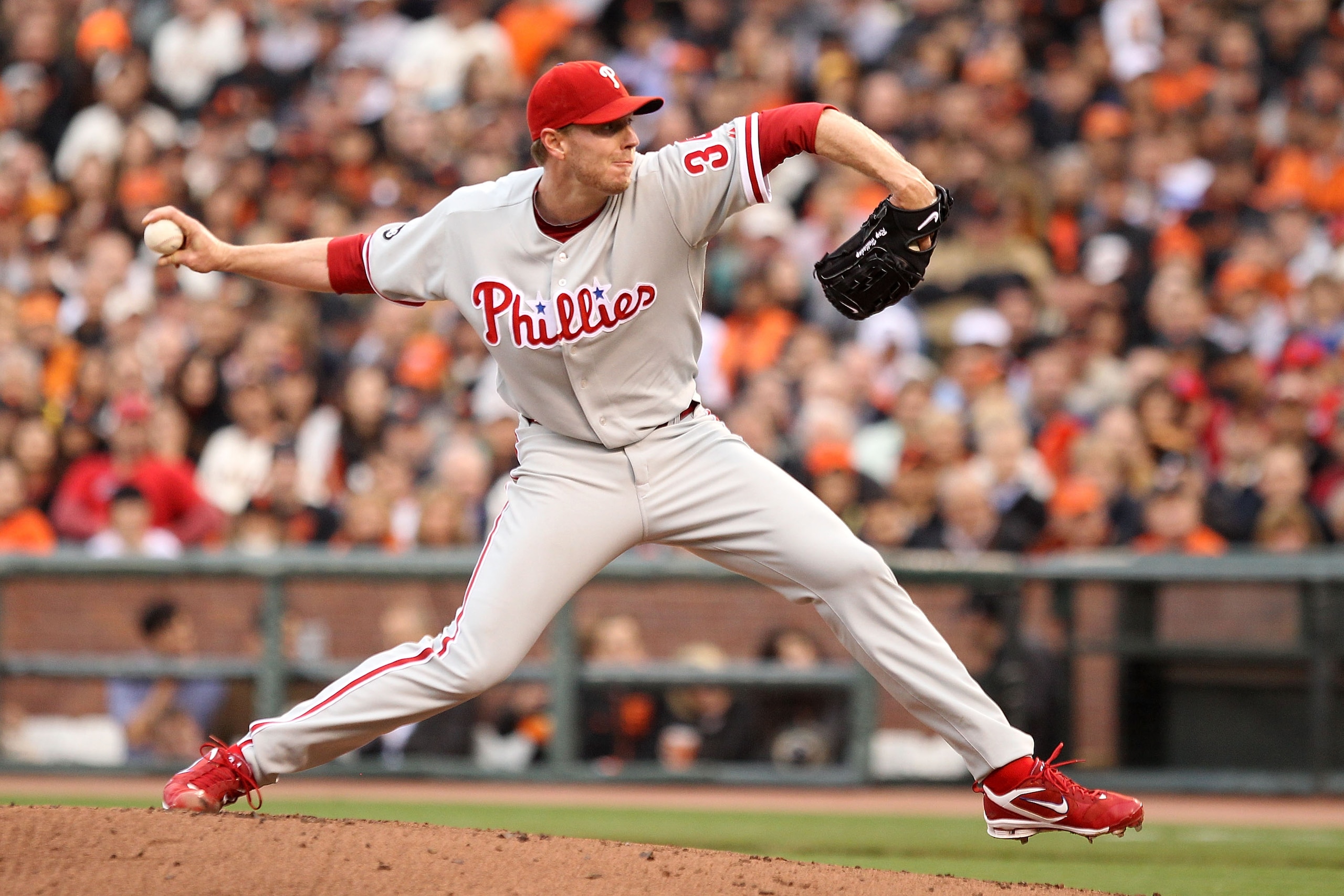

MLB's All Time Top Starting Rotations — Where Will The 2011 Phillies Fit In?
The 2011 Major League Baseball season has not as of yet seen pitch one, but already there is speculation the fantastic Philadelphia five (Roy Halladay, Cliff Lee, Roy Oswalt, Cole Hamels and Joe Blanton) can accomplish things that align them with the greatest starting staffs of all time, if not plant them firmly atop the list.
While it's hard to argue with the collective resumes of that coming, City of Brotherly Love rotation, Major League Baseball has had no shortage of great starting groups amidst its glorious past and rather than give you a glossy look at recent rotations who have imprinted themselves on our Johnny-Come-Lately baseball consciousness we've put together an accounting that reaches back to the days of the Great Bambino—when he was still chucking that is, for a Boston Red Sox nine that won World Championship Titles in 1912, 1915, 1917 & 1918.
To garner perspective we've implemented a ratings system with a base of 70-100 points residual to term of dominance not exclusive of bonus and subtraction points all of which you'll come to understand as we go through the individual staffs.
For now though let's just get into it and see if by subject's end we can come to any kind of a consensus on the single best starting rotation in the history of Major League Baseball.
1912-1918 Boston Red Sox
1 of 18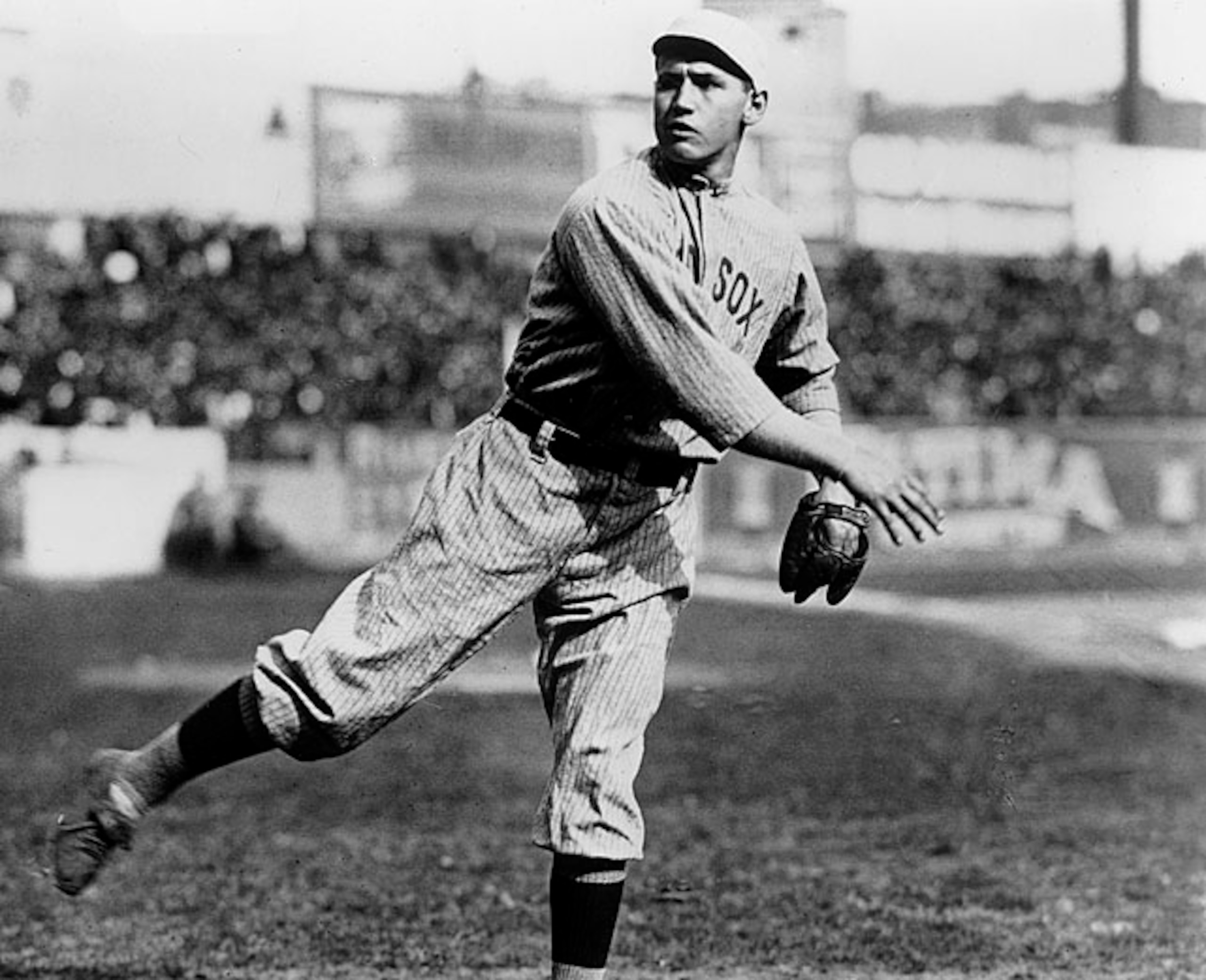
Rotations will inevitably vary from year to year, and that's certainly the case with the pitching rich Boston Red Sox of the pre-"Curse of the Bambino" era.
They won four World Titles in six years beginning in 1912—the year of Smoky Joe Wood, a Beantown flamethrower who the great Walter Johnson once coined as the hardest thrower of his era.
Wood went 34-5 with a 1.91 ERA and 258 K's—the rest of the 1912 staff as follows:
Buck O'Brien 20-13 2.58 ERA
Hugh Bedient 20-9 2.92 ERA
Ray Collins 13-8 2.53 ERA
Charley Hall 15-8 3.02 ERA
Unfortunately the 22-year-old Wood's right arm was pretty well blown to bits by the season's massive workload (344 innings, 35 complete games) and while the staff held up pretty well in 1913 and 1914, it wasn't until 1915, with a slew of fresh arms in place, that the Sox won their second title of the decade.
Rube Foster 19-8 2.11
Ernie Shore 19-8 1.64
Babe Ruth 18-8 2.44
Dutch Leonard 15-7 2.36
Joe Wood 15-5 1.49 (Even with the bad arm. What a career the man might have had!)
Ruth won 23 in 1916, hard throwing right-hander Carl Mays joined the staff and won 18 as all five starters won 14 games or more en route to another Word Series win for the Red Sox.
1917 (2nd Place)
Ruth 24-13 2.01
Leonard 16-17 2.19
Mays 22-9 1.74
Shore 13-10 2.22
Foster 8-7 2.53
And finally in 1918, with the Bambino beginning his transition to full-time outfielder—he went 13-7 with a 2.22 ERA in 19 starts, 18 of them CGs while batting .300 with 11 HRs and 66 RBI—the Red Sox won their fourth and final ring for endless years to come with the rotation combining for 73 wins, 102 complete games, 24 shutouts and a collective ERA of 2.20.
For their extended period of individual and collective staff dominance—four years or more—the 1912-1918 Red Sox earn 100 points. For each of their four World Series Rings they earn 10 points, or an additional 40 points.
They get a downward adjustment of 20 points for chucking in the deadball era which should speak upon the concerns of any reader who blindly asserts this group from long ago cannot be fairly measured against the starting rotations of the past 40 or 50 years.
Staff Score 120
1929-1931 Philadelphia Athletics
2 of 18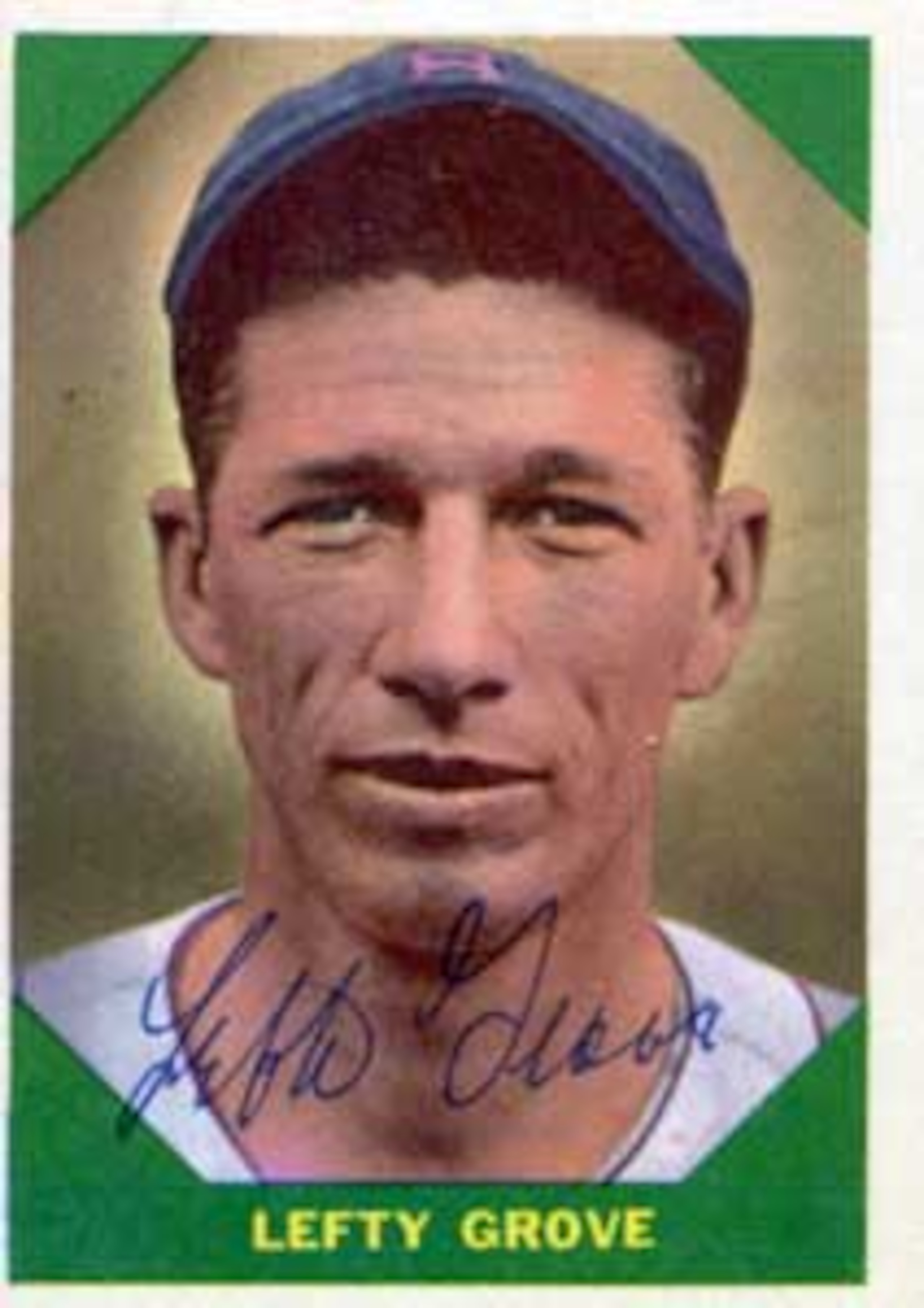
Led by all-time great Lefty Grove, the Philadelphia Athletics made three straight World Series appearances, winning in 1929 and 1930 and narrowly edged out 4-3 by the St. Louis Cardinals in 1931.
Grove went an incredible 79-15 over that three year span, his best stretch in an illustrious Hall of Fame career.
Six pitchers got starts in 1929, all had double digit wins with Grove, George Earnshaw, (24-8), and Rube Walberg combining for 62.
In 1930 Grove won 28, Earnshaw another 22, en route to their second straight World Series win, 4-2 over the Cardinals, and in 1931 Grove went 31-4, Earnshaw 21-7, Walberg 21-12, while newcomer Roy Mahaffey pitched in at 15-4.
For their three year dominant run in one of the most competitive eras the game has ever known, the 1929-1931 A's earn 90 points. Two World Series rings earn them another 20. Grove's three year run of extraordinary dominance adds an additional 10.
Staff Score 120
1934-1935 St. Louis Cardinals
3 of 18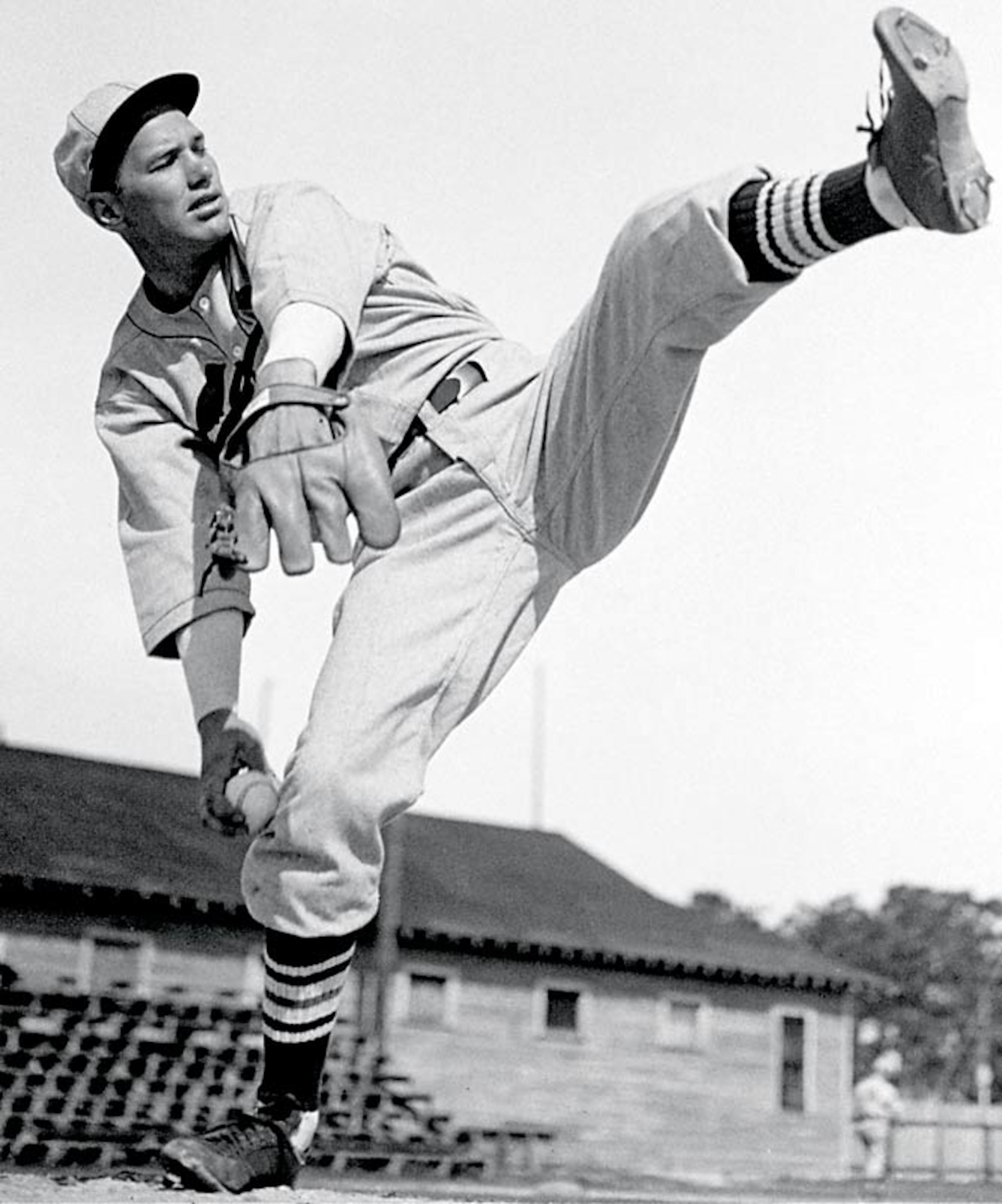
Actually the Cards had plenty of pitching in 1930 and 1931 as well, when they battled the A's in back-to-back World Series, but we chose 1934 and 1935 as a means to best represent the very brief but iconic period Dizzy Dean and his younger brother Paul made their bones together in the historic Major League city.
The Cardinals had finished fifth in the National league in 1933, but 23-year-old Diz—20-18 that year—promised big things to come in 1934 when he would be joined by his far less outspoken sibling.
And the Dean brothers came through. Diz won 30, Paul went 19-11, (only brother tandem to top 40 wins in a Major League season), and the two, with a little help from the able trio of Tex Carlton (16 wins), Bill Hallahan and Bill Walker—20 wins between them in a combined 45 starts—flew all the way past the Detroit Tigers en route to a taut 4-3 Series win for St, Louis's finest.
In 1935 the Dean's combined for 47 wins (Walker and Hallahan another 28), but the Cards finished 96-58, four games shy of the Chicago Cubs for the National League Pennant.
By 1936 Paul's arm was shot, in 1937 Dizzy Dean tried to come back too soon from a toe injury that affected his throwing motion and his career was dramatically curtailed as well.
But for those two seasons the Dean brothers led one of the best starting rotations in the game's storied past. They get 80 points for the two year run, 10 points for the World Series win, and another 5 points for Dizzy's 30 win season in 1934.
Staff Score 95

1951-1954 New York Yankees
4 of 18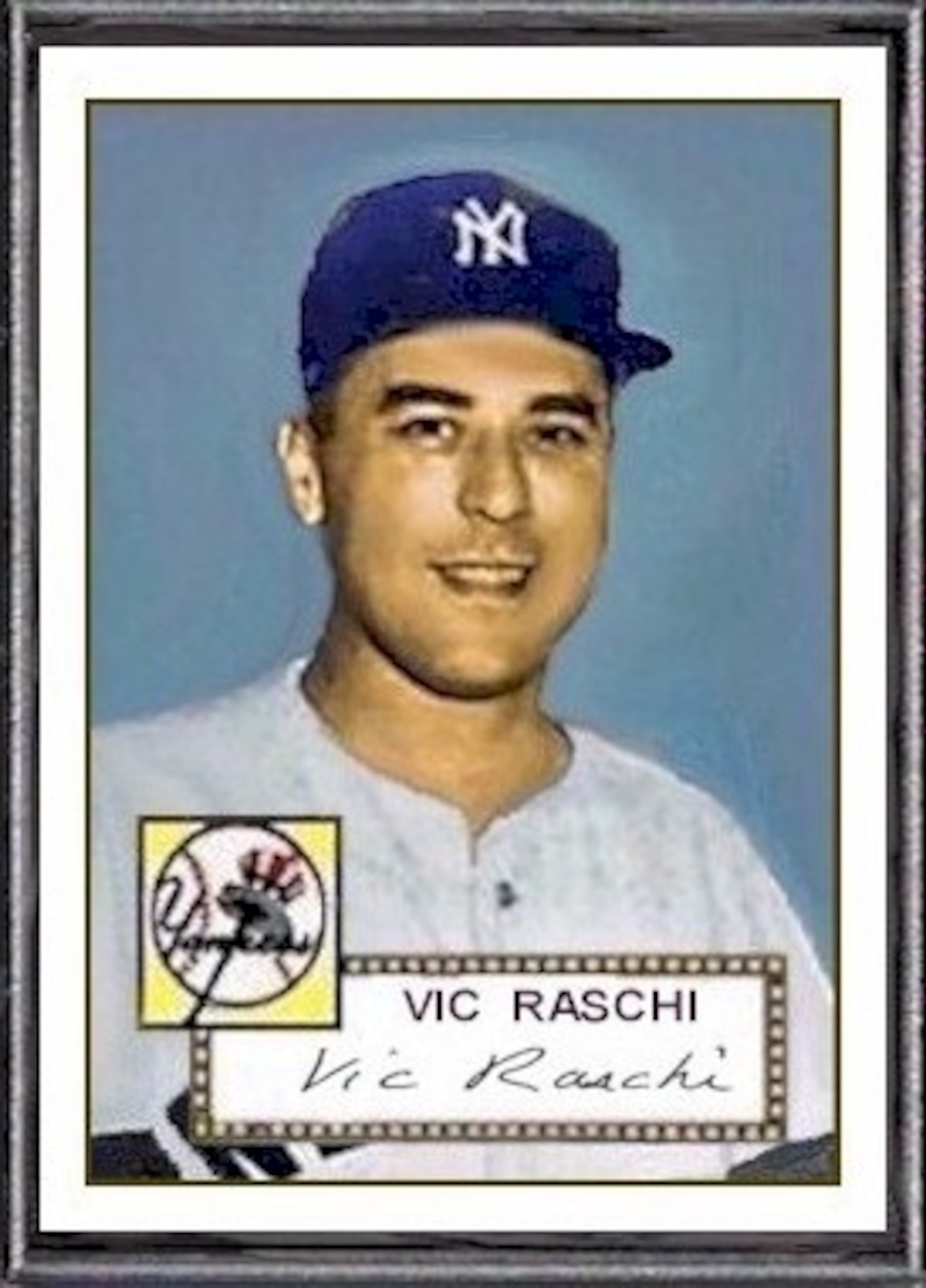
With all the big bats booming, the Yanks are rarely mentioned when it comes to the best in mound affairs, but this group from 1951-1954 was about as good as any four or five-man starting rotation over an extended period.
We'll let the numbers do the talking, starting with 1951:
Vic Raschi 21-10 3.27 ERA
Eddie Lopat 21-9 2.91 ERA
Allie 'Big Chief' Reynolds 17-8 3.05 ERA
Tom Morgan 9-3 3.68 ERA
(Combined for 55 complete games and 17 shutouts as the Yank's won the first of four consecutive World Championship Titles).
1952
Reynolds 20-8 2.06
Raschi 16-6 2.77
Lopat 10-5 2.53
Morgan 5-4 3.07
1953
Whitey Ford 18-6 3.00
Vic Raschi 13-6 3.32
Eddie Lopat 16-4 2.42
(Jim McDonald, Allie Reynolds, and one time Milwaukee Brave great, Johnny Sain, combined for a 36-21 mark in dual starter/reliever roles.)
1954
Whitey Ford 16-5 2.82
Bob Grim 20-6 3.26
Eddie Lopat 12-4 3.55
Tom Morgan 11-5 3.34
Harry Byrd 9-7 2.99
Summary: 100 points for the four year run, 40 bonus points for the four consecutive rings.
Staff Score 140
1954-1956 Cleveland Indians
5 of 18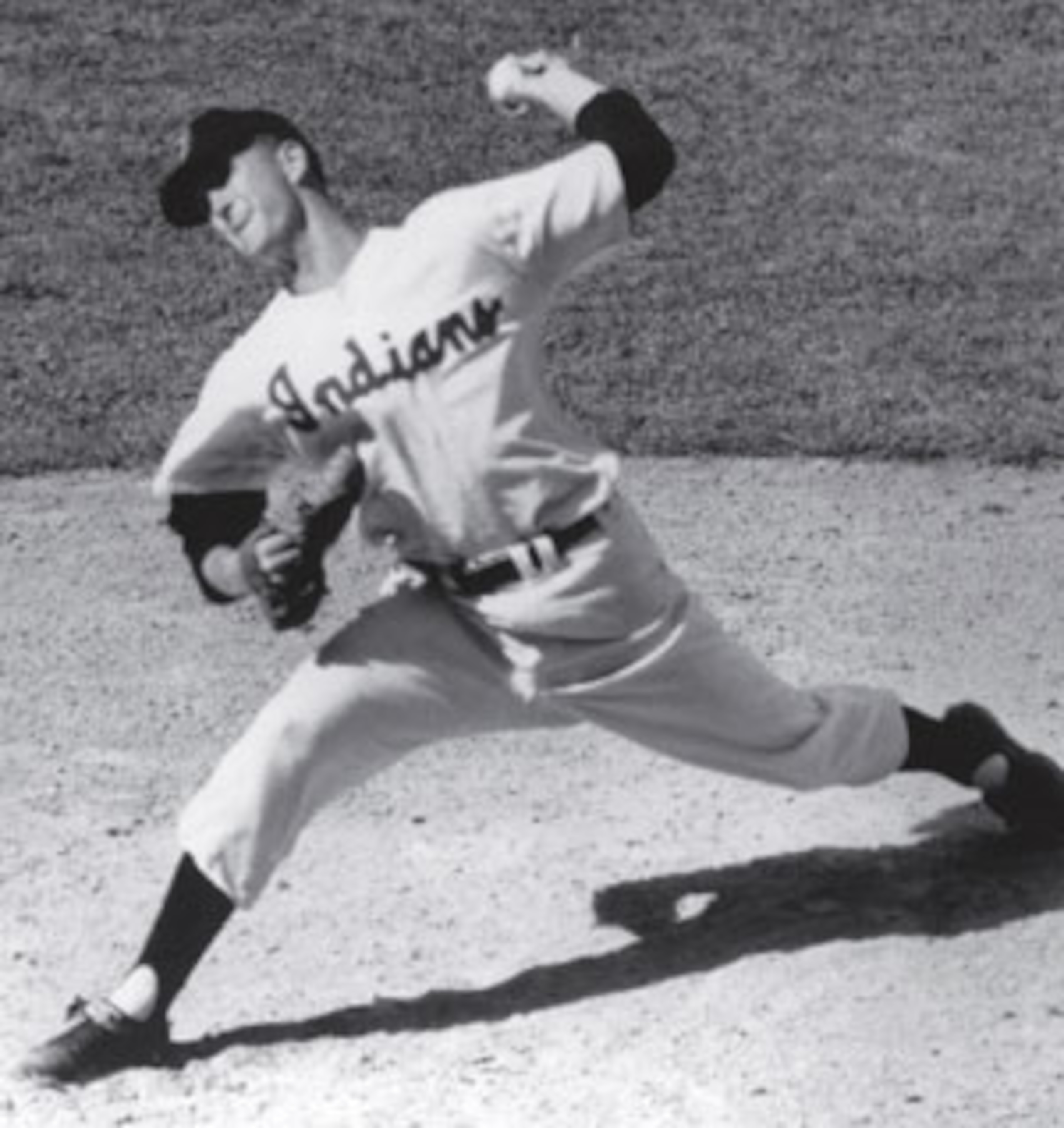
Only a past his prime Bob Feller keeps this from being one of the top two or three starting rotations of all time.
In 1954 the Indians went an incredible 111-43 but caught the red hot Willie Mays and the NY Giants in the World Series and were unceremoniously swept 4-0.
Early Wynn and Bob Lemon won 23 games apiece, stud right-hander Mike Garcia went 19-7 with five shutouts, 26-year-old Art Houtteman went 15-7, and even at the age of thirty five Bob Feller went 13-3 with an ERA only slightly over 3.00.
Had the awesome quintet completed their historic regular season, it would have been hard to displace their single season excellence, and even with the loss to the Giants this is still one of the top starting fives to ever grace the game.
In 1955 it was more of the same as Wynn, Garcia and Lemon were joined by the ill fated, left-handed flamethrower Herb Score. The four combined to go 62-44 as the Indians finished second In the AL.
The following year Wynn, Lemon and Score all won 20, but the Indians once again finished secnd in the AL behind the Yanks. At the tender age of 23, Herb Score in particular had a season for the ages going 20-9 with a 2.53 ERA, 249 innings, 162 hits allowed and 263 strikeouts.
But in May of 1957, Score was hit in the face by a line drive off the bat of Yankee infielder Gil McDougald. The damage turned out to be irreparable and Score's career for all intents and purposes was over.
The Indians faded from there and it wasn't until 1995 in a losing effort against the Atlanta Braves that the Cleveland made it back to another World Series.
For the three year run the Cleveland rotation earns 90 points. They earn 10 points for having three 20-game winners in 1956, but those are negated by the four game sweep at the hands of the Giants in 1954.
Staff Score 90
1961-1963 New York Yankees
6 of 18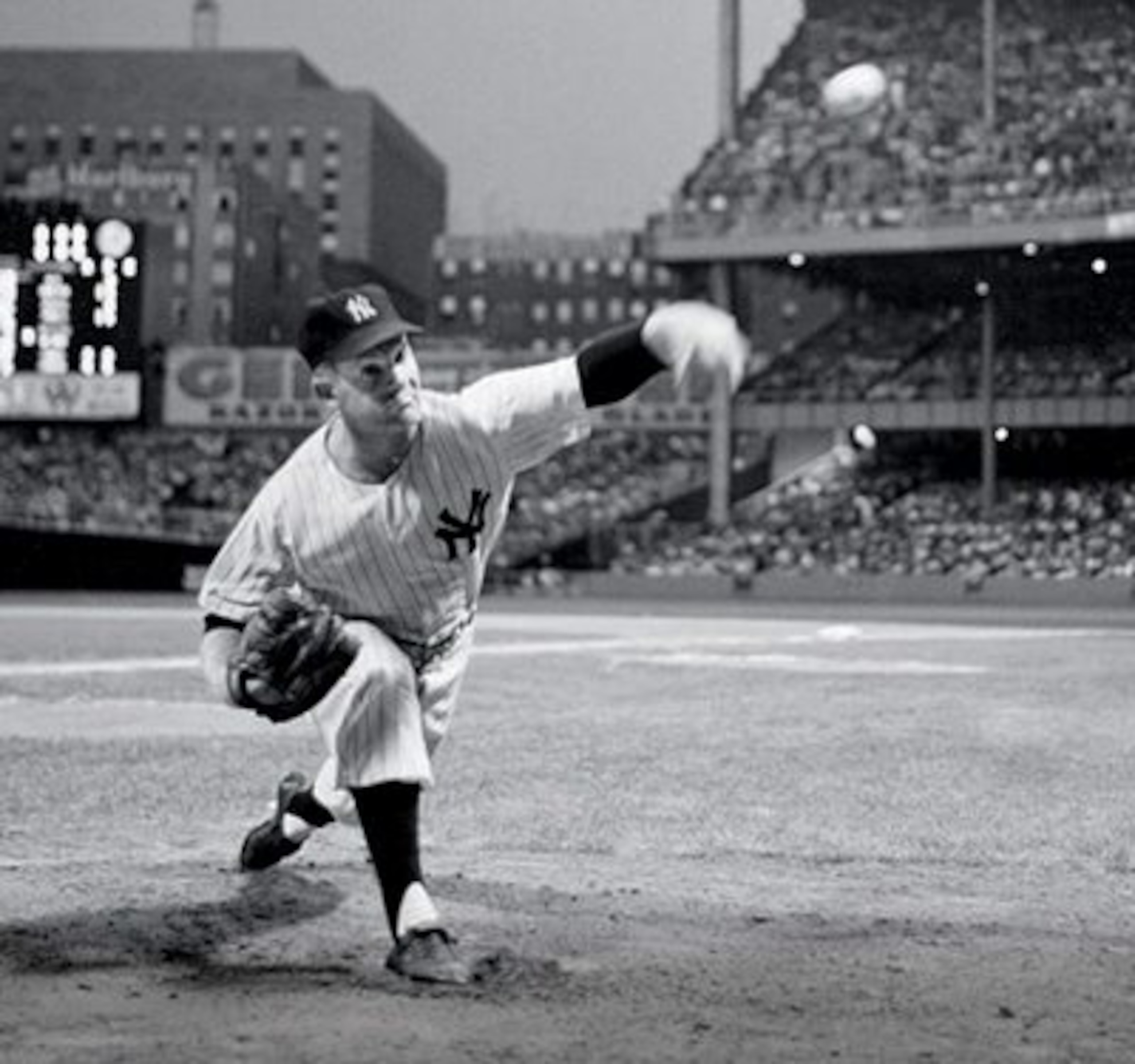
The early '60's New York Yankees will forever be remembered as the M&M boys for the tremendous combined exploits of Mickey Mantle and Roger Maris, but if not for the club's tremendous pitching, the three straight World Series appearances from '61-''63 would have never materialized.
1961 — 109-53 Win World Series 4-1 over Cincinnati Reds
Whitey Ford 25-4 3.21 ERA 209 K's
Bill Stafford 14-9 2.68
Ralph Terry 16-3 2.58
Rollie Sheldon 11-5 3.60
1962 — 99-66 Win World Series 4-3 over San Francisco Giants
Ralph Terry 23-12 3.19
Whitey Ford 17-8 2.90
Bill Stafford 14-9 3.67
(Jim Bouton and Rollie Sheldon combine for the balance 32 starts.)
1963 — 104-57 Swept 4-0 in World Series by Los Angeles Dodgers
Whitey Ford 24-7 2.74
Ralph Terry 17-15 3.22
Jim Bouton 21-7 2.53
Al Downing 13-5 2.56
Three dominant years, 90 points. Two World Series wins, 20 points. Dodger sweep in '63, minus 10. Whitey Ford, Cy Young in 1961, plus 5 points.
Staff Score 105
1962-1963, 1965-1966 Los Angeles Dodgers
7 of 18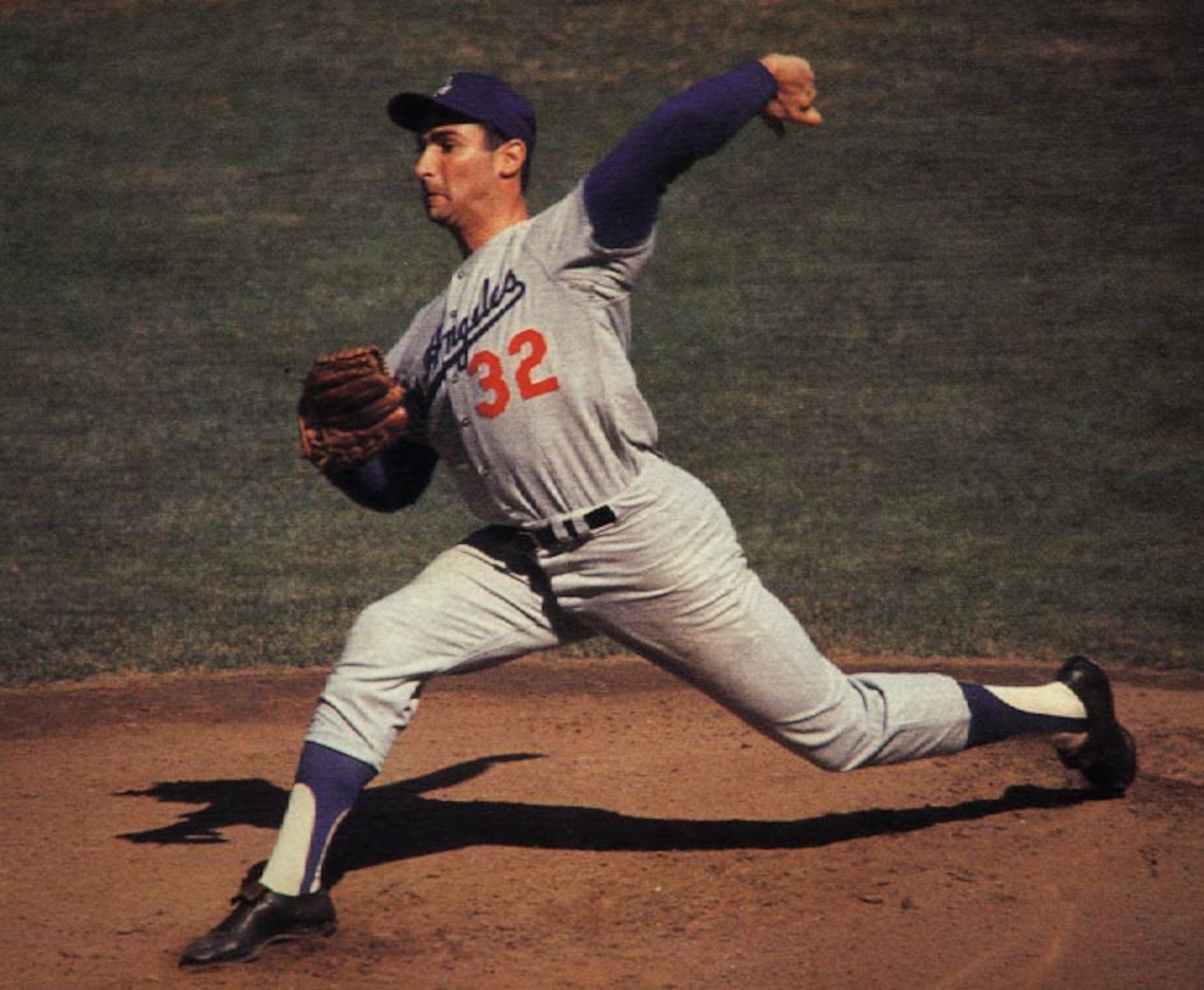
The Dodgers won 101 games in 1962, finishing second behind their arch rival San Francisco Giants.
It was the year of Don Drysdale. The big righty went 25-9 with a 2.83 ERA, threw 19 complete games, two shutouts, had 232 Ks in 314 innings en route to the Cy Young, which at that time was still awarded to one Major League pitcher per season.
Sandy Koufax was finally beginning to harness his mercurial stuff going 14-7 with a 2.54 ERA and 216 Ks against 57 walks in 184 innings. Young veterans Johnny Podres and Stan Williams rounded out the front four with 29 victories between them.
In 1963, en route to a 4-0 Series sweep over the vaunted Yankees, the great Koufax won the first of three Cy Young's when he compiled a 25-5 record, a 1.88 ERA, 20 complete games, an incredible 11 shutouts and 306 Ks in 311 innings.
It was arguably the greatest single-season performance—to date—of the modern era. Drysdale won 19, had a 2.63 ERA, and Johnny Podres won 14, five of them shutouts. Bob Miller and Pete Richert split the balance of the starts and won 15 between them.
1964 was an off year for everyone but Koufax, but the staff returned in full force in 1965 when the offensively challenged Dodgers won their second Series in three years, this time 4-3 over the hard hitting Minnesota Twins.
Koufax went 26-8 with a 2.04 ERA, threw 27 complete games, eight of them shutouts and struck out a record 382 batters. Drysdale went 23-12 with a 2.77 ERA, seven shutouts and 210 Ks.
Claude Osteen joined the foursome, won 15 games with a 2.79 ERA and Johhny Podres went 7-6 in the 22 starts that weren't eaten up by the big three.
In 1966 Koufax won 27 games, had a 1.73 ERA and 317 Ks. The rest of the staff, Drysdale, Osteen and by now Don Sutton, were solid but had difficulty overcoming a Dodger offense that hit .256, averaging about 3.5 runs per game. That trend continued into the World Series where the anemic Dodgers were shutout three times—twice losing 1-0—as they were swept 4-0 by the Baltimore Orioles.
Four dominant years, 100 points, two World Series wins 20 points, 10 point deduction for the '66 Series sweep at the hands of the Orioles (although Dodger starters only allowed ten runs), 20 points for the four Cy Youngs between Drysdale and Koufax, and another 10 points for the staff's incredible productivity in the face of the perpetually inept Dodger offense.
Staff Score 140
1967-1969 Detroit Tigers
8 of 18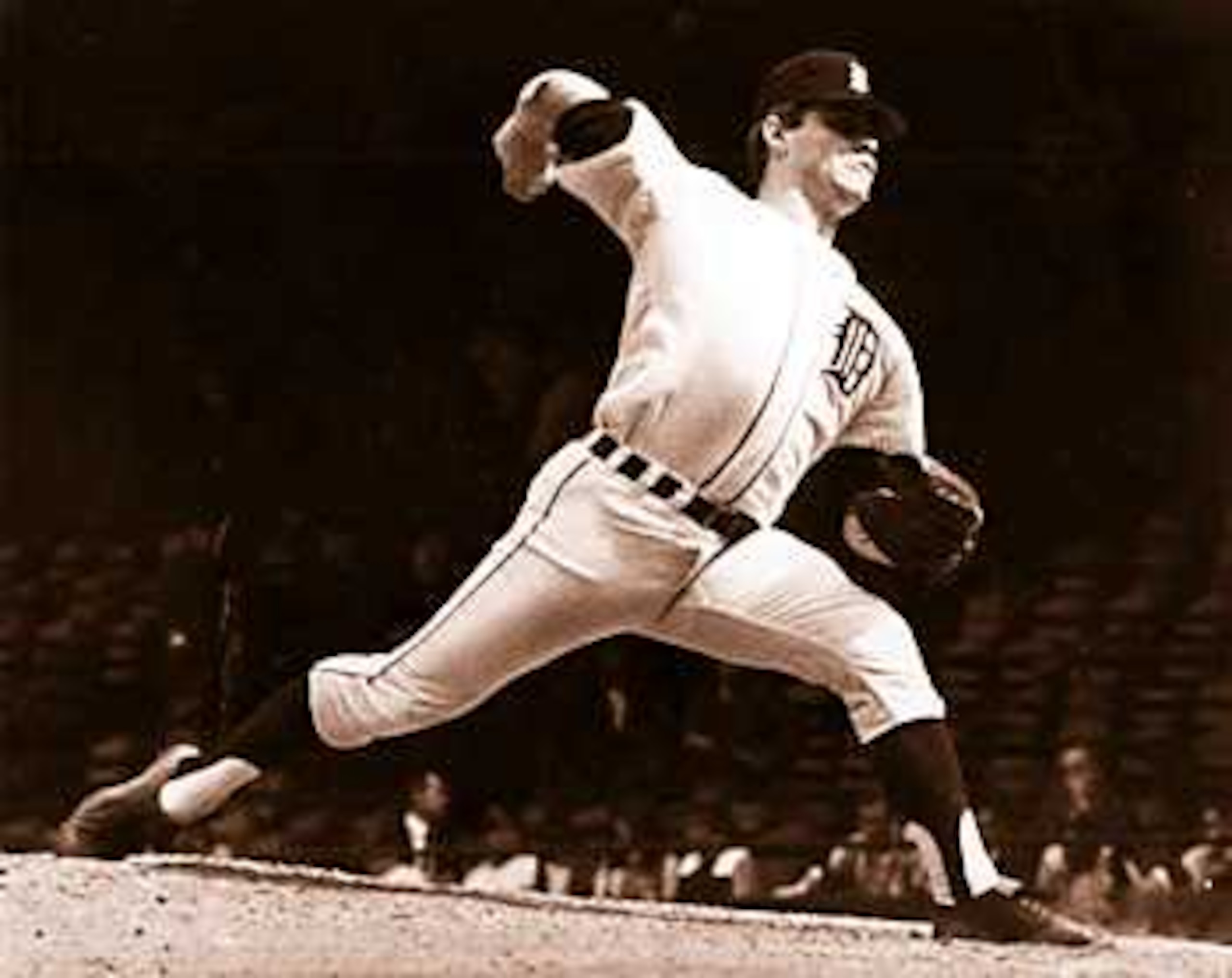
Sandwiched second place finishes in '67 and '69 around a thrilling 4-3 Series win in 1968 over the similarly pitching rich St. Louis Cardinals.
In 1967, Earl Wilson, Denny McLain, Joe Sparma and the portly left-hander Mickey Lolich won 21, 17, 16, and 14 games respectively. They threw a combined 44 complete games, 14 of them shutouts, six by Lolich.
In 1968, the baseball world avidly followed the progress of Denny McClain as the talented righty became the first major leaguer to win 30-plus games since Dizzy Dean did it in 1934. McClain finished 31-6, 1.96 & 280 K's while Lolich went 17-9, 3.19 with 197 K's, Earl Wilson 13-12, 2.85 and Sparma finished flat at 10-10.
1969: McClain 24-9, 2.80 with 181 K's. Lolich 19-11, 3.14 with 271 K's. Wilson and Sparma combined for 18 wins.
The superb three year run counts for 90 points. The World Series win in 1968, 10 points. McClain's 1968 and 1969 Cy Young awards add another 10 points.
Staff Score 110
1967 and 1968 St. Louis Cardinals
9 of 18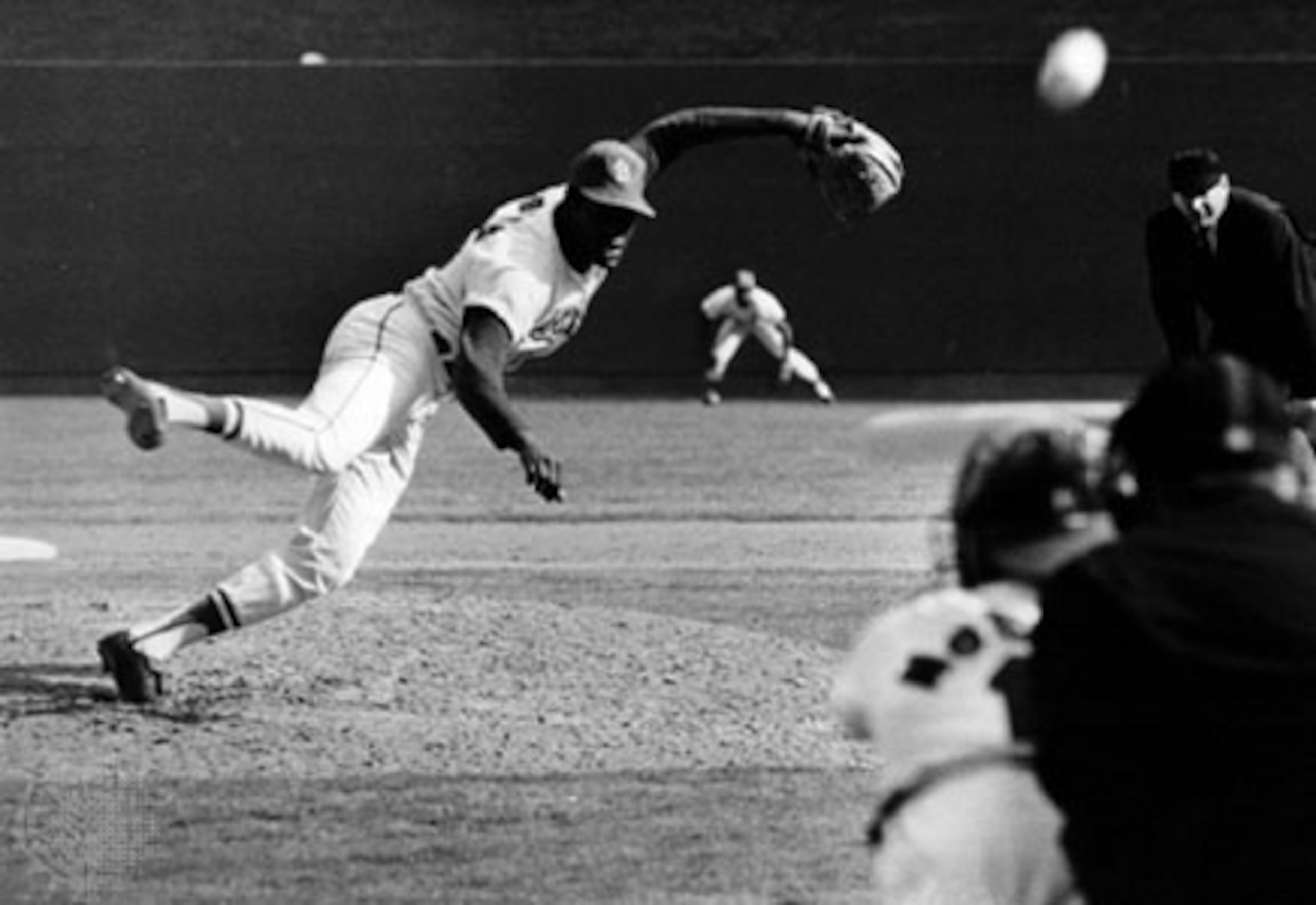
The Card's made two straight World Series appearances, topping the Red Sox 4-3 in 1967 and falling to the Tigers 4-3 in 1968.
1967 Result:
Dick Hughes 16-6 2.67
Steve Carlton 14-9 2.98
Ray Washburn 10-7 3.53
Bob Gibson 13-7 2.98 (Only 24 starts)
Larry Jaster 9-7 3.01
In 1968 Bob Gibson had one of the top two or three seasons in the history of Major League baseball going 22-9 with an almost impossible to believe 1.12 ERA. In 34 starts, he had 28 complete games and 13 shutouts. He struck out 268 batters.
The rest of the staff:
Nelson Briles 19-11 2.81
Steve Carlton 13-11 2.99
Ray Washburn 14-8 2.26
Larry Jaster 9-13 3.51
For the two dominant seasons, 80 points. One World Series win, 10 points. 5 bonus points for Gibson's Cy Young in 1968.
Staff Score 95
1969 and 1973 New York Mets
10 of 18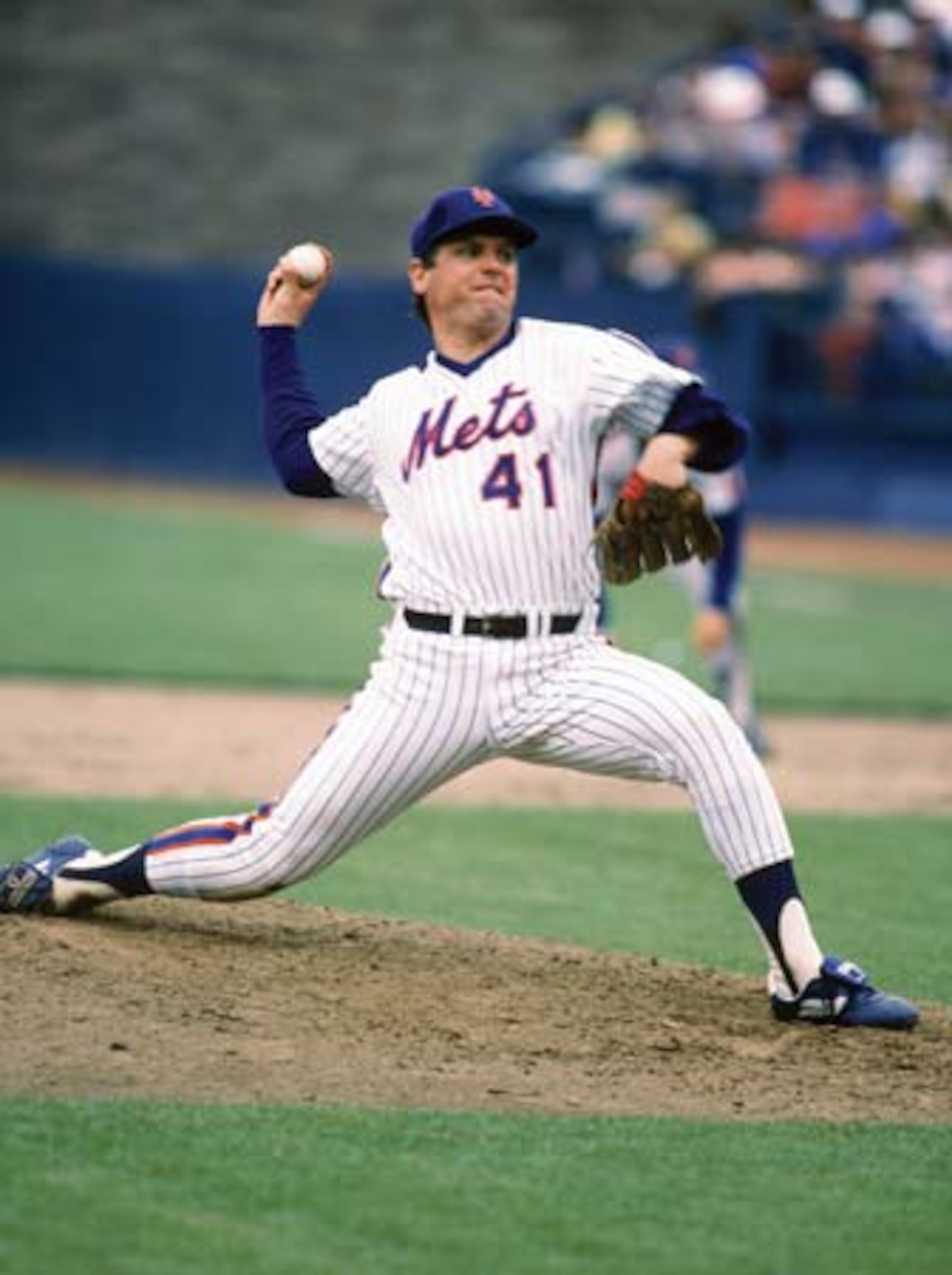
They were the Miracle Mets of 1969, joining the New York Jets and New York Knicks in what amounted to a near unbelievable Championship Trifecta for the trio of Metropolitan wonders.
The Knicks and Jets had at least shown signs of improvement in the seasons leading up to that extraordinary year. The expansion Mets had never even approached a .500 record, losing 100 games or more five times before winning 100 in '69.
They were led by an unrelenting starting rotation. Tom Seaver went 25-7 and won the first of three Cy Young awards. The Kooz, Jerry Koosman was the perfect left-handed compliment to the ace right-hander going 17-9 with a 2.28 ERA.
Hard throwing 22-year-old, Gary Gentry, went 13-12 with a 3.43 ERA while Don Cardwell and Jim McAndrew pitched well in the four and five spots, adding 14 wins to the pile. 22-year-old Nolan Ryan was on the staff as well, got 10 starts and went 6-3 with a 3.53 ERA in a dual starter/long reliever role.
The Mets pitched their way past the powerhouse Orioles in the '69 Series and while they continued to get great efforts out of the starting staff in the years that immediately ensued, the club was utterly punchless on the offensive side and never anything more than a .500 group leading up to and including 1973 when they caught a break and won the National League East with only 82 wins.
From there the combination of Seaver, Koosman and young lefty Jon Matlack pitched the Mets past the powerful Cincinnati Reds and then to a six game standstill against the defending World Champion Oakland A's.
They lost the decisive Game 7 as the A's jumped on Matlack for four early runs and prevailed 5-2.
The Mets get 70 points for their single superlative season, 10 points for their '69 Series win over the Orioles, 10 points for a pair of Seaver Cy Youngs, and another 10 for pitching their way to within a game of the big prize in '73 against two of the best teams in the modern era.
Staff Score 100
1969-1973 Baltimore Orioles
11 of 18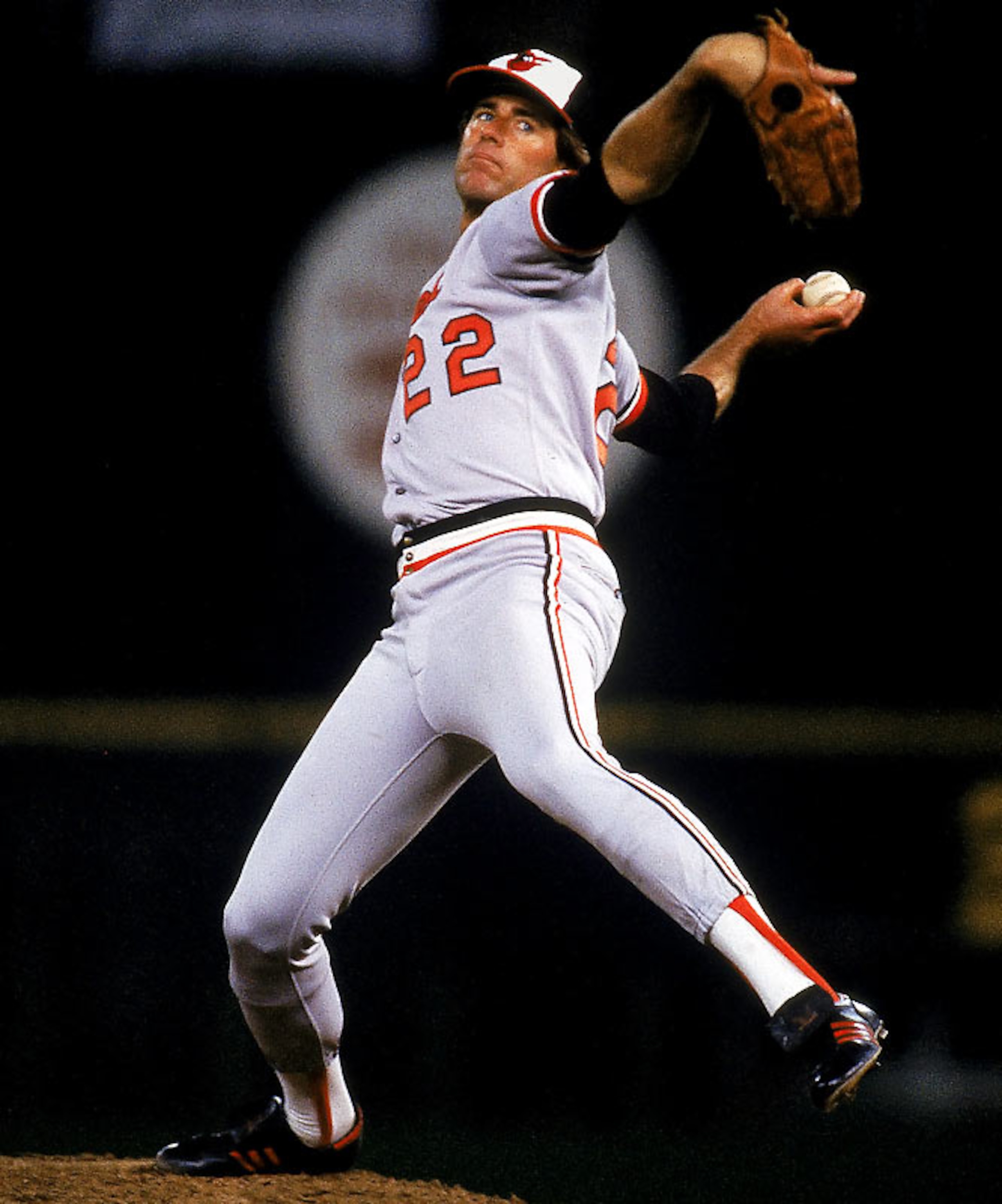
One of the all-time teams went to three straight World Series, losing to the Miracle Mets 4-1 in 1969, taking the Reds 4-1 in 1970, and losing a 4-3 heartbreaker to Clemente and the Pirates in 1971.
Over the entitled five-year span, the Orioles starting pitching was as impressive as any team in the history of the game.
Check the numbers:
1969
Mike Cuellar 23-11 2.38 Five Shutouts
Dave McNalley 20-7 3.22 Four Shutouts
Tom Phoebus 14-7 3.52 Two Shutouts
Jim Palmer 16-4 3.60 Six Shutouts
1970
Jim Palmer 20-10 2.71 17 CG 5 SHO
Mike Cuellar 24-8 3.48 21 CG 4 SHO
Dave McNally 24-9 3.22 16 CG 1 SHO
(Jim Hardin & Tom Phoebus combined for 40 starts and 11 wins)
1971
Jim Palmer 20-9 2.68
Mike Cuellar 20-9 3.08
Pat Dobson 20-8 2.90
Dave McNally 21-5 2.89
(Combined for 60 complete games and 12 shutouts)
1972
Jim Palmer 21-10 2.07 3 SHO
Pat Dobson 16-18 2.65 3 SHO
Mike Cuellar 18-12 2.57 4 SHO
Dave McNally 13-17 2.95 6 SHO
(Combined for 60 complete games)
1973 — Lost ALCS to Oakland 3-2
Jim Palmer 22-9 2.40
Doyle Alexander 12-8 3.86
Mike Cuellar 18-13 3.27
Dave McNally 17-17 3.21
(63 complete games, 10 Shutouts)
For the five mind-boggling seasons, 100 points. Three 20-game winners in 1970 and 1971, 20 points. Four 20-game winners in 1971, 20 points. World Series win in 1970, 10 points. Cuellar 1969 Cy Young, 5 points. Palmer 1973 Cy Young, 5 points.
Staff Score 160
** The Orioles continued to pitch and win throughout the '70's and had four Cy Young winners aside from those posted above. Palmer in '75 & '76, Mike Flanagan in 1979 and Steve Stone in 1980.
1971-1974 Oakland Athletics
12 of 18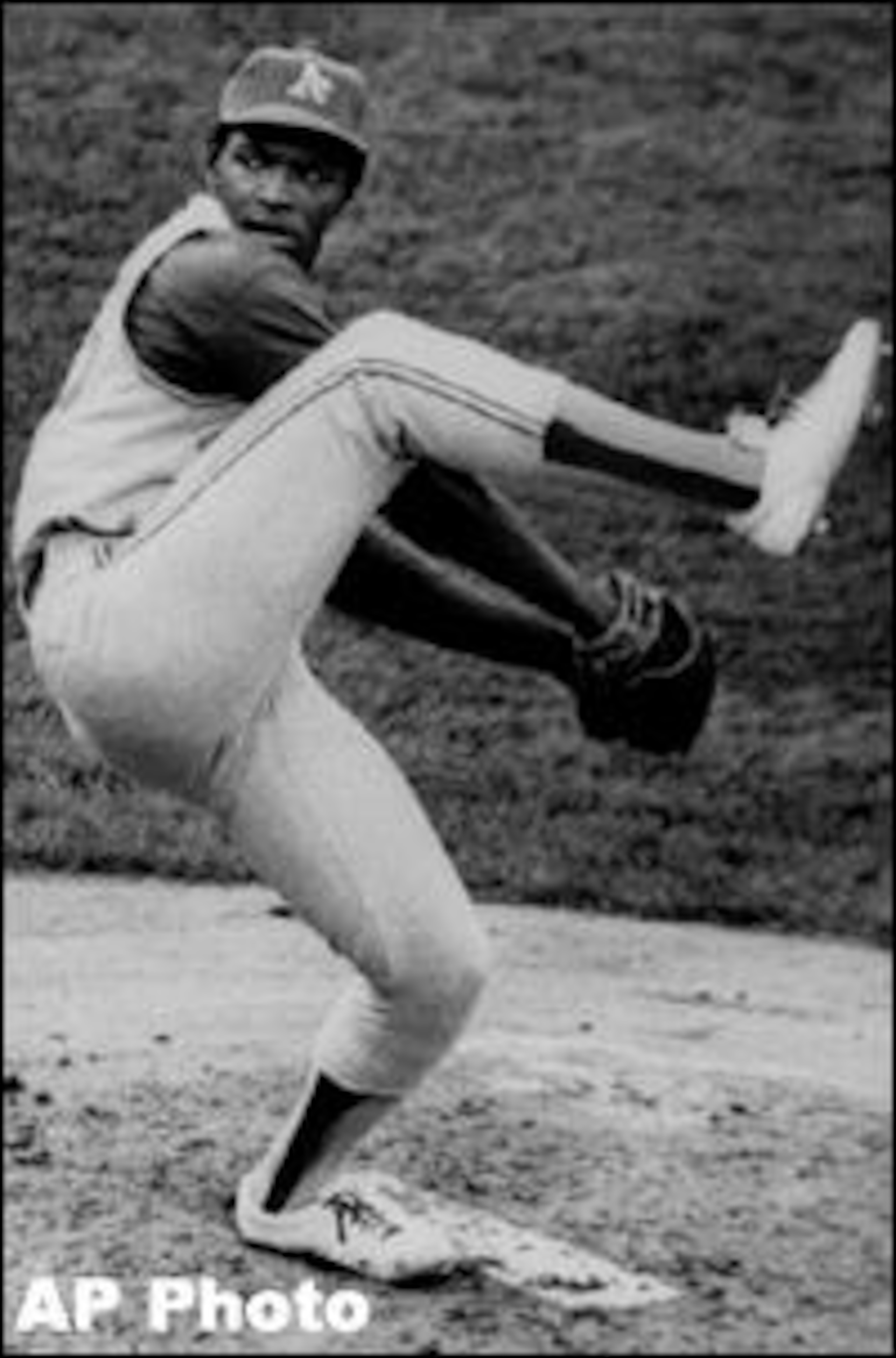
One of the best teams of the modern era, the A's won consecutive World Championships in 1972, 1973 and 1974 before being broken up by the combined advent of free agency and the neurotic, penny pinching ways of owner Charles Finley.
1971
Vida Blue 24-8 1.82 24 CG 8 SHO 301 K's
Catfish Hunter 21-1 2.96 16 CG 4 SHO 181 K's
Chuck Dobson 15-5 3.81
Diego Segui 10-8 3.14
Blue Moon Odom 10-12 4.29
1972
Catfish Hunter 21-7 2.04
Ken Holtzman 19-11 2.51
Blue Moon Odom 15-6 2.50
Vida Blue 6-10 2.80
Dave Hamilton 6-6 2.93
(Combined for 46 complete games and 15 shutouts)
1973
Ken Holtzman 21-13 2.97
Vida Blue 20-9 3.28
Catfish Hunter 21-5 3.34
(Odom & Dave Hamilton go 11-16)
1974
Catfish Hunter 25-12 2.49
Vida Blue 17-15 3.25
Ken Holzman 10-17 3.07
Dave Hamilton 7-4 3.15
Four years running, 100 points. Three World Series titles, 30 points. Three 20-game winners in 1973, 10 points. Vida Blue (1971) and Catfish Hunter (1974) Cy Young's, 10 points.
Staff Score 150
1985-1986 New York Mets
13 of 18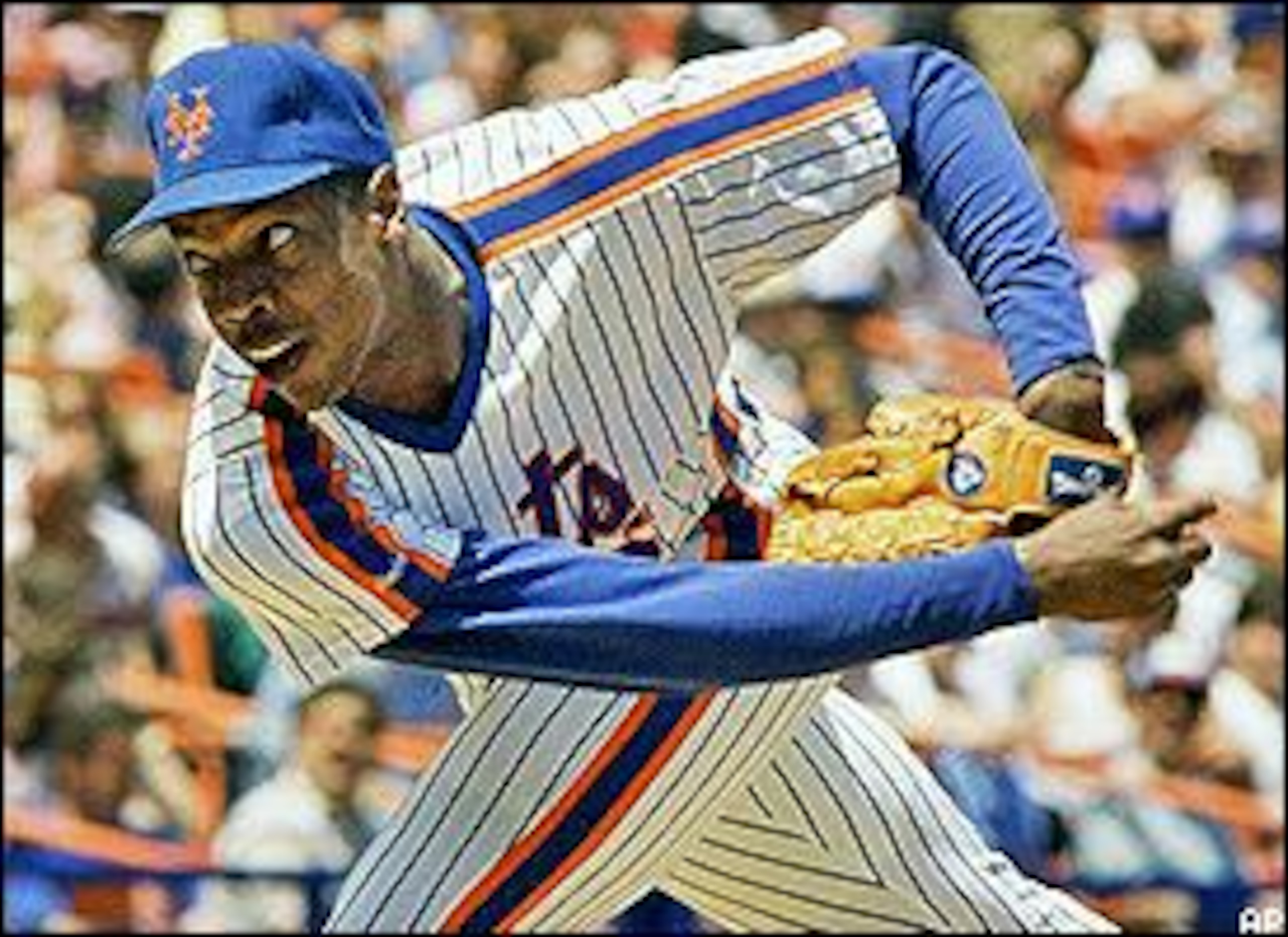
In 1985 the Mets began to reemerge in the National League behind a great group of young arms that came together all at once.
The finest of the lot was the 20-year-old, Dwight 'Doc' Gooden. In a season that ranks amongst the best in Major League history, he went 24-4 with a 1.53 ERA, threw 16 complete games, eight shutouts and struck out 268 batters in 276 innings.
Ron Darling 16-6 2.90 167 K's
Sid Fernandez 9-9 2.80 180 K's
Rick Aguilera 10-7 3.24
Ed Lynch 10-8 3.44
In 1986 everything came together as the Mets crashed the World Series party for only the third time in franchise history, coming back to beat the Boston Red Sox 4-3 after Bill Buckner's unforgettable between the legs existence-altering miscue gave the New Yorkers life in Game 6.
Doc Gooden 17-6 2.84
Ron Darling 15-6 2.81
Sid Fernandez 16-6 3.52
Rick Aguilera 10-7 3.88
Bob Ojeda 18-5 2.57
Two running seasons, 80 points. World Series win, 10 points. Doc Gooden Cy Young, 5 points.
Staff Score 95
One Year Wonders: The 1962 San Francisco Giants and the 2003 Florida Marlins
14 of 18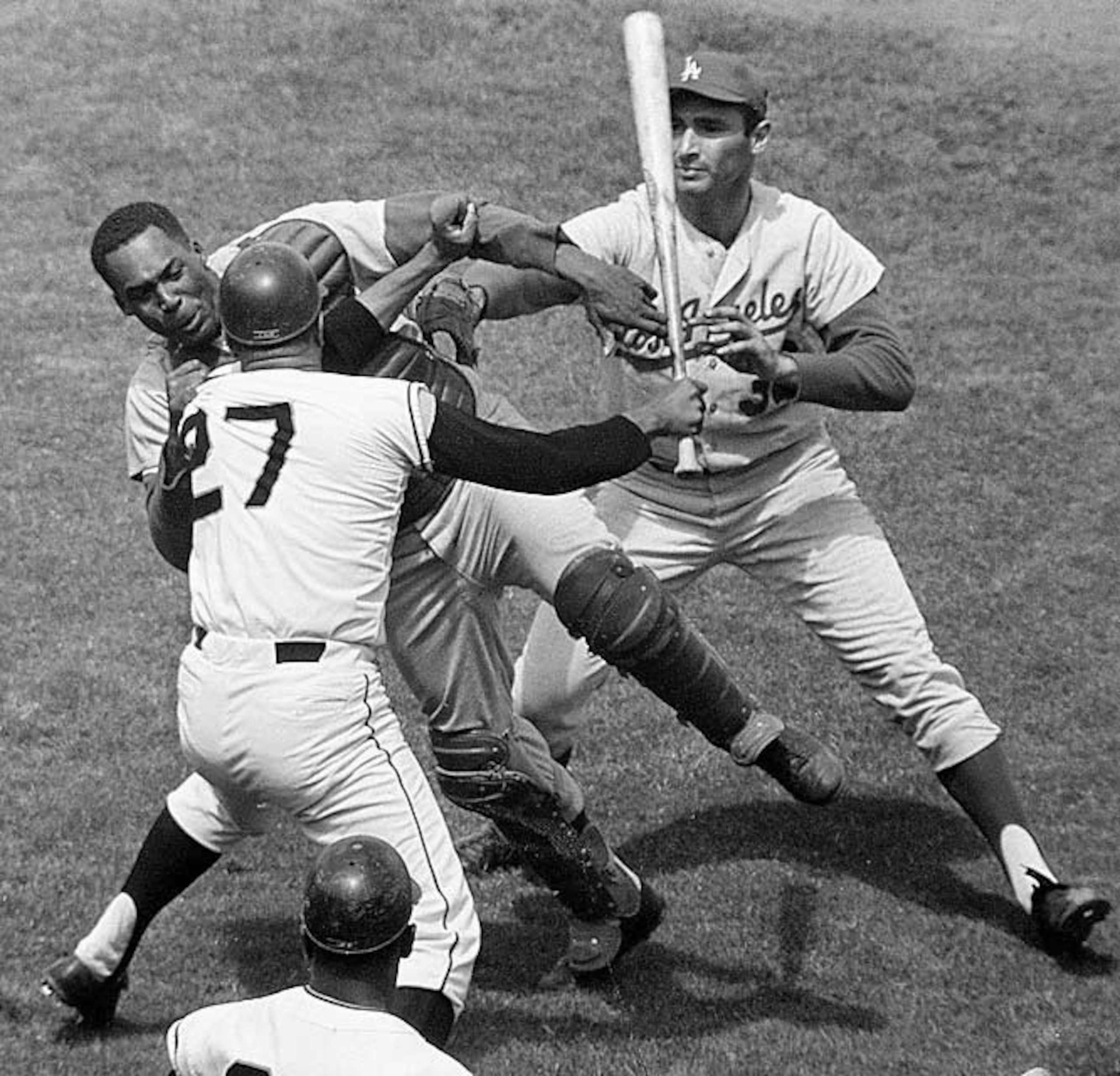
The 1962 Giants won the NL Pennant against stiff competition but lost a tough World Series 4-3 to the NY Yankees.
Billy O'Dell 19-14 3.53
Jack Sanford 24-7 3.43
Juan Marichal 18-11 3.36
Billy Pierce 16-6 3.49
(58 Complete games, nine shutouts)
Staff Score 70
The 2003 Marlins got hot late and rode the wave of a fire-balling young staff to a 4-2 World Series win over the Yankees.
Carl Pavano 12-13 4.30
Brad Penny 14-10 4.13
Mark Redman 14-9 3.59
Dontrelle Willis 14-6 3.30
Josh Beckett 9-8 3.04
Staff Score 80
1991-1999 Atlanta Braves
15 of 18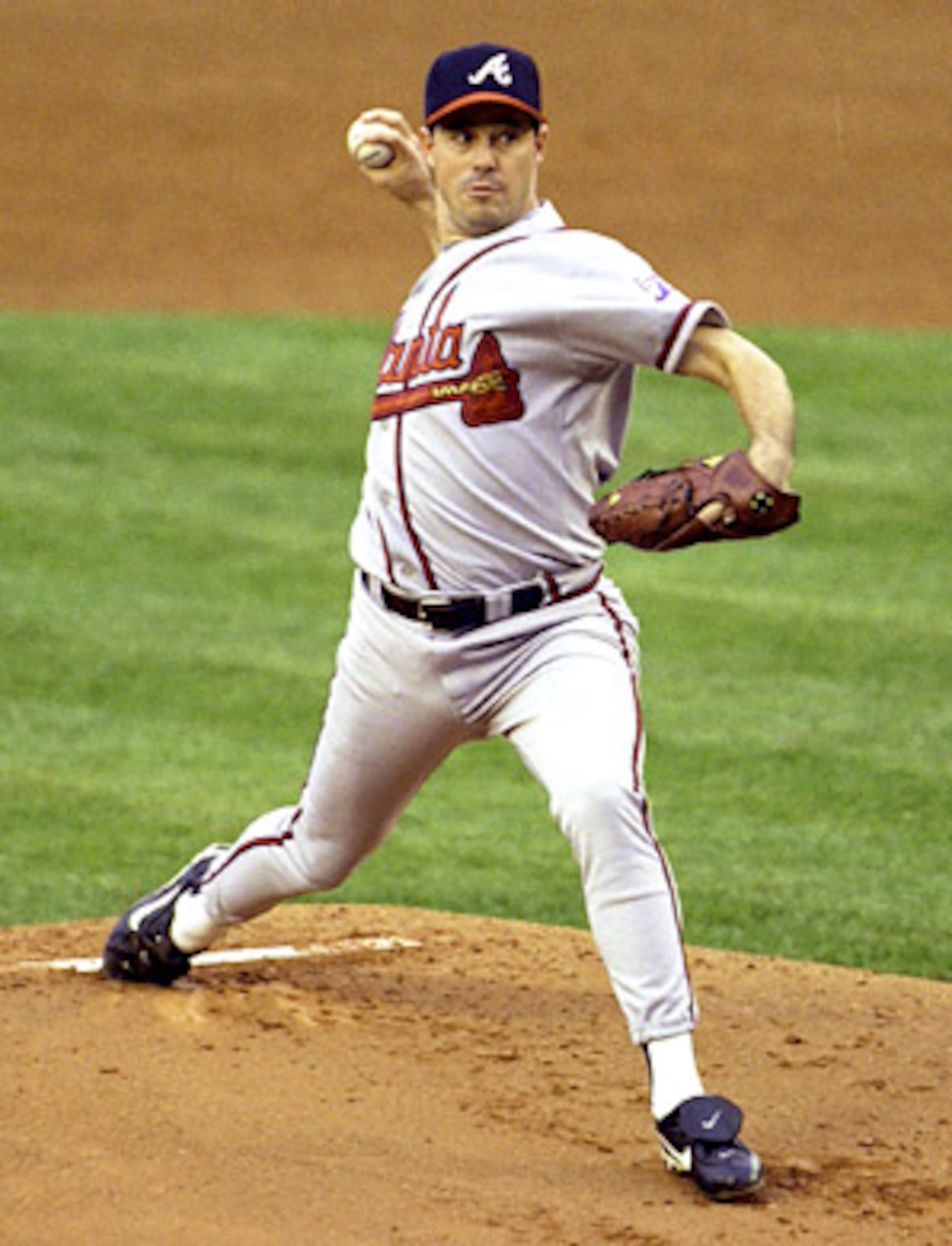
Of all the teams we've reviewed the Atlanta Braves—for all their extended success and more than occasional heart wrenching failure—are the toughest to put into context.
From 1991 to 1999, which we'll utilize as their peak period, the team participated in five World Series, losing four, winning 4-2 over the Cleveland Indians in 1995.
That they get their 100 points for four-plus dominant seasons goes without saying. Six Cy Young Awards adds another 30 points. The World Series win in '95 adds 10 points.
Attending five World Series in eight seasons ('94 strike shortened) earns another 10 points. Losing four of those World Series might easily negate that gain but we'll let it pass.
Staff Score 150
2009-Present San Francisco Giants
16 of 18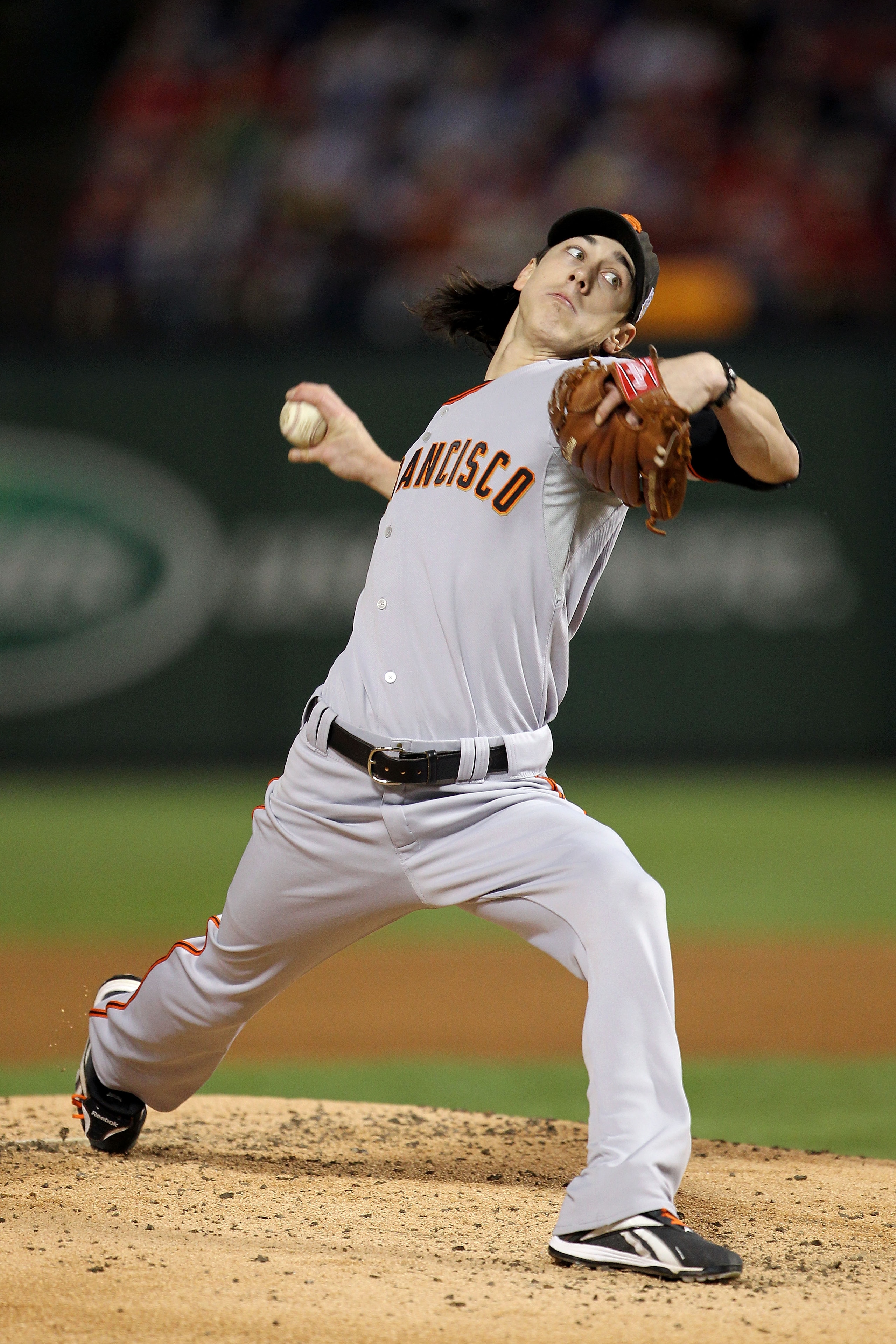
It's too soon to truly rate them in an historical context but the present day San Francisco Giants show all the signs of a potential pitching dynasty if they can keep their four young studs: Tim Lincecum, (two-time Cy Young Award winner), Matt Cain, (as good a young arm as exists in the game), and the slick lefty tandem of Jonathan Sanchez & Madison Bumgarner together.
They were tough in 2009 and won it all in 2010. If you throw in Lincecum's pair of Cy Young's they already have an adjusted Staff Score of 100.
And there's nowhere to go but up from here.
How Fabulous Can The Phillies Be?
17 of 18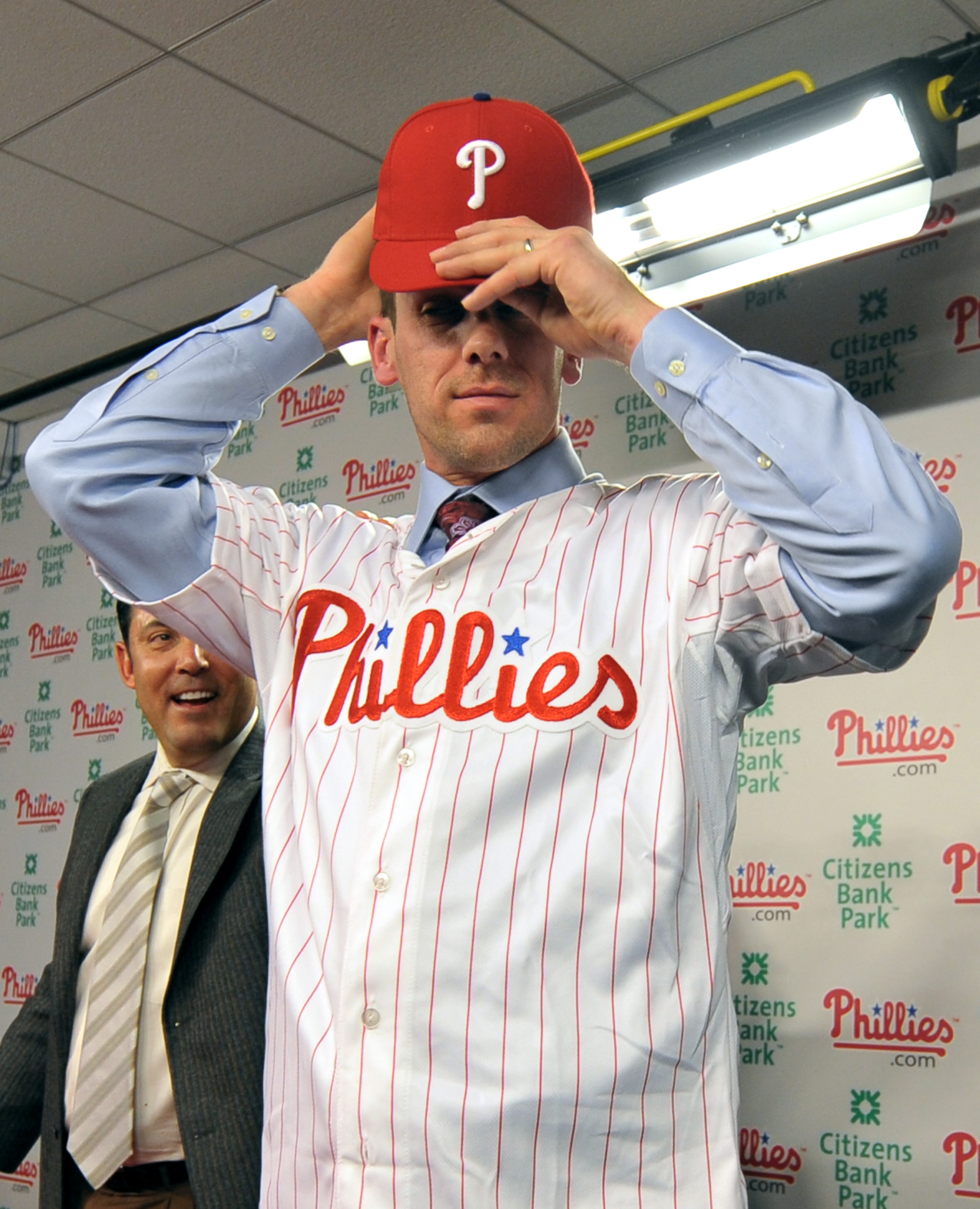
What they've done separately in the past does not count toward what they might accomplish together in the immediate or extended future so this year's presumably fantastic Philadelphia Five will start fresh.
In terms of a projection the best you can do—at least for a start—is look at their numbers in 2010:
Roy Halladay 21-10 2.44 219 K's Cy Young
Cliff Lee 12-9 3.18 185 K's
Roy Oswalt 13-13 2.76 193 K's
Cole Hamels 12-11 3.06 211 K's
Joe Blanton 9-6 4.82 134 K's
There's no reason to think this group can't add 10-12 wins to the above 67-49 record. On the other hand, baseball can be a fickle game and an injury here or there, a sign of age from Oswalt, regression from Hamels, continued mediocrity out of Blanton, and things might not turn out quite as well as expected in 2011.
In truth there's no guarantee the Phillies will suit up a better starting rotation than the Giants in 2011 or beyond. They were wiped out last year in the NLCS and Lee was punished in a Texas uniform in the battle between the leagues that followed.
It makes for some excellent drama in the season to come as there's every reason to think the two may meet up again when this year's NLCS rolls around.
Final Rankings on following slide.
Ranking the Top Rotations in MLB History
18 of 18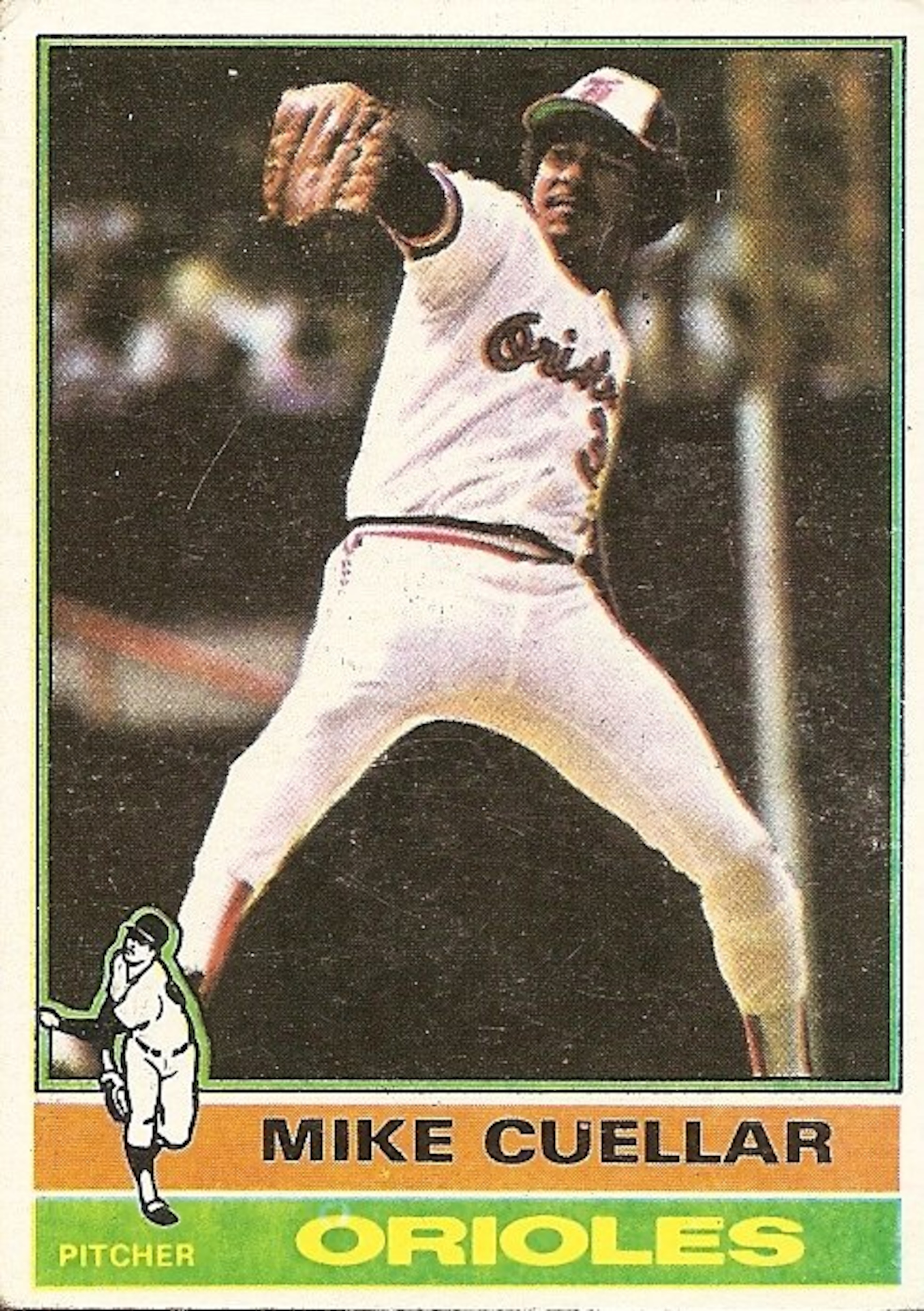
1) Baltimore Orioles 1959 - 1973 160 Points
2) Oakland Athletics 1971 - 1974 150 Points
2) Atlanta Braves 1991 - 1999 150 Points
4) Los Angeles Dodgers 62,63,65,66 140 Points
4) New York Yankees 1951 - 1954 140 Points
6) Boston Red Sox 1912 - 1918 120 Points
6) Philadelphia A's 1929 - 1931 120 Points
8) Detroit Tigers 1967 - 1969 110 Points
9) New York Yankees 1961 - 1963 105 Points
10) New York Mets 1969 - 1973 100 Points
10) S.F. Giants 2009-present 100 Points
12) St. Louis Cardinals 1934 - 1935 95 Points
13) St. Louis Cardinals 1967 - 1968 95 Points
14) Cleveland Indians 1954 - 1955 90 Points
15) Florida Marlins 2003 80 Points
16) S.F. Giants 1962 70 Points
Not an easy list to crack, much less ascend, and this years climb for the much hyped Philadelphia Phillies five man rotation begins April 1 at Citizens Bank Park.
The City of Brotherly Love will no doubt be primed for the event — ready to kick the 2011 season off with a bang and they'll more than likely be looking for a pitching gem too.
We'd say the odds are in their favor.
And that's it for today,
DR


.jpg?w=2560 "Gonzo Talks Trade Rumors 🗣️")
.png?w=2560 "CFB Week 1 Winners & Losers 📊")
.jpg?w=2560 "Projecting NFL Win Totals")
