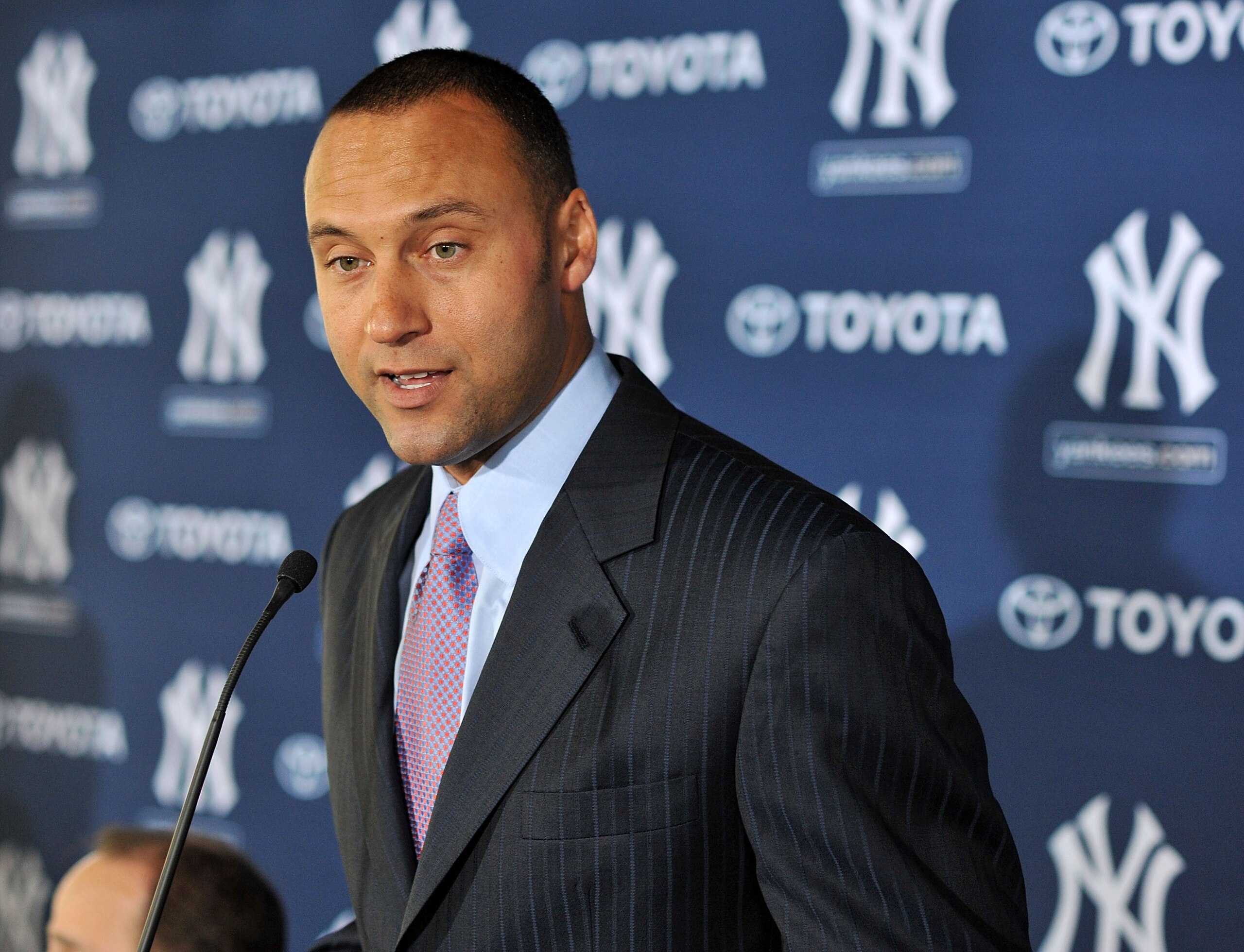

Derek Jeter to Center Field: 15 MLB Legends Who Switched Positions
Derek Jeter is the shortstop for the New York Yankees. That's how it's always been, and we figured that's how it always would be. However, come 2011, this may no longer be the case, as there are talks about moving Derek Jeter to center field.
Now, anyone who followed the complaints about Derek Jeter winning a gold glove in 2010, can't feel too bad about this move. After all, he's never been that good as a shortstop in terms of fielding. Still, he's never played center field before, so who knows if it will be implemented.
As shocking as this may seem that a legend is moving to a new position, this happens all the time in baseball. Most legends went on to play a new position part-way through or near the end of their careers. Here are 15 legends of the game that made the move from the position they were known for to a new frontier.
15. Alex Rodriguez
1 of 15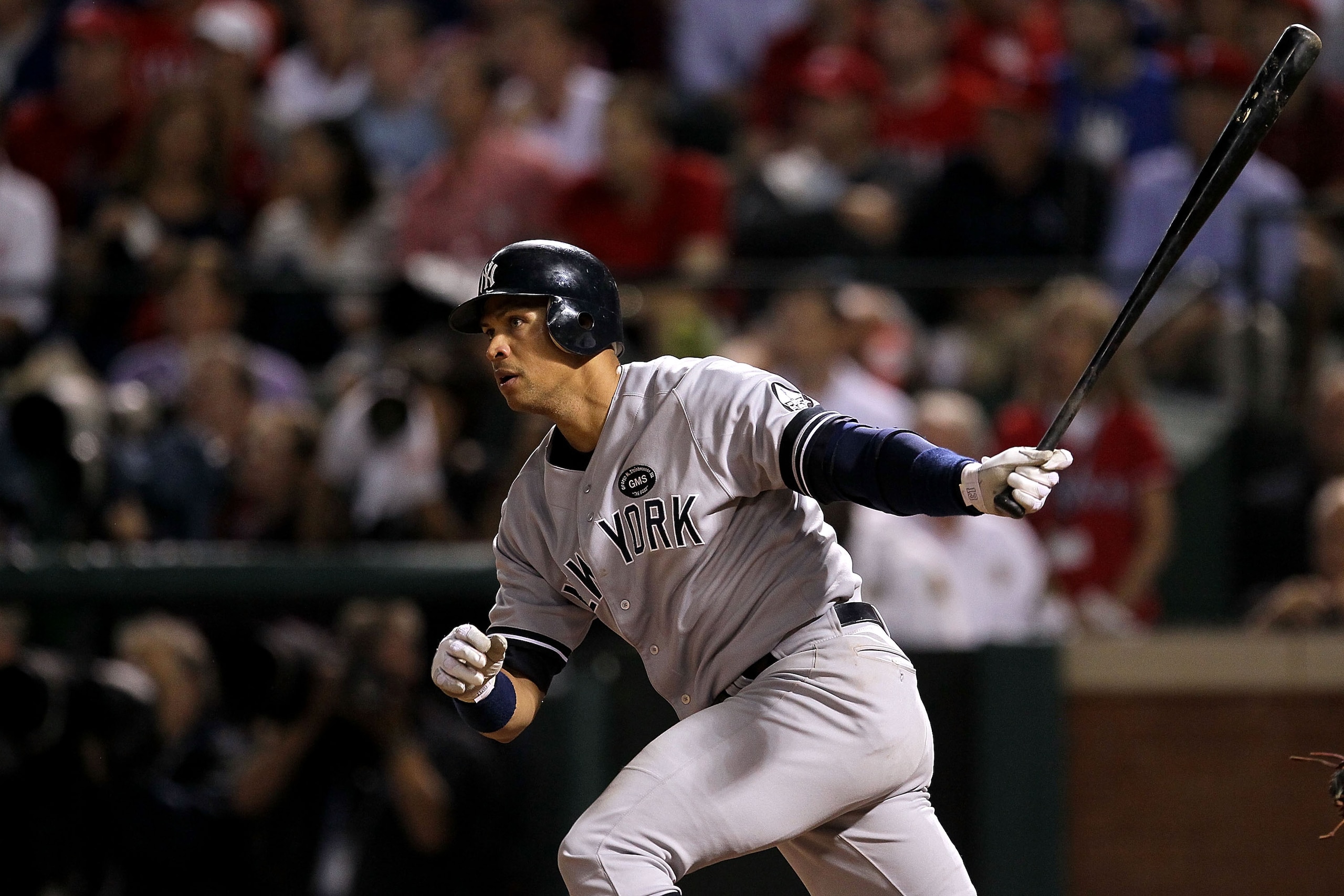
If we're really going to talk about Jeter moving, then we have to mention the guy that was pushed out of his natural shortstop position, Alex Rodriguez. When the Yankees signed Rodriguez, he was a shortstop. Not just that, but he was a gold glove-winning shortstop that year.
Needless to say, this posed a problem, which was resolved by A-Rod simply moving to third base. It took some getting used to (his fielding in 2006 was awful), but he became a solid third baseman, and most people will remember him as such.
One question remains: Could A-Rod move back to shortstop if Jeter moves to center?
14. Robin Yount
2 of 15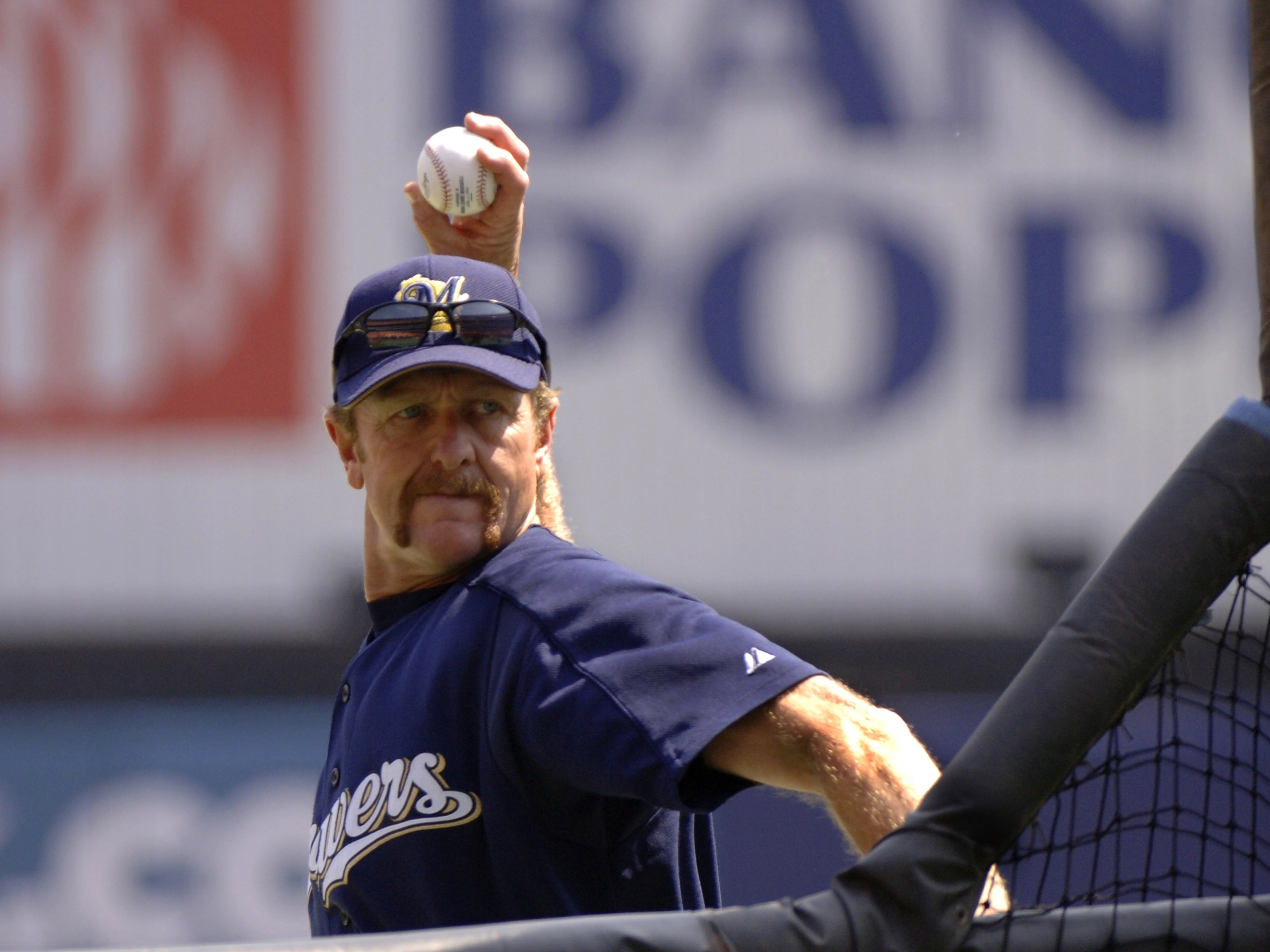
Yount's career probably comes the closest to mirroring Jeter's. I say this only because he's the only hall of famer I could find who played many years at short, then went on to finish his career at center field.
When Yount joined the Milwaukee Brewers at the age of 18, he was a star shortstop. He remained firmly entrenched there for 11 seasons. After shoulder surgery in 1984, however, his career was almost over. Instead of hanging the cleats up, he moved to center field, and spent the last nine seasons of his career there.
13. Stan Musial
3 of 15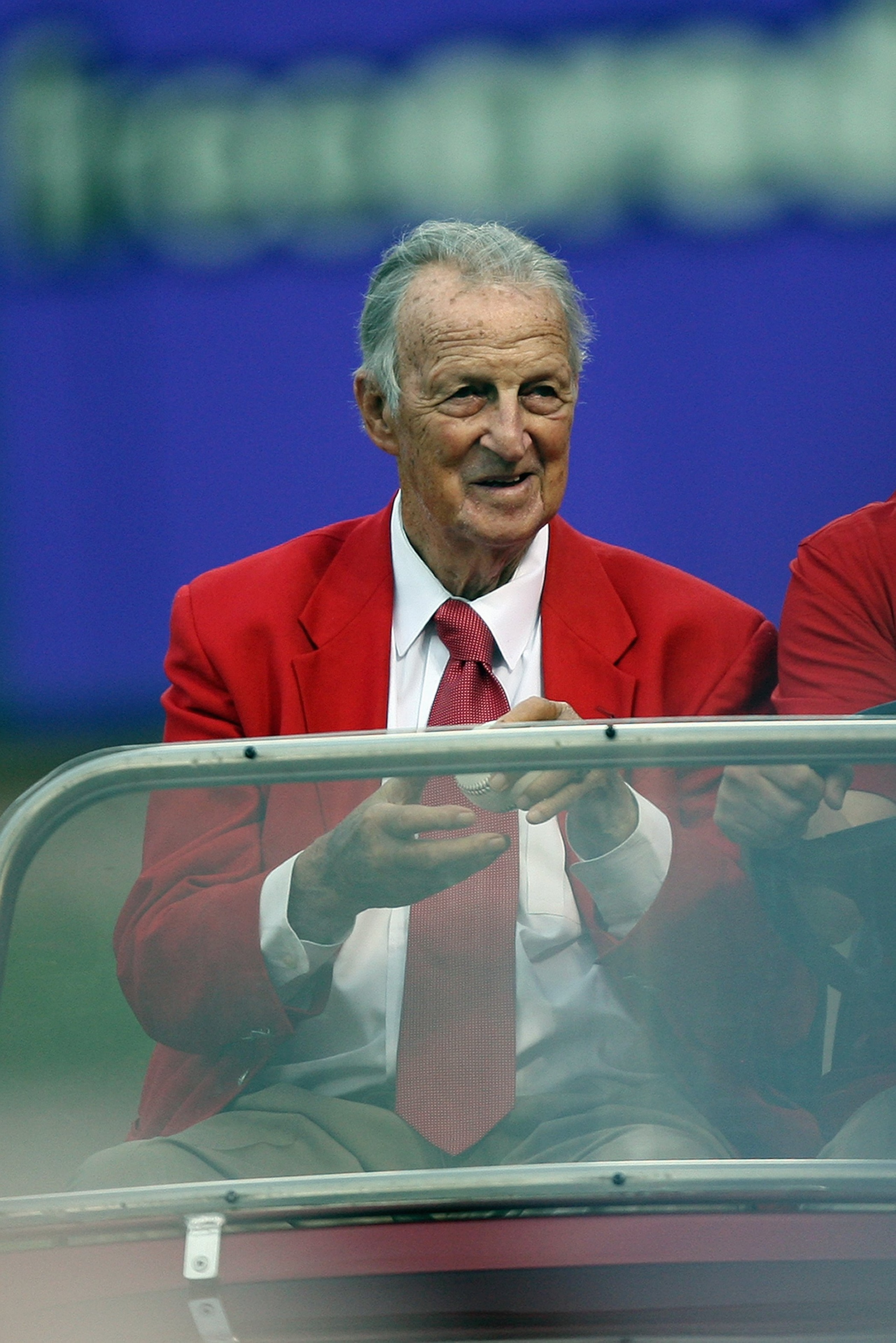
Stan Musial is almost hard to put on this list. He did not change positions because he was forced out or due to injury. Instead, he just seemed to go wherever the Cardinals needed him on a given day.
He spent the first four seasons of his career in the outfield, then once he returned from serving in World War II, he moved to first base. The back and forth continued until he was 40, when he spent the final three seasons of his career solely in the outfield.
12. Pete Rose
4 of 15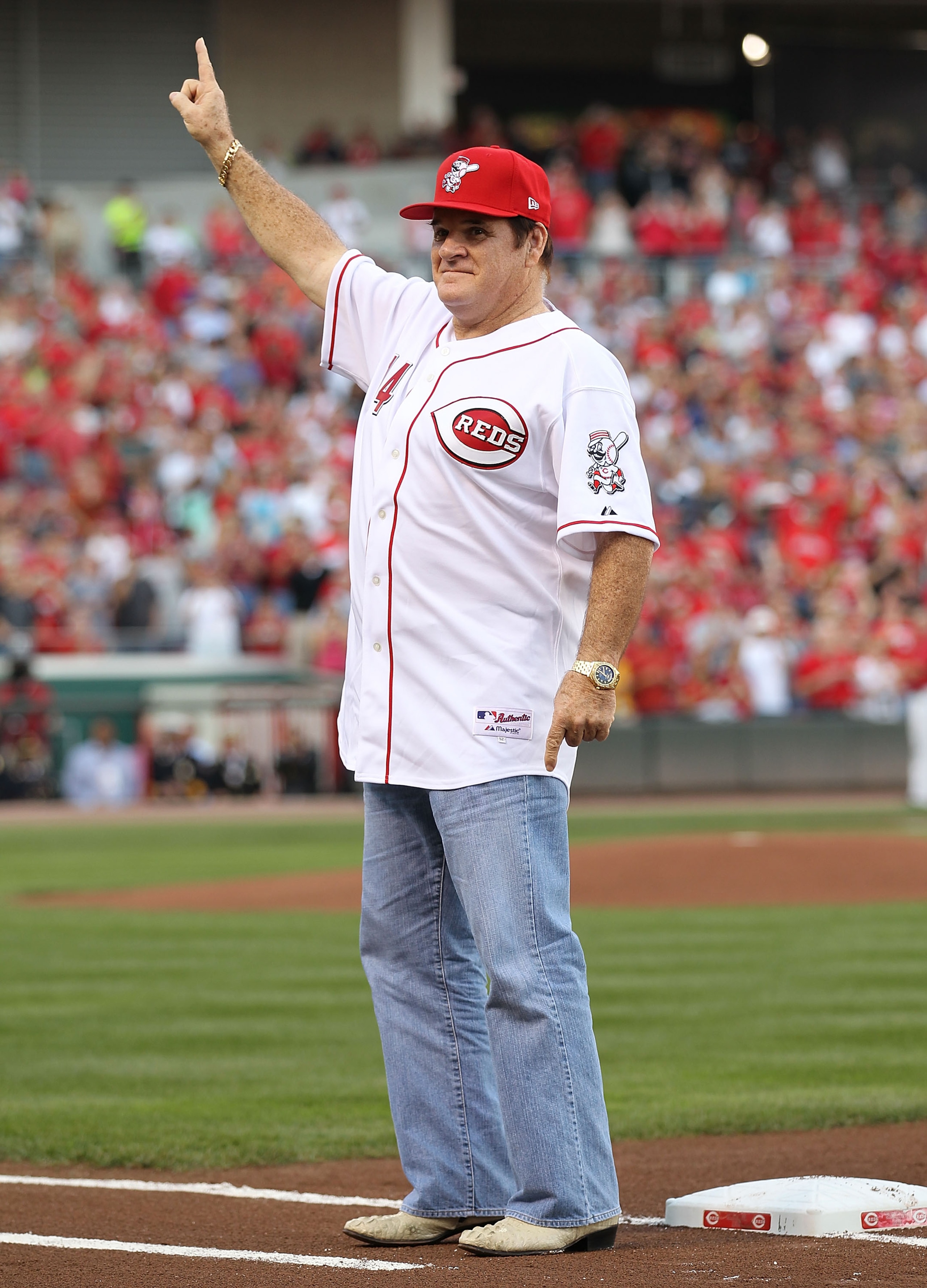
A list about players who changed positions automatically has to include Pete Rose. Rose started off his career as a second baseman for the Reds, winning the Rookie of the Year Award in 1963. However, the Reds had another award winner in Tommy Helms who played second, so Pete Rose moved to the outfield.
He played in both left and right field until 1975, when George Foster made a splash in the majors. He played left field solely, so the Reds moved Pete Rose to third base, where he ended his time with the Reds.
Four positions is impressive enough, but when Rose joined the Phillies, they had a star third baseman in Mike Schmidt. The solution? Put Rose at first base. Rose finished the final eight years of his career at first, then retired without playing a game at shortstop.
As an extra shocker, he played in the All-Star Game at all five of those positions.
11. Yogi Berra
5 of 15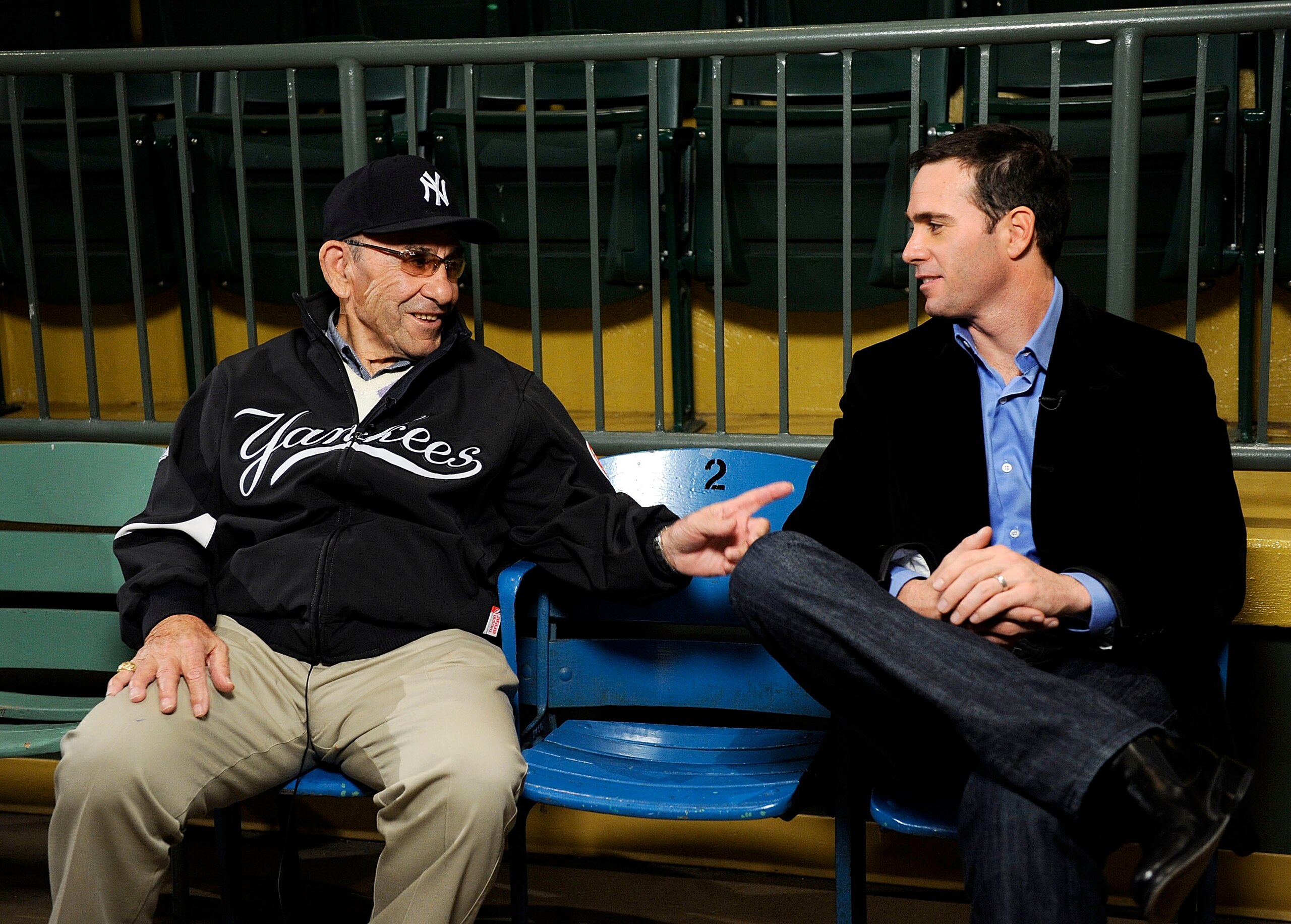
Okay, Pete Rose jumping around a lot makes sense, we knew he was versatile, but Yogi Berra wasn't always a catcher? That surprised me when I found out as well; after all, he's the quintessential major league catcher.
To be fair, he played catcher almost exclusively from 1946 to 1960, playing other positions once in a while. However, late in his career his knees began to get bad, and manager Casey Stengel knew he couldn't be an everyday catcher. As a result, he spent 1961 mostly in left field. He went on to play a couple more seasons at catcher, so this ended up being a temporary measure.
Still, it is quite surprising. After all, you wouldn't expect Johnny Bench to play another position, right?
10. Johnny Bench
6 of 15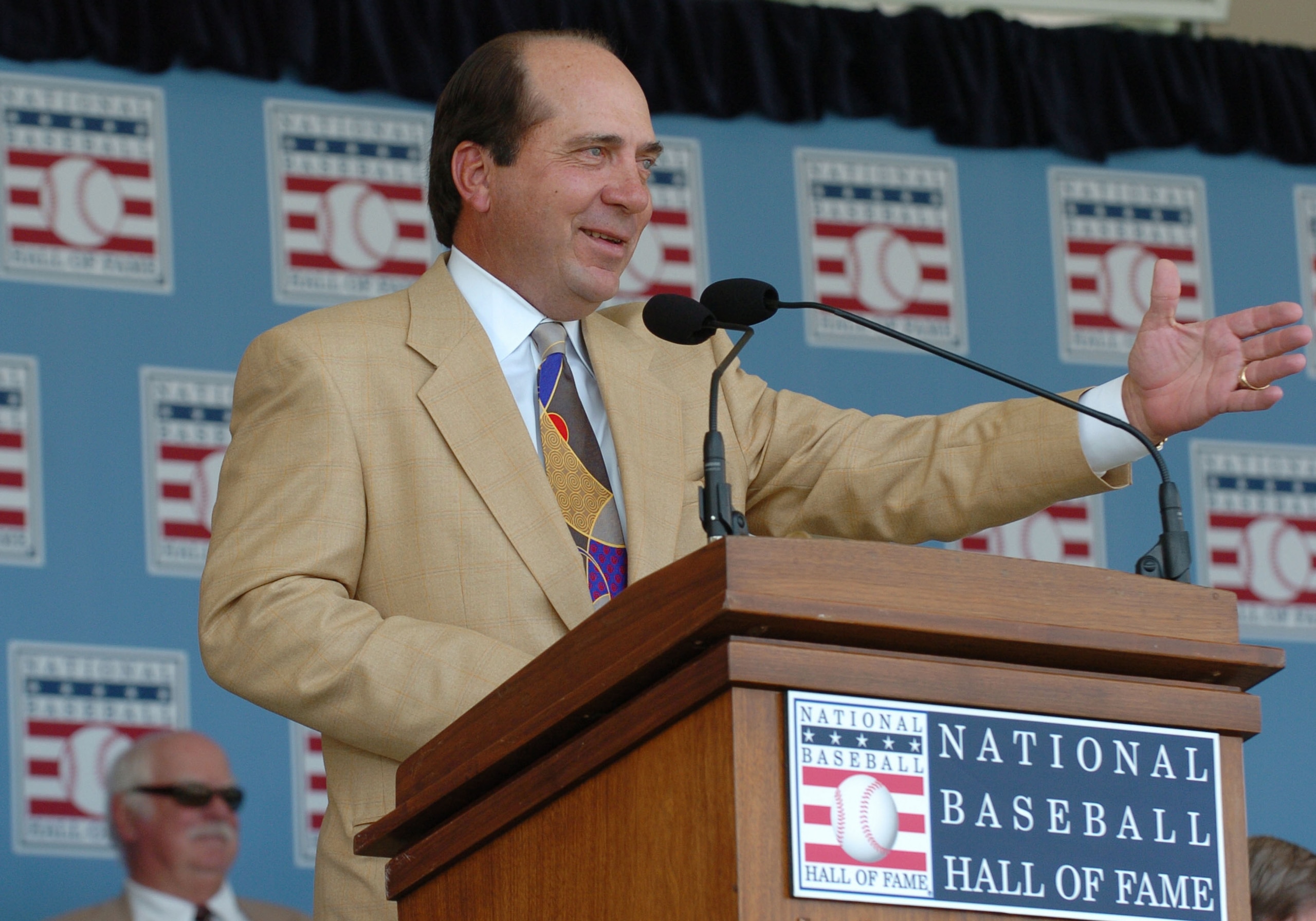
I had to open my big mouth...
Yes, the other quintessential catcher in the majors also wrapped up his career at a different position. Bench spent 15 years as the Reds' catcher, but he was worn out by being a catcher all the time and he wanted to change positions.
The Reds were finally able to oblige him in 1981 when they moved him to first base. He wrapped up his career with two more seasons at third base. He is considered to be one of the greatest catchers of all time, and that's how we remember him rather than the couple seasons elsewhere.
9. Ernie Banks
7 of 15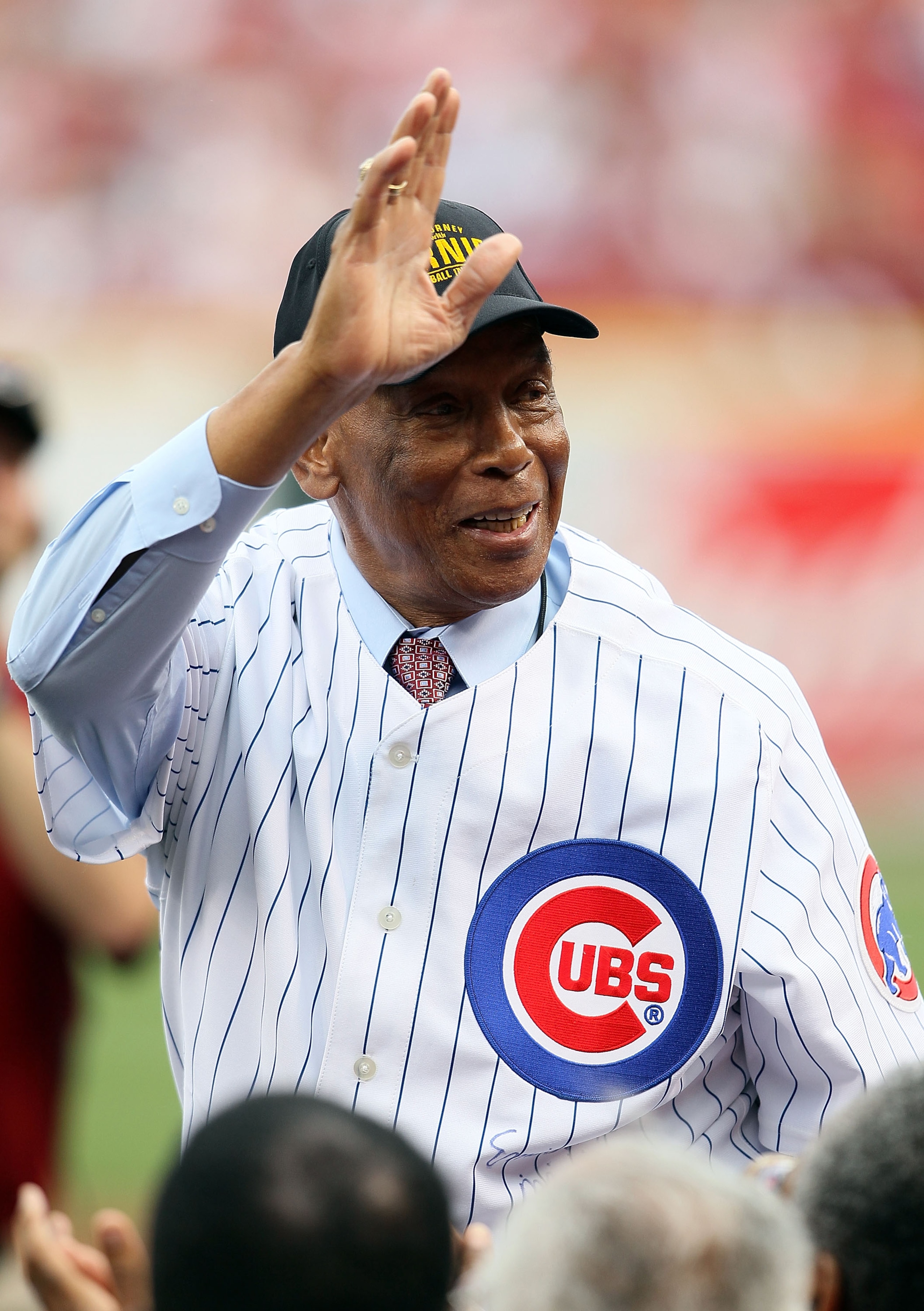
Moving from Red to Blue, Mr. Cub is either known as a shortstop or first baseman, depending on who you ask.
Banks made his debut in 1953 as a shortstop, and he spent the next nine seasons there for the Cubs, winning two MVP Awards in the process. However, various injuries cut down his throwing ability, and in 1962 he moved to first base. He ended his career playing there for ten seasons.
While he is known as a first baseman in the Hall of Fame and a shortstop by others, he actually played more career games at first base, though it's a very narrow split. Banks isn't the only Hall of Famer to have two positions split so closely.
8. Rod Carew
8 of 15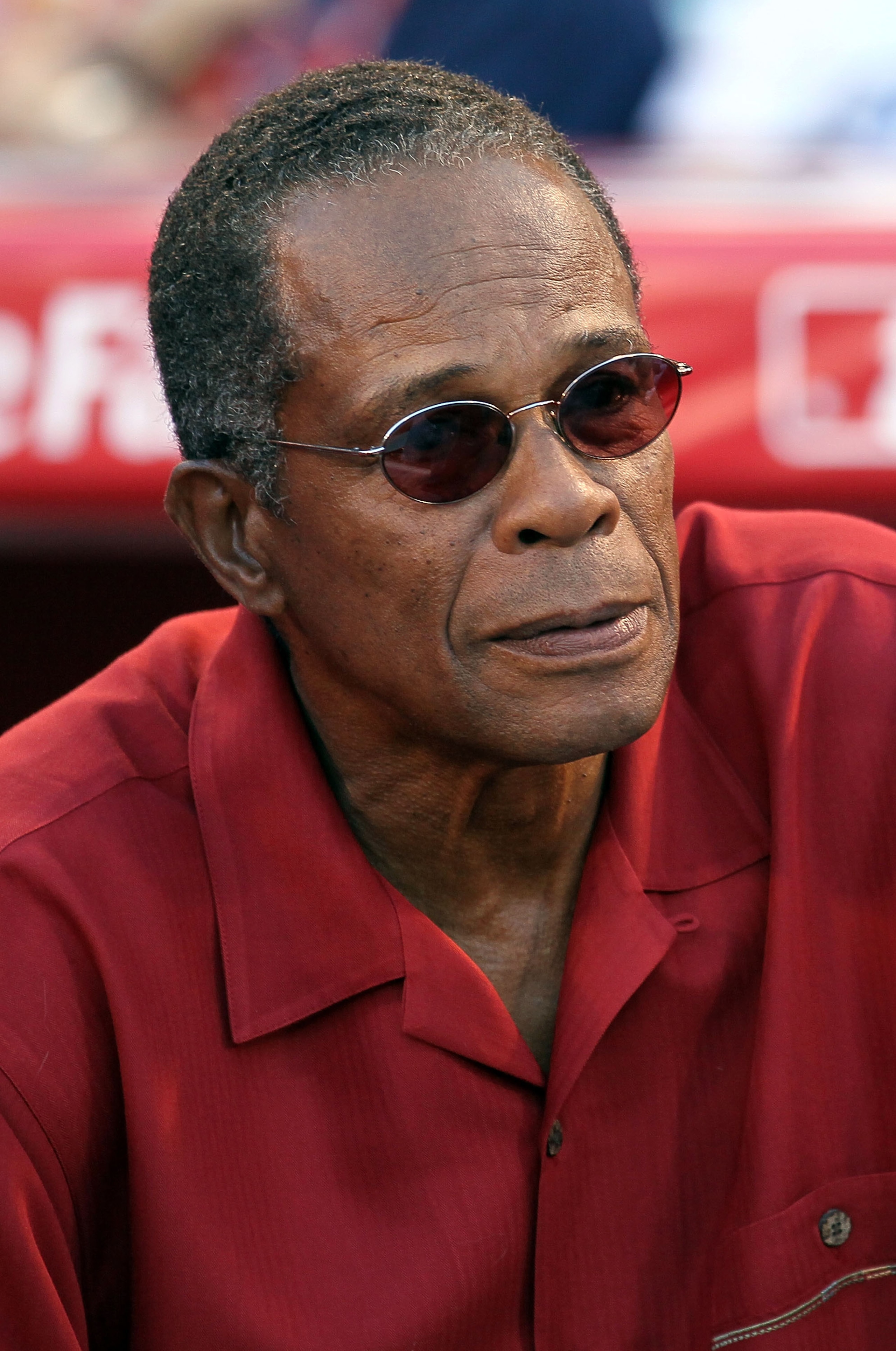
Rod Carew played slightly more games at first base like Banks did, and is also in the Hall of Fame as a first baseman like Banks. However, he got his start for the Minnesota Twins as a second baseman.
Carew began his career as a second baseman, where he played for nine seasons. However, while he was among the best hitters and baserunners in baseball history, he was not much of a fielder, so he moved to first base where he played another 10 seasons.
His MVP came as a first baseman, so whether one likes to picture Carew as a first or second baseman is probably dependent on whether they like the Twins or the Angels.
7. Harmon Killebrew
9 of 15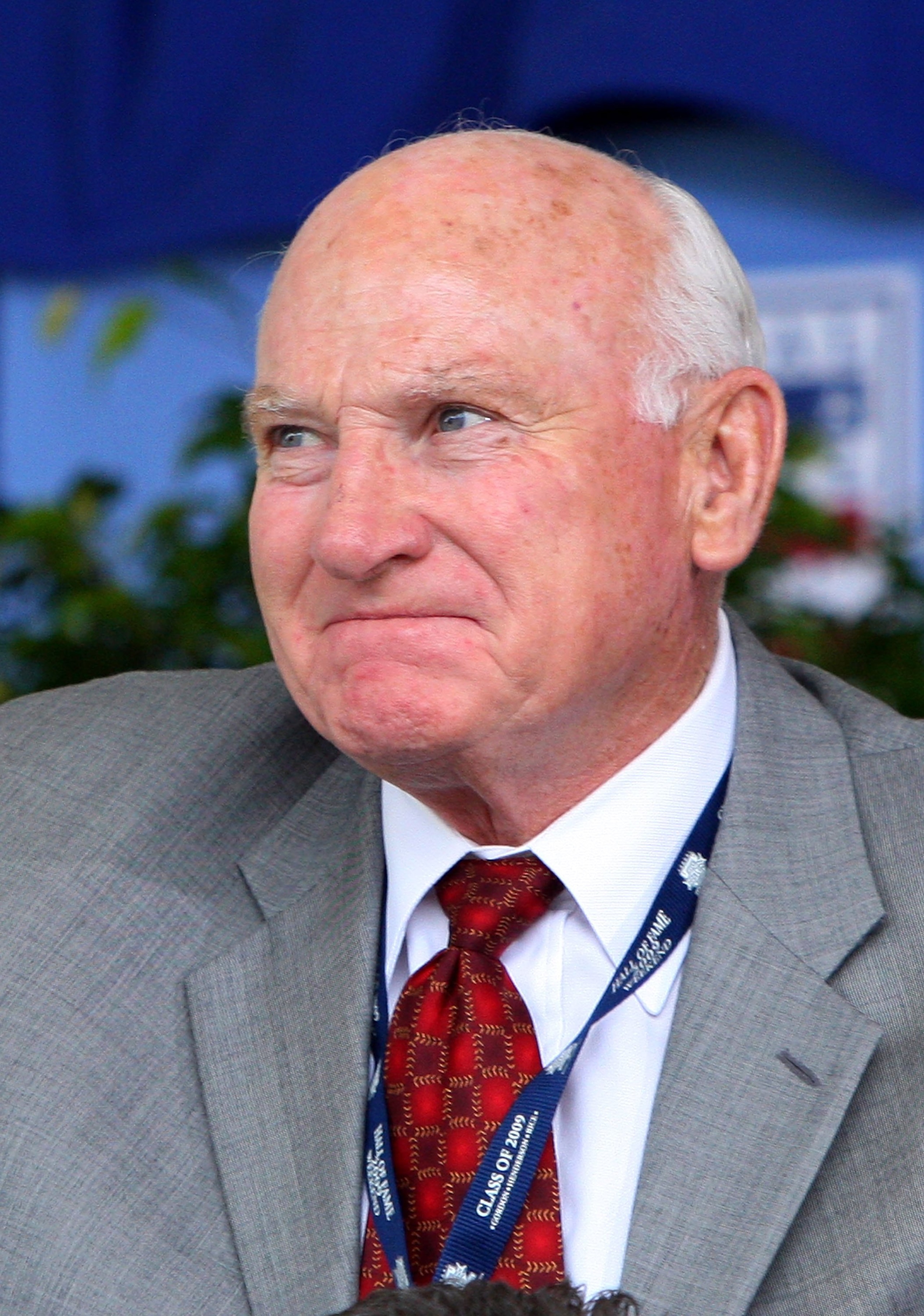
One of the premier sluggers of his time, Harmon Killebrew moved around the ball field as he began to get older. Most sluggers move from a position on the field to being a DH, but there was no DH for most of Killebrew's career, so the Minnesota Twins had to improvise.
Killebrew started his career primarily as a third baseman. After a few seasons, he moved to the outfield. Throughout the 1960s Killebrew never really had a solid position, playing third base, first base, or left field when needed.
It was not until 1972, nearly 20 years into his career, that Killebrew stayed at first base for good. Where he spent most of his time is not all that relevant, since what we remember is his power.
6. Mickey Mantle
10 of 15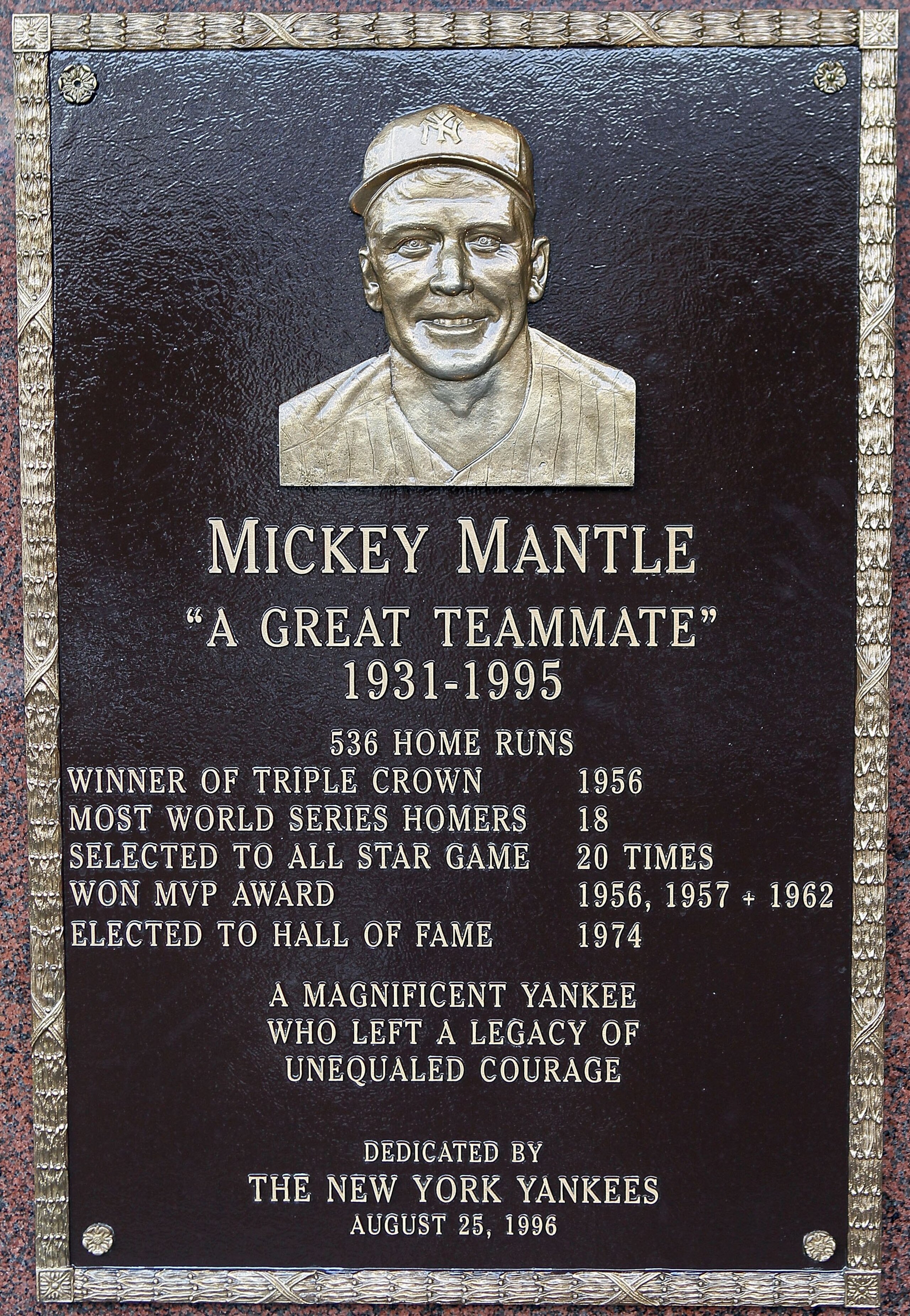
Mickey Mantle was a lifelong second baseman for the Yankees, right? Am I actually going to tell you that another Yankee moved elsewhere late in his career? That's how it seems to work in New York.
Mantle actually spent his rookie season in right field, taking over center field for Joe DiMaggio in 1952. Mantle spent the next 15 years at center field, becoming one of the greatest Yankees and winning three MVP awards in the process.
Injuries took a toll on him late in his career, and because Mantle could no longer field without tremendous pain, he spent the final two seasons of his career at first base. Looking back on it, I probably would have just retired at 34 if I was in as much pain as he was. Then again, I'm not Mickey Mantle.
5. Babe Ruth
11 of 15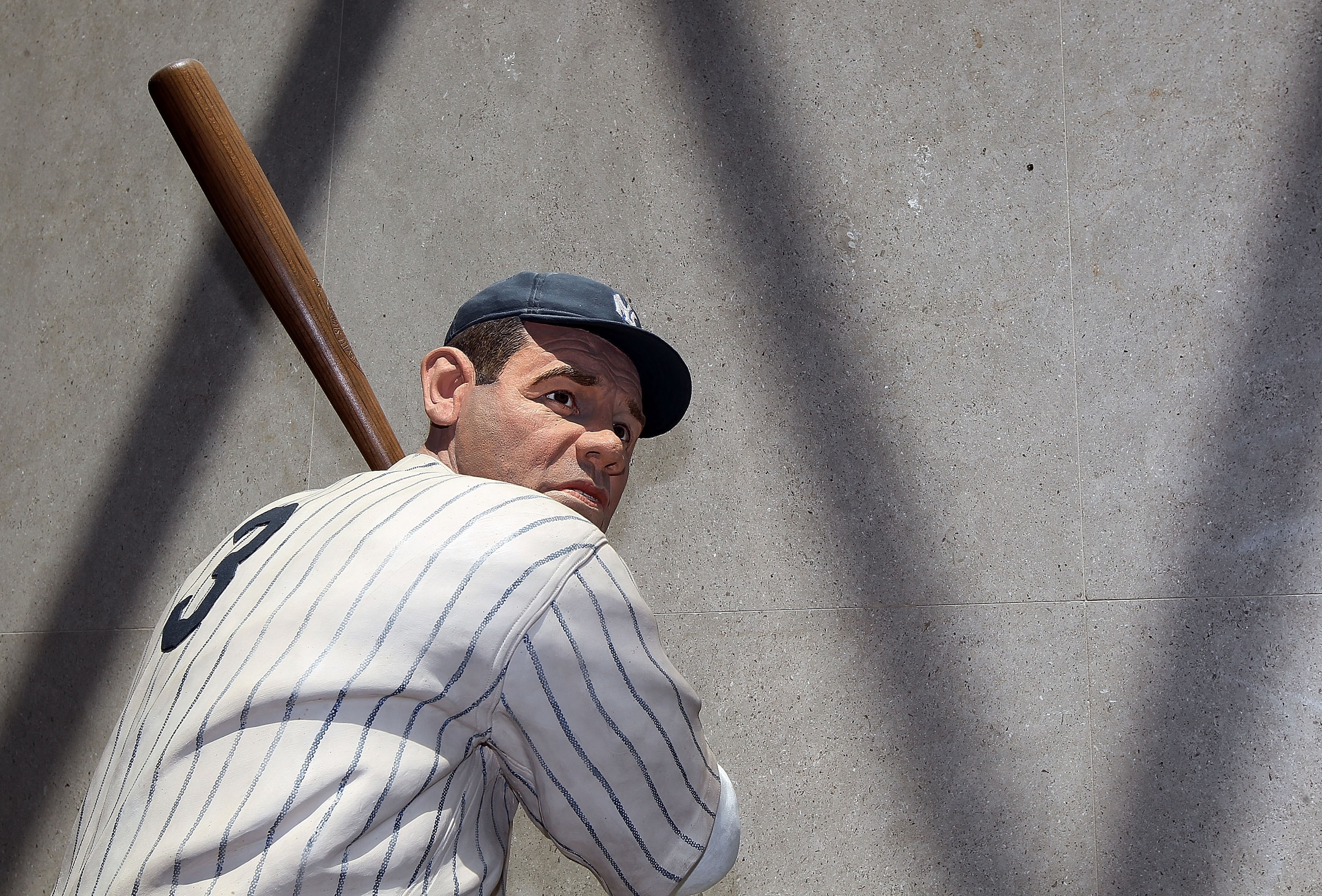
The last Yankee I'll put on the list is the most obvious one, Babe Ruth. We all know that the greatest hitter the game has known used to be a pitcher, but what was the story behind the move?
In his first four seasons with the Red Sox, Babe Ruth was a pitcher full-time. His hitting was so well that the Red Sox needed to put his bat in the lineup. In 1918, he split time in the outfield and on the pitcher's mound. Once he was traded to the Yankees, he remained in the outfield almost exclusively for the rest of his career.
4. Willie Stargell
12 of 15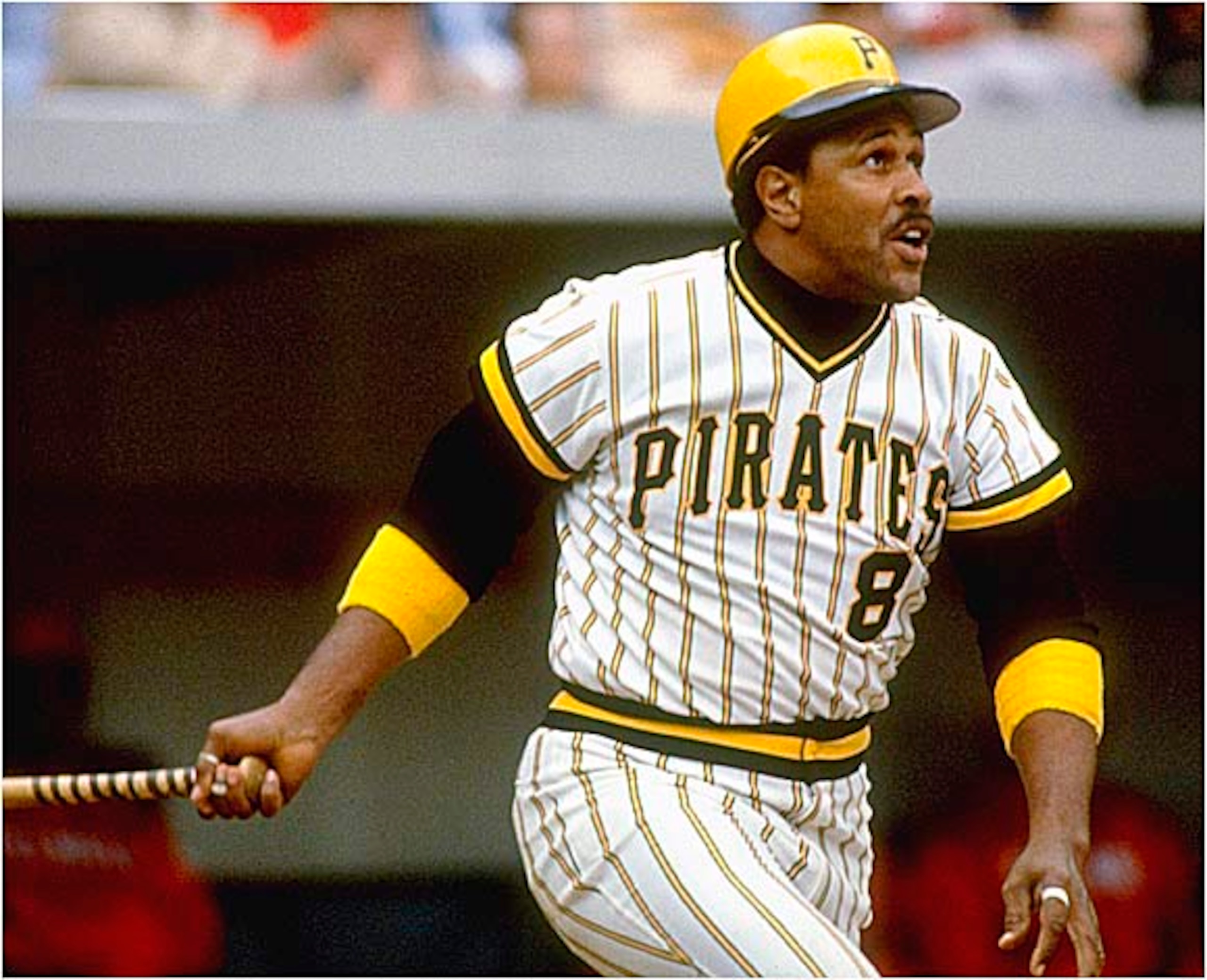
The Pittsburgh Pirates legend Willie Stargell was one of the top left fielders in the game, and was also one of many players on this list who needed to move to a different position to extend his career.
Stargell joined the Pirates in 1962, and eventually became the everyday left fielder. However, he had knee problems over the course of his career, including arthritis, and moved to first base in 1975. He spent the final eight seasons of his career there, where he won a MVP Award.
3. Mike Schmidt
13 of 15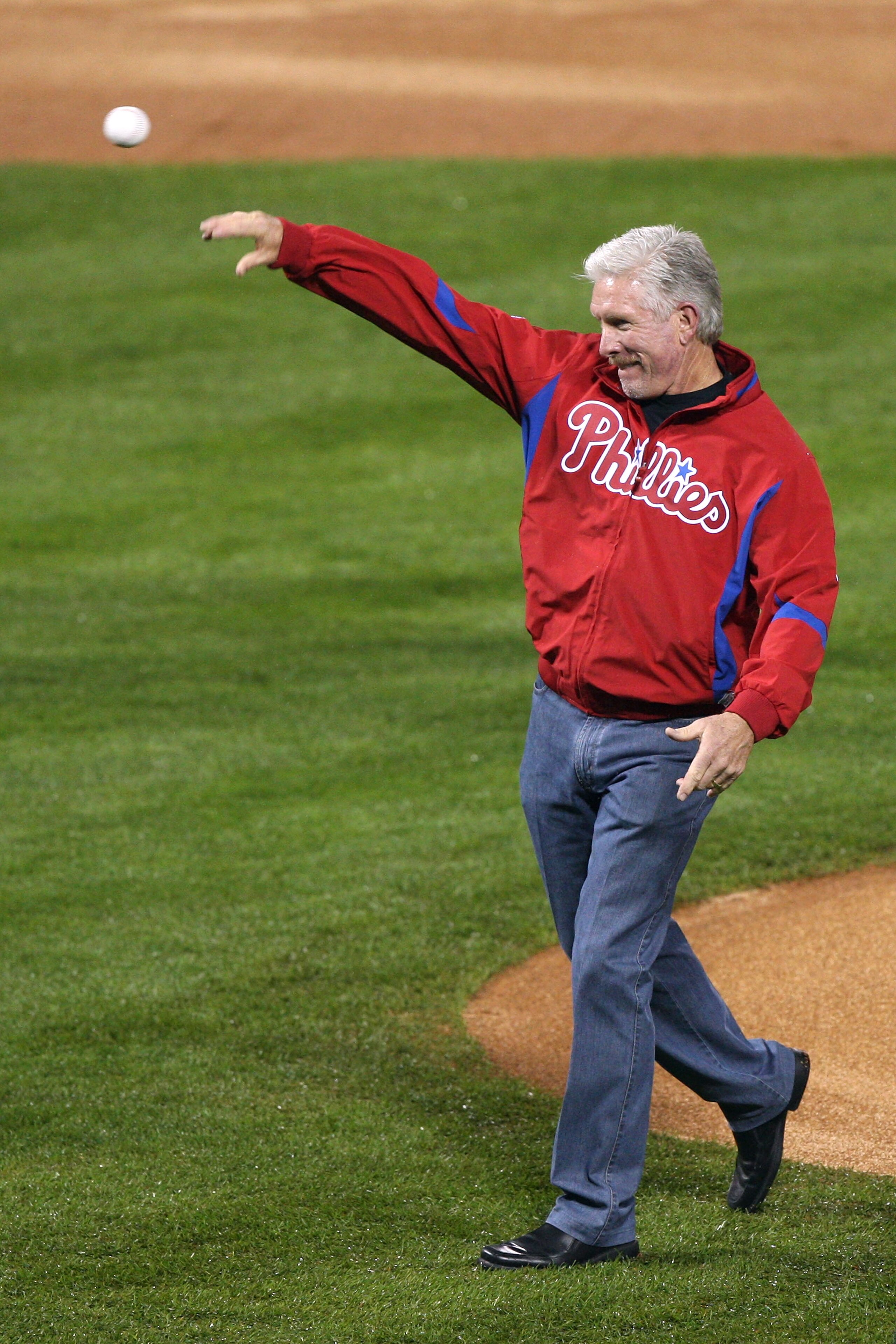
Moving from one side of Pennsylvania to another, the Philadelphia Phillies legend is known as the longtime third baseman, but like others on this list, he ended his career elsewhere.
For 13 seasons Schmidt was the Phillies' third baseman, and was able to keep his spot even when Pete Rose came to town. This case might be the closest to Jeter because Schmidt's move was not only temporary, but made little sense.
In 1985, the Phillies wanted to put Rick Schu at third base, so they moved Schmidt to first. This lasted less than a single season, as Schmidt was moved back to third and the Phillies put Von Hayes at first base instead.
2. Cal Ripken, Jr.
14 of 15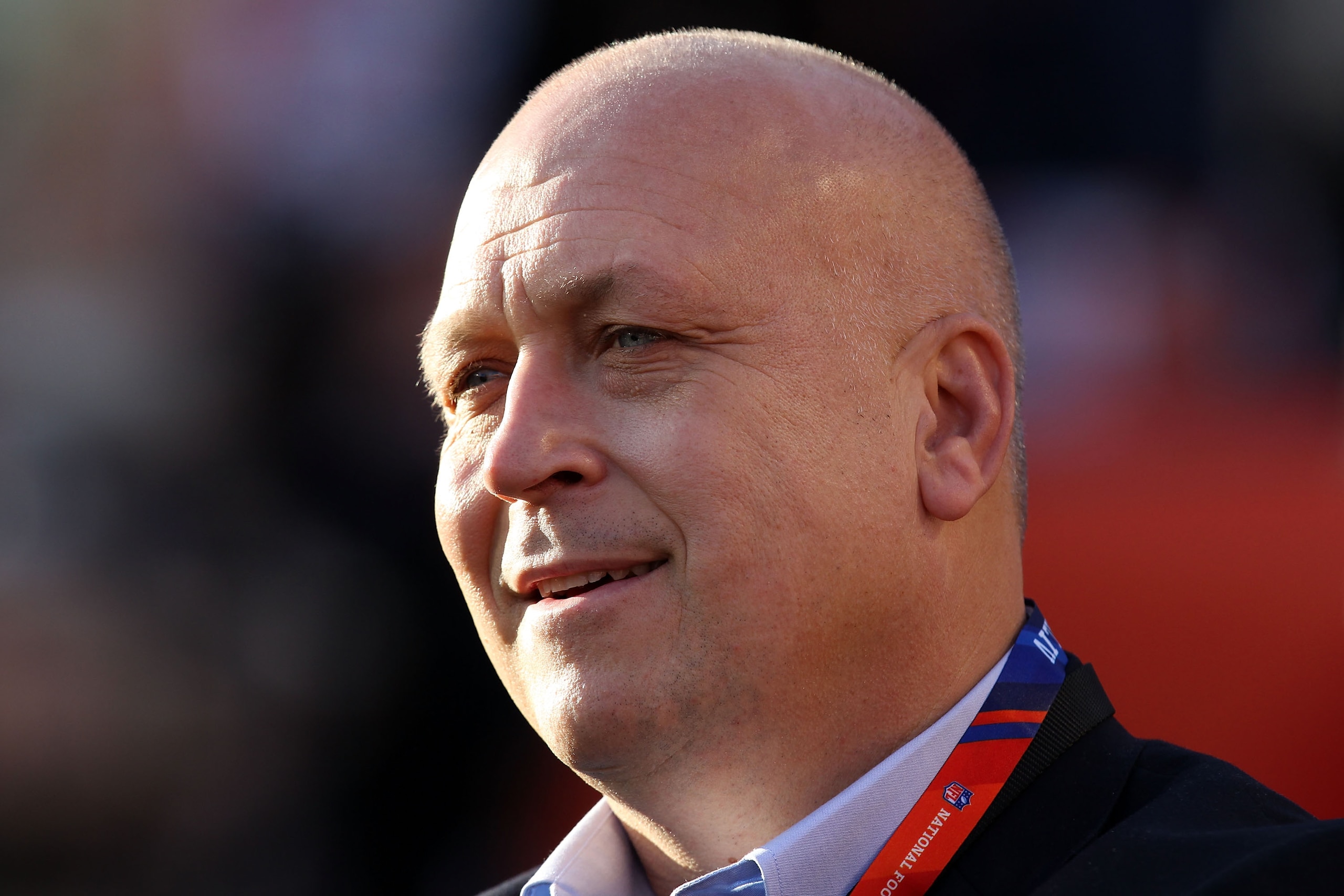
Of all people that you would think would remain at the same position for a career, the Iron Man himself would certainly be near the top of the list, no? Instead, as we all know, Cal Ripken did not spend his whole career at shortstop.
After originally splitting time between shortstop and third base, Ripken became the Orioles' full time shortstop in 1983. He remained there until 1997 when he was moved to third base after the team acquired Mike Bordick. Despite the move, Ripken was able to keep his games played streak intact, and is one of the greatest shortstops of the modern era.
1. Jackie Robinson
15 of 15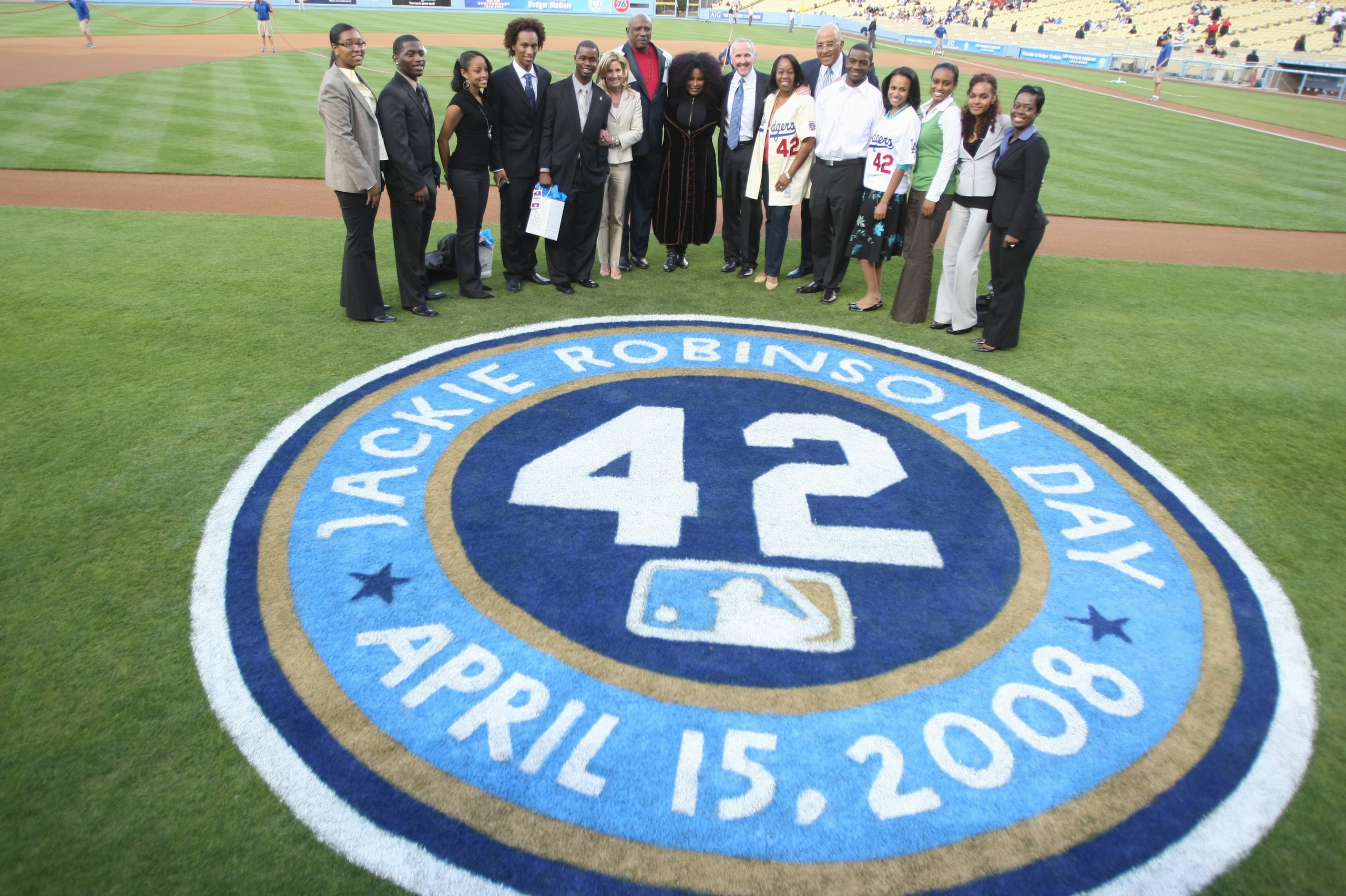
Saving the best for last, Jackie Robinson was a far more versatile player on the field than people remember. We all know he was greatest as a second baseman, but he played a season in the Negro Leagues as a shortstop.
When Robinson broke the color barrier in 1947, he started his career as a first baseman, only moving to second base in his second season. After many great years in Brooklyn, he spent the final two seasons at third base.
No matter what position he played, Robinson remains perhaps the most significant ballplayer of all time.


.jpg?w=2560 "NFL investigating 2 referees for separate viral exchanges")
.jpg?w=2560 "Report: Chiefs Contact Hill's Agent")
.jpg?w=2560 "OBJ Calls Out Giants After Release")
.jpg?w=2560 "Tyreek makes another cryptic post amid Chiefs rumors")


.jpg?w=2560 "Greenlaw Talks Payton Exchange")
