
Matt Garza Traded to Chicago Cubs: 10 Notes On 8-Player Deal
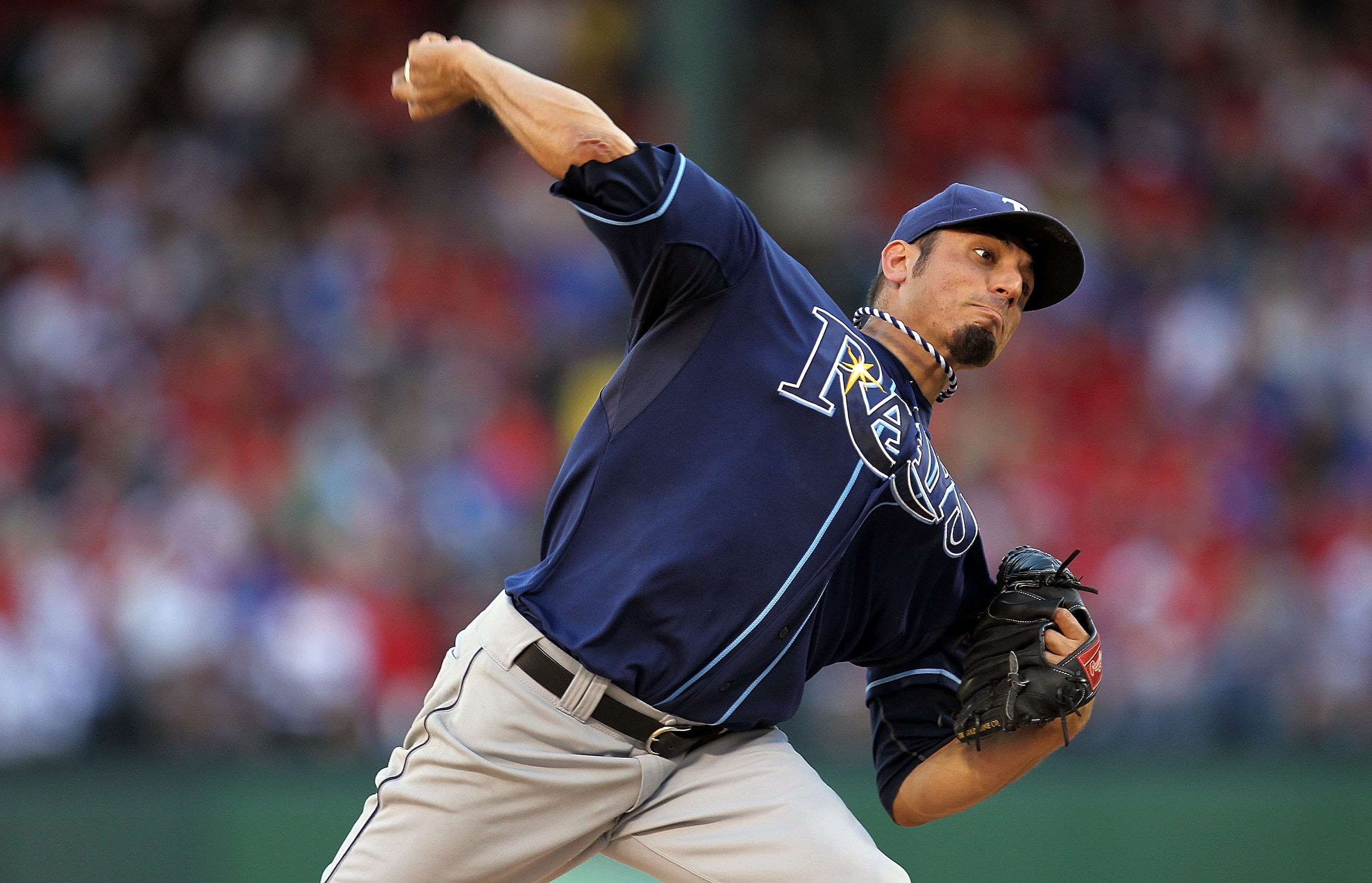
Matt Garza threw a no-hitter in 2010, and topped 200 innings for the second year in a row while posting a 3.91 ERA. He will take that resume from Tampa Bay to Lakeview in 2011, as the Chicago Cubs acquired him Friday in an eight-player deal.
Garza is no darling of statistically inclined fans or analysts, but he is a very good pitcher. He throws an excellent fastball, averaging over 93 miles per hour and with good movement, and an A-plus slider. He will be the Cubs' ace by the season's end, although given the modest talent in the rotation before the trade, that may not be saying that much.
As good as Garza is, and as welcome as he will be on the Cubs roster, the Tampa Bay Rays won this trade. The Cubs get value, but they gave up an awful lot in the somewhat misguided pursuit of contending in 2011. Read on for 10 observations about this big trade for both teams.
1. Cubs Overestimate Themselves
1 of 10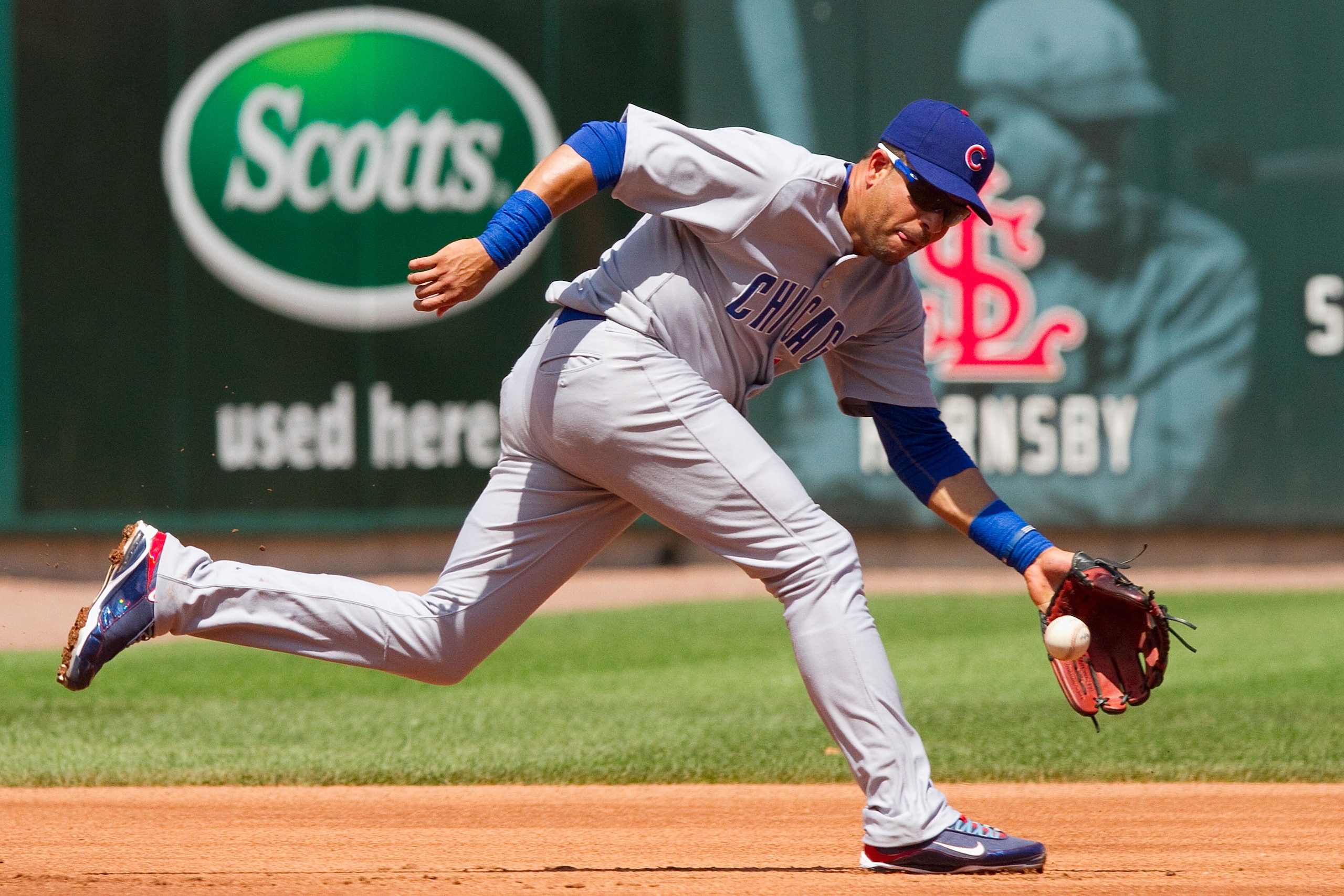
This trade, quite obviously, is all about winning now for the Cubs. Garza is a good pitcher, and to bolster their rotation with him the team parted with two elite prospects and a pair of other decent ones.
They clearly believe they can still win the NL Central in 2011, and there is no real reason not to believe that is possible. After signing Carlos Pena to play first base and adding Garza, they now have a fairly formidable lineup and a very deep rotation.
Still, unless Hendry is under orders to put a winning team on the field in the short term even at the cost of more meaningful long-term success, this deal does not make sense. Garza does not put the team in league with the Phillies or Braves, so even if they escape the division, this team will not win the pennant. They might have fared a better chance at that if they had retained their package of prospects and built for 2012 or 2013.
2. Rays Get Garza Redux in Deal
2 of 10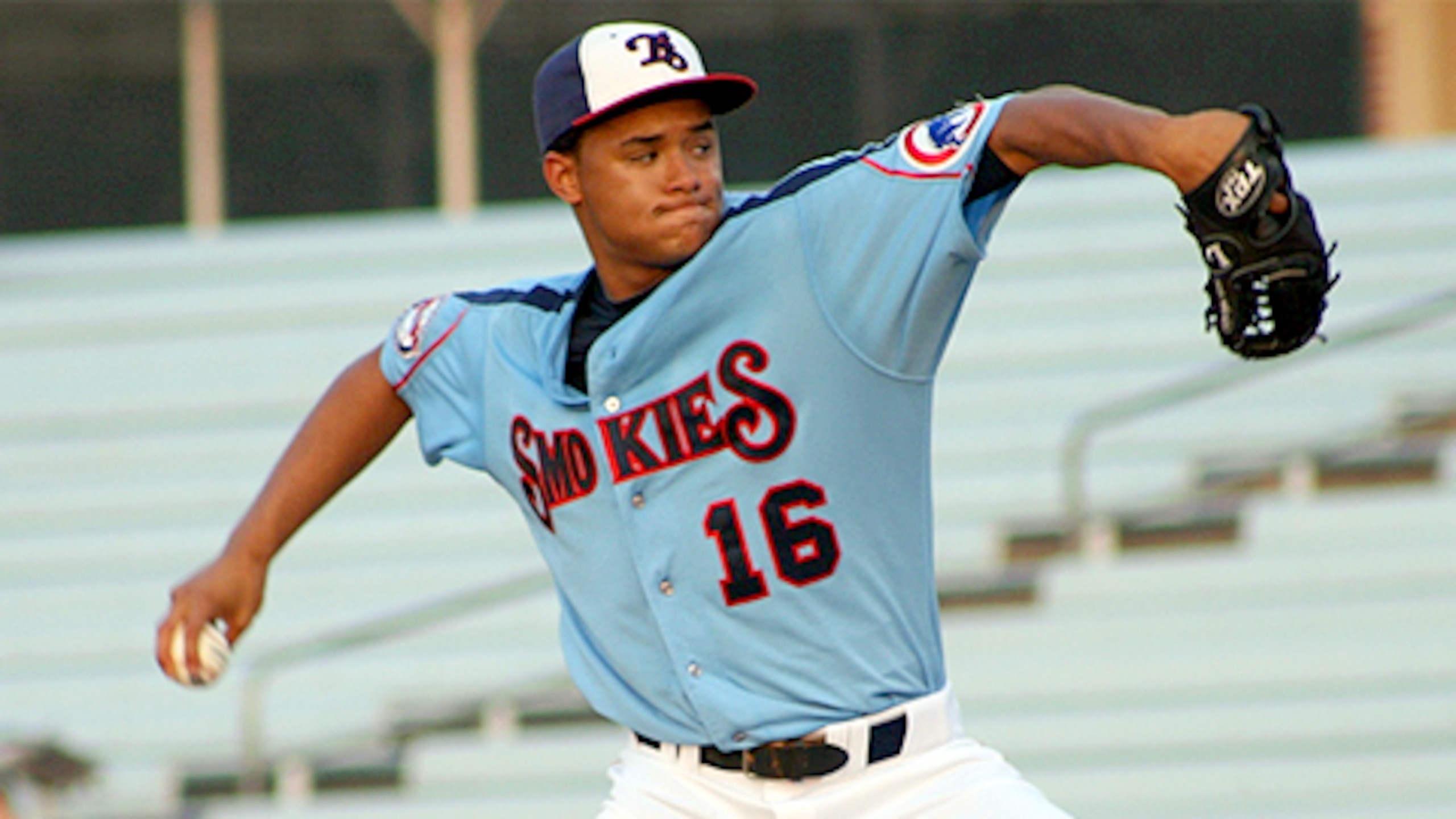
Chris Archer, one of the five players the Rays acquired in this deal, was the Cubs' 2010 Minor League Pitcher of the Year. He went 15-3 in 27 starts at two levels, including winning eight of 10 decisions and posting a 1.80 ERA in 13 starts at Double-A Tennessee.
Overall, he struck out 149 in 142.1 innings. Baseball America named him the Cubs' top prospect. This guy could easily be a very close facsimile of Garza in as little as one year, or he could become a dominant back-end reliever. Tampa has to be elated at getting a much younger Garza clone as just part of the return for Garza himself.
3. Who Will Be the Cubs' 5th Outfielder?
3 of 10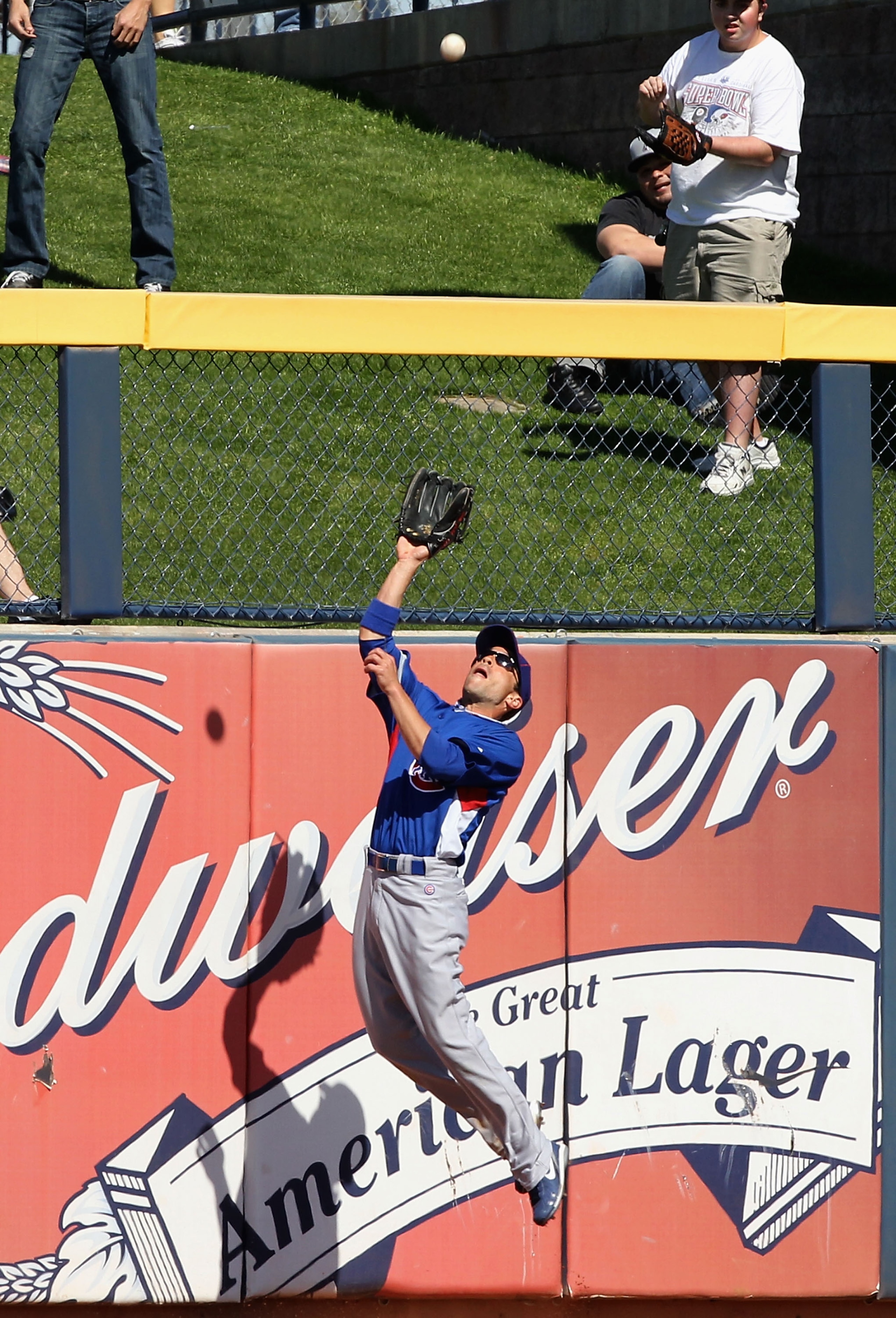
The Cubs sent outfielder Sam Fuld to Tampa as part of the deal. Fuld, 29, looked poised to be the Cubs' fifth outfielder entering 2010. In fact, the team essentially has no other solid candidate. Fuld became a folk hero to Cubs fans in 2007 when he made a series of excellent defensive plays during the final month, and has a .368 OBP in 155 plate appearances over three big-league seasons.
With Fuld gone, the Cubs' internal candidates for the final outfield spot are Brad Snyder, 29 in May, who clubbed his way to a .949 OPS in 2010 at Triple-A Iowa but does not project as a big-league hitter of consequence, and Bryan LaHair, a very slightly younger and slower version of Snyder.
A number of free agents might be more inviting choices. The team could pursue reunions with either Reed Johnson or Gary Matthews, or take a flier on a younger player like Lastings Milledge or Scott Hairston. If, as this trade implies, the team intends to contend next season, the latter option makes better sense.

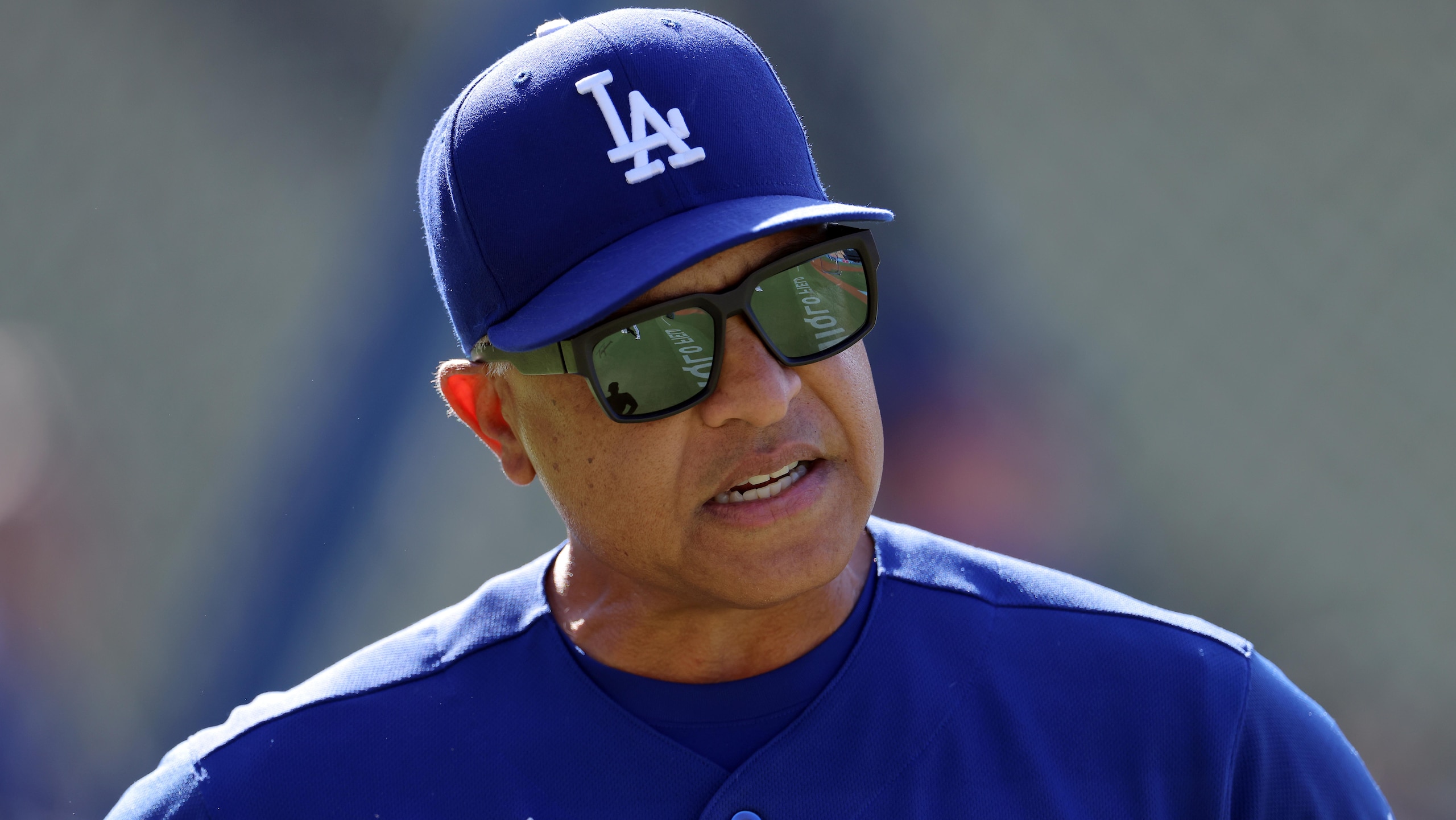
4. Garza's Fly Balls
4 of 10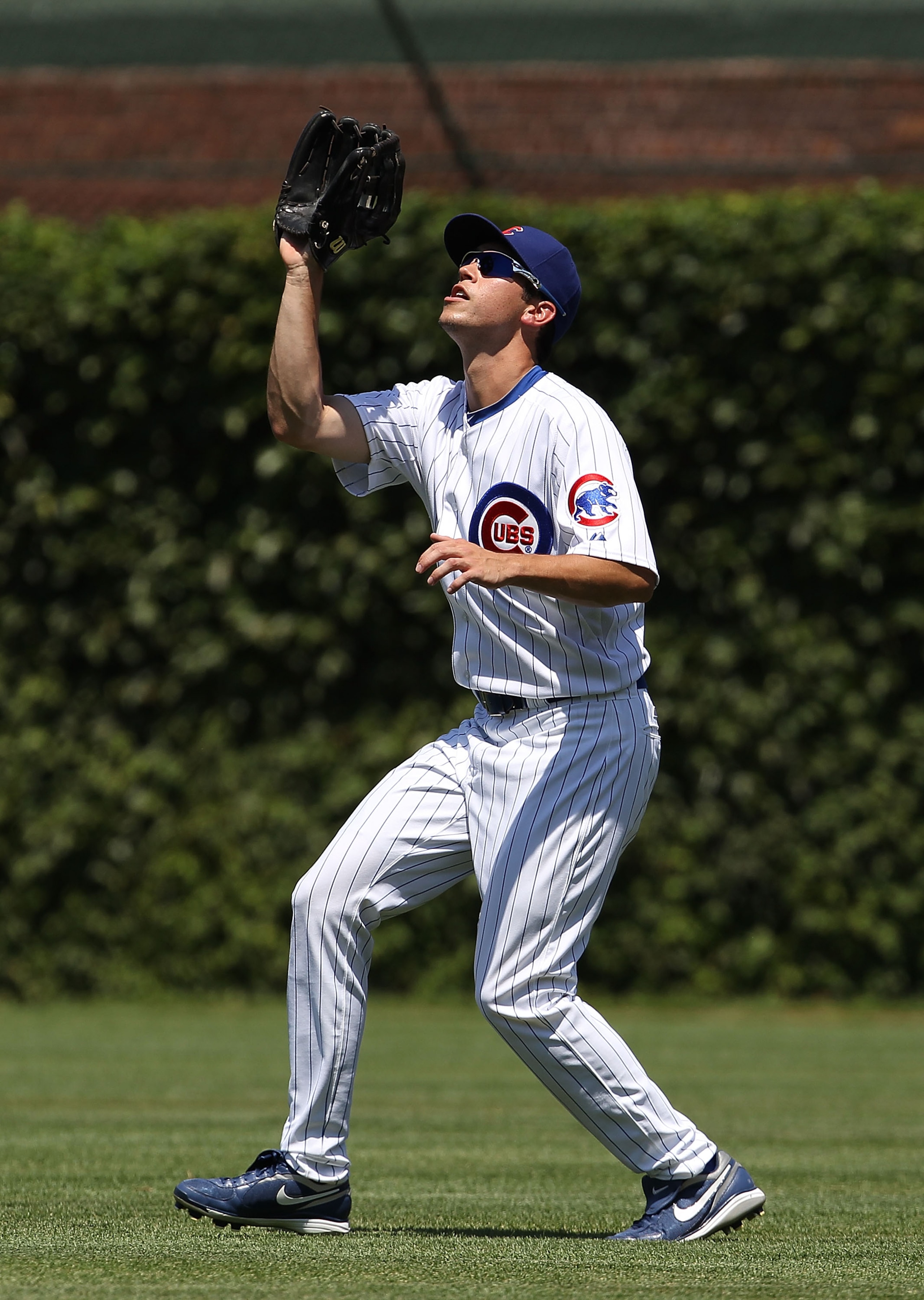
One potentially unnerving thing about this relocation for Garza and his new team is the hurler's fly-ball proclivity. Only six pitchers have surrendered fly balls on a higher percentage of their batted balls since the start of 2008, a foreboding figure since Wrigley Field is so much more homer-friendly than Tropicana Field, which Garza used to call home.
| Ballpark | LHB HR Park Factor | RHB HR Park Factor |
| Tropicana Field | 89 | 94 |
| Wrigley Field | 119 | 102 |
The numbers might be nerve-wracking, but then, Ted Lilly (who is even more in love with the fly ball than Garza, in fact much more so) thrived during his time with the Cubs, so it is no death sentence.
5. The Depth of the Cubs Rotation
5 of 10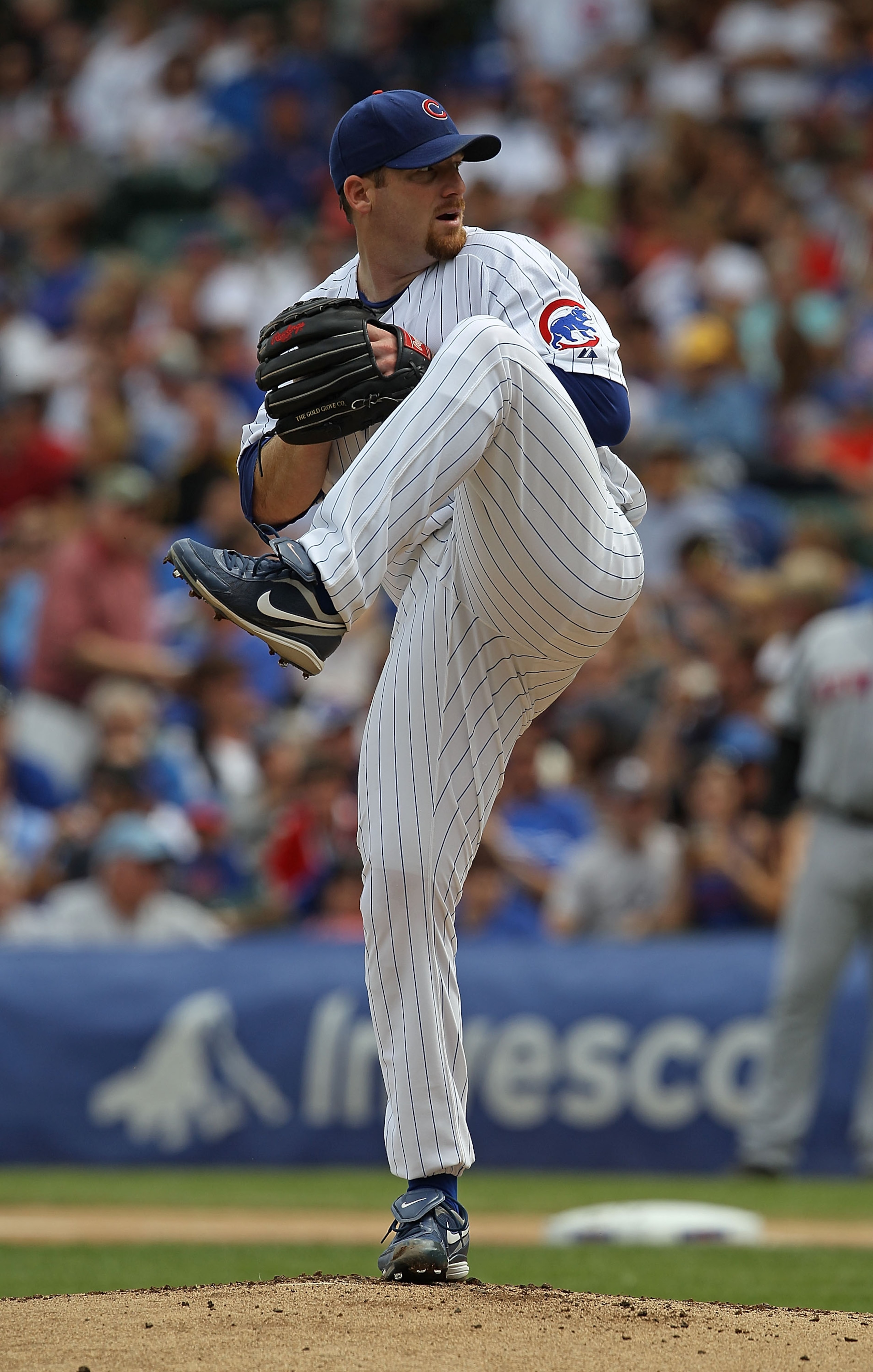
The Cubs' acquisition of Garza gives them tremendous depth in the starting rotation. While Milwaukee and St. Louis still have much better ace starters than Chicago's top three of Garza, Ryan Dempster and Carlos Zambrano, only the Reds can now approach the top-to-bottom strength of the Cubs' new rotation. After that top trio, Randy Wells and Tom Gorzelanny flesh out the top five. Thereafter, Carlos Silva and Casey Coleman remain available, and Andrew Cashner may be moved to the rotation if needed.
6. Hak-Ju Lee Goes to Tampa
6 of 10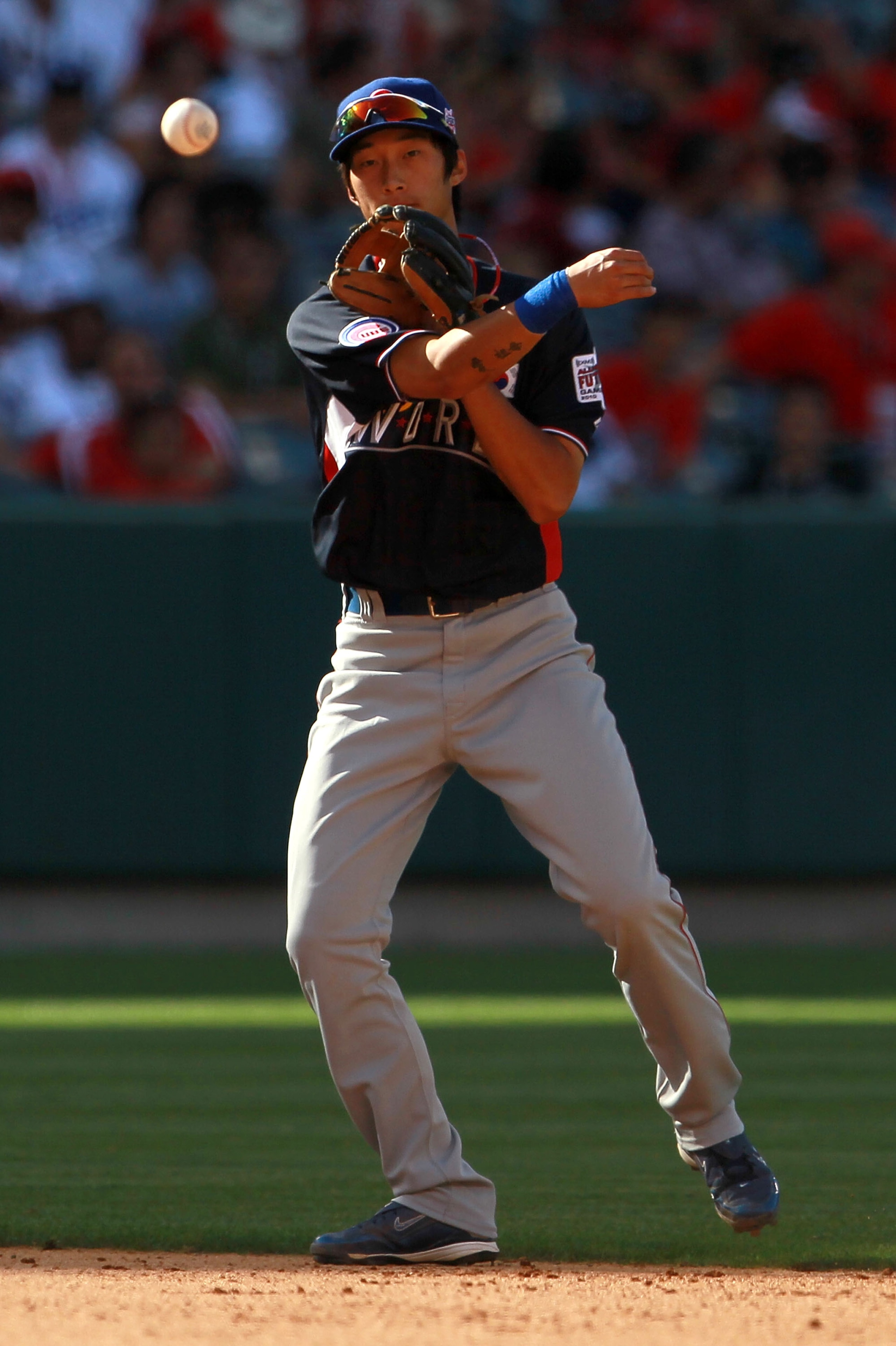
The Cubs' biggest bright spot in 2010 was shortstop Starlin Castro, who batted .300 and looks like a stellar defensive shortstop. Perhaps more confident in Castro than they had been a year before, the team parted ways with their 20-year-old prospect Hak-Ju Lee in the Garza deal.
Lee played in the 2010 Futures Game, and although he played at Class-A Peoria this season, he had been expected to eventually displace Castro to second base when he arrived in the big leagues. The Cubs do have other good infield prospects, such as D.J. LeMahieu, so the loss of Lee is not crippling. For Tampa, though, who made it clear they wanted a shortstop in return for Garza, the acquisition of Lee is a coup.
7. Tampa's Overall Haul
7 of 10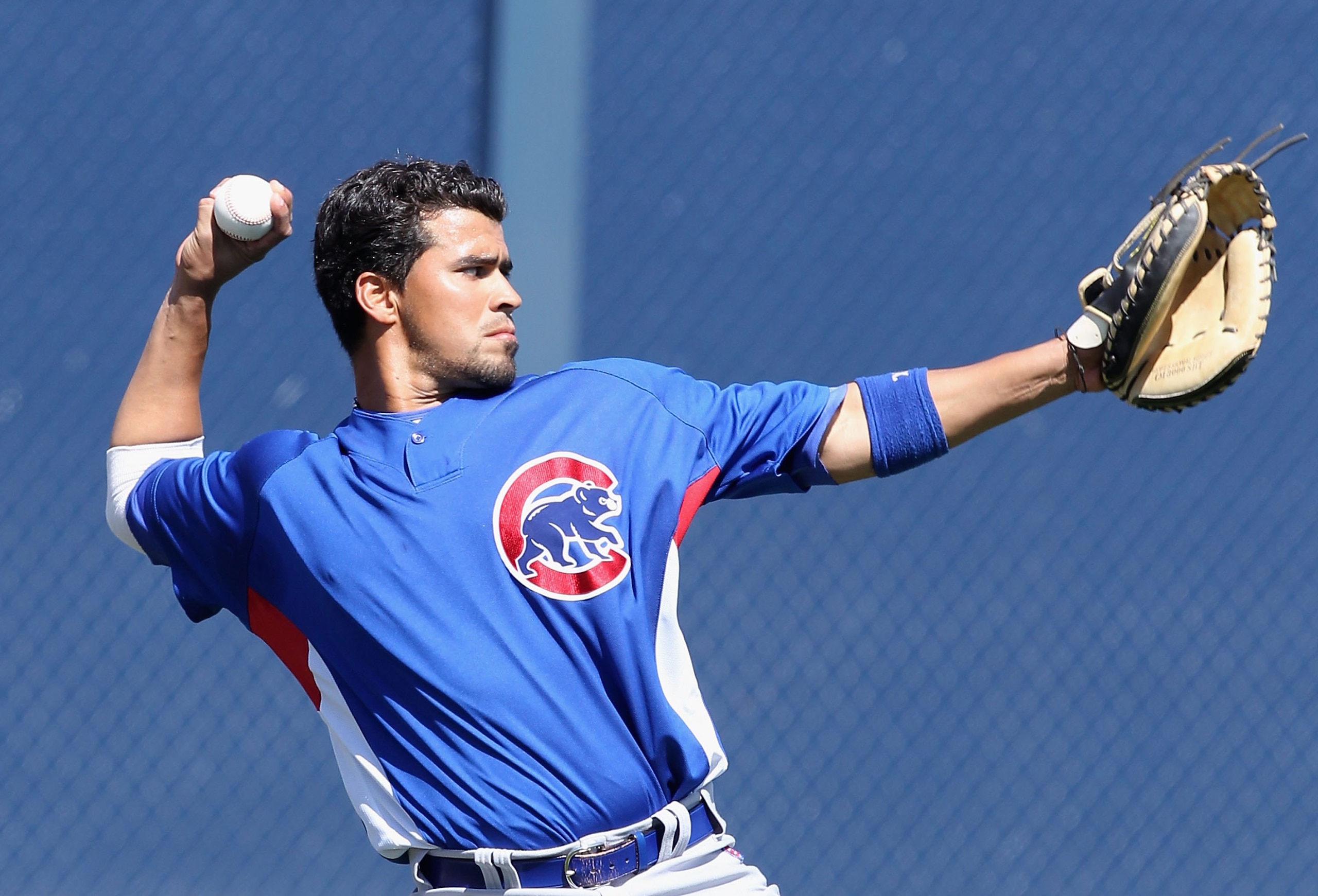
Early in the Garza talks, the Cubs had tried to dangle players with a bit more major-league experience as bait. Tampa never bit, and in the end, they got exactly what they were after. Not one of the five players they acquired have substantial big-league experience. All will be under team control for the next five years or more. For a team battling serious salary restrictions, that is huge, and Rays GM Andrew Friedman has to be thrilled to have gotten such a haul of minor-league depth.
8. Garza's Price Tag
8 of 10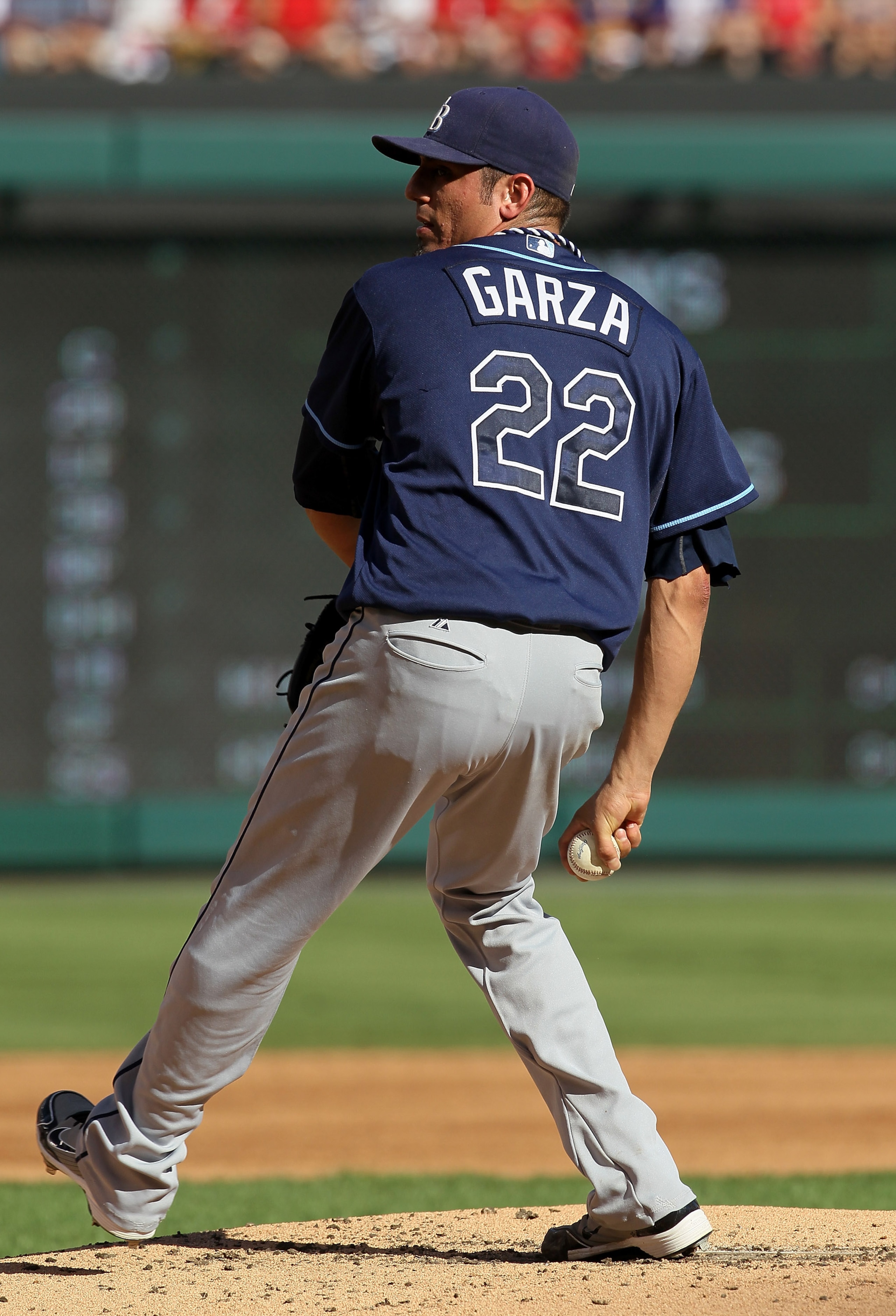
The Rays signed Garza to a $3.35-million deal in his first year of arbitration eligibility last winter, and he should make more like $5.5 million this winter through the same process. Alternatively, of course, the Cubs could seek to extend him through his final two seasons of team control, or even beyond. Given their current lack of fiscal flexibility, it would make good sense to extend Garza on a back-loaded deal.
9. What This Means for the Cubs Long-Term
9 of 10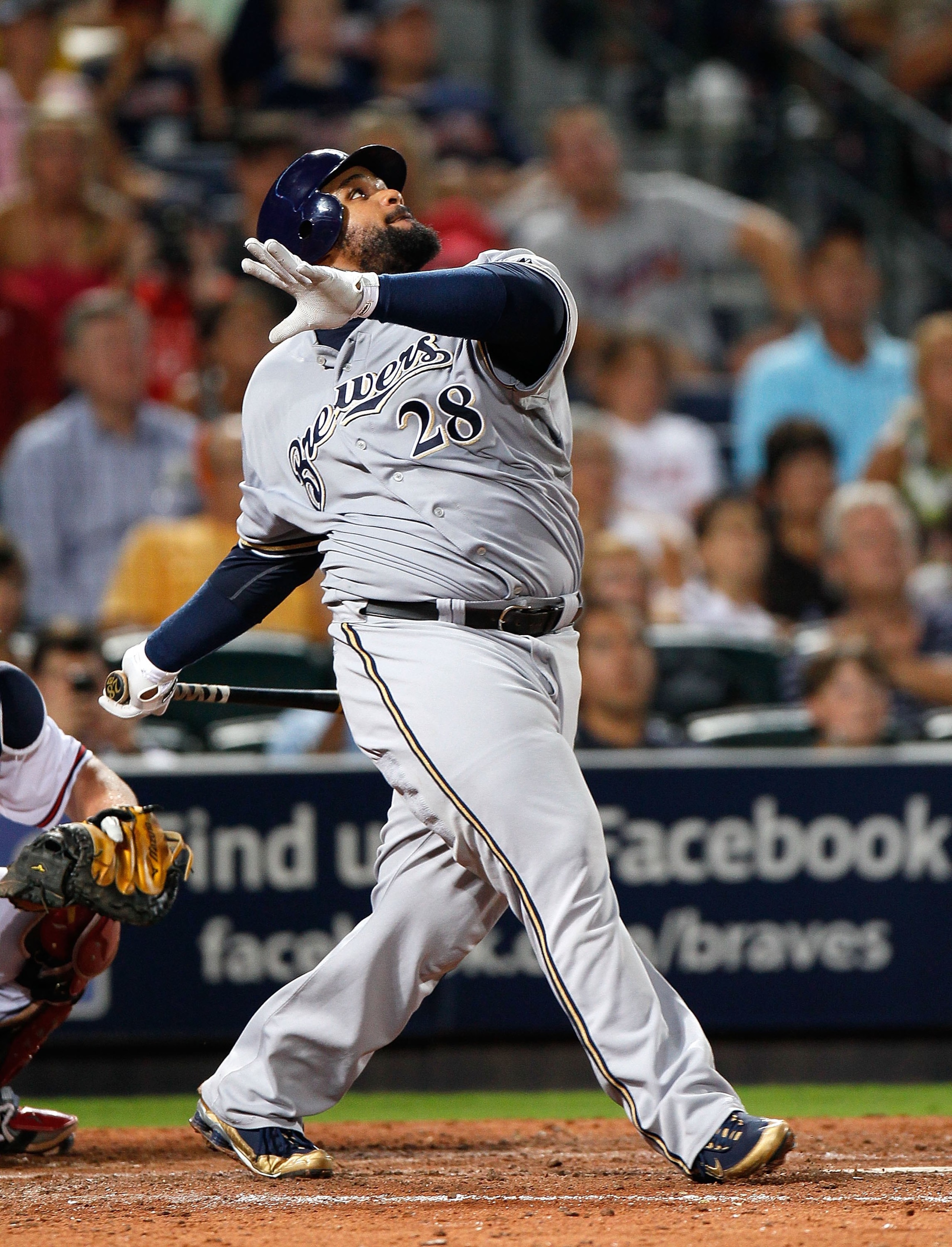
The acquisition of Garza makes the Cubs better in 2011, but steals some of the depth they had built in the minor leagues. They still have a strong stable of young talent, though, and should be able to replace a couple of very expensive pieces with prospects like Brett Jackson and Trey McNutt next season.
Therefore, Garza's arrival may signal the team's readiness to contend beyond 2011 by signing a player like Prince Fielder (free agent-to-be after this season). If they spend their freed-up money wisely after this season, they could be in position to win it all in 2012 or 2013.
10. Tampa Bay's Outfield
10 of 10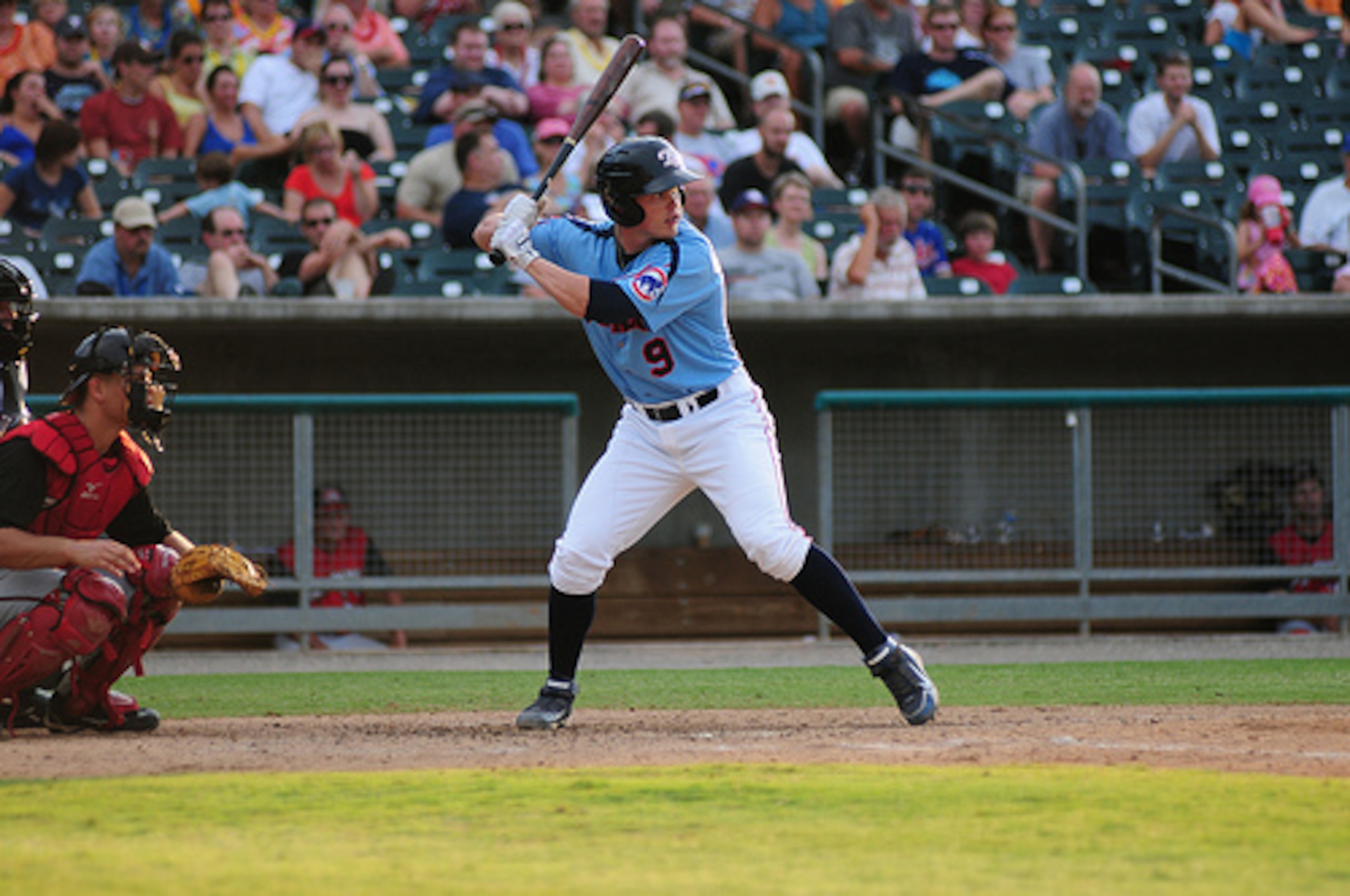
Brandon Guyer was the Cubs' 2010 Minor League Player of the Year after hitting .344/.398/.588 with 13 home runs and 30 stolen bases at Double-A. He projects as a fourth outfielder under normal circumstances, but after that breakout, he may have a higher ceiling than previously believed. Fuld and Guyer could both be a part of Tampa's outfield at some point this season. Their loss depletes the Cubs' outfield depth, but should help Tampa transition from the Carl Crawford to the Desmond Jennings era.


.png?w=2560 "Early 2027 NFL Mock Draft ✍️")
.jpg?w=2560 "NFL Preseason Week 1 Winners & Losers 📊")
.jpg?w=2560 "NFL player rips Bills' new field")