Minnesota Twins: Power Ranking The Twins' Top 7 Corner-Infield Duos
In 2010 the Minnesota Twins may have found their long term answer at third base in Danny Valencia.
Valencia joined the team in June and established himself as the everyday third baseman playing in 85 games and hitting .311—third best on the team.
With Justin Morneau on the opposite corner of the infield the Twins could have a very formidable twosome guarding the lines at Target Field.
I took a look back over the Twins' history and, surprisingly, found only seven sets of corner infielders that ever played together for more than a single season.
The expectations for the corner infielders, much like that of the corner outfielders, are to be home run threats and to drive in runs.
I combined the offensive and defensive statistics for the seven combinations and ranked them.
Batting average, slugging percentage, the combined RBI average, and longevity were taken into account to arrive at the final ranking.
Hopefully 2011 will be the start of the next great corner infield tandem of Valencia and Morneau.
No. 7: Ron Jackson & John Castino, 1979-1980
1 of 8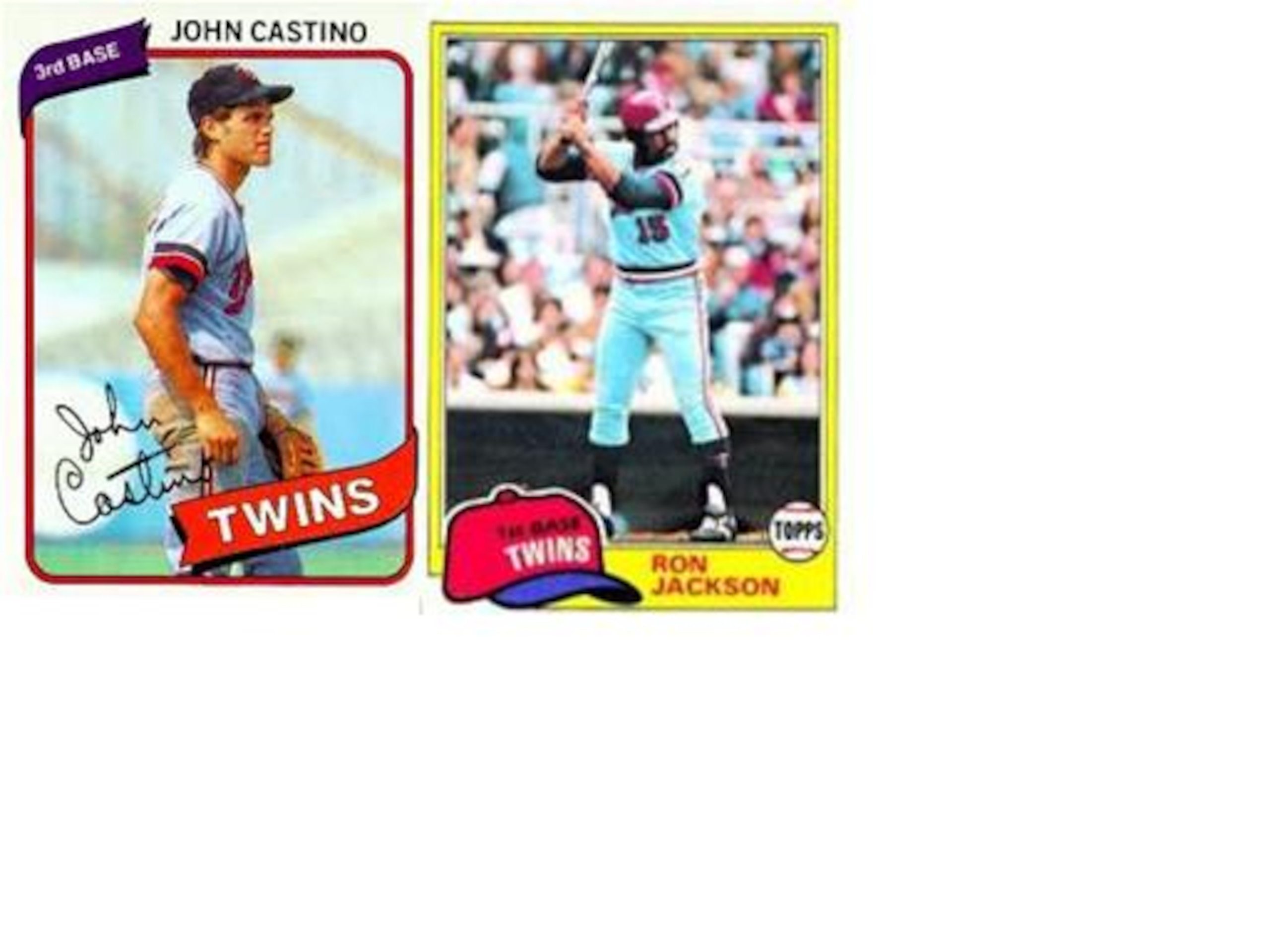
First baseman Ron Jackson played 10 seasons with four different teams.
Jackson was traded to the Twins in December 1978 from the California Angels. Two months later the Twins would trade Rod Carew to the Angels for four players.
Jackson would take over first base for the next two seasons.
John Castino was drafted in the third round of the 1976 Amateur Draft and would make his Major League debut with the Twins in 1979.
Castino was awarded the AL Rookie of the Year along with Alfredo Griffin of the Toronto Blue Jays.
A chronic back problem that required the fusing of a couple of vertebrae shortened Castino's career to only six seasons.
Their combined statistics for the two years:
Slugging percentage—.415
Batting average—.281
RBI per season—113
Home runs—37
Fielding percentage—.985
No. 6: Vic Power & Rich Rollins, 1962-1963
2 of 8
Vic Power, born Victor Felipe Pellot Pove, came to the Twins in April 1962 in a trade with the Cleveland Indians.
A four-time Gold Glover winner at first base when he joined the Twins, Power would win the award again in each of the next two seasons he spent in Minnesota.
His career would last 12 seasons, playing with five different teams.
Rich Rollins was signed as an amateur free agent in 1960. He would need only two years to break into the Twins' lineup as the everyday third baseman. Eight of his 10 seasons would be spent with the Twins.
The two years they played together the Twins would win 91 games in each season—only one of three times the Twins would win 90 games in back-to-back seasons.
While Power committed only 18 errors over his two Gold-Glove seasons, Rollins committed 54 making their combined fielding percentage the lowest of any duo in this ranking.
Their combined statistics for the two years:
Slugging percentage—.419
Batting average—.291
RBI per season—136
Home runs—58
Fielding percentage—.978
No. 5: Doug Mientkewicz & Corey Koskie, 1999, 2001-2004
3 of 8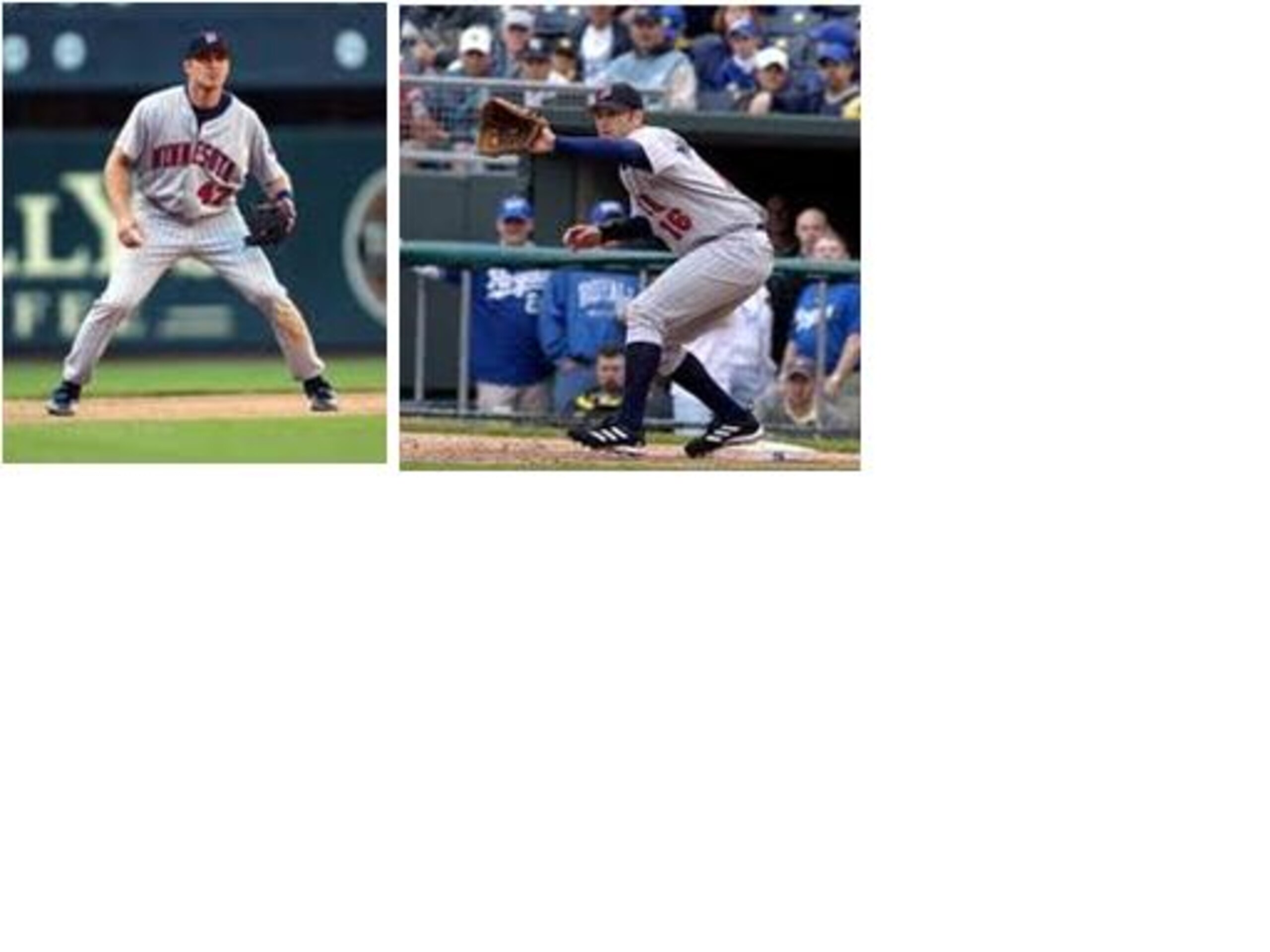
Corey Koskie has the second longest tenure of any third baseman in the history of the Twins' franchise.
Koskie was a class act all the way. When he left the ball club after the 2004 season, signing a free agent contract with the Toronto Blue Jays, he took out a full page ad in both the St. Paul and Minneapolis newspapers thanking the fans for their support during his time as a part of the Minnesota Twins.
In 2001, he became the first third baseman in American League history to record 100 runs, 103 RBI, 37 doubles, 26 home runs, and 27 stolen bases in the same season.
In the same year, Doug Mientkewicz would win a Gold Glove for his play at first base.
Mientkewicz would play seven of his 12 seasons with the Minnesota Twins.
The five years they played together on the corners is the second most in Twins' history.
Their combined statistics for the five years:
Slugging percentage—.438
Batting average—.274
RBI per season—128
Home runs—135
Fielding percentage—.989
.jpg?w=2560)
No. 4: Justin Morneau & Nick Punto, 2006-2007
4 of 8
No one can ever question Nick Punto's hustle and desire. What he lacks in talent he makes up for in grit.
Unfortunately, with a career .247 batting average, Punto's best position may be utility infielder. The versatile Punto has played six different positions over his seven-year career with the Twins.
Since the departure of Corey Koskie following the 2004 season, Punto is the only person to play regularly at third base in consecutive seasons.
The offensive statistics for this duo are dominated by the 2006 American League MVP, Justin Morneau.
Since 2005 Morneau has been the Twins' regular first baseman.
Over those six seasons he's played with five different third baseman.
Their combined statistics for the two years:
Slugging percentage—.435
Batting average—.275
RBI per season—155.5
Home runs—67 (65 for Morneau and two for Punto)
Fielding percentage—.991 (the best of the ranking)
No. 3: Rod Carew & Mike Cubbage, 1976-1978
5 of 8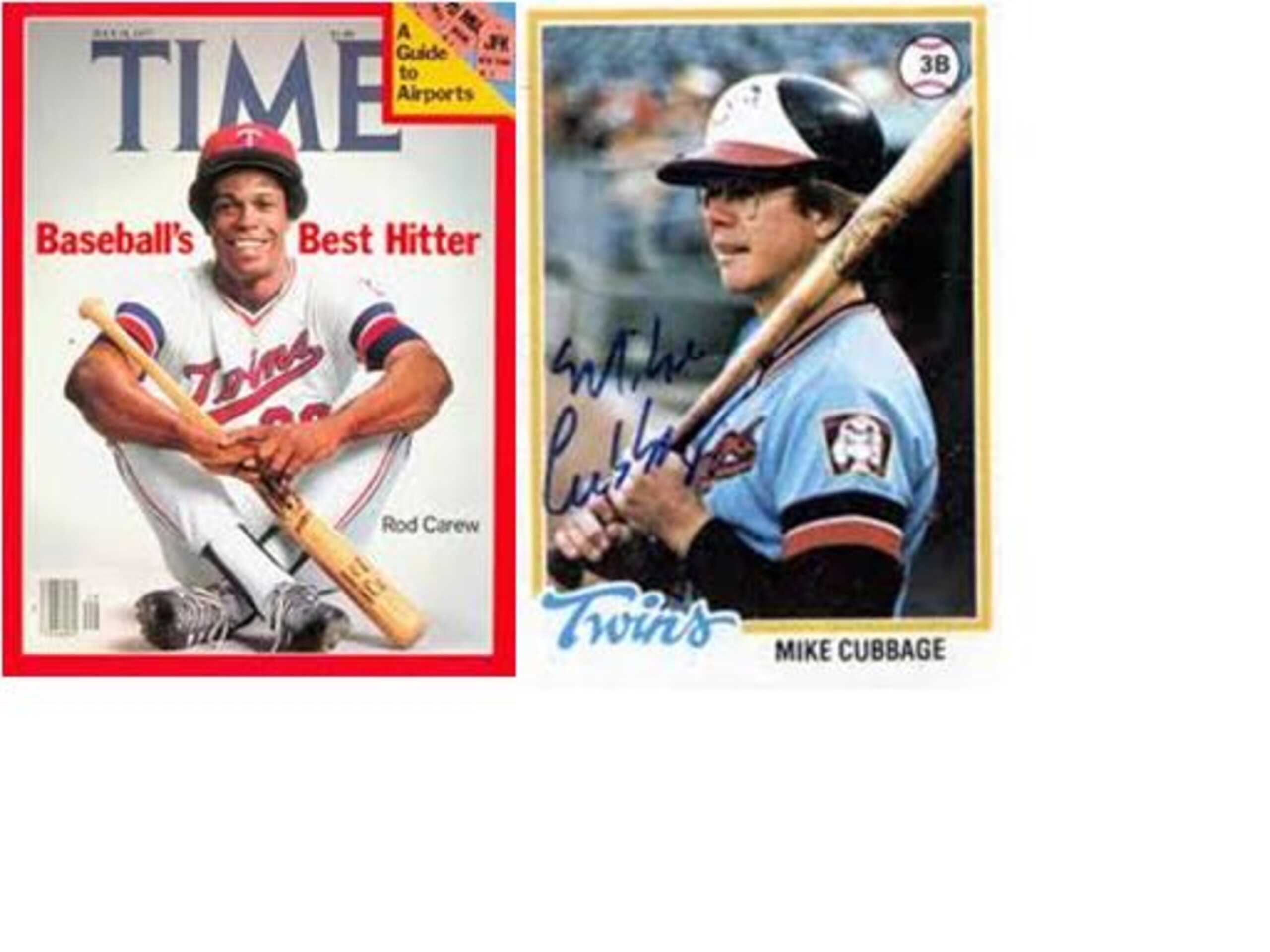
There is no doubt which player carried this duo. Rod Carew played 12 seasons in Minnesota—the first nine at second base before moving to first his last three.
In 1977 Carew would finish the season with a .388 batting average—the second highest average since Ted Williams his .406 in 1941.
In February of 1979, as a cost cutting measure, Carew was traded to the California Angels for five players. He would finish his career after seven more years as an Angel.
Mike Cubbage was acquired, along with shortstop Roy Smalley, in a trade on June 1,1976 that sent Bert Blyleven to the Texas Rangers.
He would be the Twins' regular third baseman for the next three years.
Their combined statistics for the three years:
Slugging percentage—.459
Batting average—.324 (the highest in the ranking)
RBI per season—140.3
Home runs—47
Fielding percentage—.984
No. 2: Rich Reese & Harmon Killebrew, 1969-1970
6 of 8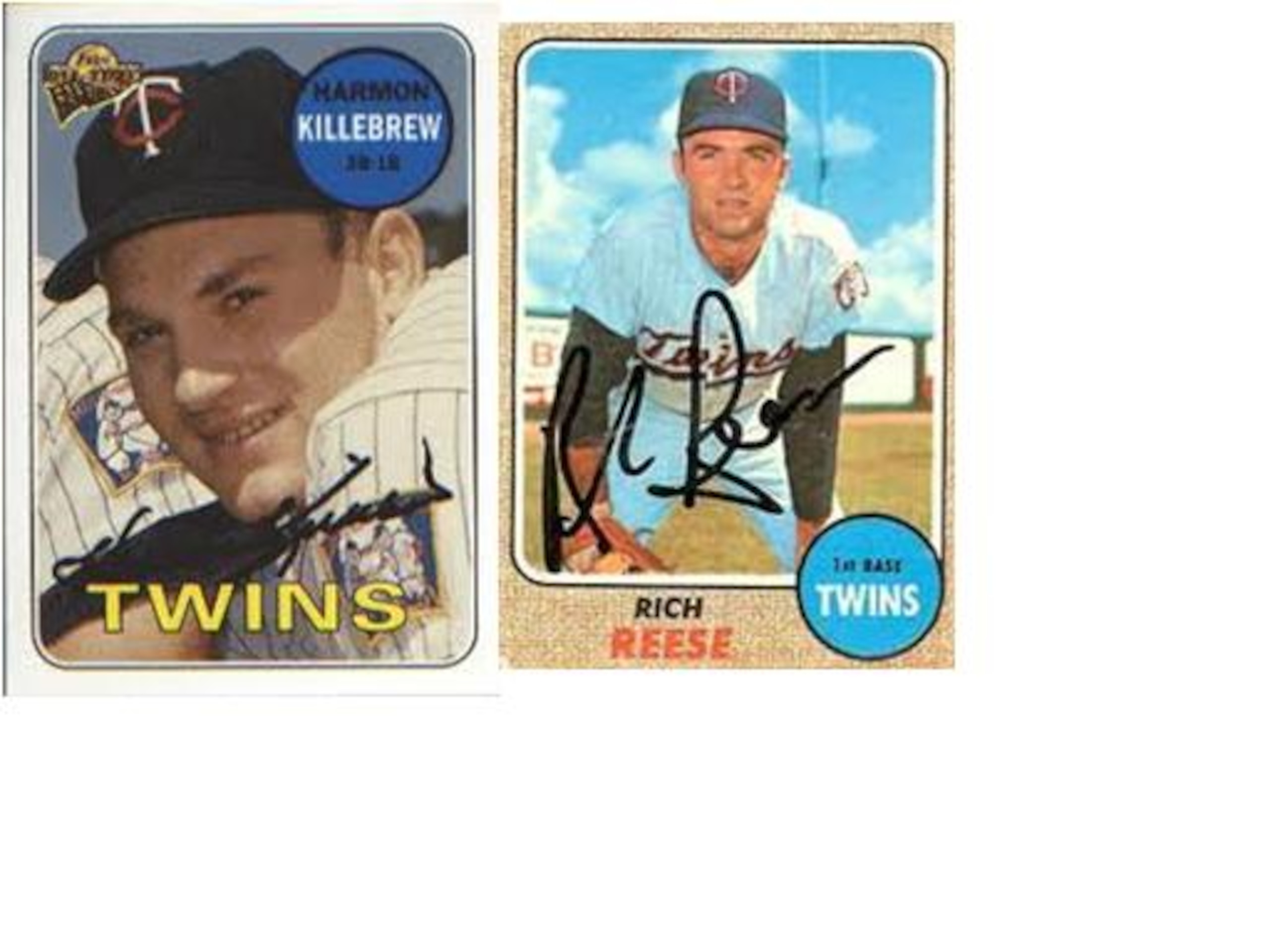
Harmon Killebrew played 21 of his 22 seasons with the Washington/Minnesota franchise.
For his career he would start over 468 games in left field, 718 games at third base and 929 games at first.
His 559 career home runs with the Twins are the most in franchise history.
In 1969 and 1970 he would move over to third base and Rich Reese would play first.
Rich Reese was more of a bench player. In 1970 he started 127 games at first base—the most in his 10 year career with the Twins.
Their combined statistics for the two years:
Slugging percentage—.506 (tops in the ranking)
Batting average—.280
RBI per season—189 (tops in the ranking)
Home runs—116 (Killebrew hit 90 of them)
Fielding percentage—.981
The Top Corner-Infield Duo: Kent Hrbek and Gary Gaetti, 1982-1990
7 of 8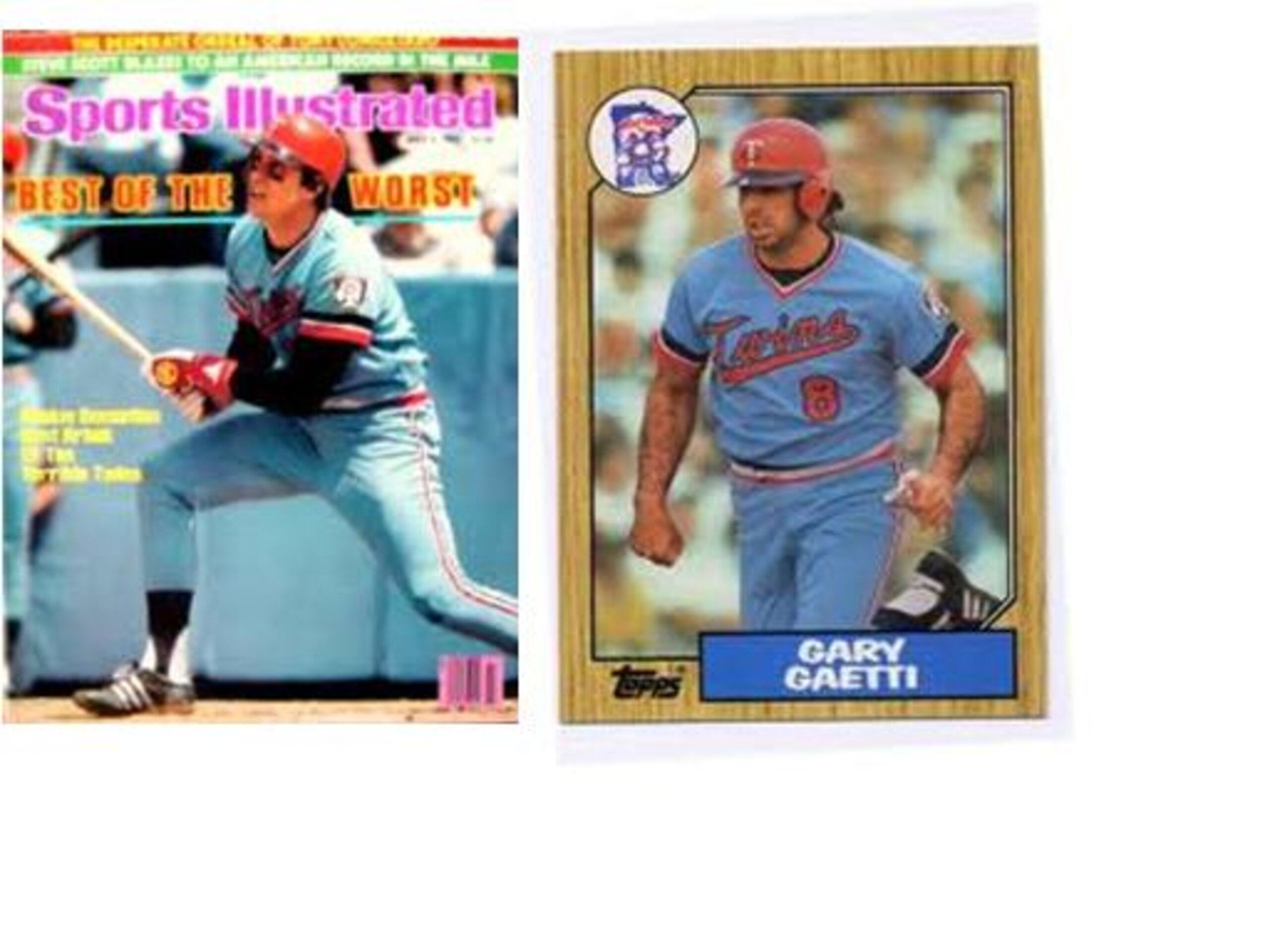
The one sports moment I will always remember is the ending play of Game 7 of the 1987 World Series.
Third baseman Gary Gaetti would throw across the diamond to Kent Hrbek to record the final out and give Minnesota their first World Series Championship
The Rat and T-Rex would play together from 1982, the first season in the Metrodome, until 1990 when Gaetti would leave as a free agent and sign with the California Angels.
They would suffer through the worst season in franchise history in 1982, when the team lost 102 games.
Only five seasons later they would reach the other end of the spectrum by winning a World Series Championship.
Individually, Hrbek and Gaetti are the longest tenured players at their respective positions in Twins' history.
Gaetti played nine years with the Twins at third base, and Hrbek spent his entire 14-year career as a Minnesota Twin, 13 as the starting first baseman.
Their nine seasons together guarding the lines are almost double the next closest duo of Doug Mientkewicz and Corey Koskie.
Both Hrbek and Gaetti provided power in the lineup. In eight of nine seasons for Hrbek, and six of nine for Gaetti this duo would hit more than 20 home runs.
Their combined statistics for the nine years:
Slugging percentage—.494 (second most in the ranking)
Batting average—.273
RBI per season—172.3 (second most in the ranking)
Home runs—421
Fielding percentage—.980
What Does The Future Hold?
8 of 8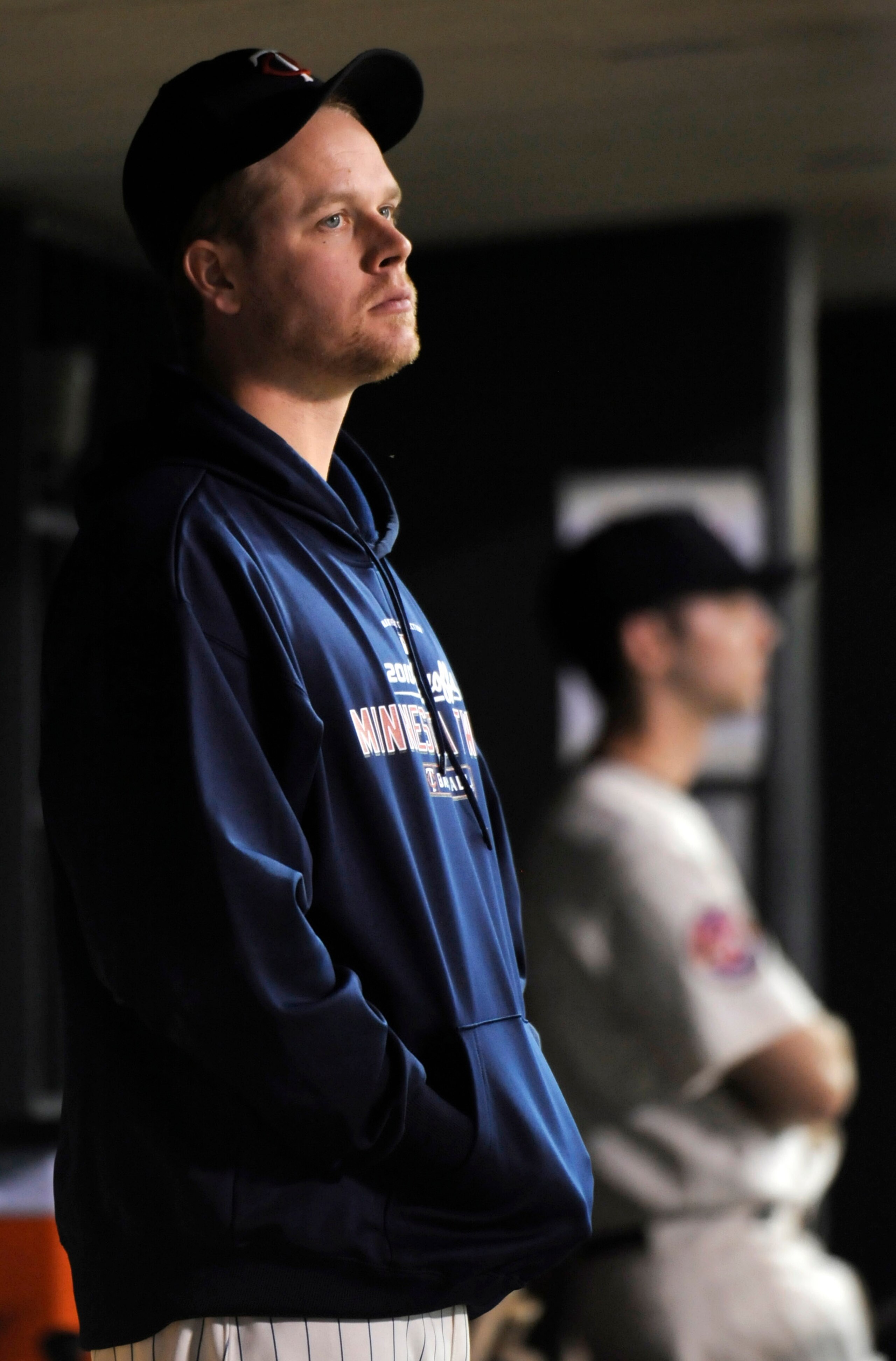
Justin Morneau will be 30 years old in 2011.
Danny Valencia turned 26 in September of 2010.
If Morneau can rebound from the concussion that ended his 2010 season and provide the kind of numbers that had him in the discussion for the MVP at the midway point he once again be a force in the middle of the Twins' lineup.
There's no reason this duo cannot play together for the next five to seven years.
If Valencia can continue to build on the promise he showed in 2010, along with any bit of consistency out of Morneau should easily propel this duo to the top of the list in a matter of years.
.jpg?w=2560 "🚨 Giants Sign Najee Harris")
.jpg?w=2560 "Terrion Arnold Signing Delayed")
.jpg?w=2560 "Falcons Sign Za'Darius Smith")


.jpg?w=2560 "Mahomes Falls in NFL Top 100")