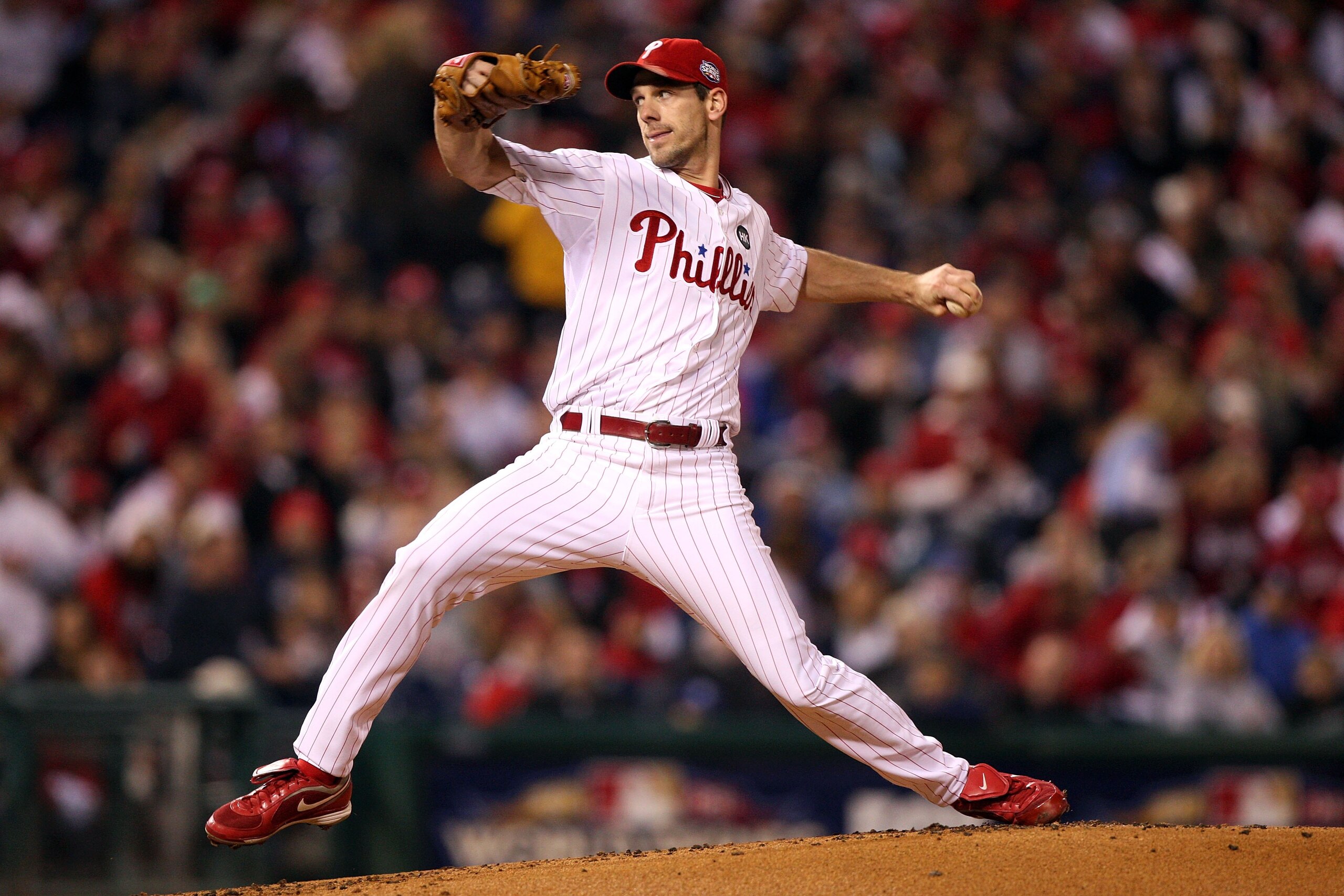

Philadelphia Phillies Sign Cliff Lee: Where Does Philly Rotation Rank All-Time?
The Philadelphia Phillies' starting rotation is much too good to be compared to their contemporaries. After signing Cliff Lee to a five-year contract, the Phillies have four starting hurlers as good or better than the rest of the league's aces. We need a more historical, less comparative context in which to measure their greatness.
How good is this corps, which now features Roy Halladay, Lee, Cole Hamels and Roy Oswalt? All four are among the top 20 pitchers of the past three seasons, according to Wins Above Replacement. Halladay and Lee are the two best pitchers in the game over that stretch. Their prospective dominance far out-strips that of any rotation in the past decade, so we need to go farther back.
Where do the Phillies fall all-time? How do they stack up against the best rotations ever? Who comes in atop the list? Read on for the top five starting rotations in baseball history.
5. 1972 Oakland Athletics
1 of 6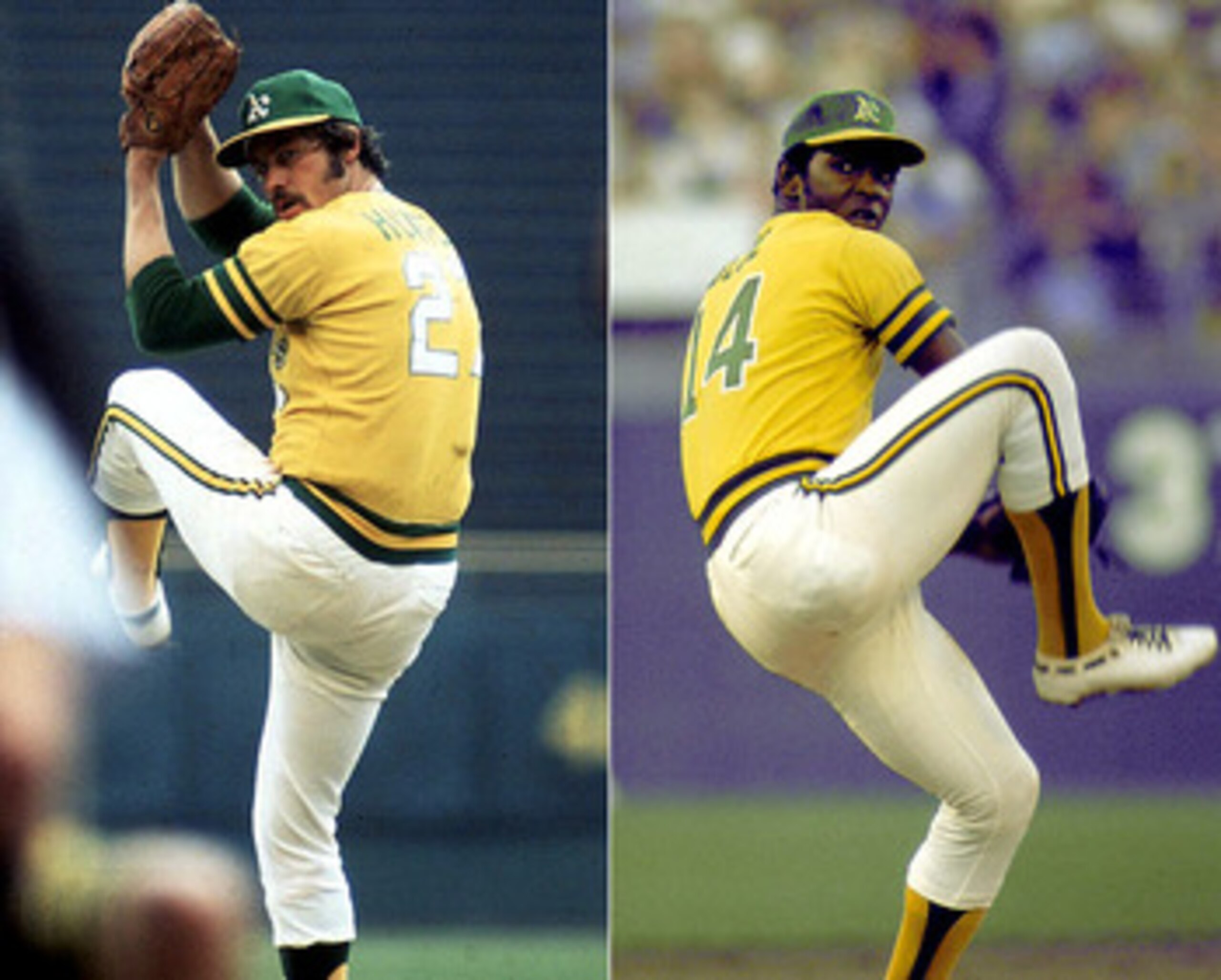
Catfish Hunter: 21-7, 2.04 ERA
Vida Blue: 6-10, 2.80 ERA
Ken Holtzman: 19-11, 2.51 ERA
Blue Moon Odom: 15-6, 2.50 ERA
This might not have been the best season the A's rotation had, but it was the first of their three straight championships so it makes sense to choose 1972. This foursome came at opponents from both sides of the rubber (Holtzman and Blue were left-handed, Hunter and Odom were right-handed) and shut down batters to the tune of the second-fewest runs allowed on the season.
4. 2011 Philadelphia Phillies
2 of 6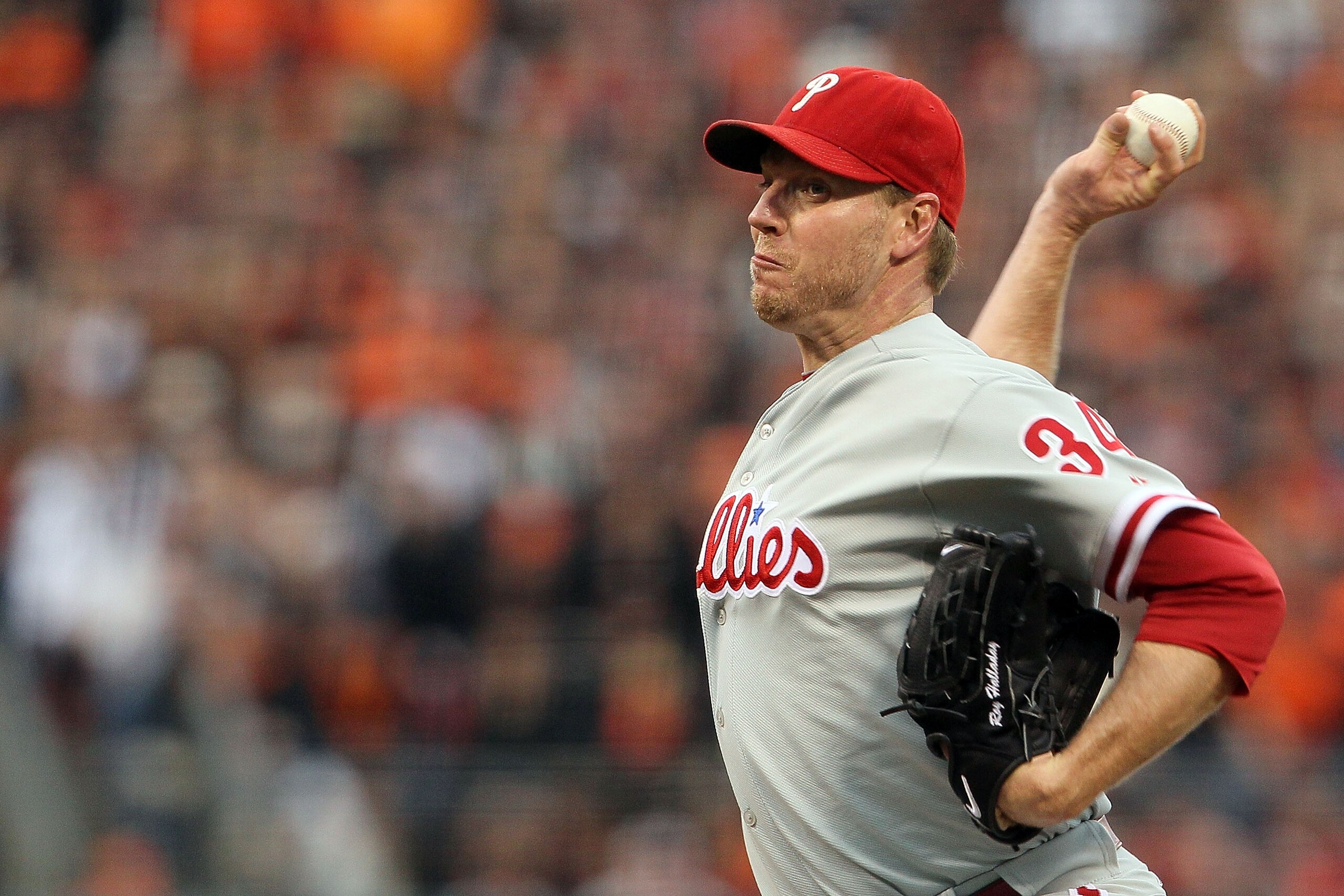
Roy Halladay: 21-10, 2.44 ERA
Cliff Lee: 12-9, 3.18 ERA
Cole Hamels: 12-11, 3.06 ERA
Roy Oswalt: 13-13, 2.76 ERA
All stats from 2010
The Phillies, too, have two left-handed aces and two right-handed ones. The sheer dominance factor—possessing the two best pitchers in the game at the same time—is nearly unprecedented, and the Phils could set a record for strikeout-to-walk ratio by a modern-day rotation.
3. 1971 Baltimore Orioles
3 of 6
Jim Palmer: 20-9, 2.68 ERA
Mike Cuellar: 20-9, 3.08 ERA
Pat Dobson: 20-8, 2.90 ERA
Dave McNally: 21-5, 2.89 ERA
The Orioles not only boasted four 20-game winners, but featured only those guys: This foursome accounted for 142 starts in 1971. Again, the rotation had balance (McNally and Cuellar were southpaws) and they could do it all. They pitched to contact, walked the fewest batters in the league and allowed the fewest runs.
2. 1995 Atlanta Braves
4 of 6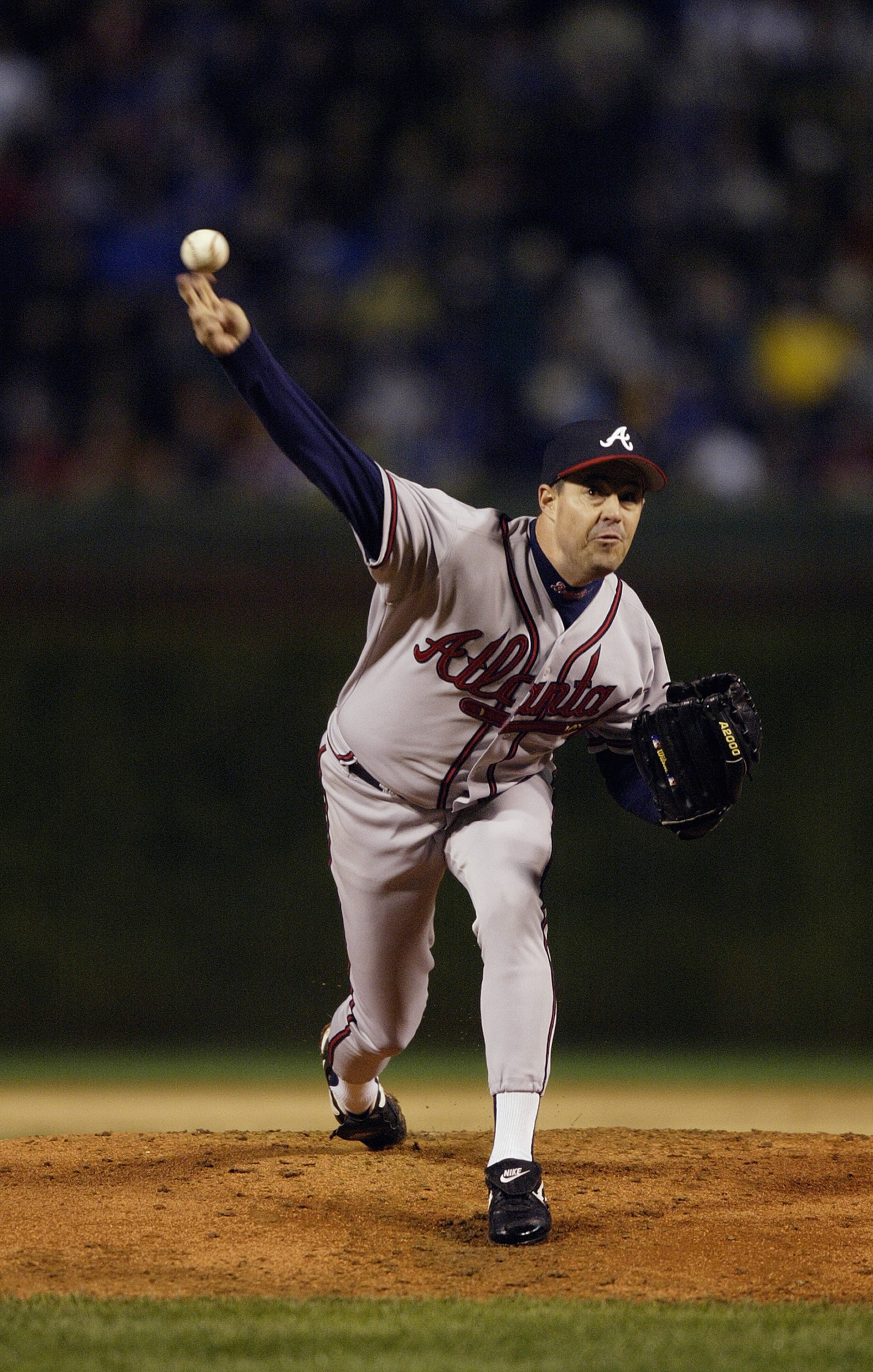
Greg Maddux: 19-2, 1.63 ERA
Tom Glavine 16-7, 3.08 ERA
John Smoltz: 12-7, 3.18 ERA
Steve Avery: 7-13, 4.67 ERA
Avery had already begun his decline, and he was never that great anyway. Unlike any of the teams below them, though, and in fact unlike any other team in history, those Braves had three deserving Hall of Fame pitchers in their primes alongside one another.
1. 1965 Los Angeles Dodgers
5 of 6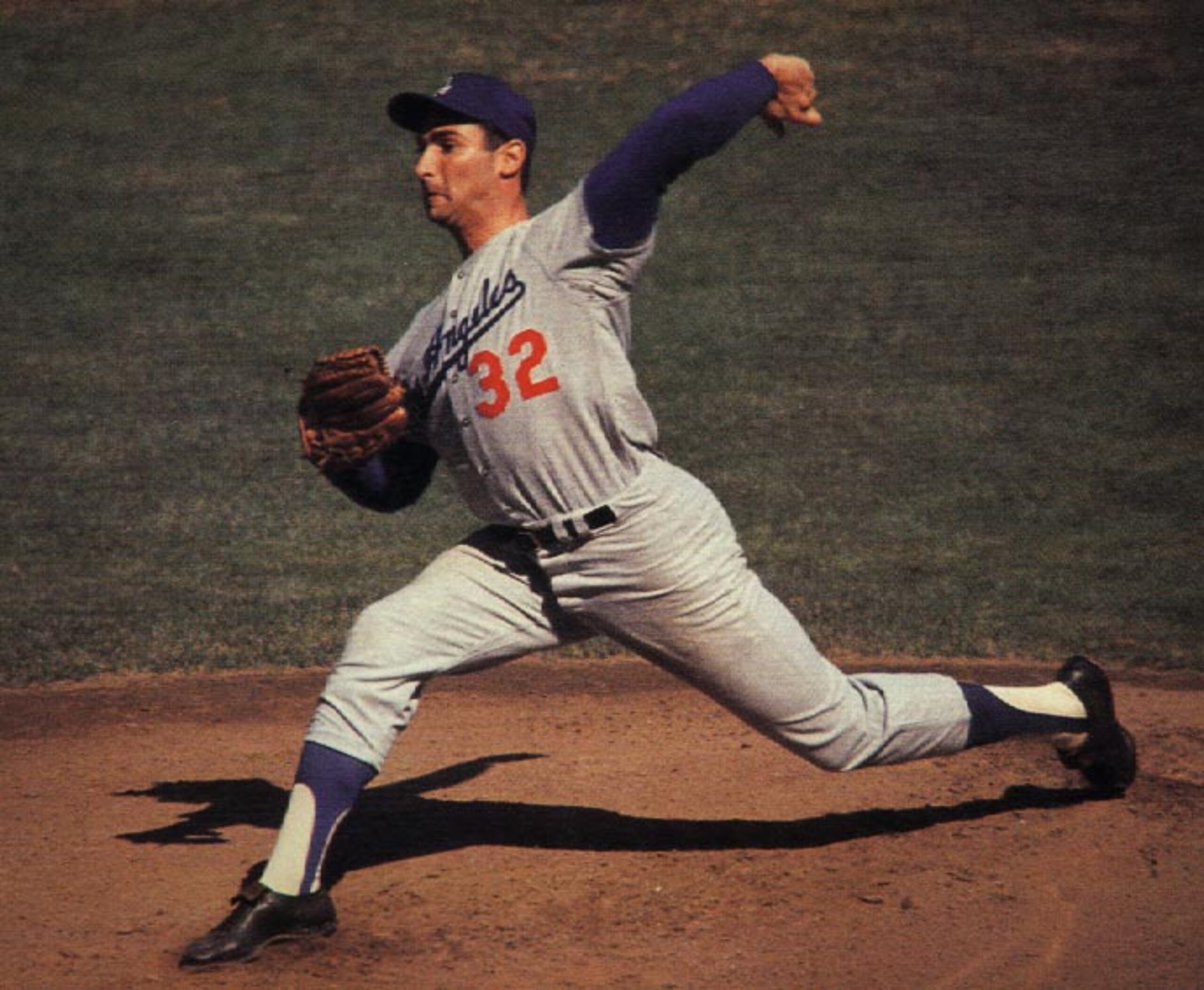
Sandy Koufax: 26-8, 2.04 ERA
Don Drysdale: 23-12, 2.77 ERA
Claude Osteen: 15-15, 2.79 ERA
Johnny Podres: 7-6, 3.43 ERA
As much as the others may have been deeper, the Dodgers simply mowed down everyone in a remarkably impressive way. Koufax and Drysdale combined for 47 complete games and 15 shutouts. The Dodgers allowed 59 fewer runs than the Pittsburgh Pirates, the second-best run prevention team in the NL that year.
A Word of Caution: The 2004 Chicago Cubs
6 of 6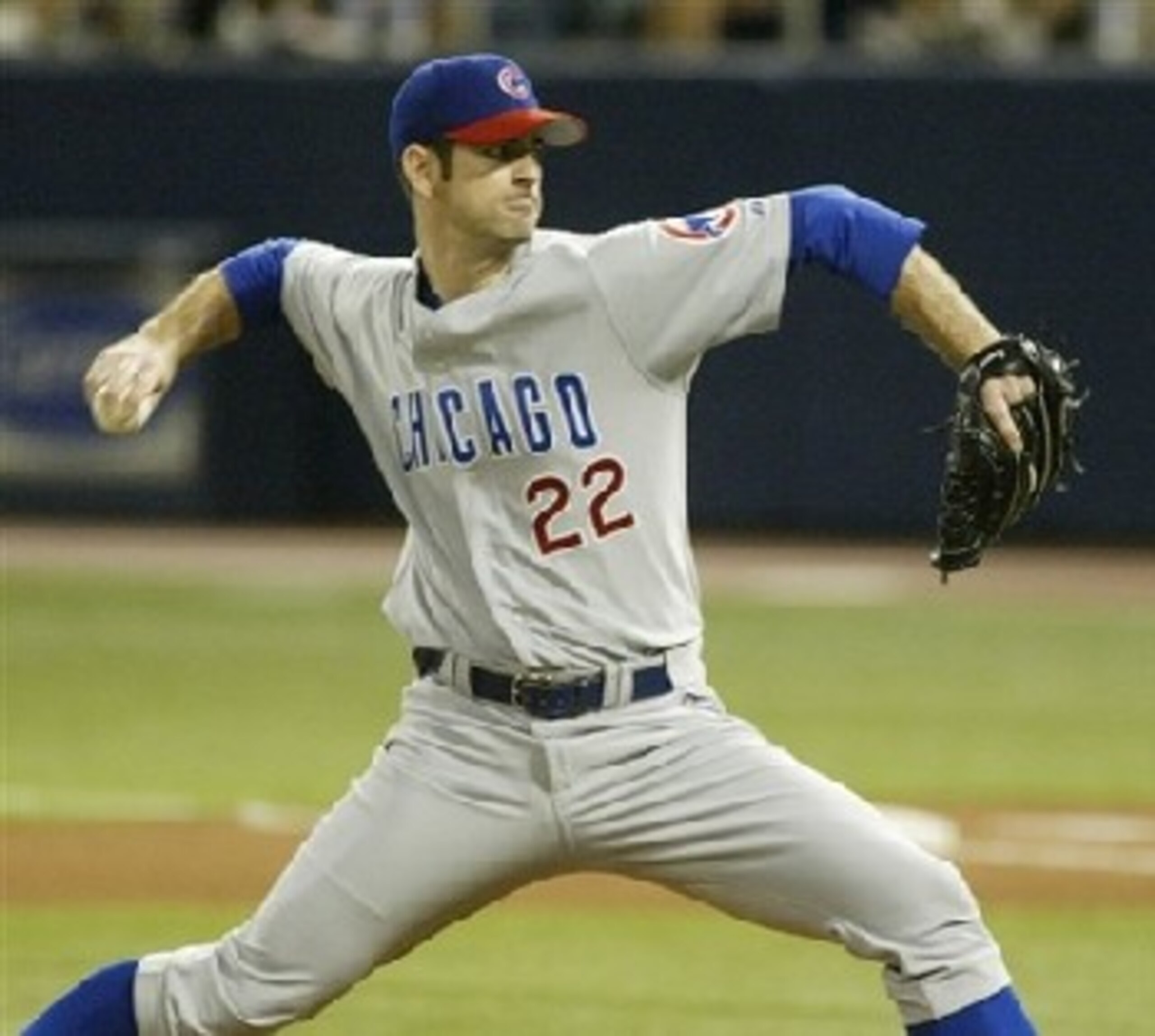
It would be easy to anoint the Phillies as NL champions right away, but don't forget the risks inherent in such dependence upon a starting rotation. The 2003 Chicago Cubs featured a duo that, frankly, had all the potential of Koufax and Drysdale. Mark Prior and Kerry Wood could have been that good. That 2003 team also got over 200 innings and some great numbers from a 22-year-old Carlos Zambrano and the enigmatic Matt Clement. Then the team added Greg Maddux as a free agent, forming what might have been the best five-man rotation of all time.
It might have been, but it was not. Wood and Prior each pitched fewer than 145 innings, and Clement regressed enough to make the rotation pretty pedestrian. Even with an offense that featured seven players with 15 or more home runs, the Cubs missed the playoffs.


.jpg?w=2560 "SEC Sues LSU (AP)")

.jpg?w=2560 "Skattebo Considered Retirement")
.jpg?w=2560 "Chicken equity? This may be the wildest jersey number trade yet")
.jpg?w=2560 "New Fantasy Mock Draft ✍️")
